filter_list Showing 18 results for "1984" close Clear
search
dashboard All 247 museum exhibitions 113trending_up market 64article culture 18article news 15candle obituary 11rate_review review 8person people 8article local 7article events 1article policy 1article event 1
date_range Range Today This Week This Month All
Subscribe

art bites dan flavin airily dog

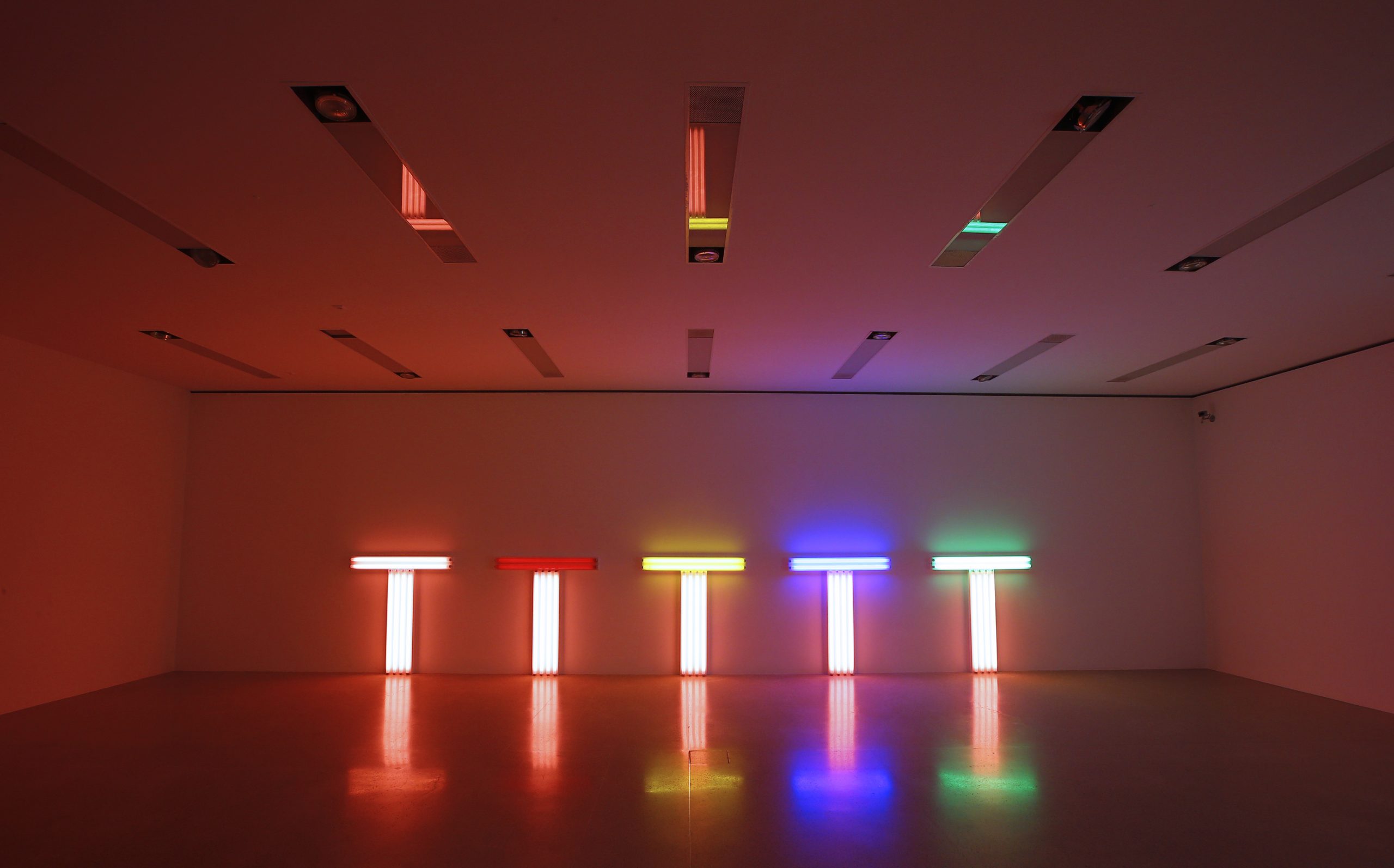
Dan Flavin, the renowned Minimalist artist known for his fluorescent light installations, created two artworks dedicated to his golden retriever Airily, who was a champion show dog. The works, titled "untitled (to my dear bitch, Airily)" (1981) and "untitled (to my dear bitch, Airily) 2" (1984), are discussed in the context of Flavin's practice of dedicating pieces to people and pets. The second work, held by Kunstmuseum Basel, was displayed at the Pulitzer Arts Foundation in 2008 and at Dia Bridgehampton in 1985.

art always too late after avant garde

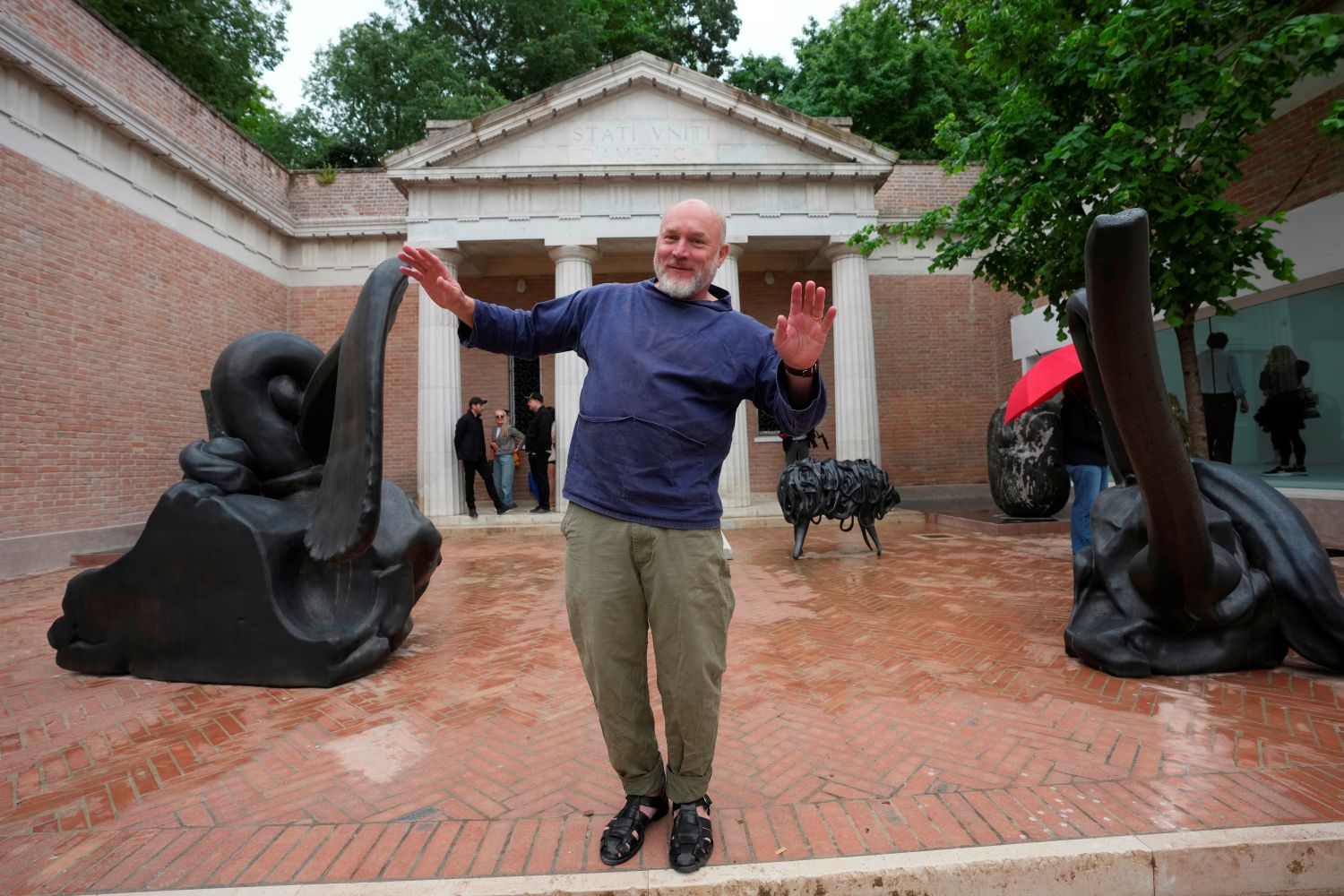
This article argues that the traditional view of art as a vanguard force predicting cultural change is outdated in the early 21st century. It contends that the rapid acceleration of mainstream culture, driven by social media and news cycles, makes it nearly impossible for traditional fine art media like painting and sculpture to stay ahead of the curve. The author suggests that forward-looking art now emerges from para-artistic digital practices such as AI experiments, Red Chip art, NFTs, memes, and TikTok lore, which often challenge conventional aesthetic and ethical standards. Citing Claire Bishop's 2024 book *Disordered Attention*, the piece notes that contemporary artworks tend to be symptomatic of larger conditions rather than anticipatory, and that artists like Artie Vierkant, Joshua Citarella, and Brad Troemel have pivoted from art-making to art-adjacent content creation.

No Attitude, Nowhere: Conviction, Zero Meaning

Keine Haltung, nirgends Gesinnung, null Bedeutung

The article critiques the current state of the art world and broader culture, arguing that right-wing calls for depoliticized art are intensifying while the progressive art establishment silently tolerates a culture war that restricts free expression. It uses the 2025 Met Gala as a prime example, describing the event as a heartless display of wealth and power aligned with Trump-era capitalism, where celebrities and artists perform progressive values while participating in a spectacle sponsored by anti-union figures like Jeff Bezos. The author draws on Hannah Arendt's ethics lectures to suggest that moral norms have collapsed overnight, and that the commercial art world now legitimizes anti-democratic tendencies through its silence.

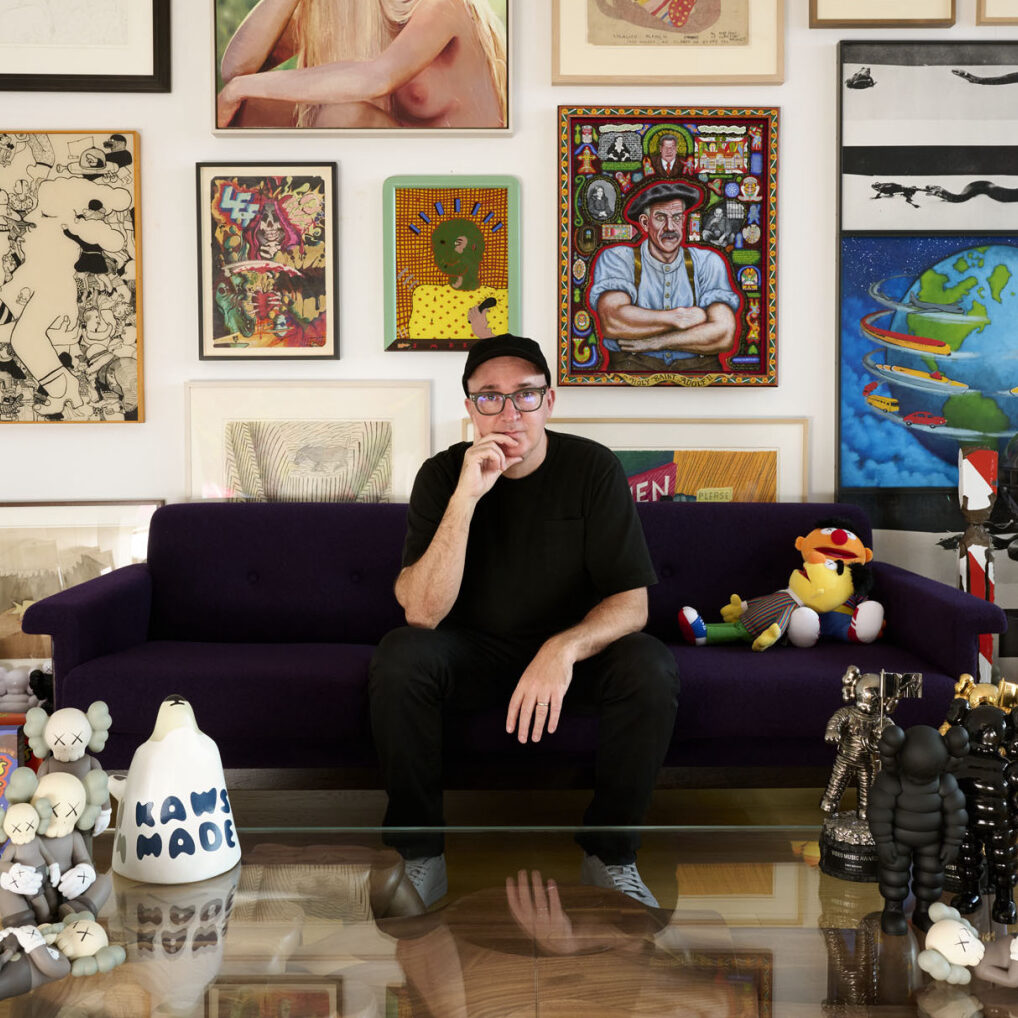
art how to start art collection advice

Cultured magazine profiles 10 art collectors, sharing the stories of their first acquisitions. The article features collectors such as Miami real estate developer Craig Robins, hotelier Steve Wilson, Allison Sarofim, Brandon John Harrington, James Frey, and Rodrigo Padilla, recounting how they began their collections—from a Dalí sketch and a Matisse drawing to an Andy Warhol portrait and a late-night Instagram purchase. Each narrative highlights the personal, often serendipitous moments that sparked a lifelong passion for art.

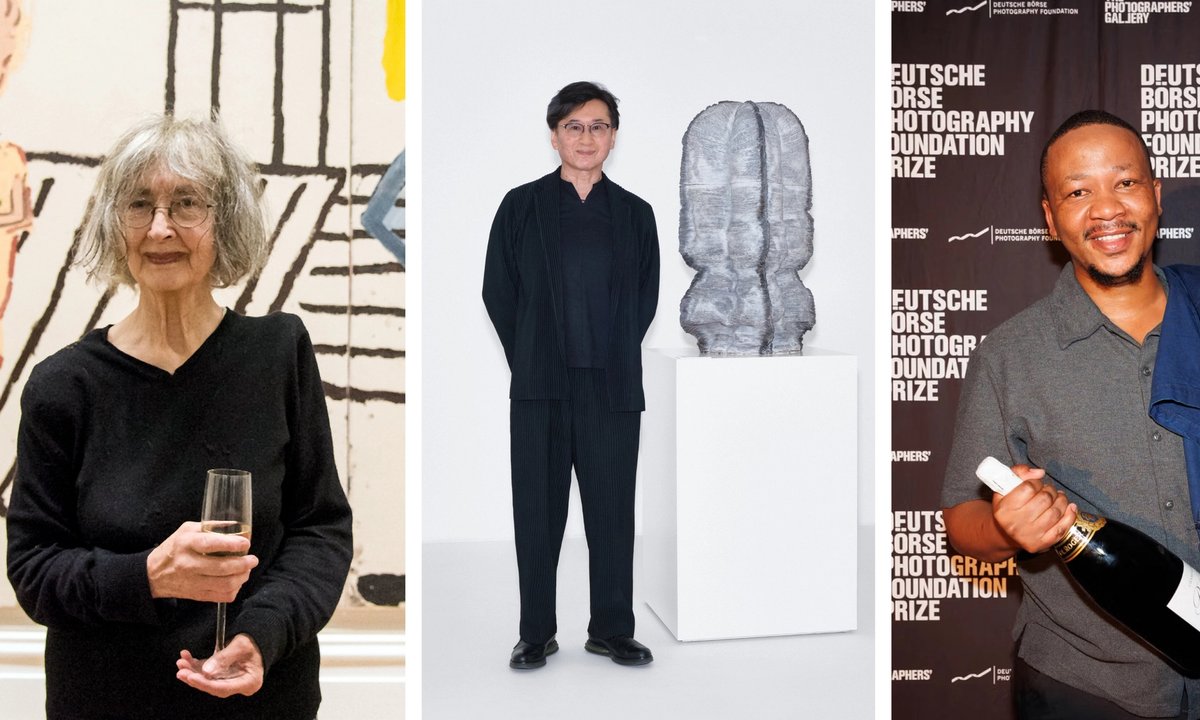
What does winning an arts prize really mean?

The article examines the history and impact of major art prizes, including the Turner Prize (established 1984), the John Moores Painting Prize (nearly 70 years old), and the Loewe Foundation Craft Prize (annual award). It traces the origins of art prizes back to 19th-century Paris salons and highlights how these awards provide cash, recognition, and career acceleration for artists. Specific examples include Rose Wylie, who won the John Moores Prize at age 80 and later joined David Zwirner and secured a Royal Academy solo show, and Samuel Ross, who used his Hublot Design Prize winnings to start his own company.

icons issue fall 2025

The article introduces the annual 'Icons' issue of Art in America, profiling artists whose decades-long practices reflect deep commitment to their mediums. Featured artists include Paul Pfeiffer, who became hyper-aware of image grammar through early video work; Consuelo Jimenez Underwood, who found her voice in textiles; David Diao, who references Barnett Newman; and the late Joel Shapiro, who explored transformation through wood sculpture. The issue also includes an interview with Tehching Hsieh on freethinking and art, plus departments on curatorial challenges, a Bukhara Biennial curator Q&A, and an appreciation of Dara Birnbaum.

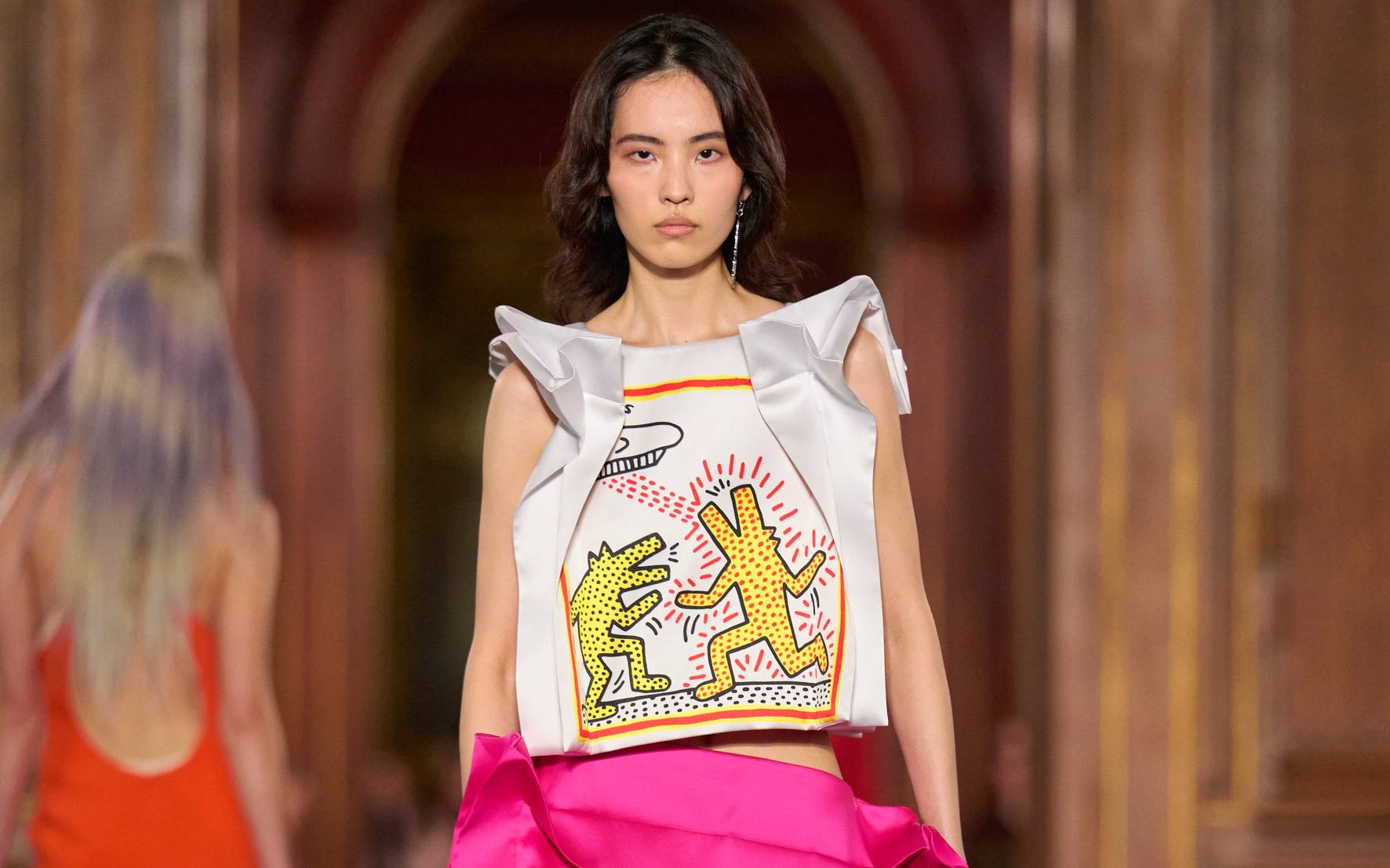
Keith Haring and Louis Vuitton collaboration launches at the Frick Collection.

Louis Vuitton debuted its Cruise 2027 collection at the Frick Collection in New York, drawing heavy inspiration from artist Keith Haring. The collection was sparked by a leather Louis Vuitton suitcase that Haring embellished in 1984, which the house acquired in 2020. Haring’s signature motifs appeared throughout the runway show, which also referenced the gritty energy of New York City’s 1980s downtown art scene.

art collector mistake guide

The article compiles personal anecdotes from several art collectors—Laurent Asscher, Suzanne Syz, Rob and Eric Thomas-Suwall, Toby Milstein Schulman, and Danielle Falls—who share mistakes they made while building their collections. Asscher recounts buying a lesser Basquiat at Christie's before quickly reselling it to acquire a superior work at Phillips; Syz regrets buying a piece because others wanted it; the Thomas-Suwalls missed out on a Dominique Fung diptych; Schulman accidentally bought a work attributed 'after Keith Haring' at a charity auction; and Falls reflects on her early eagerness as a young trustee of the Bronx Museum.

Global Art Biennials: Renovation, Revelation—or Repetition?

The article examines the current state of global art biennials, arguing that recent controversies—such as the 2022 documenta antisemitism crisis and geopolitical tensions at the 61st Venice Biennale—reveal these exhibitions as deeply politicized platforms rather than neutral cultural events. It highlights how juries and curators have introduced geopolitical criteria, and cites ongoing debates in Artforum (April 2026) featuring voices like Daniel Birnbaum, Michelle Grabner, and Adam Szymczyk, who diagnose visible tensions but overlook deeper structural conditions.

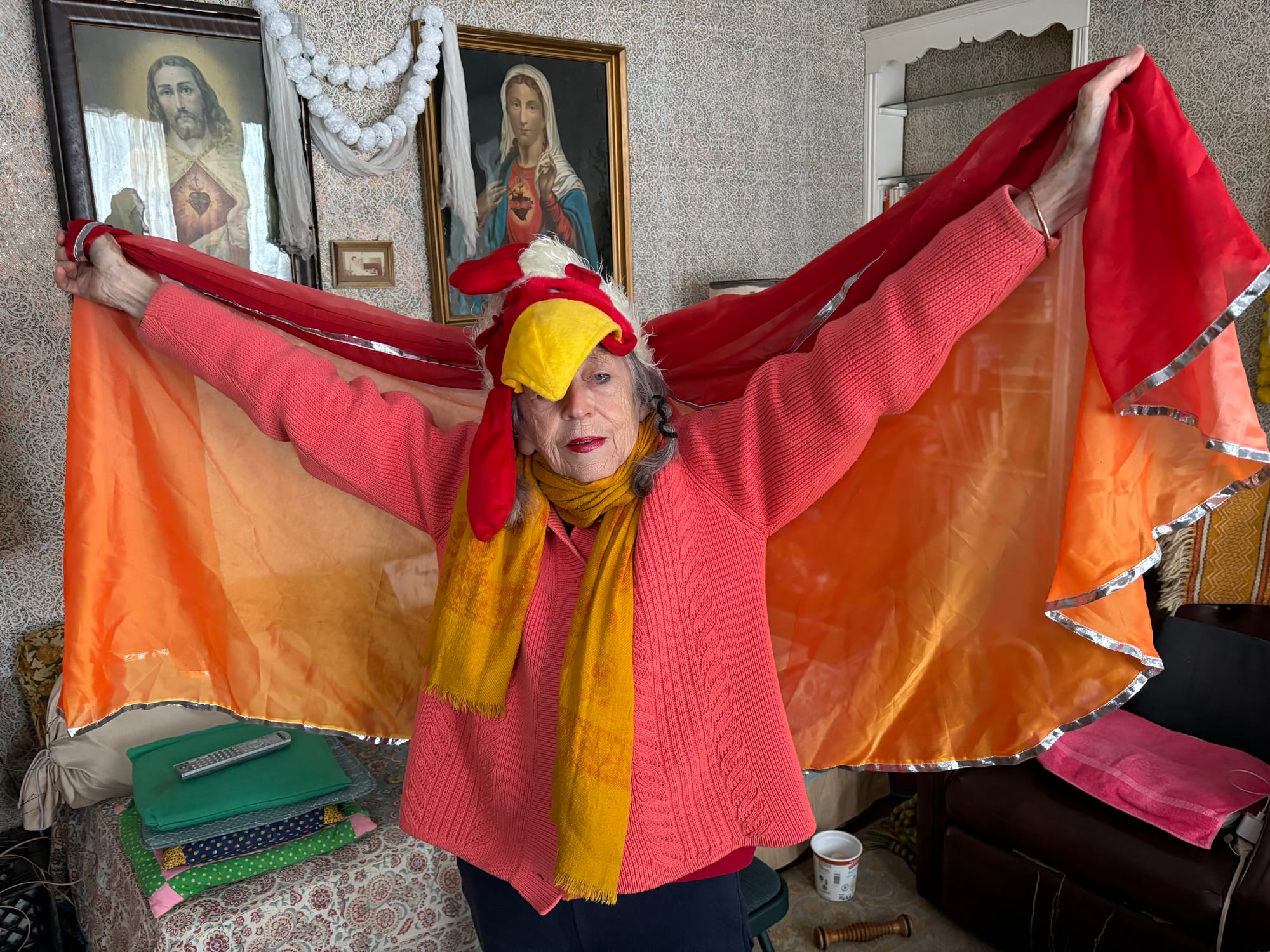
The Divine Powers of “Chicken Linda”

Performance artist Linda Mary Montano, now in her 80s, invited writer Taliesin Thomas into her home in Saugerties, New York, which functions as a living shrine filled with altars, experimental sculptures, and religious iconography. Montano, who calls herself “Chicken Linda” to connect with the Holy Spirit, discussed her six-decade career as an endurance performance artist, her Catholic faith, her studies with guru Shri Bhramananda Saraswati, and her influential early years in San Francisco during the First Wave feminist art movement. She also recounted personal tragedies, including the murder of her former husband Mitchell Payne, which led to her video work “Mitchell’s Death,” now in the collections of MoMA and the Museum of Conceptual Art, Los Angeles.

art dealers movie villains

Artnet News examines the recurring trope of art dealers as villains in popular cinema, highlighting seven films that feature duplicitous gallerists, auction house specialists, and art advisors. Examples include Rhodora Haze in *Velvet Buzzsaw* (2019), a ruthless gallerist who profits from a dead artist's work against his dying wish, and Virgil Oldman in *The Best Offer* (2013), an auction house director entangled in forgery and deception. The article also references Victor Taft in *Legal Eagles* (1986), where a performance artist's father's suspicious death drives the plot.

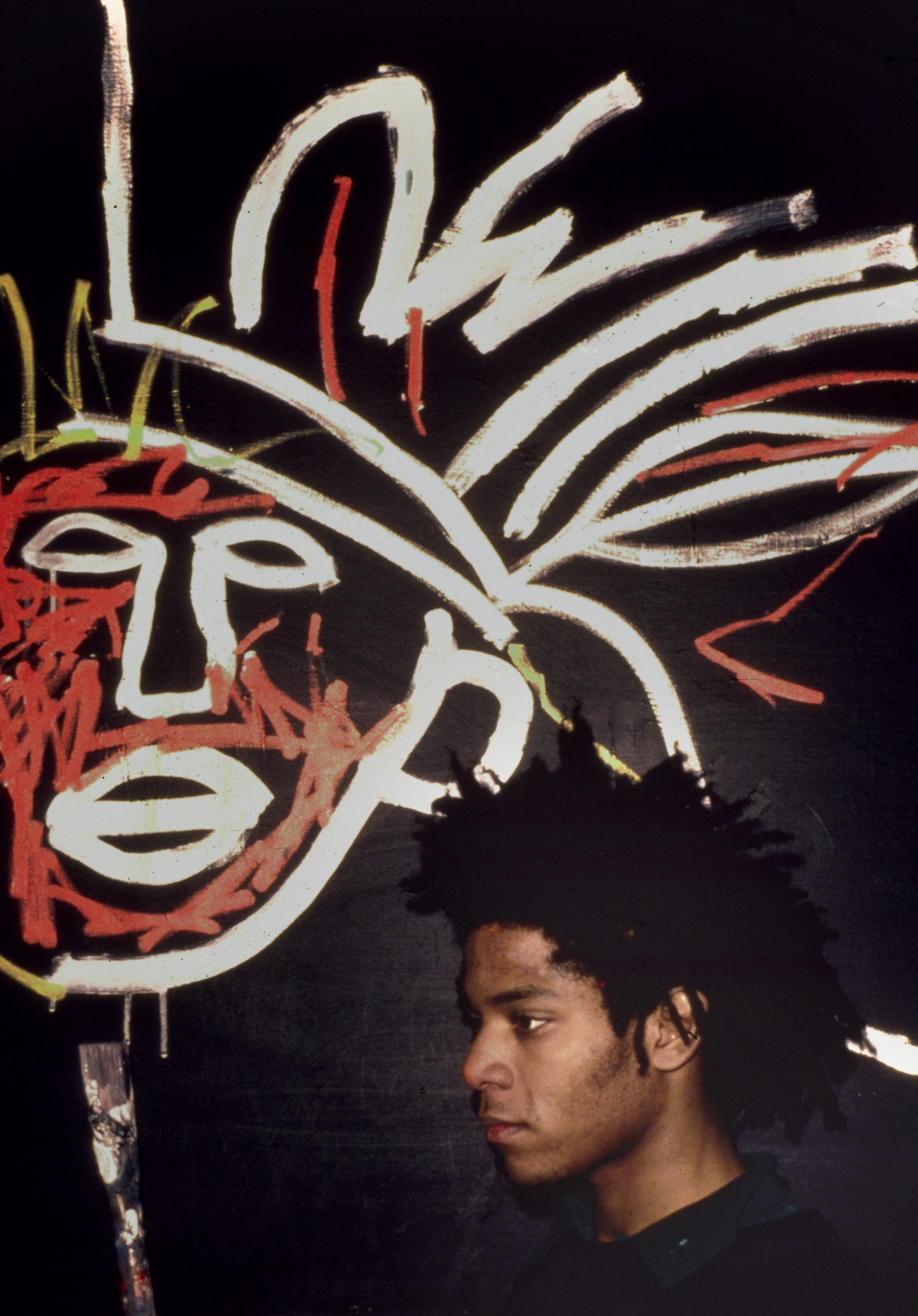
Basquiat’s Former Dealer on the Making of an Art World Icon

Bruno Bischofberger, who served as Jean-Michel Basquiat's exclusive worldwide dealer from 1982 until the artist's death in 1988, reflects on Basquiat's life and legacy in an excerpt from the forthcoming book *Basquiat: The World of Jean-Michel*, published by Assouline. Bischofberger contrasts Basquiat's raw, politically charged approach with Andy Warhol's detached, commercial style, and recounts personal memories of Basquiat's visits to Switzerland, where he absorbed everything from visual art to folk art and design.

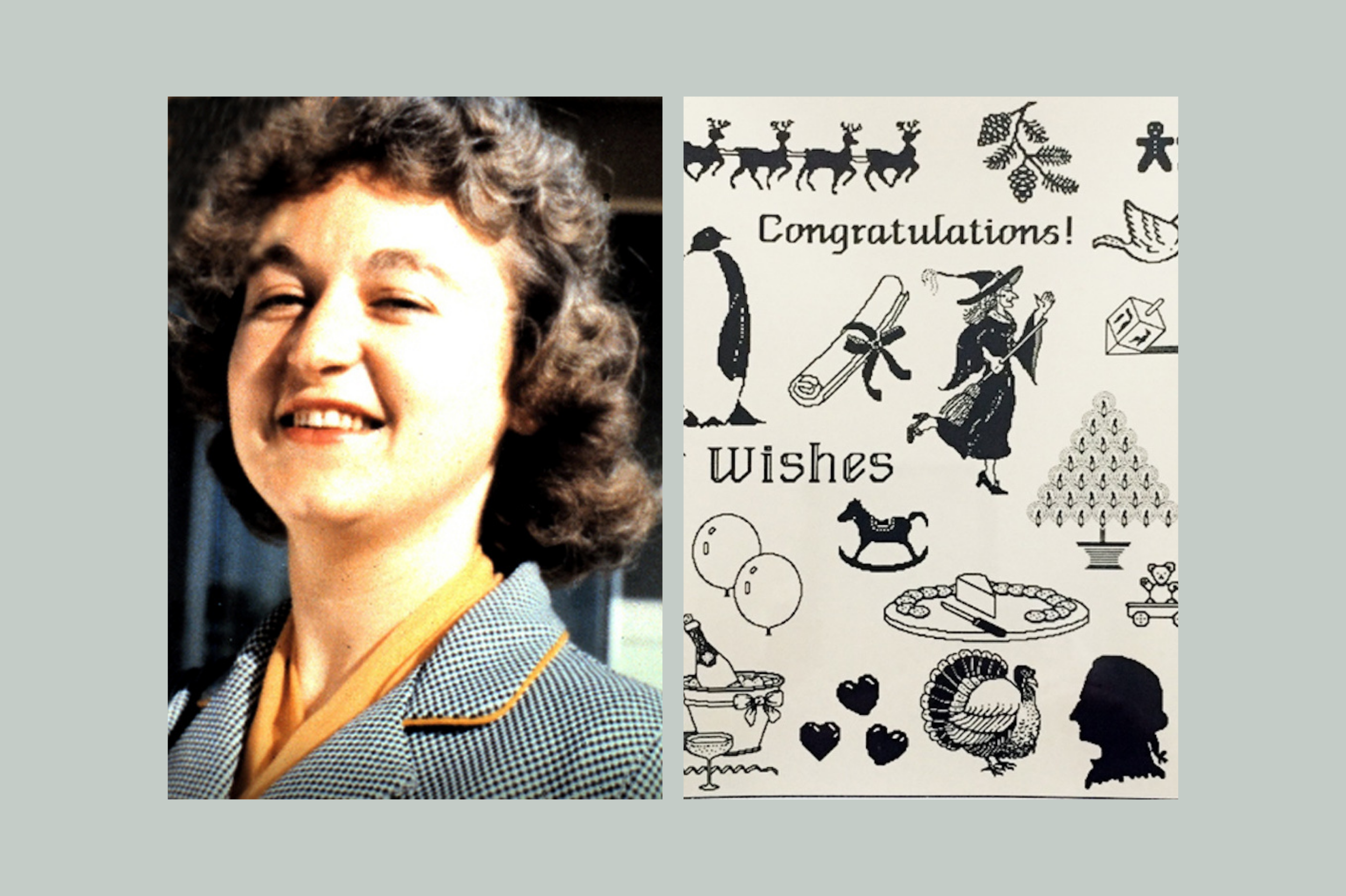
who was joan shogren computer art

Joan Shogren, a chemistry graduate from San José State University (SJSU) in the early 1950s, created some of the world's first computer-generated art in 1963 while working as a secretary in the chemistry department. Collaborating with graduate student Jim Larson and assistant professor Ralph Fessenden, she developed a theory that computers could create art if given "rules" of proportion, balance, and center of interest. Fessenden translated her "laws of art" into code on an IBM 1620 computer, producing artworks that were printed as number arrays and later hand-colored by artist Marvin Coon. Shogren exhibited these works in May 1963 at the campus bookstore, recognized as the first public display of computer art. Two decades later, she was commissioned by software company T/Maker to create the first clip art, "ClickArt," released in 1984 for Macintosh computers, designed pixel by pixel.

“Edmonia Lewis: Said in Stone” Reconstructs a Life Across Fragments

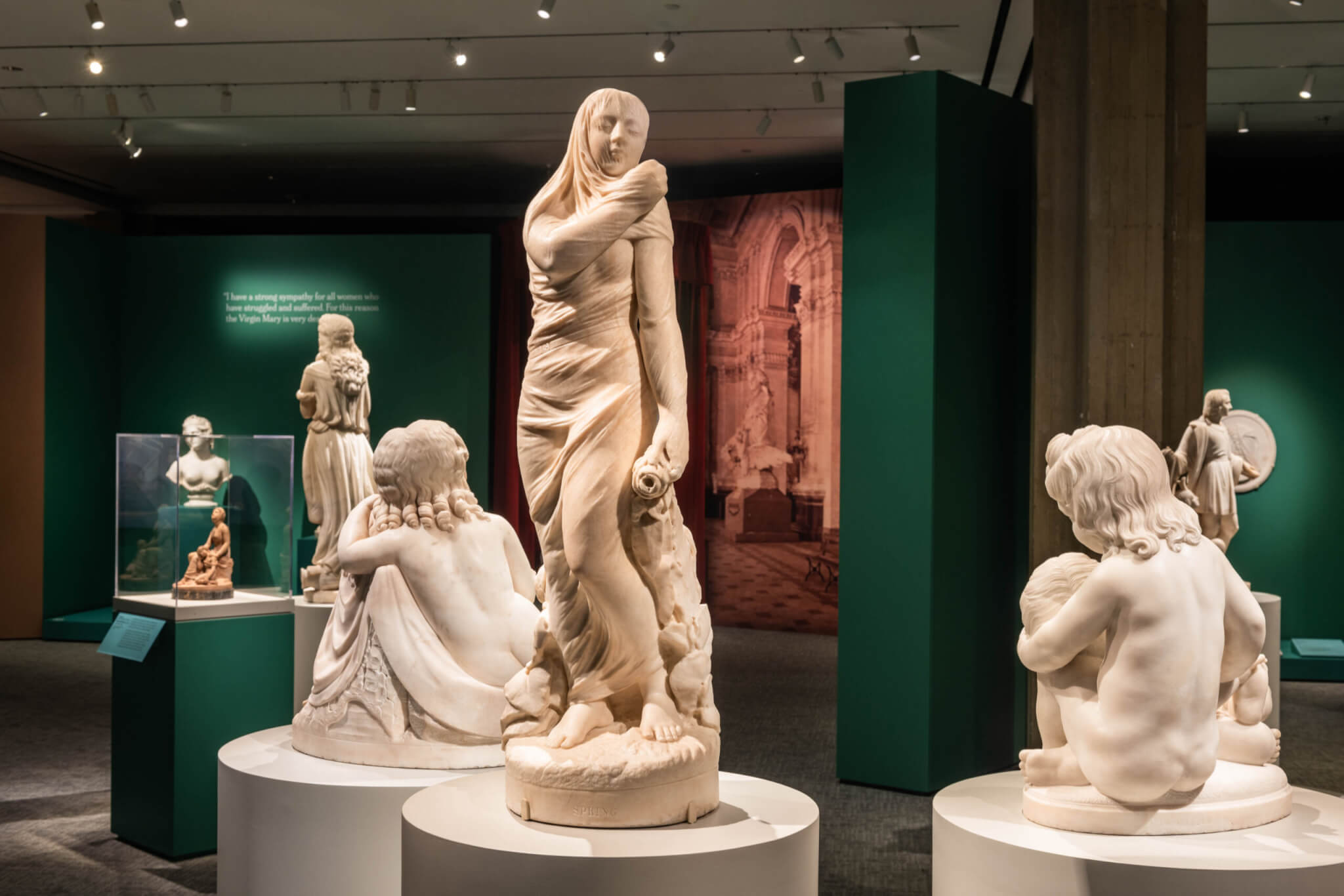
Boston Art Review (BAR) has published an article titled “Edmonia Lewis: Said in Stone” that reconstructs the life of the 19th-century sculptor Edmonia Lewis across fragmented historical records. The piece examines Lewis’s career, her neoclassical marble works, and the challenges of piecing together her biography due to limited archival materials.

Artists agonise over when a work is finished—but should we viewers care?

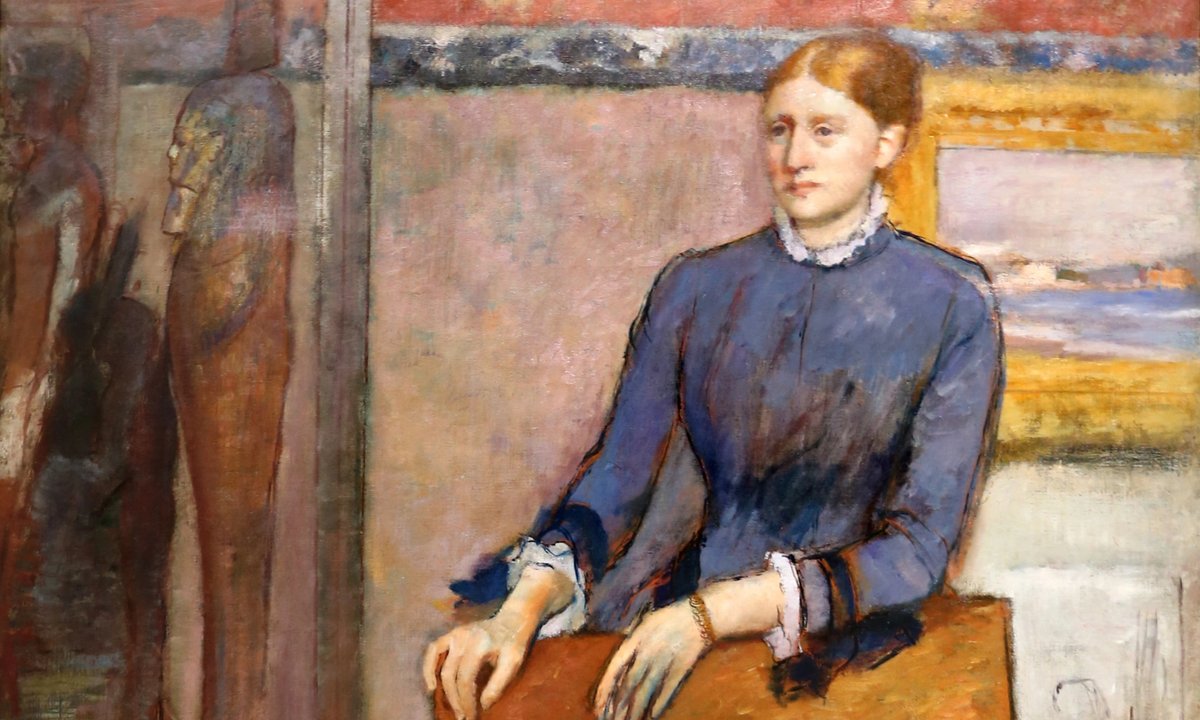
The article explores the perennial struggle artists face in determining when a work is complete, a process often fraught with the risk of overworking or 'wrecking' a piece. Drawing on insights from Howard Hodgkin and David Sylvester, it examines how artists like Degas, Matisse, and Cézanne navigated the boundary between a finished object and a work-in-progress, sometimes intentionally leaving canvases 'open' or 'fragmentarily complete' to preserve their emotional and visual immediacy.

Artribune Podcast: l’artista Vincenzo Schillaci parla nel suo Monologhi al Telefono

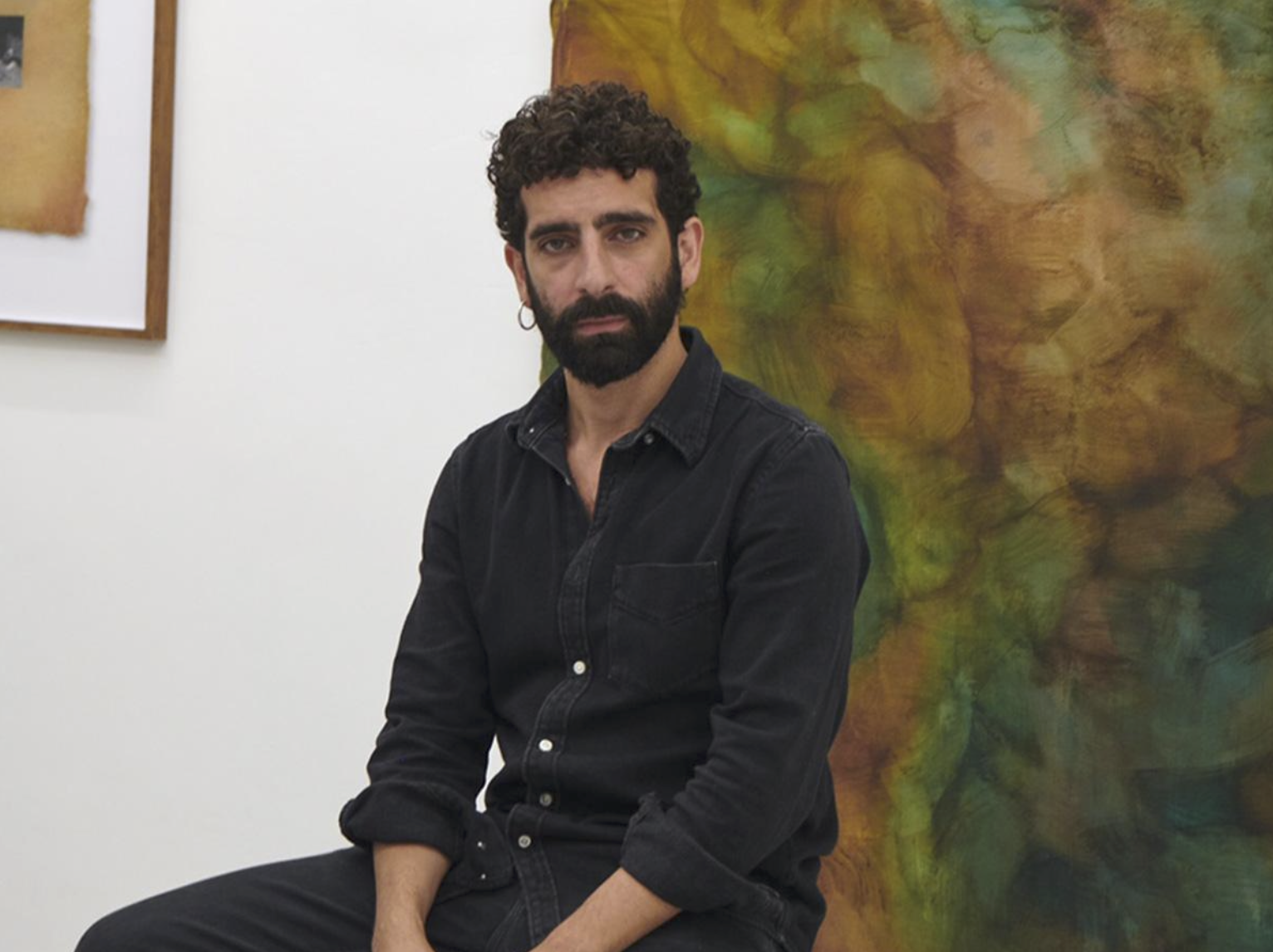
The latest episode of the Artribune Podcast features artist Vincenzo Schillaci (born 1984 in Palermo), recorded via telephone. Schillaci discusses his evolving artistic practice, where painting is an ongoing process of layering and erasure. His work spans painted surfaces, works on paper, and bronze interventions, forming an open system in which the artwork continuously transforms, challenging the boundaries between gesture, material, and form. The episode highlights his recent series inspired by Aristotle's concept of phantasma, and his exploration of materials like electrodeposited copper and bronze to capture different states of the image.

How the GDR apron became Italian luxury

Wie die DDR-Schürze zum Italo-Luxus wurde

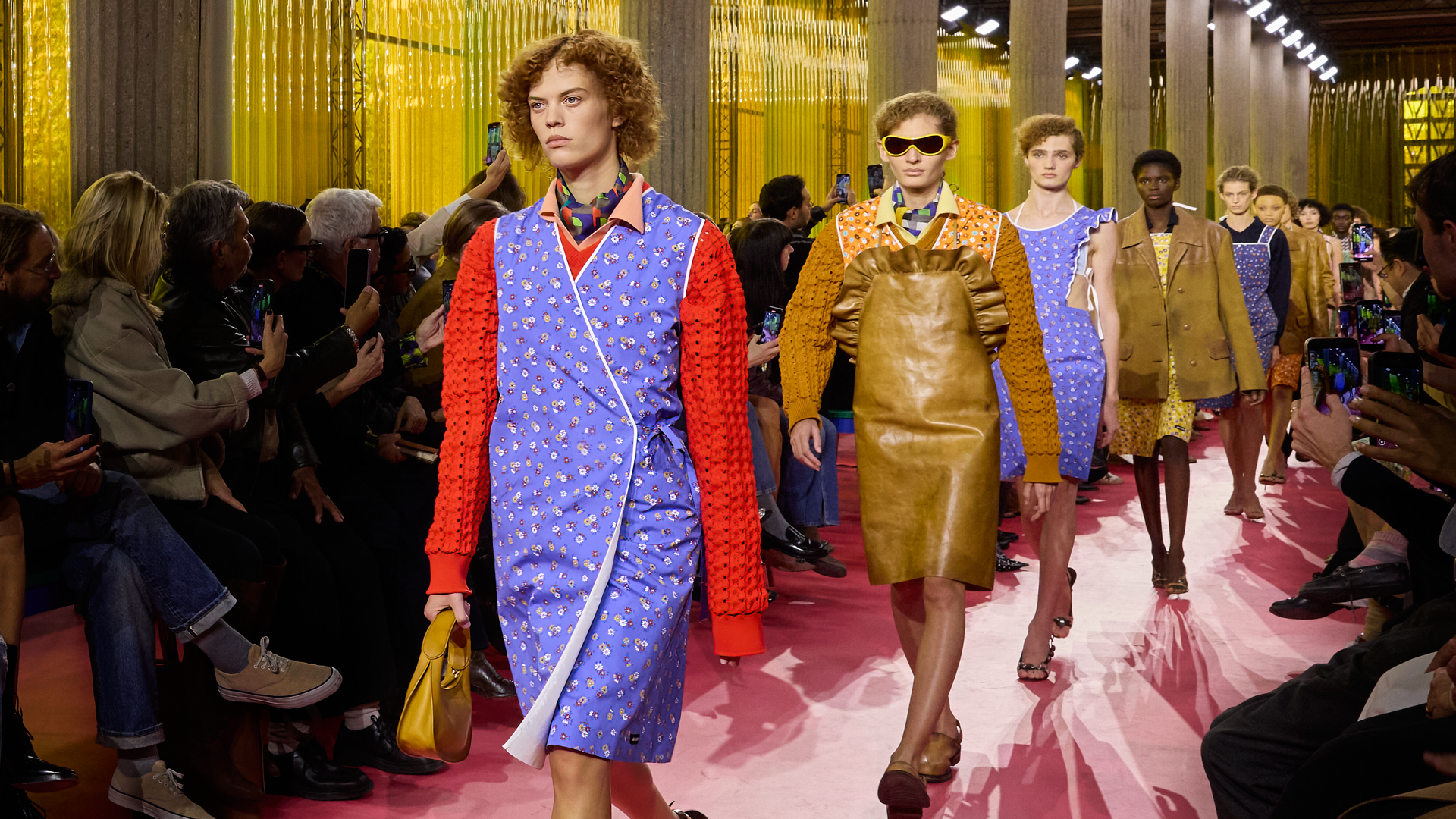
Italian luxury label Miu Miu has released dresses for summer 2026 that resemble 1980s East German kitchen aprons, with prices reaching up to €12,000 for crystal-embroidered versions. The collection debuted on the Paris runway in October, where actress Sandra Hüller opened the show in robust workwear, evoking factory workers from the former GDR. Designer Miuccia Prada, a former member of the Italian Communist Party, drew inspiration from Helga Paris's 1984 photo series "Frauen bei der Arbeit" (Women at Work), which documented female laborers in East Berlin's VEB Treffmodelle textile factory.

fashion nike shoe designer wilson w smith

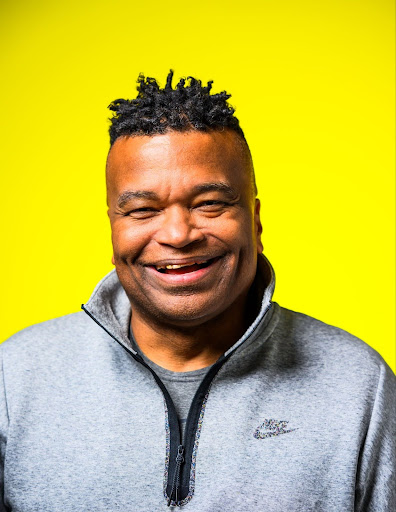
Wilson W. Smith III, Nike's first Black designer and a 41-year veteran of the company, retired this winter and gave one of his first interviews to CULTURED. Smith, who designed shoes for Michael Jordan, Andre Agassi, Roger Federer, and Serena Williams, began his career as an architect at Skidmore, Owings & Merrill before moving into shoe design under Tinker Hatfield in 1985. He reflects on his journey from architecture to footwear, his early projects like the Nike factory store in North Portland, and his role in shaping iconic sneakers such as the Air More Uptempo and the Air Alarm for Agassi.