filter_list Showing 11 results for "AD" close Clear
search
dashboard All 223 museum exhibitions 116article local 33article news 19trending_up market 12article culture 11rate_review review 11person people 9article policy 5candle obituary 5gavel restitution 2
date_range Range Today This Week This Month All
Subscribe

‘A gift that keeps on giving’: the witty world of Lee Friedlander – in pictures

The Guardian published a photo essay celebrating American photographer Lee Friedlander, featuring images from his career spanning the 1950s to the 2010s. The article highlights his new book "Life Still," published by Aperture, which collects over 130 photographs—most previously unpublished—showcasing his signature wit and his eye for the American social landscape, including chain link fences, roadside signs, and still lifes. The piece includes commentary from curator Peter Galassi and notes Friedlander's influences from Walker Evans and Robert Frank.


A modern Tower of Babel? Pope Leo XIV warns against artificial intelligence

Pope Leo XIV has issued his first encyclical, titled *Magnifica Humanitas*, warning that artificial intelligence poses a major threat to humanity and could lead to a modern Tower of Babel. In the 43,000-word letter, he calls for disarming AI, establishing robust legal frameworks, and regulating tech giants like Meta. He also references Picasso's *Guernica* (1937) as a prophetic work denouncing dehumanization, alongside Beethoven's Ninth Symphony and the novel *Schindler's List*. Separately, the Vatican is expanding its contemporary art program, with a new space called Conciliazone 5 currently showing works by British artist George Rouy, and future exhibitions planned for Yan Pei-Ming and Vivian Suter.

‘Writing is exactly like love – you need to do it in the dark’: novelist Leila Slimani on why literature is erotic

French-Moroccan novelist Leïla Slimani discusses her residency at Madrid's Museo del Prado, where she draws inspiration from Francisco Goya's Black Paintings for her writing. She reflects on her career, including winning the Prix Goncourt for her novel *Lullaby*, her appointment by French President Emmanuel Macron as a representative for Francophone culture, and the personal trauma of her father's imprisonment that fueled her early writing. The article explores her views on literature, painting, and the erotic nature of writing.

A pop-up hotel format is born that focuses on culture: starting in an architecture in Arles, France (with photos by Carla Sozzani)

Nasce un format di hotel pop up che punta sulla cultura: si inizia in un’architettura di Arles in Francia (con le foto di Carla Sozzani)

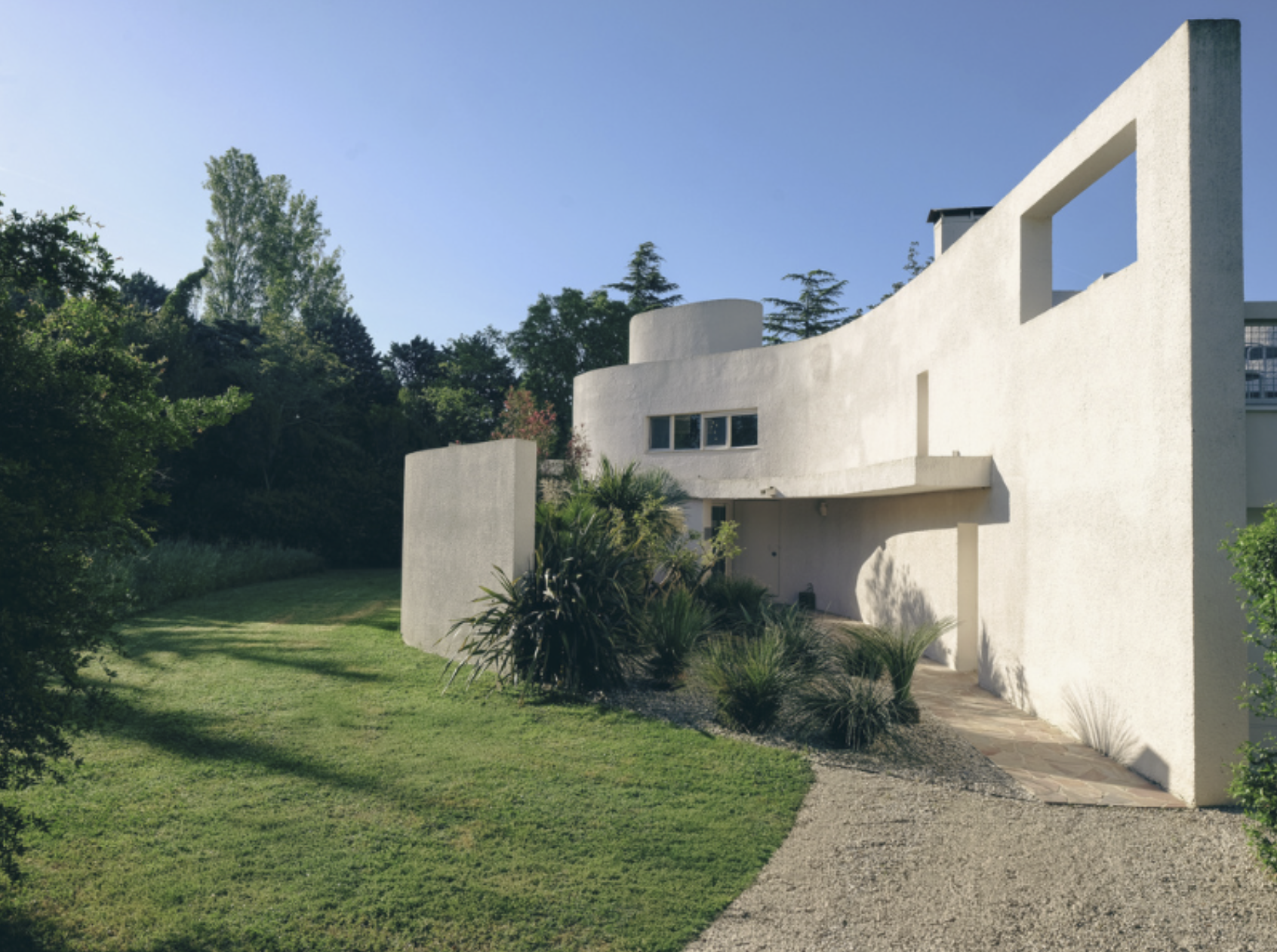
Luca Pronzato, founder of the pop-up restaurant platform We Are Ona, is launching a new itinerant hospitality concept called Casa Ideale. The first edition will take place from July 1–10, 2026, at Villa Bank, a 1970s villa near Arles, France, designed by Emile Sala and protected as a Remarkable Contemporary Architecture by the French Ministry of Culture. Guests will stay in the villa and dine at a restaurant run by chef Gil Nogueira, while the space also hosts a photography exhibition titled "Prologo" curated by Maddalena Scarzella for Fondazione Sozzani, featuring over 60 works from Carla Sozzani's archive by artists such as Urs Lüthi and Helmut Newton, alongside design pieces from the gallery Downtown+ by Luna Laffanour.

Steven Soderbergh, the Colors of Money

Steven Soderbergh, les couleurs de l’argent

Steven Soderbergh's new film "The Christophers" (2025) is a sharp, chamber-piece drama about art, inheritance, and money. The story follows Julian Skar, a former art superstar from the 1970s now living in seclusion and earning a living by caricaturing himself on social media. His children, Barnaby and Sally, eager to maximize their future inheritance, hire a repentant forger named Lori Butler to secretly complete Julian's unfinished masterpiece, an eight-portrait series titled "The Christophers." The film explores the complex relationships that develop between the four characters in a labyrinthine London house, written in the style of a lively theatrical play.

From an Artist to His Dealer

D’un artiste à son marchand

A new book titled "Miró-Loeb. Correspondance. 1926-1936" has been published by Éditions Norma, presenting the previously unpublished correspondence between Spanish painter Joan Miró and his Parisian dealer Pierre Loeb from 1926 to 1936. The volume includes photographs, reproductions of artworks, an illustrated record of Miró's exhibitions at Galerie Pierre, a prologue by art historian Joan Punyet Miró (the artist's grandson), and contributions from Albert Loeb (Pierre's son) and Sonia Loeb (his granddaughter), contextualizing a decade of exchanges amid cultural ferment and rising tensions. The book also features sparser letters from 1945 until Loeb's death in 1963, tracing the evolution of their relationship.

The New Generation of Berlin Curators: Independent Laboratory or New Establishment

La nuova generazione dei curatori di Berlino: laboratorio indipendente o nuovo establishment

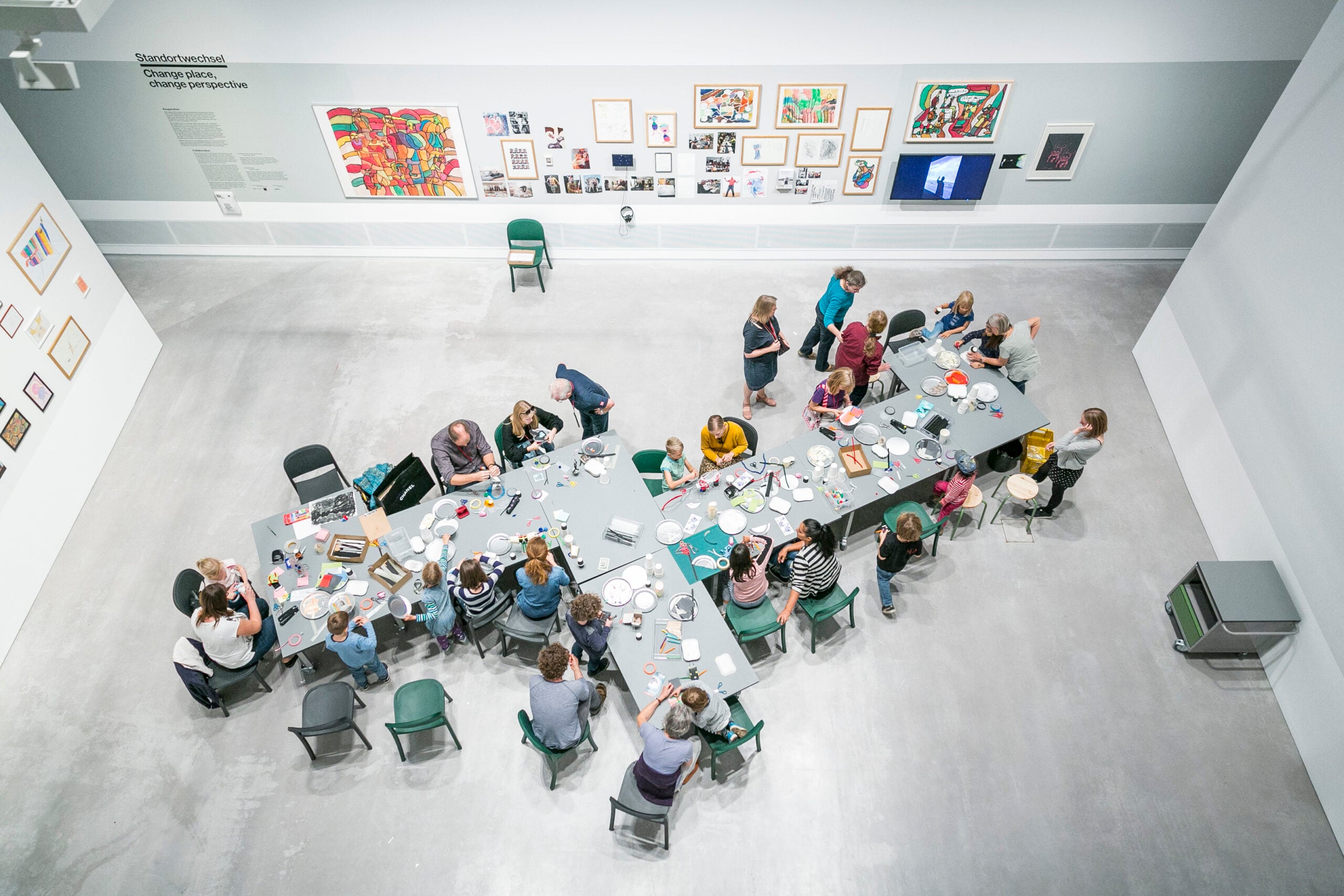
The article examines the shift in Berlin's contemporary art curation landscape, focusing on a new generation of curators who are more pragmatic and operational than their predecessors. Figures like Anna Gritz at Haus am Waldsee, Lisa Long at Julia Stoschek Foundation, and Bonaventure Soh Bejeng Ndikung—who moved from independent space Savvy Contemporary to lead Haus der Kulturen der Welt—exemplify this change. The piece argues that Berlin's art ecosystem has evolved from a low-pressure experimental zone into a competitive, almost corporate environment where curators must act as project managers, fundraisers, and cultural mediators.

A Bigflo et Oli video shot in front of a giant Picasso at the Abattoirs in Toulouse

Un clip de Bigflo et Oli tourné devant un immense Picasso aux Abattoirs de Toulouse

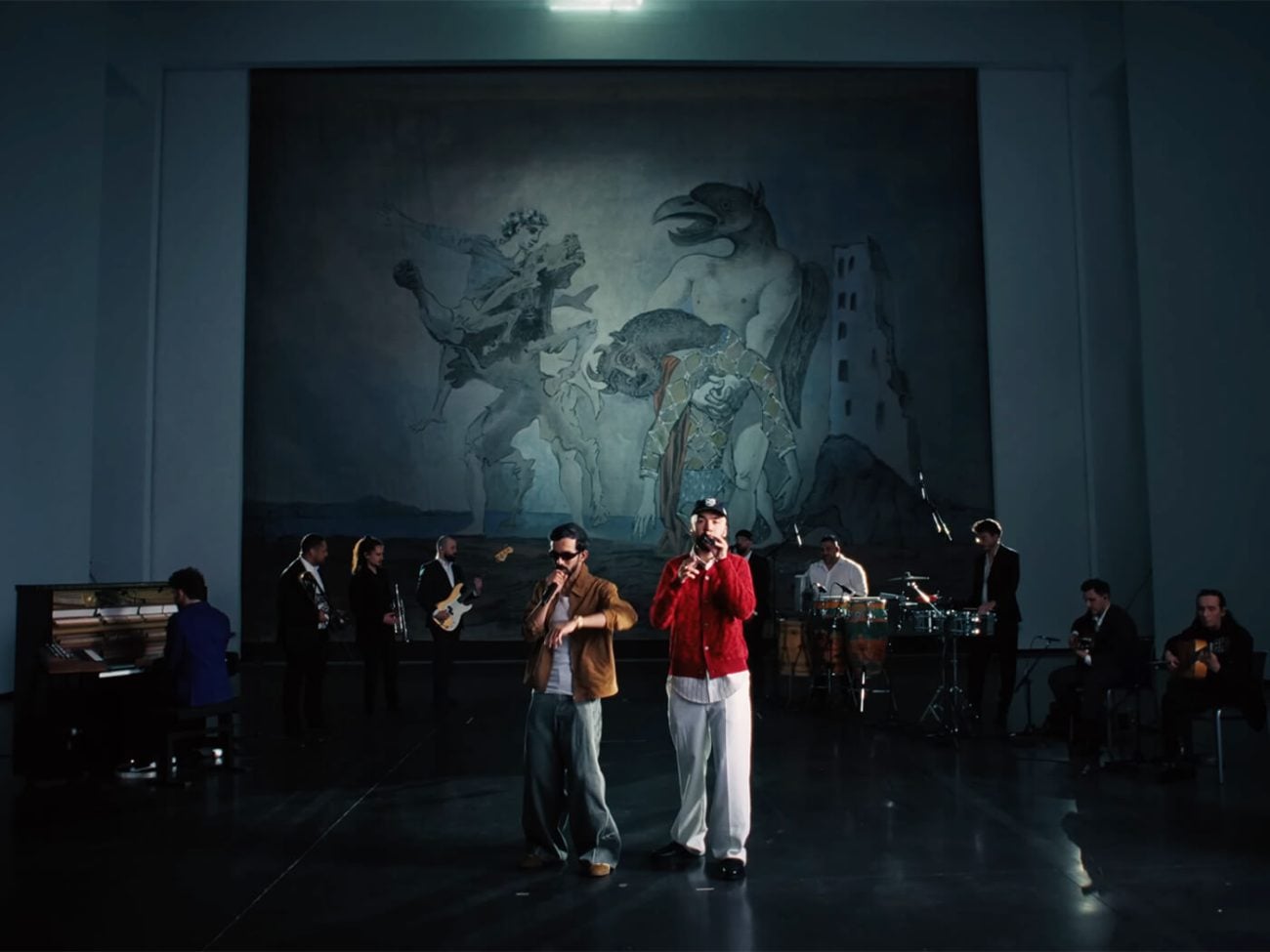
French rap duo Bigflo et Oli filmed a live session of their song "Picasso" in front of Pablo Picasso's monumental stage curtain "La Dépouille du Minotaure en costume d'Arlequin" (1936) at the Abattoirs museum in Toulouse. The video, directed by Antoine Zago-Honnorat, features nine musicians and draws on Latin and Spanish pop influences, with the duo citing inspiration from Spanish artist Rusowsky. The choice of venue is personal: the brothers grew up visiting the museum, and Oli co-curated an exhibition there in 2024–2025 titled "Le Musée imaginaire d'Oli," which attracted over 100,000 visitors.

Book reveals how Chintz—India’s precious textile pattern—became a precolonial global export

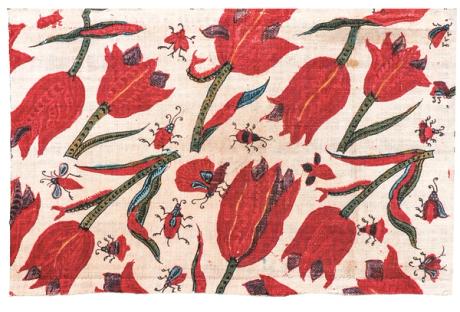
A new book titled *Chintz: Indian Cotton Textiles from the Karun Thakar Collection* explores the history of chintz, a block-printed Indian textile pattern that was traded globally for over a thousand years before European colonialism. Based on one of the world's largest textile collections, the volume features essays by 12 scholars and traces how these intricately designed cloths traveled to Japan, Indonesia, France, and Britain, influencing local fashions and sparking cross-cultural exchange. The book highlights the challenges of studying textiles from oral societies, where makers remain unnamed and many pieces have not survived.

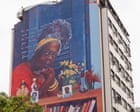
The mural project honouring the Black cultural heritage of Rio de Janeiro – photo essay

Two Black men, Pedro Rajão and Fernando Sawaya, created the NegroMuro (BlackWall) mural project in Rio de Janeiro in 2018 to address the severe underrepresentation of Black figures in the city's public monuments. Of Rio's roughly 360 statues and busts, fewer than 10% depict Black people. The project now comprises 80 murals across the city, portraying about 120 Black individuals—including writer Machado de Assis, activist Lélia Gonzalez, and musician Luiz Melodia—on walls of schools, museums, train stations, and private homes. The murals are concentrated in the less touristy north zone, deliberately focusing on underserved neighborhoods. The project was recently recognized by law as part of Rio's intangible cultural heritage.

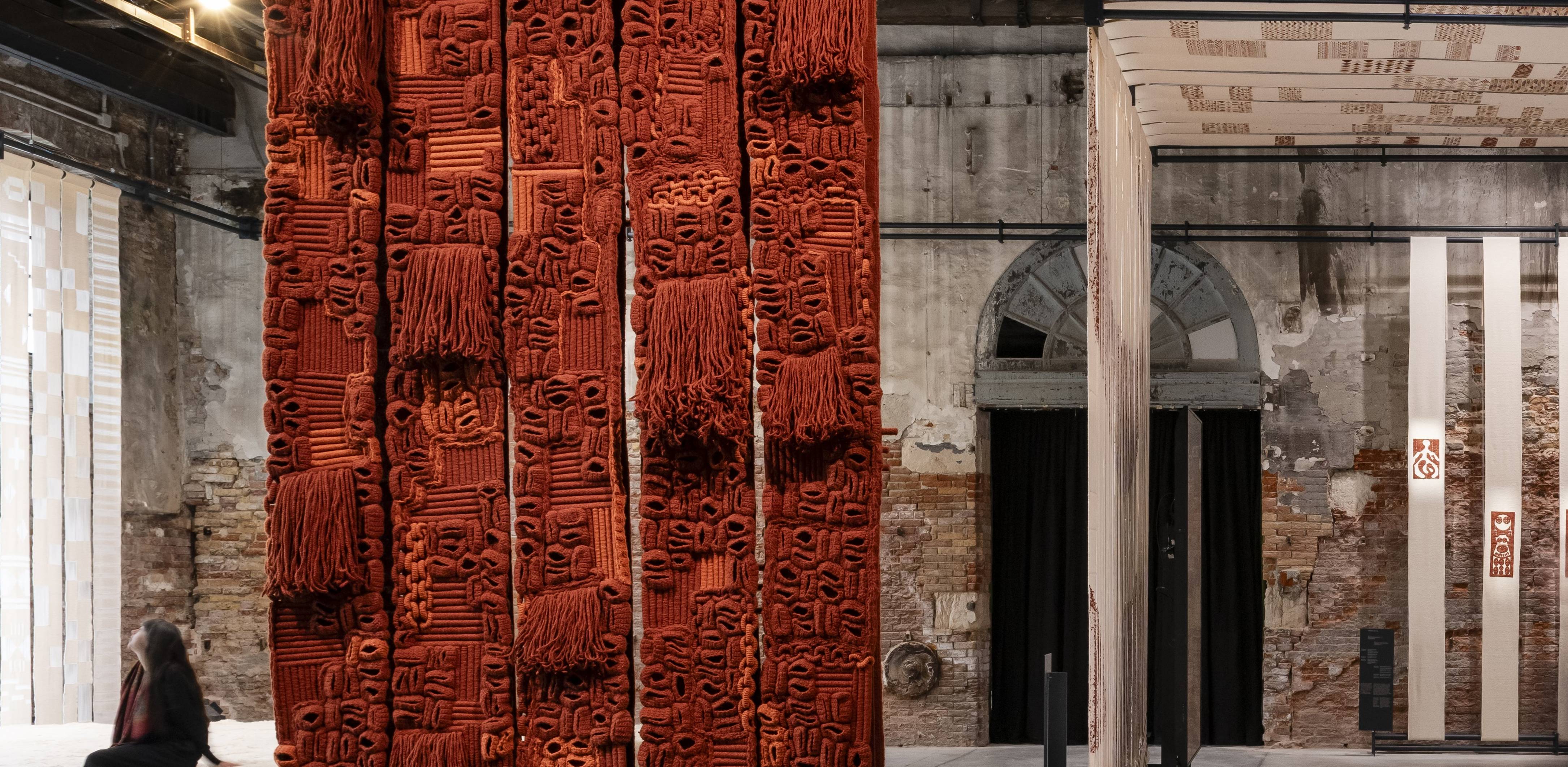
5 Artists Inspired by Moroccan Rugs and North African Weaving

Artsy Editorial profiles five contemporary artists from the Maghreb region who draw inspiration from Moroccan rugs and North African weaving traditions. The article highlights how these artists transform the loom-based craft—historically dismissed as "womanly craft" by academia and the avant-garde—into a contemporary art form that honors and updates longstanding weaving practices. Each artist uses the grammar of signs, stitches, rhythm, color, and designs inherent to North African textiles to articulate narratives and philosophies.