filter_list Showing 46 results for "Angelo" close Clear
search
dashboard All 419 museum exhibitions 174article news 82article culture 46trending_up market 41article policy 23article local 16rate_review review 13person people 10candle obituary 9gavel restitution 5
date_range Range Today This Week This Month All
Subscribe

titian top 10 works ranked

Artnet News ranks the top 10 works of Renaissance master Titian, using criteria of suggestiveness, mystery, and pop culture relevance. The list includes paintings such as "Pietà" (1575–76), "Danaë" (1544–46), "Assumption of the Virgin" (1516–18), and "The Rape of Europa" (1560–61), with commentary on their composition, history, and cultural impact.
Luca De Michelis, chief executive of Marsilio Arte, on his favourite spots in Venice beyond the Biennale

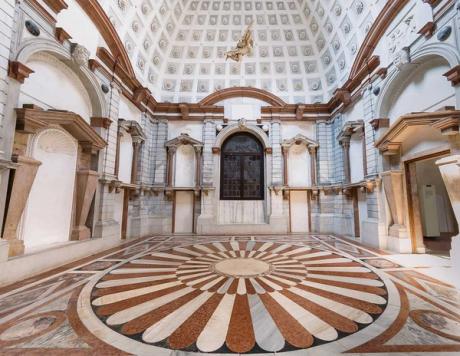
Luca De Michelis, CEO of Marsilio Arte, shares his personal guide to Venice beyond the Biennale, highlighting historic sites, shopping, dining, and cultural venues. His recommendations include Palazzo Grimani, Micheluzzi Glass, the Gardens of the Church of the Redeemer on Giudecca, Antiche Carampane restaurant, the newly opened Dries Van Noten Foundation, San Giorgio Maggiore island, Codroma for spritz, and the upcoming exhibition 'Strange Rules' at Palazzo Diedo’s Berggruen Arts & Culture.

Painting Has Entered Its Performance Era

The rise of short-form video platforms like Instagram and TikTok has transformed painting from a static medium into a performative spectacle. To compete with algorithmic preferences for transformation and speed, artists are adopting specific visual grammars such as the "art reveal"—where a canvas is dramatically flipped toward the camera—and "speed painting," which turns the creation process into a high-stakes live event. These trends emphasize the labor and human presence behind the work, often utilizing emotional storytelling and direct engagement to build dedicated fanbases outside traditional gallery structures.

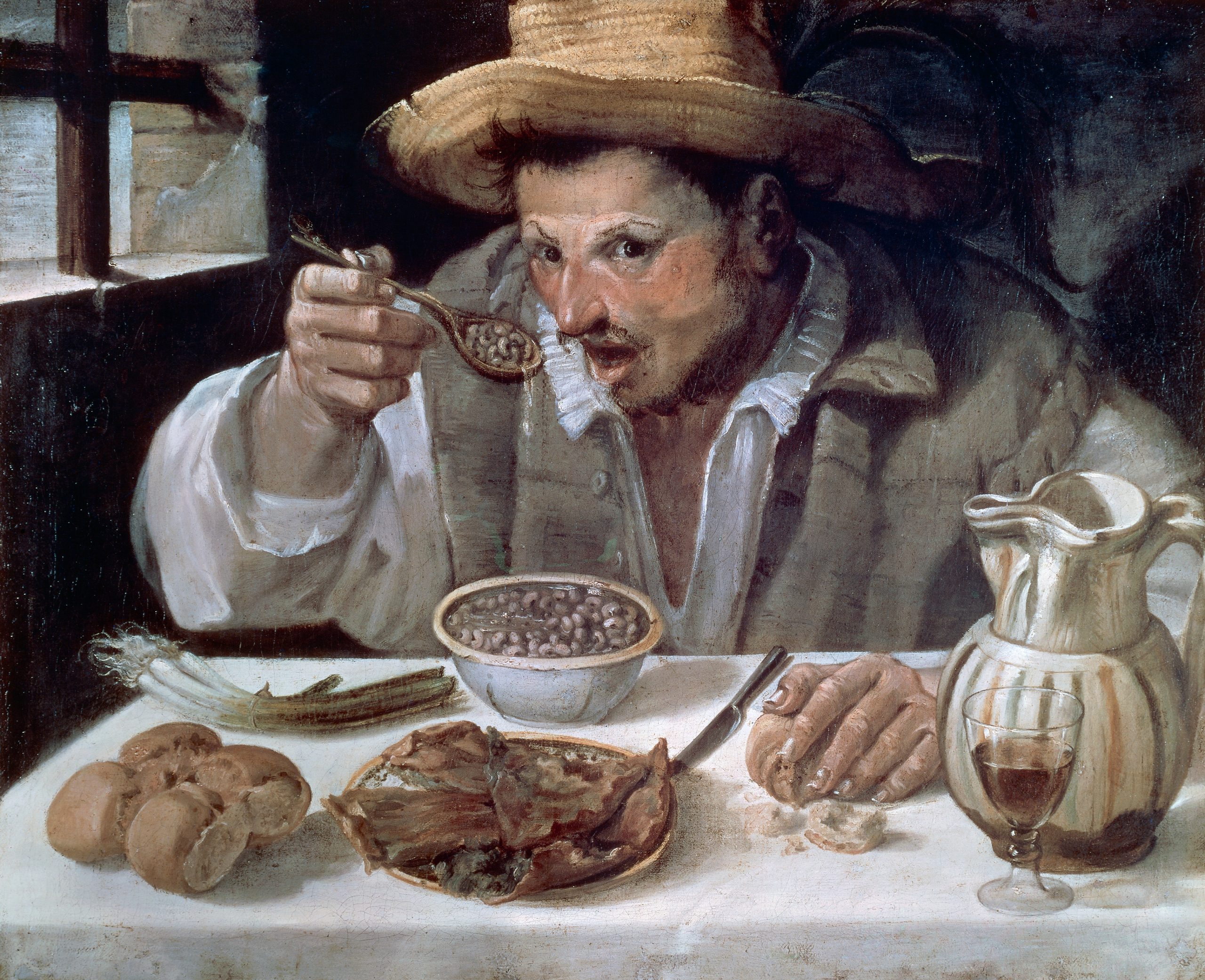
It's Time to Give Annibale Carracci Some of Rembrandt's Spotlight

its time to give annibale carracci some of rembrandts spotlight

This article advocates for a critical re-evaluation of the Italian Baroque painter Annibale Carracci, arguing that his historical significance and artistic influence rival that of the more widely celebrated Rembrandt van Rijn. While Rembrandt has dominated recent museum headlines and auction records, the author highlights Carracci’s foundational role in establishing the Accademia degli Incamminati in Bologna, which revolutionized art education by prioritizing life drawing and elevating the social status of artists from mere craftsmen to intellectual creators.

roman sculpture

This article explores the rediscovery of Roman sculpture during the Renaissance and its profound influence on artists like Raphael, Donatello, Michelangelo, and Leonardo da Vinci. It details how Roman sculptors, inspired by Greek methods after the conquest of Greece in 146 B.C.E., created highly realistic works that served both artistic and political purposes, glorifying emperors and reinforcing imperial power. The piece highlights six iconic Roman sculptures—including the Equestrian Statue of Marcus Aurelius, the Colossus of Constantine, Trajan's Column, and the Augustus of Prima Porta—describing their historical context, artistic features, and enduring legacy.

the right influential art historian victoria coates project esther

The article profiles Victoria Coates, an art historian and former Trump administration official, who is leading 'Project Esther,' a conservative initiative aimed at taking over US higher education and targeting progressive organizations. Named after the biblical queen, the project accuses critics of Israel of anti-Semitism and seeks to dismantle what it describes as a 'terrorist support network.' Coates, who previously served as Deputy National Security Advisor and worked on Rumsfeld's memoirs, has a long history of attacking academia from within, including as an anonymous blogger behind 'Elephants in Academia.'

artful tom a memoir damn the originals

Thomas Hoving recounts his decision to pursue art history graduate school after military service, rejecting his father's demand that he join the family business and attend business school instead. He describes a cross-country road trip with his wife Nancy and their dog Whiskey, including a failed gambling attempt in Las Vegas and mechanical troubles in Missouri.

renaissance artists raphael and durer were kind of obsessed with each other

The article explores the artistic friendship between Renaissance masters Raphael and Albrecht Dürer, who never met but exchanged letters and artworks across 600 miles. Initiated when both were at the height of their careers, the correspondence began with Dürer sending Raphael a gouache self-portrait, to which Raphael responded with drawings, including "Two male nude studies" (1515) and "Three Standing Men" (1514-16). The friendship lasted only five years, ending with Raphael's death in 1520 at age 37. The exchange is documented by Giorgio Vasari in "The Lives of the Artists," and one surviving drawing bears an inscription by Dürer acknowledging Raphael's gift.

leonardo da vinci existing paintings ranked

Artnet News has published a ranking of Leonardo da Vinci's surviving paintings, focusing on completed, stand-alone works and excluding frescos like *The Last Supper* and unfinished pieces. The article evaluates paintings such as *Annunciation* (c. 1472–76), *Madonna of the Carnation* (1478–80), and *Ginevra de' Benci* (c. 1474–78), considering factors like attribution certainty, historical context, and unique traits—for instance, *Ginevra de' Benci* is the only Leonardo painting in a public collection in the Americas.

michelangelo 550 birthday headlines

Artnet News rounds up recent headlines involving Renaissance master Michelangelo di Lodovico Buonarroti Simoni as institutions prepare to celebrate his 550th birthday in 2025. The article highlights three stories: a scene in HBO's *The White Lotus* season three finale that echoes Michelangelo's *Pietà*; the ongoing scholarly debate over whether Michelangelo himself forged the ancient sculpture *Laocoön and His Sons*; and the restoration of Michelangelo's family tomb at the Basilica of Santa Croce in Florence ahead of his birthday.

7 art history facts

Frieze Week in New York has arrived, drawing tens of thousands of visitors to The Shed for displays from over 65 international galleries. The article offers a collection of art historical trivia to help attendees impress peers, including tales of a potentially fake Picasso gifted to Robin Williams by Disney, Piet Mondrian's fondness for Disney's *Snow White and the Seven Dwarfs*, and a legend that Raphael's pupil Giulio Romano created erotic frescos in the Vatican's Sala di Constantino out of anger over delayed payment from Pope Clement VII.

why did leonardo and michelangelo have beef

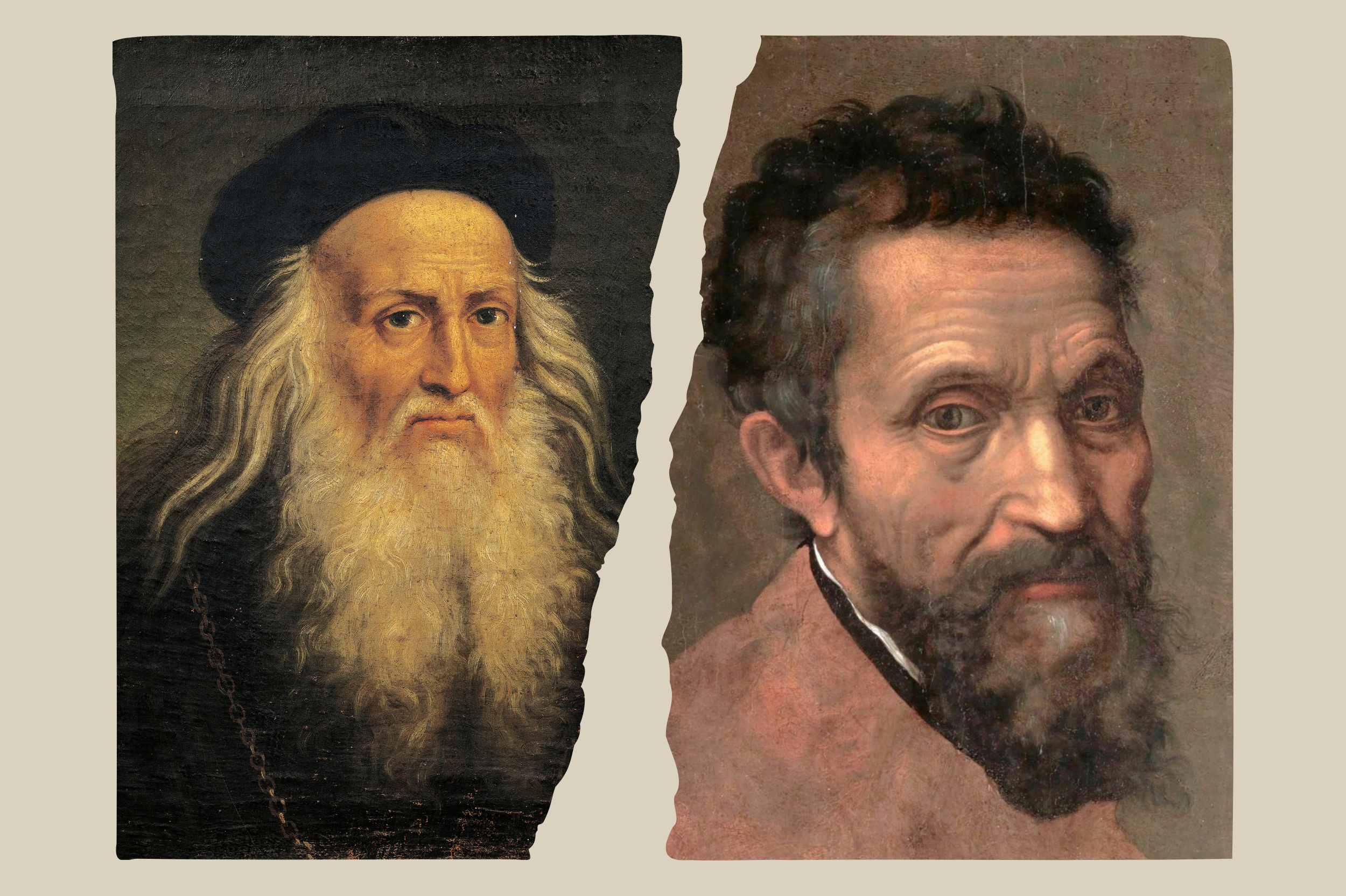
Leonardo da Vinci and Michelangelo, two of history's most celebrated artists, had a well-documented rivalry rooted in competition for commissions, class differences, and artistic disagreements. Their first known encounter occurred when Leonardo served on a committee deciding the placement of Michelangelo's *David* (1501), where Leonardo reportedly mocked the sculpture by sketching it as the sea god Neptune. Their rivalry escalated when both were commissioned to paint opposing murals in Florence's Salone dei Cinquecento—Leonardo's *Battle of Anghiari* and Michelangelo's *Battle of Cascina*—neither of which was completed. The artists traded insults over the years, with Michelangelo criticizing Leonardo's view of sculpture as inferior to painting, and Leonardo deriding Michelangelo's muscular figures as resembling "a bag of walnuts."

Five new art books to look out for this spring, including key artist biographies and the tale of an artistic rivalry

Five new art books are set for release this spring, including a biography of 17th-century painter Michaelina Wautier, a study of Louise Bourgeois using unpublished archival material, a dual biography exploring the rivalry between Michelangelo and Titian, a catalog accompanying the Frida Kahlo exhibition at the Museum of Fine Arts, Houston and Tate Modern, and a volume on Francis Bacon’s literary influences housed at the Hugh Lane Gallery.

Martin Schongauer in 2 Minutes

Martin Schongauer en 2 minutes

Martin Schongauer (c. 1445–1491), the Alsatian painter, draftsman, and engraver, is celebrated as the greatest German copperplate engraver before Albrecht Dürer and one of the first artists to achieve pan-European fame in his lifetime. The article outlines his life and career, from his early training in his father's goldsmith workshop in Colmar to his studies at the University of Leipzig and travels through Flanders, where he absorbed the influence of Rogier van der Weyden and Dirk Bouts. It highlights his 116 copper engravings, signed with the monogram 'M+S', which elevated engraving to a high art and circulated from Spain to Bohemia, inspiring Dürer and the young Michelangelo. Key works discussed include the painting 'La Vierge au buisson de roses' (1473) and the engraving 'La Tentation de saint Antoine' (c. 1470–1475).

culture aesop new york creatives holidays

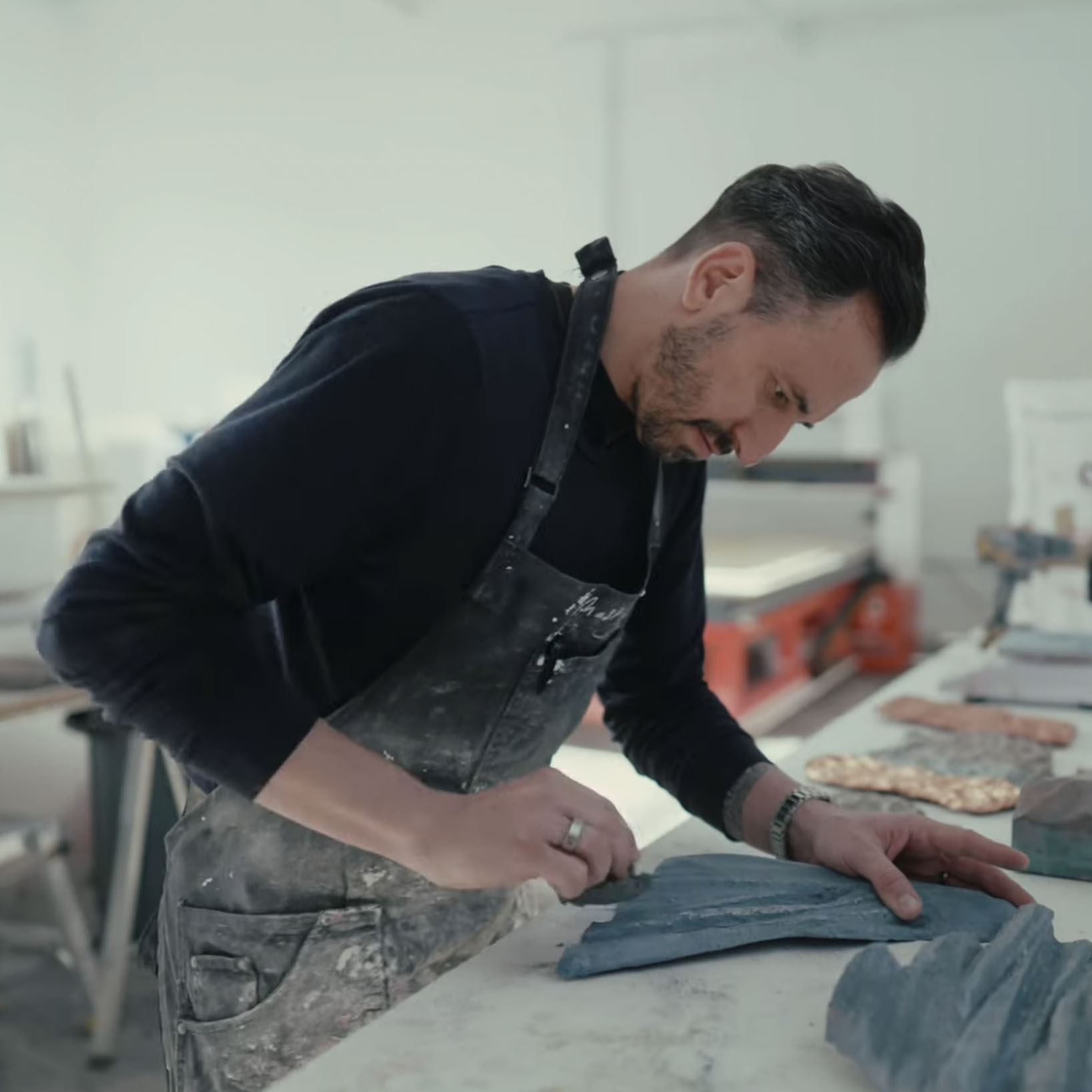
Aesop, the skincare and fragrance company, has released a collection of festive holiday kits designed for creatives, focusing on hand and workspace care. The kits include themed sets like “Party in the Greenhouse” and “Too Many Cooks in the Kitchen,” featuring products such as geranium-infused balms and pumice hand wash. Cultured magazine partnered with Aesop to highlight the creative spaces of New York artists and chefs, including Fernando Mastrangelo, Flynn McGarry, and Eny Lee Parker, who opened their studios and kitchens to showcase their rituals.

A Culture Lover’s Guide to Northwest Arkansas, a Land of Contradictions

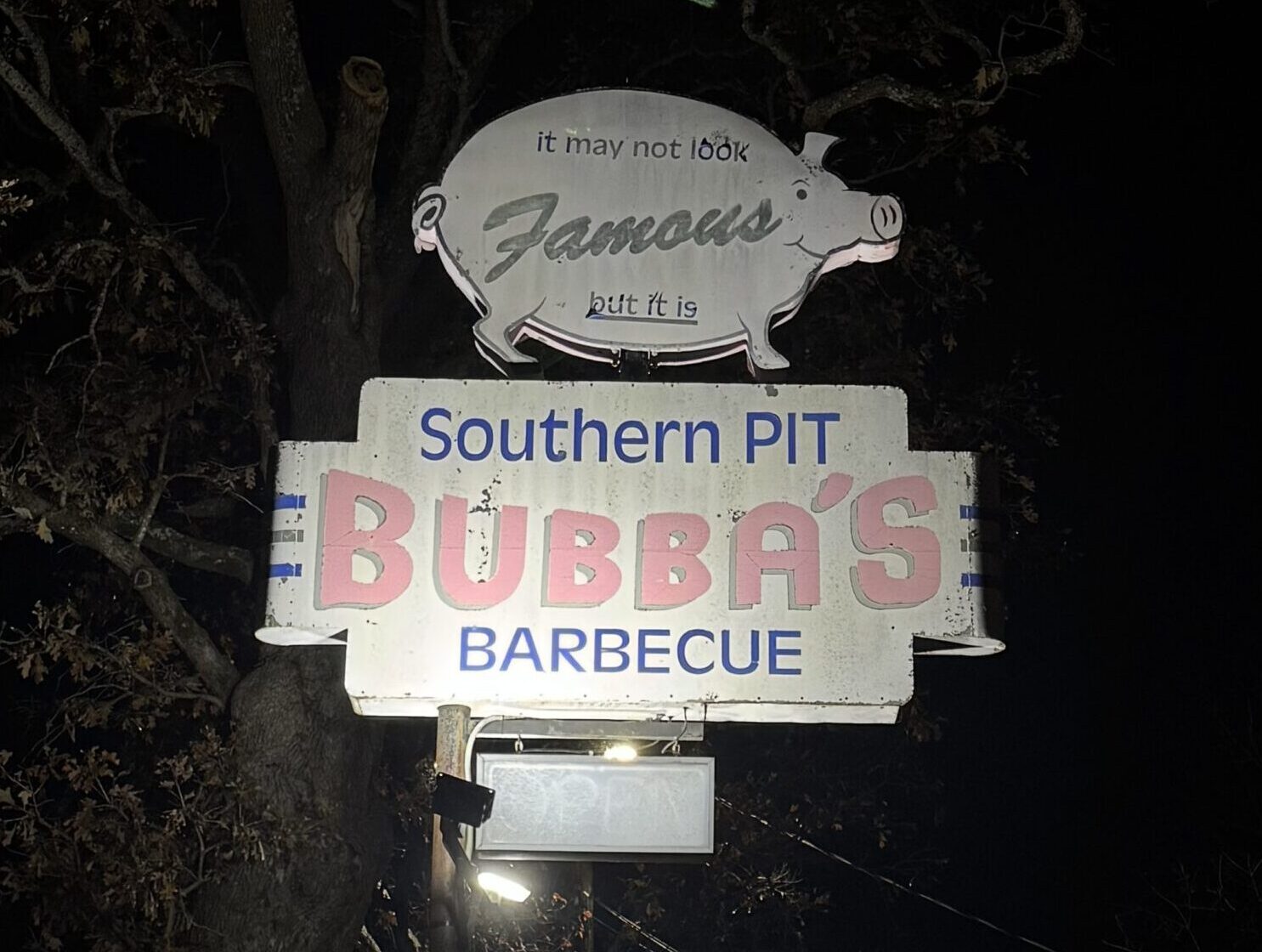
This travel guide explores the cultural landscape of Northwest Arkansas, focusing on the upcoming 114,000-square-foot expansion of the Crystal Bridges Museum of American Art in Bentonville, set to open June 6, 2026. The author recounts a road trip from Little Rock to the Ozarks, visiting the Arkansas Museum of Fine Arts (with its new Studio Gang-designed building), dining at Coursey's Smoked Meats, and encountering a white supremacist billboard in Harrison, while also highlighting Thorncrown Chapel by E. Fay Jones as a transcendent architectural stop.

Malo Chapuy Reimagines Medieval Art on the Cover of our New Talent Issue

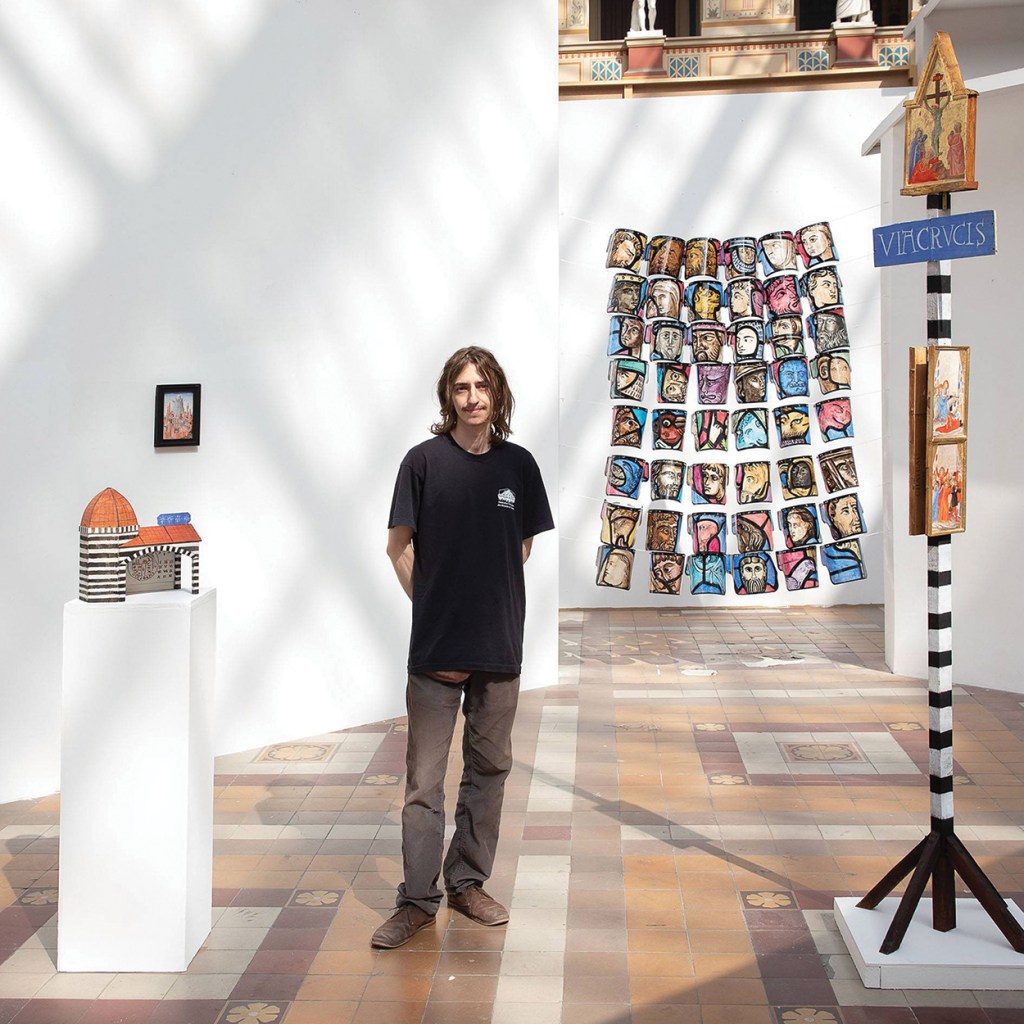
Malo Chapuy's painting *Virgin with Codex* (2025) appears on the cover of Art in America's new talent issue. In an interview from his Paris studio, Chapuy explains how he reinterprets medieval and early Renaissance Flemish painting by mixing its motifs with contemporary and sci-fi elements, such as gothic cathedral spaceships and QR codes designed to function like medieval manuscripts for future postapocalyptic monks. He describes his process as making "forgeries," using traditional techniques like oil on wood panels, homemade lead white, and self-carved frames to mimic aged Old Master works while addressing themes of ecological collapse, apocalyptic anxiety, and planetary exile.

schiaparelli paris recreates stolen louvre jewels

Schiaparelli's artistic director Daniel Roseberry debuted dramatic recreations of crown jewels stolen from the Louvre during the brand's Paris Haute Couture Week show. The pieces, worn by actor Teyana Taylor, were inspired by a pearl-and-diamond tiara and bow brooch once owned by Empress Eugénie, which were among an estimated $102 million in gems taken in a heist last October.

art bites michelangelo military fortifications

Michelangelo, best known for masterpieces like the Sistine Chapel ceiling and the Pietà, also served as the governor and procurator general of fortifications for Florence in 1529, tasked with designing military defenses against the Medici family. After the Medici were expelled in 1527, Michelangelo joined the "Nine of the Militia" committee, but his overly complex drawings were so impractical that almost none were built. The Medici, backed by Pope Clement VII, successfully besieged Florence in 1529–30, forcing Michelangelo into hiding in a secret chamber beneath the Medici Chapel, where he drew figurative works rediscovered in 1975. He was eventually pardoned and went on to create major commissions like the tomb of Pope Julius II and The Last Judgement, but left Florence for Rome in 1534.

laocoon vatican michelangelo forgery

On January 14, 1506, Florentine architect Giuliano da Sangallo and Michelangelo Buonarroti witnessed the excavation of the Laocoön Group, a monumental ancient marble statue unearthed in a Roman vineyard. The sculpture, depicting the Trojan priest Laocoön and his sons battling serpents, was quickly acquired by Pope Julius II and installed in the Vatican, where it remains today at the Museo Pio-Clementino. However, art historian Lynn Catterson controversially proposed in 2005 that the statue is not an ancient artifact but a forgery created by Michelangelo himself, citing evidence such as a drawing of a torso resembling the statue's back, bank records of Michelangelo's marble purchases, and his history of producing forgeries like the lost Sleeping Cupid.

conclave hidden ritual

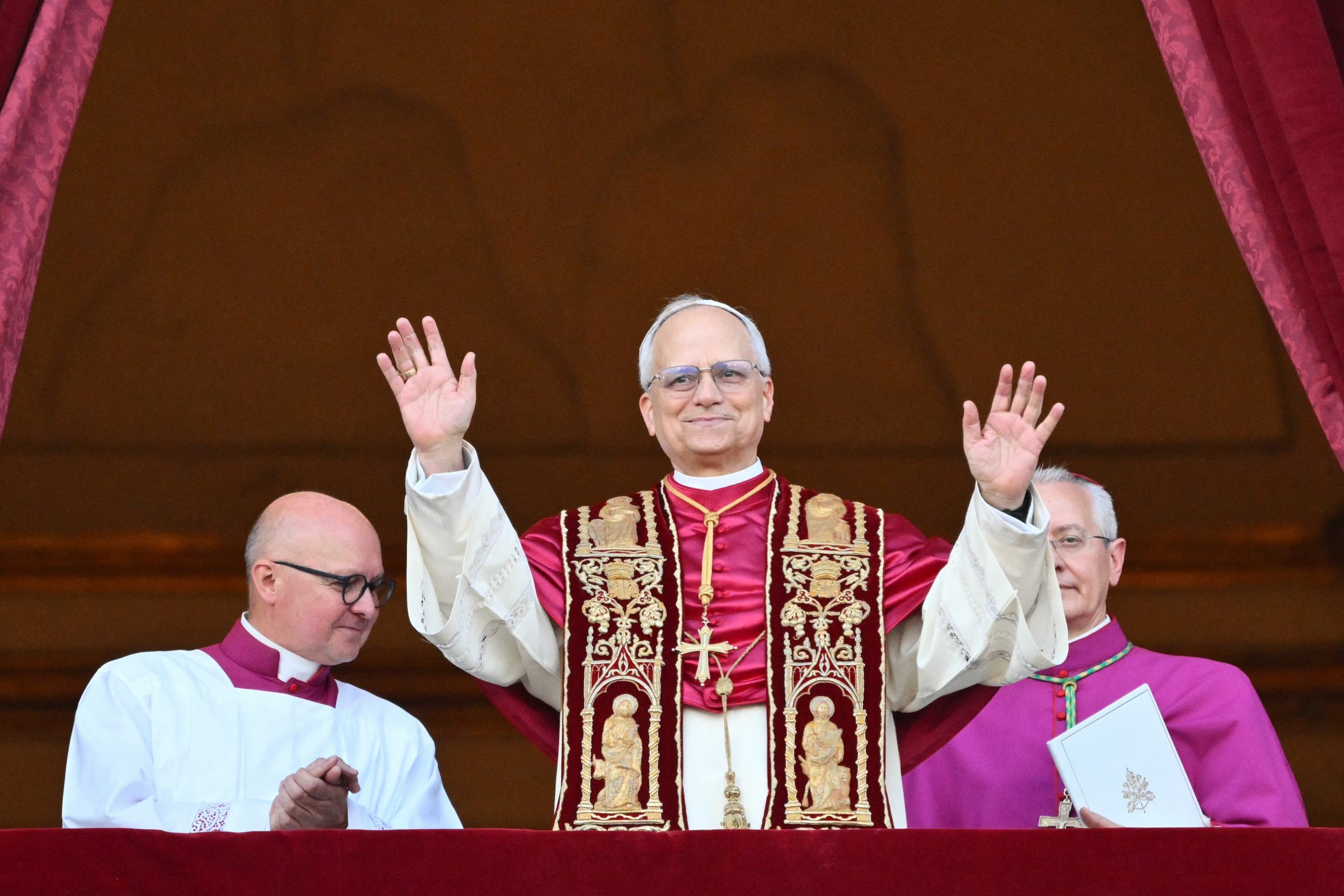
On May 8, 2025, white smoke rose from the Sistine Chapel signaling the election of Robert Prevost as Pope Leo XIV, the first American pontiff. Born in Chicago in 1955, Prevost has strong ties to Peru and was appointed Prefect for the Dicastery for Bishops by Pope Francis in 2023. The article explores the secretive process of the papal conclave, noting that 133 cardinals voted under Michelangelo's famed ceilings, and draws parallels to the 2024 film *Conclave* which some cardinals reportedly used for insight.

Pappi Corsicato's film on photographer Claudio Abate, which recounts the artistic ferment of Rome between the 1960s and 1990s, is now on RaiPlay

È su RaiPlay il film di Pappi Corsicato sul fotografo Claudio Abate che racconta il fermento artistico di Roma tra gli Anni ’60 e ‘90

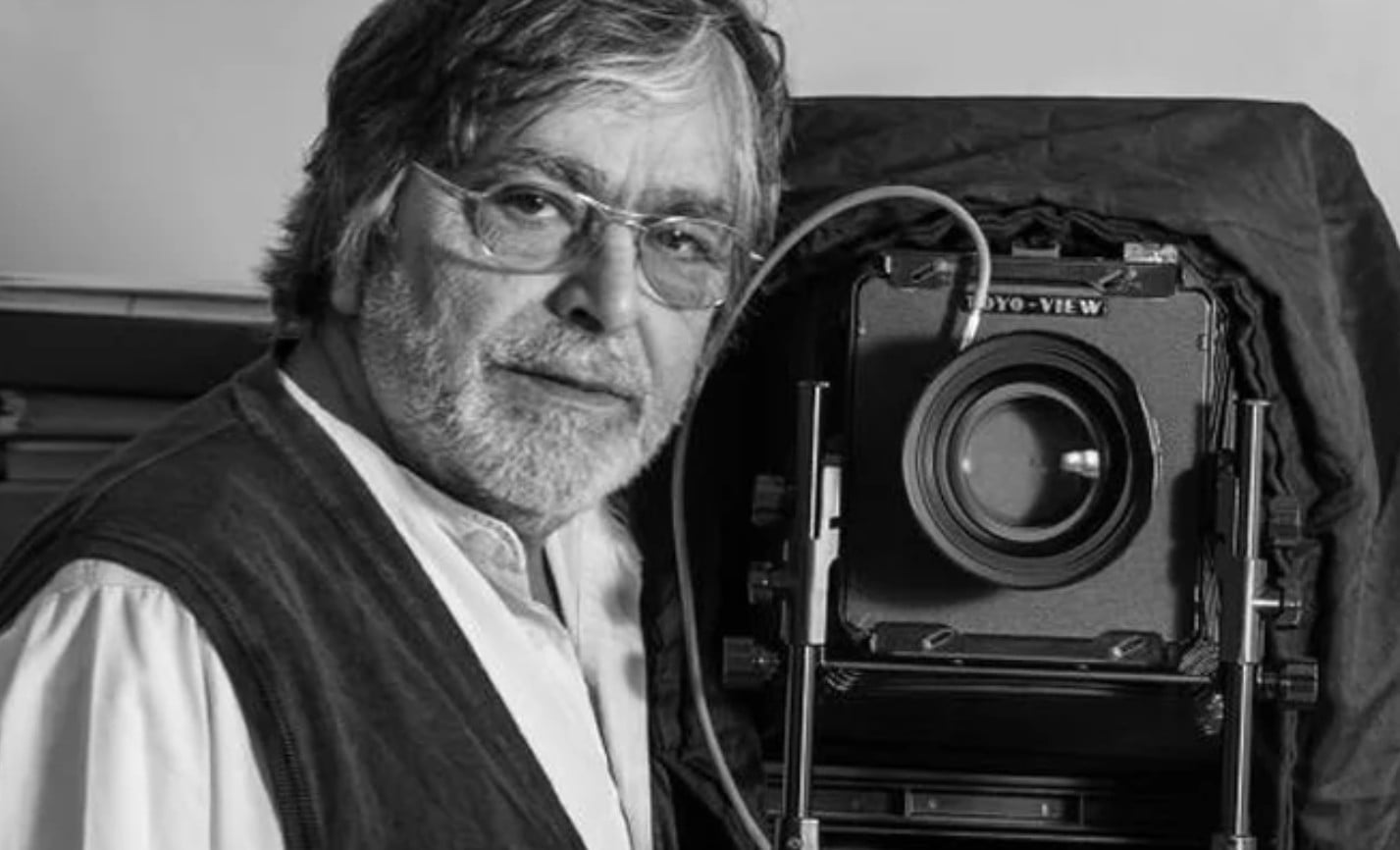
RaiPlay has released a new documentary film by Pappi Corsicato titled "Claudio Abate. L’obiettivo nell’arte" (2026), which pays tribute to the late photographer Claudio Abate (1943–2017). The film weaves together interviews, archival materials, and footage from Istituto Luce to chronicle Abate's life and work, focusing on his role documenting the vibrant Roman art scene from the 1960s through the 1990s. It highlights his collaborations with key figures such as Jannis Kounellis, Michelangelo Pistoletto, Fabio Sargentini, and the artists of the Pastificio Cerere school, capturing seminal performances, happenings, and installations that defined Arte Povera and other avant-garde movements.

C’è un libro che racconta il sorprendente rapporto storico tra arte, biciclette e ciclismo

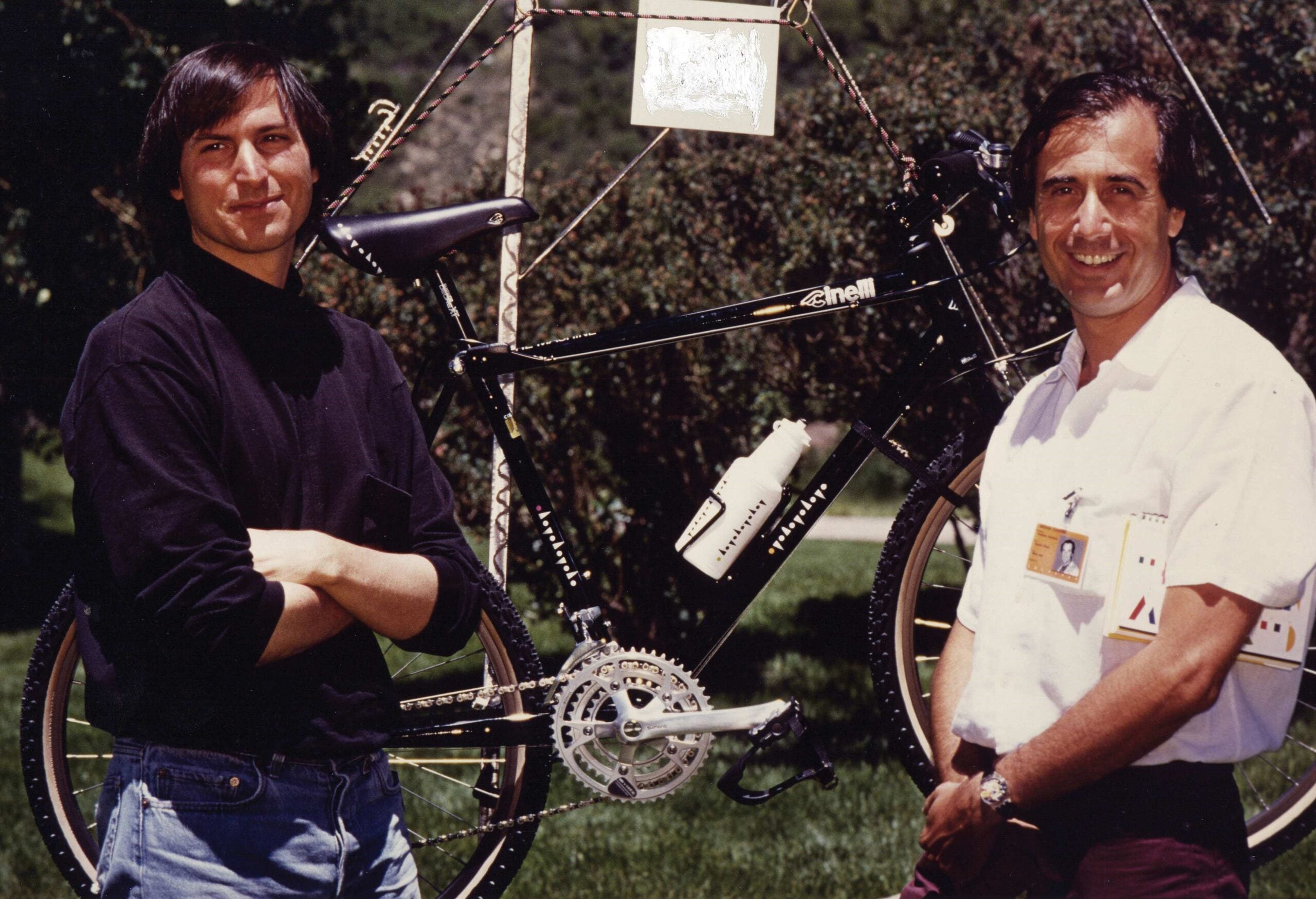
Antonio Colombo, the Italian entrepreneur behind Columbus and Cinelli, has published a memoir titled "A.C. Confidential. La mia vita tra arte, bicicletta e design" (Ediciclo Editore, 2026, co-written with Giacomo Pellizzari). The book traces his family's engineering legacy—his father Angelo Luigi Colombo supplied steel tubes to Bauhaus designer Marcel Breuer in 1933—and Colombo's own career fusing technical precision with artistic vision. He acquired Cinelli in 1978, collaborated with artists like Keith Haring, Alessandro Mendini, and Barry McGee, and introduced groundbreaking bicycle models including the Rampichino mountain bike (1985) and the Laser, which won the Compasso d'Oro design award in 1991. The narrative also covers his friendships with artists Mario Schifano (who designed Tour de France jerseys) and his role in the Red Hook Criterium fixed-gear race.

In Spain, art becomes popular thanks to this expert influencer. We interviewed him

In Spagna l’arte diventa popolare grazie a questo esperto influencer. Lo abbiamo intervistato

Miguel Ángel Cajigal, known as 'El Barroquista,' is a Spanish art historian and popularizer who has brought art history to prime-time television, radio, and social media. In an interview with Artribune, he discusses his books, including 'Otra historia del arte' (2021), his approach to making art accessible without dumbing it down, and his critique of the cult of the individual genius in art historiography. He emphasizes the collective nature of art production and reception, challenging the traditional focus on masterpieces and authorship.

‘Occasionally a picture can change the course of history’: 33 scandalous photos that shocked the world

The article presents a curated collection of 33 photographs deemed to have caused public scandal, ranging from political and royal controversies to celebrity missteps and historical moments of defiance. It analyzes how these images, from Prince Andrew with Virginia Giuffre to Lee Miller in Hitler's bathtub, have exposed hidden truths, shattered carefully managed public images, and sometimes altered public perception or the course of events.

Is Math Art? Werner Herzog Says Yes

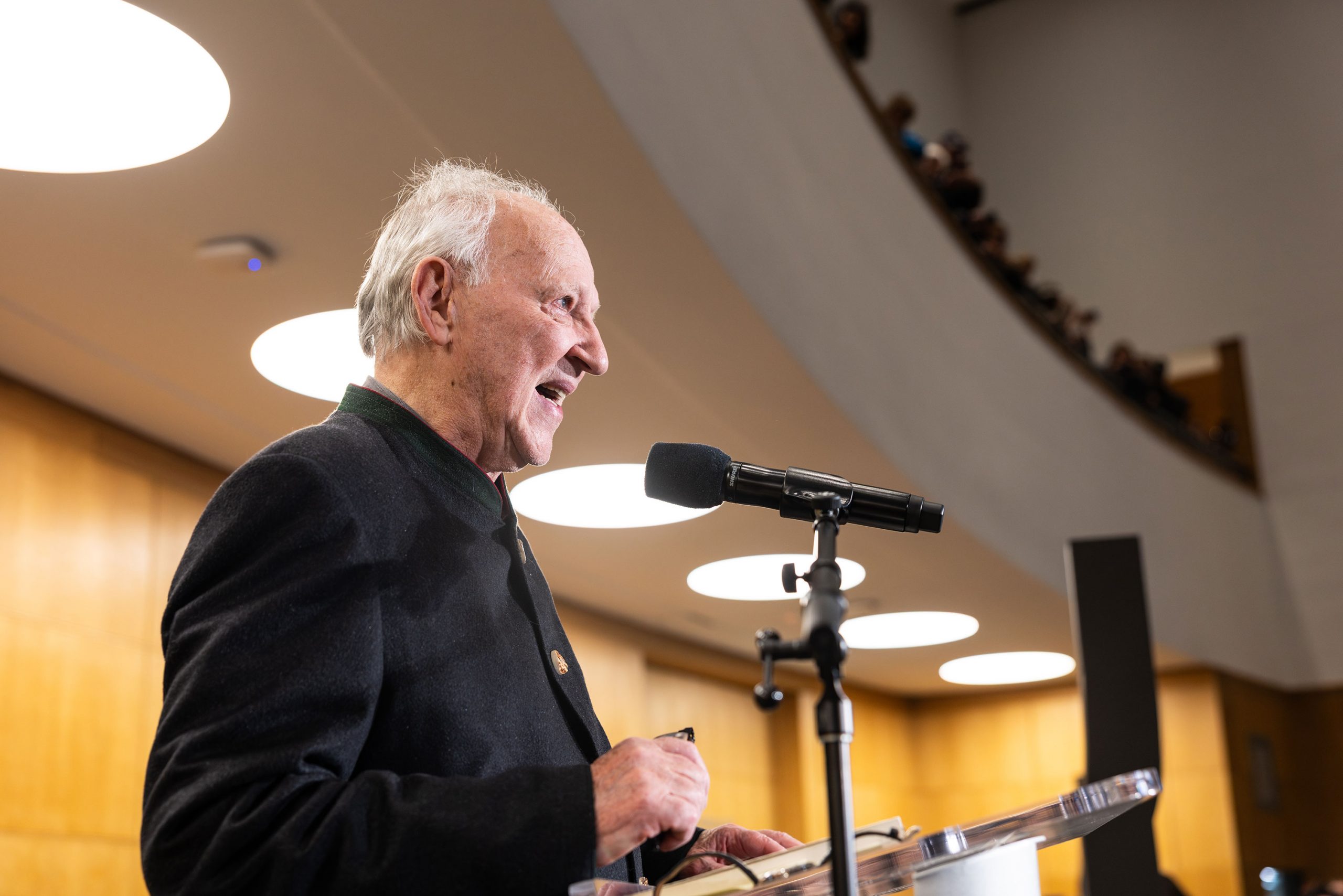
The Brooklyn Public Library hosted an overnight festival called "Night in the Library: The Philosophy of Mathematics" on Pi Day, March 14. The event featured a diverse program including tap dancing, textile workshops, talks by novelist Michael Cunningham and artist Molly Crabapple, and concerts, all aimed at exploring math's connections to broader culture. Filmmaker Werner Herzog delivered the keynote address, titled "Mathematics and the Sublime," in which he argued that mathematics is a new form of art, loaded with meaning and poetry.

art bites sistine chapel michelangelo critics

The article recounts the creation and controversy surrounding Michelangelo's fresco of the Last Judgement on the west wall of the Sistine Chapel. While the chapel attracts 25,000 daily visitors and is celebrated as a pinnacle of Renaissance art, the west wall initially provoked scorn from church officials and critics like Biagio da Cesena and Pietro Aretino, who objected to its nudity, pagan imagery, and perceived idolatry. Michelangelo retaliated by painting his detractors into the fresco—Da Cesena as King Minos with donkey ears and a snake biting his genitals, and Aretino as Saint Bartholomew holding flayed skin resembling the artist.

deleuze seminars painting

A newly translated English edition of Gilles Deleuze's 1981 seminars on painting, originally published in French as 'Sur la peinture' in 2023, has been released by the University of Minnesota Press. Translated by Charles J. Stivale, the eight lectures explore what concepts painting can offer to philosophy, rather than the reverse. Deleuze discusses terms like catastrophe, the diagram, and figure, focusing on artists such as Titian, Turner, Cézanne, van Gogh, Klee, Mondrian, Pollock, and Bacon, offering a chaotic yet magnificent counterpoint to his more systematic book 'Francis Bacon: The Logic of Sensation'.

lorde virgin vinyl photograph talia chetrit

A revealing photograph of singer Lorde from the vinyl edition of her new album *Virgin* has gone viral, sparking debate on social media. The image, credited to artist Talia Chetrit, shows Lorde in see-through pants without underwear, echoing the album's cover—an X-ray of her pelvis by Heji Shin. Chetrit, known for exploring power dynamics and sexuality in her work, previously photographed Lorde for a single cover. The photo has drawn comparisons to Chetrit's earlier self-portraits and has been discussed in the context of nudity and illusion in art.

who was joan shogren computer art

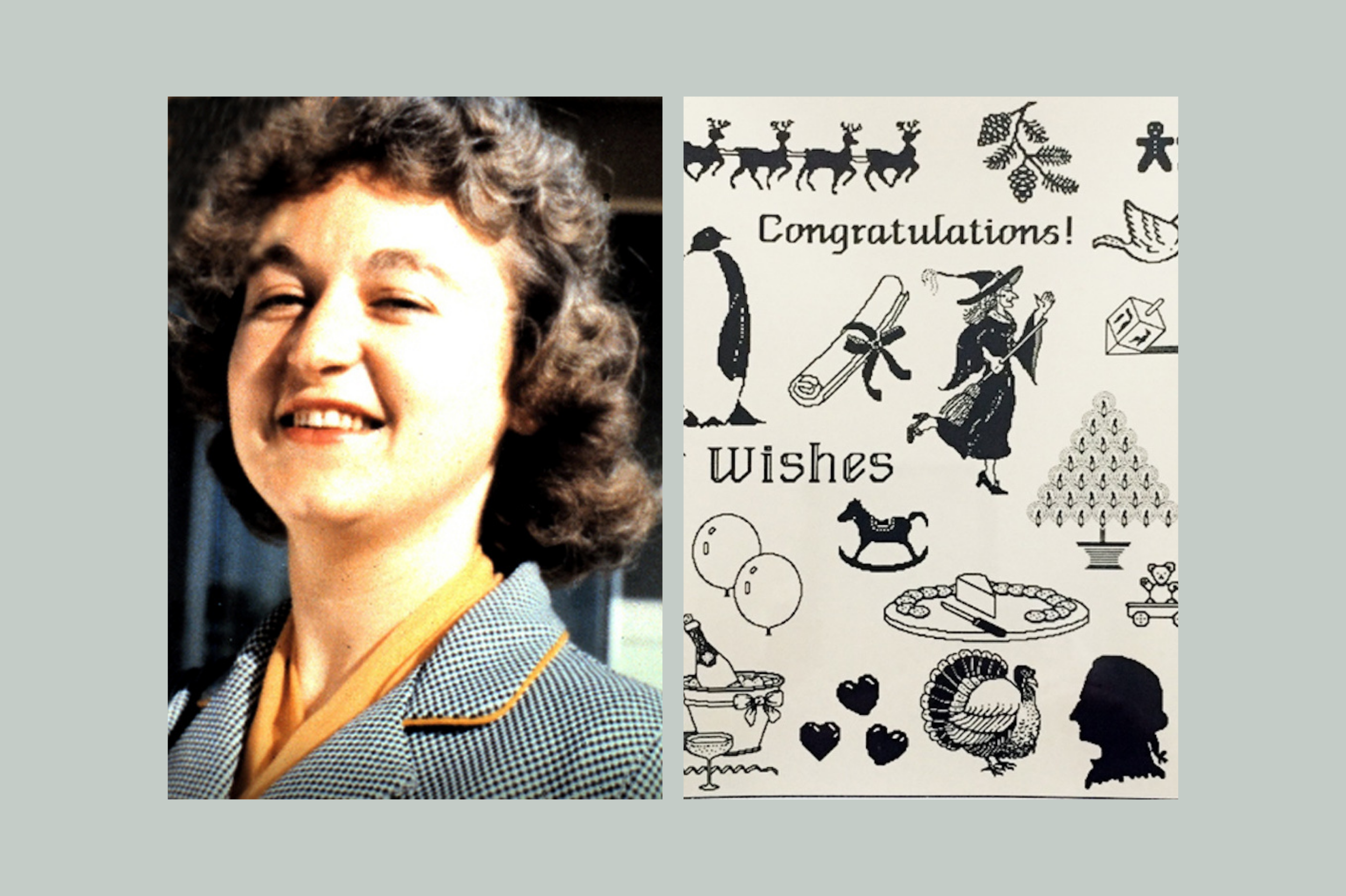
Joan Shogren, a chemistry graduate from San José State University (SJSU) in the early 1950s, created some of the world's first computer-generated art in 1963 while working as a secretary in the chemistry department. Collaborating with graduate student Jim Larson and assistant professor Ralph Fessenden, she developed a theory that computers could create art if given "rules" of proportion, balance, and center of interest. Fessenden translated her "laws of art" into code on an IBM 1620 computer, producing artworks that were printed as number arrays and later hand-colored by artist Marvin Coon. Shogren exhibited these works in May 1963 at the campus bookstore, recognized as the first public display of computer art. Two decades later, she was commissioned by software company T/Maker to create the first clip art, "ClickArt," released in 1984 for Macintosh computers, designed pixel by pixel.