filter_list Showing 361 results for "Art" close Clear
search
dashboard All 5271 museum exhibitions 2873article local 808article news 407article culture 361trending_up market 311person people 133rate_review review 131article policy 115candle obituary 85gavel restitution 46article architecture 1
date_range Range Today This Week This Month All
Subscribe

The 21st Century’s Biggest Art Trend is Not a Style. But Once You See It, You’ll Notice It Everywhere.

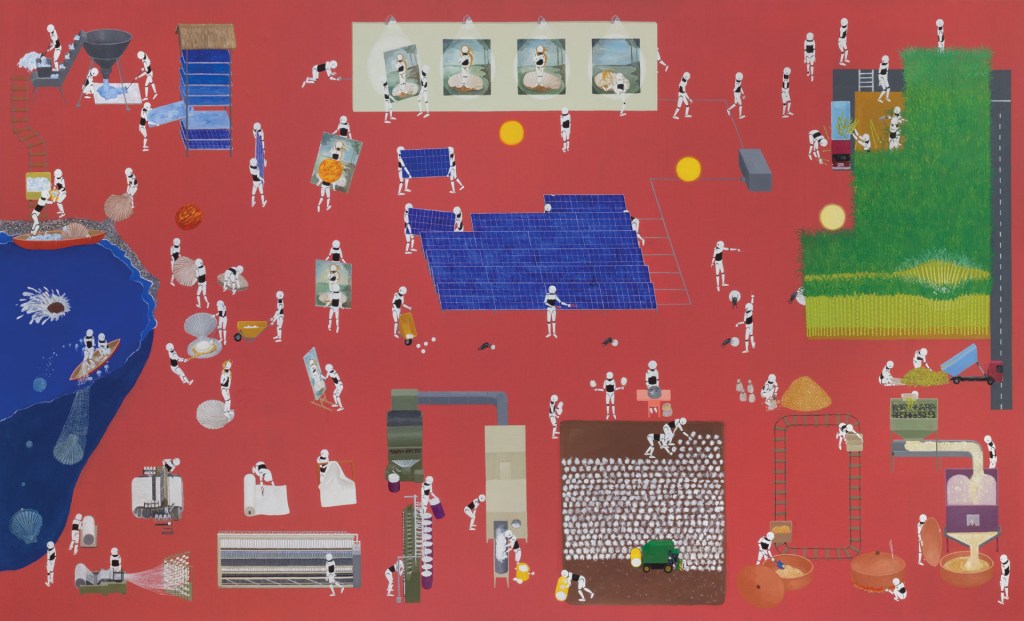
The article traces the evolution of "systems art," a term coined by critic Jack Burnham in 1968 to describe art that uses rules, seriality, and repetition to mirror and reveal the growing protocols of the Cold War era. It highlights early practitioners like Kenneth Noland, Robert Morris, Dan Flavin, and notably Hans Haacke and Adrian Piper, who shifted from atmospheric systems (e.g., Haacke's *Condensation Cube*) to social systems (e.g., Haacke's *Shapolsky et al. Manhattan Real Estate Holdings*). The piece argues that systems thinking has become unavoidable in contemporary life—from algorithms to systemic racism—and that art remains a crucial tool for making these invisible systems legible.
‘A gift that keeps on giving’: the witty world of Lee Friedlander – in pictures

The Guardian published a photo essay celebrating American photographer Lee Friedlander, featuring images from his career spanning the 1950s to the 2010s. The article highlights his new book "Life Still," published by Aperture, which collects over 130 photographs—most previously unpublished—showcasing his signature wit and his eye for the American social landscape, including chain link fences, roadside signs, and still lifes. The piece includes commentary from curator Peter Galassi and notes Friedlander's influences from Walker Evans and Robert Frank.

‘This is mine, I own it’: how Tracey Emin and Frida Kahlo inspired me to make meaning out of pain

The article is a personal essay by a writer who, after undergoing a colectomy in 2023, found inspiration in Tracey Emin's unflinching self-portraiture following her 2020 cancer diagnosis. The author describes taking her own post-surgery photographs, echoing Emin's mantra "This is mine, I own it," and reflects on Emin's current work, including the Tate Modern exhibition and paintings like "I watched Myself die and come alive" (2023) and "Barbed Wire Stitches" (2024). The essay also connects Emin's approach to that of Frida Kahlo, whose retrospective is upcoming at Tate.

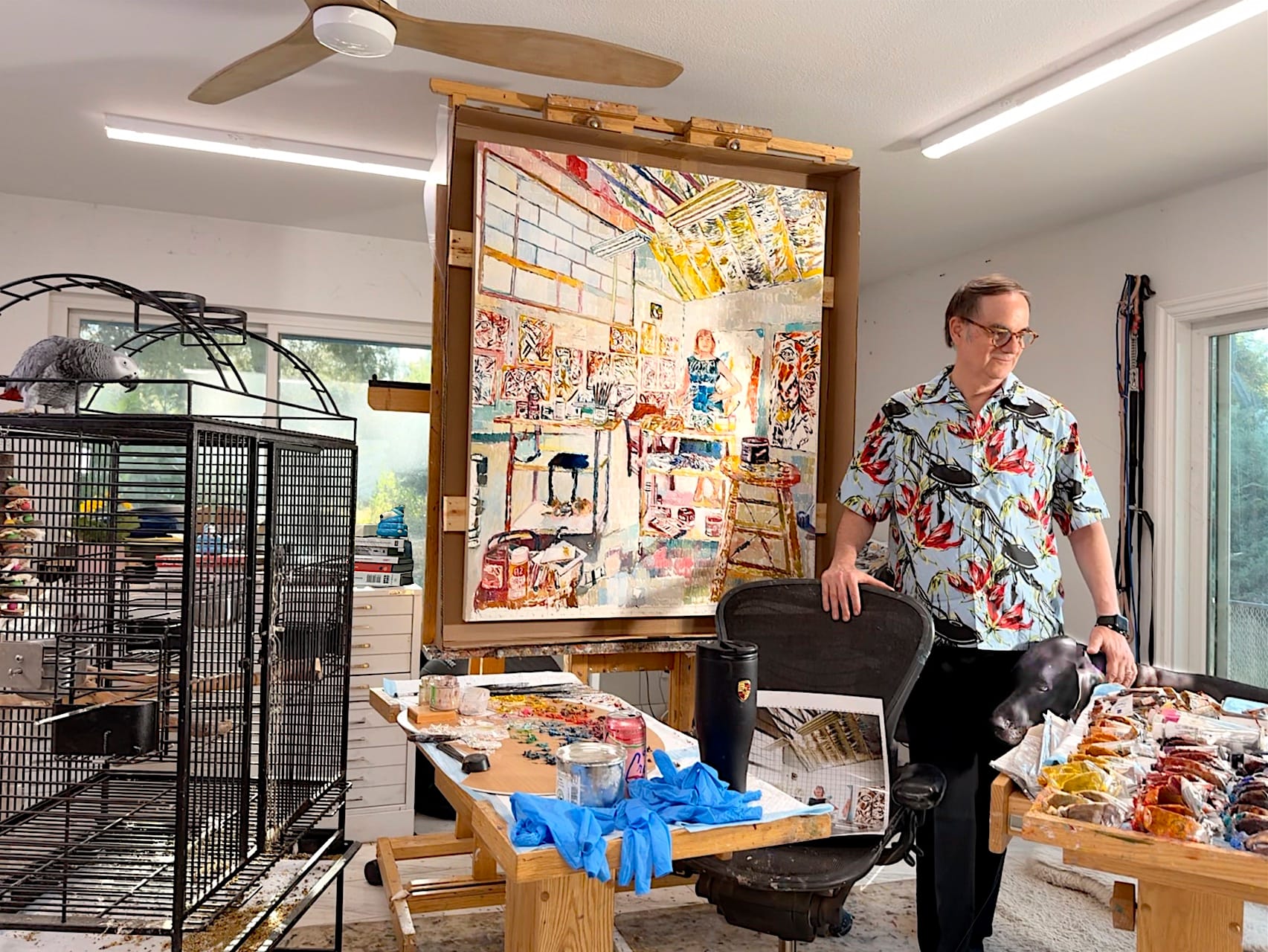
Beer With a Painter: Keith Mayerson

Hyperallergic interviews Los Angeles-based painter Keith Mayerson, who discusses his ongoing 'My American Dream' series—a cosmology of paintings blending American identity, activism, and popular culture. The conversation covers his early influences from comics, the Muppets, and Hunter S. Thompson, his transition from cartooning to painting, and his vibratory, swirling brushwork. Mayerson's work has been featured in the 2014 Whitney Biennial and is currently on view at the Aspen Art Museum and the Pollock-Krasner House.

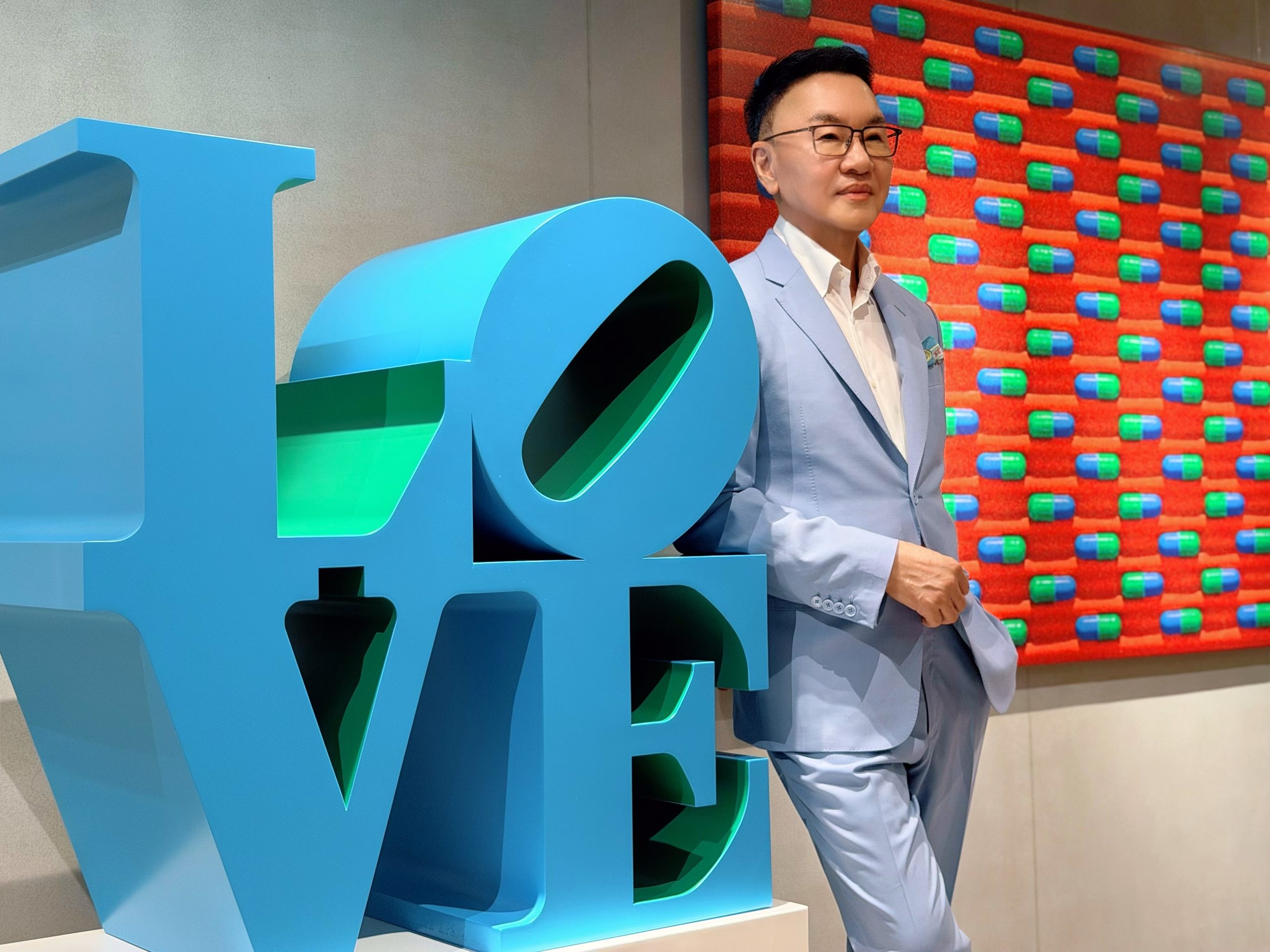
Inside Sunpride Foundation’s Mission to Champion LGBTQ+ Art Across Asia

Patrick Sun founded the Sunpride Foundation in 2014 to support LGBTQ+ communities through art, combining his passion for contemporary queer Asian art with philanthropy. The foundation's flagship "Spectrosynthesis" exhibition series has been staged at major institutions across Asia, including the Museum of Contemporary Art, Taipei, and the Bangkok Art and Culture Centre. The latest iteration, "Spectrosynthesis Seoul," opened at Seoul's Art Sonje Center and runs through June 28, 2026. Sun, a Hong Kong-born real estate developer and longtime art collector, built the foundation's collection with a focus on works suitable for museum exhibitions about queer identity.

Here’s How Stars at the 2026 Met Gala Nodded to Art History

The 2026 Met Gala, themed "Fashion Is Art," saw celebrities and fashion figures wearing outfits directly inspired by or referencing iconic artworks and art historical movements. Notable nods included Chloe Malle in a gown referencing Frederic Leighton's *Flaming June*, Lauren Sánchez Bezos in a Schiaparelli dress echoing John Singer Sargent's *Madame X*, and Hunter Schafer channeling Gustav Klimt's portrait *Mäda Primavesi*. Other attendees like Anne Hathaway, Hailey Bieber, and Karan Johar also drew from specific paintings, sculptures, and poems, while stylist Law Roach wore a hand-painted piece by Gabonese artist Naïla Opiangah.

The Defining Themes of Today’s Biennial Art

The article analyzes the defining themes and styles of the past four years in the international biennial circuit, based on a survey of 130 biennials. It identifies a core group of artists who appeared most frequently, including Ali Eyal, Apichatpong Weerasethakul, Carolina Caycedo, Kapwani Kiwanga, and Tuan Andrew Nguyen, among others. Many of these artists are also featured in the upcoming 61st Venice Biennale curated by the late Koyo Kouoh. The piece categorizes their work under two broad themes: "Post-Colonial Post-Conceptualism," which involves poetic engagement with colonial history and artifacts, and "Families and Networks," where artists explore personal and political family histories.

No Attitude, Nowhere: Conviction, Zero Meaning

Keine Haltung, nirgends Gesinnung, null Bedeutung

The article critiques the current state of the art world and broader culture, arguing that right-wing calls for depoliticized art are intensifying while the progressive art establishment silently tolerates a culture war that restricts free expression. It uses the 2025 Met Gala as a prime example, describing the event as a heartless display of wealth and power aligned with Trump-era capitalism, where celebrities and artists perform progressive values while participating in a spectacle sponsored by anti-union figures like Jeff Bezos. The author draws on Hannah Arendt's ethics lectures to suggest that moral norms have collapsed overnight, and that the commercial art world now legitimizes anti-democratic tendencies through its silence.

Artists made their mark at 2026 Met Gala

The 2026 Met Gala, held on May 4 at the Metropolitan Museum of Art, raised a record $42 million for the Costume Institute, surpassing last year's $31 million. Honorary chairs Jeff Bezos and Lauren Sanchez Bezos contributed at least $10 million, but their involvement sparked protests outside the event, with demonstrators holding signs like "Tax the Rich" and a group called Everyone Hates Elon leaving fake urine bottles labeled with Bezos's face. Inside, artists made a strong impression: Amy Sherald wore a Thom Browne look based on her painting; Jordan Roth donned a Robert Wun outfit inspired by a Met collection work; and Tschabalala Self collaborated with Brandon Blackwood on a gown evoking Degas's ballerina sculpture. The gala's dress code was "fashion is art," and the accompanying exhibition, "Costume Art" (May 10–January 10, 2027), debuts the Met's new 12,000-square-foot Condé M. Nast Galleries.

10 Artists to Follow if You Like Iris van Herpen

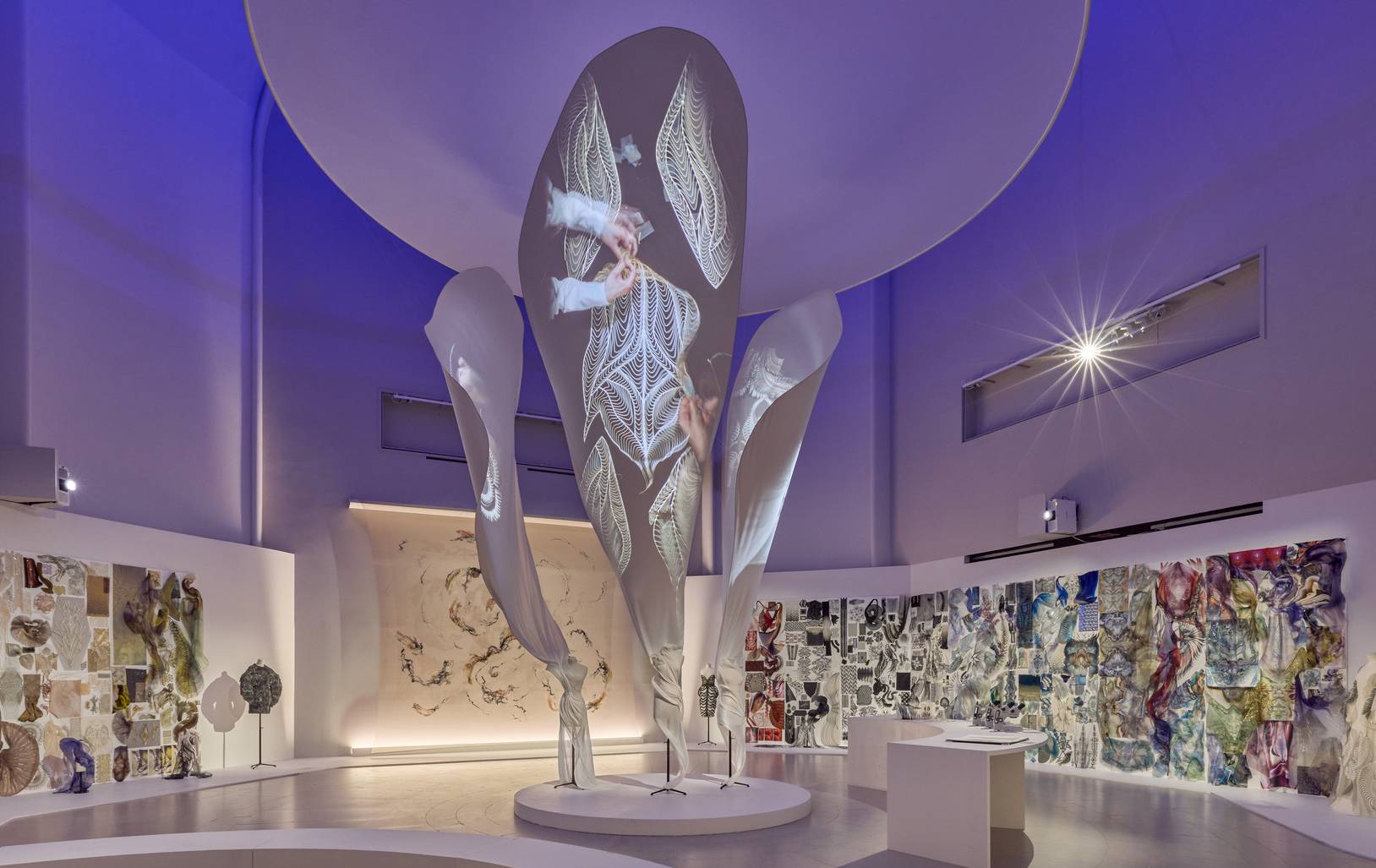
Artsy Editorial profiles 10 contemporary artists whose work aligns with the visionary, technology-driven approach of fashion designer Iris van Herpen. The article highlights van Herpen's career milestones, including her 2011 invitation to join the Chambre Syndicale de la Haute Couture, and her ongoing fusion of traditional craftsmanship with cutting-edge technology to create wearable art. It then presents a curated list of artists who similarly explore themes of organic form, digital fabrication, and the intersection of art and fashion.

Louis Vuitton revives Keith Haring collaboration at lavish New York show

Louis Vuitton staged a lavish fashion show at the Frick Collection in New York, reviving a collaboration with the estate of artist Keith Haring. The collection, designed by Nicolas Ghesquière, featured Haring's signature motifs on classic LV handbags and was presented in the museum's marble galleries. The event also marked a three-year sponsorship deal, with Louis Vuitton funding exhibitions, public access, and a curatorial position at the Frick, including rebranded free entry evenings as Louis Vuitton Free Fridays.

One Erased Vermeer, Two Books, and No Consensus

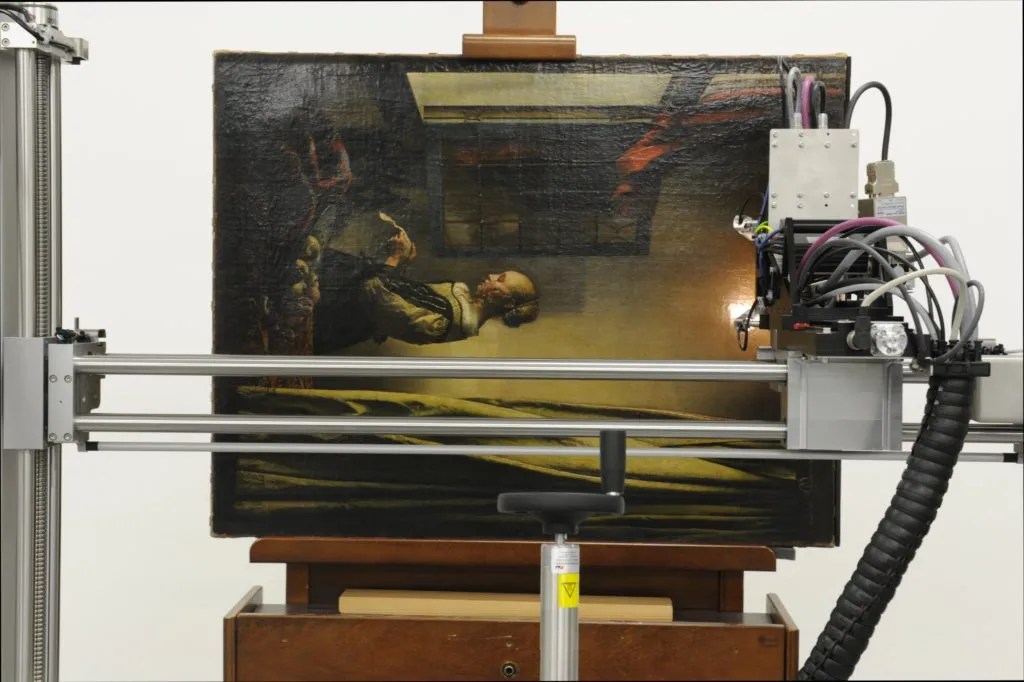
Two new books examine the legacy of Johannes Vermeer from contrasting angles. Ruth Bernard Yeazell's "Vermeer's Afterlives" (Princeton University Press) explores how the artist's open-ended, figureless interiors have inspired later creators, from painter George Deem to novelist Tracy Chevalier. Andrew Graham-Dixon's "Vermeer: A Life Lost and Found" restores the historical and religious context of 17th-century Delft, arguing that modern readings have overlooked the original meanings of Vermeer's works.

Arghavan Khosravi’s Intricate Paintings Find Hope amid Oppression

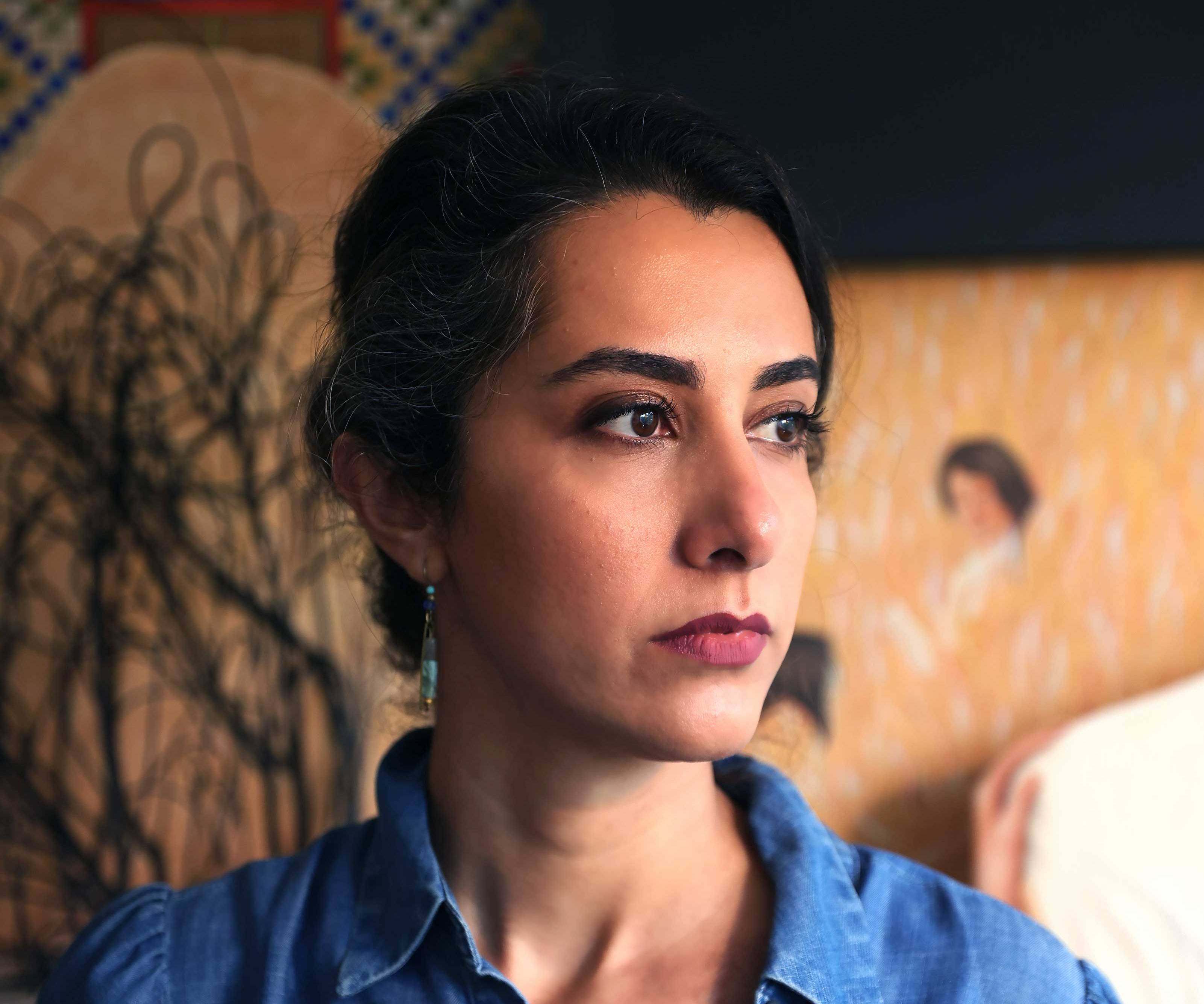
Arghavan Khosravi creates intricate, surreal three-dimensional paintings that blend sculptural elements with painted canvases, featuring hidden details such as creased book spines, concealed female figures, and glowing bullets. In an interview at her Connecticut studio, she explains her preference for works that reveal themselves gradually over time, rather than shouting for attention.

11 Contemporary Emirati Artists To Know

The article highlights 11 contemporary Emirati artists, providing an overview of their practices and significance within the Gulf's evolving art scene. It contextualizes this list against recent major events in the region, including the debut of Art Basel Qatar in early February and the subsequent U.S. attacks on Iran, which caused turmoil across the Gulf, disrupted airline operations, and forced Art Dubai to scale back its event to a smaller fair in mid-May. Artists and galleries in the Gulf also had to temporarily close.

Rocked on their heels: how exhibitions can change the course of artists’ lives

Alyce Mahon's new book, *Dorothea Tanning: A Surrealist World*, explores how the 1936 MoMA exhibition *Fantastic Art, Dada, Surrealism* profoundly transformed the young artist Dorothea Tanning, who described being "rocked on my run-over heels" by the experience. The article also recounts similar life-changing exhibition encounters for contemporary artists Lorna Simpson and Hurvin Anderson, as discussed on *The Week in Art* and *A brush with…* podcasts, highlighting how specific shows shaped their artistic trajectories.

The Met’s Frida & Diego Opera Imagines Feminist Revenge from Beyond the Grave

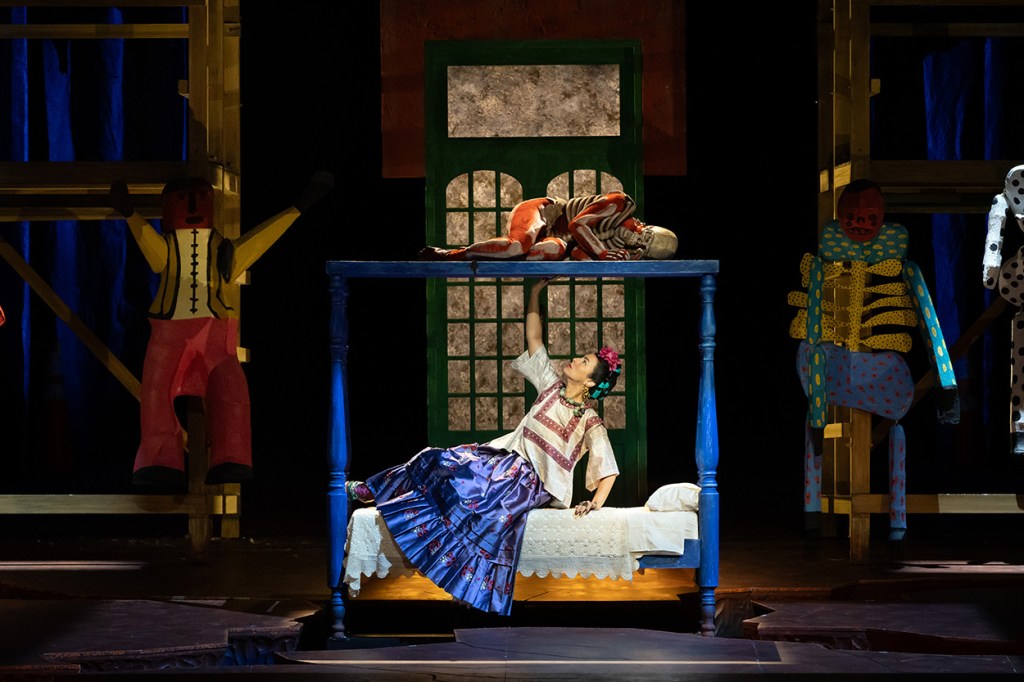
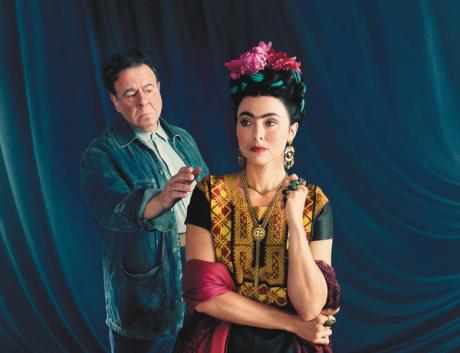
The Metropolitan Opera has opened "El Último Sueño de Frida y Diego," a new opera by composer Gabriela Lena Frank and librettist Nilo Cruz that imagines Frida Kahlo returning from the underworld during Día de los Muertos for a reunion with her husband Diego Rivera. The production features mezzo-soprano Isabel Leonard as Frida, Carlos Álvarez as Diego, and choreography by Deborah Colker, with sets by Jon Bausor that evoke Kahlo's iconic paintings and mirror. The opera explores themes of pain, creativity, and marital strife, granting Kahlo physical freedom denied to her in life while centering her perspective over Rivera's.

Frida Kahlo and Diego Rivera are given a voice by New York's Metropolitan Opera

New York is experiencing a wave of Frida Kahlo-related events this spring, including a new book from Rizzoli about her childhood home museum in Mexico City and a small exhibition at the Museum of Modern Art (MoMA) featuring works by Kahlo and Diego Rivera. The centerpiece is the Metropolitan Opera's new production of *El Último Sueño de Frida y Diego*, with music by Gabriela Lena Frank and libretto by Nilo Cruz, both Pulitzer Prize winners. The opera, which premiered in San Diego in 2022, opens on 14 May and features set and costume design by Jon Bausor, who also co-curated the MoMA exhibition alongside curator Beverly Adams. The production imagines Kahlo's spirit rising from the underworld on the Day of the Dead to reunite with Rivera, blending Mexican musical elements with a dreamlike, visually rich aesthetic.

The Interview: Steven Soderbergh

Steven Soderbergh discusses his new film *The Christophers* (2025), which follows a cantankerous artist and his young assistant tasked with forging his unfinished works, exploring themes of authorship, originality, and the ethics of art-making. In an interview with ArtReview, Soderbergh also addresses his recent use of AI in a documentary about John Lennon, defending the technology as a creative tool akin to his own filmmaking process, and reflects on his career spanning genres from indie dramas to studio blockbusters.

Meet the Woman Who Curated the Art on Miranda Priestly’s Walls

Fanny Pereire, an art advisor specializing in film and television, curates the art seen on the walls of fictional characters like Miranda Priestly in *The Devil Wears Prada 2*, Logan Roy in *Succession*, and Bobby Axelrod in *Billions*. She works as a fine art coordinator, sourcing reproductions and original works to match character personalities and socioeconomic status, often overseeing the destruction of replicas after filming. Her role, created by producer Scott Rudin in 1999, involves clearing copyrights for every artwork shown on screen, from children's drawings to high-end pieces by artists like Wayne Thiebaud and Alex Katz.

The Contemporary Art Destinations Gallerists and Artists Have on Their Radar

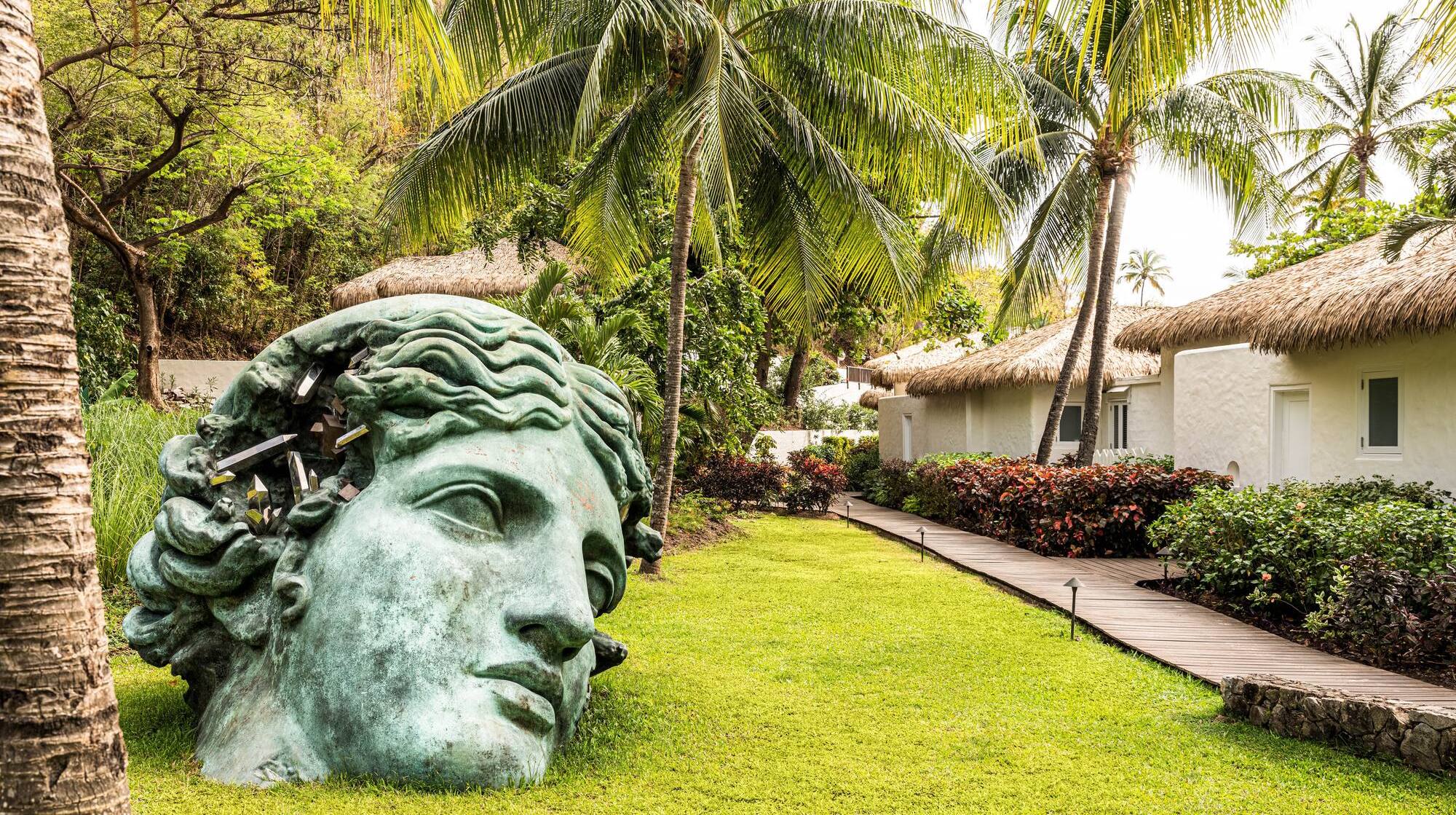
WWD asked top international gallerists, collectors, and artists to name the cities they find most exciting for contemporary art. Karen and Christian Boros recommend Naples and the Amalfi Coast, highlighting galleries like Galleria Giangiacomo Rossetti, Thomas Dane Gallery, and Lia Rumma, as well as Fondazione Morra Greco and Le Sirenuse hotel. Daniel Arsham points to Sugar Beach in St. Lucia for its large contemporary sculpture collection. Jean-Michel Othoniel champions South Korea, citing Seoul's Leeum Samsung Museum of Art, Kukje Gallery, and the Kiaf Seoul fair, plus the city of Busan. Emma Lavigne of the Pinault Collection names Venice, especially during the Biennale Arte di Venezia, as an essential destination.

We are in danger of losing our sense of community

"Wir drohen das Gespür für die Gemeinschaft zu verlieren"

Christophe Cherix, the new director of the Museum of Modern Art in New York, discusses his first months in the role, emphasizing museums as "safe social places" in an era of anxiety and screen-induced isolation. He advocates for collective vision-building with staff and defends the MoMA's independence against political pressure in Trump-era America. Separately, critic Paco Barragán argues in The Observer that biennials are in a structural crisis of repetition, tracing their history from instruments of national soft power to a "Global Neo-Liberal Biennial" system that co-opts diversity without changing its core logic. He introduces the concept of the "vibe-ennial," where discourse is replaced by atmosphere and critique by affect. Meanwhile, longtime Bonn museum director Stephan Berg critiques the boom in immersive art experiences like "Van Gogh – The Immersive Experience," calling them a "surrogate reality" tailored to the Instagram age that destroys the integrity of original works. Artforum reconstructs late-1960s debates on art criticism, focusing on Barbara Rose's challenge to formalists like Clement Greenberg and Rosalind Krauss, arguing that art must engage with societal conflicts such as Black Power and war resistance.

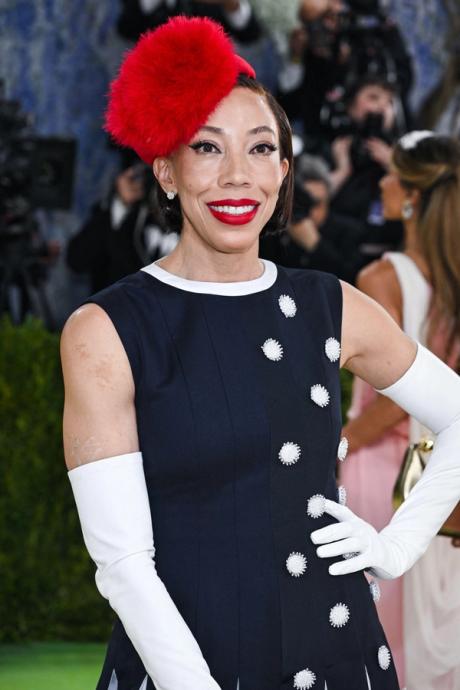
Amy Sherald Dresses As Her Own Award-Winning Painting for Met Gala

Amy Sherald attended the 2025 Met Gala dressed as the subject of her own award-winning painting, *Miss Everything (Unsuppressed Deliverance)* (2014). The work, which won the Outwin Boochever Prize at the National Portrait Gallery and appeared on a *New Yorker* cover, depicts a young girl holding an oversized teacup. Sherald collaborated with designer Thom Browne to recreate the painting's look, including a red fascinator, as part of the gala's theme “Fashion Is Art,” which also aligns with the Costume Institute's exhibition “Costume Art.” Sherald served on the gala's committee alongside artists Anna Weyant and Tschabalala Self.

Look Inside the Art-Filled Home of New York City's Cultural Crusaders

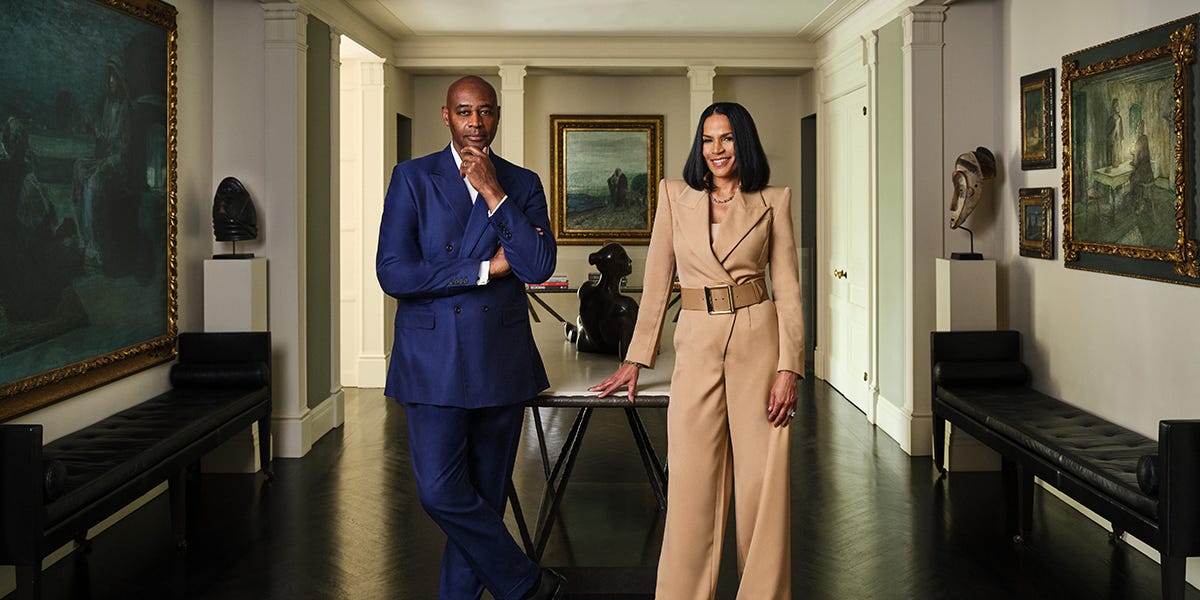
This profile explores the Upper West Side residence of Crystal McCrary McGuire and Raymond J. McGuire, a power couple deeply embedded in New York City’s cultural and financial sectors. Their home serves as a private gallery for a significant collection of African American art, featuring masterworks by Norman Lewis, Henry Ossawa Tanner, Elizabeth Catlett, and Romare Bearden. The couple’s shared passion for collecting began independently, sparked by their formative years studying in France, and has since evolved into a joint mission to preserve and live alongside Black artistic heritage.

Expanded Vocabulary: Revisiting Deborah Kass’ Studio

The article recounts the author's visit to Deborah Kass's Brooklyn studio, which she shares with her wife, artist Patricia Cronin. The visit was prompted by logistical issues related to the author's exhibition "Social Minimalism" (2025). During the visit, the author and Kass revisited themes central to Kass's work over three decades: the exclusion of women from art history, Jewish identity, queer voice, lesbian subjectivity, and postwar American art. The conversation also touched on Kass's series including the Warhol Project, Feel Good Paintings, No Kidding, and the large painting/sculpture installation "Everybody" (2019), which was recently featured in a conversation between Kass and Titus Kaphar in Interview magazine.

12 Art Books to Kick Off Summer

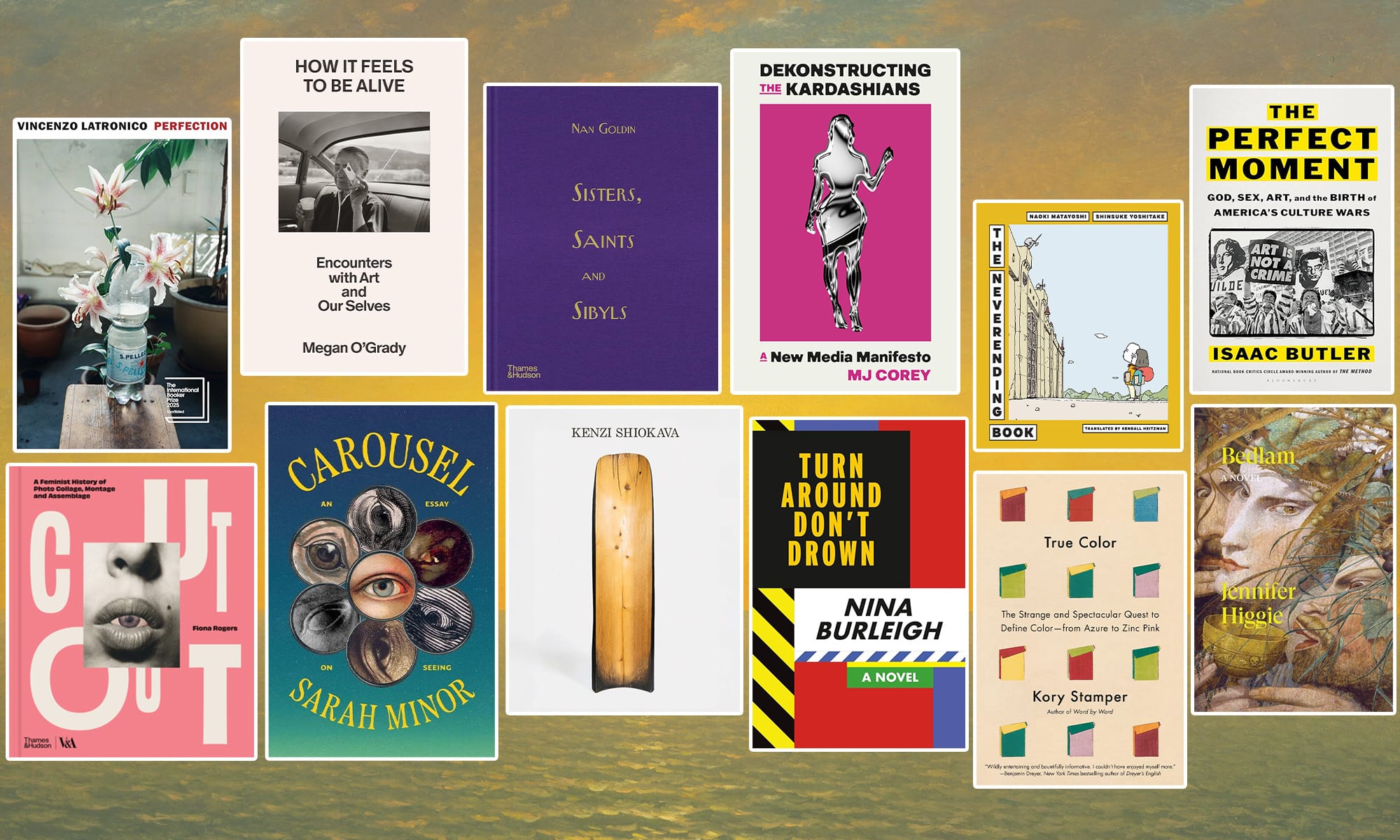
Hyperallergic's Lakshmi Rivera Amin presents a curated list of 12 art books for summer reading, including a novel lampooning the art world, Megan O'Grady's meditation on art and living, Kory Stamper's exploration of color lexicography, Nan Goldin's reissued photo essay, and Jennifer Higgie's prose poetry novel. The roundup also features Vincenzo Latronico's 'Perfection,' Nina Burleigh's satirical 'Turn Around, Don’t Drown,' and a graphic novel by Naoki Matayoshi and Shinsuke Yoshitake, among others.

A modern Tower of Babel? Pope Leo XIV warns against artificial intelligence

Pope Leo XIV has issued his first encyclical, titled *Magnifica Humanitas*, warning that artificial intelligence poses a major threat to humanity and could lead to a modern Tower of Babel. In the 43,000-word letter, he calls for disarming AI, establishing robust legal frameworks, and regulating tech giants like Meta. He also references Picasso's *Guernica* (1937) as a prophetic work denouncing dehumanization, alongside Beethoven's Ninth Symphony and the novel *Schindler's List*. Separately, the Vatican is expanding its contemporary art program, with a new space called Conciliazone 5 currently showing works by British artist George Rouy, and future exhibitions planned for Yan Pei-Ming and Vivian Suter.

From high BMI to the ‘GLP-1 look’: how weight-loss jabs are changing the face of beauty

Researchers and art historians are examining how weight-loss drugs like Wegovy and Mounjaro are reshaping ideals of beauty in art. Prof. Rosalind Gill and Dr. Michael Yafi argue that the rapid fat loss caused by GLP-1 medications produces a distinctive gaunt facial appearance—dubbed 'GLP-1 face'—which could become a new aesthetic standard reflected in contemporary art, similar to 'heroin chic' in the 1990s. Yafi presented his findings at the European Congress on Obesity, noting that while artists like Fernando Botero continue to celebrate fuller figures, future artworks may increasingly depict thin individuals with hollowed features.

A hated portrait and a forged masterpiece: two new thrillers with paintings at their centre

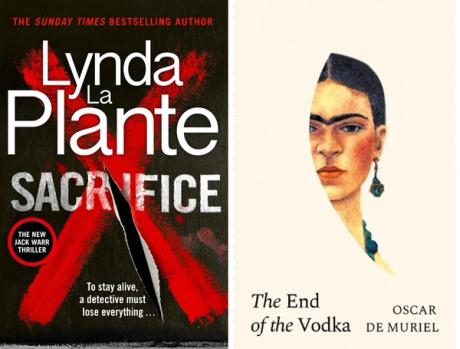
Two new thrillers center on paintings: "The End of the Vodka" by an unnamed author, which fictionalizes the real story of Frida Kahlo's commissioned portrait of Dorothy Hale—a painting that horrified its patron Clare Boothe Luce—and weaves an imagined conversation between Luce and Wallis Simpson amid the backdrop of World War II. The second, "Sacrifice" by Lynda La Plante, follows Detective Jack Warr as he investigates a possible forgery of a Jean-Michel Basquiat painting, leading to murder and a missing art forger.

Two of Modernism’s Lesbian Icons Get the Novel Treatment

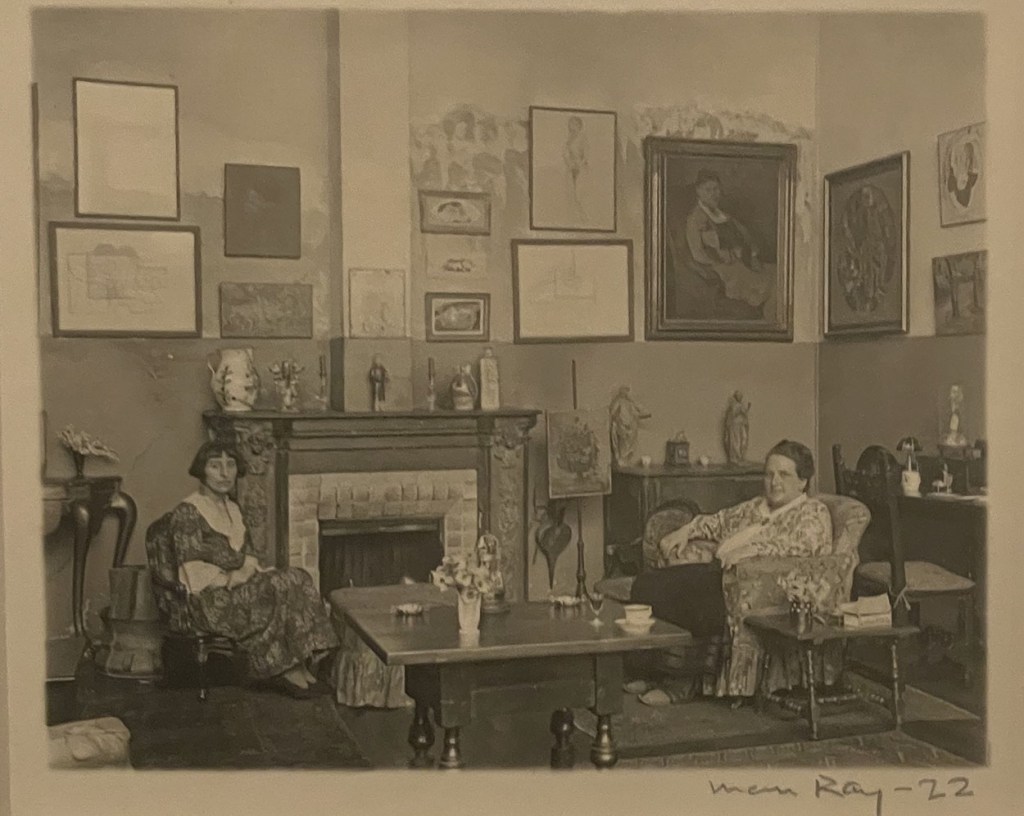
Deborah Levy's novel "My Year in Paris with Gertrude Stein" follows an unnamed narrator who travels to Paris to write an essay about Gertrude Stein, struggling with the weight of Stein's legacy while visiting her grave at Père Lachaise cemetery. The book explores Stein's life as a modernist icon, her relationship with Alice B. Toklas, and her role as a host to figures like Pablo Picasso and Ernest Hemingway, while the narrator grapples with Stein's defiant personality and literary style.

How Is Arts Patronage Changing?

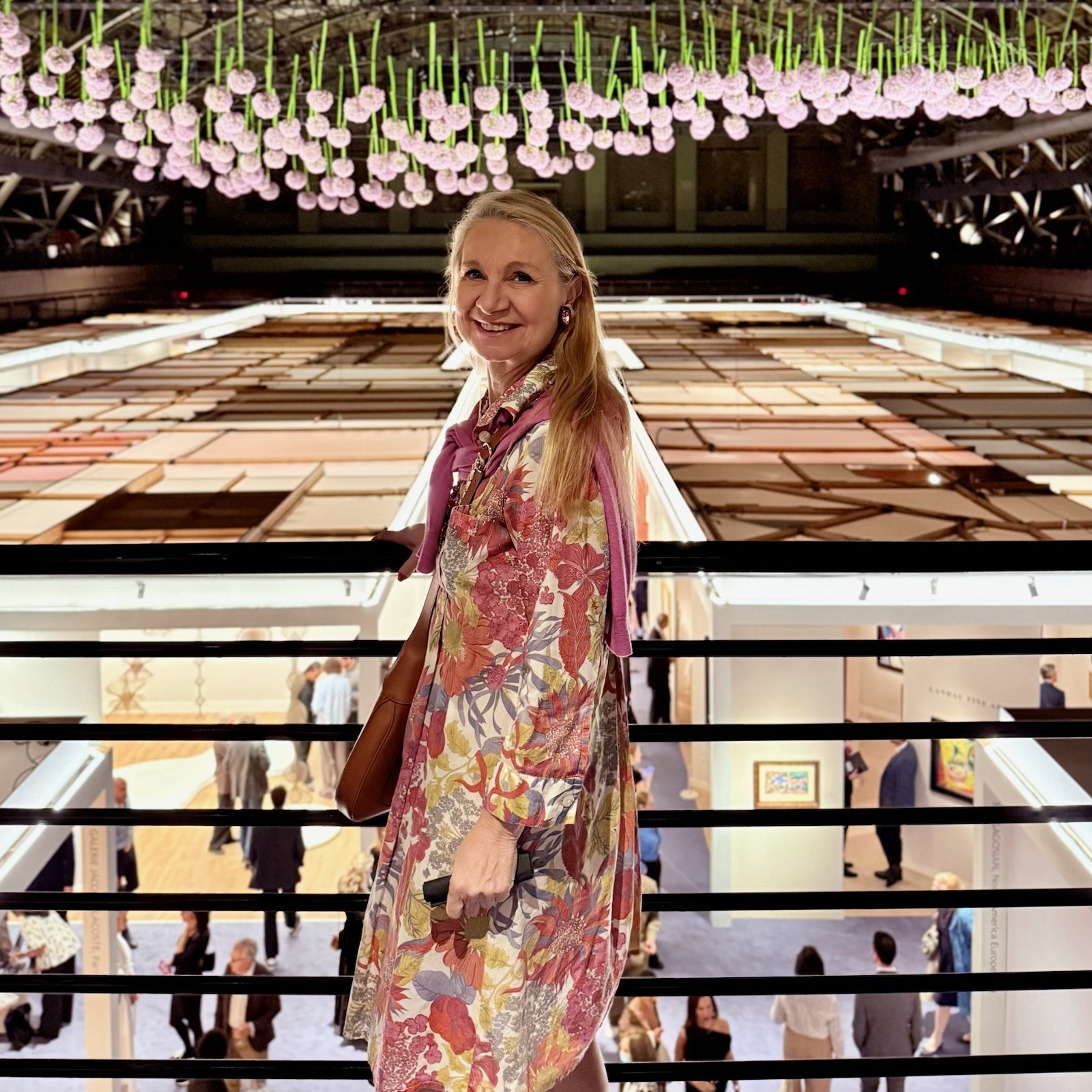
At TEFAF New York, Artnet News editor Andrew Russeth moderated a panel titled “Who Supports Art Now? Patronage in a Shifting Cultural Landscape” featuring two prominent figures in American arts philanthropy: Sarah Arison and Michi Jigarjian. Arison, who became the youngest president of the Museum of Modern Art’s board in 2024 at age 39, also leads the Arison Arts Foundation and chairs YoungArts. Jigarjian, CEO of Work of Art Holdings and a partner at 7G Group, has led Baxter St at CCNY for 15 years and serves on the boards of the Brooklyn Museum and MoMA PS1. The discussion took place during fair week in mid-May at the Park Avenue Armory.