filter_list Showing 11 results for "Arte" close Clear
search
dashboard All 121 museum exhibitions 69trending_up market 12article culture 11article local 9article news 7person people 4article policy 3rate_review review 2candle obituary 2gavel restitution 2
date_range Range Today This Week This Month All
Subscribe

11 Contemporary Emirati Artists To Know

The article highlights 11 contemporary Emirati artists, providing an overview of their practices and significance within the Gulf's evolving art scene. It contextualizes this list against recent major events in the region, including the debut of Art Basel Qatar in early February and the subsequent U.S. attacks on Iran, which caused turmoil across the Gulf, disrupted airline operations, and forced Art Dubai to scale back its event to a smaller fair in mid-May. Artists and galleries in the Gulf also had to temporarily close.

Delegitimation, Denunciation and Insecurity

"Delegitimation, Denunziation und Verunsicherung"

German cultural critic Georg Seeßlen warns in his taz column of a right-wing 'war of conquest' targeting liberal cultural institutions through systematic delegitimation, denunciation, and intimidation. Meanwhile, a new Berlin artist study reveals that the average annual income from artistic work is just €6,000, highlighting a structural dysfunction in the art system. Additionally, Jonathan Meese's play 'Alaska Kid' has been canceled at the Volksbühne Berlin following the death of his mother Brigitte Meese, who was his organizer, muse, and confidante.

Theatre, production, performance: fashion invests in art

Fashion houses like Chanel are increasingly investing in contemporary art, not merely as inspiration for prints or patterns but as a strategic tool for brand positioning and cultural credibility. Gallery owner Tristan Paprocki, who recently opened a Milan space with partner Guido Romero Pierini, notes that brands now seek out emerging artists to demonstrate foresight and support new talent. Chanel has collaborated with Berlin's Hamburger Bahnhof museum for large-scale installations by artists such as Klára Hosnedlová and Lina Lapelytė, and has announced ten artists for the third edition of its Next Prize 2026, including Bárbara Sánchez-Kane, Pan Daijing, and Álvaro Urbano. These artists work across fashion, sculpture, and performance, blurring the lines between clothing and contemporary art.

C’è un libro che racconta il sorprendente rapporto storico tra arte, biciclette e ciclismo

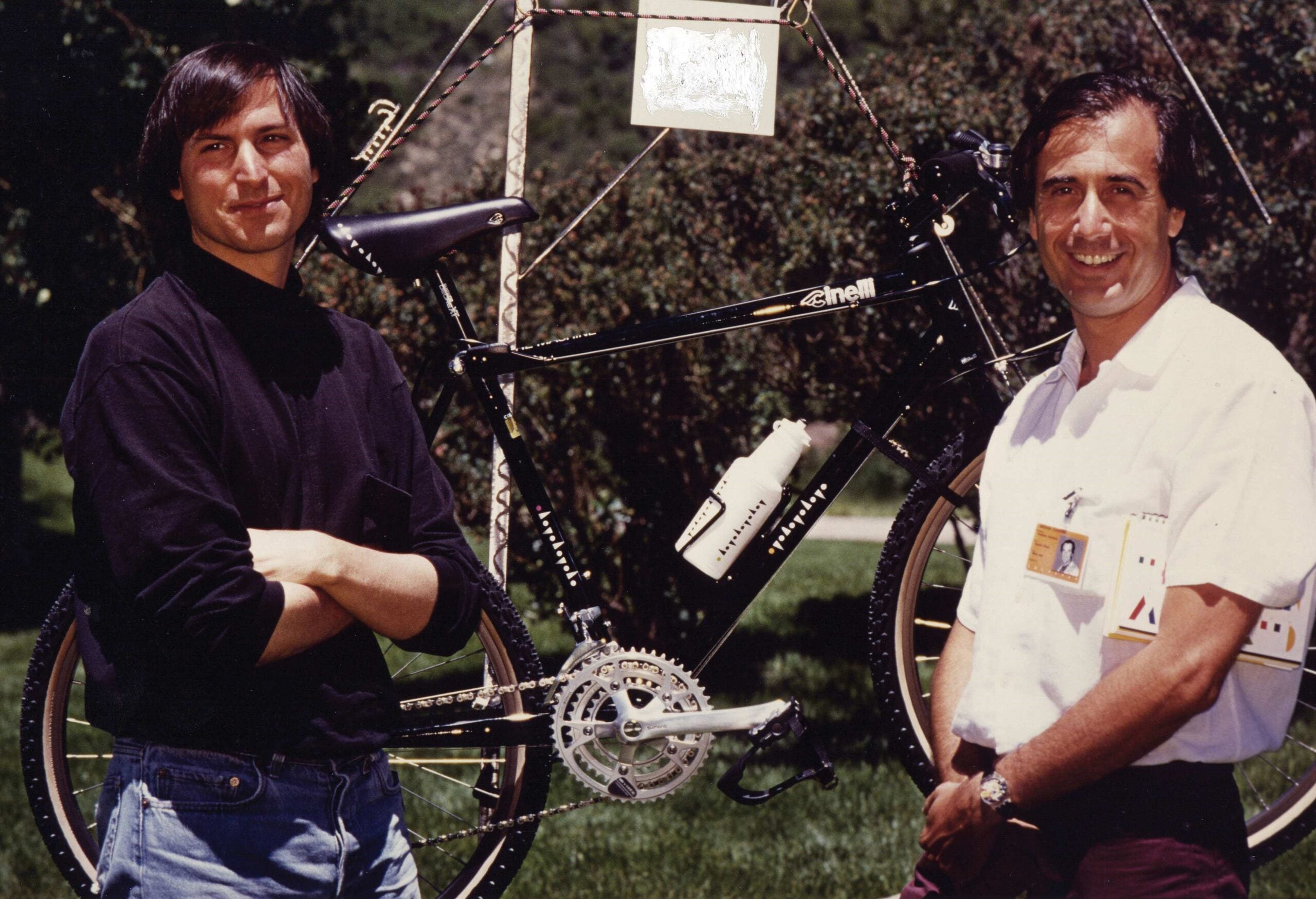
Antonio Colombo, the Italian entrepreneur behind Columbus and Cinelli, has published a memoir titled "A.C. Confidential. La mia vita tra arte, bicicletta e design" (Ediciclo Editore, 2026, co-written with Giacomo Pellizzari). The book traces his family's engineering legacy—his father Angelo Luigi Colombo supplied steel tubes to Bauhaus designer Marcel Breuer in 1933—and Colombo's own career fusing technical precision with artistic vision. He acquired Cinelli in 1978, collaborated with artists like Keith Haring, Alessandro Mendini, and Barry McGee, and introduced groundbreaking bicycle models including the Rampichino mountain bike (1985) and the Laser, which won the Compasso d'Oro design award in 1991. The narrative also covers his friendships with artists Mario Schifano (who designed Tour de France jerseys) and his role in the Red Hook Criterium fixed-gear race.

Major new Jean-Michel Basquiat collector’s book, priced at $1,400, released from Assouline.

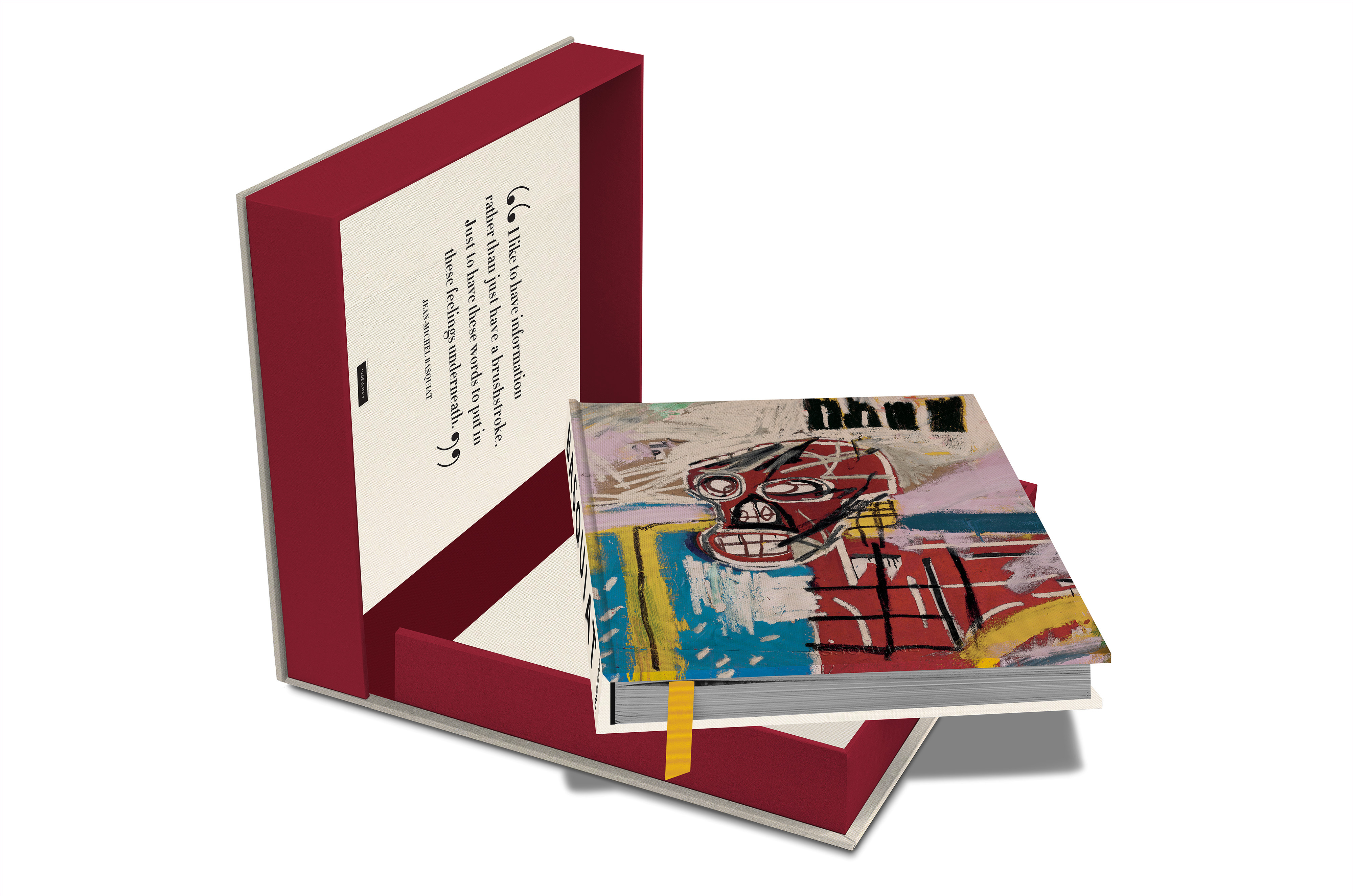
Assouline has released a new collector's book titled "Basquiat: The World of Jean-Michel," a 348-page volume featuring over 200 artworks and archival photographs of Jean-Michel Basquiat. Priced at $1,400, the book is part of the publisher's Ultimate Collection of large-format, hand-bound volumes, and is organized thematically into six chapters covering Basquiat's depictions of heads, New York City's influence on his work, his use of silkscreens, and spiritual themes.

7 new art and culture books in bookstores. Maps of the present: between art, work, memory and forms of perception

7 nuovi libri d’arte e cultura in libreria. Mappe del presente: tra arte, lavoro, memoria e forme della percezione

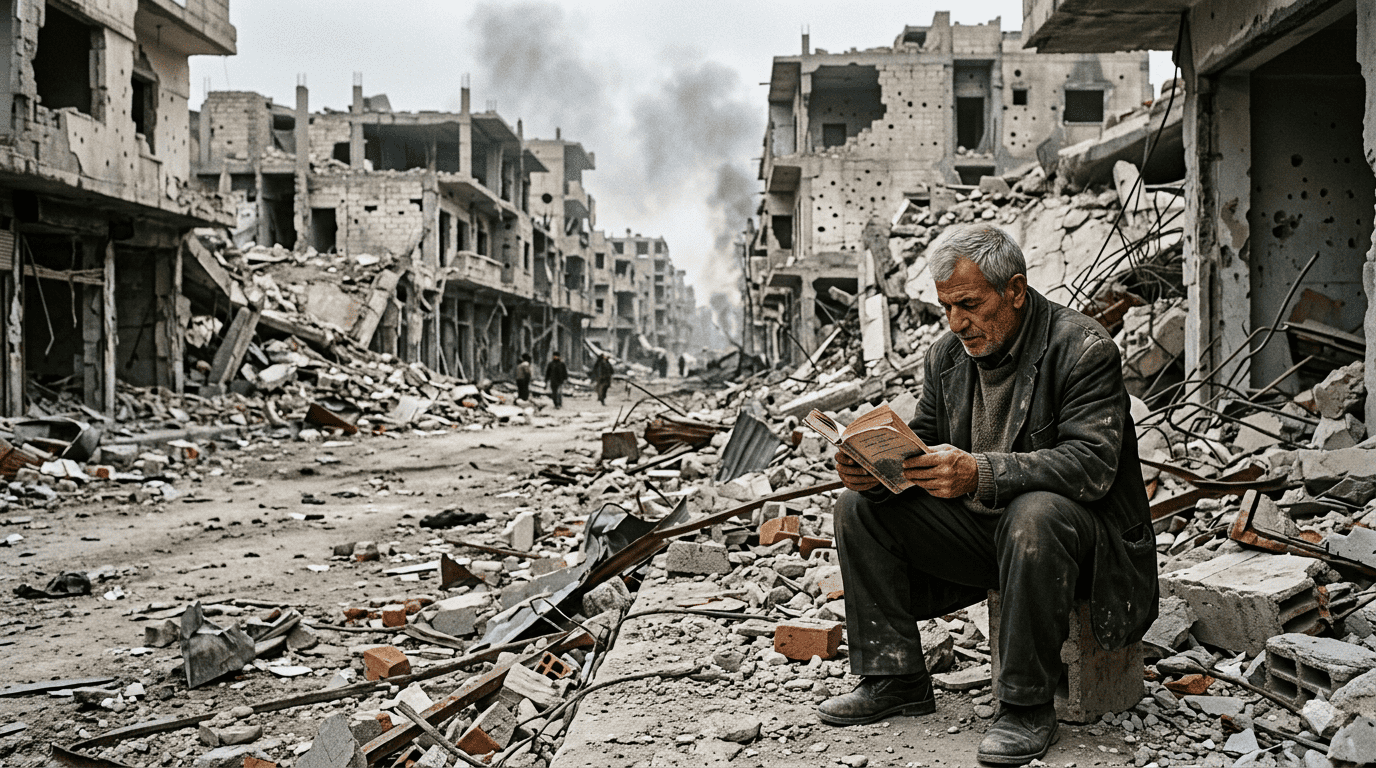
This article from Artribune presents a curated selection of seven new art and culture books recently released in Italy. The featured titles range from a theoretical lexicon for 21st-century arts edited by Nicolas Martino, which redefines key terms like 'author,' 'AI,' and 'care,' to a poetic pop-up book by Japanese designer Katsumi Komagata titled 'Piccolo Albero,' which uses paper engineering to narrate the cycle of life. Other works explore themes of labor, memory, domestic space (Giorgio Morandi), inner labyrinths (Andrea Bocconi), and direct testimony from Gaza, all aiming to provide new frameworks for understanding a fractured present.

Art and technology meet in the augmented reality of artist Lois He

Arte e tecnologia si incontrano nella realtà aumentata dell’artista Lois He

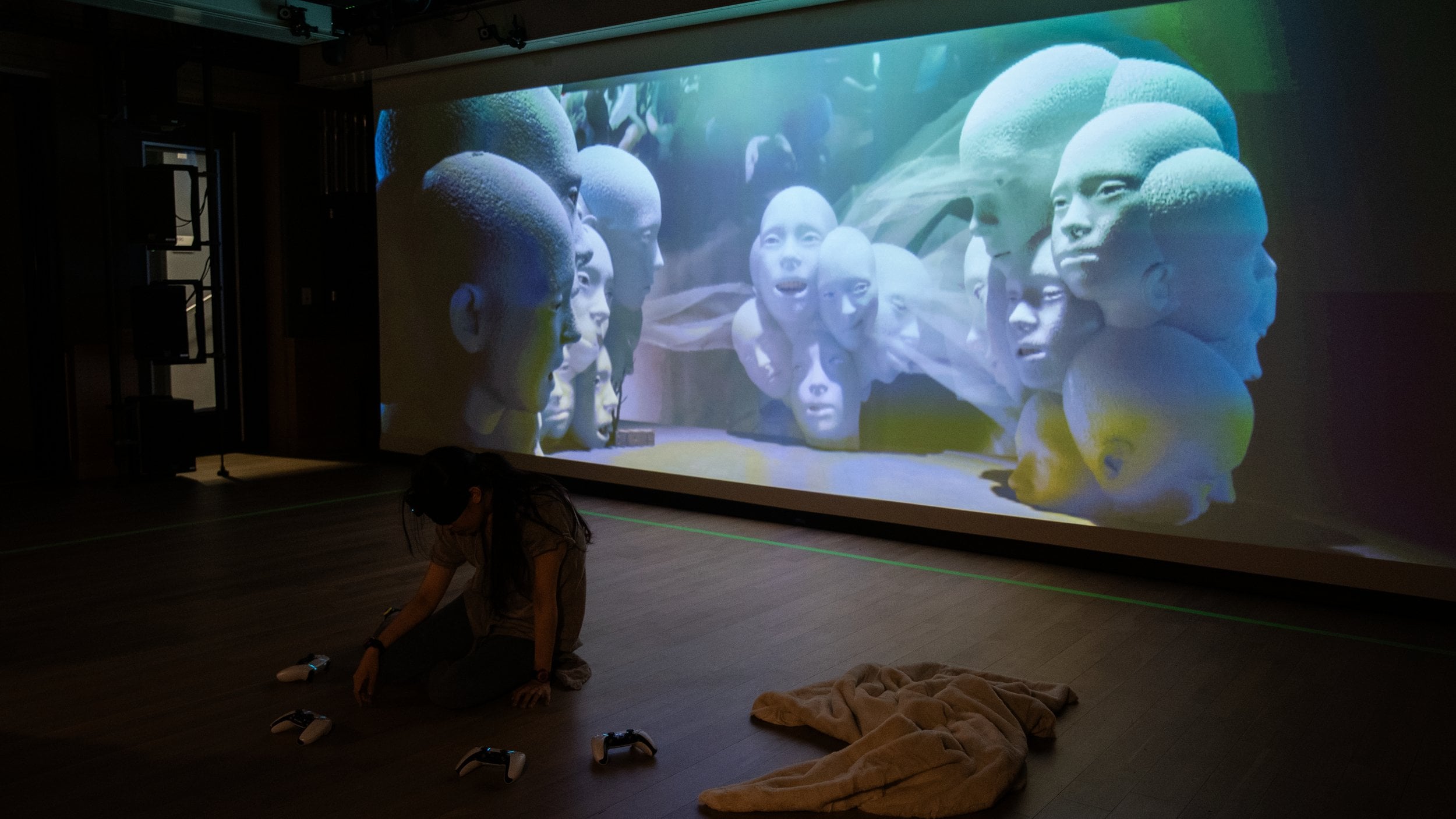
Lois He, a Chinese-born artist now based in New York, creates immersive XR installations that blend art and technology, transforming viewers into active participants. Her works, such as "Rising River," an AI-driven virtual reality experience, and "The Silent Carnival," a digital reinterpretation of Goethe's Faust, explore identity, emotion, and the impact of external agents like technology and culture. He also collaborates with institutions like the Museo Dalí and the NYU Neuroscience Institute, merging art with literature and science.

The Paradox of Contemporary Art: The World Is Violent, but the Works Are Correct and Inoffensive

Il paradosso dell’arte contemporanea: il mondo è violento, ma le opere sono corrette e inoffensive

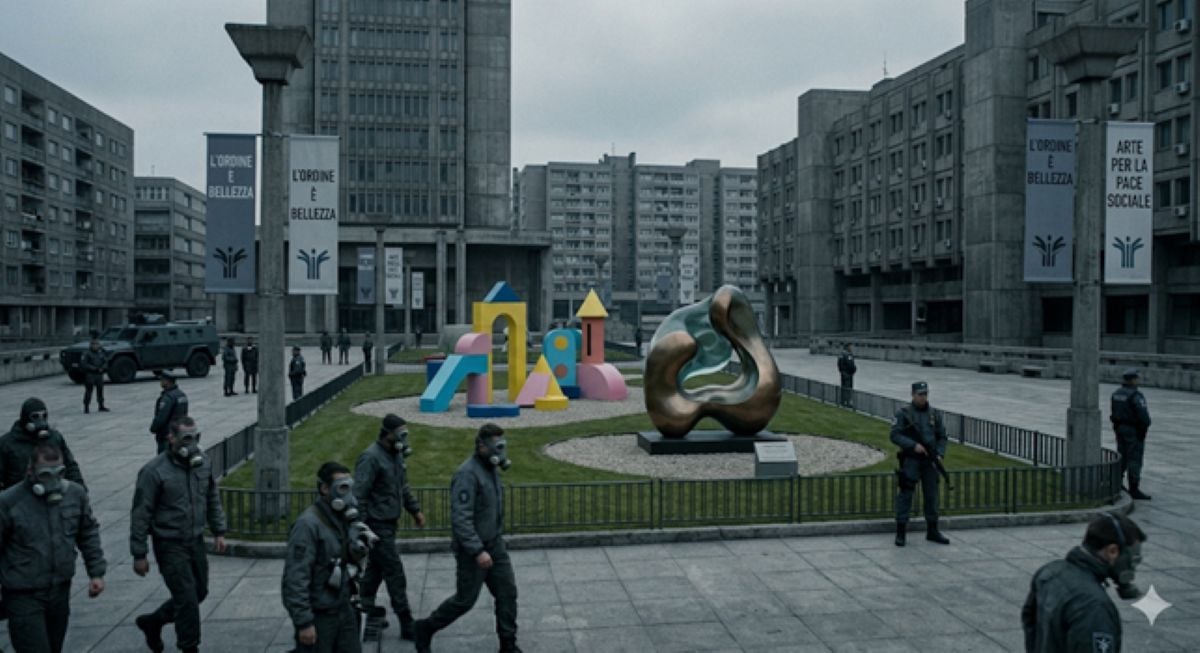
The article examines a paradox in contemporary art: as the world grows more violent and chaotic, art has become increasingly 'correct,' morally irreproachable, and inoffensive. The author argues that over the past fifteen years, artworks have been judged primarily by their moral and identity credentials, with curators acting as moral gatekeepers and censors. This shift coincides with a period when geopolitics, history, and public behavior have spiraled out of control, creating a strange compensatory dynamic where art is expected to be perfectly controlled and polite while reality grows brutal.

Torna TAILOR. Ecco come abbonarsi alla newsletter di Artribune sulla cultura del vestire

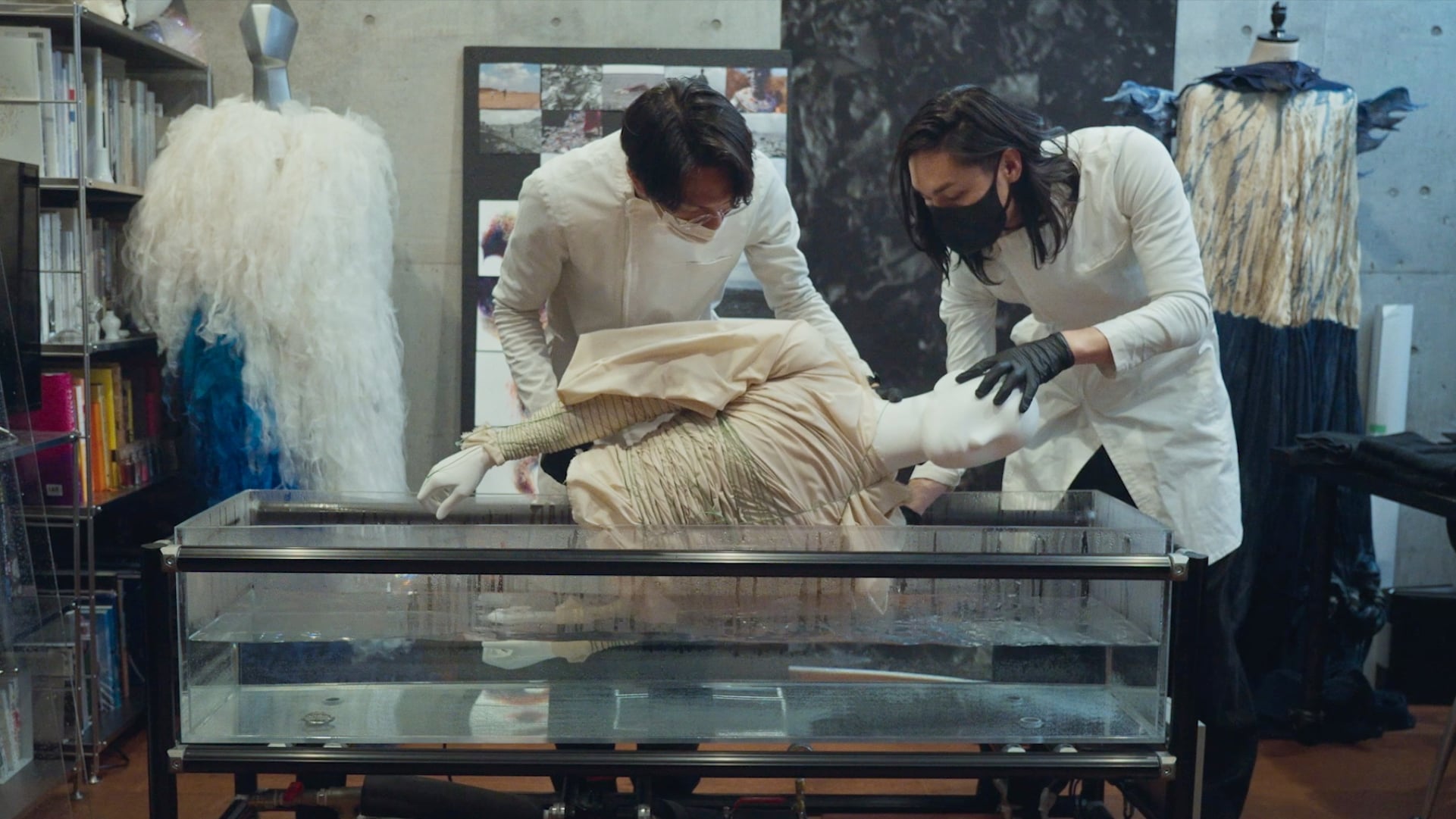
TAILOR, the vertical newsletter from Artribune exploring the intersections of art and fashion, returns on Sunday, May 17, 2026. The upcoming issue focuses on "Science Fashion," an event held from May 13 to 15 at the MACRO – Museo d'Arte Contemporanea di Roma, curated by Dobrila Denegri, which investigates relationships between fashion, science, and new technologies. The newsletter also examines the rapid spread of the non-color white in fashion and design as a response to pandemic, crisis, and geopolitical tensions, offering analytical content for professionals, students, and enthusiasts.

NICOLÁS GÓMEZ ECHEVERRI: “LA TRASCENDENCIA DEL MUSEO ES VULNERABLE A LA IMPOSICIÓN DE MODAS POR PARTE DEL ALGORITMO”

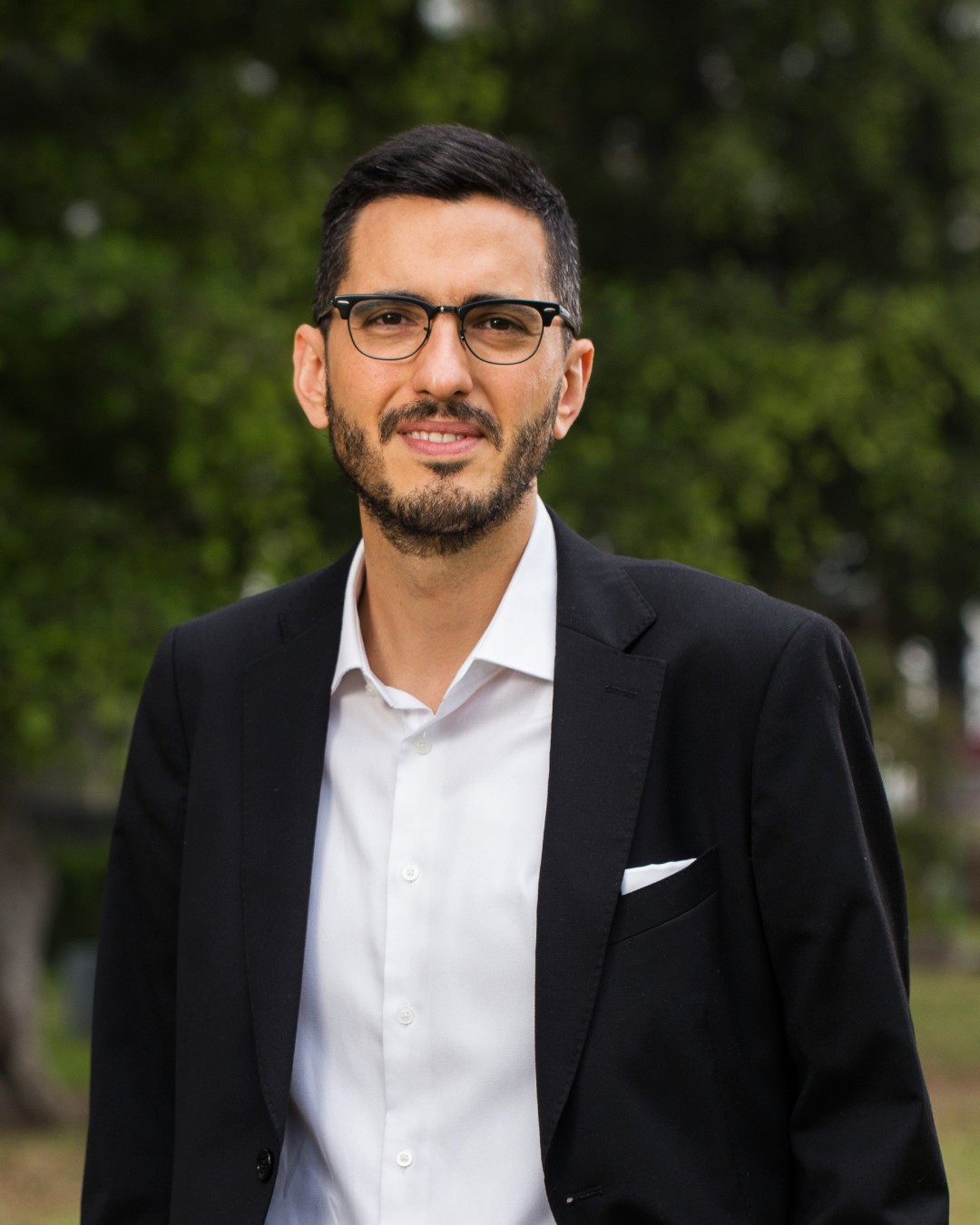
Nicolás Gómez Echeverri, director of the Unidad de Artes y Otras Colecciones at the Banco de la República de Colombia, reflects on the challenges facing museums in Iberoamérica in an interview published for International Museum Day. He oversees institutions including the Museo de Arte Miguel Urrutia (MAMU), the Museo Botero, and the Casa de Moneda. Gómez Echeverri describes the museum as a "radar" that captures decentralized artistic practices and integrates them into collective narratives, while emphasizing the need for mediation, public debate, and long-term cultural projects amid economic constraints and the pressures of digital immediacy.

The Biennale and the Weight of Flags. What Is the Point of National Pavilions?

La Biennale e il peso delle bandiere. Che senso hanno i padiglioni nazionali?

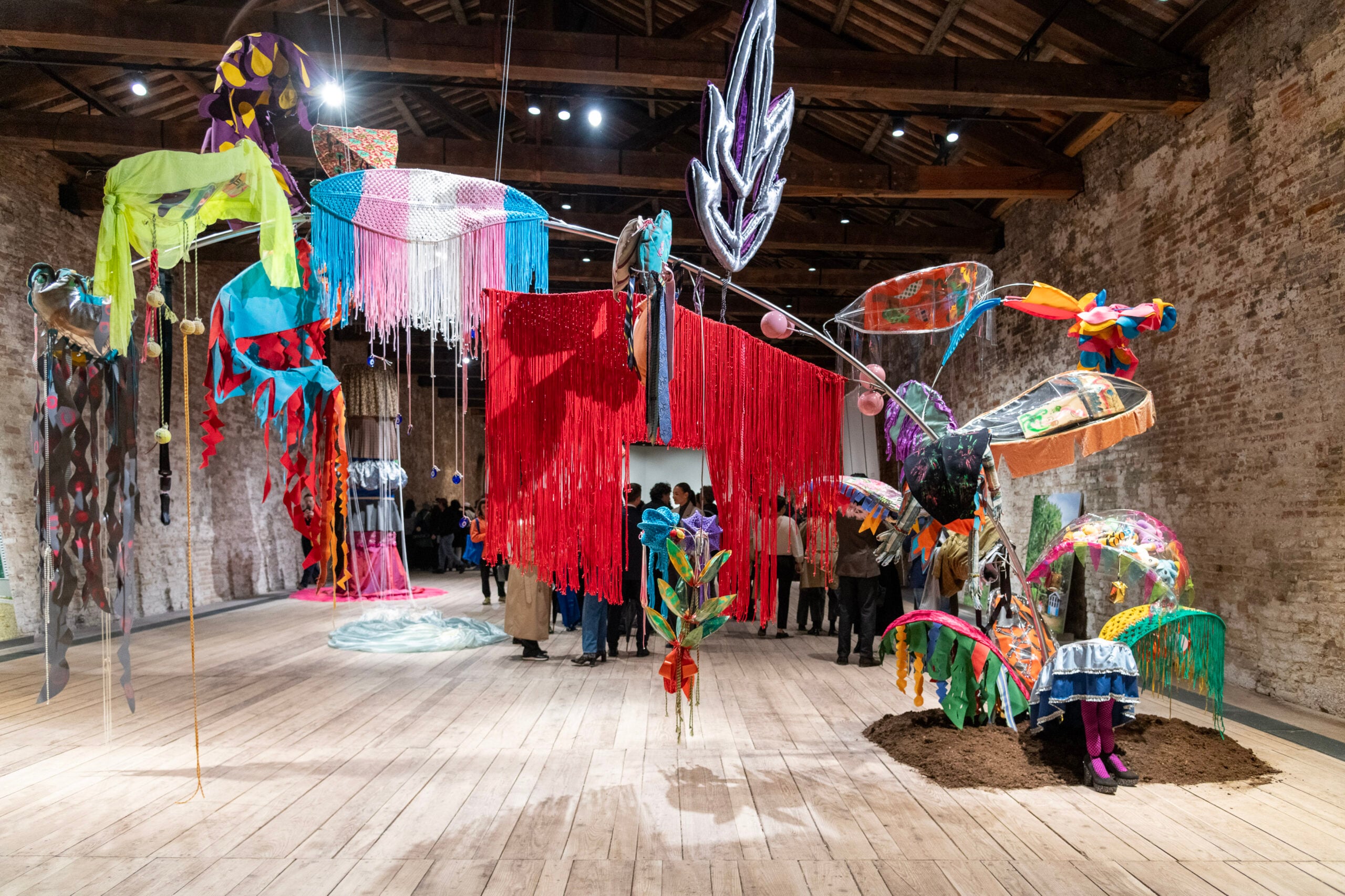
The article examines the inherent contradiction within the Venice Biennale: its historical structure of national pavilions, a legacy of 19th-century world fairs and state-sponsored art, clashes with the transnational, post-identity vision of the international exhibition curated by Koyo Kouoh. The return of the Russia Pavilion amid geopolitical conflict and the international show titled "In Minor Keys," which rejects national belonging as an interpretive criterion, highlight this tension. The piece also addresses the controversy over the lack of Italian artists in the main exhibition, questioning whether a Biennale hosted in Italy should guarantee national representation.