filter_list Showing 76 results for "Artribune" close Clear
search
dashboard All 626 museum exhibitions 372article culture 76article news 60article local 39article policy 23trending_up market 19person people 18rate_review review 10candle obituary 8gavel restitution 1
date_range Range Today This Week This Month All
Subscribe

Vincenzo Trione's new book aims to redefine the concept of the avant-garde (reviews by his students)

Il nuovo libro di Vincenzo Trione vuole ridefinire il concetto di avanguardia (le recensioni dei suoi allievi)

On March 9, 2026, at IULM University in Milan, Vincenzo Trione presented his new book *Rifare il mondo. Le età dell’avanguardia* (Einaudi, 2025). The event was part of the cultural program *Leonardo alla IULM*, which also featured pages from the Codex Atlanticus on loan from the Biblioteca Ambrosiana. Trione, a professor at IULM, discussed the book with four of his students: Anna Luigia De Simone, Vincenzo Di Rosa, Anna Calise, and Alessia Scaparra Seneca. The talk, titled "Nessuna parola caratterizza l’arte contemporanea più di avanguardia," explored the concept of the avant-garde, its historical legacy, and its contemporary reactivation through movements, manifestos, collectives, and cultural phenomena.
A pop-up hotel format is born that focuses on culture: starting in an architecture in Arles, France (with photos by Carla Sozzani)

Nasce un format di hotel pop up che punta sulla cultura: si inizia in un’architettura di Arles in Francia (con le foto di Carla Sozzani)

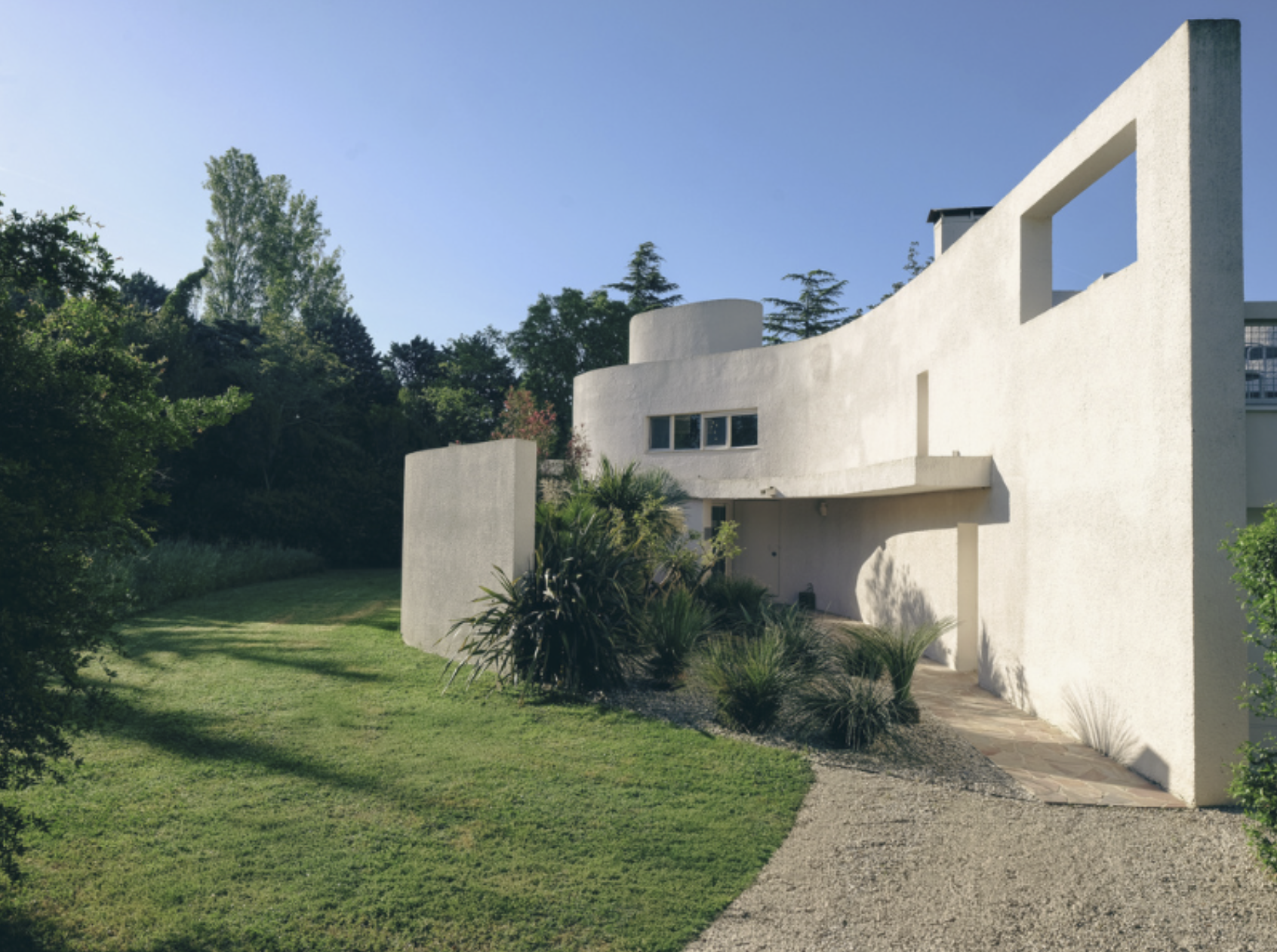
Luca Pronzato, founder of the pop-up restaurant platform We Are Ona, is launching a new itinerant hospitality concept called Casa Ideale. The first edition will take place from July 1–10, 2026, at Villa Bank, a 1970s villa near Arles, France, designed by Emile Sala and protected as a Remarkable Contemporary Architecture by the French Ministry of Culture. Guests will stay in the villa and dine at a restaurant run by chef Gil Nogueira, while the space also hosts a photography exhibition titled "Prologo" curated by Maddalena Scarzella for Fondazione Sozzani, featuring over 60 works from Carla Sozzani's archive by artists such as Urs Lüthi and Helmut Newton, alongside design pieces from the gallery Downtown+ by Luna Laffanour.

Pappi Corsicato's film on photographer Claudio Abate, which recounts the artistic ferment of Rome between the 1960s and 1990s, is now on RaiPlay

È su RaiPlay il film di Pappi Corsicato sul fotografo Claudio Abate che racconta il fermento artistico di Roma tra gli Anni ’60 e ‘90

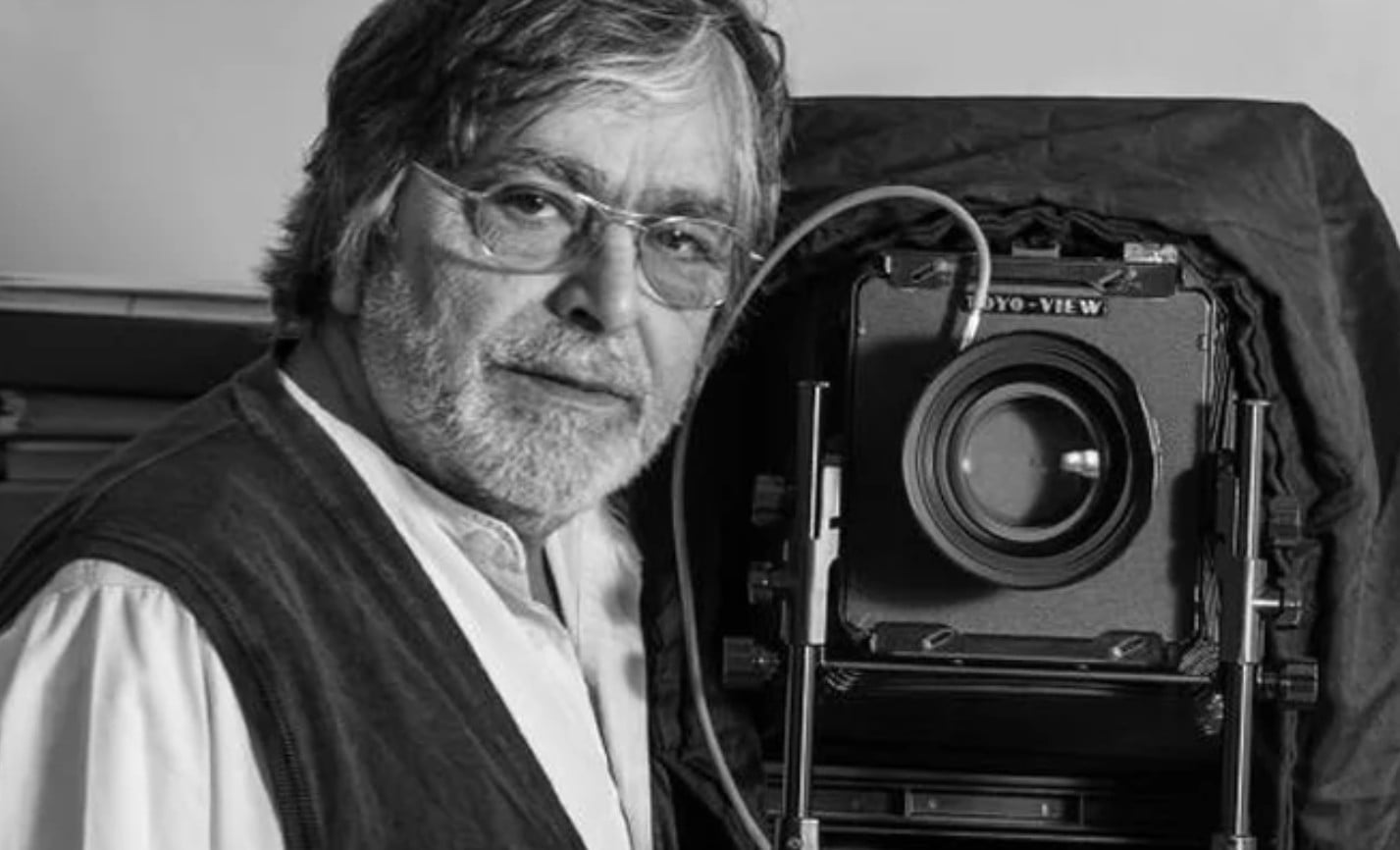
RaiPlay has released a new documentary film by Pappi Corsicato titled "Claudio Abate. L’obiettivo nell’arte" (2026), which pays tribute to the late photographer Claudio Abate (1943–2017). The film weaves together interviews, archival materials, and footage from Istituto Luce to chronicle Abate's life and work, focusing on his role documenting the vibrant Roman art scene from the 1960s through the 1990s. It highlights his collaborations with key figures such as Jannis Kounellis, Michelangelo Pistoletto, Fabio Sargentini, and the artists of the Pastificio Cerere school, capturing seminal performances, happenings, and installations that defined Arte Povera and other avant-garde movements.

The documentary dedicated to Sicilian patron Antonio Presti airs on Rai Tre. Here is the video preview.

Va in onda su Rai Tre il documentario dedicato al mecenate siciliano Antonio Presti. Qui la video anteprima

On Tuesday, May 19, 2026, at 3:30 PM, RAI 3 will broadcast the documentary "Asteroide 20049 Antonio Presti," produced by Rai Documentari and dedicated to Sicilian patron Antonio Presti (born 1957). Written by Fedora Sasso and Francesco Castellani, curated by Giulietta Venneri, and directed by Fedora Sasso, the film explores Presti's four-decade career using art to intervene in marginalized areas of Sicily. The documentary's title references an asteroid named after Presti, symbolizing his vision linking cosmic and urban space. It opens at the Astrophysical Observatory of Isnello and focuses on the Catania neighborhood of Librino, where Presti created MAGMA, an open-air museum developed through collaboration with students, artists, and residents.

C’è un libro che racconta il sorprendente rapporto storico tra arte, biciclette e ciclismo

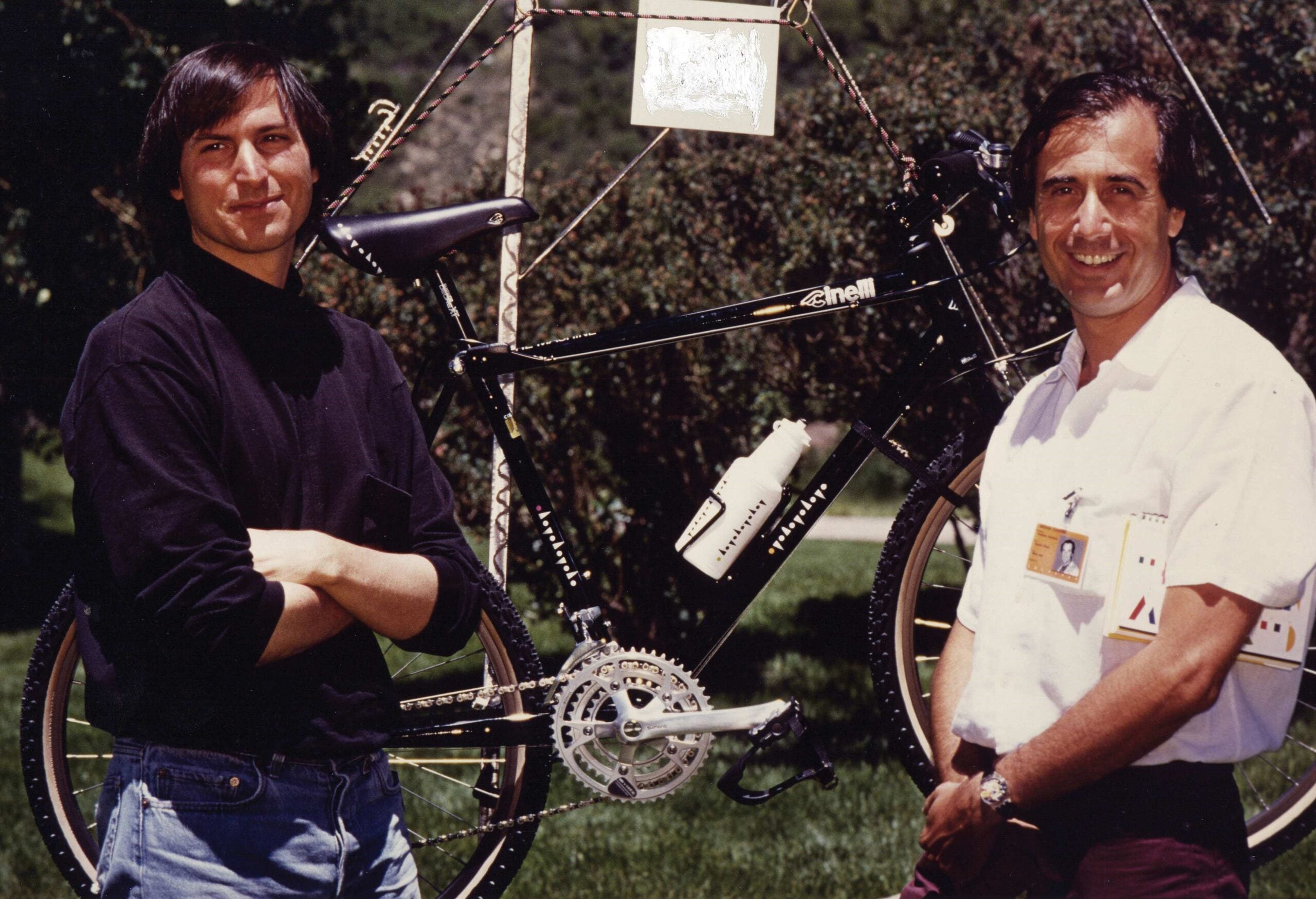
Antonio Colombo, the Italian entrepreneur behind Columbus and Cinelli, has published a memoir titled "A.C. Confidential. La mia vita tra arte, bicicletta e design" (Ediciclo Editore, 2026, co-written with Giacomo Pellizzari). The book traces his family's engineering legacy—his father Angelo Luigi Colombo supplied steel tubes to Bauhaus designer Marcel Breuer in 1933—and Colombo's own career fusing technical precision with artistic vision. He acquired Cinelli in 1978, collaborated with artists like Keith Haring, Alessandro Mendini, and Barry McGee, and introduced groundbreaking bicycle models including the Rampichino mountain bike (1985) and the Laser, which won the Compasso d'Oro design award in 1991. The narrative also covers his friendships with artists Mario Schifano (who designed Tour de France jerseys) and his role in the Red Hook Criterium fixed-gear race.

Beyond the prompt: when the medium is generative AI, the artist becomes a systemic director

Oltre il prompt: quando il medium è l’AI generativa l’artista diventa regista sistemico

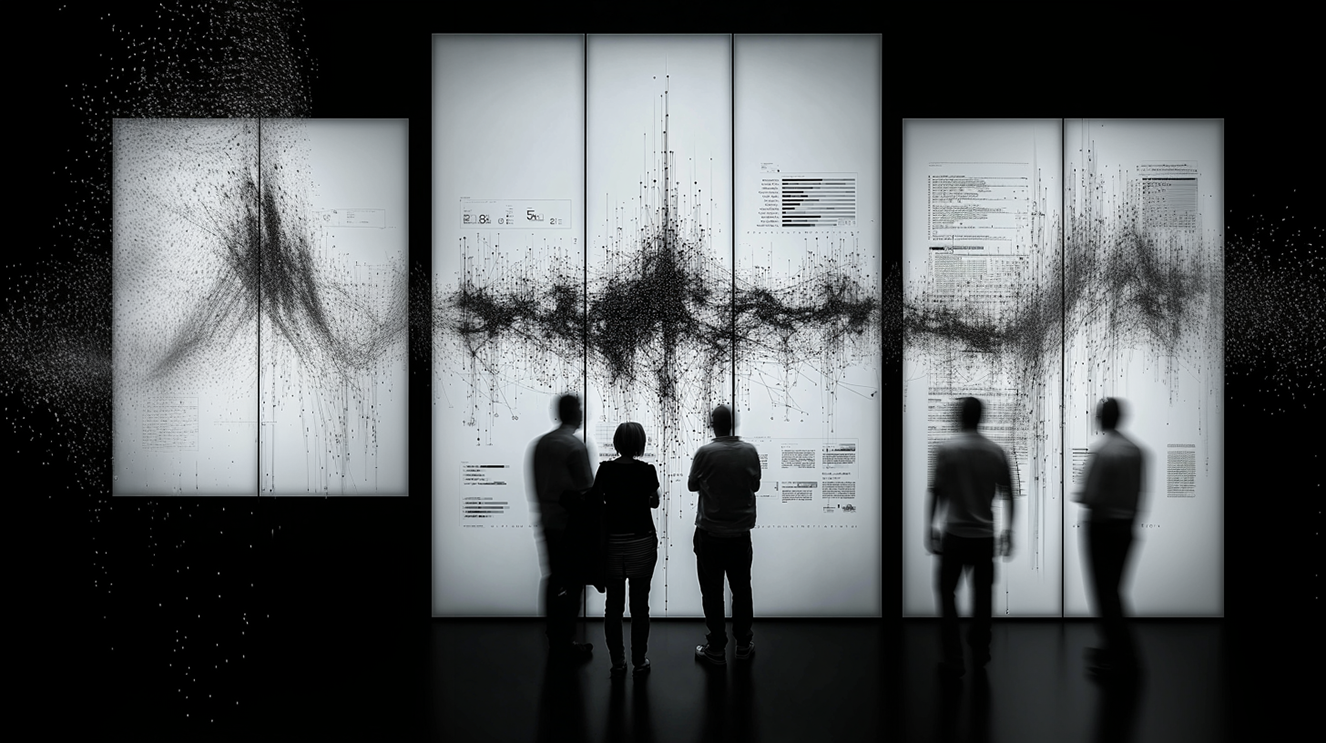
The article argues that as AI-generated images become more spectacular, the role of the artist is often misunderstood as merely writing prompts. Instead, the author contends that the most significant generative artworks are systems—predetermined rule-based environments where the artist designs the conditions for images to emerge. Works like Hans Haacke's "Condensation Cube" (1963-1965) and Refik Anadol's "Unsupervised" (2022) exemplify this shift from object to process, where the artwork is the behavior or architecture itself.

"There are no minor or feminine arts." Domitilla Dardi explains this in her new book

“Non esistono arti minori o femminili”. Ce lo spiega Domitilla Dardi nel suo nuovo libro

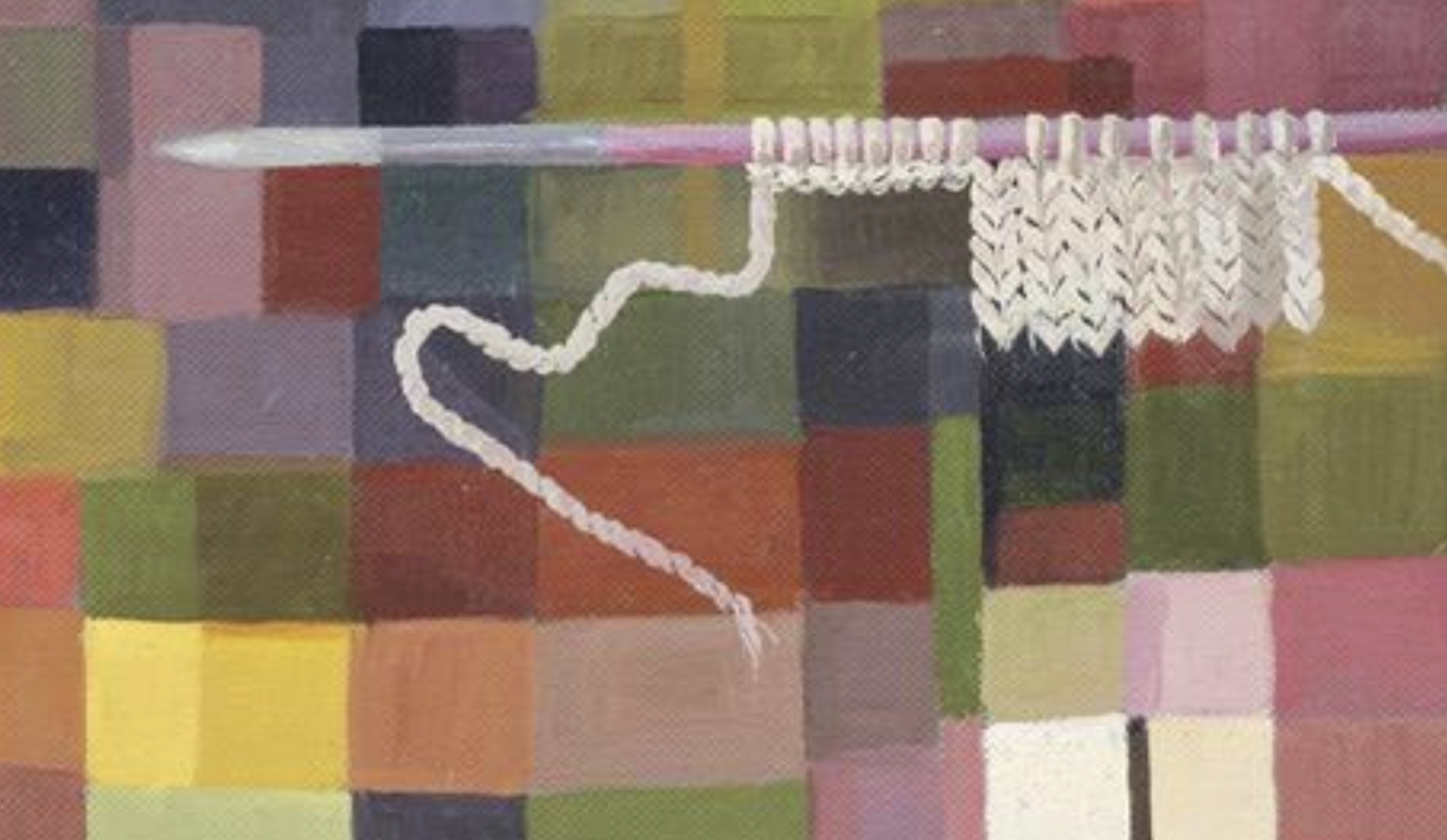
Domitilla Dardi's new book "Cucire Universi" (published by Einaudi) presents a counter-history of design, focusing on techniques traditionally dismissed as "feminine" and "minor"—such as sewing, ceramics, cooking, and knitting. The book argues that these practices have been systematically undervalued by official art histories, yet have contributed significantly to technologically advanced research fields. Dardi uses real historical figures like Emily Dickinson to illustrate how women's creative and scientific talents were channeled into these marginalized domains, and she calls for overcoming the dualistic view that separates art from craft.

In Spain, art becomes popular thanks to this expert influencer. We interviewed him

In Spagna l’arte diventa popolare grazie a questo esperto influencer. Lo abbiamo intervistato

Miguel Ángel Cajigal, known as 'El Barroquista,' is a Spanish art historian and popularizer who has brought art history to prime-time television, radio, and social media. In an interview with Artribune, he discusses his books, including 'Otra historia del arte' (2021), his approach to making art accessible without dumbing it down, and his critique of the cult of the individual genius in art historiography. He emphasizes the collective nature of art production and reception, challenging the traditional focus on masterpieces and authorship.

Art and Social Consciousness: The Ideals of Legendary Artist Joseph Beuys Told in a Comic

Arte e coscienza sociale: gli ideali del leggendario artista Joseph Beuys raccontati in un fumetto

A new graphic novel by Italian illustrator Gianluca Costantini explores the life and social ideals of the legendary German artist Joseph Beuys. The comic focuses on Beuys's final major work, 'Palazzo Regale' (1985), an environmental installation housed at the K20 museum in Düsseldorf, interpreting it as a synthesis of his belief in art as a transformative social force.

The Poetics of Error Between Art and Architecture

La poetica dell’errore tra arte e architettura

This essay challenges the historical obsession with perfection in architecture and art, rooted in Hegelian philosophy where beauty is equated with truth and flawlessness. It argues that the pursuit of the 'ideal' is a cognitive bias that ignores the value of complexity and structural failure. By reframing the 'error' not as a mistake but as a generative method, the text suggests that imperfection is often what elevates a work to the status of a masterpiece.

The New Generation of Berlin Curators: Independent Laboratory or New Establishment

La nuova generazione dei curatori di Berlino: laboratorio indipendente o nuovo establishment

The article examines the shift in Berlin's contemporary art curation landscape, focusing on a new generation of curators who are more pragmatic and operational than their predecessors. Figures like Anna Gritz at Haus am Waldsee, Lisa Long at Julia Stoschek Foundation, and Bonaventure Soh Bejeng Ndikung—who moved from independent space Savvy Contemporary to lead Haus der Kulturen der Welt—exemplify this change. The piece argues that Berlin's art ecosystem has evolved from a low-pressure experimental zone into a competitive, almost corporate environment where curators must act as project managers, fundraisers, and cultural mediators.

Three things the Fuorisalone should do (and doesn't) to improve the quality of life in Milan

Tre cose che il Fuorisalone dovrebbe fare (e non fa) per migliorare la qualità della vita di Milano

The 2026 Milan Design Week, coinciding with the Salone del Mobile, has officially begun, bringing over 1,850 events to the city. The launch included a special breakfast-barter event in Piazza Duomo with artist Maurizio Cattelan and journalist Nicolas Ballario, kicking off a week expected to draw 300,000 visitors.

What Remains of Democracy? The Answers of Contemporary Art

Che cosa resta della democrazia? Le risposte dell’arte contemporanea

The article is a cultural essay examining how contemporary art reflects and responds to the perceived global crisis of democracy. It argues that recent socio-political accelerations—including rising nationalism, wars, and unchecked capitalism—have eroded the substantive content of democracy, reducing public space to an extension of individual, screen-mediated identity.

List of small Italian museums dedicated to writing. Among diaries, typewriters and memories

Lista dei piccoli musei d’Italia dedicati alla scrittura. Tra diari, macchine da scrivere e memorie

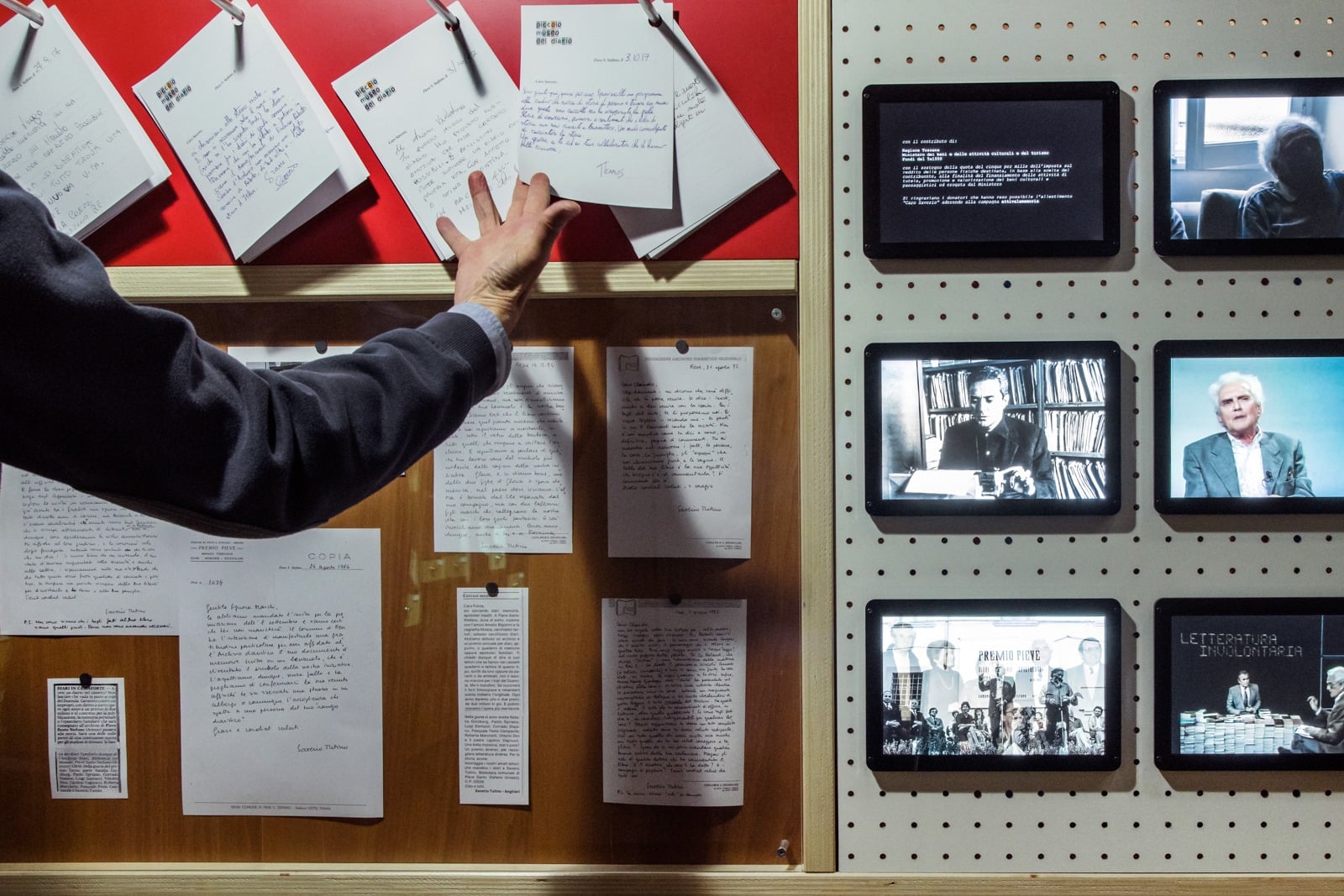
The article highlights the phenomenon of cultural overbooking, where major museums like the Louvre, Vatican Museums, and British Museum attract millions of visitors, turning art appreciation into a physical endurance test. It then pivots to a series of small, specialized museums across Italy dedicated to writing, diaries, and memory, offering a quieter, more intimate alternative. Featured institutions include the Piccolo Museo del Diario in Pieve Santo Stefano, which houses over 10,000 personal diaries and letters, and the Museo della Lettera d’Amore in Torrevecchia Teatina, with 25,000 love letters. Other stops include the Parco Poesia Pascoli in San Mauro Pascoli, dedicated to the poet Giovanni Pascoli.

An artist told the incredible story of a Calabrian village that no longer exists. The interview

Un artista ha raccontato l’incredibile storia di un borgo della Calabria che non c’è più. L’intervista

Italian artist Martin Errichiello has created [campanamuta], a six-part audio work broadcast on RAI Radio 3's Zazà program in late 2025 and now available on RaiPlay Sound. The piece tells the story of Eranova, a farming community founded in 1896 near Reggio Calabria that was destroyed by 1980 after the Christian Democratic party planned—but never built—a steel center on its land, now the site of the Port of Gioia Tauro. Errichiello weaves together interviews with former residents and his own original texts, using non-linear narration to explore the village's utopian origins and forced disappearance.

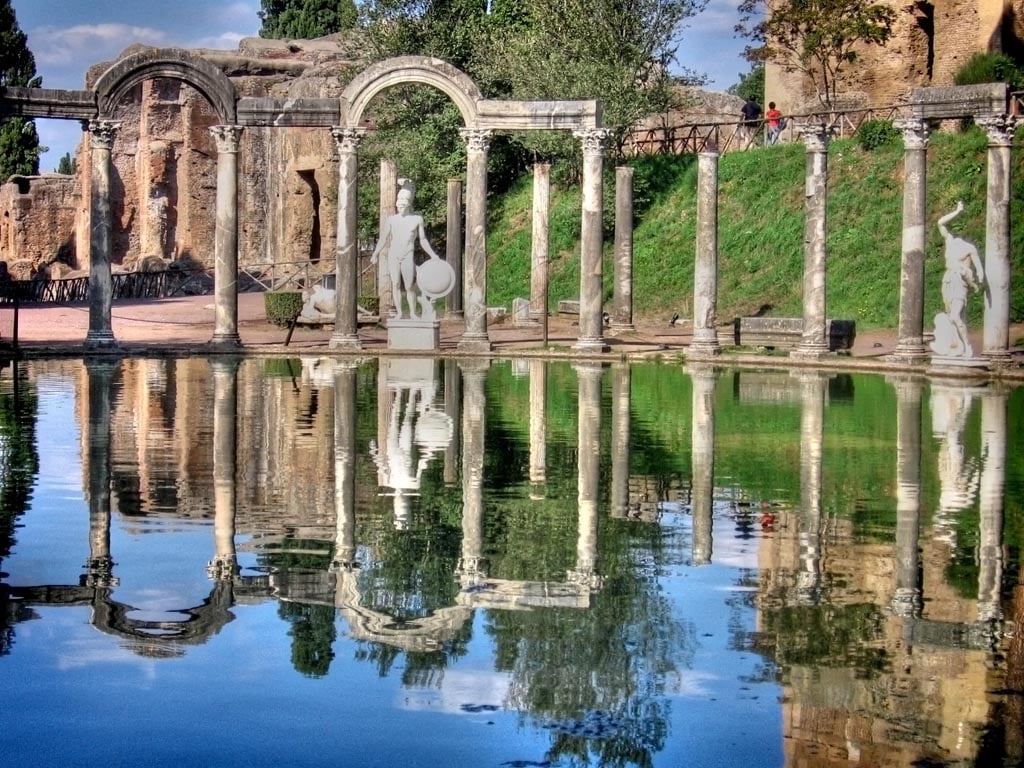
That Time Raphael Visited Tivoli, Transforming Antiquity into Art

Quella volta che Raffaello visitò Tivoli trasformando l’antichità in arte

In April 1516, Raphael Sanzio embarked on a historic excursion to Tivoli alongside a prestigious circle of Renaissance intellectuals, including Baldassarre Castiglione and Pietro Bembo. This journey served as a critical field study for Raphael, who had recently been appointed as Rome's prefect of antiquities. By examining the complex ruins of Hadrian's Villa and the Sanctuary of the Sibyl, the group engaged in a sophisticated blend of archaeological investigation and humanist leisure that defined the cultural climate under Pope Leo X.

Tourism and Accessibility: Travel is for Everyone. A New Issue of the Pax Newsletter is Coming, Subscribe for Free

Turismo e accessibilità: il viaggio è per tutti. È in arrivo un nuovo numero della newsletter Pax, abbonarsi è gratis

The article announces an upcoming issue of Pax, a newsletter by Artribune focused on cultural tourism. The new issue, arriving Friday, May 29, explores accessibility in travel and cultural tourism, featuring an interview with Anna Rizzo, author of "I paesi invisibili" (2022), and highlighting organizations like Traveleyes and NoisyVision, the latter founded in 2011 by Dario Sorgato to make nature exploration accessible to people with sensory disabilities. It also includes a map for outdoor leisure combining art, recreation, and nature at Italian villa parks, museums, and art centers, along with curated itineraries, trekking updates, cultural initiatives, and hospitality projects—including one by Michelangelo Pistoletto.

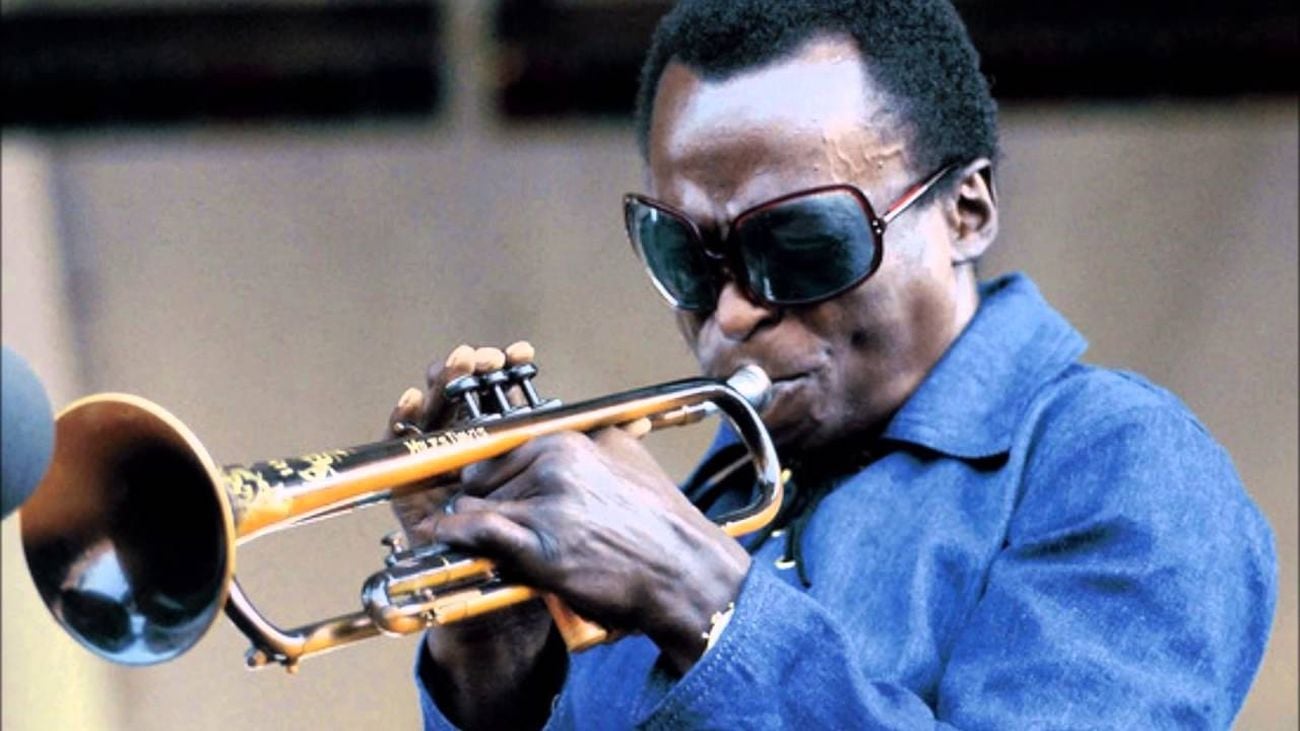
Who the great jazz musician Miles Davis was, 100 years after his birth

Ecco chi era il grande musicista jazz Miles Davis a 100 anni dalla nascita

Miles Davis, the legendary jazz trumpeter and composer, is commemorated on the centenary of his birth. The article traces his career from his early days with Charlie Parker's bebop quintet in 1944, through his pioneering of cool jazz with "Birth of the Cool" (1949) and modal jazz with "Kind of Blue" (1959), to his later fusion experiments with electric instruments and funk-rock on albums like "Bitches Brew" (1970). It also highlights his lesser-known work as a painter, creating abstract, expressionist works influenced by Kandinsky, Basquiat, and Picasso, which were only exhibited after his death.

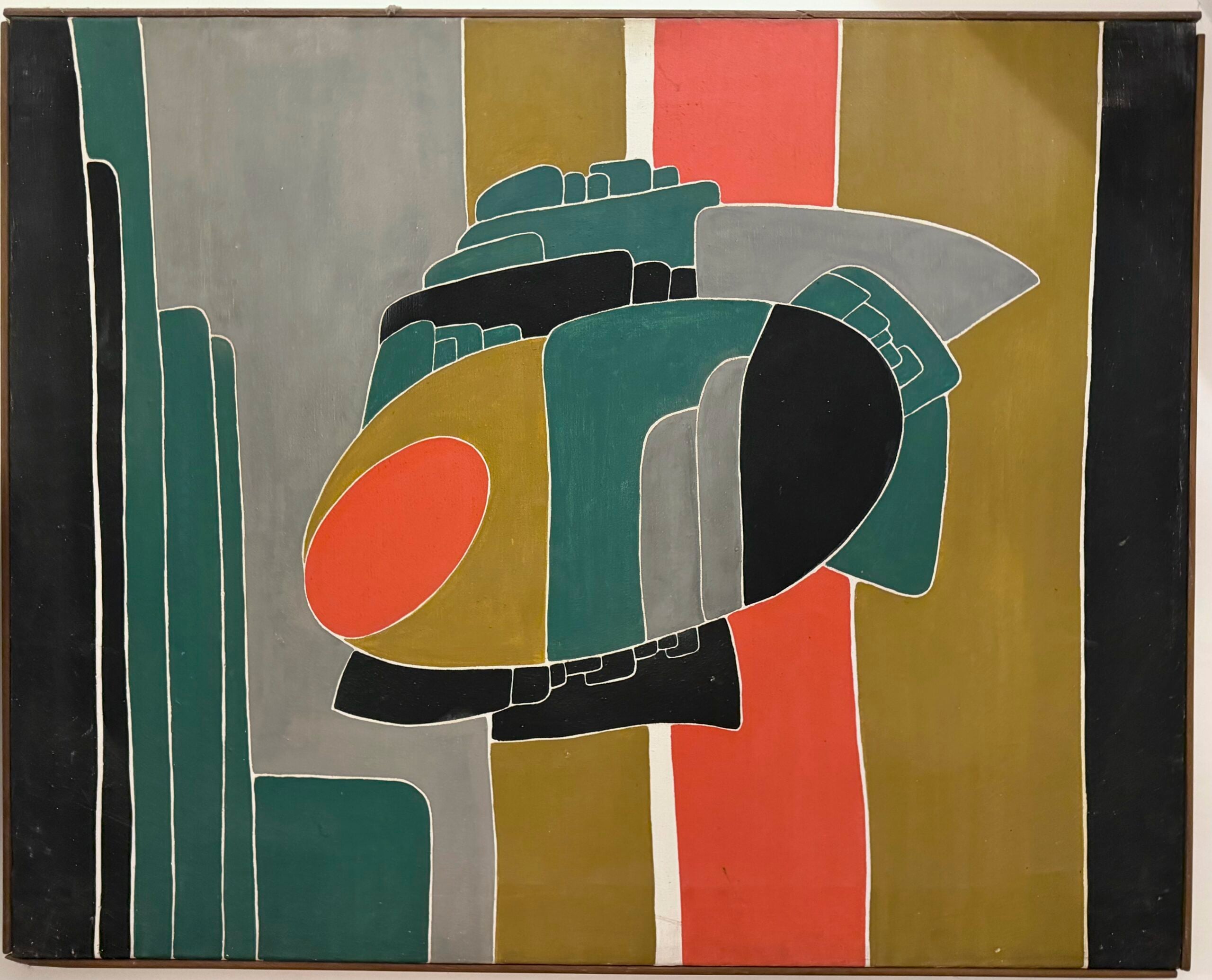
The Forgotten of Art: The Story of Artist Valeria Alberti

I dimenticati dell’arte. La storia dell’artista Valeria Alberti

Valeria Alberti (1930-2011), a courageous, rebellious, and nonconformist Italian artist, had a brief but intense career before disappearing from the art world. Recent research by scholar Manuel Barrese reconstructs her trajectory as the only woman in a circle of artists and intellectuals around poet Emilio Villa and the Galleria Appia Antica. Alberti debuted in 1957 alongside Alberto Sartoris, collaborated with ceramist Mario Molli, and created painted panels for the transatlantic liners Leonardo Da Vinci and Michelangelo. She exhibited at Galleria Ferro di Cavallo and Galleria Azimuth, and received Piero Manzoni's Certificate of Authenticity No. 26 in 1961. Her later work included geometric metal sculptures, but she ultimately vanished from the art scene.

On the MUBI platform arrives the story of the great New York photographer Peter Hujar

Sulla piattaforma Mubi arriva la storia del grande fotografo newyorchese Peter Hujar

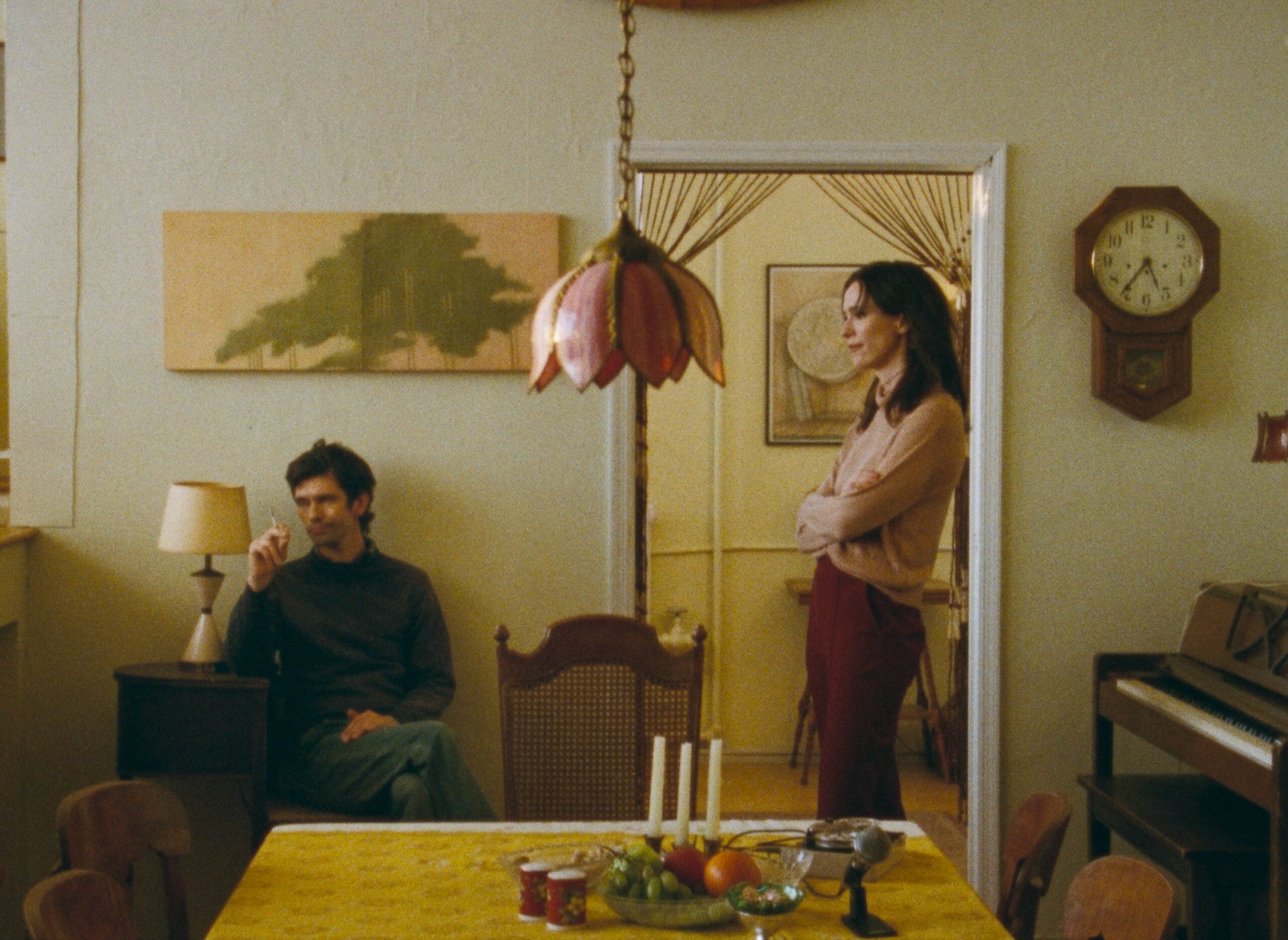
MUBI has announced the exclusive streaming release of "Peter Hujar's Day," a film directed by Ira Sachs, set to premiere on May 22. The film is based on a 1974 conversation between photographer Peter Hujar and author Linda Rosenkrantz, and stars Ben Whishaw as Hujar and Rebecca Hall. It reconstructs a single day in Hujar's life, capturing the creative energy and precariousness of 1970s New York, with appearances from figures like Allen Ginsberg and Susan Sontag.

The Finale Cut: Lucio Fontana e la sua arte al cinema

A new documentary titled "The Final Cut" explores the life and artistic journey of Lucio Fontana, the Italian-Argentine artist famous for his slashed canvases (Concetti Spaziali). Produced by Good Day Films and Nexo Studios, directed by Andrea Bettinetti and narrated by Miriam Leone, the film will screen in Italian cinemas on May 25–27 as part of the "La Grande Arte al Cinema" season. It features archival footage, interviews with artists such as Doug Wheeler, Antony Gormley, Carsten Höller, Alfredo Jaar, Michelangelo Pistoletto, Heinz Mack, and scholars Luca Massimo Barbero and Daniela Alejandra Sbaraglia, highlighting Fontana's revolutionary approach and his first immersive installation, "Ambiente Spaziale a luce nera" (1949).

7 new art and culture books in bookstores. Maps of the present: between art, work, memory and forms of perception

7 nuovi libri d’arte e cultura in libreria. Mappe del presente: tra arte, lavoro, memoria e forme della percezione

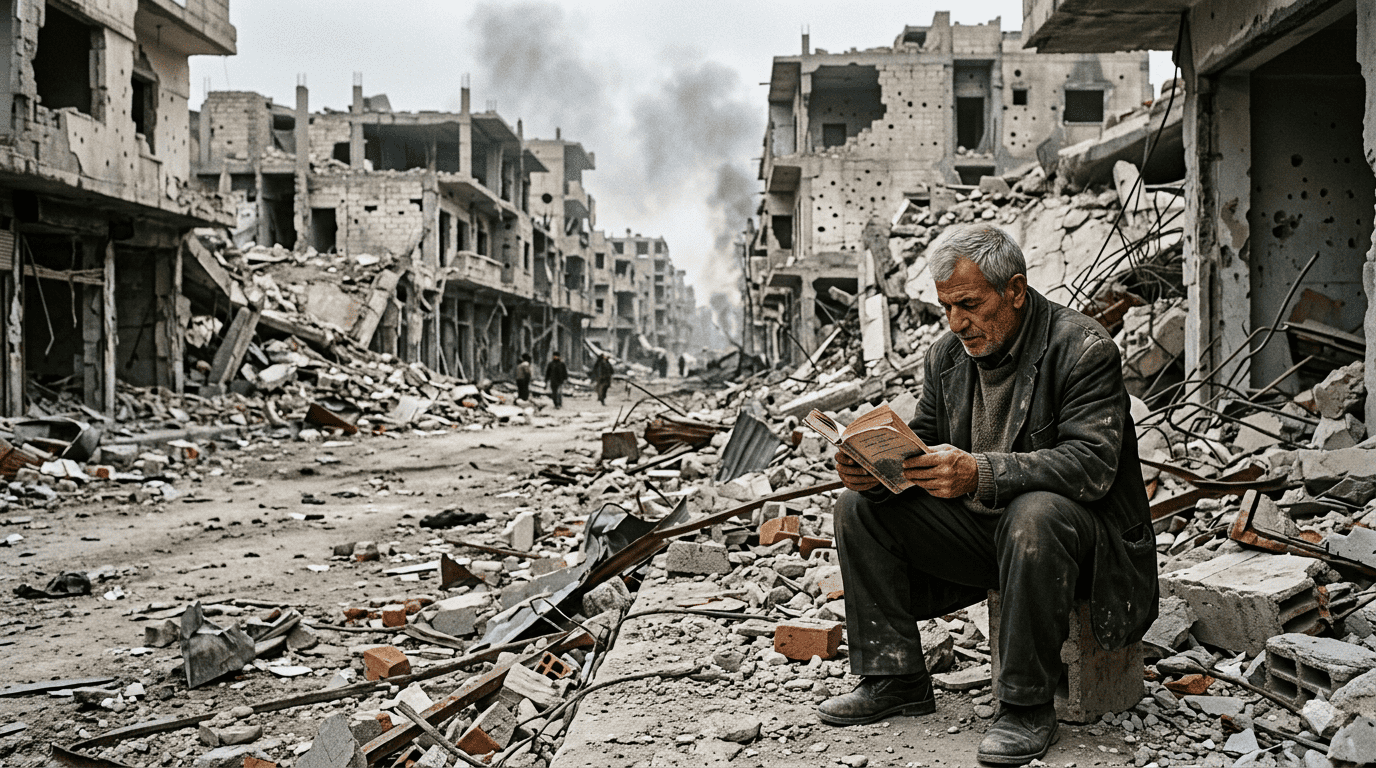
This article from Artribune presents a curated selection of seven new art and culture books recently released in Italy. The featured titles range from a theoretical lexicon for 21st-century arts edited by Nicolas Martino, which redefines key terms like 'author,' 'AI,' and 'care,' to a poetic pop-up book by Japanese designer Katsumi Komagata titled 'Piccolo Albero,' which uses paper engineering to narrate the cycle of life. Other works explore themes of labor, memory, domestic space (Giorgio Morandi), inner labyrinths (Andrea Bocconi), and direct testimony from Gaza, all aiming to provide new frameworks for understanding a fractured present.

Rediscovering Jorge Luis Borges as an Architectural Critic. 40 Years After His Death

Riscoprire Jorge Luis Borges come critico d’architettura. A 40 anni dalla morte

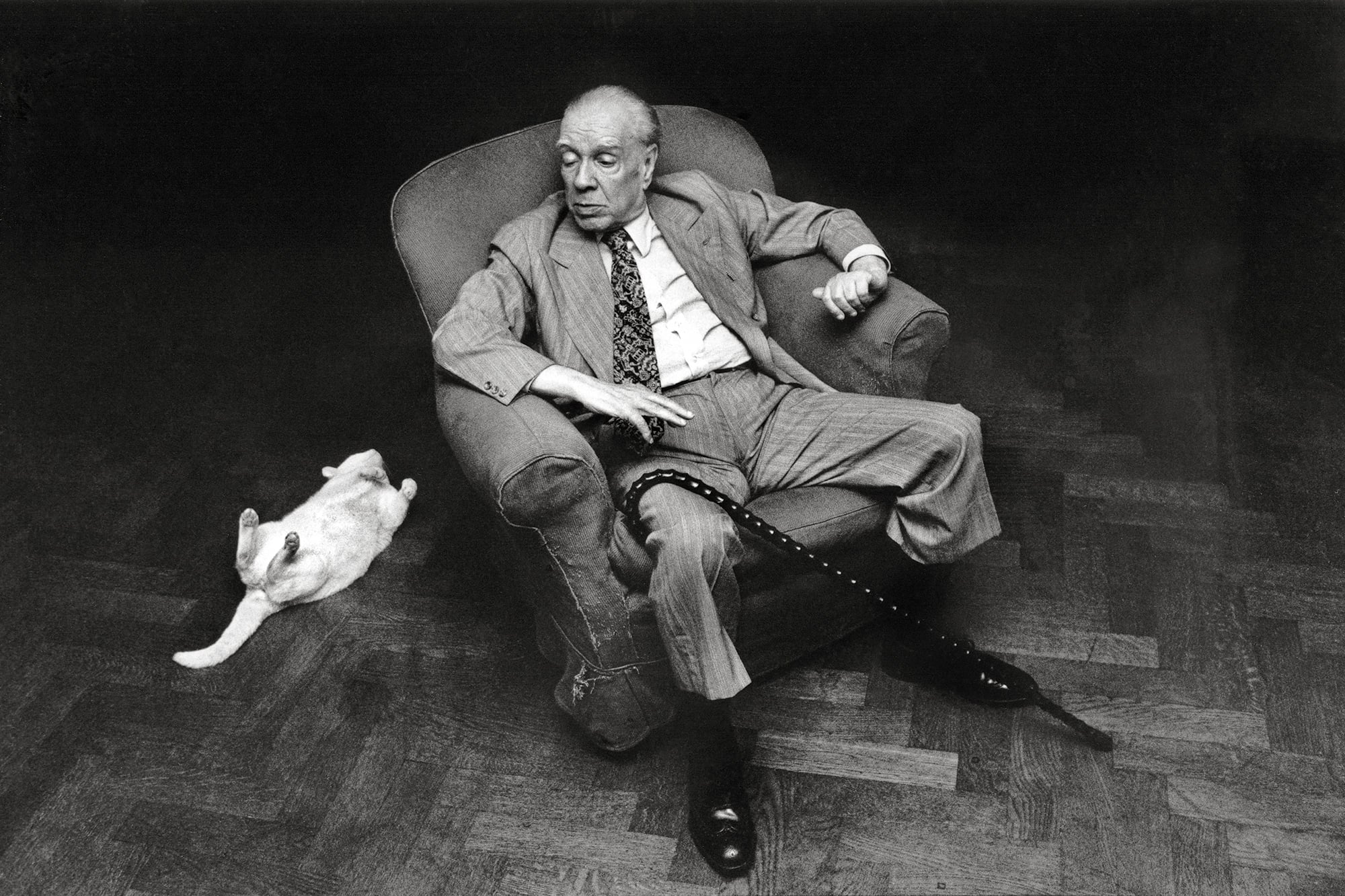
The article commemorates the 40th anniversary of Jorge Luis Borges's death, reflecting on his legacy as a writer and his lesser-known role as an architectural critic. It highlights a 2025 book by Estela Canto, a close friend, which reveals Borges's personal fragility and contradictions, such as his love for popular cinema over classical music. The piece also explores Borges's fictional architectural criticism, particularly his 1967 work *Cronache di Bustos Domecq* co-written with Adolfo Bioy Casares, where he satirized functional architecture through invented pioneers like Adam Quincey and Alessandro Piranesi.

Being a Street Photographer. Interview with Simone Morelli, the Artist of Slowness

Essere street photographer. Intervista a Simone Morelli, l’artista della lentezza

Simone Morelli, a street photographer born in Rome in 1987, discusses his slow, analog approach to photography in an interview with Artribune. He began after receiving a Praktica film camera as a gift in Sweden in 2012, and was captivated by the process of shooting and printing on film. Morelli describes his method as instinctive yet deliberate, often working on long-term projects that build a coherent visual narrative rather than seeking single 'beautiful' images. He cites Josef Koudelka as a key influence and emphasizes the importance of patience and reflection in an era dominated by fast, digital imagery.

Provincia Cosmica. Interview with Giuseppe Stampone, the artist who chose Gran Sasso as his home

Provincia Cosmica. Intervista a Giuseppe Stampone, l’artista che ha scelto il Gran Sasso come casa

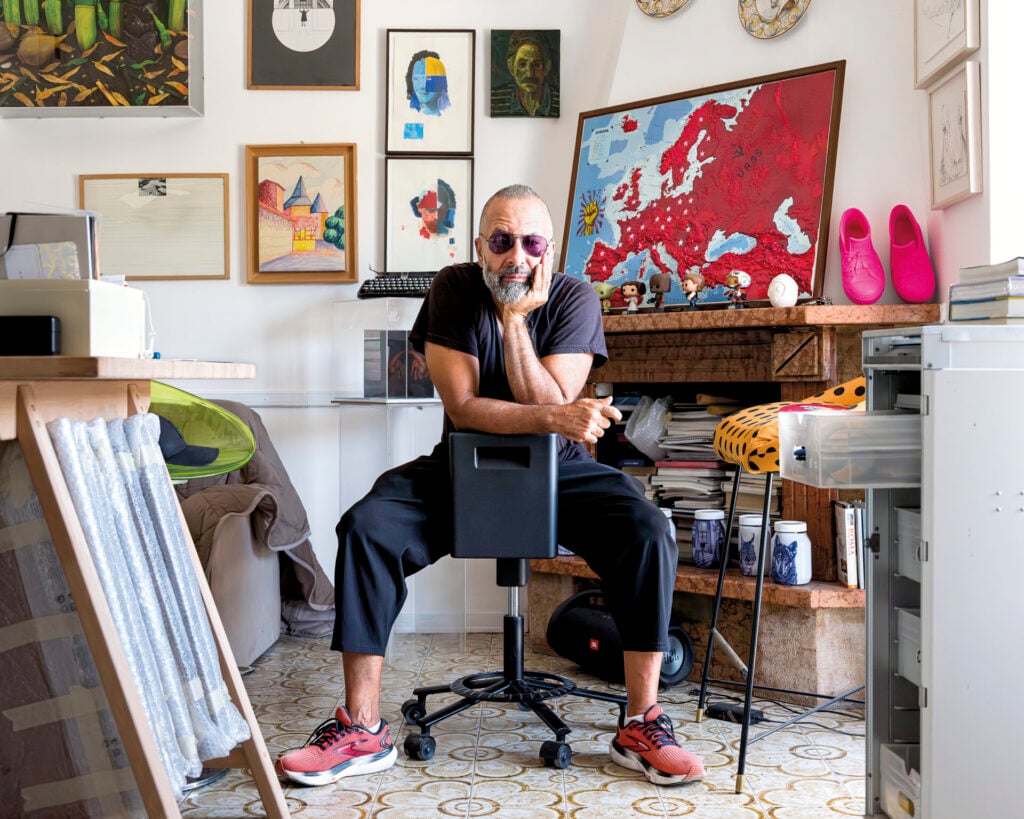
Italian contemporary artist Giuseppe Stampone, born in Cluses in 1974, has returned to his native Abruzzo after years living in New York, Rome, and Brussels. Following the loss of his parents, he established his studio in the province of Teramo, where he is restoring a farmhouse under the Gran Sasso mountain to house the Archivio Giuseppe Stampone-Maria Crispal and an artist residency called Abruzzo Mon Amour. Stampone won the PAC2021 prize for his project "La natura delle cose," which explores his bond with the region and will create an archive dedicated to the flora and fauna of the Monti della Laga, Parco Nazionale d’Abruzzo, and Gran Sasso areas.

Art and technology meet in the augmented reality of artist Lois He

Arte e tecnologia si incontrano nella realtà aumentata dell’artista Lois He

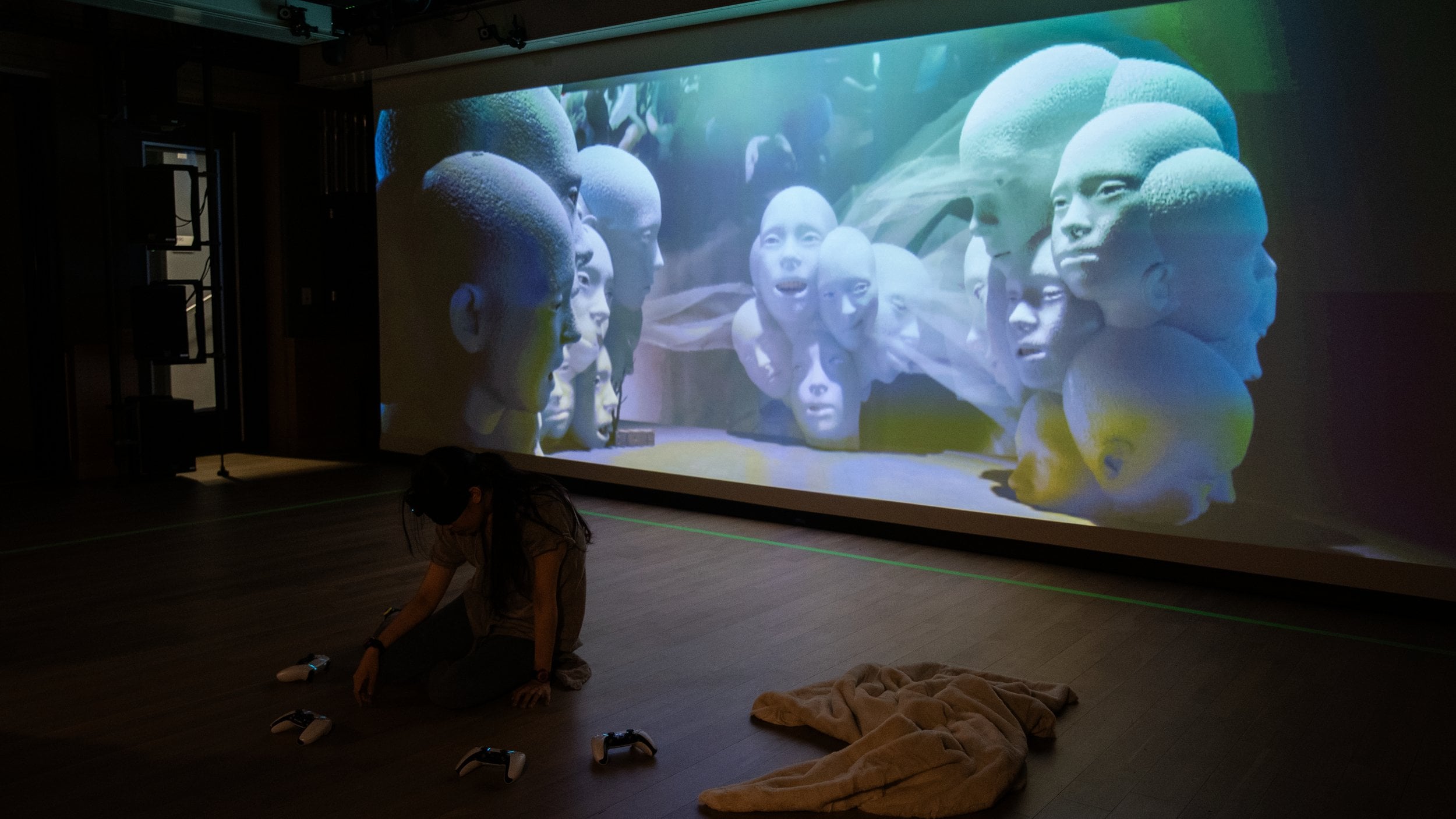
Lois He, a Chinese-born artist now based in New York, creates immersive XR installations that blend art and technology, transforming viewers into active participants. Her works, such as "Rising River," an AI-driven virtual reality experience, and "The Silent Carnival," a digital reinterpretation of Goethe's Faust, explore identity, emotion, and the impact of external agents like technology and culture. He also collaborates with institutions like the Museo Dalí and the NYU Neuroscience Institute, merging art with literature and science.

Art and politics: to take a stand or not? Nine artists and curators respond

Arte e politica: bisogna esporsi o no? Rispondono in 9 tra artisti e curatori

Nove tra artisti e curatori italiani rispondono alla domanda se l'arte debba esporsi politicamente, in un articolo pubblicato su Artribune. Marco Trulli, responsabile Cultura Arci e curatore, sostiene che l'arte non possa prescindere dal contesto storico e geopolitico, e che il mondo dell'arte debba mettere in discussione le connessioni tra istituzioni culturali, guerre e violenze sistemiche. Gabi Scardi, curatrice, rifiuta la categoria di 'arte politica' e invita gli artisti ad agire politicamente, citando esempi di padiglioni nazionali alla Biennale di Venezia (Turchia 2017, Israele 2015) come modelli di critica radicale dall'interno. Un altro contributo, legato al progetto 'Francesco 2026' per il Padiglione Internet a Venezia, propone una regola etica: l'arte deve minimizzare il danno alle persone più vulnerabili.

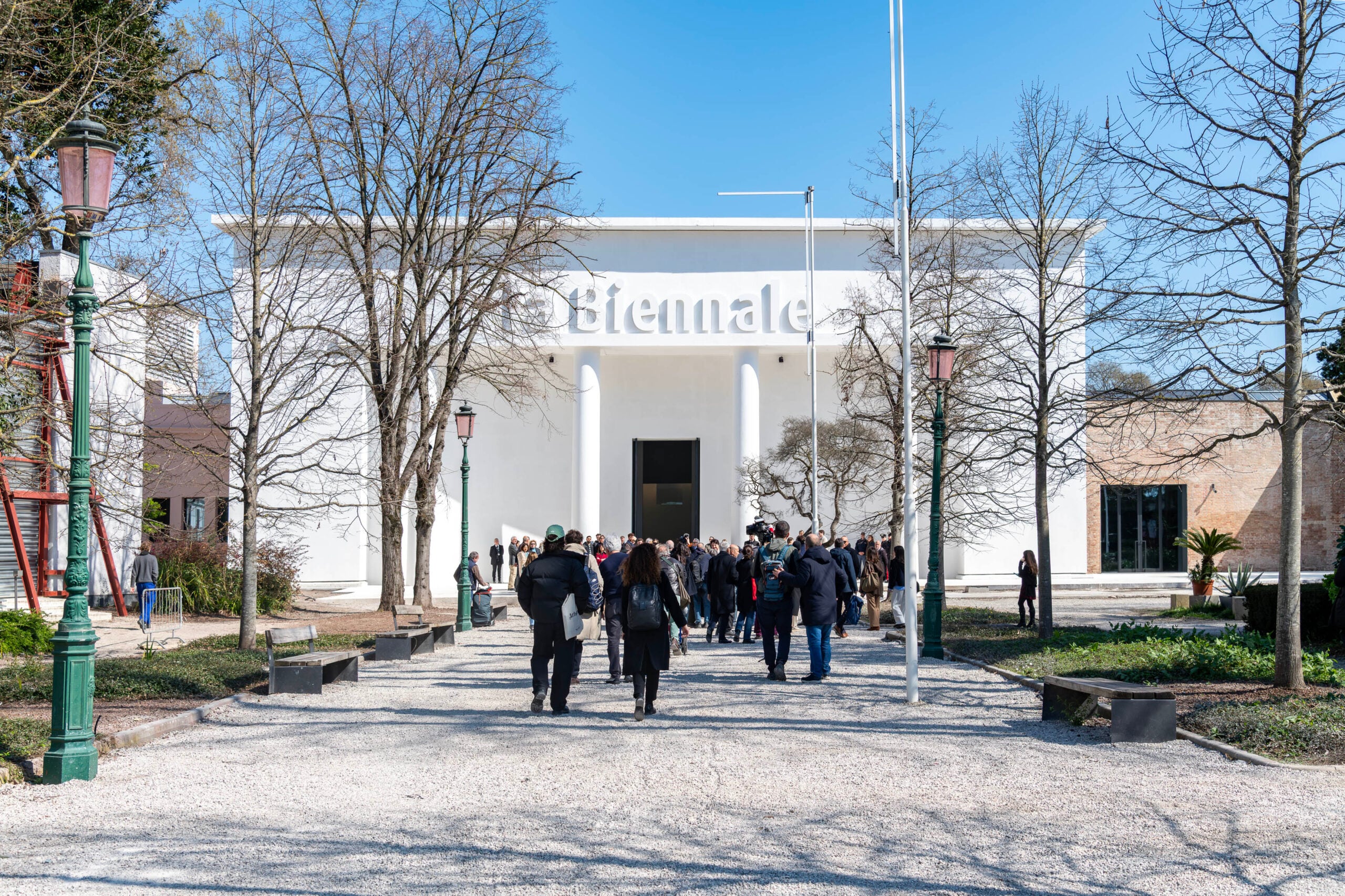
Are the Visitors' Lions at the Venice Biennale an Opportunity for Art Criticism? Let's Seize It?

I Leoni dei Visitatori alla Biennale di Venezia sono un’opportunità per la critica d’arte. Cerchiamo di coglierla?

The article discusses the newly instituted "Leoni dei Visitatori" (Visitors' Lions) at the Venice Biennale, established after the resignation of the International Jury. The author, Alberto Villa, argues that this change shifts significant influence to art media and critics, as visitors will rely on reviews and recommendations from specialized magazines, websites, and social media to decide which pavilions to prioritize. Villa calls on critics to embrace this responsibility with heightened critical rigor, seeing it as an opportunity to revive the mediating role of art criticism.

Actress Alba Clemente Tells Her Story in the Theater and Reveals What Lies Behind Her Partenope, a Smoking Siren

L’attrice Alba Clemente si racconta a teatro e svela cosa si nasconde dietro la sua Partenope, sirena fumatrice

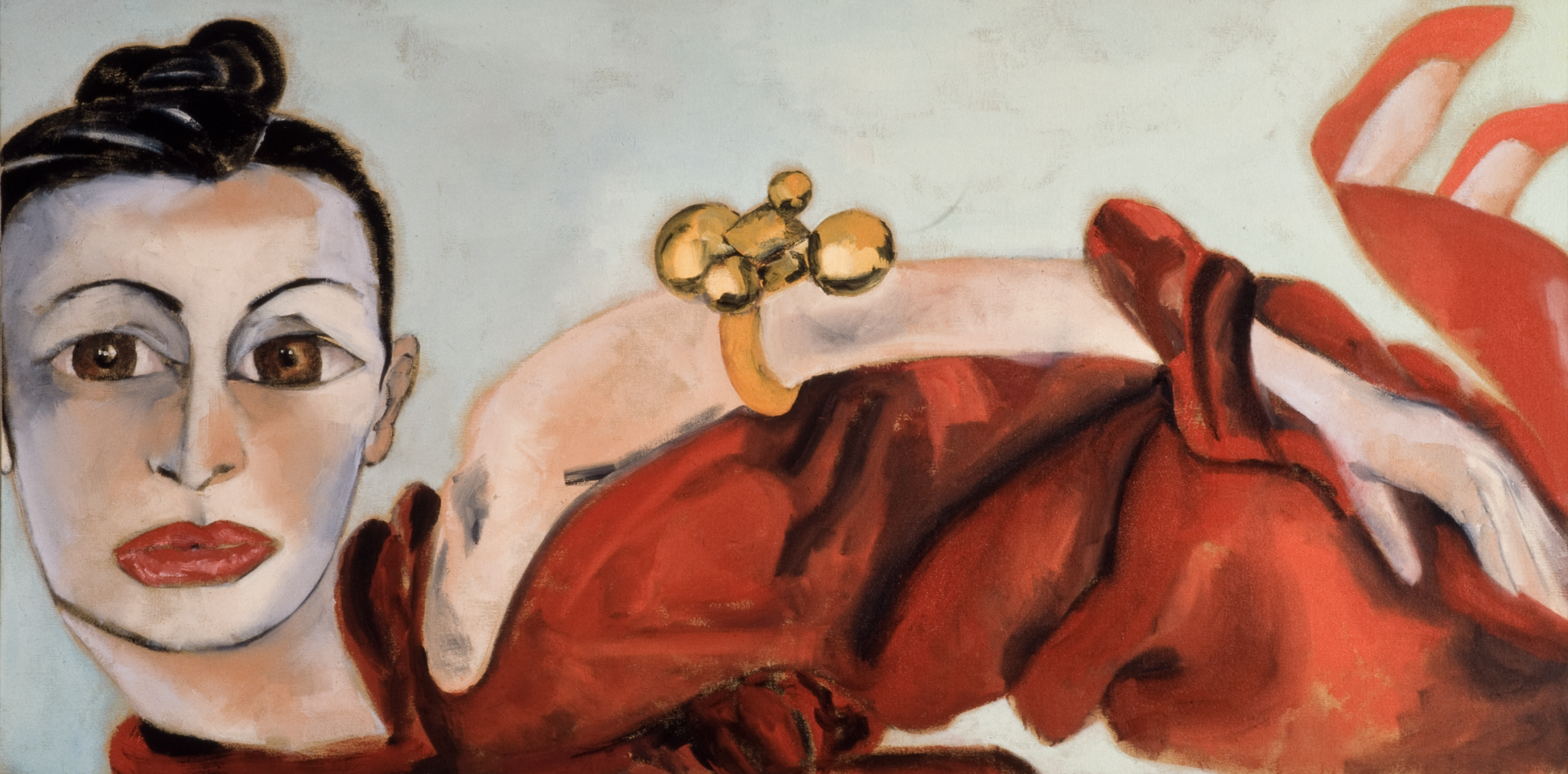
Actress Alba Clemente (née Primiceri) recounts her life and career in a theatrical performance titled "Racconto di una vita, anzi tre: ALBAINCLEMENTE," directed by Guido Torlonia. The show, adapted from an earlier piece created with director Andrew Ondrejcak, premiered in Naples and is set to tour Rome and Milan. Clemente reflects on her rebellious youth in Amalfi, her studies at the Accademia di Belle Arti in Naples, and her encounters with artists such as Joseph Beuys, Andy Warhol, Jean-Michel Basquiat, Alex Katz, and Robert Mapplethorpe. She also describes meeting her husband, internationally renowned painter Francesco Clemente, in Rome on the day Pier Paolo Pasolini was assassinated.

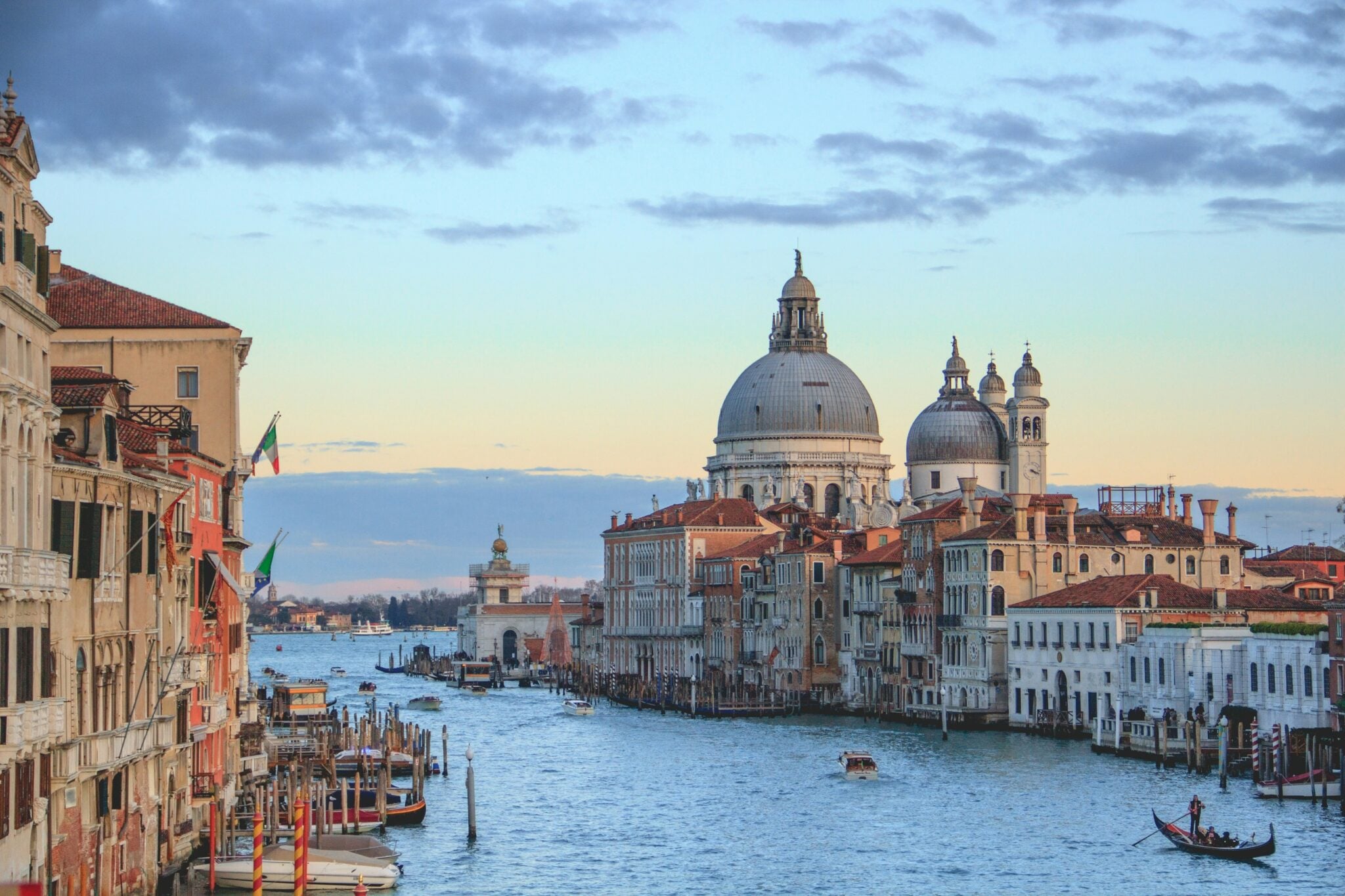
A brand-new novel is set in Renaissance Venice and its powerful Arsenal (where the Biennale is held)

Un nuovissimo romanzo è ambientato nella Venezia rinascimentale e nel suo potente Arsenale (quello dove si tiene la Biennale)

Allegra Scattaglia and Luca Josi have co-authored a new novel titled "Venetians – Il segreto dell’Arsenale," published by Sonzogno. Set in Renaissance Venice, the story follows young patrician Marcantonio Bragadin as he becomes entangled in a plot driven by the city's sophisticated and ruthless political system. The narrative highlights the Arsenal, one of the world's first proto-industrial shipbuilding complexes, which also hosts the Venice Biennale. The book weaves together art, technology, diplomacy, and intrigue, featuring historical figures such as Titian, Tintoretto, Albrecht Dürer, Leonardo da Vinci, and Aldus Manutius.