filter_list Showing 17 results for "BASE" close Clear
search
dashboard All 181 museum exhibitions 108article culture 17article local 14trending_up market 14article news 10article policy 6person people 5rate_review review 5gavel restitution 2
date_range Range Today This Week This Month All
Subscribe

11 Contemporary Emirati Artists To Know

The article highlights 11 contemporary Emirati artists, providing an overview of their practices and significance within the Gulf's evolving art scene. It contextualizes this list against recent major events in the region, including the debut of Art Basel Qatar in early February and the subsequent U.S. attacks on Iran, which caused turmoil across the Gulf, disrupted airline operations, and forced Art Dubai to scale back its event to a smaller fair in mid-May. Artists and galleries in the Gulf also had to temporarily close.
Let’s dress like a Mark Rothko! How gen Z fell for the king of colour field paintings

Mark Rothko, the abstract expressionist known for his color field paintings, is experiencing a cultural resurgence among Generation Z on social media platforms like TikTok and Instagram. Videos inspired by his work amass hundreds of thousands of views, with creators styling outfits based on his canvases, assigning his paintings to personality archetypes, and comparing his palettes to dream pop bands like the Cocteau Twins. The Rothko Chapel in Houston, Texas, has also seen a wave of curious young visitors drawn to the meditative, confrontational experience of his art.

Photographer and Activist Claudia Andujar, Known for Documenting Yanomami People of Brazil, Is the Subject of a New Biopic

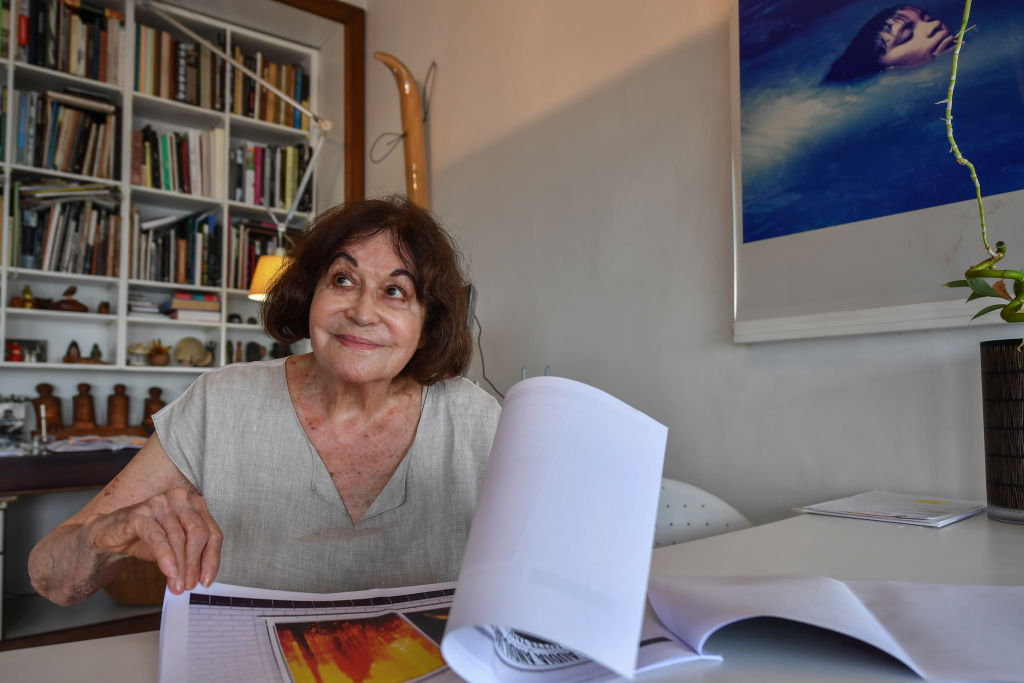
A new biopic titled *The Outsider (A Estrangeira)* will tell the story of photographer and activist Claudia Andujar, known for documenting the Yanomami people of Brazil. The film is written and directed by Sandra Delgado, produced by São Paulo’s Maria Farinha Filmes, and stars Inga Ibsdotter Lilleaas in the lead role, with Wagner Moura as an executive producer and cast member. The project is based on two decades of research and focuses on Andujar’s journey from Holocaust survivor to Brazilian artist who used photography to resist the military dictatorship’s destruction of Yanomami land in the 1970s.

In the Studio with Casey Engel

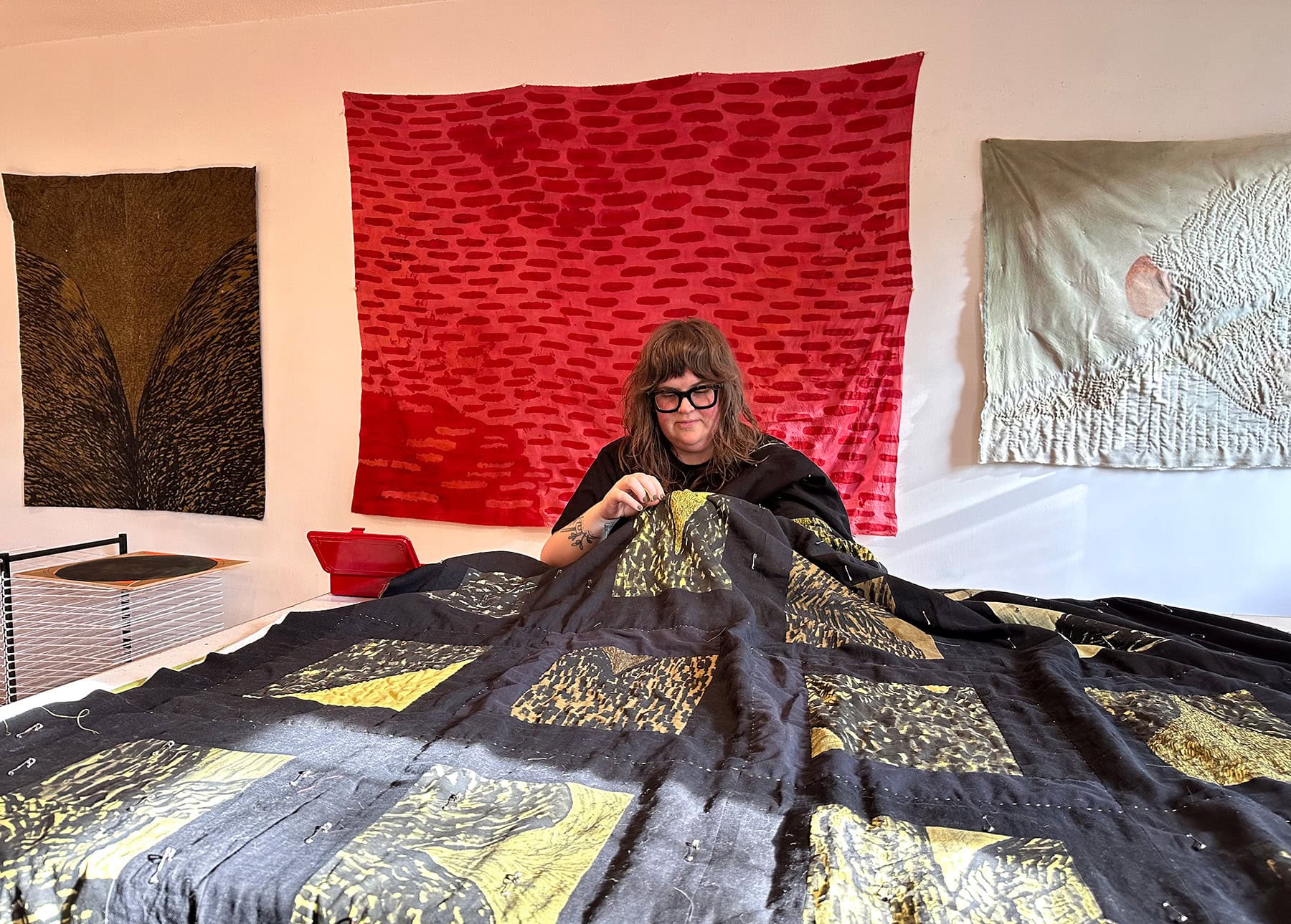
Casey Engel, an artist based in Asheville, North Carolina, is profiled in her studio, where she creates ceramic, fiber, and paper works that blend craft traditions with avant-garde sensibilities. The article, structured as an interview with writer Merin McDivitt, explores Engel's tactile process—from pinching clay to hand-stitching quilts—and her emphasis on touch, intuition, and the tension between functionality and art. Engel previously curated over sixty shows at Blue Spiral 1 before dedicating herself full-time to her own practice.

Can Digital Art Ever Truly Replicate the Gallery Experience?

The article explores whether digital art platforms can replicate the experience of visiting a physical gallery. It acknowledges the impressive progress of virtual exhibitions—global accessibility, VR tours, AR overlays, and high-resolution zoom—and notes that 35% of UK adults digitally engaged with the arts in 2024/25, up from 27% in 2021/22. However, it argues that something essential is lost without physical presence: the tactile encounter with a painting's texture and scale, the serendipity of in-person discovery, and the spatial awe of standing before a Rothko in a white cube.

Theatre, production, performance: fashion invests in art

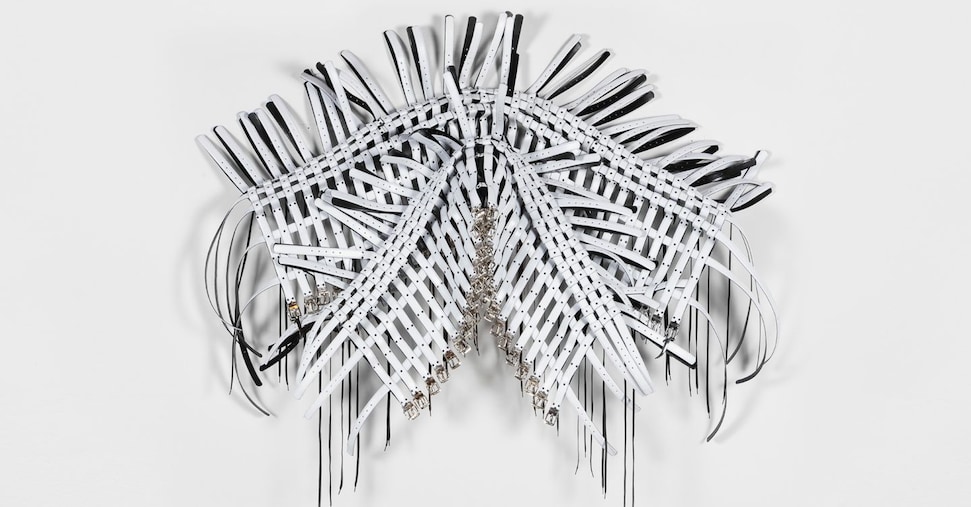
Fashion houses like Chanel are increasingly investing in contemporary art, not merely as inspiration for prints or patterns but as a strategic tool for brand positioning and cultural credibility. Gallery owner Tristan Paprocki, who recently opened a Milan space with partner Guido Romero Pierini, notes that brands now seek out emerging artists to demonstrate foresight and support new talent. Chanel has collaborated with Berlin's Hamburger Bahnhof museum for large-scale installations by artists such as Klára Hosnedlová and Lina Lapelytė, and has announced ten artists for the third edition of its Next Prize 2026, including Bárbara Sánchez-Kane, Pan Daijing, and Álvaro Urbano. These artists work across fashion, sculpture, and performance, blurring the lines between clothing and contemporary art.

Sheila Hicks en 2 minutes

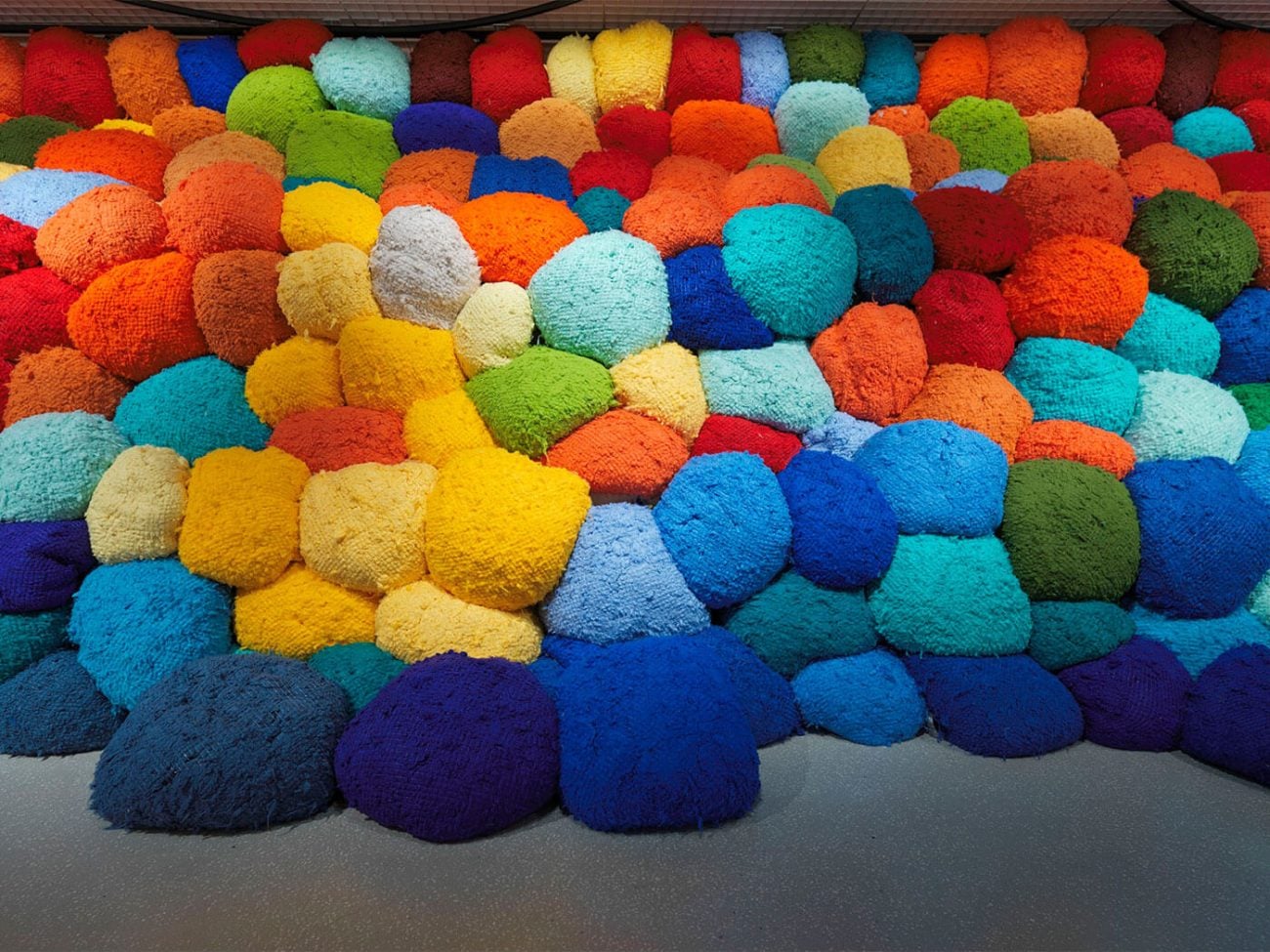
Sheila Hicks, the American textile artist born in 1934, is profiled in a concise overview of her career. The article traces her journey from studying under Josef Albers at Yale and learning weaving from Andean artisans in Chile, to establishing her studio in Mexico and later Paris. It highlights her monumental commissions for hotels, embassies, and public spaces, as well as her intimate "Minimes" works. Key milestones include her 2014 piece "Pillar of Inquiry/Supple Column" at the Whitney Biennial, her 2017 installation at the Venice Biennale, and a major retrospective at the Centre Pompidou in 2018.

A woman with a bull costume exuding masculine energy: Marisol Mendez’s best photograph

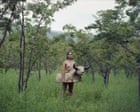
Marisol Mendez, a Bolivian photographer based in Paris, describes the creation of her striking 2019 photograph featuring Marta Salinas, a theatre actor, holding a bull costume in a field. The image is part of Mendez's series "Madre," which explores womanhood and challenges traditional feminine depictions in Bolivia. Mendez explains that the bull costume, inspired by the Bolivian dance waka tokori, symbolizes masculinity, and the photograph aims to portray a woman comfortable with her masculine energy. The work was inspired by a dream and executed with the help of Mendez's mother, who scouted the location. Mendez is the winner of this year's Saltzman-Leibovitz prize, and her work is featured at Photo London.

Artist Felipe Pantone's home is a 'permanent exhibition' - with its own indoor nightclub

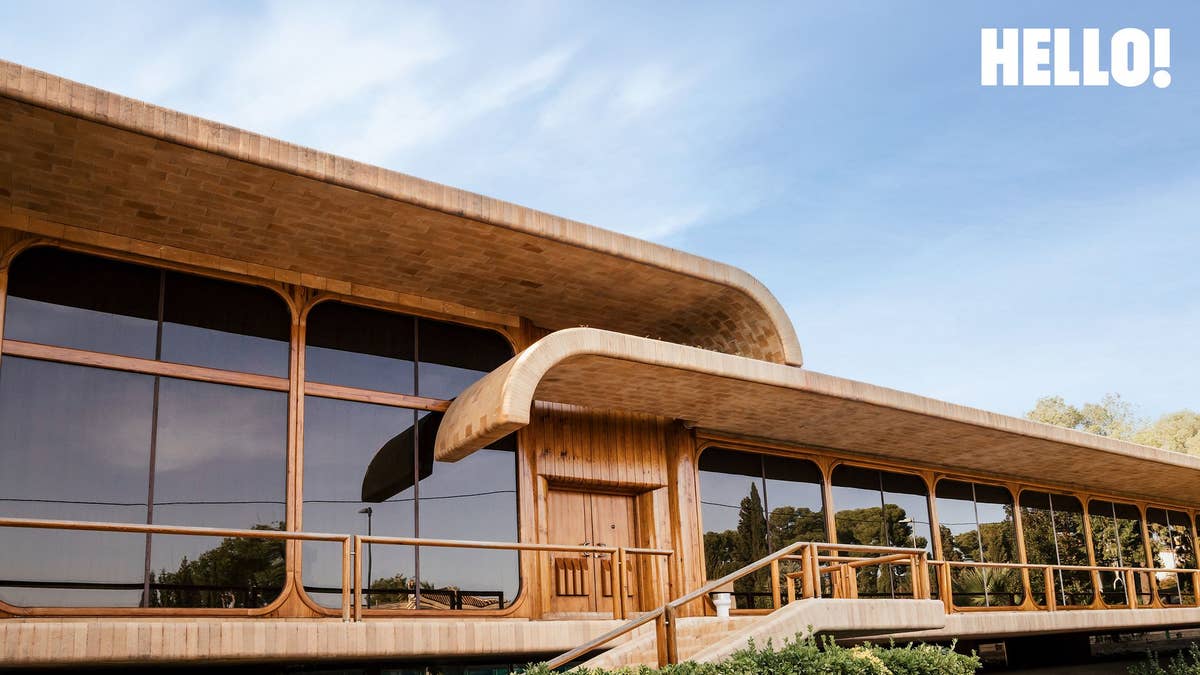
Spanish-Argentinian contemporary artist Felipe Pantone, who never reveals his face to the public, opens the doors to his striking home 'Casa Axis' in Valencia, Spain. Originally built between 1972 and 1975 by architect Pascual Genovés and designer Antonio Segura, the property was known as the 'Revolving House' before Pantone renamed it. After a two-year renovation, the 7,000 sq m estate now includes an indoor swimming pool designed by the artist, a private tennis court, a dance club, and rooms filled with natural light. Pantone and his partner Victoria Fernández host artists from around the world at the home, which also served as a backdrop for Netflix's Black Mirror.

Go big or go home: how The Lost Giants revived the ancient art of goliath-making

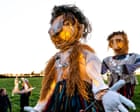
The Lost Giants (TLG), an art collective based in Lostwithiel, Cornwall, is reviving the British tradition of making processional giants—large, community-built figures made from wood, cloth, and papier-mâché. Founded three years ago by theatre designer Ruth Webb and her sister-in-law Amy Webb, the group has created giants for events ranging from local lantern parades to a harvest procession at Hauser & Wirth’s Somerset gallery. This New Year’s Eve, environmentalist Lisa Schneidau joined a massive procession of these giants in Lostwithiel, describing it as an extraordinary experience. The collective recently issued a public callout for an environmental group to collaborate on making a new beastie.

Art and technology meet in the augmented reality of artist Lois He

Arte e tecnologia si incontrano nella realtà aumentata dell’artista Lois He

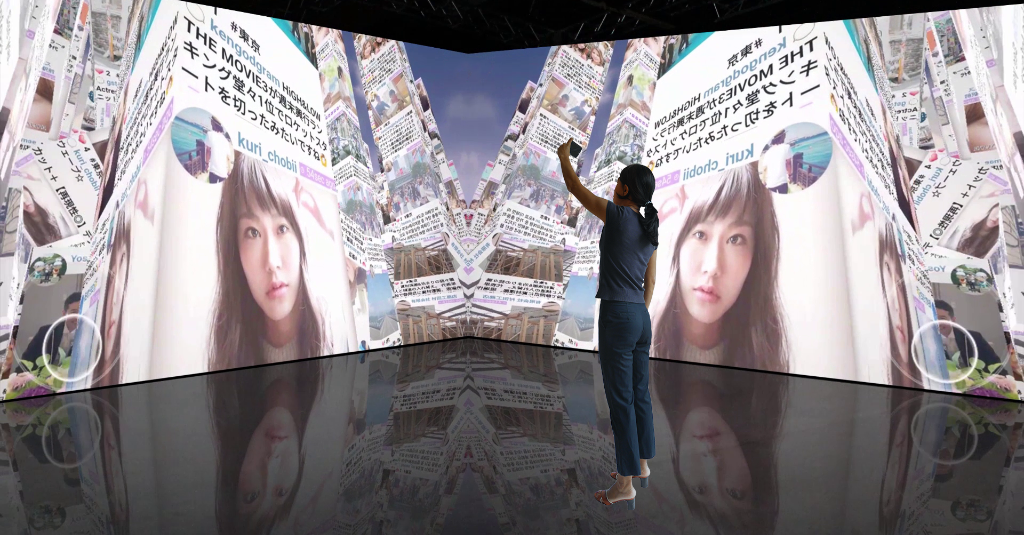
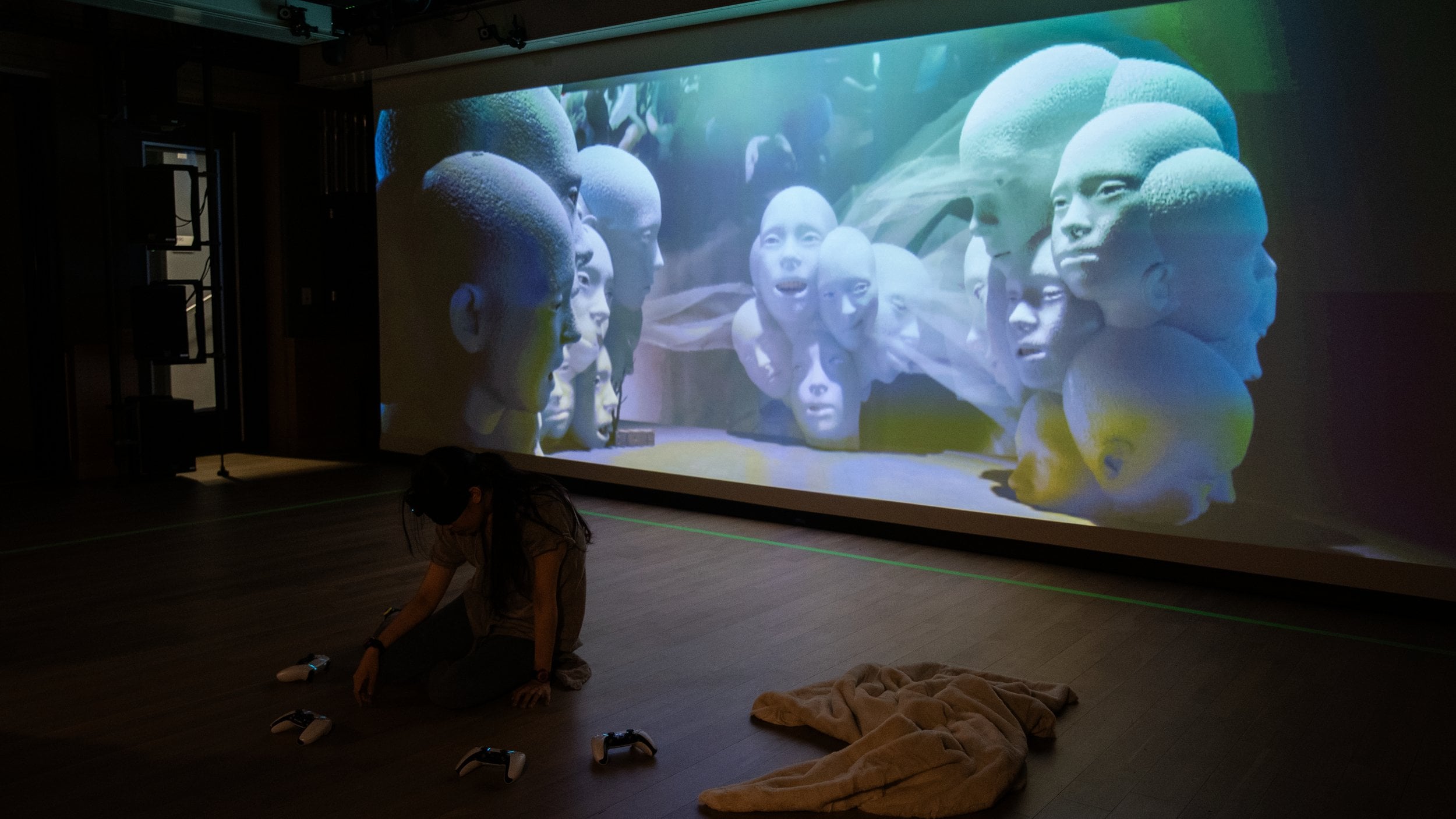
Lois He, a Chinese-born artist now based in New York, creates immersive XR installations that blend art and technology, transforming viewers into active participants. Her works, such as "Rising River," an AI-driven virtual reality experience, and "The Silent Carnival," a digital reinterpretation of Goethe's Faust, explore identity, emotion, and the impact of external agents like technology and culture. He also collaborates with institutions like the Museo Dalí and the NYU Neuroscience Institute, merging art with literature and science.

Glimpse the Fantastical Animated World of ‘Wildwood’

A feature-length animated film adaptation of the young adult novel *Wildwood* is in production at LAIKA Studios, directed by Travis Knight. The story follows a girl named Prue who ventures into a magical forest called the Impassable Wilderness after her baby brother is carried off by crows, accompanied by her classmate Curtis. The film is based on an original story by Colin Meloy, illustrated by Carson Ellis, and features a voice cast including Carey Mulligan, Mahershala Ali, Awkwafina, and Angela Bassett. A behind-the-scenes featurette highlights LAIKA's blend of hand-built puppets, sets, and CGI, with particular attention to animating the bird characters of the Avian Principality. The trailer is released, and the film is scheduled for release on October 23.

Why We Need Corporate Art Collections

The article traces the history and significance of corporate art collections, beginning with Deutsche Bank's acquisition of 57 early drawings by Joseph Beuys in the late 1970s, which led to the formal launch of its collection in 1980. Today, the Deutsche Bank Collection comprises over 57,000 objects displayed in 500 locations across 40 countries, and the bank sponsors events like the Frieze Art Fair. The piece also highlights the role of American banker David Rockefeller, who inaugurated Chase Manhattan Bank's Art at Work program in 1959, and notes that corporate collecting has deep roots in Renaissance banking, with institutions like Banca Monte dei Paschi di Siena commissioning art for their offices.

10 Tips for Getting the Most Out of Your Next Museum Visit

This article offers ten practical tips for enhancing museum visits, emphasizing preparation, physical comfort, and mindful engagement. It advises planning around specific artworks using online databases, addressing bodily needs like food and hydration, and timing visits to avoid crowds. The piece also recommends slowing down to spend ten minutes per work, using techniques like slow looking to deepen appreciation.

Two Major Architecture Firms Aim to Revolutionize Rome Over the Next 25 Years

Due grandi studi di architettura puntano a rivoluzionare Roma nei prossimi 25 anni

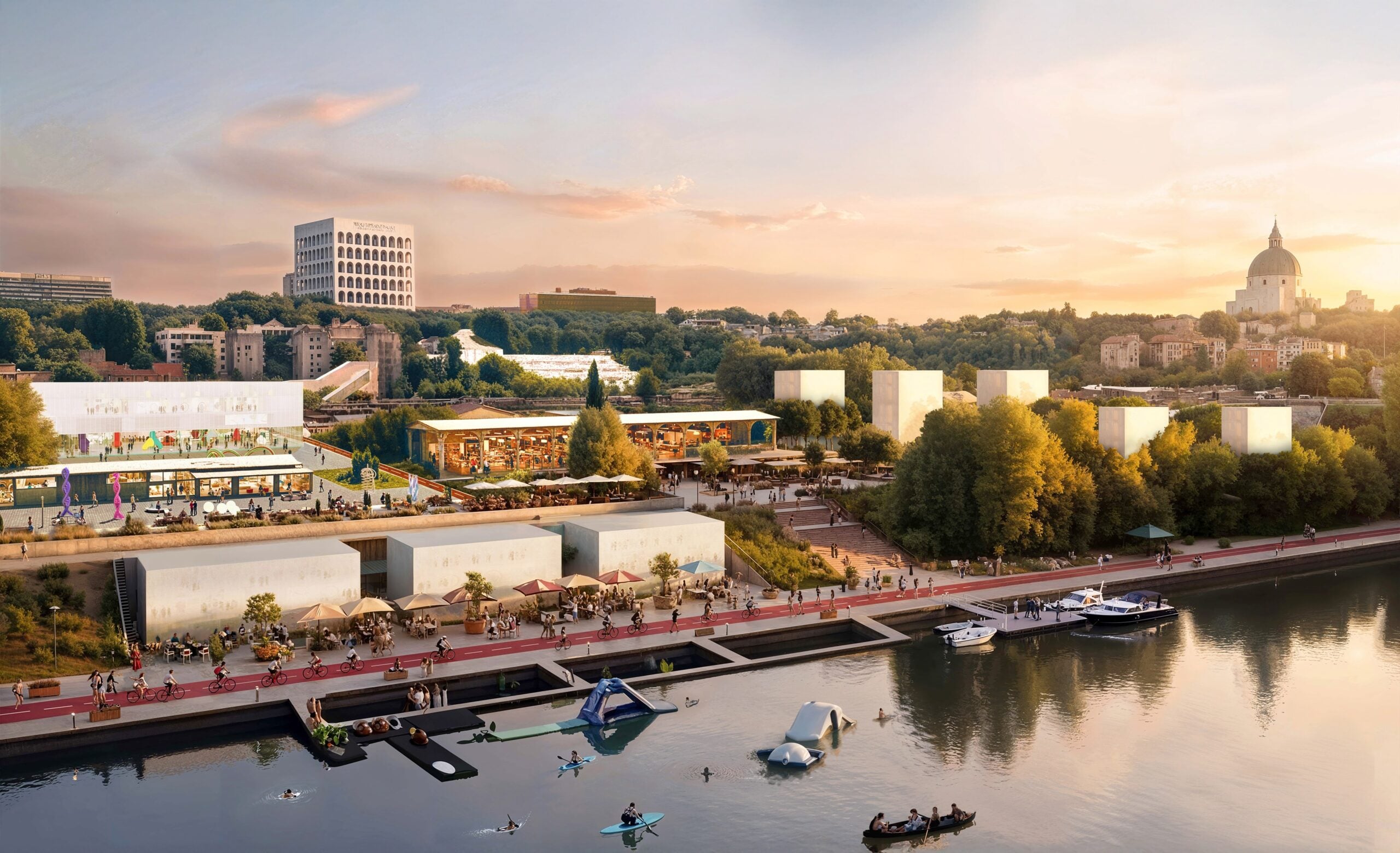
A multidisciplinary team led by Italian architecture and urban planning firm IT'S and Dutch firm OMA has won the international ideas competition "Vision for Rome," promoted by the Fondazione Roma REgeneration. Their project, "Roma Continua," was presented at the Auditorium della Tecnica di Confindustria during the second ROMA REgeneration FORUM. The proposal aims to rethink Rome over the next 25 years through a paradigm shift in urban, social, and cultural planning, envisioning the city as a living ecosystem. It is based on five guiding principles—care, beauty, knowledge, movement, reuse, and grafting—and includes five green corridors anchored to the Tiber River, "Fori dell'innovazione" (innovation forums), and a continuous mobility network. The project also seeks to reduce tourist pressure on the historic center by creating new cultural itineraries and sustainable transport links.

Mirei Monticelli’s Hand-Woven Banana Leaf Lamps Swell Between Material and Movement

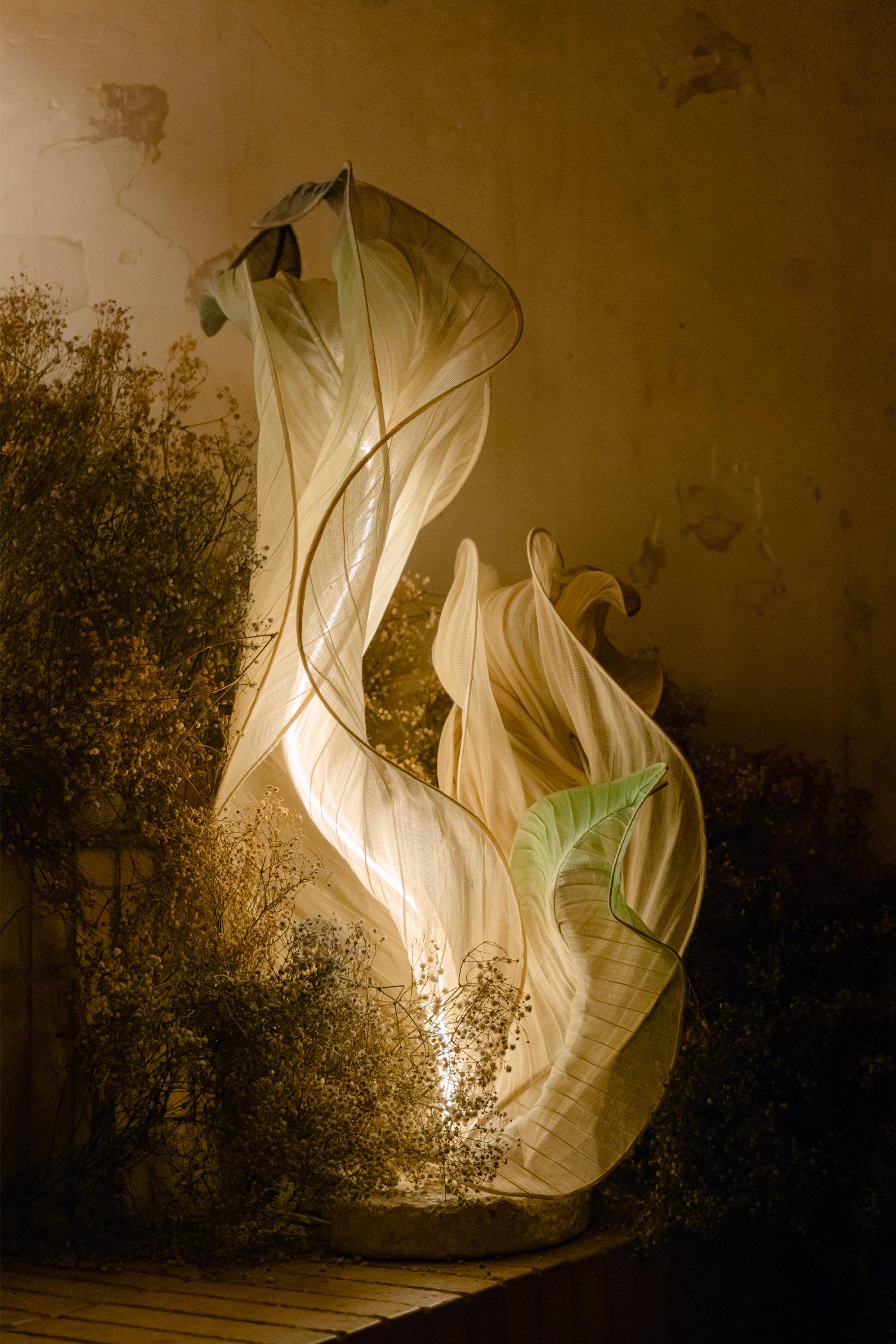
Milan-based Filipina designer Mirei Monticelli creates biomorphic lighting fixtures from hand-woven Banaca fabric, made from Abacá fiber sourced from the Philippines. Her studio collaborates with a community of weavers in the Bicol province, developing the material through a long-term relationship. The lamps, which blend sculpture and utility, were recently featured in an installation titled 'Pleasure Garden' at Milan Design Week. Monticelli’s process incorporates techniques from garment construction, learned from her mother, a fashion designer.

The Biennale and the Weight of Flags. What Is the Point of National Pavilions?

La Biennale e il peso delle bandiere. Che senso hanno i padiglioni nazionali?

The article examines the inherent contradiction within the Venice Biennale: its historical structure of national pavilions, a legacy of 19th-century world fairs and state-sponsored art, clashes with the transnational, post-identity vision of the international exhibition curated by Koyo Kouoh. The return of the Russia Pavilion amid geopolitical conflict and the international show titled "In Minor Keys," which rejects national belonging as an interpretive criterion, highlight this tension. The piece also addresses the controversy over the lack of Italian artists in the main exhibition, questioning whether a Biennale hosted in Italy should guarantee national representation.