filter_list Showing 56 results for "Base" close Clear
search
dashboard All 810 museum exhibitions 450article local 74article news 74trending_up market 65article culture 56person people 29candle obituary 24rate_review review 18article policy 13gavel restitution 7
date_range Range Today This Week This Month All
Subscribe

Beer With a Painter: Keith Mayerson

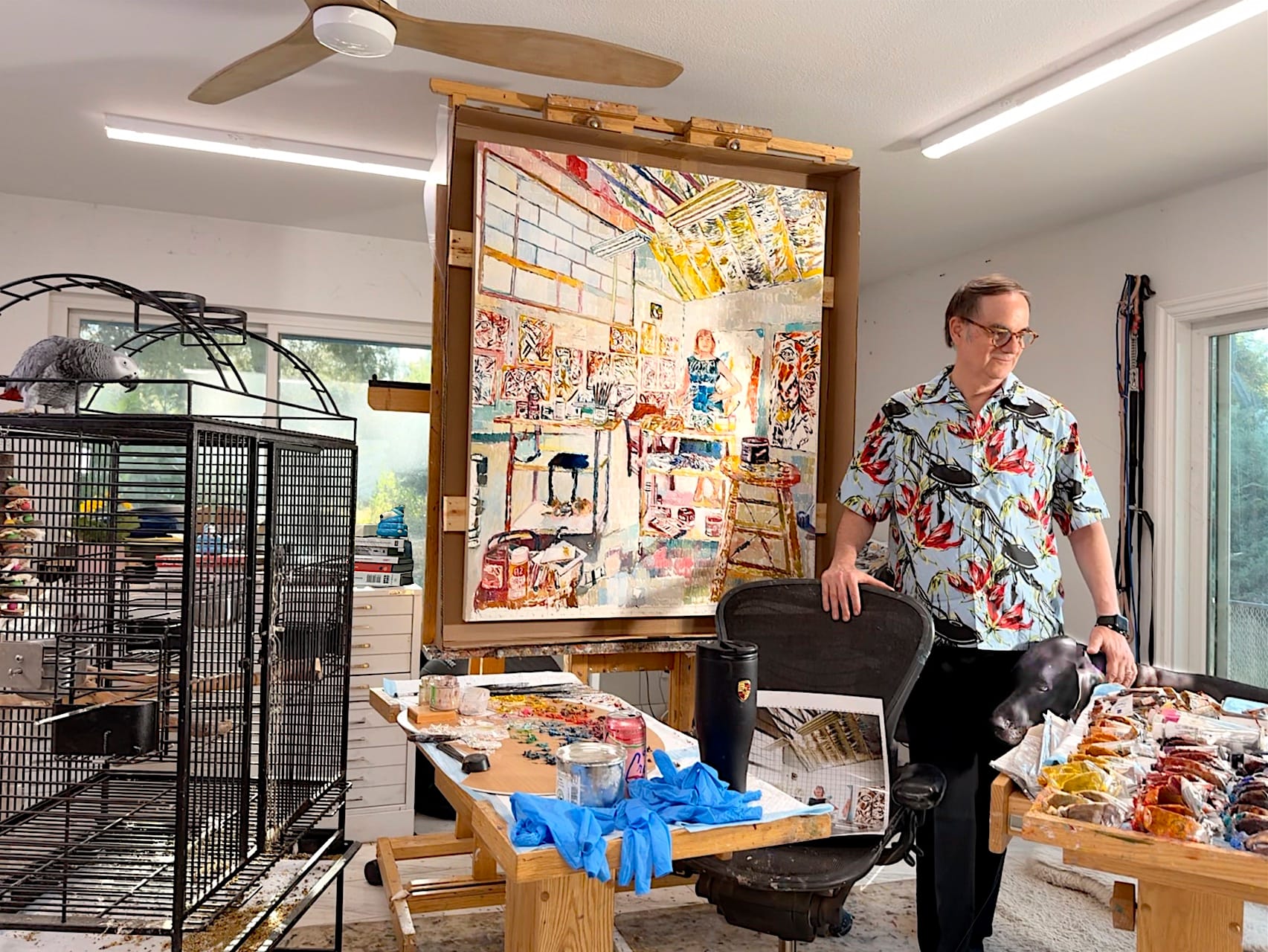
Hyperallergic interviews Los Angeles-based painter Keith Mayerson, who discusses his ongoing 'My American Dream' series—a cosmology of paintings blending American identity, activism, and popular culture. The conversation covers his early influences from comics, the Muppets, and Hunter S. Thompson, his transition from cartooning to painting, and his vibratory, swirling brushwork. Mayerson's work has been featured in the 2014 Whitney Biennial and is currently on view at the Aspen Art Museum and the Pollock-Krasner House.

The Defining Themes of Today’s Biennial Art

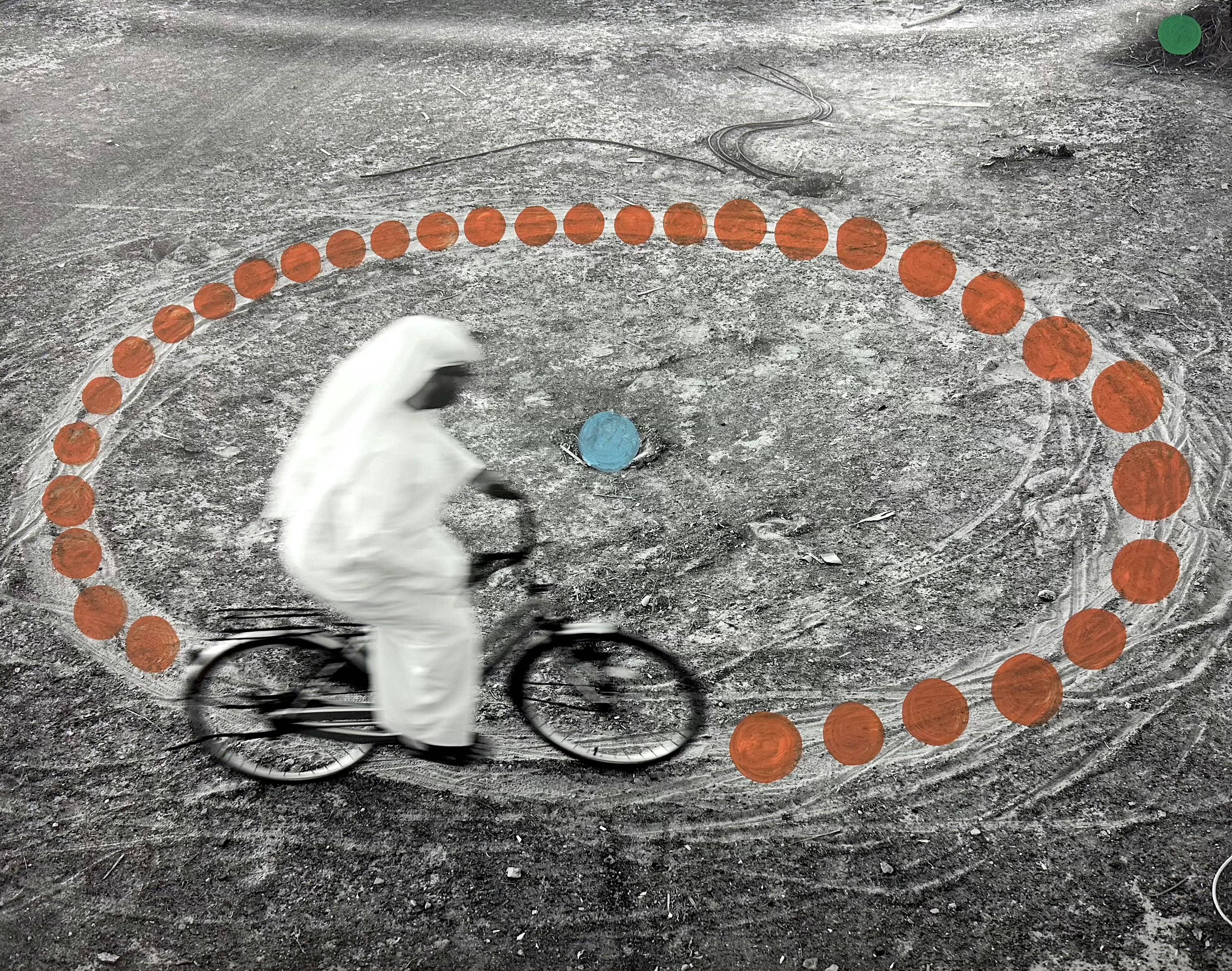
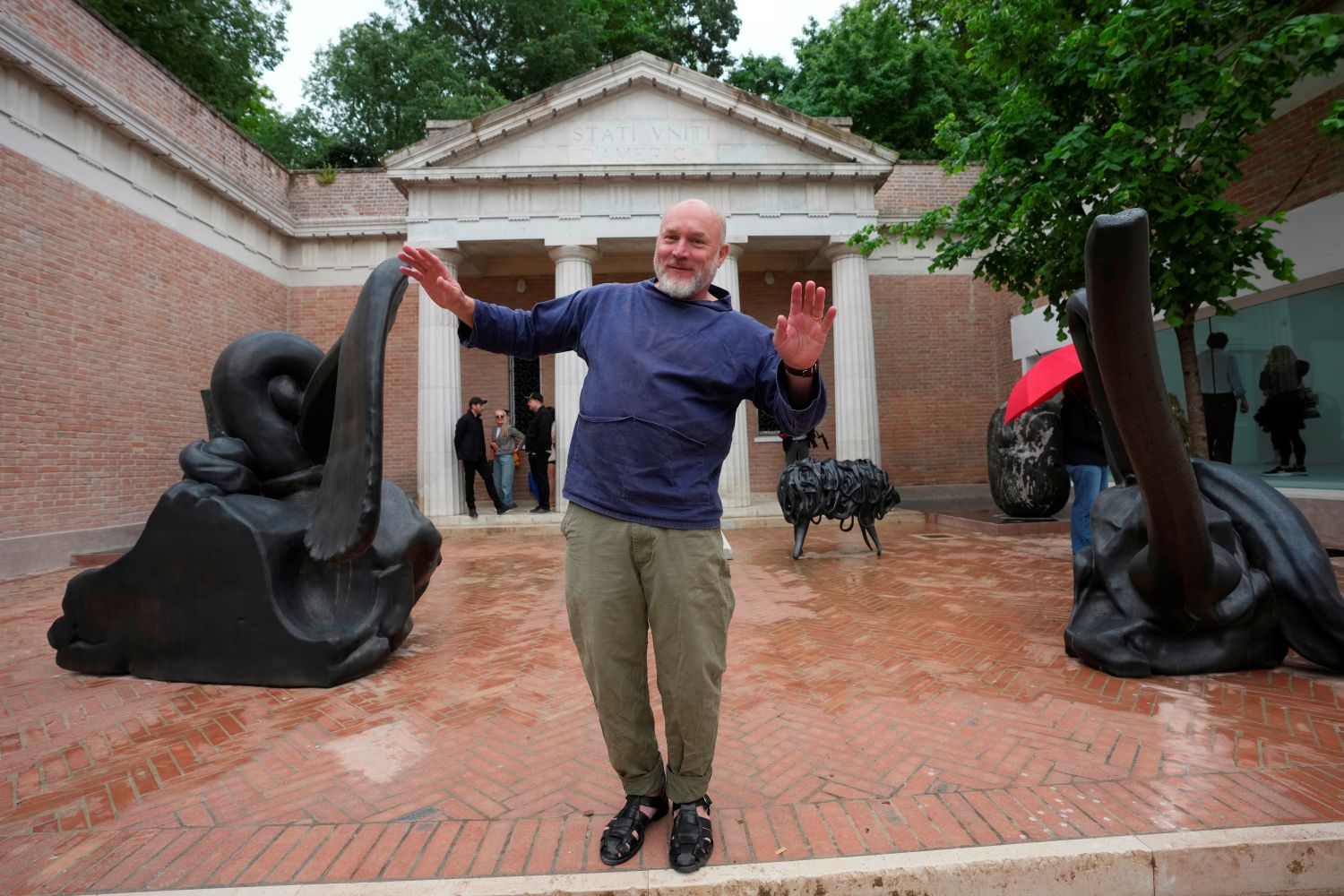
The article analyzes the defining themes and styles of the past four years in the international biennial circuit, based on a survey of 130 biennials. It identifies a core group of artists who appeared most frequently, including Ali Eyal, Apichatpong Weerasethakul, Carolina Caycedo, Kapwani Kiwanga, and Tuan Andrew Nguyen, among others. Many of these artists are also featured in the upcoming 61st Venice Biennale curated by the late Koyo Kouoh. The piece categorizes their work under two broad themes: "Post-Colonial Post-Conceptualism," which involves poetic engagement with colonial history and artifacts, and "Families and Networks," where artists explore personal and political family histories.

No Attitude, Nowhere: Conviction, Zero Meaning

Keine Haltung, nirgends Gesinnung, null Bedeutung

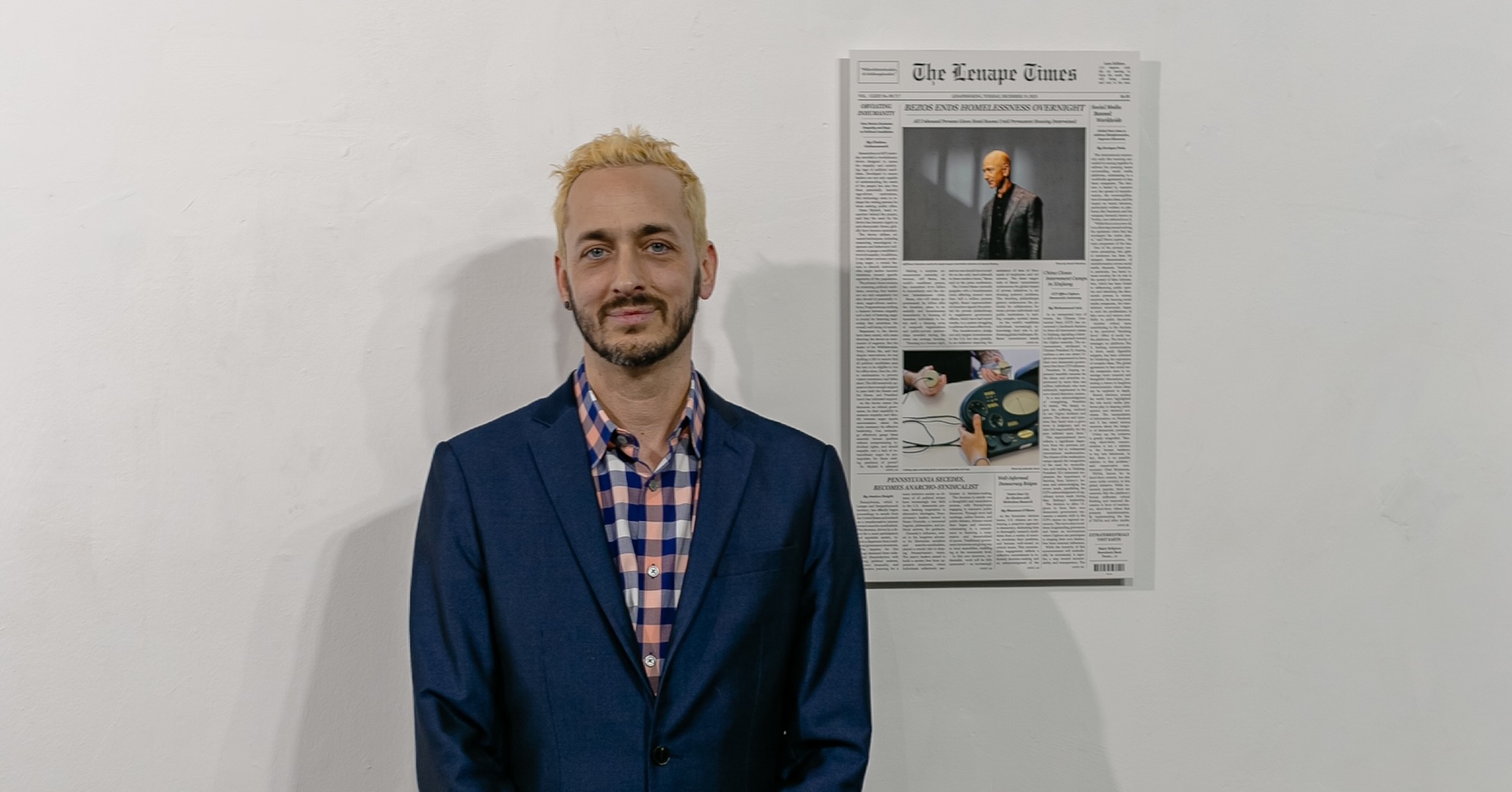
The article critiques the current state of the art world and broader culture, arguing that right-wing calls for depoliticized art are intensifying while the progressive art establishment silently tolerates a culture war that restricts free expression. It uses the 2025 Met Gala as a prime example, describing the event as a heartless display of wealth and power aligned with Trump-era capitalism, where celebrities and artists perform progressive values while participating in a spectacle sponsored by anti-union figures like Jeff Bezos. The author draws on Hannah Arendt's ethics lectures to suggest that moral norms have collapsed overnight, and that the commercial art world now legitimizes anti-democratic tendencies through its silence.

Artists made their mark at 2026 Met Gala

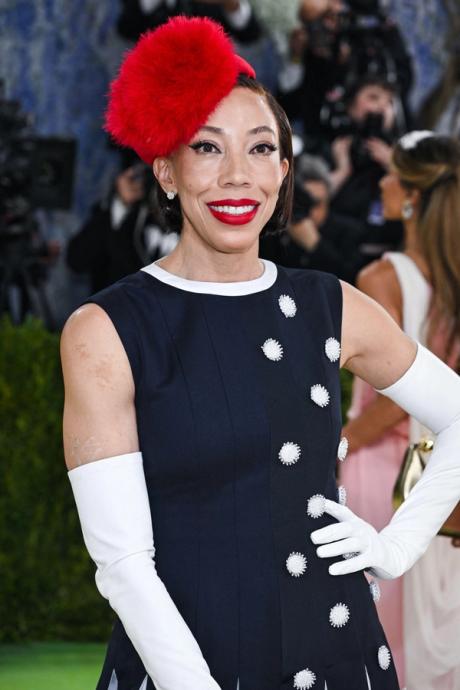
The 2026 Met Gala, held on May 4 at the Metropolitan Museum of Art, raised a record $42 million for the Costume Institute, surpassing last year's $31 million. Honorary chairs Jeff Bezos and Lauren Sanchez Bezos contributed at least $10 million, but their involvement sparked protests outside the event, with demonstrators holding signs like "Tax the Rich" and a group called Everyone Hates Elon leaving fake urine bottles labeled with Bezos's face. Inside, artists made a strong impression: Amy Sherald wore a Thom Browne look based on her painting; Jordan Roth donned a Robert Wun outfit inspired by a Met collection work; and Tschabalala Self collaborated with Brandon Blackwood on a gown evoking Degas's ballerina sculpture. The gala's dress code was "fashion is art," and the accompanying exhibition, "Costume Art" (May 10–January 10, 2027), debuts the Met's new 12,000-square-foot Condé M. Nast Galleries.

11 Contemporary Emirati Artists To Know

The article highlights 11 contemporary Emirati artists, providing an overview of their practices and significance within the Gulf's evolving art scene. It contextualizes this list against recent major events in the region, including the debut of Art Basel Qatar in early February and the subsequent U.S. attacks on Iran, which caused turmoil across the Gulf, disrupted airline operations, and forced Art Dubai to scale back its event to a smaller fair in mid-May. Artists and galleries in the Gulf also had to temporarily close.

Let’s dress like a Mark Rothko! How gen Z fell for the king of colour field paintings

Mark Rothko, the abstract expressionist known for his color field paintings, is experiencing a cultural resurgence among Generation Z on social media platforms like TikTok and Instagram. Videos inspired by his work amass hundreds of thousands of views, with creators styling outfits based on his canvases, assigning his paintings to personality archetypes, and comparing his palettes to dream pop bands like the Cocteau Twins. The Rothko Chapel in Houston, Texas, has also seen a wave of curious young visitors drawn to the meditative, confrontational experience of his art.

Trevor Paglen’s New Book Says AI Is Rewriting What Images Do

Artist Trevor Paglen has published a new book, *How to See Like a Machine: Images After AI*, which argues that generative AI and computer vision are fundamentally changing how images function in culture. Drawing on his decade-long practice, Paglen contends that images are no longer merely representations for human interpretation but have become operational tools—'activations' that trigger automated responses and shape reality. He cites examples such as surveillance cameras at grocery stores, the Samsara navigation system in trucks, and the ImageNet database to illustrate how machine vision systems normalize surveillance in service of capital, a phenomenon he terms 'machine realism.'

In the Studio with Casey Engel

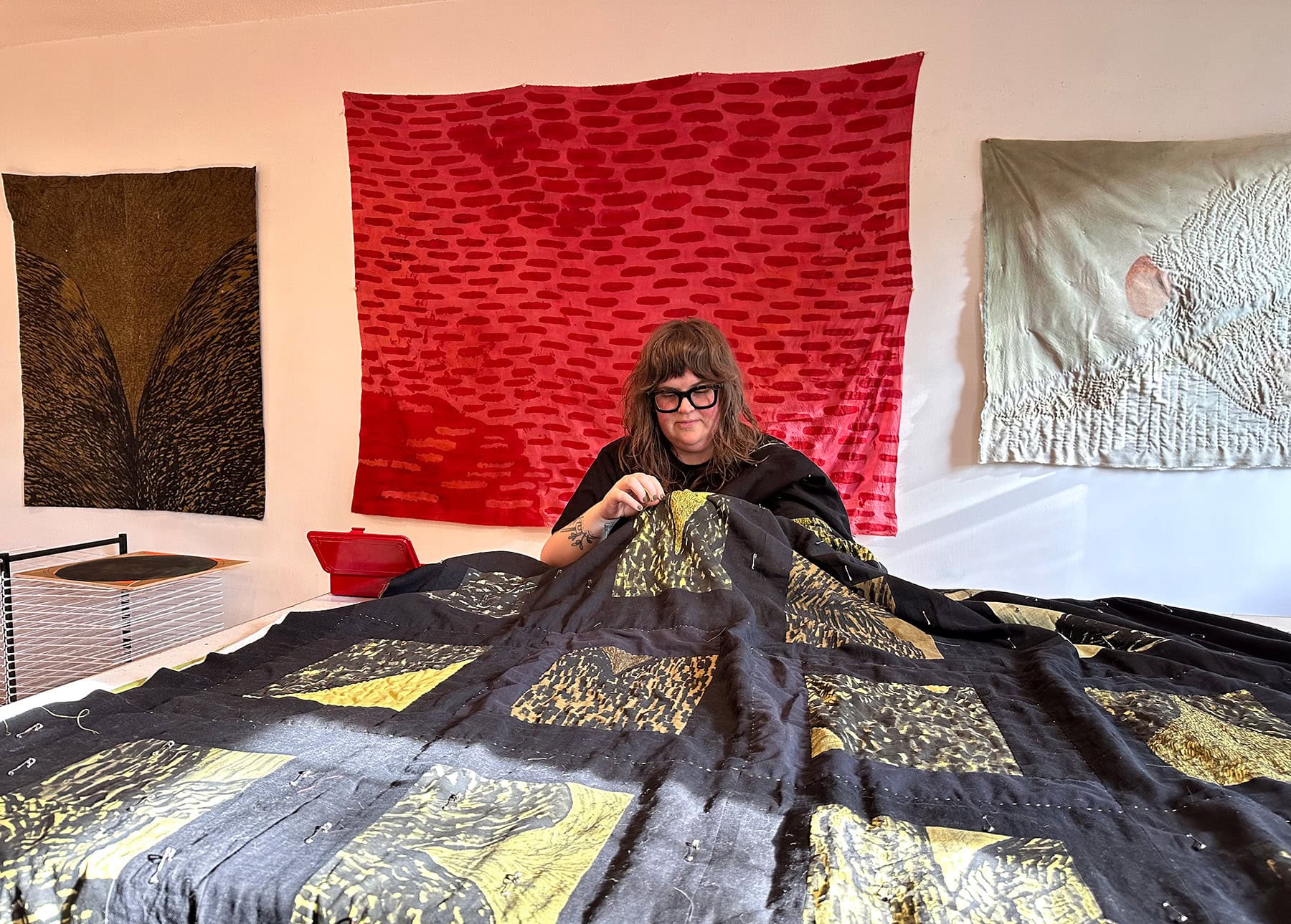
Casey Engel, an artist based in Asheville, North Carolina, is profiled in her studio, where she creates ceramic, fiber, and paper works that blend craft traditions with avant-garde sensibilities. The article, structured as an interview with writer Merin McDivitt, explores Engel's tactile process—from pinching clay to hand-stitching quilts—and her emphasis on touch, intuition, and the tension between functionality and art. Engel previously curated over sixty shows at Blue Spiral 1 before dedicating herself full-time to her own practice.

Global Art Biennials: Renovation, Revelation—or Repetition?

The article examines the current state of global art biennials, arguing that recent controversies—such as the 2022 documenta antisemitism crisis and geopolitical tensions at the 61st Venice Biennale—reveal these exhibitions as deeply politicized platforms rather than neutral cultural events. It highlights how juries and curators have introduced geopolitical criteria, and cites ongoing debates in Artforum (April 2026) featuring voices like Daniel Birnbaum, Michelle Grabner, and Adam Szymczyk, who diagnose visible tensions but overlook deeper structural conditions.

Can Digital Art Ever Truly Replicate the Gallery Experience?

The article explores whether digital art platforms can replicate the experience of visiting a physical gallery. It acknowledges the impressive progress of virtual exhibitions—global accessibility, VR tours, AR overlays, and high-resolution zoom—and notes that 35% of UK adults digitally engaged with the arts in 2024/25, up from 27% in 2021/22. However, it argues that something essential is lost without physical presence: the tactile encounter with a painting's texture and scale, the serendipity of in-person discovery, and the spatial awe of standing before a Rothko in a white cube.

Theatre, production, performance: fashion invests in art

Fashion houses like Chanel are increasingly investing in contemporary art, not merely as inspiration for prints or patterns but as a strategic tool for brand positioning and cultural credibility. Gallery owner Tristan Paprocki, who recently opened a Milan space with partner Guido Romero Pierini, notes that brands now seek out emerging artists to demonstrate foresight and support new talent. Chanel has collaborated with Berlin's Hamburger Bahnhof museum for large-scale installations by artists such as Klára Hosnedlová and Lina Lapelytė, and has announced ten artists for the third edition of its Next Prize 2026, including Bárbara Sánchez-Kane, Pan Daijing, and Álvaro Urbano. These artists work across fashion, sculpture, and performance, blurring the lines between clothing and contemporary art.

Inside New York’s Rogue Project Spaces

A digital cover story profiles New York City's rogue project spaces—artist-run venues like U-Haul Gallery, Desnivel, Spielzeug, Catbox Contemporary, and 95 Gallon Gallery—that operate in unconventional locations such as trash bins, moving trucks, bodegas, laundromats, buses, and cat towers. The article features interviews with founders including Maria De Victoria (Desnivel), James Sundquist and Jack Chase (U-Haul Gallery), and others, highlighting how these spaces counter the bureaucracy of institutional exhibitions by prioritizing artist freedom, intimacy, and community engagement.

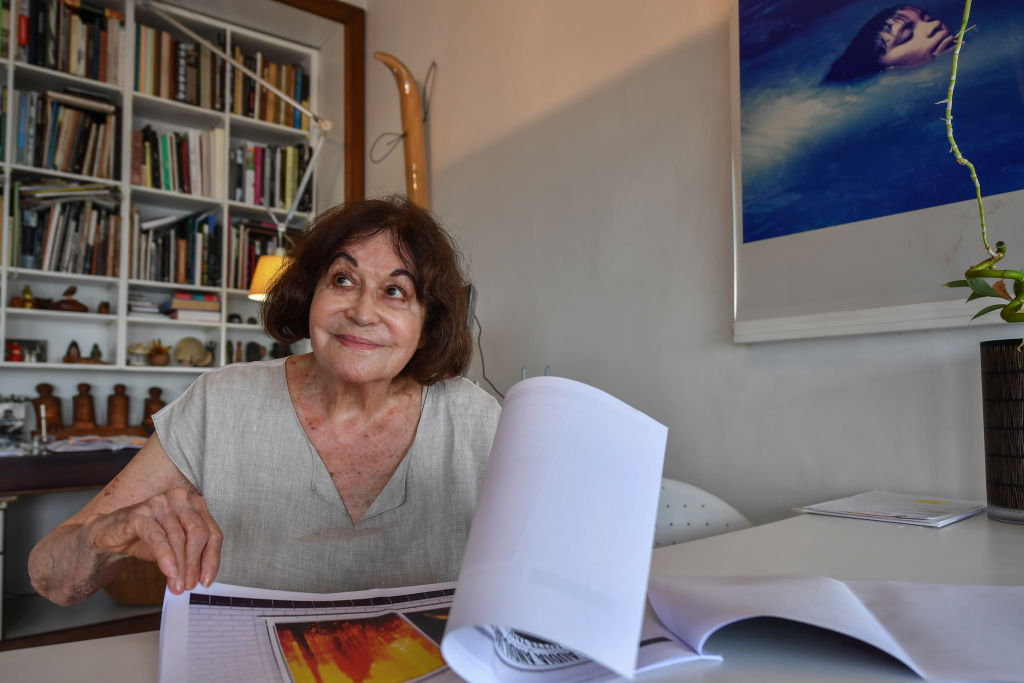
Photographer and Activist Claudia Andujar, Known for Documenting Yanomami People of Brazil, Is the Subject of a New Biopic

A new biopic titled *The Outsider (A Estrangeira)* will tell the story of photographer and activist Claudia Andujar, known for documenting the Yanomami people of Brazil. The film is written and directed by Sandra Delgado, produced by São Paulo’s Maria Farinha Filmes, and stars Inga Ibsdotter Lilleaas in the lead role, with Wagner Moura as an executive producer and cast member. The project is based on two decades of research and focuses on Andujar’s journey from Holocaust survivor to Brazilian artist who used photography to resist the military dictatorship’s destruction of Yanomami land in the 1970s.

Required Reading

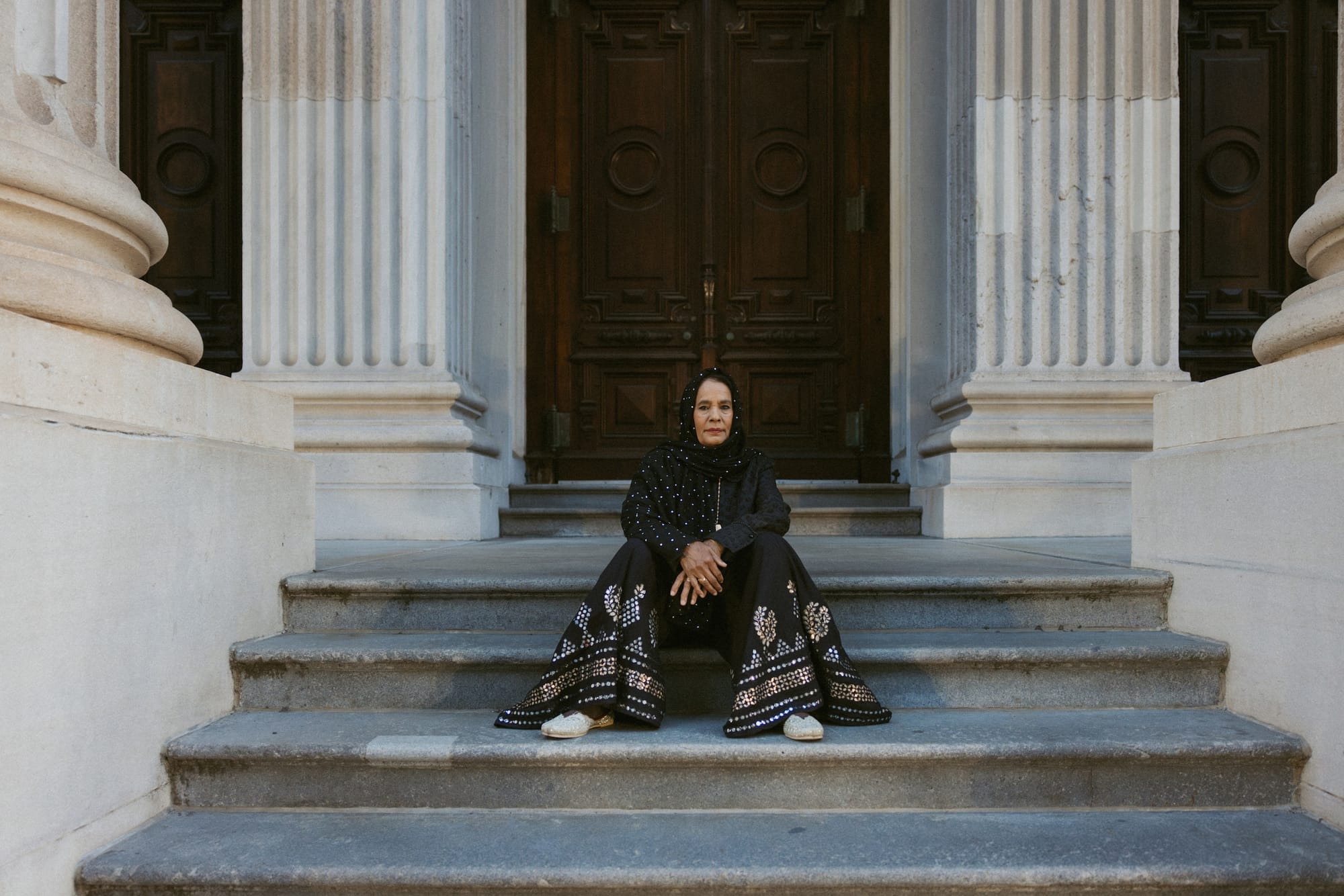
Pakistani-born, Brooklyn-based tailor and community leader Hafeez Raza was honored by Mayor Zohran Mamdani as one of six garment workers photographed by Kara McCurdy, highlighting the real faces behind the fashion industry. Meanwhile, the Los Angeles Times's Image Editor-in-Chief Elisa Wouk Almino recounts a peculiar correspondence with artist Sophie Calle, who orchestrated a fake but real exchange using pre-written texts. In other news, Ai Weiwei discusses his new exhibition in Italy, censorship in Europe, and the Venice Biennale in an interview with El País. Additionally, Jacci Gresham, the first professional Black tattoo artist in the United States, reflects on her career since 1976, including tattooing Klan members and innovating with brown paper for Black and Brown clients.

Sheila Hicks en 2 minutes

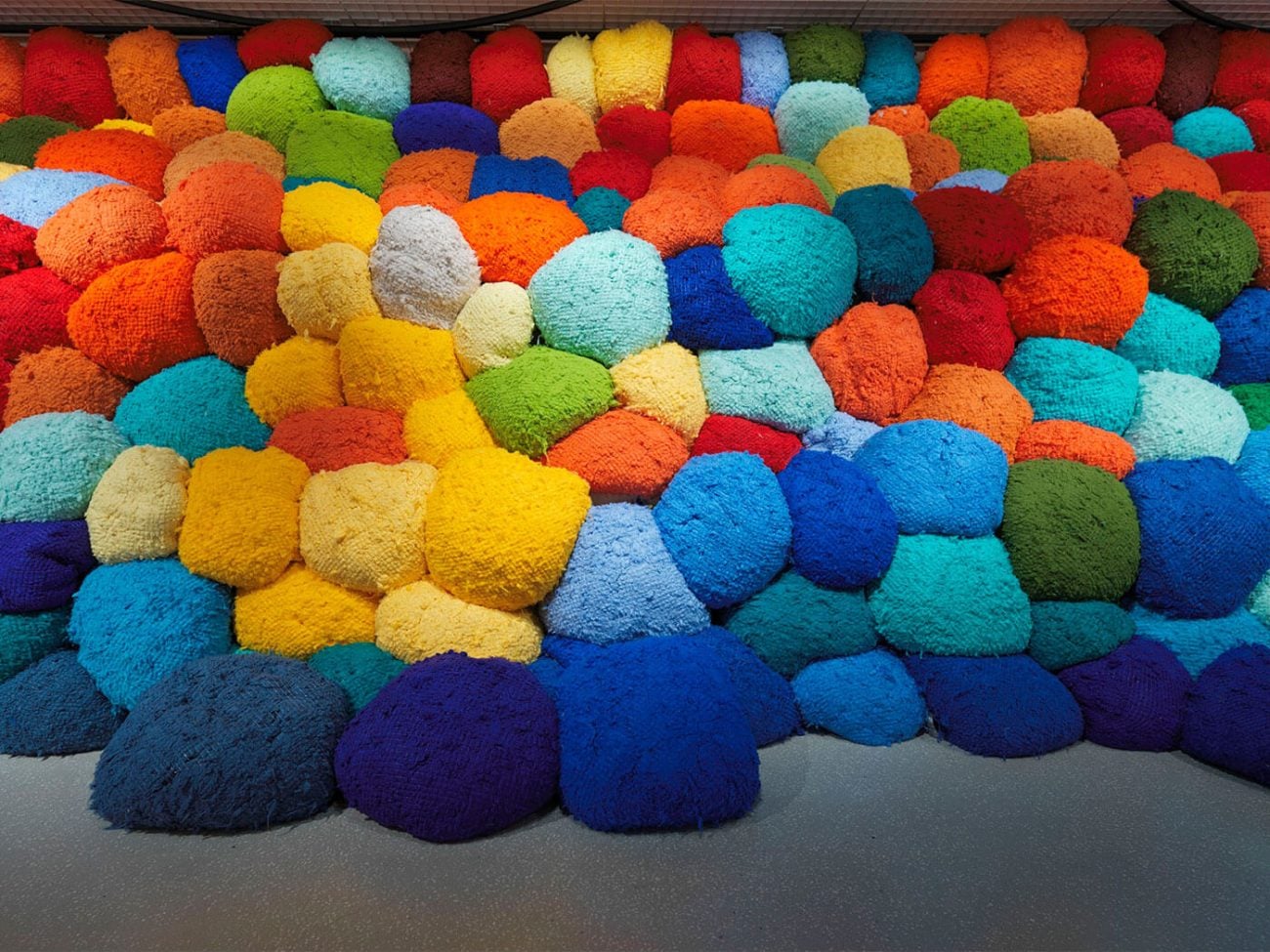
Sheila Hicks, the American textile artist born in 1934, is profiled in a concise overview of her career. The article traces her journey from studying under Josef Albers at Yale and learning weaving from Andean artisans in Chile, to establishing her studio in Mexico and later Paris. It highlights her monumental commissions for hotels, embassies, and public spaces, as well as her intimate "Minimes" works. Key milestones include her 2014 piece "Pillar of Inquiry/Supple Column" at the Whitney Biennial, her 2017 installation at the Venice Biennale, and a major retrospective at the Centre Pompidou in 2018.

How Fatinha Ramos Channels ‘Visual Activism’ in Her Richly Layered Illustrations

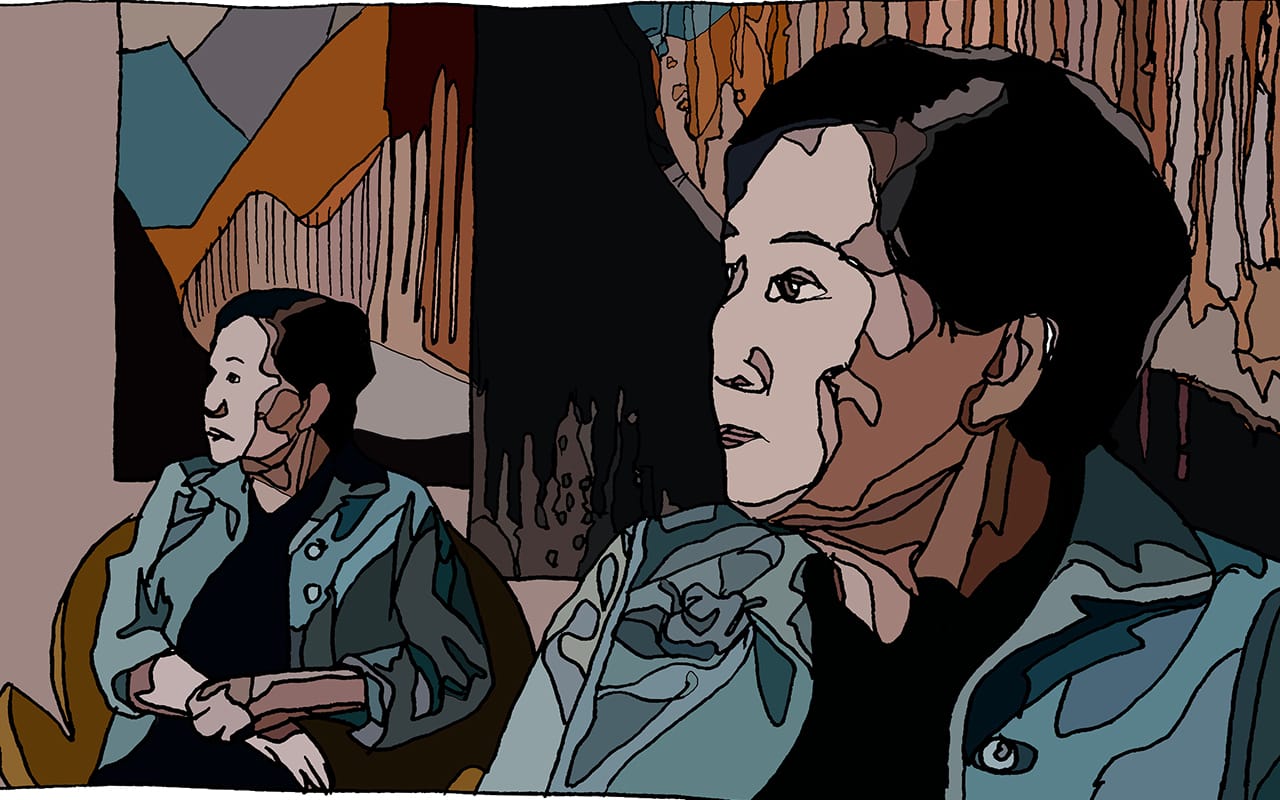
Fatinha Ramos, a Portuguese artist and illustrator based in Antwerp, describes her work as 'visual activism,' creating richly layered illustrations that give voice to minorities and address social issues. She collaborates with major clients including The New York Times, The Washington Post, Tate, Scientific American, the Anne Frank Museum, and MoMA, which commissioned her to illustrate an essay about being compared to Frida Kahlo. Born with osteogenesis imperfecta (brittle bone disease), Ramos spent much of her childhood in hospitals, where drawing became an escape. After 12 years as an art director in advertising and publishing, she now focuses on her own practice, which challenges stereotypes around disability, climate crisis, sexism, and racism. She is currently working on a graphic novel and a series of anatomical glass sculptures based on brittle bone disease.

‘It’s a tiny bit of joy!’ How trinket swapping is making the world a happier place, one china sheep at a time

Trinket exchange boxes, where people swap small items like pins, stickers, and ceramic animals, are rapidly spreading across the UK and US. The phenomenon, which began in Philadelphia in autumn 2024, has grown from 800 to nearly 1,500 installations in two months, according to Portland-based artist Rachael Harms Mahlandt, who tracks them on a world map. In Edinburgh, pet-sitter Sam Stevens runs a popular pink box outside Argonaut Books, inspired by a San Francisco exchange, and has seen her follower count jump overnight as locals trade trinkets for fun.

Mummy, is this a video game? The dangers of showing kids art on a screen

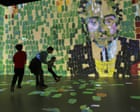
A parent takes their toddler to Frameless, an immersive digital art experience in London, where works by Hieronymus Bosch, Claude Monet, and Georges Seurat are projected onto walls, ceilings, and floors. The child reacts with mixed engagement—enjoying some moments but feeling overwhelmed by the frenetic, screen-based environment—while the author reflects on the tension between traditional static art and animated digital reproductions.

Meet the London Perfumer Building a Collection Around Humor and Instinct

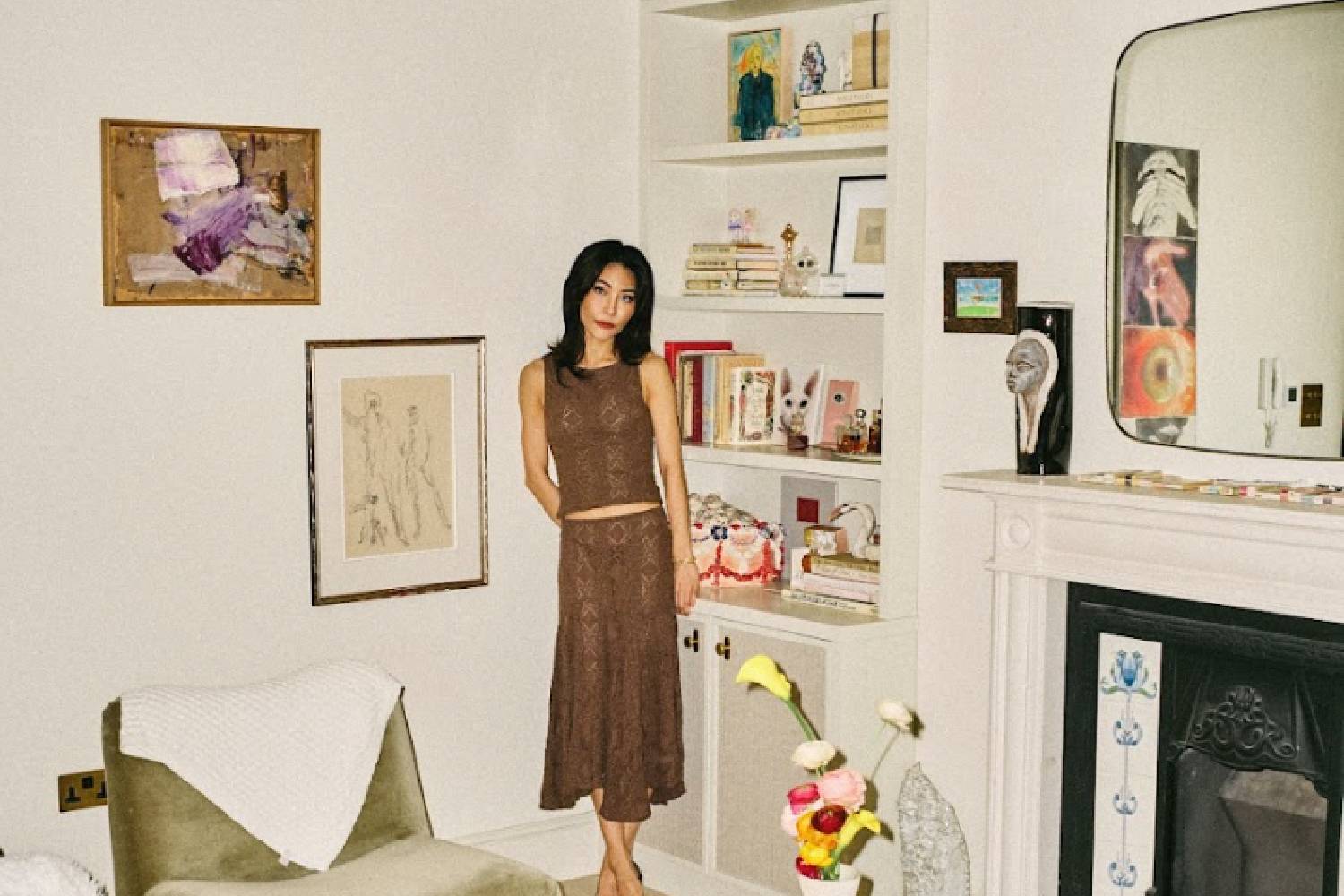
Cherry Cheng, a London-based perfumer, has curated a personal art collection in her Notting Hill flat that reflects her instinctive and humorous approach to collecting. The collection features works by artists such as Beau Gabriel, Miranda Keyes, Sarah Pucci, Juliette Teste, Araki Nobuyoshi, Katrien de Blauwer, Lucile Littot, Leo Costelloe, Sebastian Espejo, and Joline Kwakkenbos, displayed throughout her home like a diary of her tastes.

How Swizz Beatz and Alicia Keys Built a Best-in-Class Art Collection With a “Collect What You Feel” Philosophy

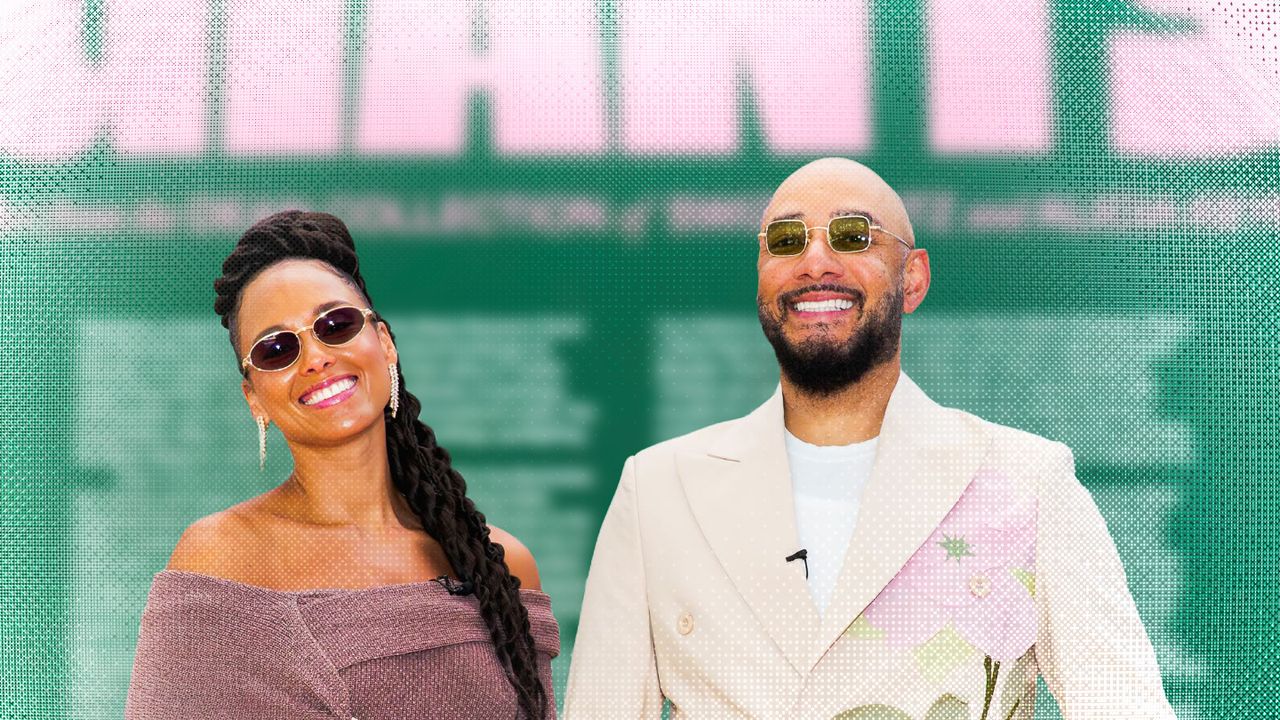
Swizz Beatz and Alicia Keys, the musician power couple, have built a major art collection known as the Dean Collection, now touring as the exhibition "Giants" at the San Diego Museum of Contemporary Art. The show, which debuted at the Brooklyn Museum in 2024, features works by Gordon Parks, Jean-Michel Basquiat, Malick Sidibé, and a new multimedia installation by Mickalene Thomas. In an interview with GQ's Frazier Tharpe, the couple discusses their philosophy of collecting art based on emotional connection rather than investment or social status, and how their passion for art has deepened over their 15-year marriage.

A pop-up hotel format is born that focuses on culture: starting in an architecture in Arles, France (with photos by Carla Sozzani)

Nasce un format di hotel pop up che punta sulla cultura: si inizia in un’architettura di Arles in Francia (con le foto di Carla Sozzani)

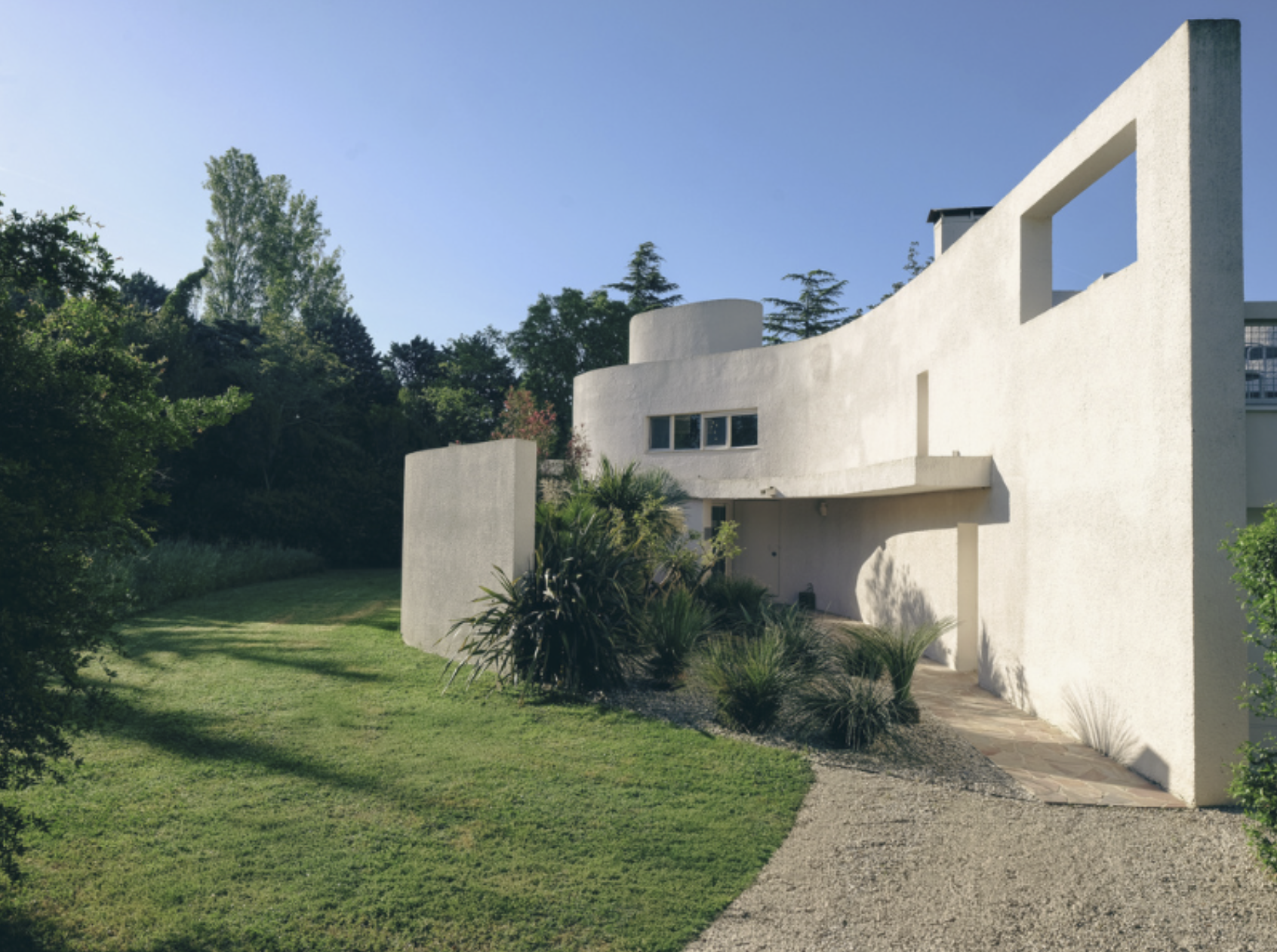
Luca Pronzato, founder of the pop-up restaurant platform We Are Ona, is launching a new itinerant hospitality concept called Casa Ideale. The first edition will take place from July 1–10, 2026, at Villa Bank, a 1970s villa near Arles, France, designed by Emile Sala and protected as a Remarkable Contemporary Architecture by the French Ministry of Culture. Guests will stay in the villa and dine at a restaurant run by chef Gil Nogueira, while the space also hosts a photography exhibition titled "Prologo" curated by Maddalena Scarzella for Fondazione Sozzani, featuring over 60 works from Carla Sozzani's archive by artists such as Urs Lüthi and Helmut Newton, alongside design pieces from the gallery Downtown+ by Luna Laffanour.

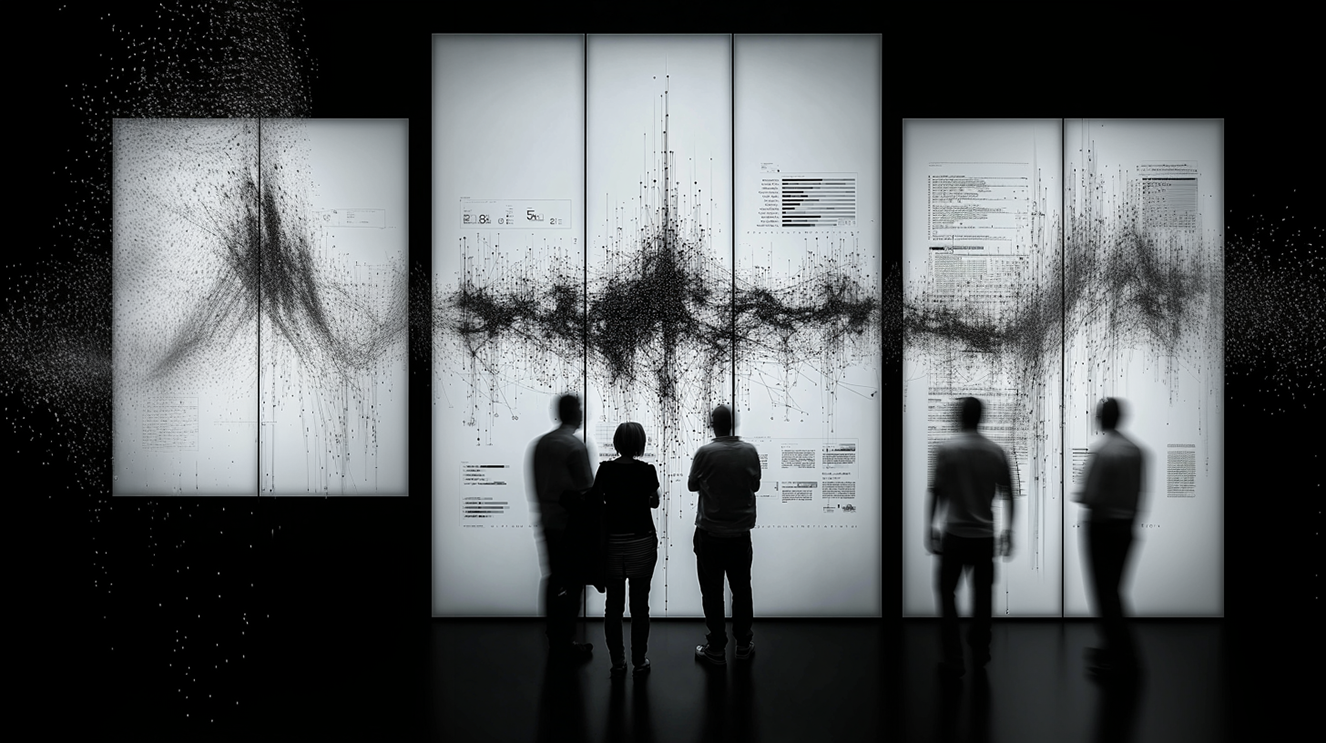
Beyond the prompt: when the medium is generative AI, the artist becomes a systemic director

Oltre il prompt: quando il medium è l’AI generativa l’artista diventa regista sistemico

The article argues that as AI-generated images become more spectacular, the role of the artist is often misunderstood as merely writing prompts. Instead, the author contends that the most significant generative artworks are systems—predetermined rule-based environments where the artist designs the conditions for images to emerge. Works like Hans Haacke's "Condensation Cube" (1963-1965) and Refik Anadol's "Unsupervised" (2022) exemplify this shift from object to process, where the artwork is the behavior or architecture itself.

Michael Garner Explores Truth, Systems & Constructed Reality

Michael Garner, an artist with a background spanning social science and intelligence work, creates immersive works that blend science, espionage, philosophy, and absurdity. His recent exhibitions include a show at the Bomb Factory Art Foundation featuring a vending machine dispensing mock classified information, and a presentation at the Austrian Cultural Forum London exploring his newly acquired Austrian citizenship through neural pathway paintings in the colors of the Austrian flag.

Lee ShinJa's Handwoven Portals

Hyperallergic profiles the work of South Korean textile artist Lee ShinJa, whose handwoven artworks are described as 'portals' that bridge traditional craft and contemporary abstraction. The article highlights her use of traditional Korean weaving techniques to create layered, ethereal pieces that evoke both physical and metaphysical spaces.

GEORGE FEBRES: TRANSLATION, IRONY, AND LIBERATION. AN ECUADORIAN ARTIST IN THE DIASPORA

The article examines the life and work of George Febres (1943–1996), an Ecuadorian artist who spent most of his career in the United States, primarily in New Orleans. Febres’s practice blends Pop Art, Neo-Surrealism, and Southern US culture with his experiences as a migrant and queer subject, using bilingualism and ironic tropical imagery to create a hybrid, irreverent body of work. Despite his significance, no works by Febres exist in Ecuadorian public collections, and no major retrospective has been held in his home country, reflecting a broader erasure of queer narratives from national art history.

A woman with a bull costume exuding masculine energy: Marisol Mendez’s best photograph

Marisol Mendez, a Bolivian photographer based in Paris, describes the creation of her striking 2019 photograph featuring Marta Salinas, a theatre actor, holding a bull costume in a field. The image is part of Mendez's series "Madre," which explores womanhood and challenges traditional feminine depictions in Bolivia. Mendez explains that the bull costume, inspired by the Bolivian dance waka tokori, symbolizes masculinity, and the photograph aims to portray a woman comfortable with her masculine energy. The work was inspired by a dream and executed with the help of Mendez's mother, who scouted the location. Mendez is the winner of this year's Saltzman-Leibovitz prize, and her work is featured at Photo London.

Final book in trilogy asks: What is the future of the art world?

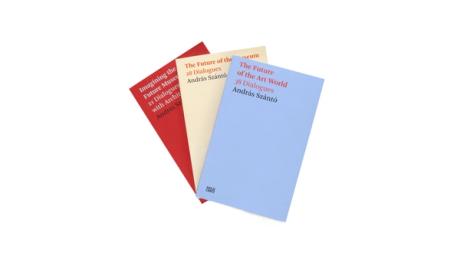
Cultural strategist András Szántó has published the third and final volume of his trilogy on the future of museums, titled *What Is the Future of the Art World?*. The book features dialogues with a wide range of art-world figures—including gallerists José Kuri and Atsuko Ninagawa, collectors Alain Servais and Sylvain Levy, artists William Kentridge and Holly Herndon & Mathew Dryhurst, curator Fatoş Üstek, network scientist Albert-László Barabási, former Art Basel director Marc Spiegler, and Sheikha Al-Mayassa Al Thani—who discuss topics such as the definition of the art world, its rules, and its future trajectory. Szántó notes that there is no consensus on whether the art world is still expanding or entering a phase of slowdown, with different regions moving on divergent paths.

Yu-Chi Lyra Kuo Shares a Vision for the Future of Art, Technology, and Creativity

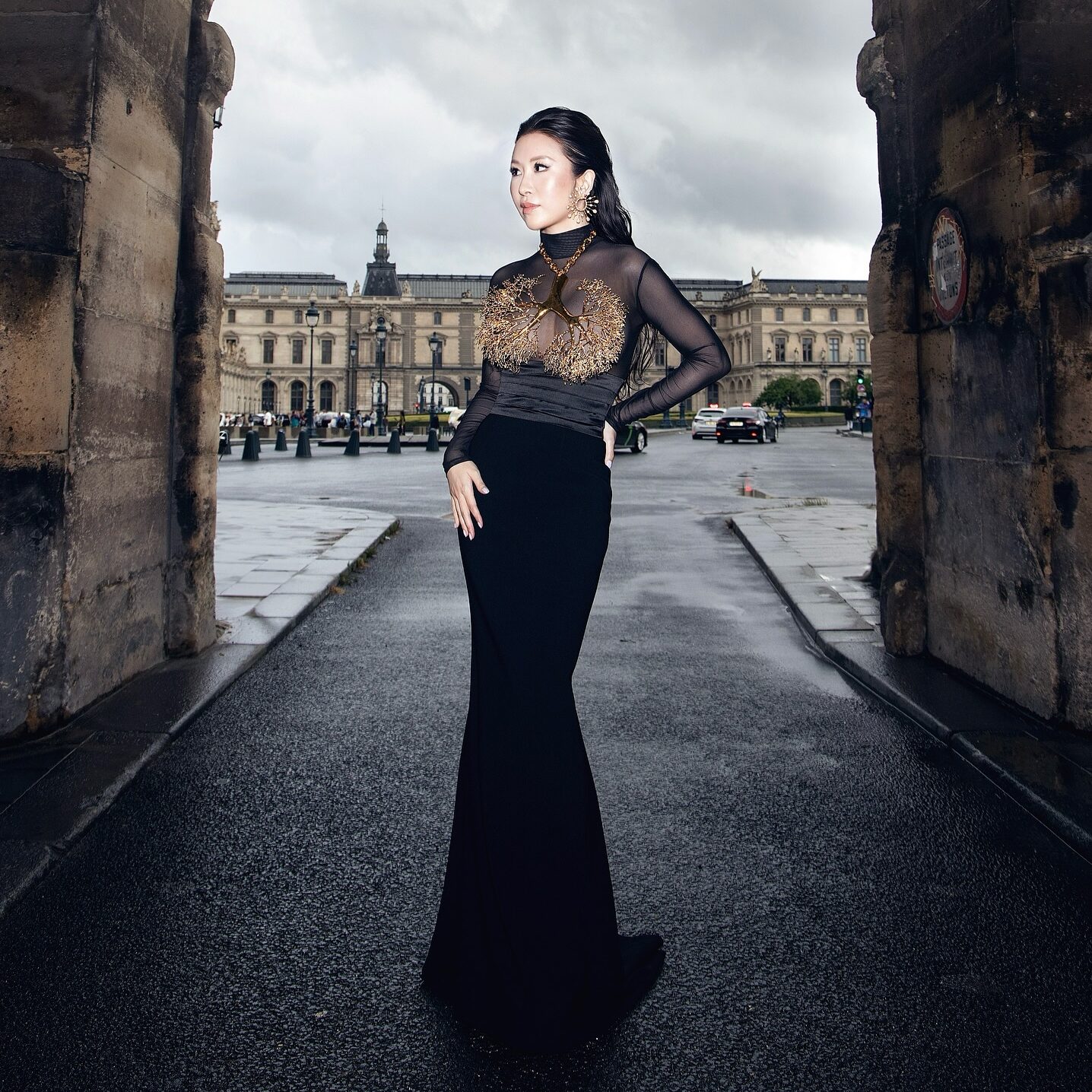
Yu-Chi Lyra Kuo, an entrepreneur, investor, Harvard-educated lawyer, former Princeton academic, and board member of the Shed, shares her vision for integrating frontier technologies like artificial intelligence and robotics into the art world. She argues that these tools can enhance human creativity rather than replace it, drawing on her early experiences with Asian antiquities and her pioneering work in blockchain, including co-founding OpenSea 2.0. The article, based on an interview with CULTURED, traces her journey from collecting a jade gourd as a child to advising tech companies and joining the board of the Shed, a Bloomberg-backed cultural center in Hudson Yards.

Our chief art critic’s nine best UK museums — you may be surprised

Laura Freeman, chief art critic for The Times, shares her personal list of nine favorite UK museums and galleries, ranging from London institutions like Sir John Soane’s Museum and the V&A to smaller venues such as Pallant House in Chichester and Kettle’s Yard in Cambridge. She emphasizes character and collection over flashy renovations, noting that her picks are based on decades of visits, family outings, and emotional resonance.

Met Gala 2026: Celebrities Wearing Art — Decoding the Inspirations Behind Their Looks

At the 2026 Met Gala, held on May 4 at New York's Metropolitan Museum of Art, celebrities interpreted the dress code 'Fashion is Art' with looks inspired by iconic artworks. ROSÉ wore a Saint Laurent gown based on Georges Braque's 'The Birds,' Emma Chamberlain's dress fused Vincent van Gogh's 'The Garden at Arles' and 'The Starry Night,' and Ben Platt donned a jacket reimagining Georges-Pierre Seurat's 'A Sunday Afternoon on the Island of La Grande Jatte' through bead embroidery.