filter_list Showing 71 results for "Broad" close Clear
dashboard All 1118 museum exhibitions 587article local 143article news 117trending_up market 71article culture 71person people 48rate_review review 35article policy 35candle obituary 6gavel restitution 4article event 1
date_range Range Today This Week This Month All
Subscribe

The Defining Themes of Today’s Biennial Art

The article analyzes the defining themes and styles of the past four years in the international biennial circuit, based on a survey of 130 biennials. It identifies a core group of artists who appeared most frequently, including Ali Eyal, Apichatpong Weerasethakul, Carolina Caycedo, Kapwani Kiwanga, and Tuan Andrew Nguyen, among others. Many of these artists are also featured in the upcoming 61st Venice Biennale curated by the late Koyo Kouoh. The piece categorizes their work under two broad themes: "Post-Colonial Post-Conceptualism," which involves poetic engagement with colonial history and artifacts, and "Families and Networks," where artists explore personal and political family histories.
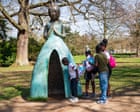
There will be mud! Could my child (and buggy) survive a day at a sculpture park?

A parent takes their toddler to Yorkshire Sculpture Park (YSP) in West Yorkshire, UK, during a rainy February day. Despite the mud and drizzle, the child engages with outdoor artworks by Barbara Hepworth, Henry Moore, Bharti Kher, Sol LeWitt, Vanessa da Silva, and Damien Hirst, treating the sculptures as playgrounds and objects of discovery. The park offers free activity packs, a Hidden Forest designed for under-fives, and a family-friendly environment that encourages children to explore art and nature without the constraints of indoor galleries.

How Well Do the Met Gala’s Attendees Know Their Art History? We Critique Looks by Madonna, Hunter Schafer, and More

The article critiques nine outfits from the 2026 Met Gala, which was held under the theme 'Fashion Is Art' in conjunction with the Costume Institute's new exhibition 'Costume Art' at the Metropolitan Museum of Art. It analyzes how attendees like Hunter Schafer, Lauren Sánchez Bezos, and Kylie Jenner referenced specific artworks—such as Gustav Klimt's *Mäda Primavesi* and John Singer Sargent's *Madame X*—in their fashion choices, evaluating the success of these art-historical allusions.

Andrew Lloyd Webber Is Writing a Musical About the Heist that Made ‘Mona Lisa’ Famous

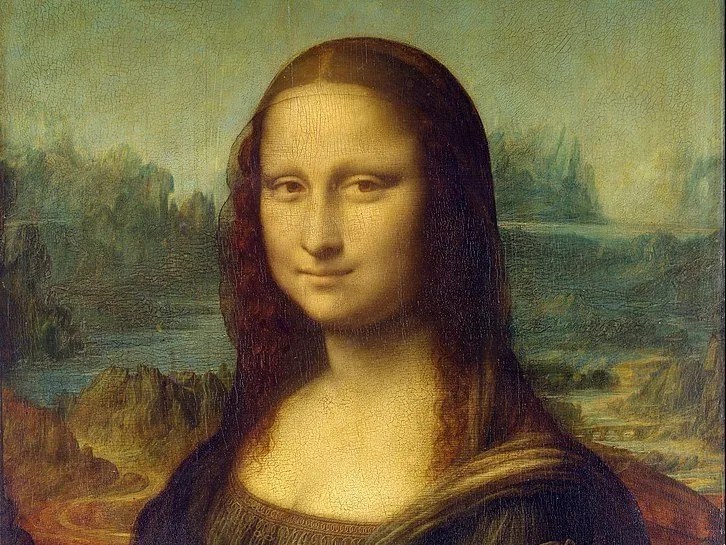
Renowned composer Andrew Lloyd Webber has announced he is developing a new musical centered on the 1911 theft of Leonardo da Vinci’s Mona Lisa. The production will dramatize the true story of Vincenzo Peruggia, a Louvre employee who stole the masterpiece and hid it for two years before it was recovered in Italy. Lloyd Webber revealed the project following the Broadway opening of Cats: The Jellicle Ball, noting that he is beginning the writing process immediately.

Harnessing the winds of societal change: how art dealers have been able to shape taste for centuries

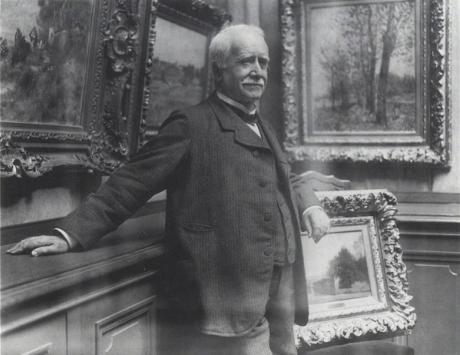
Valentina Castellani, a former Gagosian director, has authored a new book titled *Trading Beauty: Art Market Histories from the Altar to the Gallery* (out 1 May). The book traces how art dealers have historically leveraged societal changes—political, economic, and social—to reshape taste and market structures. Castellani begins in the Middle Ages, when art was made only on commission for patrons like the Catholic church and monarchies, and moves through key shifts such as the Dutch Republic's first open art market in the 17th century, which gave rise to the professional art dealer. She highlights dealers like Paul Durand-Ruel, Joseph Duveen, and Leo Castelli who capitalized on anti-establishment energy, new wealth, and post-war consumer culture to bring avant-garde art to the forefront.

Story of enslaved boy featured in 1748 Joshua Reynolds portrait emerges in new study

A research project by the National Trust, the National Gallery in London, and Royal Museums Greenwich has uncovered new details about the identity of an enslaved boy known only as “Jersey,” who appears in a 1748 portrait by Sir Joshua Reynolds. The painting, which hangs at Saltram in Devon, depicts Jersey with his enslaver, naval officer and MP Paul Henry Ourry. Through admiralty records, muster books, and baptismal certificates, researchers identified the boy as “Boston Jersey,” later baptised as George Walker, and found evidence of his naval service and possible path to freedom.

Buzkashi horsemen battling for a headless goat: Todd Antony’s best photograph

Photographer Todd Antony discusses his black-and-white series capturing the Central Asian sport of buzkashi, in which horsemen compete to grab and control a headless goat carcass. He traveled to Tajikistan to document matches involving up to 300 riders, shooting from a pickup truck and later taking portraits of riders on farms. One striking image shows three horses and their riders against a snowy mountain backdrop, with fog rolling in—a moment that inspired him to channel Richard Avedon's style using artificial lighting.

A brush with... Andrew Cranston—podcast

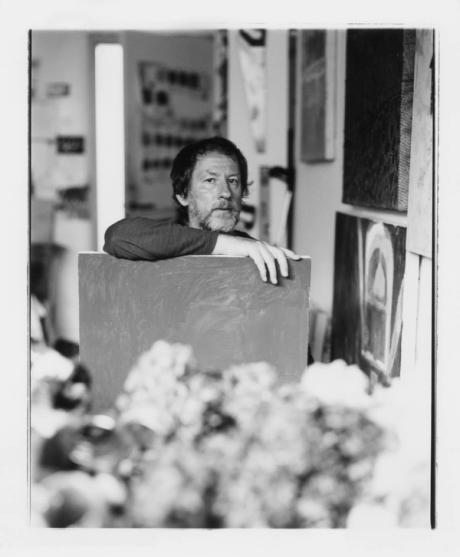
This episode of 'A brush with...' podcast features Scottish painter Andrew Cranston, born in 1969 in Hawick. Cranston discusses how his work draws on personal experiences—childhood memories, family recollections, and recent rituals—filtered through the painting process. His pictures are rich with references to art history, cinema, poetry, and television, and he often paints on the covers of old hardback books. The conversation covers his influences (Pieter Bruegel the Elder, Paul Klee, Pierre Bonnard, Winifred Nicholson, writers Hugh MacDiarmid and Elizabeth Bishop, filmmakers Nicholas Roeg and Dennis Potter), his studio life, and his answer to 'what is art for?' The episode is sponsored by Bloomberg Connects.

A Brief History of Protest at the Venice Biennale

The article provides a historical overview of protest actions that have taken place at the Venice Biennale, tracing key moments of political and social dissent within the prestigious international art exhibition. It highlights instances where artists, activists, and participating nations have used the Biennale as a platform to challenge authority, address censorship, and critique global issues, from the 1968 student protests to more recent controversies involving national pavilions and institutional policies.

Can Art Feel?

Hyperallergic's newsletter explores the question of whether artworks can possess personhood, drawing on Lisa Siraganian's essay that references the 2010 Citizens United Supreme Court decision and Pierre Huyghe's uncanny human statues. Other featured pieces include Ed Simon's review of Elizabeth Goldring's new book on Hans Holbein the Younger, Michael Glover's introduction to George Stubbs's equine portraits at the National Gallery in London, and news of a historic $116M gift to the National Gallery of Art for an artwork lending program. The newsletter also covers Byron Kim's exhibition at James Cohan Gallery, the new V&A East museum in London, and obituaries for Desmond Morris, James Hayward, and Flo Oy Wong.

Can Raising Children Make You a Better Artist? Four Artist Mothers Weigh In.

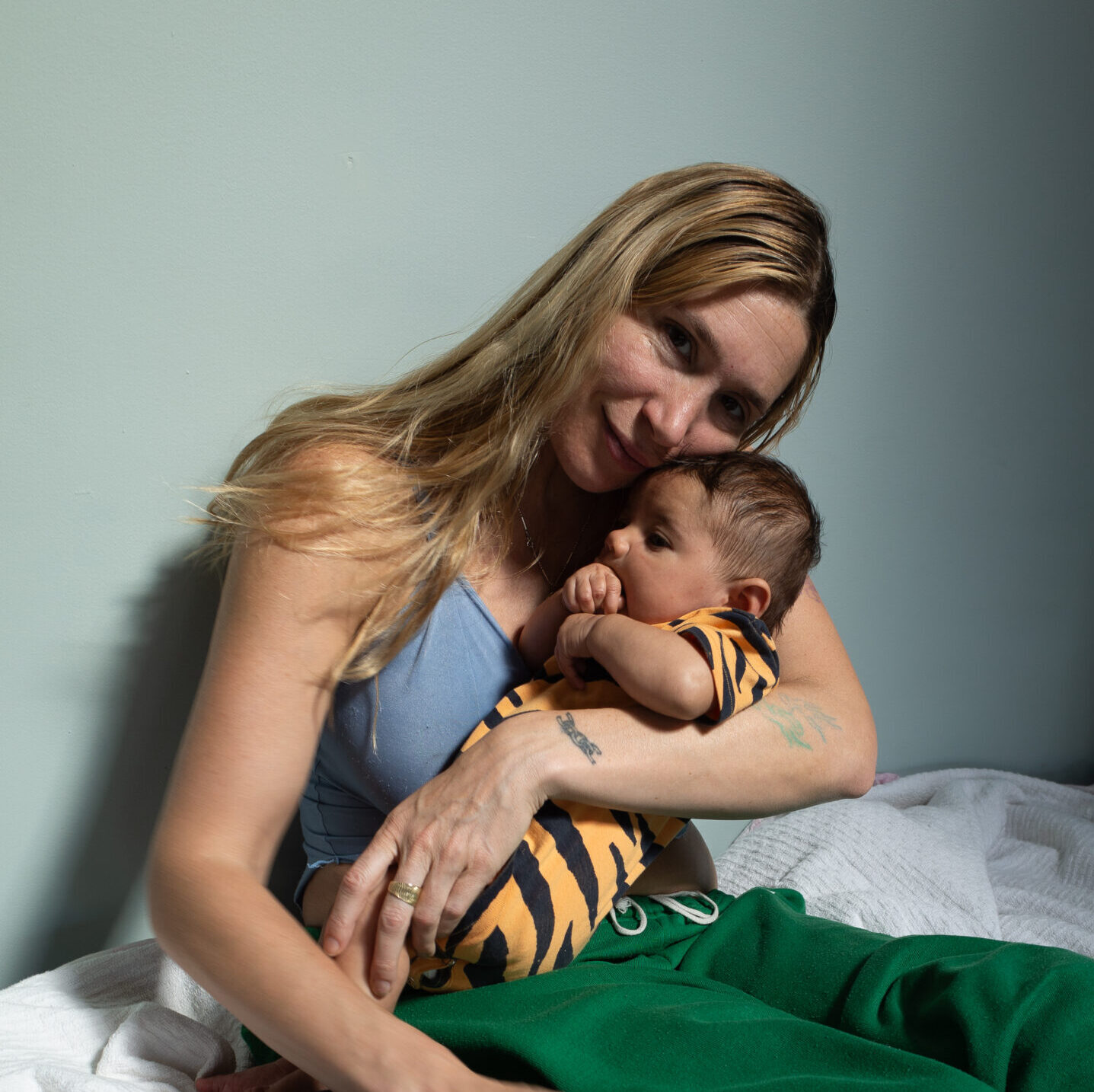
Four artist mothers—Hope Atherton, Jessi Reaves, Sam Moyer, and Sarah Morris—share candid reflections on how raising children has shaped their art practices. They discuss fractured time, heightened decisiveness, evolving rituals like bedtime reading, and the guilt and power that accompany balancing motherhood with studio work. Atherton describes a new sense of urgency and efficiency, while Reaves and others offer personal anecdotes about the interplay between caregiving and creativity.

Met Gala Memes That Ate the Rich and Left No Crumbs

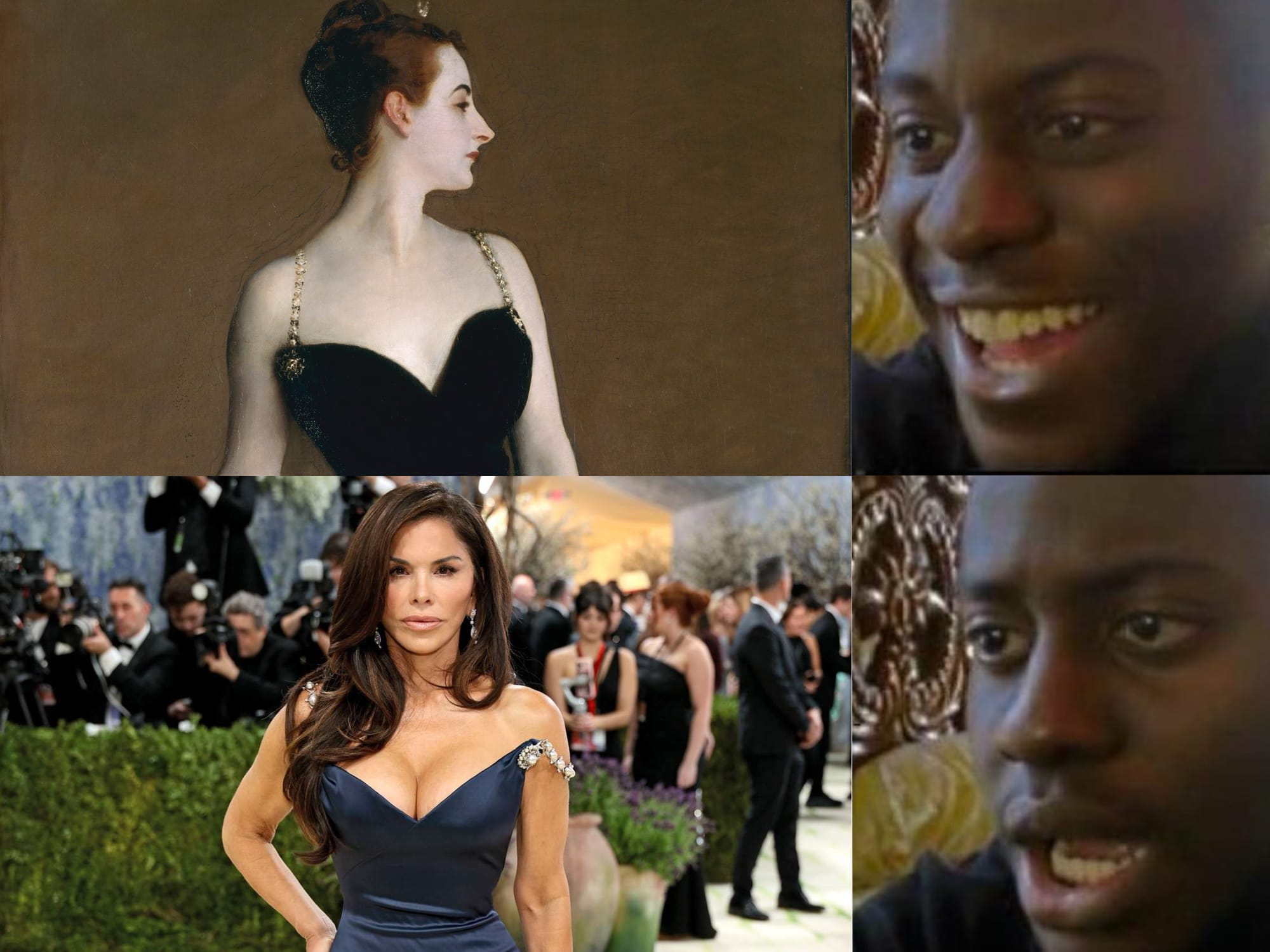
The article covers the 2026 Met Gala, sponsored by Jeff and Lauren Sánchez Bezos, and the intense online backlash it generated. Despite a dress code of "Fashion is Art," celebrities faced merciless mockery on social media for their looks, with particular scorn directed at Lauren Sánchez Bezos's Schiaparelli gown inspired by John Singer Sargent's "Madame X." The criticism was amplified by weeks-long protests against Amazon's labor practices and Bezos's involvement, as well as the museum's own unionized employees speaking out. The piece compiles the most inventive and cutting memes from X (formerly Twitter), targeting everything from fashion fails to political hypocrisy.

Early 2026 Art Books From Yale University Press

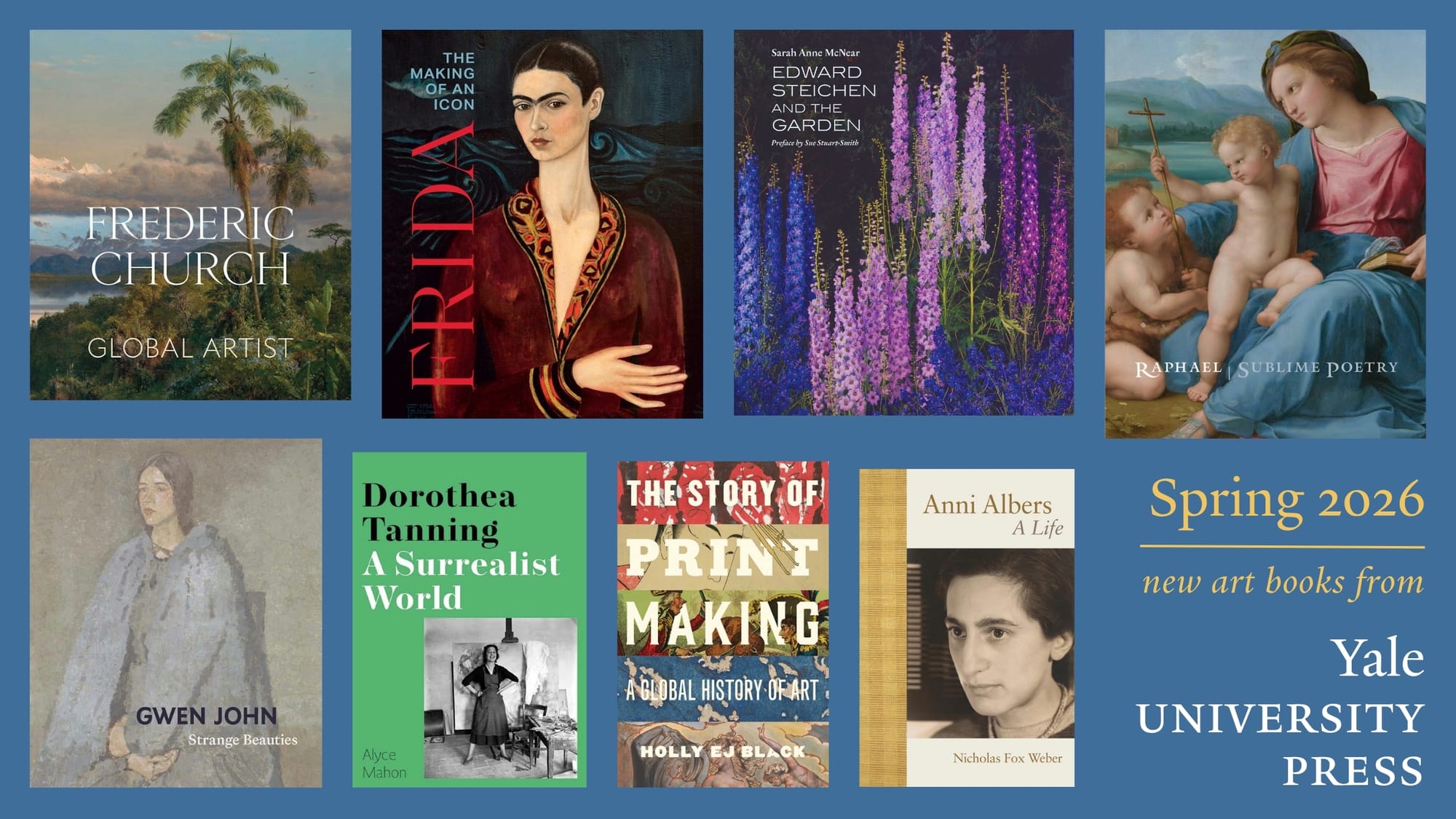
Yale University Press has announced its early 2026 art book lineup, featuring exhibition catalogues such as "Raphael: Sublime Poetry" from The Metropolitan Museum of Art, "Gwen John: Strange Beauties" from the Yale Center for British Art, "Edward Steichen and the Garden" from the George Eastman Museum, and "Frederic Church: Global Artist" from Olana NY State Historic Site. New releases also include a biography of Anni Albers by Nicholas Fox Weber, a catalogue titled "Anni Albers: Constructing Textiles" accompanying a European traveling exhibition, and Alyce Mahon's "Dorothea Tanning: A Surrealist Life," named a Best New Art Book of 2026 by Christie's. The press will hold a 50% off annual sale in May.

‘It’s a tiny bit of joy!’ How trinket swapping is making the world a happier place, one china sheep at a time

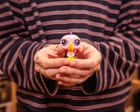
Trinket exchange boxes, where people swap small items like pins, stickers, and ceramic animals, are rapidly spreading across the UK and US. The phenomenon, which began in Philadelphia in autumn 2024, has grown from 800 to nearly 1,500 installations in two months, according to Portland-based artist Rachael Harms Mahlandt, who tracks them on a world map. In Edinburgh, pet-sitter Sam Stevens runs a popular pink box outside Argonaut Books, inspired by a San Francisco exchange, and has seen her follower count jump overnight as locals trade trinkets for fun.

‘It’s not much but, at the same time, it’s very much’: the enduring impact of Sade’s style

The article discusses the enduring style of Sade Adu, frontwoman of the British group Sade, following the band's announcement of their induction into the 2026 Rock and Roll Hall of Fame. It highlights how Adu's signature look—scraped-back hair, red lipstick, hoop earrings, and simple black dresses or denim—has become iconic and influential, with her outfits featured in exhibitions like V&A East's 'The Music is Black' and referenced by celebrities such as Drake. The piece traces the origins of her style to her fashion design studies at Saint Martin's School of Art and her early work with designer Fiona Dealey.

Three artists, three questions: Immersed in colors

Three Israeli artists—Vera Kunis, Avraham Kan, and Tal Tenne Czaczkes—are featured in a column exploring their use of color amid the ongoing war with Iran. Kunis, a data engineer and artist, opened her first solo exhibition, "Imagination Algorithm," at the Global Art Gallery in Tel Aviv on March 10, 2026, during the conflict. The interview was conducted remotely due to war conditions, with a siren interrupting the conversation. The artists discuss their inspirations, definitions of art, and what makes their work unique, emphasizing resilience and optimism through color.

Black Designers as Fine Artists: Fashion Meets Sculpture

The article from Ebony.com explores the intersection of fashion and fine art, highlighting how Black designers are increasingly being recognized as fine artists whose work bridges clothing design and sculpture. It profiles several contemporary Black designers who create garments that function as sculptural objects, exhibited in galleries and museums rather than solely on runways. The piece examines how these creators challenge traditional boundaries between fashion and art, using materials and techniques that elevate their work into the realm of fine art.

"There are no minor or feminine arts." Domitilla Dardi explains this in her new book

“Non esistono arti minori o femminili”. Ce lo spiega Domitilla Dardi nel suo nuovo libro

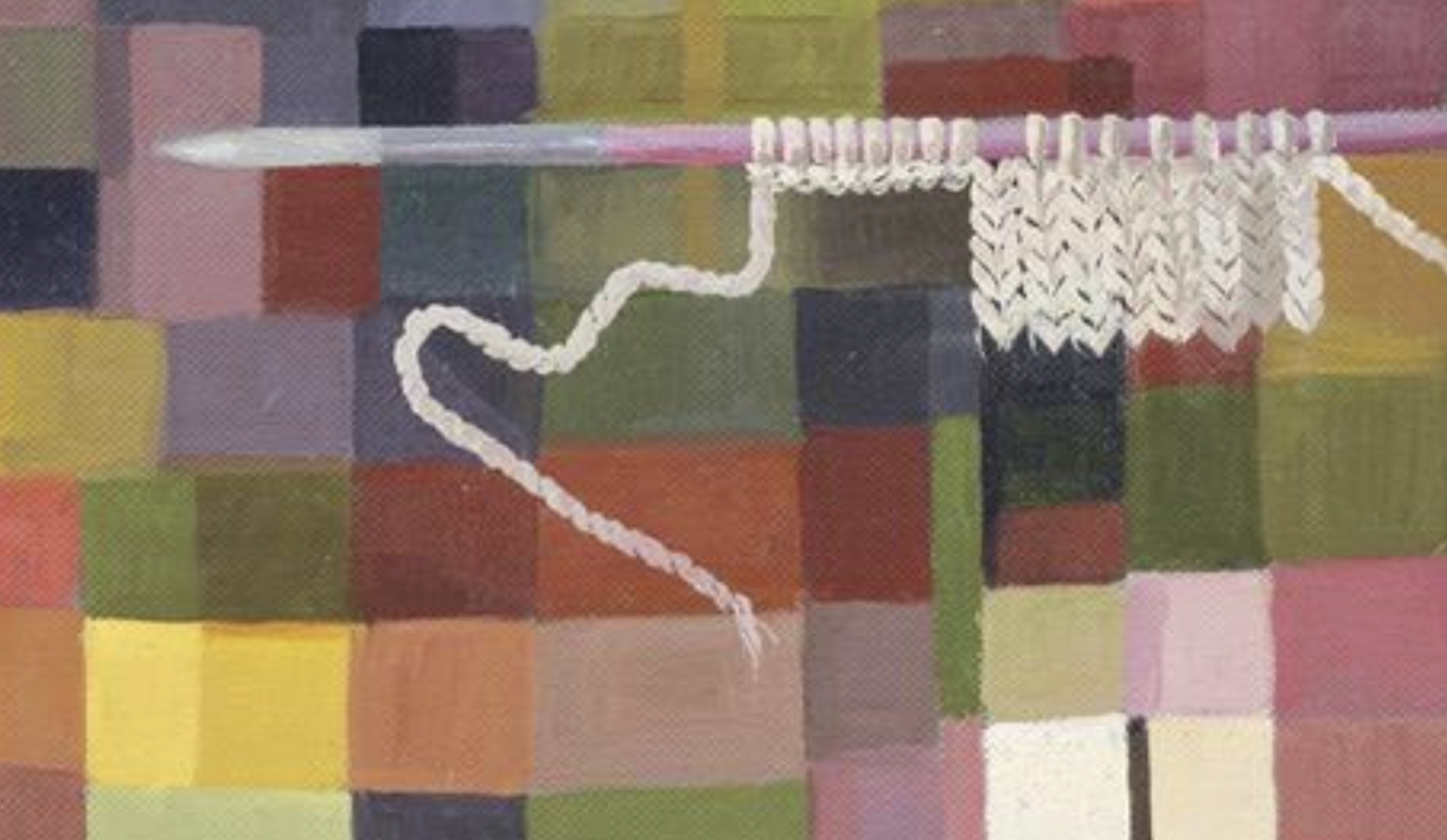
Domitilla Dardi's new book "Cucire Universi" (published by Einaudi) presents a counter-history of design, focusing on techniques traditionally dismissed as "feminine" and "minor"—such as sewing, ceramics, cooking, and knitting. The book argues that these practices have been systematically undervalued by official art histories, yet have contributed significantly to technologically advanced research fields. Dardi uses real historical figures like Emily Dickinson to illustrate how women's creative and scientific talents were channeled into these marginalized domains, and she calls for overcoming the dualistic view that separates art from craft.

In Spain, art becomes popular thanks to this expert influencer. We interviewed him

In Spagna l’arte diventa popolare grazie a questo esperto influencer. Lo abbiamo intervistato

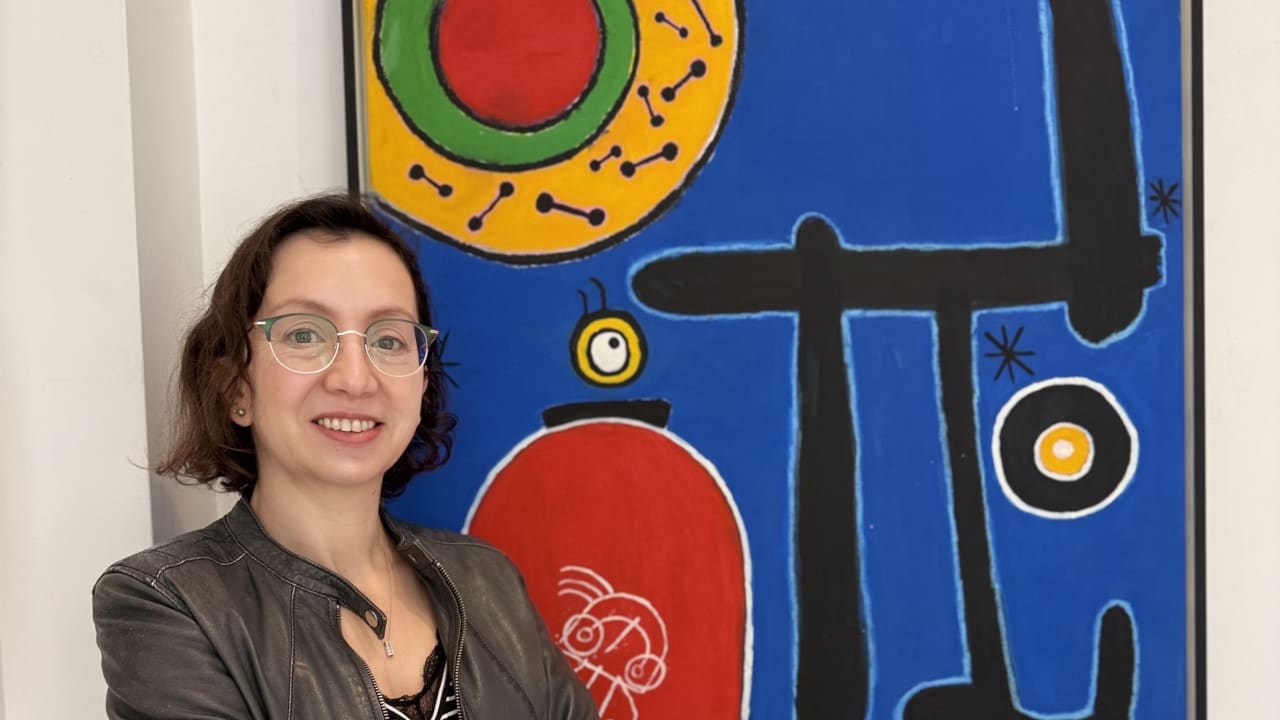
Miguel Ángel Cajigal, known as 'El Barroquista,' is a Spanish art historian and popularizer who has brought art history to prime-time television, radio, and social media. In an interview with Artribune, he discusses his books, including 'Otra historia del arte' (2021), his approach to making art accessible without dumbing it down, and his critique of the cult of the individual genius in art historiography. He emphasizes the collective nature of art production and reception, challenging the traditional focus on masterpieces and authorship.

GEORGE FEBRES: TRANSLATION, IRONY, AND LIBERATION. AN ECUADORIAN ARTIST IN THE DIASPORA

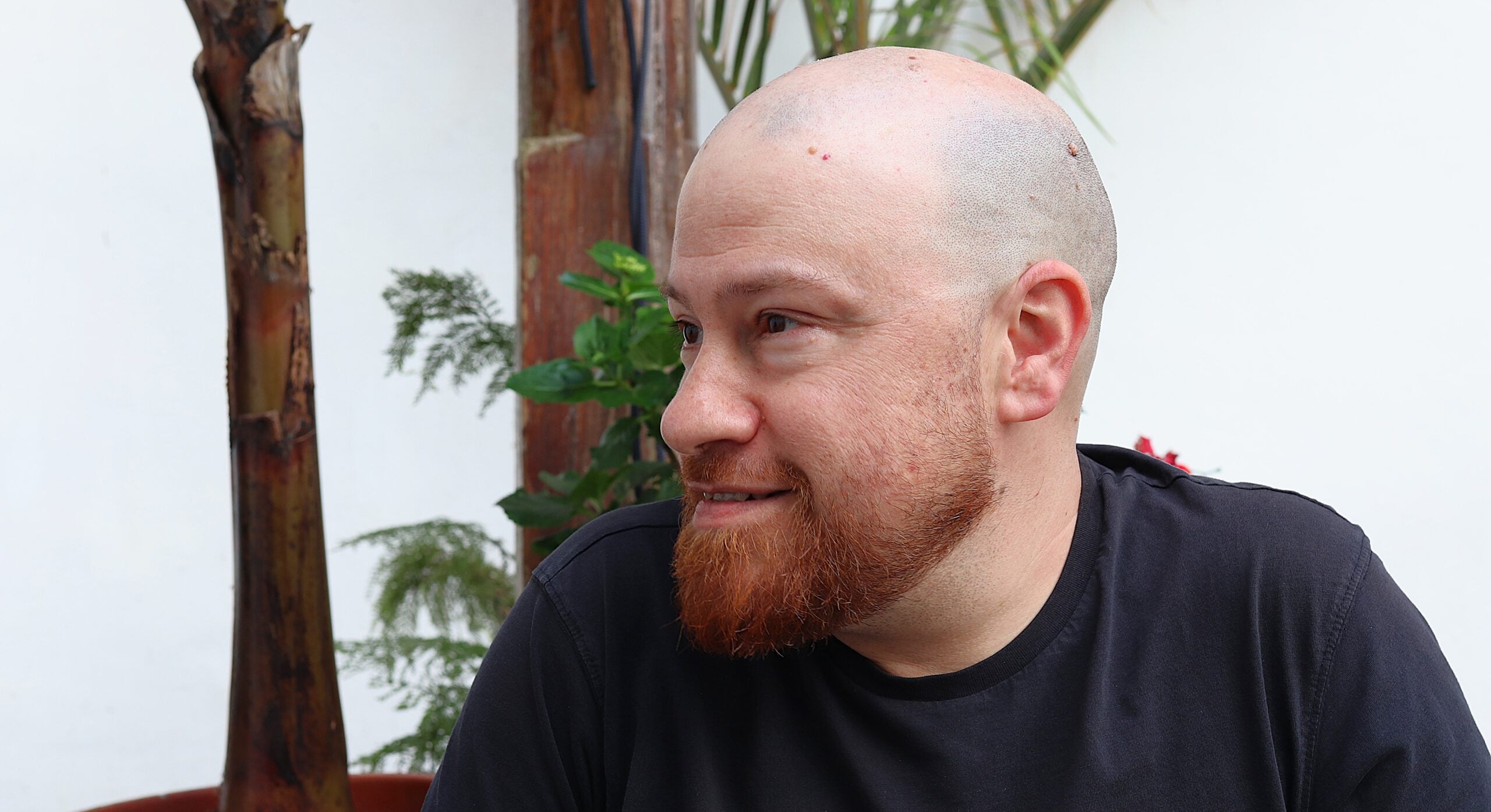
The article examines the life and work of George Febres (1943–1996), an Ecuadorian artist who spent most of his career in the United States, primarily in New Orleans. Febres’s practice blends Pop Art, Neo-Surrealism, and Southern US culture with his experiences as a migrant and queer subject, using bilingualism and ironic tropical imagery to create a hybrid, irreverent body of work. Despite his significance, no works by Febres exist in Ecuadorian public collections, and no major retrospective has been held in his home country, reflecting a broader erasure of queer narratives from national art history.

Sur Arte Radio et dans une expo, l’enquête d’Adrianna Wallis sur les traces de sa grand-mère peintre spoliée par les nazis

Artist Adrianna Wallis (born 1981) discovers that her paternal grandmother, painter Diane Esmond (1910–1981), was a victim of Nazi looting during World War II. After being contacted by historians Patricia Helletzgruber and Sophie Juliard, Wallis learns that much of Esmond's work was systematically destroyed by the ERR, the Nazi organization responsible for art theft in occupied countries. This revelation sparks a personal investigation that becomes a podcast for Arte Radio titled "Il restera la gravité," blending documentary, autobiographical inquiry, and sound installation. Wallis delves into archives, examining microfilms and lists that detail 46 of Esmond's paintings—each methodically described and declared destroyed, such as "Woman in blue evening dress: annihilated."

culture freelance artist tax write offs crazy

The article explores the creative freelancer's financial landscape, focusing on the tax write-off strategies used by artists, writers, musicians, and other cultural workers. It features anecdotes from figures like writer Michelle Tea, photographer Luisa Opalesky, artist Josh Kline, and musician Ben Levi Ross, who share the unusual items they have deducted as business expenses—ranging from cat food and luxury handbags to Skittles, NyQuil, and even a vintage truck used in a film.

Painting Has Entered Its Performance Era

The rise of short-form video platforms like Instagram and TikTok has transformed painting from a static medium into a performative spectacle. To compete with algorithmic preferences for transformation and speed, artists are adopting specific visual grammars such as the "art reveal"—where a canvas is dramatically flipped toward the camera—and "speed painting," which turns the creation process into a high-stakes live event. These trends emphasize the labor and human presence behind the work, often utilizing emotional storytelling and direct engagement to build dedicated fanbases outside traditional gallery structures.

‘It’s a world heritage site, but it’s my home’: the last resident of Casa Milà on life in Gaudí’s masterwork

Ana Viladomiu, a 70-year-old writer, is the last remaining tenant of Antoni Gaudí’s Casa Milà (La Pedrera) in Barcelona, a UNESCO World Heritage site that receives about a million visitors annually. She has lived in the luminous apartment since 1988, originally moving in with her then-husband Fernando Amat, owner of the iconic design store Vinçon. Viladomiu holds a rare renta antigua (fixed-rent contract) that allows her to stay until she or Amat dies, after which the not-for-profit foundation managing the building will take ownership. The rest of the building now houses offices and cultural event spaces.

When archaeology was dominated by men | Letters

A reader named Elke Bachler writes a letter to The Guardian challenging a sentence in a review of Thomas Laqueur's book *The Dog's Gaze*. The review described a prehistoric scene as showing "a boy and a dog" standing together in wonder before cave art. Bachler argues there is no evidence the child was a boy, noting that archaeology has historically been dominated by men who interpreted evidence through contemporary gender roles.

Met Gala 2026: Celebrities Wearing Art — Decoding the Inspirations Behind Their Looks

At the 2026 Met Gala, held on May 4 at New York's Metropolitan Museum of Art, celebrities interpreted the dress code 'Fashion is Art' with looks inspired by iconic artworks. ROSÉ wore a Saint Laurent gown based on Georges Braque's 'The Birds,' Emma Chamberlain's dress fused Vincent van Gogh's 'The Garden at Arles' and 'The Starry Night,' and Ben Platt donned a jacket reimagining Georges-Pierre Seurat's 'A Sunday Afternoon on the Island of La Grande Jatte' through bead embroidery.

The Artists Who Put Their Bodies Into the Work

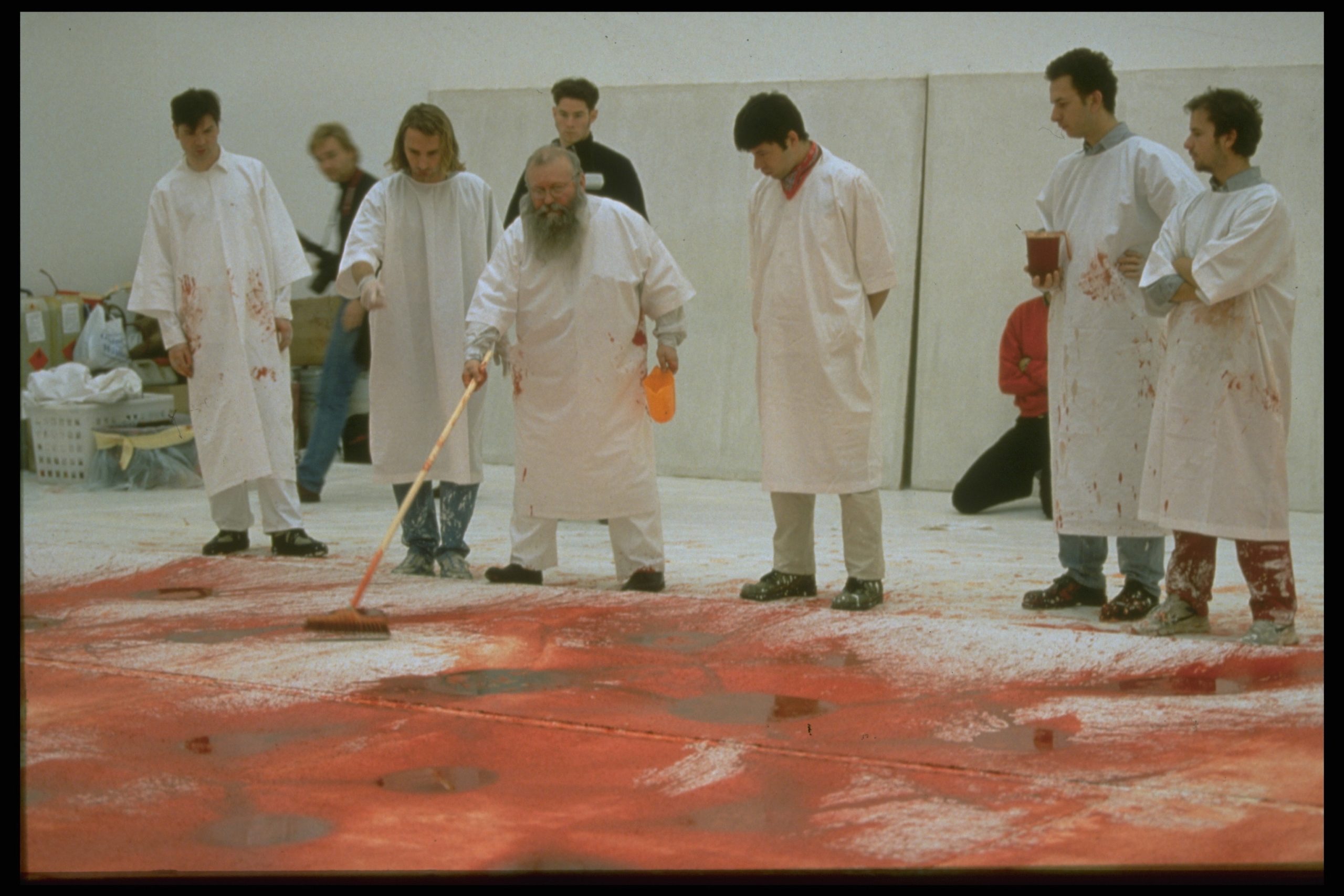
This article from Google News, dated May 3, 2026, profiles a selection of artists who have used their own bodies as central elements in their work. It draws a connection to the Metropolitan Museum of Art's spring Costume Institute exhibition, "Costume Art," which places fashion in dialogue with other artworks. The roundup includes Marina Abramović, known for her 2010 MoMA performance "The Artist Is Present"; Chris Burden, who staged dangerous works like "Shoot" (1971); David Hammons, creator of the "Body Prints" series; Frida Kahlo, whose painting "The Broken Column" (1944) depicts her own physical pain; Ana Mendieta, whose "Silueta" series used her figure in the landscape; and Yoko Ono, a conceptual artist with a significant body-based practice.

“Persona” Crafts a Lineage of Performed Identity

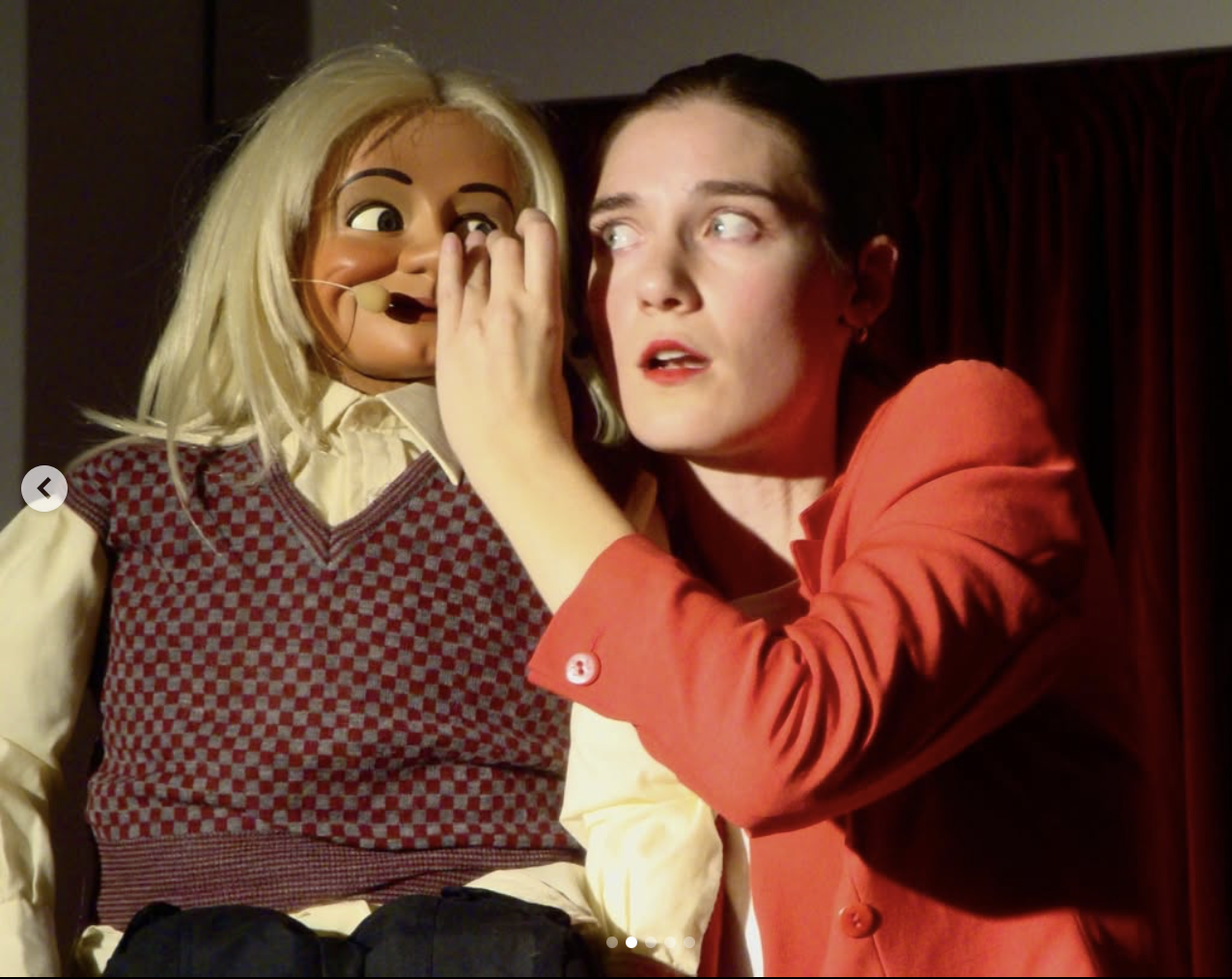
Boston Art Review (BAR) has published an article titled “Persona” Crafts a Lineage of Performed Identity, exploring how contemporary artists use persona and self-performance to trace a lineage of identity construction. The piece examines works by artists who adopt alter egos or theatrical roles to challenge fixed notions of selfhood, drawing connections to historical precedents in art and culture.

27 Best Museums in the World for Art, History, and Cultural Wonders

This article from Travel + Leisure lists 27 of the best museums in the world, covering art, history, science, and culture. Featured institutions include the Louvre in Paris, the Metropolitan Museum of Art in New York, the Vatican Museums, the National Museum of China in Beijing, the National Gallery and Tate Modern in London, the Natural History Museum in London, the Griffin Museum of Science and Industry in Chicago, and Miraikan in Tokyo. The piece highlights iconic artworks such as the Mona Lisa, Venus de Milo, and the Sistine Chapel ceiling, as well as notable architectural features like I.M. Pei's glass pyramid at the Louvre.

Einatmen – Ausatmen

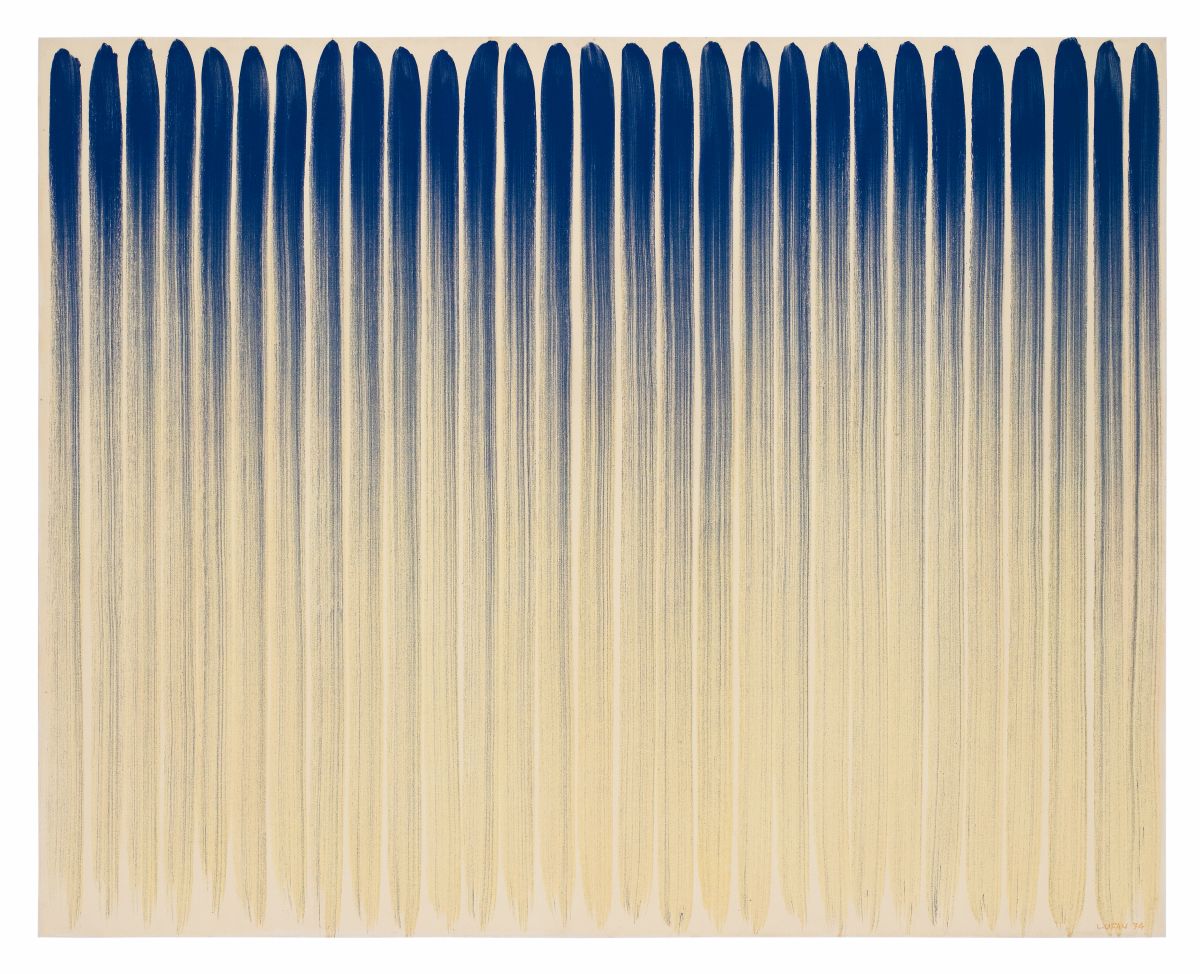
Lee Ufan, the renowned Korean artist known for his meditative single brushstroke paintings, is the subject of a feature article in Monopol. The piece visits his home in Kamakura, Japan, where he lives and works in a simple wooden cube house, reflecting the minimalist philosophy that defines his art. The article explores how Lee finds the entire universe in a single brushstroke, and how the art world is increasingly captivated by his serene, contemplative works.