filter_list Showing 16 results for "Can" close Clear
dashboard All 644 museum exhibitions 370article news 84article local 51trending_up market 48person people 28article policy 18article culture 16rate_review review 15candle obituary 8gavel restitution 6
date_range Range Today This Week This Month All

‘They accomplished so much, even as they were dying’: the groundbreaking gay art of Peter Hujar and Paul Thek

Author and Frieze Magazine editor-in-chief Andrew Durbin has released a dual biography titled 'The Wonderful World That Almost Was,' chronicling the lives and creative partnership of Peter Hujar and Paul Thek. The book focuses on their relationship from the mid-1950s through the 1970s, detailing their collaborative influence and the development of their respective practices in photography and sculpture before both died of AIDS-related complications in the late 1980s.
Art Problems: Do I Need to Go to Art Fairs?

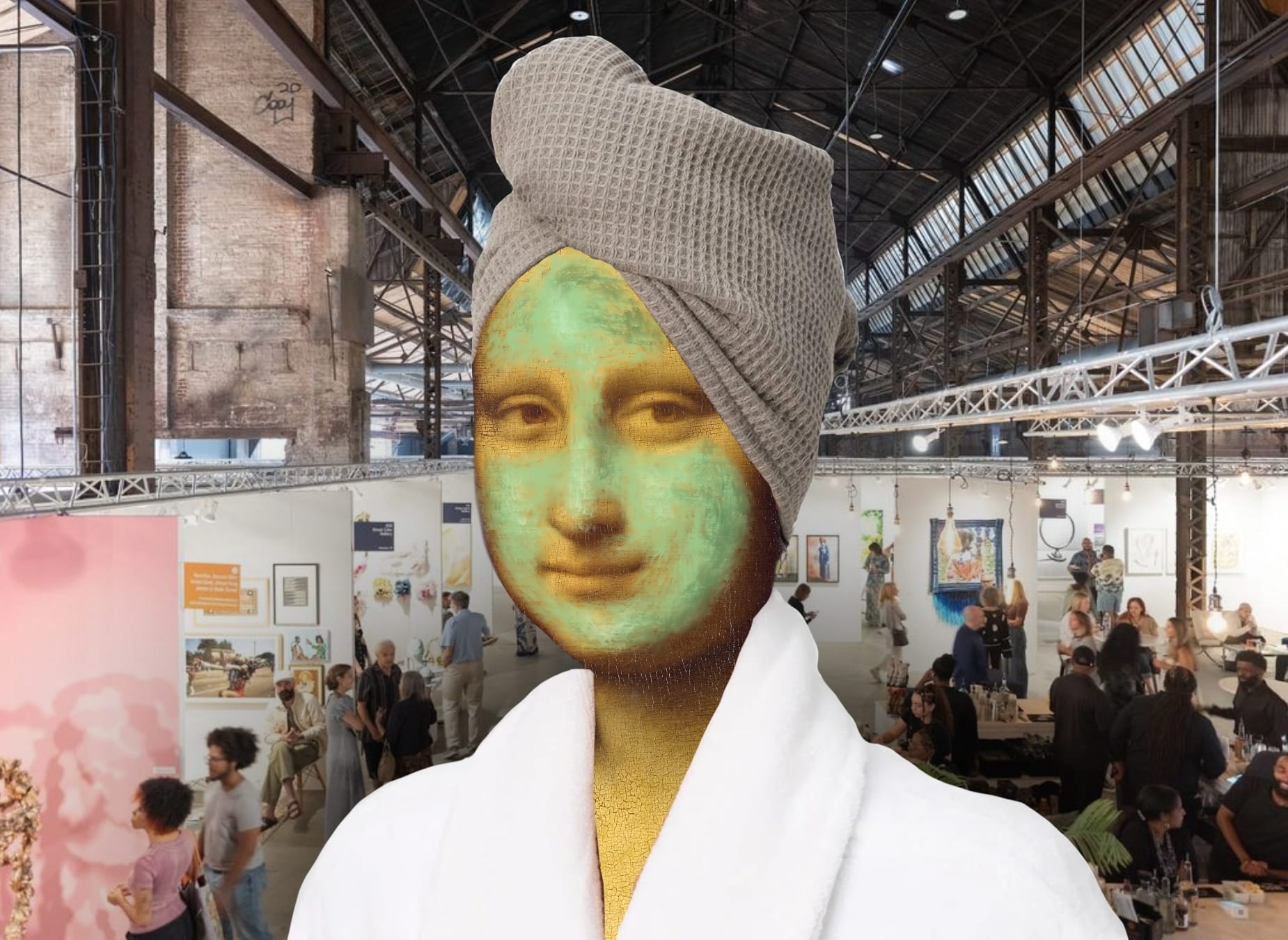
Art critic Paddy Johnson addresses the common dilemma faced by unrepresented artists regarding the necessity of attending major art fairs. While acknowledging that fairs can be physically exhausting and prohibitively expensive, Johnson argues that their true value lies in strategic information gathering and long-term career planning rather than immediate sales or representation.

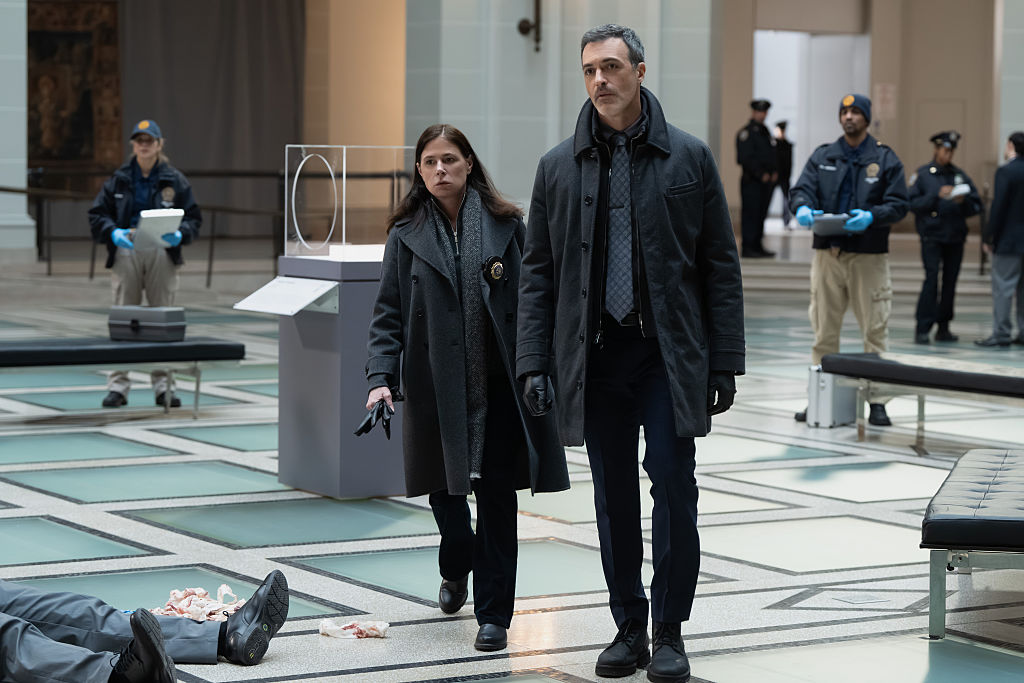
Louvre Museum Jewel Heist Inspires Latest ‘Law & Order’ Episode

The long-running television series Law & Order has adapted the recent high-profile Louvre Museum jewel heist into a new episode titled "Beyond Measure." Filmed at the Brooklyn Museum—serving as the fictional Atlas Museum of Art—the plot follows detectives investigating the theft of the bejeweled Crown of Popoyan, a fictionalized version of the real-world $102 million heist involving a cherry picker escape. The episode weaves in a complex subplot regarding the repatriation of Indigenous Colombian artifacts held by the Vatican.

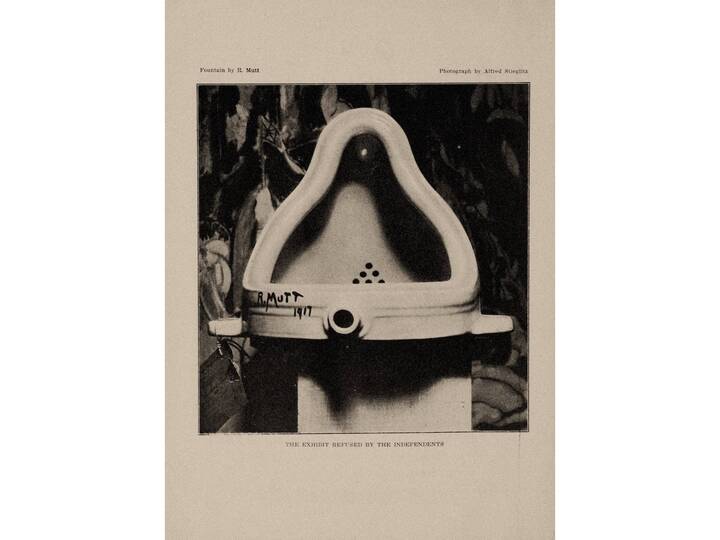
What Made Marcel Duchamp’s Readymades So Revolutionary?

Marcel Duchamp transformed the trajectory of 20th-century art by introducing the 'Readymade,' a concept where mass-produced, everyday objects are elevated to the status of art through the artist's selection rather than manual craft. Beginning with a bicycle wheel in 1913 and a bottle rack in 1914, Duchamp eventually formalized the term during a 1915 stay in New York, where the city's industrial modernity and lack of rigid class structures inspired him to challenge traditional definitions of creativity.

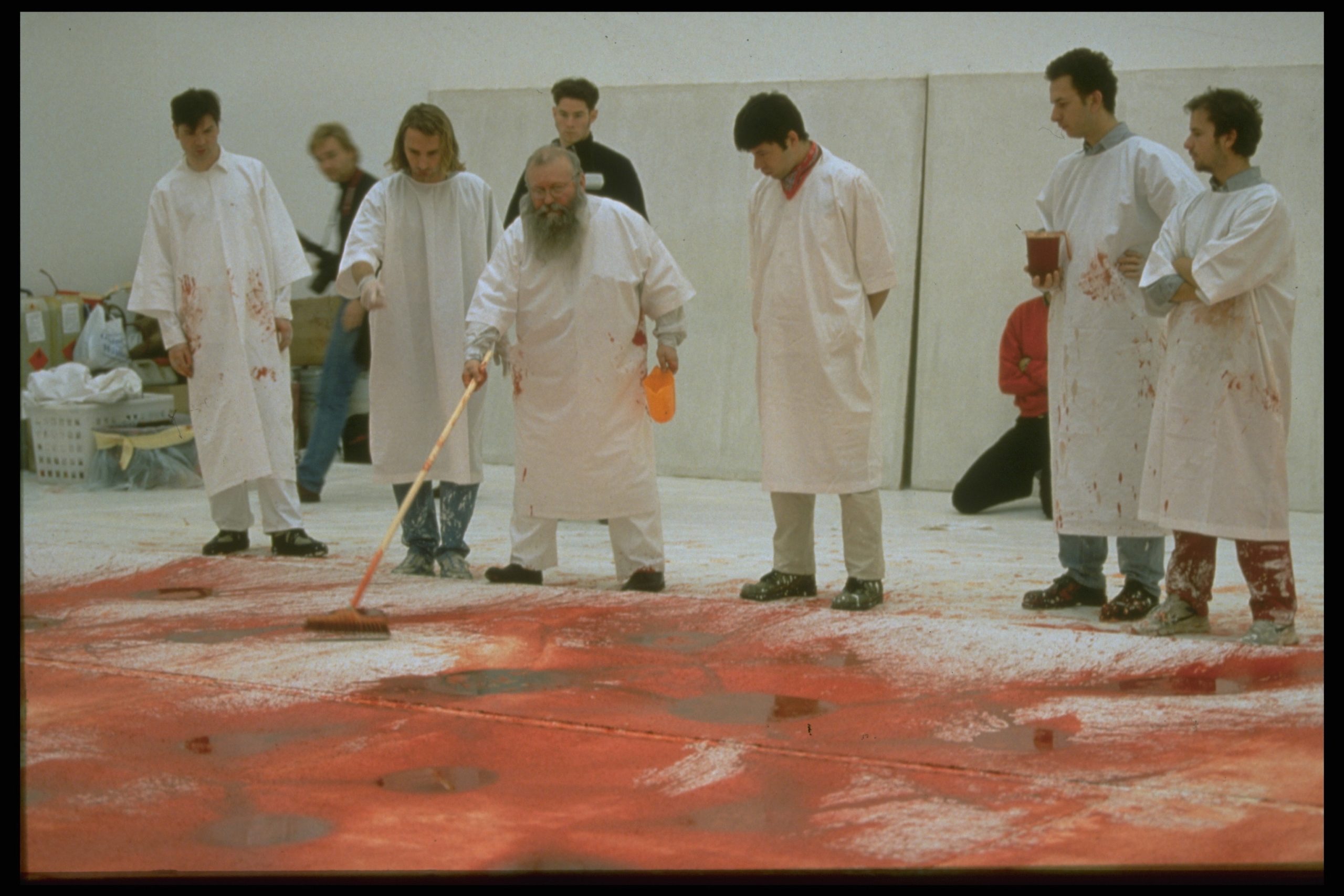
Painting Has Entered Its Performance Era

The rise of short-form video platforms like Instagram and TikTok has transformed painting from a static medium into a performative spectacle. To compete with algorithmic preferences for transformation and speed, artists are adopting specific visual grammars such as the "art reveal"—where a canvas is dramatically flipped toward the camera—and "speed painting," which turns the creation process into a high-stakes live event. These trends emphasize the labor and human presence behind the work, often utilizing emotional storytelling and direct engagement to build dedicated fanbases outside traditional gallery structures.

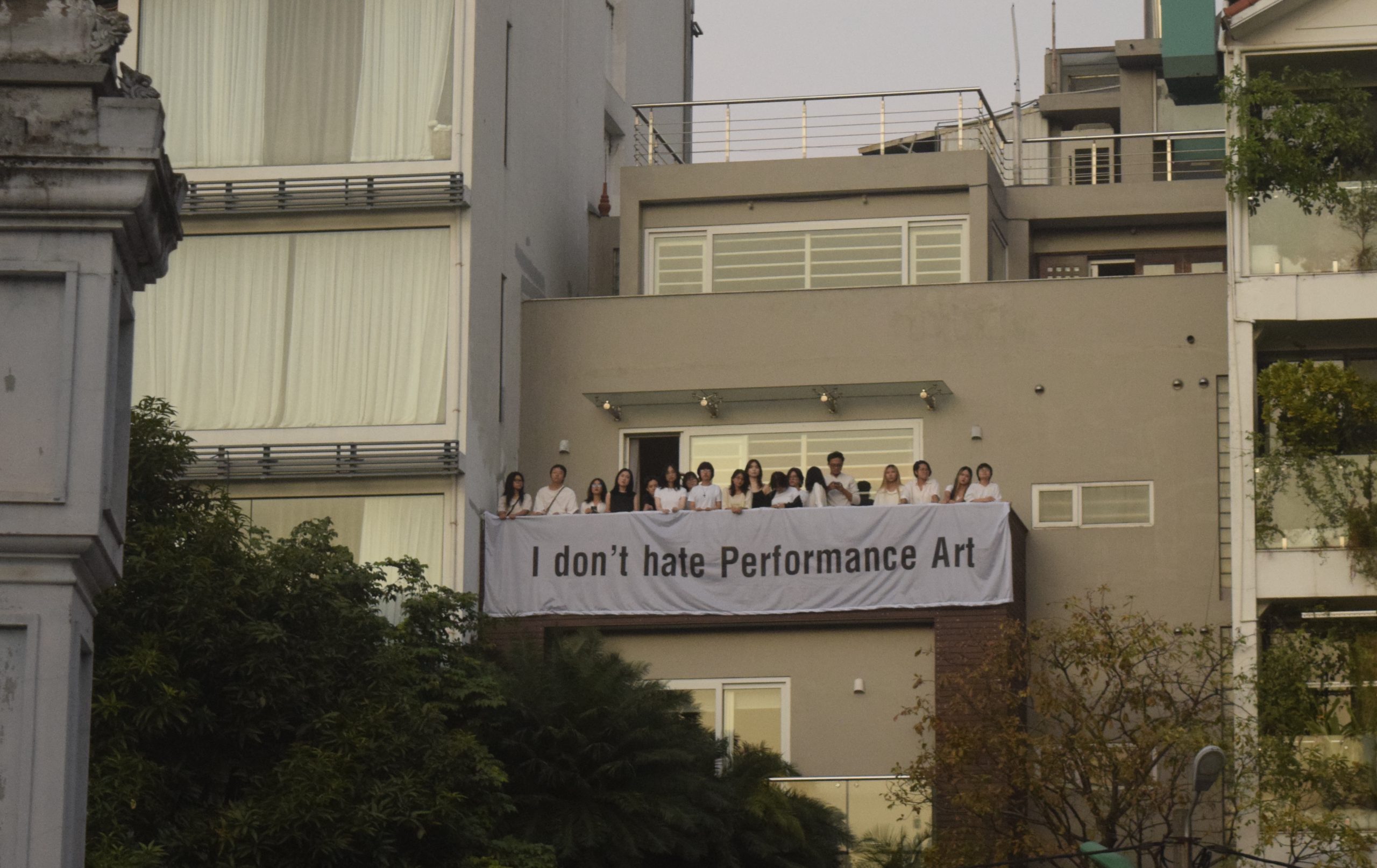
Which City Will Be the Next Asian Art Hub? That’s the Wrong Question

The traditional quest to identify a single dominant Asian art hub is being challenged by the organic growth of decentralized scenes in cities like Bangkok and Hanoi. While Hong Kong and Seoul remain established centers, private initiatives and artist-led projects in Thailand and Vietnam are building resilient, hybrid ecosystems that prioritize long-term structural depth over immediate auction results. From the opening of Dib Bangkok to experimental exhibitions in Hanoi, these cities are transitioning from peripheral status to significant cultural players through a mix of private museums, biennials, and non-profit platforms.

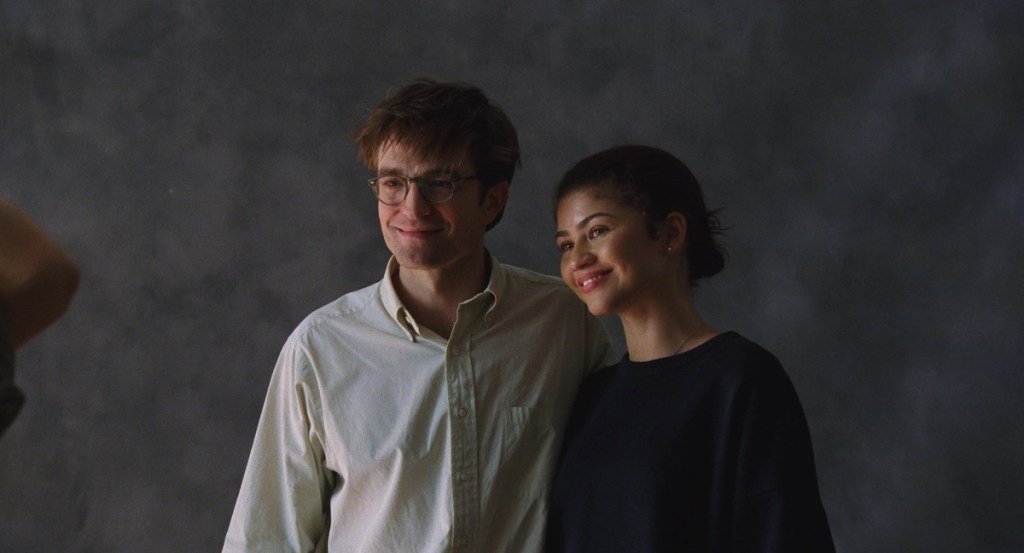
Did This Photographer’s Provocative Work Inspire a Key Plot Point in The Drama?

The new film *The Drama*, directed by Kristoffer Borgli and starring Zendaya and Robert Pattinson, features a central plot point involving a fictional photobook titled *Brainrot*. In the movie, Pattinson’s character, a museum curator, becomes obsessed with the book's provocative imagery of young women with firearms after learning of his fiancée’s past violent intentions. While *Brainrot* is a fictional creation, its aesthetic and subject matter draw significant parallels to Lindsay McCrum’s 2011 photography book, *Chicks with Guns*, which documented the diverse demographics of female gun owners in America.

Simultaneous or Poly-Cinema

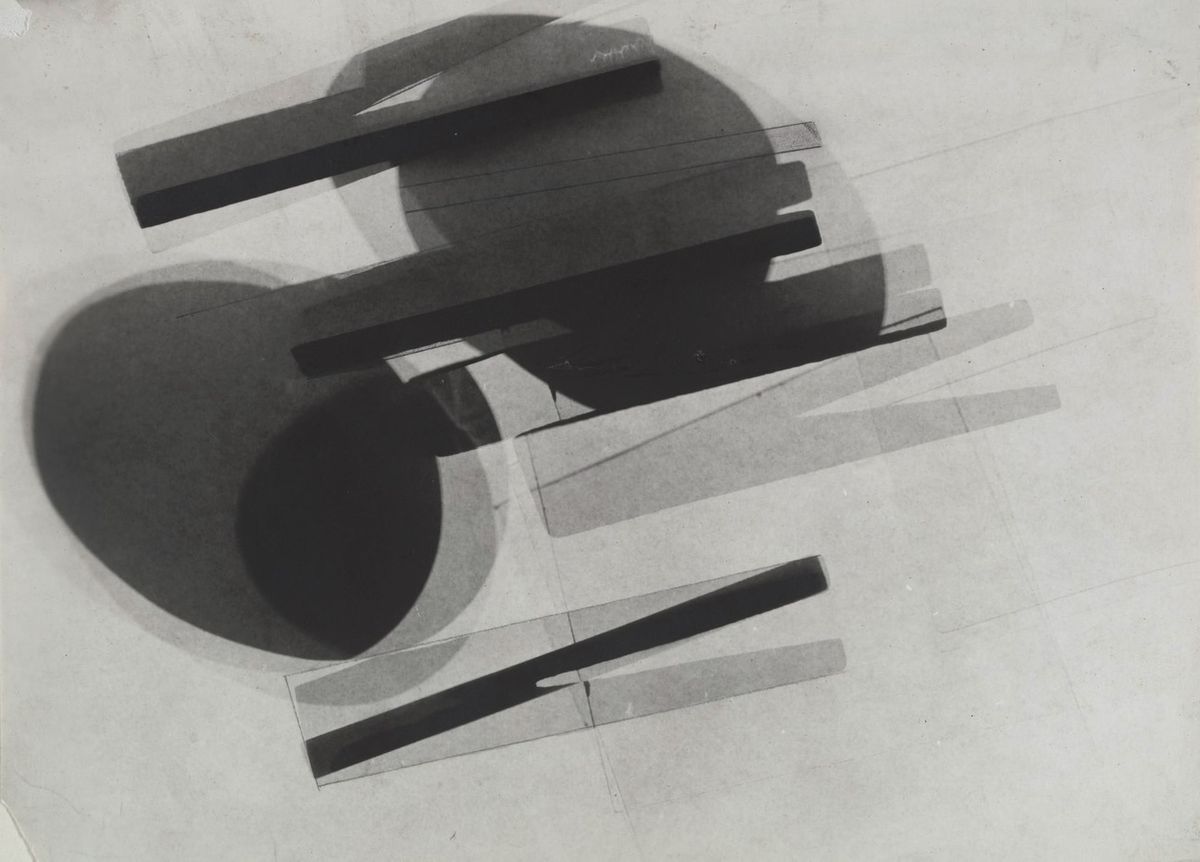
The Bauhaus artist László Moholy-Nagy proposes a radical departure from traditional filmmaking in his 1925 text, "Simultaneous or Poly-Cinema." He envisions a cinematic experience that moves beyond the static, rectangular screen, suggesting instead curved, spherical, or multi-planar surfaces that can accommodate multiple simultaneous projections. By utilizing rotating prisms and intersecting film strips, Moholy-Nagy describes a system where different narrative threads—such as the lives of multiple characters—can physically overlap and merge, creating a dynamic architectural arrangement of light and movement.

Honoring Frederic Church: Beyond the Hudson River School

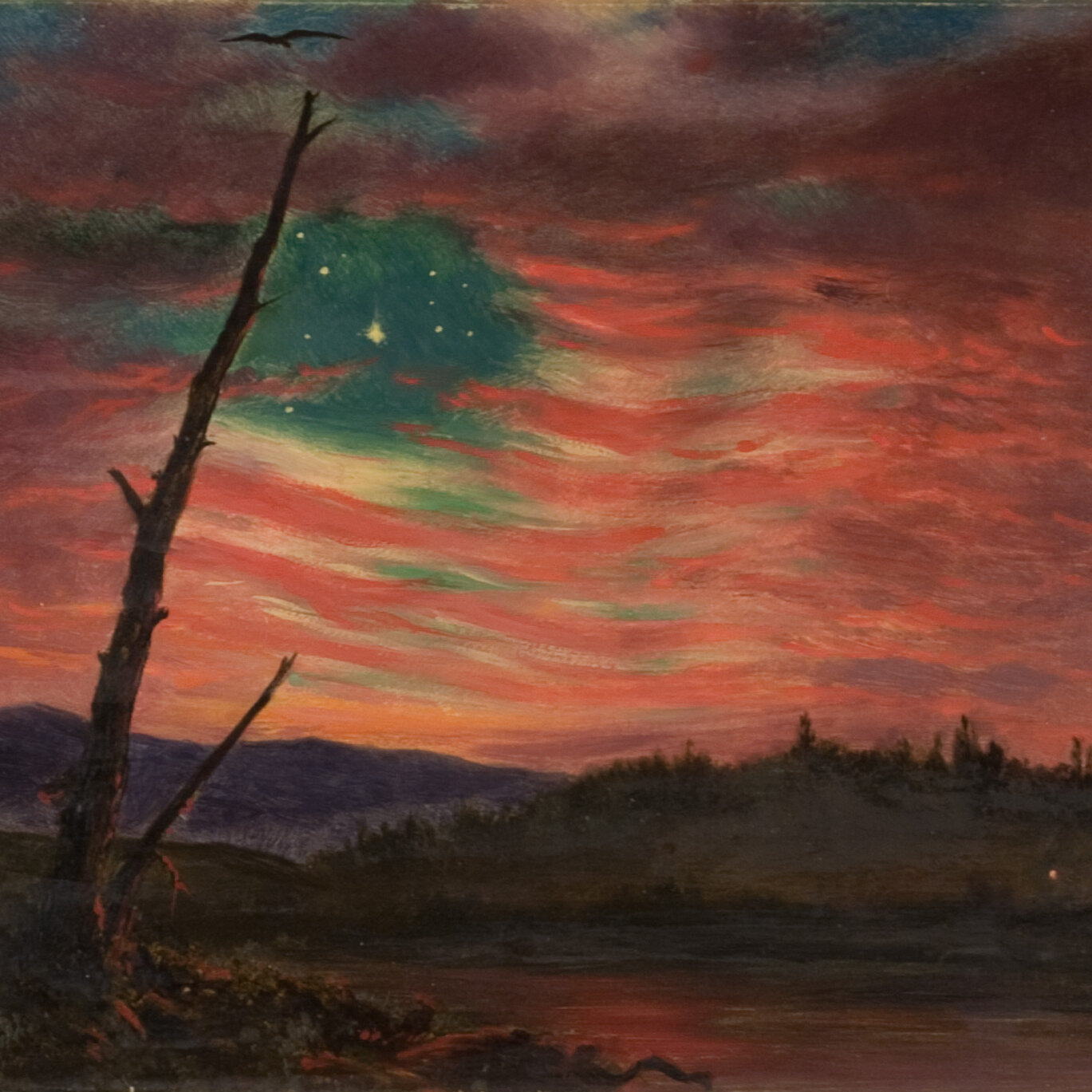
Art historians and curators are re-evaluating the legacy of Frederic Church, arguing that his contributions extend far beyond his traditional classification as a Hudson River School landscape painter. New research highlights his sophisticated engagement with 19th-century science, his architectural achievements at his estate, Olana, and his role as a global traveler who captured the spirit of the Andes and the Arctic.

Hard Truths: Can an Artist Exact Revenge on a Dealer Treating Her Like a Pariah?

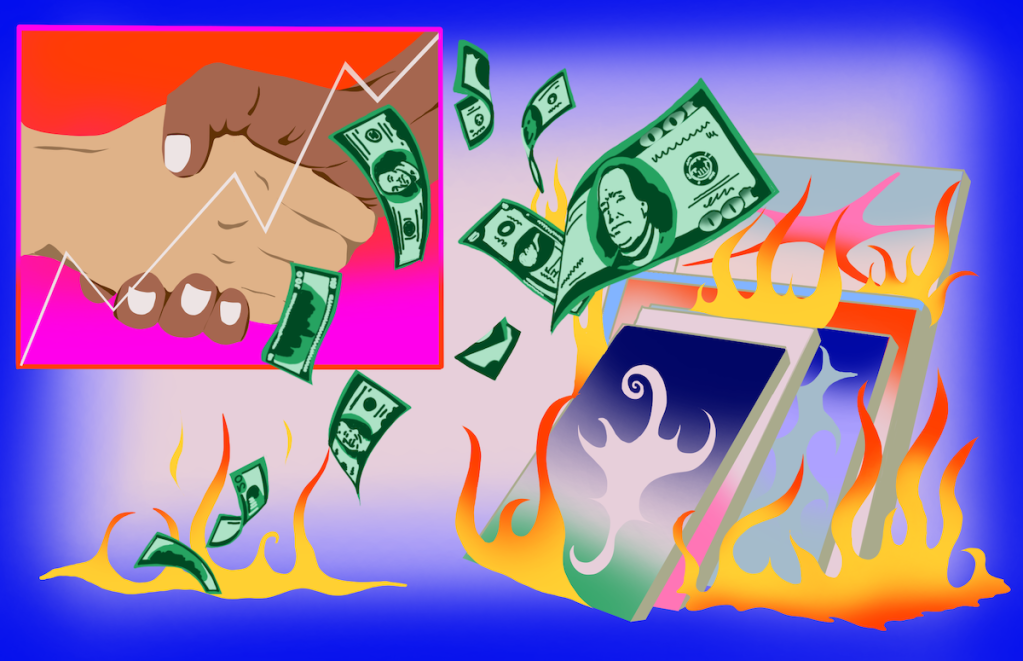
An artist seeks advice after severing a 25-year relationship with a gallery that enforced a restrictive two-year non-compete clause. Following the split, the artist discovered $50,000 in damaged inventory and alleged that the dealer lied to insurance companies while commissioning other artists to produce knockoffs of their work. A second inquiry involves a high-ranking art world figure distressed over being dropped from a prominent "Power 100" list, questioning whether to confront the publication.

A Place of Perpetual Warmth: Hyde Park Art Center and the Making of Chicago’s Creative Identity

The Hyde Park Art Center (HPAC) stands as a vital pillar of Chicago’s grassroots creative identity, serving for eighty-six years as an unpretentious alternative to the city's major encyclopedic museums. From its early days under curator Don Baum, the center became a catalyst for the avant-garde, famously launching the careers of the Chicago Imagists and the Hairy Who. Today, it continues to function as a multifaceted ecosystem that blends community education, artist residencies, and experimental exhibitions within a residential neighborhood setting.

A Delightful Short Film Highlights the Remarkable Self-Taught Art of George Voronovsky

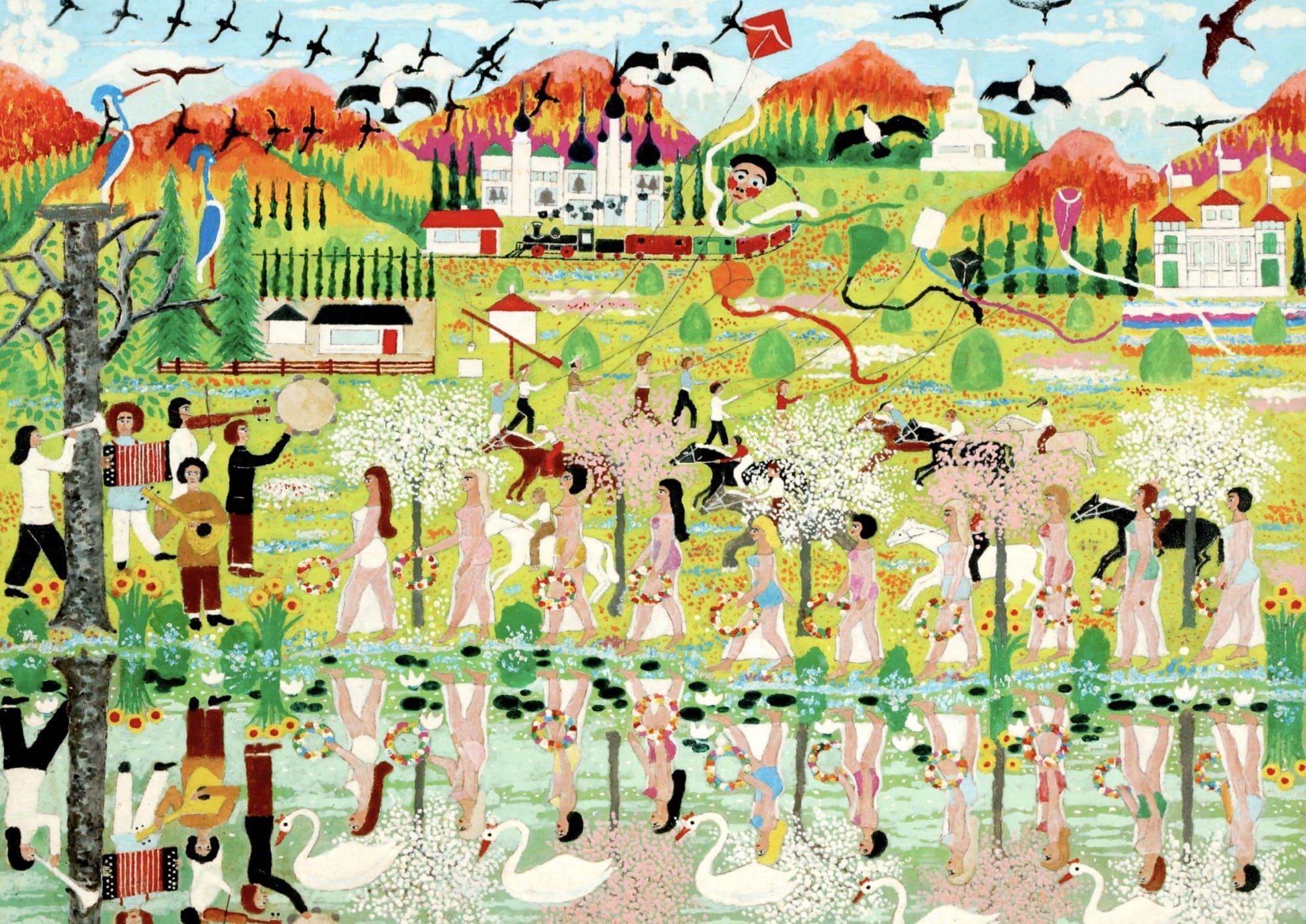
Ukrainian-born artist Jonko “George” Voronovsky transformed his modest retirement room at Miami’s Colony Hotel into a dense, vibrant sanctuary of over 5,000 artworks. After surviving the horrors of the Russian Revolution, Nazi labor camps, and permanent separation from his family, Voronovsky immigrated to the U.S. and spent his final years creating "memoryscapes." These works, crafted from found materials like pizza boxes and soda cans, depicted idyllic, colorful scenes of his youth in Ukraine, contrasting sharply with the trauma of his past.

‘Volcano Snake Sun, September’: A Poem by Ella Frears

Poet Ella Frears has composed a new literary work in response to Charlie Prodger’s 2024 drawing, 'Volcano Snake Sun, September'. The poem explores themes of observation, physical detachment, and the tension between tranquility and underlying violence, mirroring the shift in Prodger’s practice from conceptual film to representational pencil-and-pastel works on paper.

Inside a Black Panther Family Album

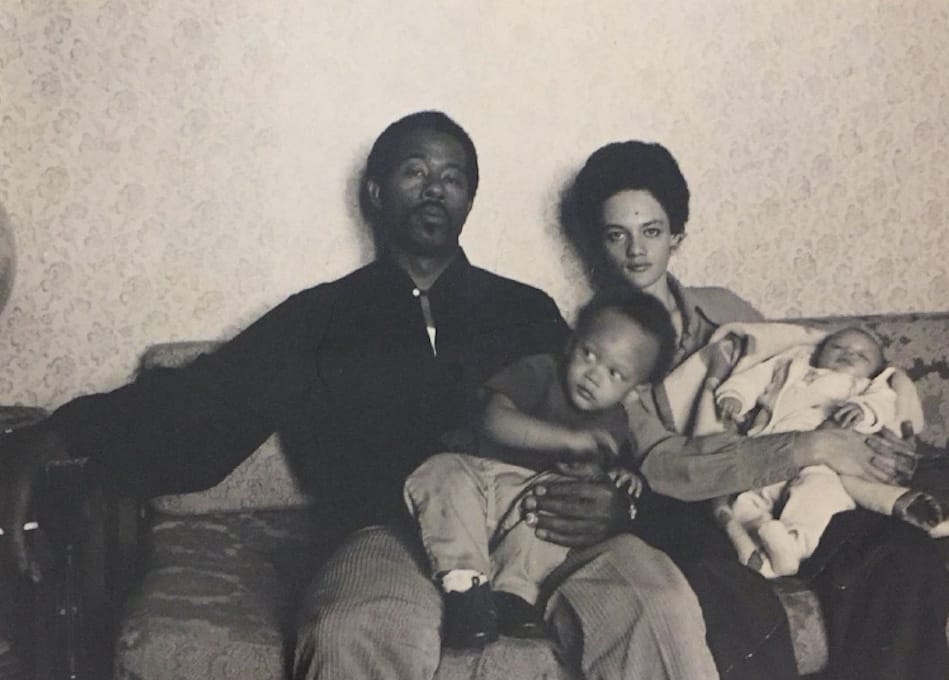
Scholar Leigh Raiford examines the personal family archives of Black Panther Party leaders Kathleen and Eldridge Cleaver, specifically focusing on photographs taken during their period of exile in the 1970s. The analysis centers on how domestic objects, such as a zebra-print carver chair and various African artifacts, transitioned from private household items to iconic symbols of Black Power and cultural nationalism in the public sphere.

How to Feel the Benefits of Art, According to Psychologists

Recent psychological research confirms that engaging with visual art provides significant physical and mental health benefits, including the alleviation of depression, anxiety, and stress. Studies indicate that viewing art can also enhance cognitive functioning and social skills, prompting new initiatives to explore the specific mechanisms behind these wellness improvements.

The business of body art

The article explores the evolving economic landscape of the professional tattooing industry, shifting from a counter-culture fringe to a sophisticated global business sector. It details how artists and studio owners are adopting traditional corporate structures, including brand licensing, specialized retail products, and digital marketing strategies to capitalize on the increasing mainstream acceptance of body art.