filter_list Showing 27 results for "DW" close Clear
search
dashboard All 439 museum exhibitions 218article local 74trending_up market 49article news 42article culture 27candle obituary 8person people 7rate_review review 7article policy 6gavel restitution 1
date_range Range Today This Week This Month All
Subscribe

The 21st Century’s Biggest Art Trend is Not a Style. But Once You See It, You’ll Notice It Everywhere.

The article traces the evolution of "systems art," a term coined by critic Jack Burnham in 1968 to describe art that uses rules, seriality, and repetition to mirror and reveal the growing protocols of the Cold War era. It highlights early practitioners like Kenneth Noland, Robert Morris, Dan Flavin, and notably Hans Haacke and Adrian Piper, who shifted from atmospheric systems (e.g., Haacke's *Condensation Cube*) to social systems (e.g., Haacke's *Shapolsky et al. Manhattan Real Estate Holdings*). The piece argues that systems thinking has become unavoidable in contemporary life—from algorithms to systemic racism—and that art remains a crucial tool for making these invisible systems legible.
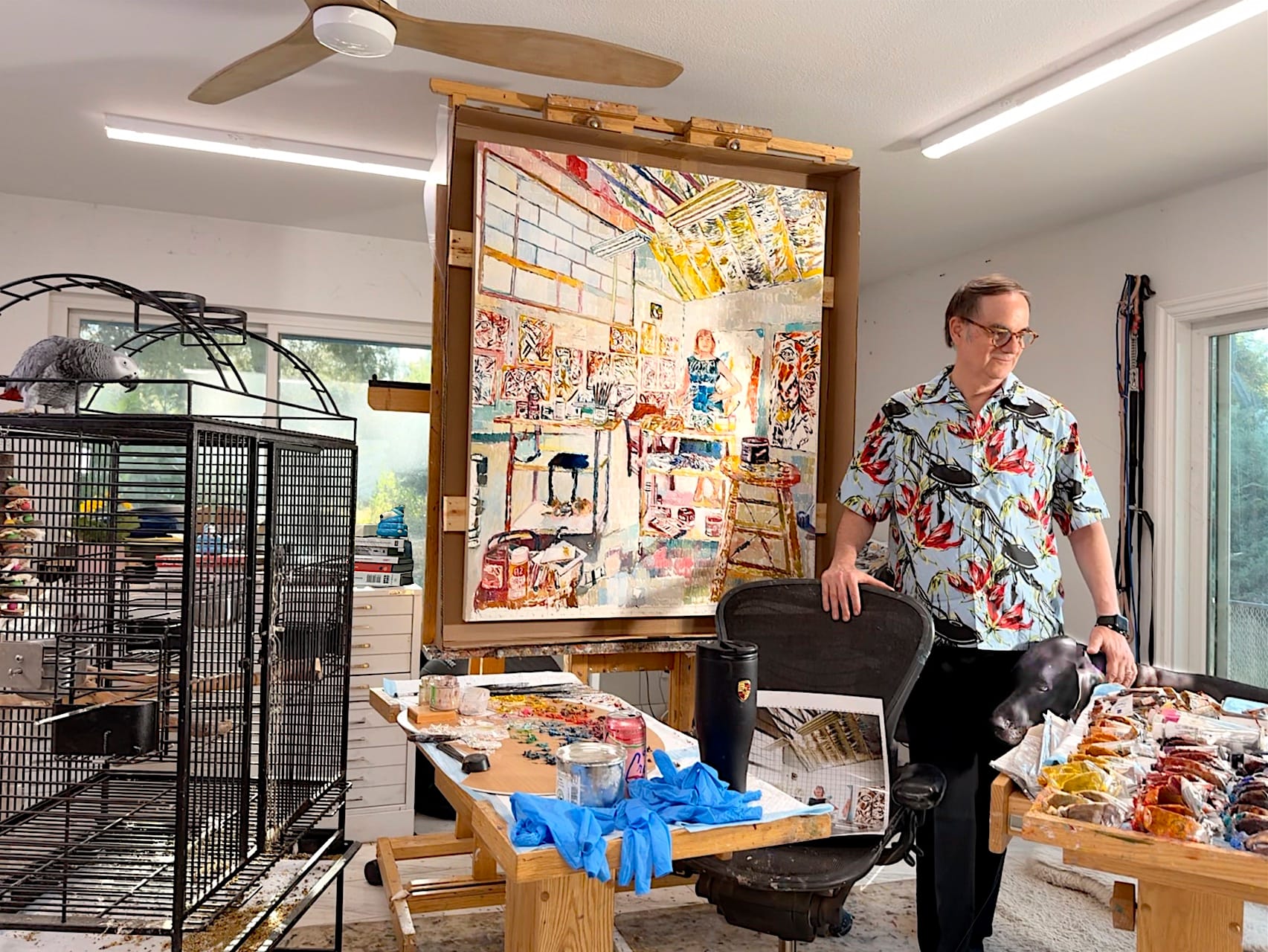
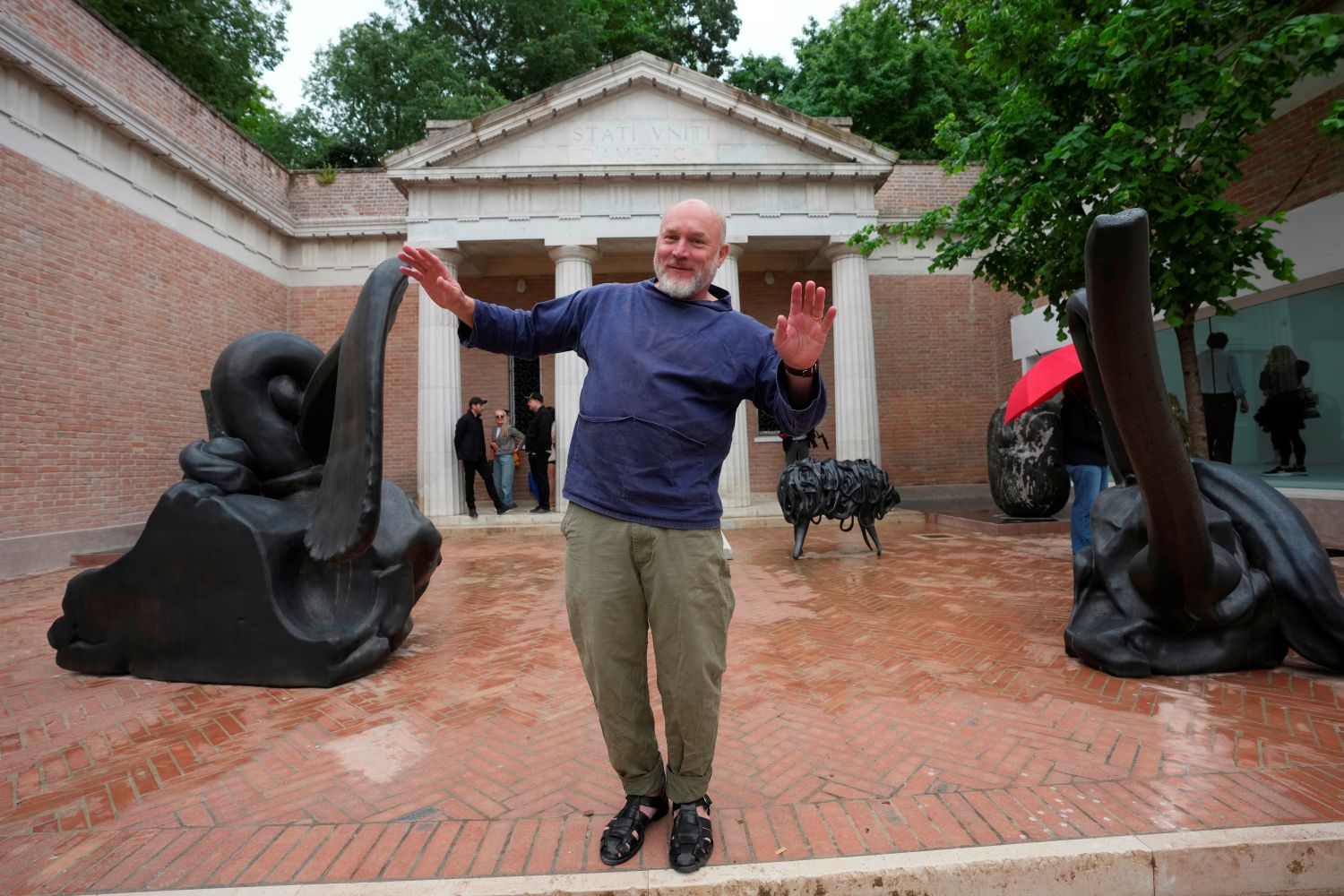
Beer With a Painter: Keith Mayerson

Hyperallergic interviews Los Angeles-based painter Keith Mayerson, who discusses his ongoing 'My American Dream' series—a cosmology of paintings blending American identity, activism, and popular culture. The conversation covers his early influences from comics, the Muppets, and Hunter S. Thompson, his transition from cartooning to painting, and his vibratory, swirling brushwork. Mayerson's work has been featured in the 2014 Whitney Biennial and is currently on view at the Aspen Art Museum and the Pollock-Krasner House.

No Attitude, Nowhere: Conviction, Zero Meaning

Keine Haltung, nirgends Gesinnung, null Bedeutung

The article critiques the current state of the art world and broader culture, arguing that right-wing calls for depoliticized art are intensifying while the progressive art establishment silently tolerates a culture war that restricts free expression. It uses the 2025 Met Gala as a prime example, describing the event as a heartless display of wealth and power aligned with Trump-era capitalism, where celebrities and artists perform progressive values while participating in a spectacle sponsored by anti-union figures like Jeff Bezos. The author draws on Hannah Arendt's ethics lectures to suggest that moral norms have collapsed overnight, and that the commercial art world now legitimizes anti-democratic tendencies through its silence.

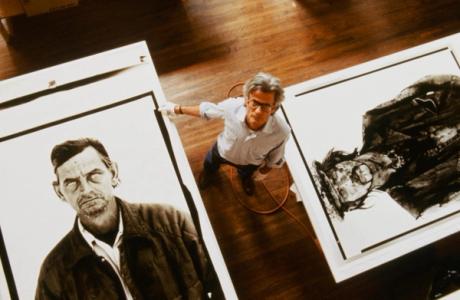
New Richard Avedon documentary chronicles how he shaped the evolution of photography

Imagine Documentaries, the nonfiction arm of Ron Howard and Brian Grazer's Imagine Entertainment, premiered a new documentary about photographer Richard Avedon at the Cannes Film Festival on May 17. The film, co-produced by the Richard Avedon Foundation, draws heavily from archival interviews conducted by Helen Whitney for the PBS series *American Masters*, supplemented by new interviews with Avedon's son John, muse Lauren Hutton, Isabella Rossellini, Twyla Tharp, and former *New Yorker* colleagues Tina Brown and John Lahr. The documentary explores Avedon's career, his technique of building rapport with subjects, and his iconic images such as *Dovima with Elephants*, which dealer Larry Gagosian notes sold for $2 million.

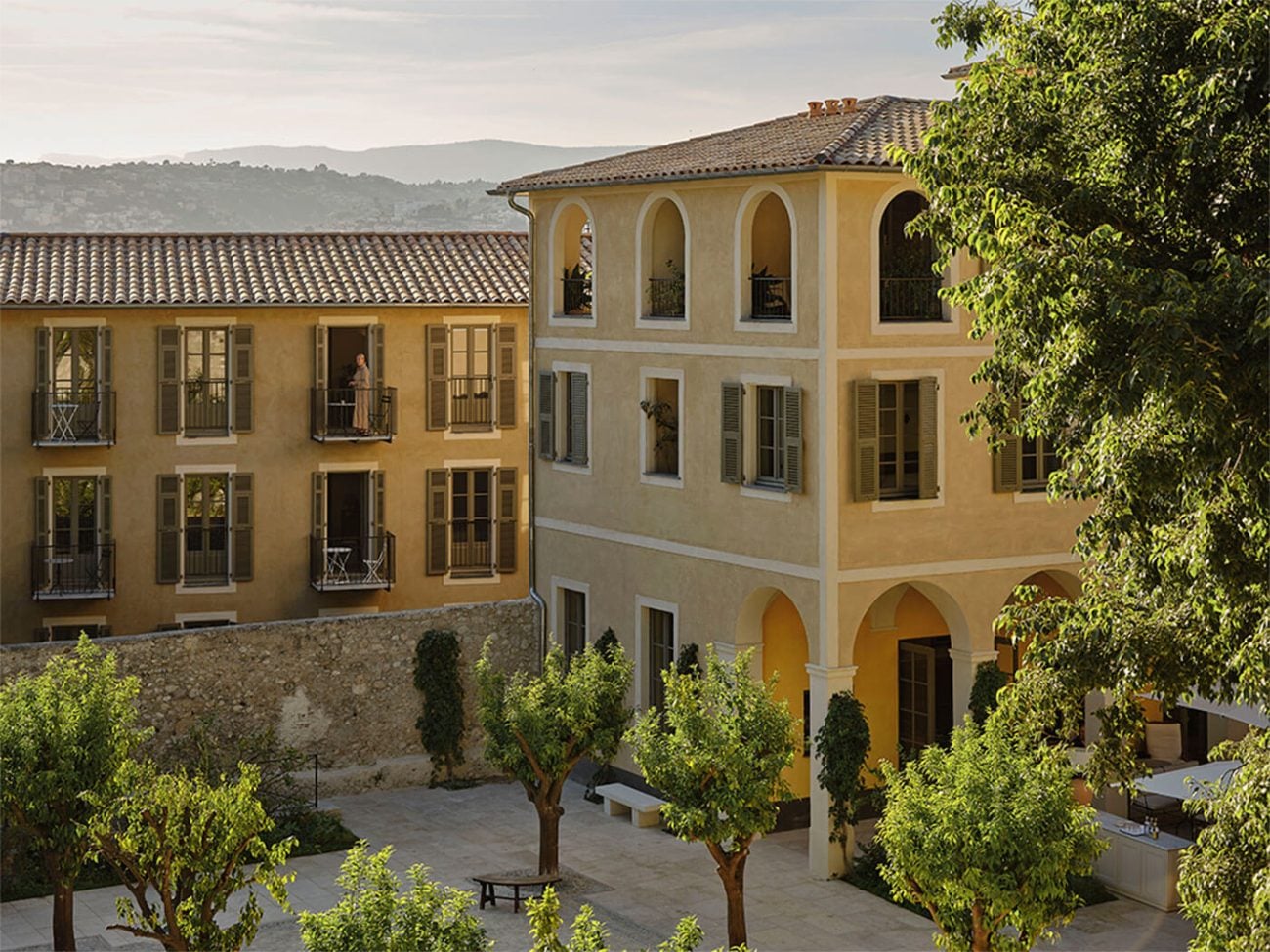
7 unique hotel experiences around the world for inspired travelers

7 expériences hôtelières inédites à travers le monde pour voyageurs inspirés

Beaux Arts Magazine presents a curated selection of seven unique hotel experiences worldwide, designed for art-loving travelers. The featured properties include a converted convent in Nice (Hôtel du Couvent, opened summer 2024), a Louis XIII-era castle near Fontainebleau (Domaine de Fleury), a five-star hotel in Amboise (Relais d'Amboise) with artworks by Bernar Venet, and a mountain inn in Sils-Maria, Switzerland (Chesa Marchetta) operated by art dealers Iwan and Manuela Wirth. Each destination blends historic architecture, exceptional landscapes, and artistic elements to offer immersive stays.

Our Summer Art Reading List

Hyperallergic's summer art reading list features a curated selection of art books, including Kory Stamper's 'True Color' about the Merriam-Webster color definer, Megan O'Grady's essay collection on art as necessity, and 'O'Keeffe-isms' drawn from Georgia O'Keeffe's writings. The list also highlights art detective mysteries like 'The Case of the Disappearing Gauguin' by Stephanie Brown and provenance stories from the San Antonio Museum of Art, alongside upcoming Yale University Press titles on Anni Albers, Dorothea Tanning, and Edward Steichen. Additional coverage includes an exhibition of Jack Kerouac's letters and photographs in NYC, and the Printed Matter art book fair in Los Angeles.

The Art Diary May 2026 – Revd Jonathan Evens

The article titled "The Art Diary May 2026 – Revd Jonathan Evens" appears to be a diary or column by Revd Jonathan Evens, published on Artlyst, covering art-related events, reflections, or commentary for May 2026. The specific content is not provided in the snippet, but the format suggests a curated overview of exhibitions, cultural happenings, or personal observations from the author's perspective.

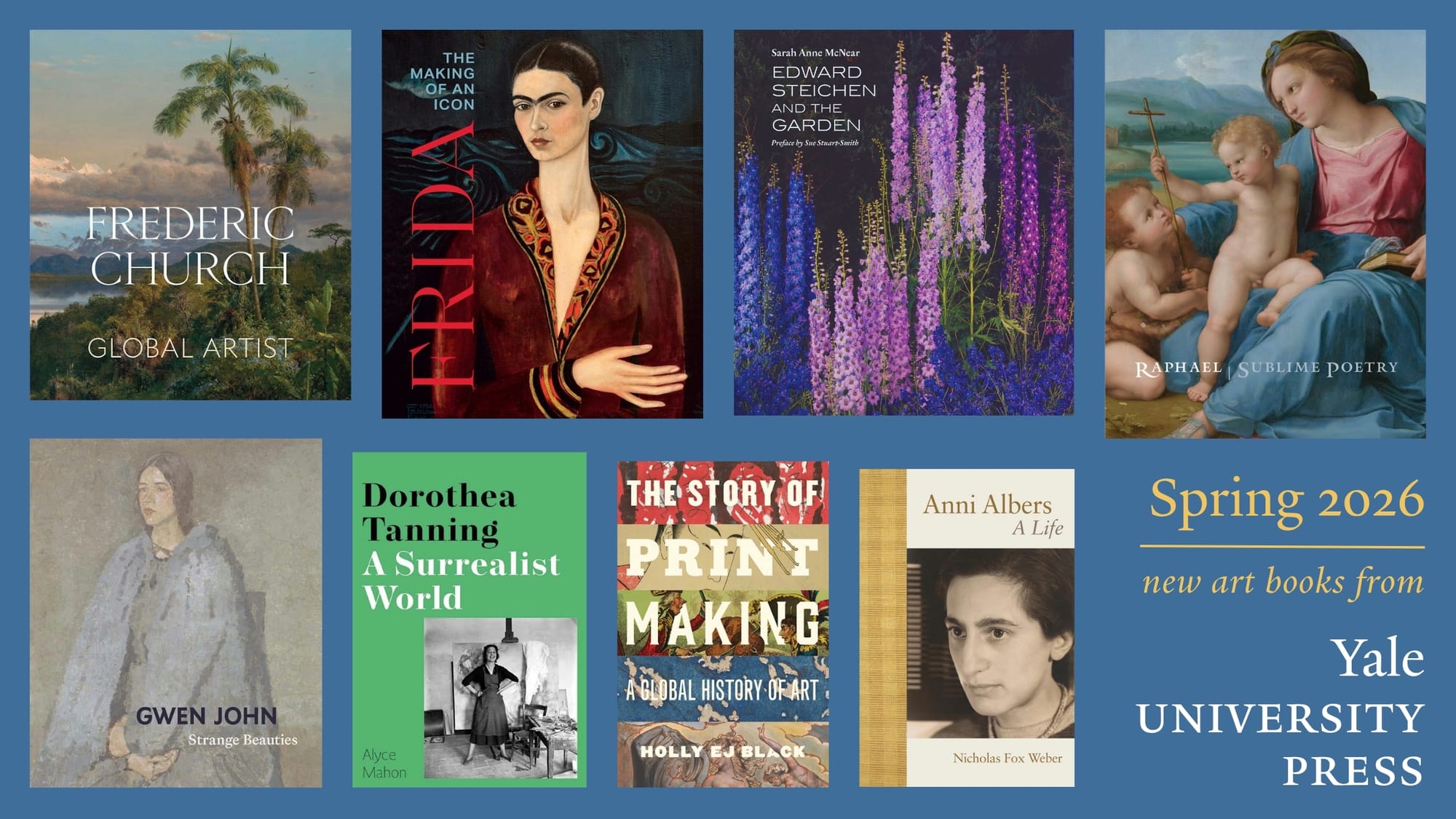
Early 2026 Art Books From Yale University Press

Yale University Press has announced its early 2026 art book lineup, featuring exhibition catalogues such as "Raphael: Sublime Poetry" from The Metropolitan Museum of Art, "Gwen John: Strange Beauties" from the Yale Center for British Art, "Edward Steichen and the Garden" from the George Eastman Museum, and "Frederic Church: Global Artist" from Olana NY State Historic Site. New releases also include a biography of Anni Albers by Nicholas Fox Weber, a catalogue titled "Anni Albers: Constructing Textiles" accompanying a European traveling exhibition, and Alyce Mahon's "Dorothea Tanning: A Surrealist Life," named a Best New Art Book of 2026 by Christie's. The press will hold a 50% off annual sale in May.

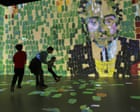
Mummy, is this a video game? The dangers of showing kids art on a screen

A parent takes their toddler to Frameless, an immersive digital art experience in London, where works by Hieronymus Bosch, Claude Monet, and Georges Seurat are projected onto walls, ceilings, and floors. The child reacts with mixed engagement—enjoying some moments but feeling overwhelmed by the frenetic, screen-based environment—while the author reflects on the tension between traditional static art and animated digital reproductions.

Inside the technicolour world of Jack White

Jack White, the musician best known as the frontman of The White Stripes, has begun showing his visual art, which he has been creating since his teenage years. The article offers a glimpse into his vibrant, technicolour artistic practice, marking his debut as a visual artist in the public eye.

Who’s The Next Obsession? 12 European Collectors Reveal How They Discover New Talent

Cultured magazine asked 12 European collectors how they discover new talent, timed to the 61st Venice Biennale. Collectors like Nicole Saikalis Bay, Amélie du Chalard, Belma Gaudio, and Laurent Asscher share their personal approaches—ranging from emotional resonance and dialogue with existing works to long-term obsession with an artist before acquiring a piece. The responses reveal a diversity of methods, from instinct-driven buying to conceptual and technical evaluation.

Stripteases, ecstatic embraces and a dog in a dress: the full-on photos celebrating queer dancefloors worldwide

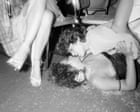
A new photo book titled *Sex, Clubs, Dissent: Visualising Queer Nightlife*, edited by writer Amelia Abraham, collects photographs from the 1960s to today that document queer nightlife around the world. The anthology features works by artists such as Wolfgang Tillmans, Sunil Gupta, Kia LaBeija, Phyllis Christopher, Roxy Lee, Ajamu X, and Del LaGrace Volcano, alongside images from trans community archives in Mexico City and Buenos Aires. The book is organized into sections on sex, clubs, and dissent, and includes a range of media from film stills to a Grindr screenshot, aiming to capture the messy, sexy, and politically charged atmosphere of queer social spaces.

In the new film Nagi Notes, art is a vessel for characters’ desires

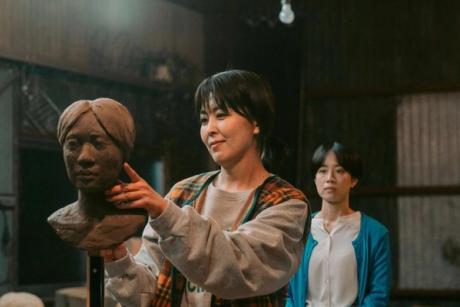
Japanese writer-director Koji Fukada's new film *Nagi Notes* premiered on 13 May at the Cannes Film Festival. The story follows Yuri (Shizuka Ishibashi), who visits the remote town of Nagi to sit for a sculptor friend, Yoriko (Takako Matsu). The film explores how characters use art—from drawings to sculptural busts—as a medium to express unspoken desires, grief, and identity, with key scenes set at the Nagi Museum of Contemporary Art featuring a permanent installation by Arakawa and Madeline Gins.

Basquiat’s Former Dealer on the Making of an Art World Icon

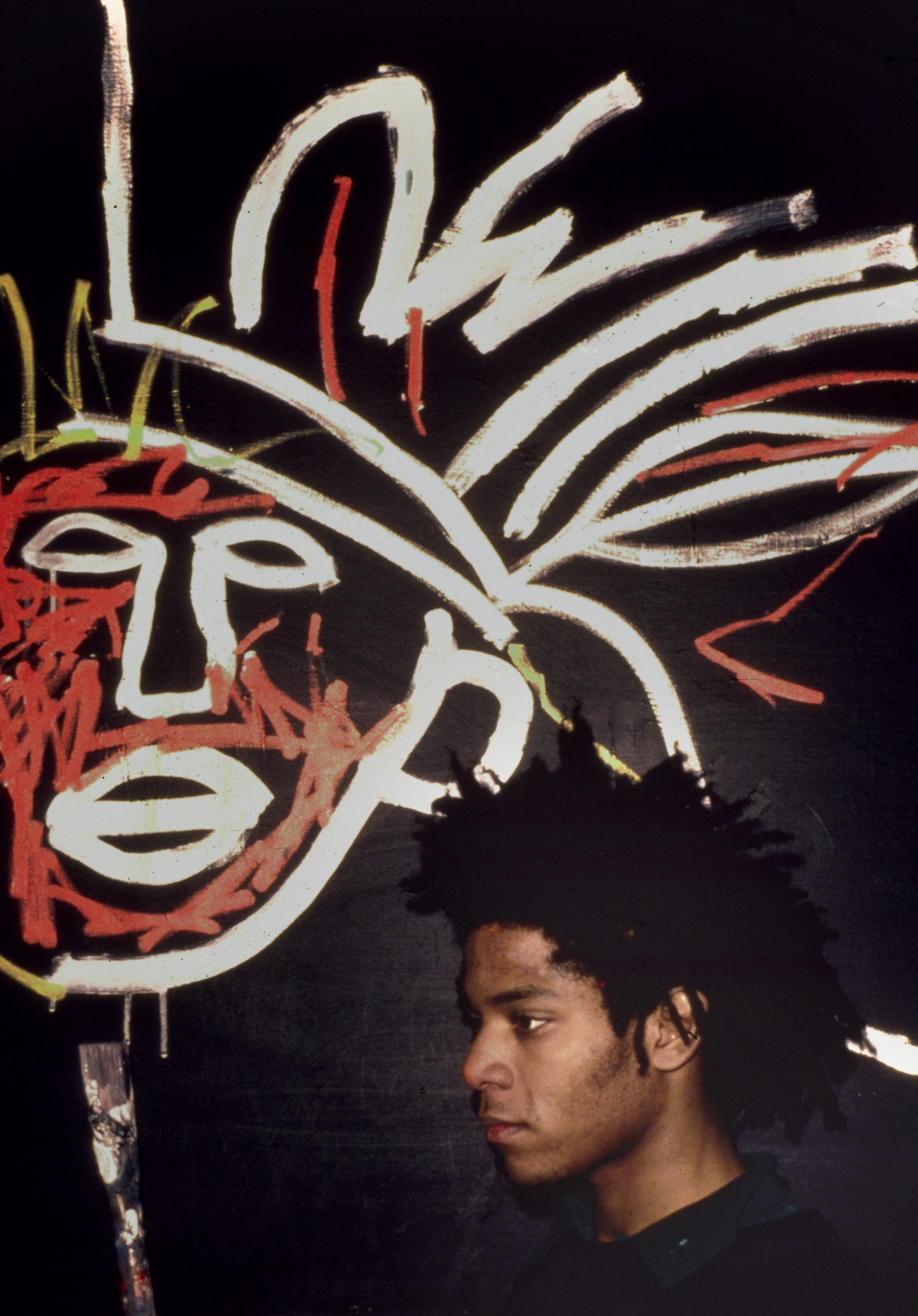
Bruno Bischofberger, who served as Jean-Michel Basquiat's exclusive worldwide dealer from 1982 until the artist's death in 1988, reflects on Basquiat's life and legacy in an excerpt from the forthcoming book *Basquiat: The World of Jean-Michel*, published by Assouline. Bischofberger contrasts Basquiat's raw, politically charged approach with Andy Warhol's detached, commercial style, and recounts personal memories of Basquiat's visits to Switzerland, where he absorbed everything from visual art to folk art and design.

How Frida Kahlo Became This Year's Cultural Obsession

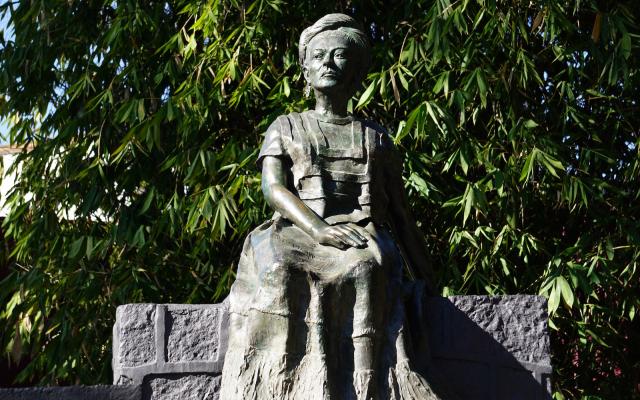
In 2026, Frida Kahlo has become a global cultural obsession, with museums, opera houses, and cinemas worldwide celebrating her legacy. The Metropolitan Opera in New York City will premiere Gabriela Lena Frank's Spanish-sung opera *El Último Sueño de Frida y Diego* on May 14, which imagines Diego Rivera summoning Kahlo back to life three years after her death. Set and costume designer Jon Bausor drew inspiration from the trees, veins, and cracked imagery in Kahlo's paintings.

Artist Felipe Pantone's home is a 'permanent exhibition' - with its own indoor nightclub

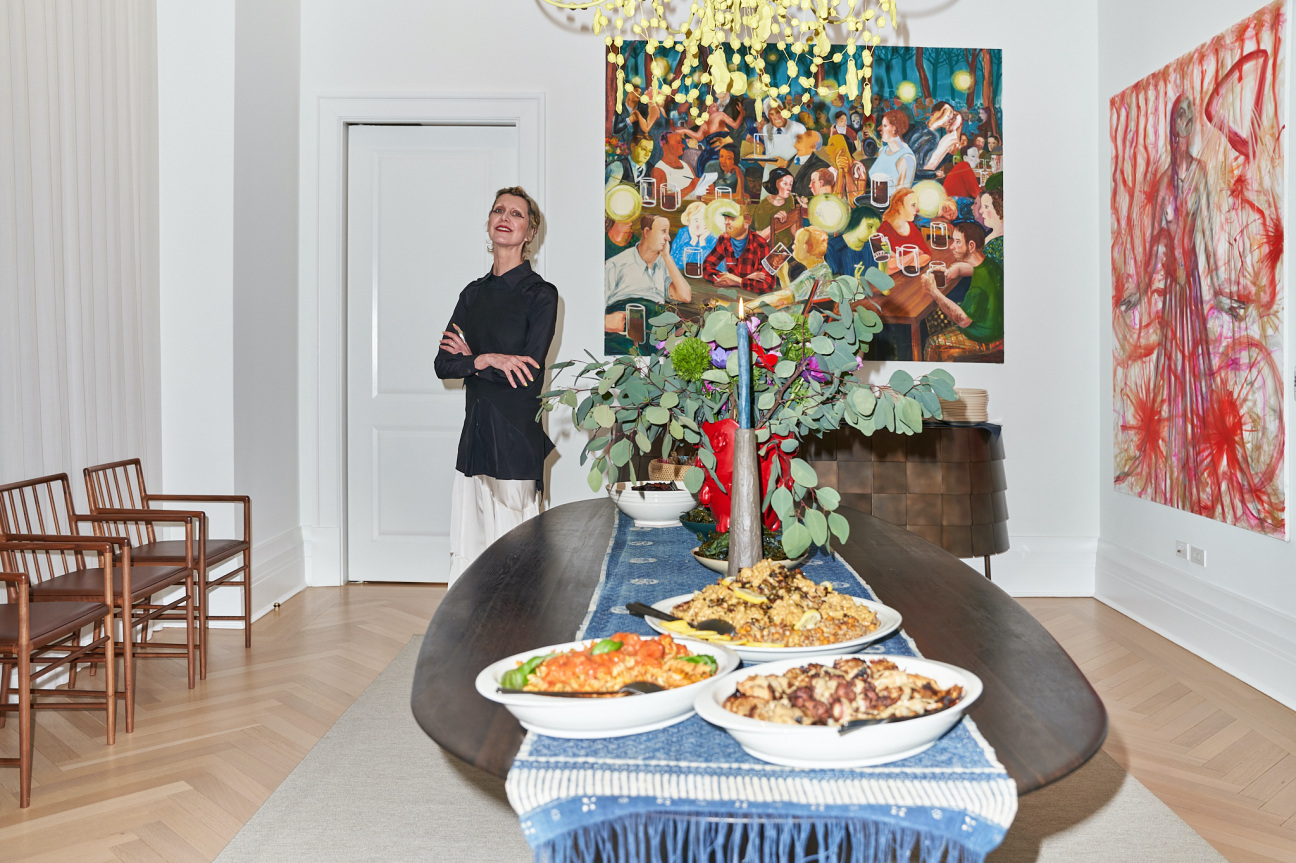
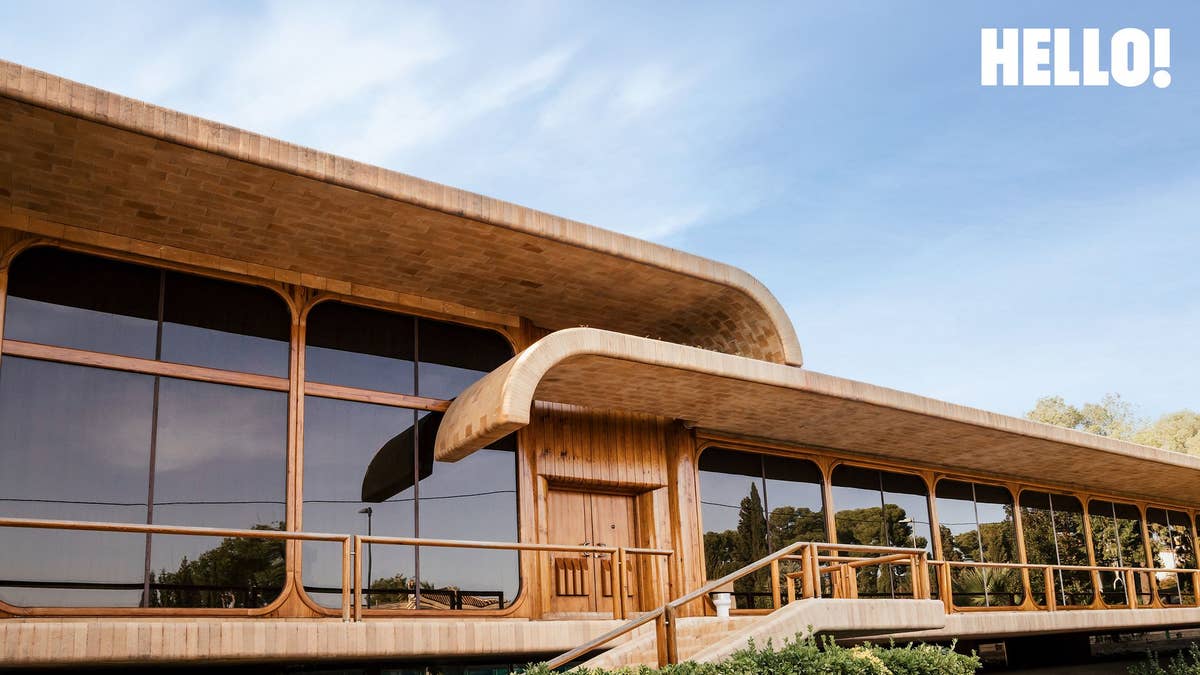
Spanish-Argentinian contemporary artist Felipe Pantone, who never reveals his face to the public, opens the doors to his striking home 'Casa Axis' in Valencia, Spain. Originally built between 1972 and 1975 by architect Pascual Genovés and designer Antonio Segura, the property was known as the 'Revolving House' before Pantone renamed it. After a two-year renovation, the 7,000 sq m estate now includes an indoor swimming pool designed by the artist, a private tennis court, a dance club, and rooms filled with natural light. Pantone and his partner Victoria Fernández host artists from around the world at the home, which also served as a backdrop for Netflix's Black Mirror.

"Gesundheitseffekt der Künste auf biologischer Ebene"

A roundup of art news covers multiple stories: Stefan Trinks criticizes Berlin's 'MuseumsMeileMitte' as a symptom of urban and cultural misdevelopment, where museums are co-opted by real estate marketing. At the Venice Biennale, the German Pavilion by Henrike Naumann and Sung Tieu explores East German identity and post-reunification trauma, while Patti Smith performed a 'sonic prayer' at the Vatican Pavilion curated by Hans Ulrich Obrist and Ben Vickers. A study from University College London suggests regular arts engagement may slow biological aging.

Les pionniers de la photographie à connaître

Beaux Arts Magazine publishes a dossier on the pioneers of photography, marking the medium's 200th anniversary. The article profiles key figures such as Nicéphore Niépce, Louis Daguerre, Anna Atkins, Gustave Le Gray, Nadar, Eugène Atget, Girault de Prangey, Alfred Stieglitz, Julia Margaret Cameron, and Edward Steichen, highlighting their innovations in heliography, cyanotype, daguerreotype, and pictorialism. It also includes a focus on the oldest known photograph.

Major new Jean-Michel Basquiat collector’s book, priced at $1,400, released from Assouline.

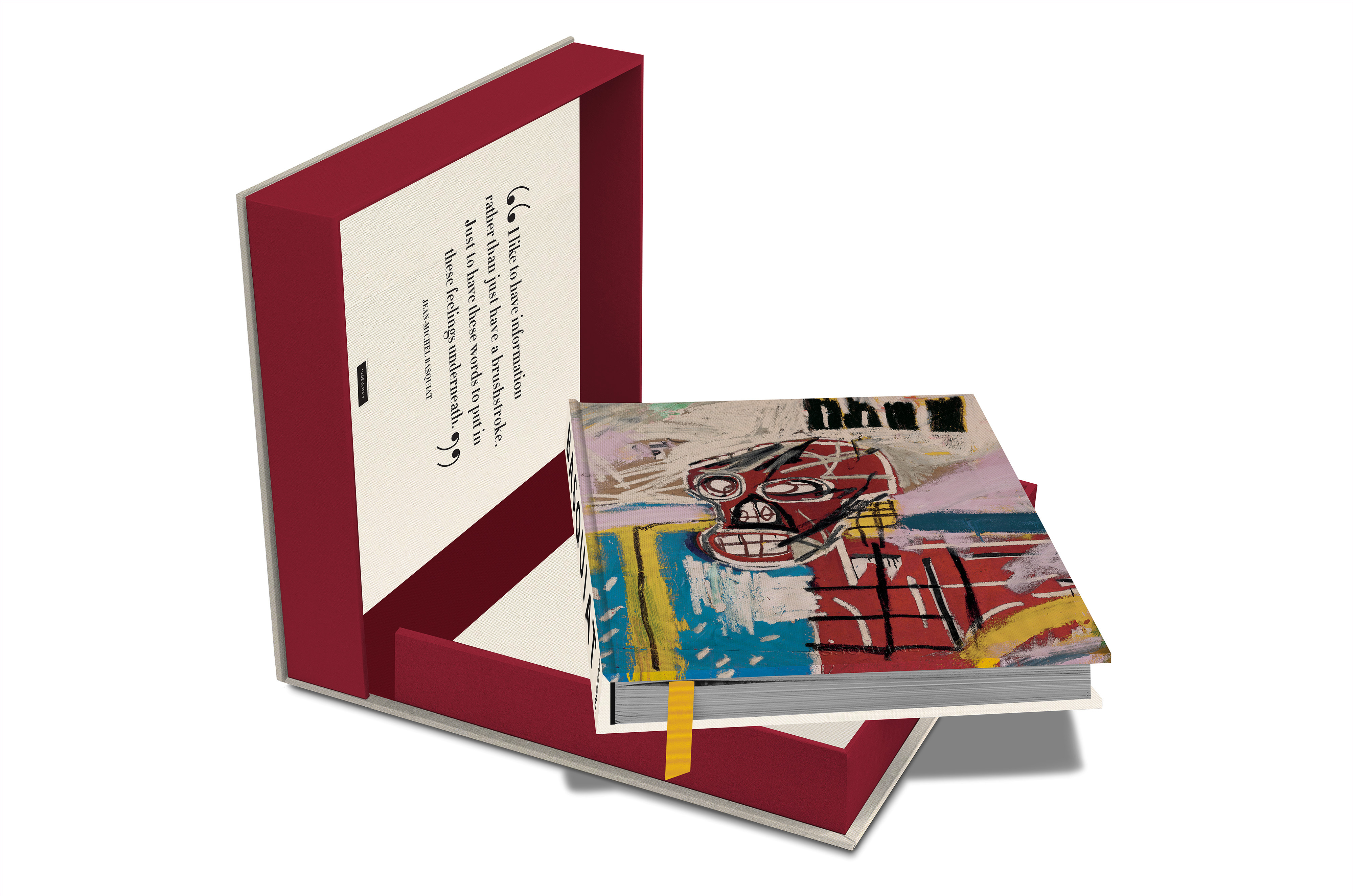
Assouline has released a new collector's book titled "Basquiat: The World of Jean-Michel," a 348-page volume featuring over 200 artworks and archival photographs of Jean-Michel Basquiat. Priced at $1,400, the book is part of the publisher's Ultimate Collection of large-format, hand-bound volumes, and is organized thematically into six chapters covering Basquiat's depictions of heads, New York City's influence on his work, his use of silkscreens, and spiritual themes.

Book reveals how Chintz—India’s precious textile pattern—became a precolonial global export

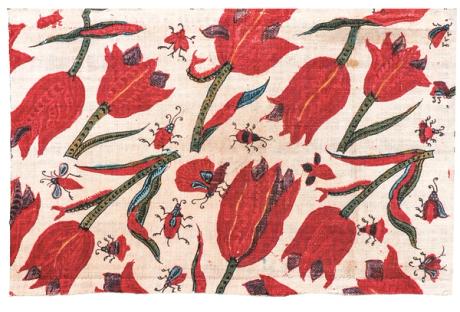
A new book titled *Chintz: Indian Cotton Textiles from the Karun Thakar Collection* explores the history of chintz, a block-printed Indian textile pattern that was traded globally for over a thousand years before European colonialism. Based on one of the world's largest textile collections, the volume features essays by 12 scholars and traces how these intricately designed cloths traveled to Japan, Indonesia, France, and Britain, influencing local fashions and sparking cross-cultural exchange. The book highlights the challenges of studying textiles from oral societies, where makers remain unnamed and many pieces have not survived.

Art bartering: artists start viral social media trend to fight cost of living crisis

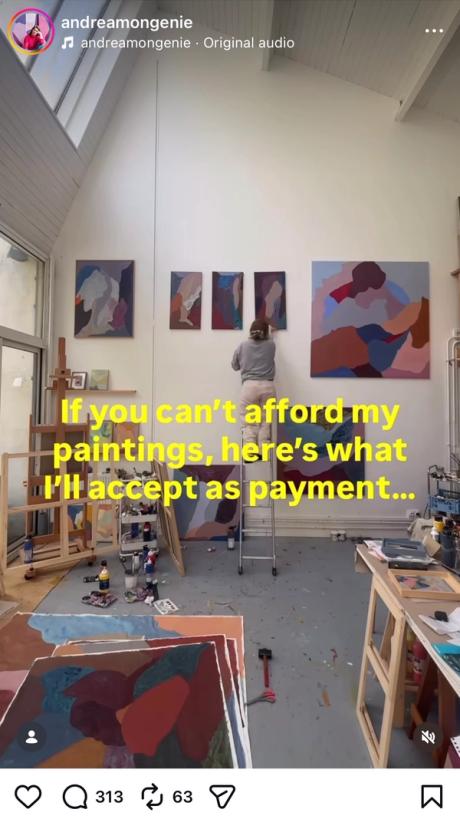
Artists worldwide are using social media platforms like Instagram and TikTok to barter their artwork for goods and services instead of money, in a viral trend responding to the cost of living crisis. Participants trade paintings for items such as handmade clothes, jewelry, tattoos, accommodation, meals, and professional services like video editing or framing, with some simply inviting offers. Artists like Lin Snow, Oli Fowler, and Andrea Mongenie cite economic pressures and anti-capitalist motivations, viewing bartering as a way to build community and bypass financial systems that leave creatives struggling.

This is fucking Disneyland

"Das ist fucking Disneyland"

The article surveys recent German cultural commentary, highlighting three main stories: art historian Bénédicte Savoy's warning in the FAZ about the physical decay of German universities, particularly the Technical University of Berlin, as a threat to democratic culture; Berlin artist Charlie Stein's essay on anxiety as a pervasive contemporary condition and art's role in making it visible; and critic Rachel Wetzler's harsh review of the Venice Biennale in Artforum, calling it an overwhelming 'theme park' version of the art world. Additionally, Nikolaus Bernau defends expert juries in the Tagesspiegel, using the Biennale's jury crisis as a case study.

The 10 Best Venice Films

Die 10 besten Venedig-Filme

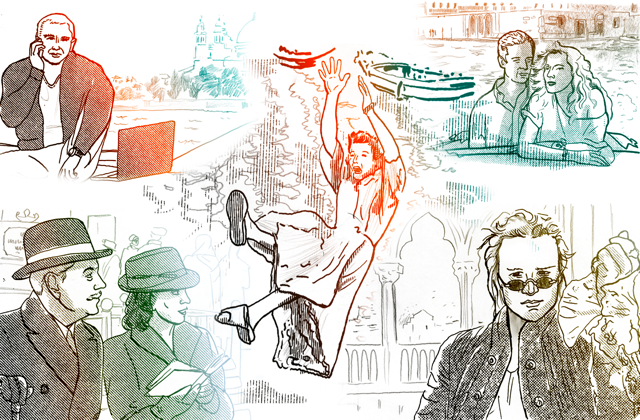
Monopol magazine has published a ranking of the ten best films set in Venice, timed to coincide with the opening of the Venice Art Biennale. The list includes titles such as Steven Spielberg's "Indiana Jones and the Last Crusade" (1989), Joseph L. Mankiewicz's "The Honey Pot" (1967), and Kenneth Branagh's "A Haunting in Venice" (2023), highlighting how the lagoon city serves as a central character in action films, comedies, and love dramas.

Glimpse the Fantastical Animated World of ‘Wildwood’

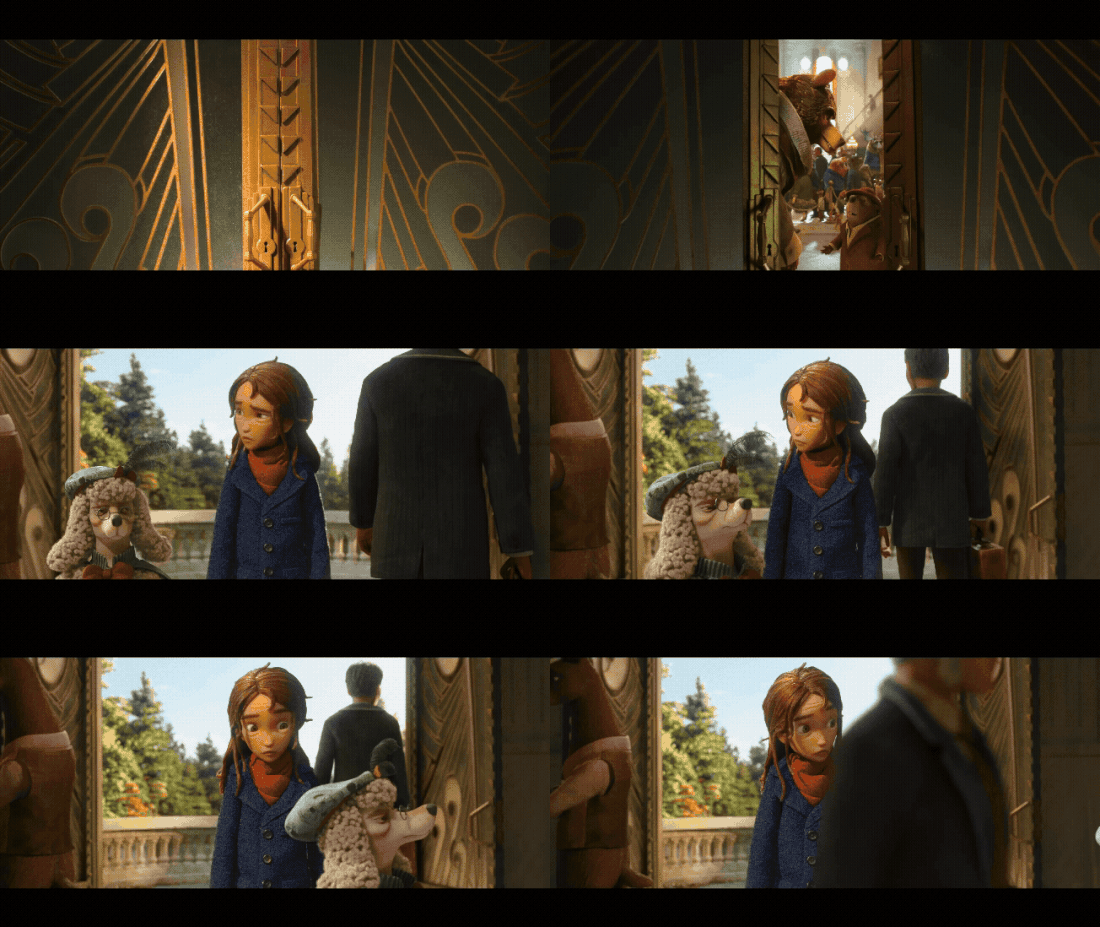
A feature-length animated film adaptation of the young adult novel *Wildwood* is in production at LAIKA Studios, directed by Travis Knight. The story follows a girl named Prue who ventures into a magical forest called the Impassable Wilderness after her baby brother is carried off by crows, accompanied by her classmate Curtis. The film is based on an original story by Colin Meloy, illustrated by Carson Ellis, and features a voice cast including Carey Mulligan, Mahershala Ali, Awkwafina, and Angela Bassett. A behind-the-scenes featurette highlights LAIKA's blend of hand-built puppets, sets, and CGI, with particular attention to animating the bird characters of the Avian Principality. The trailer is released, and the film is scheduled for release on October 23.

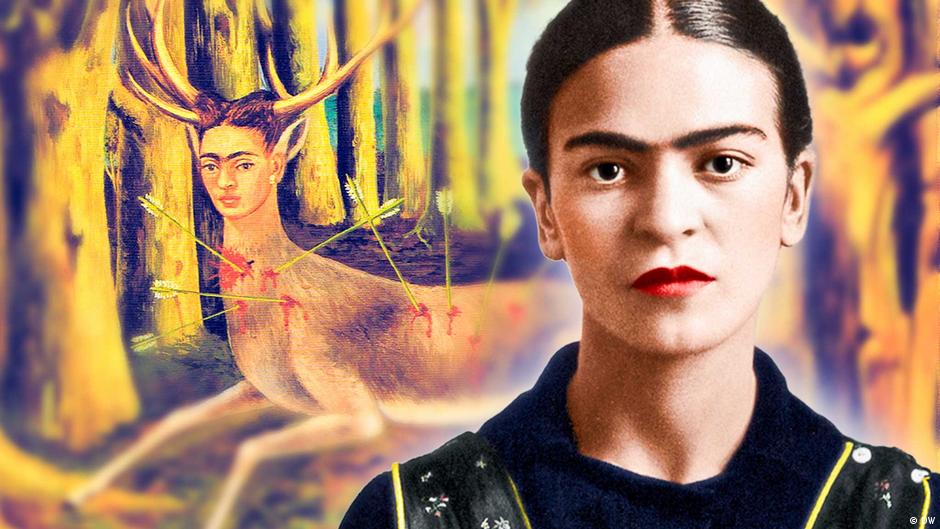
Art Born of Pain: Frida Kahlo

This article is a promotional piece for the DW English program 'Arts Unveiled,' highlighting several upcoming segments. It announces the start of the 61st Venice Biennale, the world's largest art exhibition, and poses questions about its standout features and art's role in times of crisis. Other segments explore the American Dream as a nightmare on the 250th anniversary of US independence, and feature Indigenous artist Britta Marakatt-Labba, who creates embroidered polar landscapes reflecting Sámi culture.

Karmic Modernism. In Conversation with Elizabeth Englander by Nick Irvin

Elizabeth Englander, an artist working primarily in assemblage with materials like children's furniture, nutcrackers, and old clothing, discusses her recent exhibitions and spiritual approach to art in an interview with Nick Irvin for Flash Art. The conversation covers her show "The Elizabethan Lumber Room" (2026) at a. SQUIRE in London, the modular barrister's bookcase inherited from her mother, and her "Parinirvana" series (2025) that explores themes of death and sacred art through papier-mâché, paint, and mylar. Englander also references influences such as Constantin Brâncuși, her graduate advisor Tom Weaver, and Erwin Panofsky's writings on tomb sculpture.

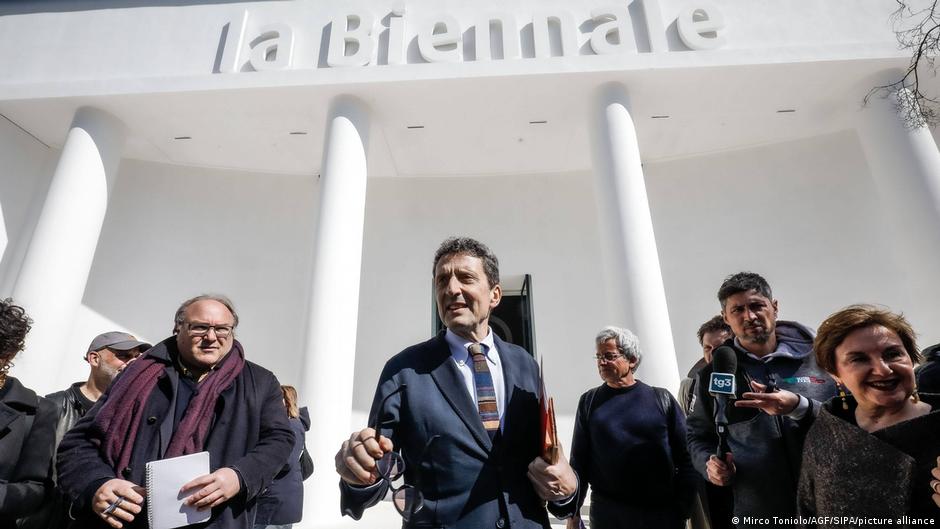
Venice Biennale: Is art ever separate from politics?

The article, published by DW, examines the ongoing debate about the relationship between art and politics, using the Venice Biennale as a case study. It highlights how the 2024 edition of the Biennale has become a platform for political statements, particularly regarding Russia's exclusion from the event following its invasion of Ukraine, and the broader question of whether cultural institutions can remain neutral in times of geopolitical conflict.