filter_list Showing 6 results for "Forma" close Clear
dashboard All 58 museum exhibitions 38article culture 6article news 5article local 4trending_up market 2candle obituary 1article policy 1rate_review review 1
date_range Range Today This Week This Month All
Subscribe

The Art Diary May 2026 – Revd Jonathan Evens

The article titled "The Art Diary May 2026 – Revd Jonathan Evens" appears to be a diary or column by Revd Jonathan Evens, published on Artlyst, covering art-related events, reflections, or commentary for May 2026. The specific content is not provided in the snippet, but the format suggests a curated overview of exhibitions, cultural happenings, or personal observations from the author's perspective.
This Years Met Gala Felt More Like an Art Exhibition Than a Red Carpet

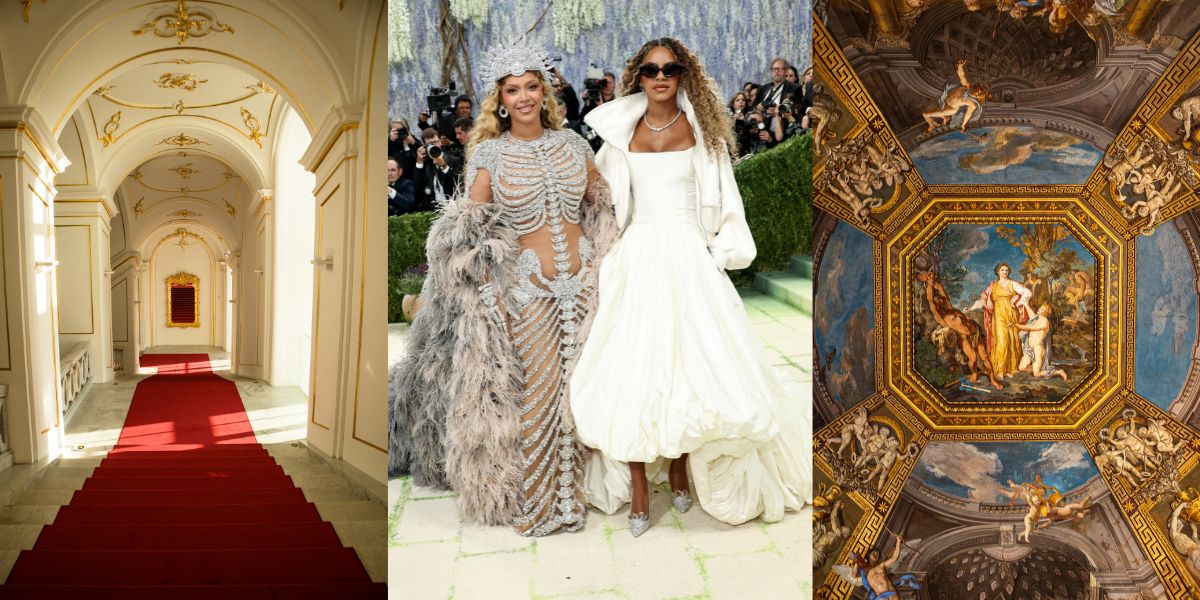
The 2026 Met Gala, held on May 4 at the Metropolitan Museum of Art in New York, was widely described as feeling more like an art exhibition than a traditional red carpet. The theme, "Costume Art," with the dress code "Fashion Is Art," encouraged celebrities to treat their bodies as canvases. Beyoncé made a highly anticipated return after a decade, serving as a co-chair alongside Nicole Kidman, Venus Williams, and Anna Wintour. Beyoncé wore a sculptural skeleton-inspired design by Olivier Rousteing, while Kiddon wore a shimmering red Chanel gown and Williams donned a Swarovski crystal gown inspired by her Smithsonian portrait. Other notable looks included Sabrina Carpenter in a Dior dress made from vintage film strips, Kendall Jenner referencing classical sculpture, Madonna channeling surrealist painter Leonora Carrington, and Heidi Klum arriving as a marble statue. Inside, live performances by Sabrina Carpenter and Stevie Nicks added to the spectacle.

How Art Libraries Make Art Accessible

Wie Artotheken Kunst zugänglich machen

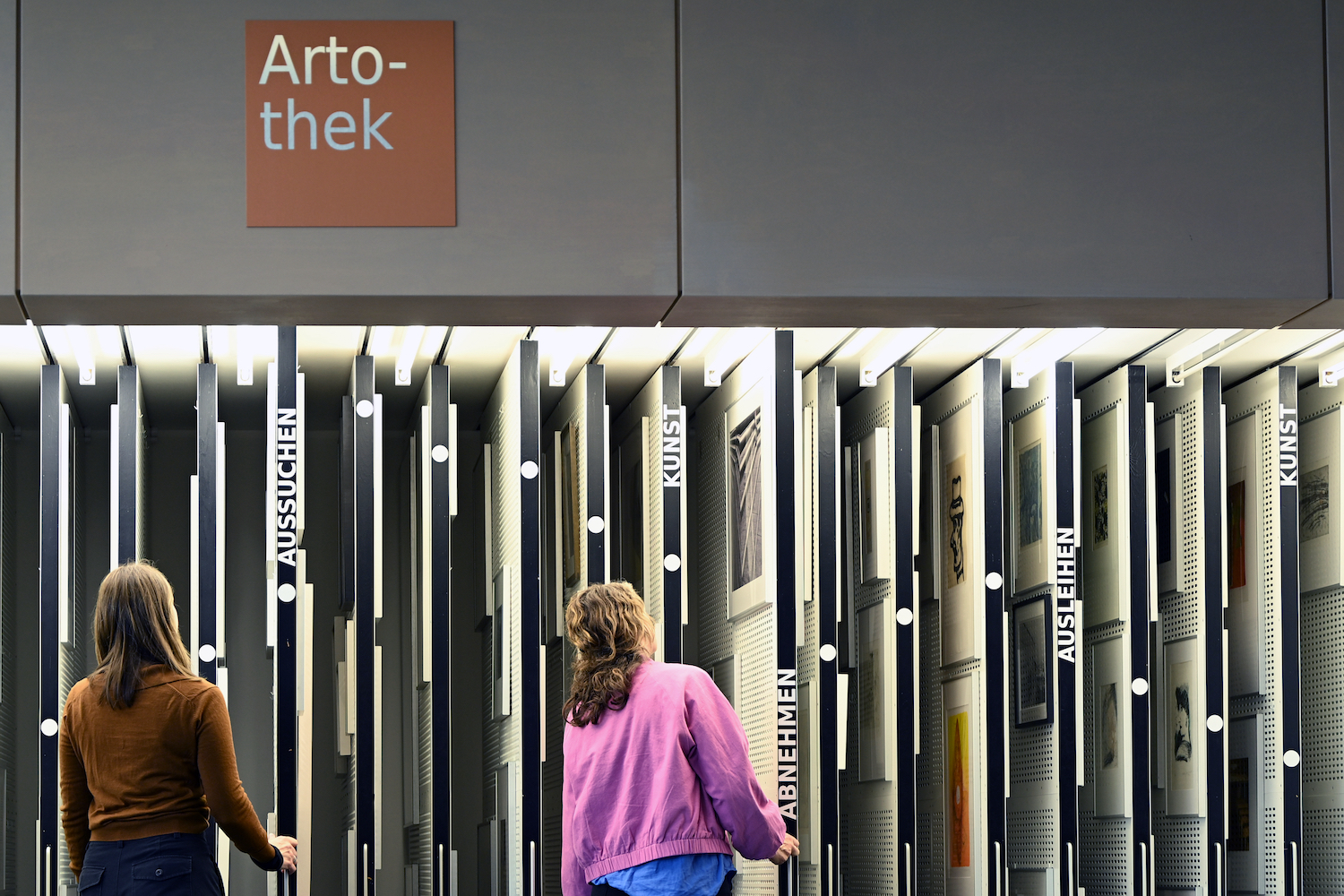
Artotheken, or art libraries, are public institutions that lend artworks to anyone with a library card, making art accessible beyond the traditional museum or gallery system. In Germany, over 100 such artotheken exist, often housed in public libraries, art associations, or museums. The Amerika-Gedenkbibliothek in Berlin, for example, has a collection of 2,000 works, with around 300 currently on loan to homes, doctors' offices, and law firms. The lending process is informal: borrowers can eat, drink, and even touch the works, and transport by bus or bike is encouraged. A jury selects up to 15 new works annually, and the collection includes major names like Roy Lichtenstein and Niki de Saint Phalle, though most users choose pieces based on personal connection rather than prestige.

How the adoption of canvas in Venice changed the way artists painted

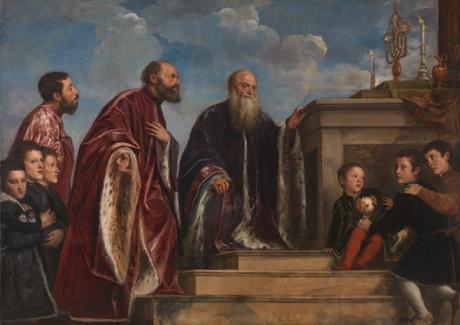
Art historian Cleo Nisse has published a new book, *Venetian Canvas and the Transformation of Painting*, examining how 16th-century Venetian painters such as Titian, Veronese, and Tintoretto pioneered the use of canvas as a painting support. Nisse reveals that canvas was not a uniform material—artists experimented with different weaves, including tabby and herringbone patterns, and even repurposed sailcloth and tablecloth-quality fabrics to achieve specific visual effects. The book argues that canvas was already familiar in the late Middle Ages for banners and alternatives to tapestry, and that Vittore Carpaccio was the first master of the medium, varying canvas types for expressive purposes in his *Legend of St Ursula* series.

Vanités contemporaines

The article explores the enduring relevance of still life and vanitas in contemporary art, tracing their evolution from the biblical proclamation "Vanity of vanities; all is vanity" through modern masters like Paul Cézanne, Pablo Picasso, and Giorgio Morandi to contemporary practitioners such as Claudio Parmiggiani. It highlights how artists continue to use everyday objects—compotes, skulls, pitchers, apples—as vehicles for formal experimentation and philosophical reflection, with still life serving as a minimalist device that allows infinite plastic research.

Die Welt als Sound – mit Peter Licht

Peter Licht, a German musician, author, and playwright, appears as a guest on the 82nd episode of the "Fantasiemuskel" podcast, where he discusses his view of the world as a sound phenomenon. He reflects on his 2006 song "Lied vom Ende des Kapitalismus," which preceded the 2008 financial crisis, and explores how language, fear, and utopian moments manifest through sound in his work—whether in pop songs, theater pieces, or novels. Licht also describes a recent "problem-solving show" at Schauspiel Köln, where audience members submit problems that are collectively sung, turning singing into an act of resistance and community-building.