filter_list Showing 39 results for "Function" close Clear
dashboard All 351 museum exhibitions 168article news 43article culture 39article local 38trending_up market 25person people 14candle obituary 10rate_review review 10article policy 4
date_range Range Today This Week This Month All
Subscribe

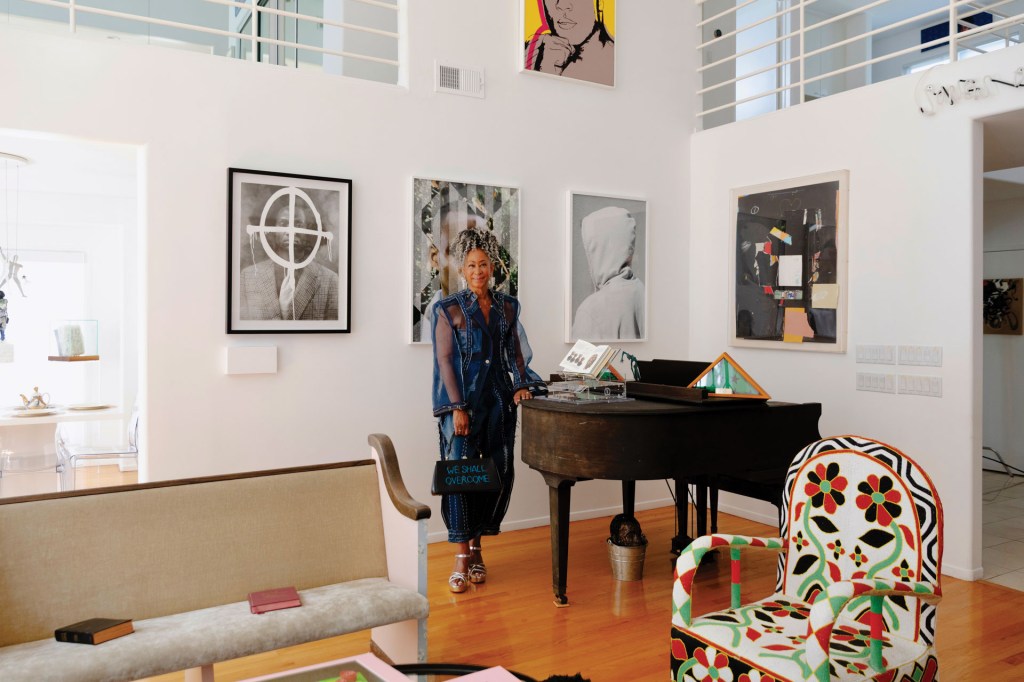
v joy simmons collection tour baldwin hills home 1234756282

V. Joy Simmons, a Los Angeles-based physician and longtime art collector, opened her Baldwin Hills home to ARTnews for a tour of her extensive collection. The house features over 150 objects, including stained-glass windows by Varnette Honeywood and Joyce Dudnick, a site-specific column installation by Lauren Halsey, and works by Elizabeth Catlett, Romare Bearden, Kerry James Marshall, Mark Bradford, Kehinde Wiley, and Carrie Mae Weems, among many others. Simmons began collecting in the 1970s with a $50 lithograph by Catlett and has since built a collection that spans generations of Black artists, often juxtaposing older and younger artists in her displays.
The Philosopher Who Predicted Our Post-Literate Art Moment

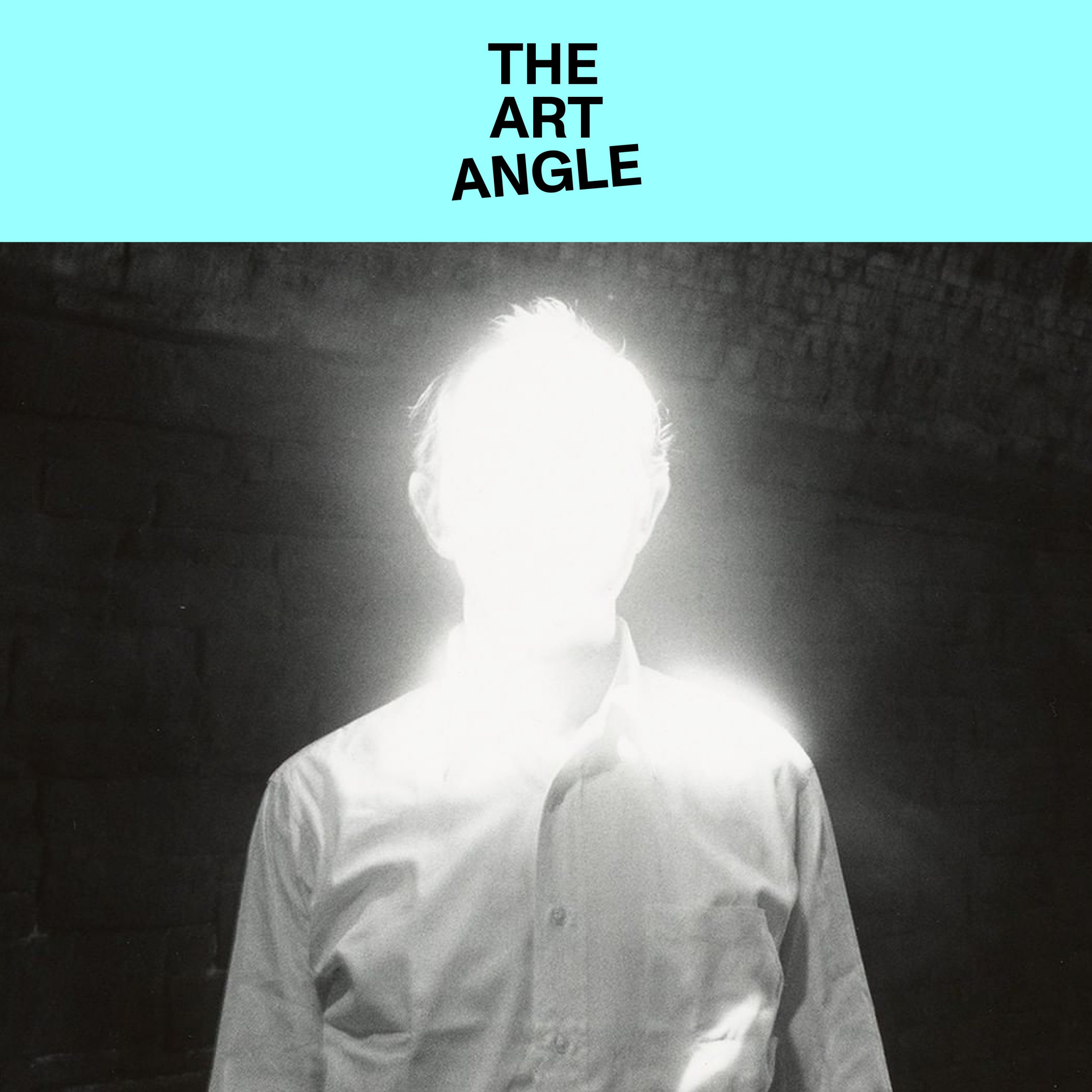
Art critic Martha Schwendener has released a new book titled 'The Society of the Screen: Vilém Flusser’s Radical Prescience,' exploring the prophetic theories of the late philosopher Vilém Flusser. Flusser, a Prague-born thinker who lived in Brazil and Europe, argued in the 1980s that society was transitioning from a text-based culture to one dominated by 'technical images,' a shift he believed would fundamentally alter human consciousness and the function of the 'apparatus' in daily life.

Art as Memorial in Lotusland

The article "Art as Memorial in Lotusland" by Aleina Grace Edwards appears in the February 2026 issue of Contemporary Art Review LA (CARLA). It is part of a larger issue exploring themes like scent in art, tarot, social urgencies in curation, and video art, positioning it within a critical discussion of contemporary art practices in Los Angeles.

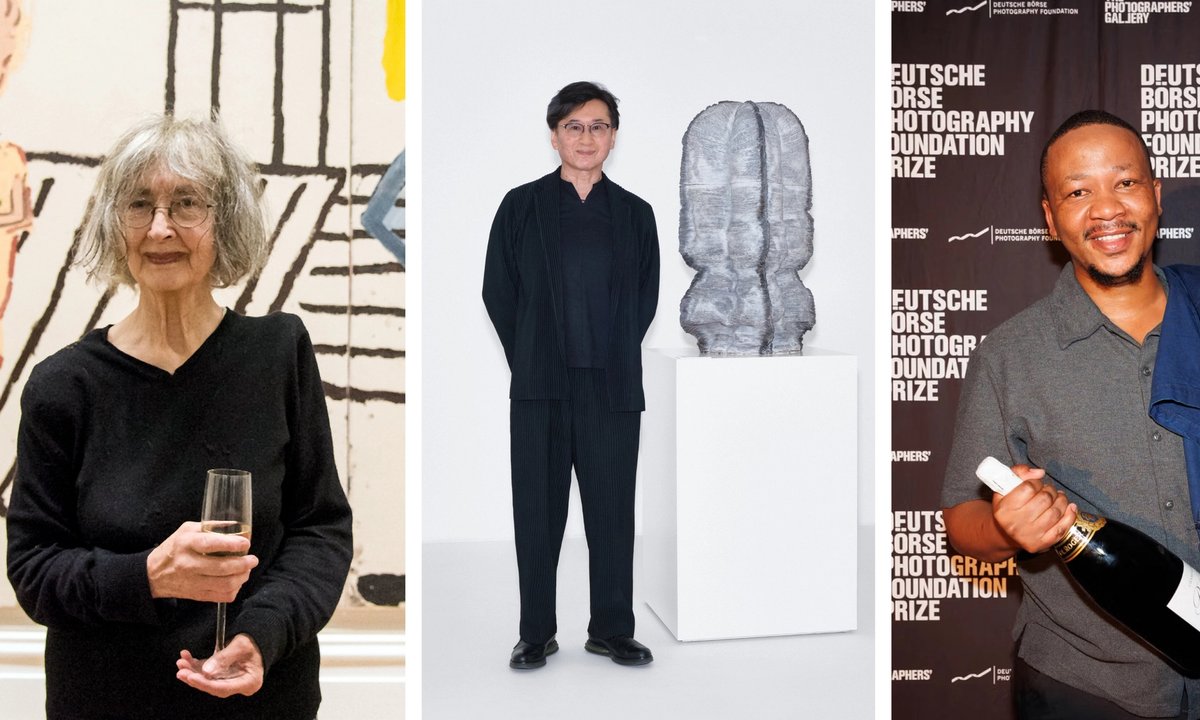
What does winning an arts prize really mean?

The article examines the history and impact of major art prizes, including the Turner Prize (established 1984), the John Moores Painting Prize (nearly 70 years old), and the Loewe Foundation Craft Prize (annual award). It traces the origins of art prizes back to 19th-century Paris salons and highlights how these awards provide cash, recognition, and career acceleration for artists. Specific examples include Rose Wylie, who won the John Moores Prize at age 80 and later joined David Zwirner and secured a Royal Academy solo show, and Samuel Ross, who used his Hublot Design Prize winnings to start his own company.

severance dieter rams braun vitsoe 2615541

The article examines the use of two iconic minimalist designs—the Vitsœ 620 chair and a Braun wall-mounted hi-fi system—in the Apple TV+ series *Severance*. Both objects were designed by German industrial designer Dieter Rams in the 1960s and appear in the show's dystopian corporate setting, specifically in the lower levels of Lumon Industries where experimental subject Gemma undergoes tests. The production team intentionally selected these pieces to convey themes of power, control, and commerce.

sylvester stallones palm beach house has works by warhol condo botero and many other contemporary art stars 1234751983

Sylvester Stallone and Jennifer Flavin's Palm Beach home, featured in a Veranda profile, showcases their extensive contemporary art collection. The house includes works by Andy Warhol, George Condo, Damien Hirst, Bridget Riley, Fernando Botero, Rashid Johnson, Sterling Ruby, and LeRoy Neiman, among others. Stallone, who began collecting at age 16, treats the home as a constantly rotating gallery, with a long hallway kept blank for changing displays and a dining room anchored by a Hirst mosaic and Condo abstract. The collection is integrated into daily life, with art hanging in the screening room, entry, and even near the gym.

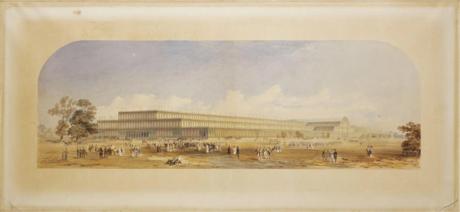
The story of London's Great Exhibition, as seen through the eyes of artists

Julius Bryant’s new book, the fourth volume in his history of the Victoria and Albert Museum, re-examines the 1851 Great Exhibition through its visual legacy. By analyzing paintings, prints, and ephemera—including the vast archive of Charles Wentworth Dilke—Bryant reconstructs the 'Crystal Palace' experience, highlighting the youth of its organizers and the staggering speed of its construction. The narrative shifts focus away from traditional social theory toward the actual visual evidence of the event, from David Roberts’s massive panoramic paintings to the 235 sculptures that defined the era's artistic output.

alejandro jodorowsky taschen art sin fin monograph 2739606

Taschen has released a monumental two-volume monograph titled "Art Sin Fin" (2026) dedicated to the 96-year-old Chilean filmmaker and polymath Alejandro Jodorowsky. The book, priced at $1,500 and packaged in a Plexiglass box, spans over 2,000 pages and includes film stills, collages, drawings, photographs, comic strips, and performance images curated by Jodorowsky himself in collaboration with Donatien Grau, head of contemporary programs at the Louvre Museum. It covers his entire career, from his surrealist films "El Topo" (1970) and "The Holy Mountain" (1973) to his failed "Dune" adaptation, his comic series like "The Incal" and "The Metabarons," his psychomagic therapy practice, and recent collaborations with his wife Pascale Montandon.

paul pfeiffer religion prescient nba basketball justin bieber 1234753223

Paul Pfeiffer's studio visit reveals his ongoing exploration of media spectacles, particularly through his "Four Horsemen of the Apocalypse" series (2001–), which digitally isolates NBA basketball players by erasing teammates, opponents, and jersey details from archival images. The artist discusses his counterintuitive relationship to sports, his intense Christian upbringing in Hawaii and the Philippines, and the influence of horror films like "The Exorcist" on his work, which examines the religious undertones of secular activities and the mechanics of voyeurism.

How to Feel the Benefits of Art, According to Psychologists

Recent psychological research confirms that engaging with visual art provides significant physical and mental health benefits, including the alleviation of depression, anxiety, and stress. Studies indicate that viewing art can also enhance cognitive functioning and social skills, prompting new initiatives to explore the specific mechanisms behind these wellness improvements.

The Poetics of Error Between Art and Architecture

La poetica dell’errore tra arte e architettura

This essay challenges the historical obsession with perfection in architecture and art, rooted in Hegelian philosophy where beauty is equated with truth and flawlessness. It argues that the pursuit of the 'ideal' is a cognitive bias that ignores the value of complexity and structural failure. By reframing the 'error' not as a mistake but as a generative method, the text suggests that imperfection is often what elevates a work to the status of a masterpiece.

Trevor Paglen’s New Book Says AI Is Rewriting What Images Do

Artist Trevor Paglen has published a new book, *How to See Like a Machine: Images After AI*, which argues that generative AI and computer vision are fundamentally changing how images function in culture. Drawing on his decade-long practice, Paglen contends that images are no longer merely representations for human interpretation but have become operational tools—'activations' that trigger automated responses and shape reality. He cites examples such as surveillance cameras at grocery stores, the Samsara navigation system in trucks, and the ImageNet database to illustrate how machine vision systems normalize surveillance in service of capital, a phenomenon he terms 'machine realism.'

Chicago: Model City by Mark Acciari

Native Chicagoan architect and artist Mark Acciari reflects on the architectural identity of Chicago from the distance of Mexico City. Using the iconic imagery of a Chicago-style hot dog as a metaphor for the city's construction, he explores how the city's legacy is often reduced to the 'skeleton frame' of early modernism by critics, while ignoring its more playful, symbolic, and postmodernist undercurrents.

What Role Do Galleries Play in the Art World?

Maxwell Rabb's article explains the fundamental role of commercial art galleries in the art world, tracing their evolution from 19th-century Parisian storefronts like Goupil & Cie to contemporary spaces. It highlights how galleries function as private businesses that showcase and sell artworks, support artists, organize exhibitions, and connect with collectors, curators, and institutions. The piece also addresses the perception of galleries as exclusive spaces while noting they are often free and open to the public, serving as a bridge between the art world and curious visitors.

What Art Can Do

A conversation between German author and filmmaker Alexander Kluge and curator Hans Ulrich Obrist, originally published in 2017, has been republished following Kluge's recent death at age 94. The dialogue explores the unique capacities of different art forms, the need for interdisciplinary collaboration, and the role of art as an "oasis" or "garden" within an overwhelming technological landscape.

The Narrow Corridor of Normality

Der schmale Korridor der Normalität

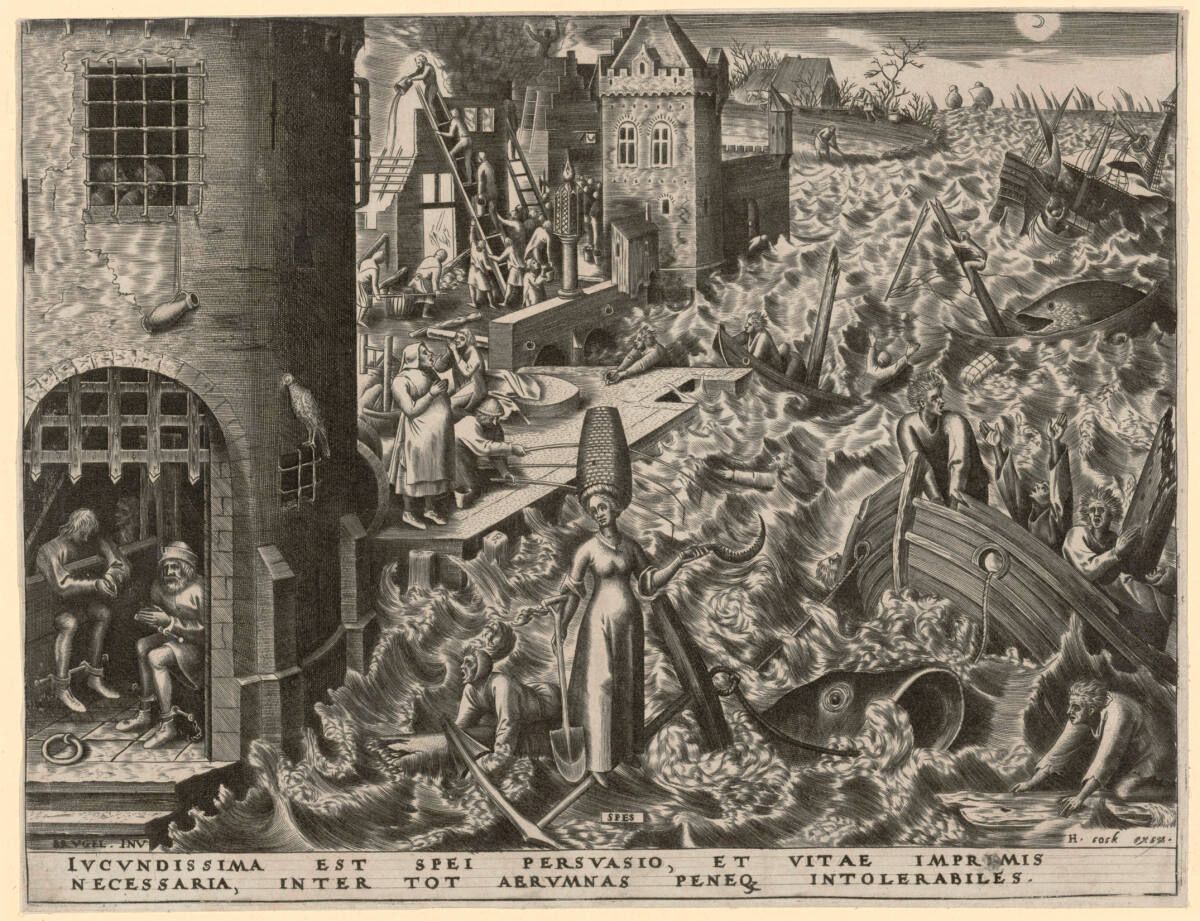
Artist Beate Gütschow reflects on Pieter Bruegel the Elder’s 16th-century engraving "Spes" (Hope), which she encountered during a visit to the Kunstmuseum Basel. The artwork depicts a personified figure of Hope standing amidst a chaotic scene of shipwrecks and flooding, symbolizing the necessity of maintaining focus and action even in the face of overwhelming disaster.

In plane sight: how the gilded elite live – in pictures

Photographer Will Vogt's second monograph, *Behind the Hedges*, offers an intimate glimpse into the lives of America's gilded elite, featuring images of his own social circle at hunting estates, weddings, exclusive club lunches, and golf weekends. The book, published by Schilt Publishing, includes quotes by Vogt and text by editor Jennifer Garza-Cuen from her essay 'Posture of Privilege,' capturing a world of inherited wealth and tradition.

Gangnam styles: South Korea’s brutalist gems – in pictures

Photographer Paul Tulett has captured the stark, concrete landscapes of South Korea in his new book, *Brutalist Korea*, published by Prestel. The photo series highlights a range of architectural landmarks, from Tadao Ando’s minimalist Jeju Glass House and Zaha Hadid’s futuristic Dongdaemun Design Plaza to the playful geometry of the Paju Kindergarten. Tulett’s work documents how the raw, monumental aesthetic of Brutalism has evolved from the country’s postwar industrialization into a sophisticated tool for modern urban experimentation.

Ida Ekblad’s Experimental Space Where Artists Come to Play

Artist Ida Ekblad has converted a 1960s Brutalist villa in Oslo into a dynamic, non-commercial studio and project space named 'Villa Ekblad.' The space serves as her primary studio but is also designed to host spontaneous collaborations, workshops, and experimental projects with other artists, functioning as a creative laboratory removed from market pressures.

The Museum Breathing Life Into New York's Downtown Performance Scene

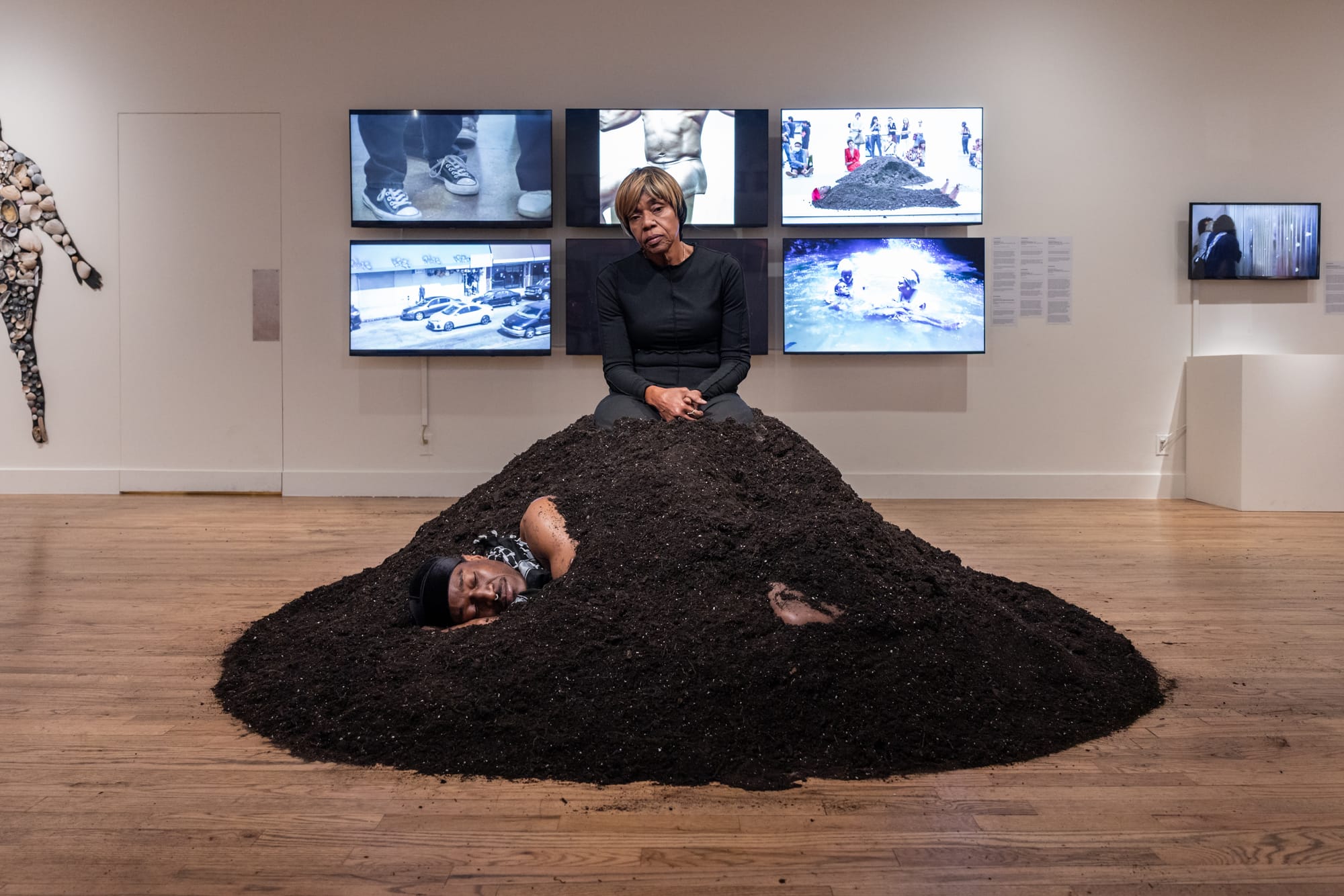
The Leslie-Lohman Museum of Art in SoHo has emerged as a vital hub for New York’s downtown performance scene through its intergenerational exhibition, "Sacred and Profane." Featuring a collaborative residency between poet Pamela Sneed and performance artist Carlos Martiel, the programming centers on themes of Black maternal grief, queer identity, and the exhumation of suppressed histories. Recent performances included Martiel’s "No Resurrection," a ritualistic piece involving his mother and a mound of earth, and Sneed’s readings that address the collective trauma and "urgent care" status of the LGBTQ+ community.

How Digital Animation Can Help Audiences Understand Installation Art Before They Experience It in Person

The article examines the inherent limitations of traditional photography in documenting installation art, arguing that static images fail to convey the experiential qualities of scale, sequence, and audience interaction central to the medium. It uses Olafur Eliasson's iconic 'The Weather Project' as a prime example of a work whose atmospheric and social dimensions are lost in photographic reproduction.

A Place of Perpetual Warmth: Hyde Park Art Center and the Making of Chicago’s Creative Identity

The Hyde Park Art Center (HPAC) stands as a vital pillar of Chicago’s grassroots creative identity, serving for eighty-six years as an unpretentious alternative to the city's major encyclopedic museums. From its early days under curator Don Baum, the center became a catalyst for the avant-garde, famously launching the careers of the Chicago Imagists and the Hairy Who. Today, it continues to function as a multifaceted ecosystem that blends community education, artist residencies, and experimental exhibitions within a residential neighborhood setting.

Introduction to the Dark Forest Theory of the Internet

The article explores the conceptual origins of the internet, tracing its development to figures like Douglas Engelbart and Jacques Vallée, whose work blended computing with cosmic and paranormal inquiry. It argues that early internet pioneers were deeply influenced by ideas of remote viewing, extrasensory perception, and the search for extraterrestrial intelligence, framing the network as a project of cognitive augmentation and alien encounter.

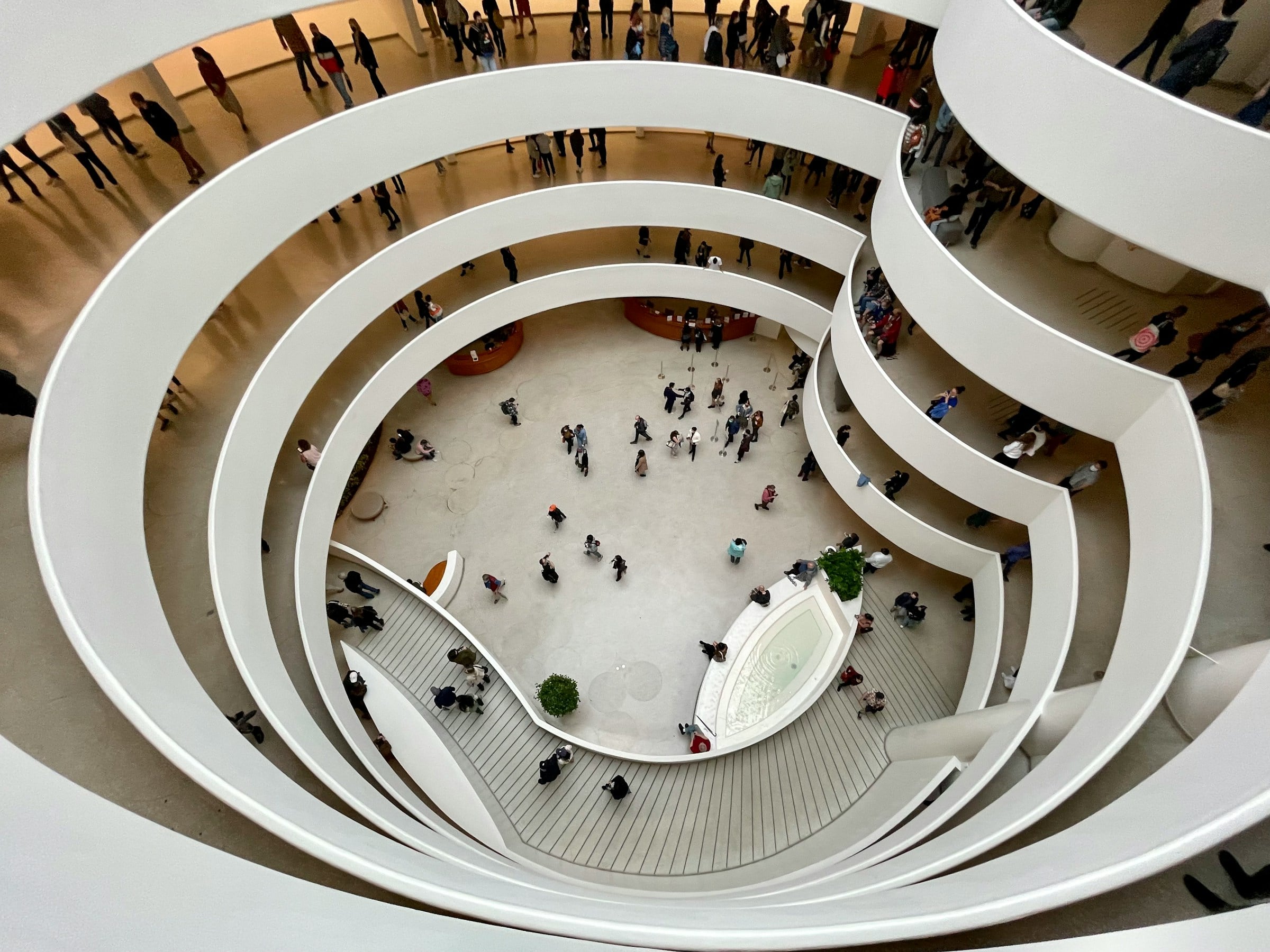
Museum: Art, Collections, and Exhibits

Museum - Art, Collections, Exhibits

This comprehensive overview traces the historical evolution of the museum from its origins as private royal collections and 'cabinets of curiosities' to the modern public institutions of the 21st century. It details the emergence of landmark spaces like the Ashmolean, the British Museum, and the Louvre, while examining how the 'museum boom' of the 20th century expanded these institutions globally across the United States, Asia, and Africa.

An English Countryside Home That Became Lovelier the More It Fell Apart

The article profiles the unique aesthetic and historical significance of Kettle's Yard, a house in Cambridge, England, created by Jim Ede. Ede, a former Tate curator, transformed a series of dilapidated cottages into a living work of art and a haven for modern artists in the mid-20th century. He filled the space with a carefully arranged collection of modern art, natural objects, and furniture, embracing the building's worn, imperfect character rather than restoring it to pristine condition.

Shopping Experience: How Has the Way of Experiencing Luxury Changed?

Shopping experience: com’è cambiato il modo di vivere il lusso?

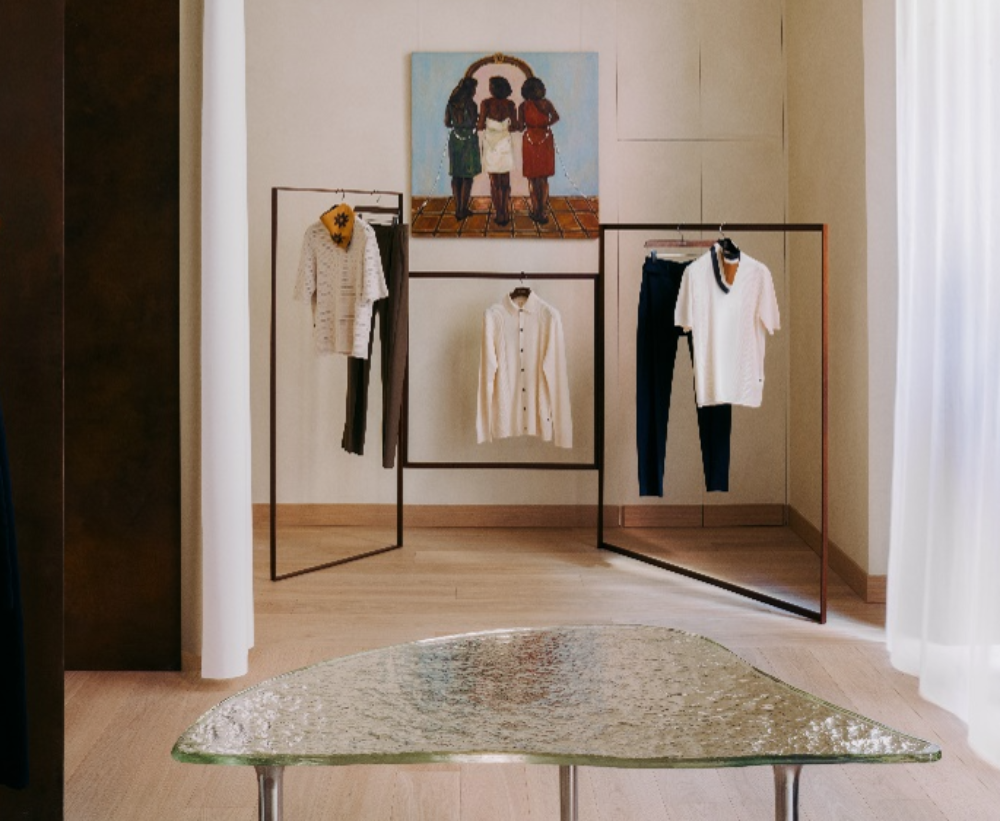
Luxury retail in Milan is undergoing a significant transformation, evolving from simple commercial spaces into 'cultural brandscapes' that blend art, design, and hospitality. Major fashion houses are redesigning their flagship stores to function as urban salons and living galleries, integrating site-specific art installations, historical architecture, and high-end gastronomy to foster community and tangible experiences in an increasingly digital world.

Zurich: Peripheral Presence. by Tibor Bielicky and Ellena Ehrl

Zurich’s urban landscape is defined by functionalist structures from the 1990s and early 2000s that serve as the 'understated backdrop' to daily life. These buildings, including the Signal Box by Gigon Guyer and the Telecap 2000 by Hans Ulrich Imesch, act as navigational markers at the city’s geographic choke points. Despite their significance in shaping the city's rhythm and internal choreography, many of these structures are now reaching the end of their first lifecycle and face the threat of demolition due to real estate speculation.

The Next Frontier in Design? The Humble Birdhouse.

Artists and architects are increasingly designing and creating elaborate, artistic birdhouses, elevating a common backyard object into a subject of creative expression and public art. This movement reflects a broader trend of engaging with nature and public space, blurring the lines between functional design, sculpture, and environmental commentary.

Console Tables That Fit In Anywhere

The article highlights a trend in contemporary furniture design, focusing on console tables that blend sculptural aesthetics with functional design. These pieces are characterized by their use of mixed materials and artistic lines, positioning them as versatile objects suitable for diverse interior spaces.

In Shaker Design, a Zeal for No Zeal

The New York Times explores the enduring influence of Shaker design on contemporary artists and designers, highlighting how its principles of simplicity, utility, and spiritual integrity resonate in today's world. The article features creators like furniture maker Thomas Moser and ceramicist Mary Law, who draw directly from Shaker aesthetics of plainness, proportion, and honest craftsmanship.