filter_list Showing 21 results for "Function" close Clear
dashboard All 153 museum exhibitions 84article culture 21article news 19article local 17person people 4candle obituary 3rate_review review 3trending_up market 2
date_range Range Today This Week This Month All
Subscribe

The Philosopher Who Predicted Our Post-Literate Art Moment

Art critic Martha Schwendener has released a new book titled 'The Society of the Screen: Vilém Flusser’s Radical Prescience,' exploring the prophetic theories of the late philosopher Vilém Flusser. Flusser, a Prague-born thinker who lived in Brazil and Europe, argued in the 1980s that society was transitioning from a text-based culture to one dominated by 'technical images,' a shift he believed would fundamentally alter human consciousness and the function of the 'apparatus' in daily life.
The story of London's Great Exhibition, as seen through the eyes of artists

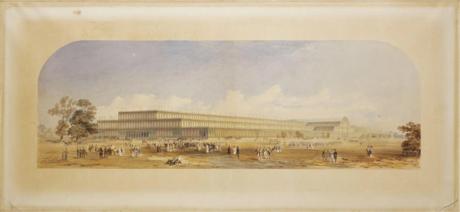
Julius Bryant’s new book, the fourth volume in his history of the Victoria and Albert Museum, re-examines the 1851 Great Exhibition through its visual legacy. By analyzing paintings, prints, and ephemera—including the vast archive of Charles Wentworth Dilke—Bryant reconstructs the 'Crystal Palace' experience, highlighting the youth of its organizers and the staggering speed of its construction. The narrative shifts focus away from traditional social theory toward the actual visual evidence of the event, from David Roberts’s massive panoramic paintings to the 235 sculptures that defined the era's artistic output.

How to Feel the Benefits of Art, According to Psychologists

Recent psychological research confirms that engaging with visual art provides significant physical and mental health benefits, including the alleviation of depression, anxiety, and stress. Studies indicate that viewing art can also enhance cognitive functioning and social skills, prompting new initiatives to explore the specific mechanisms behind these wellness improvements.

The Poetics of Error Between Art and Architecture

La poetica dell’errore tra arte e architettura

This essay challenges the historical obsession with perfection in architecture and art, rooted in Hegelian philosophy where beauty is equated with truth and flawlessness. It argues that the pursuit of the 'ideal' is a cognitive bias that ignores the value of complexity and structural failure. By reframing the 'error' not as a mistake but as a generative method, the text suggests that imperfection is often what elevates a work to the status of a masterpiece.

Trevor Paglen’s New Book Says AI Is Rewriting What Images Do

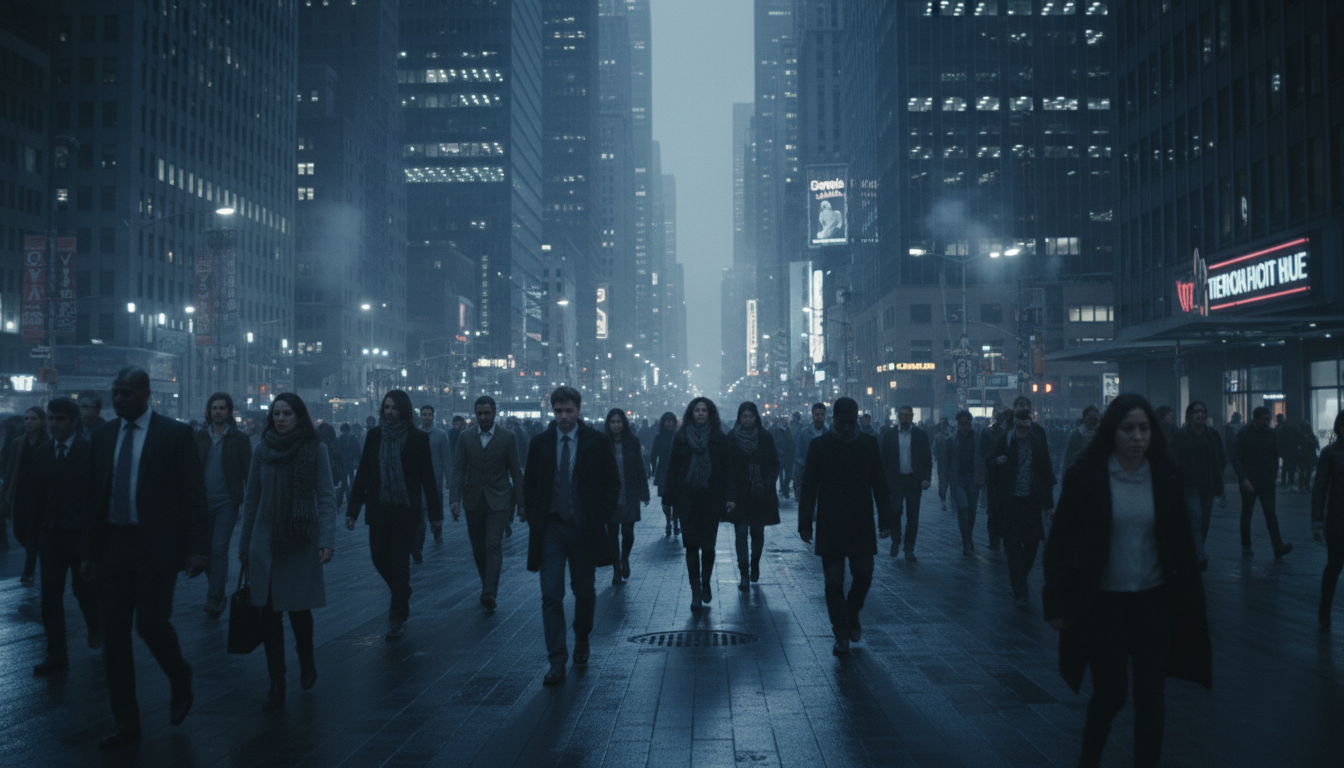
Artist Trevor Paglen has published a new book, *How to See Like a Machine: Images After AI*, which argues that generative AI and computer vision are fundamentally changing how images function in culture. Drawing on his decade-long practice, Paglen contends that images are no longer merely representations for human interpretation but have become operational tools—'activations' that trigger automated responses and shape reality. He cites examples such as surveillance cameras at grocery stores, the Samsara navigation system in trucks, and the ImageNet database to illustrate how machine vision systems normalize surveillance in service of capital, a phenomenon he terms 'machine realism.'

The Narrow Corridor of Normality

Der schmale Korridor der Normalität

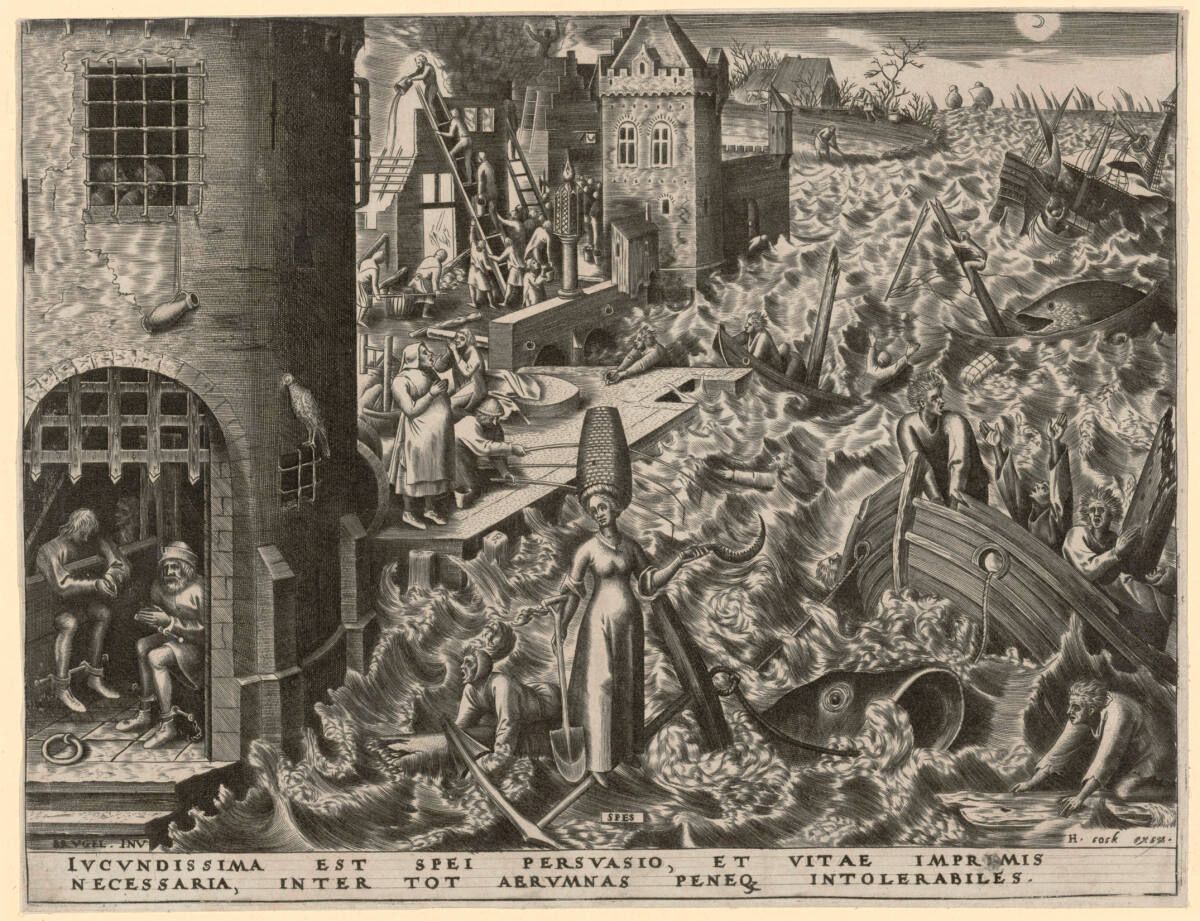
Artist Beate Gütschow reflects on Pieter Bruegel the Elder’s 16th-century engraving "Spes" (Hope), which she encountered during a visit to the Kunstmuseum Basel. The artwork depicts a personified figure of Hope standing amidst a chaotic scene of shipwrecks and flooding, symbolizing the necessity of maintaining focus and action even in the face of overwhelming disaster.

In plane sight: how the gilded elite live – in pictures

Photographer Will Vogt's second monograph, *Behind the Hedges*, offers an intimate glimpse into the lives of America's gilded elite, featuring images of his own social circle at hunting estates, weddings, exclusive club lunches, and golf weekends. The book, published by Schilt Publishing, includes quotes by Vogt and text by editor Jennifer Garza-Cuen from her essay 'Posture of Privilege,' capturing a world of inherited wealth and tradition.

Gangnam styles: South Korea’s brutalist gems – in pictures

Photographer Paul Tulett has captured the stark, concrete landscapes of South Korea in his new book, *Brutalist Korea*, published by Prestel. The photo series highlights a range of architectural landmarks, from Tadao Ando’s minimalist Jeju Glass House and Zaha Hadid’s futuristic Dongdaemun Design Plaza to the playful geometry of the Paju Kindergarten. Tulett’s work documents how the raw, monumental aesthetic of Brutalism has evolved from the country’s postwar industrialization into a sophisticated tool for modern urban experimentation.

The Museum Breathing Life Into New York's Downtown Performance Scene

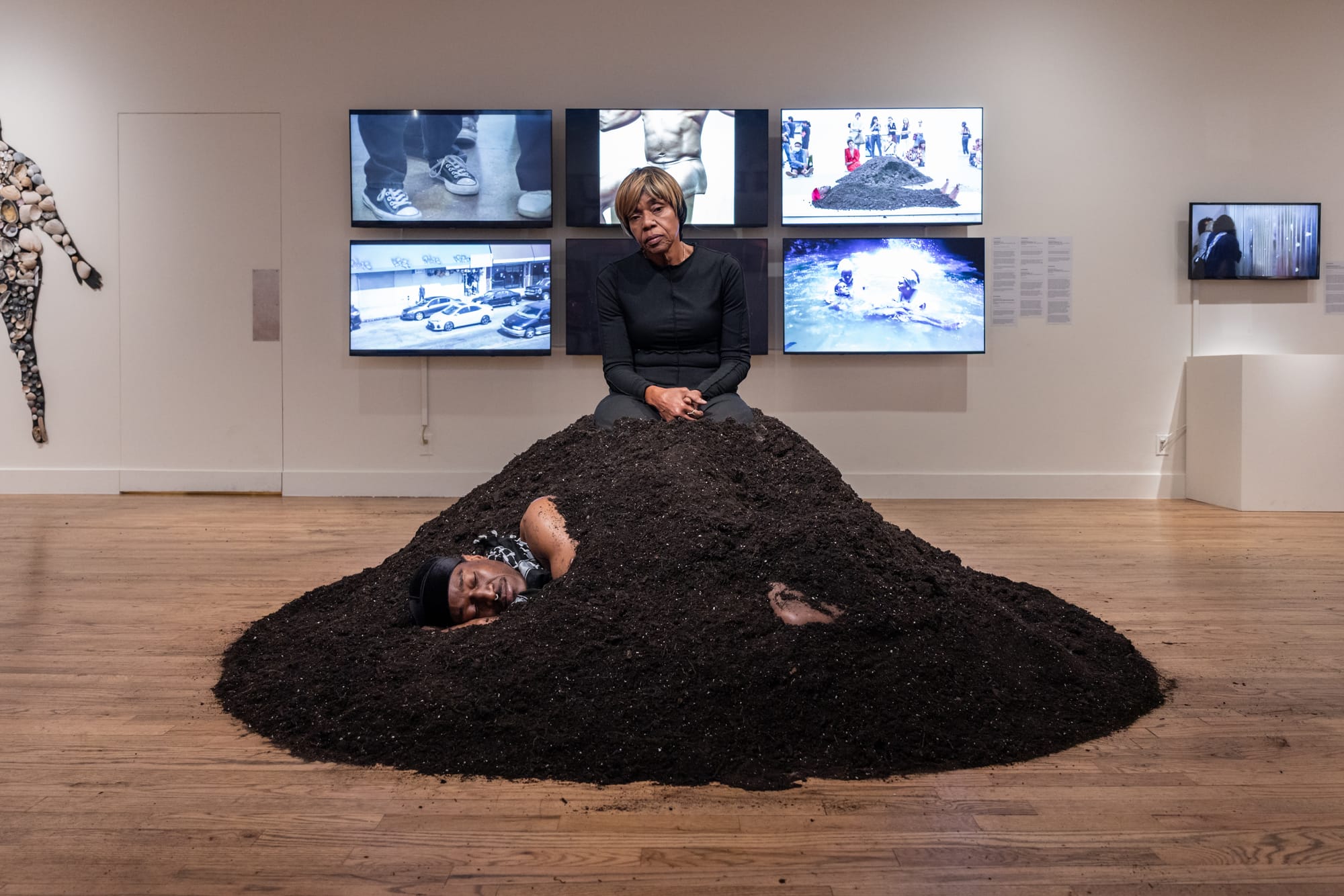
The Leslie-Lohman Museum of Art in SoHo has emerged as a vital hub for New York’s downtown performance scene through its intergenerational exhibition, "Sacred and Profane." Featuring a collaborative residency between poet Pamela Sneed and performance artist Carlos Martiel, the programming centers on themes of Black maternal grief, queer identity, and the exhumation of suppressed histories. Recent performances included Martiel’s "No Resurrection," a ritualistic piece involving his mother and a mound of earth, and Sneed’s readings that address the collective trauma and "urgent care" status of the LGBTQ+ community.

How Digital Animation Can Help Audiences Understand Installation Art Before They Experience It in Person

The article examines the inherent limitations of traditional photography in documenting installation art, arguing that static images fail to convey the experiential qualities of scale, sequence, and audience interaction central to the medium. It uses Olafur Eliasson's iconic 'The Weather Project' as a prime example of a work whose atmospheric and social dimensions are lost in photographic reproduction.

A Place of Perpetual Warmth: Hyde Park Art Center and the Making of Chicago’s Creative Identity

The Hyde Park Art Center (HPAC) stands as a vital pillar of Chicago’s grassroots creative identity, serving for eighty-six years as an unpretentious alternative to the city's major encyclopedic museums. From its early days under curator Don Baum, the center became a catalyst for the avant-garde, famously launching the careers of the Chicago Imagists and the Hairy Who. Today, it continues to function as a multifaceted ecosystem that blends community education, artist residencies, and experimental exhibitions within a residential neighborhood setting.

Shopping Experience: How Has the Way of Experiencing Luxury Changed?

Shopping experience: com’è cambiato il modo di vivere il lusso?

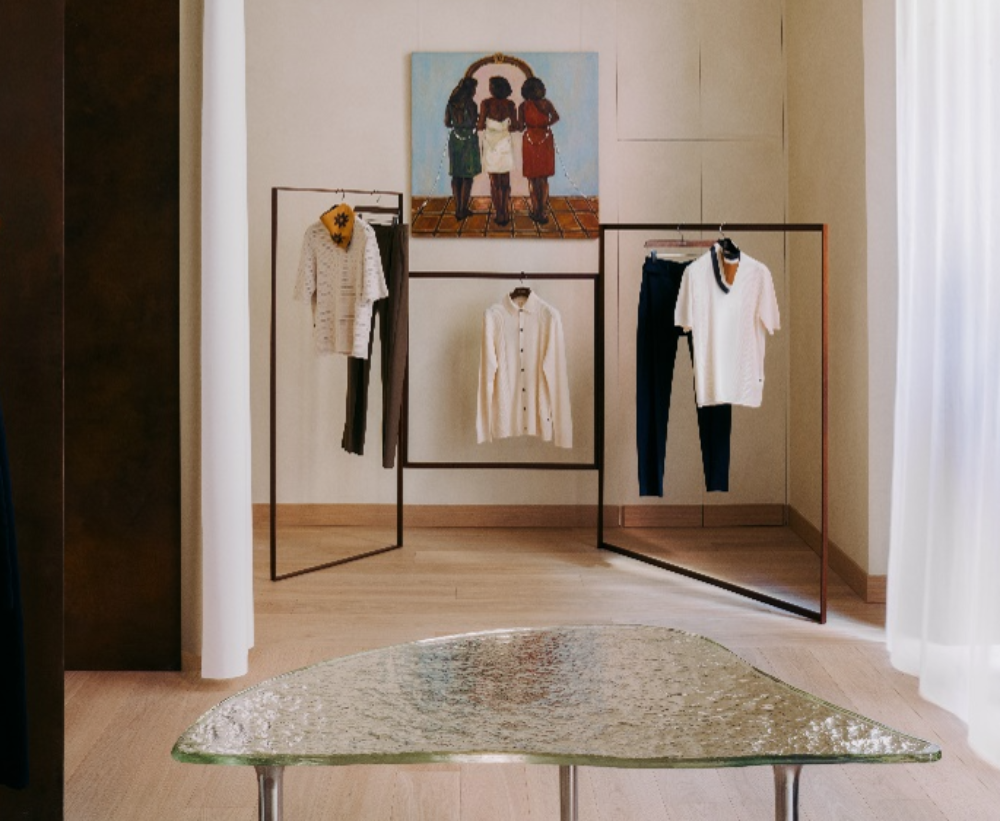
Luxury retail in Milan is undergoing a significant transformation, evolving from simple commercial spaces into 'cultural brandscapes' that blend art, design, and hospitality. Major fashion houses are redesigning their flagship stores to function as urban salons and living galleries, integrating site-specific art installations, historical architecture, and high-end gastronomy to foster community and tangible experiences in an increasingly digital world.

The Next Frontier in Design? The Humble Birdhouse.

Artists and architects are increasingly designing and creating elaborate, artistic birdhouses, elevating a common backyard object into a subject of creative expression and public art. This movement reflects a broader trend of engaging with nature and public space, blurring the lines between functional design, sculpture, and environmental commentary.

Story of the designer who transformed MotoGP by designing Valentino Rossi's bikes and suits

Storia del designer che ha trasformato la MotoGP disegnando moto e tute di Valentino Rossi

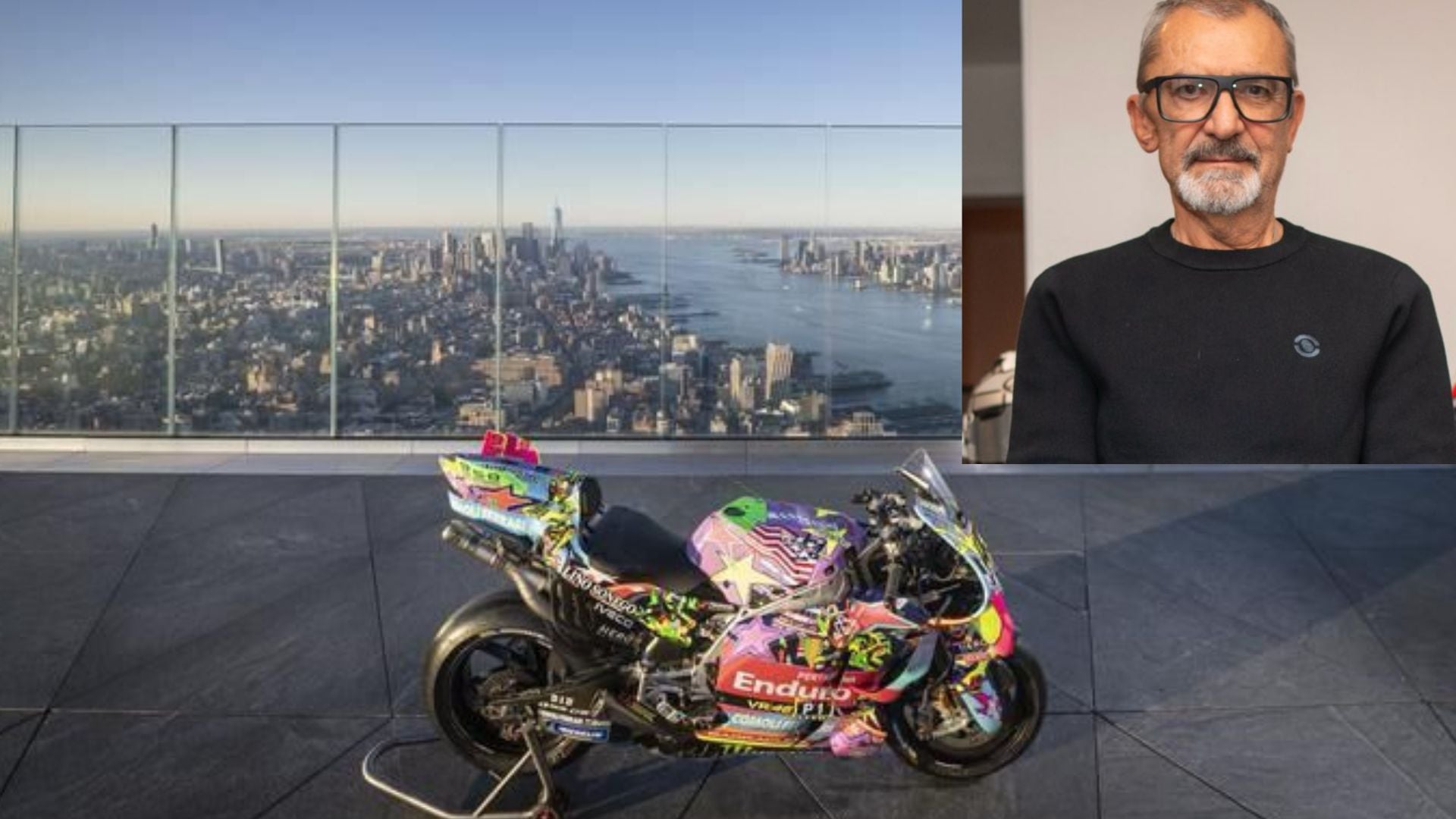
Aldo Drudi, the influential designer who transformed the visual aesthetics of MotoGP, created a special site-specific livery for the Pertamina Enduro VR46 Racing Team's presentation at The Edge in Hudson Yards, New York. The livery, unveiled on March 24, 2026 for the United States Grand Prix, is a complex graphic composition that references team history, Valentino Rossi, and American culture, elevating motorcycle design to a form of moving art.

Literature Today: The Crisis of the Novel as a Symptom of Social Change

La letteratura oggi: la crisi del romanzo come sintomo di un cambiamento sociale

The article examines the perceived crisis of the novel as a literary form, tracing its historical rise alongside the bourgeoisie in the 17th and 18th centuries. It argues the novel functioned as a mirror for a coherent social class with shared values, serving as a device for collective representation. The form's foundational premise of a recognizable community began to fracture in the 20th century, particularly after World War II, as societies atomized and grand ideological narratives collapsed.

Meet the Psychologist Who Reads People Through the Art They Live With

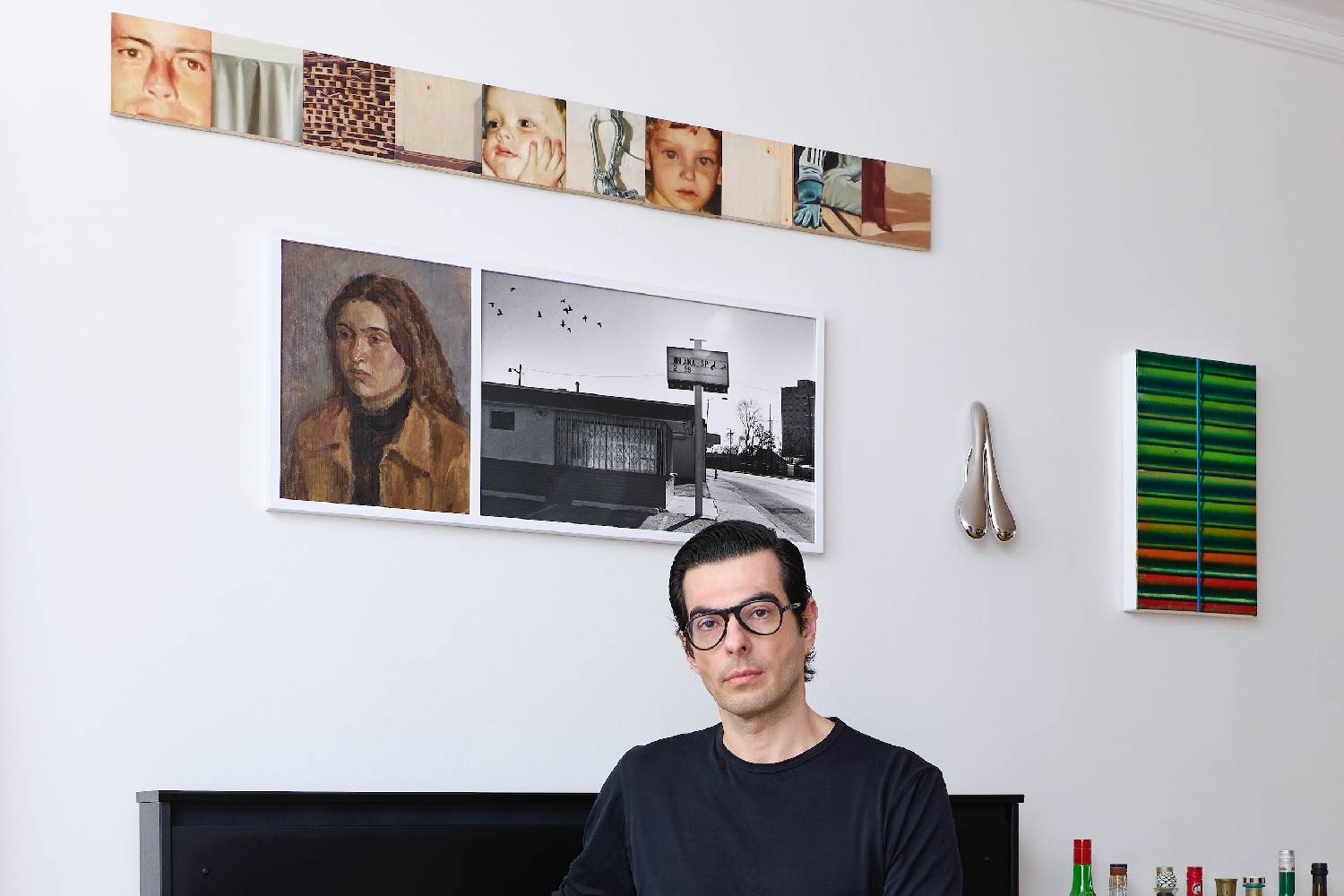
Dr. Dimitrios Tsivrikos, an academic psychologist at University College London, describes how he reads people's personalities and emotional states through the art they choose to display in their homes. In an interview with Artsy, he explains that the visual and emotional enrichment of one's environment—whether through expensive artworks or simple posters—reveals deeper psychological insights about the individual.

We Don't Need New Museums (We Need New Museum Forms!)

Non abbiamo bisogno di nuovi musei (abbiamo bisogno di nuove forme museali!)

The Museum of Artificial Intelligence and Immersive Art (MAIIA) has announced the opening of a second location in Palermo, signaling a growing international interest in Italy's contemporary art scene. While the expansion is welcomed, critics warn that such developments often prioritize real estate investment over genuine cultural production, potentially leading to neighborhood gentrification rather than authentic community enrichment.

What are therapeutic gardens and how are they designed? An expert explains

Cosa sono i giardini terapeutici e come si progettano. Ce lo spiega l’esperta

Landscape architect Monica Botta discusses the resurgence and design principles of healing gardens, specialized green spaces designed to promote physical and psychological well-being. While the therapeutic value of nature was largely ignored in mid-20th-century clinical architecture, a modern shift is reintegrating 'nature therapy' into healthcare facilities to combat stress, depression, and chronic illnesses.

Above Lake Maggiore sits Italy's highest bookstore, fighting mountain depopulation

Sopra il Lago Maggiore c’è la libreria più in altitudine d’Italia che combatte lo spopolamento delle montagne

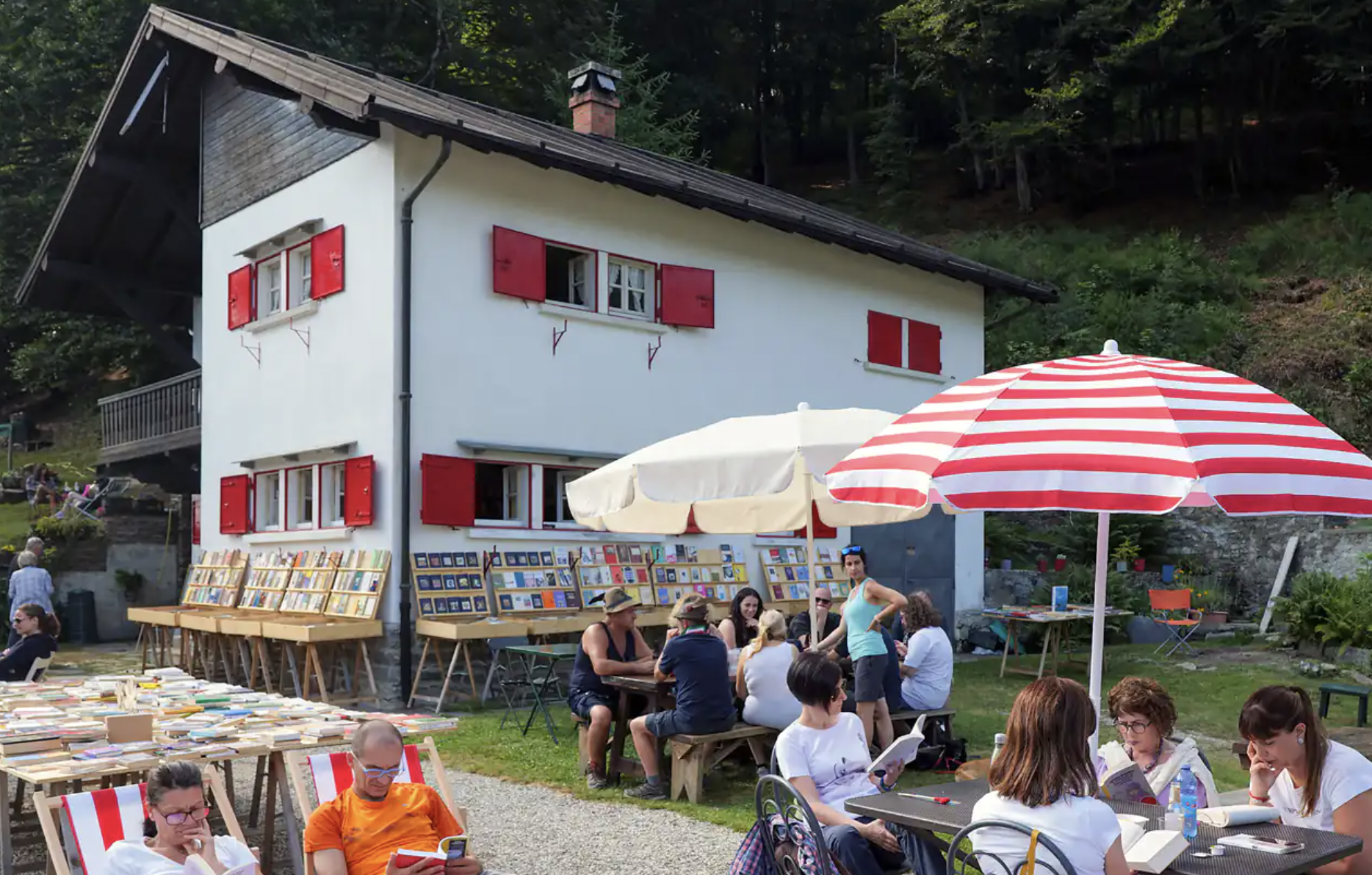
The Libreria Alpe Colle, located in the Lepontine Alps overlooking Lake Maggiore, has become Italy's highest-altitude bookstore. Established in 2014, this unique cultural hub is accessible only by a hike through beech forests and historical WWI fortifications. It houses thousands of rare, out-of-print, and antique volumes, attracting a diverse mix of serious collectors and casual hikers who visit for both literature and local artisanal products.

Black Designers as Fine Artists: Fashion Meets Sculpture

The article from Ebony.com explores the intersection of fashion and fine art, highlighting how Black designers are increasingly being recognized as fine artists whose work bridges clothing design and sculpture. It profiles several contemporary Black designers who create garments that function as sculptural objects, exhibited in galleries and museums rather than solely on runways. The piece examines how these creators challenge traditional boundaries between fashion and art, using materials and techniques that elevate their work into the realm of fine art.

Photography Is…

The article 'Photography Is...' from Glasstire is a conceptual piece that presents the title as a prompt, leaving the definition of photography open-ended. The text consists solely of the title and source, functioning as a minimalist statement or an invitation for reader interpretation.