filter_list Showing 12 results for "Identity" close Clear
search
dashboard All 151 museum exhibitions 102article local 17article culture 12article news 6rate_review review 5trending_up market 3candle obituary 3article policy 2gavel restitution 1
date_range Range Today This Week This Month All
Subscribe

ArtReview Podcast | Episode 7: Zineb Sedira

The ArtReview Podcast episode 7 features artist and photographer Zineb Sedira in conversation with digital editor Alexander Leissle. Sedira discusses Algerian cinema, the Scopitone, and her new Tate Britain Commission titled "When Words Fall Silent, Cinema Speaks," a site-specific installation in the Duveen Galleries open until January 2027. The episode explores three works chosen by Sedira, including Agnès Varda's "Salut les Cubains" (1963) and William Klein's "The Pan-African Festival of Algiers" (1969), as lenses into her practice and themes of displacement, identity, and cinema as a tool of resistance.

The documentary dedicated to Sicilian patron Antonio Presti airs on Rai Tre. Here is the video preview.

Va in onda su Rai Tre il documentario dedicato al mecenate siciliano Antonio Presti. Qui la video anteprima

On Tuesday, May 19, 2026, at 3:30 PM, RAI 3 will broadcast the documentary "Asteroide 20049 Antonio Presti," produced by Rai Documentari and dedicated to Sicilian patron Antonio Presti (born 1957). Written by Fedora Sasso and Francesco Castellani, curated by Giulietta Venneri, and directed by Fedora Sasso, the film explores Presti's four-decade career using art to intervene in marginalized areas of Sicily. The documentary's title references an asteroid named after Presti, symbolizing his vision linking cosmic and urban space. It opens at the Astrophysical Observatory of Isnello and focuses on the Catania neighborhood of Librino, where Presti created MAGMA, an open-air museum developed through collaboration with students, artists, and residents.

In the new film Nagi Notes, art is a vessel for characters’ desires

Japanese writer-director Koji Fukada's new film *Nagi Notes* premiered on 13 May at the Cannes Film Festival. The story follows Yuri (Shizuka Ishibashi), who visits the remote town of Nagi to sit for a sculptor friend, Yoriko (Takako Matsu). The film explores how characters use art—from drawings to sculptural busts—as a medium to express unspoken desires, grief, and identity, with key scenes set at the Nagi Museum of Contemporary Art featuring a permanent installation by Arakawa and Madeline Gins.

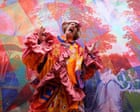
Grayson Perry’s life story to be told in ‘outrageous’ musical

Grayson Perry’s life story is being adapted into a stage musical titled *Grayson the Musical*, co-created with Richard Thomas, composer of *Jerry Springer: The Opera*. The show follows Perry from his childhood in Chelmsford to his rise as a Turner Prize-winning ceramicist and tapestry-maker, featuring his iconic dresses and his teddy bear Alan Measles. Perry wrote the lyrics, with a book by screenwriter Sara-Ella Ozbek and direction by Sean Foley. A workshop production will run for five performances in July at Soho Theatre Walthamstow, the east London borough where Perry once kept a studio and which inspired his famous work *The Walthamstow Tapestry*.

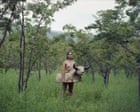
A woman with a bull costume exuding masculine energy: Marisol Mendez’s best photograph

Marisol Mendez, a Bolivian photographer based in Paris, describes the creation of her striking 2019 photograph featuring Marta Salinas, a theatre actor, holding a bull costume in a field. The image is part of Mendez's series "Madre," which explores womanhood and challenges traditional feminine depictions in Bolivia. Mendez explains that the bull costume, inspired by the Bolivian dance waka tokori, symbolizes masculinity, and the photograph aims to portray a woman comfortable with her masculine energy. The work was inspired by a dream and executed with the help of Mendez's mother, who scouted the location. Mendez is the winner of this year's Saltzman-Leibovitz prize, and her work is featured at Photo London.

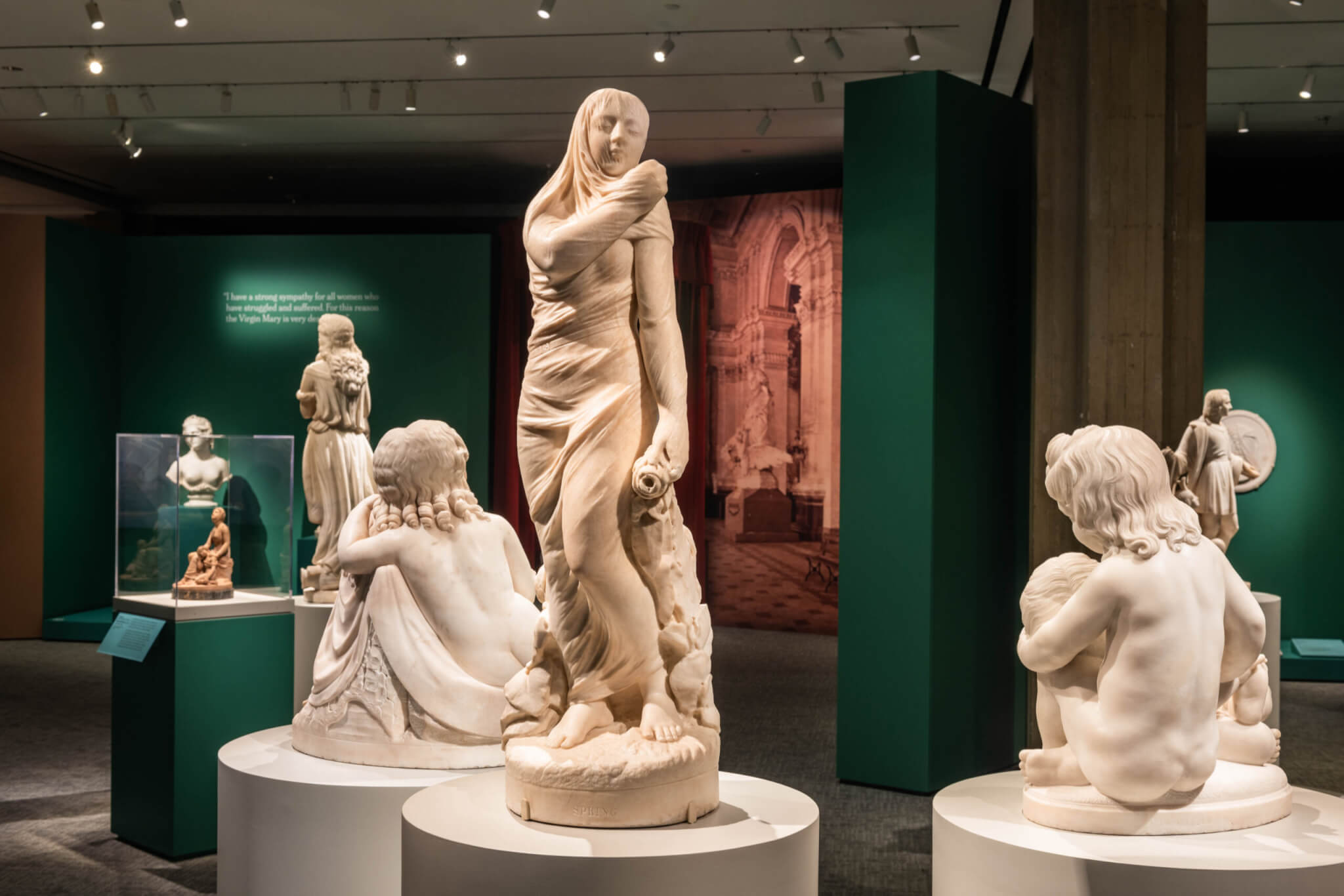
“Edmonia Lewis: Said in Stone” Reconstructs a Life Across Fragments

Boston Art Review (BAR) has published an article titled “Edmonia Lewis: Said in Stone” that reconstructs the life of the 19th-century sculptor Edmonia Lewis across fragmented historical records. The piece examines Lewis’s career, her neoclassical marble works, and the challenges of piecing together her biography due to limited archival materials.

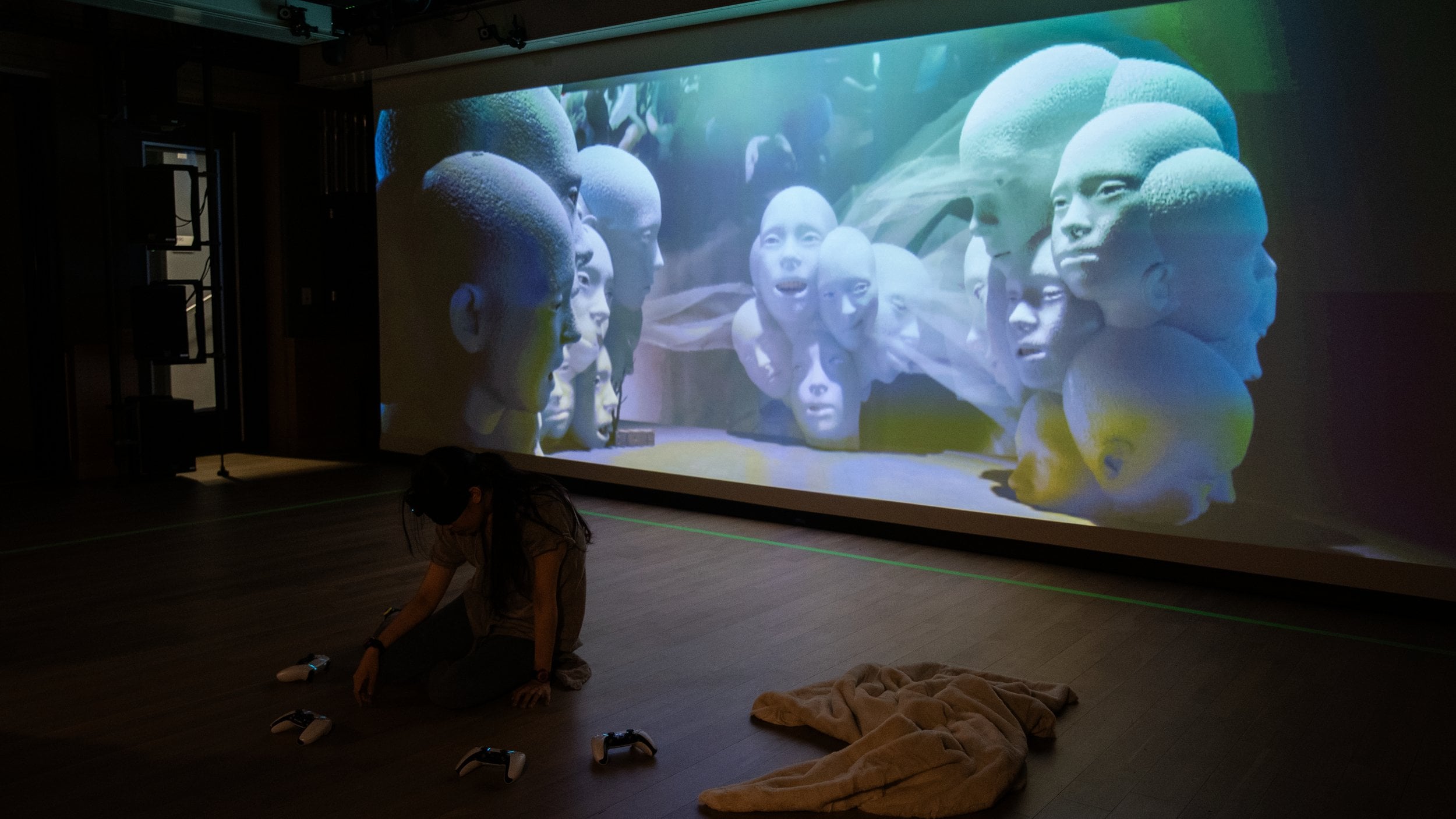
Art and technology meet in the augmented reality of artist Lois He

Arte e tecnologia si incontrano nella realtà aumentata dell’artista Lois He

Lois He, a Chinese-born artist now based in New York, creates immersive XR installations that blend art and technology, transforming viewers into active participants. Her works, such as "Rising River," an AI-driven virtual reality experience, and "The Silent Carnival," a digital reinterpretation of Goethe's Faust, explore identity, emotion, and the impact of external agents like technology and culture. He also collaborates with institutions like the Museo Dalí and the NYU Neuroscience Institute, merging art with literature and science.

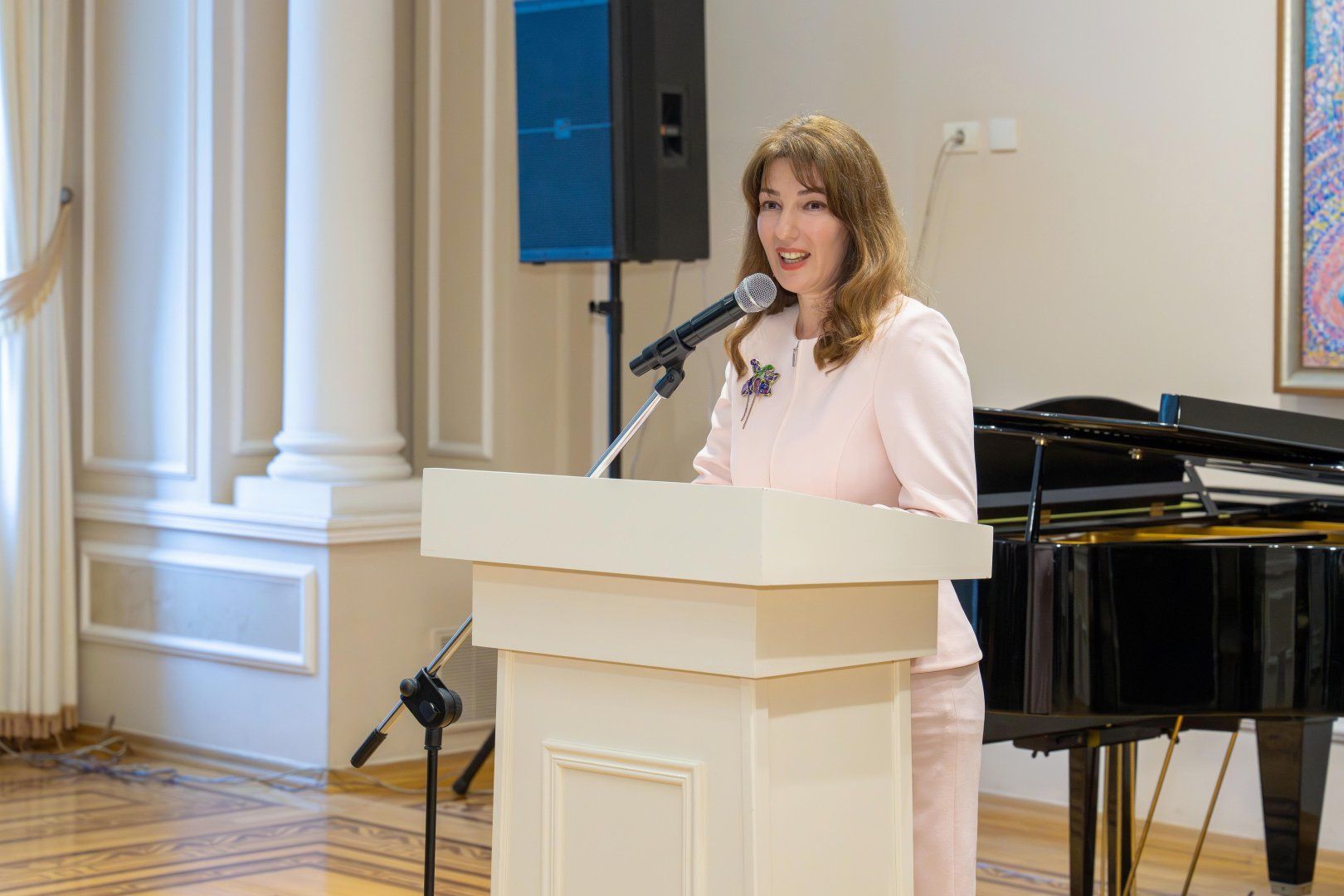
WUF13: Director of National Art Museum explains how art shapes cities and urban change [INTERVIEW]

At the 13th session of the World Urban Forum (WUF13) in Baku, Shirin Malikova, director of the Azerbaijan National Art Museum, gave an interview discussing how art reflects and shapes urban development. She cited historical examples such as Bernardo Bellotto's 18th-century vedute paintings, which were used to reconstruct Warsaw's historic center after WWII, and the Eiffel Tower, originally a temporary installation that became a permanent symbol of Paris. The museum also presented an exhibition at the forum focusing on Baku's transformation across different eras, highlighting how art captures the multilayered history and cultural identity of cities.

How Native American Artists Redefined Contemporary Art in the United States

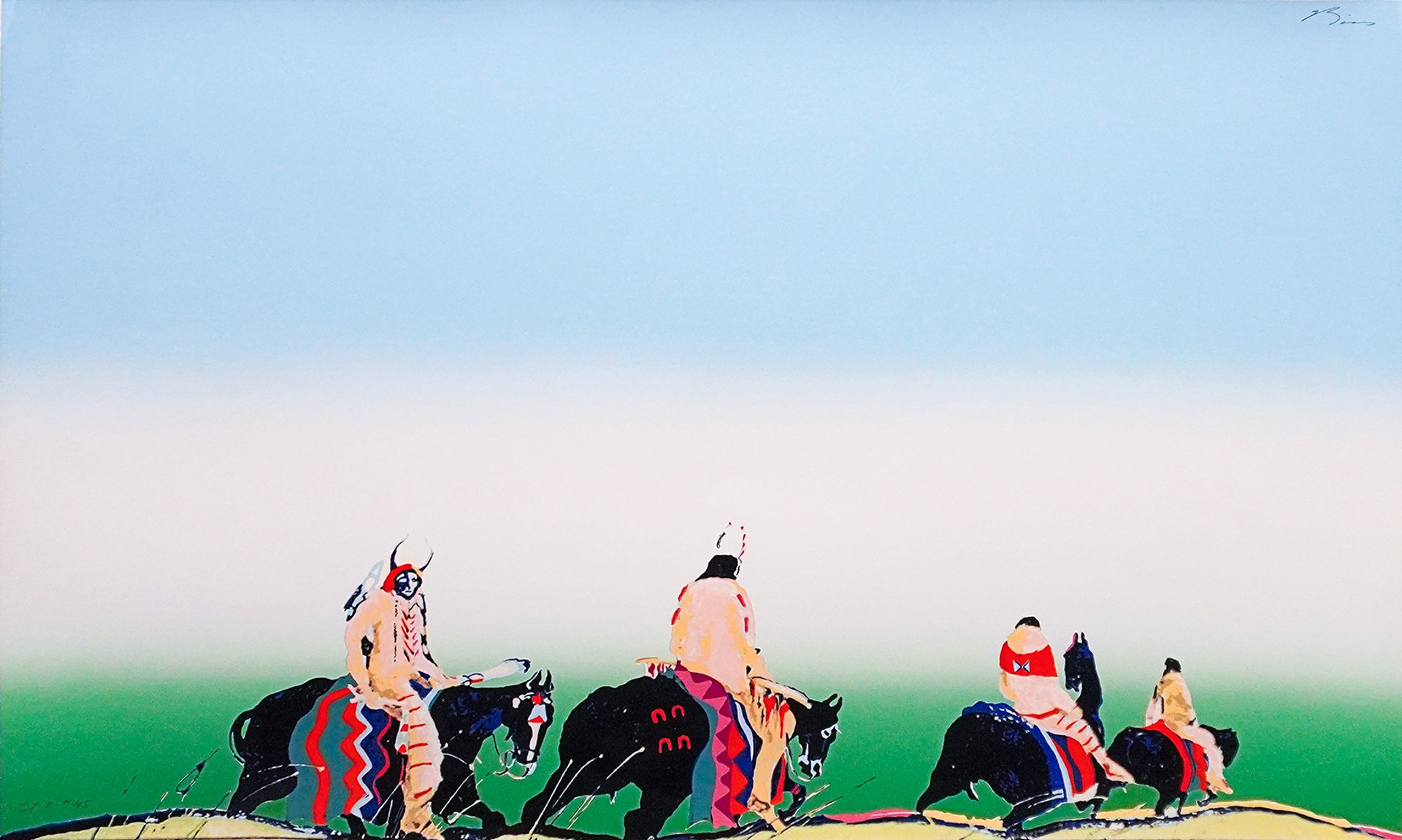
A generation of Native American artists, emerging from the Institute of American Indian Arts (IAIA) in Santa Fe from the 1960s onward, reclaimed Indigenous representation in American art. Figures like Fritz Scholder, T.C. Cannon, Kevin Red Star, and Earl Biss used modernism, irony, and cultural specificity to dismantle colonial stereotypes of Native peoples as romanticized relics, instead portraying them as contemporary individuals with agency and living traditions.

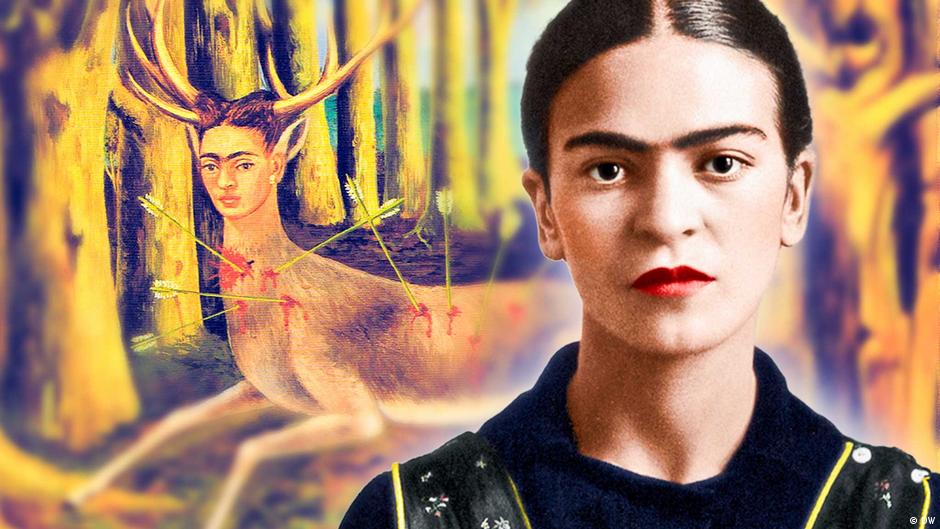
Art Born of Pain: Frida Kahlo

This article is a promotional piece for the DW English program 'Arts Unveiled,' highlighting several upcoming segments. It announces the start of the 61st Venice Biennale, the world's largest art exhibition, and poses questions about its standout features and art's role in times of crisis. Other segments explore the American Dream as a nightmare on the 250th anniversary of US independence, and feature Indigenous artist Britta Marakatt-Labba, who creates embroidered polar landscapes reflecting Sámi culture.

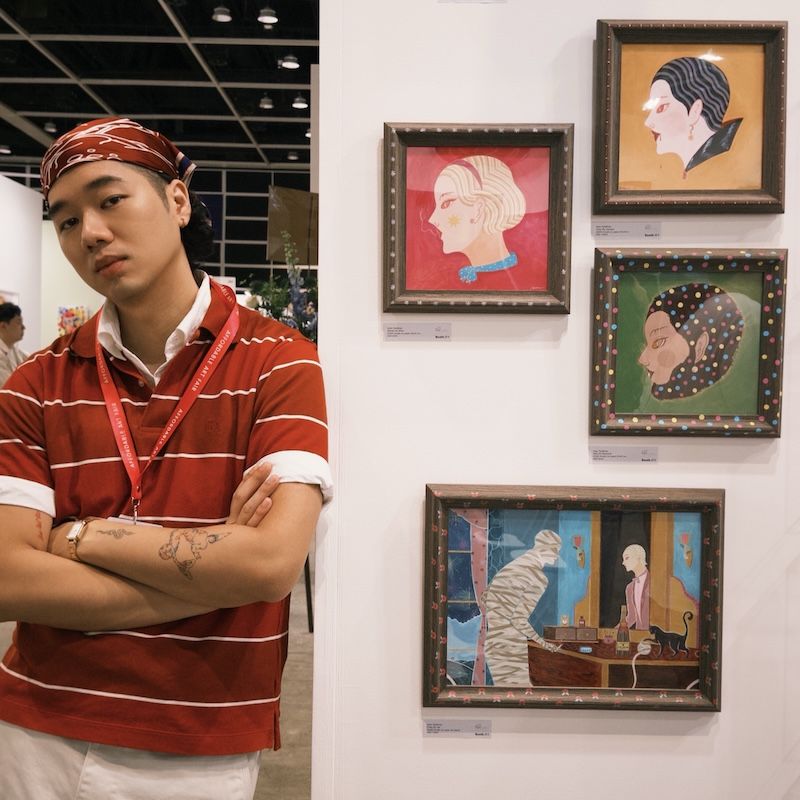
Artist Isaac Spellman on creating spaces for the misunderstood through art

Artist Isaac Spellman discusses his creative practice and upcoming presentation at the Affordable Art Fair 2026 in an interview. Spellman, whose style blends Art Deco graphic posters with elements of Chinese gongbi silk painting, has attracted commercial clients including Louis Vuitton, Cartier, and Bang & Olufsen. For the fair, he will debut two original series: "Red, White, Bright and Young," inspired by London's Bright Young Things of the 1920s and their queer-inclusive social scene, and "Pretty Monster," which portrays whimsical monsters embracing their differences.

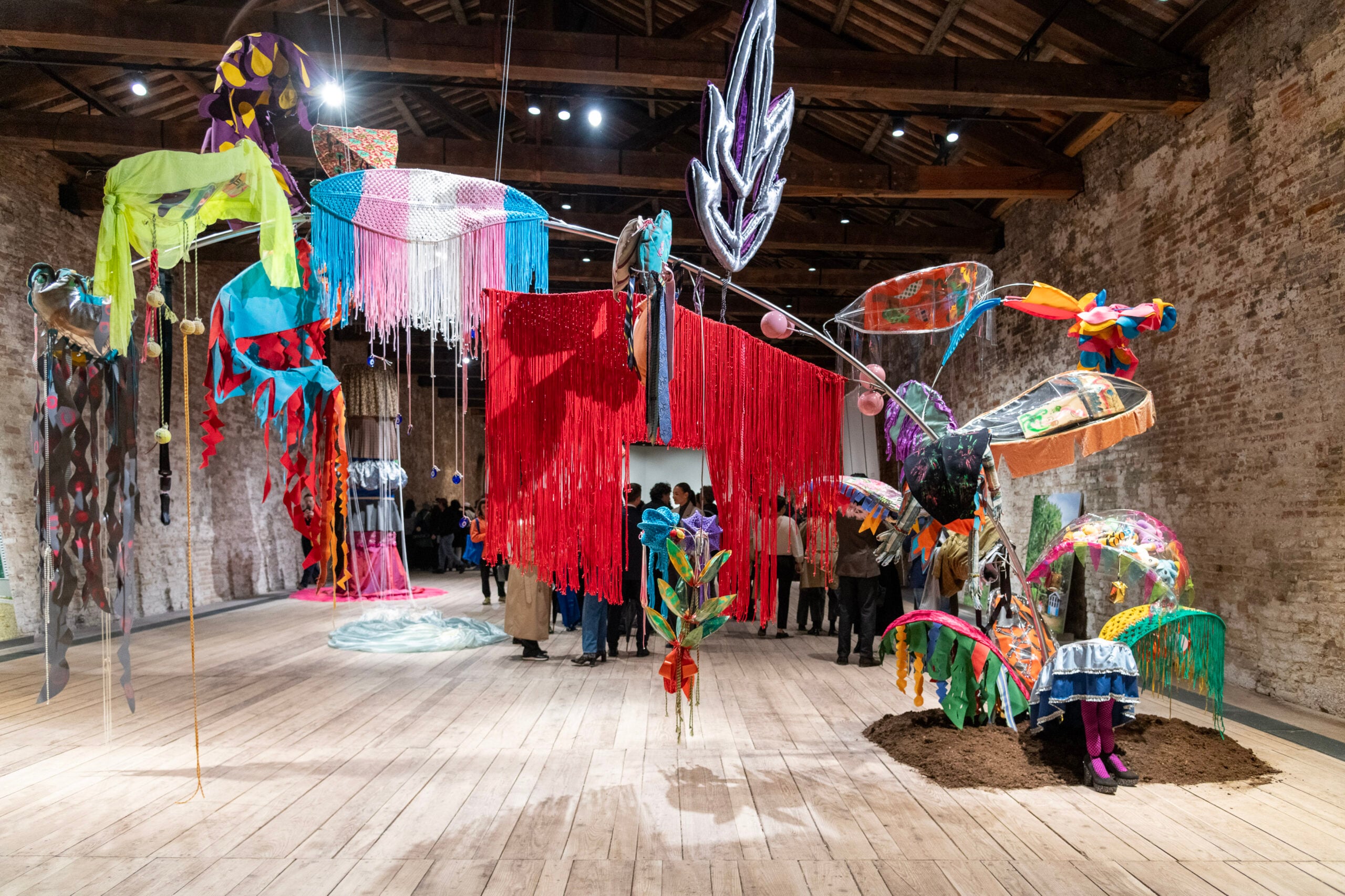
The Biennale and the Weight of Flags. What Is the Point of National Pavilions?

La Biennale e il peso delle bandiere. Che senso hanno i padiglioni nazionali?

The article examines the inherent contradiction within the Venice Biennale: its historical structure of national pavilions, a legacy of 19th-century world fairs and state-sponsored art, clashes with the transnational, post-identity vision of the international exhibition curated by Koyo Kouoh. The return of the Russia Pavilion amid geopolitical conflict and the international show titled "In Minor Keys," which rejects national belonging as an interpretive criterion, highlight this tension. The piece also addresses the controversy over the lack of Italian artists in the main exhibition, questioning whether a Biennale hosted in Italy should guarantee national representation.