filter_list Showing 27 results for "LIA" close Clear
search
dashboard All 282 museum exhibitions 151article local 39article news 28article culture 27trending_up market 15article policy 9person people 9rate_review review 2gavel restitution 1candle obituary 1
date_range Range Today This Week This Month All
Subscribe

The 21st Century’s Biggest Art Trend is Not a Style. But Once You See It, You’ll Notice It Everywhere.

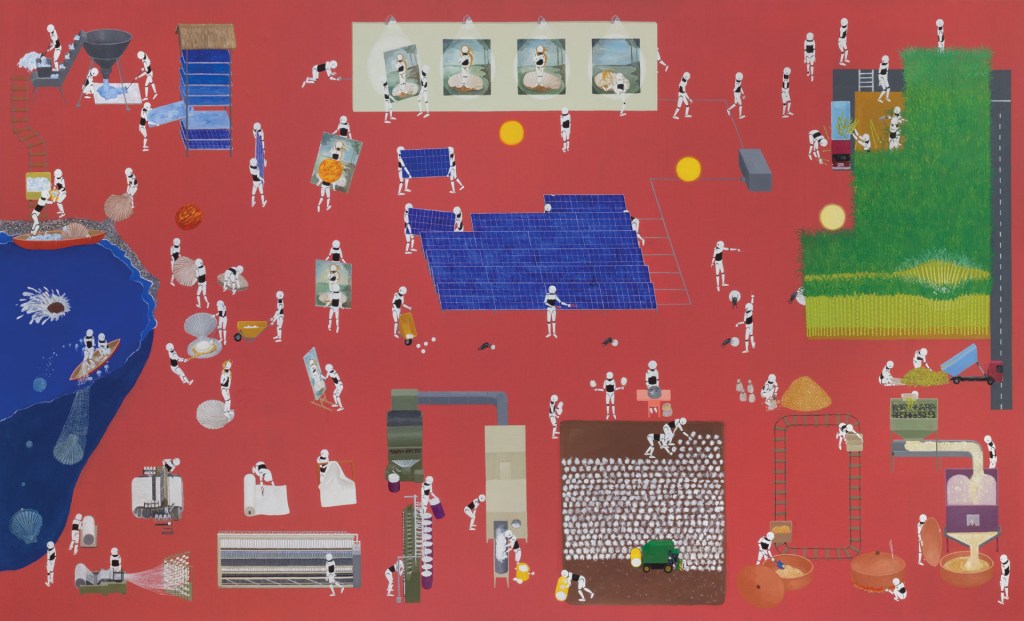
The article traces the evolution of "systems art," a term coined by critic Jack Burnham in 1968 to describe art that uses rules, seriality, and repetition to mirror and reveal the growing protocols of the Cold War era. It highlights early practitioners like Kenneth Noland, Robert Morris, Dan Flavin, and notably Hans Haacke and Adrian Piper, who shifted from atmospheric systems (e.g., Haacke's *Condensation Cube*) to social systems (e.g., Haacke's *Shapolsky et al. Manhattan Real Estate Holdings*). The piece argues that systems thinking has become unavoidable in contemporary life—from algorithms to systemic racism—and that art remains a crucial tool for making these invisible systems legible.

The Contemporary Art Destinations Gallerists and Artists Have on Their Radar

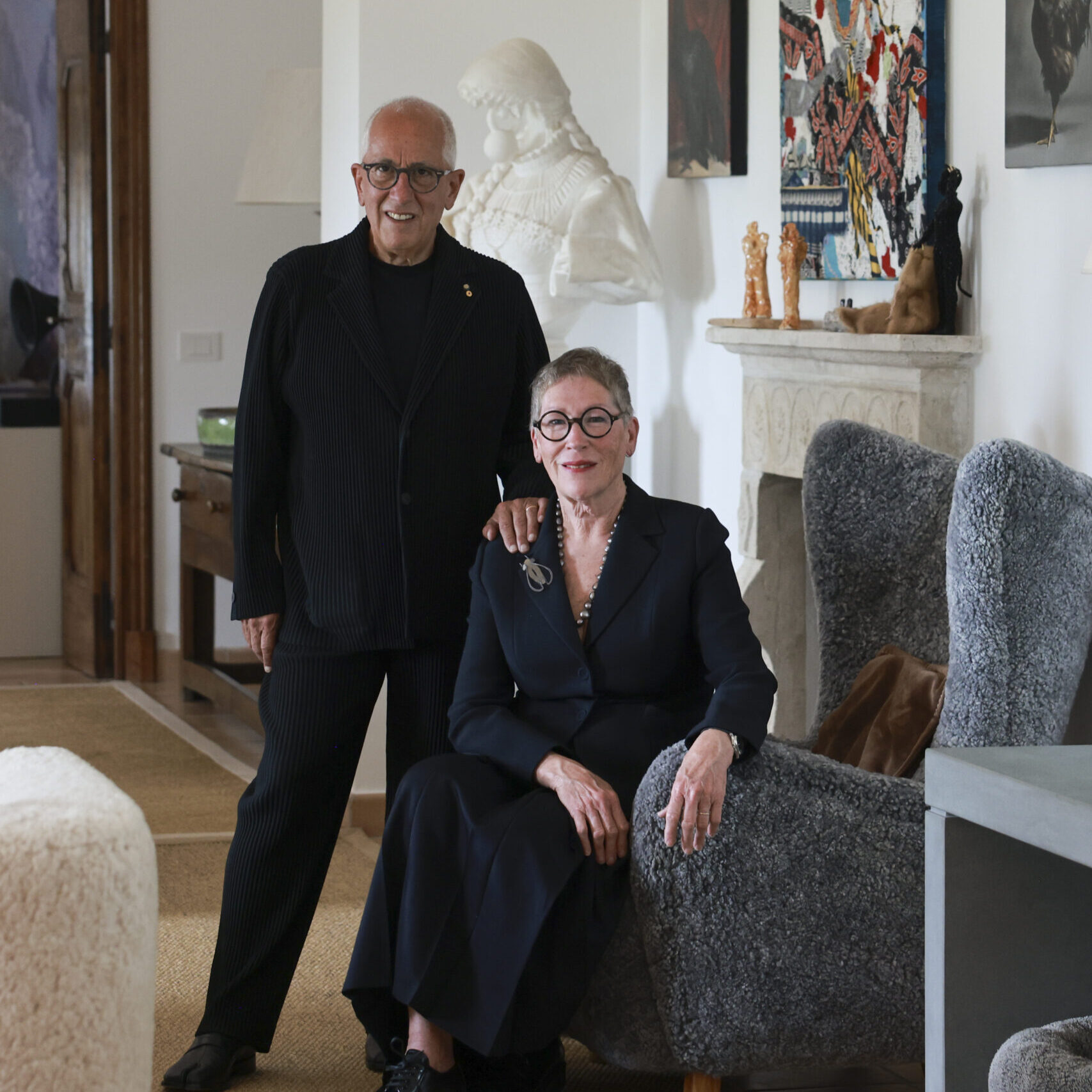
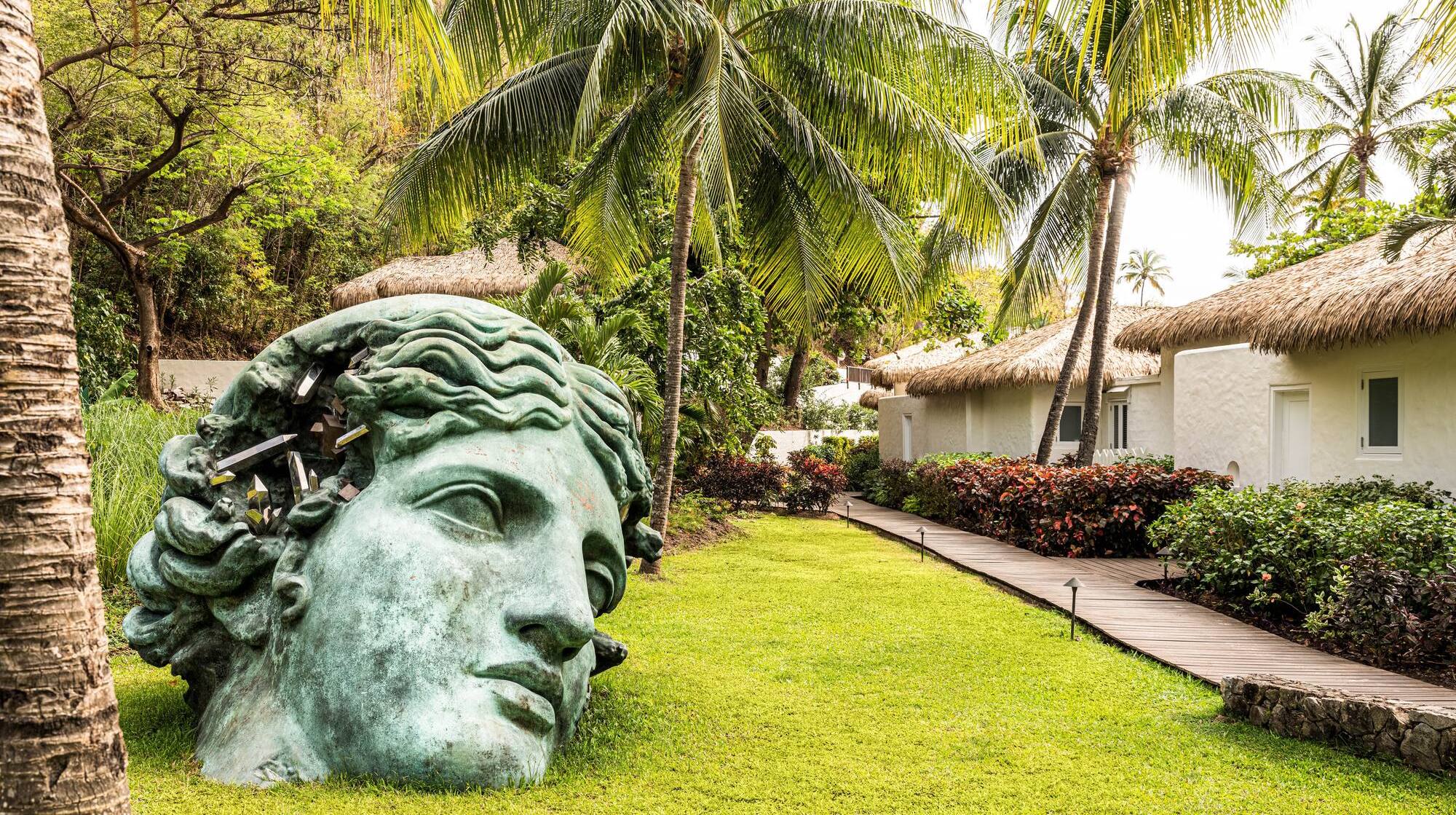
WWD asked top international gallerists, collectors, and artists to name the cities they find most exciting for contemporary art. Karen and Christian Boros recommend Naples and the Amalfi Coast, highlighting galleries like Galleria Giangiacomo Rossetti, Thomas Dane Gallery, and Lia Rumma, as well as Fondazione Morra Greco and Le Sirenuse hotel. Daniel Arsham points to Sugar Beach in St. Lucia for its large contemporary sculpture collection. Jean-Michel Othoniel champions South Korea, citing Seoul's Leeum Samsung Museum of Art, Kukje Gallery, and the Kiaf Seoul fair, plus the city of Busan. Emma Lavigne of the Pinault Collection names Venice, especially during the Biennale Arte di Venezia, as an essential destination.

A modern Tower of Babel? Pope Leo XIV warns against artificial intelligence

Pope Leo XIV has issued his first encyclical, titled *Magnifica Humanitas*, warning that artificial intelligence poses a major threat to humanity and could lead to a modern Tower of Babel. In the 43,000-word letter, he calls for disarming AI, establishing robust legal frameworks, and regulating tech giants like Meta. He also references Picasso's *Guernica* (1937) as a prophetic work denouncing dehumanization, alongside Beethoven's Ninth Symphony and the novel *Schindler's List*. Separately, the Vatican is expanding its contemporary art program, with a new space called Conciliazone 5 currently showing works by British artist George Rouy, and future exhibitions planned for Yan Pei-Ming and Vivian Suter.

Two of Modernism’s Lesbian Icons Get the Novel Treatment

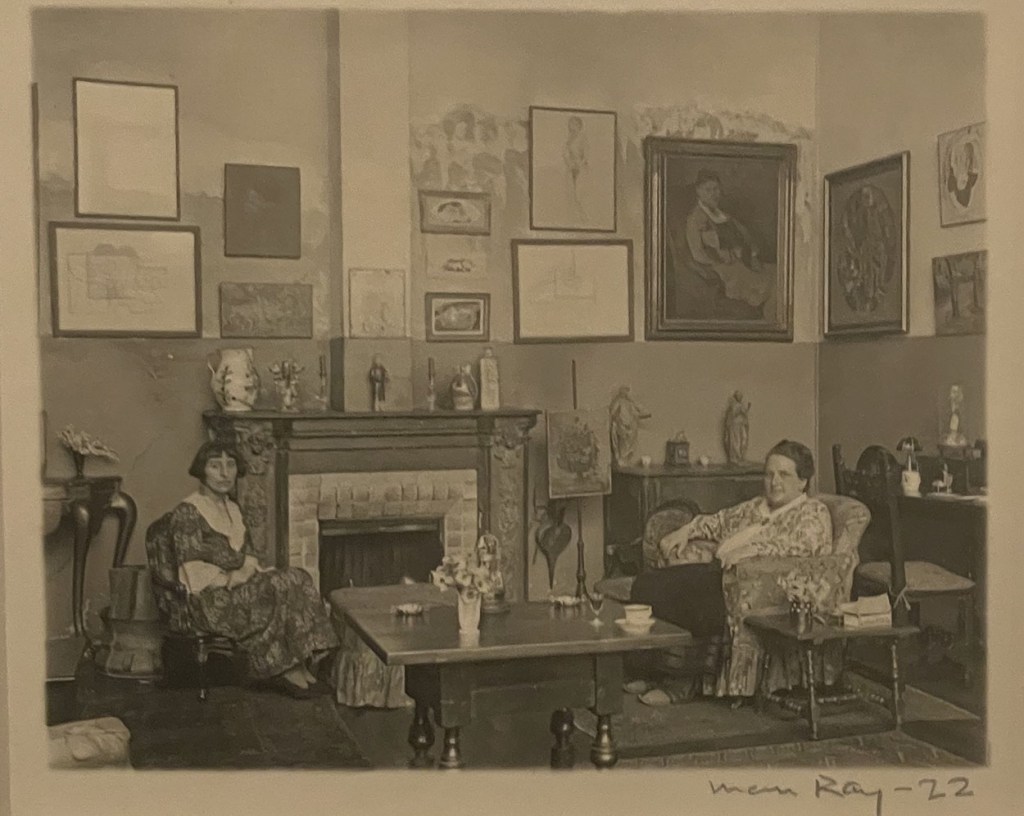
Deborah Levy's novel "My Year in Paris with Gertrude Stein" follows an unnamed narrator who travels to Paris to write an essay about Gertrude Stein, struggling with the weight of Stein's legacy while visiting her grave at Père Lachaise cemetery. The book explores Stein's life as a modernist icon, her relationship with Alice B. Toklas, and her role as a host to figures like Pablo Picasso and Ernest Hemingway, while the narrator grapples with Stein's defiant personality and literary style.

Global Art Biennials: Renovation, Revelation—or Repetition?

The article examines the current state of global art biennials, arguing that recent controversies—such as the 2022 documenta antisemitism crisis and geopolitical tensions at the 61st Venice Biennale—reveal these exhibitions as deeply politicized platforms rather than neutral cultural events. It highlights how juries and curators have introduced geopolitical criteria, and cites ongoing debates in Artforum (April 2026) featuring voices like Daniel Birnbaum, Michelle Grabner, and Adam Szymczyk, who diagnose visible tensions but overlook deeper structural conditions.

What You (Maybe) Didn't Know About Édouard Manet

Ce que vous ne saviez (peut-être) pas sur Édouard Manet

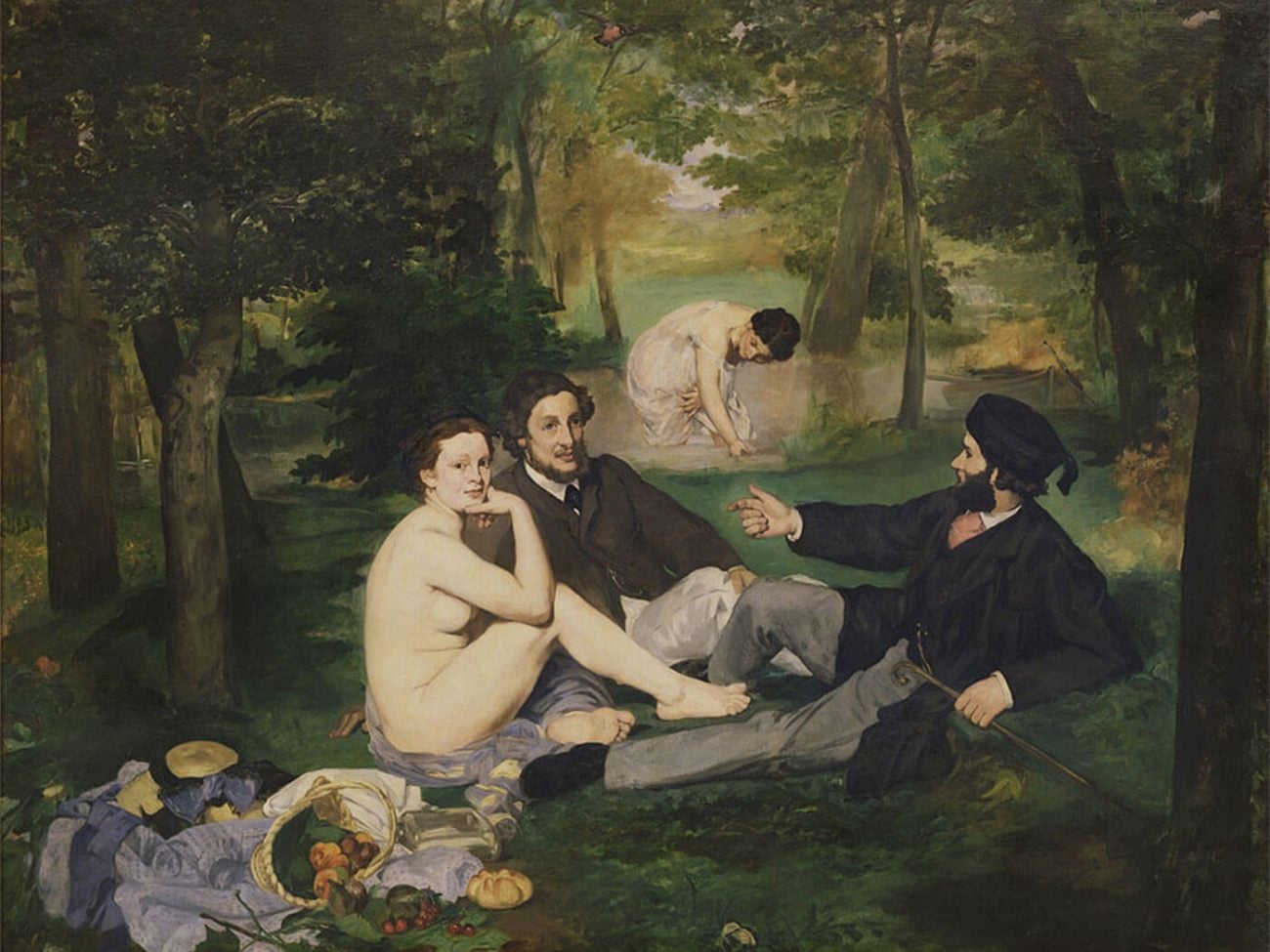
Édouard Manet (1832–1883), a pivotal figure bridging realism and impressionism, is the subject of a feature article in Beaux Arts Magazine. The piece explores lesser-known aspects of his life and career, including his near-miss as a naval officer, his rivalry with Gustave Courbet, his refusal to join the impressionist exhibitions despite close ties to the movement, and his deep fascination with Spanish culture. It highlights his scandalous works like *Le Déjeuner sur l'herbe* (1863) and *Olympia*, the latter entering the Louvre after a subscription launched by Claude Monet in 1889.

The Burlington Magazine - n°1478 vol CLXVIII - May 2026

The May 2026 issue of The Burlington Magazine (n°1478, vol. CLXVIII) presents a rich array of scholarly articles, exhibition reviews, and book reviews covering European art from the medieval period to the 20th century. Highlights include Laure Boyer's study of two photographs of Victorine Meurent linked to Manet's 'Le Déjeuner sur l'herbe' and 'Olympia', Axel Moulinier's analysis of Watteau's copies after old masters, and Richard Thomson's essay on a century of Monet in print. Exhibition reviews cover shows on Monet's Étretat coast, Orazio Gentileschi, Cornelius Jonson van Ceulen, Gainsborough, Seurat, Italian Symbolism, and Iliazd. Book reviews range from medieval art and Pietro Bellotti to Helene Schjerfbeck, Roberto Matta, and contemporary jewelry at the Dallas Museum of Art.

Why Did the Met Opera Decide to Exhume Frida Kahlo and Diego Rivera’s Marital Strife?

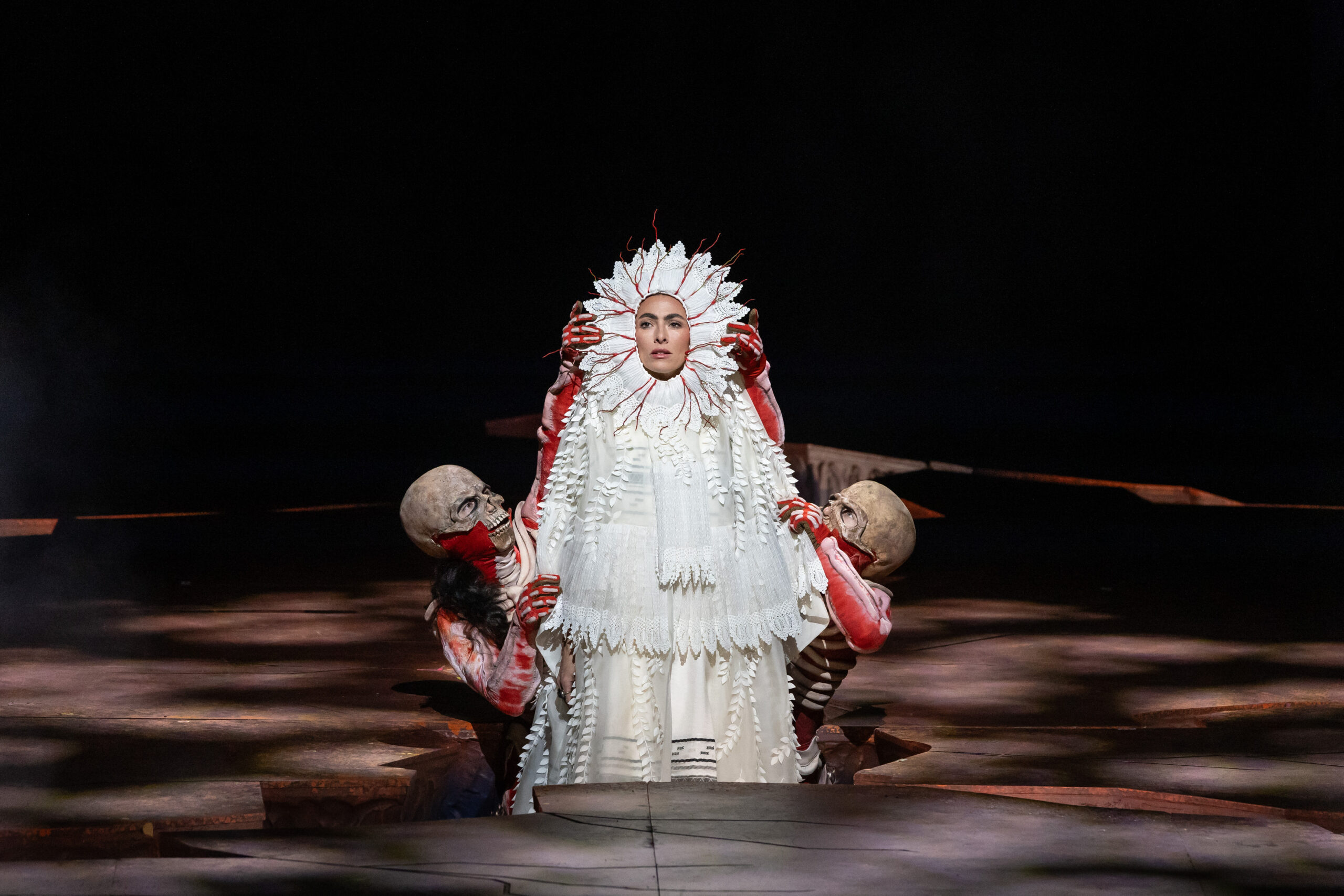
The Metropolitan Opera has staged Gabriela Lena Frank's first opera, *El Último Sueño de Frida y Diego*, which imagines a supernatural reunion between Frida Kahlo and Diego Rivera on Día de los Muertos. The production, conducted by Yannick Nézet-Séguin and starring Isabel Leonard and Carlos Álvarez, uses magical realism to explore the couple's turbulent relationship, though it largely sidelines their Communist activism and Kahlo's queer affairs in favor of a simplified reconciliation narrative.

Stripteases, ecstatic embraces and a dog in a dress: the full-on photos celebrating queer dancefloors worldwide

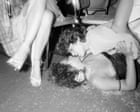
A new photo book titled *Sex, Clubs, Dissent: Visualising Queer Nightlife*, edited by writer Amelia Abraham, collects photographs from the 1960s to today that document queer nightlife around the world. The anthology features works by artists such as Wolfgang Tillmans, Sunil Gupta, Kia LaBeija, Phyllis Christopher, Roxy Lee, Ajamu X, and Del LaGrace Volcano, alongside images from trans community archives in Mexico City and Buenos Aires. The book is organized into sections on sex, clubs, and dissent, and includes a range of media from film stills to a Grindr screenshot, aiming to capture the messy, sexy, and politically charged atmosphere of queer social spaces.

Boats and trains, not planes: reflections on a greener—but sometimes greenwashed—Venice Biennale

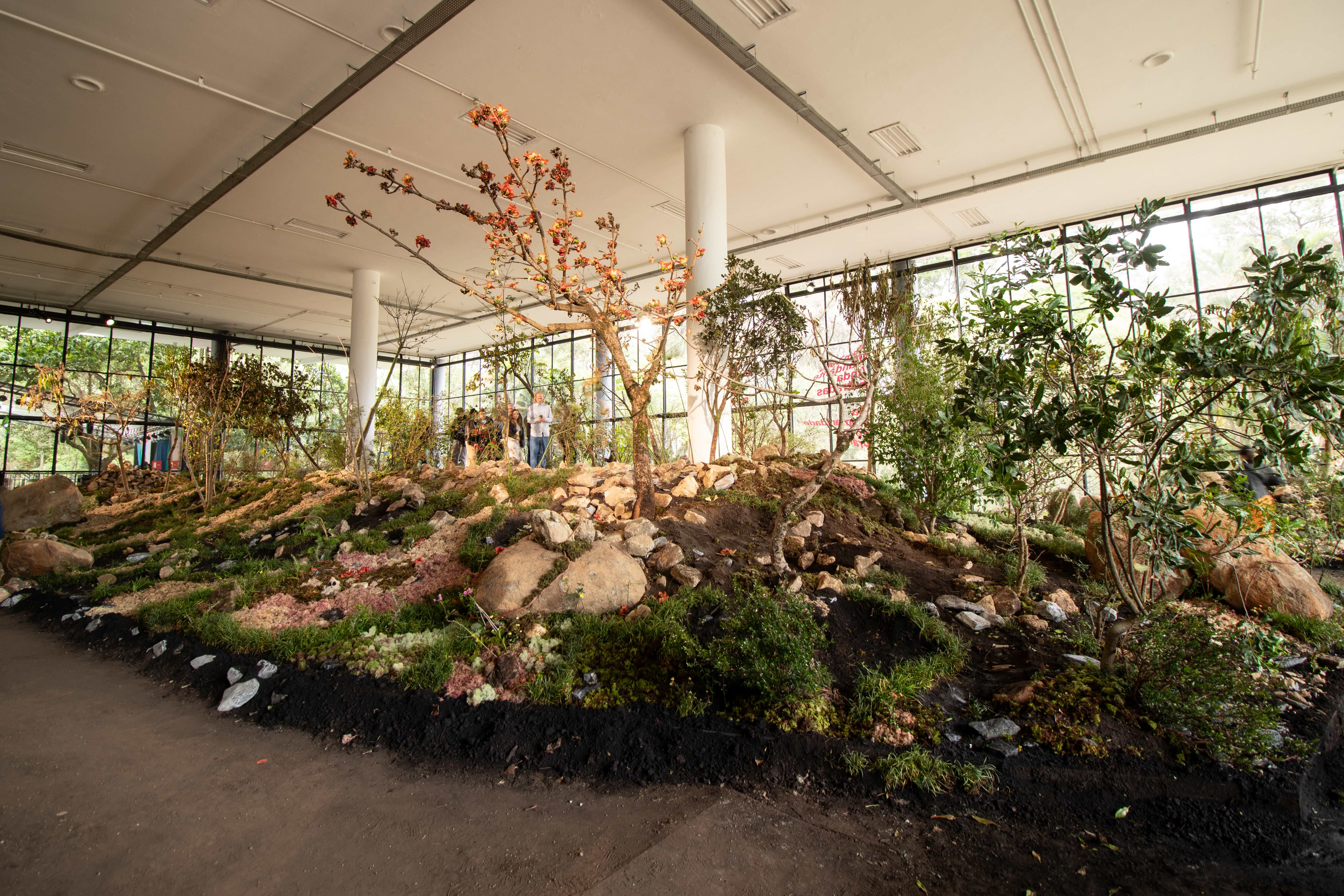
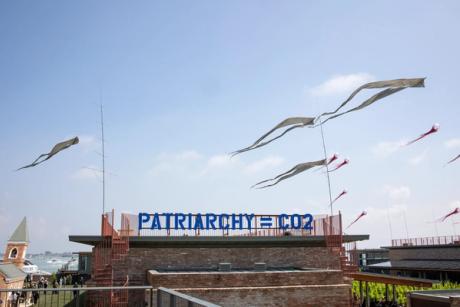
The article recounts the author's train journey from London to Venice for the 61st Venice Biennale, highlighting the environmental benefits and pleasant experience of traveling by rail versus flying, despite higher costs and longer duration. It then focuses on the Biennale's central exhibition "In Minor Keys" curated by the late Koyo Kouoh, which foregrounds environmental themes through works that engage with earth, nature, and ecological stakes, featuring artists like Otobong Nkanga, Célia Vasquez Yui, Theo Eshetu, Linda Goode Bryant, and Annalee Davis.

Steven Soderbergh, the Colors of Money

Steven Soderbergh, les couleurs de l’argent

Steven Soderbergh's new film "The Christophers" (2025) is a sharp, chamber-piece drama about art, inheritance, and money. The story follows Julian Skar, a former art superstar from the 1970s now living in seclusion and earning a living by caricaturing himself on social media. His children, Barnaby and Sally, eager to maximize their future inheritance, hire a repentant forger named Lori Butler to secretly complete Julian's unfinished masterpiece, an eight-portrait series titled "The Christophers." The film explores the complex relationships that develop between the four characters in a labyrinthine London house, written in the style of a lively theatrical play.

Required Reading

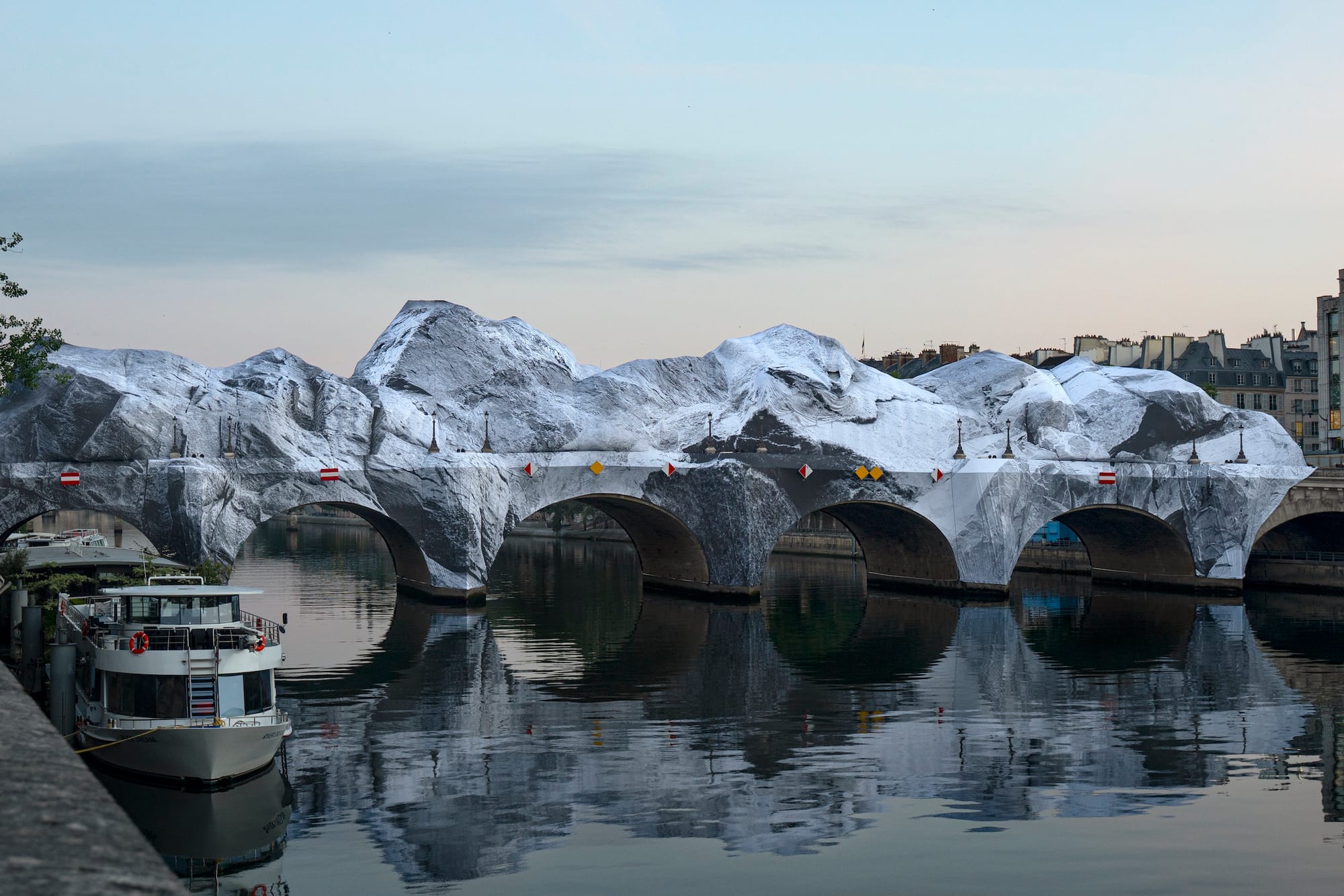
This week's Required Reading roundup from Hyperallergic covers a diverse range of art-world stories. French photographer JR has unveiled "La Caverne du Pont Neuf Paris" (2026), an optical illusion installation that transforms the pathway across the Seine into a black-and-white mountain range cave, paying homage to Christo and Jeanne-Claude's 1985 wrapping of the same bridge. Other highlights include architecture scholar Karrie Jacobs investigating a New York waterfront walking initiative for The Nation, curator Tara Contractor writing in Apollo about James McNeill Whistler's use of metallic pigments influenced by Japanese traditions, and Rob Corsini interviewing Amelia Abraham about their new book celebrating photography of queer nightlife for Dazed.

A Water Lily is a Water Lily is a Water Lily

Eine Seerose ist eine Seerose ist eine Seerose

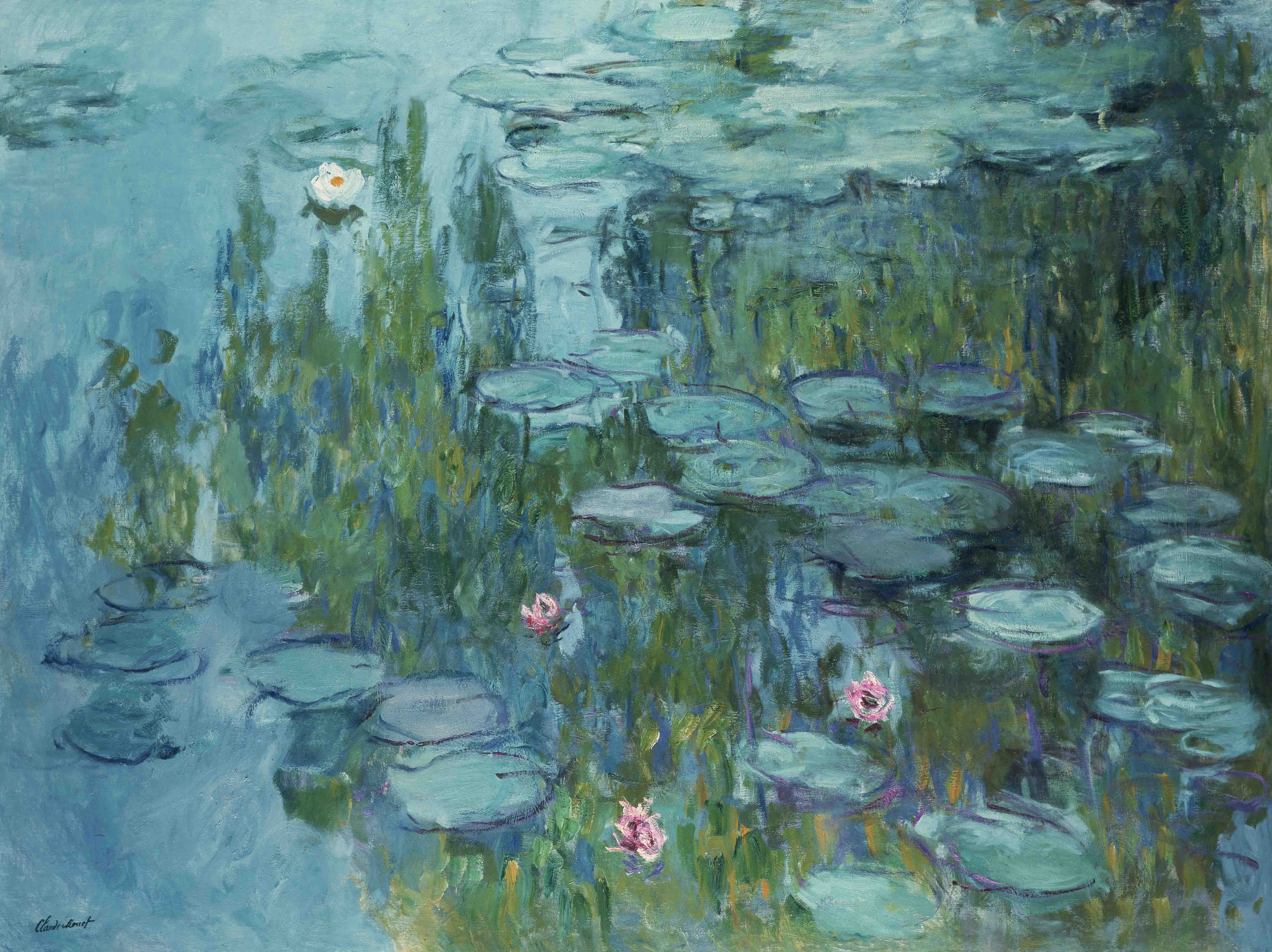
Anonymous internet artist SHL0MS posted an image of a Monet water lily painting on X, falsely claiming it was AI-generated. Thousands of users criticized the image's aesthetics, after which SHL0MS revealed it was actually a real Monet. He then minted the image as an NFT, sold it for around $40,000, and framed the entire episode as a conceptual artwork titled "Inferior Image," claiming it critiques online disinformation and debate culture.

The Whelm of Massive Group Shows, and My Tender Eyes

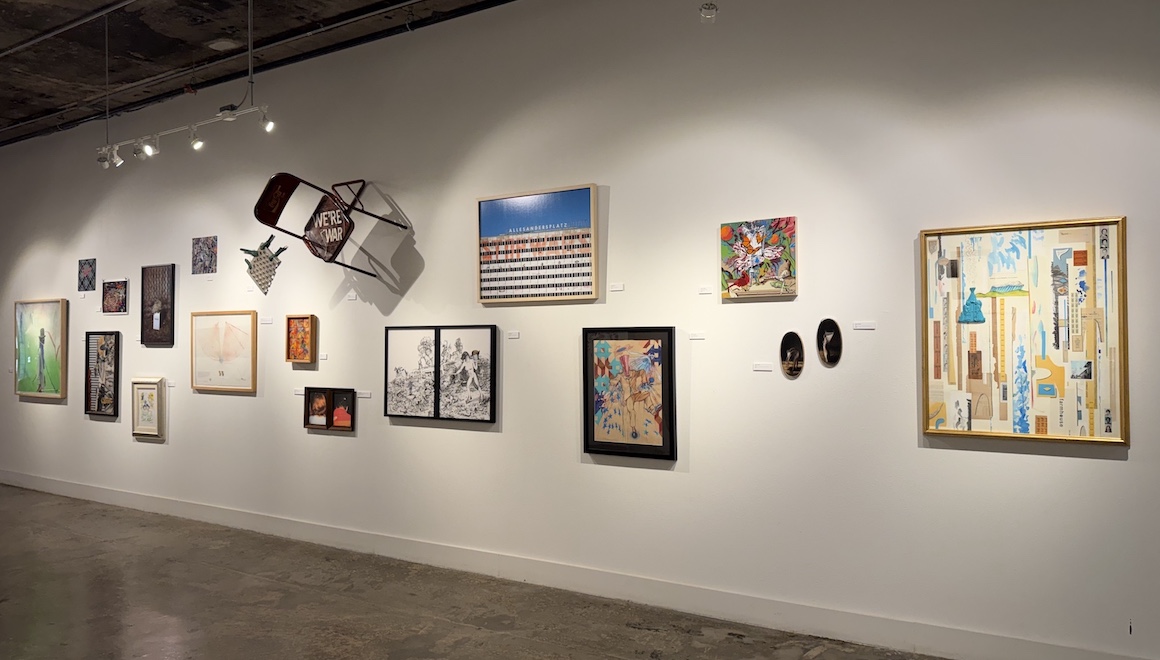
The article reflects on the overwhelming experience of massive group exhibitions, using examples like Lawndale's "The Big Show" (77 artists in 2025), "Hecho en Dallas" (66 artists), and the School of the Art Institute of Chicago's 1999 MFA thesis show (around 150 artists). The author, a gallerist, recounts visiting two recent San Antonio shows—"A Postmodernist Says ¿Que?" at Centro de Artes and "Fan of a Fan 3" at C7 Space—which feature dozens of works hung salon-style, forcing viewers to make choices about where to focus attention.

This Family Made Gin on Zoom During Covid. Here’s How It Became an Art World Staple.

During the pandemic, the Mordant family—Simon, Catriona, Brielle, and Angus—began making gin from wild juniper on their Umbria property, splitting operations between Italy, London, and upstate New York. After enrolling in a master gin-making course and refining recipes via Zoom, they entered their creation into the World Gin Awards, earning a triple-gold medal with a score of 97 out of 100. Despite initially producing only 502 bottles not intended for sale, global demand prompted them to scale up commercially, leading to Quattro Gatti becoming the official gin of the Venice Biennale.

Who the great jazz musician Miles Davis was, 100 years after his birth

Ecco chi era il grande musicista jazz Miles Davis a 100 anni dalla nascita

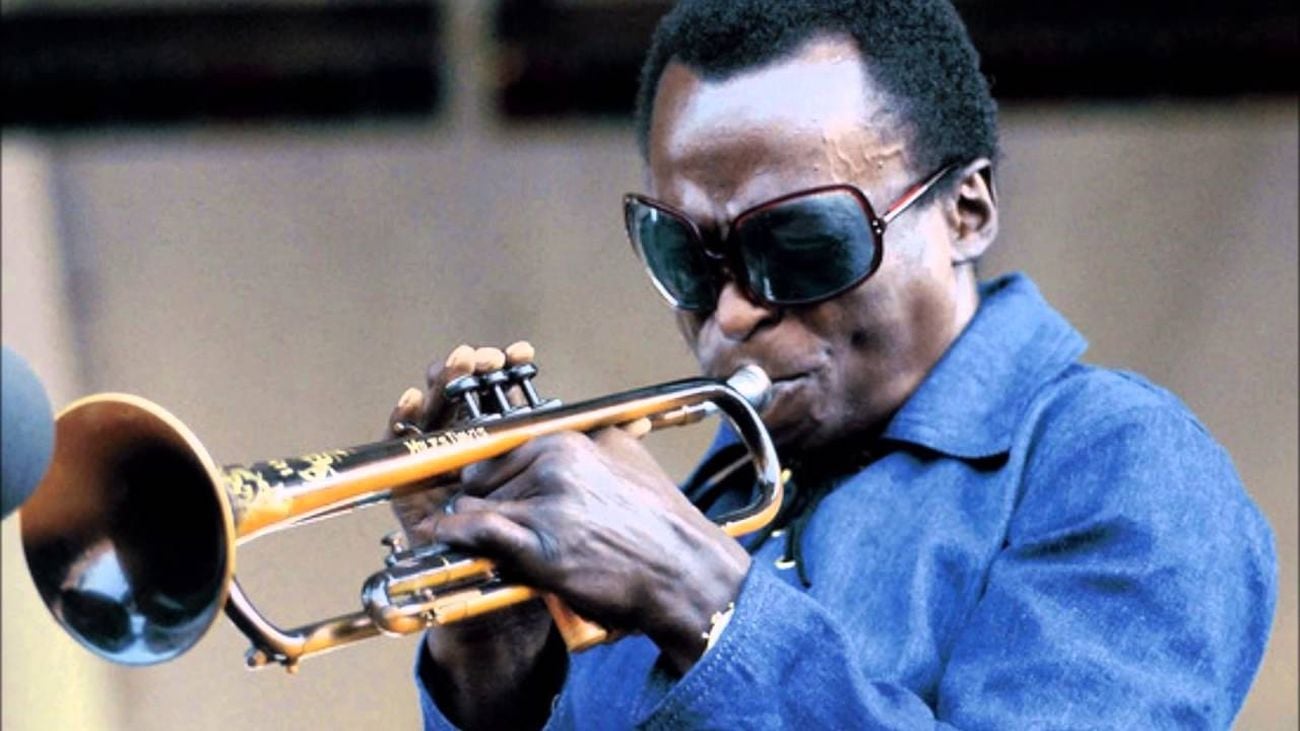
Miles Davis, the legendary jazz trumpeter and composer, is commemorated on the centenary of his birth. The article traces his career from his early days with Charlie Parker's bebop quintet in 1944, through his pioneering of cool jazz with "Birth of the Cool" (1949) and modal jazz with "Kind of Blue" (1959), to his later fusion experiments with electric instruments and funk-rock on albums like "Bitches Brew" (1970). It also highlights his lesser-known work as a painter, creating abstract, expressionist works influenced by Kandinsky, Basquiat, and Picasso, which were only exhibited after his death.

The Forgotten of Art: The Story of Artist Valeria Alberti

I dimenticati dell’arte. La storia dell’artista Valeria Alberti

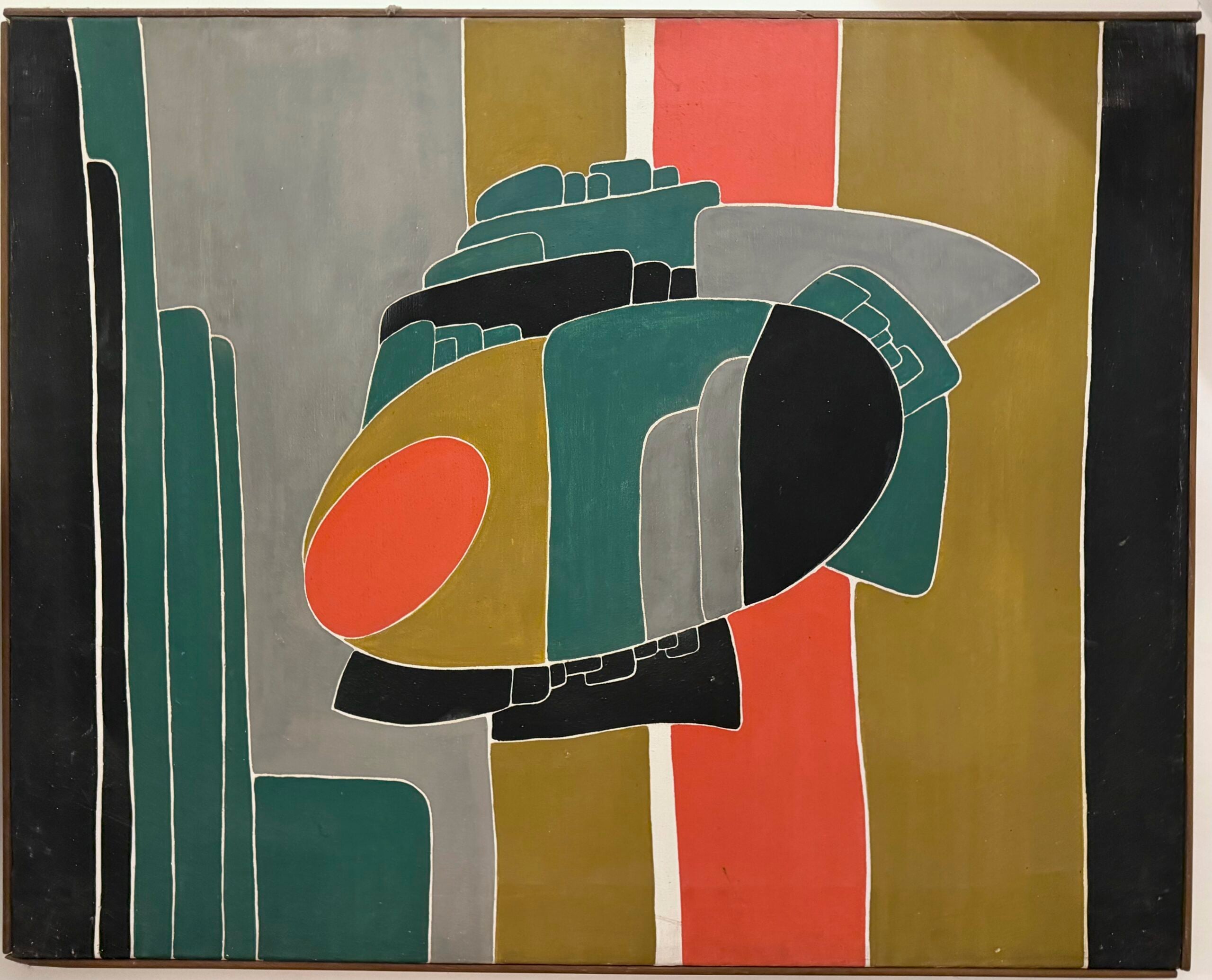
Valeria Alberti (1930-2011), a courageous, rebellious, and nonconformist Italian artist, had a brief but intense career before disappearing from the art world. Recent research by scholar Manuel Barrese reconstructs her trajectory as the only woman in a circle of artists and intellectuals around poet Emilio Villa and the Galleria Appia Antica. Alberti debuted in 1957 alongside Alberto Sartoris, collaborated with ceramist Mario Molli, and created painted panels for the transatlantic liners Leonardo Da Vinci and Michelangelo. She exhibited at Galleria Ferro di Cavallo and Galleria Azimuth, and received Piero Manzoni's Certificate of Authenticity No. 26 in 1961. Her later work included geometric metal sculptures, but she ultimately vanished from the art scene.

The Finale Cut: Lucio Fontana e la sua arte al cinema

A new documentary titled "The Final Cut" explores the life and artistic journey of Lucio Fontana, the Italian-Argentine artist famous for his slashed canvases (Concetti Spaziali). Produced by Good Day Films and Nexo Studios, directed by Andrea Bettinetti and narrated by Miriam Leone, the film will screen in Italian cinemas on May 25–27 as part of the "La Grande Arte al Cinema" season. It features archival footage, interviews with artists such as Doug Wheeler, Antony Gormley, Carsten Höller, Alfredo Jaar, Michelangelo Pistoletto, Heinz Mack, and scholars Luca Massimo Barbero and Daniela Alejandra Sbaraglia, highlighting Fontana's revolutionary approach and his first immersive installation, "Ambiente Spaziale a luce nera" (1949).

Dolce Vita is Over

Dolce Vita war gestern

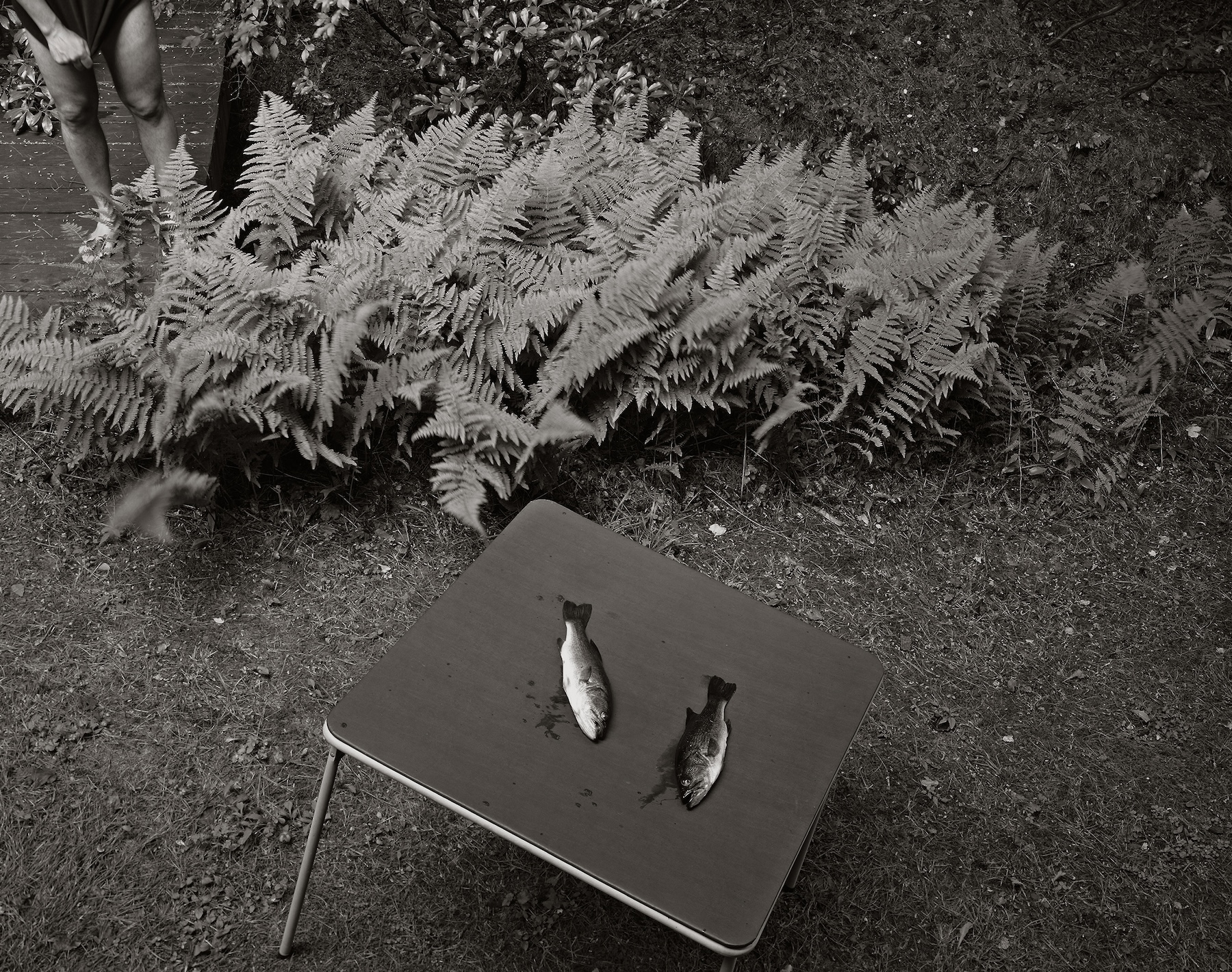
Andrea Modica's new photobook "Italian Story" collects four decades of photographs taken in Italy, beginning with her first trip there in the late 1980s. Born in 1960 to a family with roots in Sicily and Naples, Modica received a Fulbright scholarship to travel to Sicily and photograph the origins of the Catholic imagery, gender roles, and family structures she experienced growing up in New York. The book, however, is not a documentary of her heritage; instead, it presents dreamlike, surreal images—motionless bodies in water, dead fish, figures behind mosquito nets, Madonna statues—that resist clear narrative or identity politics. Modica works with an 8x10 large-format analog camera and prints using the historic platinum-palladium process, giving the images a timeless, collaborative quality.

Lifting Belly, Soft Bodies: Zuzanna Szary Talks with Wojciech Szymański

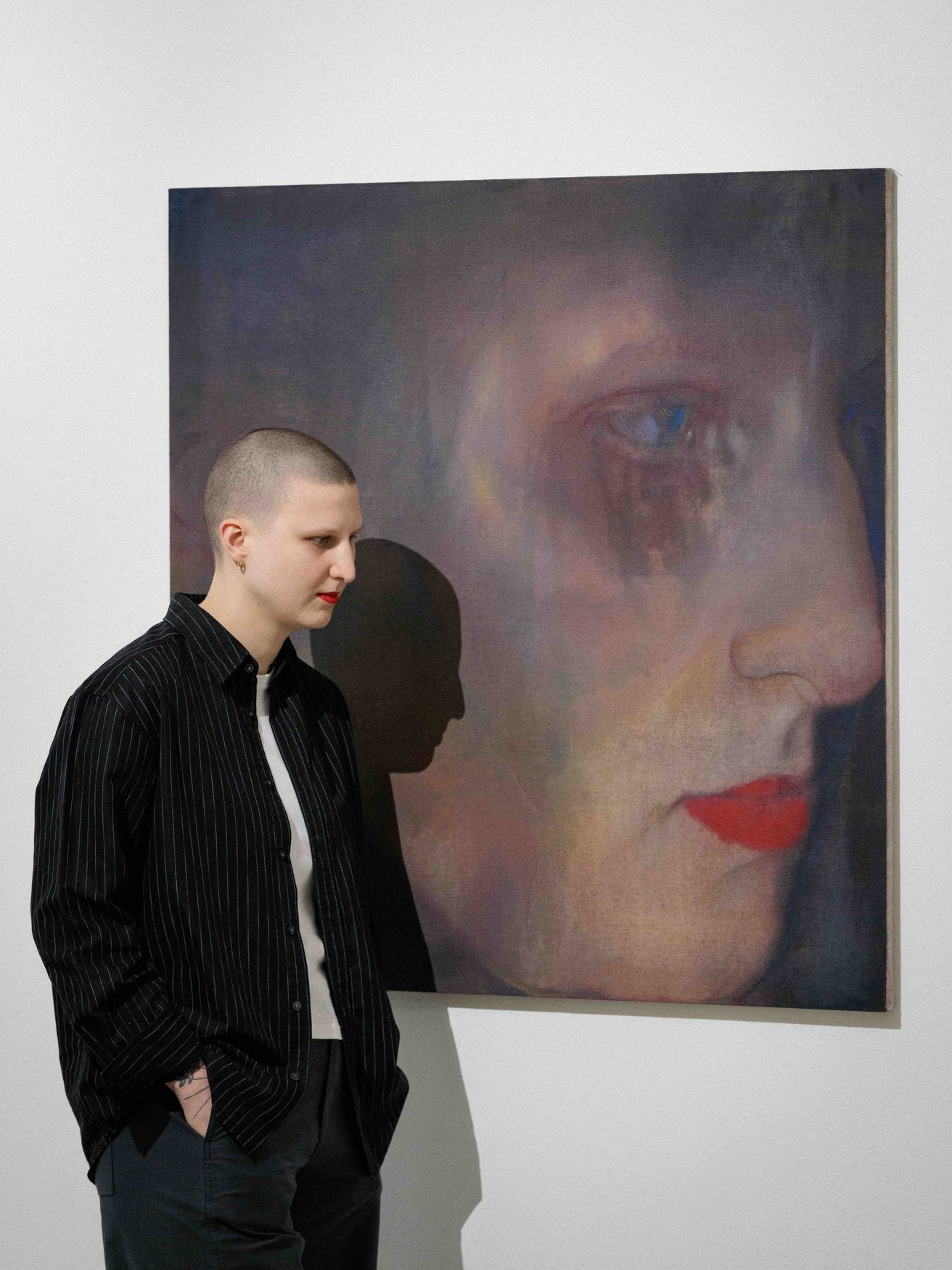
Polish painter Zuzanna Szary discusses her artistic journey and the intersection of queer identity, domesticity, and painting in an interview with Wojciech Szymański. Szary recounts discovering her lesbian identity in junior high and turning to painting after a period of clinical depression, eventually studying at the Academy of Fine Arts in Krakow. Her work, which has evolved from portraits of partners to still lifes centered on food and home, explores themes of softness, sensuality, and the politics of the body, drawing inspiration from figures like Gertrude Stein and Alice B. Toklas.

Artribune Podcast: l’artista Vincenzo Schillaci parla nel suo Monologhi al Telefono

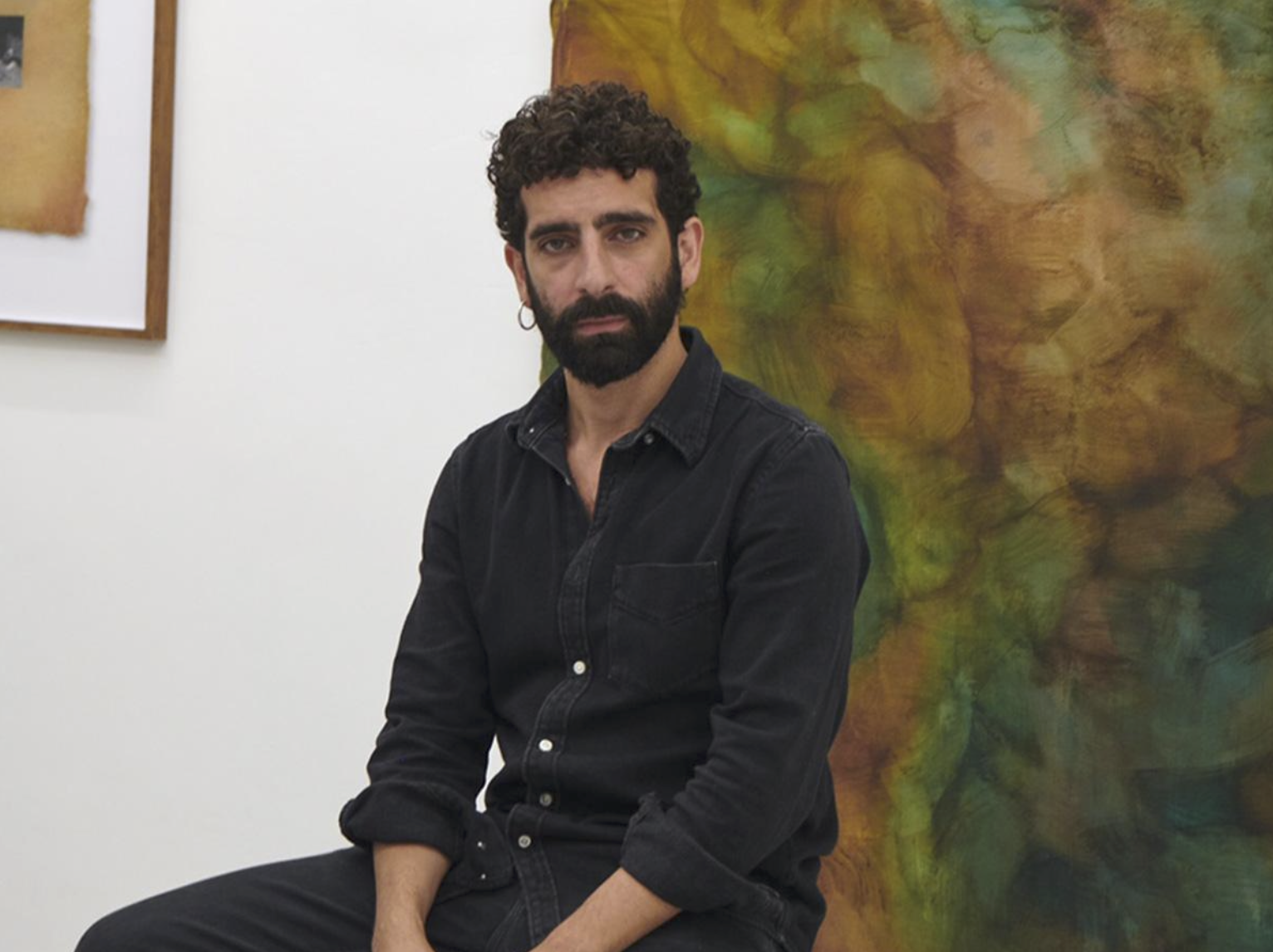
The latest episode of the Artribune Podcast features artist Vincenzo Schillaci (born 1984 in Palermo), recorded via telephone. Schillaci discusses his evolving artistic practice, where painting is an ongoing process of layering and erasure. His work spans painted surfaces, works on paper, and bronze interventions, forming an open system in which the artwork continuously transforms, challenging the boundaries between gesture, material, and form. The episode highlights his recent series inspired by Aristotle's concept of phantasma, and his exploration of materials like electrodeposited copper and bronze to capture different states of the image.

In my Auntieversum, everyone is free, there are no rules

"In meinem Auntieversum sind alle frei, es gibt keine Regeln"

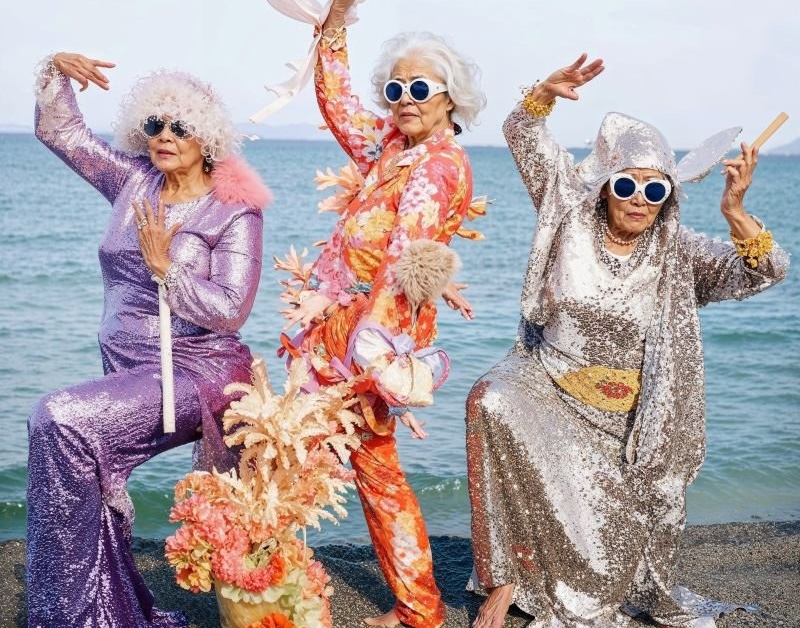
Wenhui Lim, a Singapore-raised artist and former architecture designer, creates AI-generated images and videos featuring older Asian women she calls 'Aunties.' Her surreal 'Auntieversum' depicts these figures bathing in oversized ramen bowls, playing with pastel jellyfish, and driving sushi cars—a fantastical parallel universe where they are free from societal and familial expectations. Lim began the project in early 2023 as a personal exploration to reconcile her own feelings toward the aunties in her life, who often made blunt comments about her appearance while also plying her with food.

Why the art market should finally be on LinkedIn

Warum der Kunstmarkt endlich auf LinkedIn sollte

The article argues that the art market's heavy reliance on Instagram for communication and sales is misguided, suggesting that LinkedIn offers far greater potential for business-to-business transactions and professional networking. It critiques the art world's preference for Instagram's visual focus, noting that LinkedIn's professional environment and targeting capabilities are better suited for discreet, high-value art sales.

Baumgartner Restoration Painstakingly Brings a Neglected Portrait Back to Life

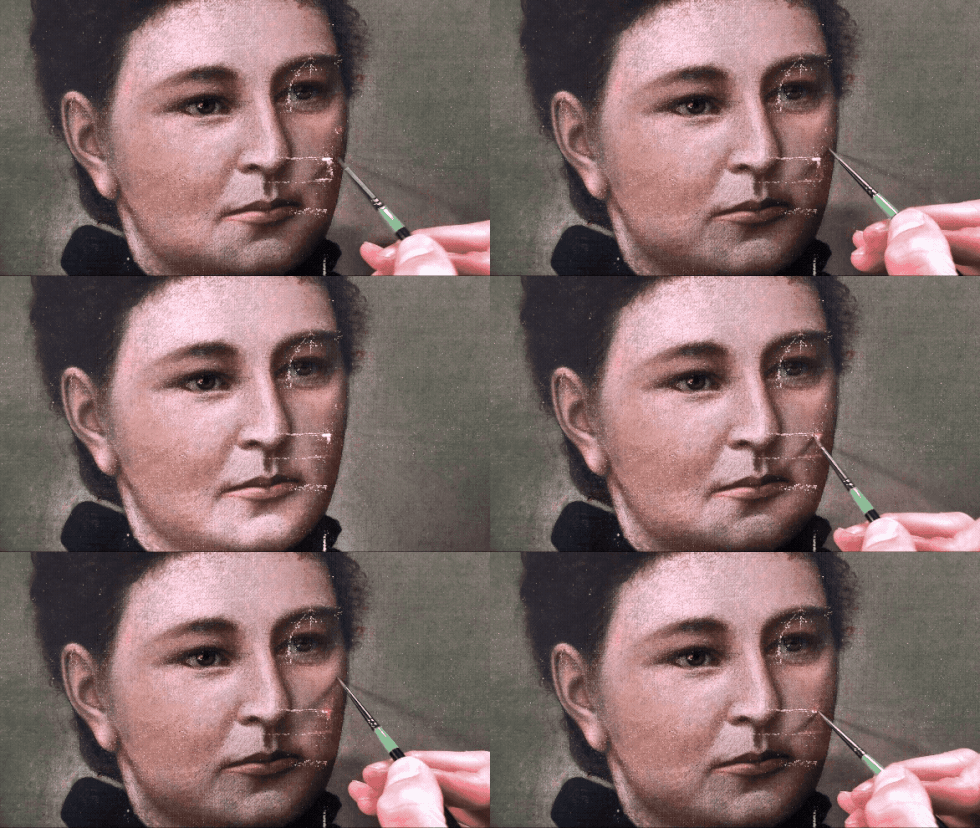
Art conservator Julian Baumgartner, who runs Baumgartner Fine Art Restoration in Chicago, received an anonymous portrait that arrived severely damaged—folded inside a mangled parcel with substantial creases, tears, and worn-away paint. Using reversible, archival materials and meticulous attention to detail, Baumgartner painstakingly restored the neglected painting, giving it a second chance at life.

From war zones to the White House: Christopher Anderson’s photography

Christopher Anderson, a photographer known for his work in war zones, has shifted his focus to capturing intimate and emotional moments, including assignments at the White House. His approach emphasizes connecting viewers with feelings that transcend factual data, reflecting a broader evolution in his photographic practice.

Le dimore storiche sono il più vasto e straordinario museo diffuso d’Italia. Una giornata per celebrarle

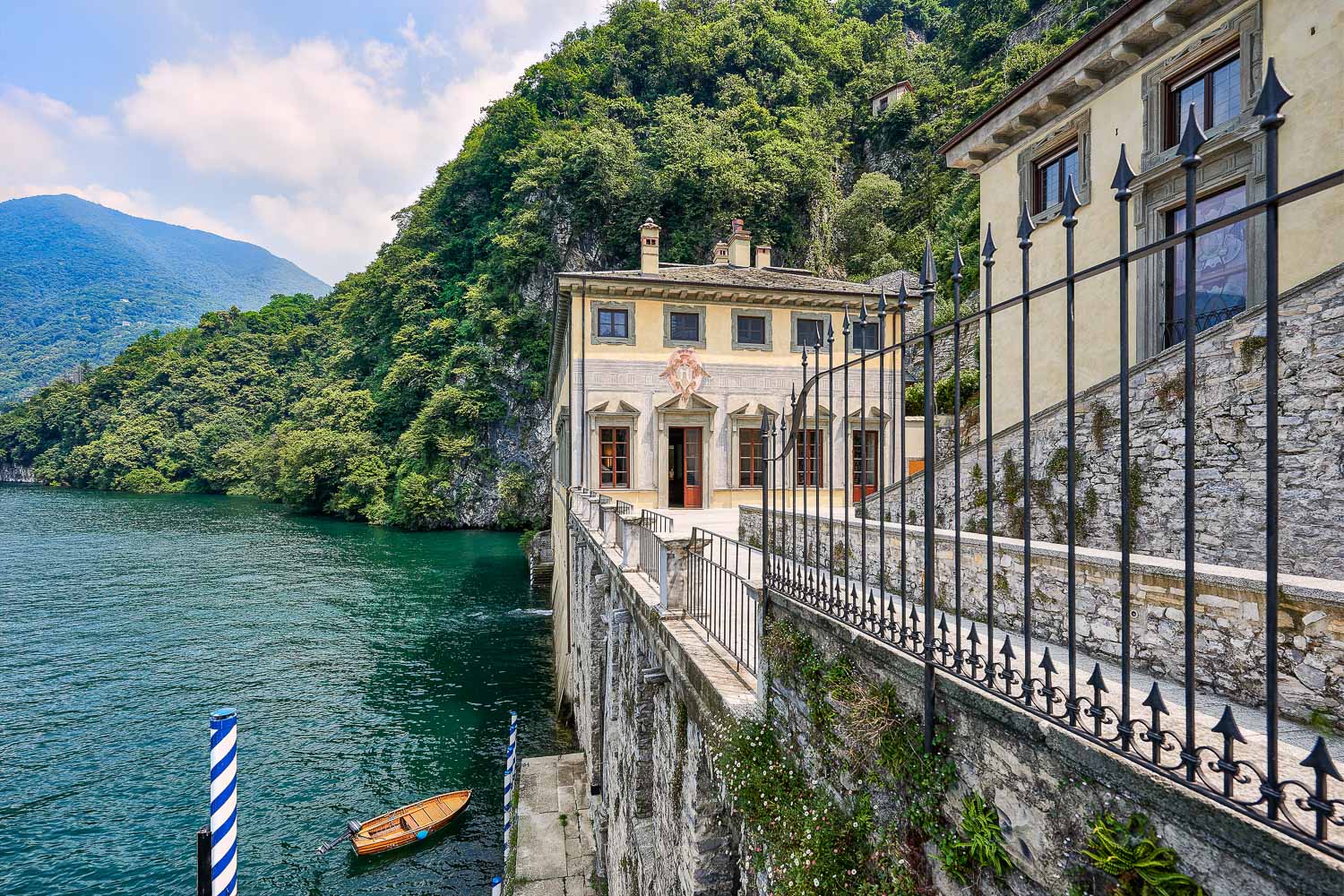
On Sunday, May 24, 2026, Italian historic homes will open their doors free to the public as part of the 16th National Day promoted by ADSI – Associazione Dimore Storiche Italiane. The 2025 edition involved over 500 properties and more than 250,000 visitors, highlighting the widespread cultural heritage across Italy. The article argues that this event is not merely cultural or tourist-oriented but raises broader questions about the future of Italy's fragile territories and the need for a cohesive national strategy for territorial rebalancing.

Where Art Meets Memory: The Gallery Kalo Journey

Gallery Kalo founder Përparim Kalo discusses the origins and philosophy of his Tirana-based gallery in a Q&A. Founded in 2014, the gallery began as a personal collection shared with the public and has since grown into a cultural meeting point that promotes artistic authenticity, inclusivity, and community engagement. Its vision has expanded beyond Tirana to villages along the Vjosa and Drino rivers, connecting art with landscape and local heritage.