filter_list Showing 28 results for "Nature" close Clear
dashboard All 517 museum exhibitions 323article local 50article news 33trending_up market 31article culture 28rate_review review 16candle obituary 13person people 11article policy 10article events 1article event 1
date_range Range Today This Week This Month All
Subscribe

Here’s How Stars at the 2026 Met Gala Nodded to Art History

The 2026 Met Gala, themed "Fashion Is Art," saw celebrities and fashion figures wearing outfits directly inspired by or referencing iconic artworks and art historical movements. Notable nods included Chloe Malle in a gown referencing Frederic Leighton's *Flaming June*, Lauren Sánchez Bezos in a Schiaparelli dress echoing John Singer Sargent's *Madame X*, and Hunter Schafer channeling Gustav Klimt's portrait *Mäda Primavesi*. Other attendees like Anne Hathaway, Hailey Bieber, and Karan Johar also drew from specific paintings, sculptures, and poems, while stylist Law Roach wore a hand-painted piece by Gabonese artist Naïla Opiangah.

There will be mud! Could my child (and buggy) survive a day at a sculpture park?

A parent takes their toddler to Yorkshire Sculpture Park (YSP) in West Yorkshire, UK, during a rainy February day. Despite the mud and drizzle, the child engages with outdoor artworks by Barbara Hepworth, Henry Moore, Bharti Kher, Sol LeWitt, Vanessa da Silva, and Damien Hirst, treating the sculptures as playgrounds and objects of discovery. The park offers free activity packs, a Hidden Forest designed for under-fives, and a family-friendly environment that encourages children to explore art and nature without the constraints of indoor galleries.

Soft armour, pert nipples: how London design team made Kim Kardashian’s Met Gala breastplate

Kim Kardashian wore an orange fibreglass breastplate to the 2024 Met Gala, created by the east London design duo Whitaker Malem (Patrick Whitaker and Keir Malem) in collaboration with British pop artist Allen Jones. The breastplate was cast from a mould derived from Jones's 1969 sculpture "Hatstand," finished by car bodyshop MPS Body and Paint in Kent, and paired with a hand-painted leather skirt. Kardashian directly contacted the duo in early April, flew to the UK for fittings, and chose the piece to interpret the gala's "fashion is art" dress code, which explored the dressed and undressed human body.

Isabel Nolan’s Work Challenges Everything We Think We Know About Creativity

Artist Isabel Nolan recently discovered she has aphantasia, a rare neurological condition that prevents her from visualizing mental images. Despite this, Nolan has built a successful career creating abstract sculptures, drawings, and tapestries, and her work is featured in the Irish Pavilion at the Venice Biennale. Her exhibition, "Dreamshook," explores themes of imagination versus reality and draws inspiration from late medieval history and the printer Aldo Manuzio.

‘It’s not much but, at the same time, it’s very much’: the enduring impact of Sade’s style

The article discusses the enduring style of Sade Adu, frontwoman of the British group Sade, following the band's announcement of their induction into the 2026 Rock and Roll Hall of Fame. It highlights how Adu's signature look—scraped-back hair, red lipstick, hoop earrings, and simple black dresses or denim—has become iconic and influential, with her outfits featured in exhibitions like V&A East's 'The Music is Black' and referenced by celebrities such as Drake. The piece traces the origins of her style to her fashion design studies at Saint Martin's School of Art and her early work with designer Fiona Dealey.

There Has Never Been an Apolitical Venice Biennale

The Venice Biennale, with its national pavilion structure, has always been a platform for political expression and soft power, a reality evident from its early 20th-century origins. Contemporary critic Arturo Lancellotti's 1909 review of the German and British pavilions was steeped in geopolitical context, revealing how national artistic displays were interpreted through the lens of imperial power and military alliances.

In Spain, art becomes popular thanks to this expert influencer. We interviewed him

In Spagna l’arte diventa popolare grazie a questo esperto influencer. Lo abbiamo intervistato

Miguel Ángel Cajigal, known as 'El Barroquista,' is a Spanish art historian and popularizer who has brought art history to prime-time television, radio, and social media. In an interview with Artribune, he discusses his books, including 'Otra historia del arte' (2021), his approach to making art accessible without dumbing it down, and his critique of the cult of the individual genius in art historiography. He emphasizes the collective nature of art production and reception, challenging the traditional focus on masterpieces and authorship.

Beyond the Sagrada Família: These 6 Surprising Places in Barcelona Reveal a Lesser-Known Gaudí

Au-delà de la Sagrada Família, ces 6 lieux étonnants à Barcelone qui révèlent un Gaudí méconnu

Beaux Arts Magazine highlights six lesser-known architectural works by Antoni Gaudí in Barcelona, beyond his famous Sagrada Família. The article features Casa Vicens (1883–1885), his first private commission; Torre Bellesguard (1900–1909), a medieval-inspired tower with panoramic views; Casa Calvet (1897), a residential building with textile-themed details; and the Finca Güell and Palau Güell, experimental projects for his patron Eusebi Güell. These sites showcase Gaudí's organic style, fusion of nature and architecture, and influences from Japanese, Arabic, and Catalan Gothic traditions, with several recently opened to the public.

Sur Arte Radio et dans une expo, l’enquête d’Adrianna Wallis sur les traces de sa grand-mère peintre spoliée par les nazis

Artist Adrianna Wallis (born 1981) discovers that her paternal grandmother, painter Diane Esmond (1910–1981), was a victim of Nazi looting during World War II. After being contacted by historians Patricia Helletzgruber and Sophie Juliard, Wallis learns that much of Esmond's work was systematically destroyed by the ERR, the Nazi organization responsible for art theft in occupied countries. This revelation sparks a personal investigation that becomes a podcast for Arte Radio titled "Il restera la gravité," blending documentary, autobiographical inquiry, and sound installation. Wallis delves into archives, examining microfilms and lists that detail 46 of Esmond's paintings—each methodically described and declared destroyed, such as "Woman in blue evening dress: annihilated."

parties cult100 cultured magazine guggenheim

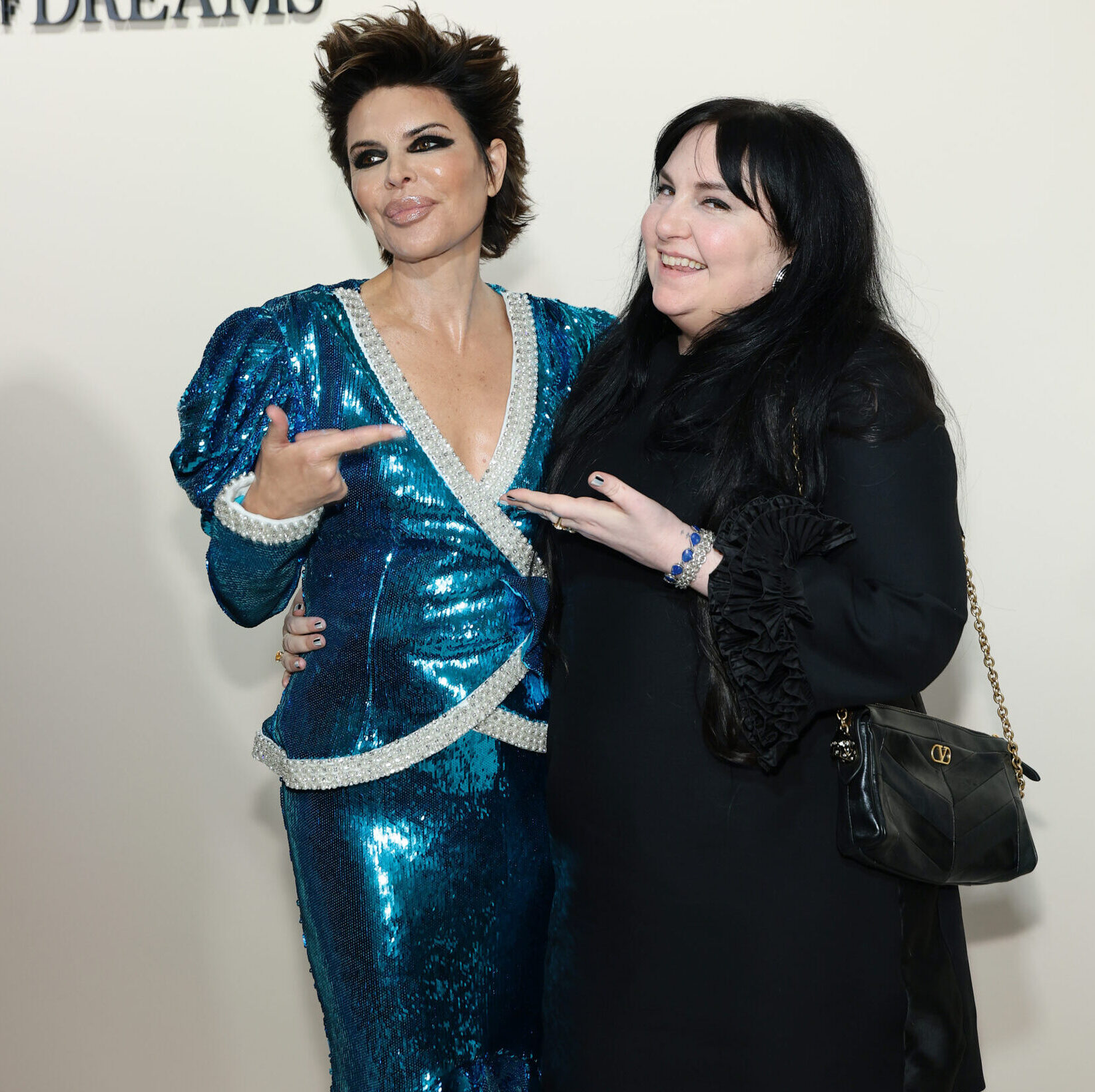
CULTURED magazine hosted its second annual CULT100 party at the Guggenheim Museum in New York, in exclusive partnership with Valentino and Valentino Beauty. The event celebrated the magazine's spring issue, a 400-page edition honoring 100 luminaries and rising talents across food, film, art, fashion, and more. Guests including Keke Palmer, Lena Dunham, Naomi Watts, Adam Scott, and Anne Imhof gathered in the Frank Lloyd Wright-designed rotunda for cocktails, a Valentino Beauty lounge, and a program that coincided with artist Carol Bove's ongoing museum survey exhibition at the Guggenheim.

Nine Artists on the Gardens They’ll Never Forget

Nine artists, including Hiroshi Sugimoto, Irene Neuwirth, and Umberto Pasti, share personal reflections on unforgettable gardens from around the world. Each contributor describes a specific garden that left a lasting impression, ranging from historic estates to wild natural landscapes, highlighting the sensory and emotional impact of these spaces.

Without Consciousness, No Creativity

"Ohne Bewusstsein keine Kreativität"

Matthias Hornschuh, a speaker at the German Creative Economy Summit in Hamburg, discusses artificial intelligence and its impact on art and creativity in an interview with Monopol. He argues that AI systems lack intentionality and true creativity, describing them as "probability-based imitation" rather than genuine creative tools. Hornschuh warns against the hype surrounding AI, noting that efficiency gains are often overstated and that users can become trapped in unproductive interactions with these systems.

How Much Change Can Society Endure?

Wie viel Veränderung hält die Gesellschaft aus?

Artist Julius von Bismarck and SPD politician Rita Schwarzelühr-Sutter engaged in a deep dialogue about the societal transition from a fossil-fuel-based to a post-fossil society. During a live podcast hosted by Monopol editor-in-chief Elke Buhr at the BMW Foundation in Berlin, von Bismarck challenged traditional notions of environmental protection, arguing that the very concept of "nature" should be abolished to foster a new relationship with the world. The discussion bridged the gap between artistic radicalism and political pragmatism, touching on existential threats, global inequality, and the role of technology like AI.

Emma the joke-telling robot cracks up the care home: Paula Hornickel’s best photograph

Photographer Paula Hornickel captured a moment between an elderly care home resident named Waltraud and a social robot named Emma in Albershausen, Germany. The robot, designed for companionship in settings with staff shortages, engages residents in conversation, tells jokes, and discusses topics like favorite flowers, simulating social interaction.

A Place of Perpetual Warmth: Hyde Park Art Center and the Making of Chicago’s Creative Identity

The Hyde Park Art Center (HPAC) stands as a vital pillar of Chicago’s grassroots creative identity, serving for eighty-six years as an unpretentious alternative to the city's major encyclopedic museums. From its early days under curator Don Baum, the center became a catalyst for the avant-garde, famously launching the careers of the Chicago Imagists and the Hairy Who. Today, it continues to function as a multifaceted ecosystem that blends community education, artist residencies, and experimental exhibitions within a residential neighborhood setting.

That Time Raphael Visited Tivoli, Transforming Antiquity into Art

Quella volta che Raffaello visitò Tivoli trasformando l’antichità in arte

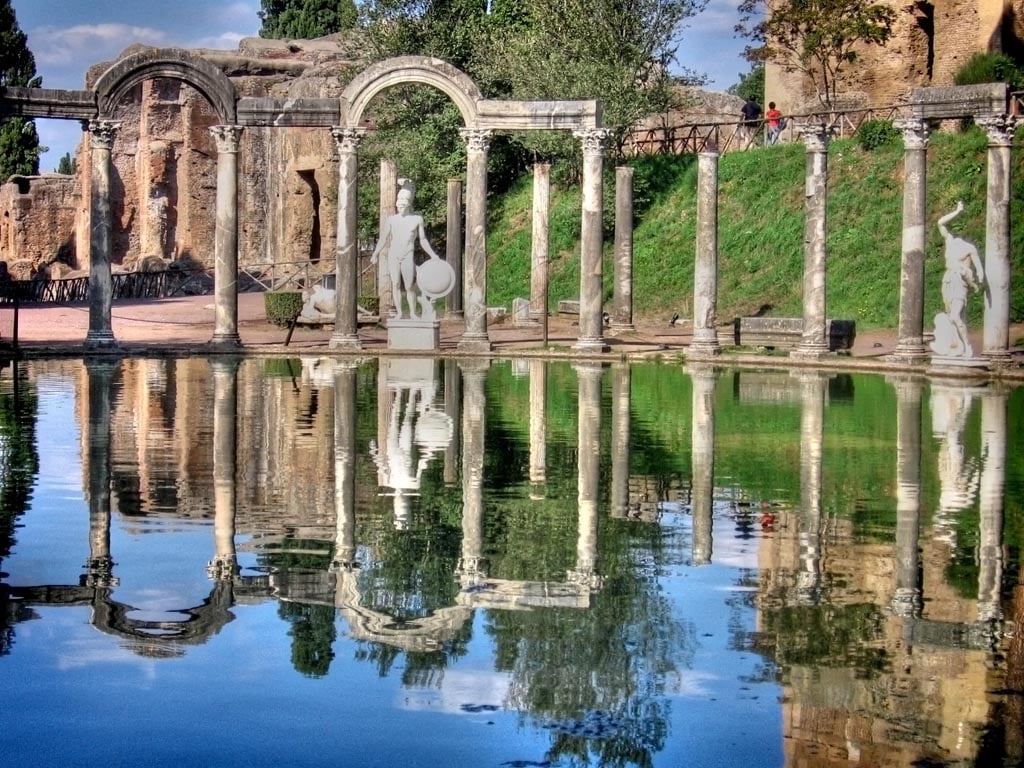
In April 1516, Raphael Sanzio embarked on a historic excursion to Tivoli alongside a prestigious circle of Renaissance intellectuals, including Baldassarre Castiglione and Pietro Bembo. This journey served as a critical field study for Raphael, who had recently been appointed as Rome's prefect of antiquities. By examining the complex ruins of Hadrian's Villa and the Sanctuary of the Sibyl, the group engaged in a sophisticated blend of archaeological investigation and humanist leisure that defined the cultural climate under Pope Leo X.

Hard Truths: Can an Artist Exact Revenge on a Dealer Treating Her Like a Pariah?

An artist seeks advice after severing a 25-year relationship with a gallery that enforced a restrictive two-year non-compete clause. Following the split, the artist discovered $50,000 in damaged inventory and alleged that the dealer lied to insurance companies while commissioning other artists to produce knockoffs of their work. A second inquiry involves a high-ranking art world figure distressed over being dropped from a prominent "Power 100" list, questioning whether to confront the publication.

Hilma af Klint en 2 minutes

Hilma af Klint (1862–1944) is profiled as a pioneering Swedish abstract artist who created a vast body of visionary, large-scale abstract paintings decades before Kandinsky, yet kept them secret during her lifetime. The article traces her life from a childhood steeped in science and nature, through her studies at the Royal Academy of Fine Arts in Stockholm, to her dual artistic practice: conventional landscapes and portraits for income, and radically abstract works guided by spiritualist séances and theosophical beliefs. She founded the group "The Five" with fellow female artists, and from 1906 onward produced the monumental series "Paintings for the Temple" (193 works), convinced she was channeling a higher force. She stipulated in her will that her abstract works not be revealed until 20 years after her death, and they were only rediscovered in the late 1960s.

In love with trees, sculptor Lélia Demoisy elevates nature through hybridization

Amoureuse des arbres, la sculptrice Lélia Demoisy sublime la nature par l’hybridation

Lélia Demoisy, a French sculptor born in 1991, creates hybrid works that blend wood with animal elements, such as a yew wood sculpture covered in fox fur or a suspended skeleton made from naturally curved thuya branches. She lives in a small village in the Yvelines region, where she works with wood and metal herself, often sourcing materials locally, and recently participated in the Maif pour le vivant committee as the only artist on the jury.

How a Remote California Artists’ Retreat Inspired Vhernier’s Latest Ring Collection

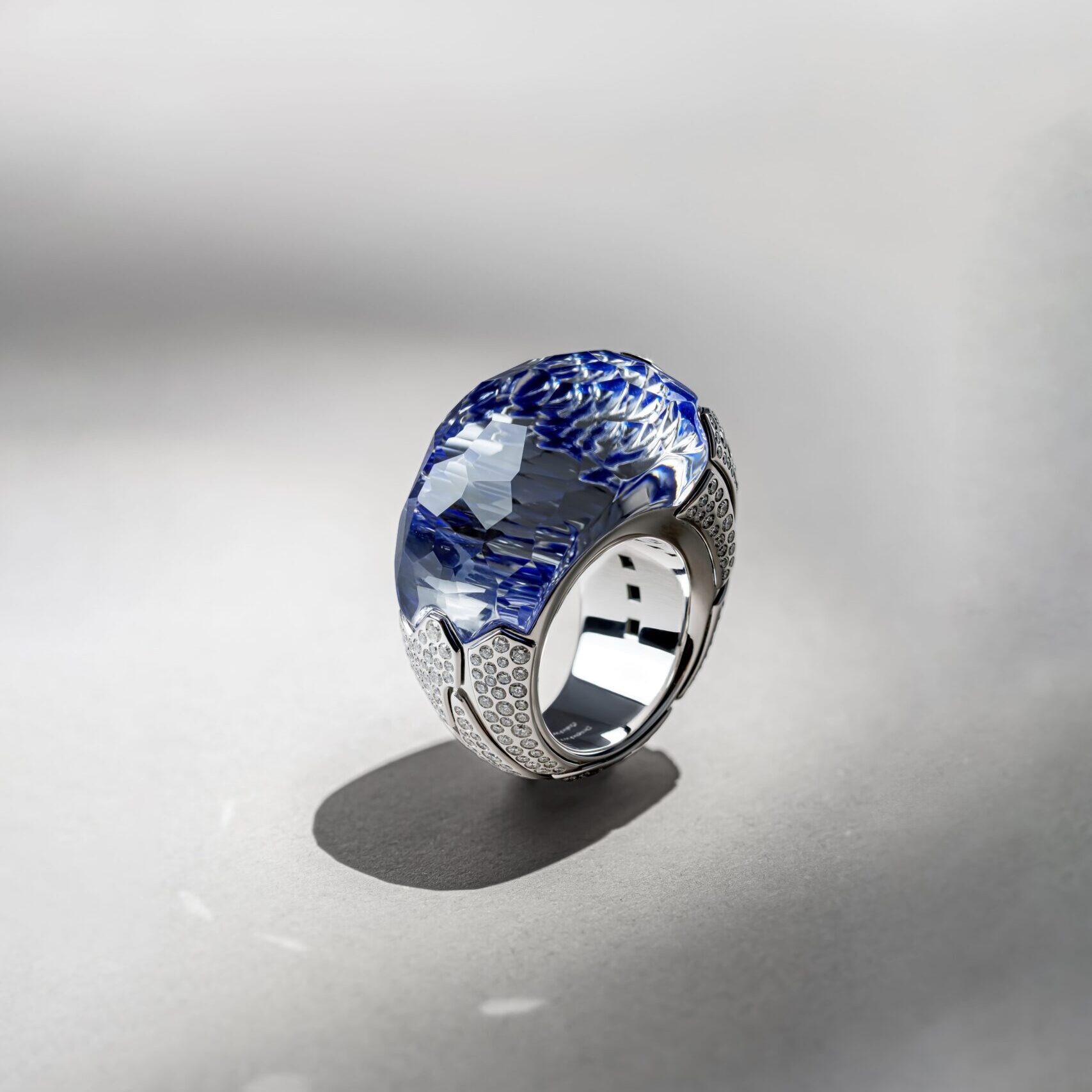
Italian jewelry maison Vhernier has collaborated with artist Pae White to create a 10-design limited-edition ring collection inspired by White's childhood memories of Sea Ranch, a remote artists' retreat in Sonoma County, California. The collection translates the architecture of crustaceans and abalone into precious materials, using sapphires, diamonds, and rock crystal set in white or rose gold, with only two versions of each design produced.

In ‘Reverence,’ Three Decades of Paul Nicklen’s Remarkable Photographs Exalt Nature

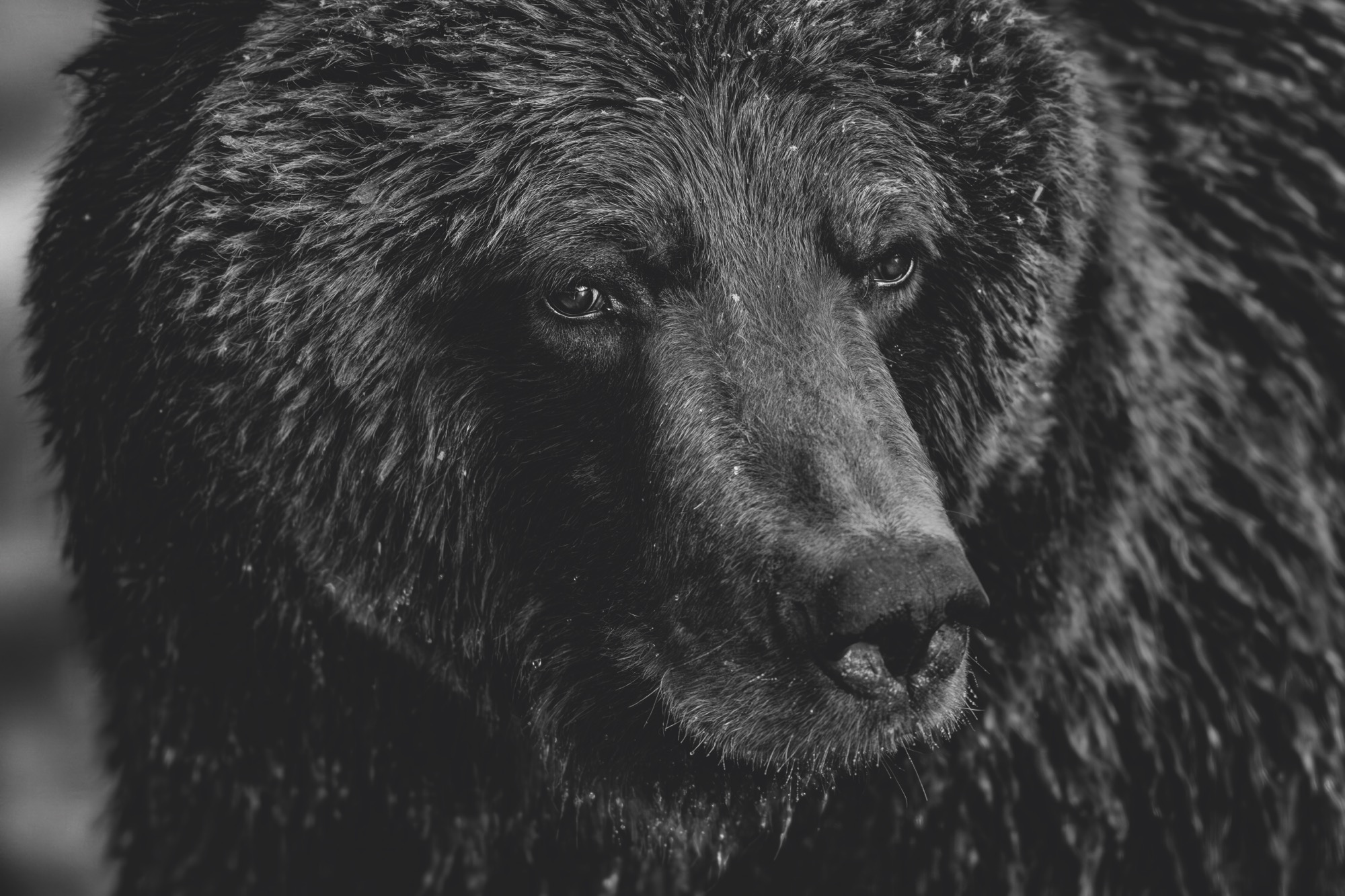
Paul Nicklen, a renowned wildlife photographer and co-founder of the conservation organization SeaLegacy, is releasing a comprehensive book titled *Reverence* through publisher Hemeria. The volume collects 160 photographs spanning his three-decade career, including iconic images and previously unpublished works that capture the beauty and fragility of ecosystems from the Colorado River delta to the Arctic Bay.

Jake Messing’s Hyperrealistic Paintings Celebrate the Abundance of Nature

Jake Messing, a Northern California-based artist, creates hyperrealistic acrylic paintings that depict dense, maximalist clusters of flora and fauna, often combining creatures and plants in surreal arrangements. His works, such as "Coccinellidaes Hideaway 2" and "Bubbles and Blooms," draw on the tradition of Dutch Golden Age still-life painting while incorporating contemporary elements like color gradients and shiny fabrics.

From Micro to Mega, Jon McCormack’s Striking Photos Reveal Nature’s Patterns

Photographer Jon McCormack, who grew up in the Australian Outback and has traveled to all seven continents, has a new book titled "Patterns: Art of the Natural World," forthcoming from Damiani Books. The project emerged during the pandemic when limited travel led him to revisit local spots and develop a patient, attentive approach to capturing nature's hidden harmony and symmetry. The book features 90 images ranging from microscopic crystals to aerial views of flamingos in Kenya, along with text contributions from fellow photographers and conservationists.

Why Is Everyone Obsessed With Bogs?

The New York Times Art section published an explainer titled "Why Is Everyone Obsessed With Bogs?" examining the cultural fascination with wetlands, particularly bogs, across fashion and art. The article explores how bogs have become a recurring motif in contemporary visual culture, from runway collections to gallery installations, reflecting a broader societal interest in these unique ecosystems.

The Next Frontier in Design? The Humble Birdhouse.

Artists and architects are increasingly designing and creating elaborate, artistic birdhouses, elevating a common backyard object into a subject of creative expression and public art. This movement reflects a broader trend of engaging with nature and public space, blurring the lines between functional design, sculpture, and environmental commentary.

Rachel Mentzer Transforms Discarded Cartons into Dusky Collagraphs

Ohio-based artist Rachel Mentzer creates collagraph prints using discarded cartons as printing plates, carving them with images of birds, trees, and energy infrastructure. Her process involves carving the cardboard, sealing it with polyurethane, inking it, and transferring the image via an etching press, often incorporating chine collé for color. Her work was recently shown at the Manhattan Graphics Center, and she will participate in the Suzanne Wilson Artist-in-Residence Program at Glen Arbor Arts Center this summer.

What are therapeutic gardens and how are they designed? An expert explains

Cosa sono i giardini terapeutici e come si progettano. Ce lo spiega l’esperta

Landscape architect Monica Botta discusses the resurgence and design principles of healing gardens, specialized green spaces designed to promote physical and psychological well-being. While the therapeutic value of nature was largely ignored in mid-20th-century clinical architecture, a modern shift is reintegrating 'nature therapy' into healthcare facilities to combat stress, depression, and chronic illnesses.

A rare moment in Philippine art history: a meeting of two masters whose visual languages differ yet converge in their reverence for the natural world. https://tinyurl.com/y69vvyu6 | via ONE News

A rare meeting of two major Philippine artists, whose distinct visual styles both reflect a deep reverence for nature, has been documented. The encounter brings together masters with differing artistic languages, highlighting a unique convergence in Philippine art history.