filter_list Showing 26 results for "RAC" close Clear
dashboard All 458 museum exhibitions 280article local 51article news 28article culture 26person people 21trending_up market 20article policy 12candle obituary 9rate_review review 7article event 2article events 1gavel restitution 1
date_range Range Today This Week This Month All
Subscribe

How Wayne McGregor’s epic ballets draw on help from his artistic friends

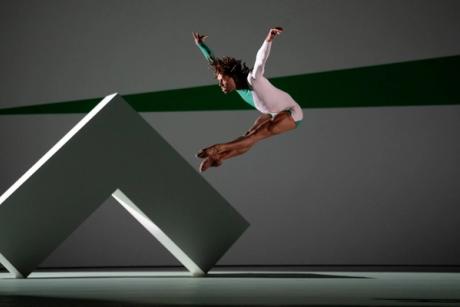
Choreographer Wayne McGregor’s upcoming production at the Royal Opera House, 'Alchemies', highlights his career-long commitment to cross-disciplinary collaboration with visual artists and designers. The program features a world premiere with costumes by fashion designer Saul Nash, alongside revivals of 'Yugen' and 'Untitled, 2023'. These works incorporate significant contributions from the art world, including set designs by ceramicist Edmund de Waal and previous collaborations with figures like Tacita Dean and Olafur Eliasson.
Andrew Lloyd Webber Says He's Writing a New Musical About the Time the 'Mona Lisa' Vanished Without a Trace in 1911

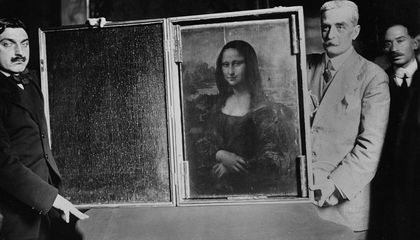
Andrew Lloyd Webber, the legendary composer behind 'The Phantom of the Opera,' has announced he is developing a new musical centered on the 1911 theft of Leonardo da Vinci’s 'Mona Lisa.' The production will dramatize the true story of Vincenzo Peruggia, an Italian glazier who stole the masterpiece from the Louvre, leading to a two-year international search before the painting was recovered in Italy.

Matisse, Soulages, Chagall… The most beautiful churches and chapels decorated by artists throughout France

Matisse, Soulages, Chagall… Les plus belles églises et chapelles décorées par des artistes dans toute la France

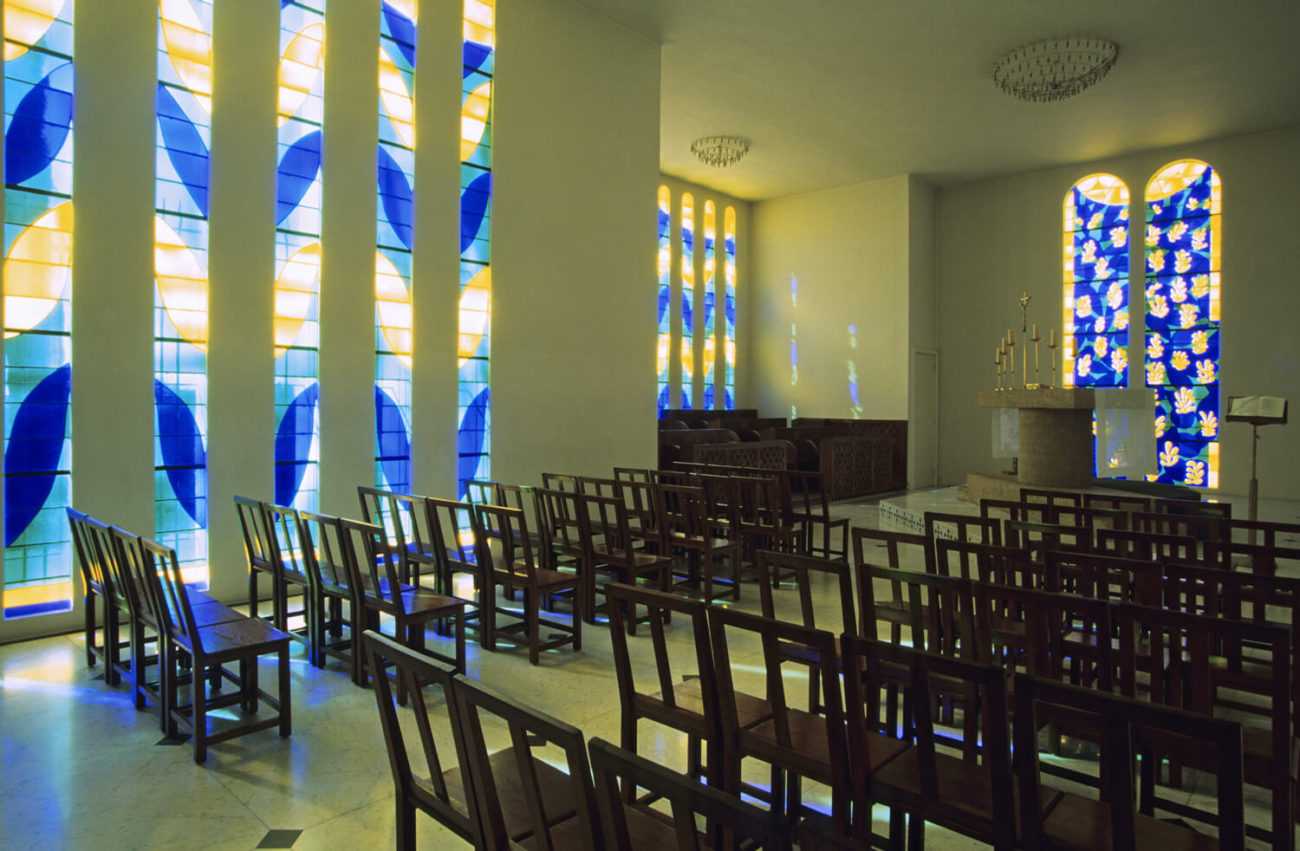
Renowned modern and contemporary artists have transformed various religious sites across France into immersive 'total works of art.' From Pierre Soulages’ translucent stained-glass windows in the Abbey of Sainte-Foy in Conques to Pablo Picasso’s monumental 'War and Peace' murals in Vallauris, these projects demonstrate how secular artists have engaged with sacred architecture. The article highlights ten specific locations where artists like Matisse, Chagall, and Cocteau integrated painting, glasswork, and furniture into historic ecclesiastical settings.

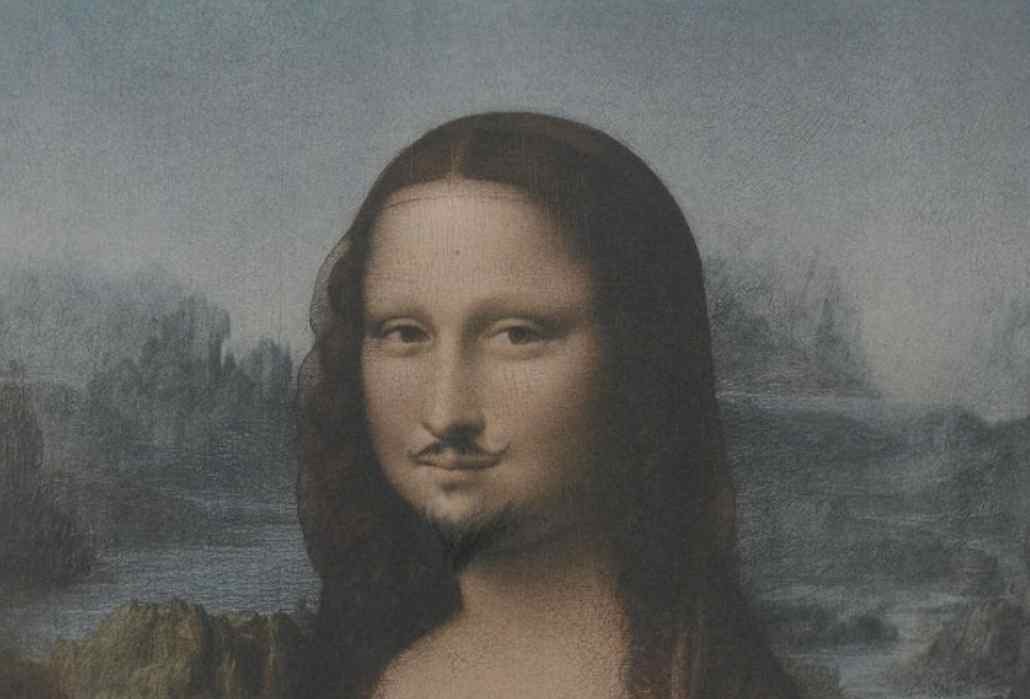
8 Artists to Follow If You Like Marcel Duchamp

Marcel Duchamp’s legacy continues to shape contemporary art through his pioneering use of readymades, conceptual rigor, and institutional critique. This analysis identifies eight modern and contemporary artists whose practices echo Duchamp’s subversion of traditional aesthetics, ranging from his early experiments with found objects to his later explorations of gender and mechanical desire.

Galle Facing

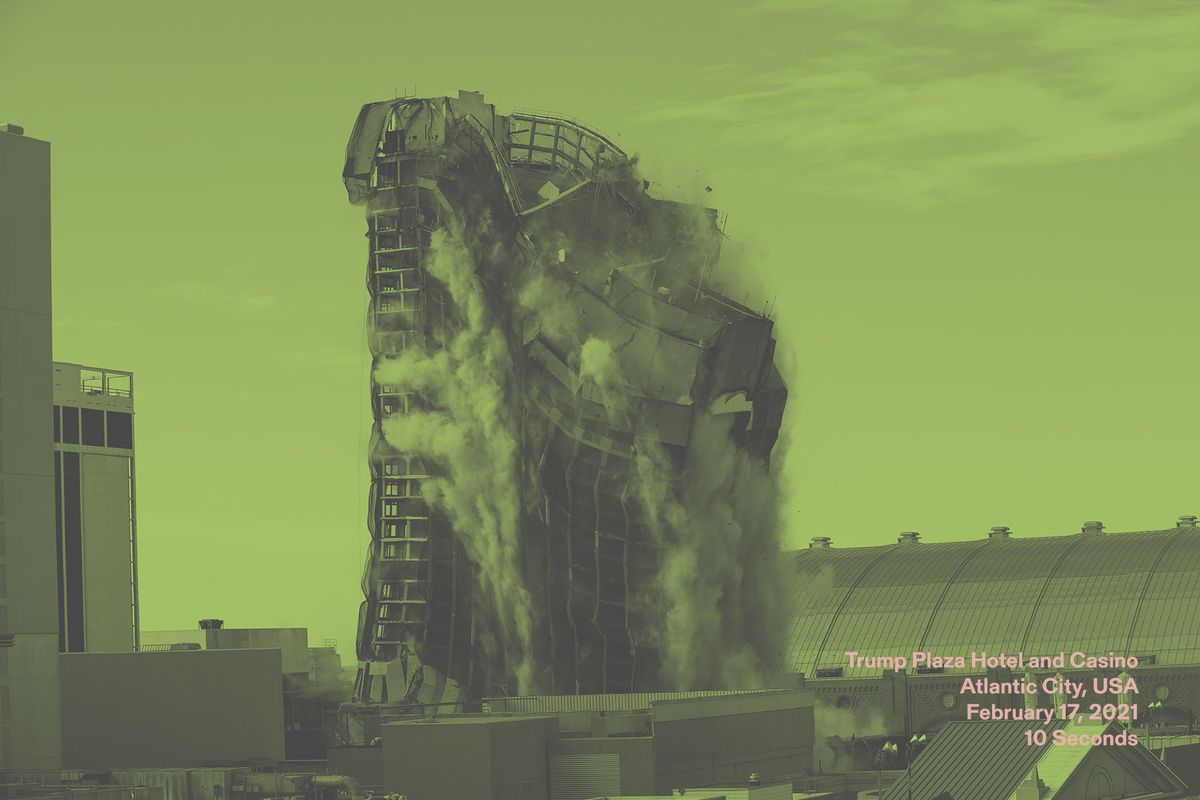
Colombo’s skyline has undergone a radical transformation into a forest of glass and steel towers, epitomized by projects like the Lotus Tower and Port City. This rapid urbanization, driven by a state ambition to create a 'world-class city' following decades of civil war, has resulted in the displacement of local neighborhoods and the burial of historical layers under new infrastructure.

Collapse Finance, Part 2: Longevity Capitalism—Life as an Asset Class

The essay explores the emergence of "longevity capitalism," a financial and biopolitical regime where biological duration and life expectancy are treated as assets for capital accumulation. As traditional welfare systems and collective pension schemes collapse, the uncertainty of human lifespan has been transformed into a speculative frontier, with retirement security increasingly tied to volatile private equity and cryptocurrency markets.

'Presence of Color.' How race shaped photography | Opinion

The Fayetteville Observer explores the historical racial bias embedded in photographic technology through the lens of "Shirley Cards." These reference tools, used by film developers for decades to calibrate color balance, were based exclusively on the skin tones of white female models, resulting in poor image quality and distorted representations for Black and dark-skinned subjects.

Can an Artwork Have Personhood?

The article explores a growing trend in contemporary art where artists like Pierre Huyghe, Nina Katchadourian, and Marge Monko create works that blur the line between art objects and sentient beings. These works incorporate human performers, animals, AI, and smart devices, prompting viewers to question whether these entities possess or simulate personhood, and forcing an examination of our instinct to anthropomorphize.

Recording Presence: Practical Strategies For Documenting Contemporary Exhibitions

The article provides a practical guide to documenting contemporary art exhibitions, outlining methods for creating useful, ethical, and durable records. It emphasizes the importance of shot lists, consistent file naming, descriptive metadata, and accessibility features like captions and transcripts to ensure archives remain searchable and meaningful over time.

Emma the joke-telling robot cracks up the care home: Paula Hornickel’s best photograph

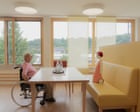
Photographer Paula Hornickel captured a moment between an elderly care home resident named Waltraud and a social robot named Emma in Albershausen, Germany. The robot, designed for companionship in settings with staff shortages, engages residents in conversation, tells jokes, and discusses topics like favorite flowers, simulating social interaction.

Literature Today: The Crisis of the Novel as a Symptom of Social Change

La letteratura oggi: la crisi del romanzo come sintomo di un cambiamento sociale

The article examines the perceived crisis of the novel as a literary form, tracing its historical rise alongside the bourgeoisie in the 17th and 18th centuries. It argues the novel functioned as a mirror for a coherent social class with shared values, serving as a device for collective representation. The form's foundational premise of a recognizable community began to fracture in the 20th century, particularly after World War II, as societies atomized and grand ideological narratives collapsed.

What does a technology fair have to do with the art world? A report from MIR in Rimini

Cosa c’entra una fiera della tecnologia con il mondo dell’arte? Un report dal MIR di Rimini

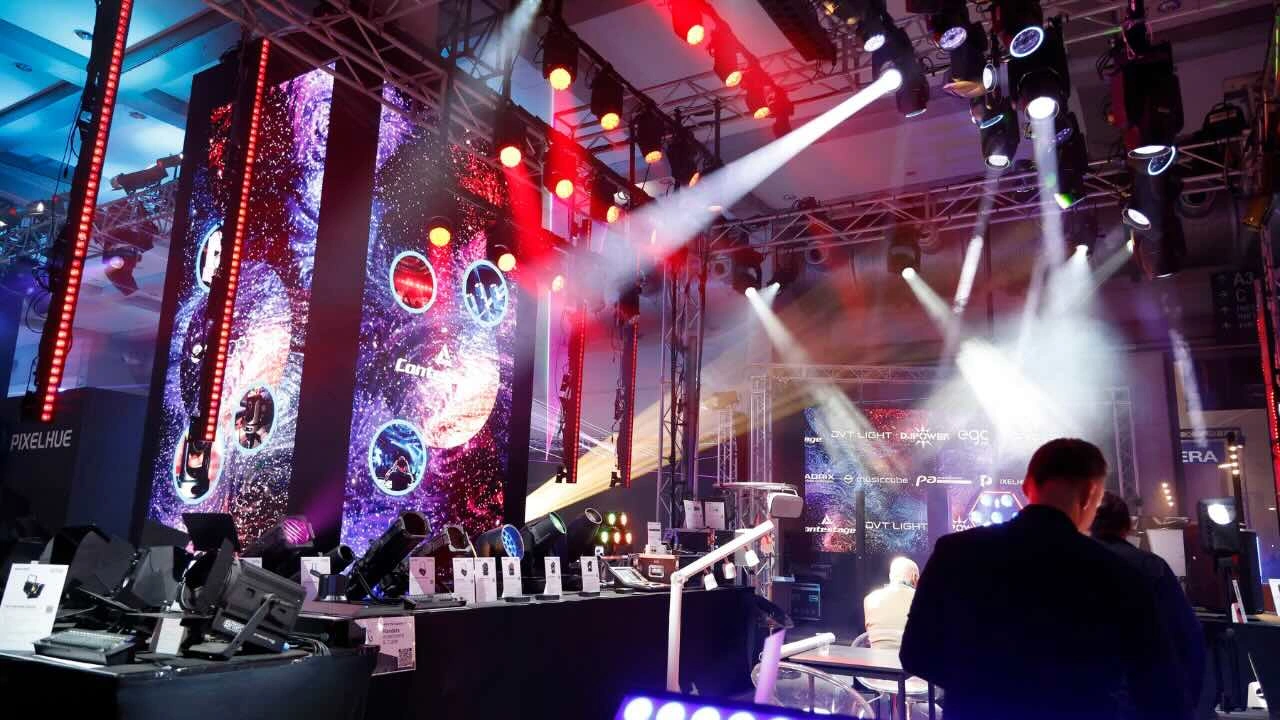
The article reports from the MIR (Live Entertainment Expo) technology trade fair in Rimini, an event focused on professional audio/video equipment and systems integration. While dominated by corporate stands and live sound demonstrations, the fair also hosted discussions on the precarious working conditions and pension system for cultural and entertainment workers, revealing underlying anxieties in the creative industries.

How One Cooperative Champions the Quechua Weavers of Peru’s Sacred Valley

The nonprofit organization Awamaki was founded in 2009 to support Quechua communities in Peru's Sacred Valley, particularly women weavers, as they navigate economic shifts and climate change. It now assists nine cooperatives comprising 174 artisans, providing structural support for selling traditional textiles and coordinating tourism to generate income while preserving cultural practices.

13 Nudes That Changed Western Art History

The article presents a curated list of 13 seminal Western artworks featuring the nude form, highlighting how each piece shifted artistic conventions and cultural perceptions. It begins with the Paleolithic Venus of Willendorf and moves chronologically through works by artists including Sandro Botticelli, Leonardo da Vinci, Lavinia Fontana, and Édouard Manet, analyzing their groundbreaking approaches to depicting the human body.

Art and Social Consciousness: The Ideals of Legendary Artist Joseph Beuys Told in a Comic

Arte e coscienza sociale: gli ideali del leggendario artista Joseph Beuys raccontati in un fumetto

A new graphic novel by Italian illustrator Gianluca Costantini explores the life and social ideals of the legendary German artist Joseph Beuys. The comic focuses on Beuys's final major work, 'Palazzo Regale' (1985), an environmental installation housed at the K20 museum in Düsseldorf, interpreting it as a synthesis of his belief in art as a transformative social force.

Dance Your Way to the Museum

Curator Naz Cuguoğlu argues in an opinion essay that museums should embrace the ethos of rave culture to become more welcoming and inclusive spaces, suggesting they can foster new forms of belonging. The article also covers several other art stories, including the discovery of pre-Hispanic rock art in Mexico that led to the rerouting of a train line, an exhibition of Genesis P-Orridge's mail art in Toronto, and artist Jean Shin's memorial project at Green-Wood Cemetery.

Design Theft in Platform Capitalism

Designklau im Plattformkapitalismus

The article details a growing trend of design plagiarism within the platform economy, where large interior trade platforms and fast-design companies systematically copy the original work of small, independent design studios. These copies are then mass-produced and sold globally at lower prices, often marketed directly through social media channels. The original designers find it nearly impossible to defend their intellectual property due to the high cost and complexity of legal action, especially against international entities.

The Next Frontier in Design? The Humble Birdhouse.

Artists and architects are increasingly designing and creating elaborate, artistic birdhouses, elevating a common backyard object into a subject of creative expression and public art. This movement reflects a broader trend of engaging with nature and public space, blurring the lines between functional design, sculpture, and environmental commentary.

How Digital Animation Can Help Audiences Understand Installation Art Before They Experience It in Person

The article examines the inherent limitations of traditional photography in documenting installation art, arguing that static images fail to convey the experiential qualities of scale, sequence, and audience interaction central to the medium. It uses Olafur Eliasson's iconic 'The Weather Project' as a prime example of a work whose atmospheric and social dimensions are lost in photographic reproduction.

What Remains of Democracy? The Answers of Contemporary Art

Che cosa resta della democrazia? Le risposte dell’arte contemporanea

The article is a cultural essay examining how contemporary art reflects and responds to the perceived global crisis of democracy. It argues that recent socio-political accelerations—including rising nationalism, wars, and unchecked capitalism—have eroded the substantive content of democracy, reducing public space to an extension of individual, screen-mediated identity.

Do you hate art museums? Why (and how) to take a 2nd look

Do you hate art museums? Why (and how) to take a 2nd look

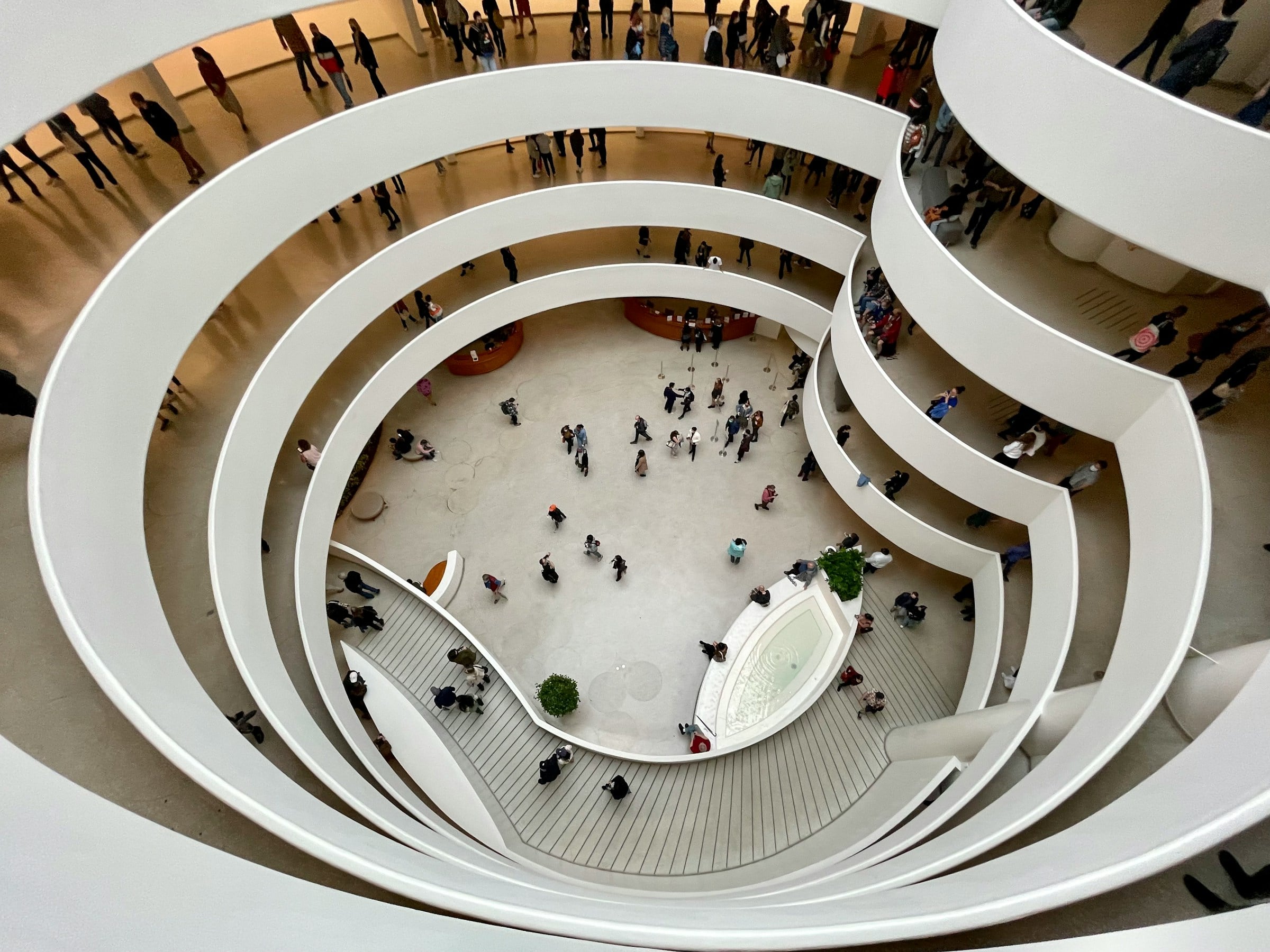
The traditional art museum experience often leads to exhaustion and a sense of alienation due to the overwhelming abundance of artworks and the pressure to see everything quickly. This phenomenon, which affects even visitors to world-class institutions like the Vatican or the Uffizi, stems from a 'problem of abundance' rather than a lack of appreciation for the art itself. The author suggests that smaller, more intimate spaces and a slower approach to viewing would make art more accessible and less intimidating for the general public.

The Poetics of Error Between Art and Architecture

La poetica dell’errore tra arte e architettura

This essay challenges the historical obsession with perfection in architecture and art, rooted in Hegelian philosophy where beauty is equated with truth and flawlessness. It argues that the pursuit of the 'ideal' is a cognitive bias that ignores the value of complexity and structural failure. By reframing the 'error' not as a mistake but as a generative method, the text suggests that imperfection is often what elevates a work to the status of a masterpiece.

Should Wine Also Become UNESCO Heritage? Yes, But New Certification Criteria Must Be Imagined

Anche il vino diventa Patrimonio Unesco? Ok, ma si dovrebbero immaginare nuovi criteri di certificazione

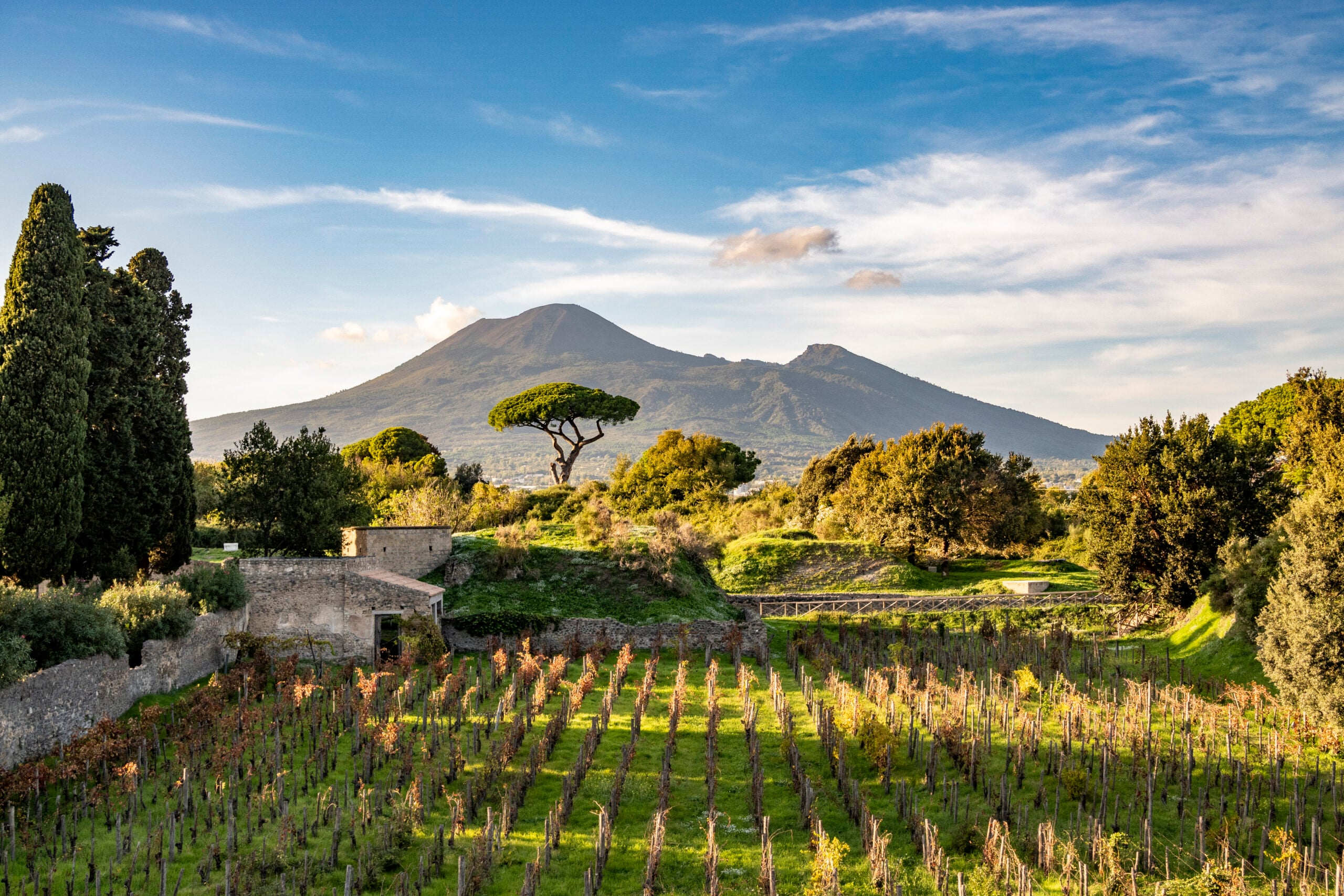
EU Agriculture Commissioner Christophe Hansen has proposed that the culture of wine and vine be officially recognized as UNESCO World Heritage, citing its deep roots in European and Italian tradition. While wine-related practices like Pantelleria’s 'vite ad alberello' and various vineyard landscapes are already protected, this new proposal seeks a broader, more unified cultural designation for the industry.

Flowery Films Whose Plant Life Lingers in the Mind

Ten prominent artists and designers have curated a selection of cinematic flora that has significantly influenced their creative practices. From the surreal, hand-shaped topiaries in *Edward Scissorhands* to the symbolic, scene-setting bouquets in *The Age of Innocence*, these creators analyze how botanical elements on screen transcend mere decoration to become vital narrative and aesthetic tools.

What are therapeutic gardens and how are they designed? An expert explains

Cosa sono i giardini terapeutici e come si progettano. Ce lo spiega l’esperta

Landscape architect Monica Botta discusses the resurgence and design principles of healing gardens, specialized green spaces designed to promote physical and psychological well-being. While the therapeutic value of nature was largely ignored in mid-20th-century clinical architecture, a modern shift is reintegrating 'nature therapy' into healthcare facilities to combat stress, depression, and chronic illnesses.

Chicago Art Movements Over The Years, From the Monster Roster to the Modern Moment

Chicago’s art history is defined by a series of indigenous movements that prioritized visceral, existential expression over commercial appeal. The article traces this lineage back to the late 1940s with the emergence of the Monster Roster, a group of artists including Leon Golub and Dominick Di Meo who returned from World War II to produce agonistic work. This movement was catalyzed by institutional resistance at the School of the Art Institute of Chicago, leading to the creation of the independent Momentum Exhibitions which bypassed conservative juried systems.