filter_list Showing 194 results for "RAC" close Clear
search
dashboard All 2508 museum exhibitions 1534article local 288article culture 194article news 151trending_up market 122person people 75rate_review review 53candle obituary 51article policy 25gavel restitution 15
date_range Range Today This Week This Month All
Subscribe

The 21st Century’s Biggest Art Trend is Not a Style. But Once You See It, You’ll Notice It Everywhere.

The article traces the evolution of "systems art," a term coined by critic Jack Burnham in 1968 to describe art that uses rules, seriality, and repetition to mirror and reveal the growing protocols of the Cold War era. It highlights early practitioners like Kenneth Noland, Robert Morris, Dan Flavin, and notably Hans Haacke and Adrian Piper, who shifted from atmospheric systems (e.g., Haacke's *Condensation Cube*) to social systems (e.g., Haacke's *Shapolsky et al. Manhattan Real Estate Holdings*). The piece argues that systems thinking has become unavoidable in contemporary life—from algorithms to systemic racism—and that art remains a crucial tool for making these invisible systems legible.
‘This is mine, I own it’: how Tracey Emin and Frida Kahlo inspired me to make meaning out of pain

The article is a personal essay by a writer who, after undergoing a colectomy in 2023, found inspiration in Tracey Emin's unflinching self-portraiture following her 2020 cancer diagnosis. The author describes taking her own post-surgery photographs, echoing Emin's mantra "This is mine, I own it," and reflects on Emin's current work, including the Tate Modern exhibition and paintings like "I watched Myself die and come alive" (2023) and "Barbed Wire Stitches" (2024). The essay also connects Emin's approach to that of Frida Kahlo, whose retrospective is upcoming at Tate.

Here’s How Stars at the 2026 Met Gala Nodded to Art History

The 2026 Met Gala, themed "Fashion Is Art," saw celebrities and fashion figures wearing outfits directly inspired by or referencing iconic artworks and art historical movements. Notable nods included Chloe Malle in a gown referencing Frederic Leighton's *Flaming June*, Lauren Sánchez Bezos in a Schiaparelli dress echoing John Singer Sargent's *Madame X*, and Hunter Schafer channeling Gustav Klimt's portrait *Mäda Primavesi*. Other attendees like Anne Hathaway, Hailey Bieber, and Karan Johar also drew from specific paintings, sculptures, and poems, while stylist Law Roach wore a hand-painted piece by Gabonese artist Naïla Opiangah.

The Defining Themes of Today’s Biennial Art

The article analyzes the defining themes and styles of the past four years in the international biennial circuit, based on a survey of 130 biennials. It identifies a core group of artists who appeared most frequently, including Ali Eyal, Apichatpong Weerasethakul, Carolina Caycedo, Kapwani Kiwanga, and Tuan Andrew Nguyen, among others. Many of these artists are also featured in the upcoming 61st Venice Biennale curated by the late Koyo Kouoh. The piece categorizes their work under two broad themes: "Post-Colonial Post-Conceptualism," which involves poetic engagement with colonial history and artifacts, and "Families and Networks," where artists explore personal and political family histories.

No Attitude, Nowhere: Conviction, Zero Meaning

Keine Haltung, nirgends Gesinnung, null Bedeutung

The article critiques the current state of the art world and broader culture, arguing that right-wing calls for depoliticized art are intensifying while the progressive art establishment silently tolerates a culture war that restricts free expression. It uses the 2025 Met Gala as a prime example, describing the event as a heartless display of wealth and power aligned with Trump-era capitalism, where celebrities and artists perform progressive values while participating in a spectacle sponsored by anti-union figures like Jeff Bezos. The author draws on Hannah Arendt's ethics lectures to suggest that moral norms have collapsed overnight, and that the commercial art world now legitimizes anti-democratic tendencies through its silence.

10 Artists to Follow if You Like Iris van Herpen

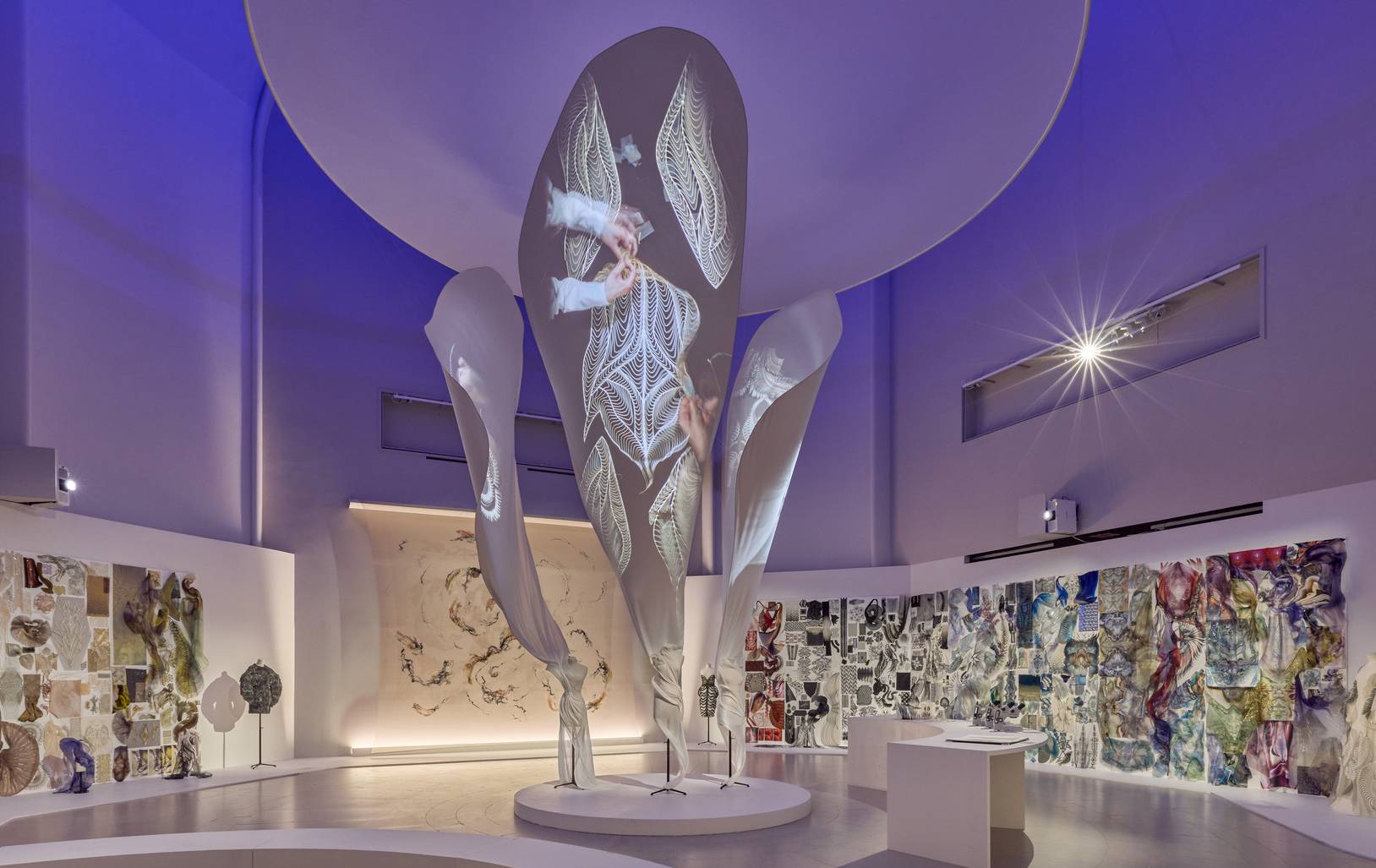
Artsy Editorial profiles 10 contemporary artists whose work aligns with the visionary, technology-driven approach of fashion designer Iris van Herpen. The article highlights van Herpen's career milestones, including her 2011 invitation to join the Chambre Syndicale de la Haute Couture, and her ongoing fusion of traditional craftsmanship with cutting-edge technology to create wearable art. It then presents a curated list of artists who similarly explore themes of organic form, digital fabrication, and the intersection of art and fashion.

One Erased Vermeer, Two Books, and No Consensus

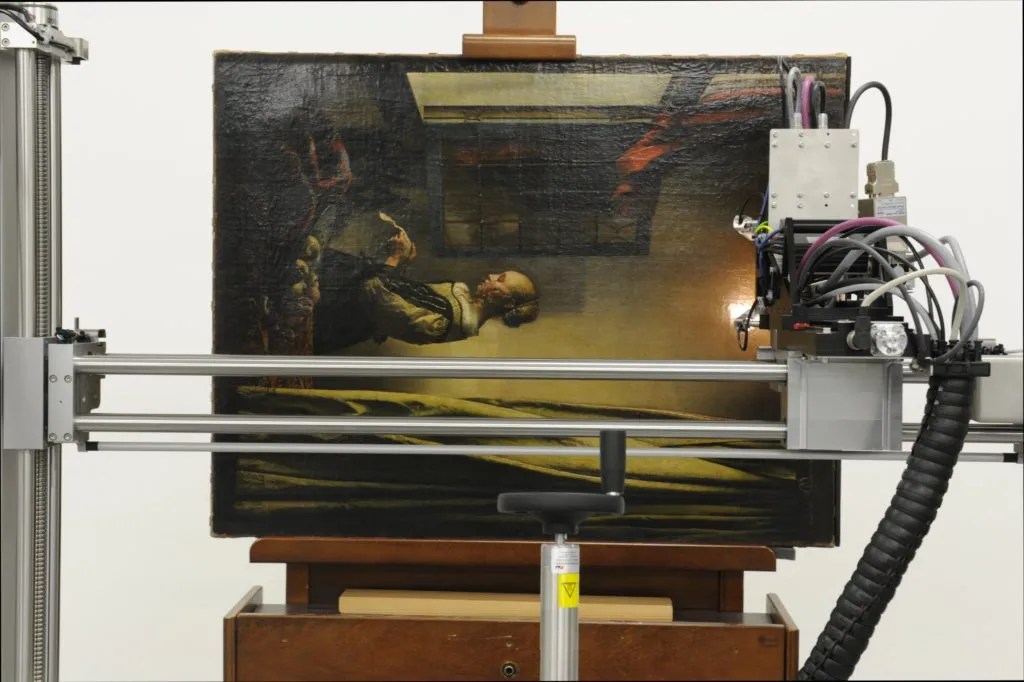
Two new books examine the legacy of Johannes Vermeer from contrasting angles. Ruth Bernard Yeazell's "Vermeer's Afterlives" (Princeton University Press) explores how the artist's open-ended, figureless interiors have inspired later creators, from painter George Deem to novelist Tracy Chevalier. Andrew Graham-Dixon's "Vermeer: A Life Lost and Found" restores the historical and religious context of 17th-century Delft, arguing that modern readings have overlooked the original meanings of Vermeer's works.

11 Contemporary Emirati Artists To Know

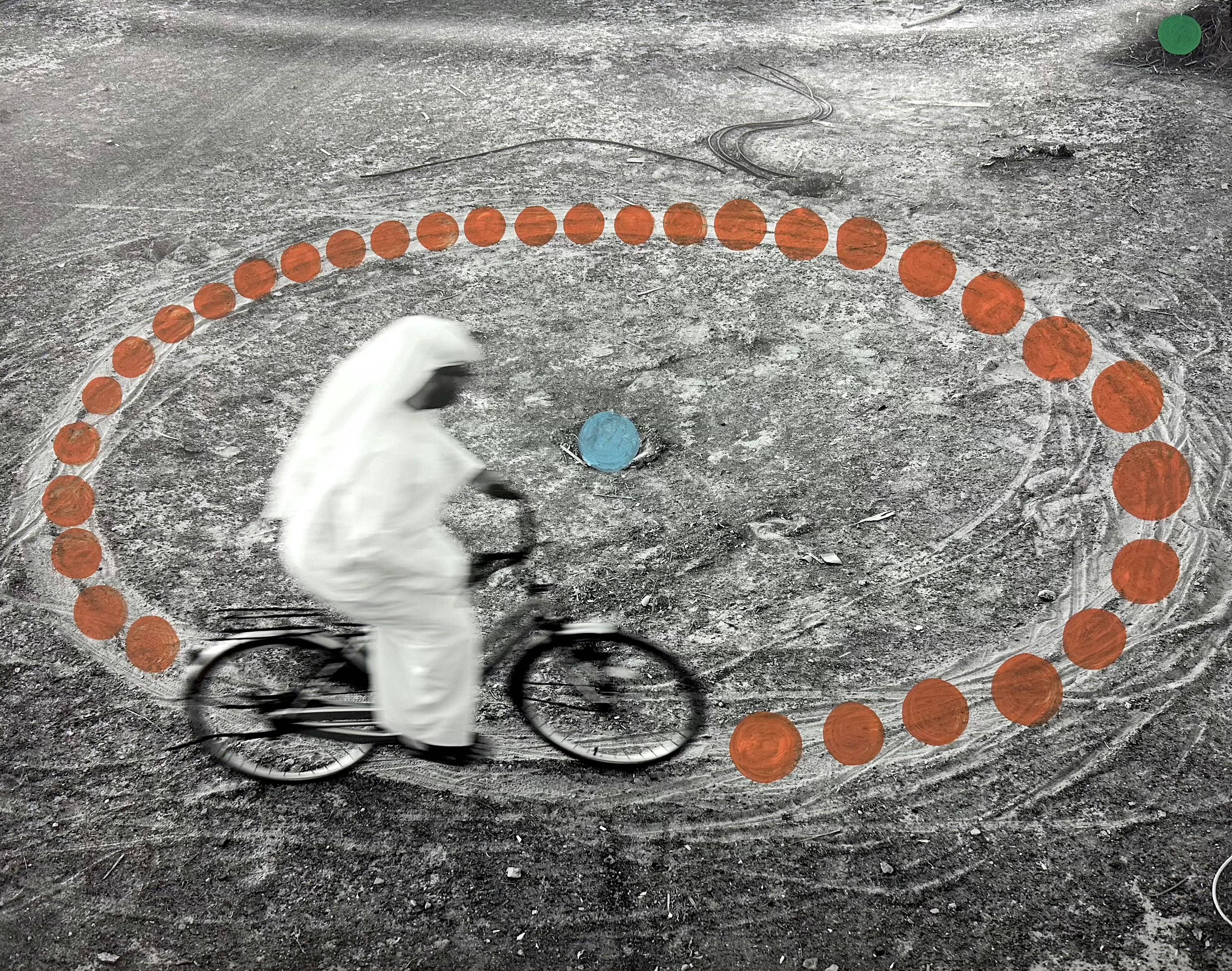
The article highlights 11 contemporary Emirati artists, providing an overview of their practices and significance within the Gulf's evolving art scene. It contextualizes this list against recent major events in the region, including the debut of Art Basel Qatar in early February and the subsequent U.S. attacks on Iran, which caused turmoil across the Gulf, disrupted airline operations, and forced Art Dubai to scale back its event to a smaller fair in mid-May. Artists and galleries in the Gulf also had to temporarily close.

Rocked on their heels: how exhibitions can change the course of artists’ lives

Alyce Mahon's new book, *Dorothea Tanning: A Surrealist World*, explores how the 1936 MoMA exhibition *Fantastic Art, Dada, Surrealism* profoundly transformed the young artist Dorothea Tanning, who described being "rocked on my run-over heels" by the experience. The article also recounts similar life-changing exhibition encounters for contemporary artists Lorna Simpson and Hurvin Anderson, as discussed on *The Week in Art* and *A brush with…* podcasts, highlighting how specific shows shaped their artistic trajectories.

Frida Kahlo and Diego Rivera are given a voice by New York's Metropolitan Opera

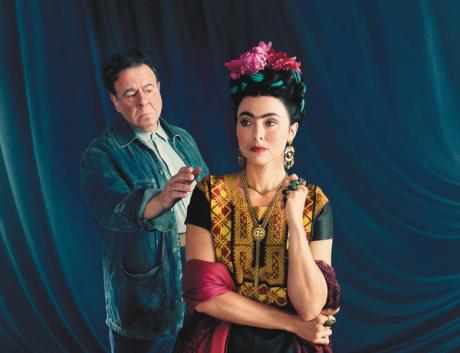
New York is experiencing a wave of Frida Kahlo-related events this spring, including a new book from Rizzoli about her childhood home museum in Mexico City and a small exhibition at the Museum of Modern Art (MoMA) featuring works by Kahlo and Diego Rivera. The centerpiece is the Metropolitan Opera's new production of *El Último Sueño de Frida y Diego*, with music by Gabriela Lena Frank and libretto by Nilo Cruz, both Pulitzer Prize winners. The opera, which premiered in San Diego in 2022, opens on 14 May and features set and costume design by Jon Bausor, who also co-curated the MoMA exhibition alongside curator Beverly Adams. The production imagines Kahlo's spirit rising from the underworld on the Day of the Dead to reunite with Rivera, blending Mexican musical elements with a dreamlike, visually rich aesthetic.

Meet the Woman Who Curated the Art on Miranda Priestly’s Walls

Fanny Pereire, an art advisor specializing in film and television, curates the art seen on the walls of fictional characters like Miranda Priestly in *The Devil Wears Prada 2*, Logan Roy in *Succession*, and Bobby Axelrod in *Billions*. She works as a fine art coordinator, sourcing reproductions and original works to match character personalities and socioeconomic status, often overseeing the destruction of replicas after filming. Her role, created by producer Scott Rudin in 1999, involves clearing copyrights for every artwork shown on screen, from children's drawings to high-end pieces by artists like Wayne Thiebaud and Alex Katz.

We are in danger of losing our sense of community

"Wir drohen das Gespür für die Gemeinschaft zu verlieren"

Christophe Cherix, the new director of the Museum of Modern Art in New York, discusses his first months in the role, emphasizing museums as "safe social places" in an era of anxiety and screen-induced isolation. He advocates for collective vision-building with staff and defends the MoMA's independence against political pressure in Trump-era America. Separately, critic Paco Barragán argues in The Observer that biennials are in a structural crisis of repetition, tracing their history from instruments of national soft power to a "Global Neo-Liberal Biennial" system that co-opts diversity without changing its core logic. He introduces the concept of the "vibe-ennial," where discourse is replaced by atmosphere and critique by affect. Meanwhile, longtime Bonn museum director Stephan Berg critiques the boom in immersive art experiences like "Van Gogh – The Immersive Experience," calling them a "surrogate reality" tailored to the Instagram age that destroys the integrity of original works. Artforum reconstructs late-1960s debates on art criticism, focusing on Barbara Rose's challenge to formalists like Clement Greenberg and Rosalind Krauss, arguing that art must engage with societal conflicts such as Black Power and war resistance.

Expanded Vocabulary: Revisiting Deborah Kass’ Studio

The article recounts the author's visit to Deborah Kass's Brooklyn studio, which she shares with her wife, artist Patricia Cronin. The visit was prompted by logistical issues related to the author's exhibition "Social Minimalism" (2025). During the visit, the author and Kass revisited themes central to Kass's work over three decades: the exclusion of women from art history, Jewish identity, queer voice, lesbian subjectivity, and postwar American art. The conversation also touched on Kass's series including the Warhol Project, Feel Good Paintings, No Kidding, and the large painting/sculpture installation "Everybody" (2019), which was recently featured in a conversation between Kass and Titus Kaphar in Interview magazine.

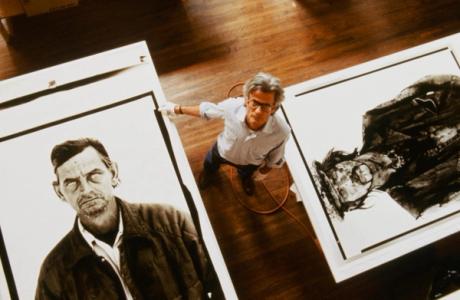
New Richard Avedon documentary chronicles how he shaped the evolution of photography

Imagine Documentaries, the nonfiction arm of Ron Howard and Brian Grazer's Imagine Entertainment, premiered a new documentary about photographer Richard Avedon at the Cannes Film Festival on May 17. The film, co-produced by the Richard Avedon Foundation, draws heavily from archival interviews conducted by Helen Whitney for the PBS series *American Masters*, supplemented by new interviews with Avedon's son John, muse Lauren Hutton, Isabella Rossellini, Twyla Tharp, and former *New Yorker* colleagues Tina Brown and John Lahr. The documentary explores Avedon's career, his technique of building rapport with subjects, and his iconic images such as *Dovima with Elephants*, which dealer Larry Gagosian notes sold for $2 million.

Let’s dress like a Mark Rothko! How gen Z fell for the king of colour field paintings

Mark Rothko, the abstract expressionist known for his color field paintings, is experiencing a cultural resurgence among Generation Z on social media platforms like TikTok and Instagram. Videos inspired by his work amass hundreds of thousands of views, with creators styling outfits based on his canvases, assigning his paintings to personality archetypes, and comparing his palettes to dream pop bands like the Cocteau Twins. The Rothko Chapel in Houston, Texas, has also seen a wave of curious young visitors drawn to the meditative, confrontational experience of his art.

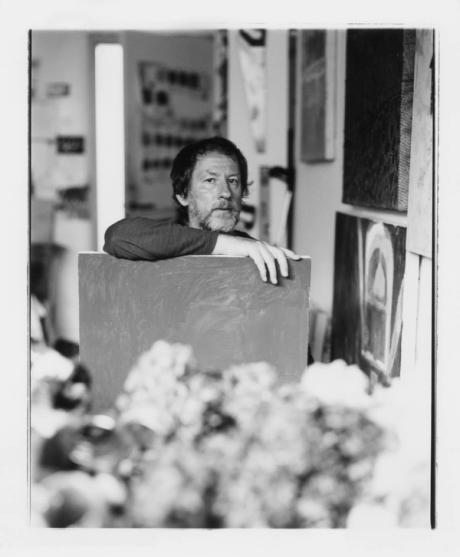
‘Depraved in all the right ways’: why forgotten no wave visionary Gordon Stevenson is about to take off

The article profiles Gordon Stevenson, a forgotten visionary of the no wave movement in late-1970s New York, who was an artist, jewelry designer, musician, and filmmaker best known for the notorious film *Ecstatic Stigmatic*. Decades after his death from AIDS, a storage unit full of his lost work has been discovered, including jewelry, mail-art collaborations with Ray Johnson, and clues to a surviving print of his film. His family has also recovered hundreds of letters he wrote to his parents, chronicling his life in downtown New York and his experiences as one of the city's first AIDS patients. The piece traces his journey from a small town in Georgia, where he met his wife Mirielle Cervenka (who later renamed Exene Cervenka), to their punk-era jewelry brand LHOOQ and his lasting influence on gothic fashion.

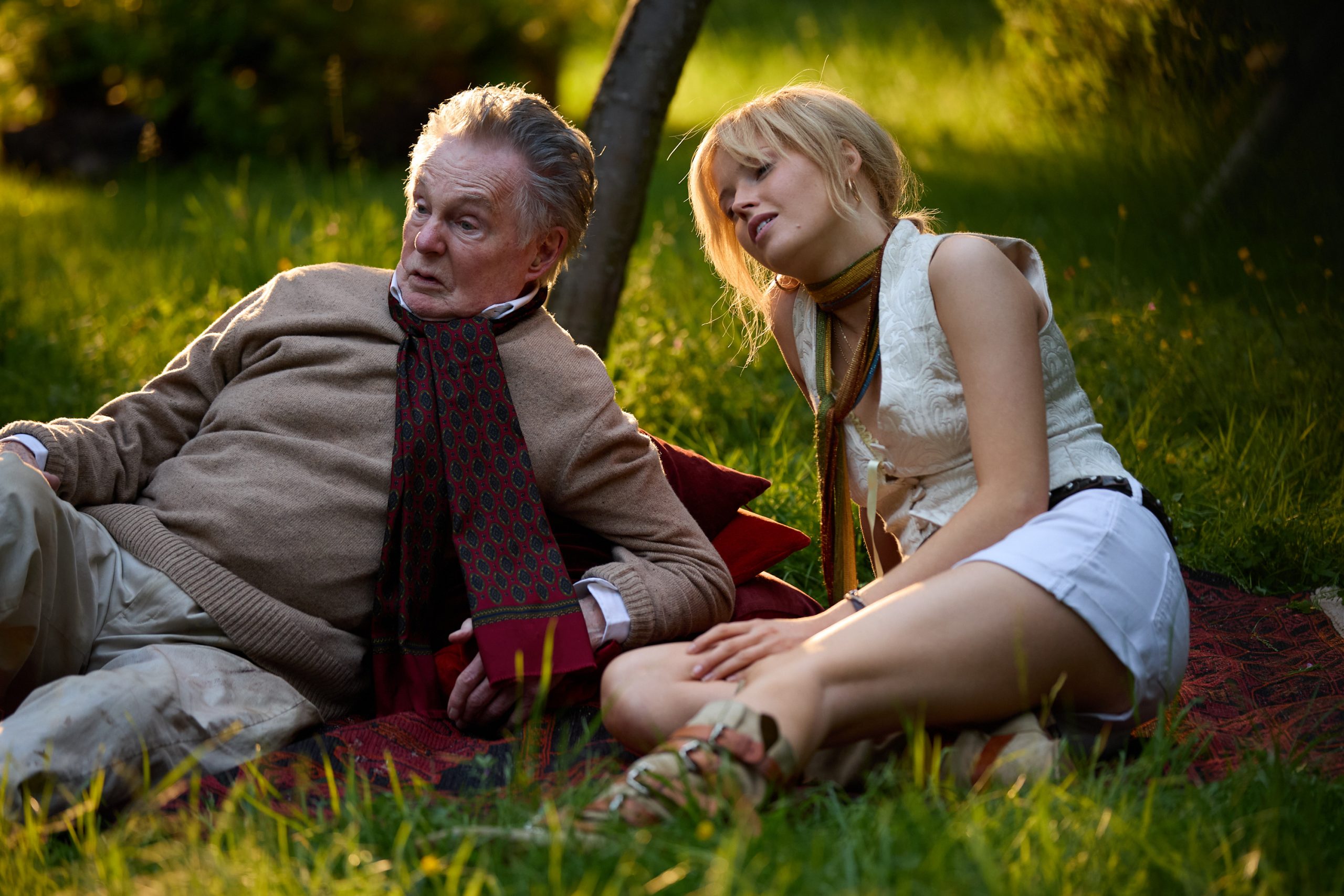
Inside the Unlikely Bond Between Lucian Freud and Kate Moss

In 2002, Lucian Freud unveiled a portrait of a naked and pregnant Kate Moss, a rare celebrity subject for the artist who had turned down Princess Diana. A new film, *Moss & Freud*, dramatizes the unlikely friendship that developed between the aging painter and the supermodel during the creation of *Naked Portrait (2002)*. Directed by James Lucas, the film stars Ellie Bamber as Moss and Derek Jacobi as Freud, and explores their intense studio sessions, personal revelations, and the bond that formed despite their contrasting lifestyles.

How Well Do the Met Gala’s Attendees Know Their Art History? We Critique Looks by Madonna, Hunter Schafer, and More

The article critiques nine outfits from the 2026 Met Gala, which was held under the theme 'Fashion Is Art' in conjunction with the Costume Institute's new exhibition 'Costume Art' at the Metropolitan Museum of Art. It analyzes how attendees like Hunter Schafer, Lauren Sánchez Bezos, and Kylie Jenner referenced specific artworks—such as Gustav Klimt's *Mäda Primavesi* and John Singer Sargent's *Madame X*—in their fashion choices, evaluating the success of these art-historical allusions.

Trevor Paglen’s New Book Says AI Is Rewriting What Images Do

Artist Trevor Paglen has published a new book, *How to See Like a Machine: Images After AI*, which argues that generative AI and computer vision are fundamentally changing how images function in culture. Drawing on his decade-long practice, Paglen contends that images are no longer merely representations for human interpretation but have become operational tools—'activations' that trigger automated responses and shape reality. He cites examples such as surveillance cameras at grocery stores, the Samsara navigation system in trucks, and the ImageNet database to illustrate how machine vision systems normalize surveillance in service of capital, a phenomenon he terms 'machine realism.'

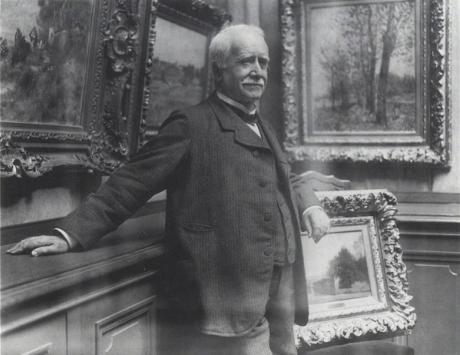
Harnessing the winds of societal change: how art dealers have been able to shape taste for centuries

Valentina Castellani, a former Gagosian director, has authored a new book titled *Trading Beauty: Art Market Histories from the Altar to the Gallery* (out 1 May). The book traces how art dealers have historically leveraged societal changes—political, economic, and social—to reshape taste and market structures. Castellani begins in the Middle Ages, when art was made only on commission for patrons like the Catholic church and monarchies, and moves through key shifts such as the Dutch Republic's first open art market in the 17th century, which gave rise to the professional art dealer. She highlights dealers like Paul Durand-Ruel, Joseph Duveen, and Leo Castelli who capitalized on anti-establishment energy, new wealth, and post-war consumer culture to bring avant-garde art to the forefront.

ArtReview Podcast | Episode 7: Zineb Sedira

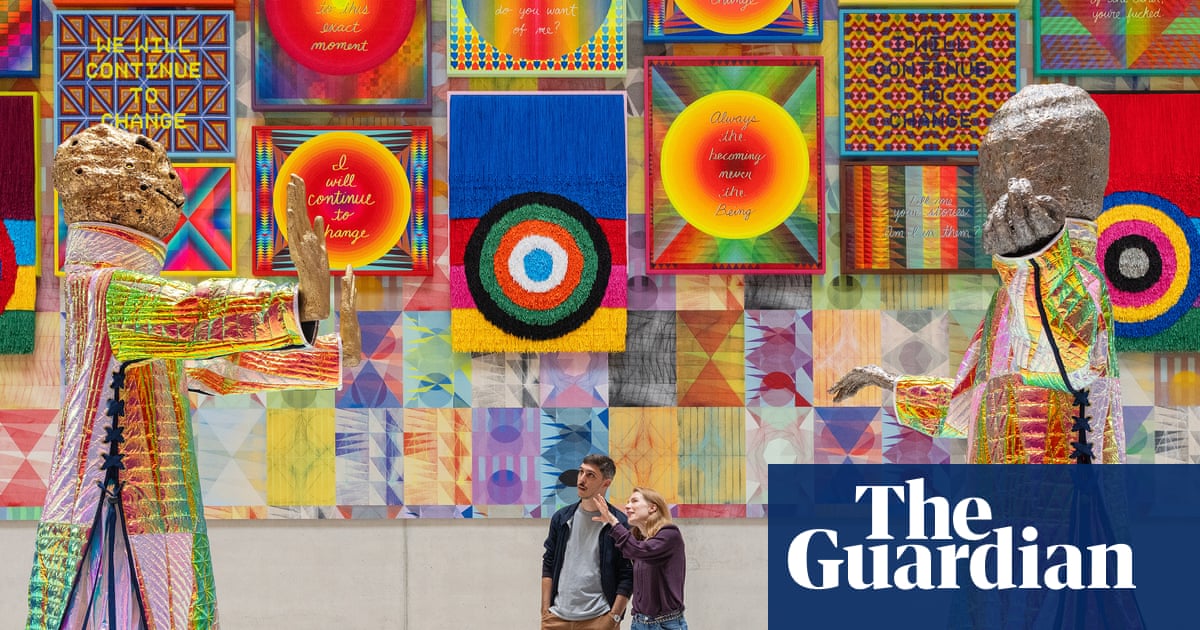
The ArtReview Podcast episode 7 features artist and photographer Zineb Sedira in conversation with digital editor Alexander Leissle. Sedira discusses Algerian cinema, the Scopitone, and her new Tate Britain Commission titled "When Words Fall Silent, Cinema Speaks," a site-specific installation in the Duveen Galleries open until January 2027. The episode explores three works chosen by Sedira, including Agnès Varda's "Salut les Cubains" (1963) and William Klein's "The Pan-African Festival of Algiers" (1969), as lenses into her practice and themes of displacement, identity, and cinema as a tool of resistance.

On Paranoid Time

Film Notes has published Qingyuan Deng's essay exploring the intersection of Lacan's concept of retroactive meaning and Eve Kosofsky Sedgwick's distinction between paranoid and reparative reading, as applied to recent artists' films and moving-image installations. The essay examines how works like Alison Nguyen's installation "Perforation, Ellipse" at New York's Storefront for Art and Architecture use cinematic techniques—such as perforations, splices, and missing scenes—to hold the temporal gap between an event and its belated political comprehension, focusing on the censorship of Vietnamese bolero songs after the American War.

10 chefs-d’œuvre de l’impressionnisme décryptés par Beaux Arts

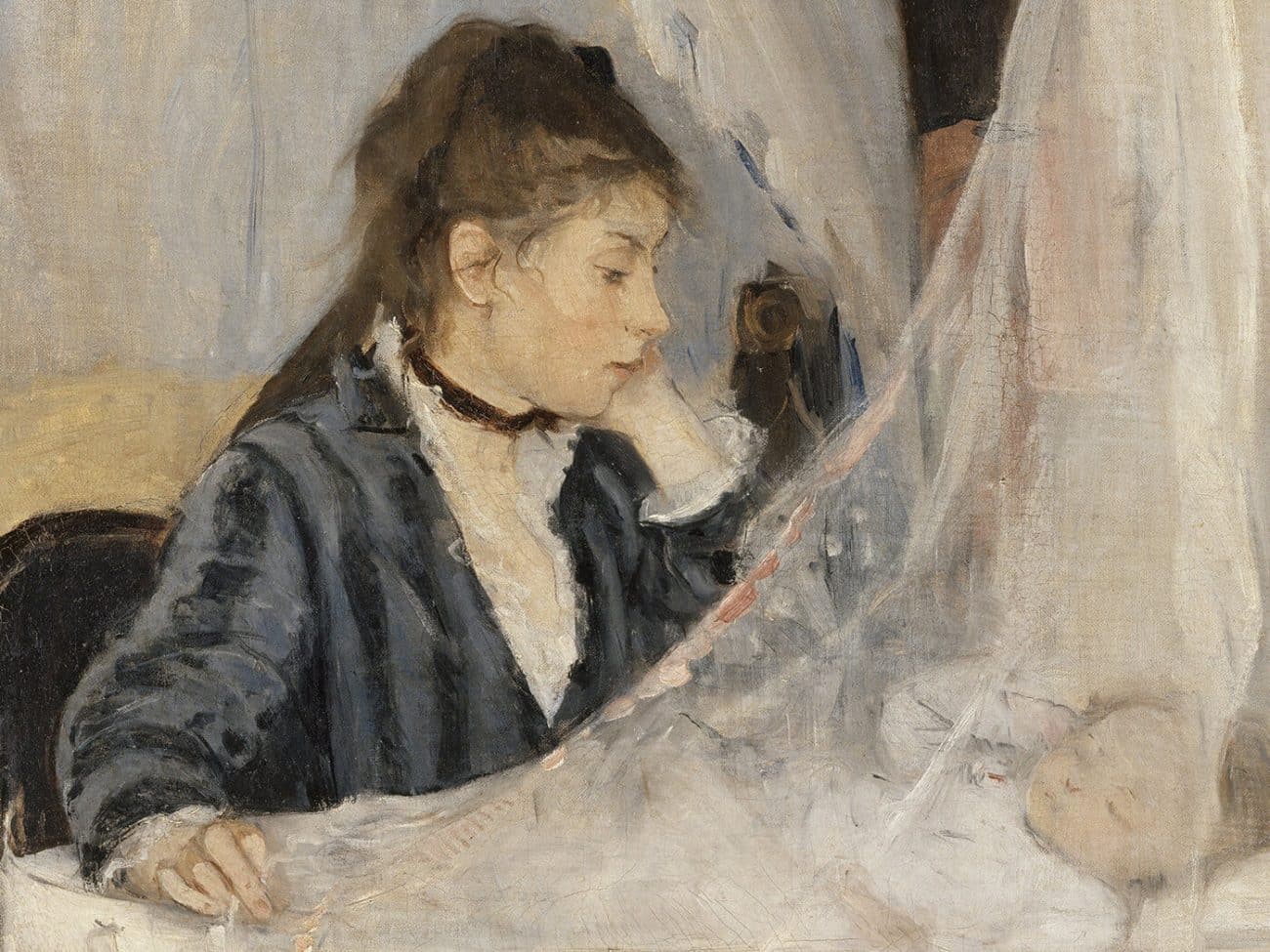
Beaux Arts Magazine presents a detailed dossier analyzing ten iconic masterpieces of Impressionism, including works by Edgar Degas, Édouard Manet, Berthe Morisot, Auguste Renoir, Gustave Caillebotte, Claude Monet, and Mary Cassatt. The article explores the technical innovations, modern subjects, and revolutionary spirit of the movement, which began in 1874 and was initially rejected by critics. Each featured painting—such as *Le Déjeuner sur l’herbe*, *Impression, soleil levant*, and *Le Bal du moulin de la Galette*—is examined by art historians and journalists to reveal its composition, historical context, and lasting impact.

Sex Dreams, Piss Takes, and Fake Trends: A Week in the NY Art World With Domenick Ammirati

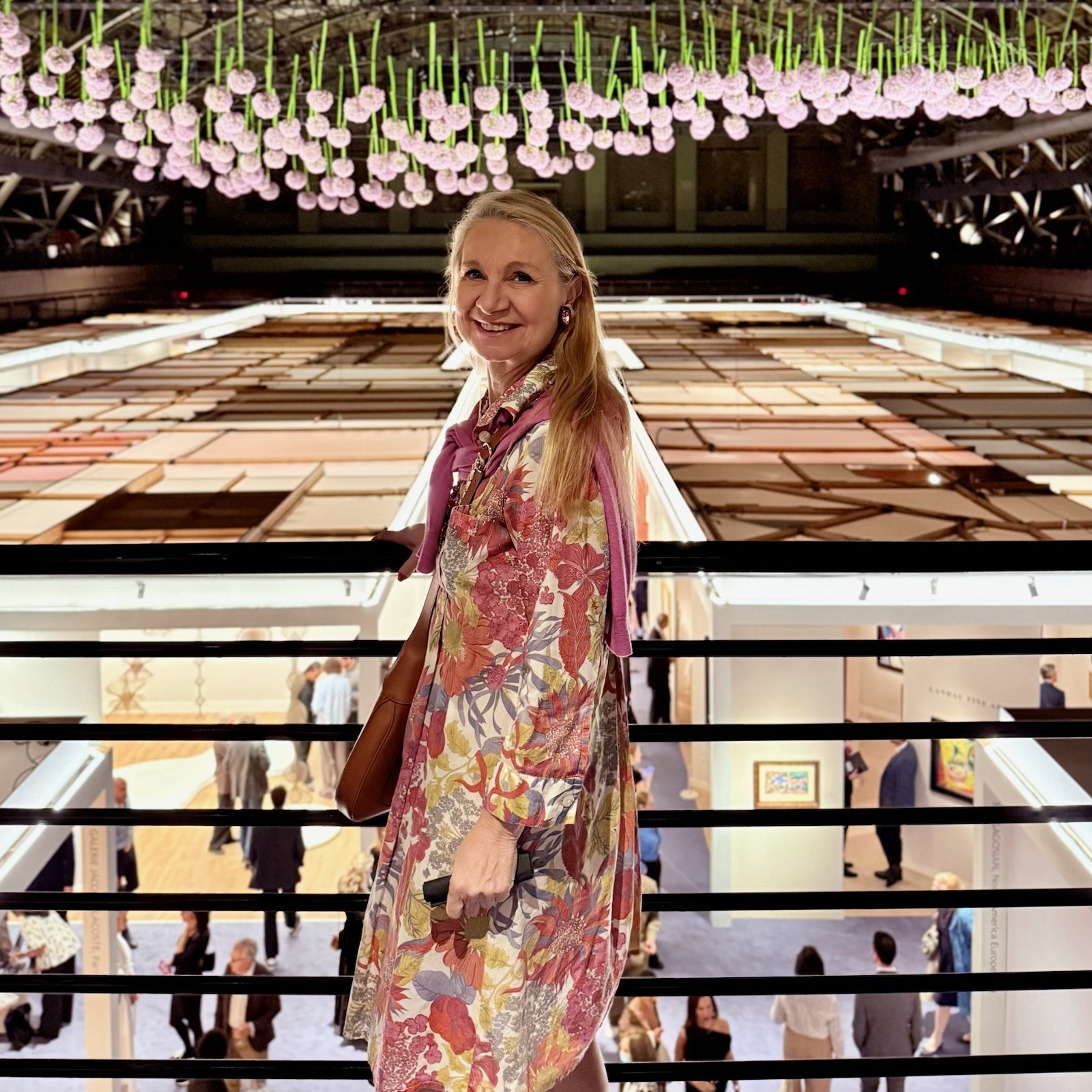
Domenick Ammirati returns to New York after a year-long writing residency in Siena and Provincetown to cover the spring art fairs, including Frieze New York 2026. He observes a notably calm art week, attributing the subdued atmosphere to the fair's proximity to the Venice Biennale, which left key players exhausted. Highlights include a Rei Kawakubo installation at Independent, Gucci's Cruise show in Times Square, and MoMA PS1's 50th anniversary gala, where he mingles with curator Jody Graf and spots Klaus Biesenbach.

Sift Through the Hundreds of Pacifiers, Graphic Tees, and Spoons in This NYC Couple’s Collection

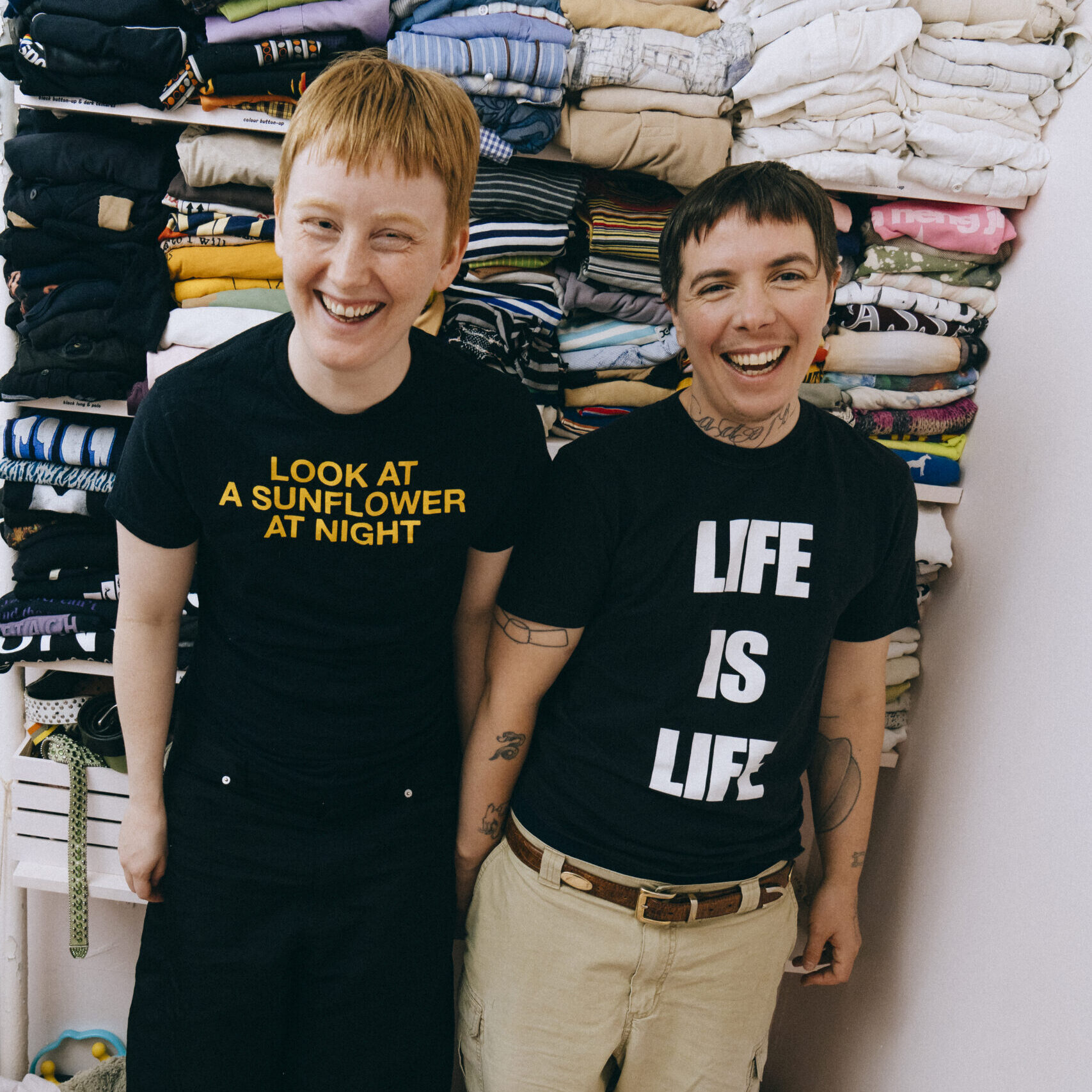
Multidisciplinary artists Bobbi Salvör Menuez and quori theodor, a couple living in New York City, have built an extensive collection of everyday objects including T-shirts, cassette tapes, spoons, pacifiers, and playing cards sourced from sidewalks, thrift stores, and shoot sets. Their collecting practice is intuitive and deeply personal, driven by nostalgia, childhood memories, and their bond with each other, treating each object as a talisman or treasure rather than a financial investment.

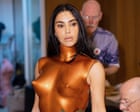
Soft armour, pert nipples: how London design team made Kim Kardashian’s Met Gala breastplate

Kim Kardashian wore an orange fibreglass breastplate to the 2024 Met Gala, created by the east London design duo Whitaker Malem (Patrick Whitaker and Keir Malem) in collaboration with British pop artist Allen Jones. The breastplate was cast from a mould derived from Jones's 1969 sculpture "Hatstand," finished by car bodyshop MPS Body and Paint in Kent, and paired with a hand-painted leather skirt. Kardashian directly contacted the duo in early April, flew to the UK for fittings, and chose the piece to interpret the gala's "fashion is art" dress code, which explored the dressed and undressed human body.

Isabel Nolan’s Work Challenges Everything We Think We Know About Creativity

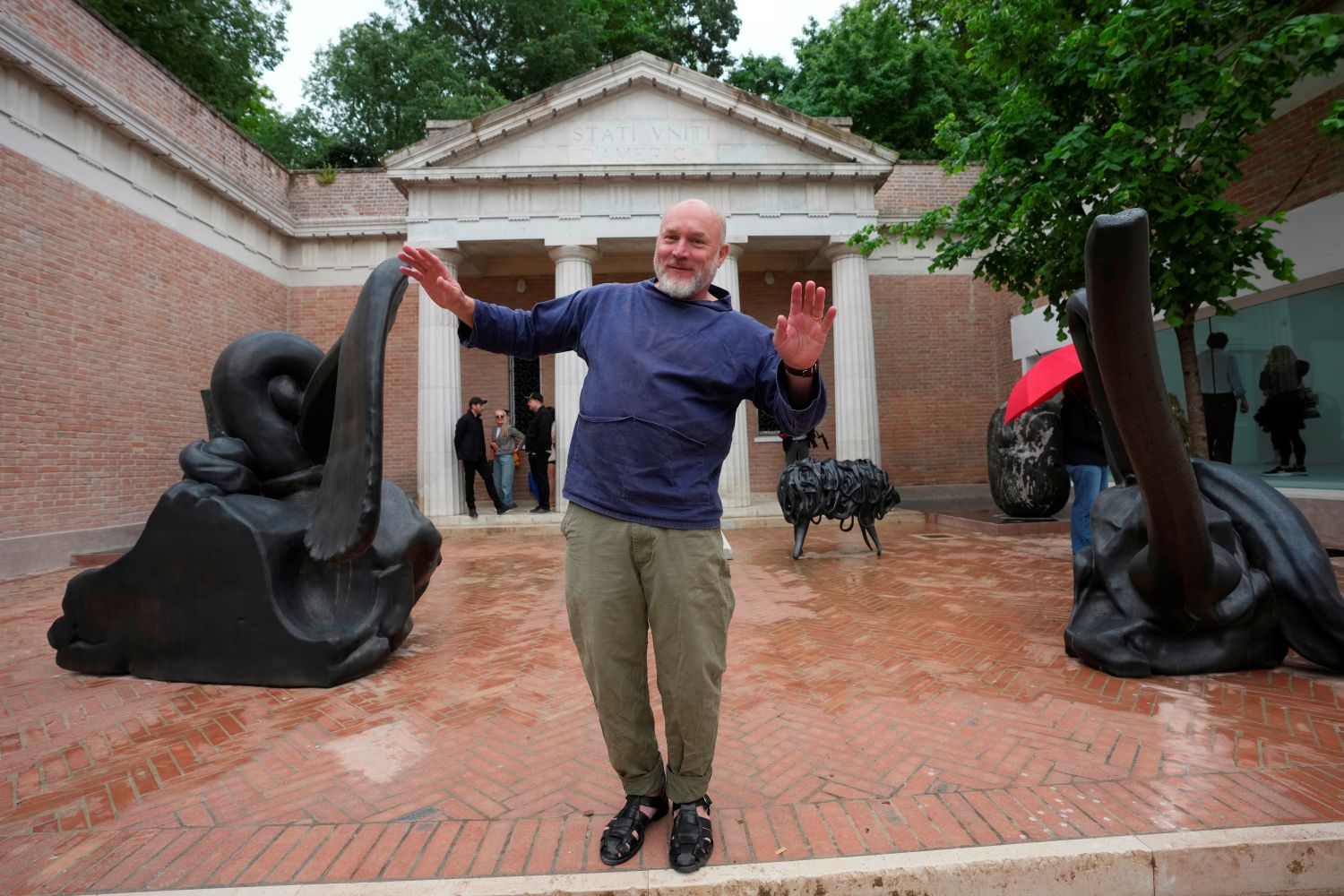
Artist Isabel Nolan recently discovered she has aphantasia, a rare neurological condition that prevents her from visualizing mental images. Despite this, Nolan has built a successful career creating abstract sculptures, drawings, and tapestries, and her work is featured in the Irish Pavilion at the Venice Biennale. Her exhibition, "Dreamshook," explores themes of imagination versus reality and draws inspiration from late medieval history and the printer Aldo Manuzio.

A brush with... Andrew Cranston—podcast

This episode of 'A brush with...' podcast features Scottish painter Andrew Cranston, born in 1969 in Hawick. Cranston discusses how his work draws on personal experiences—childhood memories, family recollections, and recent rituals—filtered through the painting process. His pictures are rich with references to art history, cinema, poetry, and television, and he often paints on the covers of old hardback books. The conversation covers his influences (Pieter Bruegel the Elder, Paul Klee, Pierre Bonnard, Winifred Nicholson, writers Hugh MacDiarmid and Elizabeth Bishop, filmmakers Nicholas Roeg and Dennis Potter), his studio life, and his answer to 'what is art for?' The episode is sponsored by Bloomberg Connects.

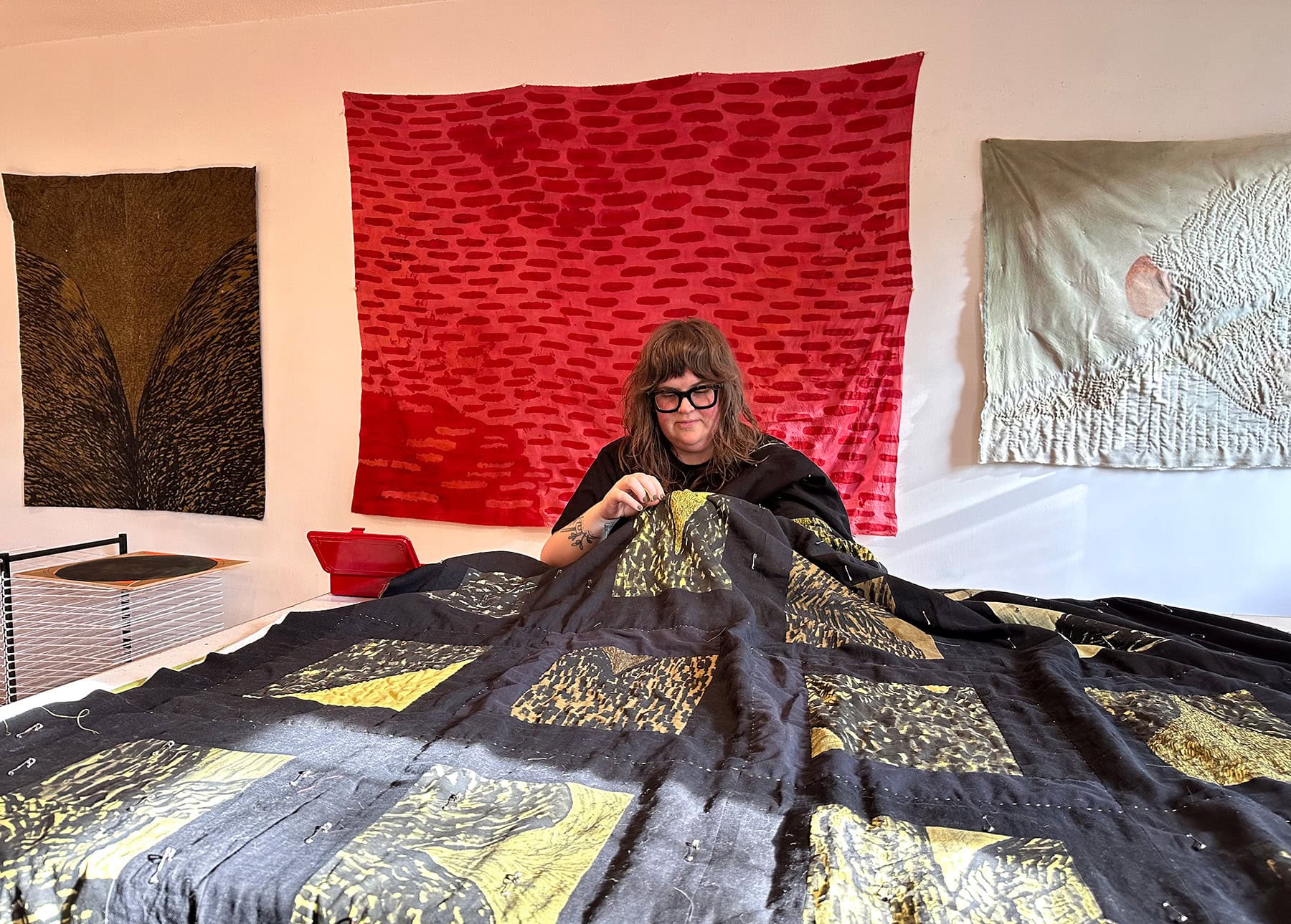
In the Studio with Casey Engel

Casey Engel, an artist based in Asheville, North Carolina, is profiled in her studio, where she creates ceramic, fiber, and paper works that blend craft traditions with avant-garde sensibilities. The article, structured as an interview with writer Merin McDivitt, explores Engel's tactile process—from pinching clay to hand-stitching quilts—and her emphasis on touch, intuition, and the tension between functionality and art. Engel previously curated over sixty shows at Blue Spiral 1 before dedicating herself full-time to her own practice.

Fancy a European art break with fewer crowds? Try one of these five cities | Europe holidays

The article highlights five European cities—Zurich, Lille, Warsaw, and others—as alternatives to crowded art capitals like Paris and London for art-focused holidays. It details key museums and galleries in each city, such as Zurich's Kunsthaus Zürich and Löwenbräukunst-Areal, Lille's Palais des Beaux-Arts and LaM, and Warsaw's Museum of Modern Art (MSN Warsaw), along with day-trip suggestions like Baden's Museum Langmatt and Roubaix's La Piscine.