filter_list Showing 33 results for "Science" close Clear
search
dashboard All 532 museum exhibitions 278article local 74article news 54article culture 33person people 27article policy 23trending_up market 15candle obituary 12rate_review review 9gavel restitution 6article event 1
date_range Range Today This Week This Month All
Subscribe

The Philosopher Who Predicted Our Post-Literate Art Moment

Art critic Martha Schwendener has released a new book titled 'The Society of the Screen: Vilém Flusser’s Radical Prescience,' exploring the prophetic theories of the late philosopher Vilém Flusser. Flusser, a Prague-born thinker who lived in Brazil and Europe, argued in the 1980s that society was transitioning from a text-based culture to one dominated by 'technical images,' a shift he believed would fundamentally alter human consciousness and the function of the 'apparatus' in daily life.
All we want for Christmas: The Art Newspaper 2025 gift guide

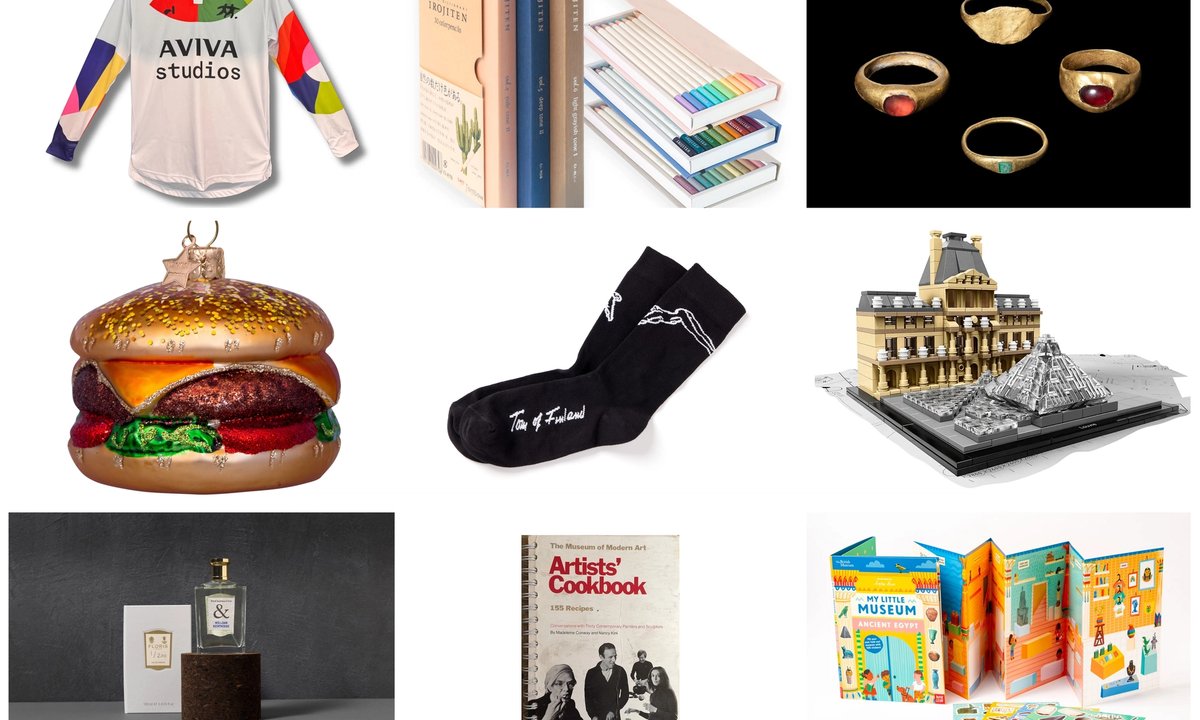
The Art Newspaper has published its 2025 Christmas gift guide, featuring a curated selection of art-related presents. Suggestions include art supplies from London's historic L. Cornelissen & Son, Japanese Irojiten color pencils, and cookbooks like "The Kitchen Studio: Culinary Creations by Artists" and the out-of-print "The Museum of Modern Art Artists' Cookbook." The guide also includes fantasy gift lists from Frieze and Art UK, with items such as Alexander Calder playing cards and a Tom of Finland cushion from House of Voltaire, alongside more unusual ideas like a sponsorship deal for a Victorian loo or a Lego Louvre heist set.

A teaspoon at a time: how LACMA built its collection

The Los Angeles County Museum of Art (LACMA) has grown from a fledgling institution into a world-class museum through a deliberate, long-term strategy of cultivating collectors, building strong local relationships, and leveraging its exhibition program to acquire major works. This approach, described as "a teaspoon at a time," involved patient donor cultivation and using international loan shows as opportunities to secure significant pieces for the permanent collection.

relooted video game

A new video game titled 'Relooted' has been released, casting players as vigilantes in an Afrofuturistic future who must reclaim looted African artifacts from Western museums before they are hidden away. Developed by South African studio Nyamakop, the game tasks players with repatriating up to 70 specific, real-world contested treasures, including the Bangwa Queen and the Maqdala Crown, through heist-style gameplay.

frank lloyd wright guggenheim leeches teeth pulled

Frank Lloyd Wright, the renowned architect of New York's Solomon R. Guggenheim Museum, underwent bizarre medical treatments at the urging of Hilla Rebay, the artist and curator who commissioned him to design the museum. Rebay, a Prussian-born baroness and advisor to Solomon R. Guggenheim, convinced Wright to have all his teeth pulled and replaced with dentures within six weeks of their meeting, and also subjected him and his wife to leech bloodletting to drain 'old' blood. The Wrights stopped following her advice when she eyed their daughter's teeth.

10 art historical deep dives

Artnet News published a roundup of 10 art historical deep dives from 2025, curated by an editor who expresses a deep passion for art history. The article highlights several featured stories, including the eccentric tale behind Carl Kahler's monumental cat painting "My Wife's Lovers" (1891), commissioned by Gilded Age patron Kate Birdsall Johnson; the record-breaking sale of Gustav Klimt's "Portrait of Elisabeth Lederer" for $236.4 million at Sotheby's New York, with its rich symbolism and Imperial Chinese motifs; the online resurgence of August Friedrich Schenck's obscure 19th-century painting "Anguish" (ca. 1878), popularized by TikTok; and the centenary of F. Scott Fitzgerald's "The Great Gatsby" with a deep dive into Francis Cugat's iconic cover art "Celestial Eyes" (1924).

brian eno beatie wolfe collaborative albums

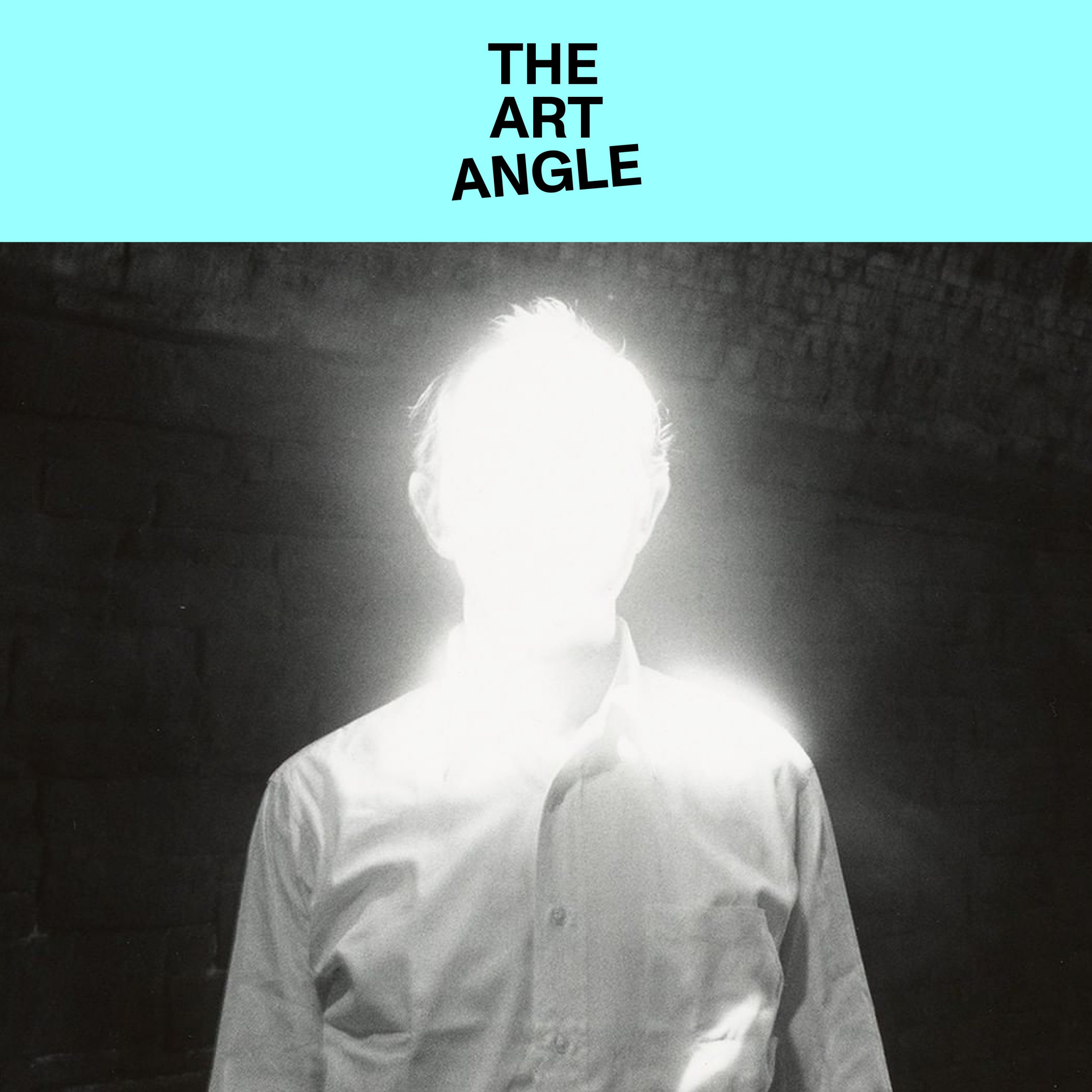
Artists Brian Eno and Beatie Wolfe have announced a collaborative music project titled *Lateral* and *Luminal*, two albums set for release on June 6, 2025. The albums, recorded intermittently over 2024, reflect distinct moods: *Lateral* is described as “Space music” led by Eno, while *Luminal* is “Dream music” headed by Wolfe. Early singles include “Suddenly” from *Luminal* and “Big Empty Country” from *Lateral*. The duo first met at the South by Southwest Festival in 2022, where they discussed art and climate, and later reconnected while holding exhibitions at separate London galleries. Their collaboration extends beyond music to a conceptual framework that names specific emotions—such as “fèath,” “pronoia,” “dor,” and “mono no aware”—to make feelings more tangible.

Michael Garner Explores Truth, Systems & Constructed Reality

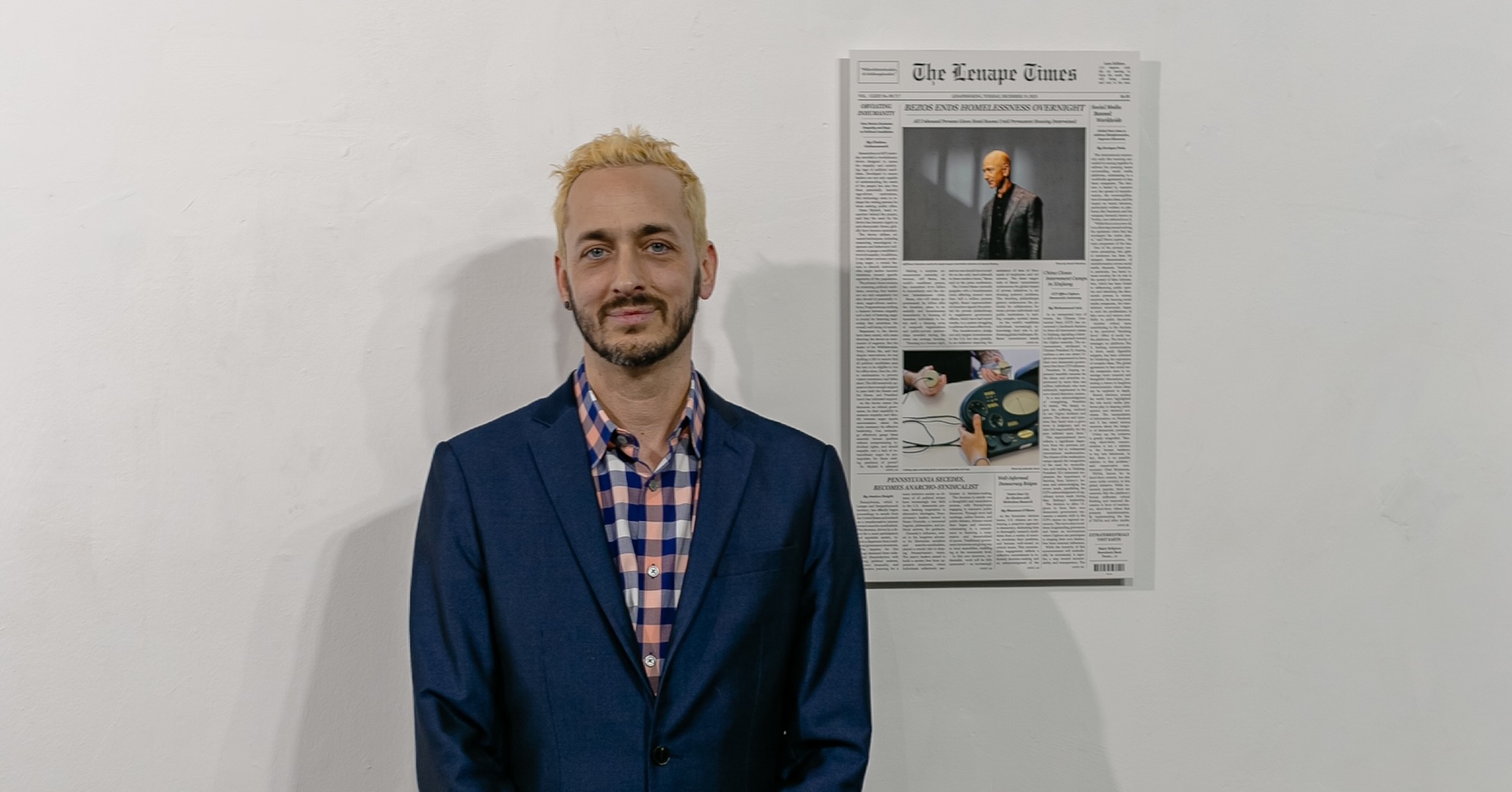
Michael Garner, an artist with a background spanning social science and intelligence work, creates immersive works that blend science, espionage, philosophy, and absurdity. His recent exhibitions include a show at the Bomb Factory Art Foundation featuring a vending machine dispensing mock classified information, and a presentation at the Austrian Cultural Forum London exploring his newly acquired Austrian citizenship through neural pathway paintings in the colors of the Austrian flag.

art burning man dustin yellin

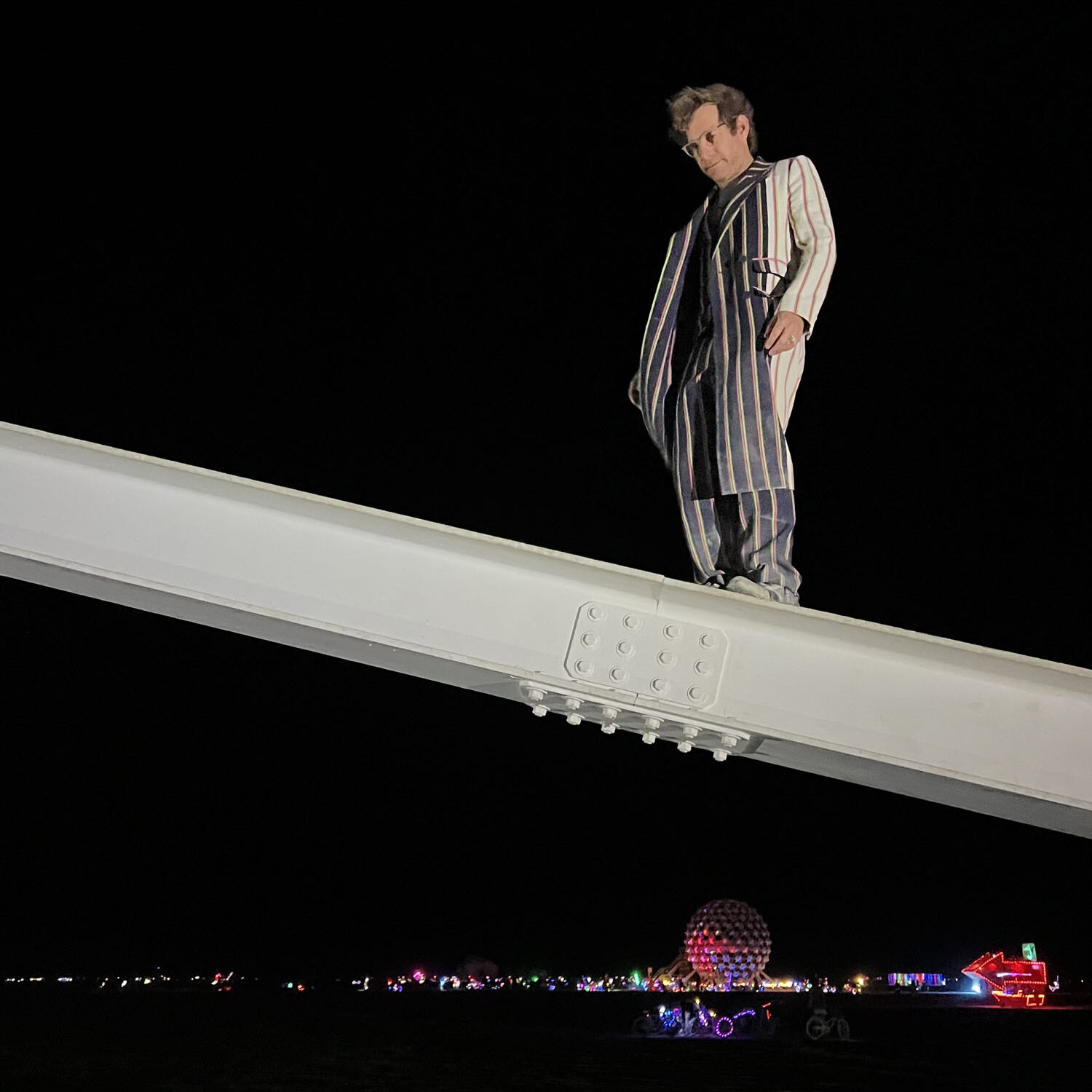
Artist and Pioneer Works founder Dustin Yellin discusses his annual tradition of attending Burning Man in the Nevada desert with journalist Sophia Cohen. Yellin, who first attended the festival in 2012 despite initial skepticism, describes the transformative experience of biking through the Playa with its lights and large-scale artworks. After this year's Burning Man, he will return to New York to complete *The Politics of Eternity*, a 10,000-pound sculpture debuting at the Armory Show.

Is Math Art? Werner Herzog Says Yes

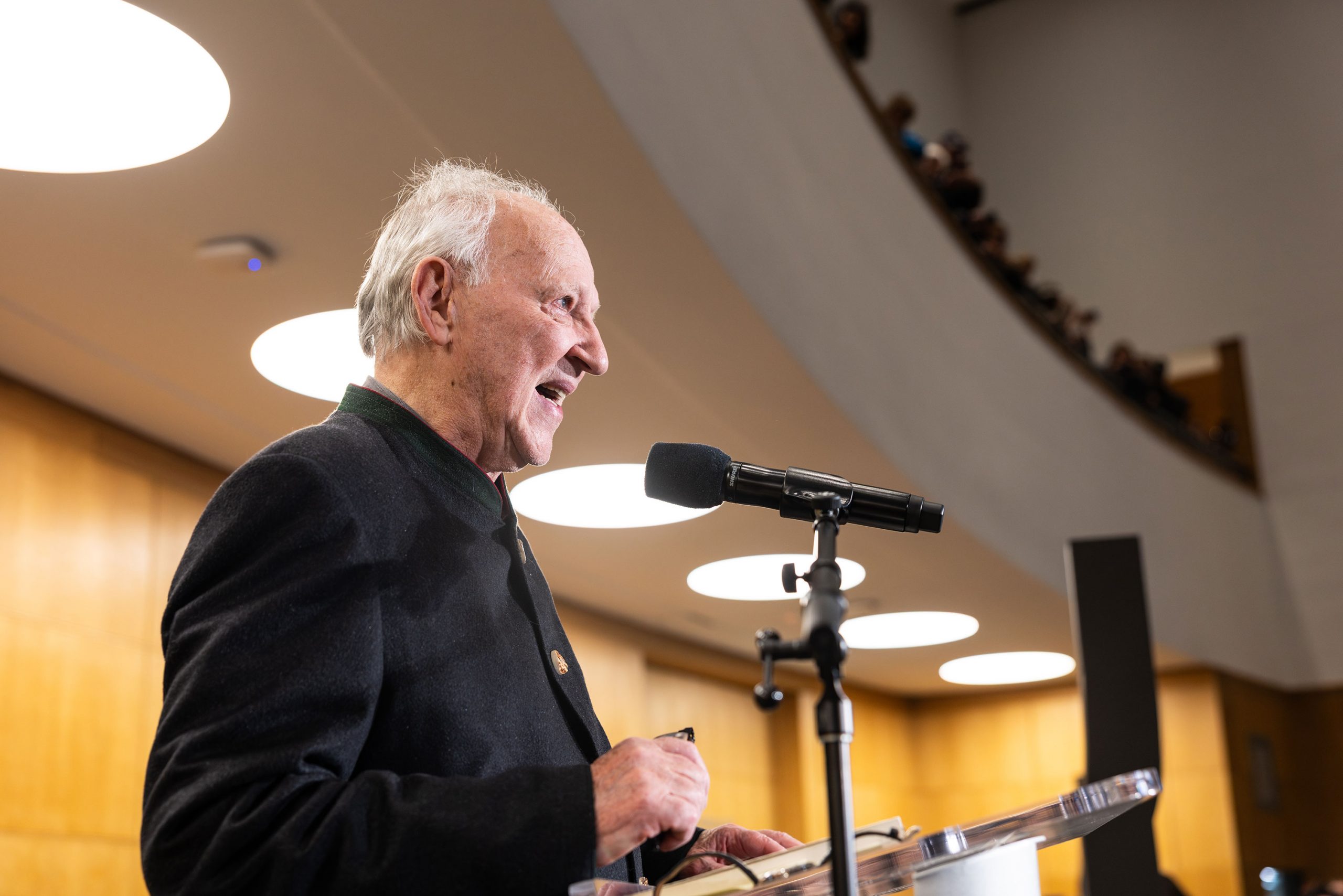
The Brooklyn Public Library hosted an overnight festival called "Night in the Library: The Philosophy of Mathematics" on Pi Day, March 14. The event featured a diverse program including tap dancing, textile workshops, talks by novelist Michael Cunningham and artist Molly Crabapple, and concerts, all aimed at exploring math's connections to broader culture. Filmmaker Werner Herzog delivered the keynote address, titled "Mathematics and the Sublime," in which he argued that mathematics is a new form of art, loaded with meaning and poetry.

pope leo xiv olafur eliasson greenland ice blessing

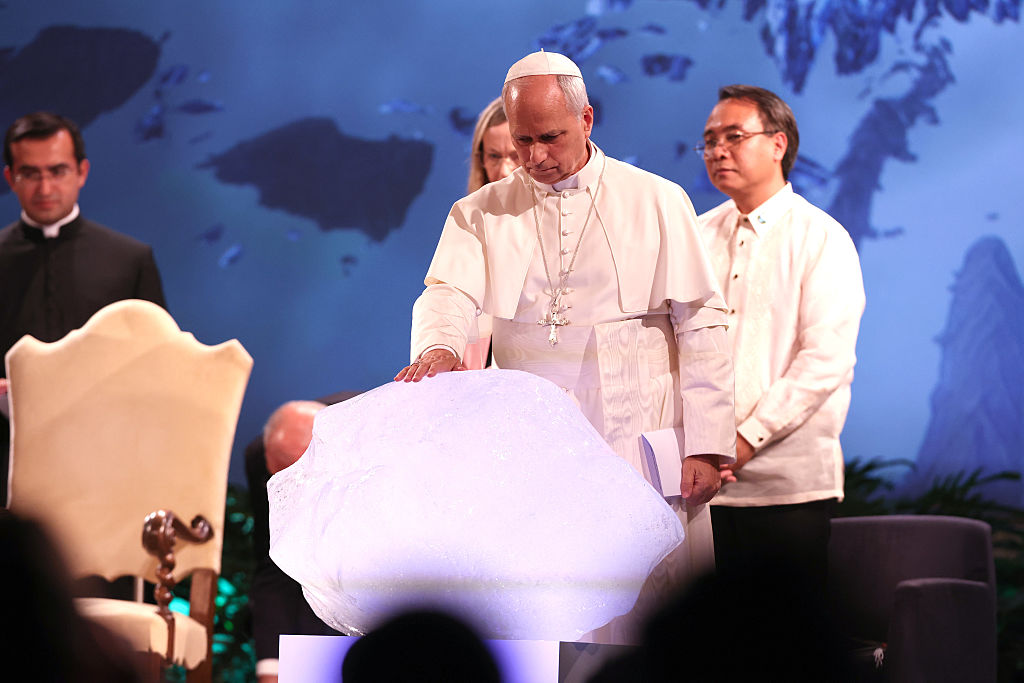
At the Raising Hope conference in Rome, Pope Leo XIV blessed a 20,000-year-old piece of Greenland glacial ice brought onstage by artist Olafur Eliasson. The ice, transported from Nuup Kangerlua fjord with geologist Minik Rosing, had already broken away from the Greenland ice sheet and was melting. Eliasson documented the event on Instagram, calling it a striking moment that underscored the connection between nature and humanity.

newly discovered snail named after picasso

An international team of malacologists has discovered 46 new species of Southeast Asian microsnails, all under the genus Anauchen. One of them, Anauchen picasso, is named after Pablo Picasso because the angular patterns on its 3mm-wide shell resemble Cubism. The findings were published in the peer-reviewed journal ZooKeys, based on fieldwork in Cambodia, Myanmar, Laos, Thailand, and Vietnam, and comparisons with specimens from the Florida Museum of Natural History.

georges seurat a sunday on la grande jatte why so important 2

Georges Seurat's Post-Impressionist masterpiece, *A Sunday on La Grande Jatte* (1884–86), is analyzed in depth for its revolutionary technique and historical context. The painting depicts weekend day-trippers in a Parisian park, employing pointillism—which Seurat called divisionism or *peinture optique*—to fix modern life in a chromatic eternity. Influenced by his academic training under Henri Lehmann (a student of Ingres) and Michel Eugène Chevreul's color theory, Seurat used tiny dots of color that blend in the viewer's eye, merging science with art. The work was preceded by *Bathers at Asnières* (1884), which shares the same landscape and thematic concerns, together portraying both sides of the Seine.

How Tasmania became one of the world’s most exciting art destinations

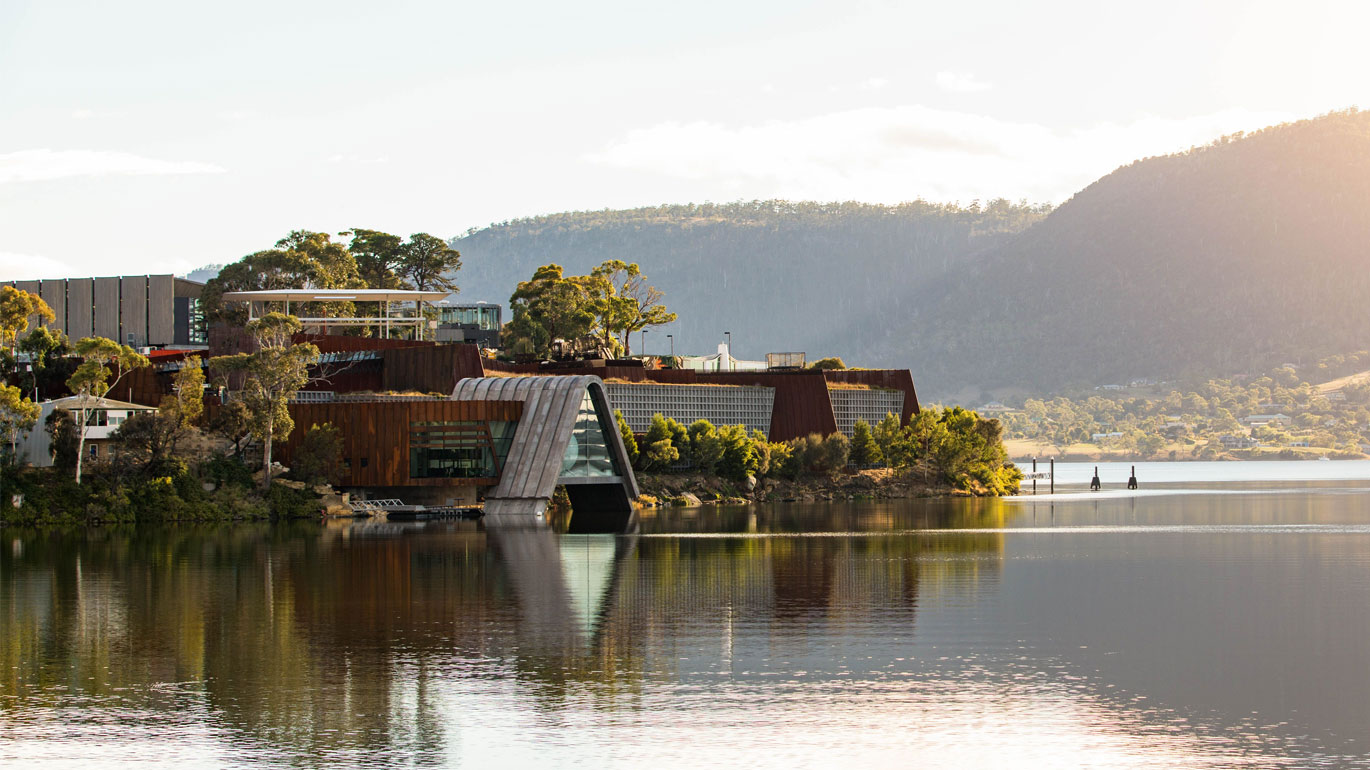
Helen Ochyra reports on how Tasmania, particularly Hobart, has emerged as a leading global art destination, driven largely by MONA (Museum of Old and New Art). The privately funded museum, founded by art collector David Walsh, recently opened a $100 million AUD wing housing a towering concrete amphitheatre by German artist Anselm Kiefer. Beyond MONA, Hobart hosts the provocative winter festival Dark Mofo, the science-and-culture Beaker Street Festival, and the inaugural Island Readers & Writers Festival, cementing its reputation for cutting-edge arts and culture.

Honoring Frederic Church: Beyond the Hudson River School

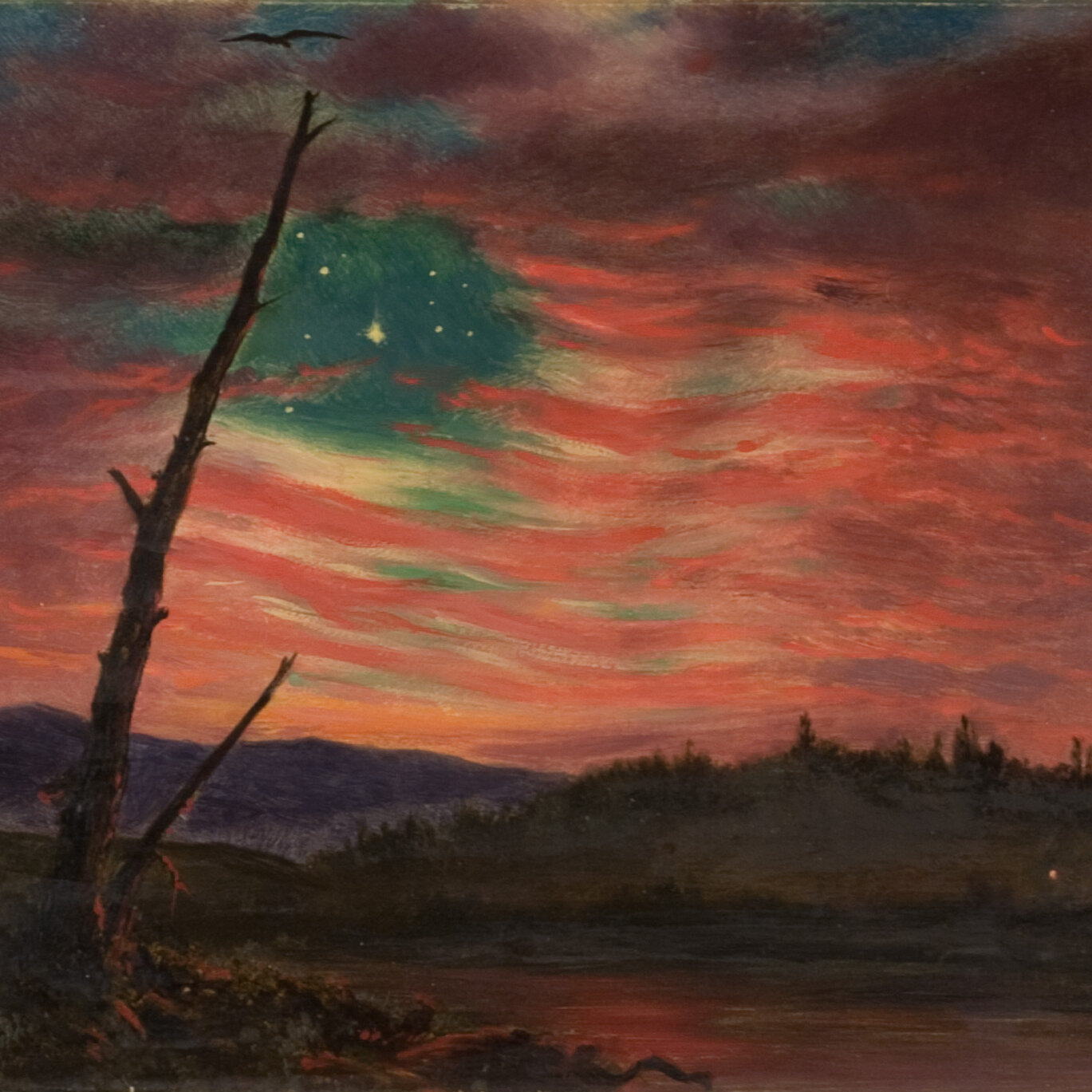
Art historians and curators are re-evaluating the legacy of Frederic Church, arguing that his contributions extend far beyond his traditional classification as a Hudson River School landscape painter. New research highlights his sophisticated engagement with 19th-century science, his architectural achievements at his estate, Olana, and his role as a global traveler who captured the spirit of the Andes and the Arctic.

27 Best Museums in the World for Art, History, and Cultural Wonders

This article from Travel + Leisure lists 27 of the best museums in the world, covering art, history, science, and culture. Featured institutions include the Louvre in Paris, the Metropolitan Museum of Art in New York, the Vatican Museums, the National Museum of China in Beijing, the National Gallery and Tate Modern in London, the Natural History Museum in London, the Griffin Museum of Science and Industry in Chicago, and Miraikan in Tokyo. The piece highlights iconic artworks such as the Mona Lisa, Venus de Milo, and the Sistine Chapel ceiling, as well as notable architectural features like I.M. Pei's glass pyramid at the Louvre.

Comment | The greatest failure of PST Art: its successes are not travelling

The article critiques PST Art (formerly Pacific Standard Time), a $20 million Getty-funded initiative in Southern California, as its current edition wraps up. It highlights the closure of key exhibitions like "For Dear Life: Art, Medicine and Disability" at the Museum of Contemporary Art San Diego before major art events like Frieze Los Angeles, and notes that only 7 of the 72 exhibitions are traveling to other institutions. The piece questions the initiative's purpose and effectiveness in reaching broader audiences.

Meet the Writer Who Sees Every Single Show at the Venice Biennale

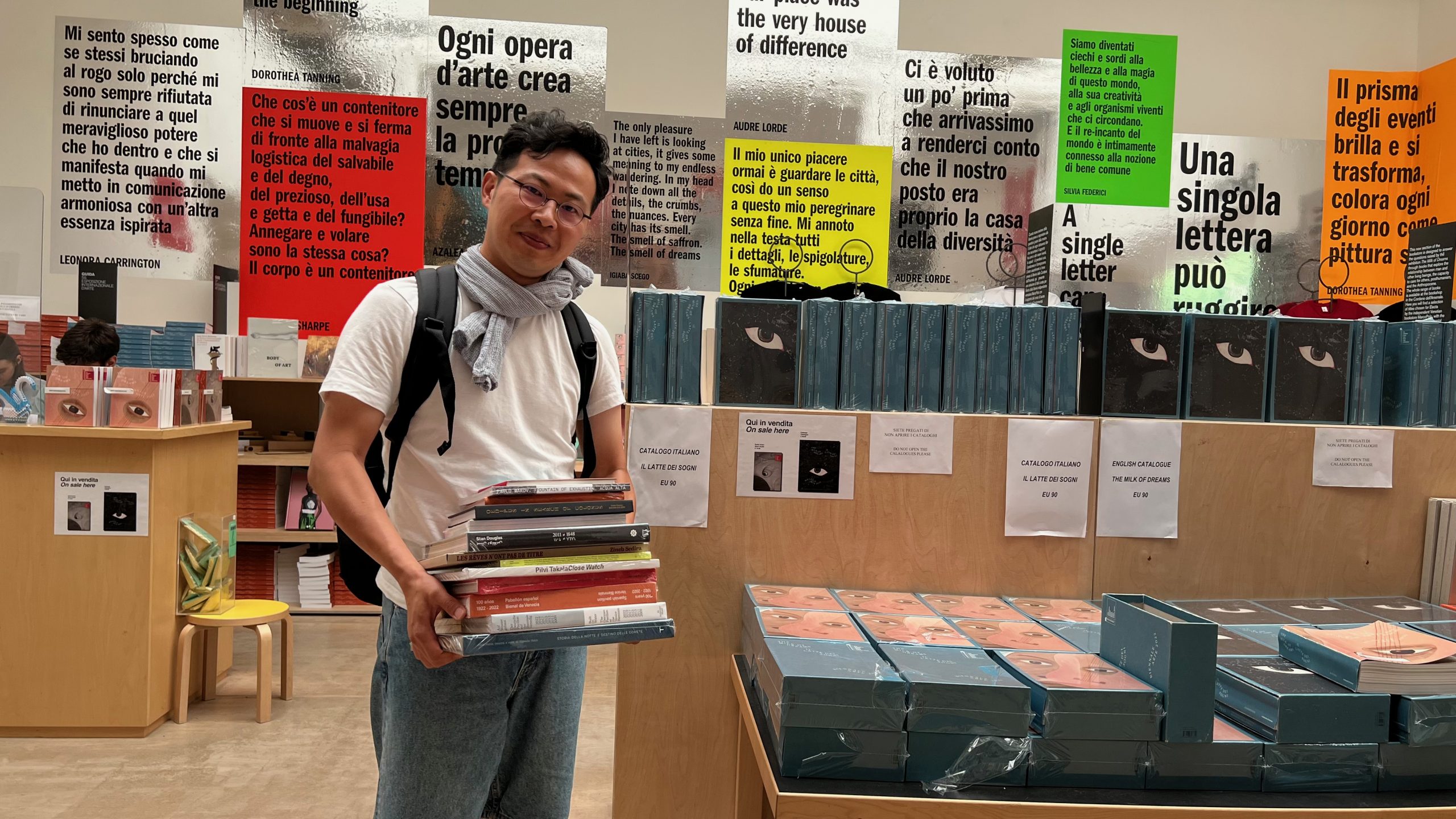
Jaeyong Park, a Seoul-based writer, translator, and interpreter, has attended every edition of the Venice Biennale since 2022—including both art and architecture cycles—and seen every single show, from the central exhibition and national pavilions to collateral and unofficial events. He documents his journeys in regular dispatches and has compiled a free bilingual guide to the biennial. Park organizes his trips with a group of fellow art workers, splitting accommodation costs and sharing reviews over dinner to ensure full coverage.

Space: the ultimate wardrobe challenge – in pictures

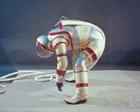
Thames and Hudson has released Space Journal: The Art and Science of Cosmic Exploration, a new visual compendium curated by BBC presenter Dallas Campbell. The book chronicles humanity’s aesthetic and technical obsession with the cosmos, featuring a diverse array of archival imagery ranging from 17th-century illustrations and 1930s rocket experiments to high-fidelity spacesuit replicas and mid-century astronomical art.

art bites durer star charts

Albrecht Dürer created the first printed star charts in Europe in 1515, producing two 17-inch square woodcut maps of the northern and southern celestial hemispheres. The charts depict 48 constellations, including zodiac signs, and feature portraits of ancient astronomers. Dürer collaborated with mathematician Conrad Heinfogel and imperial astronomer Johann Stabius, and the prints were patronized by Holy Roman Emperor Maximilian I. One set sold for £361,250 at Sotheby's in 2011.

Art and technology meet in the augmented reality of artist Lois He

Arte e tecnologia si incontrano nella realtà aumentata dell’artista Lois He

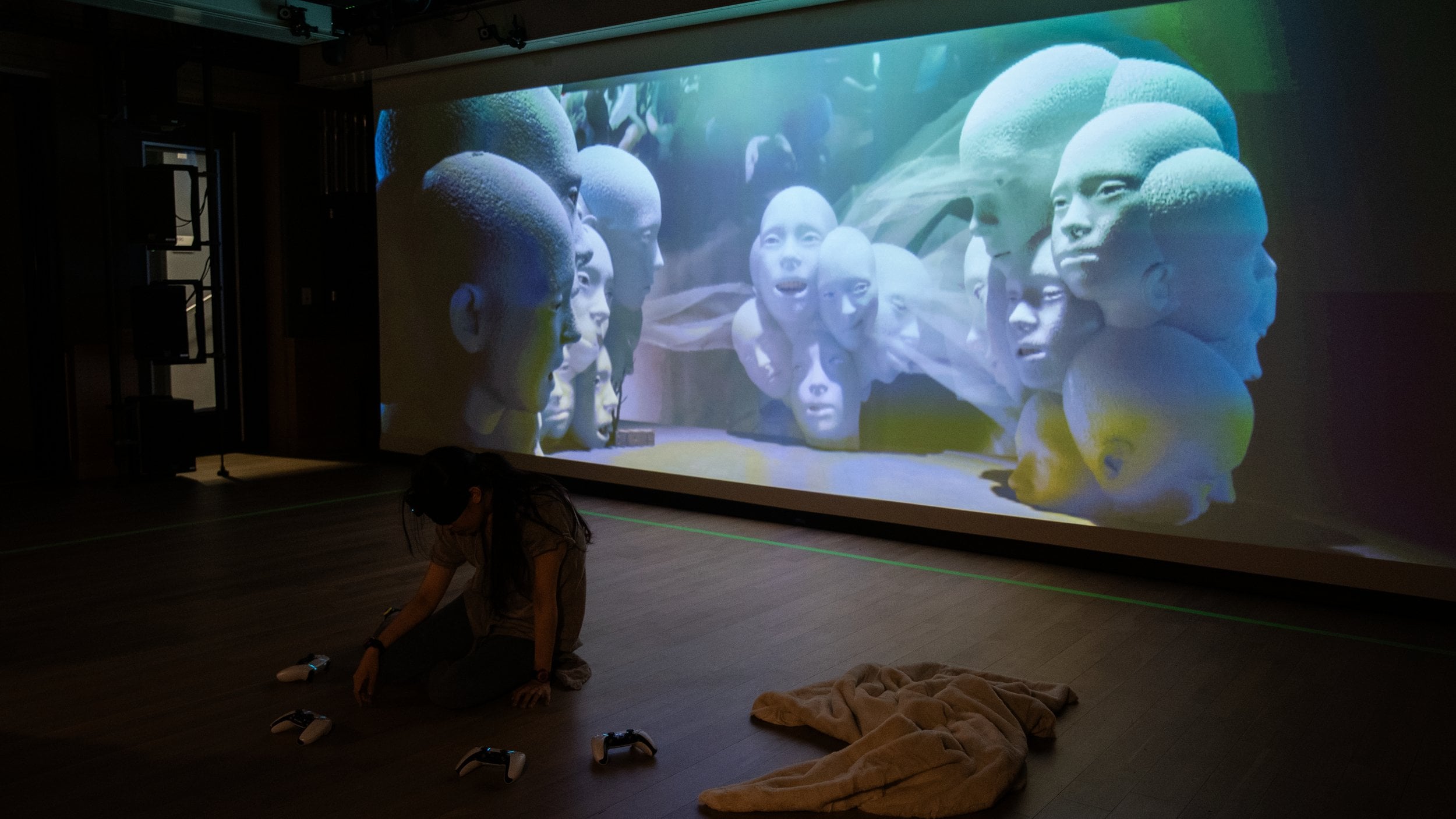
Lois He, a Chinese-born artist now based in New York, creates immersive XR installations that blend art and technology, transforming viewers into active participants. Her works, such as "Rising River," an AI-driven virtual reality experience, and "The Silent Carnival," a digital reinterpretation of Goethe's Faust, explore identity, emotion, and the impact of external agents like technology and culture. He also collaborates with institutions like the Museo Dalí and the NYU Neuroscience Institute, merging art with literature and science.

A brand-new novel is set in Renaissance Venice and its powerful Arsenal (where the Biennale is held)

Un nuovissimo romanzo è ambientato nella Venezia rinascimentale e nel suo potente Arsenale (quello dove si tiene la Biennale)

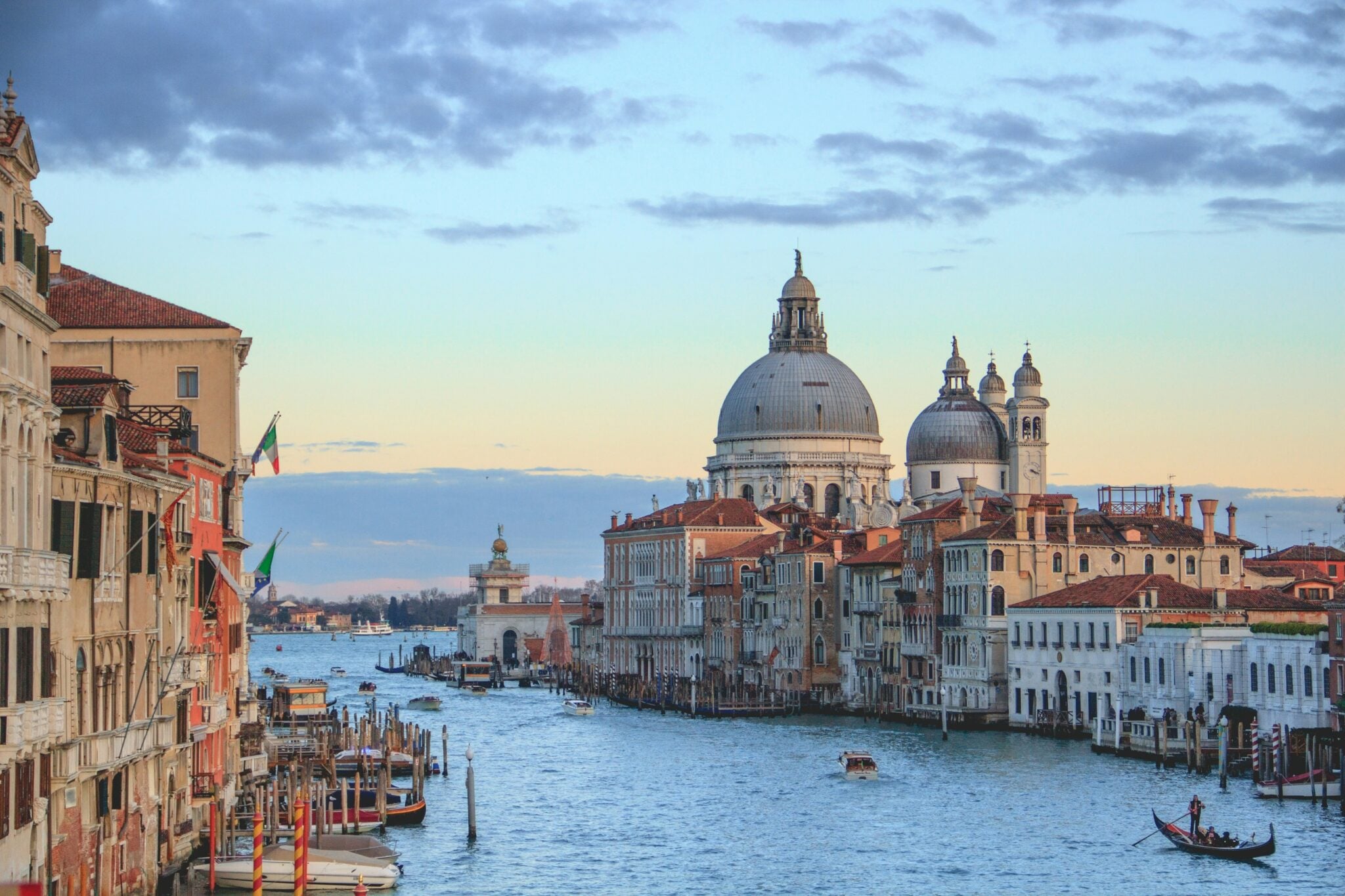
Allegra Scattaglia and Luca Josi have co-authored a new novel titled "Venetians – Il segreto dell’Arsenale," published by Sonzogno. Set in Renaissance Venice, the story follows young patrician Marcantonio Bragadin as he becomes entangled in a plot driven by the city's sophisticated and ruthless political system. The narrative highlights the Arsenal, one of the world's first proto-industrial shipbuilding complexes, which also hosts the Venice Biennale. The book weaves together art, technology, diplomacy, and intrigue, featuring historical figures such as Titian, Tintoretto, Albrecht Dürer, Leonardo da Vinci, and Aldus Manutius.

Reaching for the stars: enduring symbols of Soviet science – in pictures

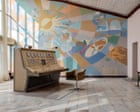
Photographer Eric Lusito documents Soviet-era scientific institutes across former USSR states in his book "Soviet Scientific Institutes," published by FUEL. The photo essay captures decaying facilities and enduring equipment at locations including the Institute of Radio Astronomy in Kharkiv, Ukraine; the Byurakan astrophysical observatory in Armenia; the Andronikashvili Institute of Physics in Tbilisi, Georgia; and the Fesenkov Astrophysical Institute in Kazakhstan, among others.

Not just dollars, euros and pounds: Tefaf speaker sets out art’s deep value for wellbeing

Professor Daisy Fancourt presented research at the Tefaf Summit in Maastricht, detailing the measurable health benefits of arts engagement. Her findings, drawn from longitudinal data and biological markers, show arts therapies can double symptom improvement for depression and regular cultural attendance can nearly halve depression risk over a decade.

nathan myhrvold modernist cuisine

Nathan Myhrvold, the former Microsoft CTO, chef, author, and photographer, has released his first series of safari photographs taken in Africa. The collection, titled 'Resting Leopard' (2025) and 'The Young King' (2025), marks a shift from his meticulously staged food and beverage photography to wildlife portraiture. In an interview, Myhrvold discusses how the project reconnects with humanity's place in the natural world, contrasting the controlled environment of studio work with the unpredictability of photographing wild animals.

Hilma af Klint en 2 minutes

Hilma af Klint (1862–1944) is profiled as a pioneering Swedish abstract artist who created a vast body of visionary, large-scale abstract paintings decades before Kandinsky, yet kept them secret during her lifetime. The article traces her life from a childhood steeped in science and nature, through her studies at the Royal Academy of Fine Arts in Stockholm, to her dual artistic practice: conventional landscapes and portraits for income, and radically abstract works guided by spiritualist séances and theosophical beliefs. She founded the group "The Five" with fellow female artists, and from 1906 onward produced the monumental series "Paintings for the Temple" (193 works), convinced she was channeling a higher force. She stipulated in her will that her abstract works not be revealed until 20 years after her death, and they were only rediscovered in the late 1960s.

Comment | Art and science rely on freedom of thought—and on each other

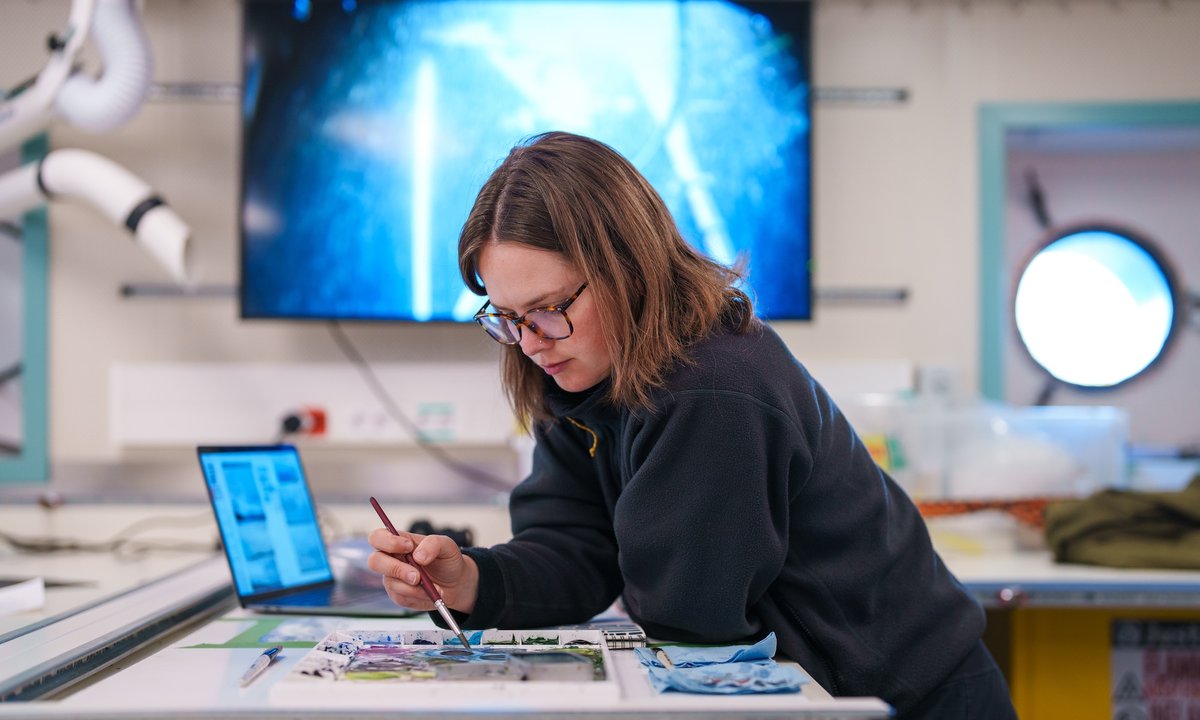
The article argues that art and science are deeply interconnected, both relying on freedom of thought and cross-disciplinary collaboration. It cites examples like birds' colorful feathers being explained by a study supported by Schmidt Sciences, which found that birds use a layer of white and black feathers to accentuate color—a technique painters have used for centuries. The piece highlights the Artist-at-Sea programme aboard the Schmidt Ocean Institute's research vessel Falkor (too), where artists like Constance Sartor and Jill Pelto collaborate with scientists to communicate marine science to broader audiences. The author, who works with scientists and is married to one, emphasizes that both disciplines pursue truth through different but complementary methods, from Leonardo da Vinci's anatomical studies to medieval Islamic tilework and Alexander von Humboldt's naturalist drawings.

Around North America, Community Members Are Stitching Nearly 11,000 Birds

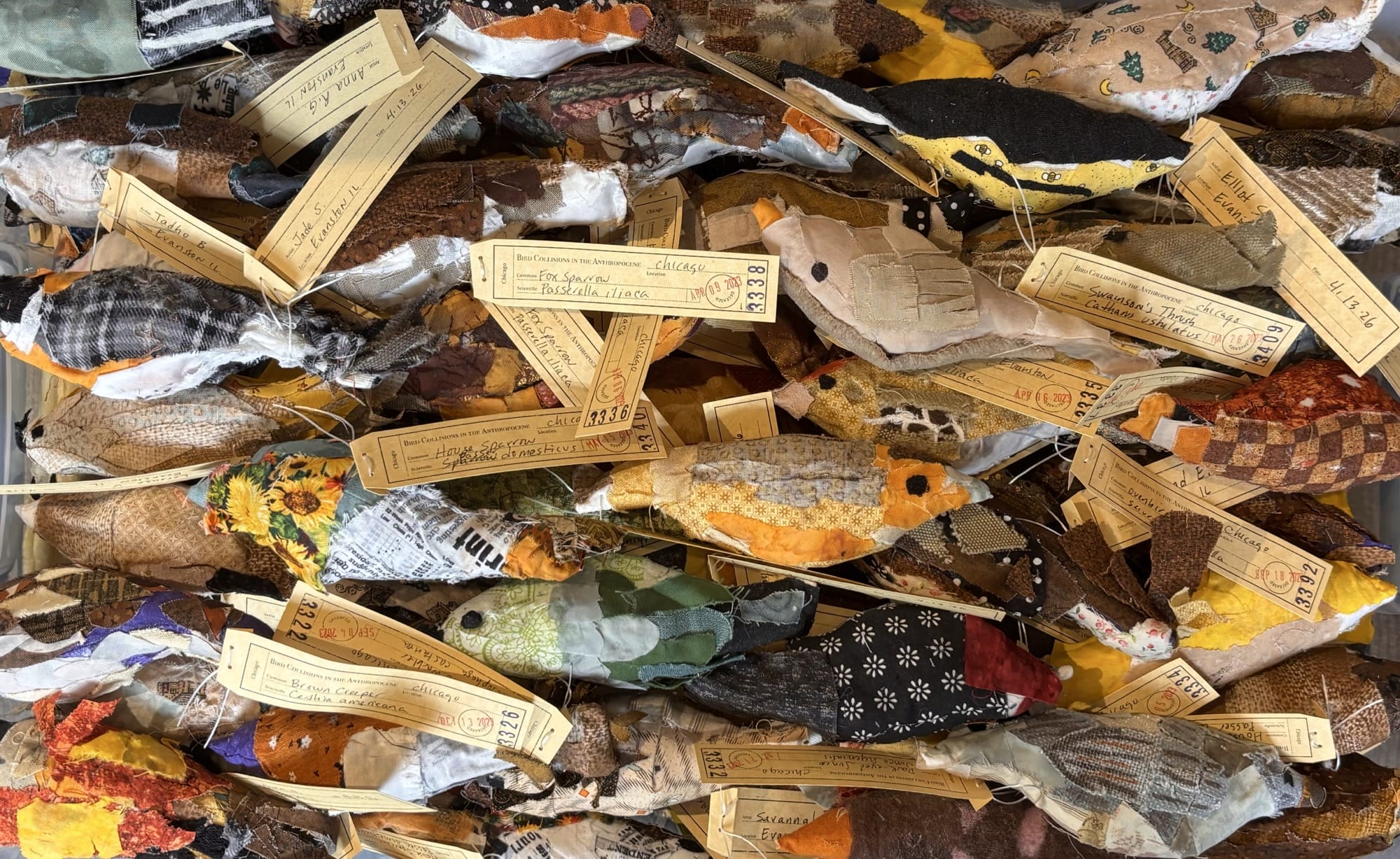
Artist and educator Holly Greenberg launched the multi-year project "Bird Collisions in the Anthropocene" in 2024 after learning about a mass bird collision at Chicago's McCormick Place Lakeside Center in October 2023, where nearly 1,000 birds died in a single night. Using data from the Chicago Field Museum and ornithologist Dave Willard, Greenberg focuses on the 10,863 birds found dead after hitting Chicago buildings in 2023 alone. The project involves community members stitching nearly 11,000 fabric birds to raise awareness and educate the public about preventing window collisions, which kill an estimated one billion birds annually across North America.

Torna TAILOR. Ecco come abbonarsi alla newsletter di Artribune sulla cultura del vestire

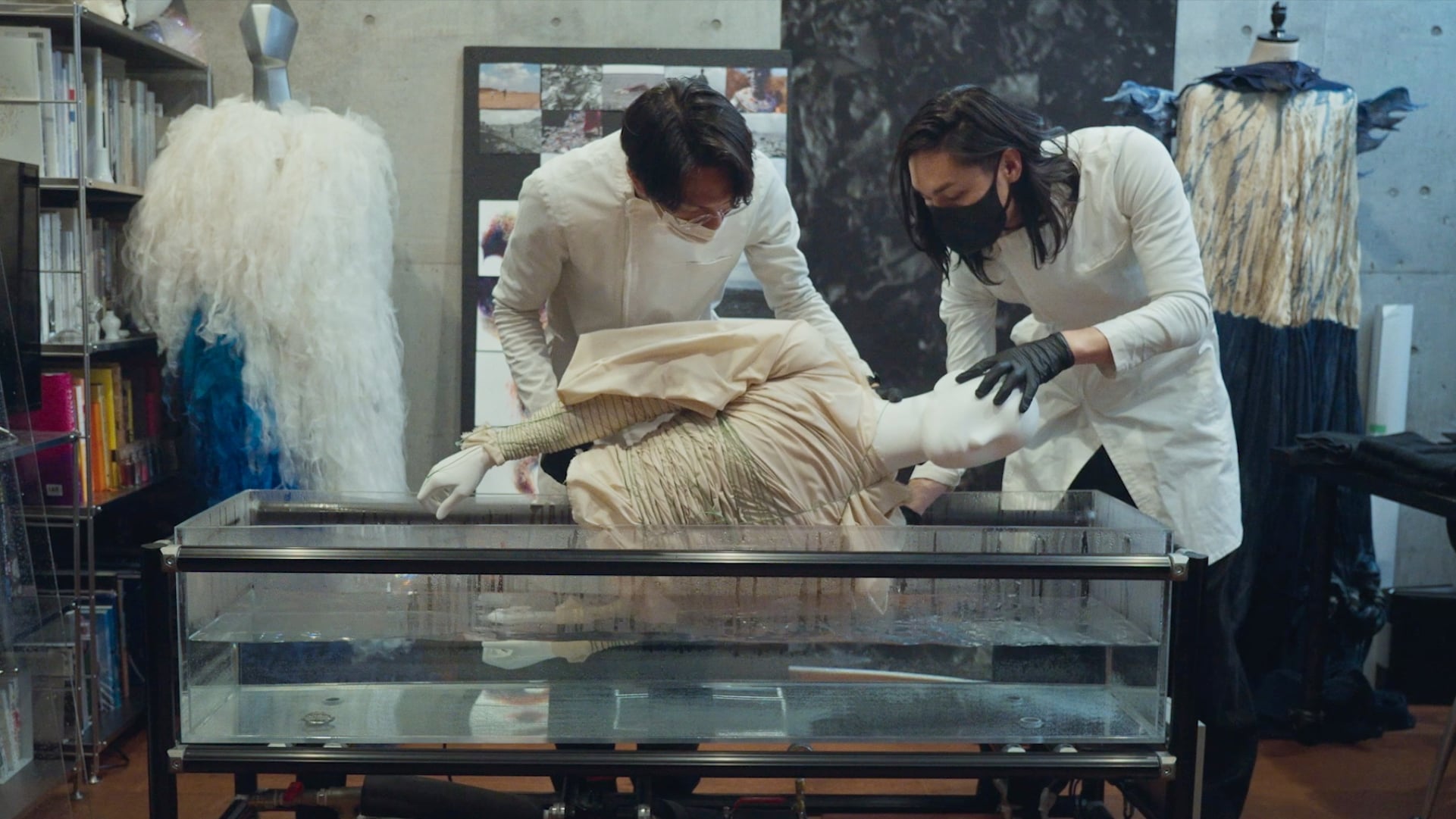
TAILOR, the vertical newsletter from Artribune exploring the intersections of art and fashion, returns on Sunday, May 17, 2026. The upcoming issue focuses on "Science Fashion," an event held from May 13 to 15 at the MACRO – Museo d'Arte Contemporanea di Roma, curated by Dobrila Denegri, which investigates relationships between fashion, science, and new technologies. The newsletter also examines the rapid spread of the non-color white in fashion and design as a response to pandemic, crisis, and geopolitical tensions, offering analytical content for professionals, students, and enthusiasts.

Toulouse is the European capital of space travel (and knows how to celebrate it)

Tolosa è la capitale europea dei viaggi nello spazio (e sa come celebrarli)

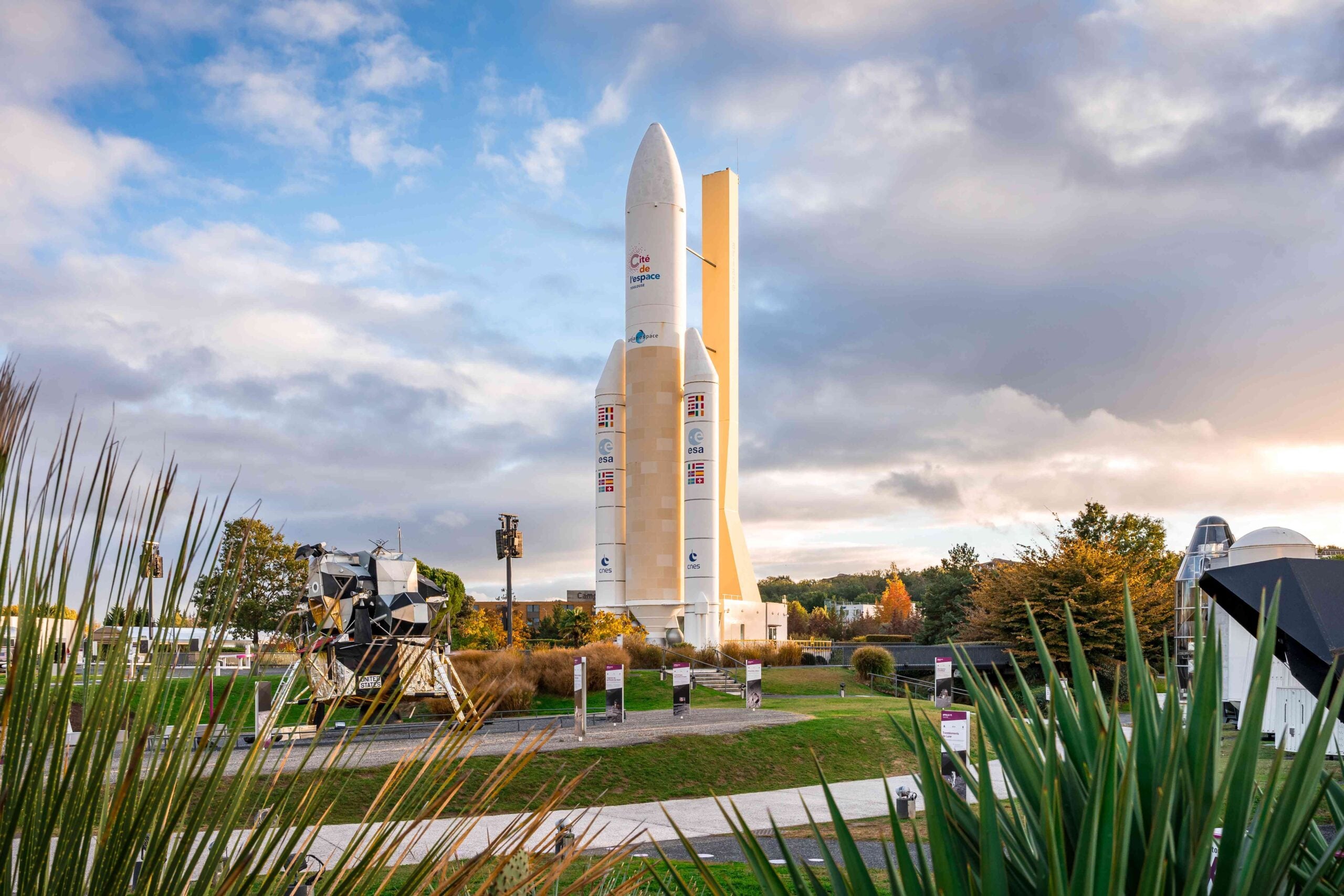
Toulouse has solidified its status as Europe’s aerospace capital, blending industrial prowess with cultural engagement. The city, home to the Airbus headquarters and the National Centre for Space Studies (CNES), celebrates the legacy of flight from Clément Ader’s 1890 steam-powered takeoff to modern satellite technology. Key institutions like the Cité de l’espace and the Envol des Pionniers museum offer immersive experiences, including flight simulators, real-scale rocket replicas, and exhibitions on the history of Air France.