filter_list Showing 149 results for "Sting" close Clear
search
dashboard All 2783 museum exhibitions 1206article local 517trending_up market 351article news 275article culture 149article policy 80rate_review review 67person people 62candle obituary 46gavel restitution 27article event 2article events 1
date_range Range Today This Week This Month All
Subscribe

jean baudrillard photography art performance

Jean Baudrillard, the French philosopher whose concept of simulation inspired *The Matrix* (1999), is the subject of a new biography by Emmanuelle Fantin and Bran Nicol. The article explores Baudrillard's complex relationship with the art world: he was celebrated by artists and served on *Artforum*'s editorial board, yet he disavowed the Neo-Geo movement that claimed his ideas, arguing that art had become indistinguishable from commerce and lost its critical distance. His 1987 lecture at the Whitney Museum drew thousands, but he used the platform to declare art's irrelevance.

collectors reveal key advice

Collectors share advice for aspiring art patrons in a two-part series, recounting their early mistakes and lessons learned. Diana Bowes, board chair of the Aldrich Contemporary Art Museum, recalls buying her first pieces at Art Basel in 2006 and warns against purchasing art online without seeing it in person, as well as protecting works from water, children, and house painters. Mana Jalalian, an interior designer based in Dubai with over 400 works by Iranian artists, emphasizes following instincts, continuous learning, and the value of working with an art advisor.

modern contemporary art

The article explores the distinction between Modern and contemporary art, explaining that Modern art emerged in the late 19th century as a reaction to classical art and the Industrial Revolution, with movements like Impressionism, Cubism, Futurism, and Surrealism redefining painting in response to photography. Contemporary art, by contrast, is a reaction to Modern art, with its start debated between World War II and the 1960s-70s consumerist era, encompassing diverse mediums such as sculpture, street art, and performance art, exemplified by artists like Jeff Koons, Banksy, and Yoko Ono.

What’s the True State of Bangkok’s Art Ecosystem?

The article examines the current state of Bangkok's art scene, which is experiencing a surge of private investment and international attention. New institutions like UNITED Unlimited and Misiem's/bangkok are opening, and events like the Bangkok Art Biennale are gaining prominence, leading some international media to compare the city's potential to art hubs like Miami.

One Erased Vermeer, Two Books, and No Consensus

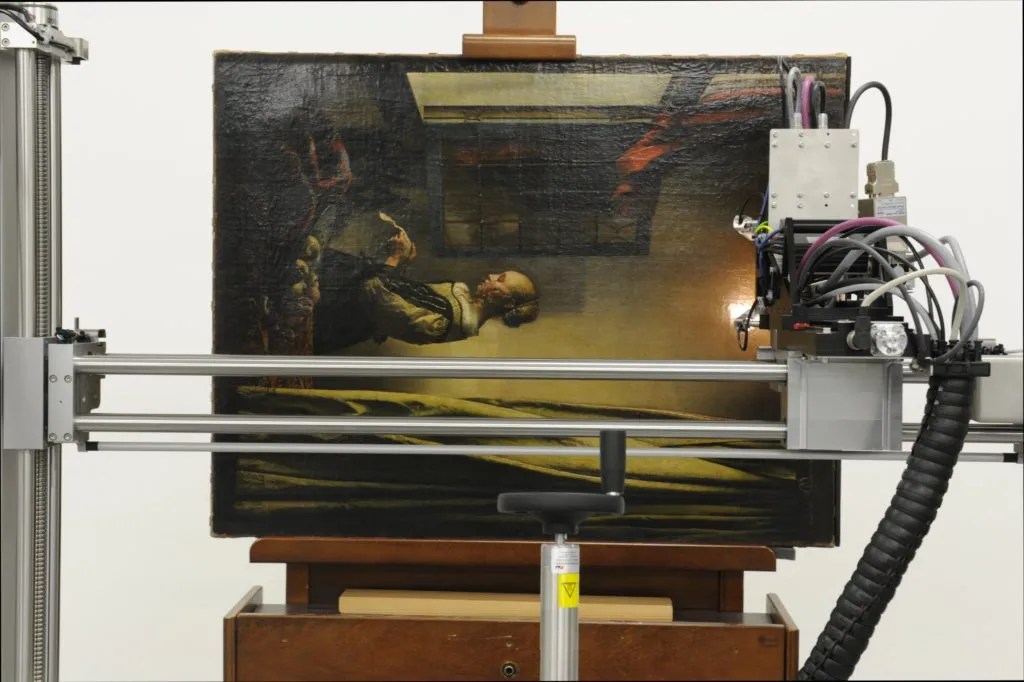
Two new books examine the legacy of Johannes Vermeer from contrasting angles. Ruth Bernard Yeazell's "Vermeer's Afterlives" (Princeton University Press) explores how the artist's open-ended, figureless interiors have inspired later creators, from painter George Deem to novelist Tracy Chevalier. Andrew Graham-Dixon's "Vermeer: A Life Lost and Found" restores the historical and religious context of 17th-century Delft, arguing that modern readings have overlooked the original meanings of Vermeer's works.

10 young female artists feminism

The article profiles ten young female artists who are using their work to explore and assert feminist perspectives in the face of contemporary misogyny, particularly referencing the US president-elect's rhetoric. Featured artists include Emma Sulkowicz, known for her durational performance 'Carry That Weight' protesting campus rape culture, and Sarah Maple, a British artist whose multimedia works tackle identity and gender with provocative humor. The piece highlights how these artists address themes such as sexual violence, gender fluidity, and the reclaiming of femininity through mediums ranging from performance and video to painting and photography.

todd von ammon grids galleries fairs column

Todd von Ammon, a young gallerist, critiques the contemporary art market's over-reliance on art fairs and the homogenization of gallery spaces into a sterile, grid-like system. He contrasts this with the lost charm of discovering hidden, architecturally unique galleries in labyrinthine neighborhoods, which he argues fosters a sense of urban belonging and agency for collectors and art workers. The article traces the shift from the rabbit warrens of SoHo to the dense Chelsea gallery district and the rise of the modern art fair, epitomized by Art Basel's expansion to Miami Beach in 2002, which he likens to a pyramid scheme that burdens young galleries with high costs for minimal returns.

Jordan Wolfson’s Newest Provocation Is a Creepy Prada Ad Campaign

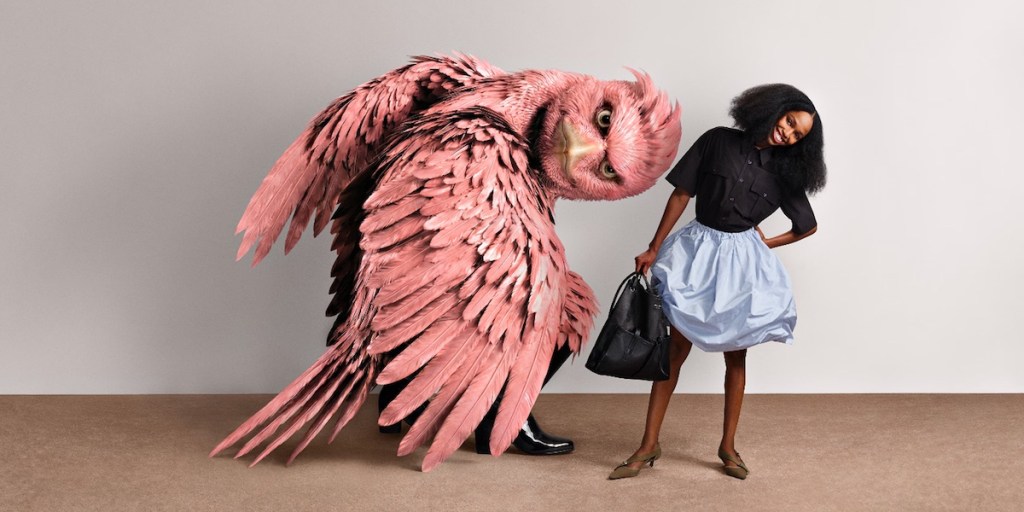
Artist Jordan Wolfson has directed a new advertising campaign for Prada's Spring/Summer 2026 collection. The campaign, titled "I, I, I, I AM… PRADA," features unsettling, computer-generated birds and a bird-man hybrid alongside models including actors Carey Mulligan, Nicholas Hoult, Damson Idris, and Hunter Schafer, continuing Wolfson's signature style of disturbing digital avatars.

artists studios google street view part 2

Artnet News continues its exploration of famous artists' studios via Google Maps Street View, featuring nine historic homes and workspaces. Among them are Max Liebermann's lakeside Berlin villa, now a memorial museum; the modernist compound of Diego Rivera and Frida Kahlo in Mexico City, designed by Juan O'Gorman; Dora Gordine's eclectic Dorich House in South London; and Ben Nicholson's studio in the historic Porthmeor Studios building in Cornwall, which once housed Francis Bacon and other artists. Each entry includes the location, historical context, and an interesting fact about the site.

‘Depraved in all the right ways’: why forgotten no wave visionary Gordon Stevenson is about to take off

The article profiles Gordon Stevenson, a forgotten visionary of the no wave movement in late-1970s New York, who was an artist, jewelry designer, musician, and filmmaker best known for the notorious film *Ecstatic Stigmatic*. Decades after his death from AIDS, a storage unit full of his lost work has been discovered, including jewelry, mail-art collaborations with Ray Johnson, and clues to a surviving print of his film. His family has also recovered hundreds of letters he wrote to his parents, chronicling his life in downtown New York and his experiences as one of the city's first AIDS patients. The piece traces his journey from a small town in Georgia, where he met his wife Mirielle Cervenka (who later renamed Exene Cervenka), to their punk-era jewelry brand LHOOQ and his lasting influence on gothic fashion.

Inside the Unlikely Bond Between Lucian Freud and Kate Moss

In 2002, Lucian Freud unveiled a portrait of a naked and pregnant Kate Moss, a rare celebrity subject for the artist who had turned down Princess Diana. A new film, *Moss & Freud*, dramatizes the unlikely friendship that developed between the aging painter and the supermodel during the creation of *Naked Portrait (2002)*. Directed by James Lucas, the film stars Ellie Bamber as Moss and Derek Jacobi as Freud, and explores their intense studio sessions, personal revelations, and the bond that formed despite their contrasting lifestyles.

joshua johnson

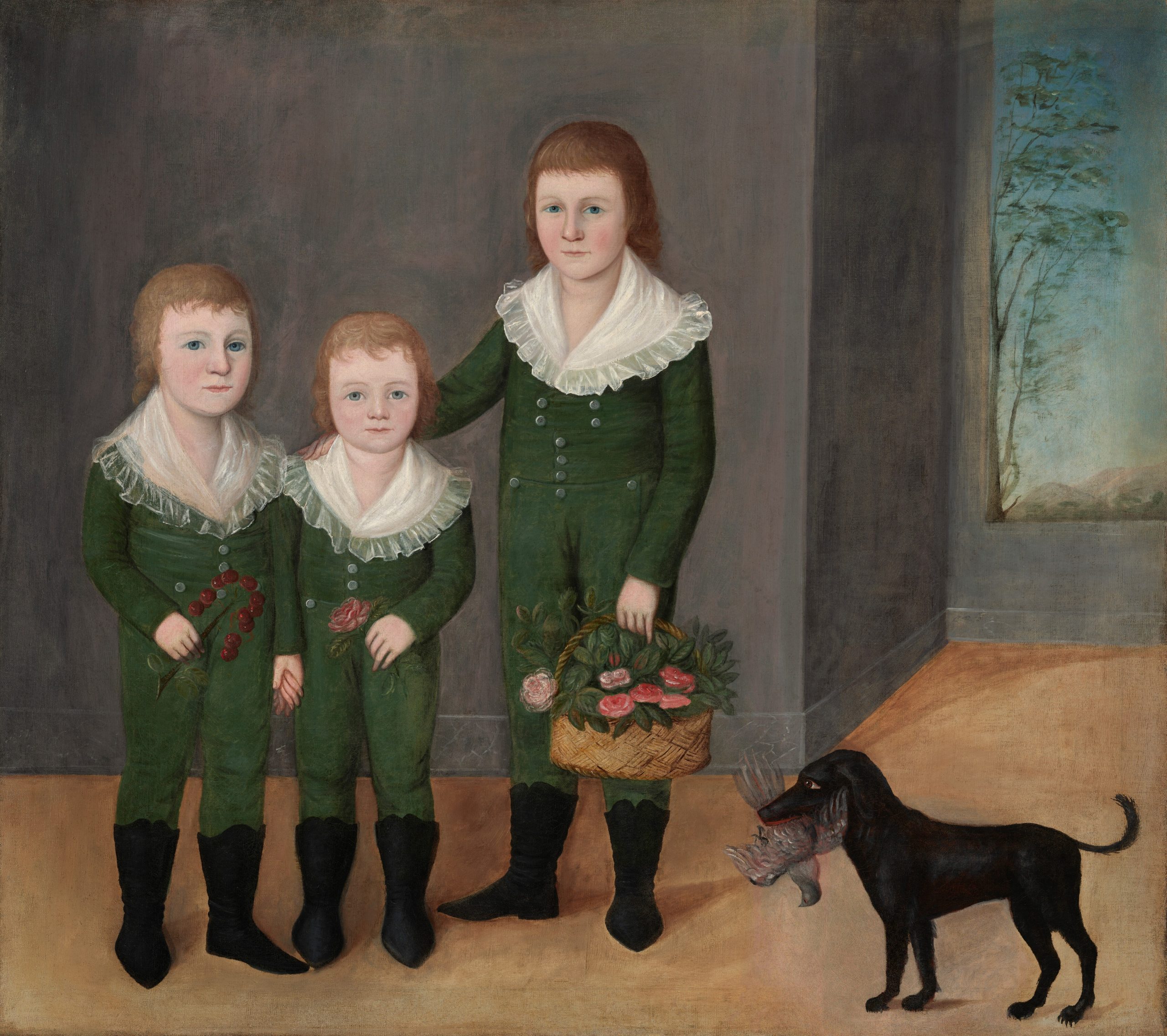
Joshua Johnson, born into slavery in Maryland around 1763, emerged in the late 18th century as the first documented Black professional artist in the United States. After gaining his freedom in 1782, Johnson established himself in Baltimore as a self-taught portraitist, advertising his services in local newspapers and catering to the city's prominent families. His body of work, consisting of approximately 83 attributed paintings, is characterized by a distinct flatness and three-quarter profile compositions typical of early American folk art.

A book exploring the evolution of J.M.W. Turner’s positions on slavery

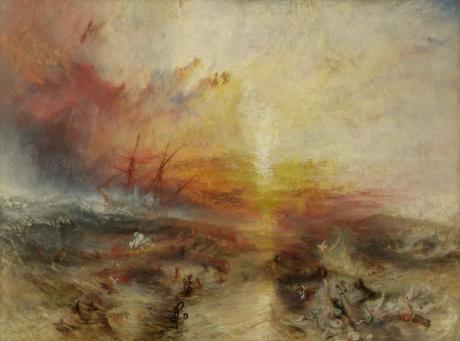
Art historian Sam Smiles has released a comprehensive new book examining J.M.W. Turner’s complex relationship with the slave trade, expanding on his 2007 discovery of the artist's personal investment in a Jamaican cattle farm that utilized enslaved labor. The research traces Turner’s financial ties from his early patronage by wealthy plantation owners to his own speculative ventures, challenging the long-held perception of the artist as a straightforward abolitionist.

How Caravaggio’s Dark Masterpieces Mirror the Crimes in Netflix’s Ripley

as seen on ripley netflix caravaggio

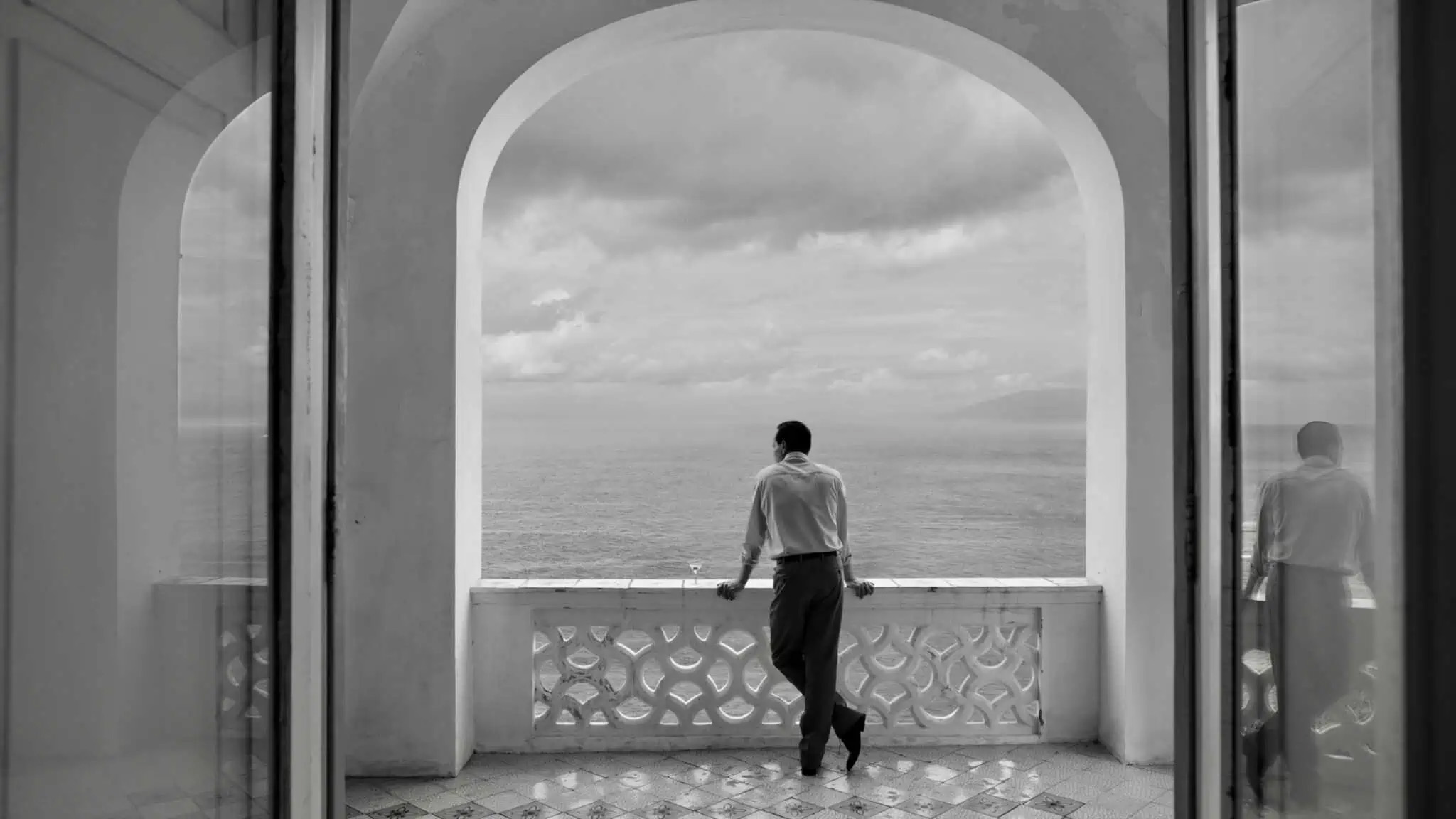
The Netflix series Ripley, an adaptation of Patricia Highsmith’s novel, utilizes the works of Caravaggio as a central narrative and aesthetic device. The show follows Tom Ripley, a grifter who travels to Italy and eventually adopts the identity of a wealthy acquaintance after committing murder. Throughout the series, Ripley encounters several of Caravaggio's masterpieces, including The Seven Acts of Mercy and David with the Head of Goliath, which serve as dark mirrors to his own descent into violence.

I thought my cuckoo clock was amazing, but it’s got nothing on my statue of Bert the cheery chef | Adrian Chiles

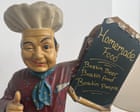
Adrian Chiles, a writer and broadcaster, recounts his acquisition of a whimsical figurine of a cheerful chef, which he named Bert after the reclamation yard owner from whom he bought it in the Black Country. He describes the personal joy and daily lift the statue brings him, contrasting it with a cuckoo clock whose novelty eventually wore off. Chiles details the statue's charming, slightly worn appearance and its role as a conversation piece, particularly due to the West Midlands slang word "bostin'" written on its menu board.

Shoplifting, sex shows and sheepdog-breeding: great artists and the side-hustles they did to get by

The article explores the unconventional and often illicit side jobs that famous artists historically took to support their creative pursuits. It details examples like Jean Genet's specialized book theft, Jean-Luc Godard's pilfering of books and cash, Chantal Akerman's ticket-skimming at a porn theater, and Kathy Acker's simulated sex show performances, highlighting how financial necessity drove them to inventive, sometimes desperate, measures.

relooted video game

A new video game titled 'Relooted' has been released, casting players as vigilantes in an Afrofuturistic future who must reclaim looted African artifacts from Western museums before they are hidden away. Developed by South African studio Nyamakop, the game tasks players with repatriating up to 70 specific, real-world contested treasures, including the Bangwa Queen and the Maqdala Crown, through heist-style gameplay.

degas the artist the network tv

A new TV series titled "The Artist" on The Network offers a chaotic, irreverent take on art history, centering on a widow (Janet McTeer) who may have murdered her robber-baron husband. The show features historical figures like Edgar Degas and Thomas Edison, blending campy soap-opera drama with accurate art-historical references, including real artworks by Monet, Manet, Cassatt, and Degas. The final episodes air December 25 on a free ad-sponsored platform created by director Aram Rappaport.

hard choices can you hack contemporary art curator

Art-world consultants Chen & Lampert present a satirical quiz for contemporary art curators who came of age in the mid-2000s and now face the challenges of middle age—mortgages, school-age children, and dwindling energy for the nightlife that once fueled their careers. The quiz poses ten multiple-choice questions testing whether a curator can stay relevant without partying every night, touching on topics like referencing artists in talks, responding to young artists, and keeping up with art news and trends.

experts how to make it art world

Artnet News has launched a new four-part podcast mini-series titled "How to Get Ahead in the Art World," produced in partnership with Art Market Mentors. Hosted by editor-in-chief Naomi Rea and produced by Sonia Manalili, the series features insights from top art-world insiders including Cat Manson (former Christie's leader turned career coach), Loïc Gouzer (former Christie's rainmaker and founder of Fair Warning), and Brooke Lampley (senior roles at Sotheby's and Gagosian). Each episode covers a key career lesson: taking ownership of your career, trusting your instincts, leading with passion, and embracing a layoff as a reset.

art nouveau renaissance mucha jugendstil paris metro

The article recounts the author's personal rediscovery of Art Nouveau, sparked by encountering an iron doorknob shaped like a Belgian endive at the Bröhan Museum in Berlin. It explores the movement's history, its German variant Jugendstil, and the philosophical debate between Walter Benjamin and Theodor Adorno over its merits—Benjamin criticizing it as a superficial escape from industrial reality, Adorno defending its utopian desire to reconcile art, nature, and technology. The piece also notes a contemporary resurgence of interest in the style.

roman sculpture

This article explores the rediscovery of Roman sculpture during the Renaissance and its profound influence on artists like Raphael, Donatello, Michelangelo, and Leonardo da Vinci. It details how Roman sculptors, inspired by Greek methods after the conquest of Greece in 146 B.C.E., created highly realistic works that served both artistic and political purposes, glorifying emperors and reinforcing imperial power. The piece highlights six iconic Roman sculptures—including the Equestrian Statue of Marcus Aurelius, the Colossus of Constantine, Trajan's Column, and the Augustus of Prima Porta—describing their historical context, artistic features, and enduring legacy.

peter hujar day biopic ira sachs

Filmmaker Ira Sachs has released a new film titled *Peter Hujar's Day*, based on a 1974 audio recording and subsequent book by writer Linda Rosenkrantz. The film captures a single day in the life of photographer Peter Hujar, who died of AIDS-related complications in 1987, as he recounts mundane details and artistic anxieties to Rosenkrantz. Starring Ben Whishaw as Hujar and Rebecca Hall as Rosenkrantz, the movie adapts a transcript Rosenkrantz rediscovered and published in 2021. Sachs describes the project as an exploration of portraiture, light, and emotion, contrasting with his earlier, more turbulent film *Passages*.

spike lee art collection highest 2 lowest

Spike Lee's new film *Highest 2 Lowest*, an English-language reinterpretation of Akira Kurosawa's *High and Low*, prominently features artworks from Lee's personal collection—or replicas of them—as set decoration. Production designer Mark Friedberg used Lee's collection, previously surveyed at the Brooklyn Museum in 2023, as a reference to establish the character of music tycoon David King, played by Denzel Washington. Works by Jean-Michel Basquiat, Kehinde Wiley, Deborah Roberts, Gordon Parks, Henry Taylor, and others appear in the film, including Basquiat's *Horn Players* (1983) and *Now's the Time* (1985), Tim Okamura's portrait of Toni Morrison, and pieces from Andy Warhol's 'Muhammed Ali' series.

frank lloyd wrights oak park the bear

A recent episode of the Hulu series "The Bear" features main character Carmy Berzatto (played by Jeremy Allen White) visiting Frank Lloyd Wright's historic home and studio in Oak Park, Illinois. The episode highlights the architect's iconic Chicago-area buildings, including the Unity Temple and the Frederick C. Robie House, as Carmy finds a moment of tranquility amid his chaotic restaurant life. The Frank Lloyd Wright Trust, led by president and CEO Celeste Adams, granted access to the site, with staff noting the film crew's careful respect for the historic landmark.

modi johnny depp modigliani film

Johnny Depp has directed a new film titled "Modigliani – Three Days on the Wing of Madness," based on a play by Dennis McIntyre, which dramatizes 72 hours in the life of Italian painter Amedeo Modigliani. The film stars Riccardo Scamarcio as Modigliani and follows the artist's struggles with relationships, money, police, and a meeting with a collector, set against his bohemian life in early 20th-century Paris. It marks Depp's first directorial effort since 1997's "The Brave."

leonardo da vinci existing paintings ranked

Artnet News has published a ranking of Leonardo da Vinci's surviving paintings, focusing on completed, stand-alone works and excluding frescos like *The Last Supper* and unfinished pieces. The article evaluates paintings such as *Annunciation* (c. 1472–76), *Madonna of the Carnation* (1478–80), and *Ginevra de' Benci* (c. 1474–78), considering factors like attribution certainty, historical context, and unique traits—for instance, *Ginevra de' Benci* is the only Leonardo painting in a public collection in the Americas.

eva hesse documentary

A comprehensive new documentary on Eva Hesse, the innovative 1960s artist, will premiere in New York in April. Directed by Marcie Begleiter, the film explores Hesse's life as a German-born American who fled Nazi Germany, her difficult childhood as an immigrant, and her rise in New York's art scene. It features interviews with artists like Robert Mangold and examines her pioneering use of materials such as plastic, latex, and fiberglass. Hesse's career was cut short when she died of a brain tumor at age 34 in 1970, but her legacy has grown through posthumous retrospectives at major museums.

art bites frank lloyd wright imperial hotel lincoln logs

Lincoln Logs, the iconic wooden construction toy that has entertained American children for over a century, was designed by John Lloyd Wright, the second-eldest son of famed architect Frank Lloyd Wright. John conceived the toy while in Japan with his father between 1916 and 1917, inspired by the interlocking wooden foundation Frank Lloyd Wright designed for the Imperial Hotel in Tokyo to make it earthquake-resistant. The toy, named after Abraham Lincoln, went on to become a classic, inducted into the National Toy Hall of Fame in 1999.

10 chefs-d’œuvre de l’impressionnisme décryptés par Beaux Arts

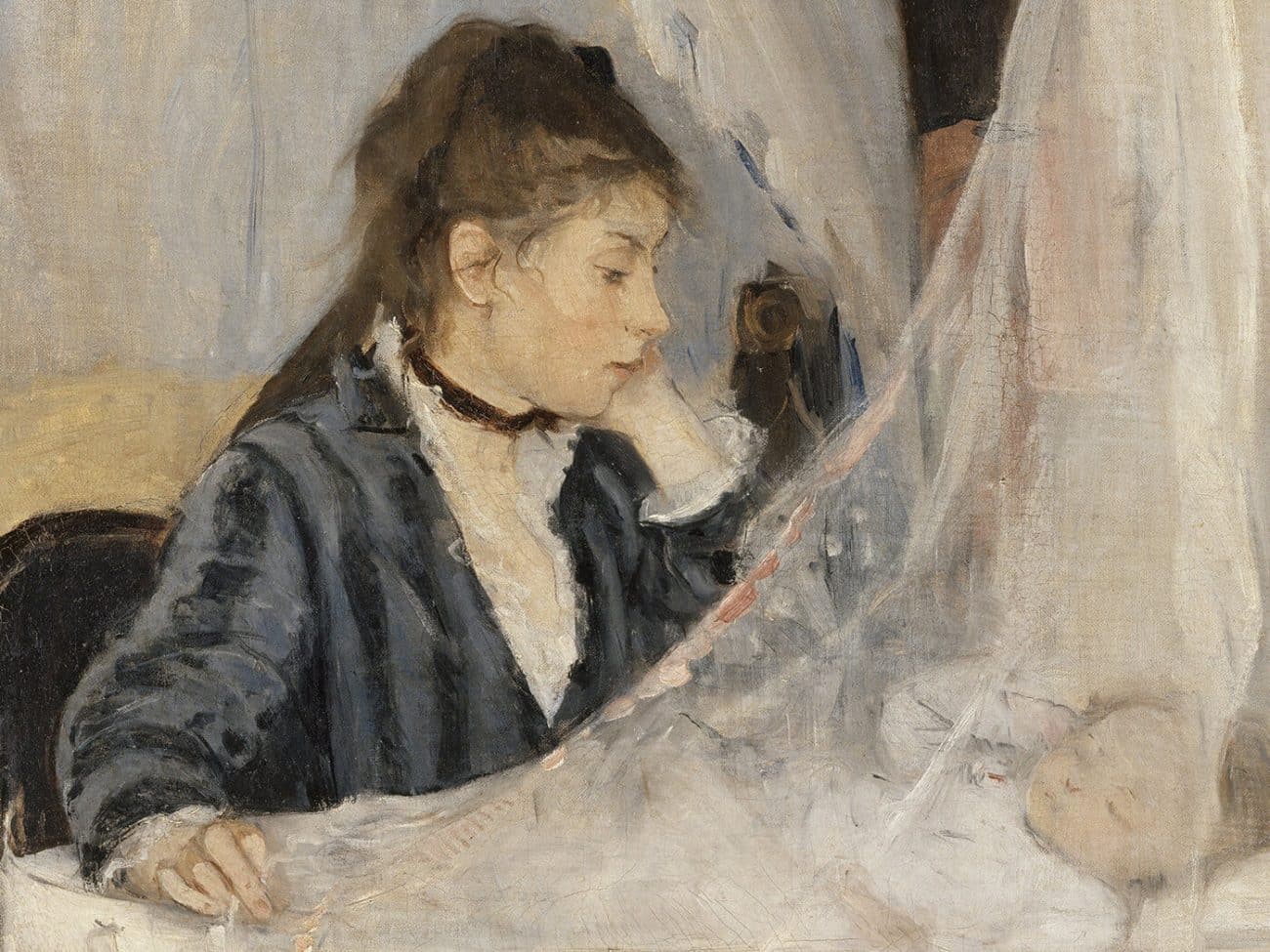
Beaux Arts Magazine presents a detailed dossier analyzing ten iconic masterpieces of Impressionism, including works by Edgar Degas, Édouard Manet, Berthe Morisot, Auguste Renoir, Gustave Caillebotte, Claude Monet, and Mary Cassatt. The article explores the technical innovations, modern subjects, and revolutionary spirit of the movement, which began in 1874 and was initially rejected by critics. Each featured painting—such as *Le Déjeuner sur l’herbe*, *Impression, soleil levant*, and *Le Bal du moulin de la Galette*—is examined by art historians and journalists to reveal its composition, historical context, and lasting impact.