filter_list Showing 30 results for "Sting" close Clear
search
dashboard All 807 museum exhibitions 360article local 180trending_up market 92article news 70article culture 30rate_review review 28candle obituary 17person people 13article policy 13gavel restitution 3article event 1
date_range Range Today This Week This Month All
Subscribe

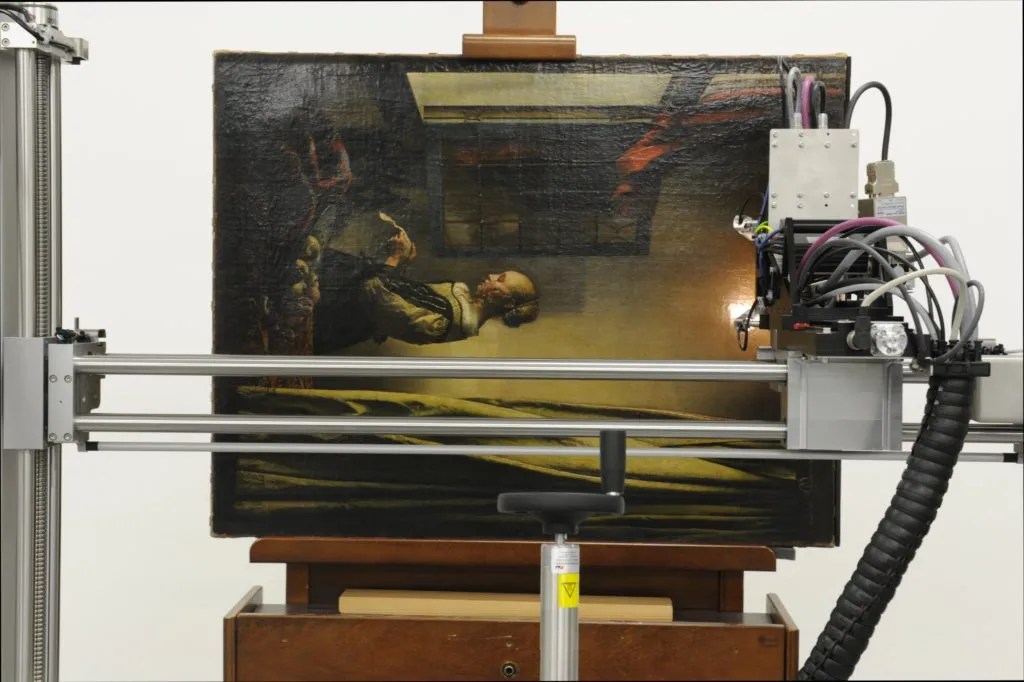
One Erased Vermeer, Two Books, and No Consensus

Two new books examine the legacy of Johannes Vermeer from contrasting angles. Ruth Bernard Yeazell's "Vermeer's Afterlives" (Princeton University Press) explores how the artist's open-ended, figureless interiors have inspired later creators, from painter George Deem to novelist Tracy Chevalier. Andrew Graham-Dixon's "Vermeer: A Life Lost and Found" restores the historical and religious context of 17th-century Delft, arguing that modern readings have overlooked the original meanings of Vermeer's works.

‘Depraved in all the right ways’: why forgotten no wave visionary Gordon Stevenson is about to take off

The article profiles Gordon Stevenson, a forgotten visionary of the no wave movement in late-1970s New York, who was an artist, jewelry designer, musician, and filmmaker best known for the notorious film *Ecstatic Stigmatic*. Decades after his death from AIDS, a storage unit full of his lost work has been discovered, including jewelry, mail-art collaborations with Ray Johnson, and clues to a surviving print of his film. His family has also recovered hundreds of letters he wrote to his parents, chronicling his life in downtown New York and his experiences as one of the city's first AIDS patients. The piece traces his journey from a small town in Georgia, where he met his wife Mirielle Cervenka (who later renamed Exene Cervenka), to their punk-era jewelry brand LHOOQ and his lasting influence on gothic fashion.

Inside the Unlikely Bond Between Lucian Freud and Kate Moss

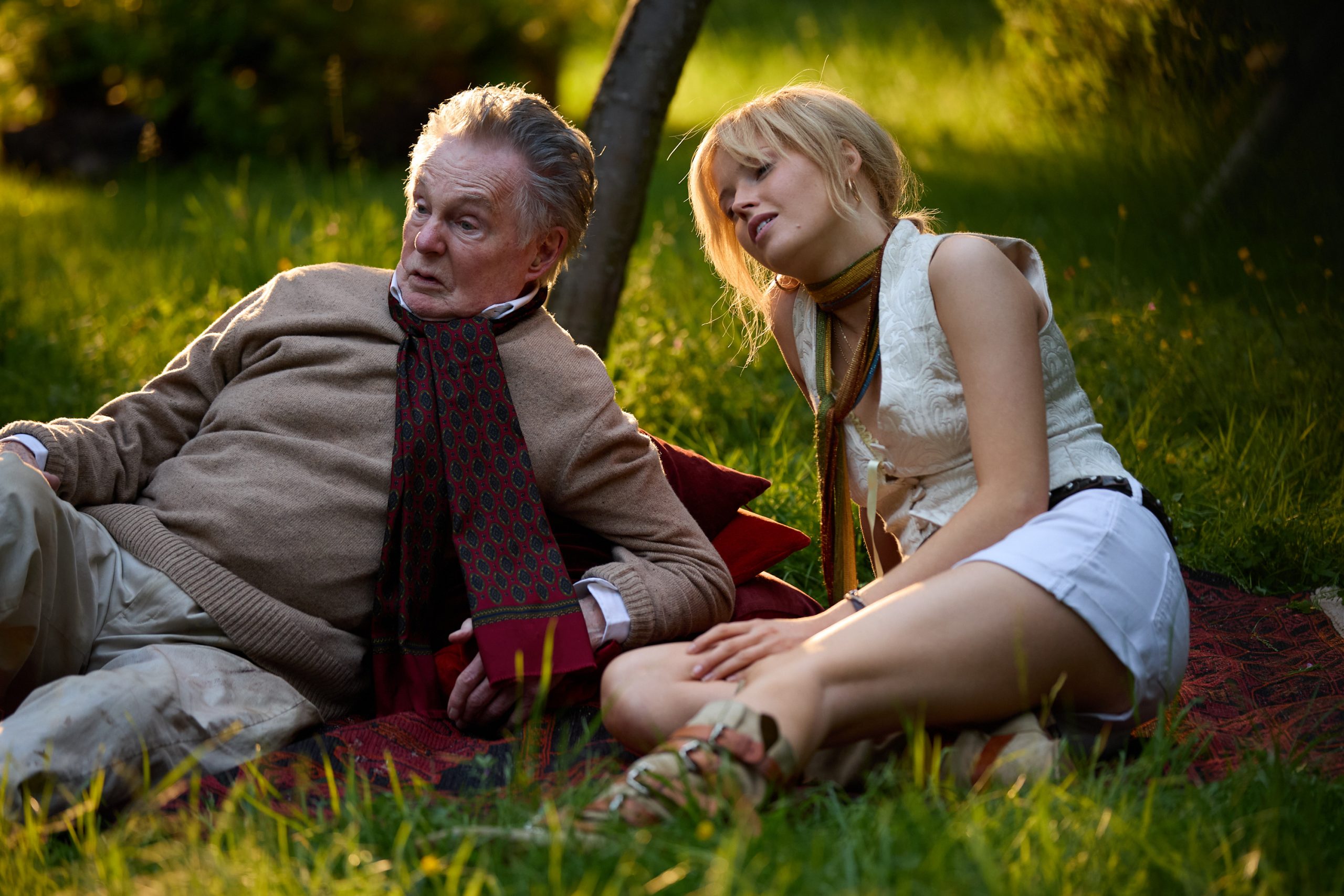
In 2002, Lucian Freud unveiled a portrait of a naked and pregnant Kate Moss, a rare celebrity subject for the artist who had turned down Princess Diana. A new film, *Moss & Freud*, dramatizes the unlikely friendship that developed between the aging painter and the supermodel during the creation of *Naked Portrait (2002)*. Directed by James Lucas, the film stars Ellie Bamber as Moss and Derek Jacobi as Freud, and explores their intense studio sessions, personal revelations, and the bond that formed despite their contrasting lifestyles.

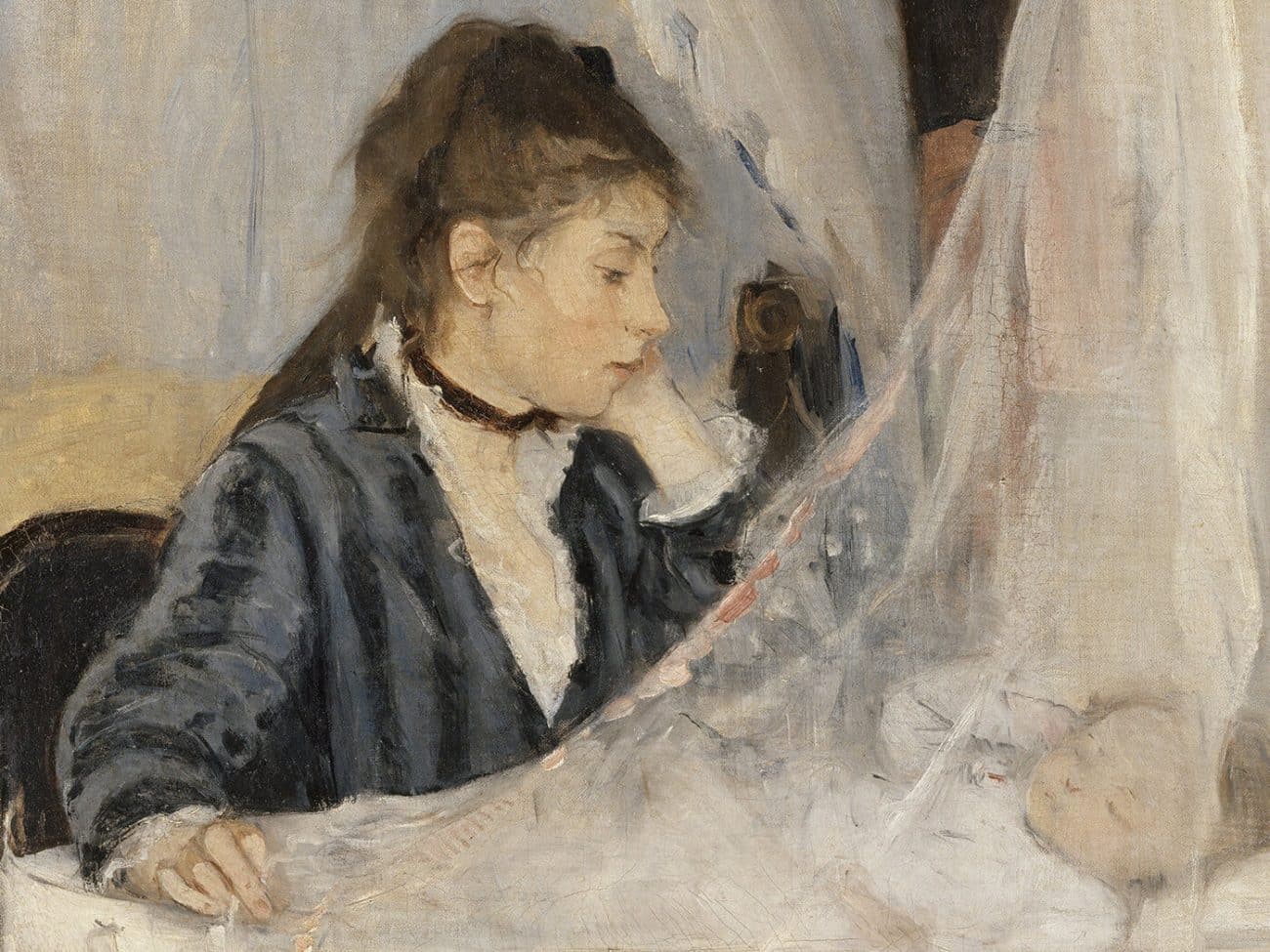
10 chefs-d’œuvre de l’impressionnisme décryptés par Beaux Arts

Beaux Arts Magazine presents a detailed dossier analyzing ten iconic masterpieces of Impressionism, including works by Edgar Degas, Édouard Manet, Berthe Morisot, Auguste Renoir, Gustave Caillebotte, Claude Monet, and Mary Cassatt. The article explores the technical innovations, modern subjects, and revolutionary spirit of the movement, which began in 1874 and was initially rejected by critics. Each featured painting—such as *Le Déjeuner sur l’herbe*, *Impression, soleil levant*, and *Le Bal du moulin de la Galette*—is examined by art historians and journalists to reveal its composition, historical context, and lasting impact.

Isabel Nolan’s Work Challenges Everything We Think We Know About Creativity

Artist Isabel Nolan recently discovered she has aphantasia, a rare neurological condition that prevents her from visualizing mental images. Despite this, Nolan has built a successful career creating abstract sculptures, drawings, and tapestries, and her work is featured in the Irish Pavilion at the Venice Biennale. Her exhibition, "Dreamshook," explores themes of imagination versus reality and draws inspiration from late medieval history and the printer Aldo Manuzio.

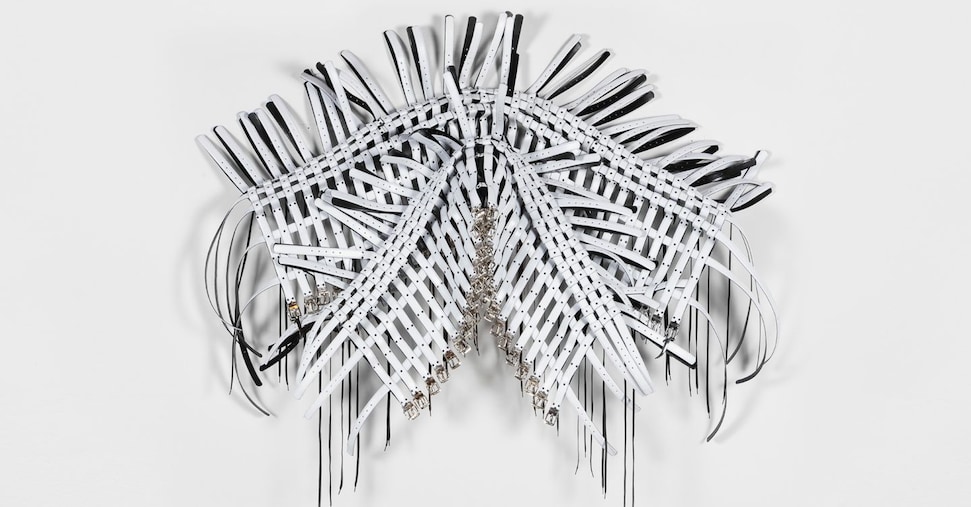
Theatre, production, performance: fashion invests in art

Fashion houses like Chanel are increasingly investing in contemporary art, not merely as inspiration for prints or patterns but as a strategic tool for brand positioning and cultural credibility. Gallery owner Tristan Paprocki, who recently opened a Milan space with partner Guido Romero Pierini, notes that brands now seek out emerging artists to demonstrate foresight and support new talent. Chanel has collaborated with Berlin's Hamburger Bahnhof museum for large-scale installations by artists such as Klára Hosnedlová and Lina Lapelytė, and has announced ten artists for the third edition of its Next Prize 2026, including Bárbara Sánchez-Kane, Pan Daijing, and Álvaro Urbano. These artists work across fashion, sculpture, and performance, blurring the lines between clothing and contemporary art.

Sofiane Pamart: 'With my piano, I sculpt sound matter'

Sofiane Pamart : « Avec mon piano, je sculpte la matière sonore »

French pianist Sofiane Pamart discusses his creative process in an interview with Beaux Arts Magazine, explaining how his music is inspired by contemplative cinema, particularly the films of Takeshi Kitano and Wong Kar-wai. He describes his approach to composition as sculpting sound, drawing parallels to impressionist painting and the works of sculptors Auguste Rodin and Camille Claudel. Pamart also expresses a preference for art that interacts with nature, citing the open-air museum of sculptor Anachar Basbous in Lebanon as an example.

‘It’s not much but, at the same time, it’s very much’: the enduring impact of Sade’s style

The article discusses the enduring style of Sade Adu, frontwoman of the British group Sade, following the band's announcement of their induction into the 2026 Rock and Roll Hall of Fame. It highlights how Adu's signature look—scraped-back hair, red lipstick, hoop earrings, and simple black dresses or denim—has become iconic and influential, with her outfits featured in exhibitions like V&A East's 'The Music is Black' and referenced by celebrities such as Drake. The piece traces the origins of her style to her fashion design studies at Saint Martin's School of Art and her early work with designer Fiona Dealey.

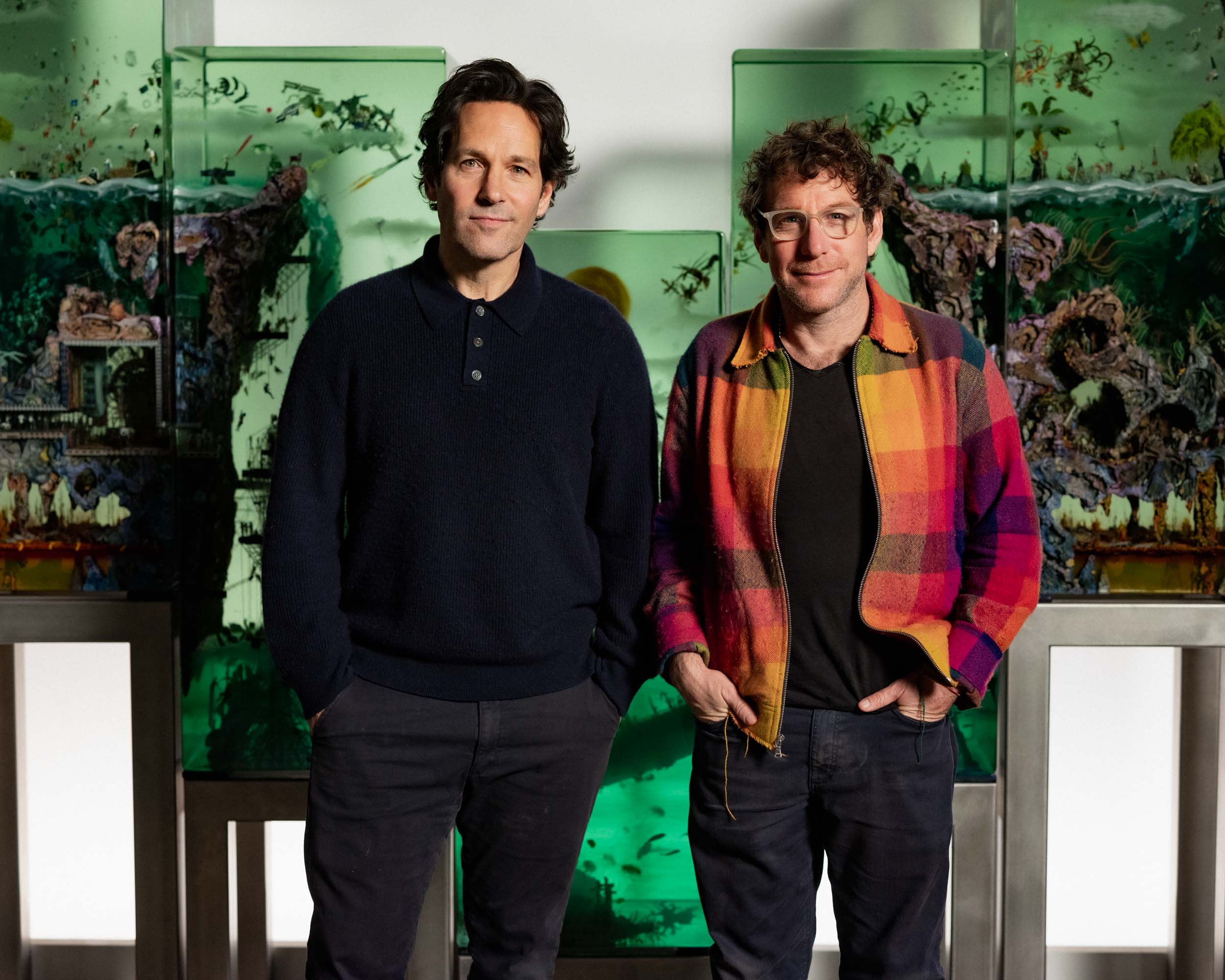
‘Just Dudes Hanging Out’: Dustin Yellin and Paul Rudd on Making the Artist’s First Film

Dustin Yellin, known for his glass sculptures and as founder of Pioneer Works, has made his first film, *Goodnight Lamby*, produced by Darren Aronofsky's A.I.-focused studio Primordial Soup. The short film, a hero's journey to rescue his daughter Zia's favorite stuffed animal, premiered at Cannes. Yellin discusses the project with his friend actor Paul Rudd, who voices the character "Papa," exploring how fatherhood and his existing artistic practice of "frozen cinema" inspired the animation.

Who’s The Next Obsession? 12 European Collectors Reveal How They Discover New Talent

Cultured magazine asked 12 European collectors how they discover new talent, timed to the 61st Venice Biennale. Collectors like Nicole Saikalis Bay, Amélie du Chalard, Belma Gaudio, and Laurent Asscher share their personal approaches—ranging from emotional resonance and dialogue with existing works to long-term obsession with an artist before acquiring a piece. The responses reveal a diversity of methods, from instinct-driven buying to conceptual and technical evaluation.

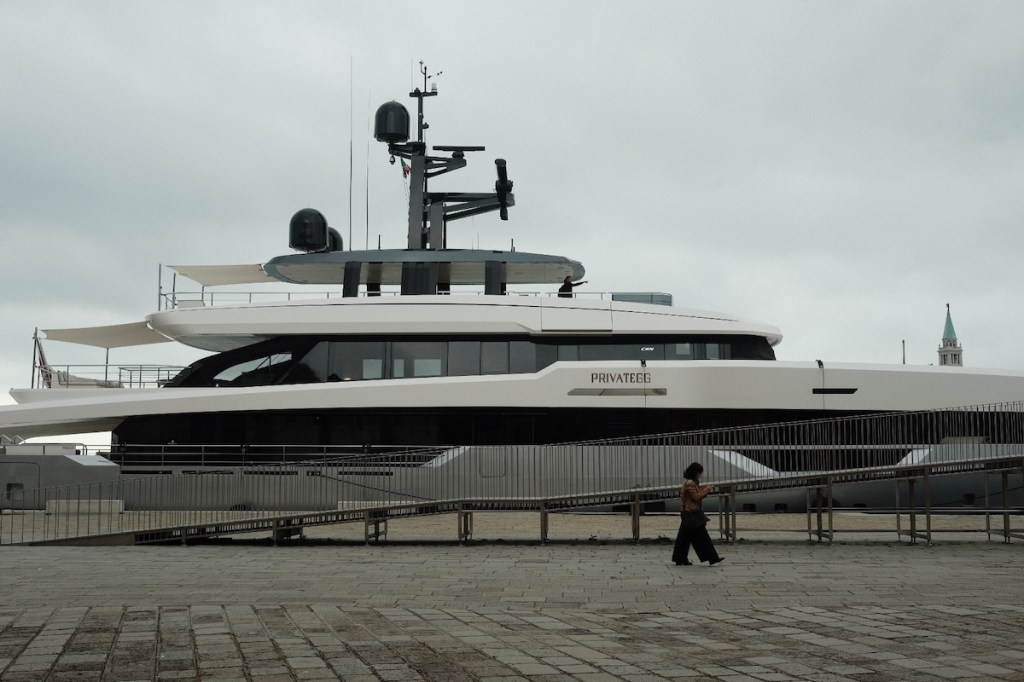
Who Owns the Megayachts Docked Outside the Venice Biennale?

The article examines the megayachts docked outside the Venice Biennale, focusing on the 170-foot vessel 'Private GG' owned by Giancarlo Giammetti, cofounder of the Valentino fashion house. Giammetti, a serious art collector, was in Venice for the Biennale opening, posting photos of artworks and a dinner with actress Salma Hayek and her husband François-Henri Pinault, a major art collector. The yacht, built in 2022 by CRN, features luxury amenities including a jacuzzi, cinema saloon, and beach club.

Comment | The slopification of political art

The article critiques the rise of AI-generated political imagery, such as Donald Trump depicted as Jesus and viral Lego videos of the Iranian Revolutionary Guard Corps, arguing that these shallow, generic visuals fail to provide meaningful or lasting cultural commentary on current conflicts. The author contrasts this with the inventive, humorous resistance seen during the 2013 Gezi Park protests in Istanbul, which later influenced a generation of Turkish artists.

Nine Artists on the Gardens They’ll Never Forget

Nine artists, including Hiroshi Sugimoto, Irene Neuwirth, and Umberto Pasti, share personal reflections on unforgettable gardens from around the world. Each contributor describes a specific garden that left a lasting impression, ranging from historic estates to wild natural landscapes, highlighting the sensory and emotional impact of these spaces.

Anyone who never feels uncomfortable as a tourist is not a good tourist

"Wer sich als Tourist nie unbehaglich fühlt, ist kein guter Tourist"

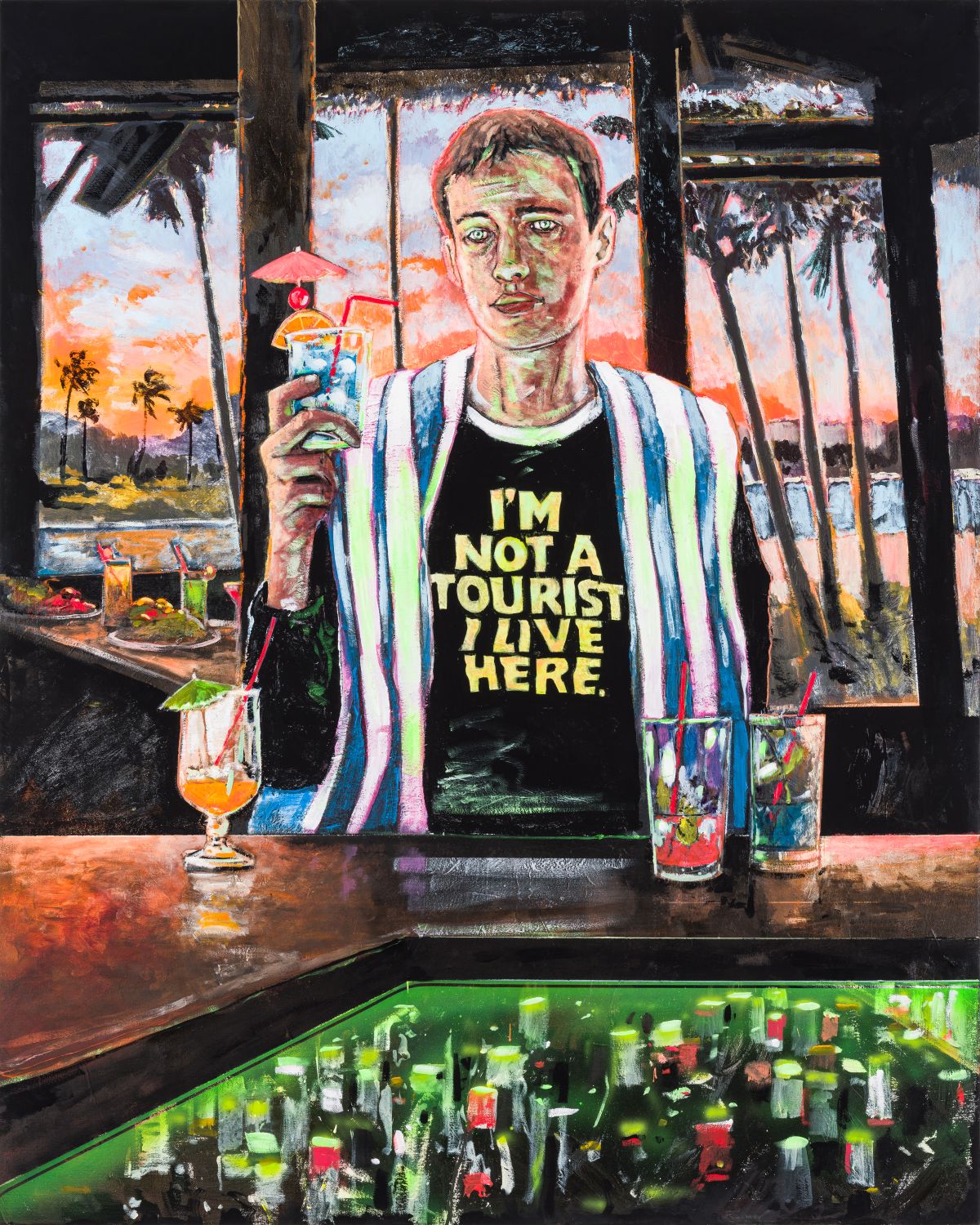
American painter Hernan Bas has created a new series of paintings inspired by Venice and its tourists, drawing from his long-standing relationship with the city. His first encounter with Venice came through an invitation to exhibit at Bruna Aickelin's renowned gallery Il Capricorno, and he has since shown there multiple times, considering Aickelin his Italian connection.

« Le monde entier semble s’être mis en mouvement, animé par une soif d’expériences culturelles »

The article explores the transformation of cultural travel for artists and art lovers, contrasting the arduous, unknown journeys of historical figures like Eugène Delacroix, Paul Gauguin, and Ella Maillart with today's accessible, curated experiences. It describes how contemporary artists such as Ólafur Elíasson, JR, and Marina Abramović now use travel itself as a medium, creating works that engage with climate change, social issues, and presence. Destinations like the Venice Biennale, AlUla in Saudi Arabia, Naoshima in Japan, and Le Voyage à Nantes are highlighted as hubs where art and travel merge into immersive, sensory experiences.

Arts and cultural engagement ‘linked to slower pace of biological ageing’

A new study published in the journal *Innovation in Aging* finds that engaging in arts and cultural activities—such as singing, painting, visiting museums or galleries—is linked to a slower pace of biological ageing. Researchers from University College London analyzed blood test and survey data from 3,556 adults in the UK Household Longitudinal Study, using epigenetic clocks to measure biological ageing. Those who participated in arts activities at least weekly showed a 4% slower ageing process, while monthly engagement yielded a 3% slowdown. The effect was comparable to the difference between smokers and those who quit smoking.

How the adoption of canvas in Venice changed the way artists painted

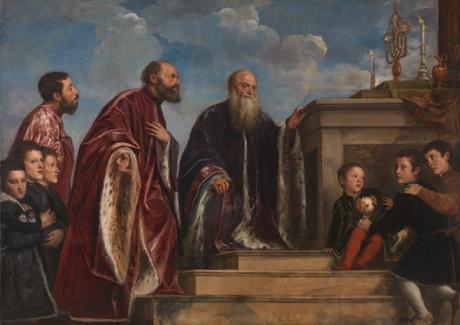
Art historian Cleo Nisse has published a new book, *Venetian Canvas and the Transformation of Painting*, examining how 16th-century Venetian painters such as Titian, Veronese, and Tintoretto pioneered the use of canvas as a painting support. Nisse reveals that canvas was not a uniform material—artists experimented with different weaves, including tabby and herringbone patterns, and even repurposed sailcloth and tablecloth-quality fabrics to achieve specific visual effects. The book argues that canvas was already familiar in the late Middle Ages for banners and alternatives to tapestry, and that Vittore Carpaccio was the first master of the medium, varying canvas types for expressive purposes in his *Legend of St Ursula* series.

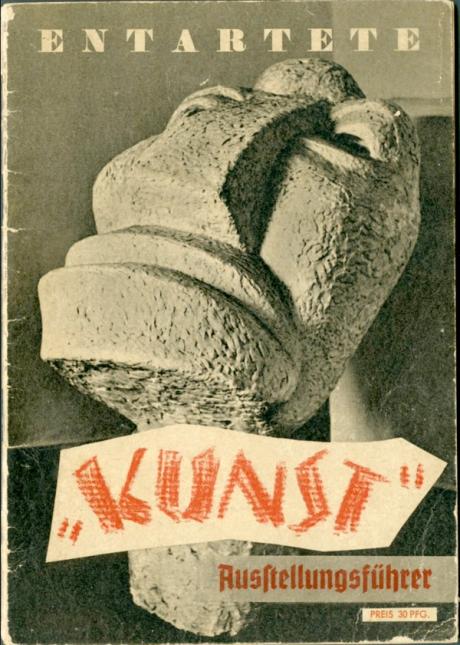
Comment | Degenerate art all over again? Nazi attack on Modern art is not far away from trends in today’s world

The article draws a provocative parallel between the Nazi regime's attack on modern art—epitomized by the 1937 "Degenerate Art" (Entartete Kunst) exhibition—and contemporary political aesthetics, particularly around President Donald Trump. It traces the Nazi party's early use of visual spectacle, mass rallies, and monumental art to forge a national identity, contrasting this with Trump's proposed National Garden for American Heroes and stalled White House Ballroom, which the author dismisses as kitsch but lacking the cohesive fascist aesthetic of Albert Speer's masterplans.

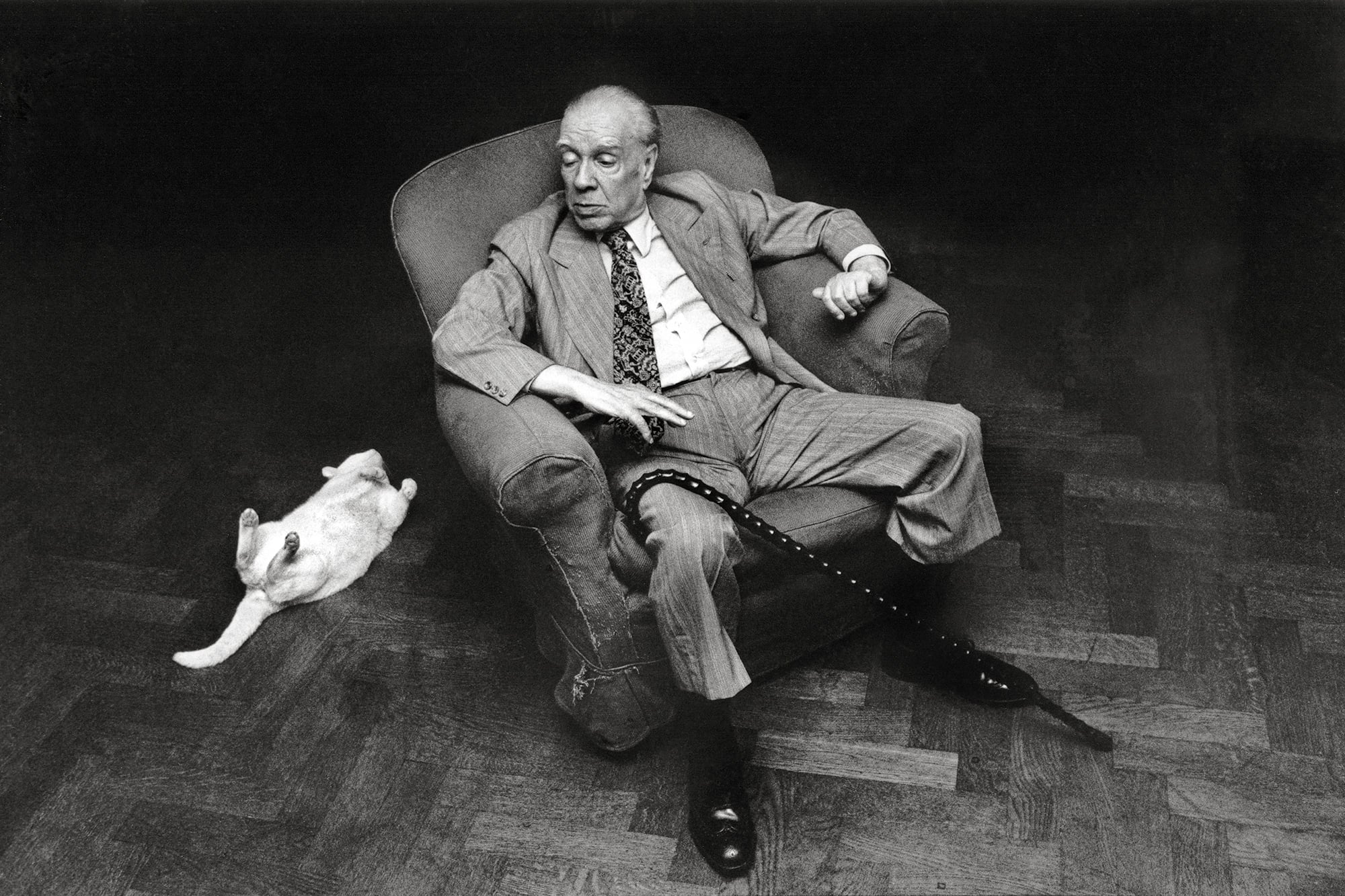
Rediscovering Jorge Luis Borges as an Architectural Critic. 40 Years After His Death

Riscoprire Jorge Luis Borges come critico d’architettura. A 40 anni dalla morte

The article commemorates the 40th anniversary of Jorge Luis Borges's death, reflecting on his legacy as a writer and his lesser-known role as an architectural critic. It highlights a 2025 book by Estela Canto, a close friend, which reveals Borges's personal fragility and contradictions, such as his love for popular cinema over classical music. The piece also explores Borges's fictional architectural criticism, particularly his 1967 work *Cronache di Bustos Domecq* co-written with Adolfo Bioy Casares, where he satirized functional architecture through invented pioneers like Adam Quincey and Alessandro Piranesi.

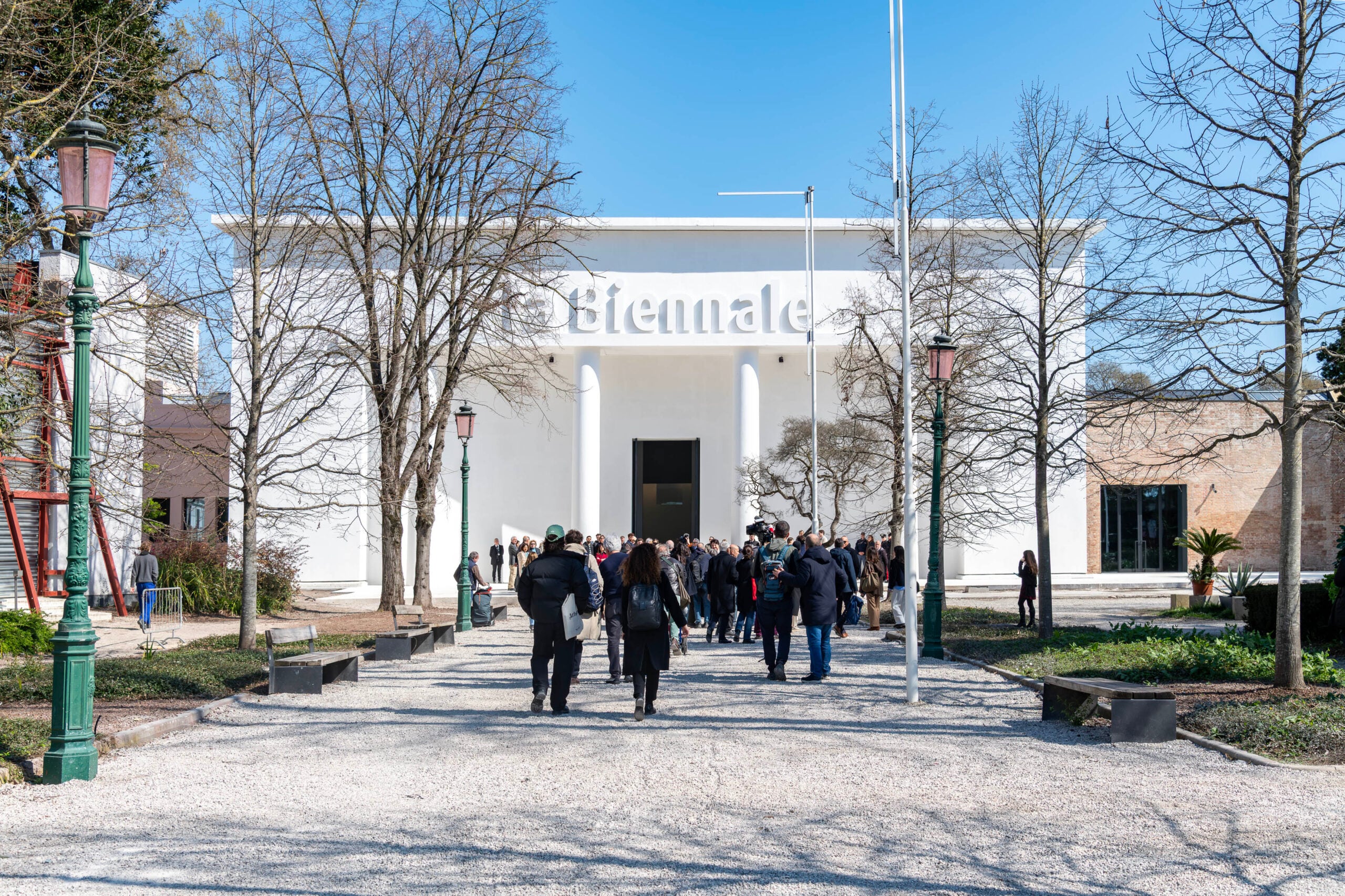
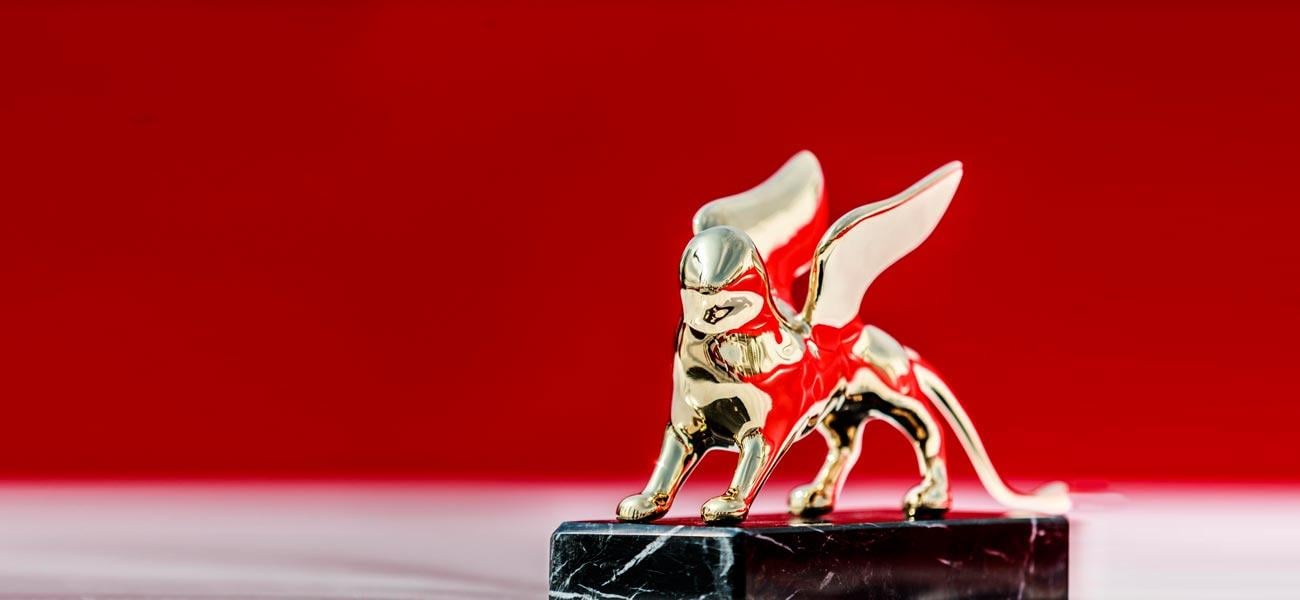
Are the Visitors' Lions at the Venice Biennale an Opportunity for Art Criticism? Let's Seize It?

I Leoni dei Visitatori alla Biennale di Venezia sono un’opportunità per la critica d’arte. Cerchiamo di coglierla?

The article discusses the newly instituted "Leoni dei Visitatori" (Visitors' Lions) at the Venice Biennale, established after the resignation of the International Jury. The author, Alberto Villa, argues that this change shifts significant influence to art media and critics, as visitors will rely on reviews and recommendations from specialized magazines, websites, and social media to decide which pavilions to prioritize. Villa calls on critics to embrace this responsibility with heightened critical rigor, seeing it as an opportunity to revive the mediating role of art criticism.

Why We Need Corporate Art Collections

The article traces the history and significance of corporate art collections, beginning with Deutsche Bank's acquisition of 57 early drawings by Joseph Beuys in the late 1970s, which led to the formal launch of its collection in 1980. Today, the Deutsche Bank Collection comprises over 57,000 objects displayed in 500 locations across 40 countries, and the bank sponsors events like the Frieze Art Fair. The piece also highlights the role of American banker David Rockefeller, who inaugurated Chase Manhattan Bank's Art at Work program in 1959, and notes that corporate collecting has deep roots in Renaissance banking, with institutions like Banca Monte dei Paschi di Siena commissioning art for their offices.

Irina Werning Chronicles 18 Years of Photographing ‘Las Pelilargas’ in a New Book

Photographer Irina Werning has spent 18 years traveling across Latin America to document Indigenous women with exceptionally long hair for her series "Las Pelilargas." Her new book, published by GOST Books, features nearly 90 portraits taken between 2006 and 2024, starting with the Kolla community in Argentina. Werning sought subjects by posting signs in remote mountain towns and organizing hair competitions, capturing a tradition rooted in ancestral beliefs that hair connects to life, thoughts, and the land.

Navid Baraty’s Atmospheric Photos Explore Contrasting Scales of Time

Navid Baraty's series "The Time Between" combines digital photographs of urban skylines like Manhattan and Chicago with dramatic natural landscapes such as desert dunes and snow-capped mountains. Using a double-exposure technique, the artist blends city lights and skyscraper outlines with geological features to explore contrasts between contemporary urban life and ancient, timeless terrains.

New Books Provide Divergent Views of the Art Market

Three new books offer contrasting perspectives on the art market, just in time for New York Art Week. The titles include a sweeping work of nonfiction, a cheeky memoir, and a dual biography, each examining the business of buying and selling art from different angles.

IDF Soldiers Hide From Our Gaze

An opinion article on Hyperallergic analyzes official portraits of Israeli Defense Forces (IDF) soldiers released in May 2025, in which the soldiers are depicted with their backs to the camera. The author argues that this pose is a deliberate tactic to avoid identification and potential prosecution for war crimes in the occupied Palestinian territories, weaponizing surveillance technologies against the very people they surveil. The piece frames these images as "counter-portraits" that transform individual soldiers into a faceless, intimidating mass, contrasting them with traditional portraiture that invites intimate moral scrutiny.

Double vandalism on the Place de la Concorde

Double vandalisme place de la Concorde

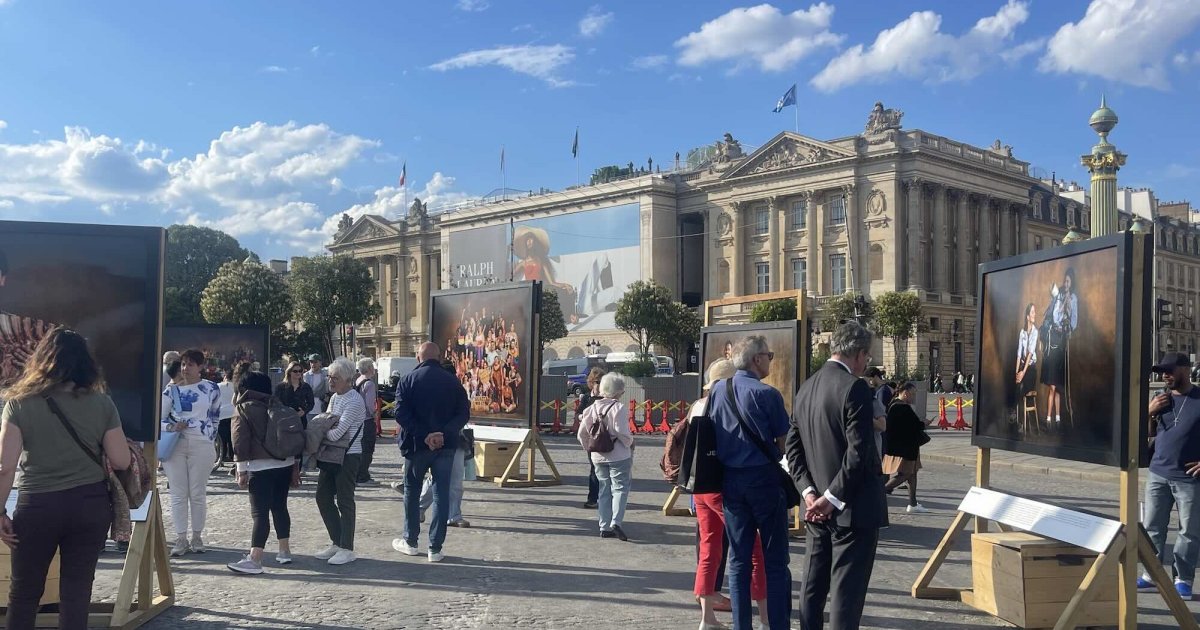
During the PSG Champions League semi-final victory celebrations last Wednesday, vandals destroyed an exhibition by Yann Arthus-Bertrand on the theme of 'Living Together' on the Place de la Concorde in Paris. The article describes this as a double vandalism: the physical destruction by rioters compounded what the author considers the original vandalism—the exhibition itself, which was supported by the French government, the Paris city hall, and several other entities.

Should the Auschwitz commandant’s house be hosting exhibitions?

The Counter Extremism Project has acquired the former home of Rudolf Höss, the commandant of Auschwitz, and is now using it to host exhibitions. The current show features the work of a Nazi ornithologist, raising complex and unsettling questions about the ethics of displaying art in a site so deeply tied to the Holocaust.

Why the art market should finally be on LinkedIn

Warum der Kunstmarkt endlich auf LinkedIn sollte

The article argues that the art market's heavy reliance on Instagram for communication and sales is misguided, suggesting that LinkedIn offers far greater potential for business-to-business transactions and professional networking. It critiques the art world's preference for Instagram's visual focus, noting that LinkedIn's professional environment and targeting capabilities are better suited for discreet, high-value art sales.

Le dimore storiche sono il più vasto e straordinario museo diffuso d’Italia. Una giornata per celebrarle

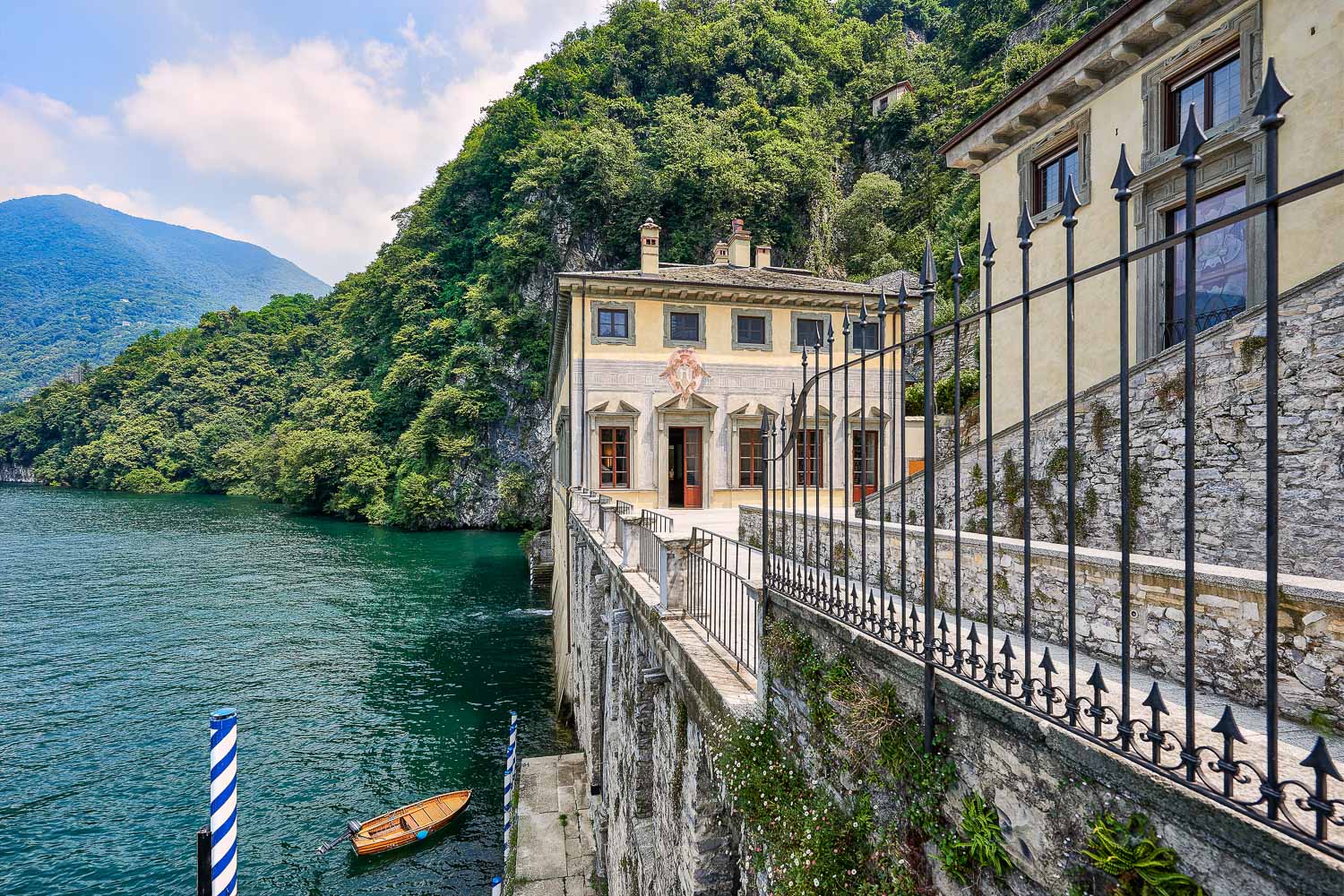
On Sunday, May 24, 2026, Italian historic homes will open their doors free to the public as part of the 16th National Day promoted by ADSI – Associazione Dimore Storiche Italiane. The 2025 edition involved over 500 properties and more than 250,000 visitors, highlighting the widespread cultural heritage across Italy. The article argues that this event is not merely cultural or tourist-oriented but raises broader questions about the future of Italy's fragile territories and the need for a cohesive national strategy for territorial rebalancing.

Jury or Public? The Biennale Is Not an Algorithm, But Neither Is It a Liturgy

Giuria o pubblico? La Biennale non è un algoritmo, ma neppure una liturgia

The article critically examines the proposal for "Visitor Lions" (Leoni dei Visitatori) at the Venice Biennale, arguing that the idea is a fragile, quick-fix response to a deeper crisis. It questions whether replacing expert juries with public voting would truly improve the selection process, noting that both systems have significant flaws: juries are not necessarily neutral, often rushed and filtered, while public voting risks favoring accessible, easily consumable works and reinforcing existing hierarchies.