filter_list Showing 23 results for "VOID" close Clear
search
dashboard All 268 museum exhibitions 103article news 45article policy 26article culture 23trending_up market 22rate_review review 13person people 12article local 11candle obituary 7gavel restitution 6
date_range Range Today This Week This Month All
Subscribe

The 21st Century’s Biggest Art Trend is Not a Style. But Once You See It, You’ll Notice It Everywhere.

The article traces the evolution of "systems art," a term coined by critic Jack Burnham in 1968 to describe art that uses rules, seriality, and repetition to mirror and reveal the growing protocols of the Cold War era. It highlights early practitioners like Kenneth Noland, Robert Morris, Dan Flavin, and notably Hans Haacke and Adrian Piper, who shifted from atmospheric systems (e.g., Haacke's *Condensation Cube*) to social systems (e.g., Haacke's *Shapolsky et al. Manhattan Real Estate Holdings*). The piece argues that systems thinking has become unavoidable in contemporary life—from algorithms to systemic racism—and that art remains a crucial tool for making these invisible systems legible.
art bites dan flavin airily dog

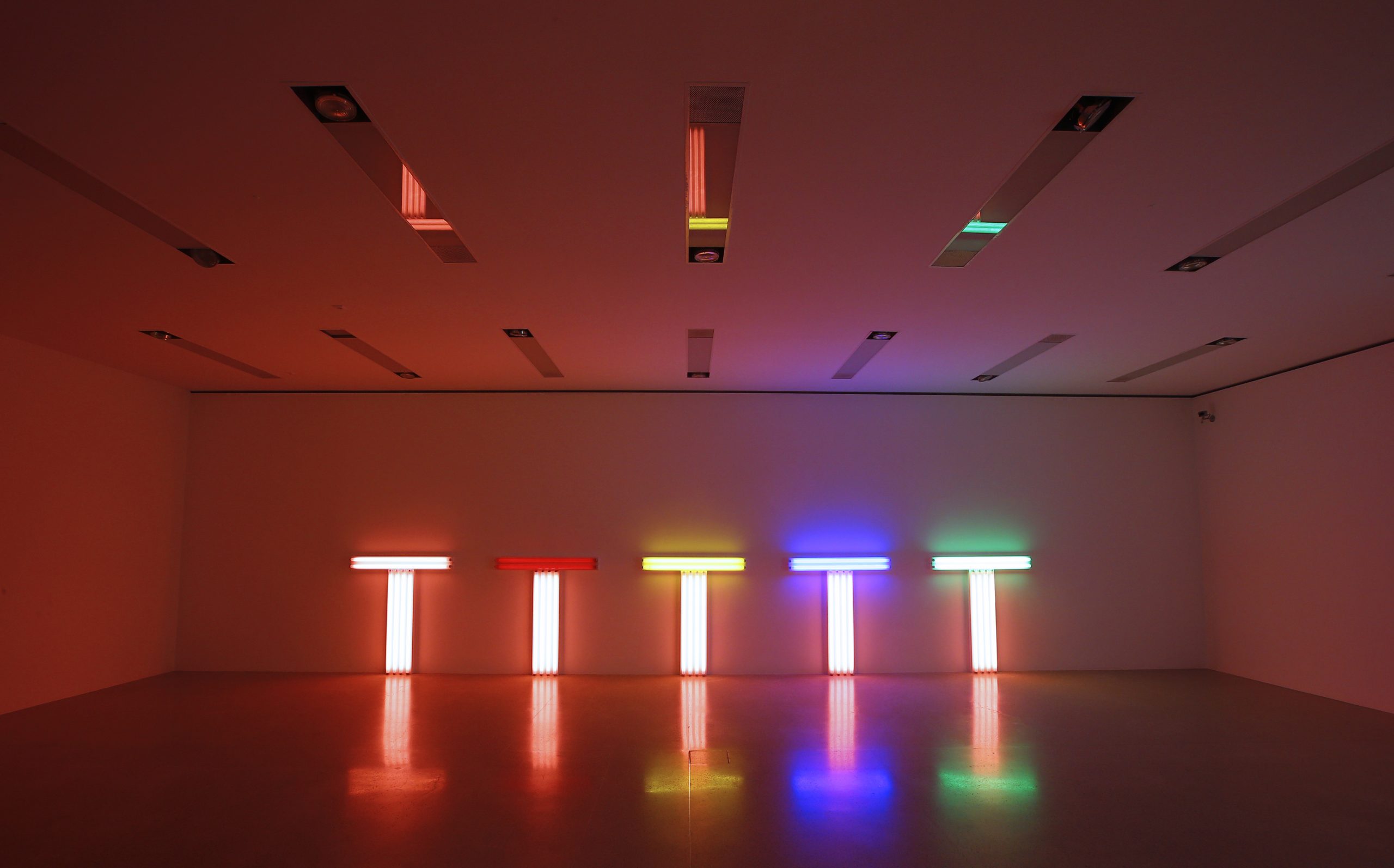
Dan Flavin, the renowned Minimalist artist known for his fluorescent light installations, created two artworks dedicated to his golden retriever Airily, who was a champion show dog. The works, titled "untitled (to my dear bitch, Airily)" (1981) and "untitled (to my dear bitch, Airily) 2" (1984), are discussed in the context of Flavin's practice of dedicating pieces to people and pets. The second work, held by Kunstmuseum Basel, was displayed at the Pulitzer Arts Foundation in 2008 and at Dia Bridgehampton in 1985.

art basel swimming rhine river

Art Basel in Switzerland has a unique ritual: many attendees swim in the Rhine River, which flows through Basel. Participants use waterproof bags (often the fish-shaped Wickelfisch brand) to store clothes and belongings, then float downstream from the Museum Tinguely past the Trois Rois hotel. The practice is embraced by dealers, advisers, artists, and art handlers alike, with some describing it as a rejuvenating escape from the fair's intensity. However, not everyone is a fan—gallerist David Nolan calls the river "dirty, dangerous, deeply infested with microplastics," and some attendees avoid it due to concerns about pollution or safety.

On Paranoid Time

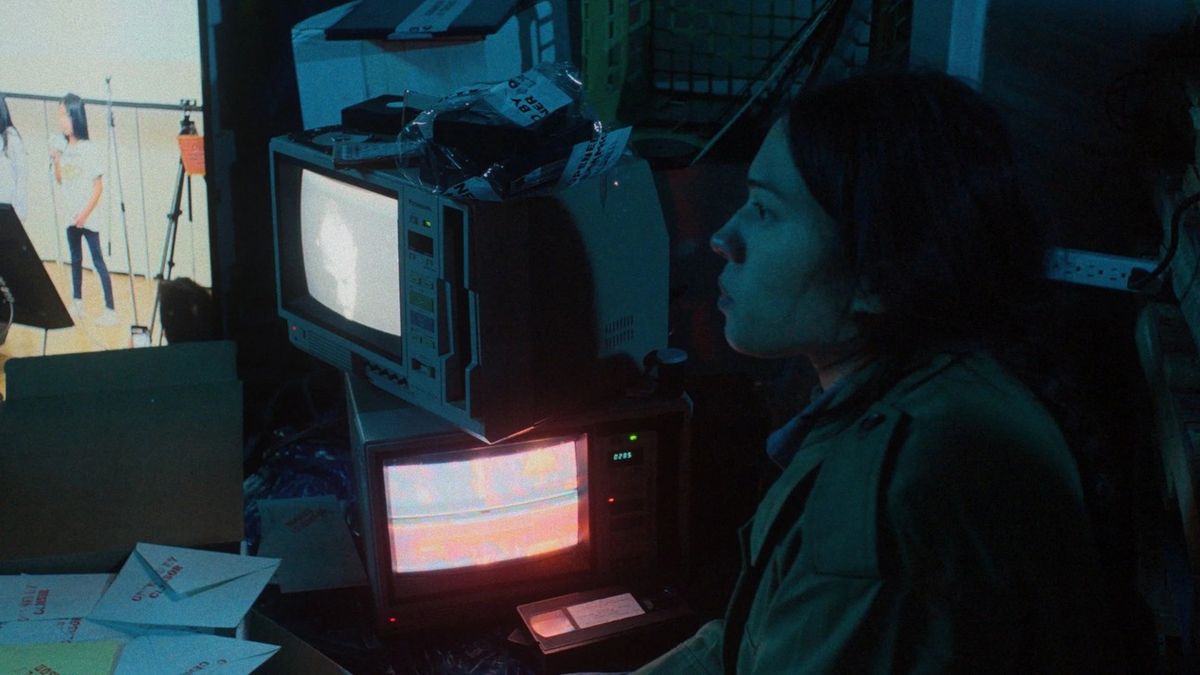
Film Notes has published Qingyuan Deng's essay exploring the intersection of Lacan's concept of retroactive meaning and Eve Kosofsky Sedgwick's distinction between paranoid and reparative reading, as applied to recent artists' films and moving-image installations. The essay examines how works like Alison Nguyen's installation "Perforation, Ellipse" at New York's Storefront for Art and Architecture use cinematic techniques—such as perforations, splices, and missing scenes—to hold the temporal gap between an event and its belated political comprehension, focusing on the censorship of Vietnamese bolero songs after the American War.

How to Feel Confident Visiting an Art Gallery, According to Gallerist Hannah Traore

Gallerist Hannah Traore offers advice on how to feel confident visiting commercial art galleries, addressing common anxieties like intimidation, unclear etiquette, and perceptions of elitism. The article follows a group of newcomers who visited galleries in New York and reported their experiences, which Traore then responds to with practical tips for making gallery visits more approachable and inclusive.

Comment | We must avoid amputating art in the name of preservation

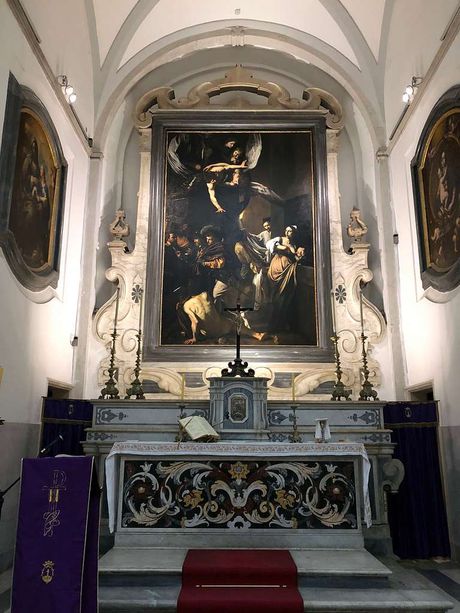
The article recounts the author's experience viewing Caravaggio's *Seven Acts of Mercy* (1607) in its original chapel in Naples, where the painting's crowded, dramatic composition directly mirrors the chaotic streets of the city, revealing its sacred meaning through context. In contrast, the author describes Caravaggio's *Flagellation of Christ* (1607), moved from the church of San Domenico Maggiore to the Museo di Capodimonte for security reasons, as a painting "marooned"—its spiritual purpose broken, reduced to a mere object for aesthetic appreciation.

Mummy, is this a video game? The dangers of showing kids art on a screen

A parent takes their toddler to Frameless, an immersive digital art experience in London, where works by Hieronymus Bosch, Claude Monet, and Georges Seurat are projected onto walls, ceilings, and floors. The child reacts with mixed engagement—enjoying some moments but feeling overwhelmed by the frenetic, screen-based environment—while the author reflects on the tension between traditional static art and animated digital reproductions.

dear auction execs column

An art world insider publishes an open letter to auction executives, accusing them of encroaching on the primary gallery market by accepting consignments of works by emerging artists and scheduling auctions to coincide with major art fairs. The author argues that auction houses prioritize financial gain over artists' long-term career stability, destabilizing prices and encouraging speculation. They call for auction houses to respect the traditional boundaries between primary and secondary markets, stop glorifying auction prices, and avoid accepting works from recent primary sales.

art bites zuccaro drawing banished from rome

Federico Zuccaro, a 16th-century Italian Mannerist painter, was banished from Rome in 1581 after presenting a satirical drawing at a feast in the church of Saint Luke. The 13-foot work, 'Porta Virtutis (The Gate of Virtue),' depicted King Midas with donkey ears as a thinly veiled attack on papal steward Paolo Ghiselli, who had rejected Zuccaro's altarpiece. Zuccaro explicitly identified Ghiselli as the foolish Midas and labeled Bologna the 'Reign of Ignorance,' leading Pope Gregory XIII to sentence him for 'excesses' and banish him from the city. He avoided prison by paying a 400 scudi bail.

Do you remember the last negative review you read?

« Vous souvenez-vous de la dernière critique négative que vous avez lue ? »

The traditional art of negative criticism is vanishing from mainstream media, replaced by a culture of polite consensus or violent but unprincipled social media attacks. Historically, critics like Baudelaire, Zola, and Huysmans used sharp, subjective arguments to defend avant-garde movements and challenge academicism, viewing the attack on certain artists as a necessary byproduct of championing others. Today, limited editorial space and a desire to support the arts have led French journalists to focus almost exclusively on praise, resulting in a loss of discernment and comparative analysis.

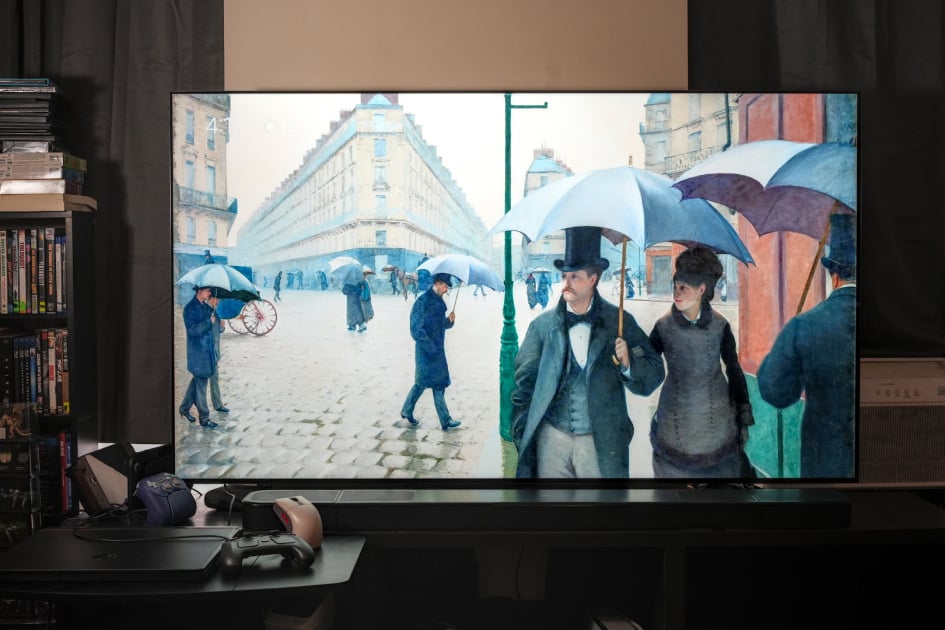
I Turned My TV Into a Rotating Art Gallery Using Free Museum Downloads

The article provides a guide on how to turn a TV into a rotating art gallery by downloading high-resolution, public-domain images from museum digital collections. It explains the need to filter for Open Access works to avoid copyright issues and recommends several museums with extensive free collections, including the Art Institute of Chicago and the Getty Museum.

art glassblowing summer new york jamie harris

Glassblower Jamie Harris describes the grueling experience of working at UrbanGlass in Brooklyn during a New York summer, where temperatures reach the high 90s and he must wear four layers of Kevlar and a helmet while working with 2,000-degree glass furnaces. Harris, who sits on the board of UrbanGlass—the world's oldest artist-access glassblowing studio—shares his strategies for staying cool, including using Gatorade, fans, buckets of ice, and avoiding his largest pieces when possible. He is exclusively represented by Todd Merrill Studio and is known for his award-winning sculptures and Totem lights.

hitler paintings art market industry hbo

This week's episode of HBO's *Industry* features a watercolor of Neuschwanstein Castle signed "A. Hitler," reflecting the real-world market for Adolf Hitler's amateur paintings. The show uses the artwork as a symbol of inherited wealth and moral ambiguity, mirroring actual auction sales—such as a 2015 Nuremberg sale where a group of Hitler watercolors fetched roughly €400,000, with one version of Neuschwanstein selling for €100,000 to an anonymous Chinese buyer. These works continue to circulate legally in Germany as long as they omit Nazi symbols.

Tourism and Accessibility: Travel is for Everyone. A New Issue of the Pax Newsletter is Coming, Subscribe for Free

Turismo e accessibilità: il viaggio è per tutti. È in arrivo un nuovo numero della newsletter Pax, abbonarsi è gratis

The article announces an upcoming issue of Pax, a newsletter by Artribune focused on cultural tourism. The new issue, arriving Friday, May 29, explores accessibility in travel and cultural tourism, featuring an interview with Anna Rizzo, author of "I paesi invisibili" (2022), and highlighting organizations like Traveleyes and NoisyVision, the latter founded in 2011 by Dario Sorgato to make nature exploration accessible to people with sensory disabilities. It also includes a map for outdoor leisure combining art, recreation, and nature at Italian villa parks, museums, and art centers, along with curated itineraries, trekking updates, cultural initiatives, and hospitality projects—including one by Michelangelo Pistoletto.

The Poet of Light. Interview with Lighting Designer Davide Groppi

Il poeta della luce. Intervista al lighting designer Davide Groppi

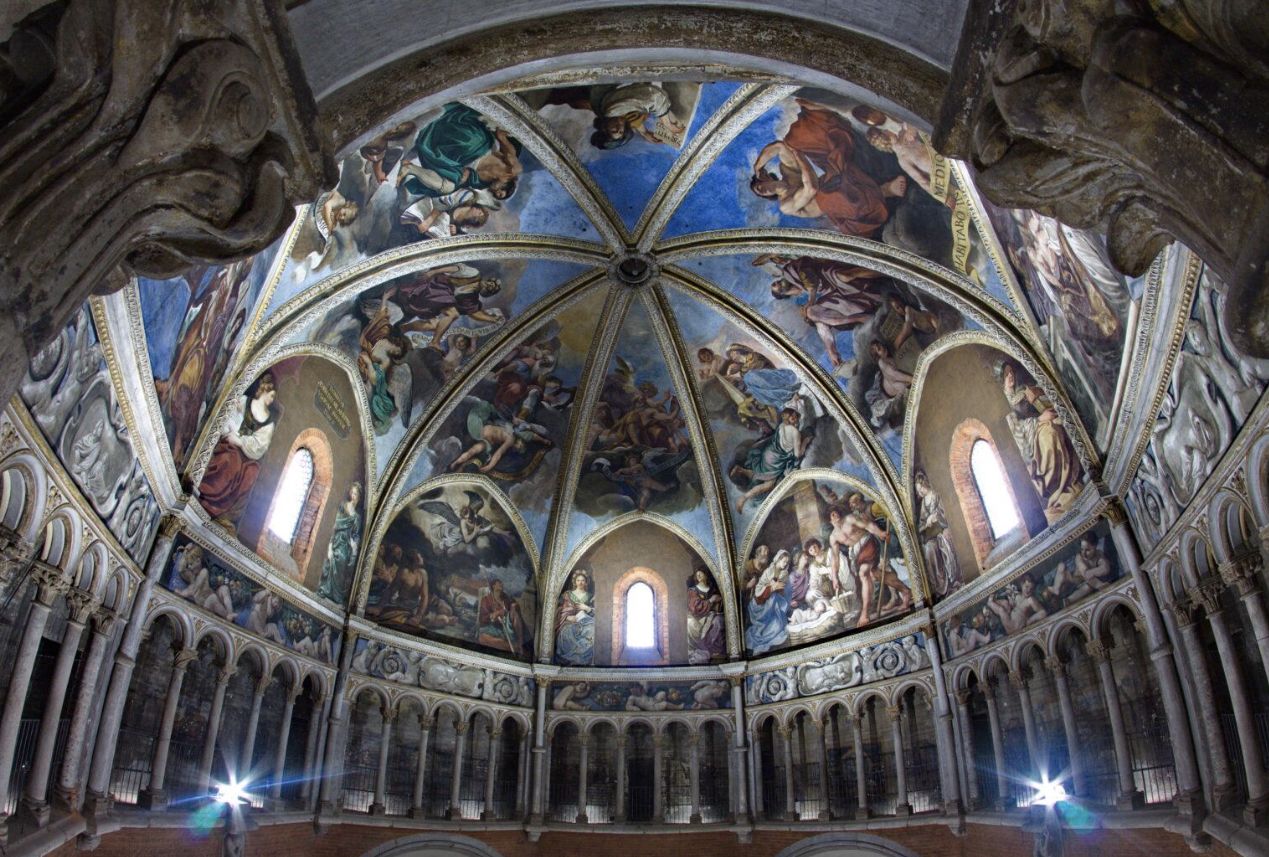
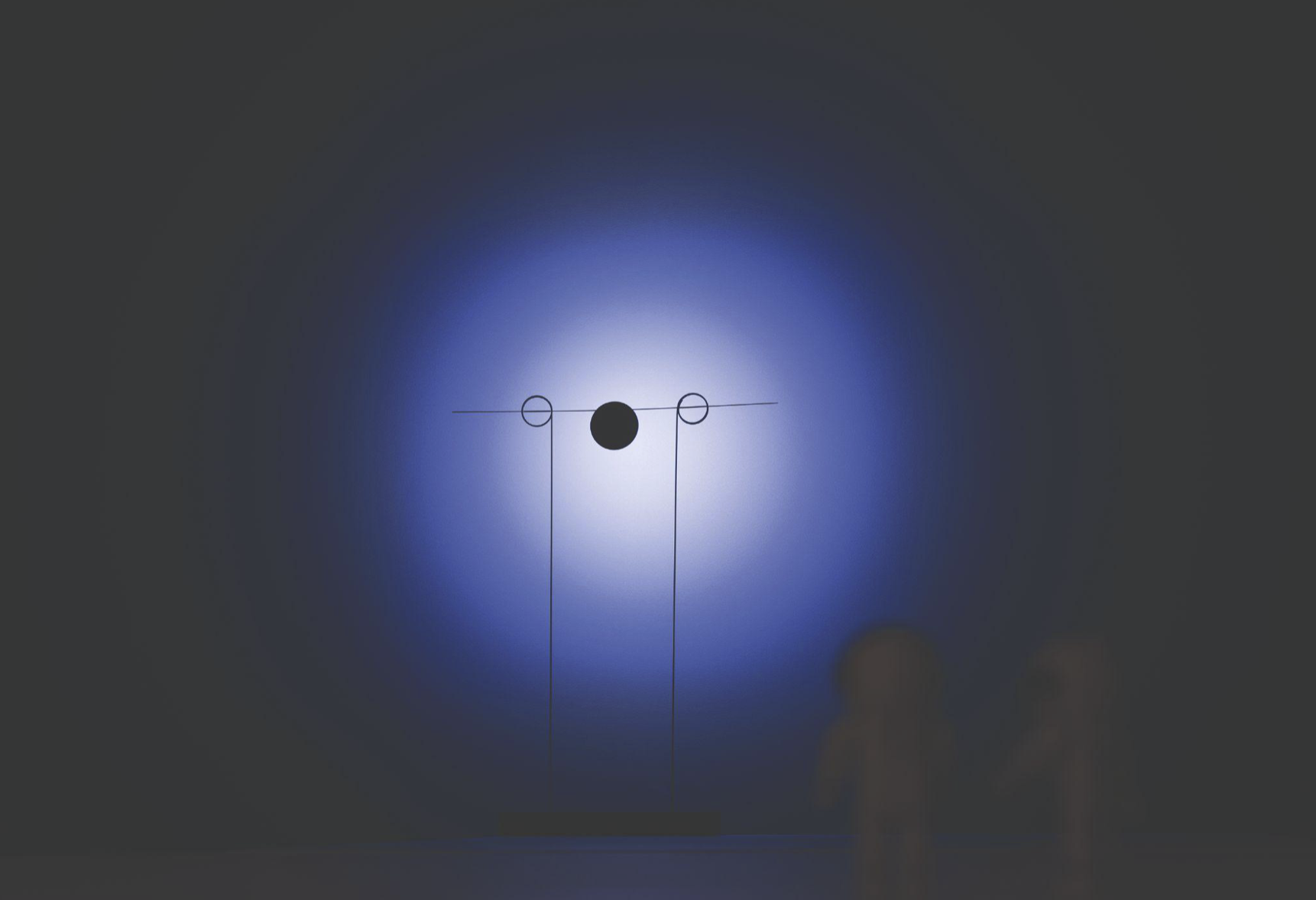
Lighting designer Davide Groppi (born 1963 in Piacenza) is the subject of a rare retrospective exhibition titled "Un'ora di luce" (An Hour of Light), on view until May 26 at the Volumnia gallery in Piacenza, curated by Marco Sammicheli. The show, held in a deconsecrated late-16th-century church, traces Groppi's nearly 40-year career through products, prototypes, and personal artistic research, including his iconic lamp "Nulla" (2010), which won the first of his three Compasso d'Oro awards. In an interview, Groppi discusses the exhibition's themes of lightness, cosmic references, and his philosophy of subtraction in design.

Monuments & Weapons: How Public Space Prepares Us for War Without Us Even Realizing It

Monumenti&armi. Così lo spazio pubblico ci prepara alla guerra senza che neppure ce ne rendiamo conto

Public squares and urban spaces are densely populated with war-related monuments that condition society to accept conflict as a historical inevitability. A study by Philadelphia’s Monument Lab reveals that nearly 60% of U.S. monuments focus on war themes, outnumbering themes of peace thirteen-fold, while Italy maintains over 12,000 memorials dedicated solely to World War I. These structures often prioritize military hierarchy and territorial conquest over themes of care, gender equality, or social diversity.

Are All Crises Equal? A Conversation with MOS’s Michael Meredith and Hilary Sample by ANY

Architects Michael Meredith and Hilary Sample of the firm MOS discuss the concept of "polycrisis"—the intersection of economic, political, and ecological failures—and its impact on architectural form. The conversation highlights a growing void between the formal aesthetic project of architecture and the urgent political realities of the modern world. Sample specifically addresses how the dominance of political and regulatory restrictions in collective housing has stifled formal innovation, often reducing architecture to a mere byproduct of governance rather than a tool for social or cultural expression.

“Yellow Letters”: arte e politica, libertà e censura nel nuovo film di İlker Çatak

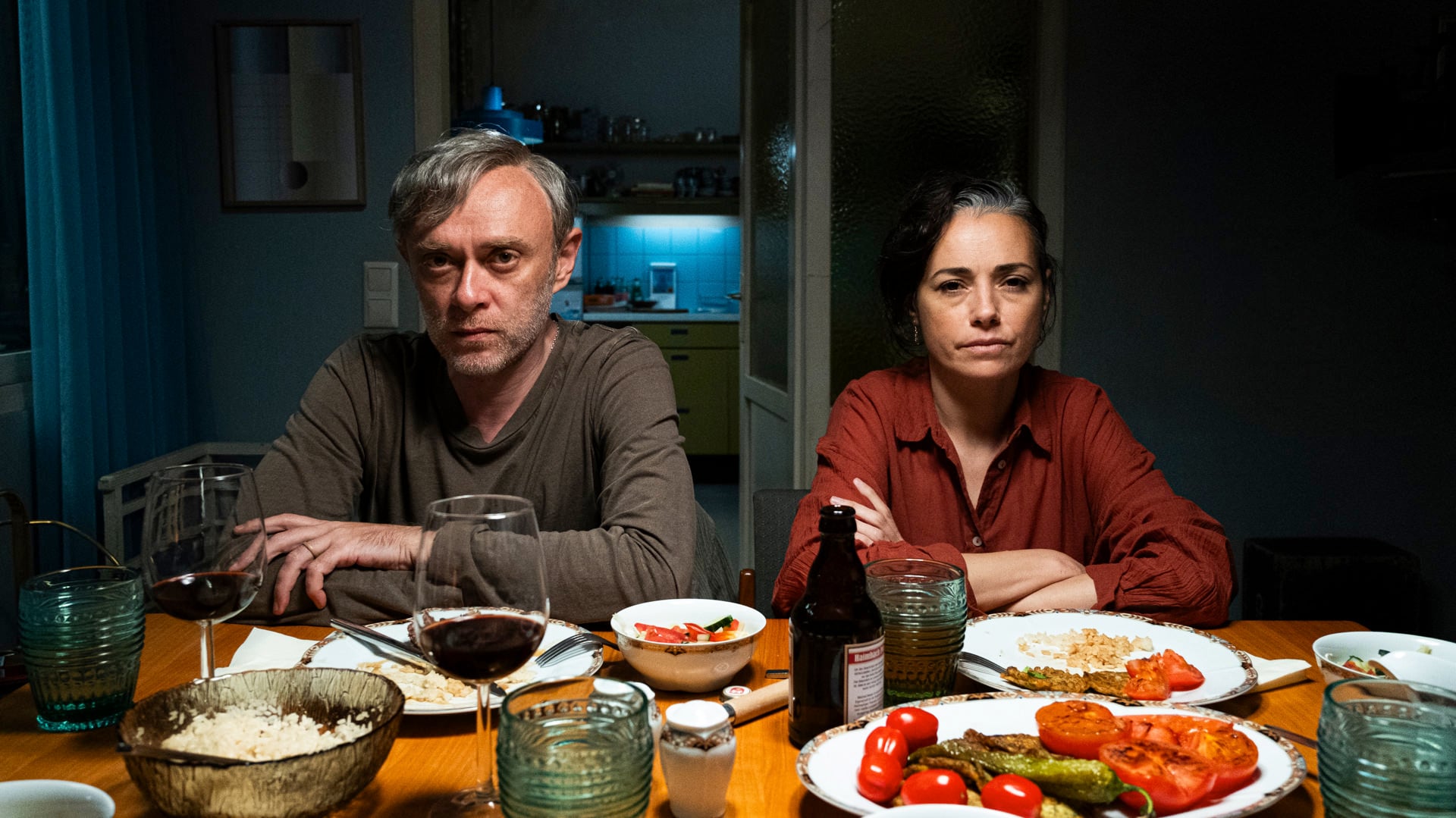
Ilker Çatak's fifth film, "Yellow Letters," premieres on April 30, 2026, distributed by Lucky Red. The story follows Derya and Aziz, a Turkish artist couple whose lives unravel after Aziz, a professor at Ankara University, receives a "yellow letter" terminating his employment. The film, inspired by post-2016 coup purges in Turkey, shifts to Berlin and Hamburg, where the director deliberately avoids mimicking Turkish locations, instead using explicit captions like "Berlin as Ankara" to create a Brechtian alienation effect. Çatak explores how arbitrary state repression fractures personal relationships and moral boundaries, drawing on interviews with artists who faced unjust dismissals.

Experimental Funding Schemes and Militant Analysis: The Experience of CERFI

The Center for Institutional Studies, Research, and Training (CERFI), a research cooperative co-founded by Félix Guattari in the wake of May 1968, sought to merge militant political practice with institutional psychotherapy. By adopting a model of 'analytical self-management,' the group utilized rotational roles and collective research to avoid the hierarchies and alienation typical of traditional academic and political organizations. This experimental structure was heavily influenced by the 'grid' system used at the La Borde psychiatric clinic, aiming to turn administrative labor into a tool for subjective liberation.

10 Tips for Getting the Most Out of Your Next Museum Visit

This article offers ten practical tips for enhancing museum visits, emphasizing preparation, physical comfort, and mindful engagement. It advises planning around specific artworks using online databases, addressing bodily needs like food and hydration, and timing visits to avoid crowds. The piece also recommends slowing down to spend ten minutes per work, using techniques like slow looking to deepen appreciation.

IDF Soldiers Hide From Our Gaze

An opinion article on Hyperallergic analyzes official portraits of Israeli Defense Forces (IDF) soldiers released in May 2025, in which the soldiers are depicted with their backs to the camera. The author argues that this pose is a deliberate tactic to avoid identification and potential prosecution for war crimes in the occupied Palestinian territories, weaponizing surveillance technologies against the very people they surveil. The piece frames these images as "counter-portraits" that transform individual soldiers into a faceless, intimidating mass, contrasting them with traditional portraiture that invites intimate moral scrutiny.

Jury or Public? The Biennale Is Not an Algorithm, But Neither Is It a Liturgy

Giuria o pubblico? La Biennale non è un algoritmo, ma neppure una liturgia

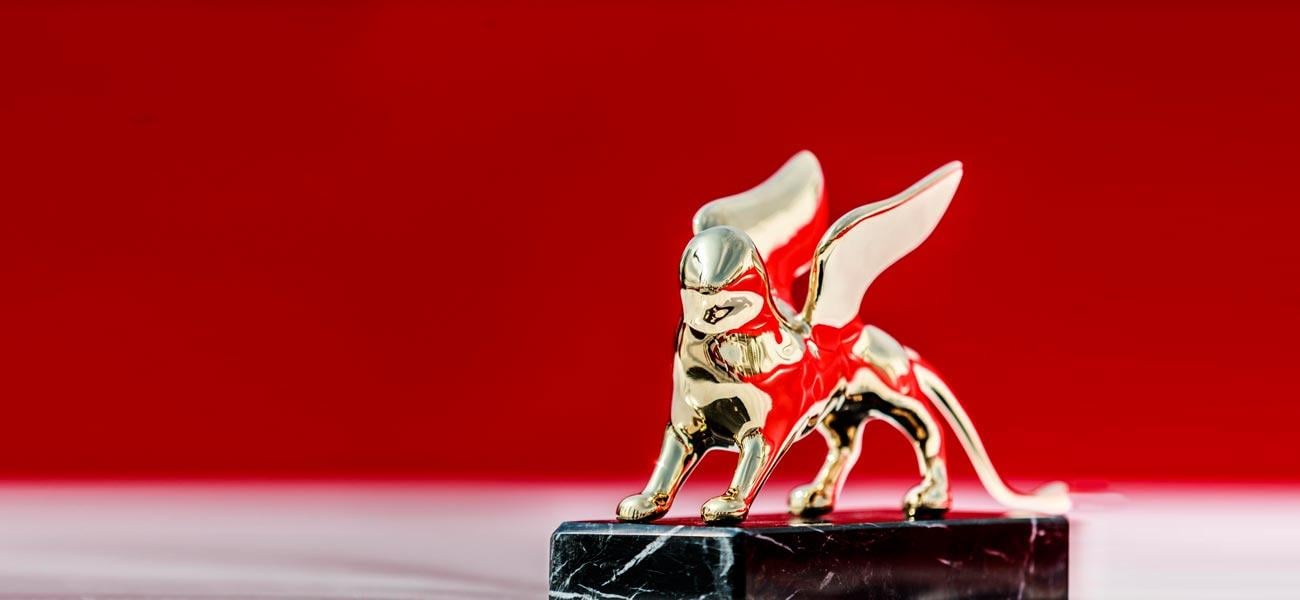
The article critically examines the proposal for "Visitor Lions" (Leoni dei Visitatori) at the Venice Biennale, arguing that the idea is a fragile, quick-fix response to a deeper crisis. It questions whether replacing expert juries with public voting would truly improve the selection process, noting that both systems have significant flaws: juries are not necessarily neutral, often rushed and filtered, while public voting risks favoring accessible, easily consumable works and reinforcing existing hierarchies.

In Her 90s, a Painter Finally Confronts Her Nazi Trauma

The New York Times profiles a painter in her 90s who has finally begun to address the trauma she experienced during the Nazi era through her artwork. The article details how she survived persecution and displacement as a child under Nazi rule, and how for decades she avoided directly depicting those experiences in her paintings. Now, late in life, she is creating works that confront her past, using art as a means of processing long-suppressed memories and emotions.