filter_list Showing 10 results for "Why" close Clear
dashboard All 49 museum exhibitions 22article culture 10person people 4article news 4trending_up market 4article policy 3rate_review review 1article local 1
date_range Range Today This Week This Month All
Subscribe

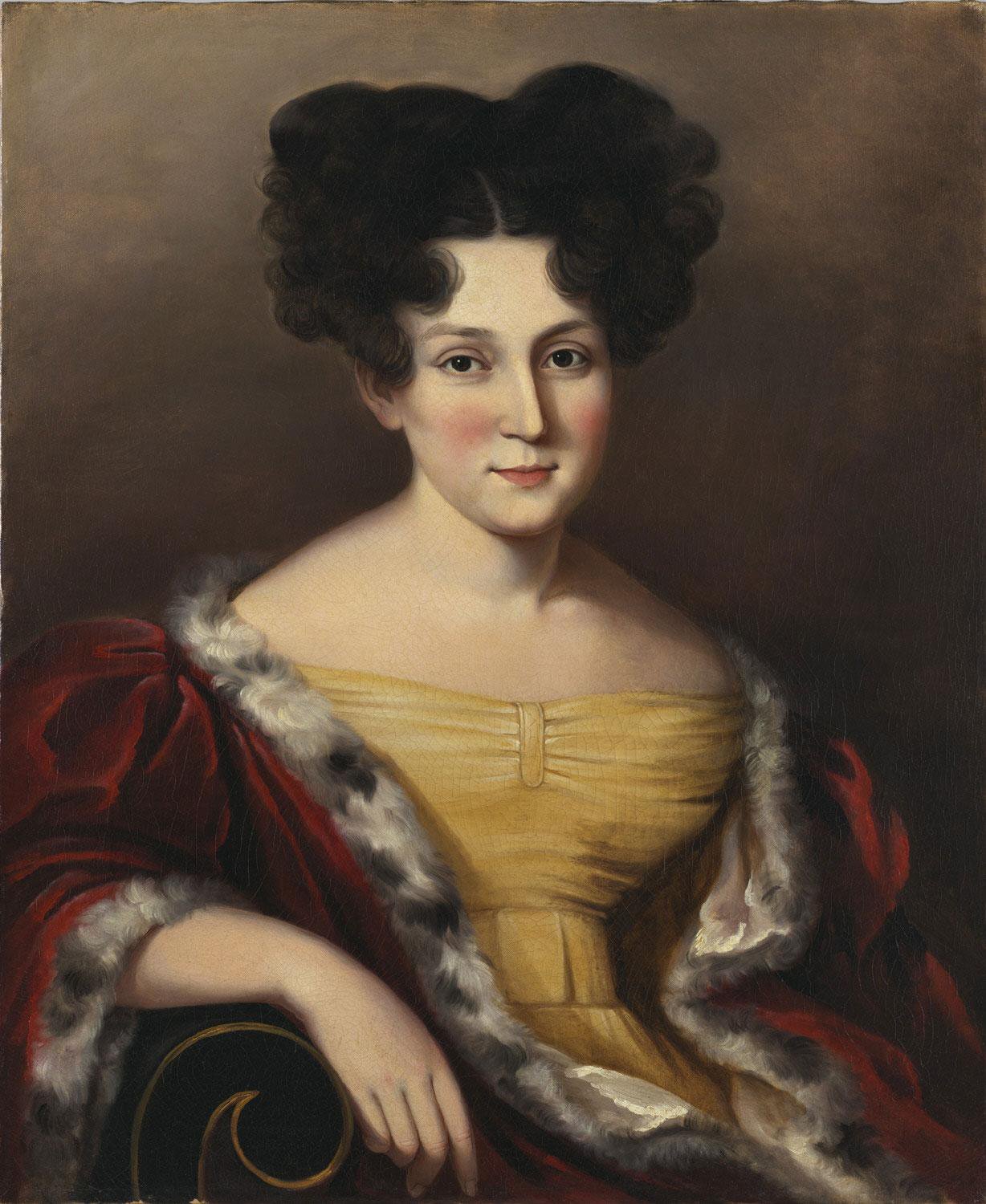
Why Was Sarah Miriam Peale, Pioneering Member of America’s First Art Dynasty, Left Behind?

Sarah Miriam Peale, a member of the prominent Peale art dynasty and arguably the first professional woman artist in the United States, is finally receiving long-overdue institutional recognition. Despite a prolific sixty-year career painting portraits of political figures and still lifes in Baltimore and St. Louis, her legacy was largely overshadowed by her uncle Charles Willson Peale and her male cousins. Her independence as an unmarried woman who supported herself entirely through her craft marked a radical departure from the gender norms of the 19th century.
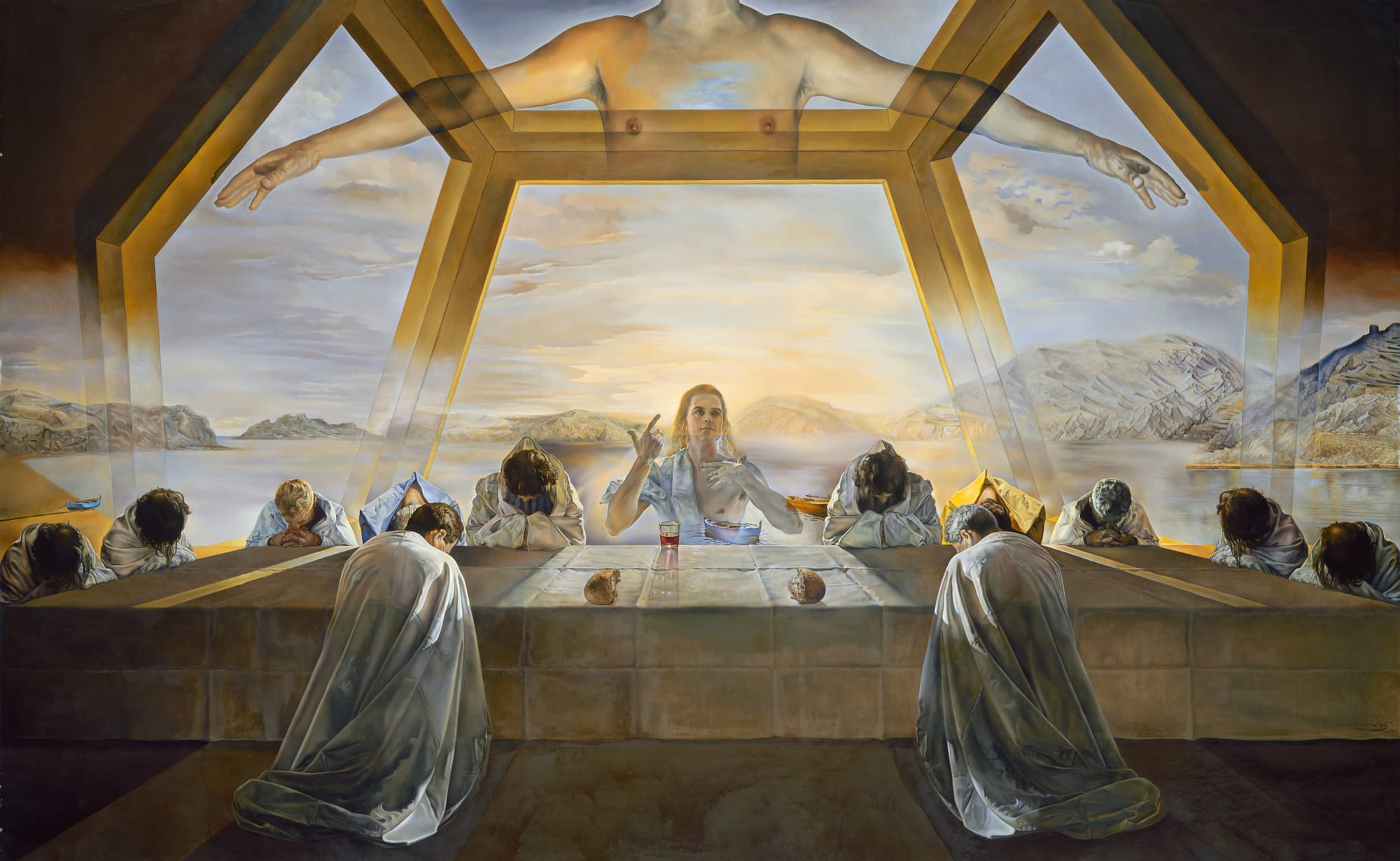
Salvador Dalí’s Frustrating Vision of the Divine

A feature article examines Salvador Dalí's controversial religious painting "Christ of Saint John of the Cross" (1951), which was physically attacked by vandals on two separate occasions—once with a rock in 1961 and later with an air rifle. The painting, part of Dalí's "Nuclear Mysticism" phase, depicts a floating, unblemished Christ from an aerial perspective, based on a drawing by the mystic St. John of the Cross and modeled by a Hollywood stunt double.

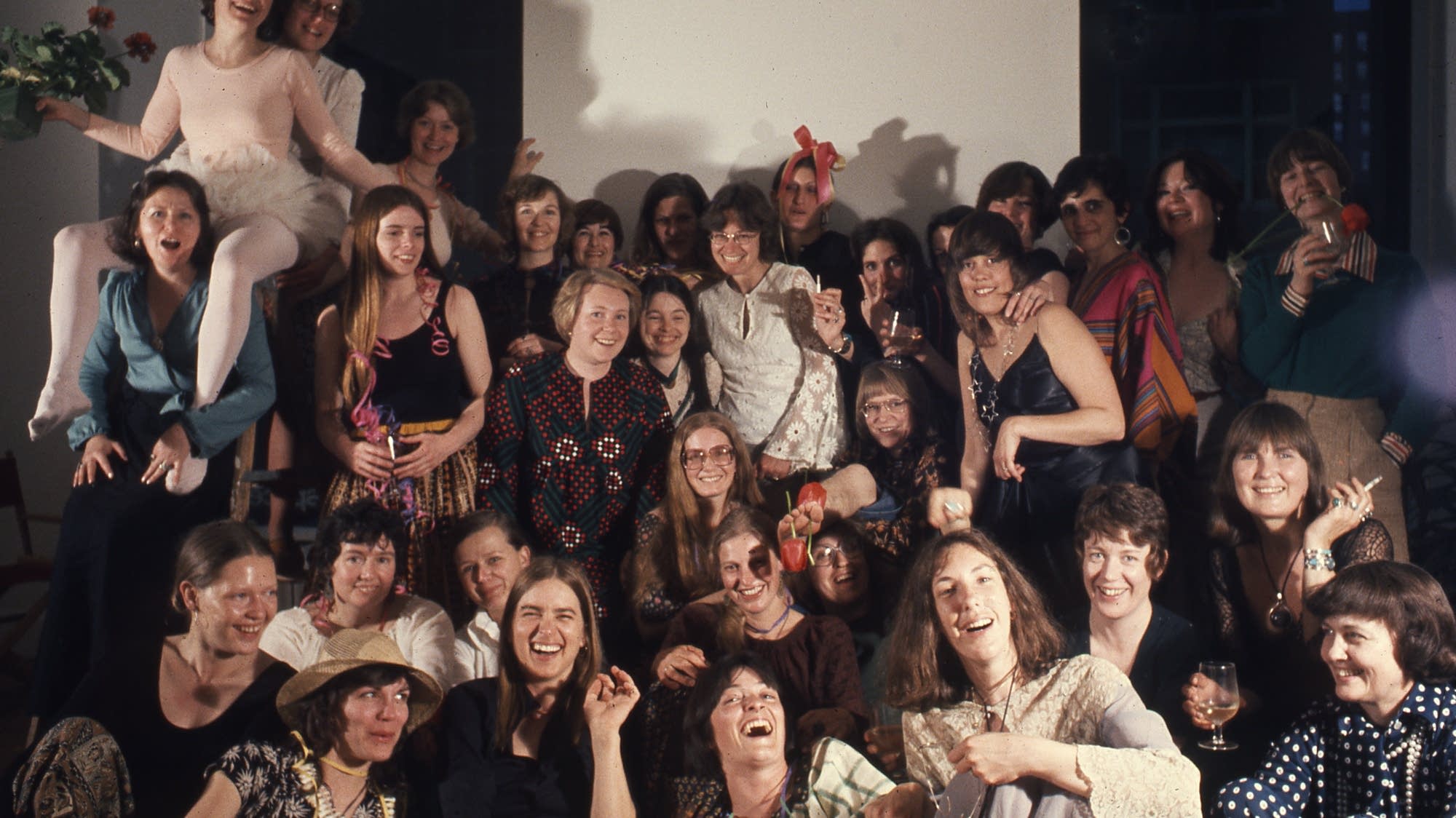
Why this Minneapolis feminist art collective still matters 50 years later

The Women’s Art Registry of Minnesota (WARM), one of the oldest feminist art collectives in the United States, is celebrating its 50th anniversary. Founded in 1973 in Minneapolis, the collective emerged as a grassroots response to the systemic exclusion of women from mainstream galleries and museums, eventually establishing its own gallery space and a robust mentorship program that continues to support female-identifying artists today.

‘The way the world is, something daft is appealing’ – why everything from pizzas to podcasts has a cartoon character on it

A distinctive cartoon illustration style, rooted in 1920s 'rubber hose' animation and influenced by graffiti, vintage Americana, and underground comics, has become ubiquitous in contemporary branding. This aesthetic, characterized by exaggerated, jointless limbs and friendly faces, now adorns everything from independent pizza shops like London's Yard Sale Pizza to wine labels for Top Cuvee, podcasts, and even global fashion collaborations.

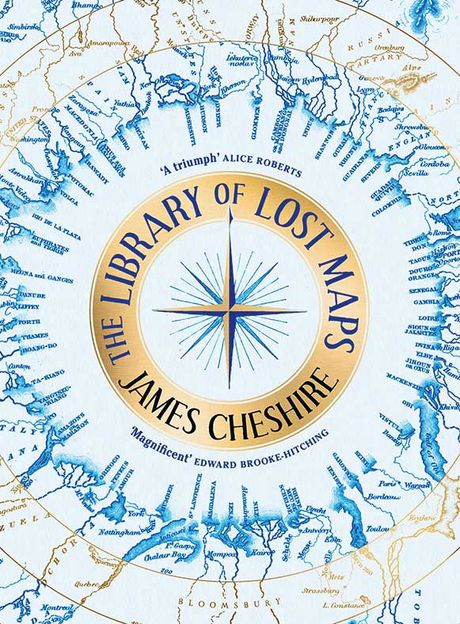
New book shows why physical maps have an important role to play in our digital world

Professor James Cheshire spent three years cataloging forgotten maps in a University College London storage room, resulting in the book 'The Library of Lost Maps.' The volume presents 96 historically significant maps, ranging from a pre-atomic bomb Hiroshima map to a Victorian geological survey of India, highlighting their physical fragility and hidden stories.

Why your moon photos look so bad (and how to fix it): the best Australian photos of March - video

Guardian Australia's picture editor Carly Earl selected the publication's top three photographs for March, highlighting a total lunar eclipse, the Iranian women's football team's tense departure, and a portrait of a man displaced by Cyclone Narelle. The monthly series provides insight into the craft of photojournalism, showcasing the technical skill and narrative power behind compelling images while elevating the work of Australian photographers and the stories they capture.

Why Interior Design Magazines Are Booming

The New York Times reports a significant resurgence in print interior design magazines, with titles like Architectural Digest, Elle Decor, and House Beautiful experiencing substantial growth in advertising pages and newsstand sales. This revival is occurring despite the broader print media downturn and a shift towards digital content consumption.

Do you hate art museums? Why (and how) to take a 2nd look

Do you hate art museums? Why (and how) to take a 2nd look

The traditional art museum experience often leads to exhaustion and a sense of alienation due to the overwhelming abundance of artworks and the pressure to see everything quickly. This phenomenon, which affects even visitors to world-class institutions like the Vatican or the Uffizi, stems from a 'problem of abundance' rather than a lack of appreciation for the art itself. The author suggests that smaller, more intimate spaces and a slower approach to viewing would make art more accessible and less intimidating for the general public.

Museums have a duty to inspire the creatives of the future. At V&A East, I’ve made that my mission | Gus Casely-Hayford

Gus Casely-Hayford, the director of V&A East, outlines his vision for the new museum as a collaborative space designed specifically to re-engage young audiences. Highlighting a new commission by Cuban artist Tania Bruguera created with local youth, Casely-Hayford argues that museums must move beyond Victorian-era paternalism toward a model of co-creation. The institution has consulted over 30,000 young people to ensure its galleries, such as the "Why We Make" space, reflect contemporary concerns and community needs.

Raphael and the Renaissance of Divine Beauty

The New York Times explores the enduring legacy of Raphael, the High Renaissance master whose work defined the pinnacle of 'divine beauty' and classical harmony. The analysis delves into his technical mastery, his ability to synthesize the influences of Leonardo and Michelangelo, and his prolific output during his brief life in Rome.