filter_list Showing 11 results for "Why" close Clear
search
dashboard All 75 museum exhibitions 40article culture 11article news 9person people 4rate_review review 4trending_up market 3article local 3article policy 1
date_range Range Today This Week This Month All
Subscribe

‘Depraved in all the right ways’: why forgotten no wave visionary Gordon Stevenson is about to take off

The article profiles Gordon Stevenson, a forgotten visionary of the no wave movement in late-1970s New York, who was an artist, jewelry designer, musician, and filmmaker best known for the notorious film *Ecstatic Stigmatic*. Decades after his death from AIDS, a storage unit full of his lost work has been discovered, including jewelry, mail-art collaborations with Ray Johnson, and clues to a surviving print of his film. His family has also recovered hundreds of letters he wrote to his parents, chronicling his life in downtown New York and his experiences as one of the city's first AIDS patients. The piece traces his journey from a small town in Georgia, where he met his wife Mirielle Cervenka (who later renamed Exene Cervenka), to their punk-era jewelry brand LHOOQ and his lasting influence on gothic fashion.

Global Art Biennials: Renovation, Revelation—or Repetition?

The article examines the current state of global art biennials, arguing that recent controversies—such as the 2022 documenta antisemitism crisis and geopolitical tensions at the 61st Venice Biennale—reveal these exhibitions as deeply politicized platforms rather than neutral cultural events. It highlights how juries and curators have introduced geopolitical criteria, and cites ongoing debates in Artforum (April 2026) featuring voices like Daniel Birnbaum, Michelle Grabner, and Adam Szymczyk, who diagnose visible tensions but overlook deeper structural conditions.

A Culture Lover’s Guide to Northwest Arkansas, a Land of Contradictions

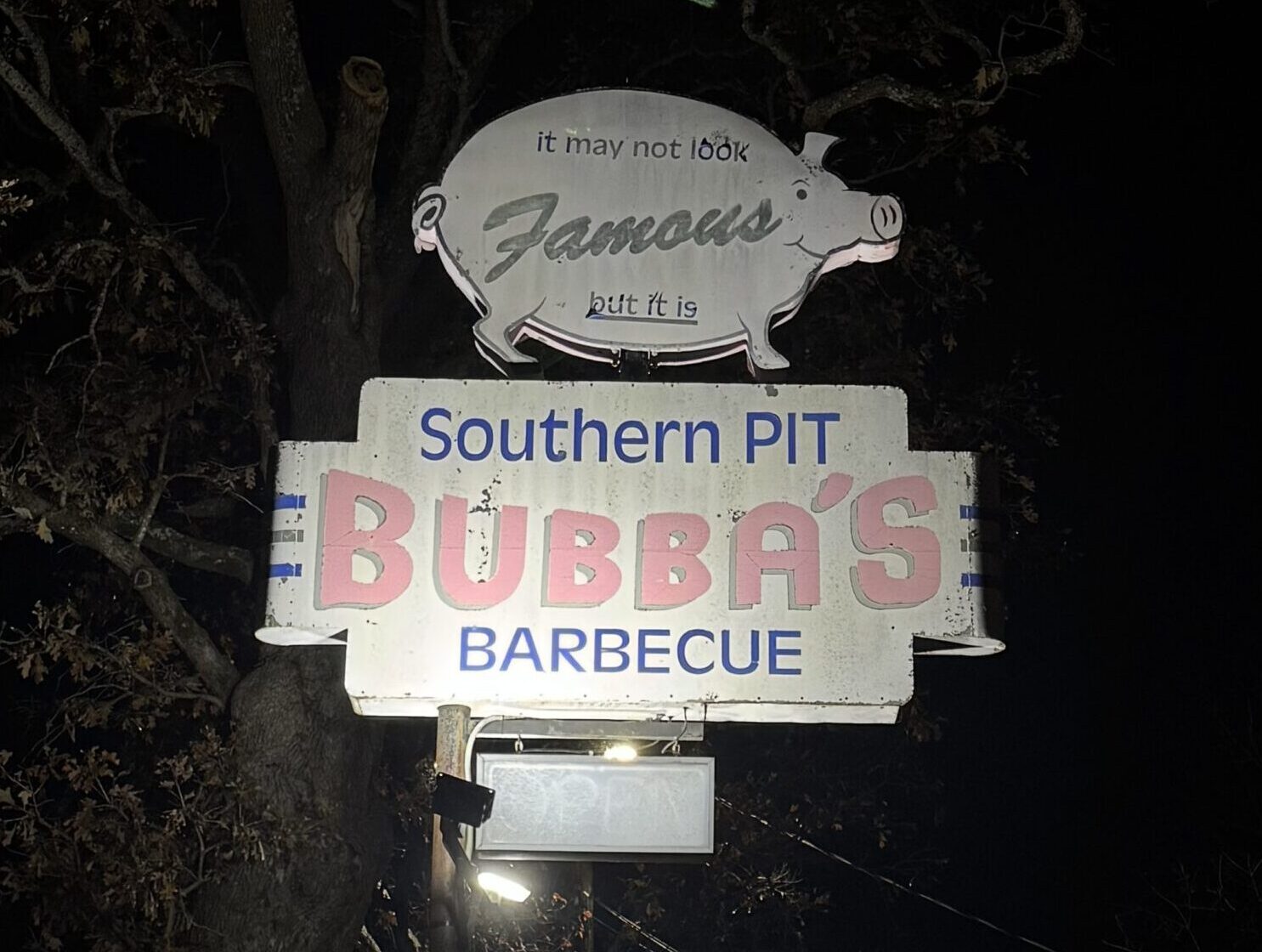
This travel guide explores the cultural landscape of Northwest Arkansas, focusing on the upcoming 114,000-square-foot expansion of the Crystal Bridges Museum of American Art in Bentonville, set to open June 6, 2026. The author recounts a road trip from Little Rock to the Ozarks, visiting the Arkansas Museum of Fine Arts (with its new Studio Gang-designed building), dining at Coursey's Smoked Meats, and encountering a white supremacist billboard in Harrison, while also highlighting Thorncrown Chapel by E. Fay Jones as a transcendent architectural stop.

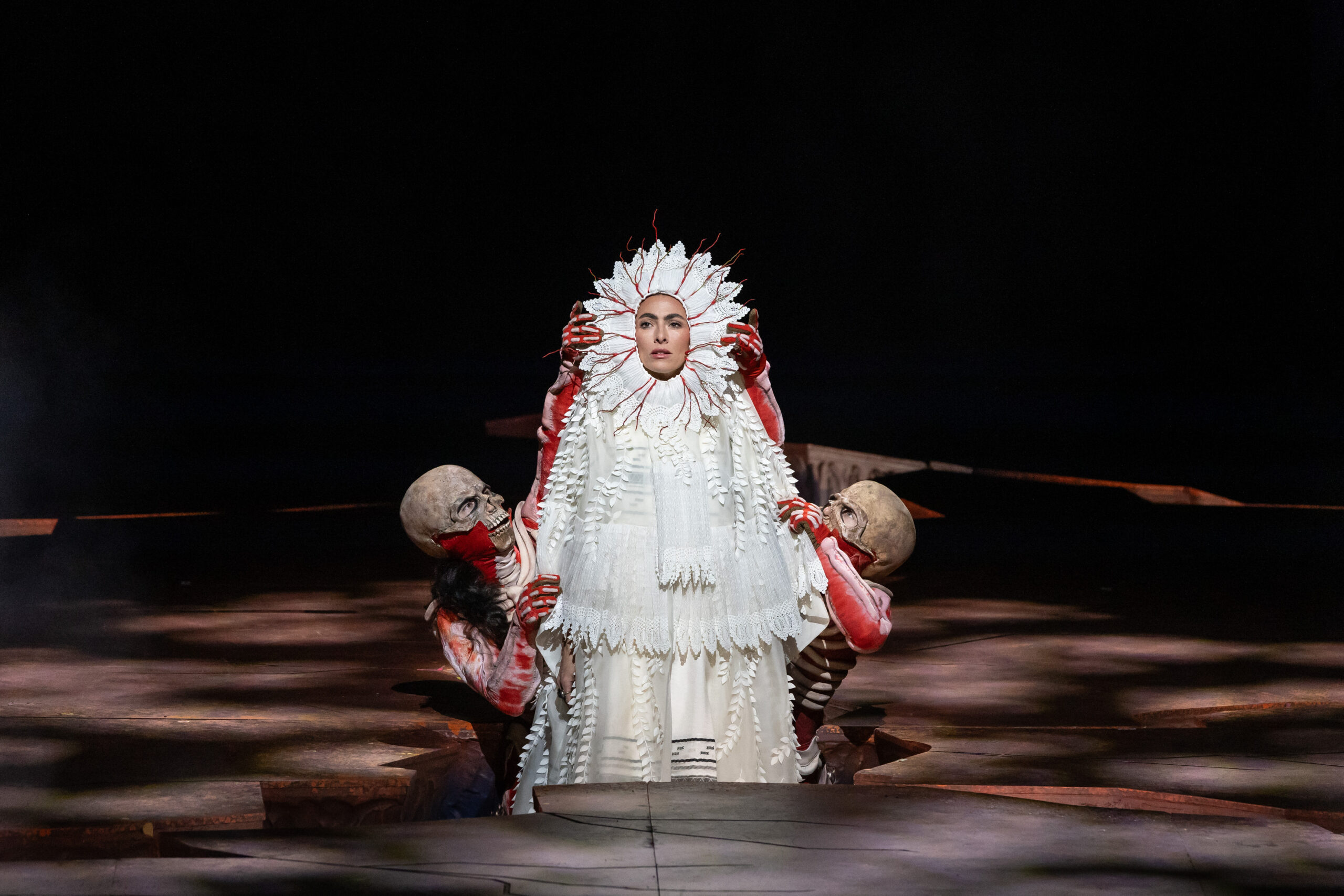
Why Did the Met Opera Decide to Exhume Frida Kahlo and Diego Rivera’s Marital Strife?

The Metropolitan Opera has staged Gabriela Lena Frank's first opera, *El Último Sueño de Frida y Diego*, which imagines a supernatural reunion between Frida Kahlo and Diego Rivera on Día de los Muertos. The production, conducted by Yannick Nézet-Séguin and starring Isabel Leonard and Carlos Álvarez, uses magical realism to explore the couple's turbulent relationship, though it largely sidelines their Communist activism and Kahlo's queer affairs in favor of a simplified reconciliation narrative.

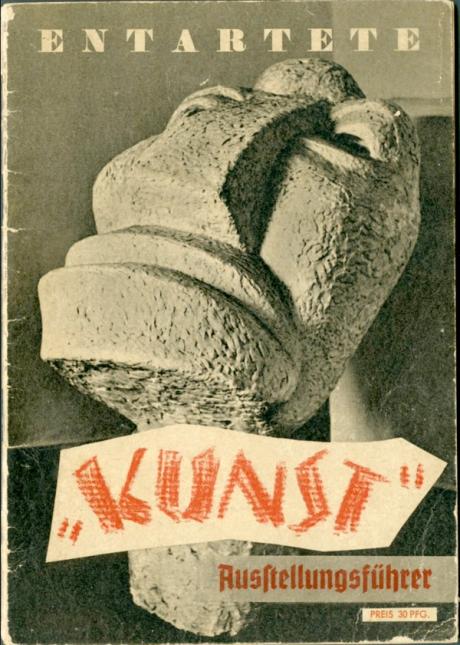
Comment | Degenerate art all over again? Nazi attack on Modern art is not far away from trends in today’s world

The article draws a provocative parallel between the Nazi regime's attack on modern art—epitomized by the 1937 "Degenerate Art" (Entartete Kunst) exhibition—and contemporary political aesthetics, particularly around President Donald Trump. It traces the Nazi party's early use of visual spectacle, mass rallies, and monumental art to forge a national identity, contrasting this with Trump's proposed National Garden for American Heroes and stalled White House Ballroom, which the author dismisses as kitsch but lacking the cohesive fascist aesthetic of Albert Speer's masterplans.

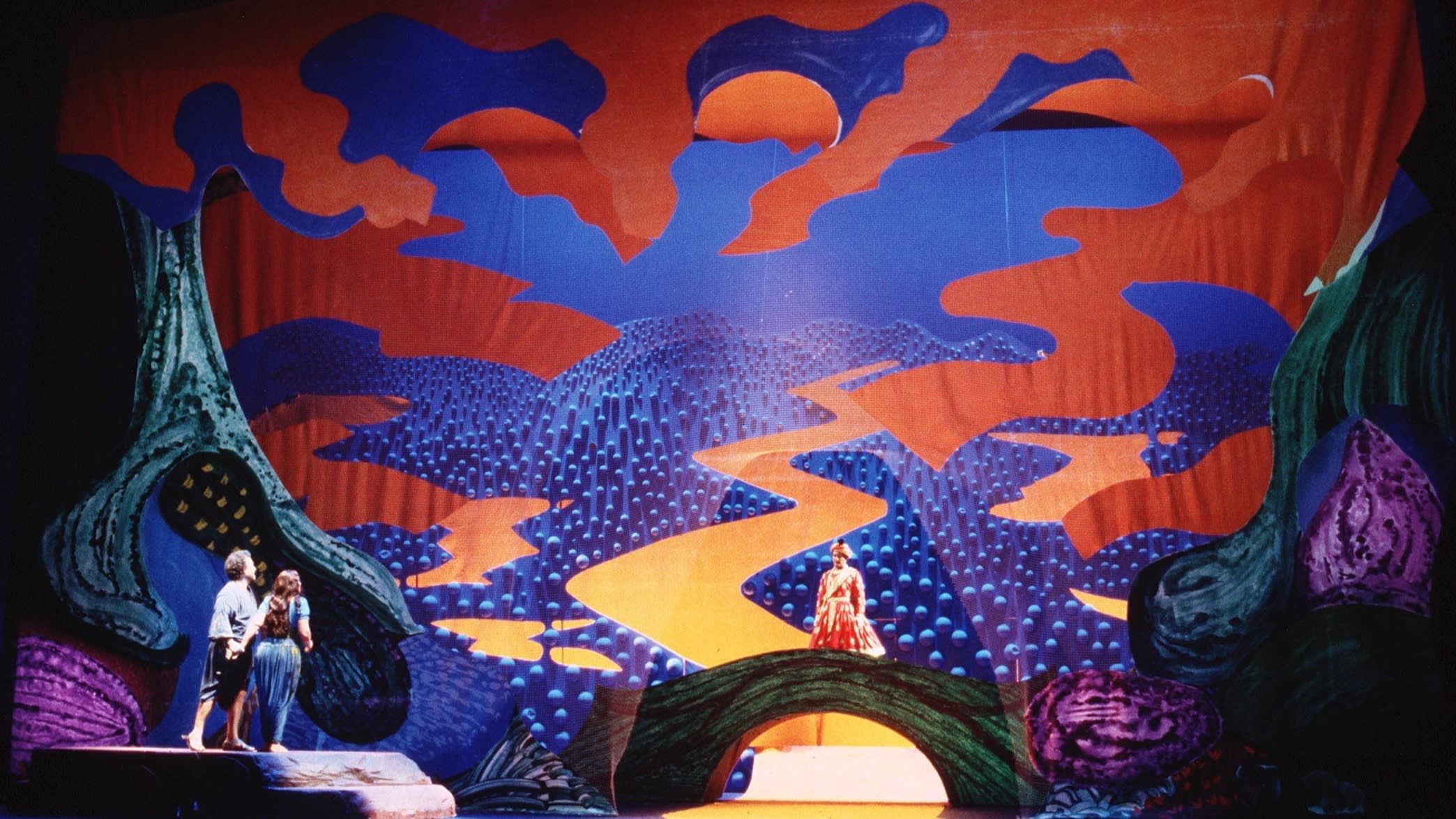
Why artists’ love for opera will never die

This article explores the enduring fascination that visual artists have with opera, tracing a historical lineage from figures like Oskar Kokoschka and David Hockney to contemporary practitioners such as William Kentridge and Tacita Dean. It examines how opera's fusion of music, drama, and visual spectacle has inspired artists to create set designs, costumes, and even direct productions, often blurring the boundaries between fine art and performance.

Why is the Museum of Fine Arts Boston putting hot dogs into famous historical paintings?

The Museum of Fine Arts Boston has launched a playful social media campaign inserting hot dogs into famous historical paintings from its collection. The initiative aims to engage younger audiences by juxtaposing a modern, everyday food item with classic artworks, creating humorous and shareable content.

Why We Need Corporate Art Collections

The article traces the history and significance of corporate art collections, beginning with Deutsche Bank's acquisition of 57 early drawings by Joseph Beuys in the late 1970s, which led to the formal launch of its collection in 1980. Today, the Deutsche Bank Collection comprises over 57,000 objects displayed in 500 locations across 40 countries, and the bank sponsors events like the Frieze Art Fair. The piece also highlights the role of American banker David Rockefeller, who inaugurated Chase Manhattan Bank's Art at Work program in 1959, and notes that corporate collecting has deep roots in Renaissance banking, with institutions like Banca Monte dei Paschi di Siena commissioning art for their offices.

10 Tips for Getting the Most Out of Your Next Museum Visit

This article offers ten practical tips for enhancing museum visits, emphasizing preparation, physical comfort, and mindful engagement. It advises planning around specific artworks using online databases, addressing bodily needs like food and hydration, and timing visits to avoid crowds. The piece also recommends slowing down to spend ten minutes per work, using techniques like slow looking to deepen appreciation.

Why Is Everyone Obsessed With Bogs?

The New York Times Art section published an explainer titled "Why Is Everyone Obsessed With Bogs?" examining the cultural fascination with wetlands, particularly bogs, across fashion and art. The article explores how bogs have become a recurring motif in contemporary visual culture, from runway collections to gallery installations, reflecting a broader societal interest in these unique ecosystems.

Libri d’arte. 7 novità in libreria tra saggi, racconti e fotografie

This article from Artribune presents seven new art book releases in Italy, all united by a common theme of bringing marginalized subjects back into focus. Featured titles include Johnny L. Bertolio's "L'ha scritto lei, ma…" which examines why female authors are excluded from Italian school curricula, and Carla Rossi's "Oltre i margini," a rigorous study of European female miniaturists from the Middle Ages to the Renaissance. Other works address queer representation in museums, children's voices on Gaza, photographic portraiture by Lorenzo Cicconi Massi, a collective volume on the Bertolucci family, and a theatrical project by Kepler-452 set in the central Mediterranean.