filter_list Showing 20 results for "rep" close Clear
search
dashboard All 332 museum exhibitions 175trending_up market 38article news 32article local 27article culture 20article policy 12candle obituary 10person people 10gavel restitution 5rate_review review 3
date_range Range Today This Week This Month All
Subscribe

The Met’s Frida & Diego Opera Imagines Feminist Revenge from Beyond the Grave

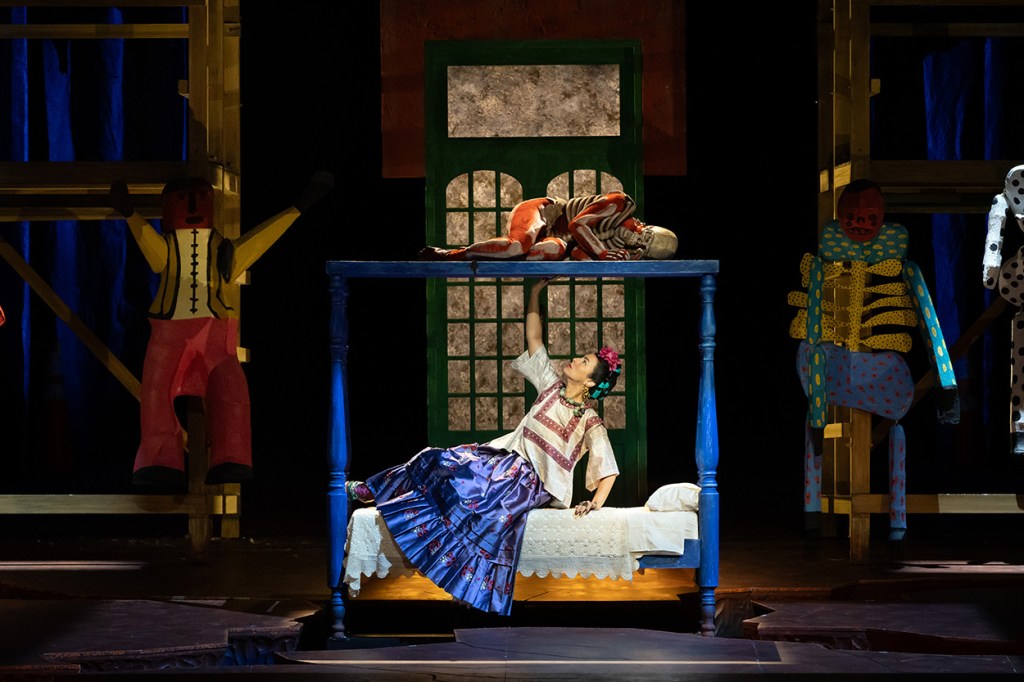
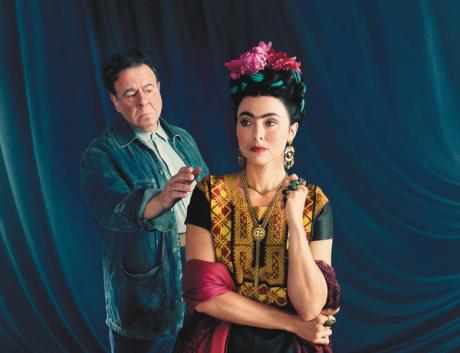
The Metropolitan Opera has opened "El Último Sueño de Frida y Diego," a new opera by composer Gabriela Lena Frank and librettist Nilo Cruz that imagines Frida Kahlo returning from the underworld during Día de los Muertos for a reunion with her husband Diego Rivera. The production features mezzo-soprano Isabel Leonard as Frida, Carlos Álvarez as Diego, and choreography by Deborah Colker, with sets by Jon Bausor that evoke Kahlo's iconic paintings and mirror. The opera explores themes of pain, creativity, and marital strife, granting Kahlo physical freedom denied to her in life while centering her perspective over Rivera's.
Frida Kahlo and Diego Rivera are given a voice by New York's Metropolitan Opera

New York is experiencing a wave of Frida Kahlo-related events this spring, including a new book from Rizzoli about her childhood home museum in Mexico City and a small exhibition at the Museum of Modern Art (MoMA) featuring works by Kahlo and Diego Rivera. The centerpiece is the Metropolitan Opera's new production of *El Último Sueño de Frida y Diego*, with music by Gabriela Lena Frank and libretto by Nilo Cruz, both Pulitzer Prize winners. The opera, which premiered in San Diego in 2022, opens on 14 May and features set and costume design by Jon Bausor, who also co-curated the MoMA exhibition alongside curator Beverly Adams. The production imagines Kahlo's spirit rising from the underworld on the Day of the Dead to reunite with Rivera, blending Mexican musical elements with a dreamlike, visually rich aesthetic.

After dinosaurs, it’s spot the dog! But can a child really learn anything in a gallery?

Neil Osborne and his three-year-old daughter Daisy visit the National Museum Cardiff (NMC), where they explore both dinosaur exhibits and art galleries. Daisy, like many toddlers, engages with paintings by describing what she sees—calling a JMW Turner seascape "a fish." The article follows the author as she investigates whether children under five can learn from art in museums, speaking with parents and Catrin Rowlands, head of learning at NMC. NMC is one of 15 UK museums participating in Mini Wonders, a fully funded program by Art Fund and Nesta that offers eight-week courses for families from disadvantaged backgrounds, providing digital cameras and scrapbooks to encourage repeated museum visits and school readiness.

ArtReview Podcast | Episode 7: Zineb Sedira

The ArtReview Podcast episode 7 features artist and photographer Zineb Sedira in conversation with digital editor Alexander Leissle. Sedira discusses Algerian cinema, the Scopitone, and her new Tate Britain Commission titled "When Words Fall Silent, Cinema Speaks," a site-specific installation in the Duveen Galleries open until January 2027. The episode explores three works chosen by Sedira, including Agnès Varda's "Salut les Cubains" (1963) and William Klein's "The Pan-African Festival of Algiers" (1969), as lenses into her practice and themes of displacement, identity, and cinema as a tool of resistance.

Can Digital Art Ever Truly Replicate the Gallery Experience?

The article explores whether digital art platforms can replicate the experience of visiting a physical gallery. It acknowledges the impressive progress of virtual exhibitions—global accessibility, VR tours, AR overlays, and high-resolution zoom—and notes that 35% of UK adults digitally engaged with the arts in 2024/25, up from 27% in 2021/22. However, it argues that something essential is lost without physical presence: the tactile encounter with a painting's texture and scale, the serendipity of in-person discovery, and the spatial awe of standing before a Rothko in a white cube.

The Painted Book Cover Is Back

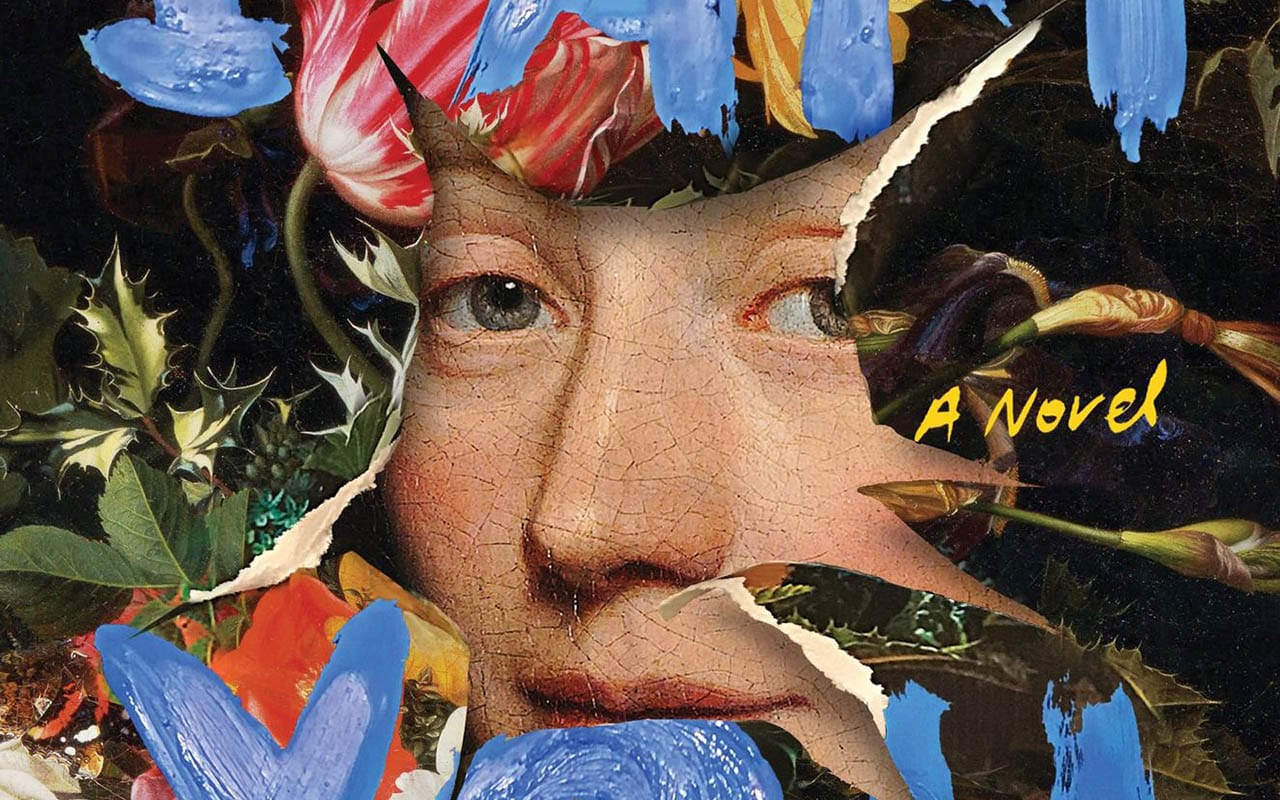
The article reports on a growing trend in book cover design: the use of painted, figurative artwork instead of stock photos or digital renderings. Publishers are increasingly licensing paintings by artists from Hilma af Klint to Shannon Cartier Lucy, seeing them as a way to signal cultural authority and intellectual rigor. The trend is discussed through examples like Victoria Redel's *I Am You* (2025) and Kyung-Ran Jo's *Blowfish* (2025), with insights from LiteraryHub Managing Editor Emily Temple and Astra House publisher Benjamin Schrank.

Les jardins de Monet à l’épreuve du surtourisme

Claude Monet's gardens in Giverny, France, which were recreated in 1980 after being abandoned in the 1950s, are now suffering from severe overtourism. The site, which attracted 70,000 visitors in its first year, is expected to exceed one million visitors in 2026, the centenary of Monet's death. Crowds are so dense that visitors report feeling unable to experience any emotion, and gardeners spend hours each morning repairing damage from trampling. The gardens have become a kind of industrial product, with 15,000 plants propagated each season to replace those destroyed.

Art Lovers Movie Club: Elisabeth Brun, ‘Big Tech Blues’, 2025

ArtReview's Art Lovers Movie Club presents Elisabeth Brun's film 'Big Tech Blues' (2025), an auto-documentary that follows a small village in northern Norway as it resists the installation of a SpaceX Starlink 'Gateway' transmission site. The film blends personal essay, documentary footage, and interviews with residents who protest the hub over concerns about noise pollution, radiation, and environmental impact on the rural coastline. Brun contrasts slick Starlink promotional material with slow, intimate scenes of the landscape and community organizing on Facebook, highlighting the irony of using digital tools to fight digital infrastructure.

Grayson Perry’s life story to be told in ‘outrageous’ musical

Grayson Perry’s life story is being adapted into a stage musical titled *Grayson the Musical*, co-created with Richard Thomas, composer of *Jerry Springer: The Opera*. The show follows Perry from his childhood in Chelmsford to his rise as a Turner Prize-winning ceramicist and tapestry-maker, featuring his iconic dresses and his teddy bear Alan Measles. Perry wrote the lyrics, with a book by screenwriter Sara-Ella Ozbek and direction by Sean Foley. A workshop production will run for five performances in July at Soho Theatre Walthamstow, the east London borough where Perry once kept a studio and which inspired his famous work *The Walthamstow Tapestry*.

SOL HENARO: “BAJAR LA VELOCIDAD ES POLÍTICO Y, AUNQUE CUESTA MUCHO, HAY QUE SEGUIR INTENTÁNDOLO”

Sol Henaro, director of the Museo Universitario del Chopo in Mexico City, argues in an interview for Artishock Revista that museums must resist neoliberal pressures to accelerate production, spectacularize content, and convert cultural experience into immediate consumption. She advocates for the museum as a space of plurality, deceleration, and critical thought, emphasizing the need for horizontal, careful practices that allow for dissent and coexistence. The interview is part of a series on International Museum Day featuring directors from Latin American and Ibero-American institutions.

From men on dog leads to public breast-fondling, Valie Export’s art demanded a total feminist revolution

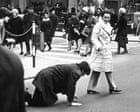
Valie Export, the pioneering Austrian feminist artist known for her provocative and confrontational performances from the 1960s onward, is the subject of a reflective essay by writer and academic Hettie Judah. The article revisits Export's radical works such as *Hyperbulia* (1973), where she crawled naked through electrified wires; *From the Portfolio of Doggedness* (1968), in which she led a man on a dog lead through Vienna; and *Action Pants: Genital Panic* (1969), where she walked through a cinema with exposed genitals. Judah draws on her own interviews with Export, who died in 2023, and discusses the artist's manifesto demanding that women use art to reshape consciousness and achieve liberation.

Being a Street Photographer. Interview with Simone Morelli, the Artist of Slowness

Essere street photographer. Intervista a Simone Morelli, l’artista della lentezza

Simone Morelli, a street photographer born in Rome in 1987, discusses his slow, analog approach to photography in an interview with Artribune. He began after receiving a Praktica film camera as a gift in Sweden in 2012, and was captivated by the process of shooting and printing on film. Morelli describes his method as instinctive yet deliberate, often working on long-term projects that build a coherent visual narrative rather than seeking single 'beautiful' images. He cites Josef Koudelka as a key influence and emphasizes the importance of patience and reflection in an era dominated by fast, digital imagery.

How Native American Artists Redefined Contemporary Art in the United States

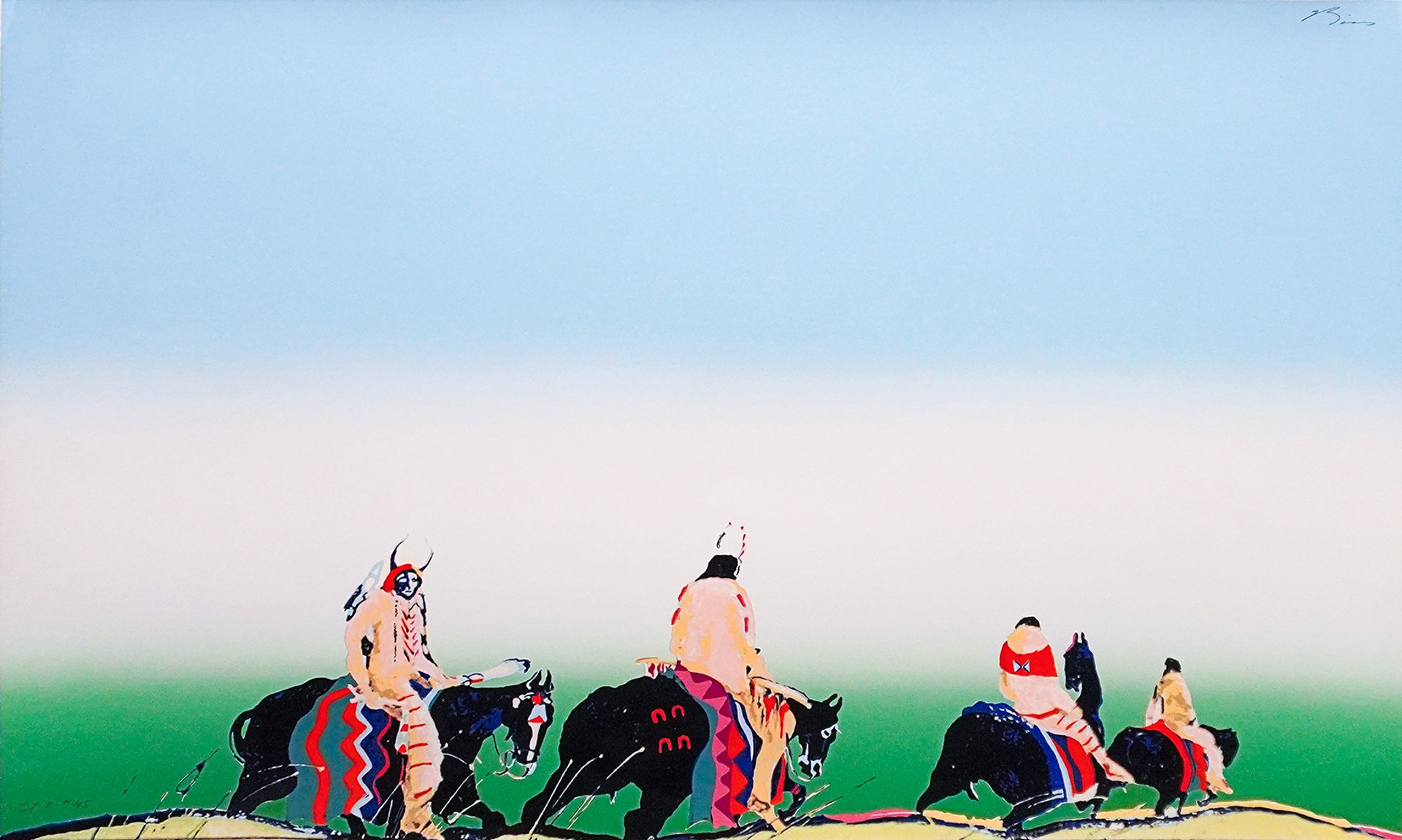
A generation of Native American artists, emerging from the Institute of American Indian Arts (IAIA) in Santa Fe from the 1960s onward, reclaimed Indigenous representation in American art. Figures like Fritz Scholder, T.C. Cannon, Kevin Red Star, and Earl Biss used modernism, irony, and cultural specificity to dismantle colonial stereotypes of Native peoples as romanticized relics, instead portraying them as contemporary individuals with agency and living traditions.

Genuflecting Before “Don Colossus”

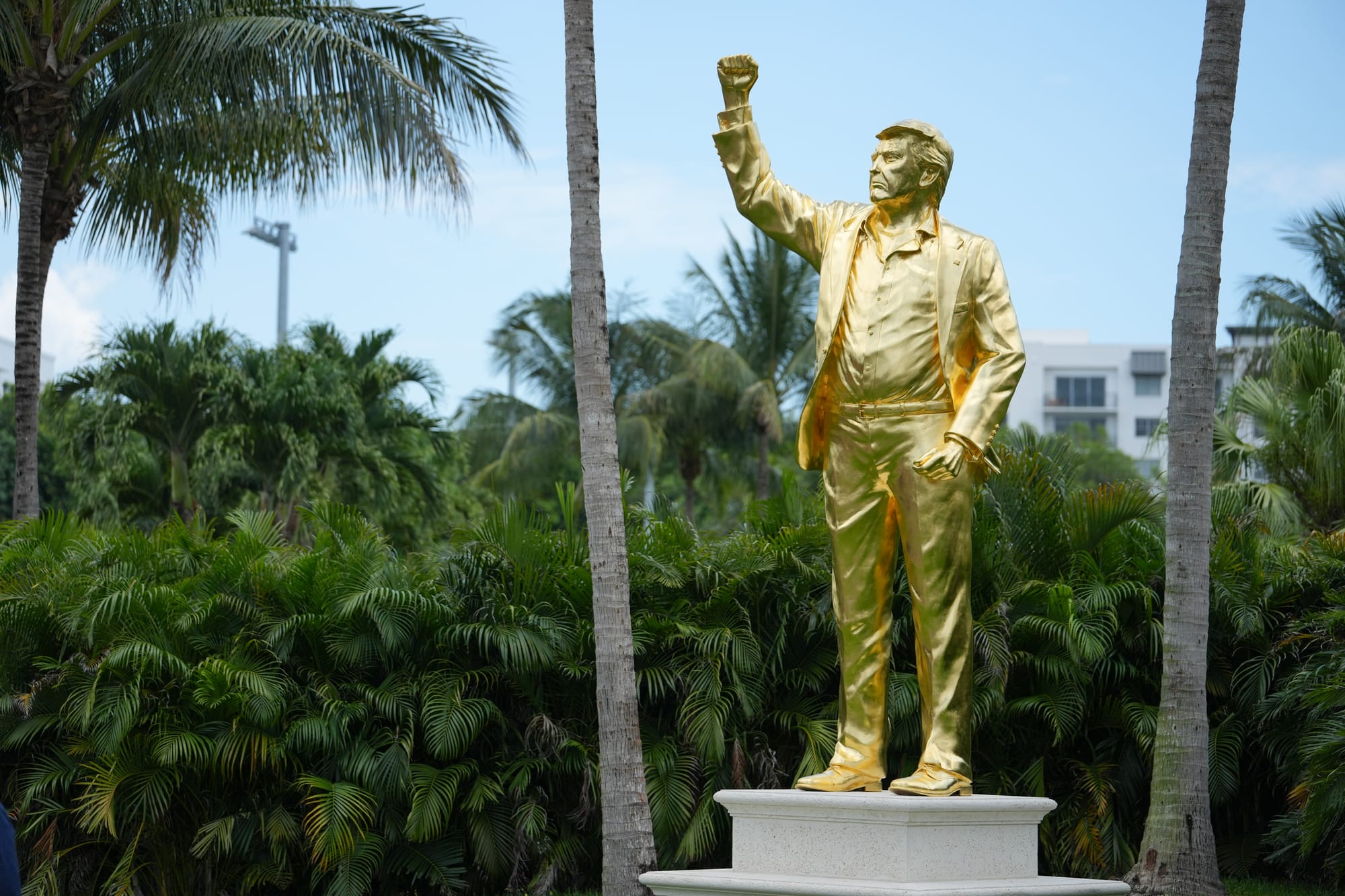
A 15-foot-tall gold-leafed bronze statue of Donald Trump, titled "Don Colossus," was unveiled at his National Doral golf club in Miami, Florida, ahead of the G20 summit. The statue, funded by $450,000 raised by cryptocurrency moguls and sculpted by Alan Cottrill (founder of Four Star Pizza), depicts Trump raising a triumphant fist with a plaque reading "FIGHT, FIGHT, FIGHT!" The unveiling was organized by televangelist Mark Burns of "Pastors for Trump," who posted that the statue was "not a golden calf," and was attended by evangelical Christian leaders and reportedly some Hassidic rabbis.

10 Tips for Getting the Most Out of Your Next Museum Visit

This article offers ten practical tips for enhancing museum visits, emphasizing preparation, physical comfort, and mindful engagement. It advises planning around specific artworks using online databases, addressing bodily needs like food and hydration, and timing visits to avoid crowds. The piece also recommends slowing down to spend ten minutes per work, using techniques like slow looking to deepen appreciation.

A Primer on Buddhist Monuments

The New York Times Art section published a primer on three architecturally significant Buddhist stupas (reliquary mounds) located in Nepal, Thailand, and Taiwan. The article highlights the distinct design and cultural importance of each monument, serving as an educational overview for readers interested in Buddhist architecture.

Two Major Architecture Firms Aim to Revolutionize Rome Over the Next 25 Years

Due grandi studi di architettura puntano a rivoluzionare Roma nei prossimi 25 anni

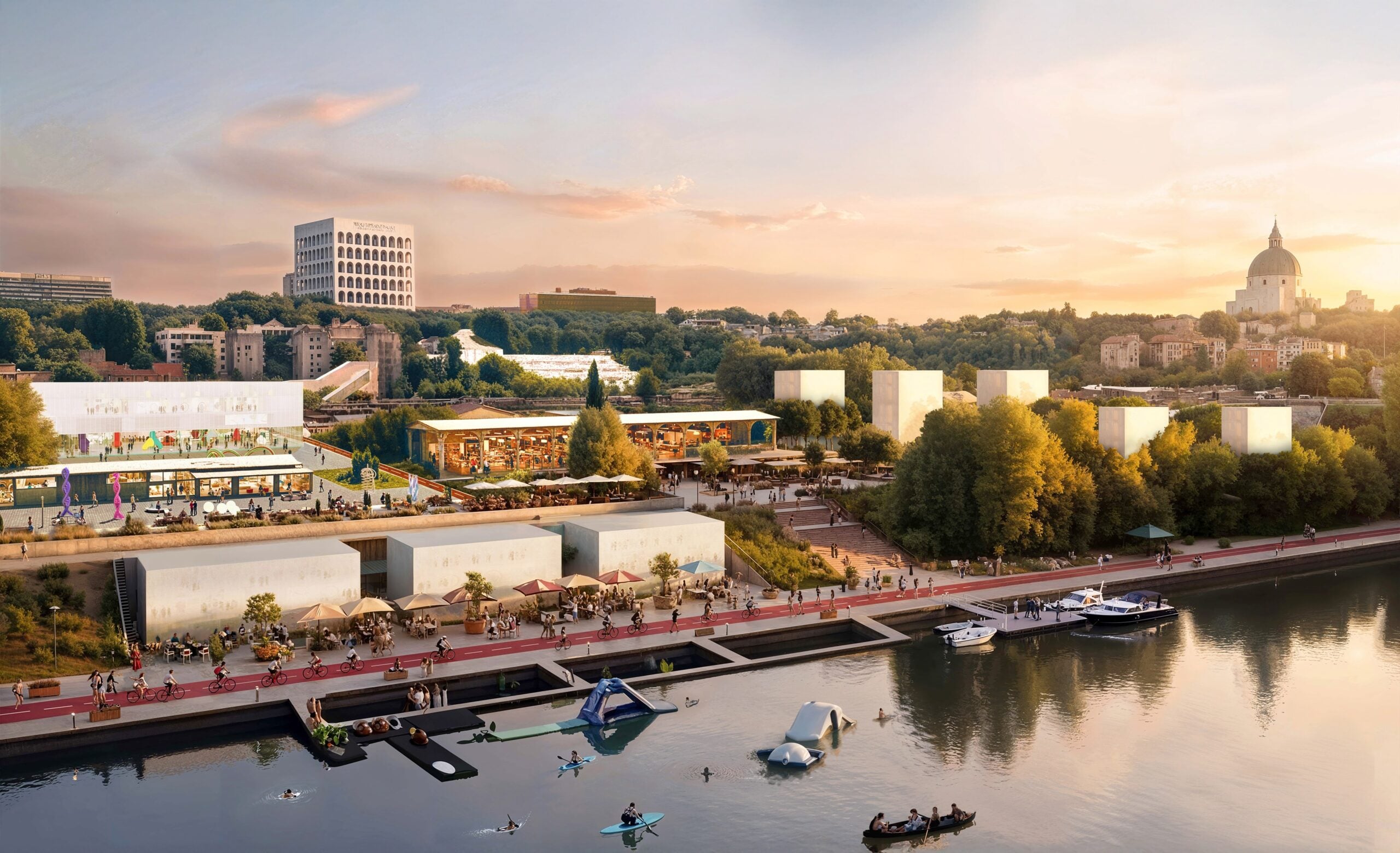
A multidisciplinary team led by Italian architecture and urban planning firm IT'S and Dutch firm OMA has won the international ideas competition "Vision for Rome," promoted by the Fondazione Roma REgeneration. Their project, "Roma Continua," was presented at the Auditorium della Tecnica di Confindustria during the second ROMA REgeneration FORUM. The proposal aims to rethink Rome over the next 25 years through a paradigm shift in urban, social, and cultural planning, envisioning the city as a living ecosystem. It is based on five guiding principles—care, beauty, knowledge, movement, reuse, and grafting—and includes five green corridors anchored to the Tiber River, "Fori dell'innovazione" (innovation forums), and a continuous mobility network. The project also seeks to reduce tourist pressure on the historic center by creating new cultural itineraries and sustainable transport links.

NICOLÁS GÓMEZ ECHEVERRI: “LA TRASCENDENCIA DEL MUSEO ES VULNERABLE A LA IMPOSICIÓN DE MODAS POR PARTE DEL ALGORITMO”

Nicolás Gómez Echeverri, director of the Unidad de Artes y Otras Colecciones at the Banco de la República de Colombia, reflects on the challenges facing museums in Iberoamérica in an interview published for International Museum Day. He oversees institutions including the Museo de Arte Miguel Urrutia (MAMU), the Museo Botero, and the Casa de Moneda. Gómez Echeverri describes the museum as a "radar" that captures decentralized artistic practices and integrates them into collective narratives, while emphasizing the need for mediation, public debate, and long-term cultural projects amid economic constraints and the pressures of digital immediacy.

The dialogue between painter Vichit Nongnual and art history

The article explores the artistic practice of Thai painter Vichit Nongnual, examining how his work engages in a continuous dialogue with art history. It highlights his unique approach to blending traditional Thai artistic elements with contemporary techniques, positioning his paintings as a bridge between past and present visual cultures.

The Biennale and the Weight of Flags. What Is the Point of National Pavilions?

La Biennale e il peso delle bandiere. Che senso hanno i padiglioni nazionali?

The article examines the inherent contradiction within the Venice Biennale: its historical structure of national pavilions, a legacy of 19th-century world fairs and state-sponsored art, clashes with the transnational, post-identity vision of the international exhibition curated by Koyo Kouoh. The return of the Russia Pavilion amid geopolitical conflict and the international show titled "In Minor Keys," which rejects national belonging as an interpretive criterion, highlight this tension. The piece also addresses the controversy over the lack of Italian artists in the main exhibition, questioning whether a Biennale hosted in Italy should guarantee national representation.