filter_list Showing 11 results for "rep" close Clear
dashboard All 352 museum exhibitions 193article news 50article local 34trending_up market 24article culture 13rate_review review 11person people 10article policy 9candle obituary 5gavel restitution 2article event 1
date_range Range Today This Week This Month All
Subscribe

Hans Holbein Painted the Human

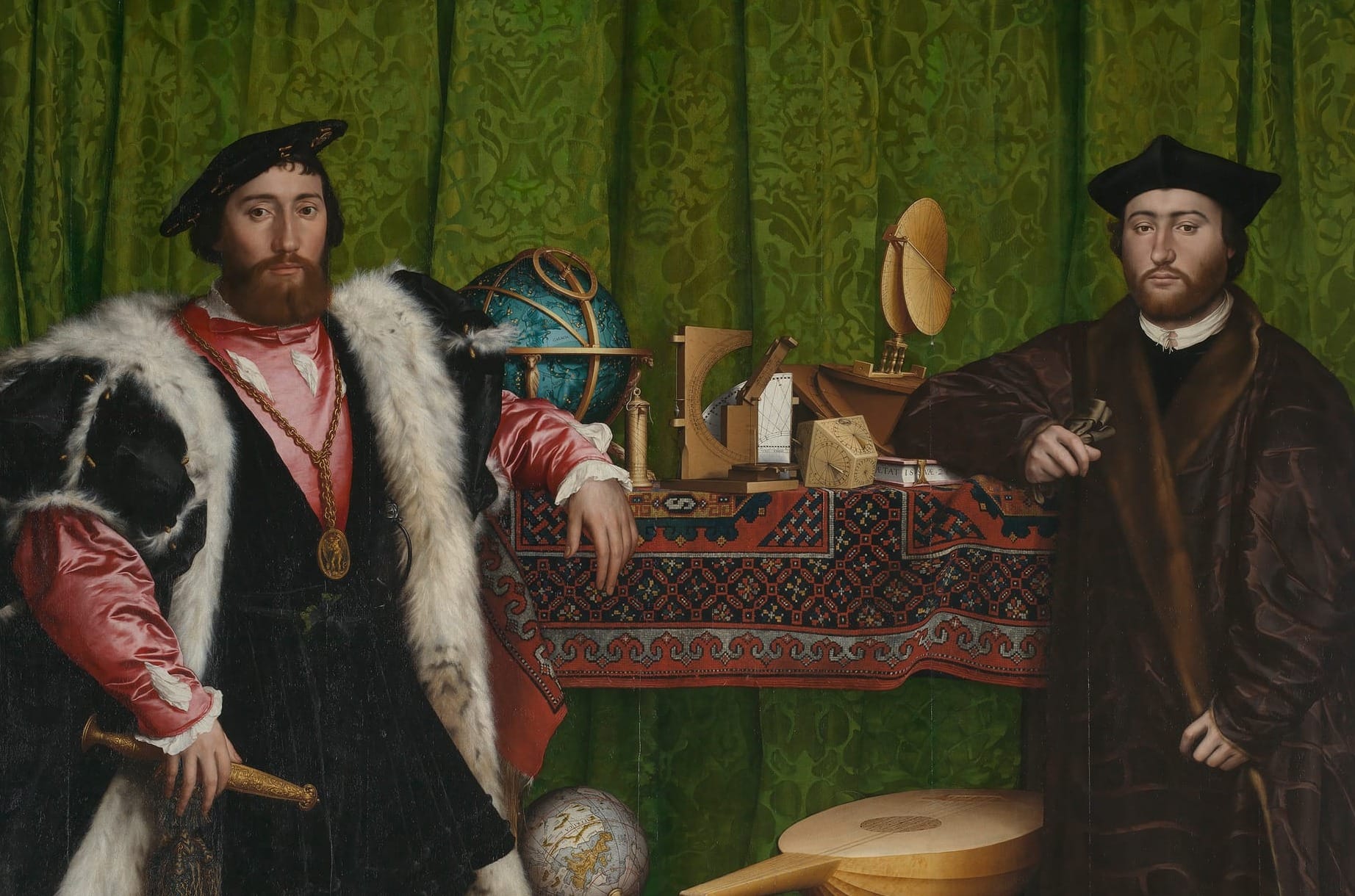
A new book, 'Holbein: Renaissance Master' by Elizabeth Goldring, published by Yale University Press and the Paul Mellon Centre, offers a comprehensive scholarly examination of the 16th-century German painter Hans Holbein the Younger. The review focuses on Holbein's masterful portraiture, particularly his depictions of opposing Tudor-era figures like Sir Thomas More and Thomas Cromwell, which are highlighted as embodying the era's complex political and religious tensions through their visual presentation at the Frick Collection in New York.
Big Crisis, Small Gestures

Große Krise, kleine Gesten

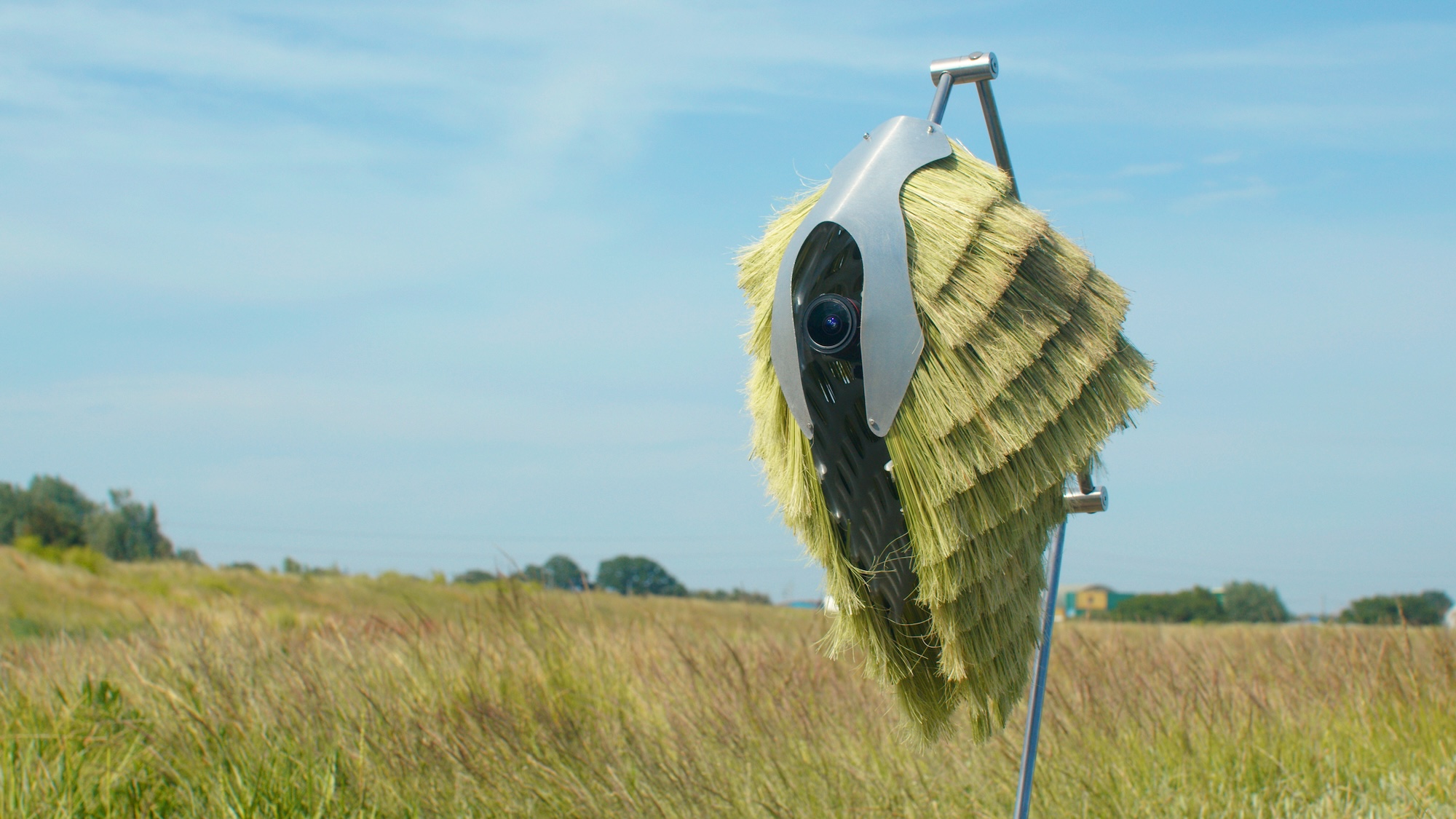
The article reviews the second edition of the Klima Biennale Wien, which opened in early April in Vienna. It notes that while the biennale aims to address the urgent triple crisis of climate change, biodiversity loss, and pollution, its execution falls short. The exhibition features symbolic works such as a beached whale, a broken boat, and a compostable SUV sculpture, but these motifs feel repetitive and lack the necessary impact. The author contrasts these with historical precedents like Menashe Kadishman's 1978 Venice Biennale installation and Joseph Beuys' "7000 Eichen" (1982), arguing that the themes of nature and sustainability are not new, only the urgency has intensified.

Mark Milroy Sees, Remembers, and Imagines at Once

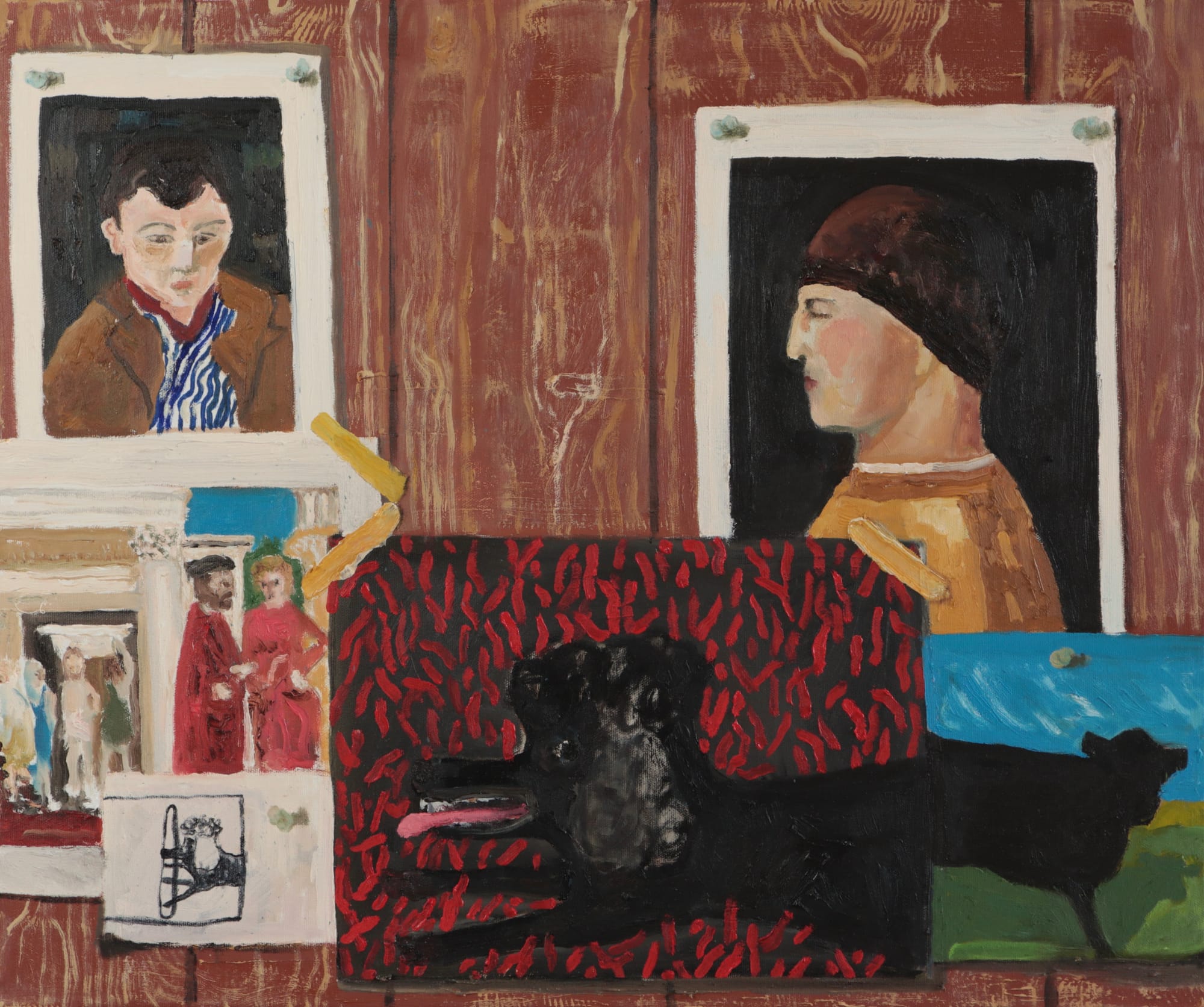
Artist Mark Milroy, an observational painter in his mid-50s who gained a following during the pandemic through Instagram and online shows at Nancy Margolis Gallery, is now holding his debut New York exhibition, "Jumbo," at JJ Murphy gallery through May 16. The show features 18 oil paintings and 12 colored pencil drawings, with subjects ranging from still lifes and portraits to a titular painting referencing the famous P.T. Barnum elephant killed in Milroy's hometown of St. Thomas, Ontario, in 1885. Milroy's work blends personal memory, art historical insight, and a deliberate gaze, drawing influences from Cedric Morris and 15th-century Florentine painting.

Queer Saints, Big Egos

Queere Heilige, große Egos

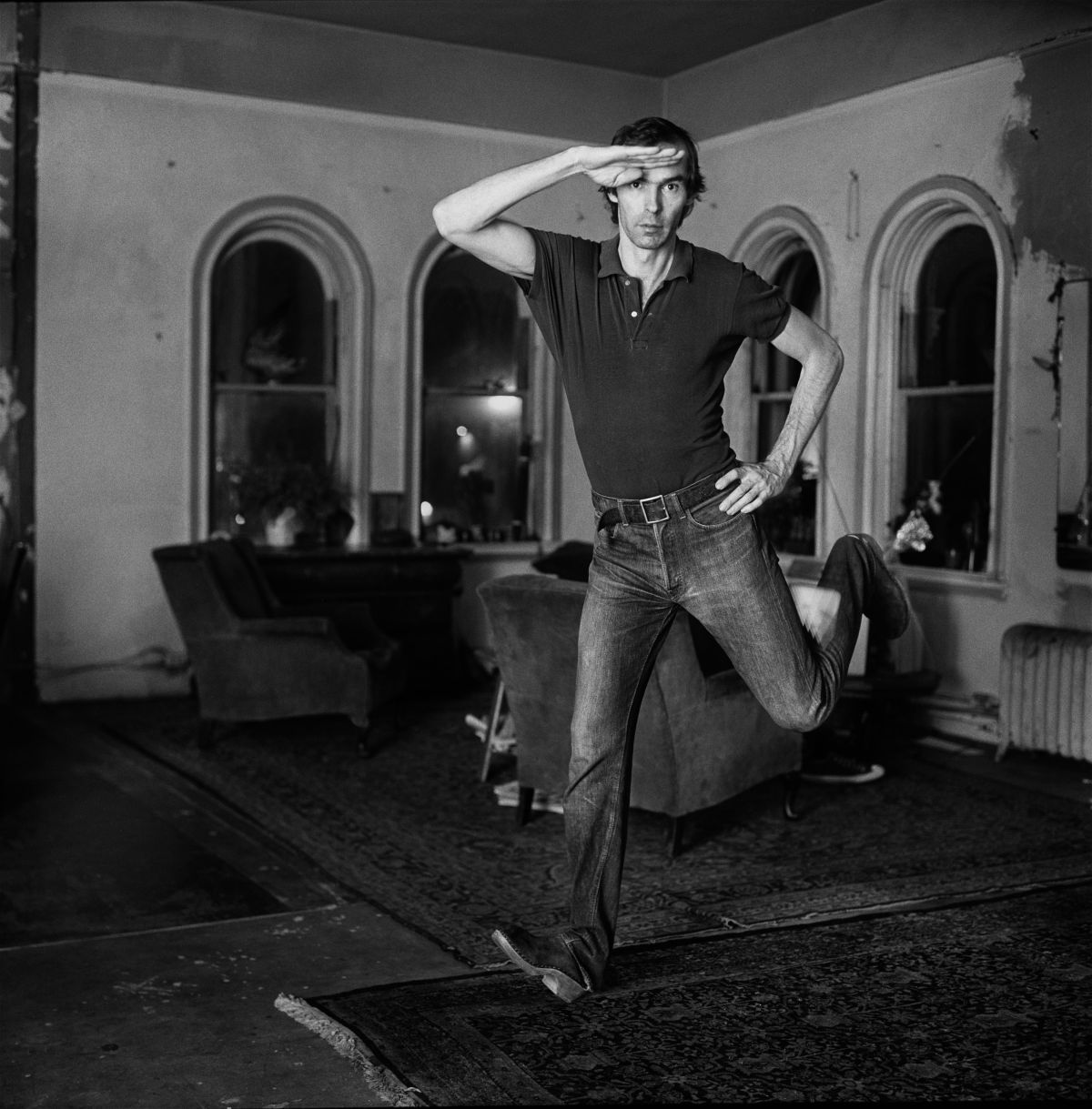
Andrew Durbin's new biography examines the intertwined lives of artists Peter Hujar and Paul Thek, focusing on their art, desire, and self-staging. The review notes that while the book covers their creative circles—including figures like David Wojnarowicz, Divine, John Waters, and Susan Sontag—it loses sight of the urgent political and social context that animated their work, particularly the AIDS crisis and Reagan-era repression.

Special Interest: Marble

Spezialinteresse: Marmor

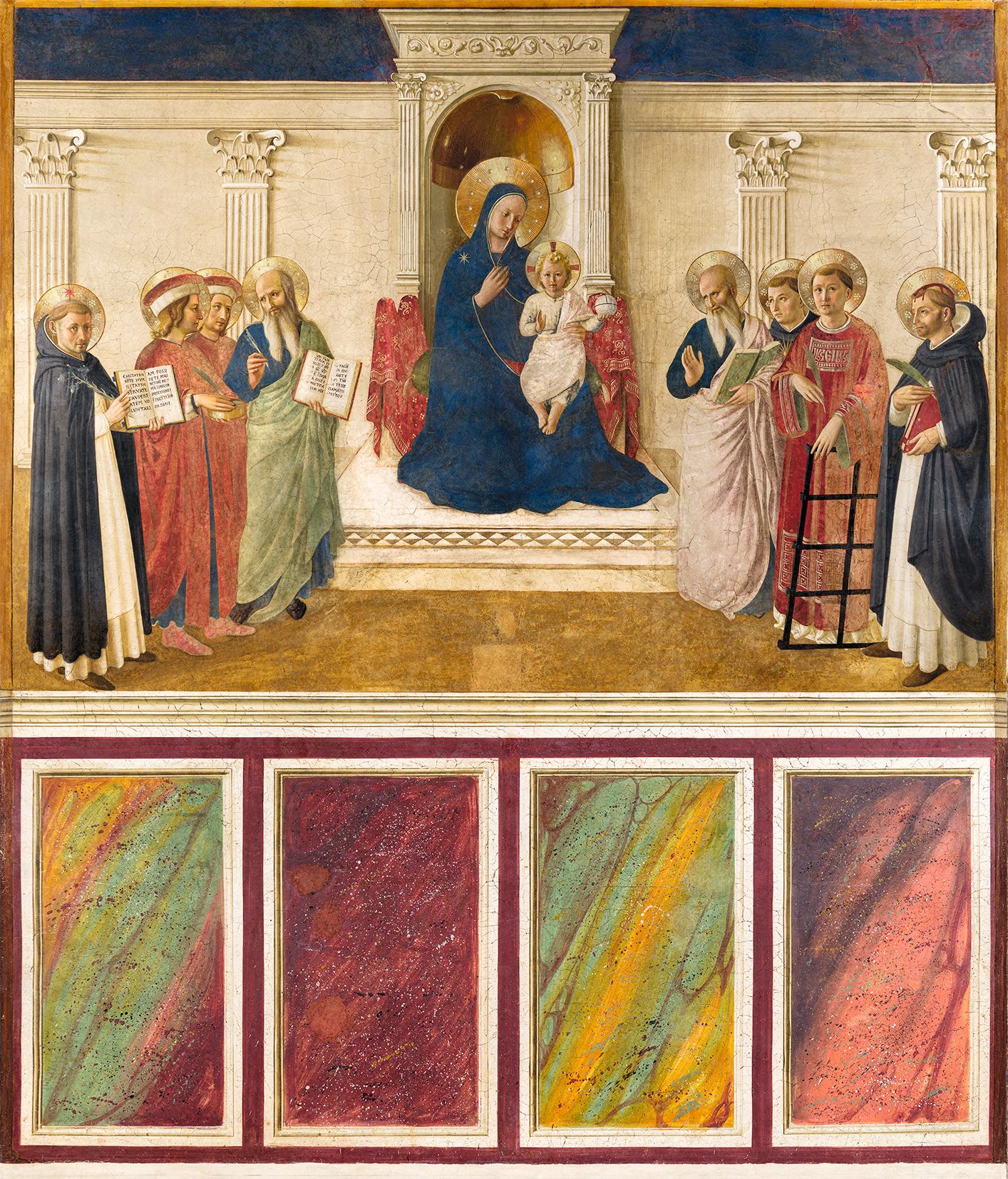
Karl Kolbitz has published a new book focusing on the depiction of marble in Early Renaissance paintings. He explores how artists used the fictional representation of marble to visualize the divine, drawing inspiration from art historian Georges Didi-Huberman and employing modern imaging techniques to reveal previously hidden details.

WORDS WORDS WORDS at Everard Read shows the power of words in contemporary art

The article reviews 'WORDS, WORDS, WORDS,' an exhibition at Everard Read Gallery's CIRCA space in South Africa, which explores the role of language in contemporary visual art. Curated with a focus on how words are bent, repeated, fragmented, and reassembled, the show features works by South African artists including Willem Boshoff and Luca Evans, who engage with conceptual art traditions from Dada to Barbara Kruger. Boshoff's braille-inset wooden piece 'Planet of Echinus' questions inclusion and exclusion in language, while Evans' work riffs on Joseph Kosuth's iconic text pieces using ancient wood-inlay techniques.

Patchwork Lost – A Critique of the Princeton University Art Museum’s American Art Wing

The article critiques the newly opened American art wing at the Princeton University Art Museum, arguing that its curatorial approach prioritizes contemporary social justice narratives over historical accuracy and national pride. The author contends that the exhibition presents a fragmented, politicized view of American history, highlighting slavery and racial injustice while omitting or minimizing the contributions of Princeton alumni to the nation's founding, such as James Madison and John Witherspoon. Specific examples include the inclusion of a 2022 revisionist painting of the Signing of the Constitution and selective signage that emphasizes marginalized figures while ignoring male patriots.

The new London museum that looks like a ‘reconstructed Toblerone’

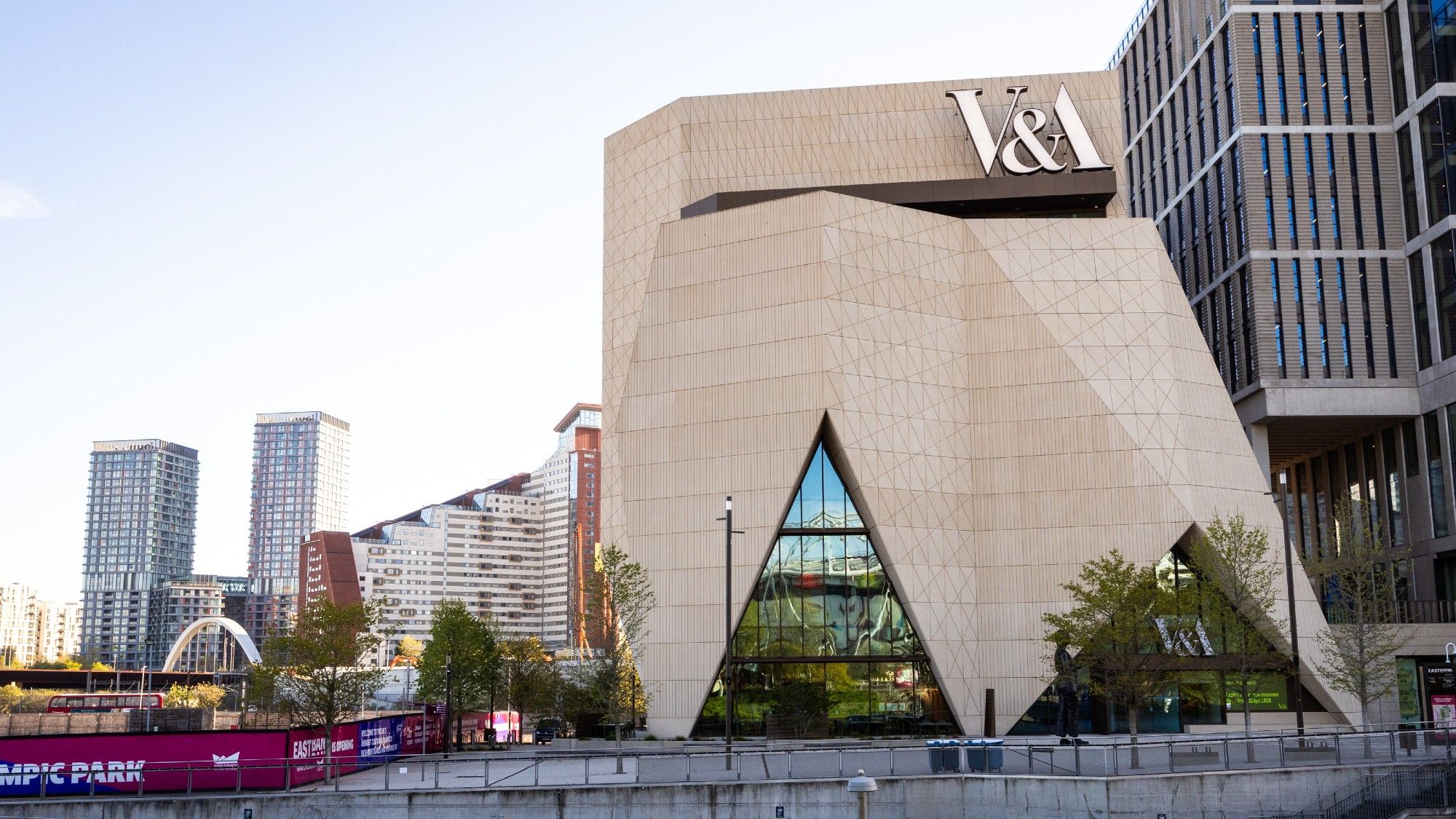
The V&A has opened a new outpost in east London's Lower Lea Valley, a former industrial area transformed into a cultural quarter after the 2012 Olympics. The museum, described as looking like a 'reconstructed Toblerone', is the latest addition to the 'Olympicopolis' vision, which aimed to create a cultural legacy akin to west London's Albertopolis. The article, written by Catherine Slessor in The Guardian, offers a mixed review: praising the beauty and craftsmanship of the galleries while criticizing overuse of trendy phrases like 'lived experience' and 'transcultural identities'.

I wanted to hate the new LACMA. Then I went back

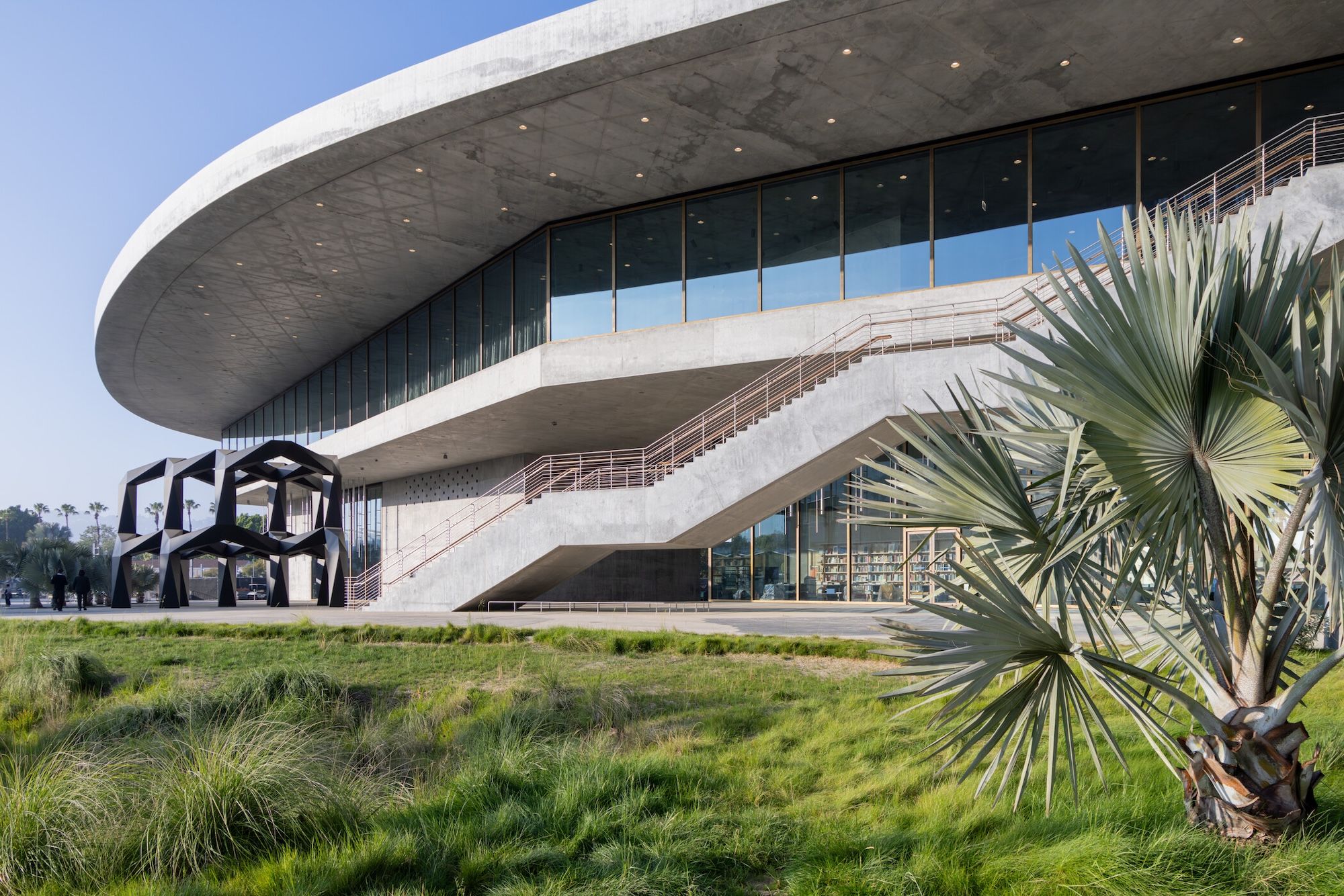
The article describes the author's evolving impression of the newly opened David Geffen wing at the Los Angeles County Museum of Art (LACMA), designed by architect Peter Zumthor. Initially visiting at 11am, the author found the $724 million, 110,000 sq ft building to be a "dismal, dated, inelegant brute," with thick bronze windows, dark concrete slabs, and bunker-like galleries. However, returning at 4pm, the author experienced a transformation: golden afternoon light warmed the concrete, illuminated the interiors, and revealed the building as a "brilliant innovation and true gift to the city." The article details the building's 20-year design evolution, challenges including fossil discoveries on site, and Zumthor's public frustrations with the compromised details.

In "Dancing the Revolution," Puerto Rico Pushes Back

The article reviews "Dancing the Revolution," a multi-genre collective exhibition at the Museum of Contemporary Art Chicago that explores the music of dancehall and reggaetón, their roots, history, and evolution, and their inextricable link to colonial oppression. The show is inspired by the massive 2019 protests in Puerto Rico against then-Governor Ricardo Rosselló, where music and dance were used as forms of resistance, drawing on centuries of Black Atlantic protest in the Caribbean.

Rome and its visions in contemporary photography: from Carbone to De Angelis, to Hervé Gloaguen

Roma e le sue visioni nella fotografia contemporanea: da Carbone a De Angelis, fino a Hervé Gloaguen

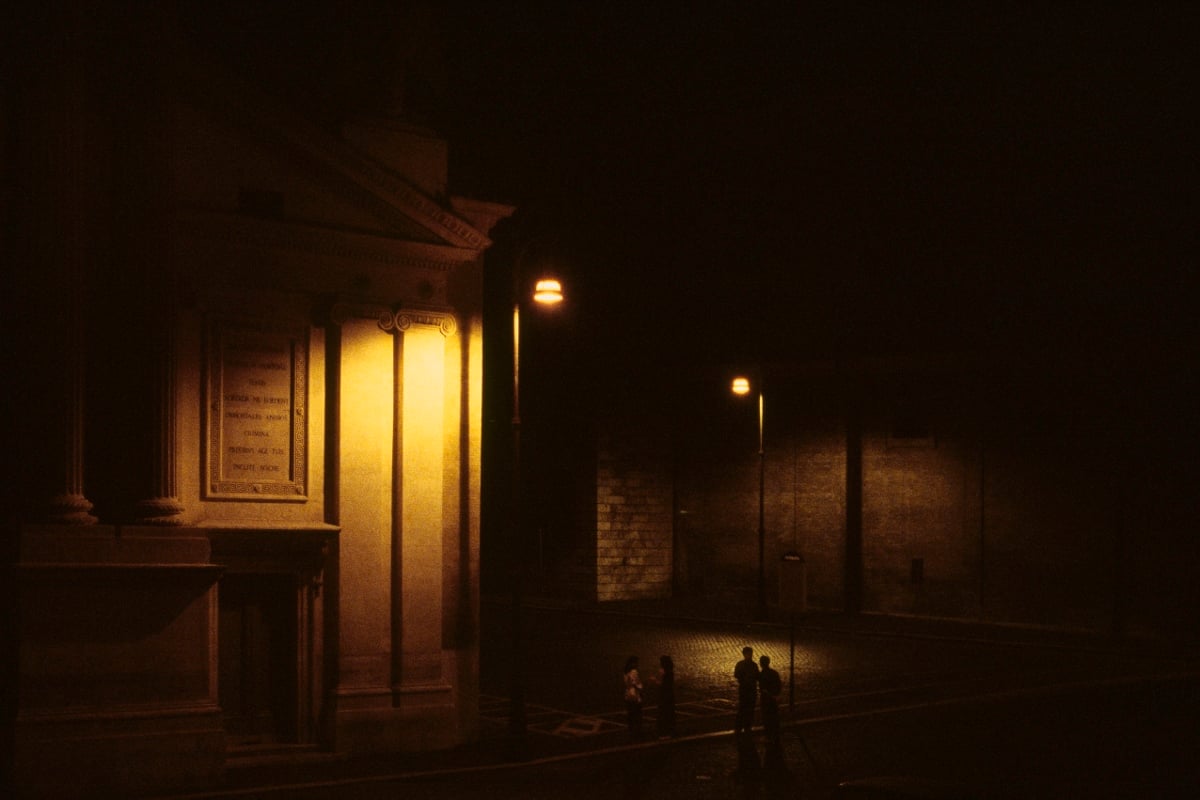
The article critiques a recent trend in contemporary photography of Rome, exemplified by a 2020 exhibition at the Mattatoio (Nuove produzioni 2020 per la collezione Roma) that presented black-and-white images reducing the urban landscape to a dark, lifeless mass. The author contrasts this with a personal photograph of a horse taken during the Covid-19 pandemic, which captures Rome's periphery with warmth and specificity, and praises the 2024 exhibition "Roma 1975, città, volti e storie dell'anno giubilare" featuring photojournalist Fabio De Angelis's rediscovered work as a vital counterpoint.