filter_list Showing 15 results for "source" close Clear
dashboard All 208 museum exhibitions 94article local 35article news 27article policy 16article culture 15trending_up market 8person people 5rate_review review 4gavel restitution 3candle obituary 1
date_range Range Today This Week This Month All
Subscribe

The Defining Themes of Today’s Biennial Art

The article analyzes the defining themes and styles of the past four years in the international biennial circuit, based on a survey of 130 biennials. It identifies a core group of artists who appeared most frequently, including Ali Eyal, Apichatpong Weerasethakul, Carolina Caycedo, Kapwani Kiwanga, and Tuan Andrew Nguyen, among others. Many of these artists are also featured in the upcoming 61st Venice Biennale curated by the late Koyo Kouoh. The piece categorizes their work under two broad themes: "Post-Colonial Post-Conceptualism," which involves poetic engagement with colonial history and artifacts, and "Families and Networks," where artists explore personal and political family histories.
Look Inside the Art-Filled Home of New York City's Cultural Crusaders

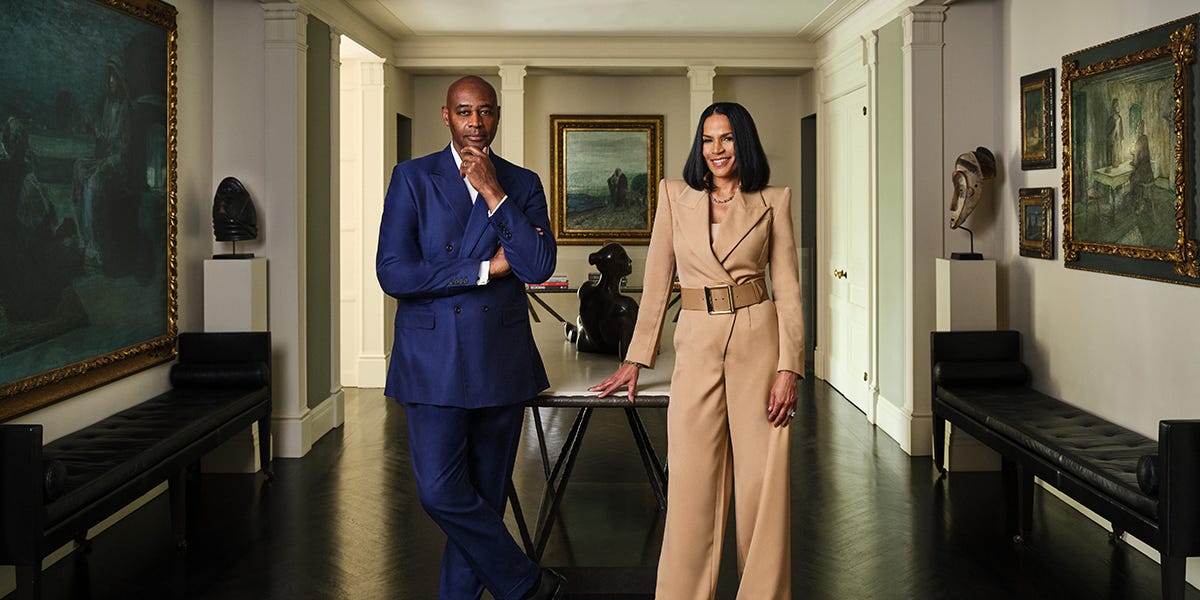
This profile explores the Upper West Side residence of Crystal McCrary McGuire and Raymond J. McGuire, a power couple deeply embedded in New York City’s cultural and financial sectors. Their home serves as a private gallery for a significant collection of African American art, featuring masterworks by Norman Lewis, Henry Ossawa Tanner, Elizabeth Catlett, and Romare Bearden. The couple’s shared passion for collecting began independently, sparked by their formative years studying in France, and has since evolved into a joint mission to preserve and live alongside Black artistic heritage.

13 Nudes That Changed Western Art History

The article presents a curated list of 13 seminal Western artworks featuring the nude form, highlighting how each piece shifted artistic conventions and cultural perceptions. It begins with the Paleolithic Venus of Willendorf and moves chronologically through works by artists including Sandro Botticelli, Leonardo da Vinci, Lavinia Fontana, and Édouard Manet, analyzing their groundbreaking approaches to depicting the human body.

How Fatinha Ramos Channels ‘Visual Activism’ in Her Richly Layered Illustrations

Fatinha Ramos, a Portuguese artist and illustrator based in Antwerp, describes her work as 'visual activism,' creating richly layered illustrations that give voice to minorities and address social issues. She collaborates with major clients including The New York Times, The Washington Post, Tate, Scientific American, the Anne Frank Museum, and MoMA, which commissioned her to illustrate an essay about being compared to Frida Kahlo. Born with osteogenesis imperfecta (brittle bone disease), Ramos spent much of her childhood in hospitals, where drawing became an escape. After 12 years as an art director in advertising and publishing, she now focuses on her own practice, which challenges stereotypes around disability, climate crisis, sexism, and racism. She is currently working on a graphic novel and a series of anatomical glass sculptures based on brittle bone disease.

May Book Bag: from a guide on entering the art world to a publication about artists influenced by Ovid’s Metamorphoses

The May Book Bag article from The Art Newspaper reviews four new art-related publications. It covers "Metamorphoses: Ovid and the Arts," edited by Francesca Cappelletti and Frits Scholten, which examines Ovid's influence on Western art through works by artists like Titian, Caravaggio, and Louise Bourgeois. Other featured books include Hettie Judah's "How to Enter the Art World," a practical guide for emerging artists; "Derrick Adams: Prints," showcasing the artist's printmaking from 2019-2025; and "Whistler's Legacy" by Daniel Sutherland, which explores the legacy of James Abbott McNeill Whistler through his close associates.

Final book in trilogy asks: What is the future of the art world?

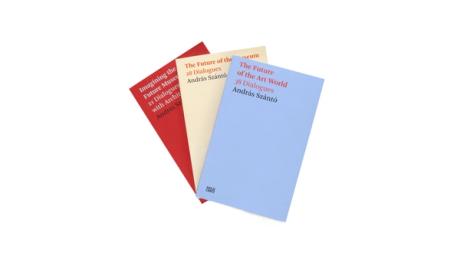
Cultural strategist András Szántó has published the third and final volume of his trilogy on the future of museums, titled *What Is the Future of the Art World?*. The book features dialogues with a wide range of art-world figures—including gallerists José Kuri and Atsuko Ninagawa, collectors Alain Servais and Sylvain Levy, artists William Kentridge and Holly Herndon & Mathew Dryhurst, curator Fatoş Üstek, network scientist Albert-László Barabási, former Art Basel director Marc Spiegler, and Sheikha Al-Mayassa Al Thani—who discuss topics such as the definition of the art world, its rules, and its future trajectory. Szántó notes that there is no consensus on whether the art world is still expanding or entering a phase of slowdown, with different regions moving on divergent paths.

Women behind the lens: ‘After state massacres, I began burning the prints as an act of mourning’

Iranian-Canadian visual journalist and artist Parisa Azadi describes her process of creating protest photographs during the 2022 Iranian revolution from exile in Dubai. Unable to return to Iran, she used open-source protest footage from social media, isolating frames and printing them with a Fujifilm instax camera to transform ephemeral digital images into physical objects. In January 2026, after state massacres and executions, she began burning these prints as an act of mourning, scarring their surfaces to echo the violence they depict.

Primitivism to Reinvent Art

Le primitivisme pour réinventer l’art

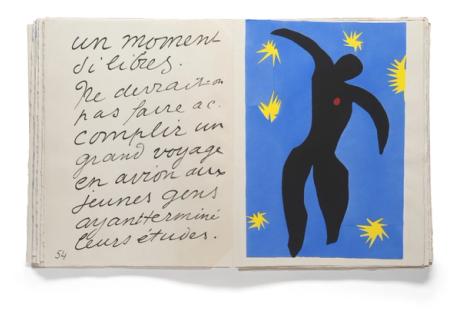
Philippe Dagen has published the third and final volume of his series on primitivism, covering the period from World War II to the late 1970s. The book traces how Western artists, from Barnett Newman and Jackson Pollock to members of the CoBrA movement and figures like Jean Dubuffet, Lucio Fontana, and Yayoi Kusama, engaged with so-called "primitive" art from Africa, Oceania, and the Americas, often as a means of rejecting or redefining modern civilization. Dagen also examines the intellectual debates surrounding primitivism, including the critiques of colonized peoples who refused the label "primitive," and the shifting attitudes of thinkers like Claude Lévi-Strauss, Michel Leiris, and Aimé Césaire.

WHEN FASHION MEETS ART QUOTES BODIES AND POWER AT THE MET GALA

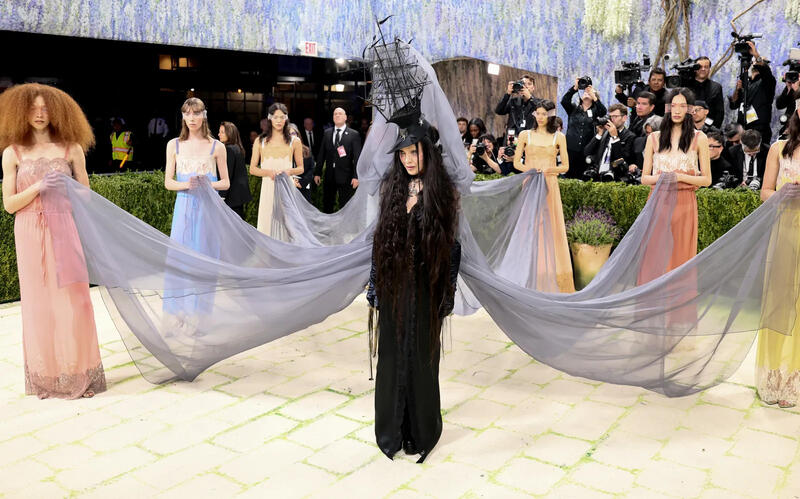
The 2026 Met Gala took place on the first Monday of May, opening the Costume Institute's spring exhibition 'Costume Art' at the Metropolitan Museum of Art. The dress code 'Fashion is Art' prompted celebrities to treat the body as a canvas, with attendees like Hunter Schafer, Madonna, Rachel Zegler, Angela Bassett, Kendall Jenner, Troye Sivan, and Emma Chamberlain referencing specific artworks—from Gustav Klimt's *Mada Primavesi* to the *Winged Victory of Samothrace*—and historical fashion pieces.

Taking a Deep Dive into a Connecticut Ranch House

Artist couple Janis Provisor and Brad Davis transformed an indoor swimming pool in their Connecticut ranch house into a studio, prioritizing their creative work over leisure. The article explores how they adapted the unconventional space to suit their artistic practices.

Meet the Writer Who Sees Every Single Show at the Venice Biennale

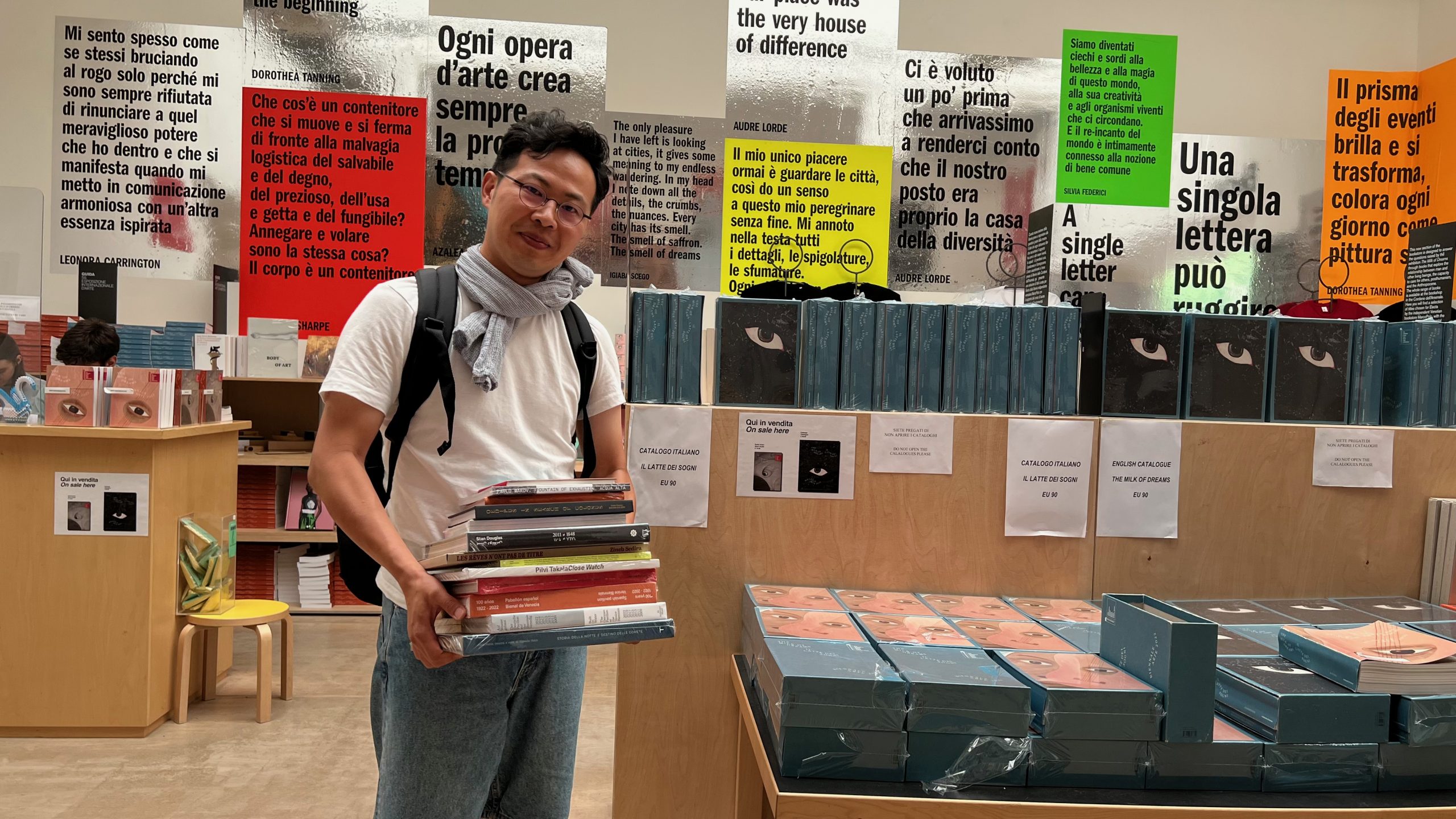
Jaeyong Park, a Seoul-based writer, translator, and interpreter, has attended every edition of the Venice Biennale since 2022—including both art and architecture cycles—and seen every single show, from the central exhibition and national pavilions to collateral and unofficial events. He documents his journeys in regular dispatches and has compiled a free bilingual guide to the biennial. Park organizes his trips with a group of fellow art workers, splitting accommodation costs and sharing reviews over dinner to ensure full coverage.

The first of May starts a new issue of Pax. Previews of the newsletter on cultural tourism (subscribe)

Il primo maggio parte una nuova uscita di Pax. Le anticipazioni della newsletter sul turismo culturale (abbonatevi)

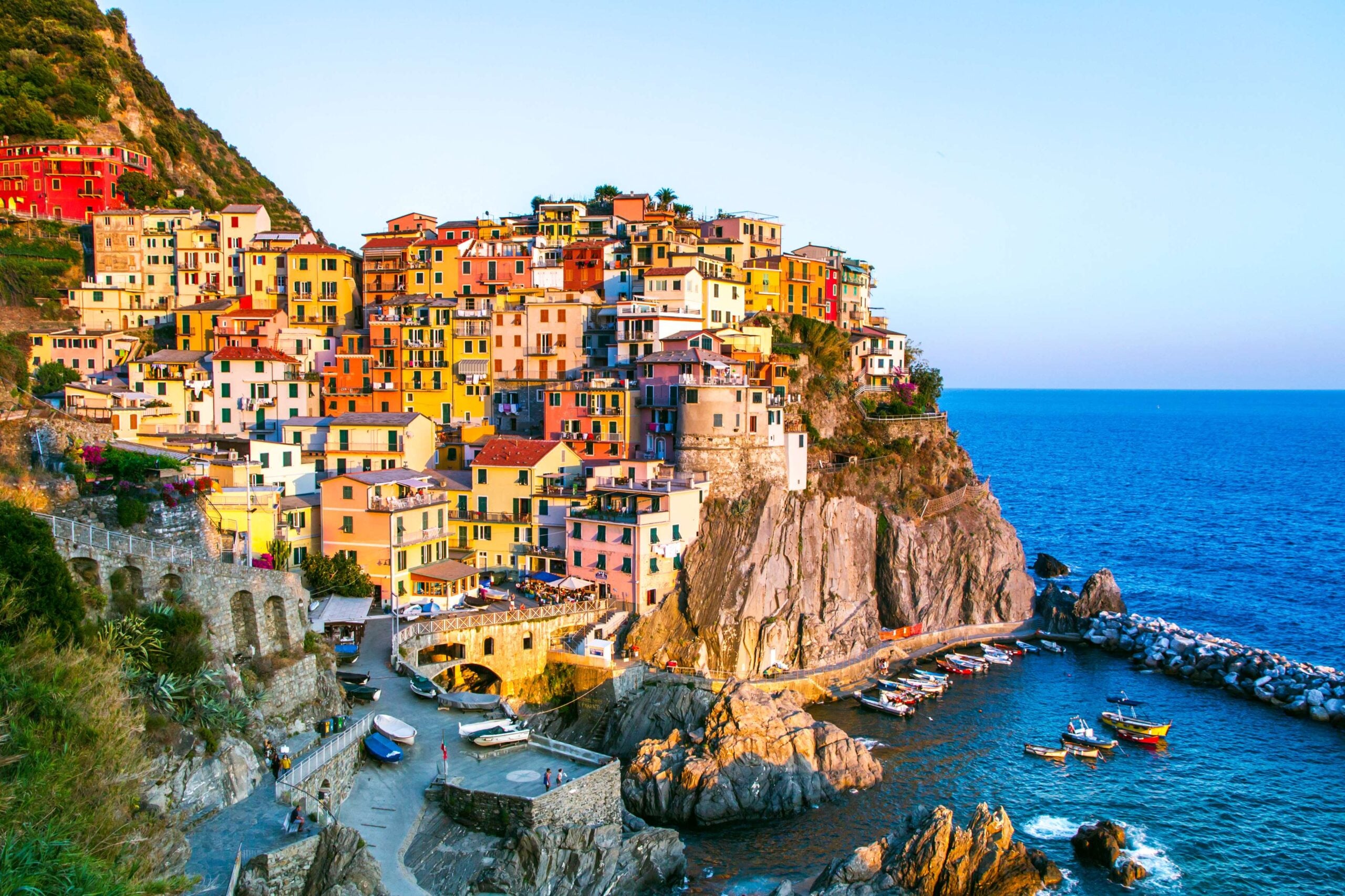
The article previews the upcoming May 1st issue of Pax, a newsletter by Artribune focused on cultural tourism. It highlights a feature on Italy's colorful villages, explaining how bright colors historically aided sailors and fishermen, and how white facades served hygienic purposes. The issue also covers off-the-beaten-path destinations like Bolsena, which recently opened a contemporary art space in Palazzo Cozza Caposavi, and explores slow tourism practices such as barefooting, discussed with its founder Andrea Bianchi. Additional content includes a roundup of cultural initiatives from Berlin to Naples, Budapest's Citadella reopening, and the Sussex forest's Winnie-the-Pooh centenary.

An Interactive Archive Celebrates the Wide Ranging Projects Inviting ‘Unruly Play’

Amsterdam-based studio Imagination of Things, co-founded by Vitor Freire and Monique Grimord, has launched "Unruly Play," an interactive digital archive featuring 169 artworks, designs, games, and participatory projects. The repository includes notable works such as Rael San Fratello's "Teeter-Totter Wall" and the Wind Phone project, alongside a 12-foot puppet that travels the world. The archive is searchable by theme or through a shuffle feature, aiming to showcase projects that invite surprise, camaraderie, and unexpected encounters with imagination and joy.

Water Samples from Around the World Melt into Dima Rebus’ Dreamy Paintings

London-based artist Dima Rebus creates large-scale watercolor paintings using water samples collected from strangers around the world. In her series "Floaters," she freezes the crowdsourced water with pigments, then lets it melt across paper to form abstract color fields, later adding figures and aquatic landscapes. Each sample arrives with a letter, building an archive of rain, rivers, seas, oceans, and glaciers that serve as both material and human message.

In che modo la rigenerazione sta provando a cambiare l’Italia? Risponde la newsletter Render

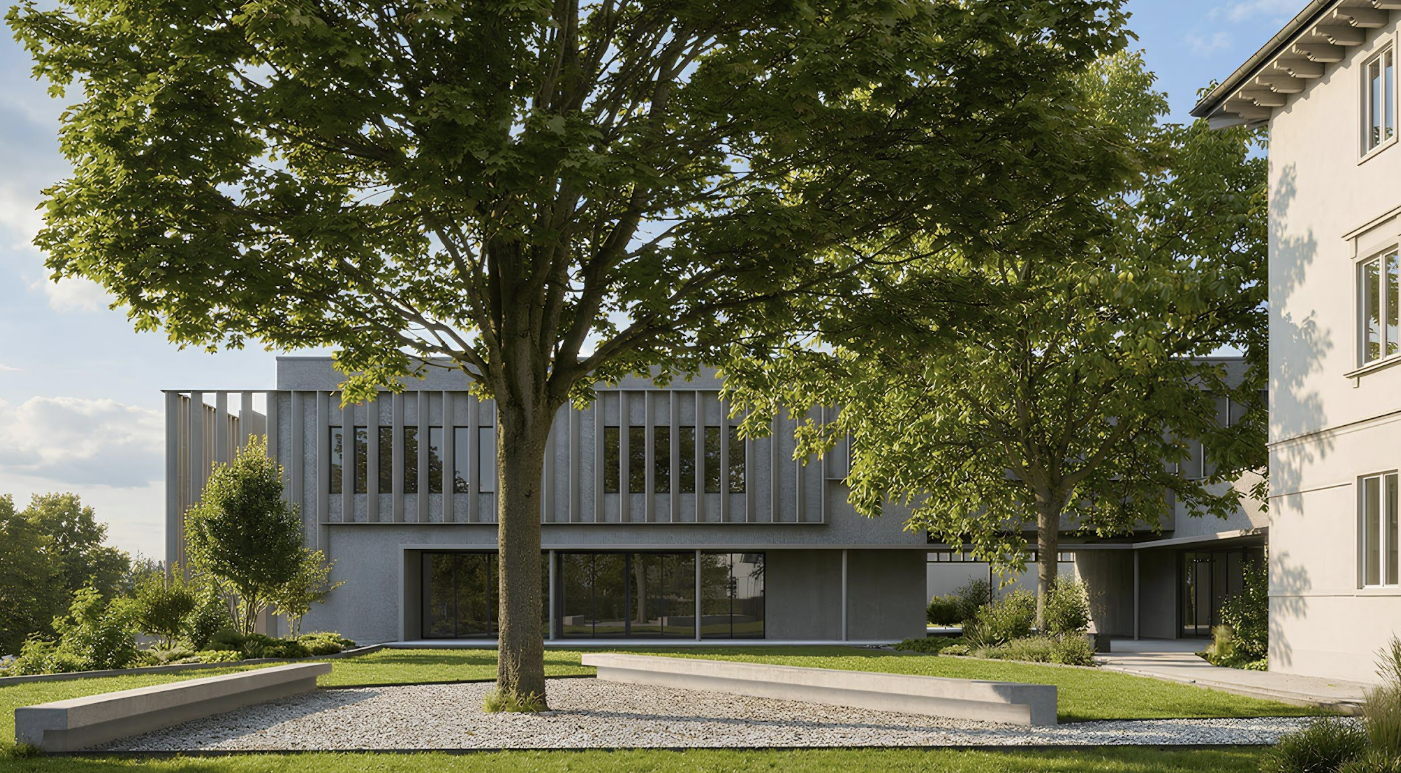
Artribune's newsletter "Render" is set to release its 57th issue on May 11, featuring stories on urban regeneration projects across Italy. Highlights include a new library under construction in Latisana near the train station, a square-shaped island in the Venice lagoon transformed into an exhibition space after decades of abandonment, participatory tactical urbanism initiatives in Torre Annunziata funded by a Ministry of Social Policies and Labor grant, and a post-war complex in Rome poised to become a cultural hub. The issue will also profile the Peruvian architecture duo Barclay & Crousse ahead of their exhibition at the Politecnico di Milano and include a reflection on contemporary green spaces inspired by a visit to a private English park.