filter_list Showing 27 results for "the Art Newspaper" close Clear
search
dashboard All 270 museum exhibitions 110article news 45trending_up market 30article culture 27article policy 18gavel restitution 14person people 9article local 8rate_review review 5candle obituary 4
date_range Range Today This Week This Month All
Subscribe

Artists made their mark at 2026 Met Gala

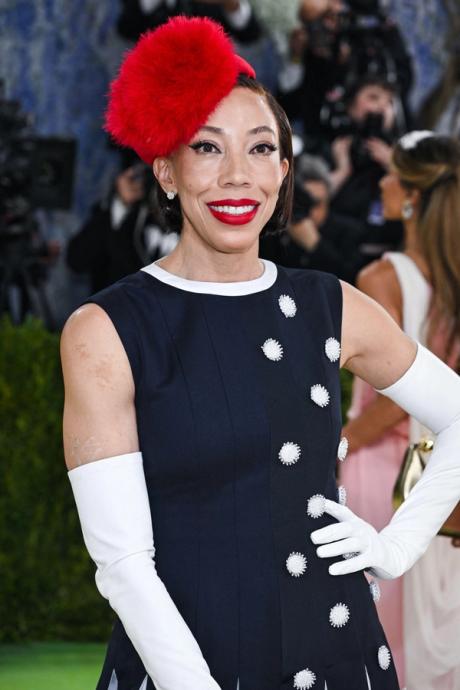
The 2026 Met Gala, held on May 4 at the Metropolitan Museum of Art, raised a record $42 million for the Costume Institute, surpassing last year's $31 million. Honorary chairs Jeff Bezos and Lauren Sanchez Bezos contributed at least $10 million, but their involvement sparked protests outside the event, with demonstrators holding signs like "Tax the Rich" and a group called Everyone Hates Elon leaving fake urine bottles labeled with Bezos's face. Inside, artists made a strong impression: Amy Sherald wore a Thom Browne look based on her painting; Jordan Roth donned a Robert Wun outfit inspired by a Met collection work; and Tschabalala Self collaborated with Brandon Blackwood on a gown evoking Degas's ballerina sculpture. The gala's dress code was "fashion is art," and the accompanying exhibition, "Costume Art" (May 10–January 10, 2027), debuts the Met's new 12,000-square-foot Condé M. Nast Galleries.
Rocked on their heels: how exhibitions can change the course of artists’ lives

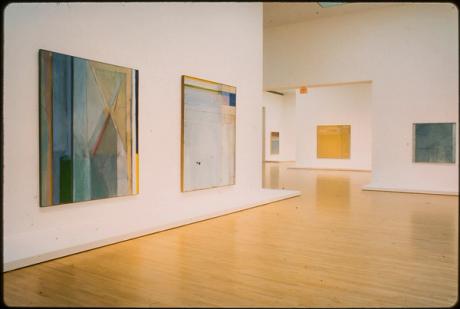
Alyce Mahon's new book, *Dorothea Tanning: A Surrealist World*, explores how the 1936 MoMA exhibition *Fantastic Art, Dada, Surrealism* profoundly transformed the young artist Dorothea Tanning, who described being "rocked on my run-over heels" by the experience. The article also recounts similar life-changing exhibition encounters for contemporary artists Lorna Simpson and Hurvin Anderson, as discussed on *The Week in Art* and *A brush with…* podcasts, highlighting how specific shows shaped their artistic trajectories.

Frida Kahlo and Diego Rivera are given a voice by New York's Metropolitan Opera

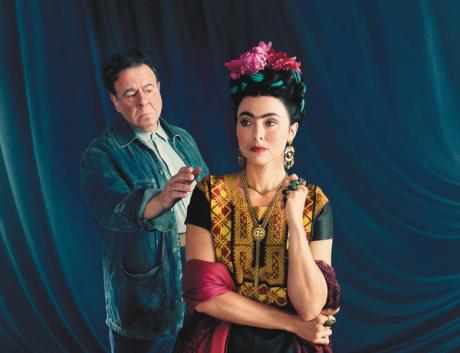
New York is experiencing a wave of Frida Kahlo-related events this spring, including a new book from Rizzoli about her childhood home museum in Mexico City and a small exhibition at the Museum of Modern Art (MoMA) featuring works by Kahlo and Diego Rivera. The centerpiece is the Metropolitan Opera's new production of *El Último Sueño de Frida y Diego*, with music by Gabriela Lena Frank and libretto by Nilo Cruz, both Pulitzer Prize winners. The opera, which premiered in San Diego in 2022, opens on 14 May and features set and costume design by Jon Bausor, who also co-curated the MoMA exhibition alongside curator Beverly Adams. The production imagines Kahlo's spirit rising from the underworld on the Day of the Dead to reunite with Rivera, blending Mexican musical elements with a dreamlike, visually rich aesthetic.

A modern Tower of Babel? Pope Leo XIV warns against artificial intelligence

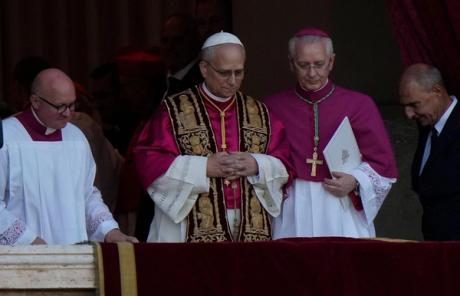
Pope Leo XIV has issued his first encyclical, titled *Magnifica Humanitas*, warning that artificial intelligence poses a major threat to humanity and could lead to a modern Tower of Babel. In the 43,000-word letter, he calls for disarming AI, establishing robust legal frameworks, and regulating tech giants like Meta. He also references Picasso's *Guernica* (1937) as a prophetic work denouncing dehumanization, alongside Beethoven's Ninth Symphony and the novel *Schindler's List*. Separately, the Vatican is expanding its contemporary art program, with a new space called Conciliazone 5 currently showing works by British artist George Rouy, and future exhibitions planned for Yan Pei-Ming and Vivian Suter.

A hated portrait and a forged masterpiece: two new thrillers with paintings at their centre

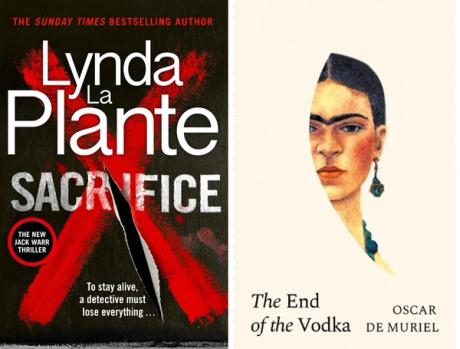
Two new thrillers center on paintings: "The End of the Vodka" by an unnamed author, which fictionalizes the real story of Frida Kahlo's commissioned portrait of Dorothy Hale—a painting that horrified its patron Clare Boothe Luce—and weaves an imagined conversation between Luce and Wallis Simpson amid the backdrop of World War II. The second, "Sacrifice" by Lynda La Plante, follows Detective Jack Warr as he investigates a possible forgery of a Jean-Michel Basquiat painting, leading to murder and a missing art forger.

New Richard Avedon documentary chronicles how he shaped the evolution of photography

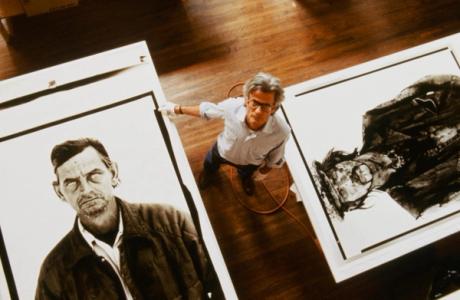
Imagine Documentaries, the nonfiction arm of Ron Howard and Brian Grazer's Imagine Entertainment, premiered a new documentary about photographer Richard Avedon at the Cannes Film Festival on May 17. The film, co-produced by the Richard Avedon Foundation, draws heavily from archival interviews conducted by Helen Whitney for the PBS series *American Masters*, supplemented by new interviews with Avedon's son John, muse Lauren Hutton, Isabella Rossellini, Twyla Tharp, and former *New Yorker* colleagues Tina Brown and John Lahr. The documentary explores Avedon's career, his technique of building rapport with subjects, and his iconic images such as *Dovima with Elephants*, which dealer Larry Gagosian notes sold for $2 million.

Luca De Michelis, chief executive of Marsilio Arte, on his favourite spots in Venice beyond the Biennale

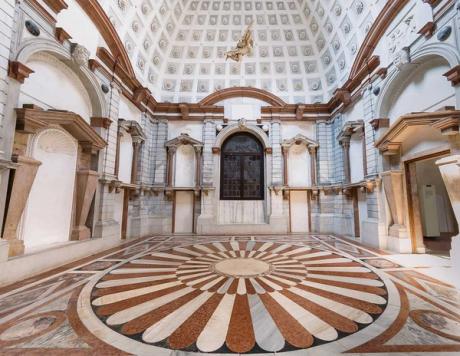
Luca De Michelis, CEO of Marsilio Arte, shares his personal guide to Venice beyond the Biennale, highlighting historic sites, shopping, dining, and cultural venues. His recommendations include Palazzo Grimani, Micheluzzi Glass, the Gardens of the Church of the Redeemer on Giudecca, Antiche Carampane restaurant, the newly opened Dries Van Noten Foundation, San Giorgio Maggiore island, Codroma for spritz, and the upcoming exhibition 'Strange Rules' at Palazzo Diedo’s Berggruen Arts & Culture.

Harnessing the winds of societal change: how art dealers have been able to shape taste for centuries

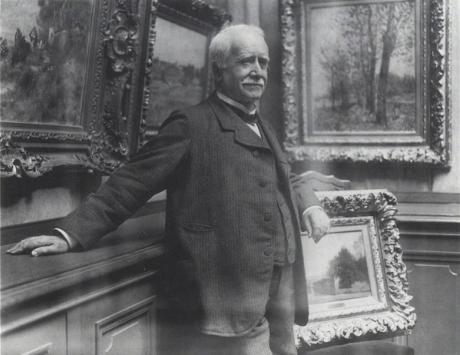
Valentina Castellani, a former Gagosian director, has authored a new book titled *Trading Beauty: Art Market Histories from the Altar to the Gallery* (out 1 May). The book traces how art dealers have historically leveraged societal changes—political, economic, and social—to reshape taste and market structures. Castellani begins in the Middle Ages, when art was made only on commission for patrons like the Catholic church and monarchies, and moves through key shifts such as the Dutch Republic's first open art market in the 17th century, which gave rise to the professional art dealer. She highlights dealers like Paul Durand-Ruel, Joseph Duveen, and Leo Castelli who capitalized on anti-establishment energy, new wealth, and post-war consumer culture to bring avant-garde art to the forefront.

A brush with... Andrew Cranston—podcast

This episode of 'A brush with...' podcast features Scottish painter Andrew Cranston, born in 1969 in Hawick. Cranston discusses how his work draws on personal experiences—childhood memories, family recollections, and recent rituals—filtered through the painting process. His pictures are rich with references to art history, cinema, poetry, and television, and he often paints on the covers of old hardback books. The conversation covers his influences (Pieter Bruegel the Elder, Paul Klee, Pierre Bonnard, Winifred Nicholson, writers Hugh MacDiarmid and Elizabeth Bishop, filmmakers Nicholas Roeg and Dennis Potter), his studio life, and his answer to 'what is art for?' The episode is sponsored by Bloomberg Connects.

The Egyptian Modernist Inji Efflatoun gains international exposure with new biographical collection

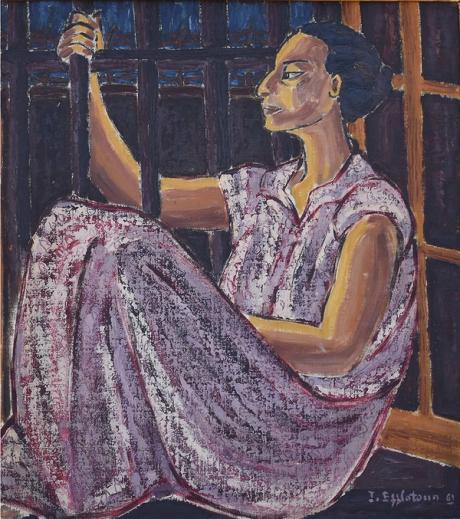
The article profiles Egyptian Modernist artist and activist Inji Efflatoun, detailing her life from her birth in 1924 in Cairo to her political activism, arrest in 1959, and four-and-a-half-year imprisonment. It highlights a new biographical collection, *The Life and Work of Inji Efflatoun*, which includes her translated memoirs and critical essays, offering a comprehensive view of her art and revolutionary life.

Early 2026 Art Books From Yale University Press

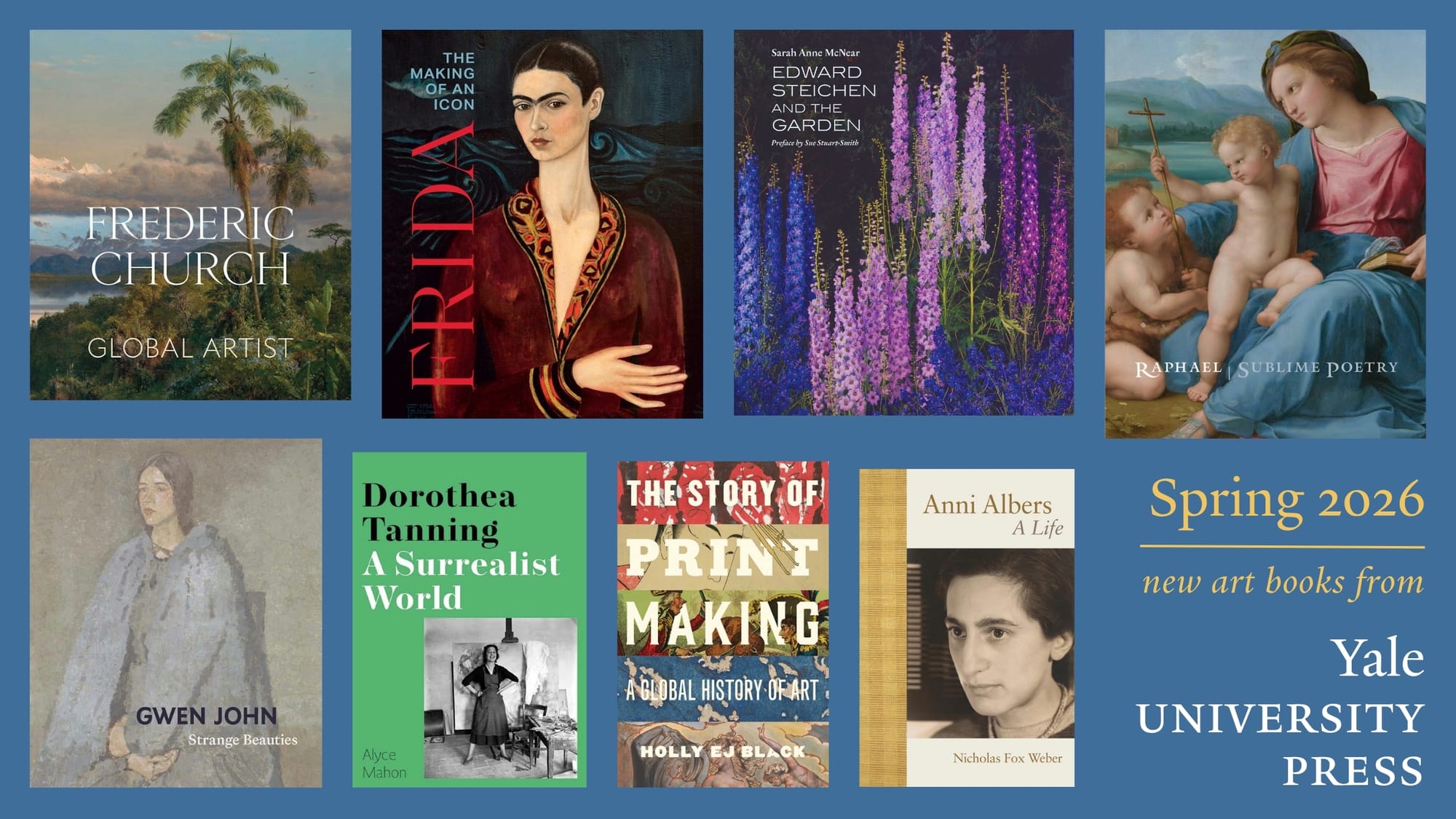
Yale University Press has announced its early 2026 art book lineup, featuring exhibition catalogues such as "Raphael: Sublime Poetry" from The Metropolitan Museum of Art, "Gwen John: Strange Beauties" from the Yale Center for British Art, "Edward Steichen and the Garden" from the George Eastman Museum, and "Frederic Church: Global Artist" from Olana NY State Historic Site. New releases also include a biography of Anni Albers by Nicholas Fox Weber, a catalogue titled "Anni Albers: Constructing Textiles" accompanying a European traveling exhibition, and Alyce Mahon's "Dorothea Tanning: A Surrealist Life," named a Best New Art Book of 2026 by Christie's. The press will hold a 50% off annual sale in May.

Comment | We must avoid amputating art in the name of preservation

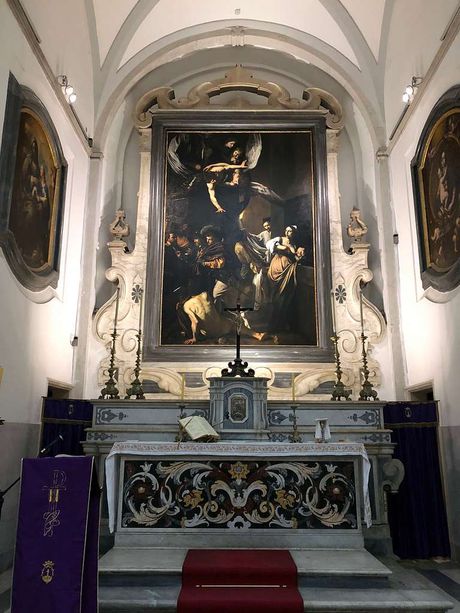
The article recounts the author's experience viewing Caravaggio's *Seven Acts of Mercy* (1607) in its original chapel in Naples, where the painting's crowded, dramatic composition directly mirrors the chaotic streets of the city, revealing its sacred meaning through context. In contrast, the author describes Caravaggio's *Flagellation of Christ* (1607), moved from the church of San Domenico Maggiore to the Museo di Capodimonte for security reasons, as a painting "marooned"—its spiritual purpose broken, reduced to a mere object for aesthetic appreciation.

Shoot and branch: new photography book highlights the enduring majesty of trees

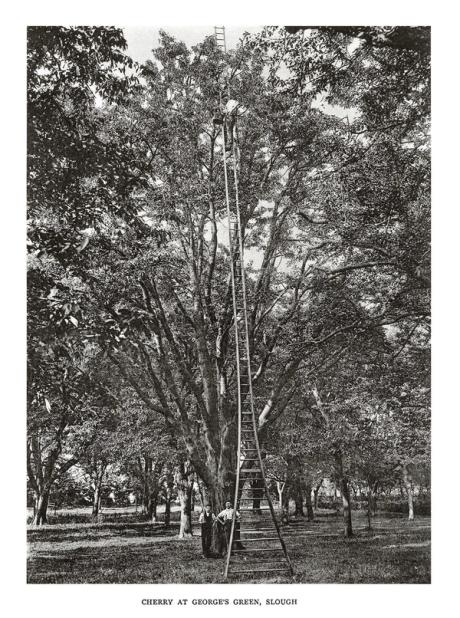
A new photography book, *Trees of Great Britain and Ireland*, reproduces over 60 photographs originally taken between 1906 and 1913 for Henry John Elwes and Augustine Henry's ambitious seven-volume catalogue of tree species. The images, mostly by uncredited photographers, were printed using a collotype process by the Autotype Company and are now newly lithoprinted to preserve their tonal subtlety. The book includes an introduction by Michael Pritchard and notes by photographic historian Björn Andersson, highlighting the historical and aesthetic significance of these botanical photographs.

Boats and trains, not planes: reflections on a greener—but sometimes greenwashed—Venice Biennale

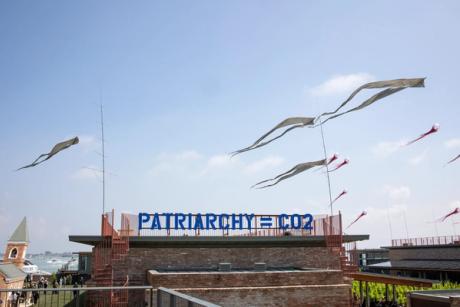
The article recounts the author's train journey from London to Venice for the 61st Venice Biennale, highlighting the environmental benefits and pleasant experience of traveling by rail versus flying, despite higher costs and longer duration. It then focuses on the Biennale's central exhibition "In Minor Keys" curated by the late Koyo Kouoh, which foregrounds environmental themes through works that engage with earth, nature, and ecological stakes, featuring artists like Otobong Nkanga, Célia Vasquez Yui, Theo Eshetu, Linda Goode Bryant, and Annalee Davis.

In the new film Nagi Notes, art is a vessel for characters’ desires

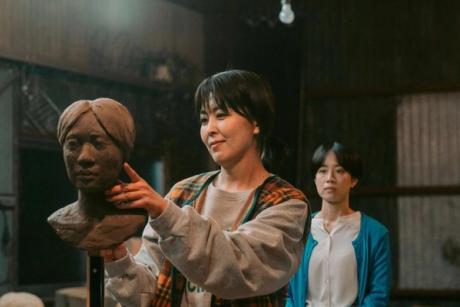
Japanese writer-director Koji Fukada's new film *Nagi Notes* premiered on 13 May at the Cannes Film Festival. The story follows Yuri (Shizuka Ishibashi), who visits the remote town of Nagi to sit for a sculptor friend, Yoriko (Takako Matsu). The film explores how characters use art—from drawings to sculptural busts—as a medium to express unspoken desires, grief, and identity, with key scenes set at the Nagi Museum of Contemporary Art featuring a permanent installation by Arakawa and Madeline Gins.

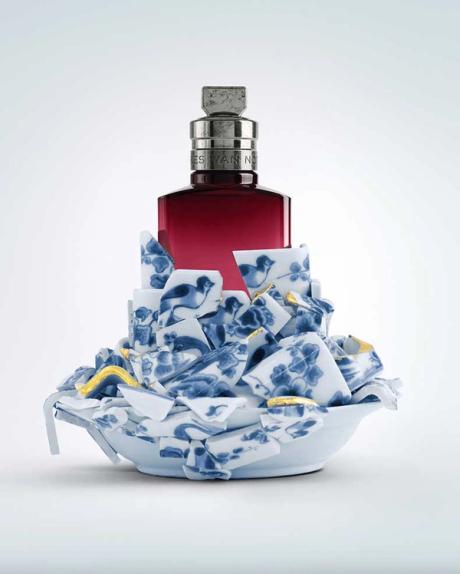
Artist Bouke de Vries creates sculptural porcelain bottles for Dries Van Noten perfume

Artist Bouke de Vries has created five unique sculptural porcelain bottles for Dries Van Noten's unisex perfume Soie Malaquais, which launched in 2022. The bottles, priced at £6,000 each, are sold at the designer's London and New York stores, with a limited-edition series also available online. De Vries, known for reassembling broken china fragments into dynamic objects, designed the bottles to reflect the fragrance's warm notes of chestnut, rose, blackcurrant, and cardamom, developed by perfumer Marie Salamagne.

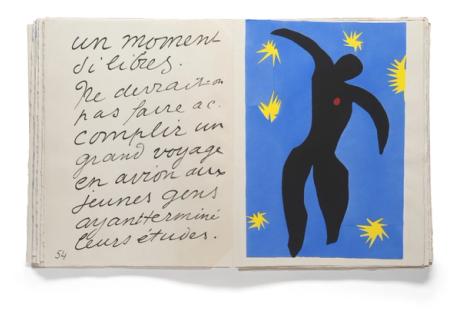
May Book Bag: from a guide on entering the art world to a publication about artists influenced by Ovid’s Metamorphoses

The May Book Bag article from The Art Newspaper reviews four new art-related publications. It covers "Metamorphoses: Ovid and the Arts," edited by Francesca Cappelletti and Frits Scholten, which examines Ovid's influence on Western art through works by artists like Titian, Caravaggio, and Louise Bourgeois. Other featured books include Hettie Judah's "How to Enter the Art World," a practical guide for emerging artists; "Derrick Adams: Prints," showcasing the artist's printmaking from 2019-2025; and "Whistler's Legacy" by Daniel Sutherland, which explores the legacy of James Abbott McNeill Whistler through his close associates.

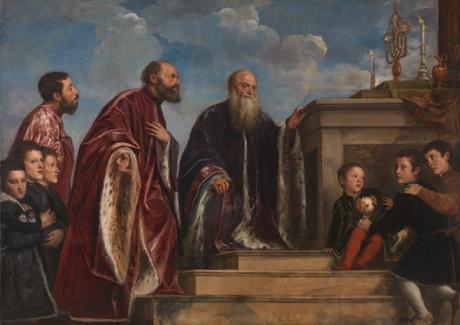
How the adoption of canvas in Venice changed the way artists painted

Art historian Cleo Nisse has published a new book, *Venetian Canvas and the Transformation of Painting*, examining how 16th-century Venetian painters such as Titian, Veronese, and Tintoretto pioneered the use of canvas as a painting support. Nisse reveals that canvas was not a uniform material—artists experimented with different weaves, including tabby and herringbone patterns, and even repurposed sailcloth and tablecloth-quality fabrics to achieve specific visual effects. The book argues that canvas was already familiar in the late Middle Ages for banners and alternatives to tapestry, and that Vittore Carpaccio was the first master of the medium, varying canvas types for expressive purposes in his *Legend of St Ursula* series.

Comment | The slopification of political art

The article critiques the rise of AI-generated political imagery, such as Donald Trump depicted as Jesus and viral Lego videos of the Iranian Revolutionary Guard Corps, arguing that these shallow, generic visuals fail to provide meaningful or lasting cultural commentary on current conflicts. The author contrasts this with the inventive, humorous resistance seen during the 2013 Gezi Park protests in Istanbul, which later influenced a generation of Turkish artists.

Arts and cultural engagement ‘linked to slower pace of biological ageing’

A new study published in the journal *Innovation in Aging* finds that engaging in arts and cultural activities—such as singing, painting, visiting museums or galleries—is linked to a slower pace of biological ageing. Researchers from University College London analyzed blood test and survey data from 3,556 adults in the UK Household Longitudinal Study, using epigenetic clocks to measure biological ageing. Those who participated in arts activities at least weekly showed a 4% slower ageing process, while monthly engagement yielded a 3% slowdown. The effect was comparable to the difference between smokers and those who quit smoking.

'A work of conceptual art': Belmond launches new Art Deco-inspired train dining car

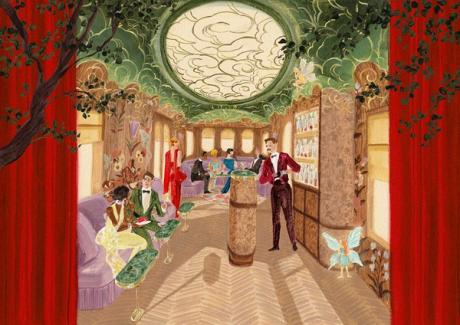
On 15 May, Belmond's British Pullman will debut a new private dining car named Celia, originally built in 1932. The carriage's interior has been designed by film director Baz Luhrmann and his wife, production designer Catherine Martin, who created an Art Deco-inspired aesthetic featuring burl veneers, marquetry, stained glass, and their signature rich red. The couple invented a backstory for the car's namesake, a fictional 1930s Shakespearean actress, aiming to immerse guests in a narrative experience reminiscent of A Midsummer Night's Dream. This follows Belmond's previous collaborations with Wes Anderson and artist JR, as part of its strategy under LVMH ownership to commission high-profile creative figures for its heritage trains.

Comment | Degenerate art all over again? Nazi attack on Modern art is not far away from trends in today’s world

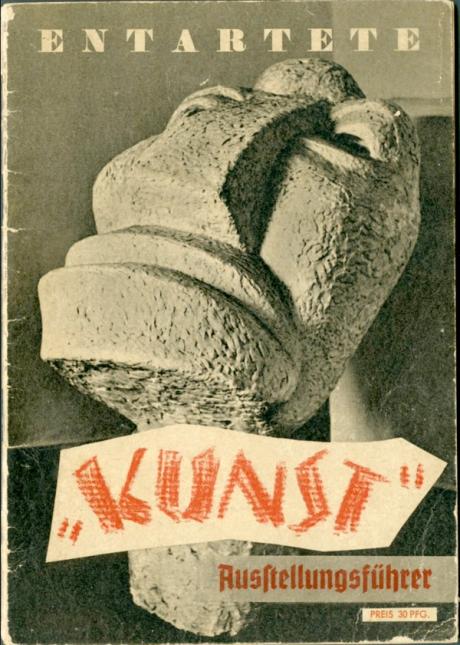
The article draws a provocative parallel between the Nazi regime's attack on modern art—epitomized by the 1937 "Degenerate Art" (Entartete Kunst) exhibition—and contemporary political aesthetics, particularly around President Donald Trump. It traces the Nazi party's early use of visual spectacle, mass rallies, and monumental art to forge a national identity, contrasting this with Trump's proposed National Garden for American Heroes and stalled White House Ballroom, which the author dismisses as kitsch but lacking the cohesive fascist aesthetic of Albert Speer's masterplans.

In new play, Norval Morrisseau forgery scandal prompts questions about authenticity and Indigenous identity

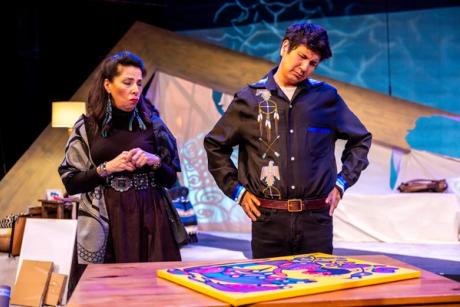
A new play by Ojibway playwright Drew Hayden Taylor, *The Undeniable Accusations of Red Cadmium Light*, dramatizes the massive Norval Morrisseau art forgery scandal in Canada. The story follows an Indigenous art expert named Nazhi, her adopted daughter Beverly, and a journalist whose investigation into Morrisseau forgeries unravels Nazhi’s own identity and status. The play uses Morrisseau’s iconic imagery and the forensic analysis of paint colors to explore the blurred lines between authentic and fake, both in art and in personal identity. It concluded its run at Vancouver’s Firehall Arts Centre on 3 May.

Book reveals how Chintz—India’s precious textile pattern—became a precolonial global export

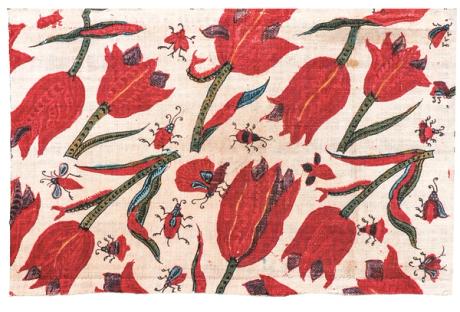
A new book titled *Chintz: Indian Cotton Textiles from the Karun Thakar Collection* explores the history of chintz, a block-printed Indian textile pattern that was traded globally for over a thousand years before European colonialism. Based on one of the world's largest textile collections, the volume features essays by 12 scholars and traces how these intricately designed cloths traveled to Japan, Indonesia, France, and Britain, influencing local fashions and sparking cross-cultural exchange. The book highlights the challenges of studying textiles from oral societies, where makers remain unnamed and many pieces have not survived.

List of small Italian museums dedicated to writing. Among diaries, typewriters and memories

Lista dei piccoli musei d’Italia dedicati alla scrittura. Tra diari, macchine da scrivere e memorie

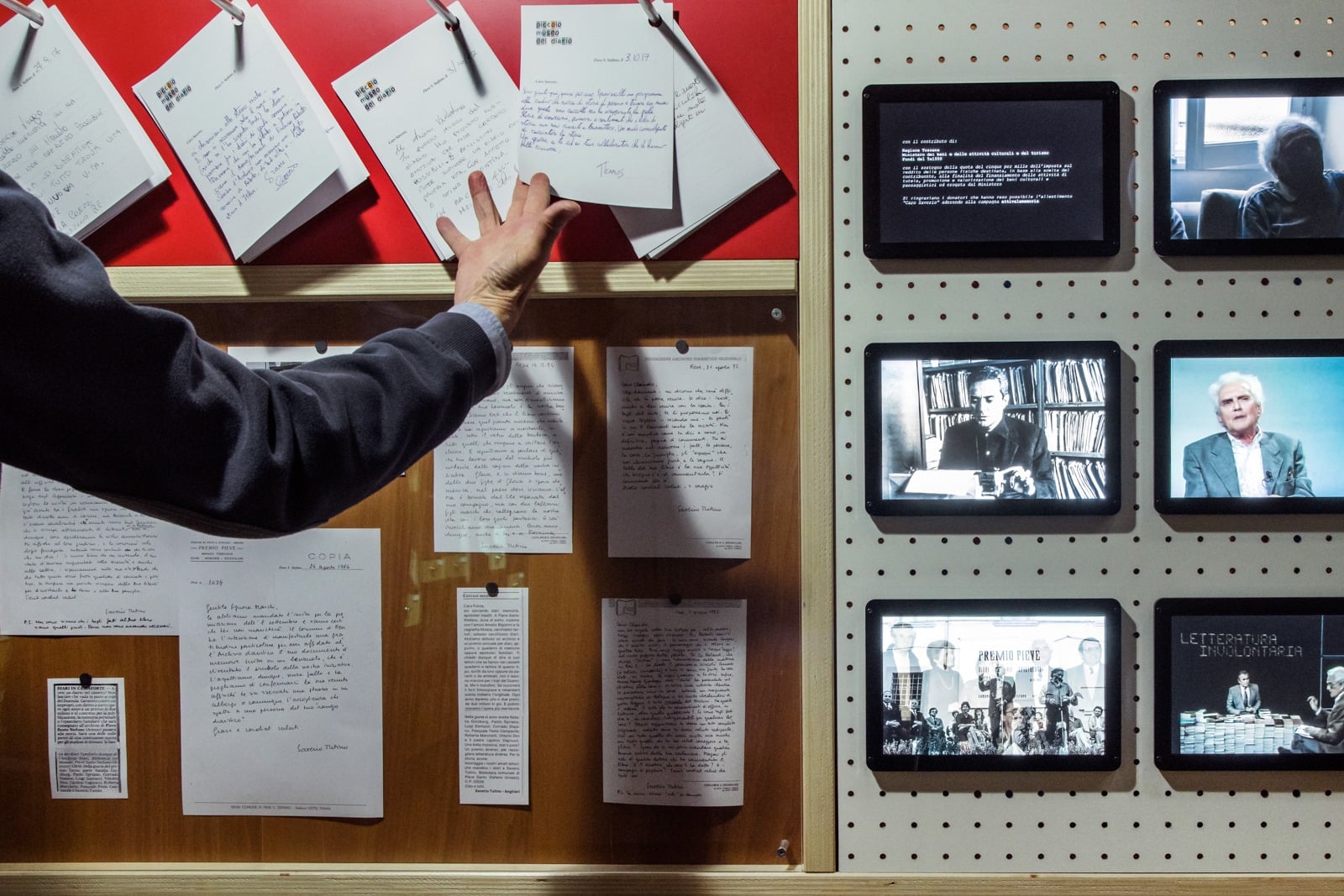
The article highlights the phenomenon of cultural overbooking, where major museums like the Louvre, Vatican Museums, and British Museum attract millions of visitors, turning art appreciation into a physical endurance test. It then pivots to a series of small, specialized museums across Italy dedicated to writing, diaries, and memory, offering a quieter, more intimate alternative. Featured institutions include the Piccolo Museo del Diario in Pieve Santo Stefano, which houses over 10,000 personal diaries and letters, and the Museo della Lettera d’Amore in Torrevecchia Teatina, with 25,000 love letters. Other stops include the Parco Poesia Pascoli in San Mauro Pascoli, dedicated to the poet Giovanni Pascoli.

Art bartering: artists start viral social media trend to fight cost of living crisis

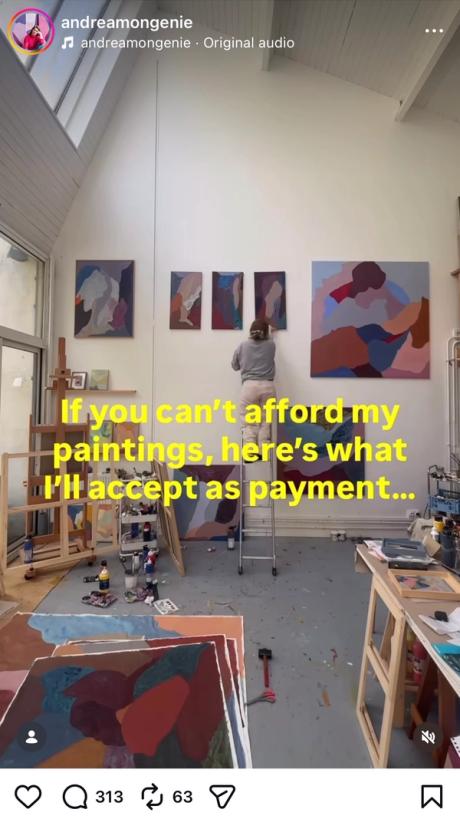
Artists worldwide are using social media platforms like Instagram and TikTok to barter their artwork for goods and services instead of money, in a viral trend responding to the cost of living crisis. Participants trade paintings for items such as handmade clothes, jewelry, tattoos, accommodation, meals, and professional services like video editing or framing, with some simply inviting offers. Artists like Lin Snow, Oli Fowler, and Andrea Mongenie cite economic pressures and anti-capitalist motivations, viewing bartering as a way to build community and bypass financial systems that leave creatives struggling.

Interacting with art can slow ageing process, study shows.

A new study by University College London, published in the journal *Innovation in Aging*, finds that engaging with art—both creating and observing it—can slow the biological aging process. The research, published by Oxford University Press on behalf of the Gero, is the first to provide evidence that art engagement offers anti-aging benefits comparable to those of physical activity.