filter_list Showing 49 results for "Biennial" close Clear
search
dashboard All 263 museum exhibitions 139article news 49person people 19rate_review review 16trending_up market 12article culture 12article local 7candle obituary 6article policy 3
date_range Range Today This Week This Month All
Subscribe

Gala Season! Shaggy and Jewel Hit the Whitney, Henry Taylor and Pharrell Toast Gordon Parks, and More Juicy Art-World Gossip

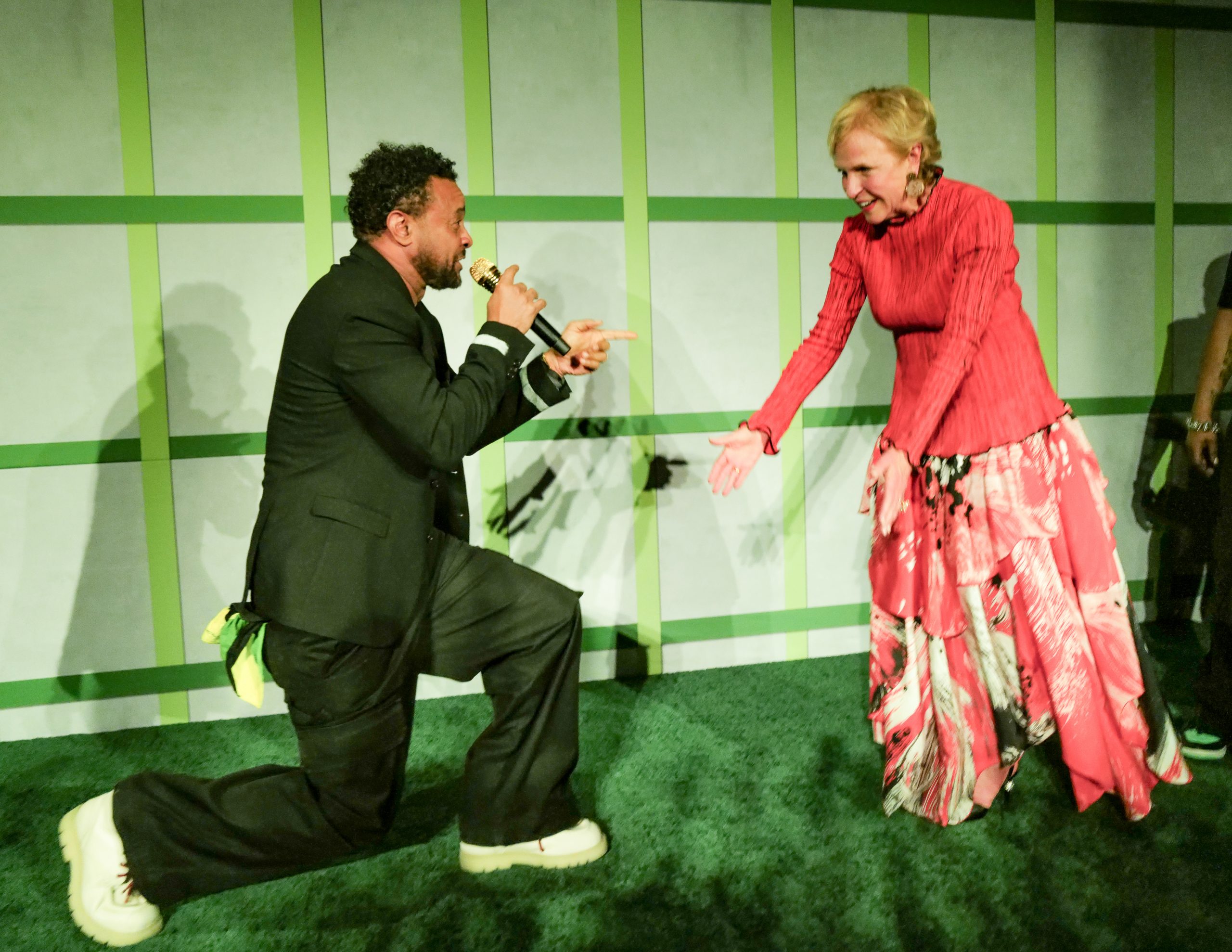
Artnet News' gossip column "Wet Paint" reports on the Whitney Museum's 2026 annual gala, a major fundraising event. The author describes the scene: donors and celebrities like Jewel, Neil Patrick Harris, and Nigel Barker mingled with artists Julie Mehretu (the honoree) and Glenn Ligon. Notably, the 56 artists in the current Whitney Biennial were not invited due to limited seating, a policy confirmed by the museum. The evening raised $6.3 million, with individual seats costing $7,500.

The Artists Who Ruled the Biennial Circuit Over the Last Four Years

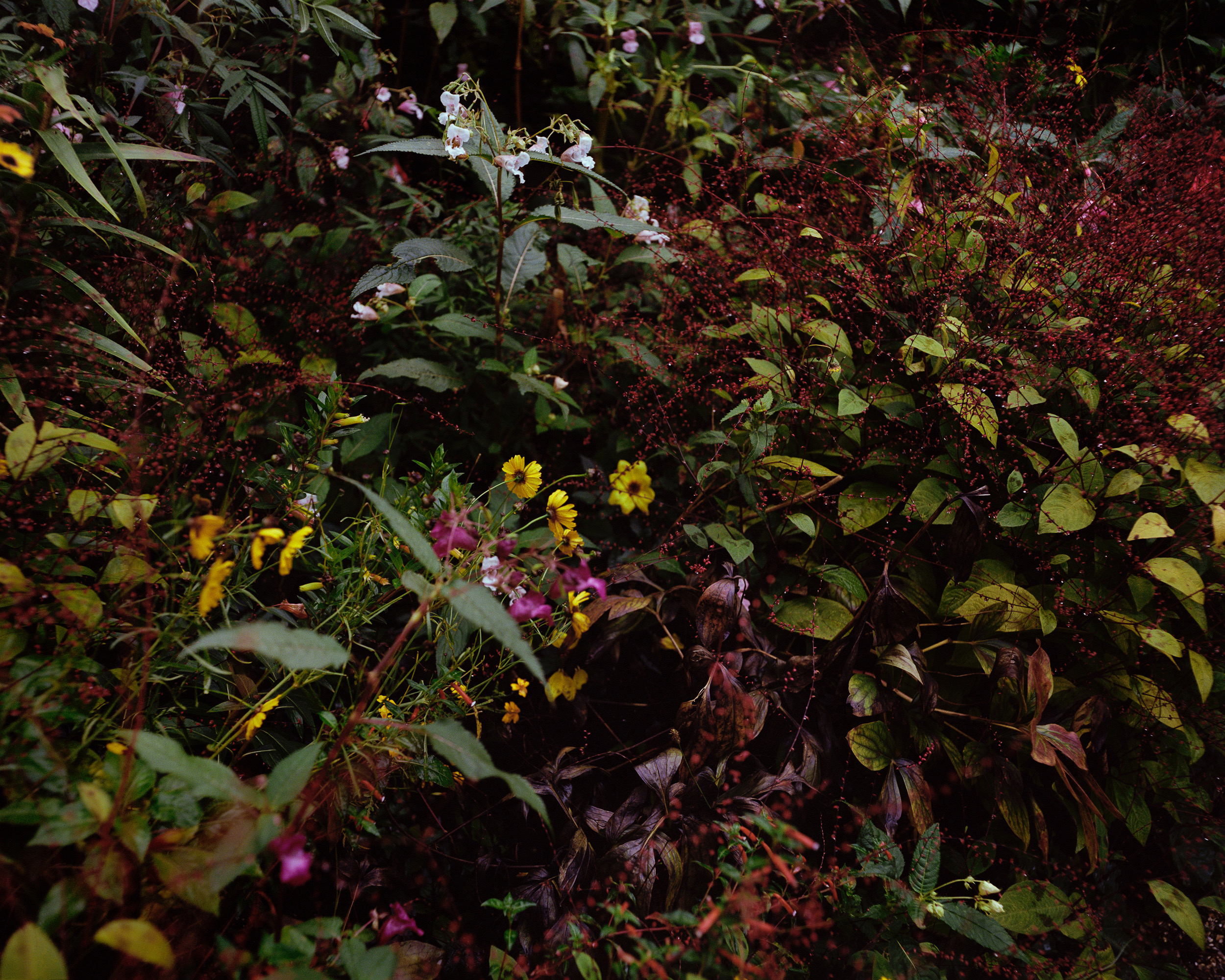
Artnet News critic Ben Davis analyzed 130 recurring global art events—including biennials and triennials—that opened between the 2022 and 2026 Venice Biennales, tallying over 15,000 participating artists. He identified the most frequently featured artists, with Nolan Oswald Dennis topping the list at 14 biennial appearances. Dennis, a South Africa-based artist born in Lusaka, is known for works like "Black Liberation Zodiac" (2017-ongoing) and was included in the 2026 Venice Biennale curated by the late Koyo Kouoh.

Elle Pérez Envisions New Residency Built on Family Legacy

Artist Elle Pérez is raising $100,000 to buy out relatives from a family home in Cabo Rojo, Puerto Rico, that has been in their family since the 1920s, with the goal of transforming it into an artist residency called Casa Pérez. To fund the project, Pérez is selling a portfolio of chromogenic studio prints for $1,795 each, produced in collaboration with the cultural office Public Relations. The artist’s work, known for intimate portraits and scenes of underground music, has been featured in the Whitney Biennial and solo exhibitions at the Baltimore Museum of Art and Carnegie Museum of Art.

Mom, I'm Gonna Be an Artist!

Hyperallergic's Saturday newsletter, edited by Valentina Di Liscia, rounds up a week of art-world activity marked by protests and resistance. Staff Writer Isa Farfan asked 15 artists to share advice from their mothers for Mother's Day, featuring responses from Pat Oleszko, whose work is in the Whitney Biennial. The newsletter also covers editor-in-chief Hakim Bishara's report on a historic strike for Palestine and workers' rights at the Venice Biennale, where dozens of national pavilions shut down, and Editor-at-Large Hrag Vartanian's review of the central exhibition "In Minor Keys." Additional stories include Damien Davis on artists and consignment agreements, Matt Stromberg on the LA Art Book Fair, a protest against Jeff Bezos at the Met Gala, MoMA PS1's upcoming Teresa Margolles survey, and a picket at the American Folk Art Museum.

A Venice Biennale in Protest

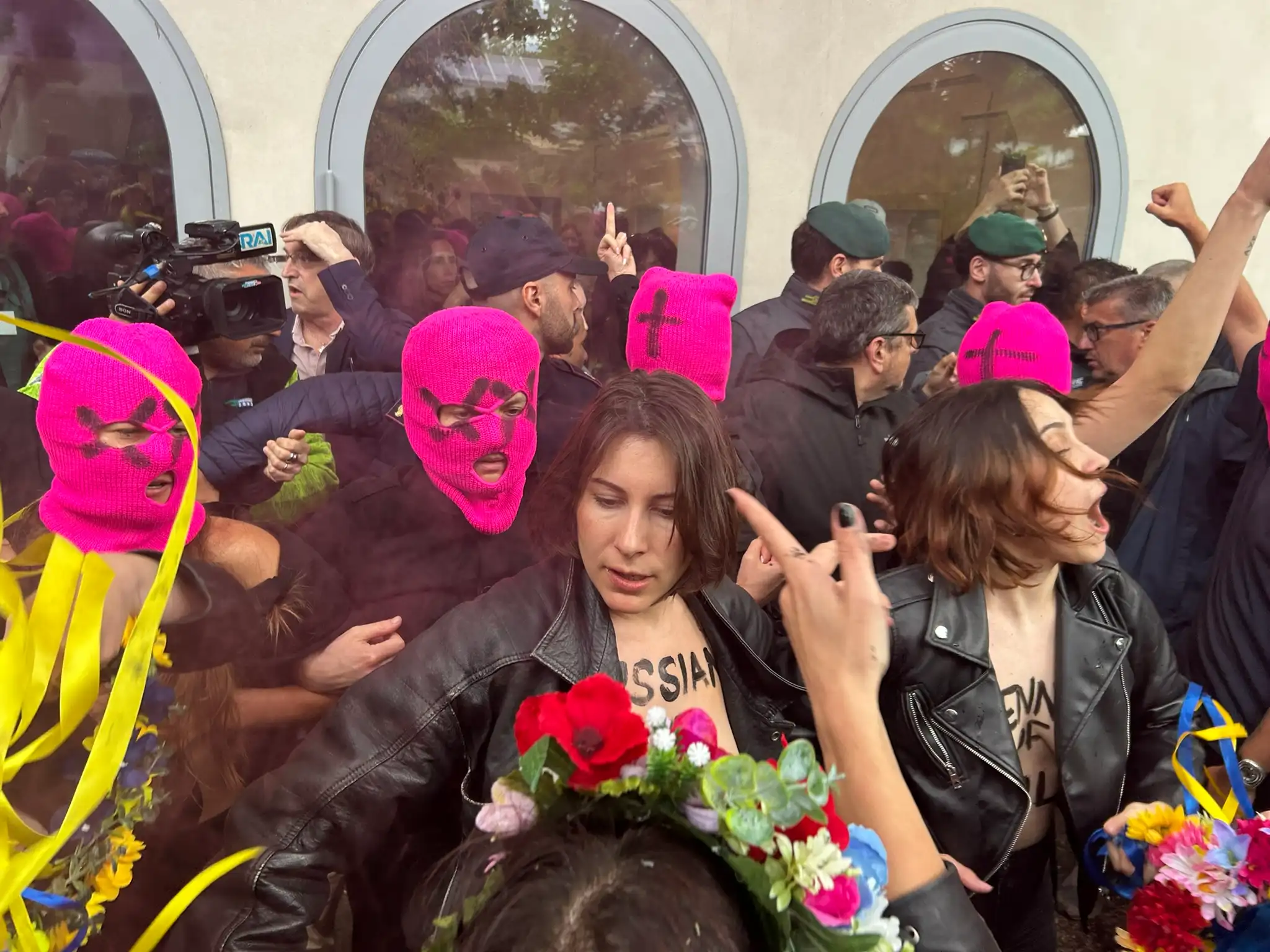
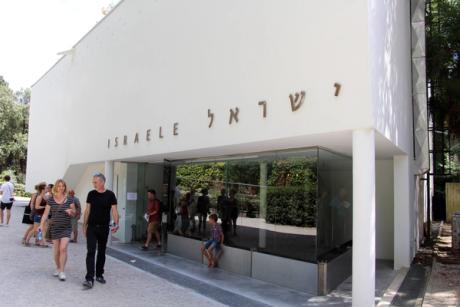
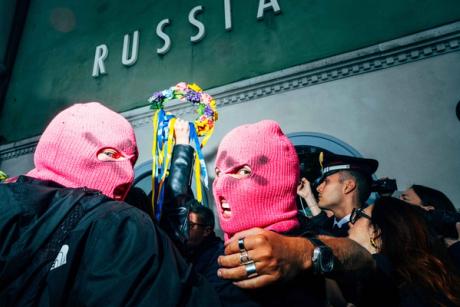
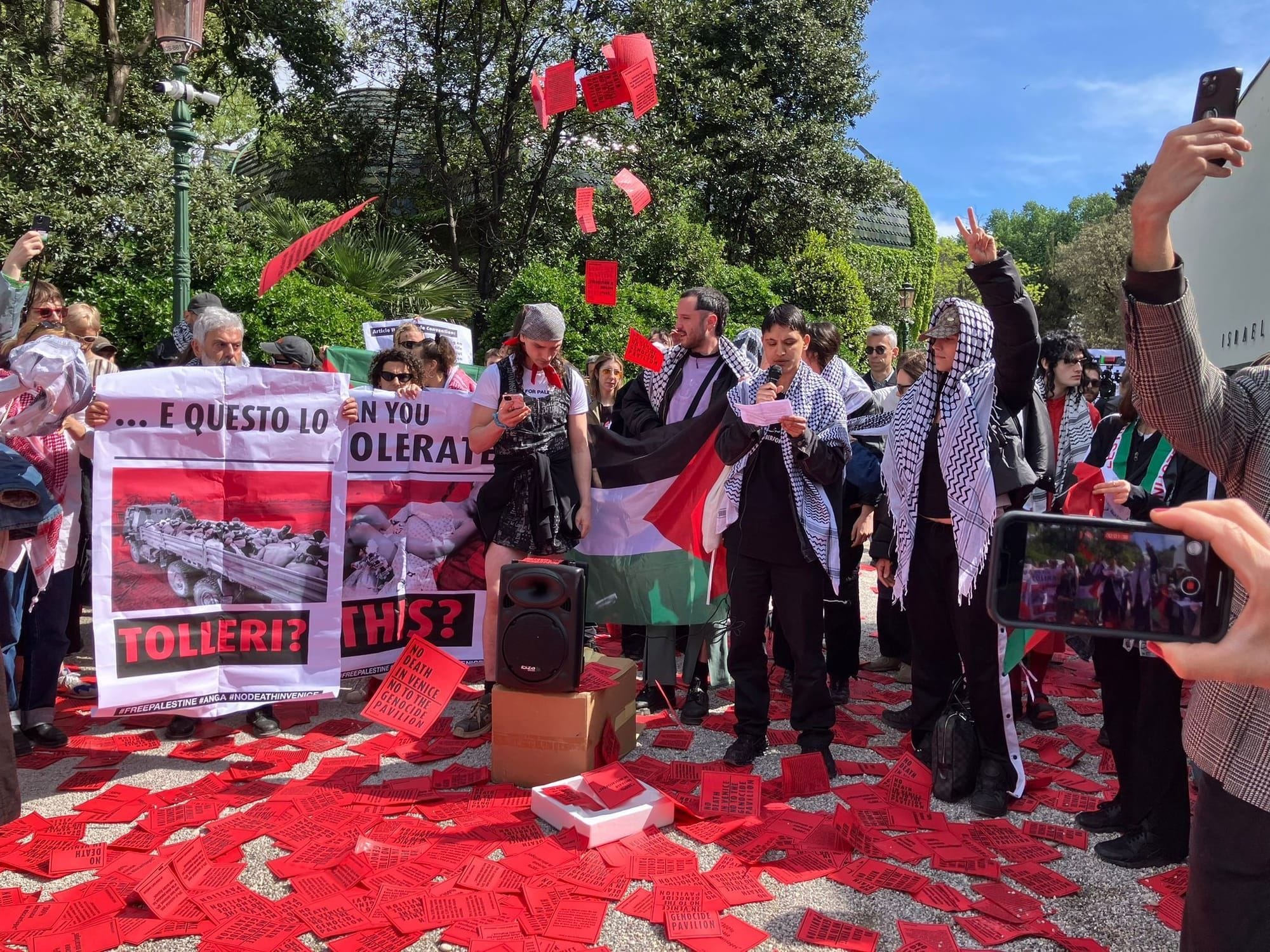
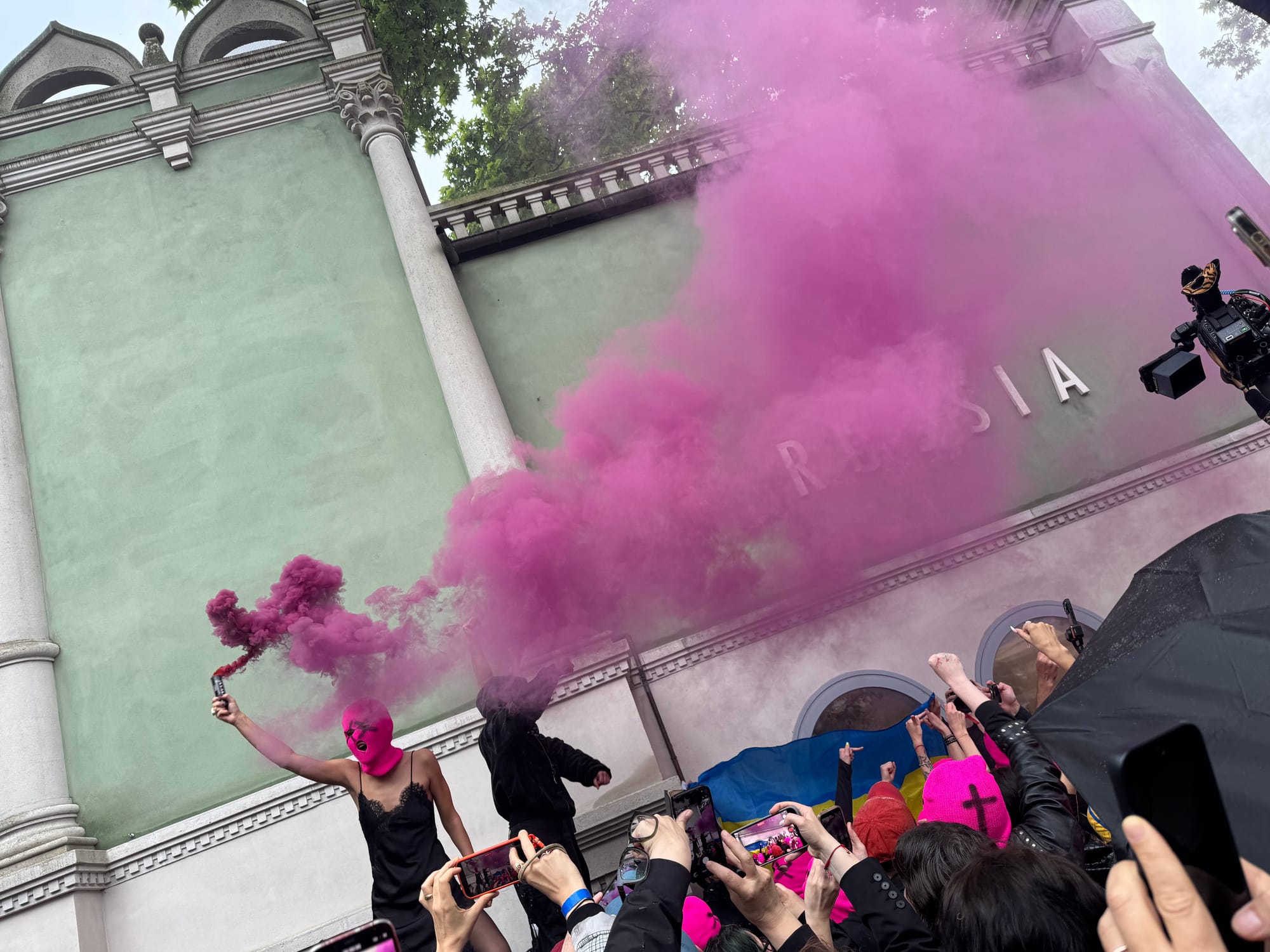
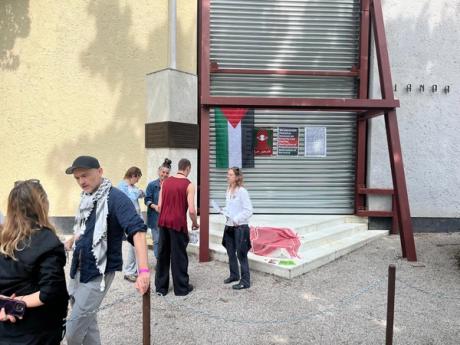
Hundreds of protesters, led by the Art Not Genocide Alliance, blocked the entrance to the Israeli pavilion at the Venice Biennale on May 6, waving Palestinian flags and accusing Israel of operating a "genocide pavilion." Activists from Pussy Riot and FEMEN also staged a pink smoke-filled protest against Russia's participation. Meanwhile, the Biennale jury suddenly resigned, and Israeli pavilion artist Belu-Simion Fainaru made legal threats against the Biennale alleging antisemitism and discrimination. The article also covers exhibitions in Upstate New York, a tribute to Beat Generation icon Jack Kerouac, and obituaries for performance art champion Steven Durland, artist Georg Baselitz, cartoonist Nicole Hollander, and arts patron Doris Fisher.

As Her Venice Biennale Opens, Koyo Kouoh Foundation Launches in Memory of Late Curator

The Koyo Kouoh Foundation has launched in Basel, Switzerland, coinciding with the opening of the 2026 Venice Biennale, which features the late curator Koyo Kouoh's main exhibition "In Minor Keys." The foundation aims to continue Kouoh's work supporting contemporary African cultural production globally, including plans for the Koyo Kouoh Prize and a permanent home for the Koyo Kouoh Collection. It is led by her partner, saxophonist Philippe Mall, and includes board members such as artist Alfredo Jaar, curator Adrienne Edwards, and former Kunstmuseum Basel director Josef Helfenstein.

Venice Biennale 2026: How Do You Critique a Posthumous Exhibition?

The article, published by ArtReview, examines the upcoming 61st Venice Biennale (2026), titled *In Minor Keys*, which was conceived by artistic director Koyo Kouoh before her death from cancer in May 2025 at age 57. The exhibition, based on Kouoh's drafted concept and completed by a curatorial team including Rory Tsapayi, Siddhartha Mitter, Marie Hélène Pereira, Gabe Beckhurst Feijoo, and Rasha Salti, adopts a musical metaphor of "minor-ness" and aims to avoid the pitfalls of previous Biennales by focusing on soul frequencies and dissonant harmony rather than direct commentary on world crises. The author, Martin Herbert, questions how critics will respond to a posthumous exhibition of this unprecedented scale, noting that previous artistic directors like Robert Storr, Cecilia Alemani, Christine Macel, and Adriano Pedrosa have faced varied critical receptions.

No Need to Shed a Tear for the Jury

"Man muss der Jury keine Träne nachweinen"

The entire jury of the Venice Biennale resigned shortly before the opening, prompting criticism of Biennale President Pietrangelo Buttafuoco. Italian Culture Minister Alessandro Giuli accused Buttafuoco of pursuing a misguided "pacificist fantasy" by readmitting Russia to the six-month exhibition, calling it failed "side foreign policy." Commentators in German media, including Niklas Maak (FAZ) and Marcus Woeller (Die Welt), see the resignation as a symptom of a crisis in the art world, with the jury having acted as a "political tribunal" by pre-judging artists based on nationality, particularly regarding Israel. The Biennale leadership defended inclusion, but the standoff has caused significant "image damage." Separately, Dirk Knipphals (wochentaz) delivers a scathing review of Wolfram Weimer's first year as cultural policy commissioner, accusing him of empty rhetoric and failing to counter right-wing cultural politics. Juliane von Mittelstaedt (Der Spiegel) reports on Saudi Arabia's use of a spectacular new art museum in Riyadh as a stability narrative amid regional conflict.

FAD News: Serpentine x FLAG Art Foundation Prize Announces Star-Studded Selection Committee

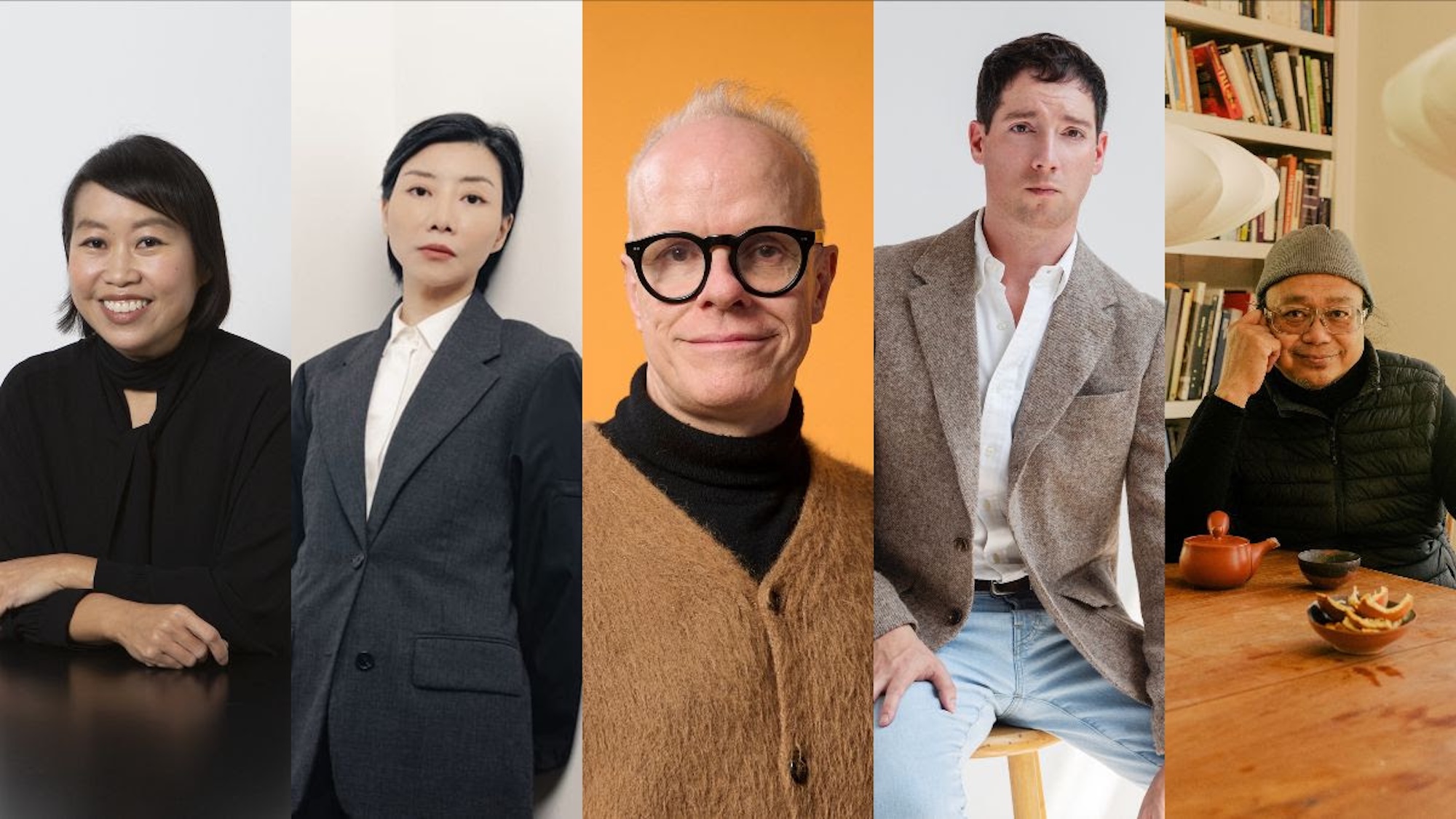
The Serpentine x FLAG Art Foundation Prize has announced its selection committee for the inaugural award, the largest contemporary art prize in the UK given to a single artist. The five-person jury includes Michelle Kuo (Chief Curator at Large and Publisher at MoMA), Venus Lau (director of Museum MACAN), Hans Ulrich Obrist, Jon Rider, and artist Rirkrit Tiravanija. The committee met in London on 23rd April to select the first recipient, who will be announced on 12th May. The prize awards £200,000 biennially over ten years, totaling £1 million across five artists, with each recipient developing a new body of work culminating in exhibitions at Serpentine in London and The FLAG Art Foundation in New York.

Russia's 2026 Venice Biennale Will Not Open to the Public, and Other News.

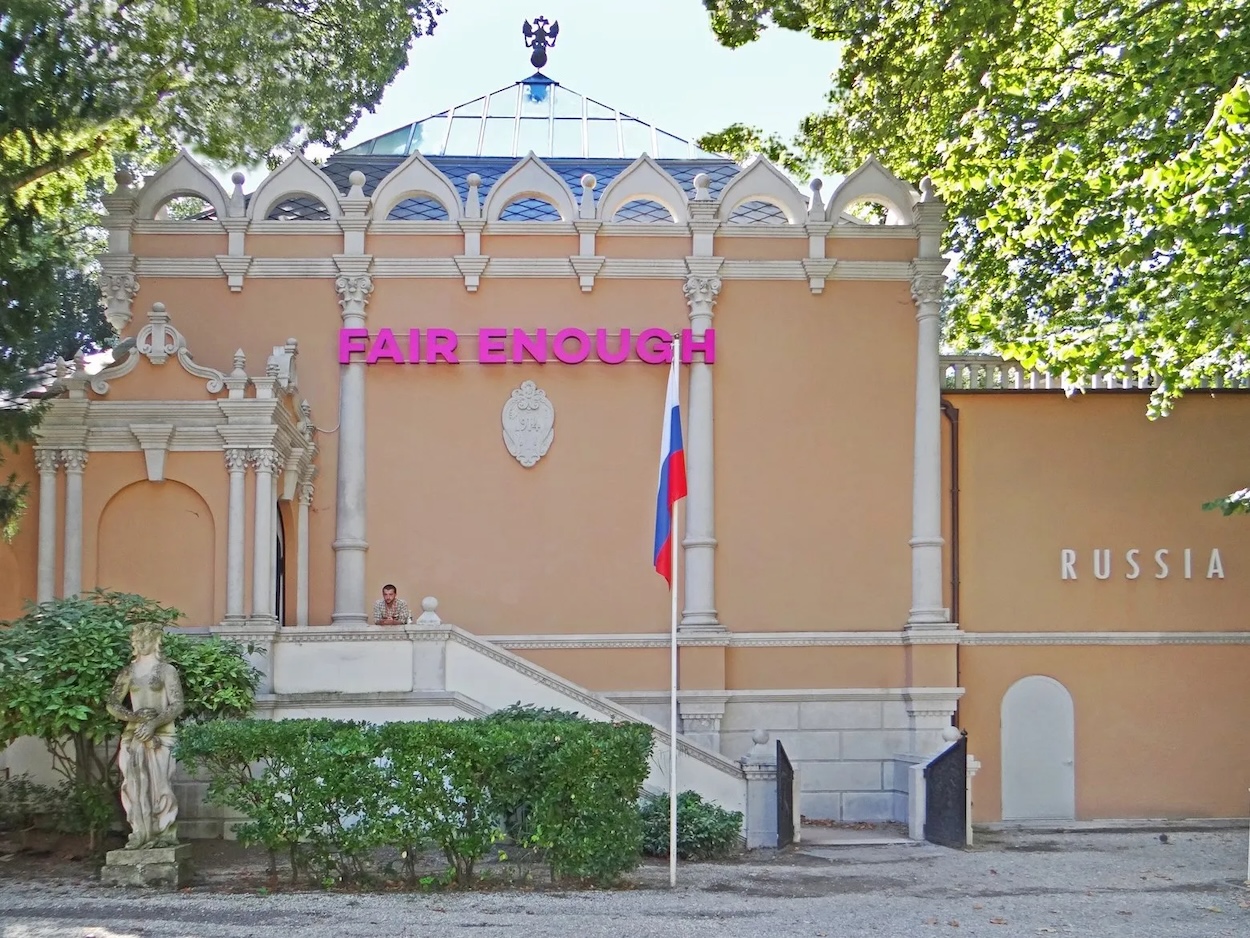
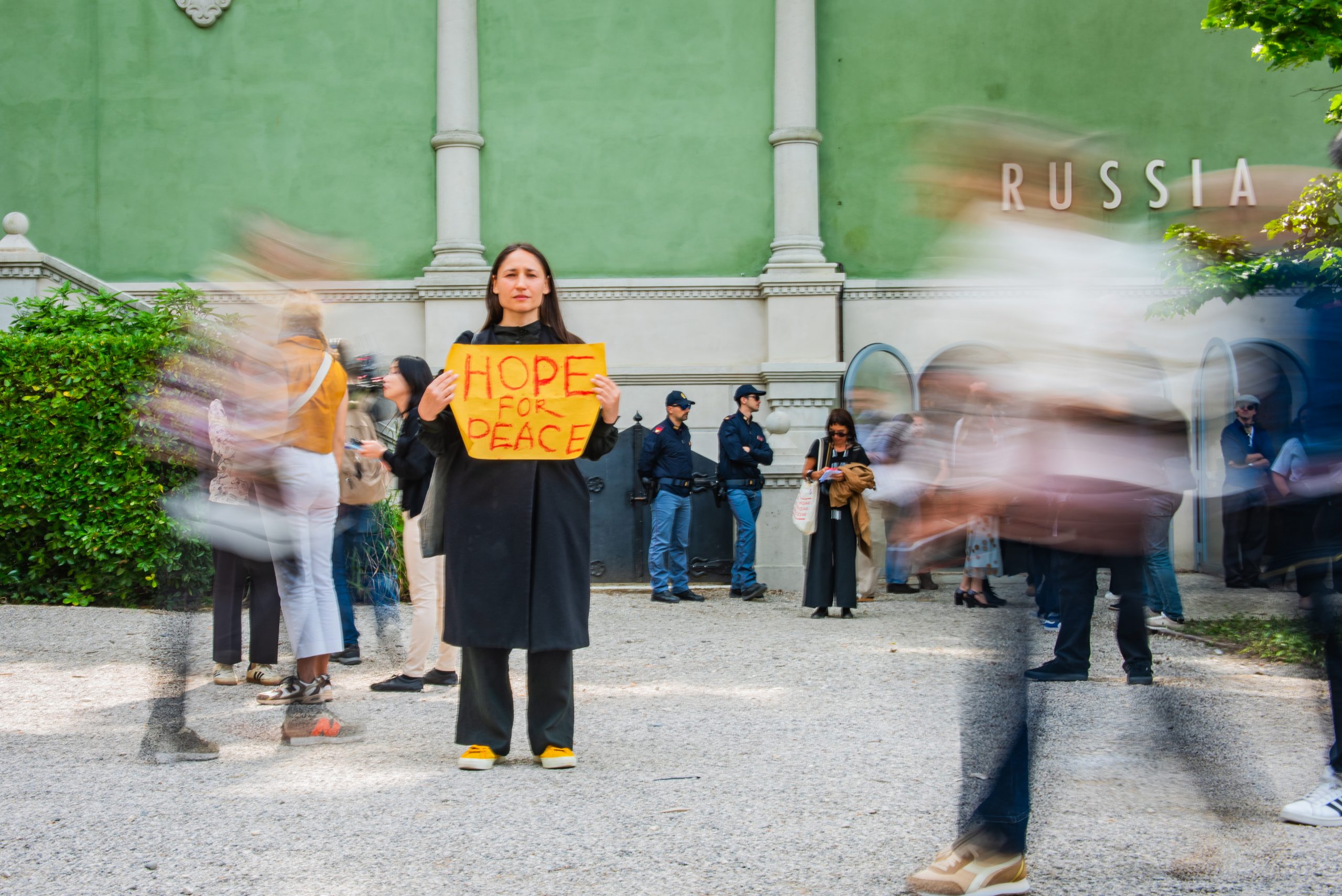
Russia's pavilion at the 2026 Venice Biennale will be closed to the public for nearly the entire run of the exhibition (May 9–November 22), with access limited to a brief preview period for press and invited guests. Instead of physical access, visitors will experience the pavilion's project—titled 'The Tree Is Rooted in the Sky'—via video documentation displayed on exterior screens. The arrangement is widely seen as a compromise shaped by international sanctions and political backlash over Russia's return following its absence after the 2022 invasion of Ukraine. In other news, Matthieu Blazy unveiled his first Chanel cruise collection in Biarritz; San Francisco appointed Matthew Goudeau as its first-ever executive director of arts and culture; the Saudi Arabia Museum of Contemporary Art received a $490 million construction grant from Diriyah Company; and online auction sales grew 8 percent in 2025, generating $423.9 million.

Weekly News Roundup: May 5, 2026

The article reports three major developments in the global art world. Saudi Arabia's Diriyah Company has awarded a $490 million contract for a new flagship space of the Saudi Arabia Museum of Contemporary Art (SAMoCA) in Diriyah, designed by Godwin Austen Johnson. The Sharjah Art Foundation has announced details for Sharjah Biennial 17 (SB17), titled "What remains, sits restive," curated by Angela Harutyunyan and Paula Nascimento, featuring 109 artists and set to open in 2027. Additionally, DATALAND, a new AI art museum founded by Refik Anadol and Efsun Erkılıç, will open on June 20 in Los Angeles, showcasing digital and immersive artworks.

The Holy See Pavilion asks Venice Biennale Visitors to Slow Down and Listen, and Other News.

The Holy See's pavilion at the 61st Venice Biennale presents "The Ear is the Eye of the Soul," a multi-sensory exhibition centered on deep listening and inspired by Hildegard von Bingen, curated by Hans Ulrich Obrist and Ben Vickers with Soundwalk Collective, featuring new commissions by 24 artists including Patti Smith, Brian Eno, FKA twigs, and Dev Hynes across two Venetian sites. Separately, Chanel and the Solomon R. Guggenheim Foundation have launched the Chanel Culture Fund Fellowship, a transatlantic curatorial program for postgraduate scholars at the Guggenheim Museum in New York and the Peggy Guggenheim Collection in Venice. In other news, a father-daughter duo from New Jersey pleaded guilty to a $2 million counterfeit art scheme involving forged works attributed to Andy Warhol, Banksy, and others; Vienna's Burgtheater is offering guided scaffolding tours of Gustav Klimt's early ceiling paintings during restoration; and the sixth edition of the Head Hi Lamp Show opens in New York.

Artists, Read the Fine Print

Artist Damien Davis writes a critical piece on how so-called 'standard' contracts in the art world systematically undermine artists' power, citing long consignment periods, moral rights waivers, and opaque terms that favor institutions. Separately, the Venice Biennale has scrapped its traditional Golden Lion awards after the awards jury resigned; instead, ticket holders will vote on 'Visitor Lions,' with results announced in November, and notably Israel and Russia remain eligible despite the jury's earlier ban. Other news includes damage to a 1,000-year-old Native American archaeological site by construction crews building President Trump's border wall.

May You Live in Less Interesting Times

The international jury for the Venice Biennale has collectively resigned just before the press preview, following their announcement that countries accused of crimes against humanity—specifically Israel and Russia—would be excluded from award consideration. The jurors did not provide an explicit reason for their resignation. Meanwhile, Russia's return to the 61st Venice Biennale will involve workarounds to comply with international sanctions, including restricted pavilion access. The article also highlights a widely-read essay by Hakan Topal on the financialization and 'administrification' of American art schools and academia.

​​​​Art Movements: Curators Named for El Museo's Latine Art Survey

El Museo del Barrio has announced the curatorial team for the 2027 edition of La Trienal, its landmark survey of Latine contemporary art. The show will be organized by Susanna V. Temkin, interim chief curator at the museum; Zuna Maza, assistant curator; and guest curator Kaitlin Garcia-Maestas, formerly of Socrates Sculpture Park. In other biennial news, Amanda Carneiro and Raphael Fonseca were named chief curators of the 37th Bienal de São Paulo, the jury of the 61st Venice Biennale resigned after omitting Russia and Israel from awards consideration, and Marcello Dantas was appointed senior curator of the Vancouver Biennale. Hedwig Fijen will step down as director of Manifesta, with Emilia van Lynden and Catherine Nichols taking over in a new co-leadership model. Janne Sirén will resign as director of the Buffalo AKG Art Museum, Kate Kraczon was named chief curator at the Montclair Art Museum, and Charlie White was appointed dean of WashU’s Sam Fox School of Design & Visual Arts. Marina Abramović has designed wine labels for the Ornellaia estate, with limited-edition bottles to be auctioned by Bonhams to benefit the Guggenheim Pop exhibition.

La quinquennale d’art contemporain

This issue of Le Journal des Arts (n°676, May 2, 2026) covers a range of contemporary art news in France and internationally. Headlines include a critical look at the Whitney Biennial's perceived neutrality, the increasing complexity of art taxation in 2025, an interview with Bourges mayor Yann Galut about scaling down the Bourges 2028 project, the unveiling of a contemporary gallery at Angers Cathedral, the abandonment of the Frigos artists' site in Paris, and a profile of auctioneer Hubert L'Huillier.

Numerous Venice Biennale Pavilions and Artists Go on Strike in Protest over Israel’s Participation

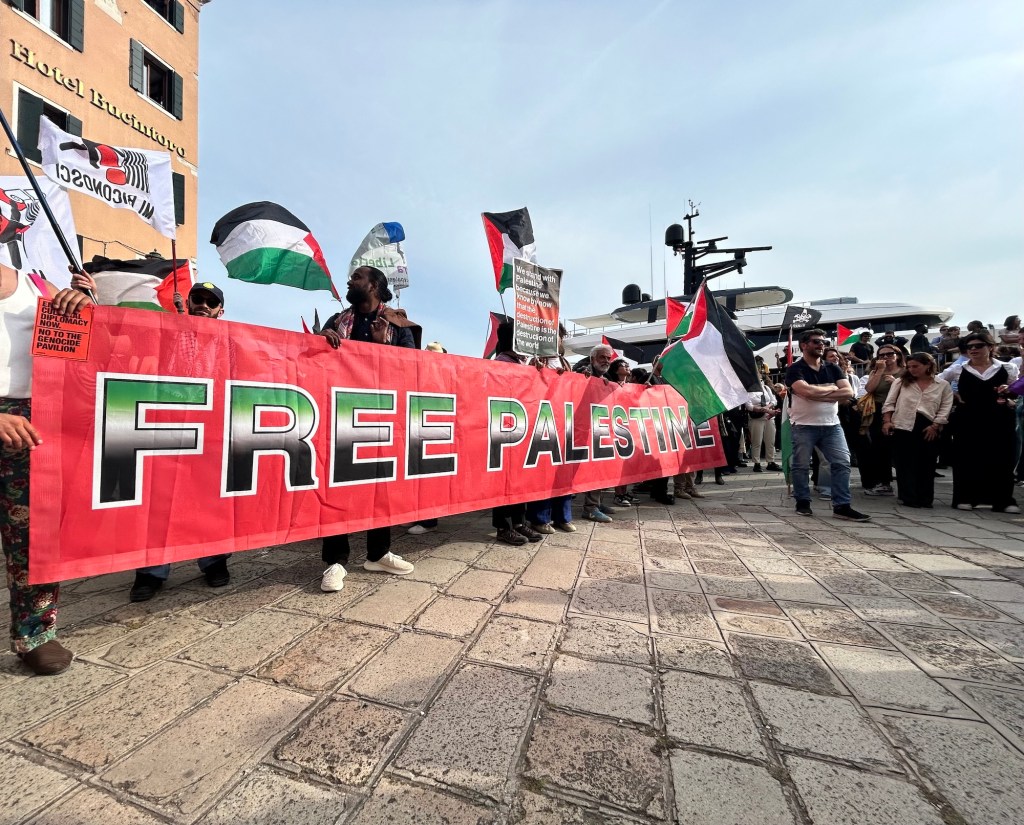
Thousands of protesters marched through Venice on the eve of the Venice Biennale's public opening, organized by Art Not Genocide Alliance (ANGA), to demand Israel's exclusion from the event. At least 18 national pavilions—including Austria, Belgium, France, Great Britain, and Ukraine—participated in a 24-hour strike, shutting down completely or partially. Protesters chanted slogans, waved Palestinian flags, and carried banners reading "no genocide pavilions," while ANGA released a statement with 236 signatories calling for Israel's removal, citing the humanitarian crisis in Gaza.

Russian art today is blood. A tough interview with Pussy Riot

“L’arte russa oggi è il sangue”. Una dura intervista alle Pussy Riot

During the preview of the 2026 Venice Biennale, the Russian Pavilion became the site of a protest by Pussy Riot and FEMEN, who staged an action called "STORM OF VENICE." Wearing pink balaclavas and carrying radical slogans, they denounced Russia's presence at the Biennale, accusing the Kremlin and the European cultural system of complicity. The protest centered on the phrase "Blood is Russia's art." In an interview, Pussy Riot member Nadya Tolokonnikova argues that artists who represent the official Russian Pavilion become instruments of the aggressive imperial state, and that the Biennale confuses cultural dialogue with political normalization.

Israel’s foreign ministry accuses Venice Biennale's jury of ‘politicising’ exhibition

Israel’s foreign ministry has accused the Venice Biennale's jury of politicizing the exhibition after jurors announced they would not consider for prizes countries whose leaders face International Criminal Court charges for crimes against humanity. The jury’s statement, which did not name specific nations, is broadly understood to apply to Israel and Russia, both returning to the Biennale for the first time since the Gaza war and the Ukraine invasion, respectively. The Israeli ministry posted on X that the jury had decided to 'boycott' Israeli sculptor Belu-Simion Fainaru, calling it 'a contamination of the art world.' The Biennale distanced itself from the jury’s announcement, stating the jury acts autonomously, while the Russian pavilion is reportedly set to open only for a limited pre-opening period due to budget constraints amid sanctions.

Political Fallout Rocks Venice Biennale Prize System

Dozens of artists participating in the 2026 Venice Biennale have withdrawn from consideration for the newly created Visitor Lion awards, replacing the traditional Gold and Silver Lion prizes. A total of 57 artists from the main exhibition and 22 national pavilions signed a statement published on e-flux on May 9, acting in solidarity with the five-person prize jury that resigned on April 30 over the continued participation of Russia and Israel. The jury had objected to awarding prizes to artists from countries whose leaders face International Criminal Court charges, including Russian president Vladimir Putin and Israeli prime minister Benjamin Netanyahu. In response, the Biennale organizers postponed the awards ceremony to November 22 and introduced visitor voting, a move they described as consistent with openness and dialogue. Meanwhile, the Russian Pavilion, which returned after lending its space to Bolivia in 2024, faced protests, closure after previews, and a €2 million funding pull by the European Union for the 2028 Biennale.

Several Venice Biennale pavilions shut in protest over inclusion of Israel

Several national pavilions at the 2026 Venice Biennale shut down during the final preview day in a strike organized by the Art Not Genocide Alliance (Anga) protesting Israel's inclusion due to its war in Gaza. Pavilions from Belgium, the Netherlands, Austria, Japan, Macedonia, and Korea closed entirely, while others like Britain, Spain, France, Egypt, Finland, and Luxembourg partially closed or reopened later. Artists in the main exhibition added Palestinian flags and posters reading "Palestine is the future of the world." The Israeli pavilion was closed for a private event, and earlier in the week Pussy Riot staged a protest at the Russian pavilion.

Major protests take place at Venice Biennale previews

Major protests erupted during the preview days of the Venice Biennale, with multiple demonstrations targeting the Israeli and Russian pavilions. On Wednesday, the Art Not Genocide Alliance (ANGA) held a large protest outside the temporary Israeli pavilion in the Arsenale, attended by over 200 people calling for its closure. Separately, the Solidarity Drone Chorus performed a sound composition by Gazan artist Ahmed Muin, with 60 artists wearing T-shirts bearing names of artists from Gaza. Meanwhile, Pussy Riot and FEMEN protested Russian participation, forcing the Russian pavilion to shut its doors. These actions follow the resignation of the entire Golden Lion jury days before the opening, after they stated they would not consider pavilions from countries whose leaders are charged with crimes against humanity by the ICC—widely seen as a reference to Russia and Israel.

Dark clouds, protests and resignations dampen start of 61st Venice Biennale

The 61st Venice Biennale opened under grey skies and rain, with political tensions overshadowing the art world's premier event. The Russian pavilion, absent for two editions due to the Ukraine war, reappeared with a party atmosphere, though the Italian ministry of culture confirmed it would not be open to the public. The Ukrainian culture minister called Russia's symbolic presence powerful. The Iranian pavilion withdrew without explanation, and a protest by 60 artists from the In Minor Keys show marched through the Giardini humming in solidarity against Israel's participation. Over 200 artists, including Lubaina Himid and Alfredo Jaar, signed an open letter demanding the Israeli pavilion's cancellation. The event also proceeded without its curator, Koyo Kouoh, who died in May 2025; her curatorial team delivered the exhibition following her plans.

Sharjah Biennial Lines Up 109 Artists for 2027 Edition, Titled ‘What Remains, Sits Restive’

Sharjah Art Foundation Announces 2027 Biennial Programming

Statement of Resignation

The international jury for the 61st edition of La Biennale di Venezia, titled “In Minor Keys” and curated by Koyo Kouoh, has resigned as of April 30, 2026. The jury members—Solange Oliveira Farkas, Zoe Butt, Elvira Dyangani Ose, Marta Kuzma, and Giovanna Zapperi—cite their earlier Statement of Intention issued on April 22, 2026, as the basis for their collective resignation.

Culture Workers Announce Venice Biennale Strike in Israeli Pavilion Protest

Cultural workers, unions, and grassroots groups are planning a 24-hour strike on Friday, May 8, at the Venice Biennale to protest Israel's participation amid the ongoing genocide in Gaza. Organized by the Art Not Genocide Alliance (ANGA), the action includes a rally on Viale Garibaldi and calls for a boycott of Israel's "genocide pavilion." Participating groups include Biennaleocene, Sale Docks, Mi Riconosci, Vogliamo Tutt’altro, and several Italian trade unions. The strike follows months of activism, including a letter signed by over 200 event participants, and comes after the Biennale jury resigned over award eligibility rules that initially excluded Israel and Russia.

Israel Criticizes Venice Biennale Jury over Pavilion’s Exclusion

The international jury of the 61st Venice Biennale has excluded the Israeli and Russian pavilions from consideration for official prizes, citing that countries whose leaders are charged with crimes against humanity by the International Criminal Court will not be eligible. Israel’s foreign ministry condemned the decision as a political boycott, and Israeli representative Belu-Simion Fainaru called it a hostile act that exceeds the jury’s mandate. The Biennale’s president, Pietrangelo Buttafuoco, has distanced the institution from the jury’s action, insisting the exhibition remain open to all nations recognized by Italy.

Protests and Shutdowns Engulf 61st Venice Biennale Opening

The 61st Venice Biennale preview week, opening to press and professionals ahead of its May 9 public launch, has been engulfed by protests and institutional crises. On May 5, around 60 artists from Koyo Kouoh's exhibition “In Minor Keys” staged a Solidarity Drone Chorus outside the Giardini, drawing on Gazan composer Ahmed Muin's Drone Song (2025) to highlight victims of warfare. On May 6, the Art Not Genocide Alliance (ANGA) organized protests outside Israel's pavilion at the Arsenale, leading to a security-enforced closure, while Pussy Riot and FEMEN demonstrated outside the Russian pavilion. The jury resigned on April 30 after controversy over award eligibility tied to ICC arrest warrants, prompting the Biennale to scrap Golden Lions and transfer prize voting to the public. Iran withdrew its pavilion on May 4, and Russia's will close on May 9, with only exterior video projections remaining. ANGA and Italian unions have announced a 24-hour strike on May 8.

Venice Biennale strike sees more than 15 pavilions temporarily or partially close

On 8 May, more than 15 national pavilions at the Venice Biennale temporarily or partially closed in a coordinated strike organized by the Art Not Genocide Alliance (ANGA). The protest opposes Israel’s participation in the event, which organizers say normalizes what they call genocide and exploits precarious labor. Participating countries include Austria, Lebanon, Slovenia, Egypt, Poland, and the Netherlands, whose artist Dries Verhoeven stood outside his shuttered pavilion with a Palestinian flag. Some pavilions, like Japan’s, remained open but suspended interactive elements. The strike follows earlier controversies, including the resignation of the prize jury and an open letter demanding the Israeli pavilion’s cancellation.