filter_list Showing 12 results for "Point" close Clear
dashboard All 95 museum exhibitions 47article news 12article culture 10person people 9trending_up market 5article local 5rate_review review 4article policy 3
date_range Range Today This Week This Month All
Subscribe

J.M.W. Turner’s Most Famous Self-Portrait Might Not Actually Be by the Artist at All

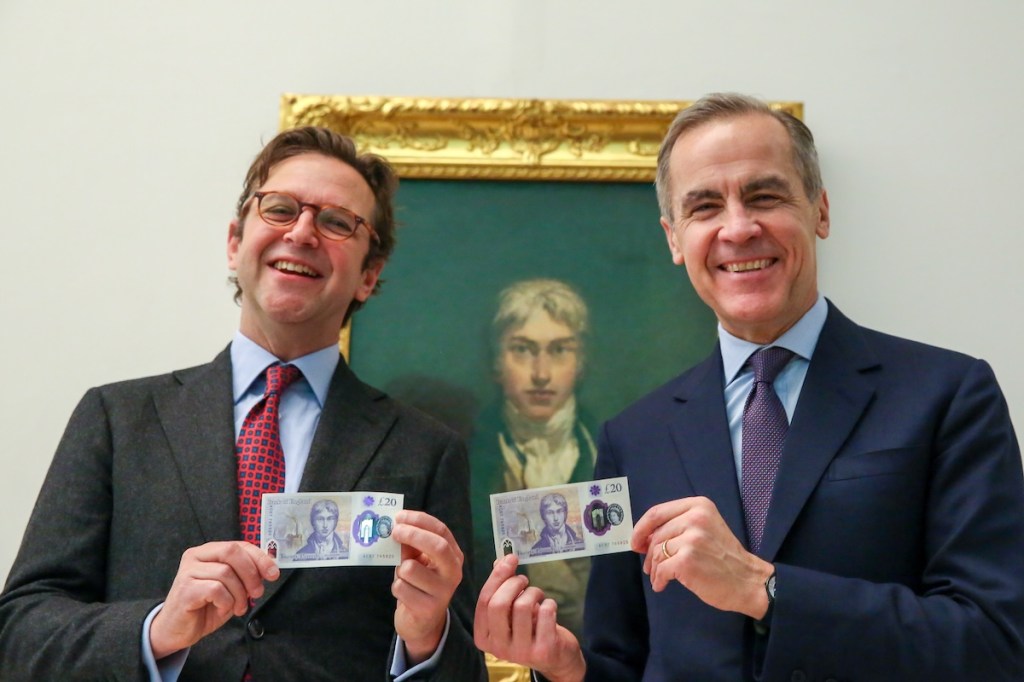
Art historian James Hamilton has publicly claimed that J.M.W. Turner's most famous self-portrait, which appears on the £20 note, is actually by the painter John Opie. Hamilton, who used the portrait on the cover of his 1997 biography of Turner, argues that the work was misattributed when it entered the Turner Bequest—the vast collection of paintings and works on paper Turner left to the nation after his death in 1851. He points to stylistic evidence, noting Opie's signature technique of "light emerging dramatically from dark," and has published his research in Turner Society News, calling on the Tate to reattribute the painting.
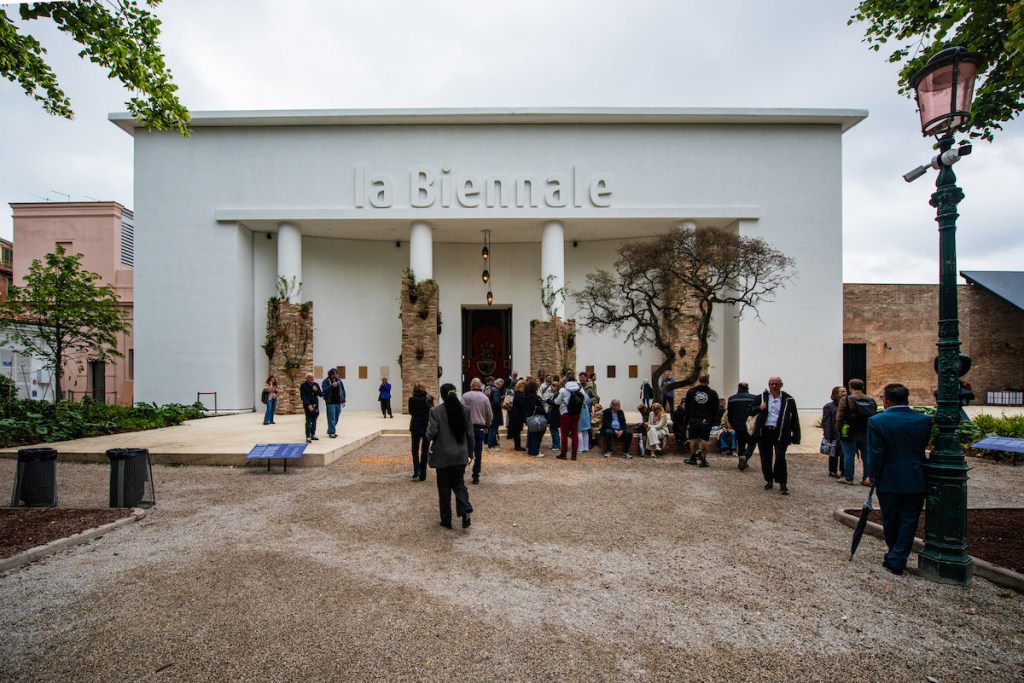

Venice Biennale Controversies Continue, French Parliament Report Finds Flaws in Museum Security, and More: Morning Links for May 13, 2026

Iran has denied withdrawing from the Venice Biennale, with Mahdizadeh Tehrani, general director of visual arts at Iran's Ministry of Culture, stating the country still hopes to participate despite Biennale organizers announcing Iran would not be represented at its pavilion. Meanwhile, the Somalia Pavilion has sparked controversy, with the Somali Arts Foundation alleging it was led by diaspora figures and European collaborators without meaningful consultation of artists based in Somalia, and the queer collective Warbixinta Cidda demanding the removal of an Italian co-curator due to Italy's colonial history. Separately, a French parliamentary inquiry has exposed major security flaws in the country's museums, following the theft of France's crown jewels from the Louvre in October, calling for reforms in security resources and museum leadership appointments.

"Man besitzt Kunst nicht, man ist nur ihr Verwalter"

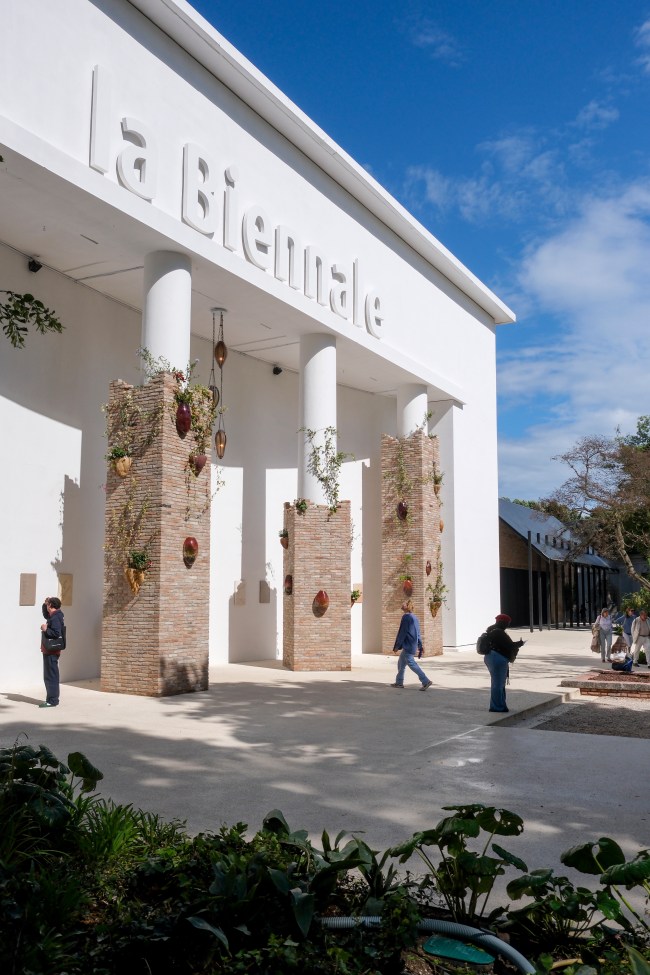
The 61st Venice Biennale opened on Saturday without ceremony or an opening celebration, amid political turmoil over the participation of Russia and Israel. Italy's Culture Minister Alessandro Giuli criticized Biennale director Pietrangelo Buttafuoco for not informing the government about Russia's participation request, suggesting it could have been used as leverage for a ceasefire in Ukraine. The entire jury resigned after attempting to exclude both Russia and Israel from prize awards, leading to the cancellation of the traditional jury decision in favor of a public vote, which over 70 participating artists have protested by withdrawing from this year's prizes. Separately, a rare photograph from the early 1940s has surfaced showing Lucas Cranach the Elder's painting "Venus with Cupid as Honey Thief" in Adolf Hitler's Munich apartment, raising unresolved questions about whether the work was looted from Jewish owners before 1935.

La Biennale de Venise s’ouvre dans un climat houleux

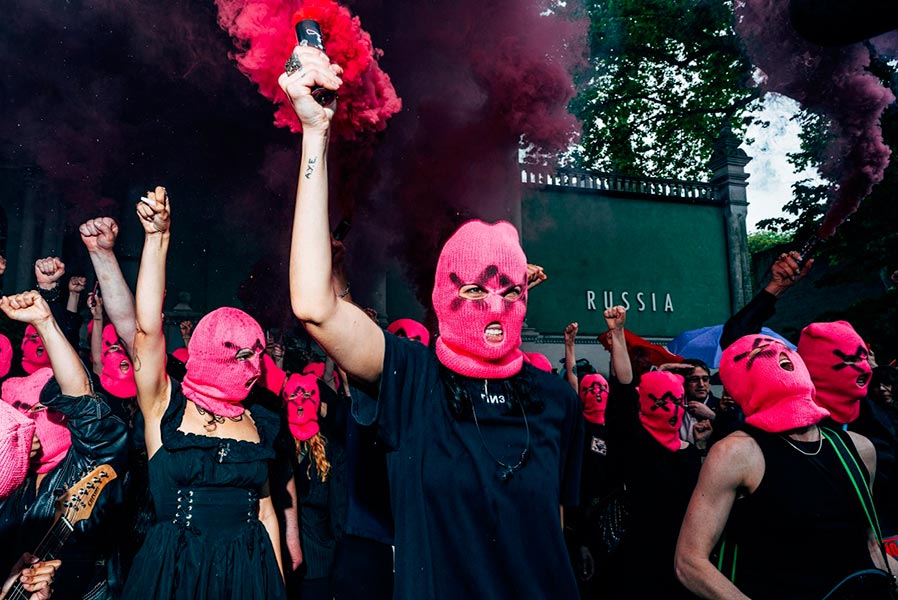
The 61st Venice Biennale opened amid intense controversy after its president, Pietrangelo Buttafuoco, announced the return of the Russian pavilion, which had been absent since the start of the Ukraine war. The European Commission suspended its €2 million subsidy for the 2028 edition, and the entire Biennale jury resigned on April 30. Buttafuoco later declared the Russian pavilion would remain closed, but protests erupted during the pre-opening days (May 6–8), drawing 28,000 professionals. Pussy Riot members, Femen activists, and the Free Nations League staged demonstrations, while the Israeli pavilion remained open despite a letter signed by nearly 200 artists calling for its exclusion.

Most famous image of JMW Turner not a self-portrait, says expert

Dr James Hamilton, a leading Turner expert, has claimed that the most famous portrait of JMW Turner—long believed to be a self-portrait and featured on the UK £20 banknote—is actually by the painter John Opie. Hamilton argues that the work, dated around 1799, was mistakenly included in the Turner Bequest after the artist's death in 1851, when his studio was in disarray and the attribution was never properly verified. He points to stylistic evidence, including Opie's characteristic use of dramatic light and shadow, and calls on Tate Britain to reattribute the painting.

Frieze New York will Open With 68 Galleries from 26 Countries, and Other News.

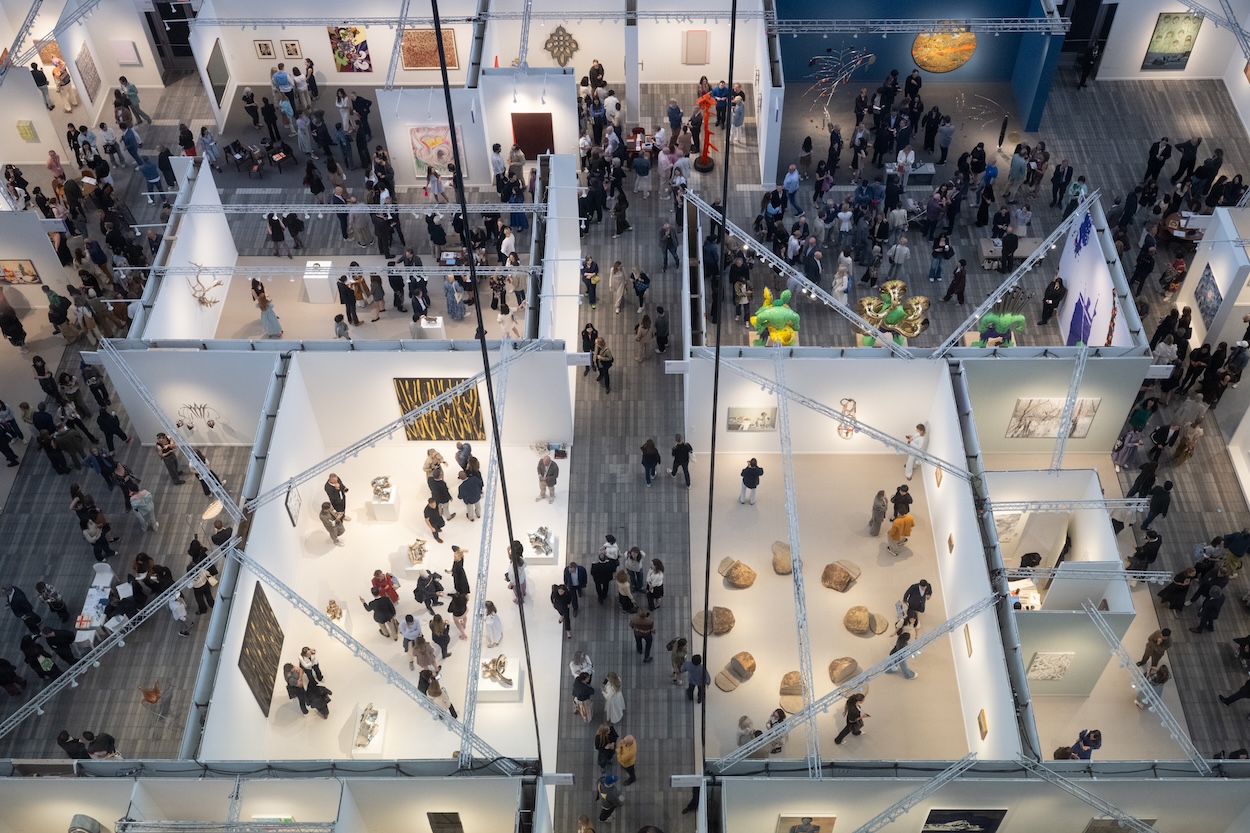
Frieze New York will open on May 13, 2026, at The Shed with 68 galleries from 26 countries, marking its 15th edition. The fair emphasizes Central and South American galleries, supported by new committee members Fátima González and Omayra Alvarado, alongside blue-chip exhibitors like Gagosian, Hauser & Wirth, and Pace. In other news, Phillips set a watch auction record with its $96.3 million Geneva sale, the Met Gala generated $1.56 billion in media value, and ICFF announced a November 2027 edition. Tiffany & Co. and the CFDA launched a new jewelry design scholarship.

Somali Artists Take Issue With Nation's First-Ever Venice Biennale Pavilion

Somalia's first-ever national pavilion at the 61st Venice Biennale has sparked controversy, with local cultural organizations accusing organizers of excluding Somalia-based artists. The pavilion, titled SADDEXLEEY, features only diaspora artists—Somali-Swedish painter Ayan Farfah, Somali-Danish poet Asmaa Jama, and Somali-British poet Warsan Shire—while the Somalia Arts Foundation (SAF) and queer collective Warbixinta Cidda have denounced the appointment of Italian co-curator Fabio Scrivanti, citing colonial tensions. SAF founder Sagal Ali and others allege that artists in Somalia were not meaningfully consulted, and that organizers used intimidation tactics against critics. The pavilion's organizers claim it includes Mogadishu-based painter 4C and will host accompanying events, but details remain unconfirmed.

Art Biennale: artists reject the popular jury

Fifty-two artists and curators, along with sixteen National Participants of the 61st Venice Art Biennale, have withdrawn from the newly introduced 'Lions of the Visitors' (People's Prizes) competition. The boycott follows the resignation of the jury appointed by artistic director Koyo Kouoh, who died in 2025, and is a protest against the inclusion of Russia and Israel in the prize—countries initially excluded by the international jury. The controversy escalated after Italian Minister of Culture Alessandro Giuli publicly opposed the Biennale president Pietrangelo Buttafuoco's decision to allow Russia's participation, drawing in the European Commission and even Ursula von der Leyen, who warned of potential sanctions violations. The signatories include artists and curators from France, Belgium, Luxembourg, Turkey, Switzerland, Spain, the Netherlands, and several other nations.

Somali artists and culture workers express concern over Somalia Pavilion in Venice

Somali artists, cultural workers, and organizations have published multiple open letters and statements expressing concern over the Somalia Pavilion at the Venice Biennale. The pavilion, announced in March for the 2026 edition, is titled 'SADDEXLEEY' and features Somali-Swedish artist Ayan Farah, Somali-Danish poet and filmmaker Asmaa Jama, and Somali-British writer Warsan Shire, curated by Stockholm-based Mohamed Mire and Italian project manager Fabio Scrivanti. Critics, including the Somali Arts Foundation and the queer collective Warbixinta Cidda, allege that the pavilion was organized without meaningful consultation of artists and organizations based in Somalia, and object to the appointment of an Italian co-curator given Italy's colonial history in Somalia. An anonymous open letter further alleges intimidation and coercive pressure against critics, and demands Scrivanti's removal, calling for a boycott if demands are not met.

Somali Cultural Organizations Unhappy With Somalia Pavilion at the Venice Biennale

Somali artists and cultural organizations are protesting the Somalia pavilion at the 2024 Venice Biennale, arguing it excludes artists based in Somalia and relies on diaspora figures and an Italian co-curator, which they view as colonial. The Somali Arts Foundation issued a statement condemning the lack of consultation, while the queer arts collective Warbixinta Cidda criticized the appointment of Italian curator Fabio Scrivanti. Somali American poet Ladan Osman boycotted the pavilion, calling it "anti-indigenous."

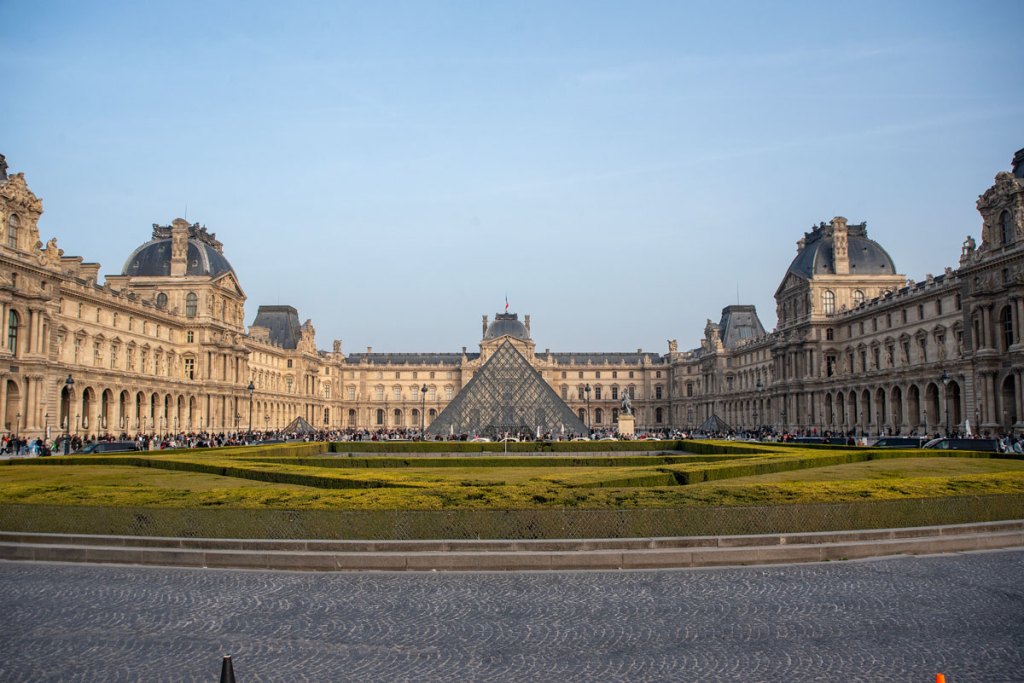
Man Arrested for Allegedly Planning Terrorist Attack at Louvre

French authorities arrested a 27-year-old Tunisian man, identified as Dhafer M., on May 7 for allegedly planning a terrorist attack at the Louvre in Paris. The arrest, confirmed by the National Anti-Terrorism Prosecutor’s Office (PNAT) and first reported by Le Monde, followed an investigation that began in late April after a traffic stop. Investigators found jihadist propaganda videos, photos of weapons, and searches for bomb-making instructions on his phone, as well as messages discussing access points to the Louvre and plans to make poison. The man has denied the allegations and was brought before an anti-terrorism judge to be formally charged.

At the Venice Biennale, protests, self-mutilation and rage against Israel and Russia. Is anyone left to talk about the art?

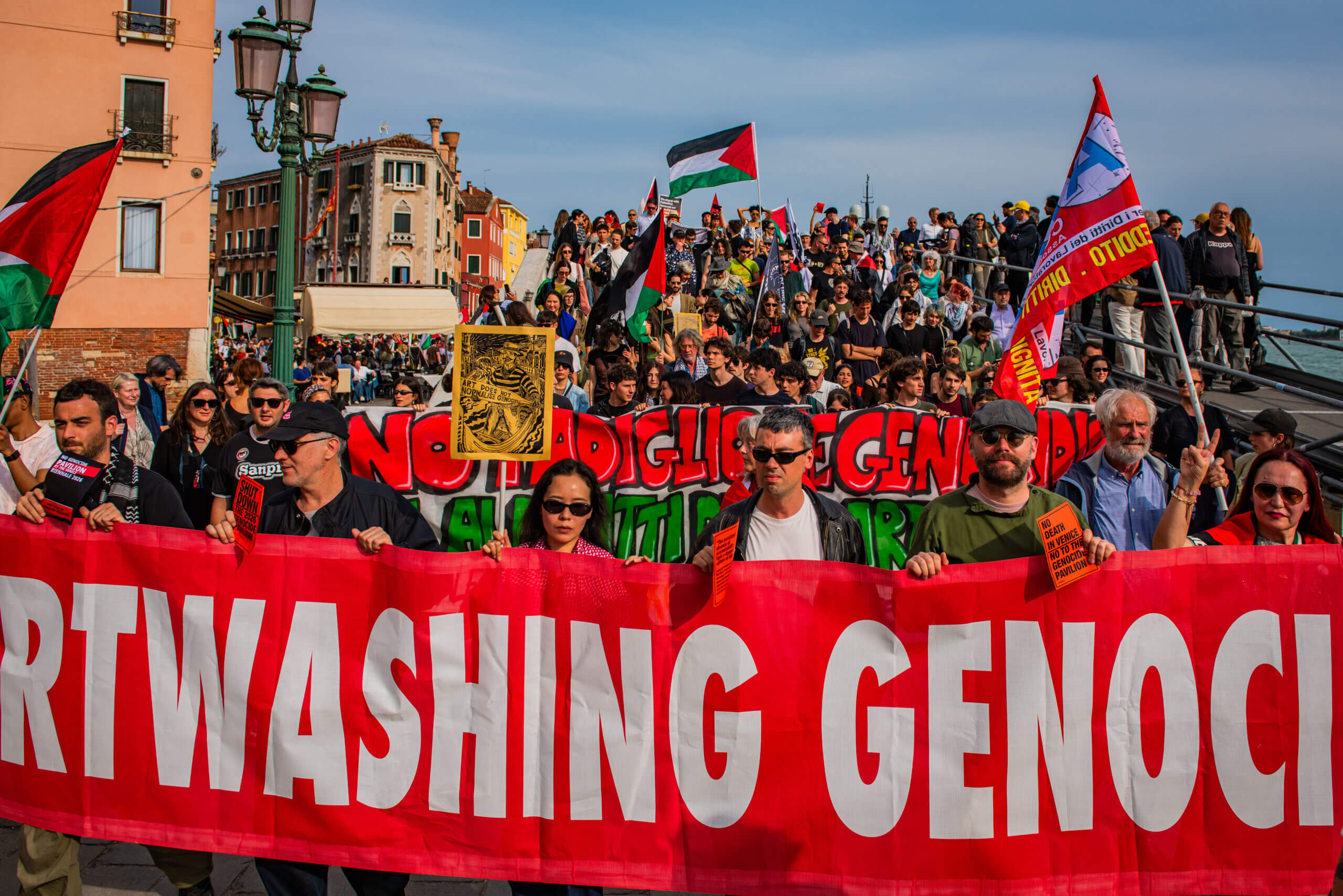
At the 61st Venice Biennale, protests and controversies have overshadowed the art itself. The Art Not Genocide Alliance (ANGA) demonstrated against the inclusion of Israel and Russia, while the Israeli Pavilion became a flashpoint. Artist Belu-Simion Fainaru, presenting his installation "Rose of Nothingness" in a temporary space, complained that he was forced to defend his art's right to exist amid questions about politics rather than his work. The Biennale also saw barricades, strikes, the resignation of the Golden Lion jury, Iran's last-minute withdrawal, and anger directed at the American pavilion over Trump administration policies. The central exhibition, "In Minor Keys," curated by the late Koyo Kouoh, was eclipsed by these events.