filter_list Showing 40 results for "President" close Clear
search
dashboard All 178 museum exhibitions 62article news 40article policy 27article local 18person people 11trending_up market 9article culture 6rate_review review 2gavel restitution 2candle obituary 1
date_range Range Today This Week This Month All
Subscribe

New Louvre Chief Christophe Leribault Reveals His Vision for the Museum Post-Heist

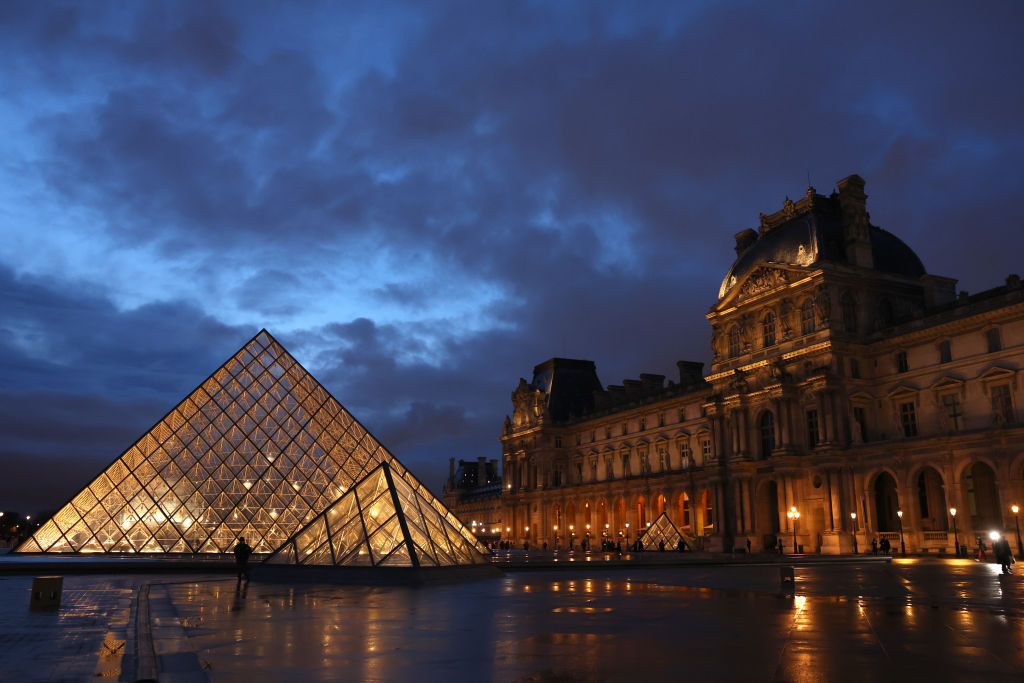
Christophe Leribault, the new director of the Louvre, has outlined his vision for the museum following a $100 million heist in October 2025. The Apollo Gallery, where the theft occurred, will reopen in July with a redesigned display that removes mineral cases to highlight its Romantic wall paintings, inspired by Versailles’s Hall of Mirrors. Empress Eugénie’s diamond-and-emerald crown, crushed by the thieves, is being restored and will become a new highlight. Security upgrades include window bars, 100 new cameras by 2026, a mobile police station, and a new security coordinator. The heist led to the resignation of former director Laurence des Cars in February.
Louvre Reveals Architects for $1 Billion Expansion

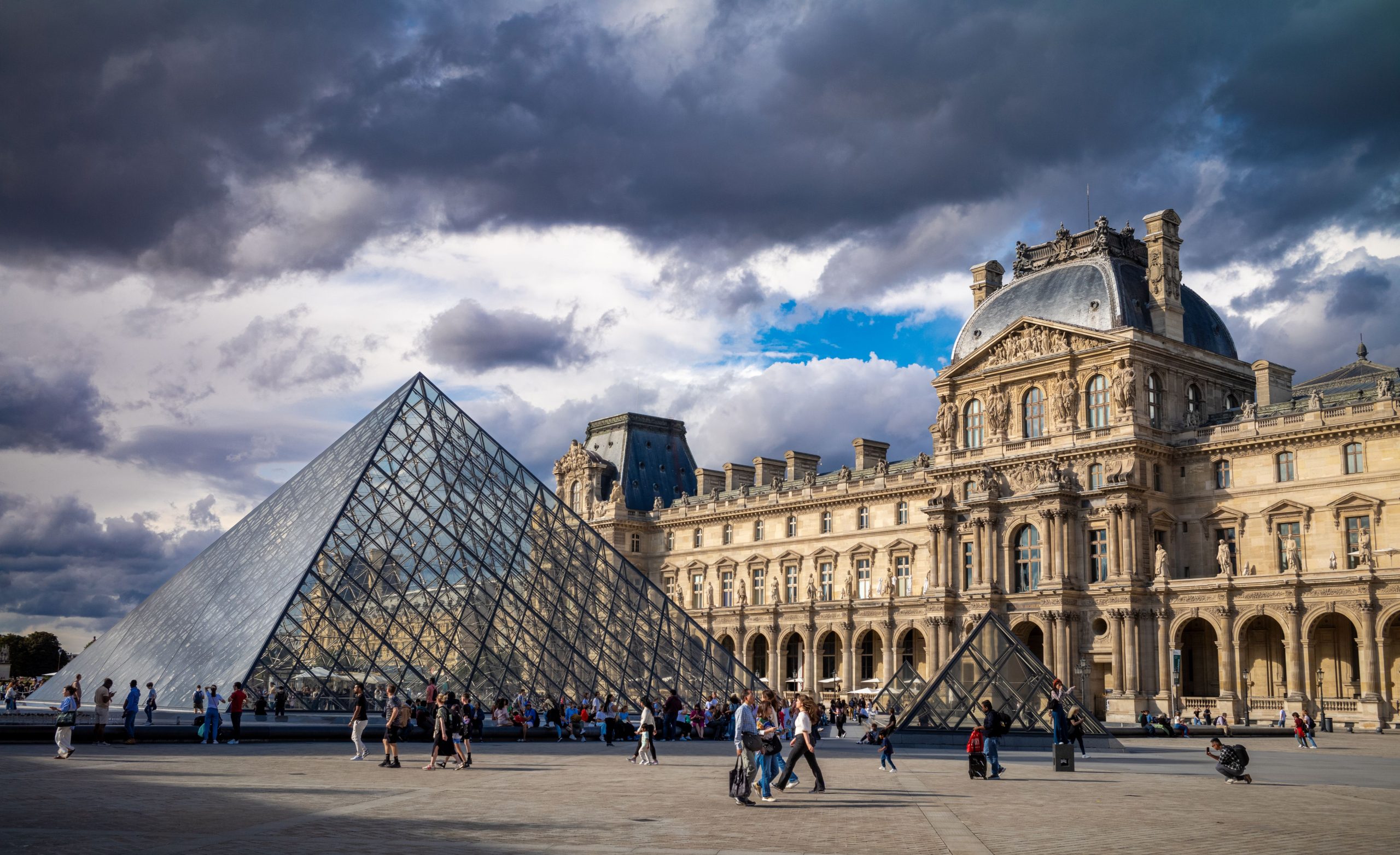
The Louvre has announced an international team of architects—New York's Selldorf Architects and Studios Architecture Paris—to lead its "Nouvelle Renaissance" expansion, a project estimated to cost over €1 billion ($1.2 billion). The plan, first announced by French President Emmanuel Macron in early 2025, includes a new entrance to accommodate three million additional visitors annually and a dedicated 33,000-square-foot exhibition space for Leonardo da Vinci's *Mona Lisa*. The museum's new director, Christophe Leribault, is moving forward with the project despite significant budget uncertainty, with cost estimates ranging from €270 million to €1.1 billion.

Chanel Expands Support for Centre Pompidou Amid $535 Million Renovation

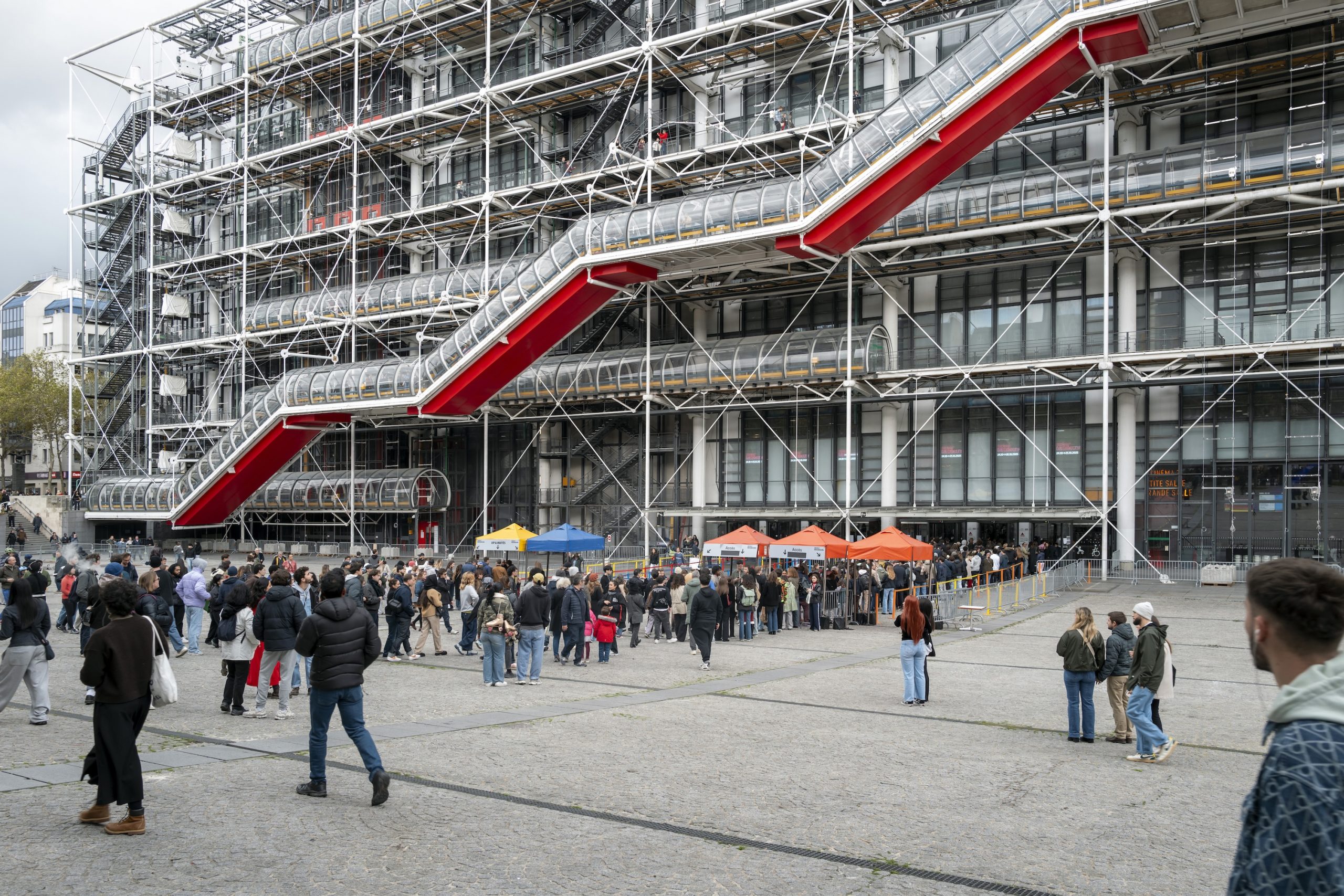
Chanel has announced a new five-year partnership with the Centre Pompidou in Paris, expanding its support for the museum during its landmark €460 million ($535 million) renovation. The fashion house, which has backed the Pompidou since 2019, will help preserve access to modern and contemporary art while the museum is closed to the public until its scheduled reopening in 2030. This follows a separate three-year deal in 2025 to grow the museum's collection of contemporary Chinese art by 30 percent, with a focus on women artists, and a 2024 acquisition of 21 works by 15 Chinese artists tied to an exhibition co-organized with Shanghai's West Bund Museum.

No Need to Shed a Tear for the Jury

"Man muss der Jury keine Träne nachweinen"

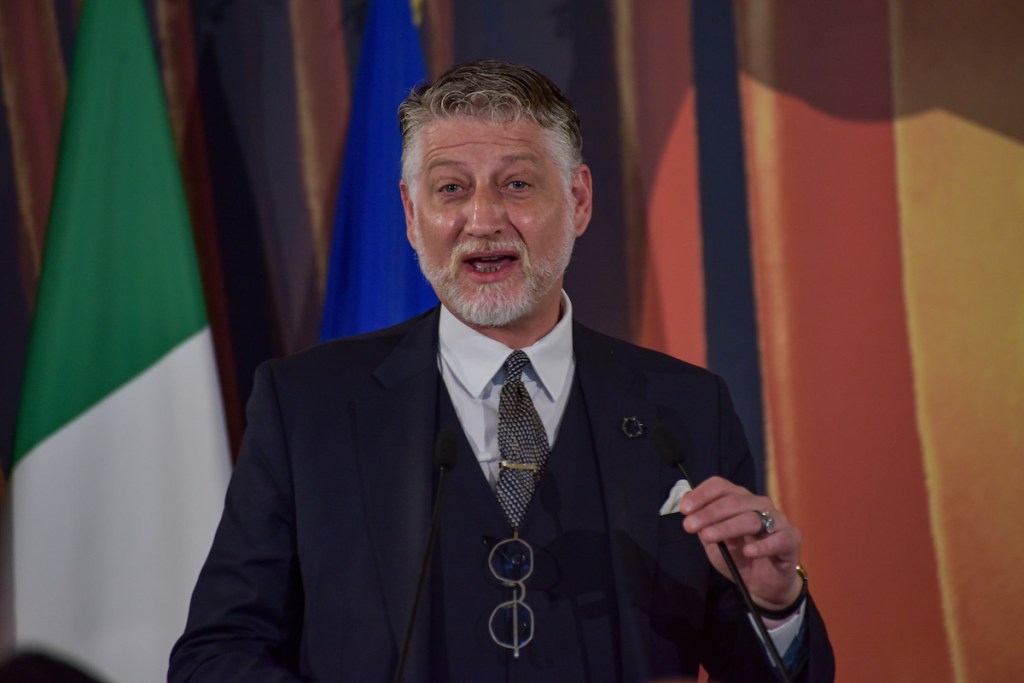
The entire jury of the Venice Biennale resigned shortly before the opening, prompting criticism of Biennale President Pietrangelo Buttafuoco. Italian Culture Minister Alessandro Giuli accused Buttafuoco of pursuing a misguided "pacificist fantasy" by readmitting Russia to the six-month exhibition, calling it failed "side foreign policy." Commentators in German media, including Niklas Maak (FAZ) and Marcus Woeller (Die Welt), see the resignation as a symptom of a crisis in the art world, with the jury having acted as a "political tribunal" by pre-judging artists based on nationality, particularly regarding Israel. The Biennale leadership defended inclusion, but the standoff has caused significant "image damage." Separately, Dirk Knipphals (wochentaz) delivers a scathing review of Wolfram Weimer's first year as cultural policy commissioner, accusing him of empty rhetoric and failing to counter right-wing cultural politics. Juliane von Mittelstaedt (Der Spiegel) reports on Saudi Arabia's use of a spectacular new art museum in Riyadh as a stability narrative amid regional conflict.

Pussy Riot Storms Russia Pavilion at Venice Biennale

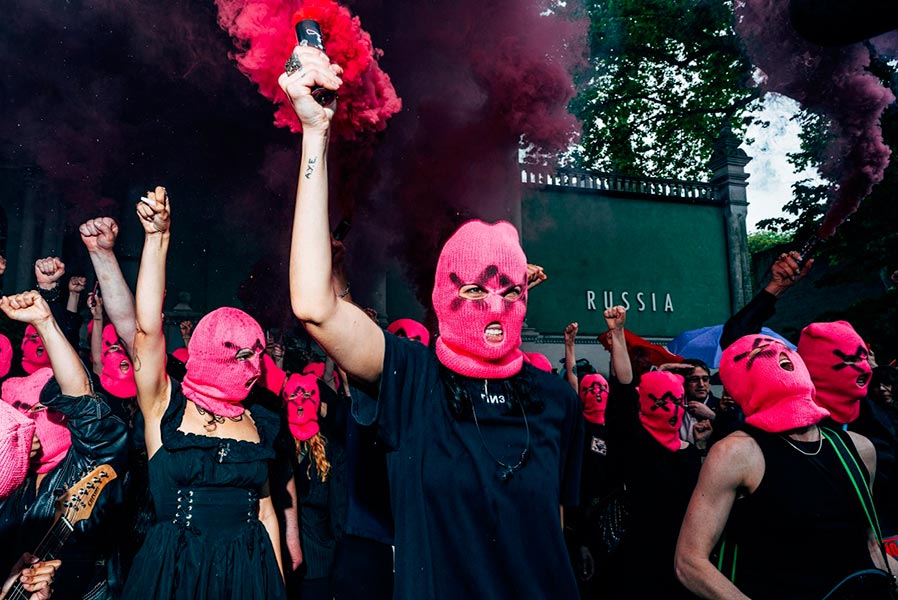
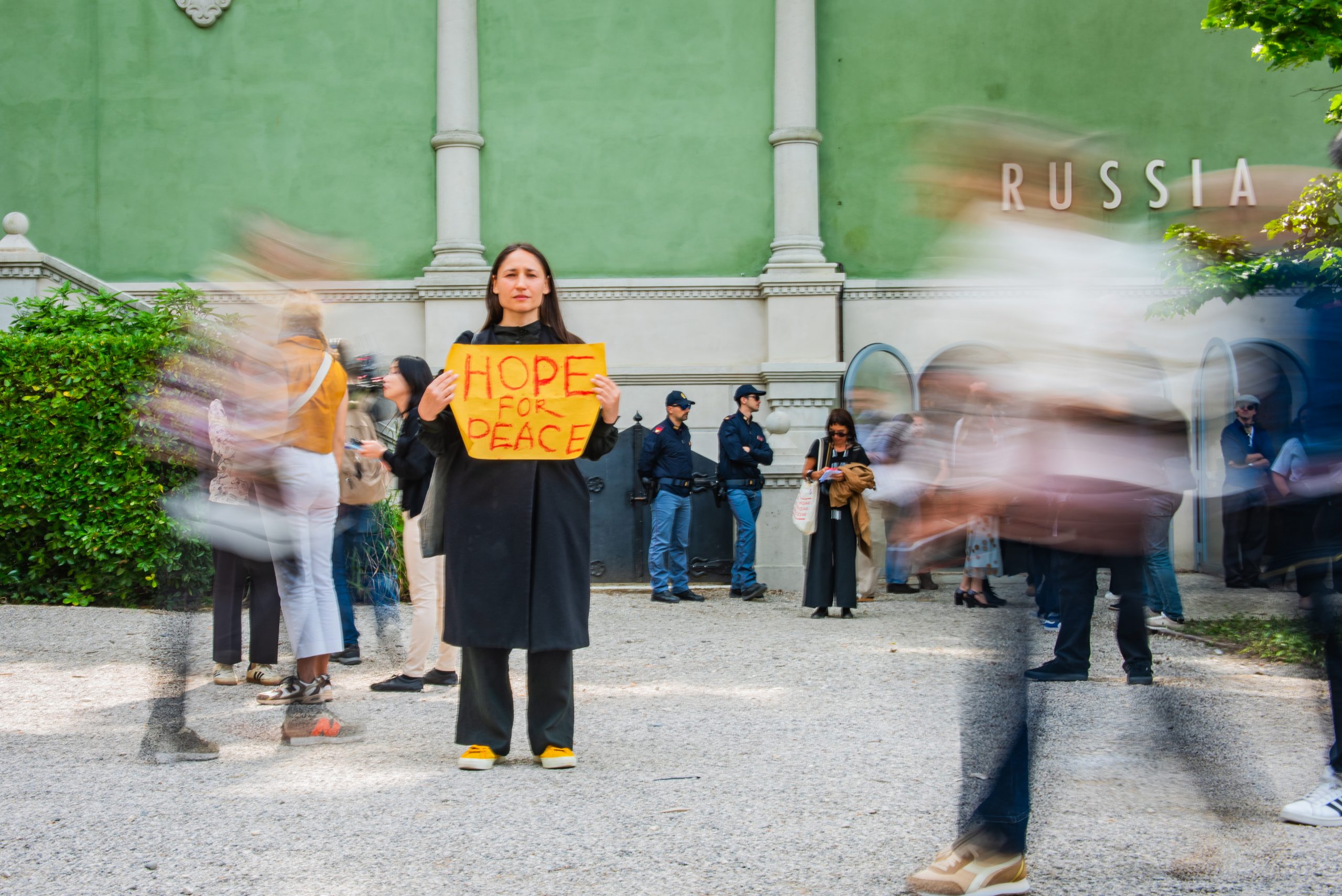
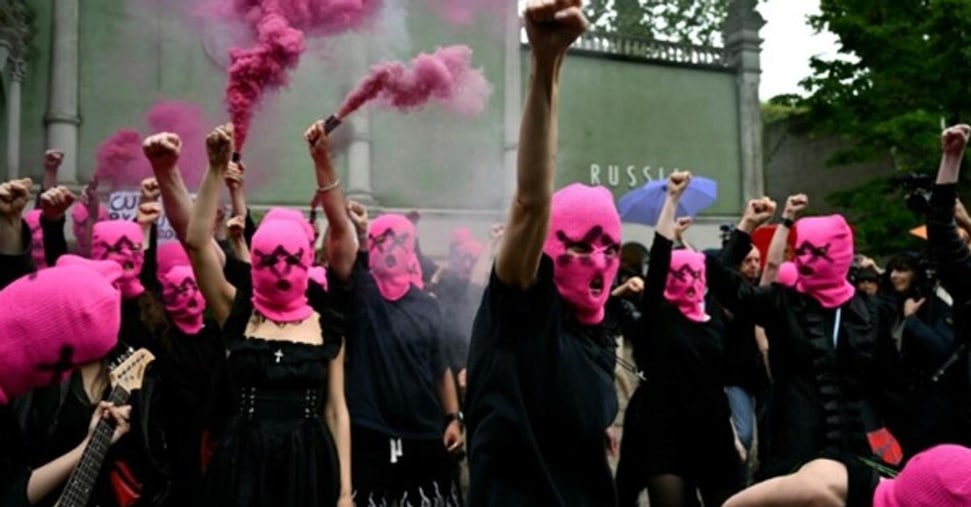
Pussy Riot staged a dramatic protest at the Russia Pavilion during the Venice Biennale, releasing pink smoke and waving Ukrainian flags while chanting slogans like 'Blood is Russia’s art.' Around 50 protesters, including members of Femen, occupied the area. Pussy Riot founder Nadya Tolokonnikova called for the pavilion to be closed and given to oppressed peoples, challenging Biennale president Pietrangelo Buttafuoco to meet her. The protest lasted about 20 minutes, with performers climbing the pavilion and exposing political slogans on their chests.

Artists, Read the Fine Print

Artist Damien Davis writes a critical piece on how so-called 'standard' contracts in the art world systematically undermine artists' power, citing long consignment periods, moral rights waivers, and opaque terms that favor institutions. Separately, the Venice Biennale has scrapped its traditional Golden Lion awards after the awards jury resigned; instead, ticket holders will vote on 'Visitor Lions,' with results announced in November, and notably Israel and Russia remain eligible despite the jury's earlier ban. Other news includes damage to a 1,000-year-old Native American archaeological site by construction crews building President Trump's border wall.

La Biennale de Venise s’ouvre dans un climat houleux

The 61st Venice Biennale opened amid intense controversy after its president, Pietrangelo Buttafuoco, announced the return of the Russian pavilion, which had been absent since the start of the Ukraine war. The European Commission suspended its €2 million subsidy for the 2028 edition, and the entire Biennale jury resigned on April 30. Buttafuoco later declared the Russian pavilion would remain closed, but protests erupted during the pre-opening days (May 6–8), drawing 28,000 professionals. Pussy Riot members, Femen activists, and the Free Nations League staged demonstrations, while the Israeli pavilion remained open despite a letter signed by nearly 200 artists calling for its exclusion.

Barrage of Russian missiles damages museums, library and theatre in Kyiv

A massive Russian missile and drone strike on Kyiv over the weekend of 24 May damaged multiple cultural institutions, including the National Art Museum of Ukraine, the Yaroslav Mudryi National Library of Ukraine, the Kyiv Opera Theatre, and the National Chornobyl Museum. The National Chornobyl Museum suffered the worst damage, with around 40% of its exhibition hall exhibits destroyed. Ukraine's culture ministry reported the hits, and President Volodymyr Zelensky visited the museum. Russia claimed the barrage was retaliation for a Ukrainian strike, while Ukraine stated it hit a drone unit. The attack killed four people and injured approximately 100.

At the Venice Biennale I saw anger at Russia and Israel – and its leadership pretending everything was fine | Charlotte Higgins

At the 2024 Venice Biennale, the Russian pavilion returned with festive performances and prosecco deliveries, drawing sharp criticism from observers who saw it as a propaganda effort to distract from Russia's war in Ukraine. Meanwhile, Ukraine's Kramatorsk was bombed, and protests erupted, including a Pussy Riot intervention. Biennale president Pietrangelo Buttafuoco defended Russia's and Israel's participation, rejecting preemptive bans despite open letters and appeals. European Commission investigated potential sanctions breaches, and culture ministers from Ukraine, Poland, Estonia, and Baltic states boycotted or condemned the biennale's stance, accusing it of yielding to the aggressor.

The Short Circuit of Art in Venice. The Tensions at the Biennale Are Not Just Geopolitics

Il cortocircuito dell’arte a Venezia. Le tensioni alla Biennale non sono solo geopolitica

The article analyzes the recent tensions and controversies surrounding the 2026 Venice Biennale, which began with President Pietrangelo Buttafuoco's announcement in March that Russia, Iran, Israel, Ukraine, and Belarus would all be allowed to participate, framing it as a foreign policy gesture. This sparked immediate polarization, leading to two open letters from half the invited artists and curators demanding the exclusion of Russia, Israel, and the United States; the resignation of the jury a week before the opening over a decision to exclude countries under ICC indictment; and a historic strike by workers on May 8 that shut down many pavilions, merging protests against genocide with those against precarious labor conditions.

Art and politics clash at Venice Biennale, as world conflicts upstage exhibition's opening

The 61st Venice Biennale, the world's most prestigious art exhibition, opens under unprecedented turmoil. For the first time, its vision was shaped by the late Cameroonian curator Koyo Kouoh, who centered artists from Africa and its diaspora. However, political conflicts over Russia and Israel have overshadowed the art. All five jurors resigned after the Italian culture minister investigated their decision to withhold prizes from Russia and Israel over alleged crimes against humanity. Protests erupted at the Russian pavilion, with Pussy Riot activists denouncing Russia's participation, while the Israeli pavilion artist threatened legal action over the jury's snub. The Biennale will proceed without a jury, with visitors voting for two awards, and the fate of the Golden Lion remains uncertain.

Venice Biennale Jury Resigns in the Wake of Controversial Prize Ban

The jury for the 2026 Venice Biennale has resigned just days before the public opening on May 9, after announcing on April 22 that it would not consider artists from countries accused of crimes against humanity for the Golden and Silver Lion prizes. The jury, consisting of Solange Oliveira Farks (president), Zoe Butt, Elvira Dyangani Ose, Marta Kuzma, and Giovanna Zapperi, cited its earlier statement of intention in its resignation, which directly impacted the participation of Russia and Israel—both subject to International Criminal Court warrants. In response, the Biennale postponed the awards ceremony from May 9 to November 22 and replaced the traditional jury with a public vote for best participant and best national participation, framing the move as upholding openness and rejecting censorship.

Venice Biennale Jury Resigns En Masse, Organizers to Award “Visitors’ Lions” in November

The jury for the 2026 Venice Biennale has resigned en masse, announcing the decision via e-flux's Instagram account on April 30 without providing a reason. The five-member jury, including president Solange Oliveira Farks, Zoe Butt, Elvira Dyangani Ose, Marta Kuzma, and Giovanna Zapperi, had previously stated they would not consider national pavilions from countries charged with crimes against humanity by the International Criminal Court, directly affecting Israel and Russia. In response, the Biennale postponed the awards ceremony from May to November 22 and replaced the Golden Lions with two "Visitors' Lions" voted on by the public.

Russian Pavilion Will Be Closed to the Public During Venice Biennale: Report

The Russian Pavilion will be closed to the public for most of the 2025 Venice Biennale, opening only during the pre-opening vernissage (May 5–8) for live performances tied to the exhibition “The Tree Is Rooted in the Sky.” After May 9, the pavilion will remain closed, with digital documentation displayed in the windows. The compromise follows weeks of pressure from European cultural and political figures—including Italy’s culture minister—to shutter the pavilion due to Russia’s ongoing war in Ukraine. Plans were confirmed via email correspondence between Biennale Foundation president Pietrangelo Buttafuoco, general director Andrea Del Mercato, and Russian Pavilion commissioner Anastasia Karneeva, as reported by Italian outlets Open and La Repubblica.

Political Fallout Rocks Venice Biennale Prize System

Dozens of artists participating in the 2026 Venice Biennale have withdrawn from consideration for the newly created Visitor Lion awards, replacing the traditional Gold and Silver Lion prizes. A total of 57 artists from the main exhibition and 22 national pavilions signed a statement published on e-flux on May 9, acting in solidarity with the five-person prize jury that resigned on April 30 over the continued participation of Russia and Israel. The jury had objected to awarding prizes to artists from countries whose leaders face International Criminal Court charges, including Russian president Vladimir Putin and Israeli prime minister Benjamin Netanyahu. In response, the Biennale organizers postponed the awards ceremony to November 22 and introduced visitor voting, a move they described as consistent with openness and dialogue. Meanwhile, the Russian Pavilion, which returned after lending its space to Bolivia in 2024, faced protests, closure after previews, and a €2 million funding pull by the European Union for the 2028 Biennale.

Putin ‘Won’ the Venice Biennale, Quips Italian Culture Minister

Italian Culture Minister Alessandro Giuli stated that Russian President Vladimir Putin "won" the 2024 Venice Biennale, criticizing Russia's controversial return to the event. Giuli, who repeatedly denounced Russia's presence, told Corriere della Sera that Russian artists in the pavilion cannot express dissent against their regime. The Biennale faced widespread calls to remove Russia, with the EU threatening to withhold a €2 million grant, but organizers argued they lacked legal authority to exclude the country. Protests by Pussy Riot and FEMEN marked the pavilion's opening, while the Biennale's jury resigned en masse after announcing that nations charged with crimes against humanity would be ineligible for Golden Lions.

‘Exclusion can only satisfy the ego’: Venice Biennale president hits out at critics amid Russia and Israel controversy

Venice Biennale president Pietrangelo Buttafuoco defended the institution against critics at a conference on May 6, three days before the public opening, amid controversy over Russia's return to the event for the first time since its 2022 invasion of Ukraine and ongoing disputes over Israel's participation. He accused critics of “narcissism” and “censorship,” while Italian culture minister Alessandro Giuli sent inspectors to investigate whether Russia's involvement breached sanctions; a report was submitted to Prime Minister Giorgia Meloni's office. Meanwhile, the Biennale faces legal threats from the artist representing Israel over alleged discrimination, and protests have erupted, including a demonstration by Art Not Genocide Alliance and a Pussy Riot action at the Russia pavilion.

The Biennale Isn’t a Court. Tell That to the Protesters.

Pietrangelo Buttafuoco, president of the Venice Biennale, defended the decision to allow Russia to reopen its pavilion for the first time since its 2022 invasion of Ukraine, stating that the Biennale is "not a court; it is a garden of peace." The move has sparked widespread backlash, including threats to pull €2.3 million in EU funding. Protests have erupted on the ground, with Pussy Riot and FEMEN staging a theatrical demonstration outside the Russian Pavilion, setting off smoke flares and chanting slogans. Separately, around 60 artists performed a "Solidarity Drone Chorus" to protest Israel's participation, and the Art Not Genocide Alliance has called for a 24-hour strike and rallies across Venice. The Russian Pavilion will be open only during press preview days due to EU sanctions, with video projections visible from outside for the rest of the Biennale's run.

Venice Bound? Here’s All the News You Need to Know About This Year’s Biennale

The 61st Venice Biennale is embroiled in geopolitical controversy over Russia's return to the event in 2026, which has sparked widespread backlash. Nearly 10,000 artists and cultural leaders signed an open letter opposing Russia's participation, and the European Union withdrew €2 million in funding for the 2028 edition. Leaked emails reveal Biennale officials worked with Russian pavilion commissioner Anastasia Karneeva to circumvent EU sanctions, while Italy's culture minister Alessandro Giuli plans to boycott the opening week. Meanwhile, activists continue to push for Israel's removal from the Biennale, though Israel will be accommodated in the Arsenale this year.

Art Biennale: artists reject the popular jury

Fifty-two artists and curators, along with sixteen National Participants of the 61st Venice Art Biennale, have withdrawn from the newly introduced 'Lions of the Visitors' (People's Prizes) competition. The boycott follows the resignation of the jury appointed by artistic director Koyo Kouoh, who died in 2025, and is a protest against the inclusion of Russia and Israel in the prize—countries initially excluded by the international jury. The controversy escalated after Italian Minister of Culture Alessandro Giuli publicly opposed the Biennale president Pietrangelo Buttafuoco's decision to allow Russia's participation, drawing in the European Commission and even Ursula von der Leyen, who warned of potential sanctions violations. The signatories include artists and curators from France, Belgium, Luxembourg, Turkey, Switzerland, Spain, the Netherlands, and several other nations.

Venice Biennale jury resigns in latest politically charged controversy at art exhibition

The entire jury of the Venice Biennale has resigned, including president Solange Farkas and members Zoe Butt, Elvira Dyangani Ose, Marta Kuzma, and Giovanna Zapperi. The jury had announced it would not consider for prizes countries charged with crimes against humanity by the International Criminal Court, a stance that would affect Israel and Russia, both of which have national pavilions at the exhibition. As a result, the Biennale will not award several jury prizes, including the Golden Lion for best national pavilion and best artist in the group show, replacing them with visitor-voted awards.

Israel Criticizes Venice Biennale Jury over Pavilion’s Exclusion

The international jury of the 61st Venice Biennale has excluded the Israeli and Russian pavilions from consideration for official prizes, citing that countries whose leaders are charged with crimes against humanity by the International Criminal Court will not be eligible. Israel’s foreign ministry condemned the decision as a political boycott, and Israeli representative Belu-Simion Fainaru called it a hostile act that exceeds the jury’s mandate. The Biennale’s president, Pietrangelo Buttafuoco, has distanced the institution from the jury’s action, insisting the exhibition remain open to all nations recognized by Italy.

Architects Behind Frick Renovation Tapped for Louvre’s ‘New Renaissance’

The French government has selected STUDIOS Architecture to lead a major renovation of the Louvre Museum in Paris, including new galleries and a second entrance. The project, called the 'New Louvre Renaissance,' was announced by President Emmanuel Macron in early 2025 but stalled after a jewel heist and staff strikes led to the resignation of former Louvre president Laurence des Cars, who was succeeded by Christophe Leribault. The $778 million plan aims to ease overcrowding at the museum, which hosts 9 million visitors annually, and includes a dedicated 33,000-square-foot gallery for the Mona Lisa.

The Craziest Venice Biennale Ever: One Week Before Opening, the Jury Resigns (The Public Will Decide the Lions!)

La Biennale di Venezia più pazza di sempre: a una settimana dall’apertura si dimette la giuria (I Leoni li deciderà il pubblico!)

The entire international jury of the 61st Venice Biennale has resigned en masse just one week before the opening. The jury, chaired by Solange Oliveira Farkas and including Zoe Butt, Elvira Dyangani Ose, Marta Kuzma, and Giovanna Zapperi, had publicly announced they would not consider countries whose leaders are accused of crimes against humanity by the International Criminal Court—effectively excluding Russia and Israel from the Golden Lion competition. This decision came amid ongoing tensions between Italian Culture Minister Alessandro Giuli and Biennale President Pietrangelo Buttafuoco over Russia's participation, as well as controversy surrounding Israel's presence. After a meeting with Buttafuoco, the jury resigned, leaving the Biennale without a key body to award its top prizes.

There is an absent pavilion at the 2026 Venice Art Biennale that no one has talked about: Venezuela

C’è un padiglione assente alla Biennale d’Arte di Venezia 2026 di cui nessuno ha parlato: il Venezuela

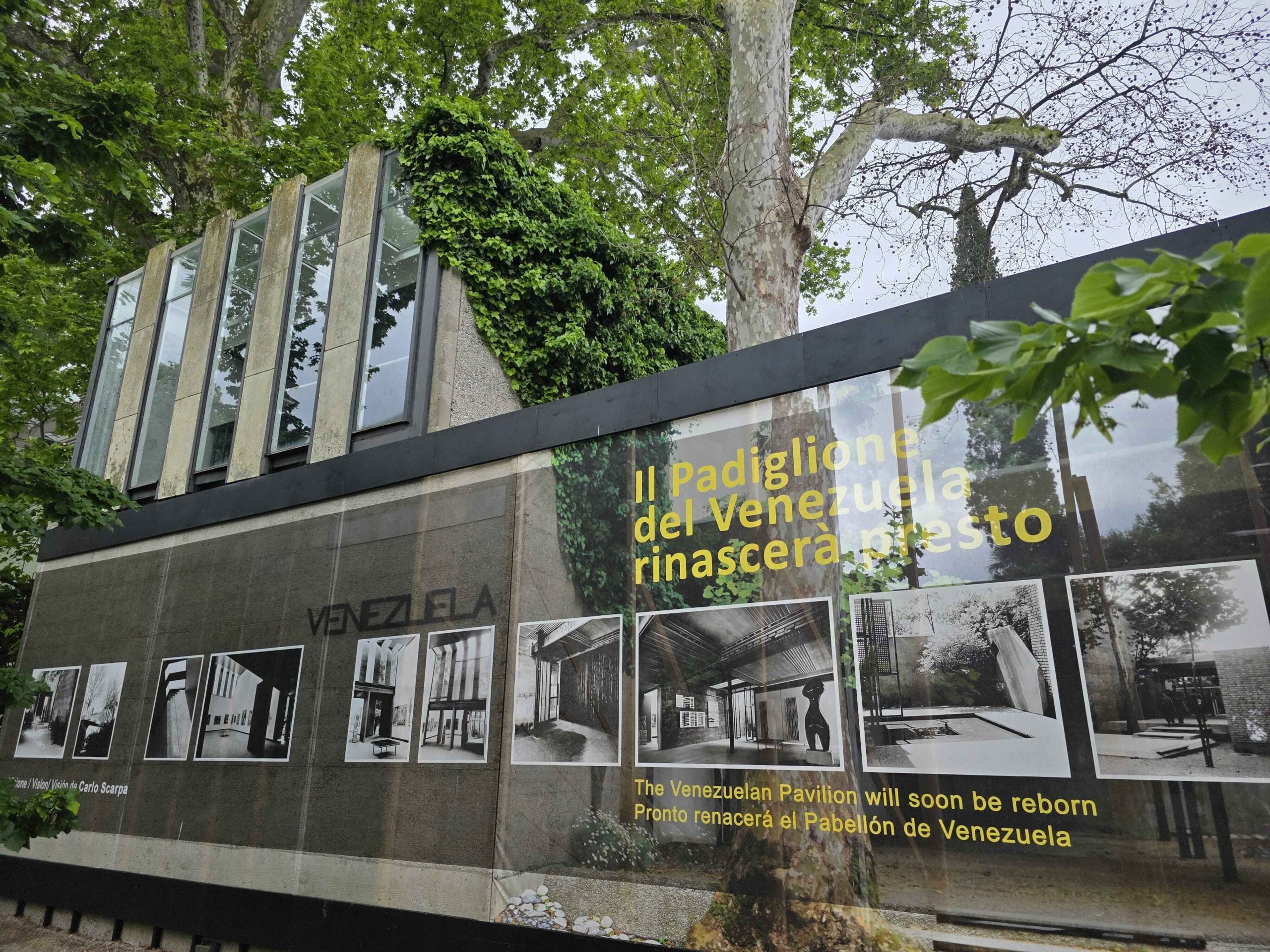
The Venezuelan pavilion at the 2026 Venice Art Biennale remains closed, an absence that has gone largely unnoticed amid other controversies surrounding the Russian, Israeli, South African, and Iranian pavilions. Designed by architect Carlo Scarpa and built between 1953 and 1956, the pavilion now displays a trilingual sign stating it will "rise again soon," reflecting the country's collapse after the kidnapping and imprisonment of President Nicolás Maduro by the United States and the installation of a fragile pro-American interim government.

Notre-Dame : les travaux commencent, le combat se poursuit

Work has begun on replacing the stained-glass windows at Notre-Dame Cathedral in Paris, with scaffolding installed immediately after the work permit was posted. The project involves removing six ornamental windows created in 1864 by Alfred Gérente under Eugène Viollet-le-Duc and installing six new windows by artist Claire Tabouret and the master glassmakers Simon-Marq. The authorization, signed by the prefect, has sparked legal challenges from the heritage association Sites & Monuments, who argue the replacement is neither conservation nor restoration. The article details how the state's own authorization document inadvertently strengthens opponents' arguments by affirming that the entire cathedral, including Viollet-le-Duc's windows, is protected as a historic monument.

Stonewall Monument Named Among Most Endangered Sites in the US

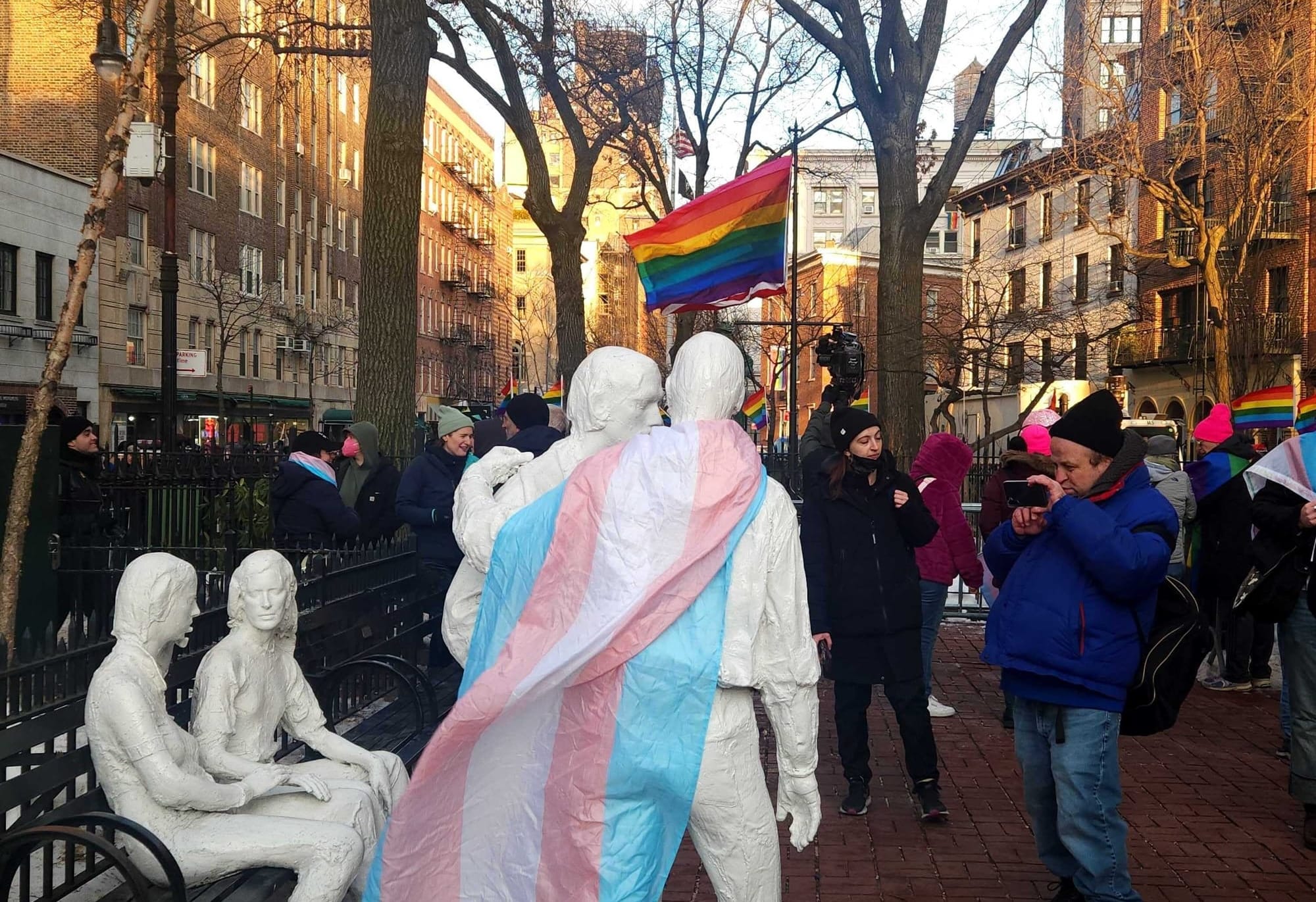
The Stonewall National Monument in Manhattan has been named one of the most endangered places in the US by the National Trust for Historic Preservation, marking the first time the site has appeared on the annual list. The designation comes amid the Trump administration's efforts to control LGBTQ+ history, including the National Park Service's removal of references to transgender individuals from the monument's official website and the removal of the rainbow pride flag from the site. Activists and the Gilbert Baker Foundation fought back, with the foundation filing a lawsuit that led to a settlement allowing the pride flag to be flown again, though the NPS has not restored the original website text.

CalArts President Booed During Commencement Speech

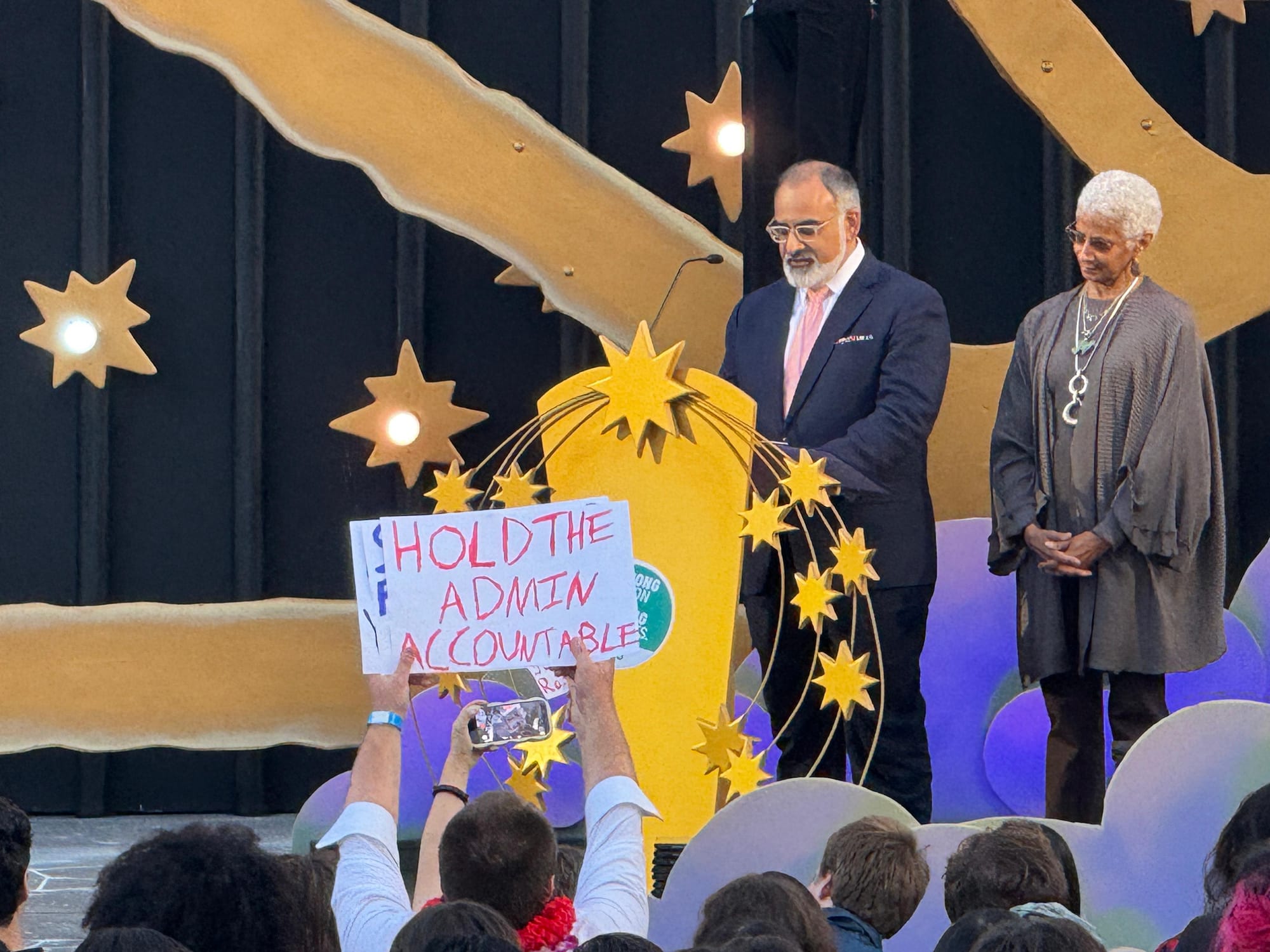
California Institute of the Arts (CalArts) President Ravi S. Rajan was loudly booed by students during the school's commencement ceremony on May 15, as they held signs reading “Hold the Admin Accountable” and “Save Our Faculty & Staff.” The protest stemmed from ongoing financial turmoil at the esteemed art school, including a multi-million-dollar budget deficit, significant staff and faculty layoffs, and a decline in enrollment from 1,500 to roughly 1,200. Despite Rajan's attempts to redirect focus to the graduates, the booing persisted, and board chair Charmaine Jefferson unsuccessfully appealed for calm. The incident follows a broader crisis at CalArts, where over 75% of staff sought to unionize in 2024, and faculty held a “Chop from the Top” rally in March against proposed $5 million in cuts.

US Border Wall Construction Damages 1,000-Year-Old Indigenous Land Art in Arizona

Construction crews building a barrier between the United States and Mexico have damaged a 200-foot-long etching of a fish embedded in the land in Arizona, known as the Las Playas Intaglio, which is thought to be 1,000 years old. According to a report in the Washington Post, workers destroyed a 60-to-70-foot portion of the ancient Indigenous land art as part of President Donald Trump’s $46.5 billion border-wall project. Satellite imagery confirmed the destruction, showing bulldozer marks running through about a third of the fish formation. U.S. Customs and Border Protection acknowledged the incident, stating that a contractor inadvertently disturbed the cultural site on April 23, 2026, and that the remaining portion has been secured.

Row Over Russia’s Return to the Venice Biennale Deepens

Newly leaked emails reveal that the Venice Biennale has been secretly coordinating with Russia since last summer to facilitate its return to the 2025 edition, despite ongoing international sanctions. The correspondence, published by Italian outlets Open and La Repubblica, shows Biennale president Pietrangelo Buttafuoco, director Andrea Del Mercato, and Russian commissioner Anastasia Karneeva working together on visa issues, pavilion logistics, and a legal strategy to bypass E.U. sanctions prohibiting collaboration with state-backed Russian entities. Russia's pavilion will be open during preview days with performers activating the space, while footage will play for the public from a closed pavilion thereafter.