filter_list Showing 29 results for "German" close Clear
search
dashboard All 654 museum exhibitions 277article news 96trending_up market 53candle obituary 47article culture 43gavel restitution 35article policy 29rate_review review 29person people 26article local 19
date_range Range Today This Week This Month All
Subscribe

hamburger bahnhof gala patrons 2738994

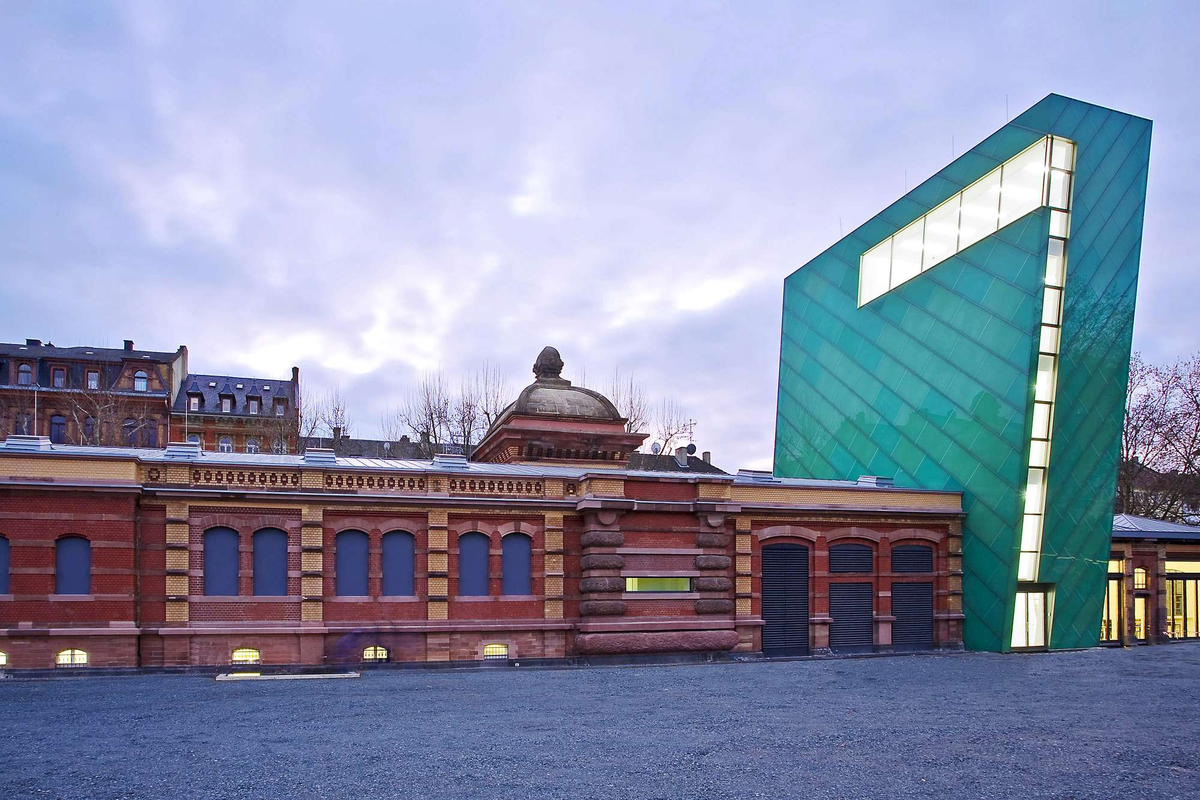
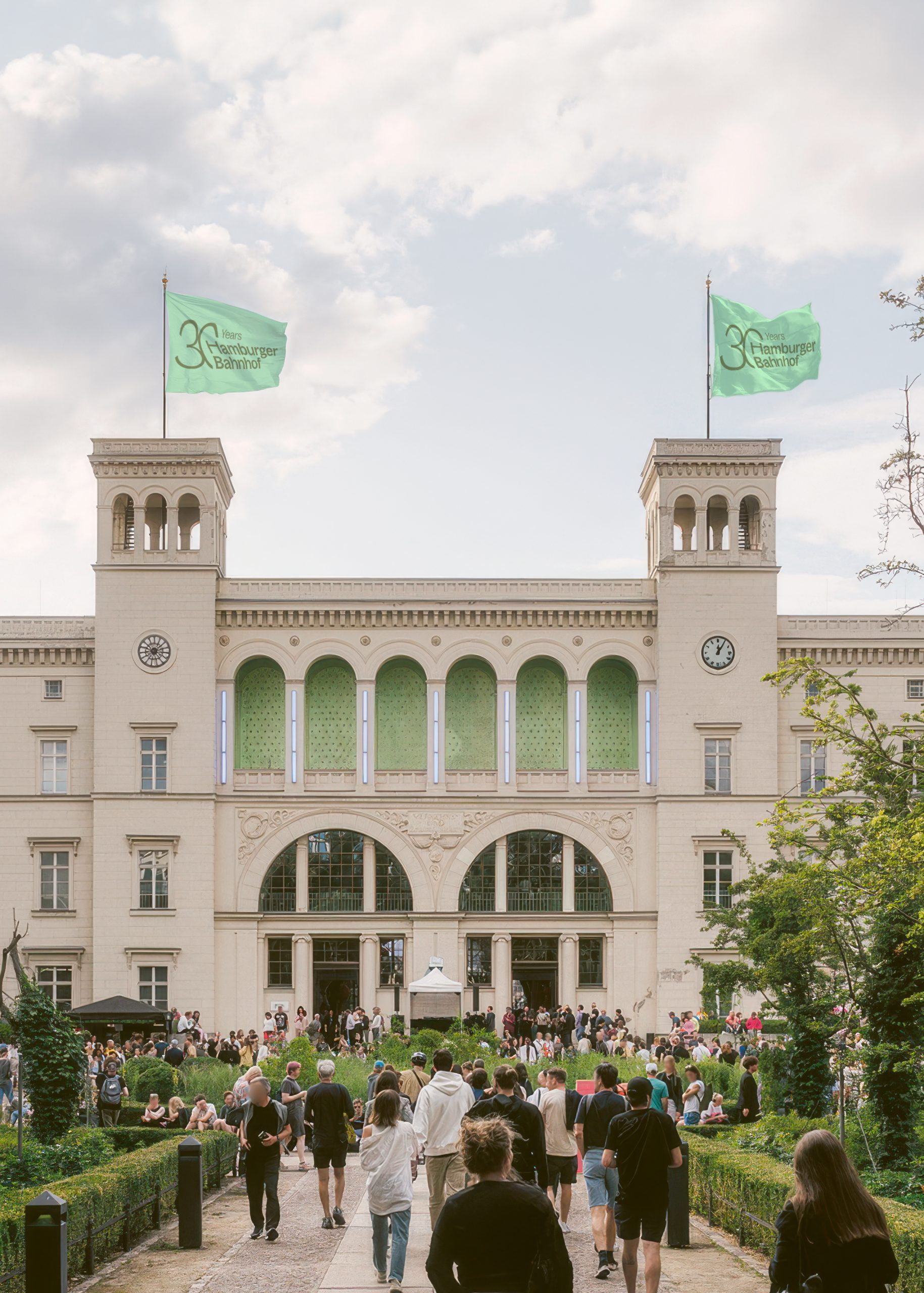
Berlin's Hamburger Bahnhof museum, facing budget cuts of up to 12% and shifting government spending priorities in Germany, is planning its first-ever gala to mark its 30th anniversary. Co-directors Sam Bardouil and Till Fellrath are spearheading the event, set for March, which will feature cultural figures including Cate Blanchett, Matt Dillon, Elmgreen & Dragset, and the Berlin Philharmonic. The museum has also launched the Chanel Commission and the International Companions philanthropy circle to diversify funding sources.

Gerhard Richter Supports New Admission Fee for Cologne Cathedral

gerhard richter cologne cathedral admission fee 2752286

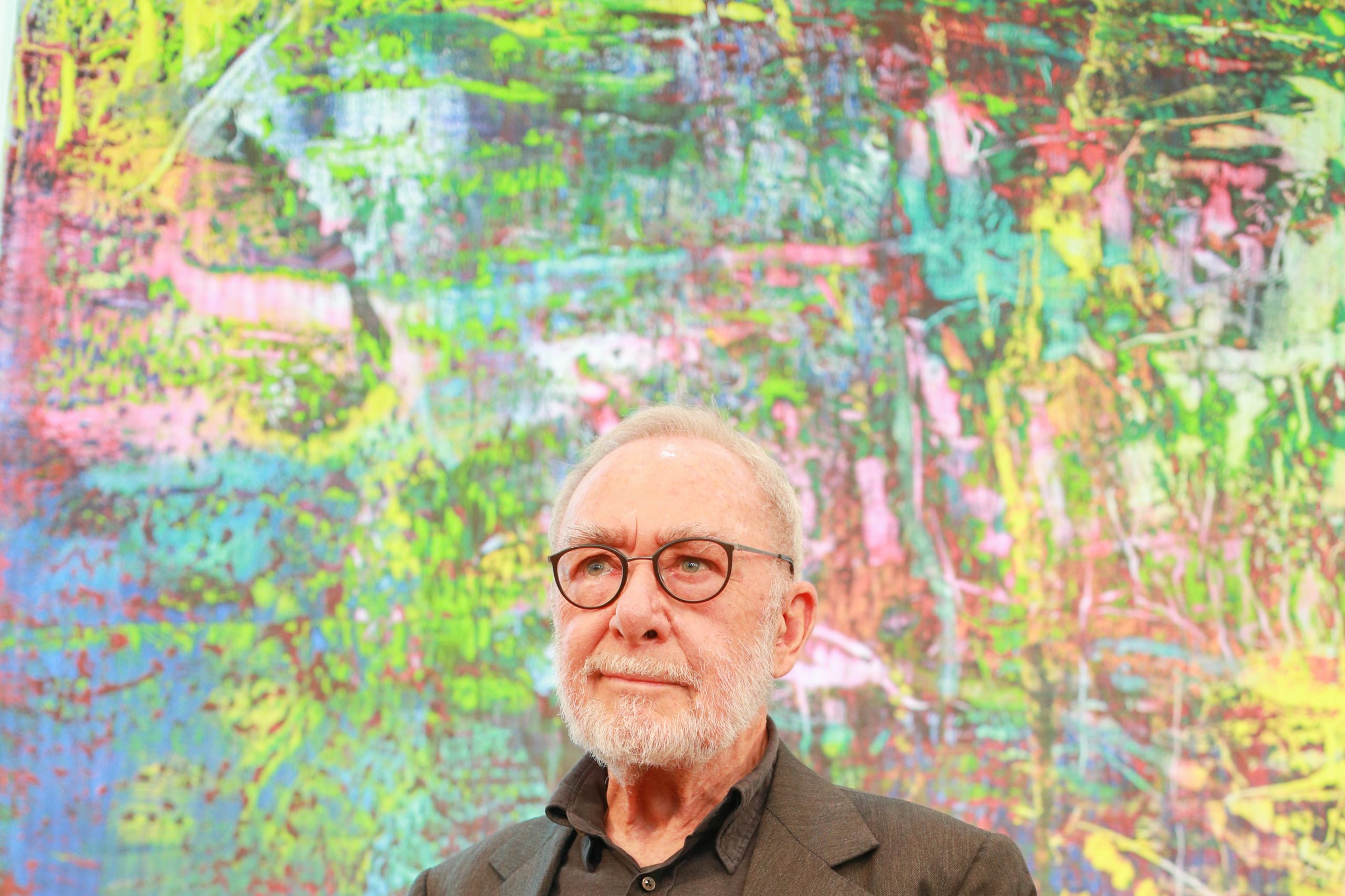
Cologne Cathedral, Germany’s most-visited landmark and a UNESCO World Heritage site, has announced it will begin charging tourists an admission fee starting this fall. The decision comes as the institution faces rising operating costs and depleted financial reserves following the pandemic, despite its recent surge in popularity on platforms like TikTok.

An Old Man Whose Egoscentrism Knows No Bounds

"Ein alter Mann, dessen Ich-Sucht keine Grenzen kennt"

More than 30 current and former jury members of the Stiftung Kunstfonds have issued a formal protest against German Culture Minister Wolfram Weimer, accusing his office of political interference and intimidation. The controversy stems from reports that the ministry requested lists of all jury members across various art institutions and bypassed jury decisions to exclude specific recipients from awards based on intelligence service reports.

Foreign Office Reprimands Goethe-Institut for Exhibition

Auswärtiges Amt rügt Goethe-Institut für Ausstellung

The German Foreign Office has formally reprimanded the Goethe-Institut for its involvement in an exhibition in Vilnius, Lithuania, featuring Palestinian-American artist Basma al-Sharif. The ministry stated that events organized by German cultural intermediaries must leave no doubt about the government's firm rejection of antisemitism and hatred of Israel, and demanded greater care in planning and conceptualizing such events with partners. The exhibition, "Bells and Cannons - Contemporary Art in Times of Militarization," was a collaboration between the Goethe-Institut Vilnius, the Contemporary Art Centre Vilnius, and the Berlin Academy of Arts.

Prominent German Art Foundation Accuses Top Culture Official of ‘Attempted Intimidation’

Jurors from the Kunstfonds Foundation, a major German contemporary art funding body, have accused Minister of State for Culture Wolfram Weimer of attempted intimidation and political interference. The conflict erupted after Weimer requested the names of the independent jury members, a move the foundation views as a threat to artistic freedom. This follows a separate controversy where Weimer reportedly consulted domestic intelligence to exclude bookstores with left-wing leanings from a national award.

ravensburger victory leonardo vitruvian man puzzle 2656791

Germany's Stuttgart Higher Regional Court ruled that Ravensburger, a German toy manufacturer, can continue using Leonardo da Vinci's *Vitruvian Man* (c. 1490) in its puzzles, dismissing a claim by Italy's Culture Ministry and the Gallerie dell'Accademia di Venezia. The Italian plaintiffs had sought a licensing agreement under a domestic cultural heritage law, arguing that commercial use of the image required their authorization, even outside Italy. The ruling reverses a 2022 Venice court decision that had ordered Ravensburger to stop production. The Italian parties may appeal to the German Federal Court of Justice.

Artists and scholars respond to White House’s list of Smithsonian grievances

Over the weekend, artists, scholars, and concerned citizens responded to the White House's list of objectionable Smithsonian Institution exhibits and texts, released under the heading 'President Trump Is Right About the Smithsonian.' The list includes bullet points targeting exhibits on white culture, LGBTQ+ history, Afrofuturism, and works by artists such as Ibram X. Kendi, Ayana V. Jackson, Hugo Crosthwaite, Rigoberto A. Gonzalez, and Amy Sherald. Those singled out defended their work, with some comparing the administration's actions to Jim Crow-era censorship or Nazi Germany's 'degenerate art' campaigns, while others expressed pride in being included and vowed to continue making political art.

Cultural Institutions Warn Against AfD's Cultural Policy Plans

Kulturinstitutionen warnen vor AfD-Plänen zur Kulturpolitik

Nearly 30 cultural institutions in Saxony-Anhalt, including the Bauhaus Dessau Foundation and the Saxony-Anhalt Museum Association, have issued a joint warning against the AfD party's new government program. The political platform proposes a "patriotic cultural policy" that would prioritize funding for art contributing to "German identity" while criticizing the state's focus on modernism and the Bauhaus as a "sign of identity disorder." The institutions argue these plans threaten artistic freedom, pluralism, and the democratic culture of remembrance regarding Germany's Nazi past.

How the State Supports Provenance Research

Comment l’État soutient la recherche de provenance

The French Ministry of Culture has created two specialized missions to assist museums in researching the provenance of their collections, addressing looted artworks, human remains, colonial acquisitions, and illicit trafficking. The Mission for Research and Restitution of Looted Cultural Property (M2RS), established in 2019, focuses on Nazi-era spoliations (1933-1945) with a budget of €220,000 annually, while the newer Mission "Provenance," launched in 2024 under curator Catherine Chevillot, covers human remains, colonial-era objects, and illicit goods with a €450,000 budget. These missions provide expertise, funding, and coordination with institutions like the Commission for the Restitution of Property and Compensation of Victims of Anti-Semitic Spoliation (CIVS), though most museums still only initiate provenance checks during acquisitions or donations.

When a Palestinian Artist Asserts Her Own Humanity

Palestinian artist Basma al-Sharif faced a coordinated smear campaign and threats after being invited to screen her film "Morgenkreis" at the Kunstakademie Düsseldorf. The controversy erupted not over the film's content, but over her social media posts referencing Palestinian resistance and historical injustices, leading to demands from public officials and advocacy groups to cancel the event.

Kunsthalle Mainz Facing the End?

Kunsthalle Mainz vor dem Aus?

The Kunsthalle Mainz is facing potential closure by the end of the year following the withdrawal of funding by the Mainzer Stadtwerke. The crisis is compounded by the departure of director Stefanie Böttcher, who is moving to the Kunsthalle Kiel, and the fact that her position has not been advertised for replacement. Despite its international reputation and successful recent exhibitions, such as the current Britta Marakatt-Labba retrospective, the institution lacks a secured financial future and a leadership succession plan.

What is Art Allowed to Do?

Was darf die Kunst?

German Minister of State for Culture Wolfram Weimer has sparked a heated debate over artistic freedom after excluding three bookstores from the German Bookstore Prize due to undisclosed intelligence reports. The controversy has escalated into a broader confrontation with cultural institutions, highlighted by the Berlin Volksbühne's public criticism and Weimer's subsequent refusal to participate in a scheduled panel discussion. This incident follows a string of high-profile disputes regarding political expression in the arts, particularly concerning the Berlinale and documenta fifteen.

Why Do the Women Have to Be Naked?

"Warum müssen die Frauen nackt sein?"

A series of cultural controversies highlight growing tensions between artistic freedom and political pressure. In Germany, cultural minister Wolfram Weimer faces criticism for opaque funding decisions and alleged interference in jury processes, with critics arguing this undermines artistic freedom and free speech. Simultaneously, the European Media Art Festival in Osnabrück defends filmmaker Basma al-Sharif against accusations of antisemitism, illustrating how cultural funding can become a test of political ideology.

Germany Creates New Council to Oversee Returns of Looted Art

The German government has established a new council, the Coordination Council for Returns of Cultural Property and Human Remains from Colonial Contexts, to oversee the restitution of artifacts acquired during the colonial era. The council will include representatives from federal, state, and municipal authorities and is intended to provide a structured, national approach to handling these complex returns.

‘Momentous’: Italy to slash art VAT to 5%, the lowest rate in the EU

Italian lawmakers have approved a reduction of VAT on art sales from 22% to 5%, the lowest rate in the European Union. The decision, announced by culture minister Alessandro Giuli after a cabinet meeting on June 20, is expected to take effect this week. The reform follows intense lobbying by art market groups and a letter signed by 500 art world figures, including artists Maurizio Cattelan and Michelangelo Pistoletto, who warned the high rate was turning Italy into a "cultural desert." The tax cut must be passed by parliament within 60 days to remain in force, and may also apply to import VAT, potentially making Italy the most competitive art market in Europe from a tax standpoint.

Hamburg Culture Prize Renamed After Namesake’s Nazi Ties Emerge

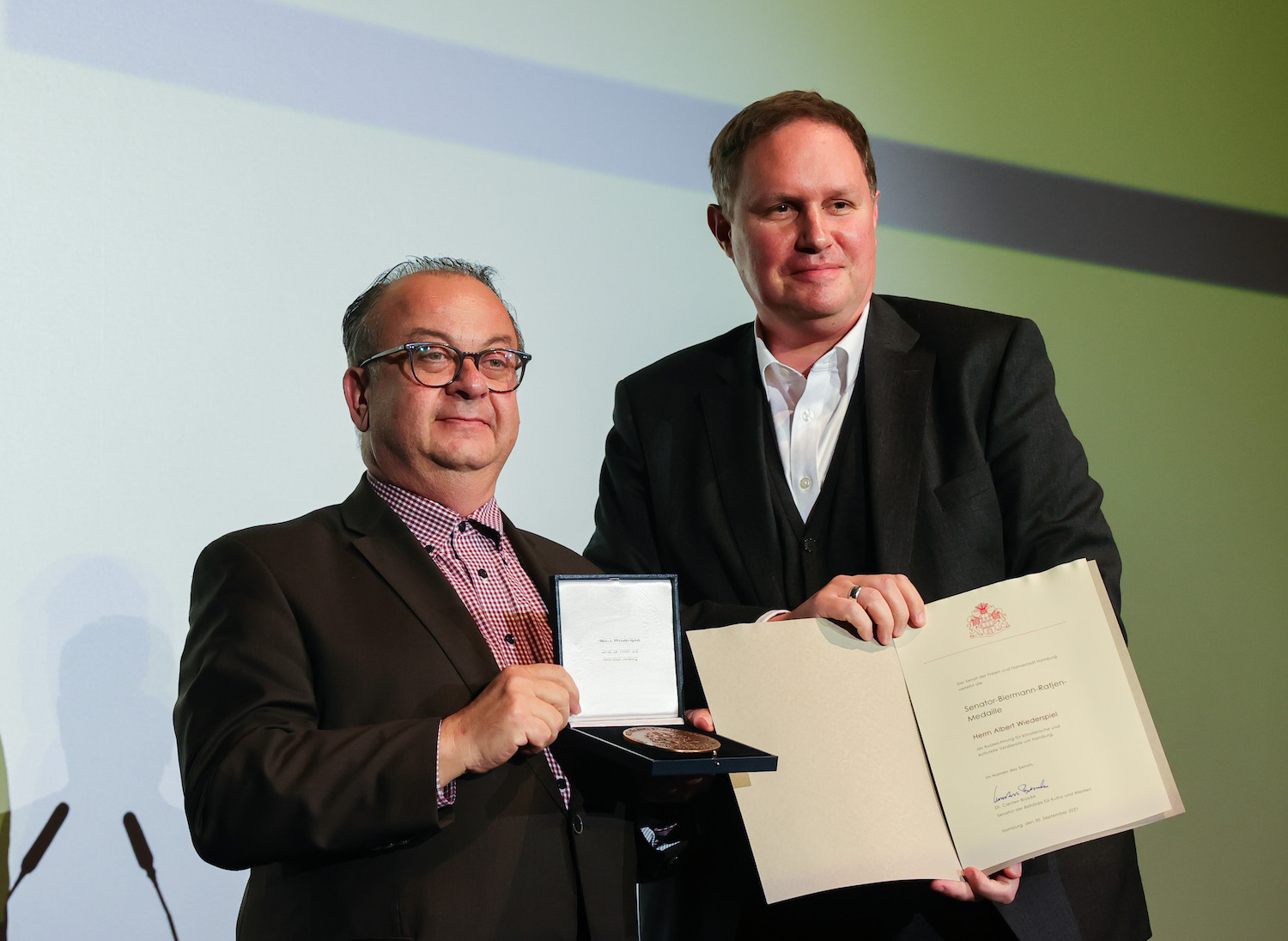
Hamburg's Senator Biermann Ratjen Medal, a culture prize awarded for nearly five decades, is being renamed the Medal for Art and Culture in Hamburg after historian Helmut Stubbe da Luz uncovered evidence that the prize's namesake, Hans Harder Biermann-Ratjen, confirmed his Nazi Party membership in a 1943 application. Biermann-Ratjen, who later served as Hamburg's senator for culture, had been deemed not to have been a member during post-war de-Nazification, but the new research prompted the city to rebrand the award.

luxembourgs culture minister defends countrys venice biennale budget after critics say its too high 1234777024

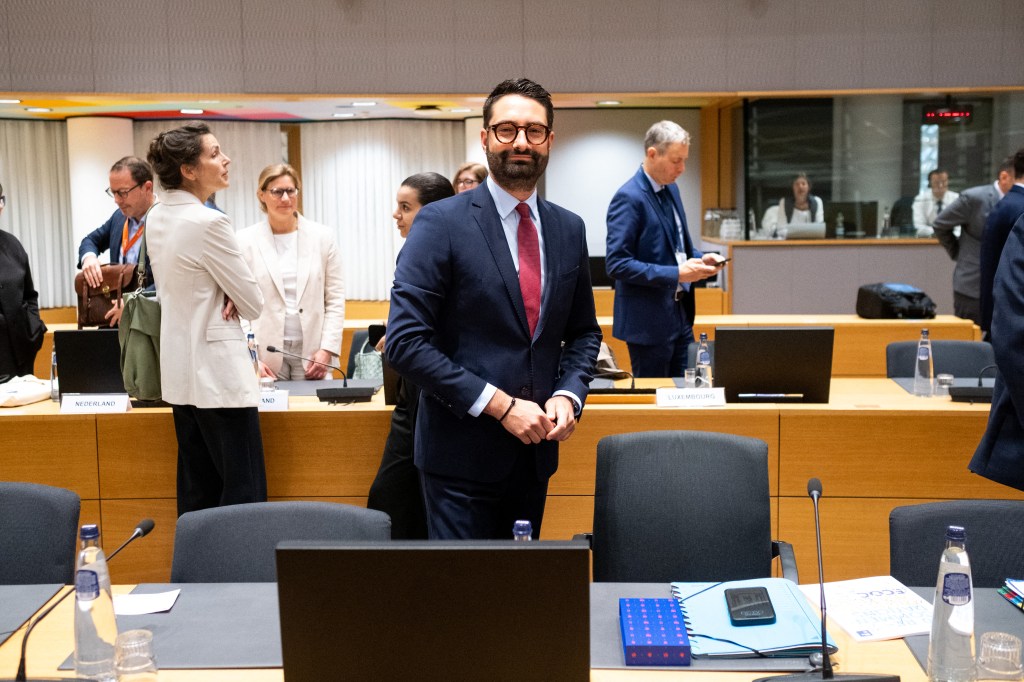
Luxembourg’s Culture Minister, Éric Thill, is defending the country’s €540,000 budget for the upcoming 61st Venice Biennale following criticism from the right-wing Alternative Democratic Reform Party (ADR). Lawmakers questioned the high cost and the provocative nature of artist Aline Bouvy’s project, "La Merde," a feminist commentary centered on a personification of excrement. Critics argued the expenditure is unjustifiable given current social challenges and compared it unfavorably to the smaller budget of the national cultural observatory.

germany colonial restitution conduct 1287815

Germany's culture minister Monika Grütters has released a 130-page code of conduct for museums, titled "Guide to Dealing With Collection Goods From Colonial Contexts," which outlines methods for identifying and confronting colonial-era artifacts in German collections. The guidelines, published by the German Association of Museums, include best practices for provenance research, a list of former and current colonies, and alternatives to full restitution such as long-term loans and joint custody agreements. The release coincides with the Prussian Cultural Heritage Foundation's official ceremony returning nine artifacts to Indigenous Alaskan communities, and follows increased pressure from public outcry over the Humboldt Forum and similar restitution efforts by French president Emmanuel Macron.

What Future for Art Centers?

Quel avenir pour les centres d’art ?

The article examines the uncertain future of contemporary art centers in France, a category that encompasses vastly different institutions from major venues like the Palais de Tokyo to smaller regional spaces. These non-collecting institutions, dedicated to exhibiting emerging artists and experimentation, face fragility due to heavy reliance on local government funding and difficulty proving their utility to elected officials. Their core mission is further challenged by more robust regional contemporary art funds (Fracs), which have greater resources for similar goals of exhibiting ultra-contemporary art and cultural democratization.

What the renovation of the Pergamon Museum costs

Was die Sanierung des Pergamonmuseums kostet

The Pergamon Museum in Berlin is undergoing a major renovation with a total budget of €1.5 billion for both construction phases, including cost risks. The Federal Office for Building and Regional Planning (BBR) has announced that current projections indicate the overall costs will not be exceeded. Phase A, which includes the hall housing the famous Pergamon Altar, is expected to open on June 4, 2027, with a potential cost increase of up to 5% over the originally approved €489 million. Phase B, covering the Ishtar Gate and Babylonian Processional Way, has seen its cost forecast reduced by €27 million to €722.4 million, with an additional €295.6 million set aside for risks and price increases. The museum will fully reopen only in 2037.

In Venice, the Wagner Museum changes status

À Venise, le Musée Wagner change de statut

The Wagner Museum in Venice, currently a discreet institution housed within the Casino di Venezia in the Ca' Vendramin Calergi palace on the Grand Canal, is set to join the network of the Fondazione dei Musei Civici di Venezia (MUVE) by 2027. An agreement signed in March 2025, after thirty years of discussions, between MUVE, the Casino, and the Richard Wagner Association will make the museum the fourteenth institution under MUVE's management, alongside the Museo Correr, Ca' Pesaro, and the Museo Fortuny. The museum, established in 1995 in the rooms where Richard Wagner stayed and died in 1883, holds significant collections including the Josef Lienhart and Walter Just collections, making it one of the most important private Wagnerian collections outside Bayreuth, Germany.

German Provocateur Artist Sentenced to 8.5 Years in Prison in Russia After Mocking Putin

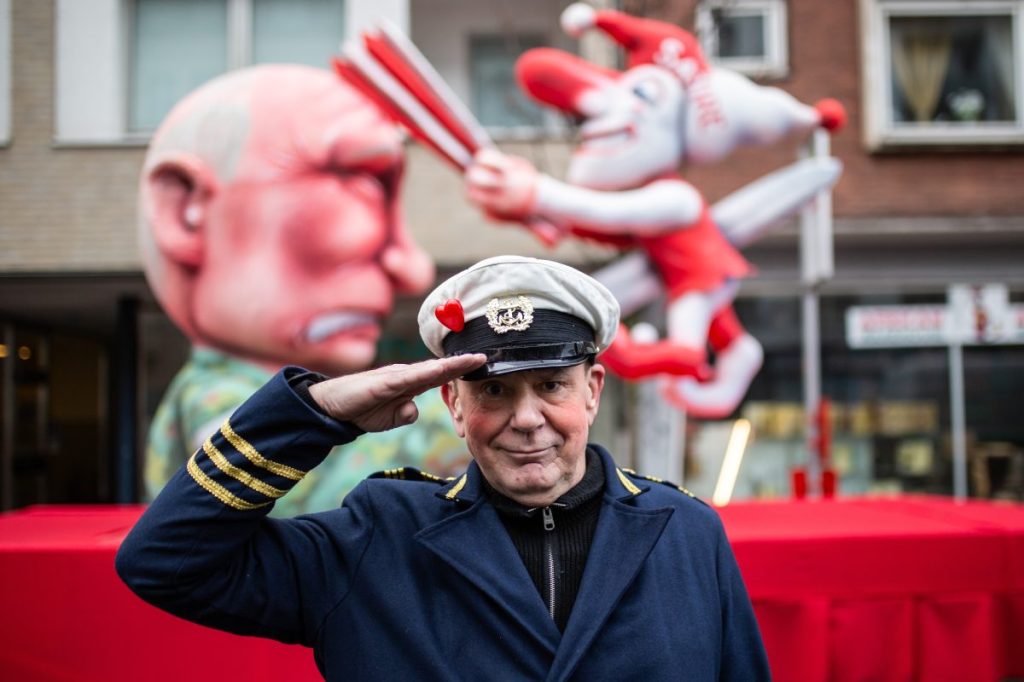
German carnival float artist Jacques Tilly has been sentenced in absentia to 8.5 years in a Russian prison. A Moscow court convicted him on charges of spreading false information about the Russian military and insulting religious feelings due to his satirical floats depicting President Vladimir Putin, including one showing Putin in a blood-filled bathtub painted like the Ukrainian flag.

Hamburg Culture Prize No Longer Named After Biermann-Ratjen

Hamburger Kulturpreis heißt nicht mehr nach Biermann-Ratjen

The Hamburg Senate has renamed the Senator-Biermann-Ratjen Medal, a prestigious cultural award, to the "Medaille für Kunst und Kultur in Hamburg" (Medal for Art and Culture in Hamburg). The decision follows a 2024 review of historical records revealing that Hans Harder Biermann-Ratjen (1901–1969), the former culture senator for whom the medal was named, was a member of the Nazi Party (NSDAP). Historian Helmut Stubbe da Luz presented evidence in June 2024 that Biermann-Ratjen had disclosed his NSDAP membership in a 1943 application to the Reich Literature Chamber when seeking to publish a novel.

NRW will Verbot für Handel mit Holocaust-Dokumenten

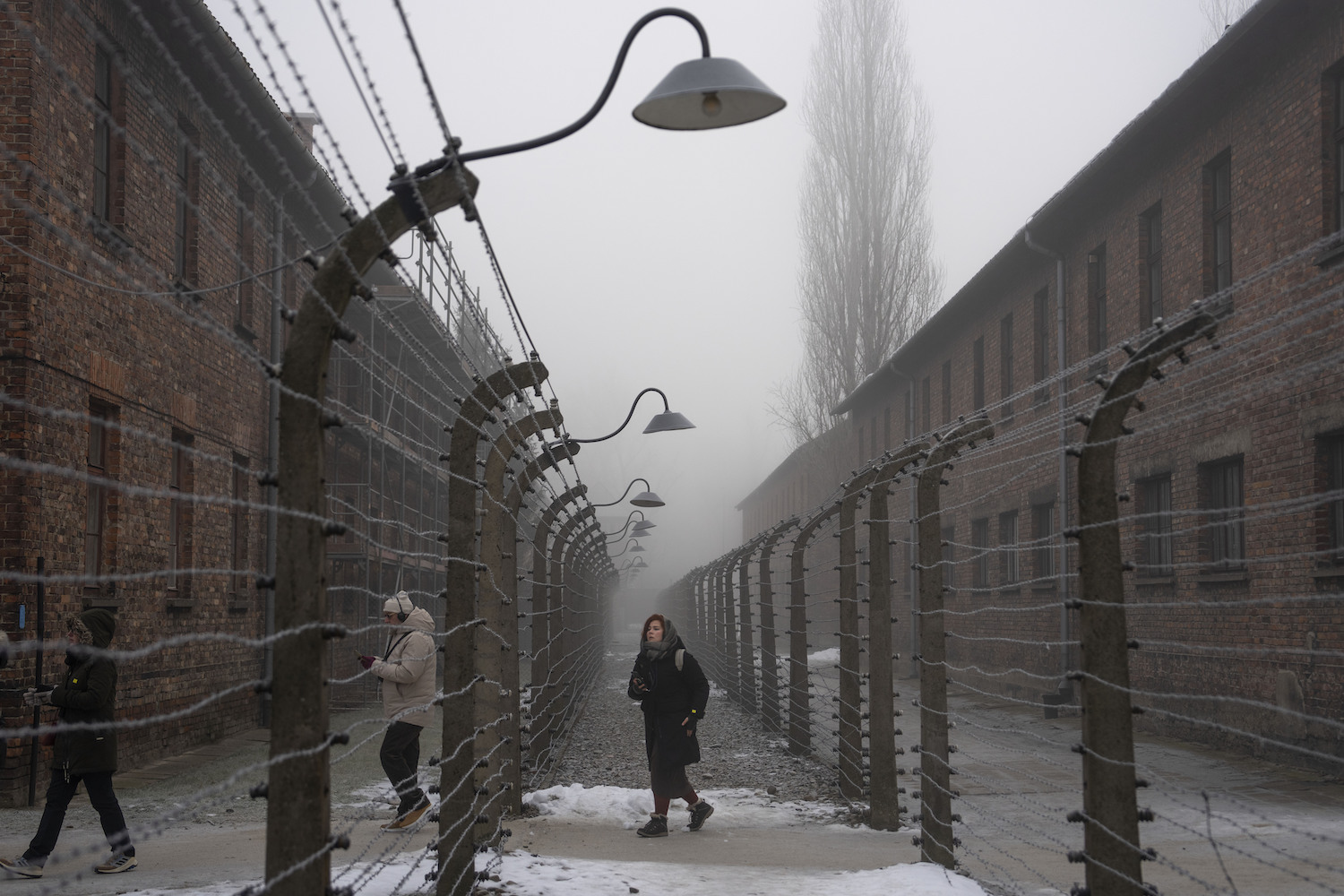
The German state of North Rhine-Westphalia (NRW) is introducing a legislative bill to ban the commercial trade of personal Holocaust documents and artifacts, such as letters from concentration camps, Gestapo cards, and yellow stars. The initiative follows international outrage over a planned auction in Neuss in November 2025, which was halted at the last moment; around 460 objects from that auction were transferred to the Auschwitz-Birkenau Foundation. The bill, to be presented at the Bundesrat session on May 8, aims to prohibit the sale of items directly linked to Nazi victims, while exempting museums, archives, and research institutions.

Berlins Kultursenatorin tritt ab

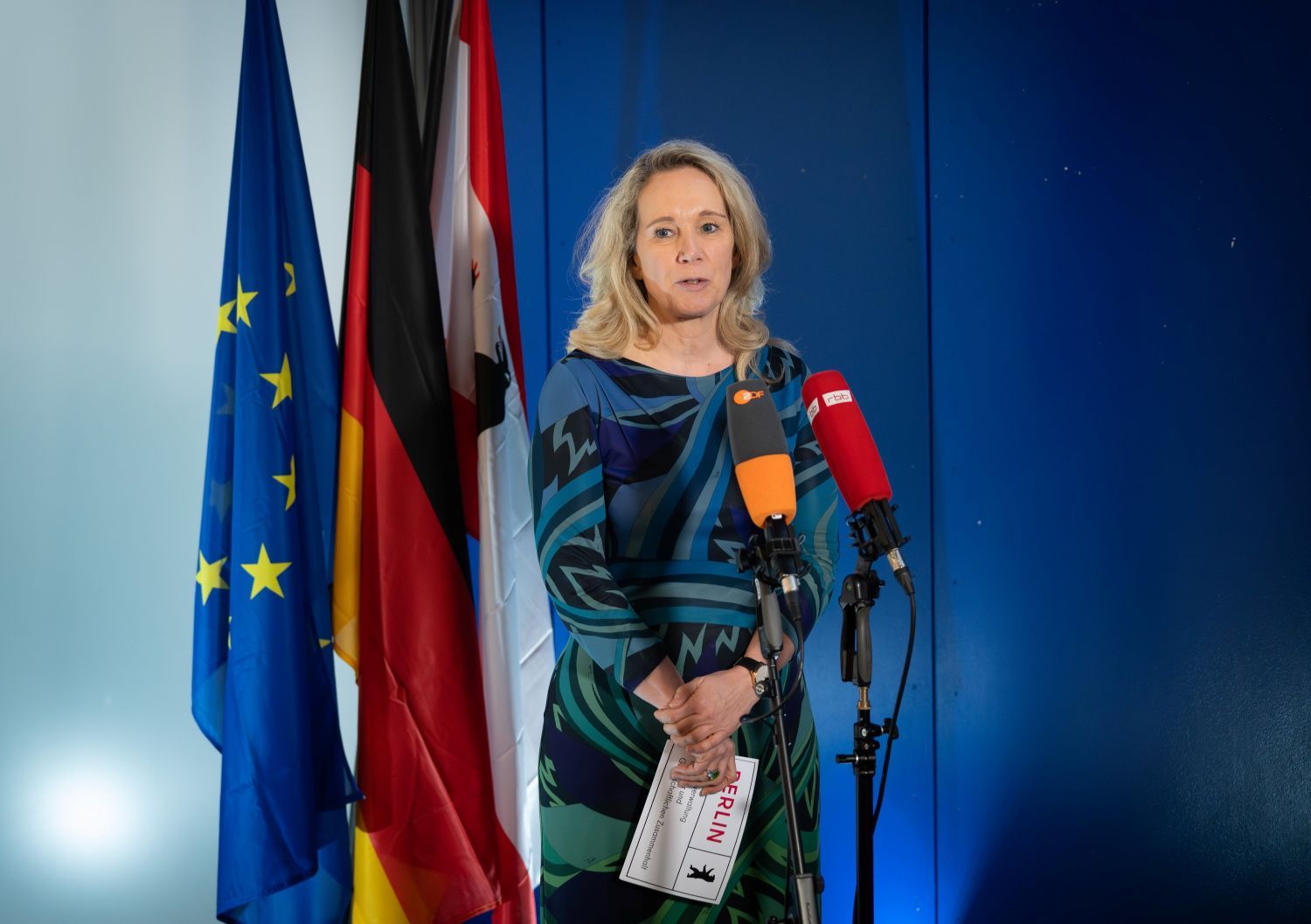
Berlin's Senator for Culture, Sarah Wedl-Wilson, has resigned after less than a year in office, following a damning report from the Berlin Court of Audit. The report found that the allocation of €2.6 million in funding for 13 projects aimed at combating antisemitism was 'evidently unlawful,' citing a lack of proper criteria, arbitrary project selection, and violations of budget regulations. Wedl-Wilson stated she stepped down to prevent damage to the fight against antisemitism, and Governing Mayor Kai Wegner accepted her resignation, vowing to reform the funding system. The opposition has accused CDU politicians of exerting improper influence to push through the projects.

Culture Senator under pressure due to Court of Audit report

Kultursenatorin wegen Rechnungshofberichts unter Druck

Berlin's Court of Audit has issued a scathing report accusing Culture Senator Sarah Wedl-Wilson (independent) of serious legal violations in the allocation of €2.6 million in anti-Semitism prevention grants for 2025. The audit found that the selection process was arbitrary, lacked transparent criteria, and violated state budget regulations. Six of the 13 funded projects—receiving €2 million—were deemed ineligible for the specific budget line, and some recipients were newly founded entities that were not properly vetted. The report warns that the grants may need to be repaid.

Associations Join Warning Against AfD Cultural Policy

Vereine schließen sich Warnung vor AfD-Kulturpolitik an

Nearly 30 cultural institutions in the German state of Saxony-Anhalt have issued a warning against the cultural policy proposals of the far-right Alternative for Germany (AfD) party, which is leading in polls ahead of state elections. The state network of cultural support associations, representing around 680 member groups, has now joined this warning, stating the AfD's plans amount to a restriction of artistic freedom and the instrumentalization of culture according to nationalist guidelines.

Cultural Observatories: Dinosaurs or Subjects Capable of Interpreting the Present?

Osservatori culturali. Dinosauri o soggetti in grado di interpretare il presente?

The Cultural Observatory of Canton Ticino has published a study on cultural observatories worldwide, including a map and list of surveyed organizations. The analysis reveals that cultural observatories are not a global phenomenon but are concentrated mainly in Europe and South America, with occasional presence in North America (especially Canada and Hispanic-oriented organizations in the US). Africa, Asia, and Oceania are almost entirely absent from the map. The study also highlights a high rate of inactive observatories: among the top 10 countries by active observatories, only Germany shows an effective activity ratio. Spain has 26 active observatories out of about 45 total, while Italy has 11 active out of over 20 inactive. The research defines observatories as non-profit organizations that combine cultural and statistical expertise to deepen and transfer knowledge about the cultural sector, and classifies as inactive those with no recent activity on web or social channels.

Germany warns Goethe-Institut over exhibition with Palestinian artist

Germany's Federal Foreign Office issued a formal warning to the Goethe-Institut in Ramallah for hosting an exhibition by Palestinian artist Jumana Emil Abboud. The warning, delivered via letter, criticized the institute for displaying Abboud's work, which includes themes related to the Palestinian experience, suggesting it could be seen as endorsing a political position and might violate the institute's mandate of cultural diplomacy.