filter_list Showing 31 results for "German" close Clear
search
dashboard All 693 museum exhibitions 293article news 100trending_up market 57candle obituary 49article culture 45gavel restitution 35article policy 34rate_review review 31person people 27article local 22
date_range Range Today This Week This Month All
Subscribe

lutz bacher retrospective oslo brussels

The article reviews the first posthumous retrospective of the elusive artist Lutz Bacher, titled "Burning the Days," at the Astrup Fearnley Museum in Oslo. Bacher, who died in 2019 and whose real name was never revealed, is known for her use of found photographs and a pseudonym that led many to mistake her for a German man. The exhibition opens with her work "The Lee Harvey Oswald Interview" (1976–78), in which she discusses photography and perception by using Oswald as a stand-in, and includes other pieces such as "Jackie & Me" (1989) and "Men at War" (1975), all exploring how images and narratives produce meaning.
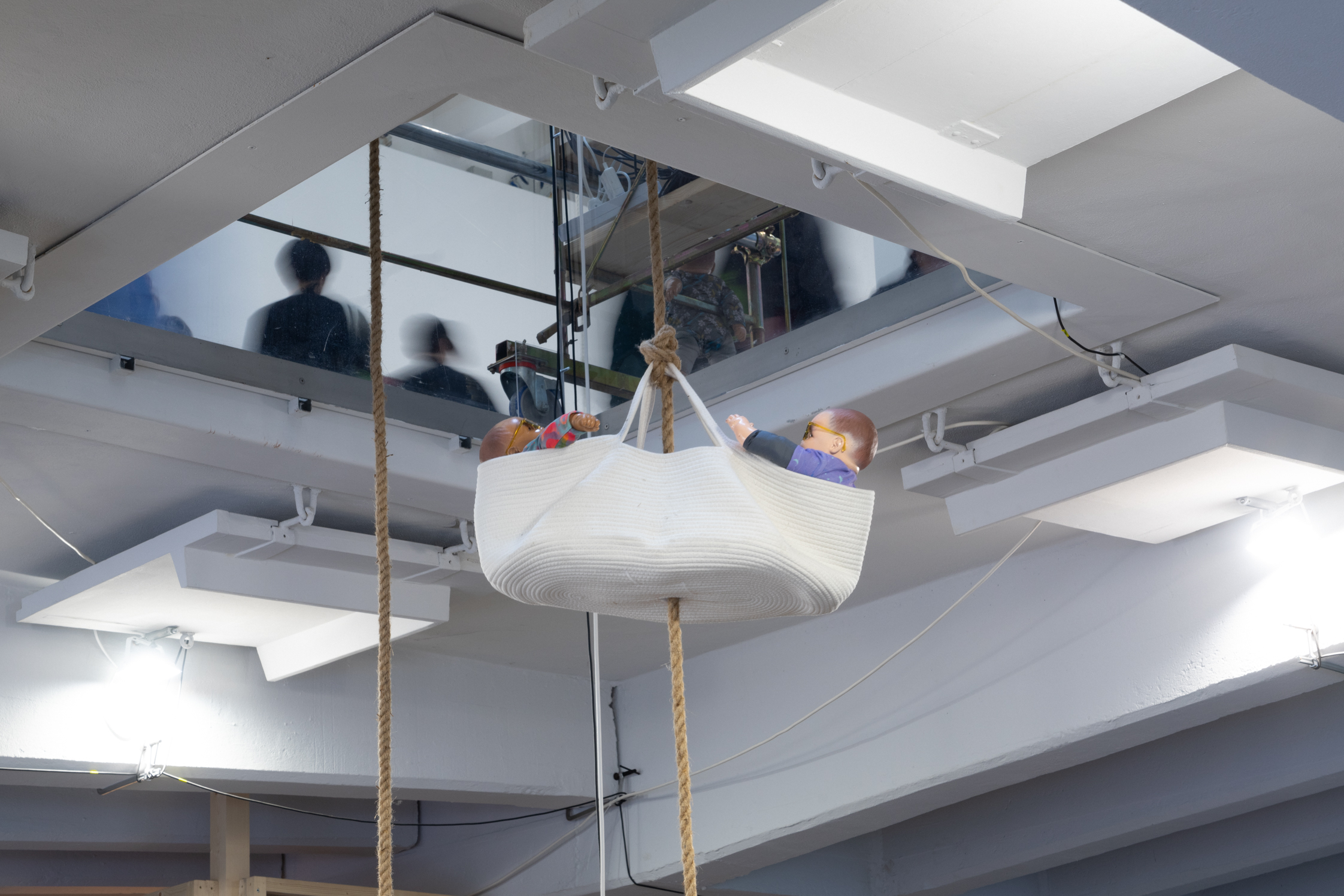

What You Should Definitely Avoid in Venice

Was man in Venedig unbedingt vermeiden sollte

The article humorously critiques the Venice Biennale, highlighting several disappointments. It describes a Japanese pavilion installation by Ei Arakawa-Nash featuring baby dolls for diaper-changing, which a critic dismisses as a male artist over-romanticizing parenthood. Other flops include long queues for the German and Austrian pavilions, underwhelming main exhibition "In Minor Keys," and annoying self-promotional performers outside venues. The piece also laments the presence of loud American collectors and donors who dominate the event.

joseph beuys daniel spaulding honigpumpe

Joseph Beuys remains one of the most polarizing figures in 20th-century art, a former Nazi soldier who reinvented himself as a shamanic healer and a founding member of the Green Party. A new monographic study by art historian Daniel Spaulding, 'Joseph Beuys and History', re-evaluates the artist's legacy by confronting his refusal to apologize for his wartime past and his use of ambiguous materials like fat and felt. Spaulding argues that Beuys’s work should be read through the lens of 'bad faith,' where his utopian slogans masked a deep, unresolved engagement with the horrors of the Holocaust.

Anni Albers Wasn’t Afraid to Start From Zero

Nicholas Fox Weber's new biography, *Anni Albers: A Life*, draws on his nearly 25-year friendship with the artist to offer an intimate, nuanced portrait of the pioneering textile artist. The book traces Albers's journey from her birth in Berlin in 1899, through her studies and teaching at the Bauhaus and Black Mountain College, her escape from Nazi Germany in 1933, and her later years in Connecticut. Weber, who serves as executive director of the Josef & Anni Albers Foundation, fills the biography with lively anecdotes—from her love of Kentucky Fried Chicken to her sharp wit—while correcting the "stock stories" she often repeated, revealing her personality and artistic dedication with rare depth.

It’s Gabriele Münter’s World, We’re Just Living in It

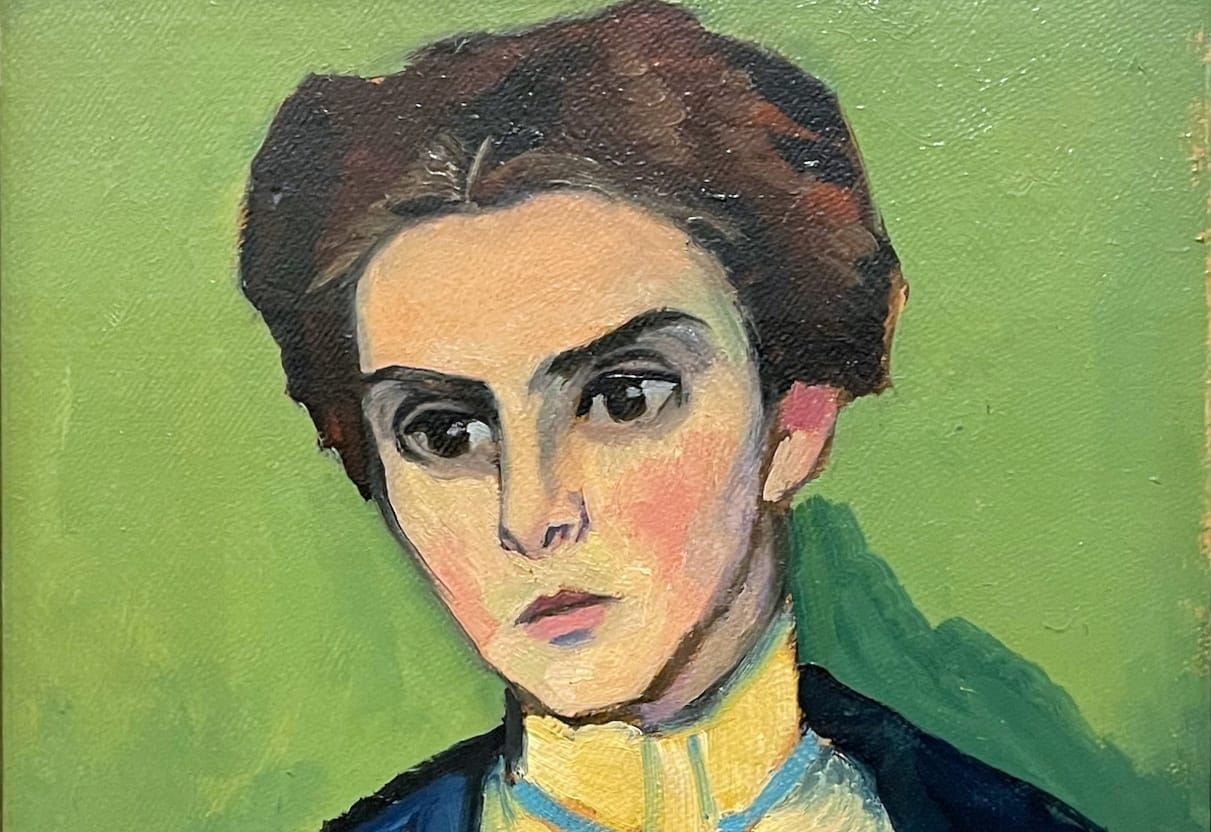
The Solomon R. Guggenheim Museum is hosting "Contours of a World," a retrospective dedicated to Gabriele Münter, a co-founder of the Blue Rider group. The exhibition moves beyond the shadow of her long-time partner Wassily Kandinsky, showcasing her distinct approach to German Expressionism through photography, intimate domestic scenes, and vibrant landscapes. Unlike her contemporaries who leaned toward total abstraction, Münter utilized bold outlines and layered compositions to create a dynamic, phenomenological experience of seeing.

Hans Holbein Painted the Human

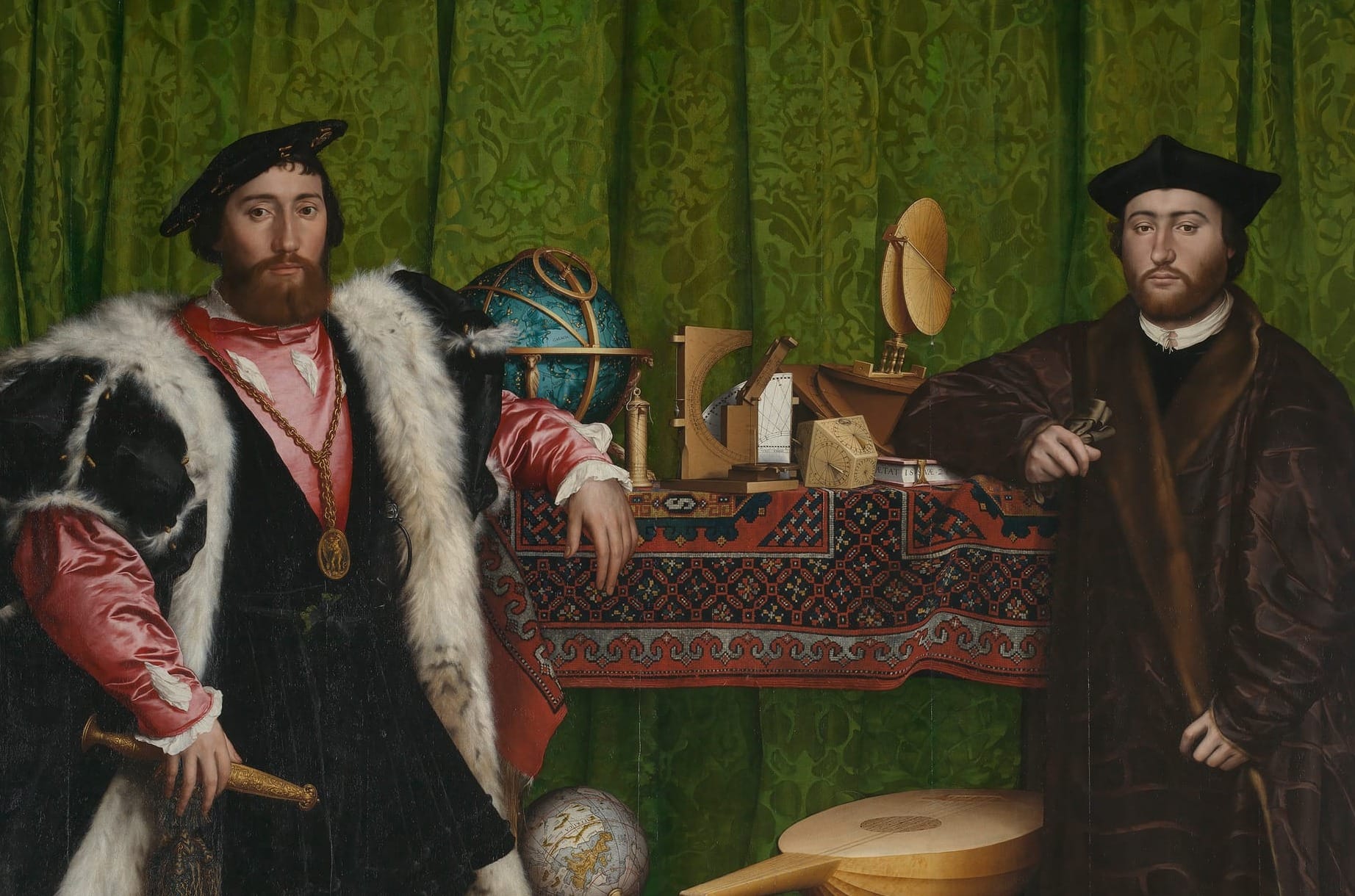
A new book, 'Holbein: Renaissance Master' by Elizabeth Goldring, published by Yale University Press and the Paul Mellon Centre, offers a comprehensive scholarly examination of the 16th-century German painter Hans Holbein the Younger. The review focuses on Holbein's masterful portraiture, particularly his depictions of opposing Tudor-era figures like Sir Thomas More and Thomas Cromwell, which are highlighted as embodying the era's complex political and religious tensions through their visual presentation at the Frick Collection in New York.

‘Transcription’ by Ben Lerner Review: No Phones

Ben Lerner’s latest novel, Transcription, marks a departure from his previous sprawling autofiction like The Topeka School, opting instead for a spare, three-part structure set during the COVID-19 pandemic. The narrative unfolds through three pivotal conversations involving the protagonist, his aging mentor Thomas, a curator, and Thomas’s son Max. Central to the plot is the protagonist’s failure to record a final interview with Thomas due to a broken phone, forcing a reliance on fallible memory and reconstruction.

Wilhelm Sasnal and the Intimacy of History

The article reviews national pavilions at a major international art exhibition, focusing on the US, British, and German presentations. Andrew Durbin critiques the US pavilion as vacuous and lacking meaning, while praising the British and German installations as incisive and moving. The review highlights a contrast between superficial spectacle and deeply engaging, historically resonant works.

The Big Review | The Woman Question 1550-2025 ★★★★½

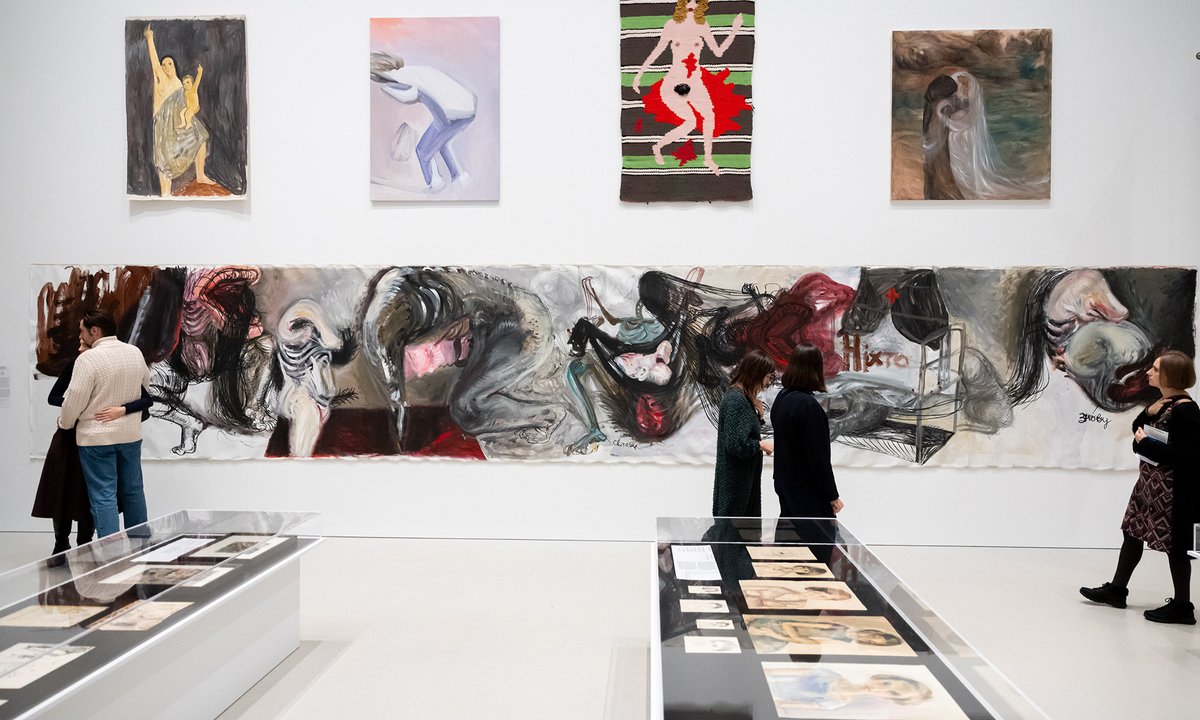
The Museum of Modern Art in Warsaw has launched "The Woman Question 1550-2025," a massive survey featuring nearly 200 works by 140 women artists spanning five centuries. Curated by Alison M. Gingeras, the exhibition uses the medieval concept of "la querelle des femmes" to explore how women have asserted their status as "citizen artists" against patriarchal structures. The show juxtaposes historical masterpieces by figures like Artemisia Gentileschi and Sofonisba Anguissola with contemporary provocations by Miriam Cahn and Lubaina Himid, focusing heavily on figurative painting and sculpture.

Anselm Kiefer’s Rustbelt Romanticism | Exhibition review at St Louis Art Museum

German artist Anselm Kiefer's first major U.S. museum exhibition in 20 years, "Anselm Kiefer: Becoming the Sea," has opened at the Saint Louis Art Museum. The show features 40 works from the past half century, including five towering site-specific canvases in the museum's 1904 Sculpture Hall, with about half the works created in the last five years. Kiefer's Neo-Expressionist pieces blend nostalgia for the Rhine River with homages to the Mississippi, incorporating references to Indigenous Anishinaabe and Wabanaki spirits, Wagner's "Rhinemaidens," and poets Paul Celan and Gregory Corso.

Alison Roman’s Top Picks from the Frieze Viewing Room

Andrew Durbin reviews the national pavilions at the Venice Biennale, contrasting a vacuous US presentation with incisive and moving installations from Britain and Germany. The review highlights the thematic and emotional depth of the British and German pavilions while critiquing the lack of meaning in the US entry.

Seba Calfuqueo and the Colonized Body

Andrew Durbin reviews national pavilions at the 2026 Venice Biennale, critiquing the US presentation as vacuous while praising incisive and moving installations from Britain and Germany. The review highlights Seba Calfuqueo's work in the context of colonized bodies, though the article's main focus is on the comparative quality of the pavilions.

Ariel West Probes Our Desire for Oil

Andrew Durbin reviews the national pavilions at the 2026 Venice Biennale, contrasting a vacuous US presentation with incisive and moving installations from Britain and Germany. The review critiques the US pavilion for lacking meaningful content, while praising the British and German contributions for their depth and emotional resonance.

Jerald Cooper’s Top Picks from Frieze New York 2026

Andrew Durbin reviews the national pavilions at the 2026 Venice Biennale, contrasting a vacuous US presentation with incisive and moving installations from Britain and Germany. The article critiques the lack of meaning in the American pavilion while praising the depth and emotional resonance of the British and German contributions.

Frieze’s Christine Messineo Takes a Tour of Chelsea

Andrew Durbin reviews national pavilions at the Venice Biennale, contrasting a vacuous US presentation with incisive and moving installations from Britain and Germany. The review highlights the disparity in thematic depth and emotional resonance among the three pavilions.

What’s Showing in Chelsea During Frieze Week New York

This article is a critic's guide reviewing national pavilions during Frieze Week New York. Andrew Durbin contrasts a vacuous US presentation with incisive and moving installations from Britain and Germany, questioning the meaning and depth of the American contribution.

‘In Minor Keys’ Review: Its Best Moments Live in the Institutions Koyo Kouoh Built

Andrew Durbin reviews the national pavilions at the 2026 Venice Biennale, contrasting a vacuous US presentation with incisive and moving installations from Britain and Germany. The review highlights how the best moments of the exhibition live in the institutions built by curator Koyo Kouoh, who organized the Biennale's main exhibition.

‘YBA & BEYOND’ Exports British Cool

Frieze critic Andrew Durbin reviews the national pavilions at the Venice Biennale, contrasting a vacuous US presentation with incisive and moving installations from Britain and Germany. The British pavilion, titled 'YBA & BEYOND,' exports British cool by showcasing works from Young British Artists and their successors, while the German pavilion offers a deeply resonant experience. The US pavilion is criticized for lacking meaningful content, raising questions about curatorial direction and national representation.

Seven Shows to Catch Across the US This May

Art critic Andrew Durbin reviews national pavilion presentations at the Venice Biennale, contrasting a vacuous US exhibition with incisive and moving installations from Britain and Germany. The review highlights the disparity in thematic depth and emotional resonance among the three pavilions.

Venice Biennale Diary: An Editor on the Ground

Andrew Durbin reviews national pavilions at the Venice Biennale, contrasting a vacuous US presentation with incisive and moving installations from Britain and Germany. The article is part of Frieze's Critic's Guides series, published on May 6, 2026.

How to Have the Perfect Day at Frieze New York 2026

Andrew Durbin reviews the national pavilions at Frieze New York 2026, contrasting a vacuous US presentation with incisive and moving installations from Britain and Germany. The review highlights the disparity in conceptual depth and emotional resonance among the three pavilions, with the US offering little meaning while the British and German contributions engage seriously with contemporary issues.

Off-Site Exhibitions Review: The Politics of Listening

Andrew Durbin reviews the national pavilions at an unnamed biennial, contrasting a vacuous US presentation with incisive and moving installations from Britain and Germany. The review critiques the lack of meaningful engagement in the US pavilion while praising the depth and emotional resonance of the British and German contributions.

‘Afterimages’: What Does It Mean to See Through Overload?

Andrew Durbin reviews the national pavilions at the Venice Biennale, contrasting a vacuous US presentation with incisive and moving installations from Britain and Germany. The article critiques the lack of meaningful engagement in the US pavilion while praising the depth and emotional resonance of the British and German contributions.

Arsenale Review: Where Voices Resist Erasure

At the 2026 Venice Biennale's Arsenale, critic Andrew Durbin reviews national pavilions, finding the US presentation vacuous and lacking meaning, while praising the British and German pavilions for their incisive and moving installations that resist erasure. The review highlights a stark contrast in curatorial ambition and political engagement among the participating nations.

The Books That Influence Sohrab Hura

Andrew Durbin reviews the national pavilions at an unnamed biennial, contrasting a vacuous US presentation with incisive and moving installations from Britain and Germany. The review critiques the lack of meaning in the US pavilion while praising the depth and emotional resonance of the British and German contributions.

Ayotunde Ojo Maps Interiority Under the Public Gaze

The article, a critic's guide review by Andrew Durbin, contrasts the US national pavilion presentation at an unspecified biennial with those of Britain and Germany. The US presentation is described as vacuous and lacking in meaning, while the British and German installations are praised for being incisive and moving. The review critically examines the thematic and conceptual approaches of each national pavilion, highlighting a disparity in artistic depth and engagement.

National Pavilions Review: Who’s Afraid of Meaning?

Andrew Durbin reviews national pavilions at a major biennial, contrasting a vacuous US presentation with incisive and moving installations from Britain and Germany. The review critiques the lack of meaningful content in the US pavilion while praising the depth and emotional resonance of the British and German contributions.

National Pavilions Review: Porta-Potties, Porn and a Defiant Rave

Frieze critic Andrew Durbin reviews national pavilions at an unnamed biennial, contrasting a vacuous US presentation with incisive and moving installations from Britain and Germany. The US pavilion is criticized for lacking meaning, while the British and German pavilions feature incisive and moving works, including a defiant rave and provocative content like porta-potties and porn.

Sung Tieu and the Art of Difficulty

Sung Tieu, a Vietnamese-born German artist, is the subject of a critical feature in Frieze that examines her work's engagement with difficulty—both in terms of the complex political and historical themes she tackles and the challenging formal qualities of her installations. The article highlights her recent projects, including works shown at the Venice Biennale, which address issues of surveillance, migration, and Cold War legacies through meticulous research and unconventional materials.

Gabrielle Goliath Sounds a Call to Action in Venice

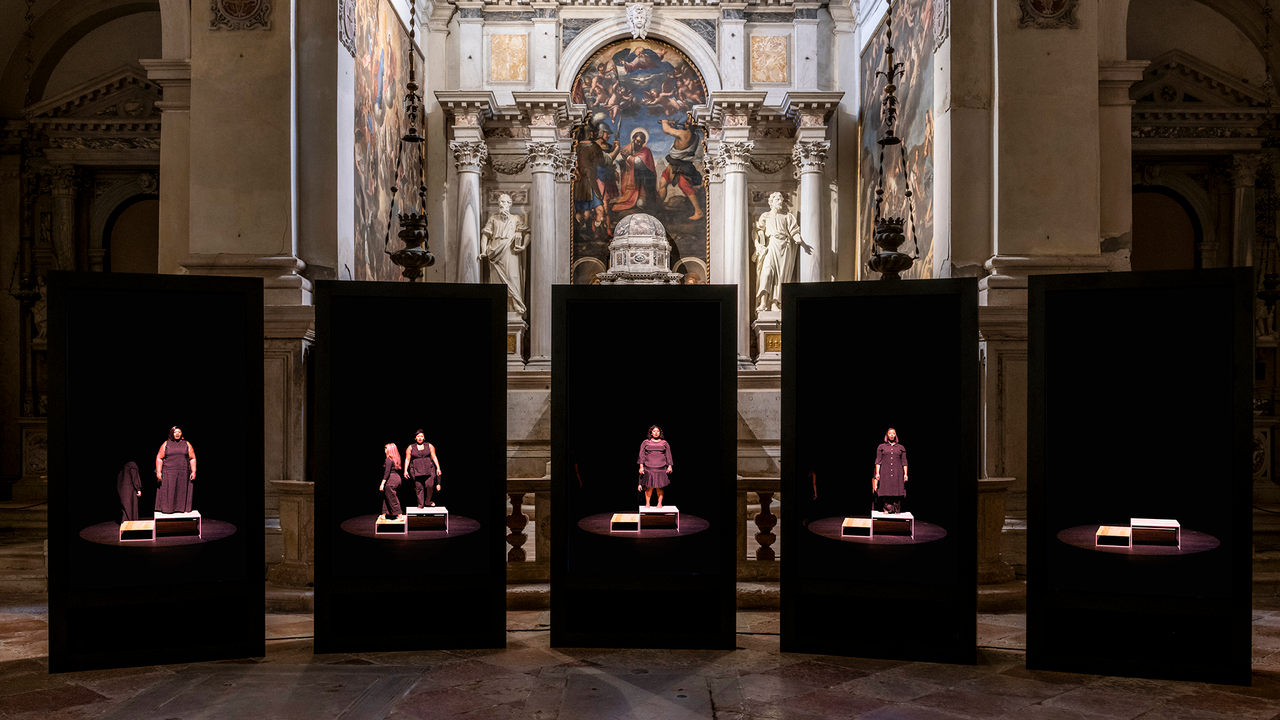
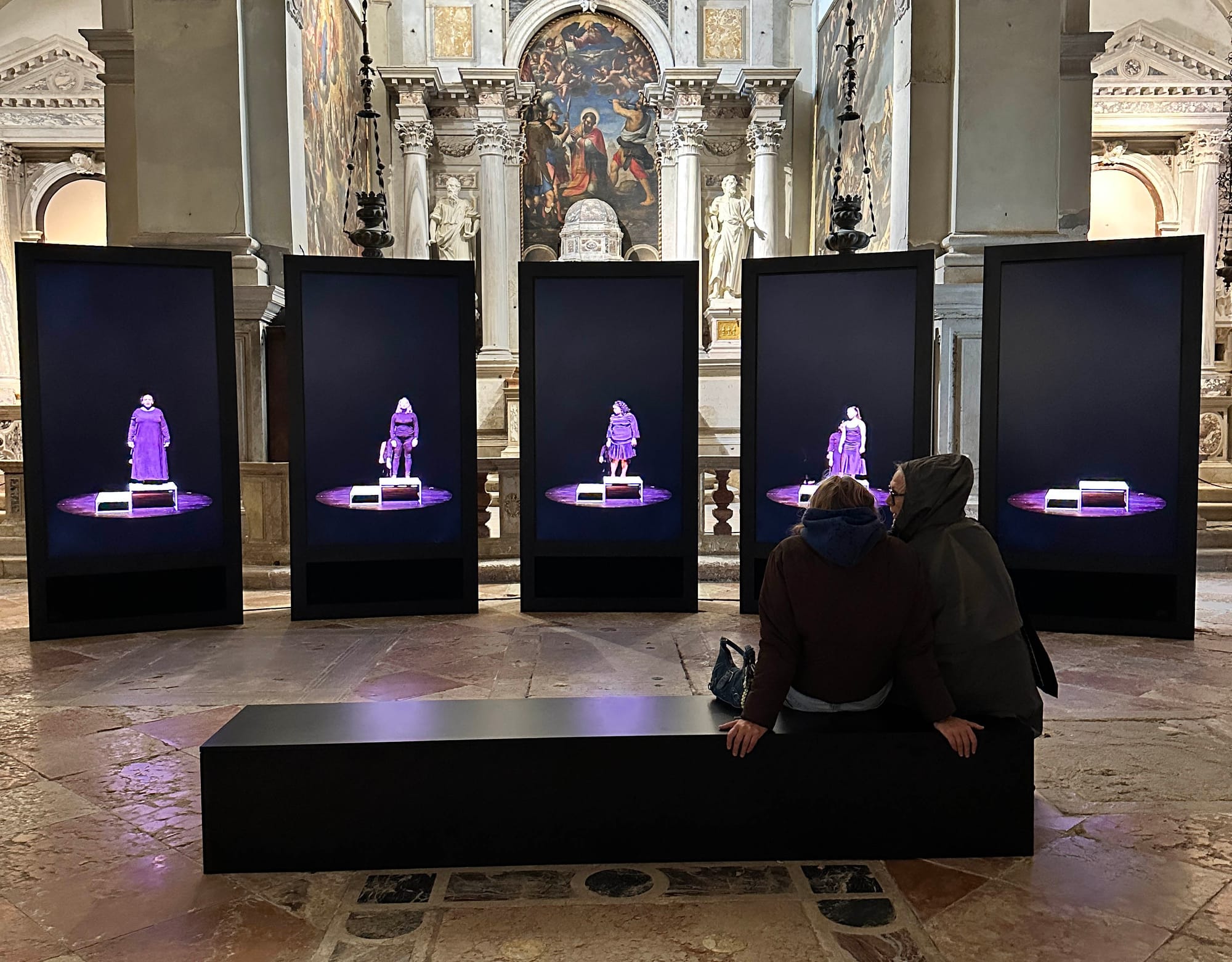
Gabrielle Goliath’s exhibition "Elegy" is presented as South Africa’s unofficial pavilion at the 61st Venice Biennale, after the country’s Culture Minister Gayton McKenzie overrode an independent committee’s selection of Goliath, citing her proposed inclusion of a memorial for Palestinians killed in Gaza. The installation features three video works in which singers sound a single note in tribute to victims of violence: a South African femicide victim, two women killed in Germany’s colonial genocide in Namibia, and Palestinian poet Heba Abunada. The show occupies the Chiesa di Sant'Antonin in Venice, curated with Ingrid Masondo, after a legal challenge against McKenzie was dismissed.