filter_list Showing 45 results for "German" close Clear
search
dashboard All 700 museum exhibitions 296article news 101trending_up market 57candle obituary 49article culture 45gavel restitution 36article policy 34rate_review review 31person people 28article local 23
date_range Range Today This Week This Month All
Subscribe

13 Nudes That Changed Western Art History

The article presents a curated list of 13 seminal Western artworks featuring the nude form, highlighting how each piece shifted artistic conventions and cultural perceptions. It begins with the Paleolithic Venus of Willendorf and moves chronologically through works by artists including Sandro Botticelli, Leonardo da Vinci, Lavinia Fontana, and Édouard Manet, analyzing their groundbreaking approaches to depicting the human body.

jennifer lawrence contemporary artist collaboration w magazine art issue

W magazine's current art issue features Academy Award-winning actress Jennifer Lawrence in a three-part collaboration with French filmmaker and artist Philippe Parreno, American painter Elizabeth Peyton, and German photographer Wolfgang Tillmans. Parreno shot a short film starring Lawrence, Tillmans photographed her at his London studio wearing a T-shirt referencing his Centre Pompidou exhibition, and Peyton painted a portrait of the actress in her signature loose, romantic style. The issue has three different covers, each dedicated to one collaborating artist's work.

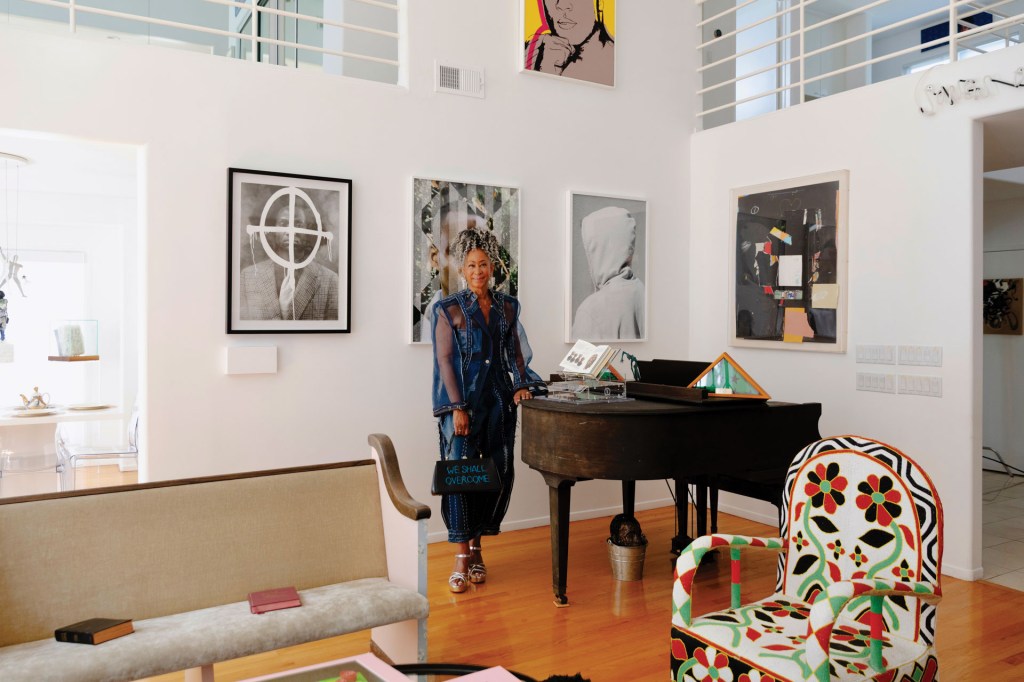
v joy simmons collection tour baldwin hills home

V. Joy Simmons, a Los Angeles-based physician and longtime art collector, opened her Baldwin Hills home to ARTnews for a tour of her extensive collection. The house features over 150 objects, including stained-glass windows by Varnette Honeywood and Joyce Dudnick, a site-specific column installation by Lauren Halsey, and works by Elizabeth Catlett, Romare Bearden, Kerry James Marshall, Mark Bradford, Kehinde Wiley, and Carrie Mae Weems, among many others. Simmons began collecting in the 1970s with a $50 lithograph by Catlett and has since built a collection that spans generations of Black artists, often juxtaposing older and younger artists in her displays.

On Curating Carnage

On Curating Carnage

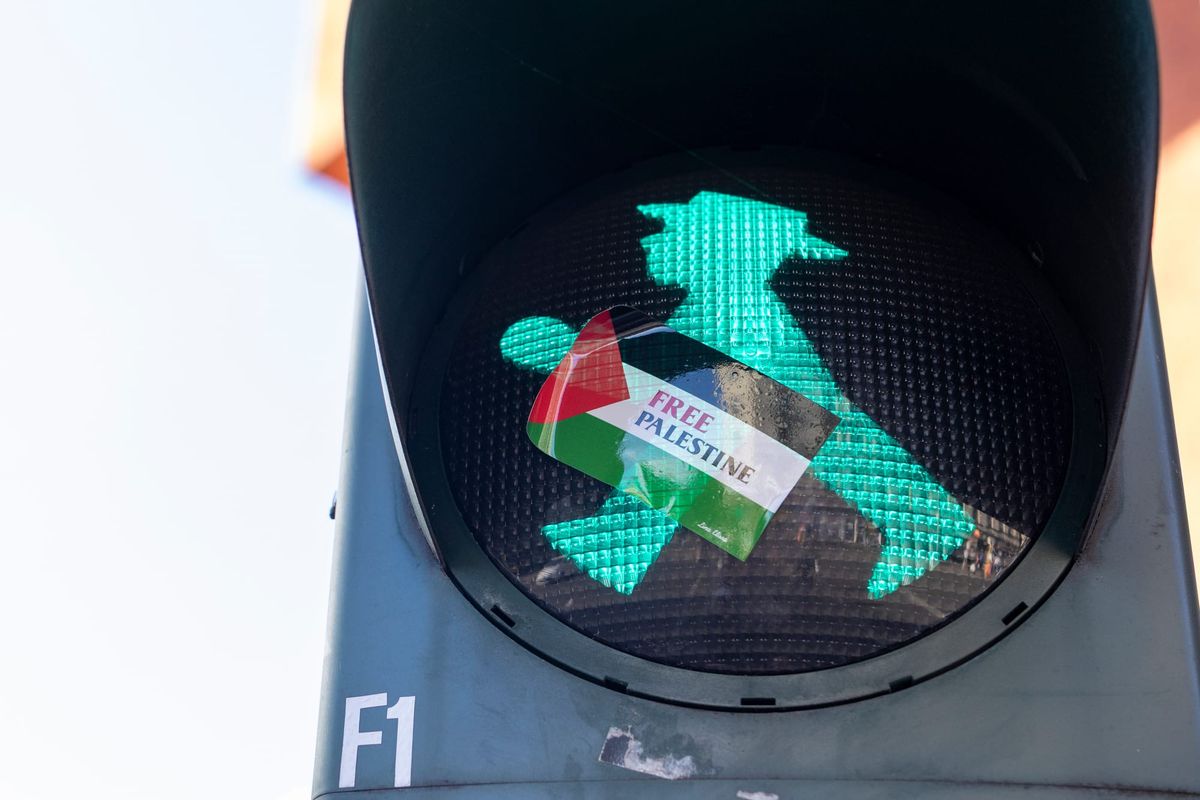
The Berlin-based art journal *OnCurating* published a September 2025 issue titled "Let’s Talk About… Anti-Democratic, Anti-Queer, Misogynist, Antisemitic, Right-Wing Spaces and Their Counter-Movements." The article critiques this publication, arguing it uses the language of feminism, anti-racism, and anti-Semitism as a political tool to unconditionally support Israel and demonize the Palestinian cause, thereby aligning with German state policy and a specific strain of leftist thought known as Antideutsch.

art best most iconic photos of the 21st century

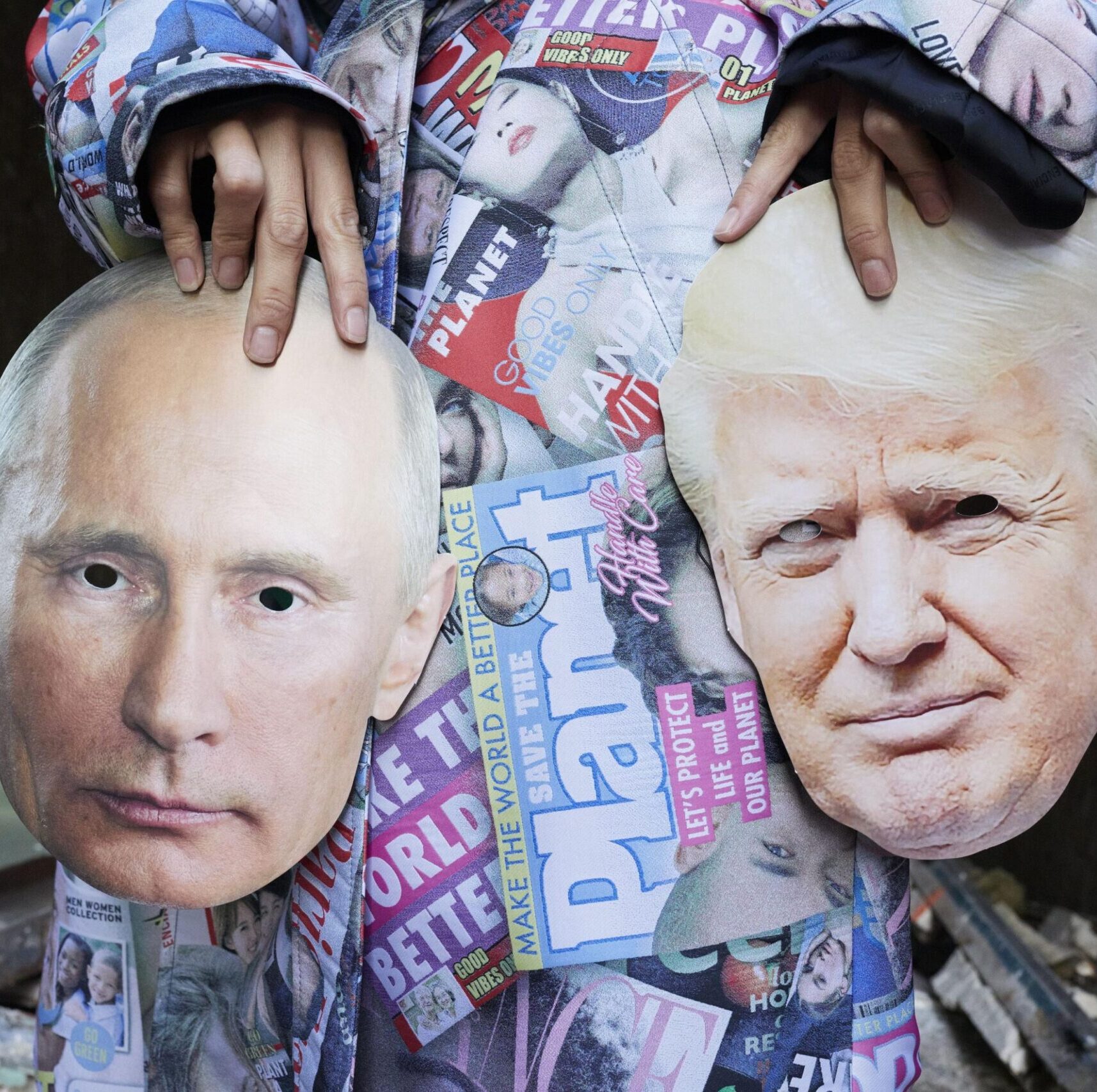
Cultured magazine asked 25 photographers to each select a single image for a time capsule representing the first quarter of the 21st century. The resulting portfolio includes works by Juergen Teller (a Balenciaga ad featuring Putin, Trump, and climate imagery), Sinna Nasseri (a cat amid a California wildfire), Naima Green (a domestic scene mediated by smartphones), Lele Saveri (a critique of property ownership), and Trevor Paglen (a CIA black site in Kabul), among others.

art nouveau renaissance mucha jugendstil paris metro

The article recounts the author's personal rediscovery of Art Nouveau, sparked by encountering an iron doorknob shaped like a Belgian endive at the Bröhan Museum in Berlin. It explores the movement's history, its German variant Jugendstil, and the philosophical debate between Walter Benjamin and Theodor Adorno over its merits—Benjamin criticizing it as a superficial escape from industrial reality, Adorno defending its utopian desire to reconcile art, nature, and technology. The piece also notes a contemporary resurgence of interest in the style.

hans holbein tudor legacy

A new biography by art historian Elizabeth Goldring, titled "Holbein: Renaissance Master," traces the journey of German painter Hans Holbein the Younger from his humble beginnings in Augsburg to becoming the official painter of King Henry VIII in Tudor England. The book, already released in the U.K. and hitting U.S. bookshops on January 6, examines how Holbein's portraits—including the iconic image of Henry VIII and rival courtiers Thomas More and Thomas Cromwell—defined the visual legacy of the Tudor dynasty. Goldring highlights Holbein's ability to confer power through paint, with his works still shaping global perceptions of the Tudors centuries later.

eva hesse documentary

A comprehensive new documentary on Eva Hesse, the innovative 1960s artist, will premiere in New York in April. Directed by Marcie Begleiter, the film explores Hesse's life as a German-born American who fled Nazi Germany, her difficult childhood as an immigrant, and her rise in New York's art scene. It features interviews with artists like Robert Mangold and examines her pioneering use of materials such as plastic, latex, and fiberglass. Hesse's career was cut short when she died of a brain tumor at age 34 in 1970, but her legacy has grown through posthumous retrospectives at major museums.

Delegitimation, Denunciation and Insecurity

"Delegitimation, Denunziation und Verunsicherung"

German cultural critic Georg Seeßlen warns in his taz column of a right-wing 'war of conquest' targeting liberal cultural institutions through systematic delegitimation, denunciation, and intimidation. Meanwhile, a new Berlin artist study reveals that the average annual income from artistic work is just €6,000, highlighting a structural dysfunction in the art system. Additionally, Jonathan Meese's play 'Alaska Kid' has been canceled at the Volksbühne Berlin following the death of his mother Brigitte Meese, who was his organizer, muse, and confidante.

There Has Never Been an Apolitical Venice Biennale

The Venice Biennale, with its national pavilion structure, has always been a platform for political expression and soft power, a reality evident from its early 20th-century origins. Contemporary critic Arturo Lancellotti's 1909 review of the German and British pavilions was steeped in geopolitical context, revealing how national artistic displays were interpreted through the lens of imperial power and military alliances.

anne imhof doom nike jerseys

Anne Imhof, the German artist known for her sprawling performances and winner of the 2017 Venice Biennale Golden Lion, has created her first brand collaboration with Nike. She designed two rival jerseys for Nike's revived Total 90 line, inspired by the warring 'houses' from her Park Avenue Armory project *Doom: House of Hope*: a black-and-blue short-sleeve jersey for the Tigers and a red long-sleeve jersey with a wolf's head for the Wolves. The designs, realized with Zak Group, feature the Doom crest and 'Imhof 25' on the back, and were launched with a live performance by Berlin musicians Lia Lia and ATK44 during Berlin Art Week. The jerseys will be available from September 16 at Voo Berlin and Dover Street Market in London.

A brush with... Hew Locke—podcast

This episode of 'A brush with...' features artist Hew Locke, who discusses his career and artistic practice. Born in Edinburgh in 1959 to artists Donald and Leila Locke, he moved to Guyana as a child and returned to the UK to study art in 1980. Over three decades, Locke has created sculptures, installations, photographs, drawings, and textiles exploring nationhood, culture, and power, often using found objects and cardboard. He reflects on influences including his parents, a tutorial with Paula Rego, and Hans Haacke's 1993 Venice Biennale pavilion, and discusses his upcoming exhibitions: 'Gilt' at Compton Verney (2025-2027), 'Passages' at the Yale Center for British Art (2025-2026), 'Armada' at Newlyn Art Gallery, and 'Cargoes' at King Edward Memorial Park.

A brush with… Wolfgang Tillmans—podcast

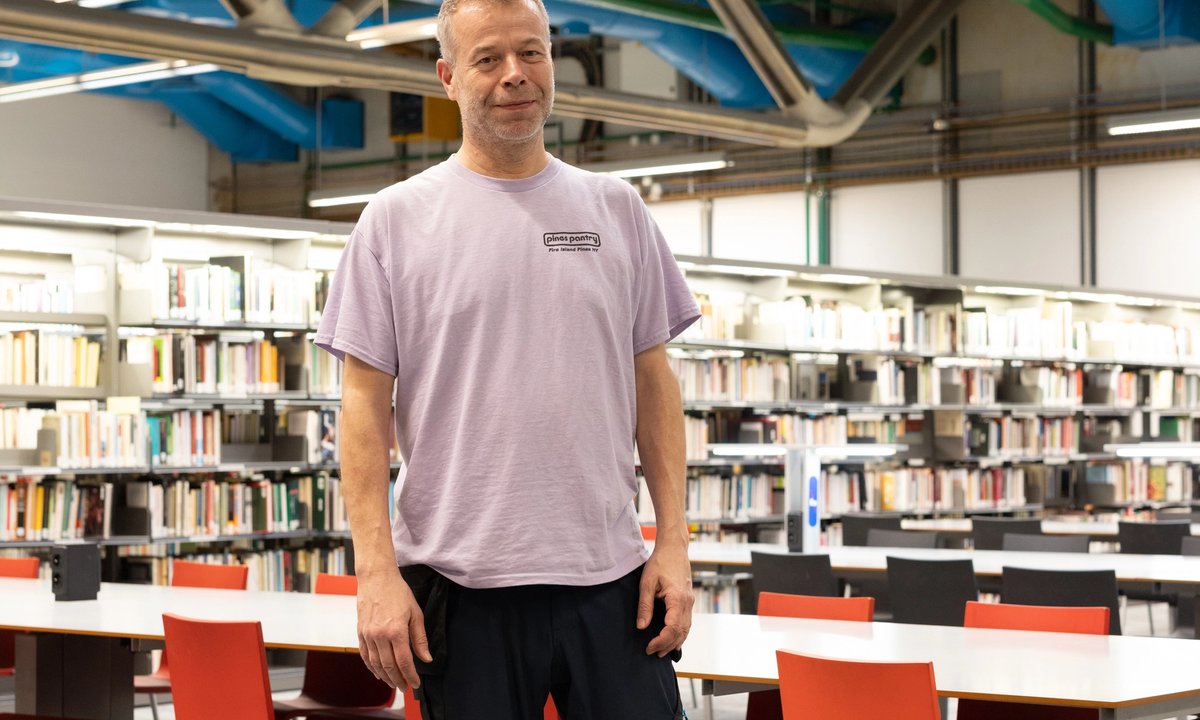
The article is a podcast transcript featuring an in-depth conversation with Wolfgang Tillmans, the influential German photographer born in 1968. It covers his four-decade career, his experimental approach to photography—spanning portraiture, still life, landscape, political subjects, and abstraction—and his innovative installation methods that respond to specific exhibition spaces. Tillmans discusses early influences like Kurt Schwitters, Francisco de Zurbarán, Isa Genzken, Laurie Anderson, and Jiddu Krishnamurti, and reflects on his expanding practice into video, text, sound, and music. The piece also lists current and upcoming exhibitions, including a solo show at Maureen Paley in London and his participation in the 36th Bienal São Paulo.

15 Artists Share the Best Advice They Got From Their Mother

Hyperallergic asked 15 artists to share the best advice they received from their mother or a maternal figure, in honor of Mother's Day. The article features reflections from artists including Pat Oleszko, Maddy Inez, Nathaniel Mary Quinn, and Shahzia Sikander, who recount maternal wisdom ranging from encouragement to pursue art to life lessons about empathy and resilience. Each anecdote is accompanied by images of the artists' works or personal photos.

« La Boule » de Villeroy & Boch : l’art explosif et pop du pique-nique

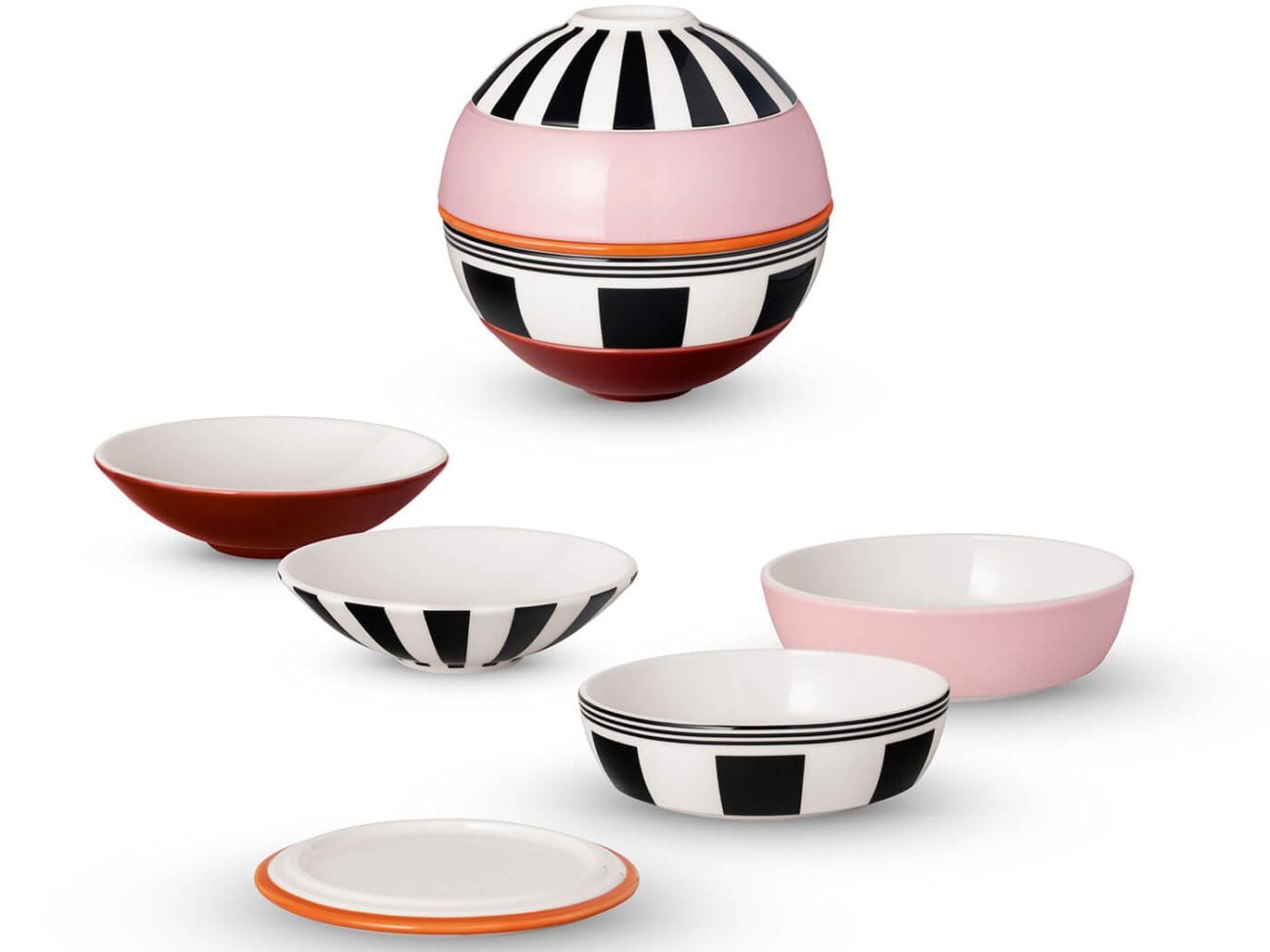
Villeroy & Boch, the historic German porcelain manufacturer founded in 1748, launched "La Boule" ("Die Kugel") in 1971—a stackable 19-piece porcelain dinner service for four that compacts into a colorful decorative sphere. Designed by Helen von Boch, the eighth-generation family director, the set was part of a pop-design wave and came in original color variants that have since become collectors' items. The article also highlights related designs like the "La Bomba" picnic cutlery set (1968) and melamine set (1972), both held by MoMA, and notes Villeroy & Boch's collaborations with artists such as Keith Haring, Paloma Picasso, and Luigi Colani.

Martin Schongauer in 2 Minutes

Martin Schongauer en 2 minutes

Martin Schongauer (c. 1445–1491), the Alsatian painter, draftsman, and engraver, is celebrated as the greatest German copperplate engraver before Albrecht Dürer and one of the first artists to achieve pan-European fame in his lifetime. The article outlines his life and career, from his early training in his father's goldsmith workshop in Colmar to his studies at the University of Leipzig and travels through Flanders, where he absorbed the influence of Rogier van der Weyden and Dirk Bouts. It highlights his 116 copper engravings, signed with the monogram 'M+S', which elevated engraving to a high art and circulated from Spain to Bohemia, inspiring Dürer and the young Michelangelo. Key works discussed include the painting 'La Vierge au buisson de roses' (1473) and the engraving 'La Tentation de saint Antoine' (c. 1470–1475).

On Arte, 'The Stolen Painting' dives into auction houses through the rediscovery of an Egon Schiele looted by the Nazis

Sur Arte, « Le Tableau volé » plonge dans les salles de ventes aux enchères à travers la redécouverte d’un Egon Schiele spolié par les nazis

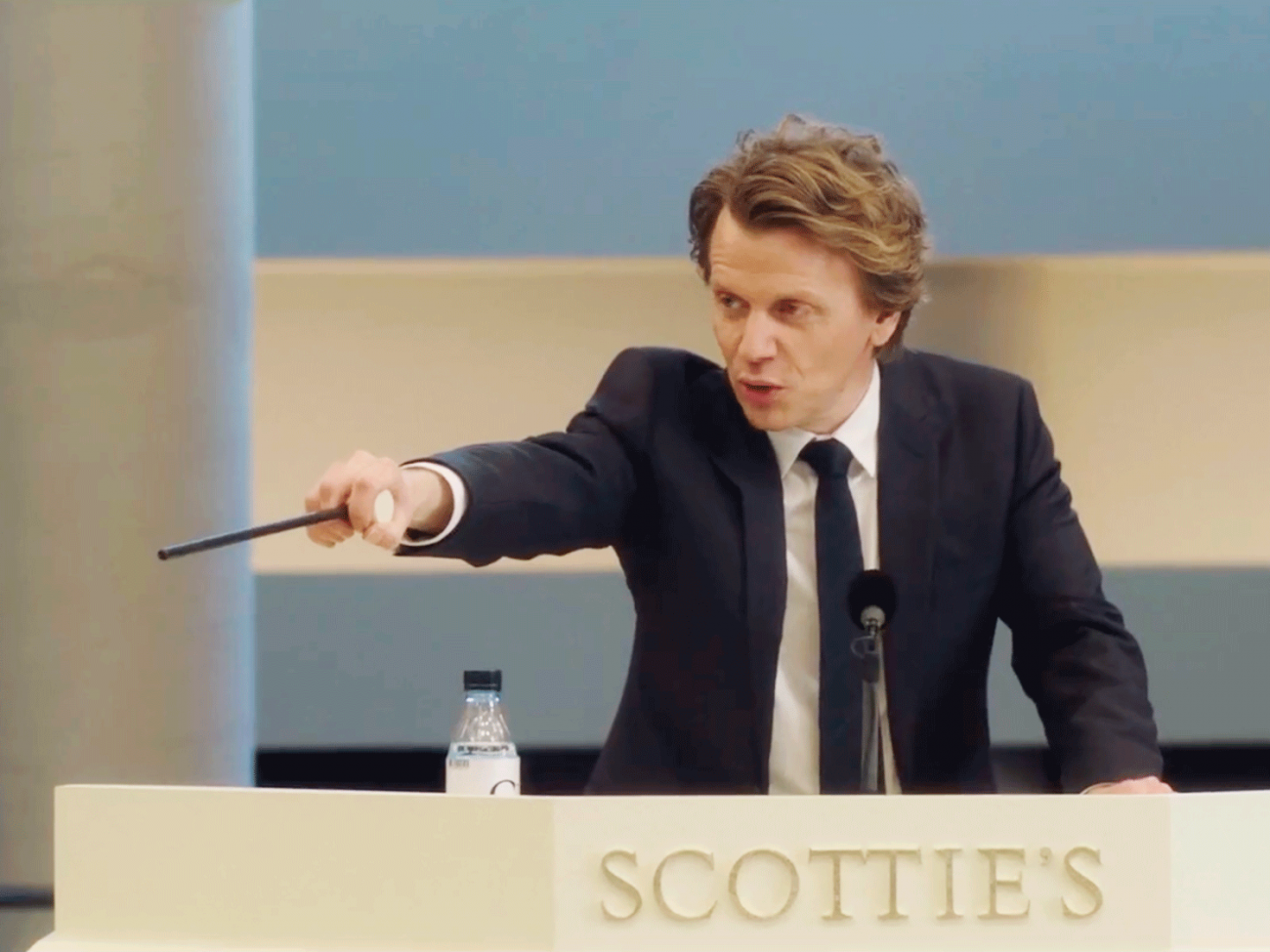
Director Pascal Bonitzer’s film 'Le Tableau volé' (The Stolen Painting) dramatizes the real-life 2005 discovery of a lost Egon Schiele masterpiece, 'Autumn Sun,' in the modest home of a factory worker in Mulhouse. The narrative follows a cynical auctioneer, played by Alex Lutz, as he navigates the authentication and eventual sale of the work, which was looted by the Nazis from Jewish collector Karl Grünwald during World War II.

Henrike Naumann Stared Down a Divided Germany’s Past While Eyeing Our Troubled Present

Henrike Naumann, a German artist known for using secondhand furniture and design to explore political extremism and consumer capitalism, is profiled in ARTnews. The article recounts her first US exhibition, “Re-Education” at SculptureCenter in New York in 2022, where she created installations referencing the January 6 Capitol attack, juxtaposing Federal-style office furniture with a Flintstonian mancave and chairs arranged by ideological subtext. The show gained unexpected attention when German media covered it, linking her small hometown of Zwickau with New York, and she later visited Thomas Hart Benton’s murals at the Met to understand American power and aesthetics.

severance dieter rams braun vitsoe

The article examines the use of two iconic minimalist designs—the Vitsœ 620 chair and a Braun wall-mounted hi-fi system—in the Apple TV+ series *Severance*. Both objects were designed by German industrial designer Dieter Rams in the 1960s and appear in the show's dystopian corporate setting, specifically in the lower levels of Lumon Industries where experimental subject Gemma undergoes tests. The production team intentionally selected these pieces to convey themes of power, control, and commerce.

What Art Can Do

A conversation between German author and filmmaker Alexander Kluge and curator Hans Ulrich Obrist, originally published in 2017, has been republished following Kluge's recent death at age 94. The dialogue explores the unique capacities of different art forms, the need for interdisciplinary collaboration, and the role of art as an "oasis" or "garden" within an overwhelming technological landscape.

Art and Social Consciousness: The Ideals of Legendary Artist Joseph Beuys Told in a Comic

Arte e coscienza sociale: gli ideali del leggendario artista Joseph Beuys raccontati in un fumetto

A new graphic novel by Italian illustrator Gianluca Costantini explores the life and social ideals of the legendary German artist Joseph Beuys. The comic focuses on Beuys's final major work, 'Palazzo Regale' (1985), an environmental installation housed at the K20 museum in Düsseldorf, interpreting it as a synthesis of his belief in art as a transformative social force.

Women behind the lens: ‘After state massacres, I began burning the prints as an act of mourning’

Iranian-Canadian visual journalist and artist Parisa Azadi describes her process of creating protest photographs during the 2022 Iranian revolution from exile in Dubai. Unable to return to Iran, she used open-source protest footage from social media, isolating frames and printing them with a Fujifilm instax camera to transform ephemeral digital images into physical objects. In January 2026, after state massacres and executions, she began burning these prints as an act of mourning, scarring their surfaces to echo the violence they depict.

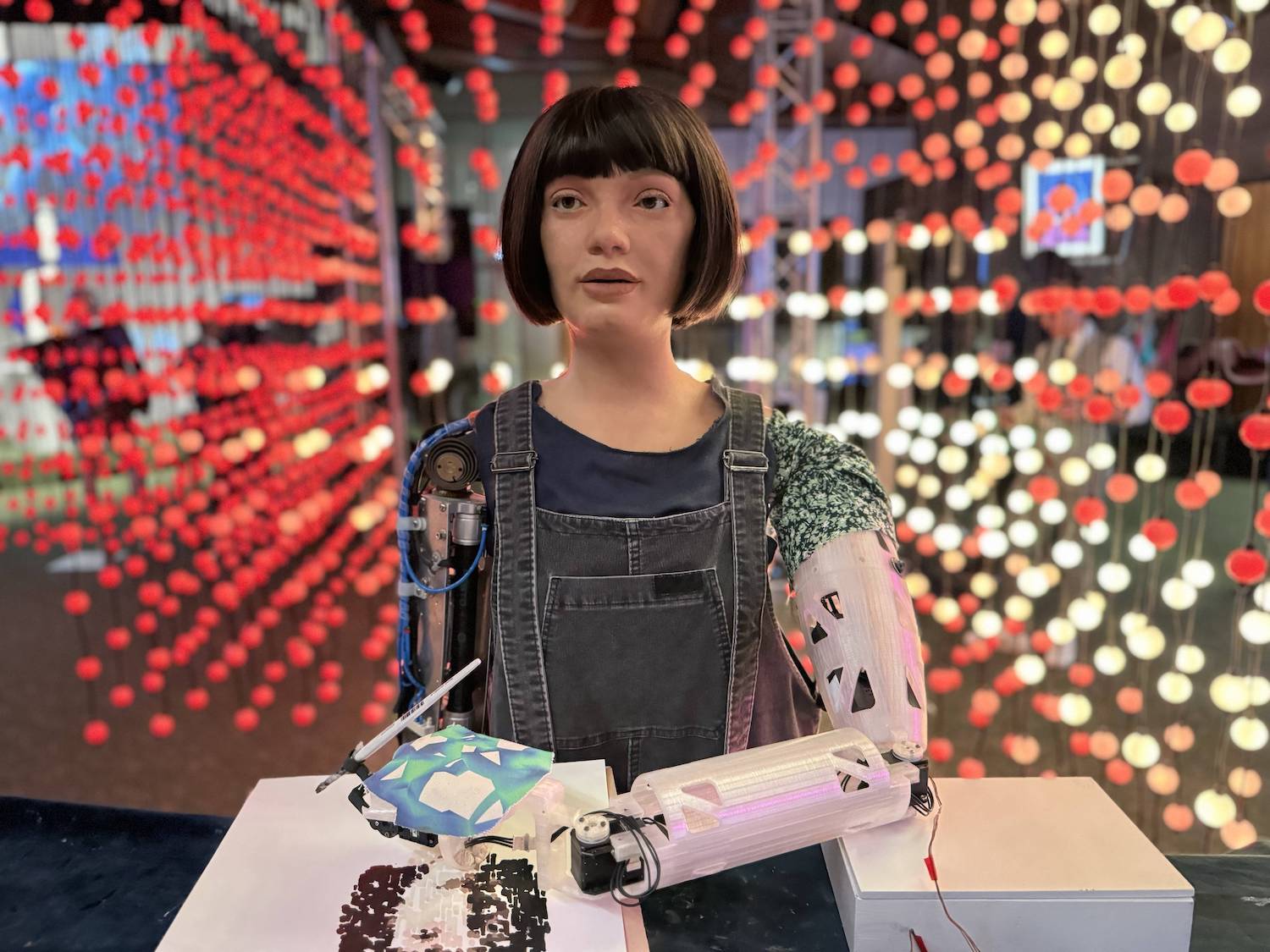
Emma the joke-telling robot cracks up the care home: Paula Hornickel’s best photograph

Photographer Paula Hornickel captured a moment between an elderly care home resident named Waltraud and a social robot named Emma in Albershausen, Germany. The robot, designed for companionship in settings with staff shortages, engages residents in conversation, tells jokes, and discusses topics like favorite flowers, simulating social interaction.

eureka max ernst grattage technique

The article explores how German Surrealist Max Ernst developed the techniques of frottage and grattage in the mid-1920s. Frottage—rubbing paper over textured surfaces like floorboards, leaves, and netting—allowed Ernst to create spontaneous, unconscious imagery, culminating in his 1926 publication *Natural History*. He later adapted the method to canvas as grattage, scraping layers of paint over textured materials to reveal abstract forms, drawing on influences from Leonardo da Vinci and memories of his childhood in the Rhineland.

Without Consciousness, No Creativity

"Ohne Bewusstsein keine Kreativität"

Matthias Hornschuh, a speaker at the German Creative Economy Summit in Hamburg, discusses artificial intelligence and its impact on art and creativity in an interview with Monopol. He argues that AI systems lack intentionality and true creativity, describing them as "probability-based imitation" rather than genuine creative tools. Hornschuh warns against the hype surrounding AI, noting that efficiency gains are often overstated and that users can become trapped in unproductive interactions with these systems.

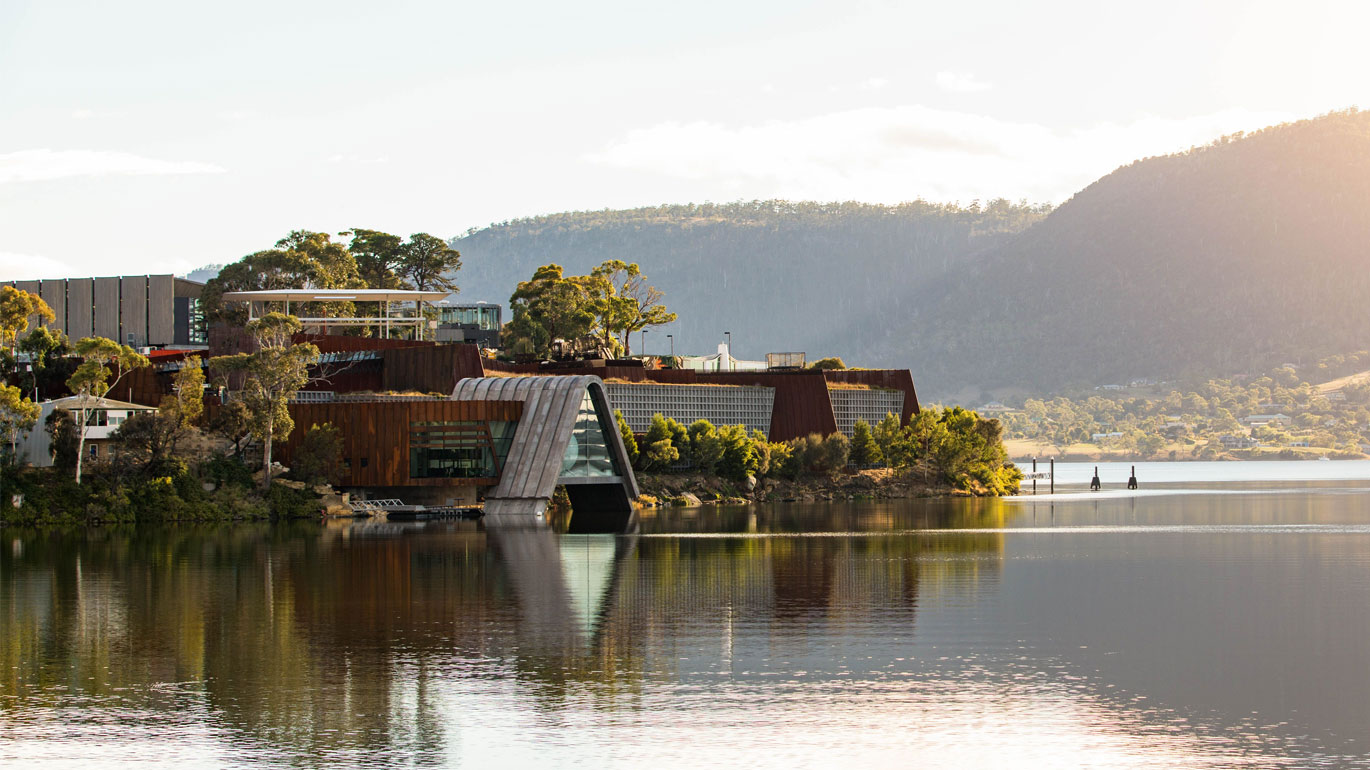
How Tasmania became one of the world’s most exciting art destinations

Helen Ochyra reports on how Tasmania, particularly Hobart, has emerged as a leading global art destination, driven largely by MONA (Museum of Old and New Art). The privately funded museum, founded by art collector David Walsh, recently opened a $100 million AUD wing housing a towering concrete amphitheatre by German artist Anselm Kiefer. Beyond MONA, Hobart hosts the provocative winter festival Dark Mofo, the science-and-culture Beaker Street Festival, and the inaugural Island Readers & Writers Festival, cementing its reputation for cutting-edge arts and culture.

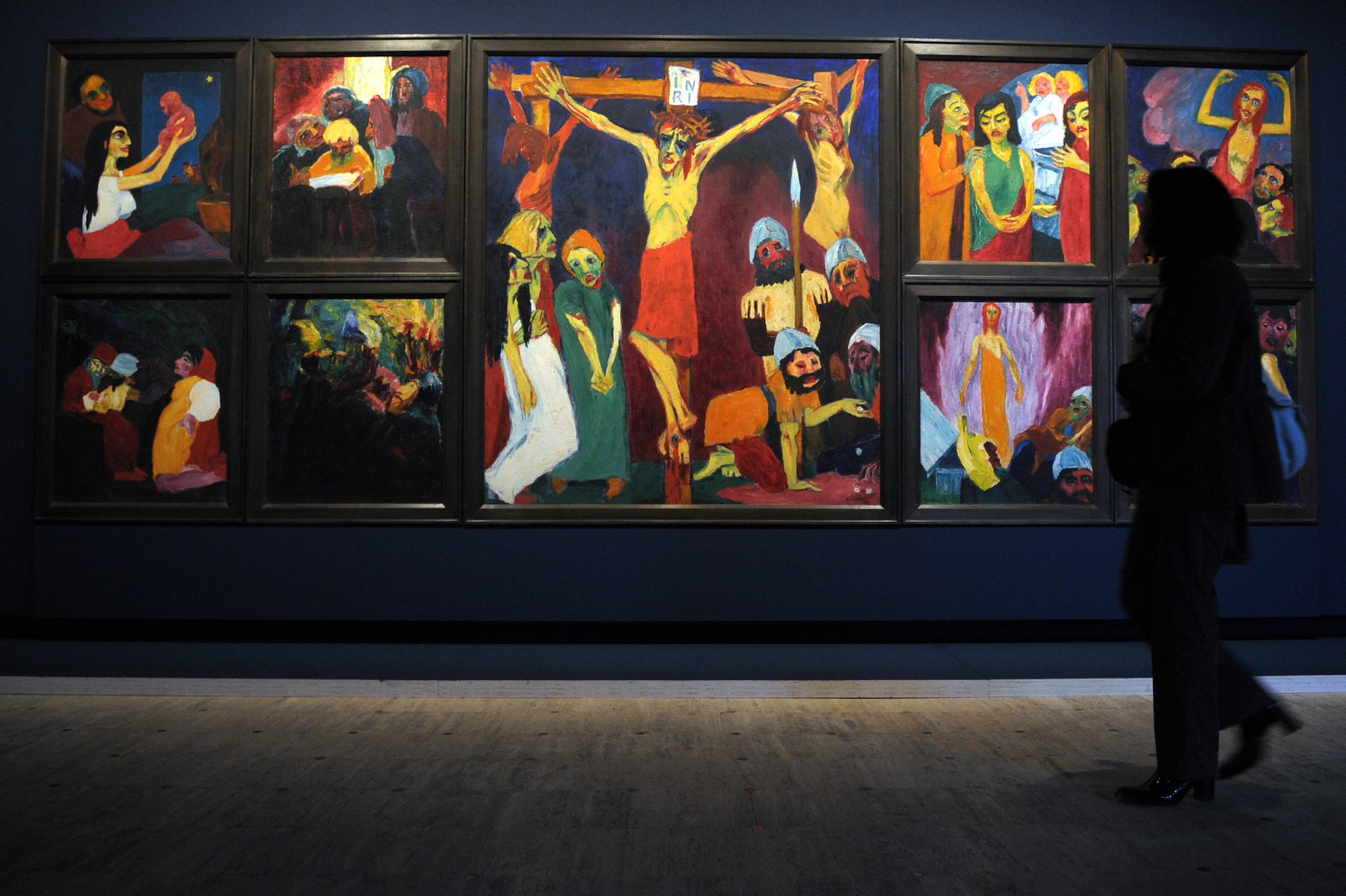
Modern Art and Politics in Germany 1910–1945

The article examines the complex and often fraught relationship between modern art and political power in Germany from 1910 to 1945. It details how avant-garde movements like Expressionism, Dada, and the Bauhaus initially flourished, only to be systematically suppressed and labeled "degenerate" by the Nazi regime after 1933.

The Disturbing Lessons of the 1937 ‘Degenerate Art’ Show

The article examines the historical context and enduring relevance of the 1937 Nazi-organized 'Degenerate Art Show' (Entartete Kunst) in Munich, which displayed hundreds of works by modern artists like George Grosz, Wassily Kandinsky, and Paul Klee as examples of moral and cultural corruption. It traces the concept's roots in 19th-century Social Darwinism, its adoption by Adolf Hitler and the Nazi Party to denigrate modern art, and the gradual escalation of cultural purification policies after Hitler seized power in 1933, including the firing of museum directors and the construction of the Haus der Deutschen Kunst.

Chicago: Model City by Mark Acciari

Native Chicagoan architect and artist Mark Acciari reflects on the architectural identity of Chicago from the distance of Mexico City. Using the iconic imagery of a Chicago-style hot dog as a metaphor for the city's construction, he explores how the city's legacy is often reduced to the 'skeleton frame' of early modernism by critics, while ignoring its more playful, symbolic, and postmodernist undercurrents.

The MAGA Theory of Art

The article examines the aesthetic dimensions of the MAGA movement, comparing and contrasting it with historical fascist regimes, particularly Nazi Germany. It argues that while both movements share a theatrical, media-savvy approach to politics and a resentment of cultural elites, MAGA lacks the disciplined, sophisticated aesthetic program and the cadre of high-profile artists and designers that characterized Nazi cultural production.