filter_list Showing 14 results for "Return" close Clear
dashboard All 226 museum exhibitions 106gavel restitution 33article news 24article local 20article policy 14trending_up market 13person people 7article culture 4article event 4rate_review review 1
date_range Range Today This Week This Month All
Subscribe

Why Do the Women Have to Be Naked?

"Warum müssen die Frauen nackt sein?"

A series of cultural controversies highlight growing tensions between artistic freedom and political pressure. In Germany, cultural minister Wolfram Weimer faces criticism for opaque funding decisions and alleged interference in jury processes, with critics arguing this undermines artistic freedom and free speech. Simultaneously, the European Media Art Festival in Osnabrück defends filmmaker Basma al-Sharif against accusations of antisemitism, illustrating how cultural funding can become a test of political ideology.
Weston Loan Programme with Art Fund marks first decade

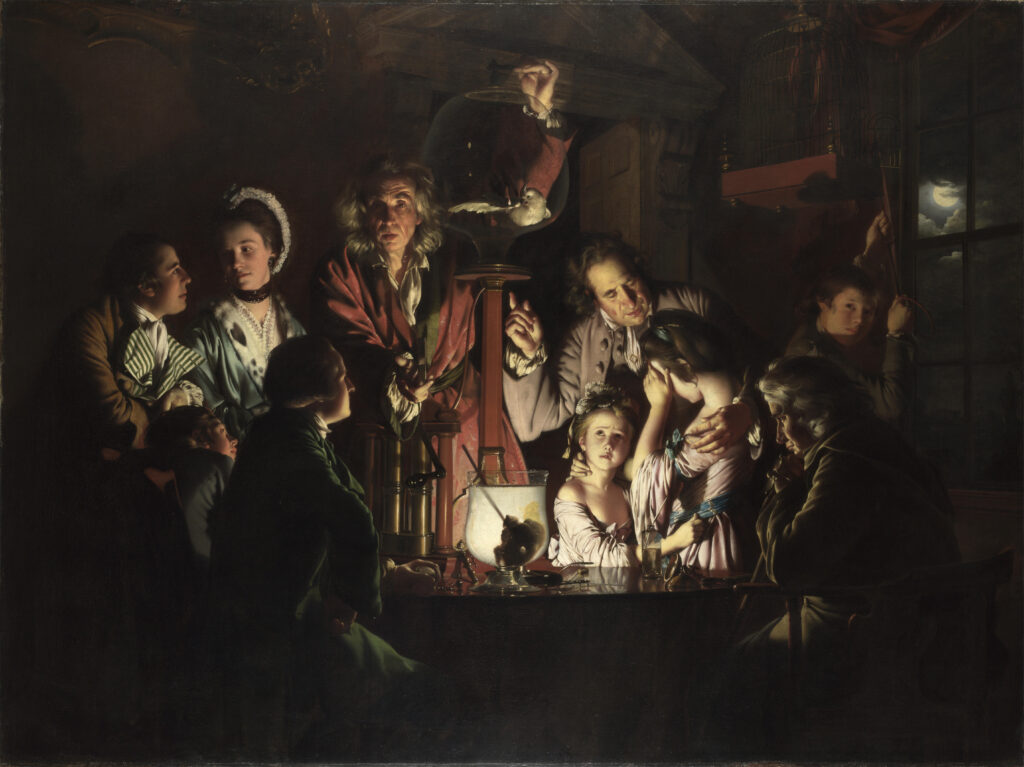
The Weston Loan Programme with Art Fund has announced support for 15 new exhibitions as it celebrates its tenth anniversary. This grant initiative provides regional and smaller UK museums with the necessary funding to cover logistical costs—such as insurance, transport, and security—required to borrow major works from national collections. Notable upcoming projects for 2026 include the return of John Constable’s 'The Hay Wain' to Suffolk and Joseph Wright of Derby’s 'An Experiment on a Bird in the Air Pump' to the artist's hometown for the first time in eight decades.

Germany Creates New Council to Oversee Returns of Looted Art

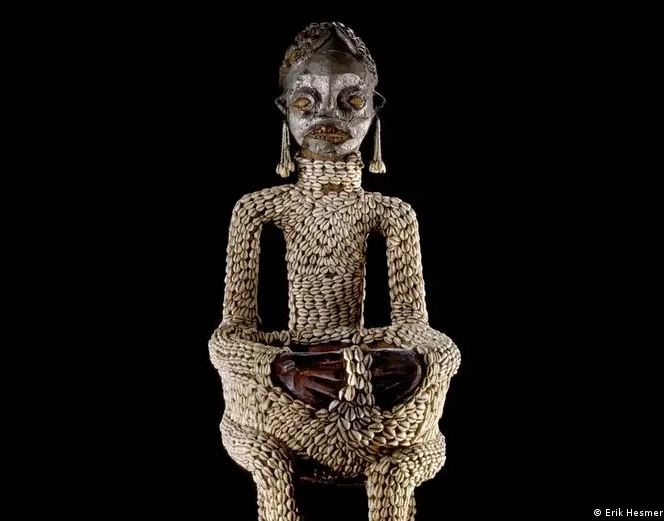
The German government has established a new council, the Coordination Council for Returns of Cultural Property and Human Remains from Colonial Contexts, to oversee the restitution of artifacts acquired during the colonial era. The council will include representatives from federal, state, and municipal authorities and is intended to provide a structured, national approach to handling these complex returns.

Finland Pulls Back Venice Biennale Presence Over Return of Russian Pavilion

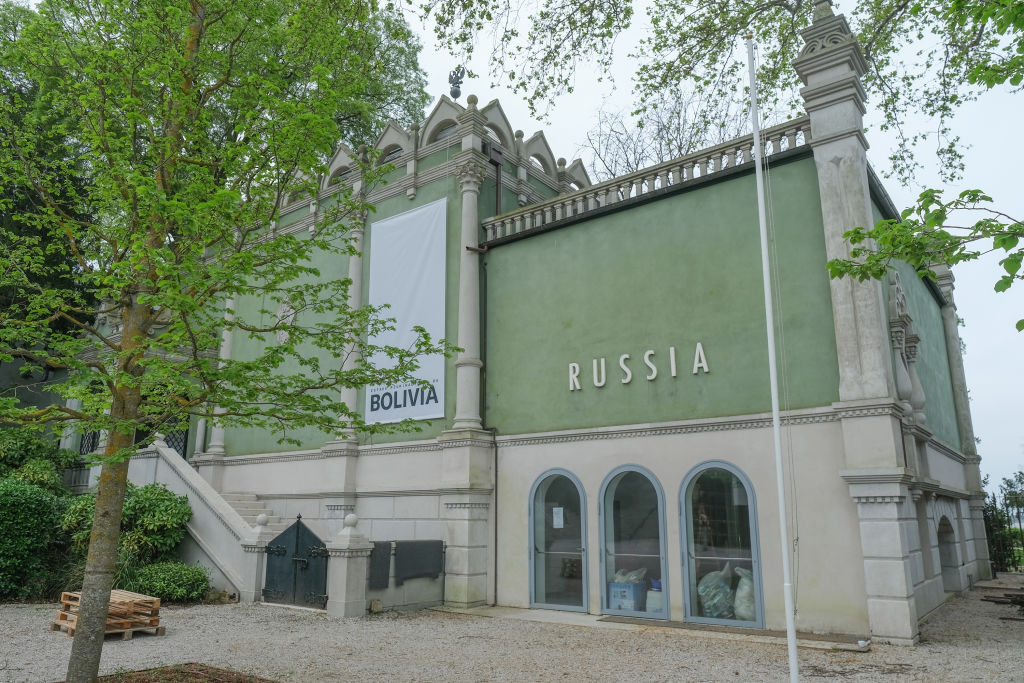
Finland’s political leadership has announced it will boycott the Venice Biennale if the Russian Pavilion proceeds with its planned exhibition. While Finnish public officials will still attend to support their own national artists, the Ministry of Education and Culture stated that Russia should be excluded as long as the war in Ukraine continues. This move follows an open letter from 22 European nations and a warning from the European Commission regarding potential sanctions violations.

Ukraine Sanctions Russian Culture Figures Linked to Country’s Participation in Venice Biennale

Ukrainian President Volodymyr Zelenskyy has issued a decree imposing sanctions on five Russian cultural figures involved in the Russian Pavilion for the 2026 Venice Biennale. The sanctioned individuals include pavilion commissioner Anastasia Karneeva, former culture minister Mikhail Shvydkoy, and three performers from the Intrada Ensemble. Ukrainian officials argue that these figures use international art platforms to legitimize Russian aggression and spread state propaganda, specifically citing past activities in occupied territories like Crimea and Donetsk.

‘The extremely happy part of the crowd’: Hungarian arts figures hope for change after 16 years of Orbán rule

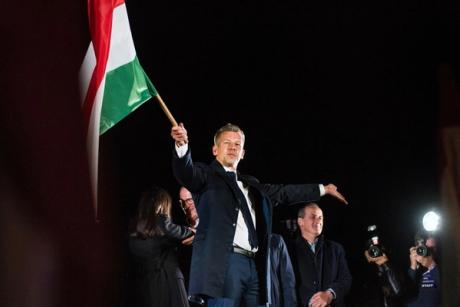
The 16-year tenure of Viktor Orbán has come to an end following a landslide victory for Péter Magyar’s Tisza Party in the 2026 Hungarian parliamentary election. The shift in power has sparked widespread celebration among Hungary’s progressive art community, which has long felt stifled by Orbán’s nationalist and socially conservative agenda. Figures from major Budapest galleries and the contemporary art scene report a profound sense of relief, signaling a potential departure from the "illiberal democracy" that dominated the country for nearly two decades.

The Politics of Russia’s Return to the Venice Biennale

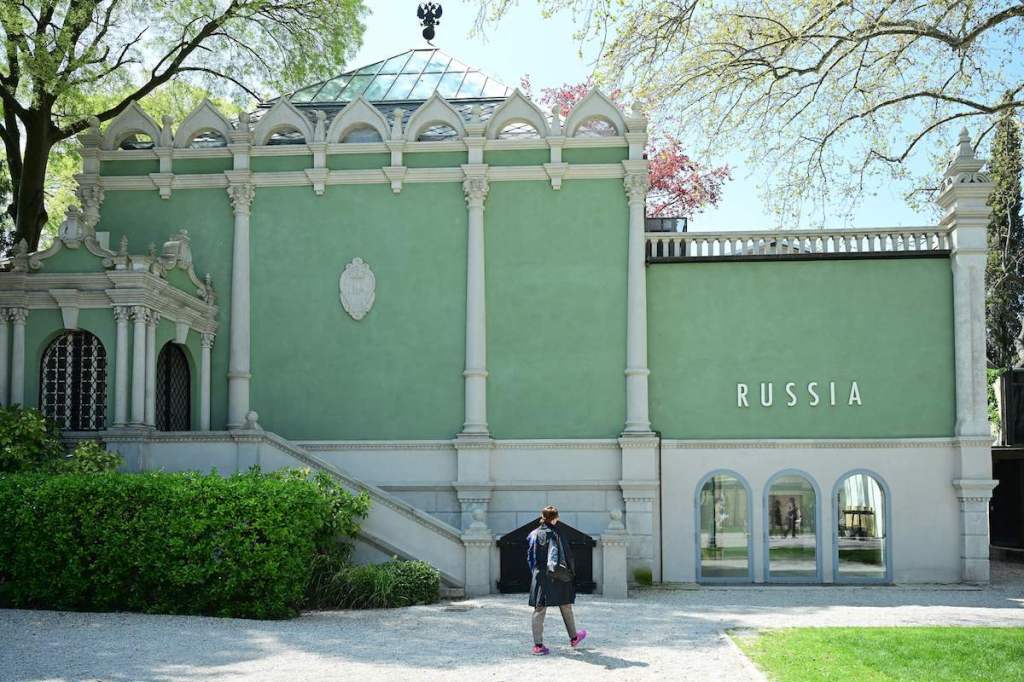
Russia has announced its intention to return to the Venice Biennale in 2026, marking its first participation since the full-scale invasion of Ukraine in 2022. The proposed pavilion, titled "The Tree is Rooted in the Sky," plans to feature 38 participants from Russia and several Global South nations. The announcement has sparked intense backlash from the European Commission and culture ministers across 22 countries, who argue that Russia’s presence undermines democratic values and serves as a tool for "dark cultural diplomacy."

EU confirms Venice Biennale funding cut over Russia feud

The European Union has confirmed it will cut its funding to the Venice Biennale following the event's decision to allow Russia's return to the exhibition. EU foreign policy chief Kaja Kallas announced the move, which was previously threatened, during a press conference focused on supporting Ukraine. Latvia and Finland have also stated they will not send government representatives if Russia's participation is maintained.

EU Plans Penalty for Russia's Biennale Participation

EU plant Strafe für Biennale-Teilnahme Russlands

The European Union has threatened to cut funding for the Venice Biennale if it allows Russia to reopen its national pavilion at the upcoming exhibition. EU foreign policy chief Kaja Kallas stated that Russia's return is "morally wrong" while the country is bombing Ukrainian museums and destroying cultural heritage. Russia, in coordination with the Biennale foundation, had announced plans to participate this year with works by Russian artists, marking its first appearance since the 2022 invasion.

Finland’s political leadership to retract from Venice Biennale over Russian Pavilion

Finland's Minister of Science and Culture, Mari-Leena Talvitie, announced that the country's political leadership will not participate in the upcoming Venice Biennale if Russia's national pavilion is allowed to take part. This decision follows a joint letter signed by Talvitie and 21 other European ministers in March, which deemed Russia's return to the Biennale since its 2022 invasion of Ukraine as 'unacceptable'. Finnish public officials and cultural representatives, however, will still attend to support Finnish artists.

Funding Feud Over Russia's Return To The Venice Biennale

Russia is set to return to the Venice Biennale with its national pavilion for the first time since its 2022 full-scale invasion of Ukraine. This has sparked a funding feud, with the European Commission threatening to withhold a €2 million grant from the event if Russia's exhibit proceeds, a move criticized by Italian Deputy Prime Minister Matteo Salvini.

trump executive orders arts 2605142

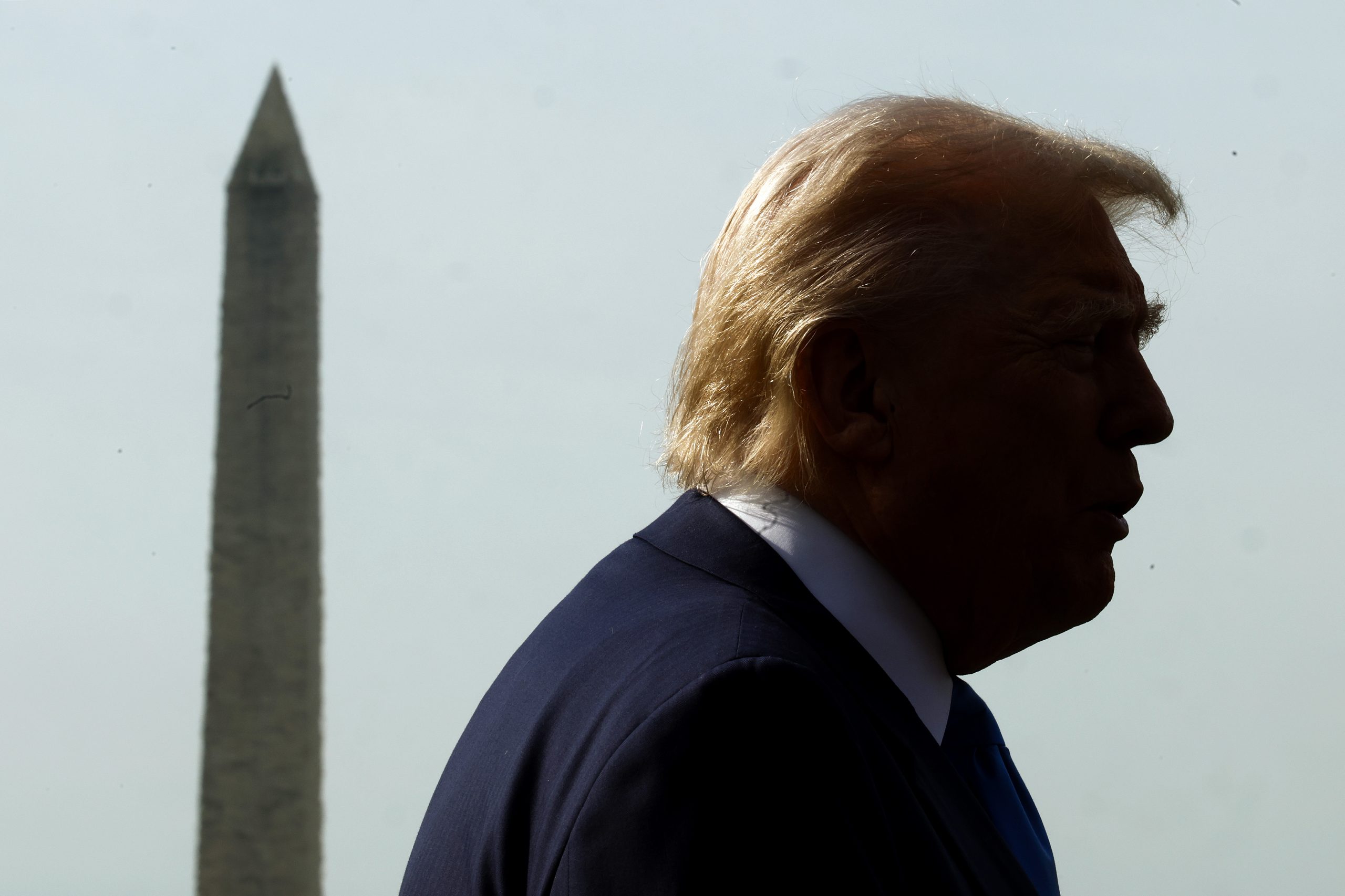
President Donald Trump’s return to office has triggered a sweeping overhaul of the American cultural landscape through executive orders and the newly formed Department of Government Efficiency (DOGE). Key actions include the dissolution of diversity, equity, and inclusion (DEI) offices at the Smithsonian, the cancellation of thousands of National Endowment for the Humanities (NEH) grants, and the removal of high-profile Biden appointees from the U.S. Holocaust Memorial Museum board. These measures are accompanied by new tariffs and immigration policies that threaten the international art trade and cross-border collaborations.

toppled monuments reappear 2758139

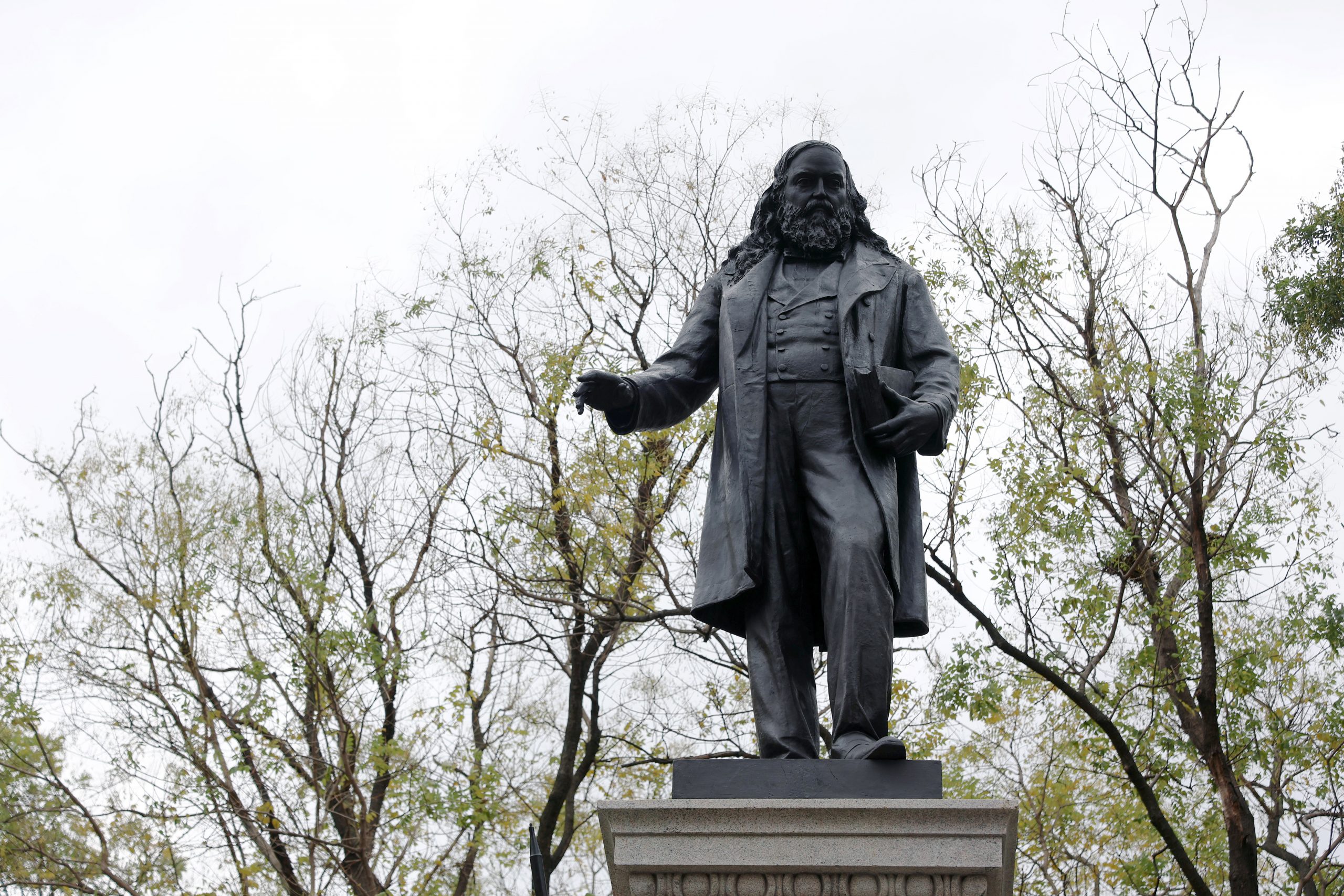
Statues of contested historical figures are being reinstalled across the United States, signaling a reversal of the monument removals sparked by the 2020 Black Lives Matter protests. A replica of a Christopher Columbus statue, originally toppled in Baltimore, was recently mounted on the White House grounds near the Eisenhower Executive Office Building. Other planned returns include a monument to Caesar Rodney, a slave-owning Founding Father, which is set to be displayed in Washington’s Freedom Plaza this summer.

venice biennale neutrality national pavilions russia israel 1234777235

The Venice Biennale is facing intense international backlash following its decision to allow Russia to return for the 2026 edition after a hiatus caused by the invasion of Ukraine. High-ranking politicians from 22 European nations, along with thousands of artists and curators, have signed open letters condemning the move as a platform for state-directed cultural diplomacy and war-crime whitewashing. The Biennale has defended its stance by claiming a policy of non-censorship, asserting that it accepts any nation recognized by the Italian government.