filter_list Showing 16 results for "Sim" close Clear
search
dashboard All 607 museum exhibitions 338article news 118article local 42article culture 37trending_up market 22rate_review review 16article policy 16person people 8candle obituary 5gavel restitution 5
date_range Range Today This Week This Month All
Subscribe

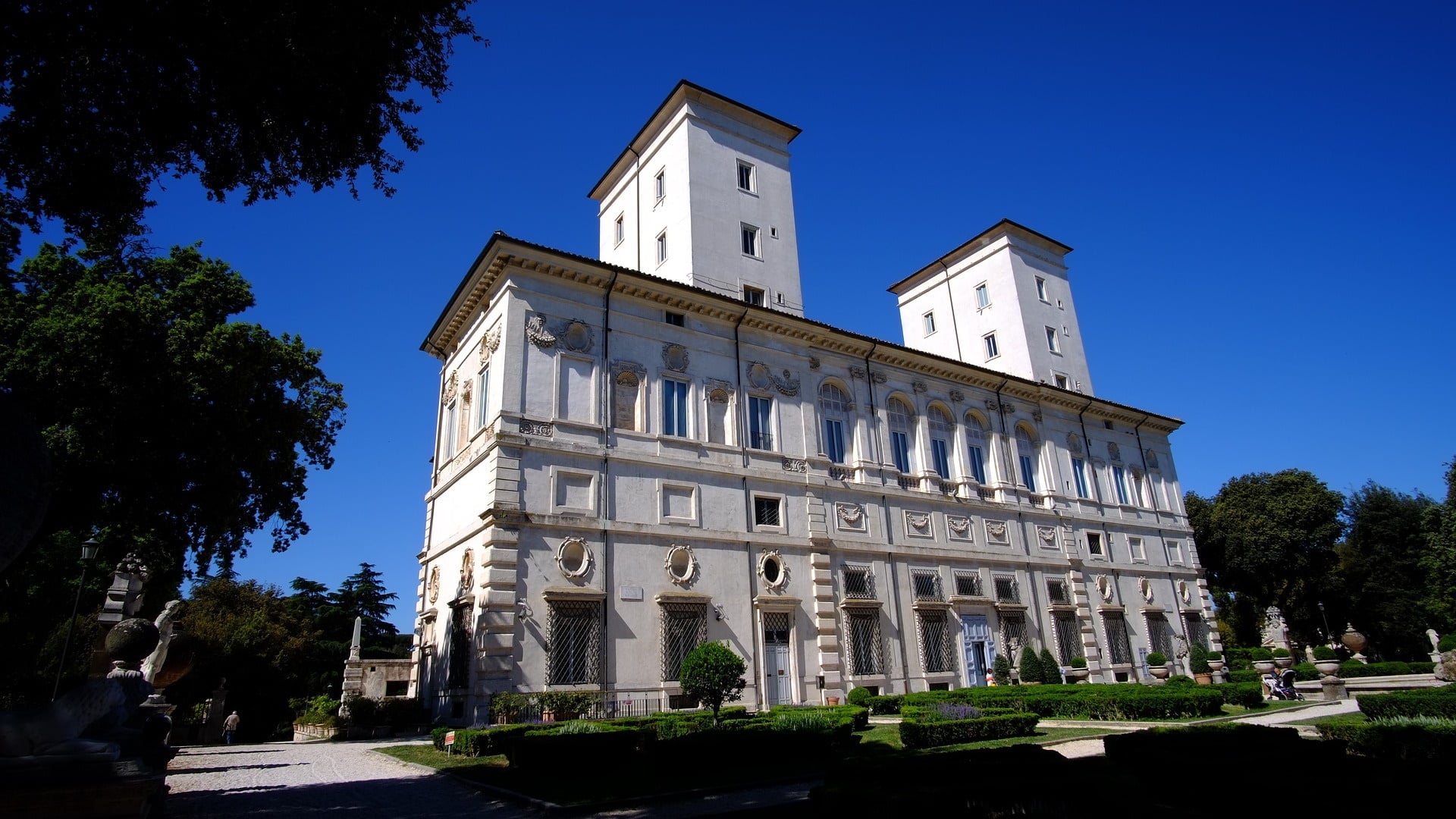
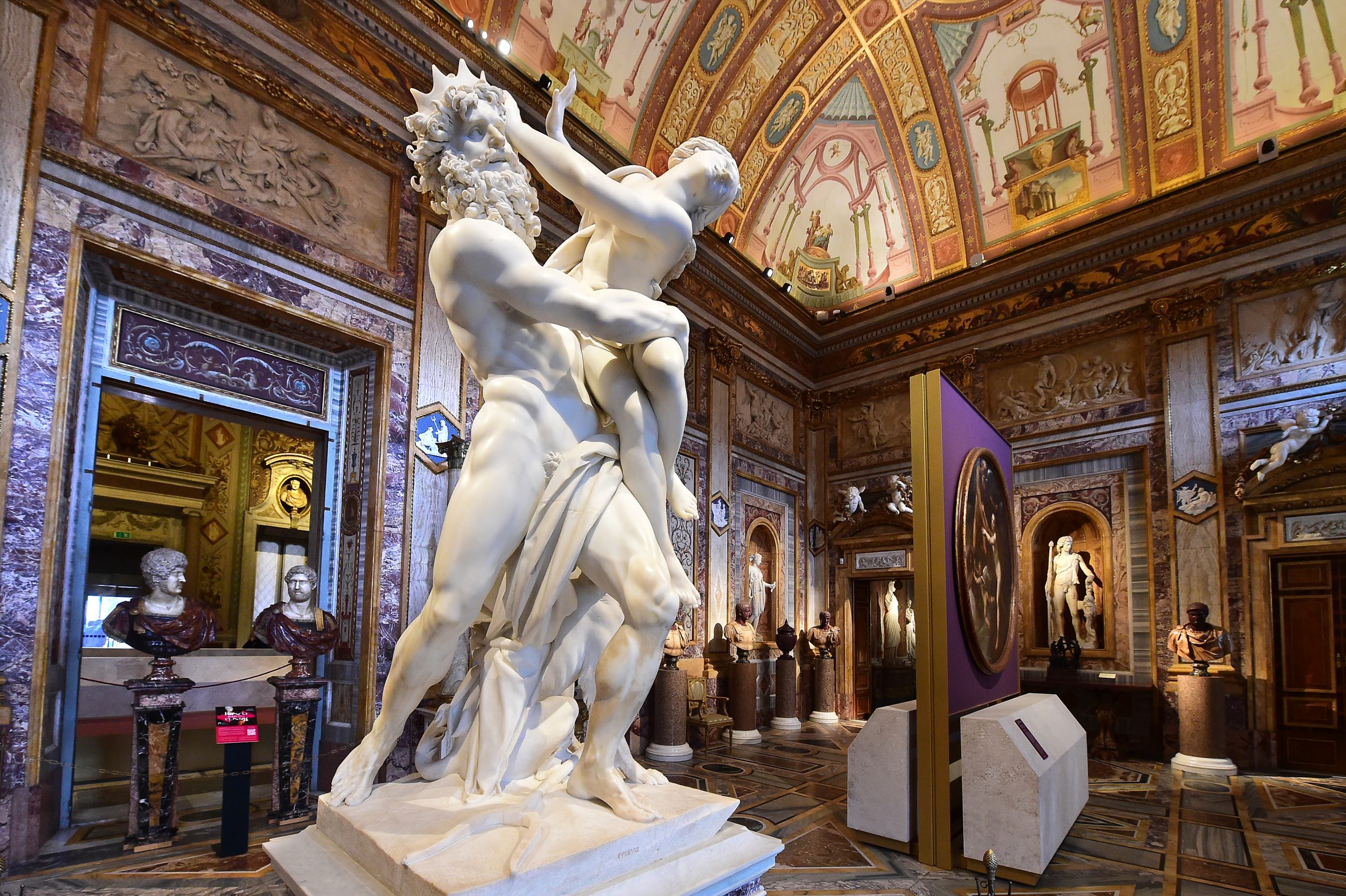
Borghese Gallery Faces Pushback Over New Building Plan

The Borghese Gallery in Rome has proposed building an adjacent facility to expand its exhibition space and increase visitor capacity beyond the current limit of 360 people per two-hour slot. The museum, which welcomed over 630,000 visitors in 2025, argues the expansion is needed to display works long held in storage. A press conference is scheduled for May 19 to provide further details.

America’s Finest Renaissance Tapestry Set for Major Restoration

The European Fine Art Foundation (TEFAF) has awarded its €25,000 Museum Restoration Fund to the Minneapolis Institute of Art (MIA) for the conservation of *The Meeting of Dante and Virgil*, a mid-16th century Italian Renaissance tapestry. This is the first time TEFAF has funded a tapestry restoration since the initiative began in 2012. The wool and silk tapestry, made between 1547 and 1549 by the Florentine workshop of Duke Cosimo I de’ Medici and designed by Francesco Salviati, depicts the opening scene of Dante’s *The Divine Comedy*. It is the only early Medici tapestry held by a public collection outside Italy, standing 17 feet tall and eight feet wide. Due to structural weaknesses and light sensitivity, it has been largely in storage for 70 years. Conservation work by the Midwest Art Conservation Center will include wet cleaning, stabilization, and partial reweaving, along with a new display system. The tapestry is scheduled to return to public view at MIA on July 11.

Ascendant Philanthropists Make $23 Million Donation to Met

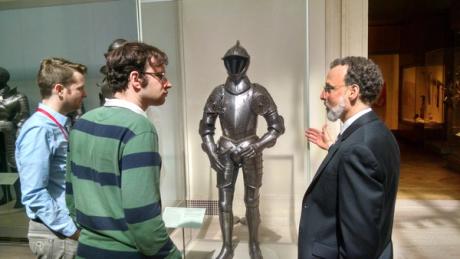
The Metropolitan Museum of Art has received a $23 million donation from newly elected trustee Jennifer Rubio and her husband Stewart Butterfield, made through the Rubio Butterfield Foundation. The principal gift will endow the museum's undergraduate and graduate internship program in perpetuity, which will be renamed after the couple starting September 2026. An additional donation supports the Met's new Tang Wing for modern and contemporary art, set to open in 2030.

A new wing to solve the problems of the Galleria Borghese in Rome. Beautiful challenge, tedious controversy

Una nuova ala per risolvere i problemi della Galleria Borghese a Roma. Bella sfida, stucchevoli polemiche

The Galleria Borghese in Rome, one of Italy's most extraordinary museums, faces significant accessibility and capacity issues due to its historic 17th-century structure. The museum is difficult for visitors with disabilities, overcrowded, and forces visitors to book far in advance—often waiting over a month for a time slot—while many masterpieces remain in storage. In 2025, the engineering firm Proger offered to sponsor a feasibility study for a new wing, contributing nearly 900,000 euros to fund an international architecture competition and a technical-economic feasibility plan. The study, currently underway, aims to explore whether a new annex can be built within the protected Villa Borghese park to create new entrances, exhibition spaces, and services.

Metropolitan Museum receives $23m to endow internship programme

On 30 April, the Metropolitan Museum of Art announced a $23m pledge from the Rubio Butterfield Foundation, led by newly elected trustee Jennifer Rubio and her husband Stewart Butterfield, to permanently endow the museum's internship program. The internships, offered for nearly 30 years with 100 participants annually, have only been paid since 2021. The article also explores broader trends in museum philanthropy, featuring insights from former directors Gary Vikan, Gary Tinterow, and Maxwell Anderson on how donors are often guided to fund endowments for curatorial positions, operations, or awards rather than art acquisitions.

Gulag Museum rebrand marks latest phase in Kremlin’s assault on free speech

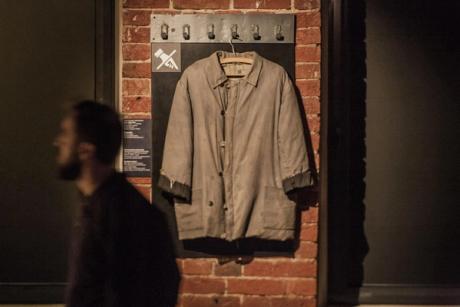
The Kremlin is systematically erasing the memory of Soviet repression under Joseph Stalin from Russian museums. The Gulag Museum in Moscow, which documented Stalin-era crimes, has been rebranded as a "Museum of Memory" focused on Nazi war crimes, with its entire website replaced and exhibitions packed up. Simultaneously, Russia's supreme court banned Memorial, a human rights organization founded to document Stalin-era atrocities, labeling it an "anti-Russian" extremist group. The Yeltsin Presidential Center in Yekaterinburg has also removed references to Memorial from its walls, and the Sakharov Center in Moscow was disbanded and evicted from its facilities.

Director of the Hermitage Museum Sanctioned by the European Union

Le directeur du Musée de l'Ermitage sanctionné par l'Union européenne

The European Union has imposed sanctions on Mikhail Piotrovsky, the 81-year-old director of the State Hermitage Museum in Saint Petersburg, as part of its 20th sanctions package against Russia. Piotrovsky was blacklisted for supporting the war in Ukraine and overseeing illegal archaeological excavations in occupied Crimea. The EU cited his use of Kremlin war rhetoric—calling the museum's exhibition policy a "cultural special operation"—and the Hermitage's role in incorporating Ukrainian cultural objects from occupied territories into Russia's state museum fund. Additionally, under his leadership, unauthorized digs were conducted at the ancient Greek site of Myrmekion in Crimea, led by Hermitage archaeologist Alexander Butyagin, who was arrested in Warsaw and later released in a prisoner exchange.

Victoria & Albert Museum yields to Chinese censorship

Le Victoria & Albert Museum cède à la censure chinoise

The Victoria & Albert Museum in London removed a map and other content from its exhibition catalogues after its Chinese printer, C&C Offset Printing, flagged them as unacceptable to Chinese censors. The map, showing 1930s British Empire trade routes, was rejected by China's General Administration of Press and Publication (GAPP) because it included Chinese territory and borders, requiring the use of state-approved maps. The museum also previously removed a map and a photograph of Vladimir Lenin from a 2021 Fabergé exhibition catalogue.

Comment | Museums are civic institutions. It’s time we acted like it

Lindsay C. Harris, director of the Oakland Museum of California (OMCA), publishes a commentary calling for museums to act as true civic institutions. She outlines concrete internal commitments OMCA has made, including voluntarily recognizing a staff union, adopting a pay equity philosophy with a minimum wage of $30.88 per hour, implementing transparent financial practices, and shifting investments toward socially responsible funds. Externally, she advocates for centering community voices, building social cohesion through inclusive programming, and measuring institutional impact through visitor surveys.

Art Problems: WTF Is an A-Corp?

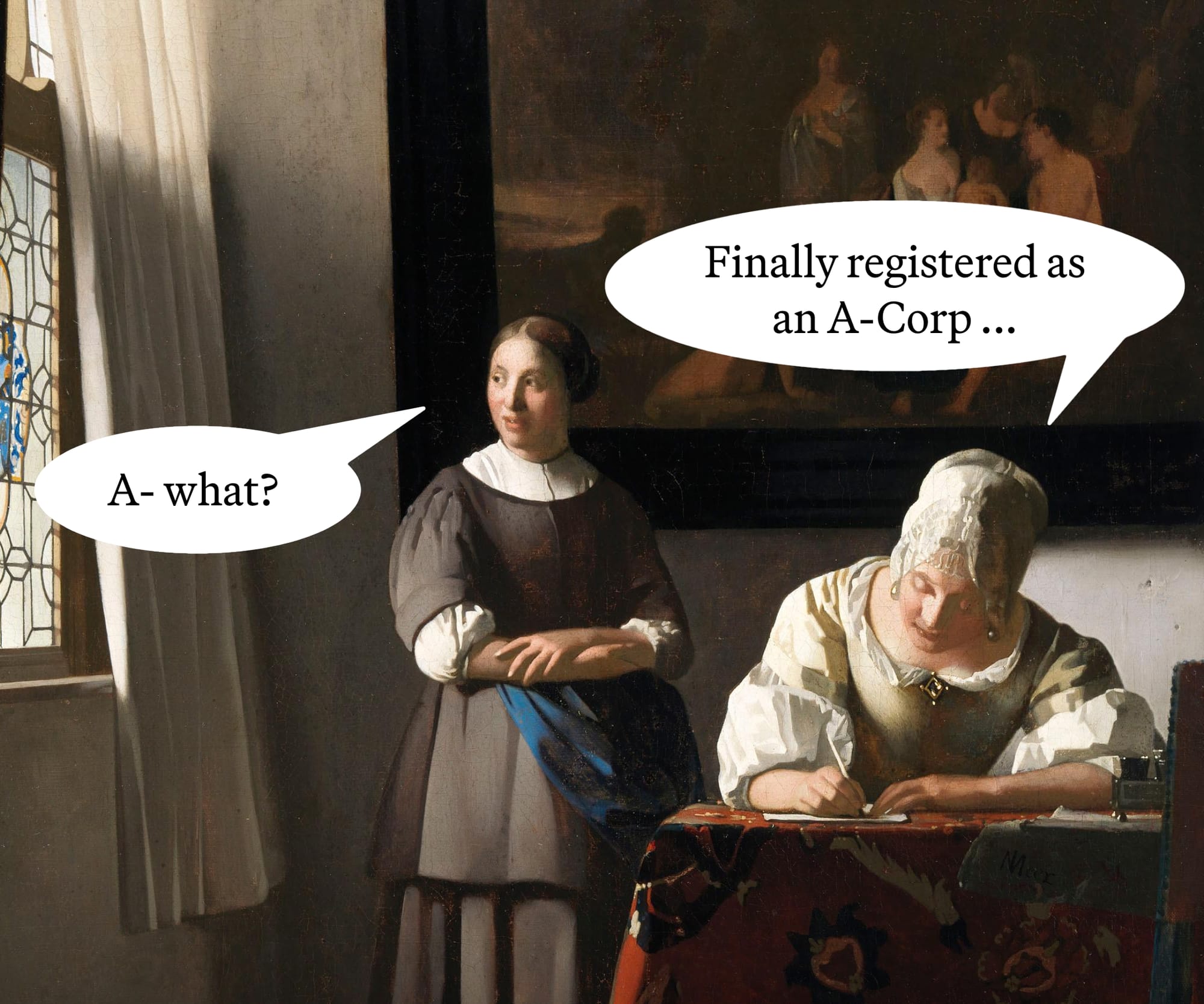
The article explains the concept of an Artist Corporation (A-Corp), a new business structure for artists introduced in a bill before the Colorado state legislature, originally proposed by entrepreneur Yancey Strickler. It allows artists to form a legally recognized business entity without hiring a lawyer, simply by filling out a form, and provides liability protection by separating personal assets from business assets. The bill is expected to reach the governor's desk by mid-May and be enacted within six months, with five or six other states, including New York, expressing interest.

Today’s war, tomorrow’s loot: attempts at stemming the illicit trade in art

The article examines the ongoing challenge of preventing the illicit trade in cultural property looted from conflict zones. It discusses the Hague Convention of 1954 and its protocol, which require signatory countries to prevent theft and pillage during armed conflict and to seize and repatriate unlawful exports. However, the protocol only applies to situations of 'occupation,' leaving a gap for looting that occurs in the chaos of war beyond formal occupation. The article also notes UN Security Council Resolutions that restrict unlawfully removed cultural property from Iraq and Syria, but no similar consensus exists for countries like Afghanistan, Libya, Ukraine, Lebanon, Yemen, Sudan, and Iran. EU Regulation 2019/880 is highlighted as a measure that prohibits introducing goods removed unlawfully from their place of origin into the EU, though its scope has expanded beyond its original anti-terrorist financing purpose.

Art can officially be a form of therapy. Interview with Undersecretary of Culture Lucia Borgonzoni, godmother of the project

L’arte può essere ufficialmente una forma di cura. Intervista al Sottosegretario alla Cultura Lucia Borgonzoni madrina del progetto

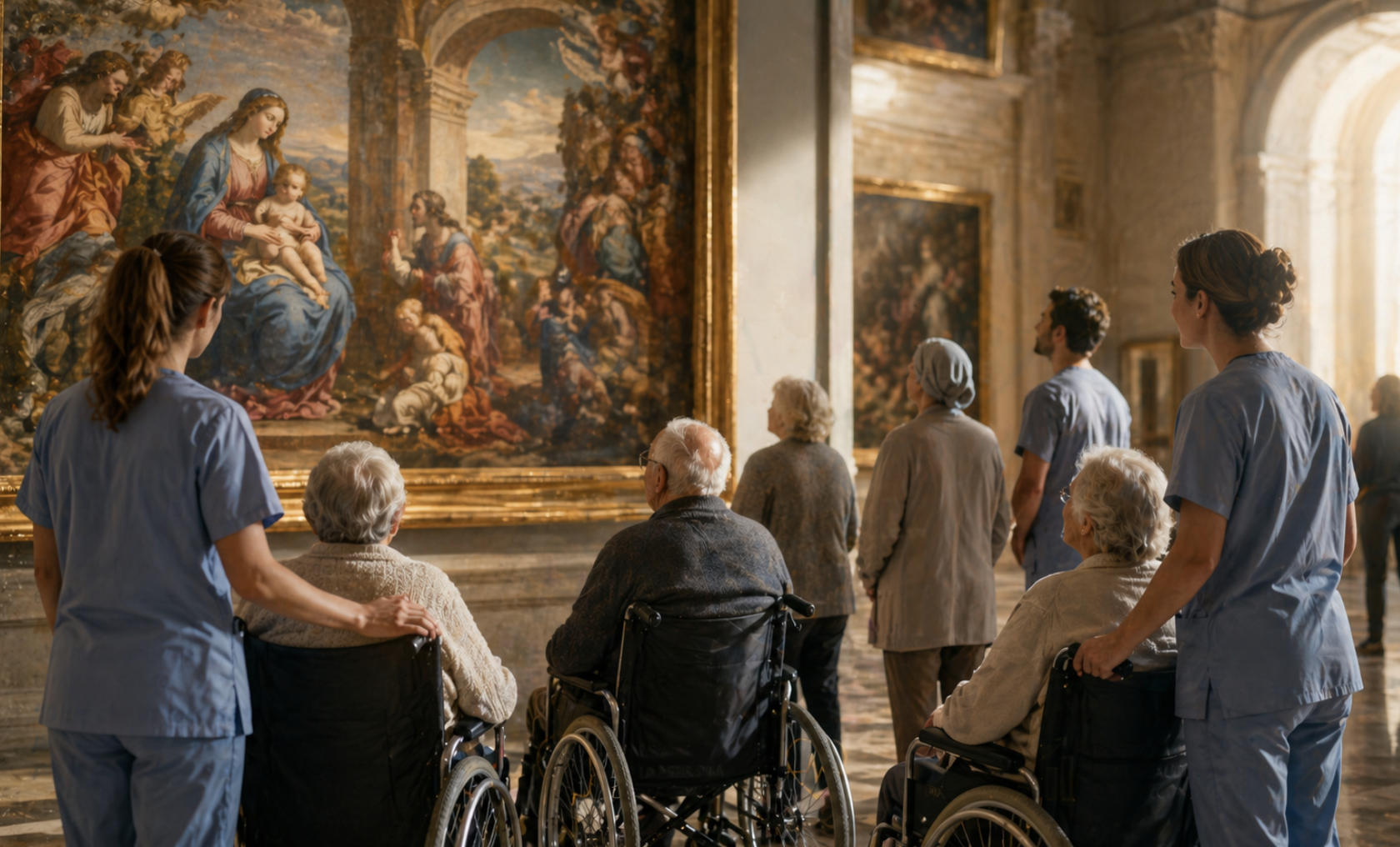
The Italian Ministry of Culture and Ministry of Health have signed a formal protocol recognizing art as a form of therapy and care. The agreement, championed by Undersecretary of State for Culture Lucia Borgonzoni, mandates that museums, libraries, archives, and cultural institutions play a central role in developing therapeutic pathways using art to improve individual and community well-being. Borgonzoni, who has advocated for this initiative for nearly a decade, traces its origin to a 2018 study at the Sanctuary of Vicoforte that measured cortisol levels in visitors before and after viewing frescoes, showing significant stress reduction.

Two Visitors’ Lions have been established for the Biennale Arte 2026

La Biennale di Venezia has announced the establishment of two Visitors' Lions for the 61st International Art Exhibition, following the resignation of the International Jury appointed by curator Koyo Kouoh. The awards ceremony, originally scheduled for May 9, has been moved to November 22, the final public day, echoing a similar shift during the 2021 Architecture Exhibition due to COVID-19. The Visitors' Lions will be voted on by ticket holders who visit both exhibition venues between May 9 and November 22, with one award for the Best Participant in the exhibition "In Minor Keys" by Koyo Kouoh and another for the Best National Participation.

Pablo Diaz, directeur de Sciences Po Rennes : « L’acte II de l’INSEAC de Guingamp »

Pablo Diaz, director of Sciences Po Rennes, announces that the Institut national supérieur de l'éducation artistique et culturelle (INSEAC) in Guingamp has been transferred from the Conservatoire national des arts et métiers (Cnam) to Sciences Po Rennes as of January 1, 2026. The institute, which opened in 2021 and focuses on training, research, and resources for arts and cultural education, will now operate under public-sector governance with oversight from the French ministries of Culture, Education, and Higher Education. Diaz outlines plans to appoint a dedicated site director in Guingamp and establish a strategic orientation committee chaired by interministerial delegate Emmanuel Ethis, aiming to resolve past management and governance issues.

Aumenti salariali e welfare per i lavori della cultura. È stato firmato il nuovo Contratto Nazionale di Lavoro. L’intervista

A new national labor contract for Italy's cultural sector has been signed. The Federculture National Labor Contract, finalized on April 30, 2026, includes a 7.5% increase in minimum wages (effective December 1, 2024), doubled welfare contributions for healthcare, and a simplified job classification system. The agreement was reached between Federculture and major unions including FP CGIL, CISL FP, UIL FPL, and UIL PA, with negotiations for the 2025-2027 term set to resume on May 26.

A new certification has been created to improve the management and valorization of Italian cultural heritage

È nata una nuova certificazione per migliorare gestione e valorizzazione del patrimonio culturale italiano

A new certification standard called SGPI01:2024 has been launched in Italy to improve the management and valorization of cultural heritage. Developed by Certiquality and the Stati Generali del Patrimonio Italiano (SGPI), the standard was presented in Florence at Palazzo Guadagni Strozzi Sacrati, with the patronage of the Tuscany Region. It applies to all public and private entities that own or manage cultural and landscape assets, introducing a comprehensive management system that goes beyond legal compliance, focusing on conservation, economic sustainability, accessibility, and safety through independent third-party audits.