search
dashboard All 23169 museum exhibitions 10902article local 3093article news 2492trending_up market 2235article culture 1548person people 944article policy 771rate_review review 454candle obituary 381gavel restitution 308article event 23article events 5article school 3article museum 3article museums 2article gallery 2article satire 1article architecture 1article museums & heritage 1
date_range Range Today This Week This Month All
Subscribe

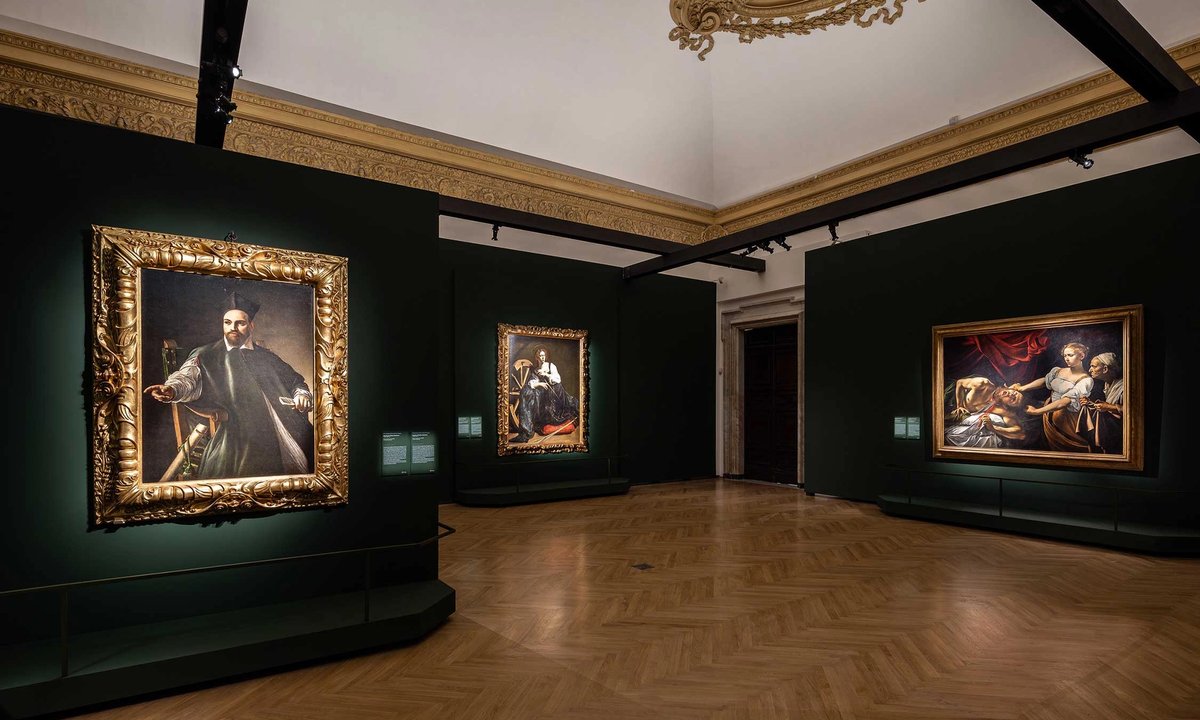
The Big Review | Caravaggio 2025 at Palazzo Barberini, Rome ★★★

The article reviews the "Caravaggio 2025" exhibition at Palazzo Barberini in Rome, which brings together 24 paintings by the Baroque master Michelangelo Merisi da Caravaggio. Curated by Francesca Cappelletti, Maria Cristina Terzaghi, and Thomas Clement Salomon, the show is accompanied by a heavy marketing campaign tied to the Catholic Church's Jubilee year. The review notes that while any gathering of Caravaggio's works guarantees a beautiful experience, the exhibition's title and scope remain unclear, and the curatorial approach—divided into four thematic sections—feels disjointed. Highlights include the reunion of three paintings from Cardinal Francesco Maria del Monte's collection and the public display of the recently identified portrait of Maffeo Barberini.
Review: Gorgeous, exuberant Kim Chong Hak at the High

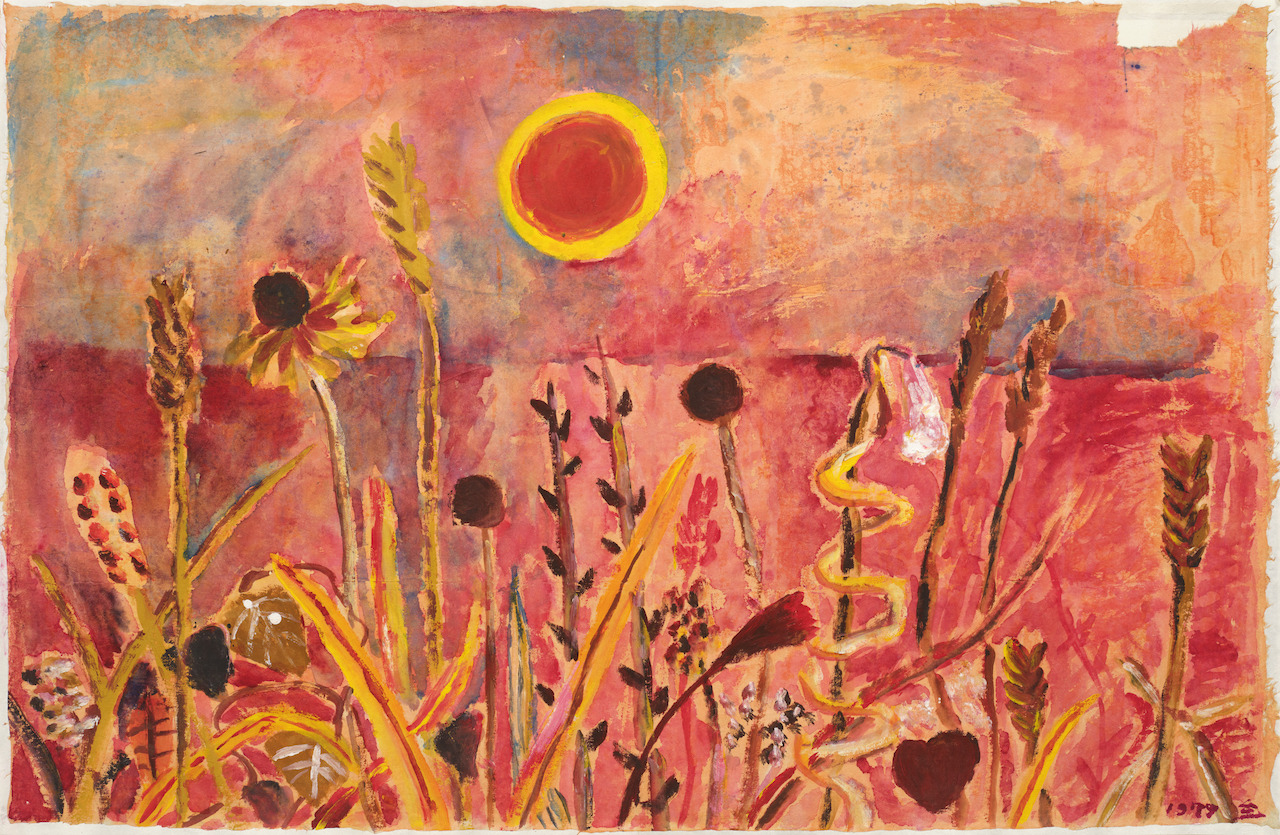
The High Museum of Art in Atlanta is hosting "Kim Chong Hak: Painter of Seoraksan," the first American museum exhibition dedicated to the Korean artist, running through November 2. The show features over 60 works spanning Kim's career, from early abstract pieces influenced by Western artists like Rothko and Tàpies to vibrant, large-scale landscapes inspired by his decades-long retreat to Mount Seorak in eastern South Korea. The exhibition includes paintings, folk art, and a catalog with essays that contextualize Kim's life and work.

Mark Milroy Sees, Remembers, and Imagines at Once

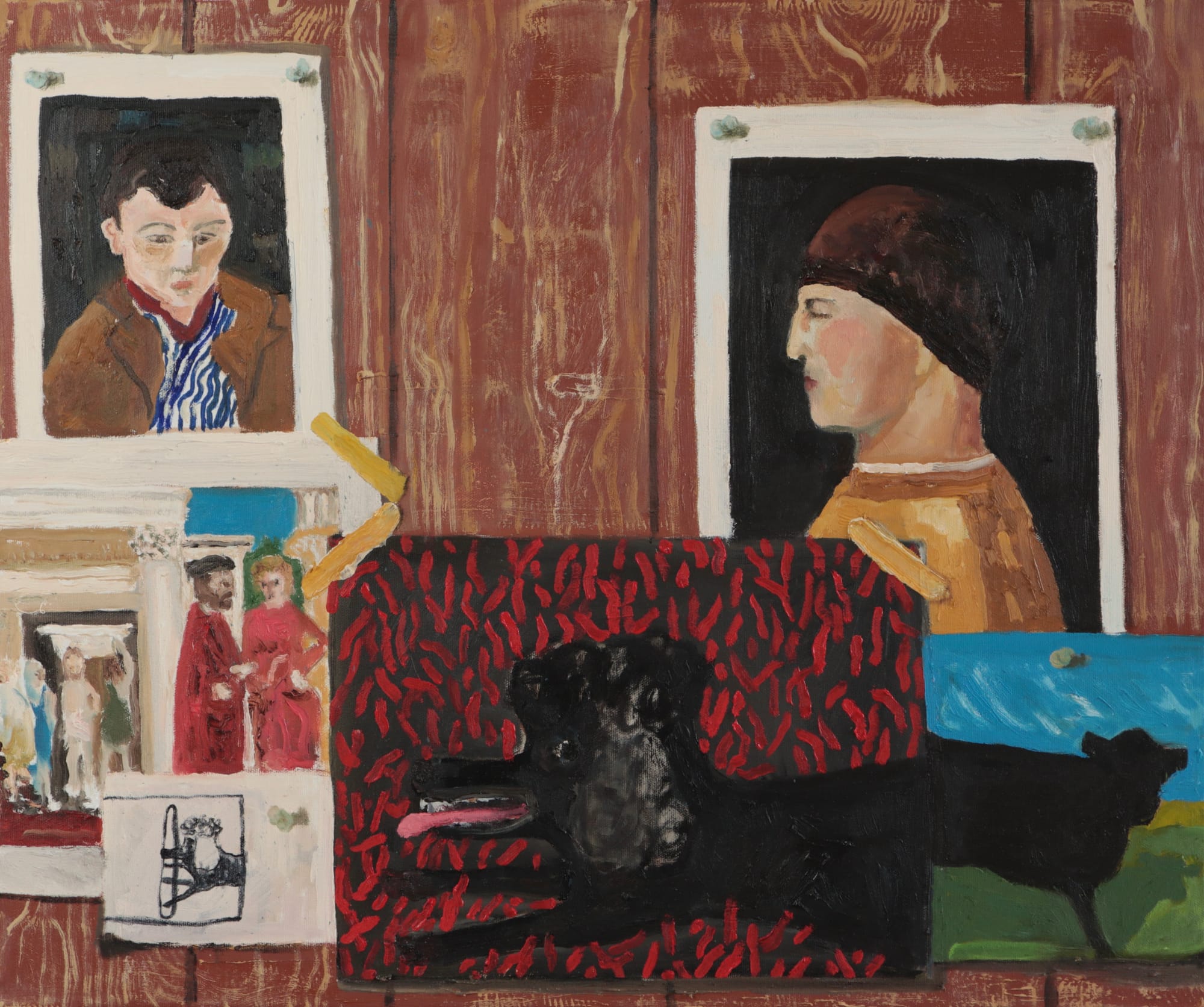
Artist Mark Milroy, an observational painter in his mid-50s who gained a following during the pandemic through Instagram and online shows at Nancy Margolis Gallery, is now holding his debut New York exhibition, "Jumbo," at JJ Murphy gallery through May 16. The show features 18 oil paintings and 12 colored pencil drawings, with subjects ranging from still lifes and portraits to a titular painting referencing the famous P.T. Barnum elephant killed in Milroy's hometown of St. Thomas, Ontario, in 1885. Milroy's work blends personal memory, art historical insight, and a deliberate gaze, drawing influences from Cedric Morris and 15th-century Florentine painting.

White Girls and the Global South

The article is a curated list of art books for spring reading, featuring a diverse range of subjects. It highlights two main critical reviews: one critiques a new novel, *Flat Earth* by Anika Jade Levy, as another navel-gazing story about disaffected white women, while the other praises a scholarly work, *Non-Aligned: Art, Decolonization and the Third World Project in India* by Atreyee Gupta, which examines the international solidarity networks of Indian modernist painters long before the term "Global South" became popular.

SPECTERS AT PLAY Tim Griffin on “What a Wonderful World: An Audiovisual Poem,” Julia Stoschek Foundation at the Variety Arts Theater, Los Angeles

Curated by Udo Kittelmann, the Julia Stoschek Foundation’s exhibition “What a Wonderful World: An Audiovisual Poem” transforms the dilapidated Variety Arts Theater in Downtown Los Angeles into a hauntological site of media exploration. By placing contemporary video works from the Stoschek Collection alongside historical silent films within a 1920s Renaissance-style building, the exhibition leverages the site’s architectural decay to evoke a sense of absence and spectral presence. The venue, which once hosted figures ranging from Charlie Chaplin to Hüsker Dü, serves as a poignant backdrop that blurs the lines between the past and the contemporary moment.

The Spiritual Ear: On Daniel Heller-Roazen’s Far Calls

The article is a critical review of Daniel Heller-Roazen's new book, 'Far Calls: On Omens, Slips, & Epiphanies.' It examines the book's central thesis, which explores the historical and philosophical concept of a 'spiritual ear'—the interval between speaking and hearing where language escapes its intended meaning, giving rise to omens, slips of the tongue, and epiphanies. The review traces Heller-Roazen's genealogical investigation from ancient divinatory practices to modern psychoanalysis, highlighting his argument that linguistic accidents hold prophetic potential.

The Looter Who Built Your Favorite Museum

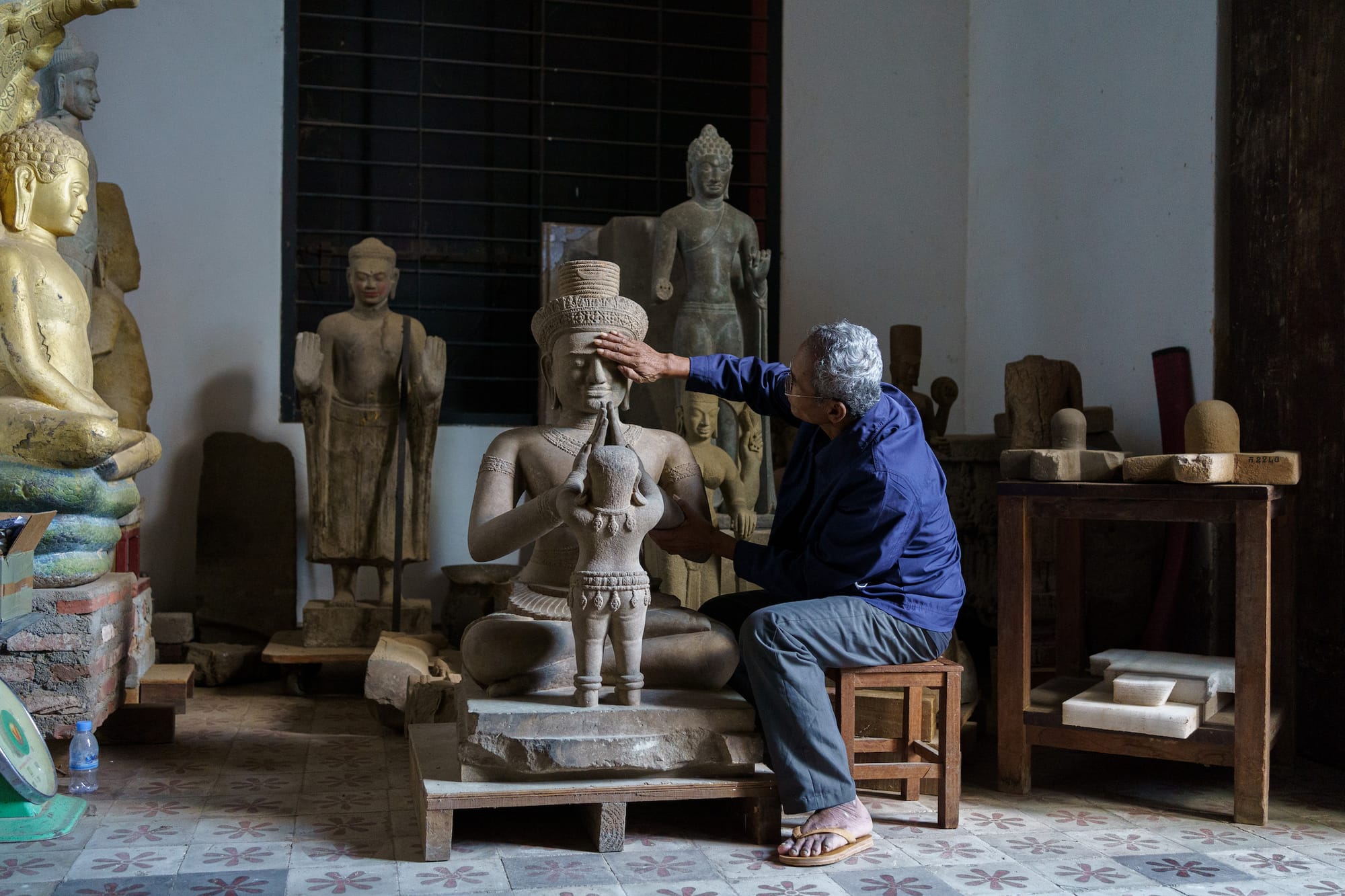
Matthew Campbell's book *The Man Who Stole the Gods* (2026) examines the network of British dealer Douglas Latchford, who trafficked looted Cambodian antiquities on a massive scale before his death in 2020. The book details how Latchford, with the code name "Lion" from a Cambodian looter named Toek Tik, decapitated and dismembered Khmer statues, stripping them from their sanctuaries and funneling them into Western institutions like the Metropolitan Museum of Art. Campbell portrays Latchford as a charismatic product of a global appetite for beautiful things, embedded within elite institutional structures that enabled the movement of looted cultural objects into the legitimate art market, aided by relationships with collectors, dealers, curators, and academics.

The In-Between Worlds of Larissa Borteh

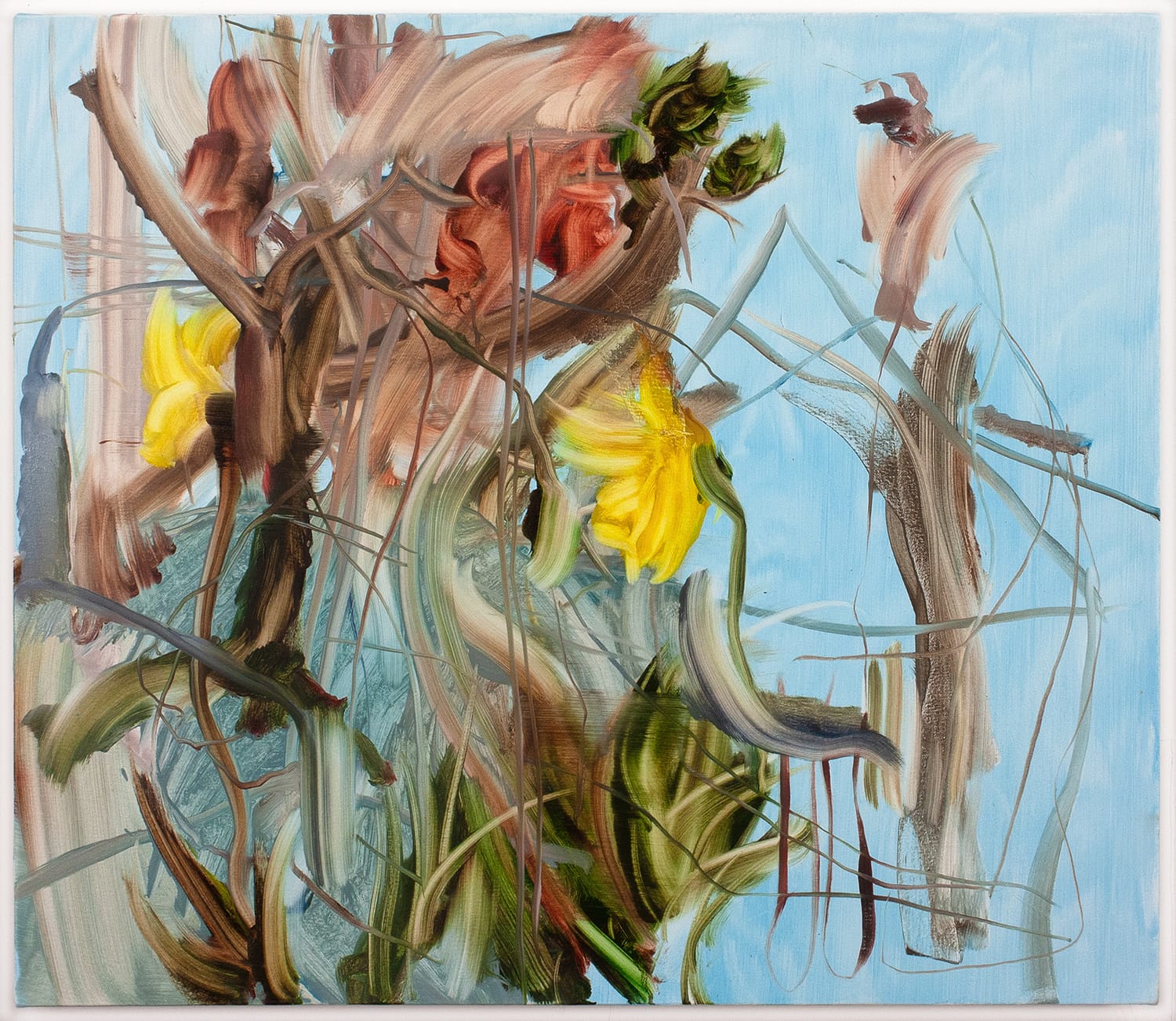
Hyperallergic reviews Larissa Borteh's solo exhibition "In the Wind" at Devening Projects in Chicago, featuring a dozen oil paintings that blur the line between still life and ethereal abstraction. The works, including "Glass House" (2025) and "Tending and Receiving" (2026), use thinned, viscous oil paint to create tactile surfaces that evoke plants in decay, ghosts, deities, or dreamlike visions. The review highlights Borteh's distinctive merging of image and elongated mark, reminiscent of fingerpainting, and her exploration of the spectrum between legibility and opacity.

Review of the Italian Pavilion by Chiara Camoni and its relationship with the Biennale

La recensione del Padiglione Italia di Chiara Camoni e la sua relazione con la Biennale

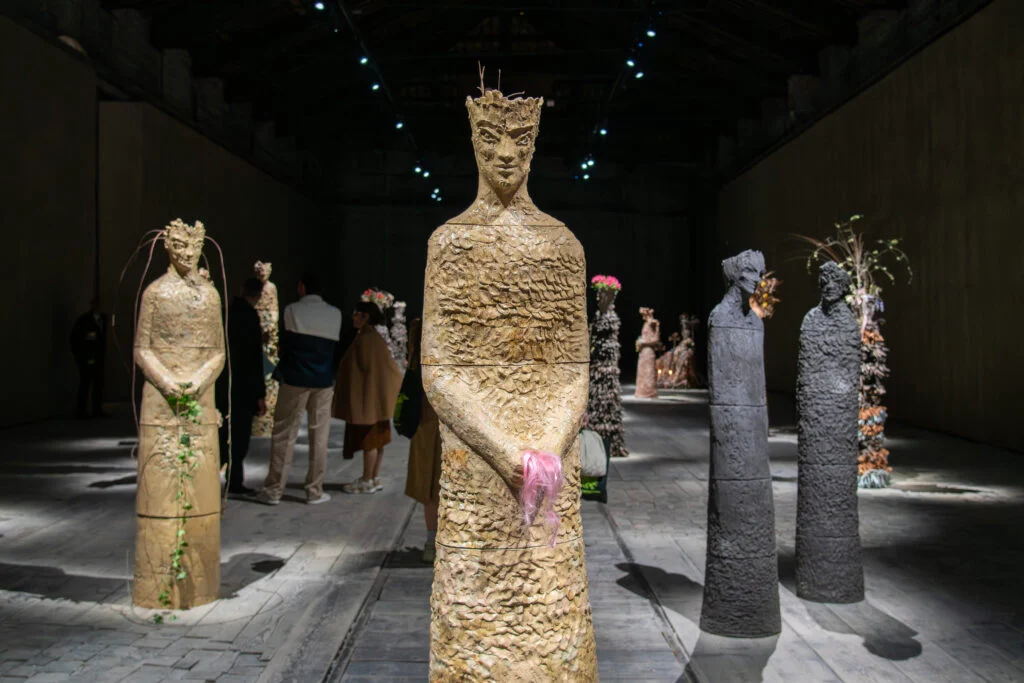
Chiara Camoni's Italian Pavilion at the 2026 Venice Biennale, titled "Con te con tutto," is reviewed in relation to Koyo Kouoh's central exhibition "In Minor Keys." Camoni's installation features a crowd of female figures sculpted in clay and natural materials, described as "donne tronco" (trunk women), which evoke growth, transformation, and the intuitive, manual gestures that Kouoh champions. The review highlights how Camoni's work dialogues with Kouoh's curatorial emphasis on drawing, painting, and craft as intuitive practices, moving away from conceptual art. It also notes a performance by Magdalena Campos Pons at the Tese theatre, which includes a portrait of Toni Morrison and Kouoh, accompanied by music by Kamal Malak.

Karla Knight’s Cosmic Conspiracies

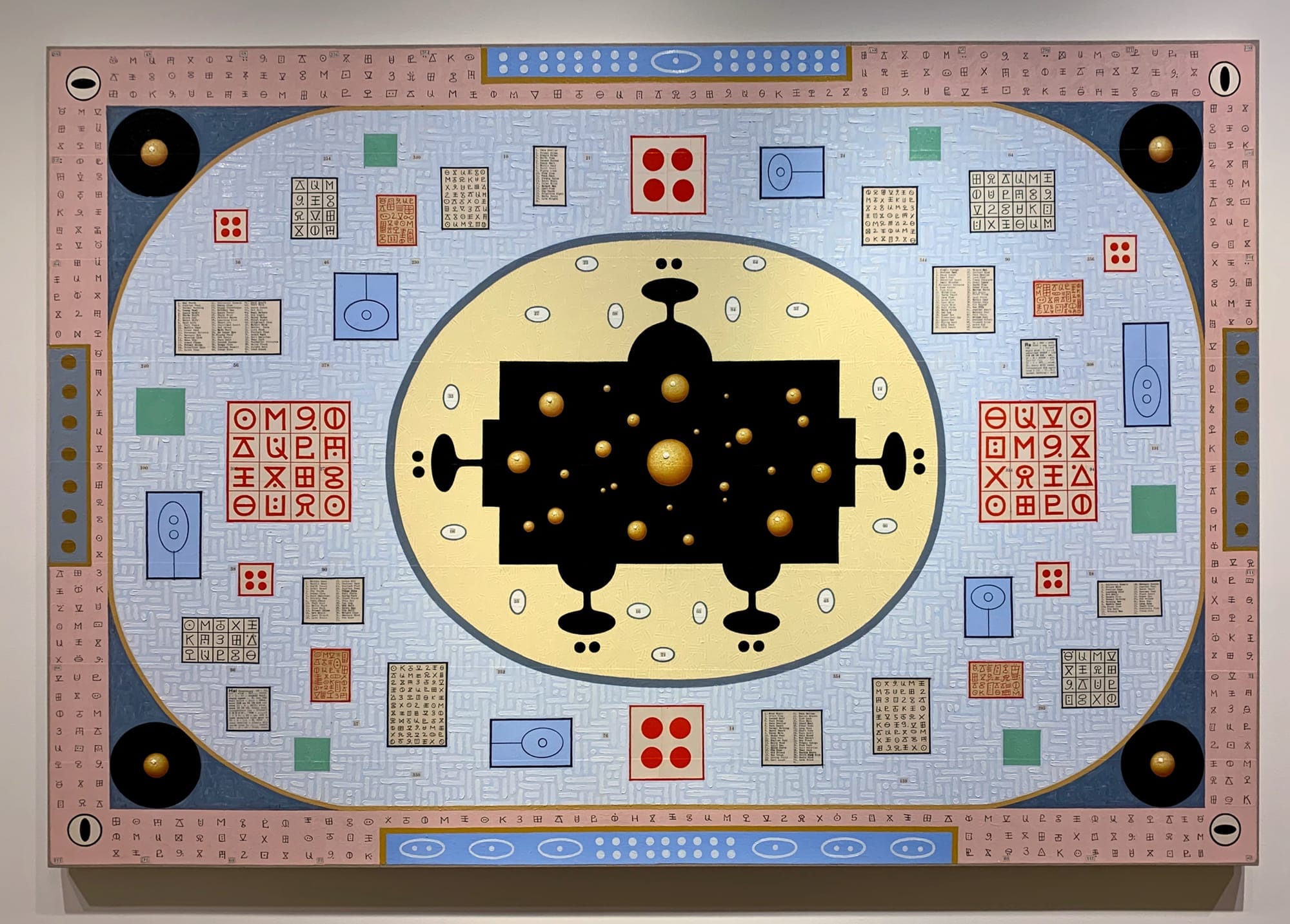
Karla Knight's exhibition "Orbit" at Andrew Edlin Gallery presents her game-like paintings and tapestries filled with cryptic symbols, cosmic diagrams, and celestial imagery. Works such as "Orbiter 2" (2024–25) and "Feelers" (2025–26) feature irregular black devices, floating spheres, and rows of arcane script, inviting viewers to decode what appear to be blueprints for extraterrestrial systems or maps of hidden dimensions. Knight employs meticulous grids, bold primary colors, and textile techniques to render the paranormal as strangely normal.

Between Tropes and Treats at NADA New York

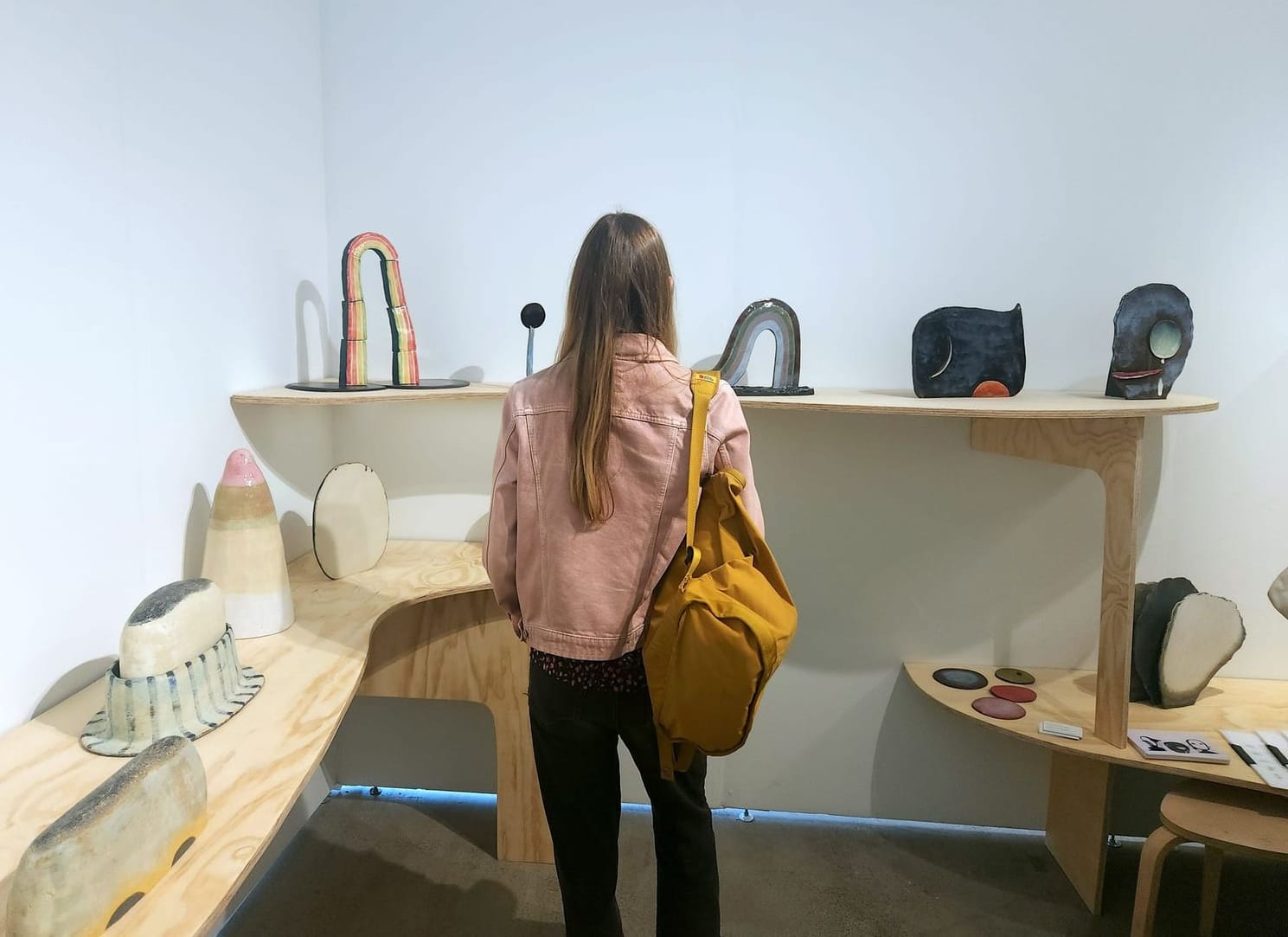
The 12th annual New Art Dealers Alliance (NADA) fair opened at the Starrett-Lehigh Building in Manhattan, featuring a wide array of contemporary works. Critic Rhea Nayyar notes that while many booths felt interchangeable due to prevalent trends like zany sculptures, shiny materials, and kitschy vibrancy, several standout pieces offered genuine engagement. Highlights include Elena Roznovan's maternal ephemera embedded in concrete with bondage tape, Kelly Tapia-Chuning's deconstructed serapes addressing colonial violence, and Niniko Morbedadze's folkloric illustrations.

MoMA PS1’s “Greater New York” Is Gritty, Stunning, and Gutting

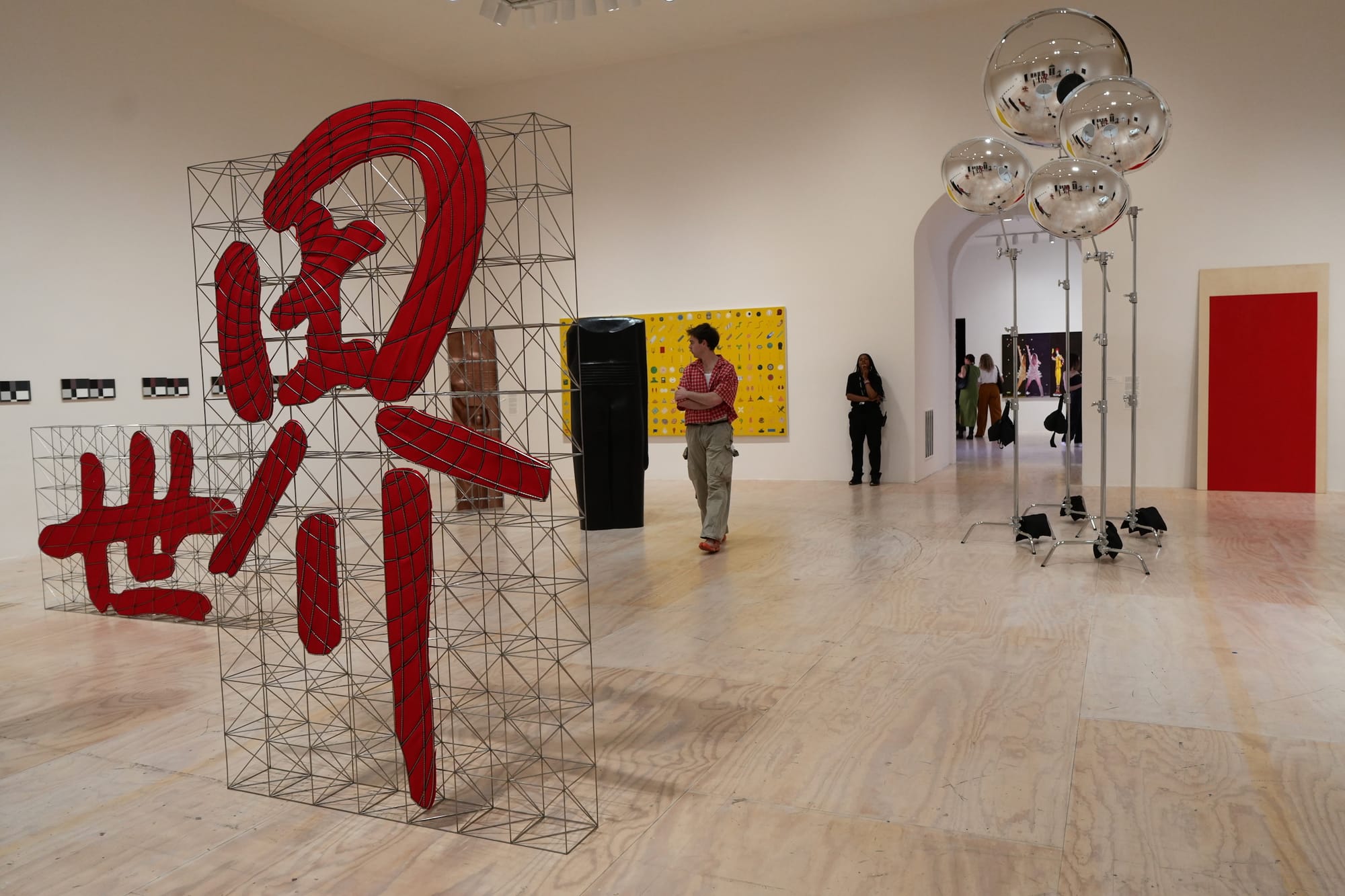
MoMA PS1 has launched the sixth edition of "Greater New York," a quinquennial survey featuring over 50 artists living and working in the city. Coinciding with the museum’s 50th anniversary, the 2026 iteration focuses on artists in the formative stages of their careers, emphasizing a gritty, raw aesthetic over the polished, market-driven surfaces often found in major biennials. The exhibition highlights photography and installation work that reflects the city's complex immigrant narratives and evolving urban identity.

Lynette Yiadom-Boakye: Many A Moonlit Caveat

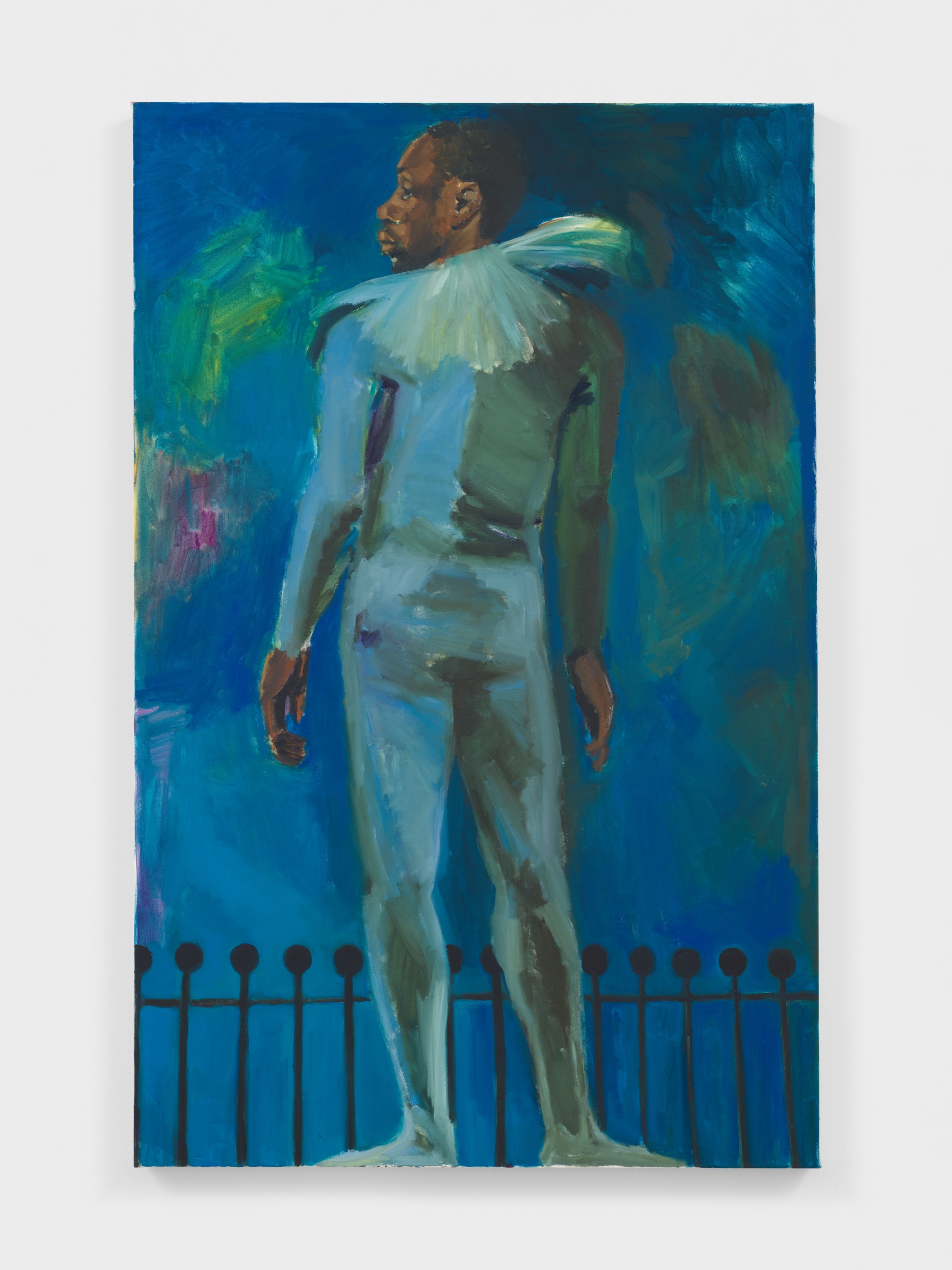
Lynette Yiadom-Boakye's latest exhibition, "Many A Moonlit Caveat," opens at Jack Shainman Gallery across both its New York locations from April 24 to July 31, 2026. The show features new oil paintings, including the prose poem "Wake-Keeper" (2026) and "The Honour Between Thieves" (2025), which depict fictional figures in states of repose and tension, blending gothic symbolism with romanticism. The review highlights Yiadom-Boakye's narrative depth and refusal to impose clear moral content, inviting viewers to re-read her transgressive imagery.

Fight Club Denounces the System From Within the System

Cameroonian artist Pascale Marthine Tayou's first major institutional exhibition in Brazil, "Knockout!," has opened at the Pinacoteca de São Paulo's Pina Luz building. The show spans over 25 years of Tayou's career, featuring installations, sculptures, and paintings across seven rooms. Each room is themed around a historical international conference—including the Berlin Conference of 1884, Yalta, San Francisco, Rome, Rio de Janeiro, Bandung, and a fictional Avignon conference—using these as political and historical axes to critique colonial power structures and global inequality.

Review: Thomias Radin, Echoes of KA at Esther Schipper, Berlin

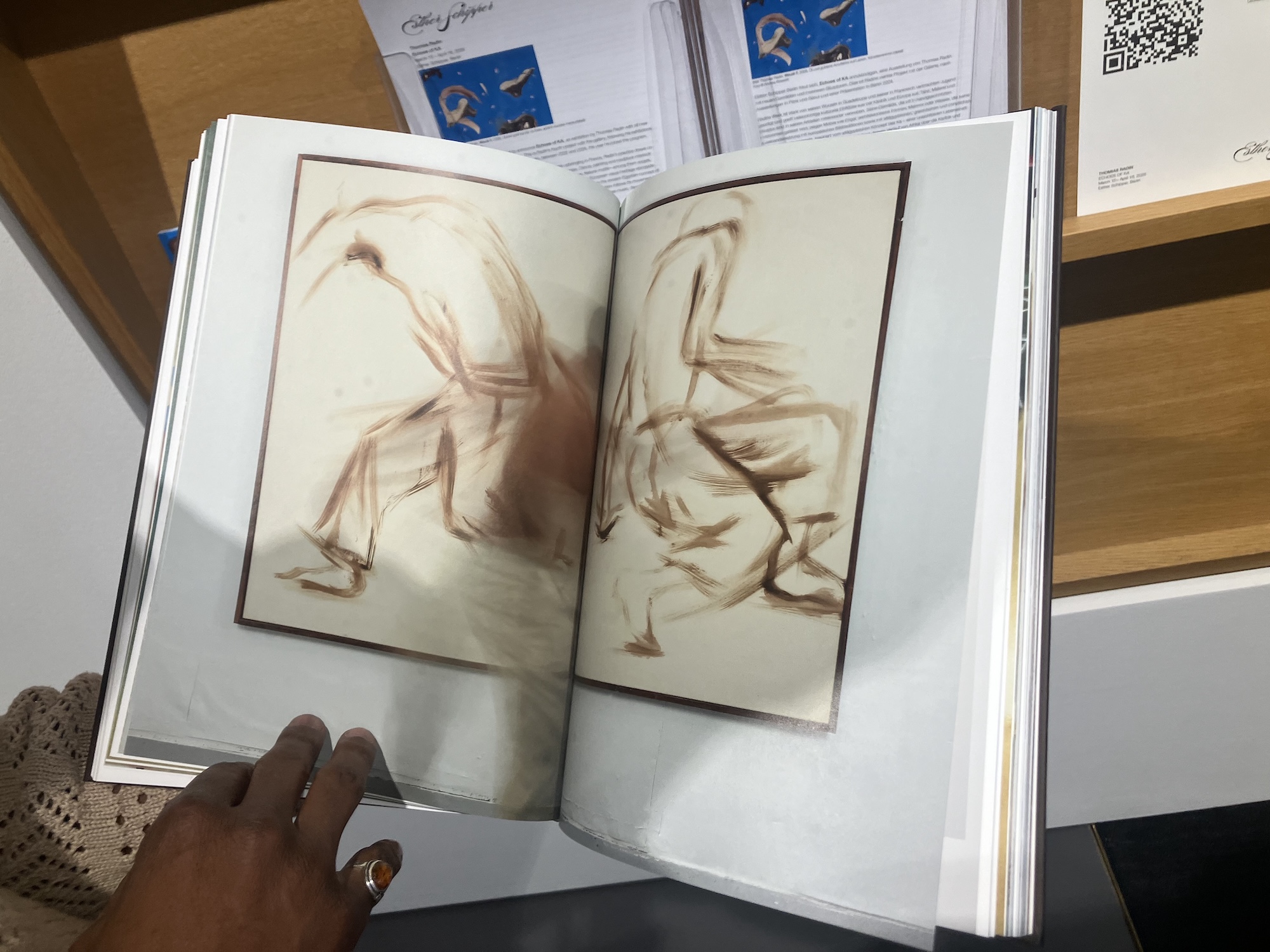
Thomias Radin’s fourth solo exhibition at Esther Schipper in Berlin, titled "Echoes of Ka," presents a multidisciplinary environment blending painting, woodwork, and installation. The Guadeloupe-born artist draws heavily from Caribbean embodied knowledge, dance philosophy, and the ancient Egyptian concept of 'Ka'—a vital life force—to transform the gallery into a choreographed 'secret garden.' The works, characterized by vibrant colors and gestural oil paintings on raw linen, are informed by Radin’s collaboration with dance scholar Léna Blou and his own practice of improvisation.

An expansive monograph of Celia Paul paints a portrait of a single-minded, singular artist

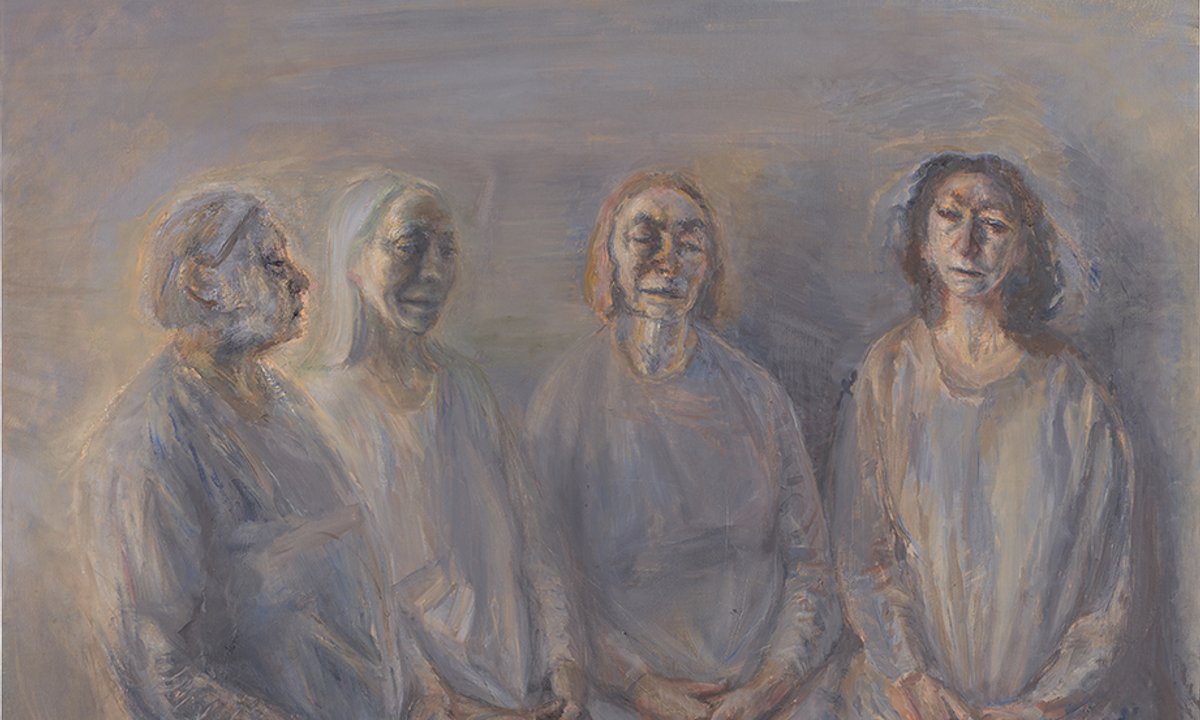
A new monograph on Indian-born British painter Celia Paul (b. 1959) presents an expansive survey of her career, featuring over 500 color reproductions and essays by Hilton Als, Clare Carlisle, Karl Ove Knausgaard, Edmund de Waal, and Rowan Williams, alongside contributions from the artist herself. The book traces Paul's trajectory from her training at the Slade School of Fine Art and her decade-long relationship with Lucian Freud to her recent solo exhibition *Colony of Ghosts* at Victoria Miro in London, positioning her as a singular figure distinct from the shadow of Freud and the School of London painters.

The Politics of In-action: Review of In-action: Viennese Actionism and the Passivities of Performance Art

Caroline Lillian Schopp's new book *In-action: Viennese Actionism and the Passivities of Performance Art* (2025) offers a revisionist history of Viennese Actionism, a movement retroactively named in 1970 by Peter Weibel and Valie Export. Schopp introduces the term "in-action" to describe a politics of artistic action that emphasizes intimacy, hesitation, and vulnerability rather than the violent or liberatory extremes typically associated with the movement. She expands the canon to include women artists such as Anna Brus, Hanel Koeck, and Ingrid Wiener, and reexamines the work of Rudolf Schwarzkogler, whose death was mythologized as a suicide by self-castration but was actually a fall from a window. Through close readings of photographs, Schopp argues that Schwarzkogler's performances were characterized by passivity and "in-sincerity," challenging the dominant narrative of actionism as aggressive or heroic.

Martha Cooper Captures How Urban Youth Made New York

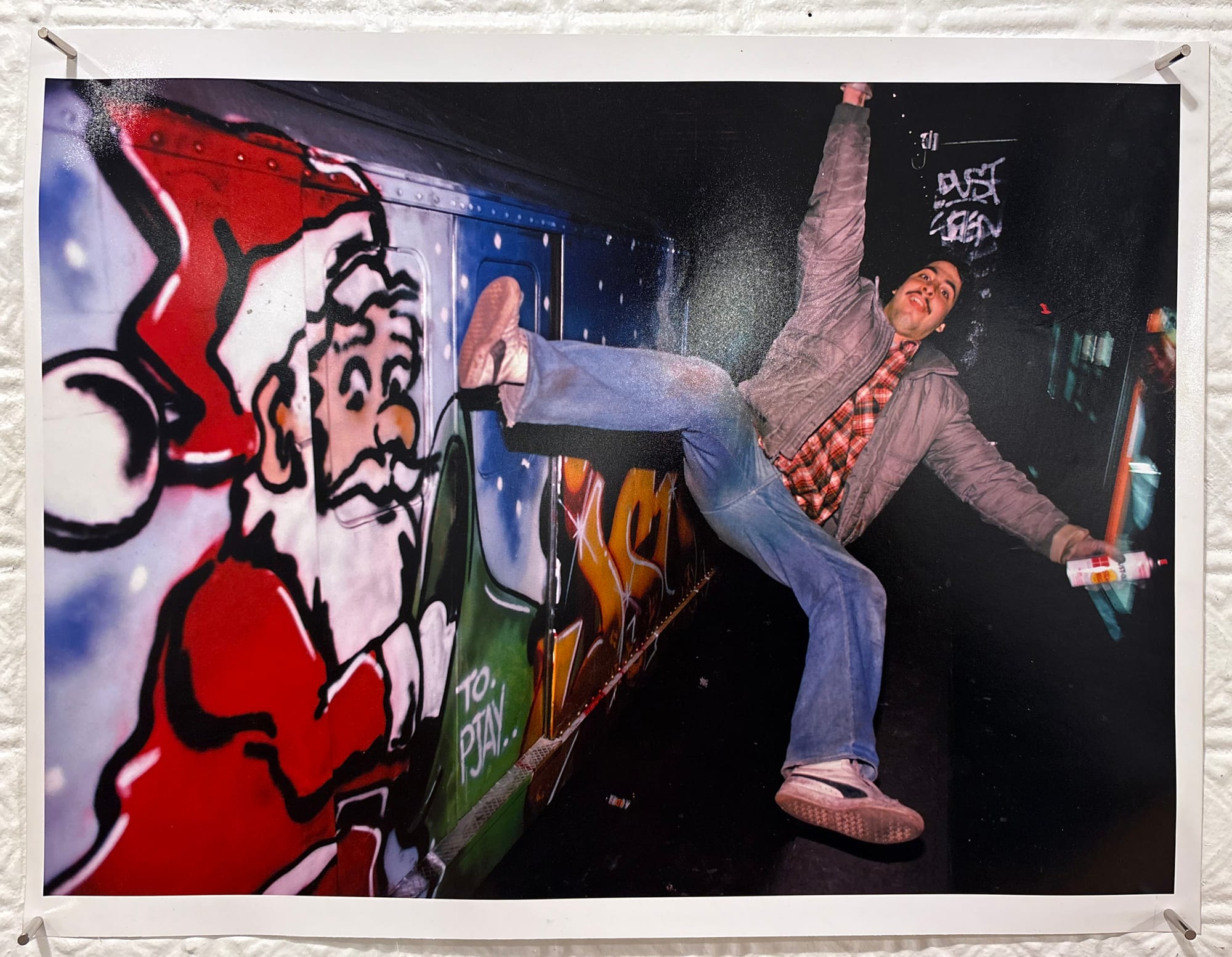
The article reviews the Bronx Documentary Center's exhibition "Martha Cooper: Streetwise," which surveys Cooper's career from the late 1970s through the 2010s, focusing on her iconic photographs of New York City's graffiti and breaking culture in the early 1980s. The exhibition includes images from New York, Baltimore, Tokyo, and Soweto, highlighting Cooper's documentation of urban youth, street play, and the physical relationship between inhabitants and the city, such as spray-painting subway cars and dancing on flattened boxes.

Haegue Yang’s Constellations for a Divided Korea

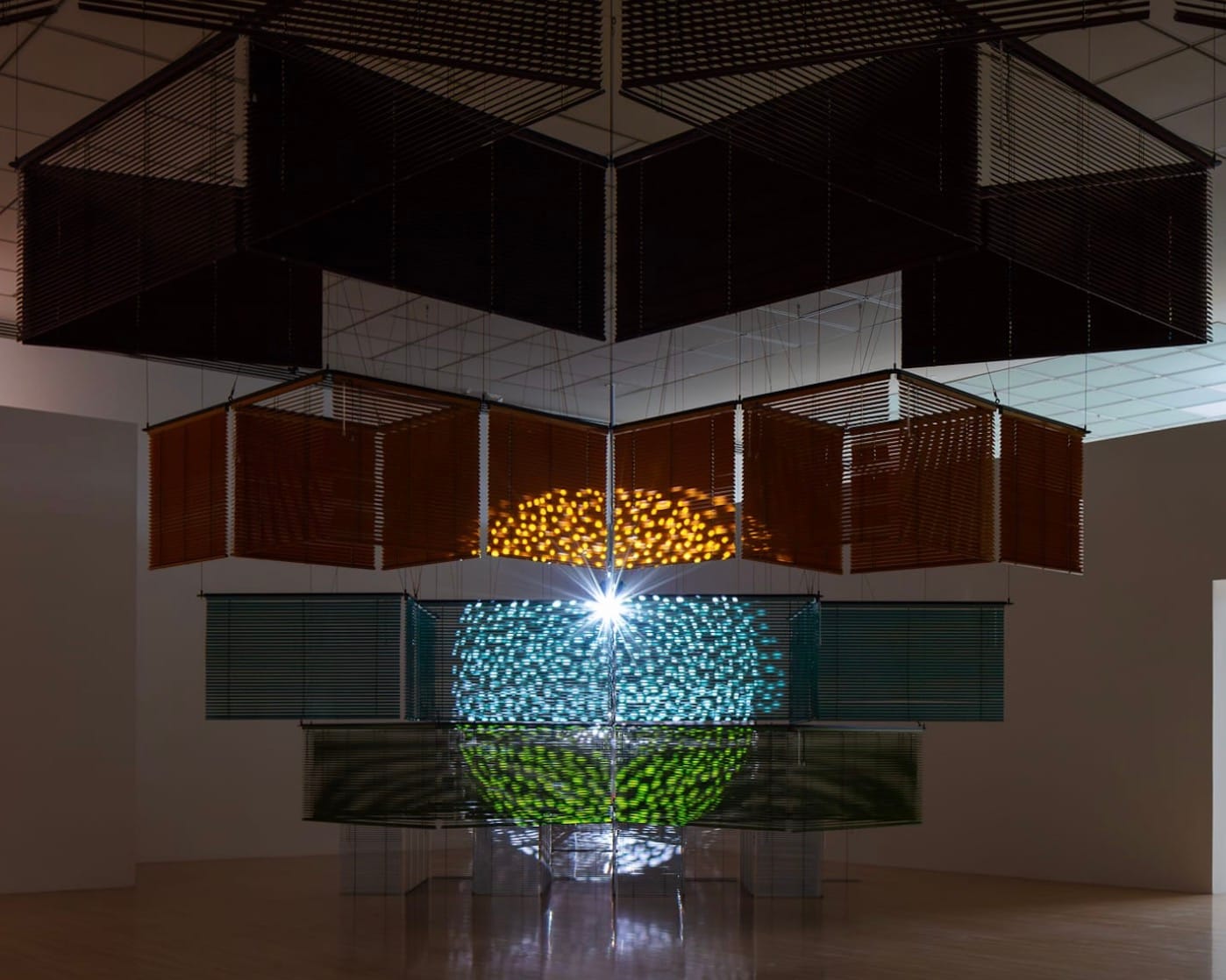
Haegue Yang's exhibition "Star-Crossed Rendezvous" at the Museum of Contemporary Art in Los Angeles features two large-scale Venetian blind installations that explore themes of division, exile, and reunification. The works draw on the arbitrary 1945 division of Korea by U.S. military officers and the life of composer Isang Yun, who was tortured and imprisoned by South Korean authorities. One installation mirrors and inverts a cube of white blinds inspired by Sol LeWitt, while the other uses colored blinds, projections, and Yun's "Double Concerto" to create a fragmented, shadow-filled meditation on longing and separation.

A New Richard Avedon Documentary Lets Him Down

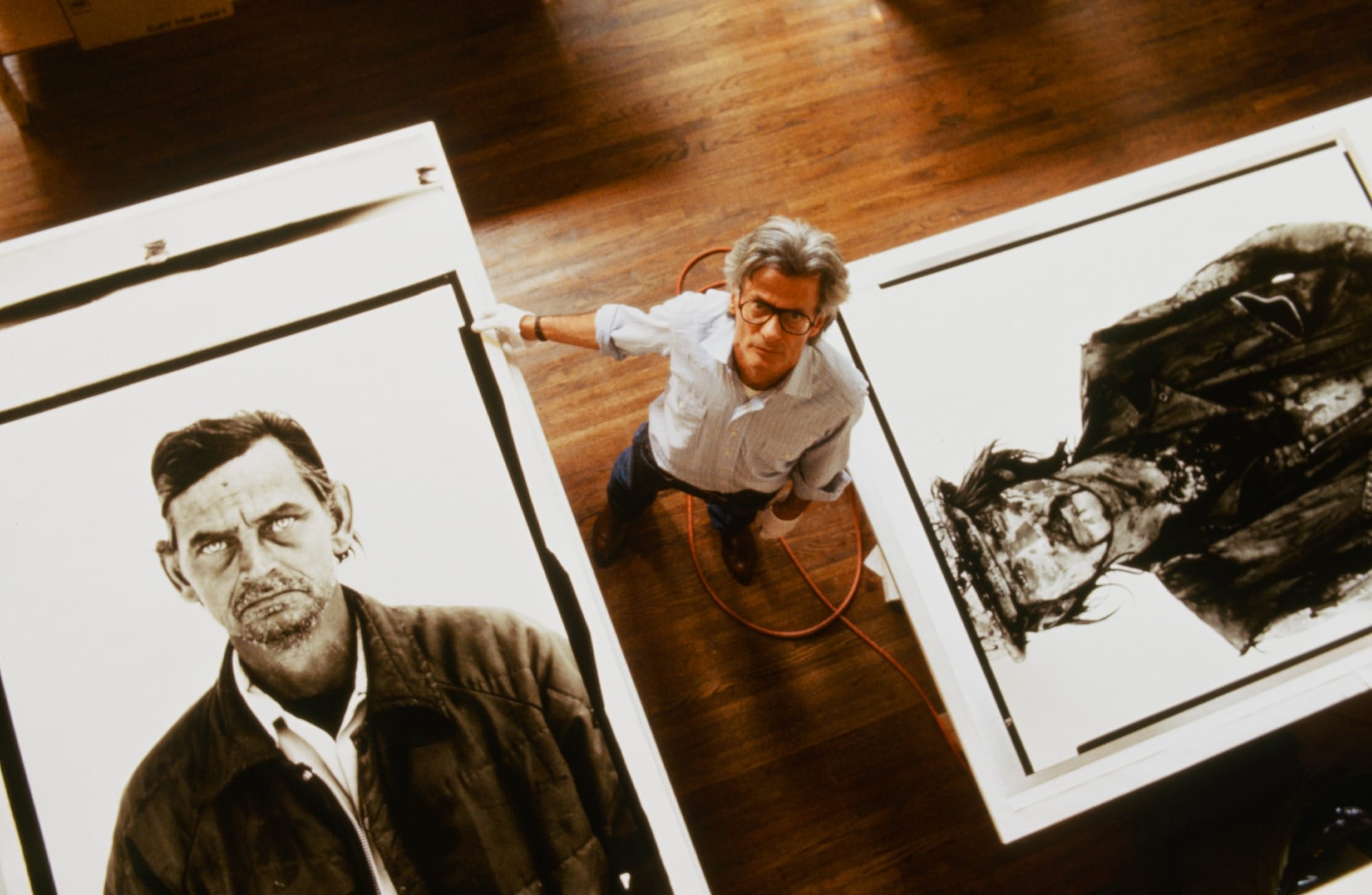
A new documentary titled "Avedon" (2026), directed by Ron Howard, premiered at the Cannes Film Festival. The film offers a conventional tour of the life of famed photographer Richard Avedon, relying on talking-head interviews and behind-the-scenes anecdotes rather than delving into the artistic process or the deeper implications of his work. The review criticizes Howard's approach as hackwork, noting that the documentary misses opportunities to explore Avedon's insights on image culture, his influence on cinema, and the technical evolution of his photography.

A Whole Lot of Nothing at the US Pavilion

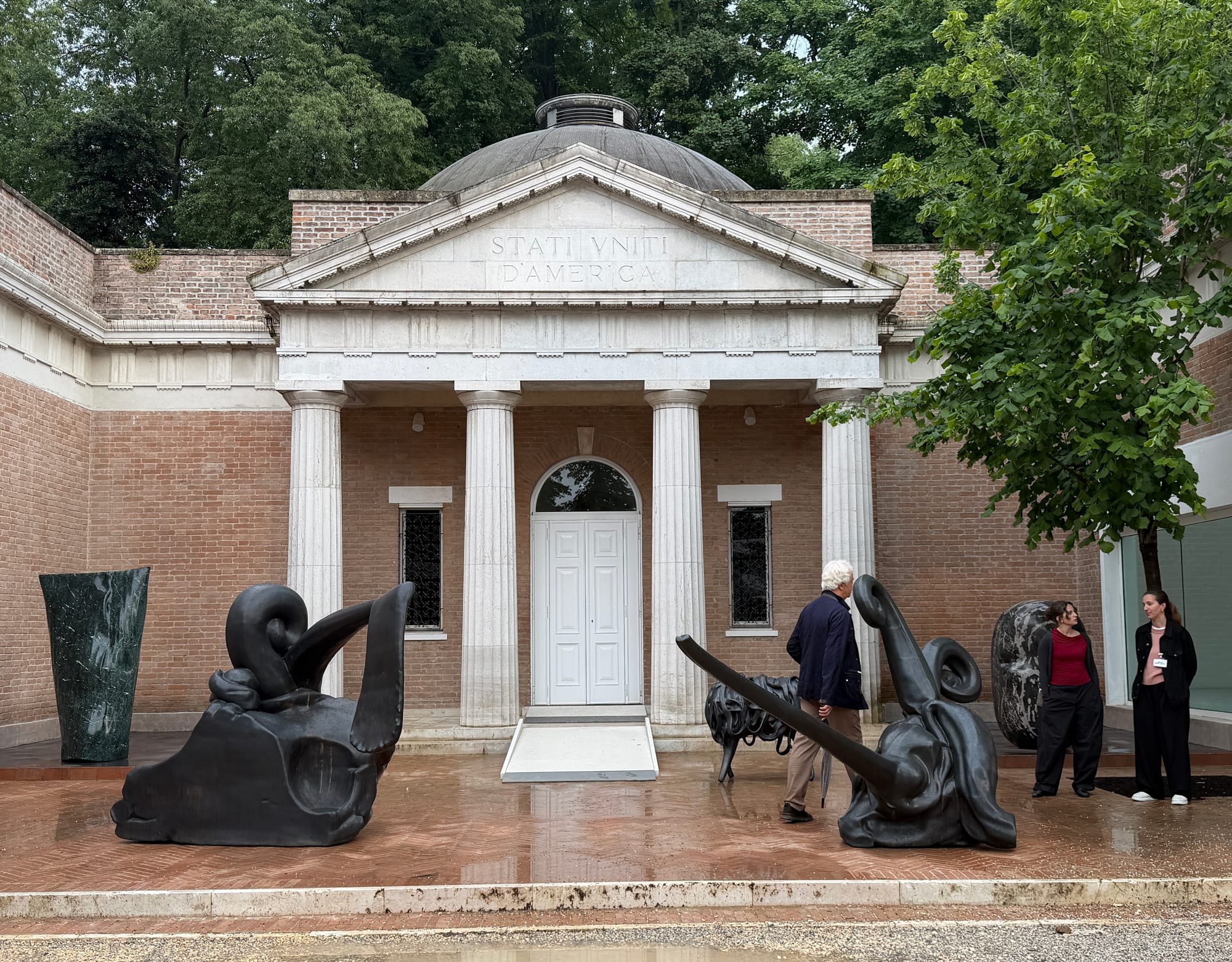
The US Pavilion at the 2026 Venice Biennale features sculptor Alma Allen's exhibition "Call Me the Breeze," curated by Jeffrey Uslip. The show presents untitled, amorphous sculptures in bronze, wood, and stone, including Colorado Yule marble. The selection process was controversial: after the Trump administration excluded the National Endowment for the Arts, the State Department initially picked artist Robert Lazzarini and curator John Ravenal, but that plan collapsed. The American Arts Conservancy, a new nonprofit led by Jenni Parido (a former pet food store operator with Mar-a-Lago ties), then took over, hiring Uslip, who approached Barbara Chase-Riboud and William Eggleston before settling on Allen. Donors include businessman John Phelan and fashion designer Tommy Hilfiger.

What is the international exhibition of the Venice Biennale like? Review of "In minor keys" by Koyo Kouoh

Com’è la mostra internazionale della Biennale di Venezia? Recensione di “In minor keys” di Koyo Kouoh

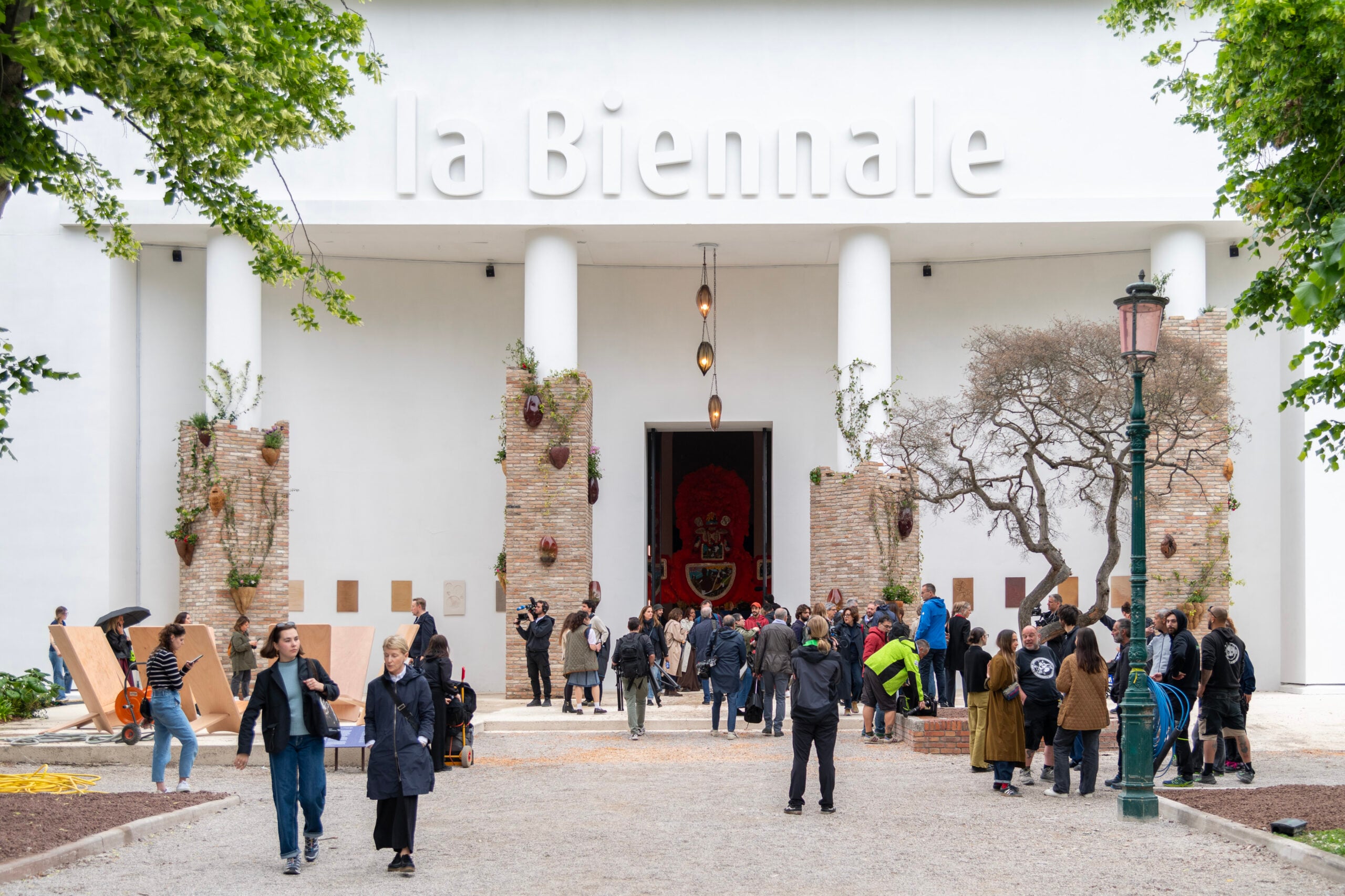
The 2026 Venice Biennale, titled "In minor keys" and curated by the late Koyo Kouoh, opens to the public on May 9 amid controversies including the absence of the president's name in the colophon at the Arsenale entrance. The exhibition, organized by Kouoh's team (Rory Tsapayi, Siddharta Mitter, Marie Helene Pereira, Gabe Beckhurst Feijoo, and Rasha Salty), unfolds across the Giardini and the Arsenale's Corderie, featuring works that balance strength and beauty with a harmonious mix of voices and themes. The Giardini section is particularly compelling, with a non-linear, polycentric layout that feels like a living organism, while the Arsenale offers further depth.

The Mysterious Life of Fluxus Dame Alison Knowles

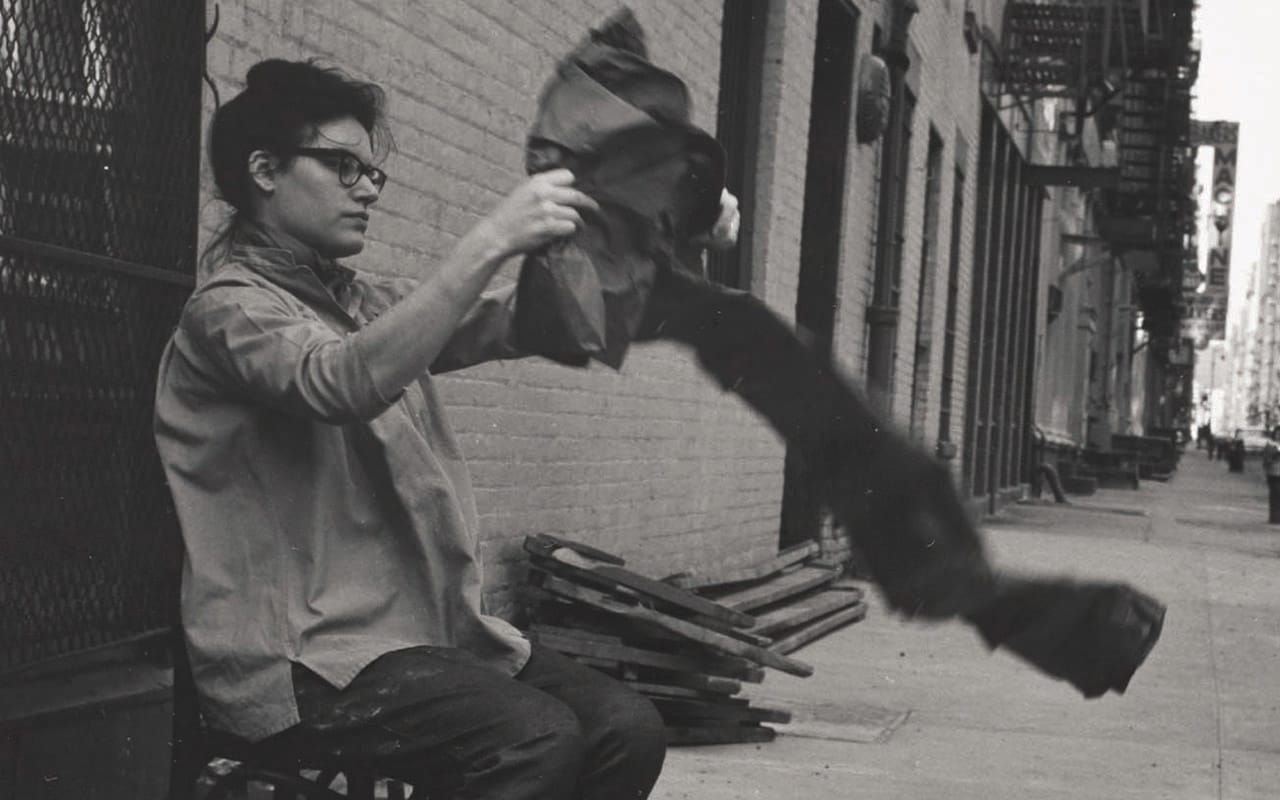
A new book, "Performing Chance: The Art of Alison Knowles In/Out of Fluxus" by art historian Nicole L. Woods, is the first major study of the late Fluxus artist Alison Knowles, who died last fall at age 92. The book focuses on the first two decades of her career (1958–1975), analyzing key works such as her 1962 performance "Proposition #2: Make a Salad" at London's Institute of Contemporary Arts, and her shift from painting to experimental, ephemeral art after being exiled to a basement by Josef Albers at Syracuse University.

Jan Staller Photographs the Nuts and Bolts of Manhattan's Urban Symphony

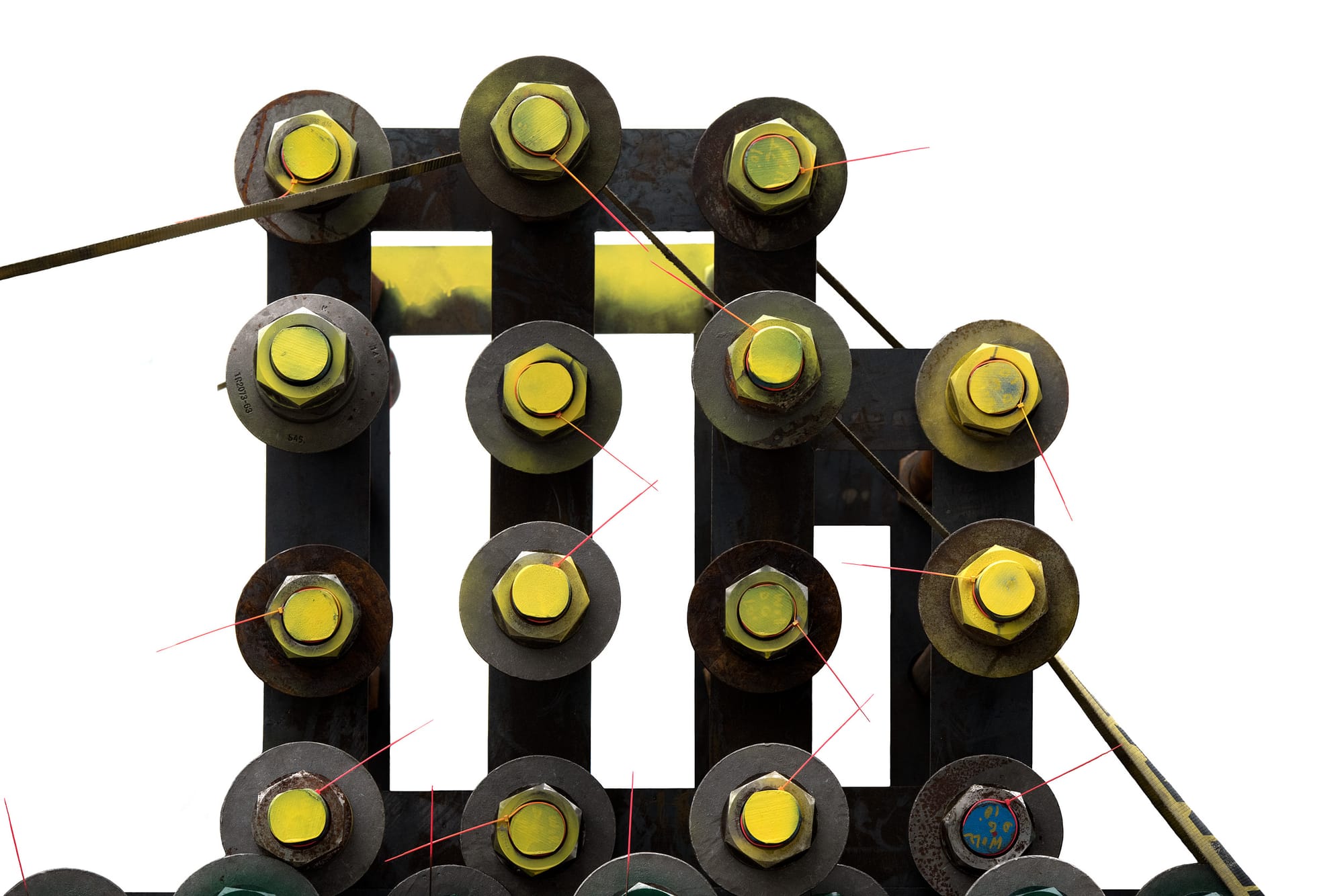
Photographer Jan Staller has released a new book titled "Manhattan Project," featuring photographs of construction materials—pipes, beams, rebar, and drill bits—suspended midair against white skies. The book marks a shift from his earlier moody night photography to a hard-edged focus on utilitarian objects, transforming New York City's construction sites into otherworldly, readymade-like visions. The book includes a foreword by Neil deGrasse Tyson and an essay by curator Brett Littman, with images spanning locations across the Upper West Side.

In “Discipline,” Larissa Pham Explores Predatory Art-World Mentorship

Larissa Pham’s debut novel, Discipline, follows Christina, a young writer and former painter grappling with the psychological aftermath of a formative affair with her art professor, Richard. Set against the backdrop of a book tour for her own autofictional novel, the narrative uses Christina’s observations of art—ranging from Helen Frankenthaler to Edward Hopper—to slowly peel back the layers of a relationship defined by power imbalances and predatory mentorship.

Anki King’s Nordic Noir

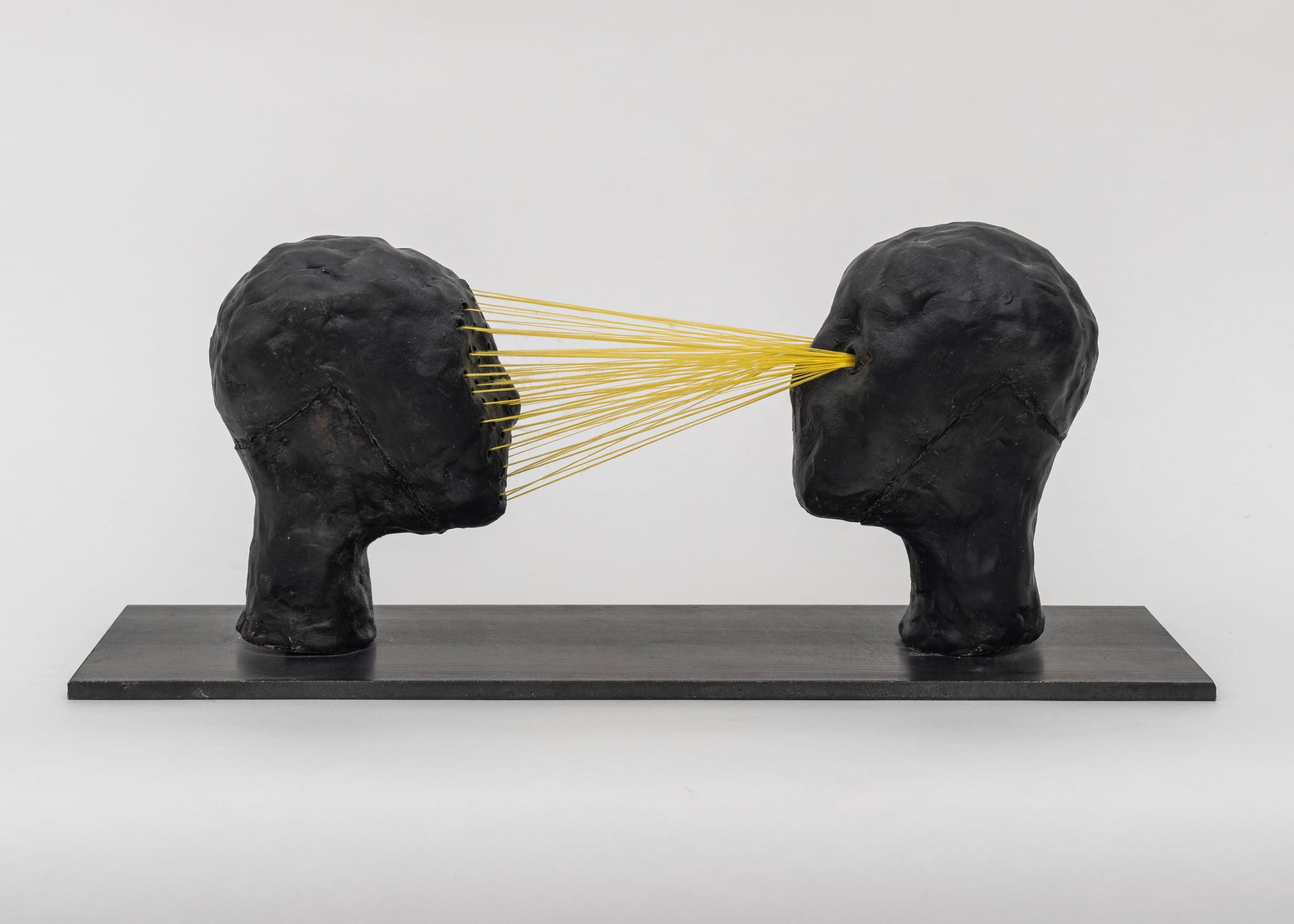
Anki King's solo exhibition at the Lace Mill in Kingston, New York, presents 40 works from 2015-2026 that explore themes of isolation and miscommunication through a moody, Nordic-inspired palette. The Norwegian-born, New York-based artist employs a distinctive visual language of featureless, long-limbed figures and recurring motifs like threaded ceramic heads and figures with leafless branches.

Death as Performance

Der Tod als Performance

The article reviews Maria Martínez Bayona's debut sci-fi comedy film "The End of It," which premiered in competition at the Cannes Film Festival. The film follows Claire, a 250-year-old artist who, in a future where medical advances have eliminated death, decides to stage her own suicide as a radical art performance. The story critiques a world obsessed with synthetic rejuvenation and explores themes of mortality, authenticity, and the commodification of art.

Queer Saints, Big Egos

Queere Heilige, große Egos

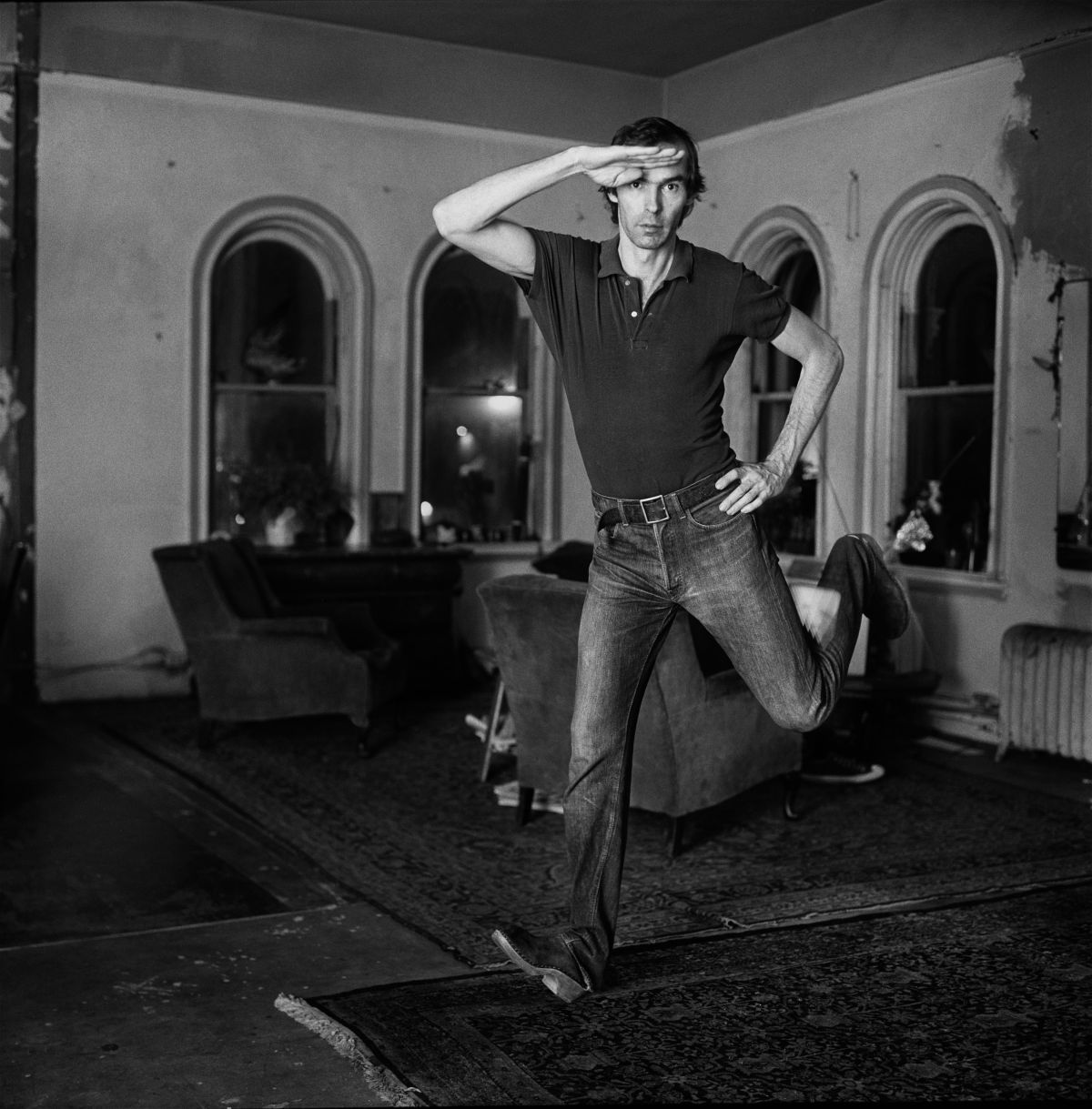
Andrew Durbin's new biography examines the intertwined lives of artists Peter Hujar and Paul Thek, focusing on their art, desire, and self-staging. The review notes that while the book covers their creative circles—including figures like David Wojnarowicz, Divine, John Waters, and Susan Sontag—it loses sight of the urgent political and social context that animated their work, particularly the AIDS crisis and Reagan-era repression.

Special Interest: Marble

Spezialinteresse: Marmor

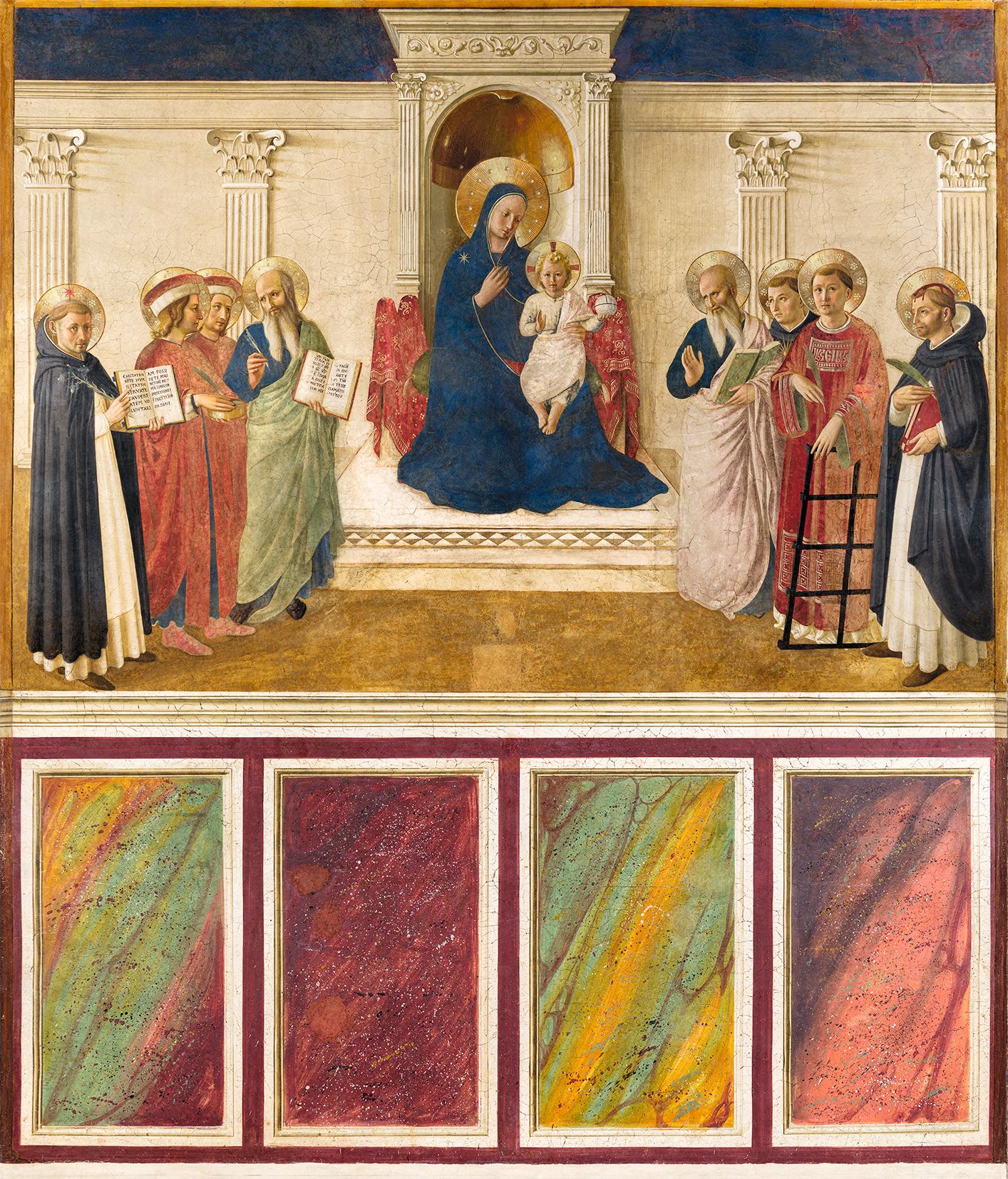
Karl Kolbitz has published a new book focusing on the depiction of marble in Early Renaissance paintings. He explores how artists used the fictional representation of marble to visualize the divine, drawing inspiration from art historian Georges Didi-Huberman and employing modern imaging techniques to reveal previously hidden details.

Huet Lost in the Clouds

Huet perdu dans les nuages

The Musée de la vie romantique in Paris has reopened after a major renovation, but its inaugural exhibition, focused on the 19th-century painter Paul Huet (1803-1869), has been met with harsh criticism. The show examines Huet's depictions of skies and compares his work to contemporaries, yet the reviewer finds it neither a proper retrospective nor a coherent thematic exhibition. The cramped galleries, uneven selection of works, cluttered hanging, and garish scenography are all faulted, with many comparative pieces outshining Huet's own paintings.