search
dashboard All 23115 museum exhibitions 10871article local 3085article news 2488trending_up market 2231article culture 1546person people 943article policy 770rate_review review 452candle obituary 380gavel restitution 308article event 23article events 5article school 3article museum 3article museums 2article gallery 2article satire 1article architecture 1article museums & heritage 1
date_range Range Today This Week This Month All
Subscribe

This Liminal Moment

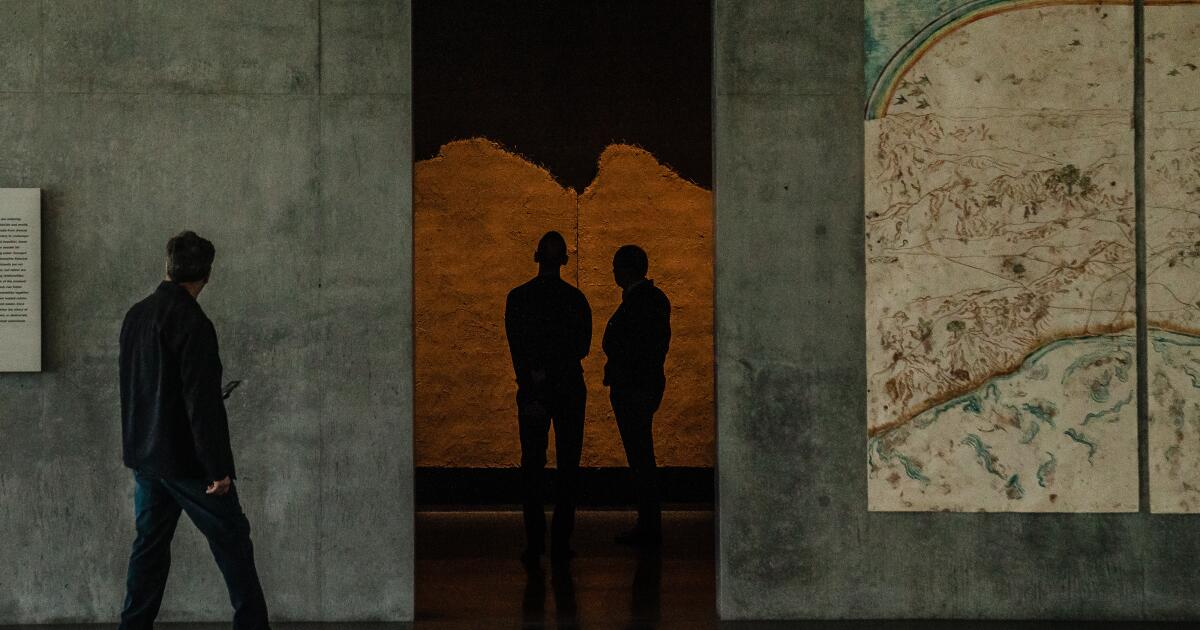
The article reviews the exhibition "MONUMENTS" at the Geffen Contemporary at MOCA and the Brick in Los Angeles, which addresses the legacy of Confederate monuments through contemporary art. It highlights Cauleen Smith's installation "The Warden" (2025), which features a live-feed of the decommissioned Confederate sculpture "Vindicatrix" (also known as "Miss Confederacy") by Edward V. Valentine, originally atop the Jefferson Davis Memorial in Richmond, Virginia. The exhibition is curated by Hamza Walker, Kara Walker, and Bennett Simpson.

The tiniest event can tear a hole. Sara MacKillop by Margaret Kross

Sara MacKillop's exhibition "The Cutaway View" at Good Weather in Chicago presents sculptures made from humble analog materials like blank wall calendars, empty shopping bags, and gift wrapping. The London-based artist alters these objects with minimal interventions—such as surgically cut holes in shopping bags to accommodate vinyl records—drawing attention to the ephemera and texture of retail culture. Her series "Calendar Houses" (2021–ongoing) uses archive boxes and wall calendars to create miniature modernist dwellings that critique systems of order and self-optimization.

A Visit to The Broad’s Engaging New Yoko Ono Exhibtion

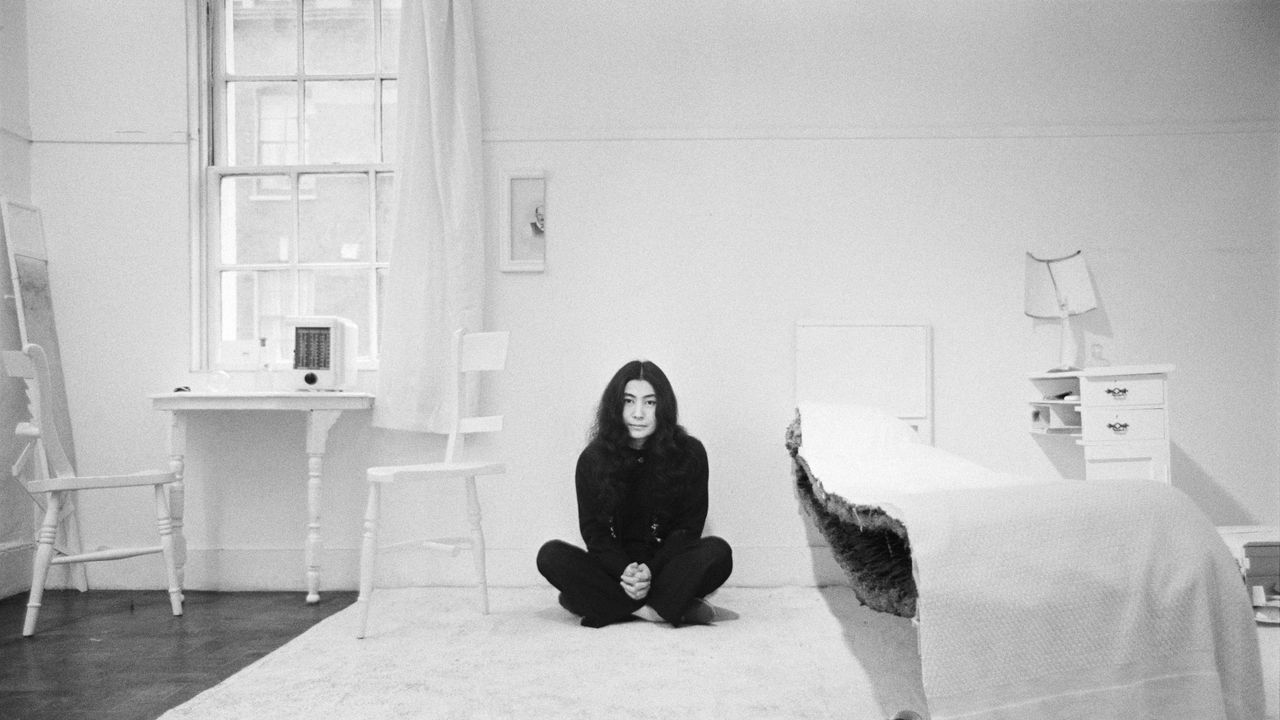
The article reviews "Yoko Ono: Music of the Mind" at The Broad in Los Angeles, the artist's first solo museum exhibition in Southern California, running through October 11. It highlights Ono's 1971 MoMA intervention where she released flies and invited the public to follow them, turning their reactions into the artwork itself. The exhibition surveys Ono's early work across conceptual art, music, film, installation, instruction pieces, and activism, including her childhood experience of imagining meals during wartime as a foundational artistic act.

Zurbarán: a ‘magnificently choreographed’ showing of the Spanish ‘genius’

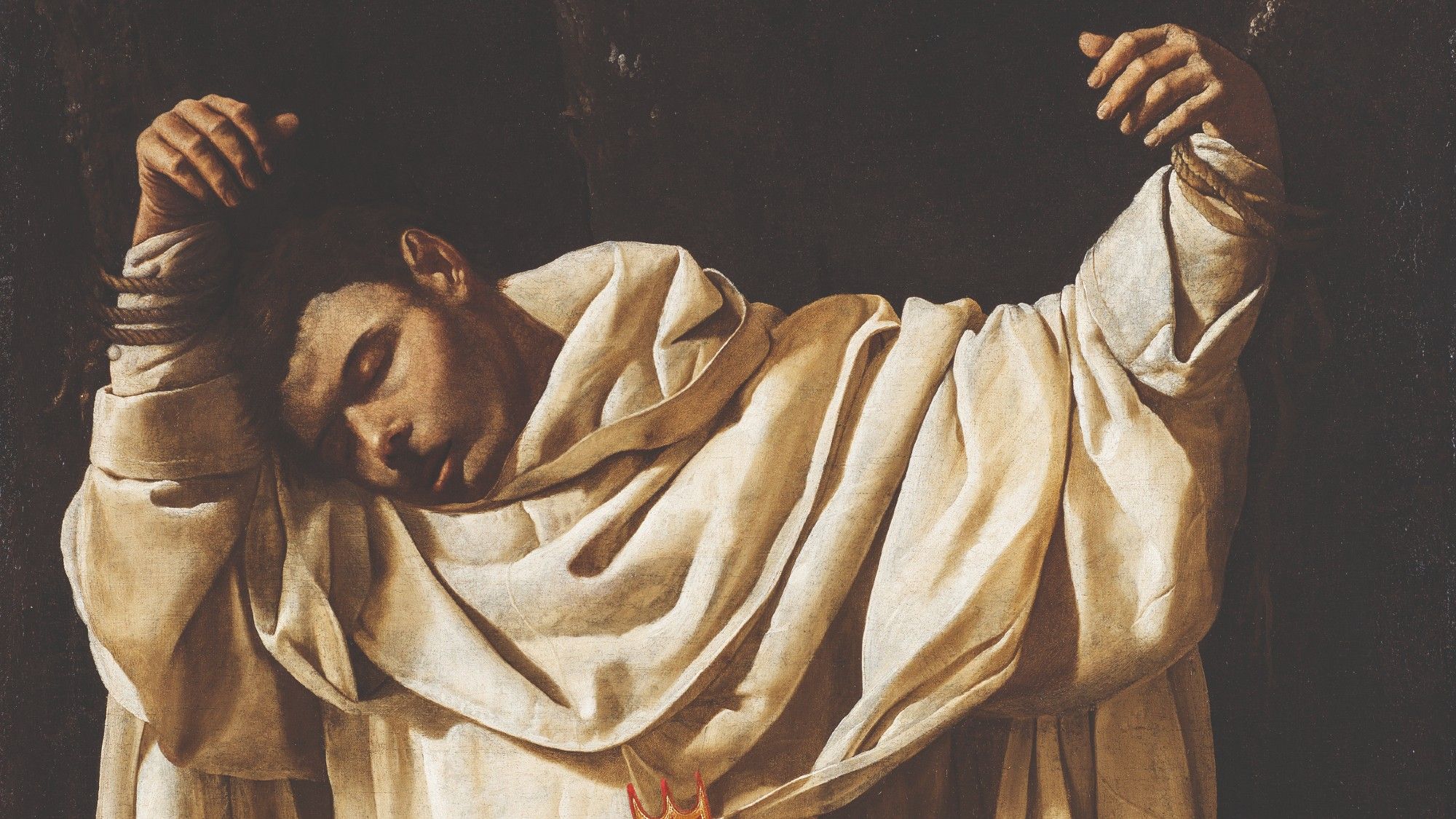
The article reviews the first-ever British exhibition dedicated to Spanish Baroque painter Francisco de Zurbarán, held at the National Gallery in London. The show brings together 40 works from collections spanning Seville to San Diego, featuring his hyper-real religious paintings and radiant still lifes, described as a 'magnificently choreographed' trawl through his oeuvre. Critics praise the exhibition for its dramatic lighting and revelatory presentation, though some note uneven quality in his later works.

WeWork (oralmoral)

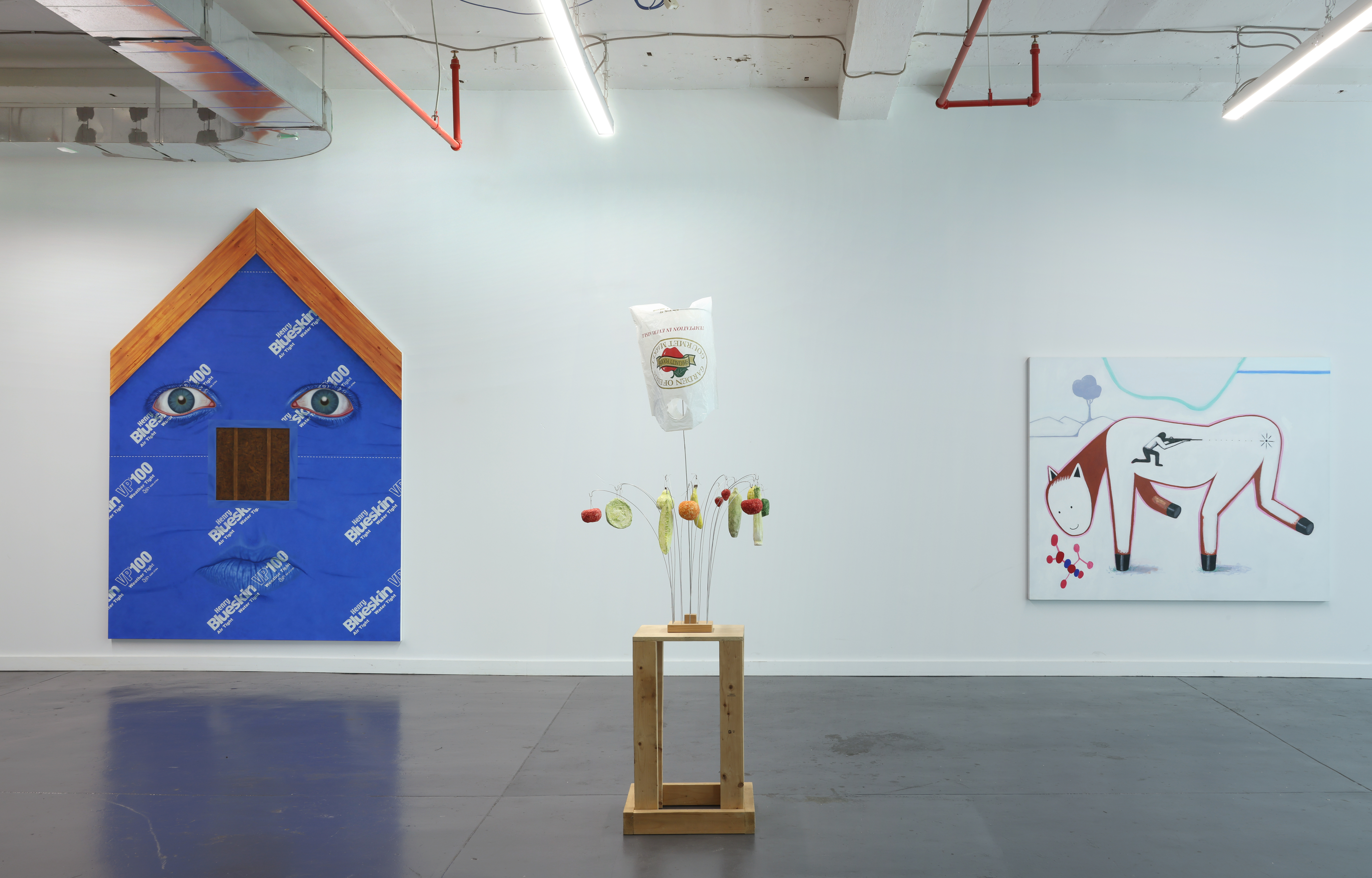
The article reviews "WeWork (oralmoral)," a temporary exhibition at The Gallery in Crown Heights, Brooklyn, curated by artist-turned-curator Florian Meisenberg. The show transforms a former office space into a free-form, non-hierarchical environment where works by over a dozen artists are placed unpredictably—in trash bins, closets, ventilation shafts, and on whiteboards left by the previous tenant. Artists span three generations, from Post-Minimal figures like B. Wurtz and David Humphrey to younger digital-savvy artists such as Lucas Blalock and Anna K.E., whose sound piece "Tamada" greets visitors. The exhibition runs from April 10 to May 18, 2026.

What’s Left to Learn from Marcel Duchamp?

The article examines Marcel Duchamp's enduring influence on contemporary art, focusing on his readymades such as "Fountain" (1917) and "Bicycle Wheel" (1913/1951). It notes that a major survey co-organized by the Museum of Modern Art and the Philadelphia Museum of Art, 70 years after Duchamp predicted his true public would emerge in 50 to 100 years, reaffirms his status as the most influential artist of the past century. The piece discusses how Duchamp's practice of selecting and presenting ordinary objects as art—from a urinal to a snow shovel—once shocked the art world but now seems quaint compared to later works like Maurizio Cattelan's taped banana.

Zurbarán at the National Gallery is more agony than ecstasy

The article reviews the exhibition 'Zurbarán' at the National Gallery in London, arguing that the show fails to capture the spiritual intensity and emotional power of the Spanish Baroque painter's work. It criticizes the curatorial choices, suggesting the display feels flat and lacks the ecstatic religious fervor that defines Zurbarán's best paintings, leaving viewers with a sense of agony rather than transcendence.

Losing Frida Kahlo in "The Making of an Icon"

The article critiques the Museum of Fine Arts, Houston's (MFAH) exhibition "Frida: The Making of an Icon," arguing that it perpetuates a fetishized, commercialized view of Frida Kahlo by focusing on her biography—her marriage to Diego Rivera, her affairs, her accident—rather than her artistic skill. The author contrasts this with a visit to the Museo de Arte Moderno (MAM) in Mexico City, where the exhibition "Relatos modernos. Obras emblemáticas de la Colección Gelman Santander" presents Kahlo's work alongside other Mexican masters in a quiet, understated manner that allows viewers to appreciate her technical abilities without overwhelming narrative.

The Many Forms of Marcel Duchamp

The New Yorker's Hilton Als reviews "Marcel Duchamp," a major retrospective at the Museum of Modern Art (MoMA) in New York, running through August 22, 2026. Curated by Matthew Affron, Michelle Kuo, and Ann Temkin, it is the first North American retrospective of Duchamp's work since 1973, organized in collaboration with the Philadelphia Museum of Art. The exhibition spans MoMA's entire sixth floor, showcasing Duchamp's shape-shifting practice—from iconic works like "Nude Descending a Staircase (No. 2)" (1912) and "Bicycle Wheel" (1951) to his readymades and conceptual pieces—emphasizing his rejection of commodification and embrace of intellectual freedom, play, and queer sensibilities.

Review: Getting lost in the art is the best part of LACMA’s new revisionist fever dream of a museum

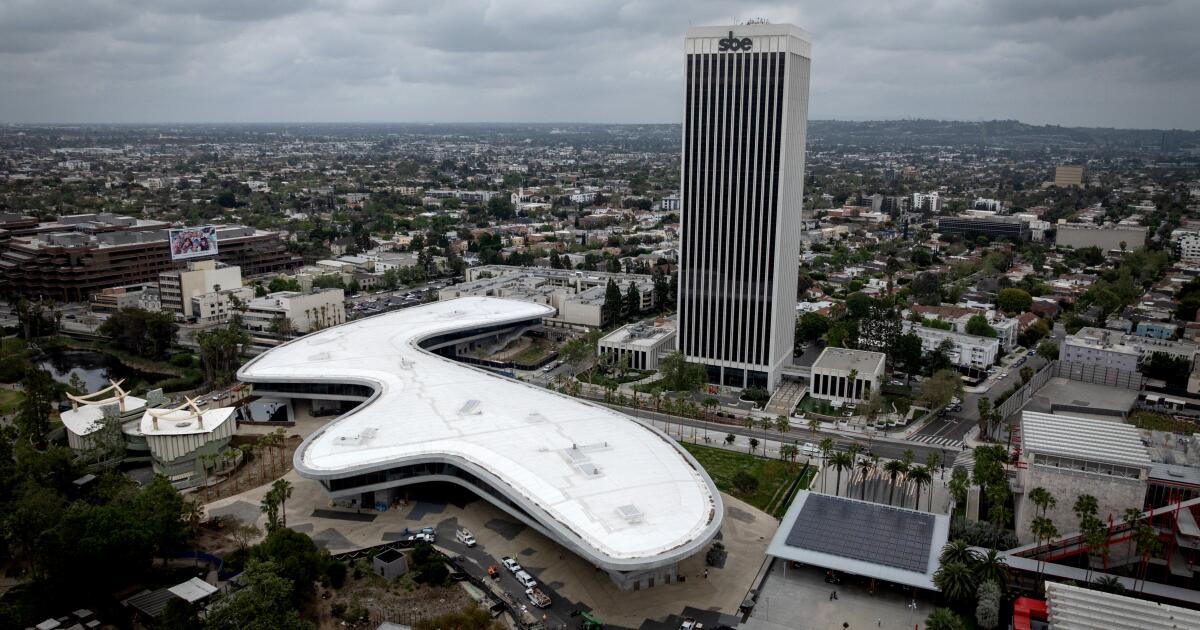
The Los Angeles County Museum of Art (LACMA) has opened its new David Geffen Galleries, a radical reinvention of the museum experience. The installation, conceived by director Michael Govan and architect Peter Zumthor, abandons traditional chronological and departmental silos, instead creating a continuous, curving flow of art from across time, place, and medium. Visitors are encouraged to wander and get lost, forging their own connections between works.

Review | Raphael, a master of serenity, is the artist we need right now

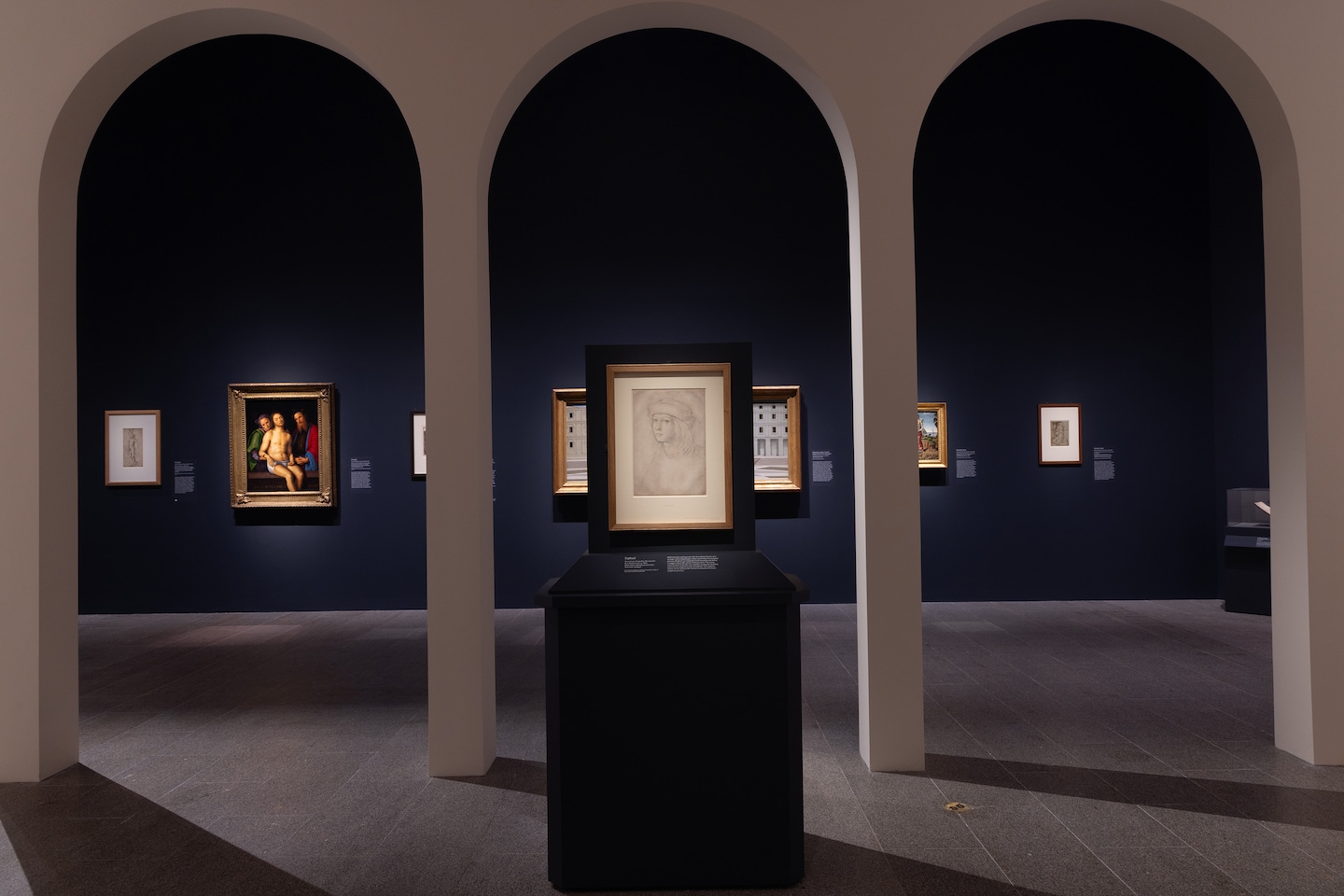
Art critic Philip Kennicott reflects on the profound psychological impact of Raphael’s Renaissance masterpieces, specifically citing the 'Madonna of the Meadow' in Vienna and the 'Alba Madonna' in Washington, D.C. He describes how these works possess a unique ability to cure 'museum fatigue' and mental clutter, offering a sense of serenity and clarity that feels particularly necessary in the current cultural climate.

Review: The new LACMA is divisive. It’s also ambitious, disorienting — and radically alive

The Los Angeles County Museum of Art (LACMA) has unveiled its $724-million David Geffen Galleries, a massive concrete structure designed by Swiss architect Peter Zumthor that spans Wilshire Boulevard. Replacing several older pavilions, the new building rejects traditional museum conventions like white-cube galleries and encyclopedic organization in favor of a sinuous, organic form that emphasizes light, atmosphere, and a visceral connection to the surrounding landscape.

Review: “Canvas to Clay” at the San Antonio Museum of Art

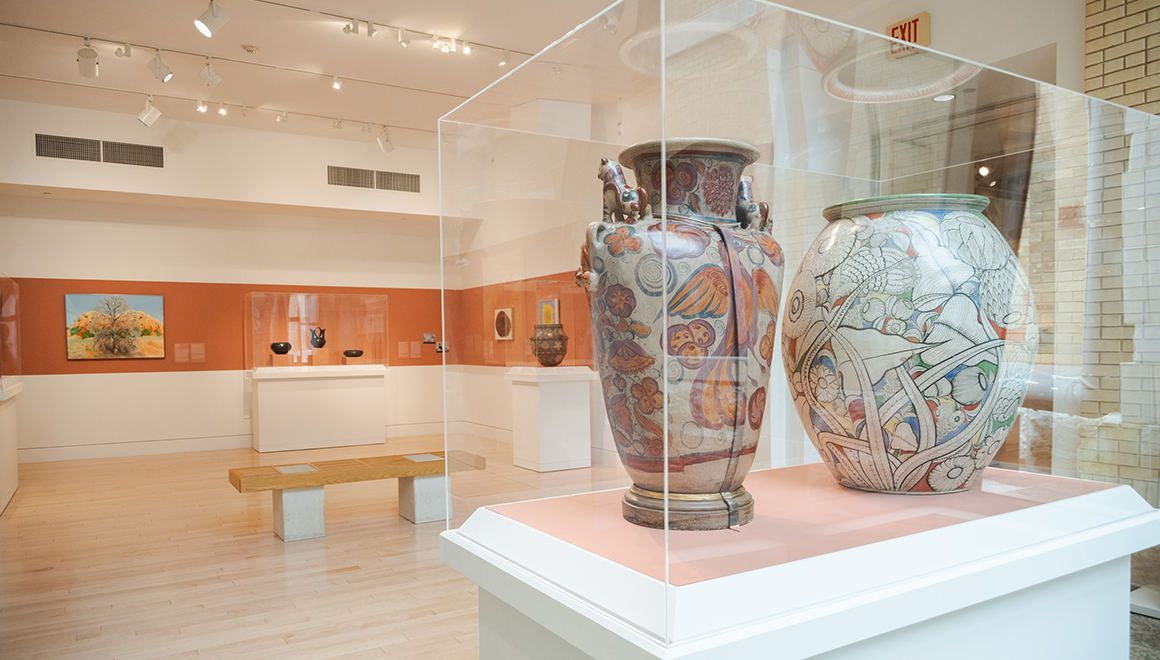
The San Antonio Museum of Art (SAMA) has launched "Canvas to Clay," an exhibition that pairs the modernist paintings of Georgia O’Keeffe with the black-on-black pottery of Maria Martinez. While these two icons of the American Southwest are frequently exhibited together, this show distinguishes itself by expanding the conversation southward. It integrates Mexican earthenware from Mata Ortiz and Tonalá, highlighting the work of Juan Quezada and Hector Gallegos to showcase a broader regional tradition of abstraction and indigenous revival.

New biography offers well-crafted story of Louise Bourgeois’s rich life

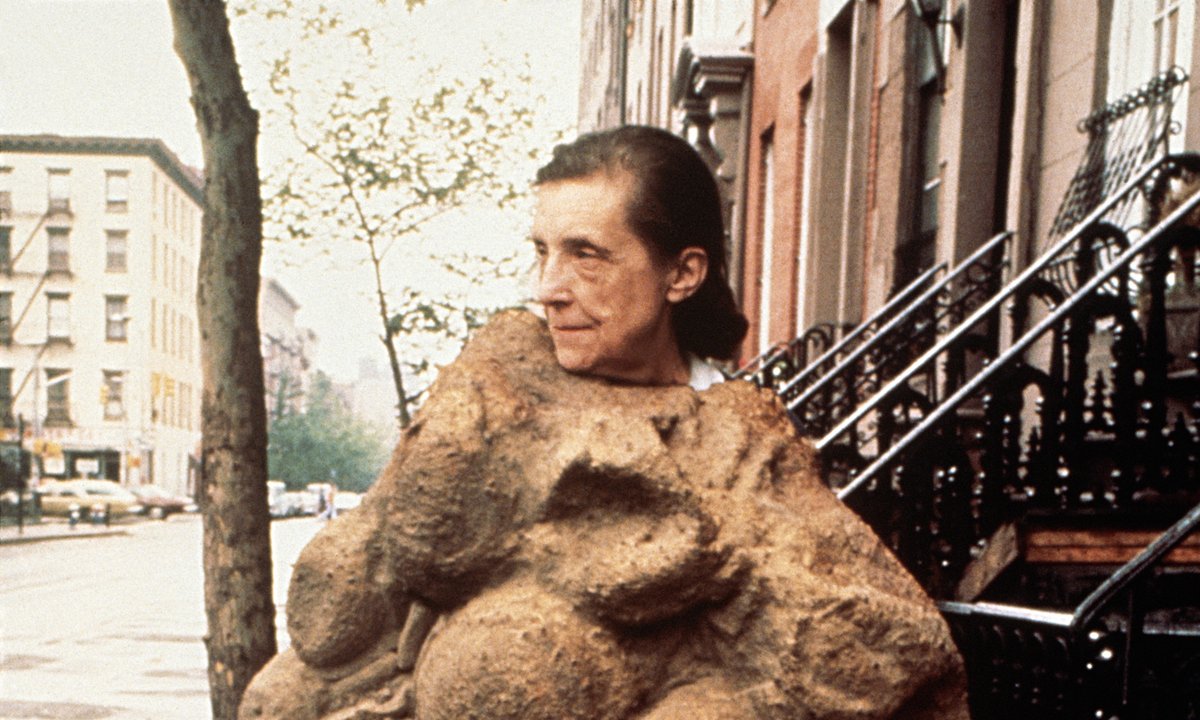
Marie-Laure Bernadac’s new biography, 'Knife-Woman: The Life of Louise Bourgeois', provides a comprehensive look at the French-American artist’s prolific career and traumatic upbringing. The book explores how Bourgeois transformed childhood wounds—specifically her father’s infidelity and psychological cruelty—into a radical body of work spanning sculpture, installation, and textiles. From her early encouragement by Fernand Léger to her late-career fame with the 'Maman' spider sculptures, the biography traces her evolution from a painter to a boundary-defying sculptor who utilized materials ranging from latex to marble.

Read the Room: Dallas Museum of Art’s “International Surrealism” Misses the Mark

The Dallas Museum of Art's exhibition "International Surrealism" is critiqued as a missed opportunity during the centennial of the surrealist movement. The author argues that while the show presents a broad survey of mixed-media works from around the world, divided into six thematic subgroups, it lacks the political urgency and revolutionary context that defined surrealism's origins in 1925. The exhibition, initially curated by Matthew Gale from the Tate Modern collection and presented locally by Sue Canterbury, is described as whimsical and decorous, reducing the movement's subversive power to quirky categories and gift-shop fodder.

February Book Bag: from Tracey Emin’s conversations about painting to a catalogue of Lucian Freud’s drawings

The article presents a selection of recently published art books, highlighting new releases on artists Tracey Emin, Beatriz González, and Lucian Freud, as well as a second volume on Arab Modernist artists. It details the content of each book, including personal reflections, career overviews, and connections to upcoming exhibitions.

Why this rarely seen Van Gogh self-portrait deserves more attention

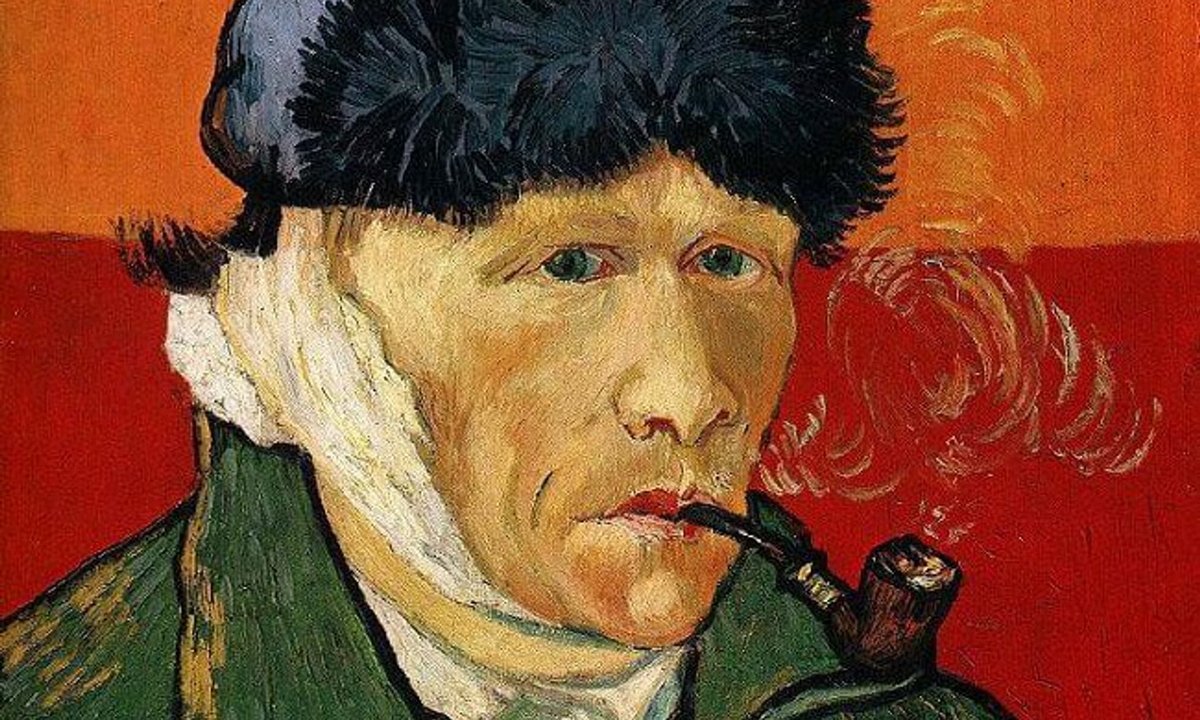
A blog post examines Van Gogh's lesser-known self-portrait, *Self-portrait with bandaged Ear and Pipe* (January 1889), held in a private collection and rarely exhibited—last lent outside Switzerland in 1990. The painting shows the artist clean-shaven, smoking a pipe, with a striking orange-red background, painted just weeks after he mutilated his ear following a row with Paul Gauguin. The post contrasts it with the more famous version in London's Courtauld Gallery, analyzing compositional details and the artist's psychological state.

Highs and Lows at Princeton’s New Art Museum

Brian T. Allen reviews the newly opened Princeton University Art Museum, praising its architectural design while questioning the curatorial direction. He contrasts the new building's impressive appearance with his concerns about the museum's exhibition choices, recalling past successful shows like the Berlin Painter exhibition and a Clarence White photography show that he found more intellectually rigorous.

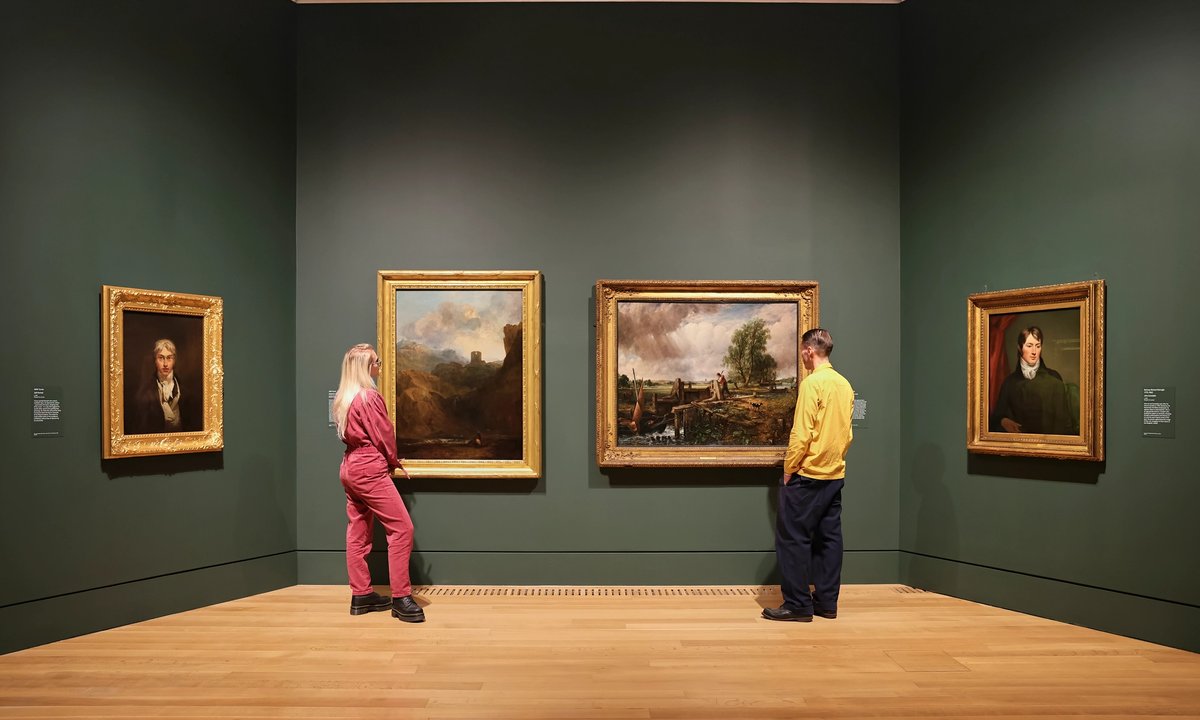
Comment | Turner gets all the kudos, but it was Constable who was the truly radical painter

A commentary argues that John Constable, not J.M.W. Turner, was the truly radical painter, despite Turner receiving far greater public recognition through a museum, a prize, and a place on the £20 note. The article highlights a new exhibition, "Turner and Constable," opening at Tate Britain (until 12 April 2026), which recreates their 1831 Royal Academy display and contrasts Constable's English pastoral scenes with Turner's dramatic, un-British visions. It contends that Constable's full-size oil sketches, such as those at the Victoria and Albert Museum, had a deeper and more lasting effect on modern painting than Turner's work.

Review: Cleveland Museum of Art's Murakami show is big and bold but maybe too much of a good thing

The Cleveland Museum of Art has opened a sprawling retrospective exhibition of Takashi Murakami, one of Japan's leading contemporary artists, showcasing his signature "Superflat" style that blends fine art with pop culture. The show features vast wallpaper designs, sculptures with plastic-like smoothness, and immense mural-sized paintings that combine cartoon characters, acid-hued colors, and traditional Japanese ink-and-brush techniques. The exhibition runs through September 7 and costs $30 for adult non-member tickets.

Column: The new LACMA is sleek, splotchy, powerful, jarring, monotonous, appealing and absurd

The Los Angeles County Museum of Art (LACMA) is nearing completion of its new Brutalist building designed by Swiss architect Peter Zumthor, known as the David Geffen Galleries. Museum members will get a sneak peek at the empty interior spaces starting July 3, though the fully finished project with art installed won't open until April 2026. The poured-in-place concrete structure spans 347,500 square feet, including 110,000 square feet of exhibition space across 90 galleries, elevated 30 feet above ground on seven massive piers crossing Wilshire Boulevard. The article offers a critical preview of the building's aesthetics, noting the overwhelming monotony of concrete across floors, walls, and ceilings, while acknowledging some appealing views and powerful visual impact.

Review: Alex Da Corte’s colorful, pop-inspired art show in Fort Worth

Alex Da Corte's exhibition "The Whale" at the Modern Art Museum of Fort Worth is the first museum show to focus on his relationship to painting, though it defies traditional definitions. The show features a variety of works including "puffy paintings," "slatwall paintings," and "reverse glass paintings," alongside a video where Da Corte portrays Marcel Duchamp. Curated by Alison Hearst, the exhibition also integrates some of Da Corte's works into the museum's permanent collection galleries, a first for the institution.

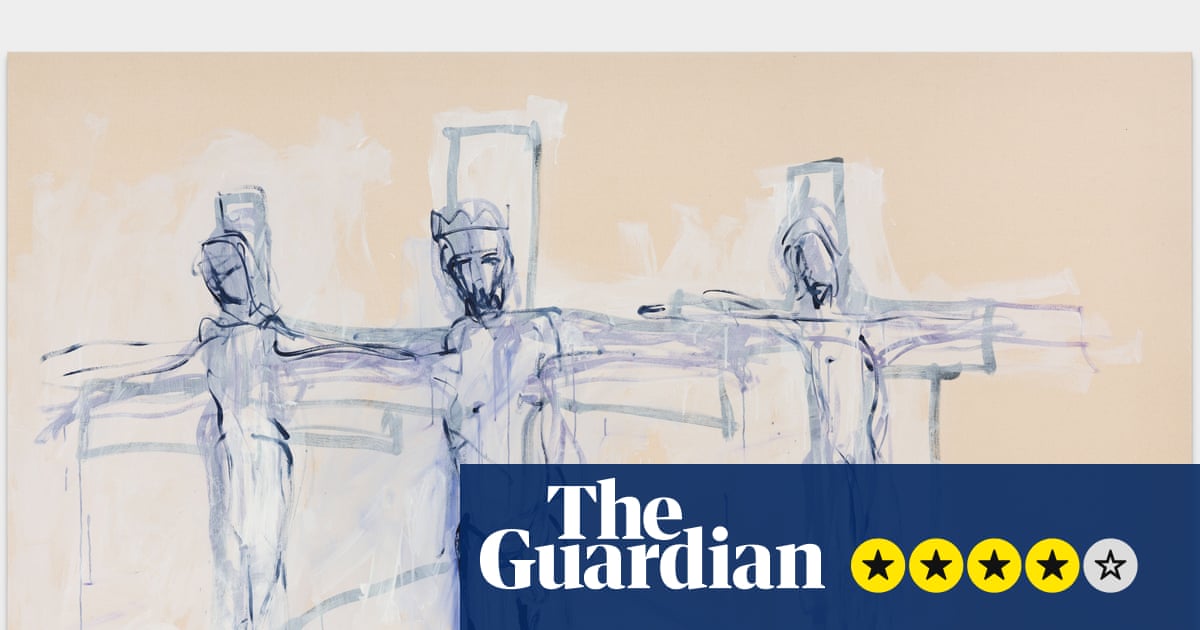
I have seen the light and it’s Tracey Emin’s Jesus – RA Summer Exhibition review | Royal Academy of Arts

The Royal Academy's Summer Exhibition in London features over 1,600 works, with Tracey Emin's painting "The Crucifixion" as the standout piece. The critic describes Emin's work as a sincere, shocking depiction of the crucifixion that reinvigorates religious art, alongside works by Georg Baselitz, Cornelia Parker, Tamara Kostianovsky, George Shaw, Frank Bowling, and Cindy Sherman.

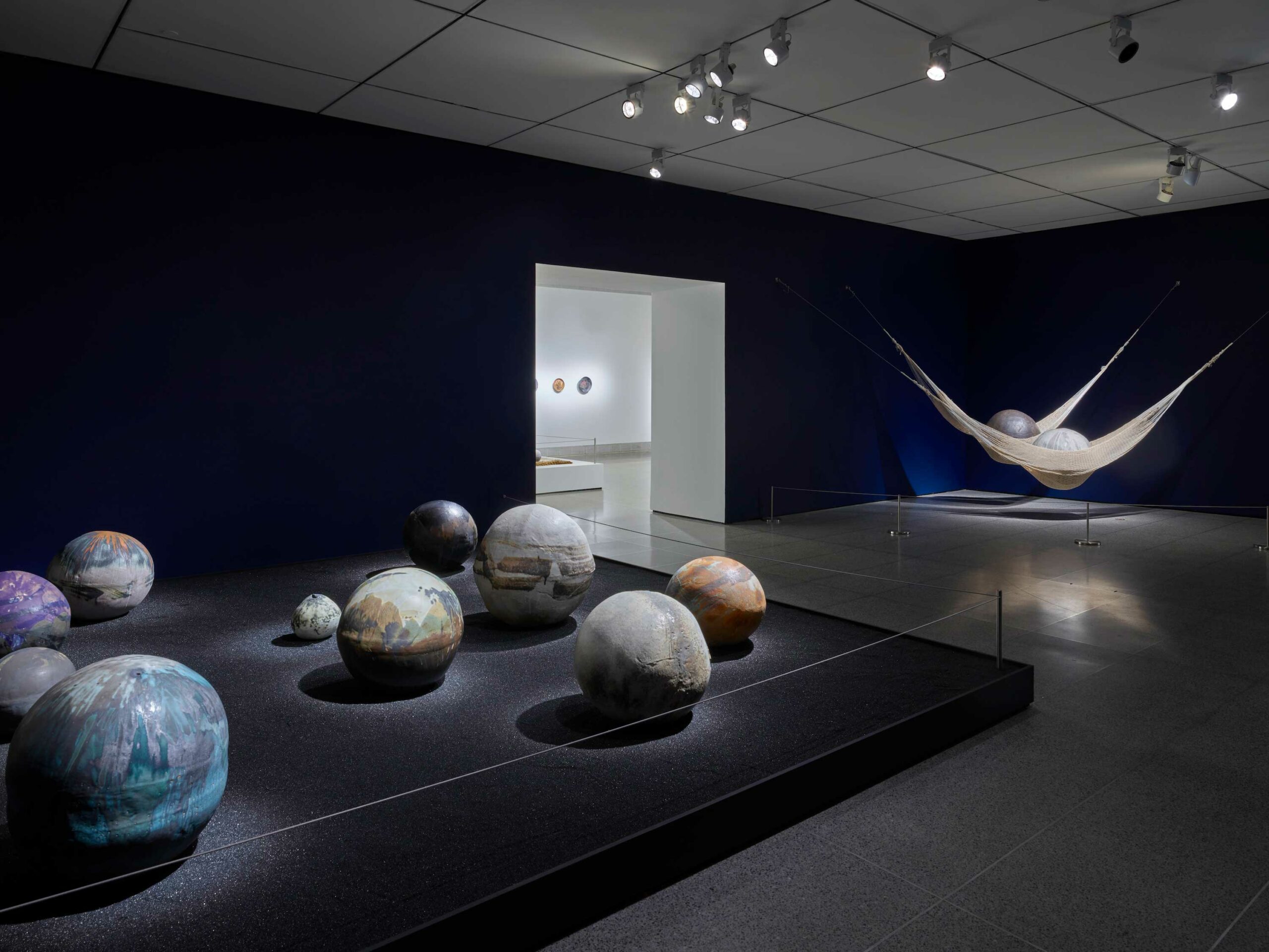
Review: “Toshiko Takaezu: Worlds Within” at the Museum of Fine Arts, Houston

The article reviews "Toshiko Takaezu: Worlds Within" at the Museum of Fine Arts, Houston, the artist's first nationally touring retrospective in 20 years. Organized by the Isamu Noguchi Foundation and Garden Museum, the exhibition features some 100 artworks from the 1950s until her death in 2011, including large-scale ceramics, weavings, and paintings. It traces Takaezu's journey from her childhood on a Maui watercress plantation to her transformative studies at Cranbrook Academy of Art and a pivotal trip to Japan, where she studied Zen Buddhism and worked under various ceramicists.

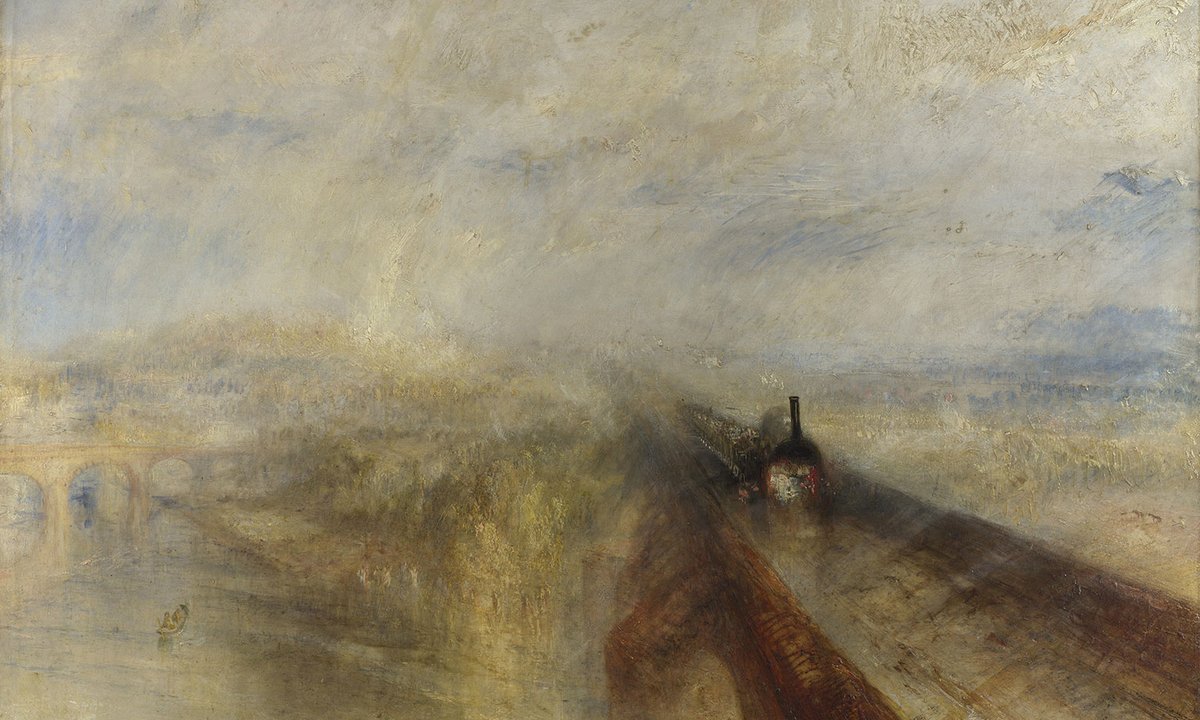
Turner vs Constable: is it time for art historians to choose?

Art historian and author James Hall, writing in The Art Newspaper, reviews Nicola Moorby's new book "Turner and Constable: Art, Life, Landscape" and uses it as a springboard to argue that art historians should not shy away from making value judgments about artists. He compares the legacies of J.M.W. Turner and John Constable, noting that Turner currently dominates popular and institutional esteem—appearing on banknotes, celebrated by Tate Britain as the greatest British artist, and fitting modern conceptions of the artist as a rebellious, eccentric genius. Hall contrasts this with Constable's more conservative image and declining presence in commercial culture.

Surprised by Jack: A Review of “Jack Whitten: The Messenger” at MoMA in New York

The Museum of Modern Art in New York is hosting "Jack Whitten: The Messenger," the largest survey ever mounted of the late abstract artist Jack Whitten, who died in 2018. The exhibition features 175 works spanning his sixty-year career, from early quasi-representational pieces to his innovative "slab" paintings made with a custom squeegee device and his later "tesserae" works that mimic glass tiles using acrylic paint. The show includes archival audio of Whitten discussing his creative process, which blended philosophy, craft, and science, and is curated by MoMA's Michelle Kuo, who knew Whitten personally.

Hiroshige: Artist of the Open Road review – ‘I could look forever at these passing moments in cosmic colours’

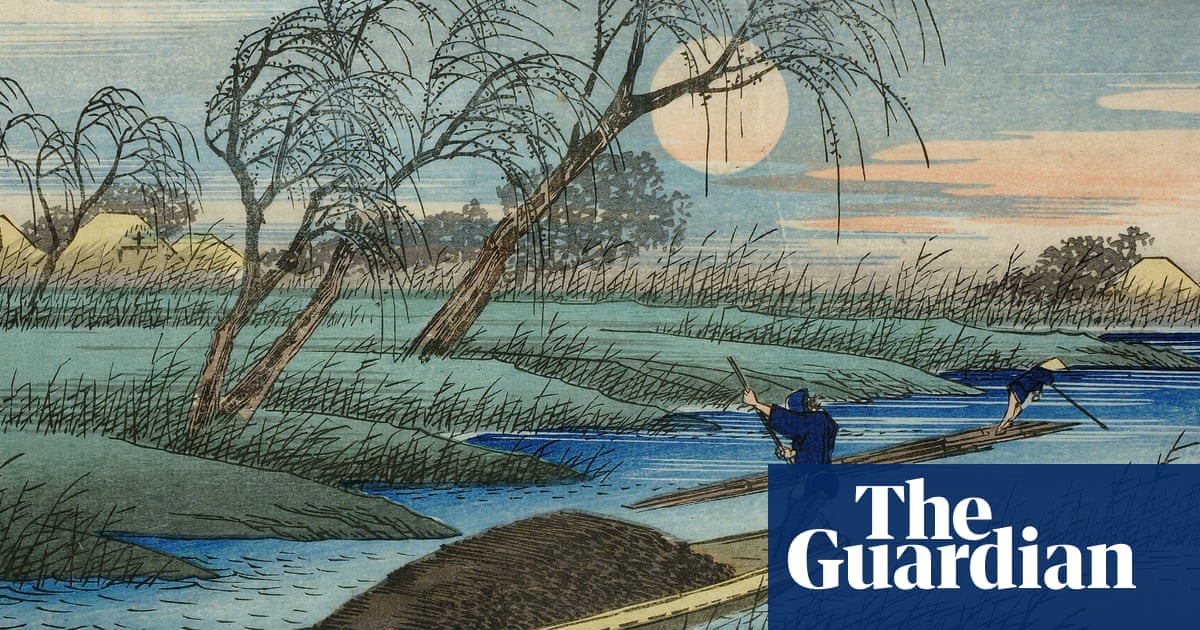
The British Museum presents a rapturous exhibition of Utagawa Hiroshige's prints, showcasing the early 19th-century Japanese artist's vivid, Technicolor depictions of fleeting moments in Edo (now Tokyo). The show highlights his innovative use of rain, snow, and everyday scenes, such as pleasure boats, cherry blossoms, and temporary riverside restaurants, and includes a final section on his global influence, though critics find this epilogue rushed.

Art Gallery Shows to See in June

Will Heinrich reviews several art gallery shows in Los Angeles for June, including Charles Ray’s strangely lifelike sculptures, James Harrison’s flower-themed works, and a group show. The dispatch highlights the diversity and vitality of the city’s current exhibition scene.

The Black American Artists Who Dazzled Post-War Paris

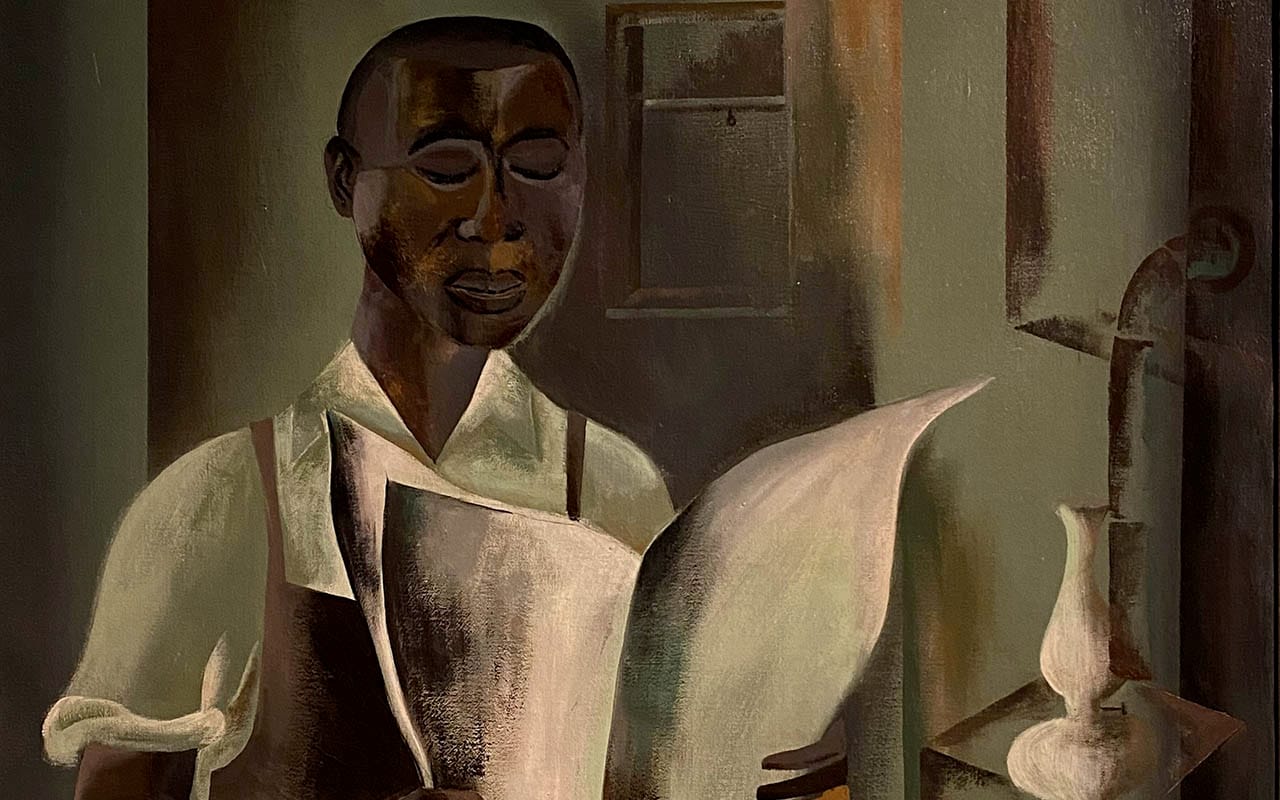
An exhibition titled "Paris in Black: Internationalism and the Black Renaissance" at the DuSable Black History Museum and Education Center in Chicago celebrates the Black American artists, writers, and performers who moved to Paris after World War II to escape American racism. Curated by Danny Dunson, the show features over 100 artworks from the museum's permanent collection, including paintings by Archibald J. Motley Jr., sculptures by Richmond Barthé, Augusta Savage, and William Artis, and ephemera related to Josephine Baker. It traces the global influence of the Harlem Renaissance and the cross-pollination between Paris and U.S. cities like Chicago.

Martin Wong’s Brick Monument to Popeye

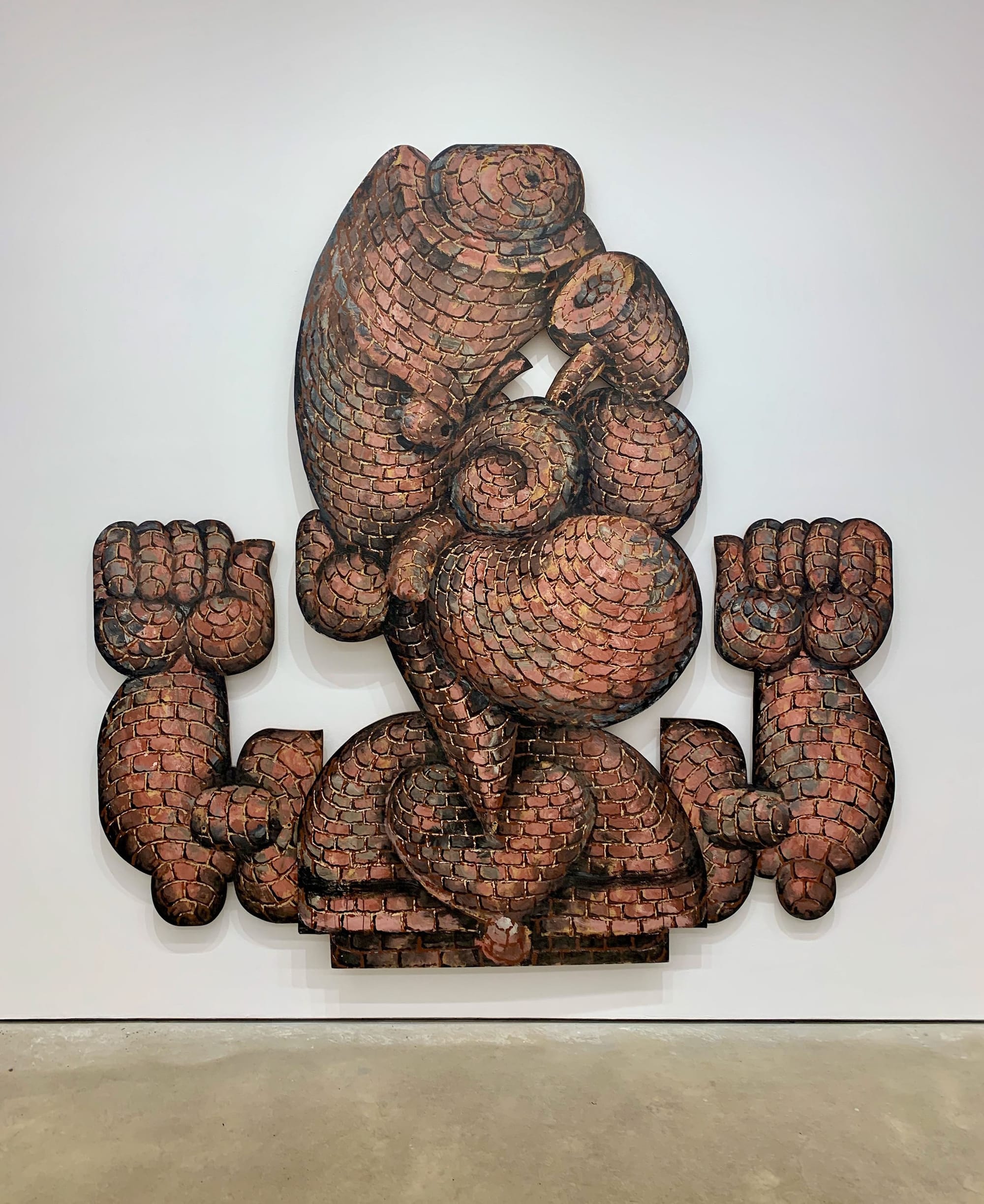
Hyperallergic reviews Martin Wong's posthumous exhibition "Popeye" at PPOW gallery, featuring six motorized plywood panels that reimagine the cartoon character Popeye as curving brickwork. The show includes smaller works like "Sacred Shroud of Pepe Turcel" (1989–90) and paintings of vintage cartoon characters Mutt and Jeff, Little Lulu and Tubby, all rendered in Wong's signature brick style. The review highlights Wong's queer, magpie sensibility and his ability to cross boundaries between high and low culture.