search
dashboard All 23115 museum exhibitions 10871article local 3085article news 2488trending_up market 2231article culture 1546person people 943article policy 770rate_review review 452candle obituary 380gavel restitution 308article event 23article events 5article school 3article museum 3article museums 2article gallery 2article satire 1article architecture 1article museums & heritage 1
date_range Range Today This Week This Month All
Subscribe

martin puryear mfa boston review

Martin Puryear's 1978 sculpture *Self* opens a survey of his work at the Museum of Fine Arts, Boston, titled “Martin Puryear: Nexus,” which runs through Sunday before traveling to the Cleveland Museum of Art in April. Curated by Emily Liebert, Reto Thüring, and Ian Alteveer, the exhibition argues that Puryear's abstract, craft-intensive sculptures—like *A Column for Sally Hemings* (2021)—are not merely formalist exercises but carry political and historical meanings that are deliberately withheld, challenging viewers to read beyond elegant surfaces.

Joseph Grigely's 'Otherhow' Primary Information on Disability Arts and Being Deaf

joseph grigely primary information otherhow disability arts deaf

Artist and writer Joseph Grigely has published a new essay collection, 'Otherhow: Essays and Documents on Art and Disability 1985–2024.' The book compiles decades of his work, blending art, autobiography, and advocacy through ephemera like postcards, emails, and legal documents to chronicle his experiences navigating the art world as a deaf man.

stan douglas bard museum survey review

Stan Douglas's survey at Bard College's Hessel Museum of Art features a new video installation titled "Birth of a Nation" (2025), which reworks a racist sequence from D.W. Griffith's 1915 film of the same name. The installation presents the original footage alongside four new videos from different character perspectives, shot in black and white without sound, and ends with a blue screen left bare to suggest the mutability of historical images. The survey also includes earlier works like "Hors-Champs" (1992), which critiques televisual representation through a staged free jazz performance.

william holman hunt the awakening of conscience

The article analyzes William Holman Hunt's 1853 painting *The Awakening Conscience*, which depicts a woman in a Victorian parlor rising from the lap of a man, her gaze fixed on a sunlit garden glimpsed in a mirror. Hunt, a member of the Pre-Raphaelite Brotherhood alongside John Everett Millais and Dante Gabriel Rossetti, filled the work with dense symbolism—such as the woman's ringless left hand, a discarded glove, and sheet music by Edward Lear and Thomas Moore—to reveal that the scene is not a married couple but a mistress and her lover, trapped in a gilded cage.

david hammons artist book hauser wirth

David Hammons has released a "post-exhibition catalogue" through Hauser & Wirth Publishers, six years after his 2019 survey at the gallery's Downtown Los Angeles location. The 12-by-12-inch, nearly 7-pound volume contains hundreds of images—installation shots, artwork reproductions, and ephemera—but no text whatsoever: no table of contents, essays, titles, dates, or page numbers. The book functions more as an artist's book than a traditional exhibition catalog, presenting Hammons's work in a raw, unapologetic sequence that resists scholarly interpretation.

rashid johnson guggenheim museum retrospective review

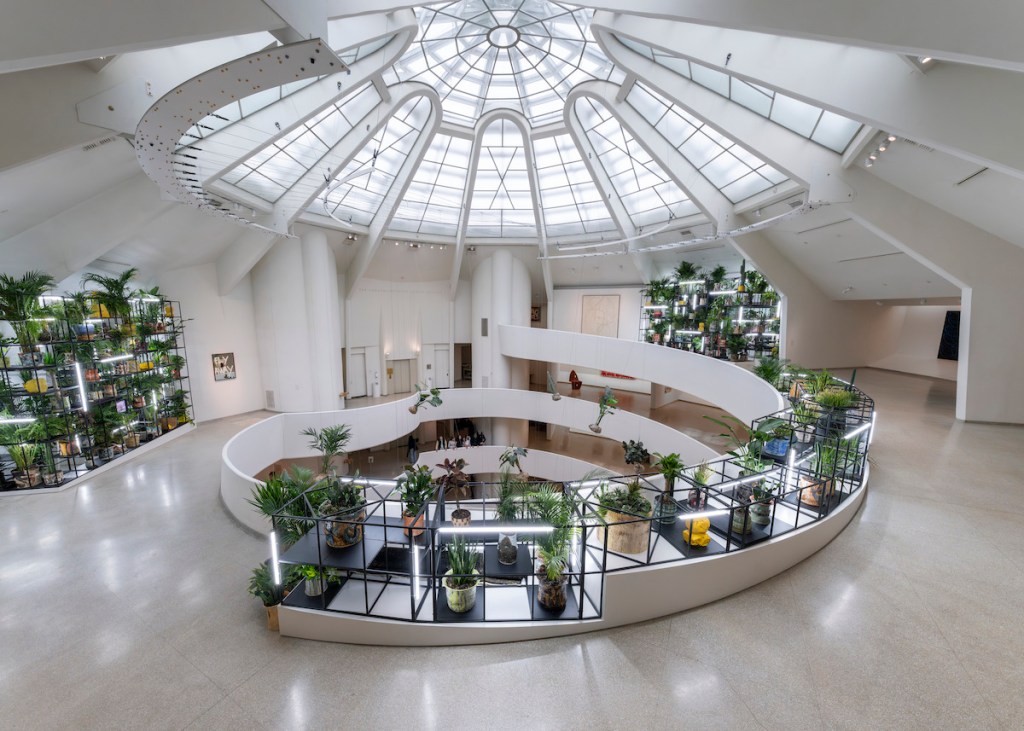
Rashid Johnson's mid-career retrospective, "Rashid Johnson: A Poem for Deep Thinkers," has opened at the Solomon R. Guggenheim Museum in New York, filling the rotunda with paintings, sculptures, photographs, and films. Curated by Naomi Beckwith and Andrea Karnes, with Faith Hunter, the exhibition includes Johnson's well-known "Anxious Men" works alongside lesser-seen films like *Threeness* (2005), which challenge viewers' expectations. The show features recurring target motifs, as seen in the outdoor sculpture *Black Steel in the Hour of Chaos* (2008), and explores themes of looking, being looked at, and the fluidity of Black identity.

Why Felix Gonzalez-Torres’s Go-Go Dancer Piece Remains Subversive

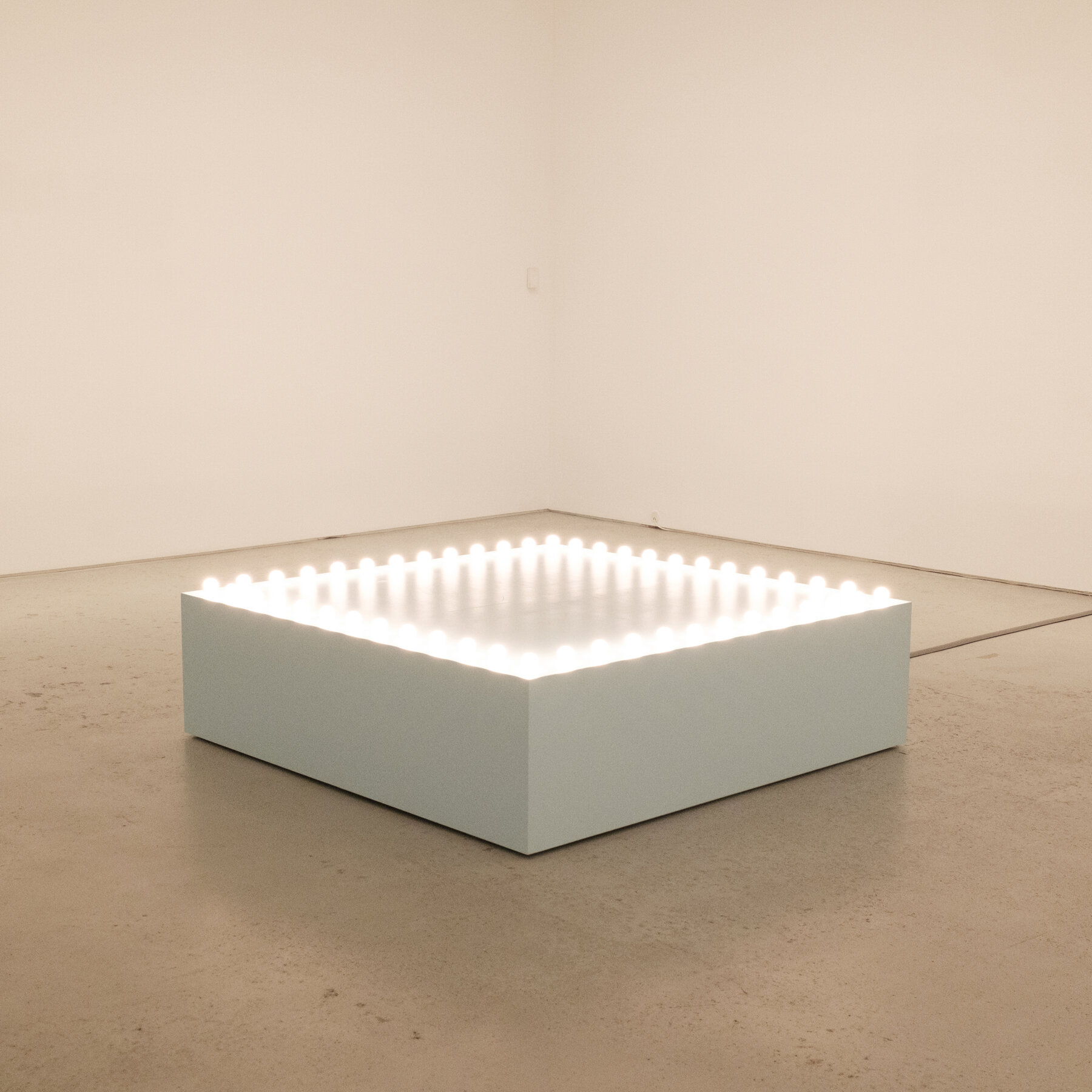
The New York Times examines the enduring power of Felix Gonzalez-Torres's 1991 performance piece "Untitled" (Go-Go Dancing Platform), in which a go-go dancer performs on a pedestal for a brief, scheduled period each day. The work, currently on view at the Art Institute of Chicago, uses the dancer's absence as a central component, creating a poignant metaphor for queer presence and loss.

« Caïn » de Fernand Cormon : aux origines de la conscience humaine ?

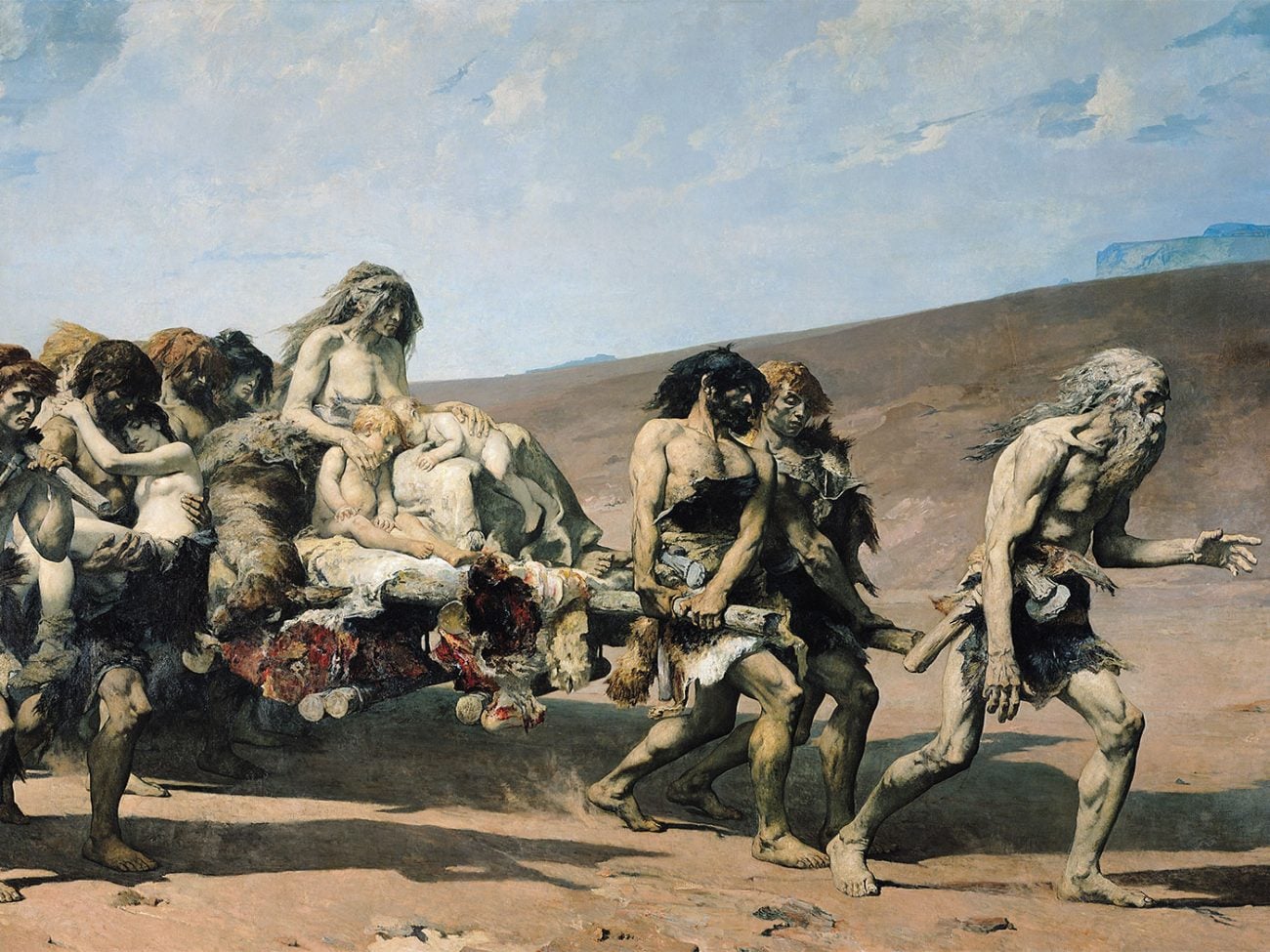
Beaux Arts Magazine analyzes Fernand Cormon's monumental 1880 painting "Caïn," currently held at the Musée d'Orsay. The article describes the scene: a prehistoric, weary clan trudges through a desert, led by a haggard patriarch, with a tired mother on a litter and hunters carrying game. Cormon's work is presented as the antithesis of classical triumph, evoking a melancholic, post-traumatic atmosphere. The painting is linked to the biblical story of Cain, who killed his brother Abel and was condemned to exile, and is accompanied by verses from Victor Hugo's poem "Conscience."

« L’Angélus » de Millet : une notification à l’humanité hors sol ?

Beaux Arts Magazine publishes a detailed visual analysis of Jean-François Millet's painting "L'Angélus" (1857–1859), housed at the Musée d'Orsay in Paris. The article describes the scene of two peasants pausing their potato harvest to pray at dusk, examining the composition, color, and spiritual resonance of the work. It also traces Millet's biography—from his peasant origins in the Cotentin region to his training under Langlois and Paul Delaroche, and his early career painting portraits and nudes before turning to rural subjects.

‘Moss & Freud’: Both Complaining and Explaining

A new biopic titled *Moss & Freud*, directed by James Lucas and released in 2025, fictionalizes the creation of Lucian Freud's 2002 painting *Naked Portrait* of Kate Moss. The film stars Derek Jacobi as Freud and Ellie Bamber as Moss, and opens with the pair discussing art at the National Gallery in London. Critic Philippa Snow argues that the film fails to capture the real Moss, portraying her as frivolous and airheaded rather than the savvy, enigmatic icon she is known to be. Snow notes that Moss's lifelong reluctance to give interviews and her mantra 'never complain, never explain' have contributed to her mystique, which the film undermines by attempting to explain her behavior as trauma-driven.

Notes from New York: Rotting Meat

Artist Jen Liu’s solo exhibition 'Pound of Flesh' at Silverlens New York explores the dehumanizing nature of digital labor through visceral imagery of raw meat. The show features paintings where human consciousness is replaced by butcher-shop cuts and an animated video based on Liu’s research into microworkers—individuals who perform repetitive, low-paid tasks to train AI models. By juxtaposing the biological reality of the body with the clinical extraction of data, Liu highlights the physical and psychological toll of the 'Agentic Age.'

‘The Secret Agent’ Finds Desire in the Archive

The article reviews the exhibition 'The Secret Agent' at the Institute of Contemporary Arts (ICA) in London, curated by artist and writer Hannah Gregory. The show features works by artists including Louise Lawler, Susan Hiller, and John Stezaker, exploring themes of desire, secrecy, and the archival impulse through photography, film, and installation.

Marie Zolamian’s Paintings Remain Little Mysteries

A retrospective of Tracey Emin's work at Tate Modern reveals how her art, frequently interpreted as raw personal confession, is deeply intertwined with the broader cultural and social forces of her time. The review argues that her oeuvre serves as a witness to a specific era, moving beyond purely autobiographical readings to reflect wider societal currents.

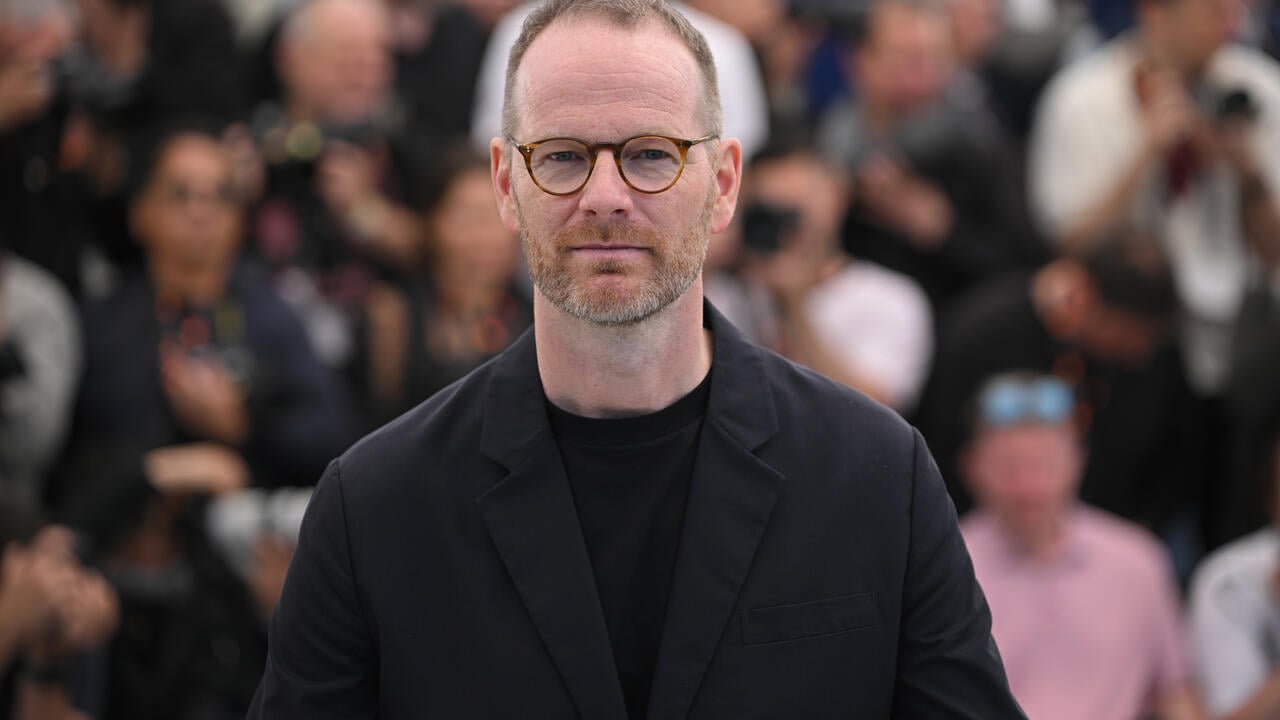
Joachim Trier on the Art of Calculated Chaos

A major retrospective of Tracey Emin's work has opened at Tate Modern in London. The exhibition presents a comprehensive overview of the artist's career, featuring her confessional and often provocative works that have defined her public persona.

Farm Equipment on the Lower East Side? Our Critic Investigates a Few Unexpected Art Shows

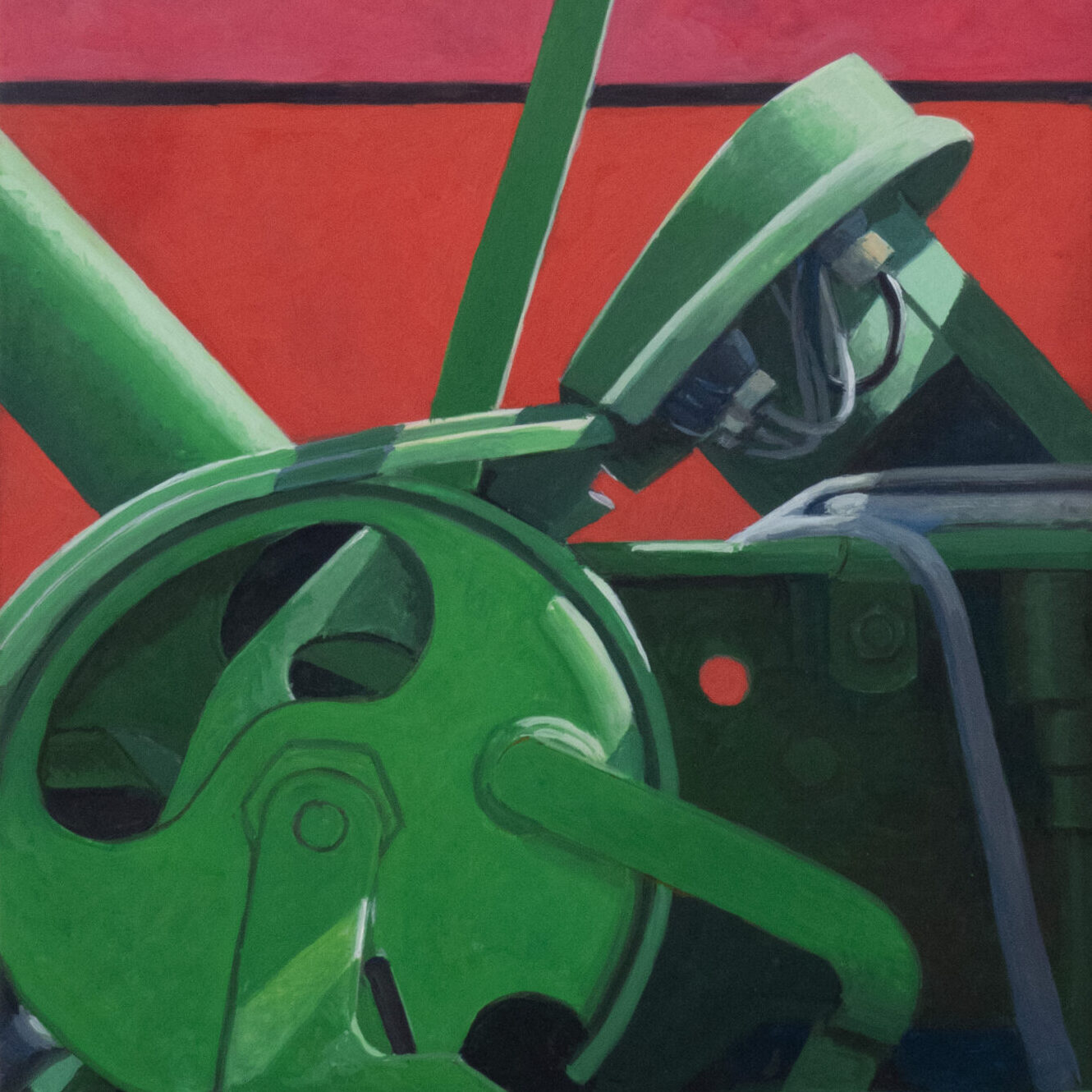
Art critic Emily Watlington investigates two unexpected exhibitions on New York's Lower East Side. At Hoffman Donahue gallery, Altoon Sultan presents 13 small egg tempera paintings of agricultural machinery on parchment-covered panels, zooming in on mechanical details with a luminous, almost devotional treatment of light. At Company gallery, Hayden Dunham's third solo show "NEVER IS OVER" transforms a dark basement into a multisensory installation with video projections, ambient whale sounds, and sculptural egg- or stone-shaped forms that evoke 1990s installation art.

art ai digital guide brian droitcour

Brian Droitcour curates a guide to navigating the current media landscape through the work of tech-savvy artists and writers, focusing on exhibitions in Brooklyn and Queens. The guide highlights Porpentine's show "Xrafstar World" at Haul Gallery in Gowanus, which features poster-prints of drawings depicting characters from their stories and games, made with different digital brushes. Droitcour contrasts this DIY, performance-driven work with major institutions' engagement with AI, such as Sasha Stiles' "A Living Poem" at MoMA, which he criticizes for echoing technology's promises of polish rather than probing its complications.

Terry Winters review – flashes of magic in patterns science has yet to explain

Terry Winters presents eight new paintings at Modern Art in London, titled after geometric and mathematical terms like Area, Array, Field, and Locus. The works explore patterns inspired by botany, engineering, computer modeling, and cybernetics, using optical illusions and layered compositions to evoke natural and scientific systems. The review highlights how Winters' paintings create a push-pull effect through color and form, blending sensory pleasure with intellectual inquiry.

Nicola Florimbi’s Paintings Are Unsettling and Necessary

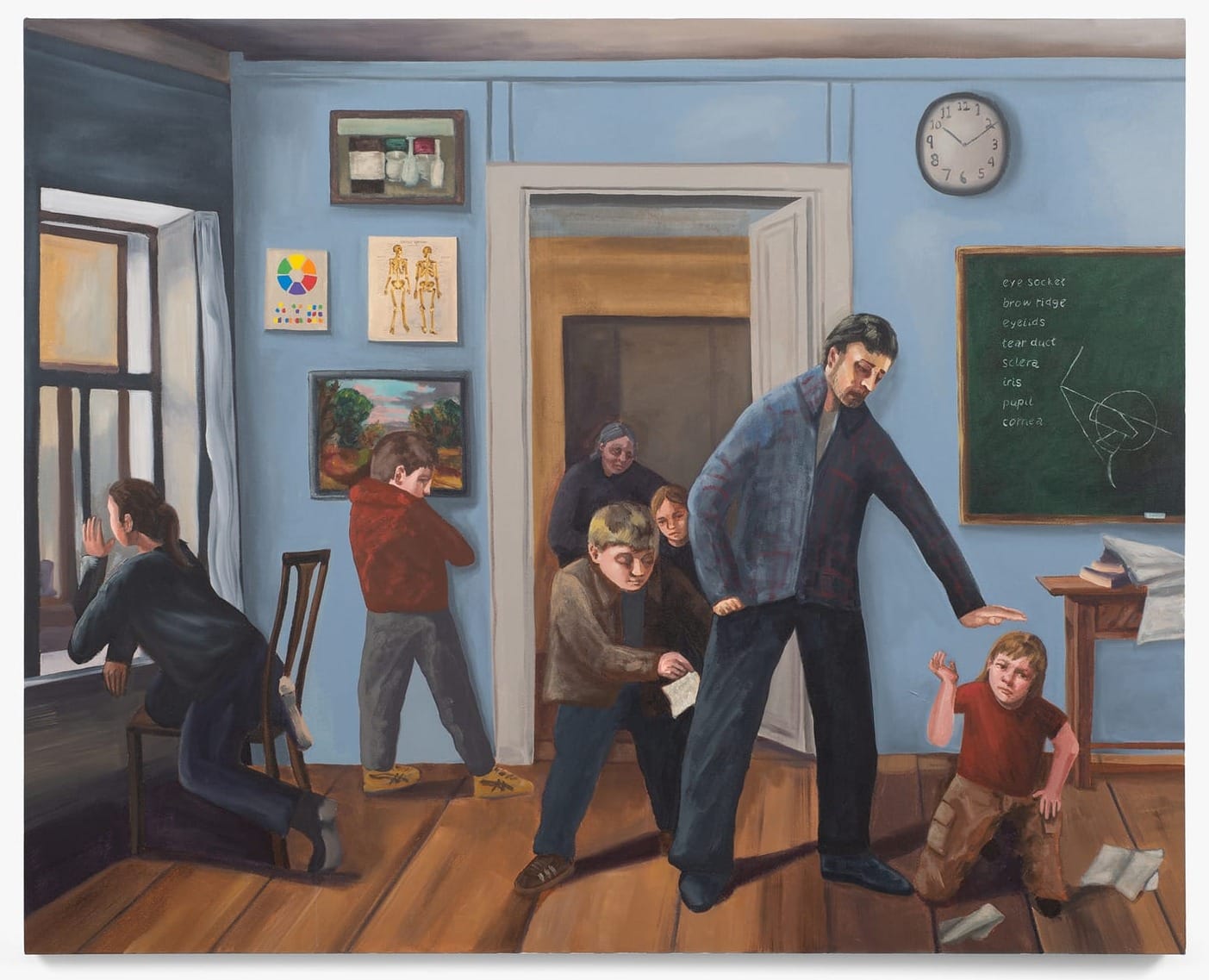
Hyperallergic reviews Nicola Florimbi's debut exhibition "Rooms" at Corbett vs. Dempsey in Chicago, featuring 10 acrylic paintings that depict individuals in ambiguous, theatrical interiors. The works reference Old Masters like Velázquez, Balthus, and Hopper, creating complex visual narratives that resist easy interpretation. Florimbi's figures—children and adults—interact in unsettling, stage-like settings that blend timelessness with contemporary unease.

Alma Allen’s US Pavilion Is One of the Emptiest Shows at the Venice Biennale

Alma Allen represents the United States at the 2026 Venice Biennale with a subdued, apolitical exhibition inside the US Pavilion. The show features roughly 25 sculptures—mostly in bronze, wood, and stone—many titled "Not Yet Titled," and deliberately avoids overt political messaging. This marks a stark departure from the previous two US pavilions, curated by Simone Leigh (2022) and Jeffrey Gibson (2024), which directly confronted colonialism and empire. The Trump administration’s call for proposals explicitly asked for work that "reflects and promotes American values," and Allen’s presentation has been criticized as safe, unremarkable, and lacking the incisive edge of contemporary American art.

Paula Rego review – tantalising drawings with the shoeprints left on them

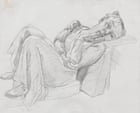
Victoria Miro is hosting the largest exhibition of Paula Rego’s drawings to date, curated by the artist’s son, Nick Willing. Spanning from the 1950s until her death in 2022, the show features intimate pencil sketches, pastels, and ink drawings that reveal the foundational narratives of her career, including her early childhood sketches, her fierce opposition to the Salazar dictatorship, and her advocacy for women's rights.

David Novros’s Portable Murals

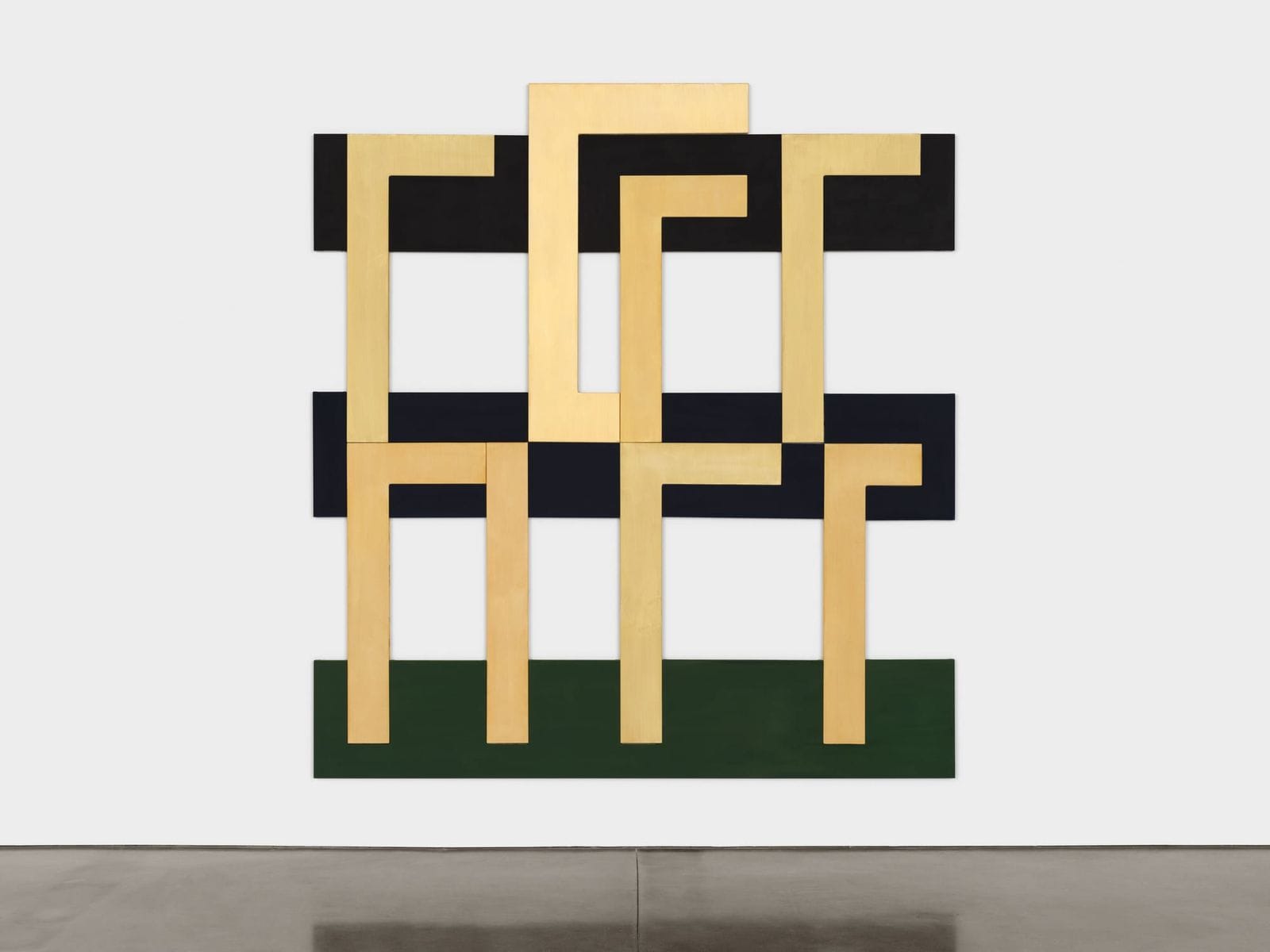
David Novros’s latest exhibition at Paula Cooper Gallery showcases his "portable murals," intricate multi-paneled paintings that challenge the traditional concept of art as a mere object on a wall. Utilizing oil and murano on canvas, Novros assembles monochromatic, L-shaped, and horizontal panels with precise intervals that incorporate the gallery wall into the composition. These works are designed to be experienced kinesthetically, responding to shifting natural light and the viewer's physical movement through the space.

hito steyerl medium hot images heat verso

Artist Hito Steyerl has published a new book, *Medium Hot: Images in the Age of Heat*, through Verso, continuing her long-running exploration of how images, technology, and politics intersect. The article traces her intellectual evolution from earlier works like *The Wretched of the Screen* (2013) and *Duty Free Art* (2017), highlighting key essays and video works such as *How Not to Be Seen: A Fucking Didactic Educational .MOV File* (2013), which satirizes surveillance culture. It notes that Steyerl topped ArtReview’s 2017 Power List as the most influential person in the art world, and that her latest book addresses war and violent conflict in the context of Web3, with a more decisive tone.

The Whitney Biennial Is for the Faint-Hearted

A critical review of the 2026 Whitney Biennial argues that the exhibition is timid and fails to directly confront the urgent political crises of the moment, including domestic authoritarianism, state violence, and immigration policies. The reviewer finds the show somber, fearful, and overly focused on mood and introspection, suggesting it represents a retreat from meaningful political engagement.

Gardar Eide Einarsson Leaves You in the Dark

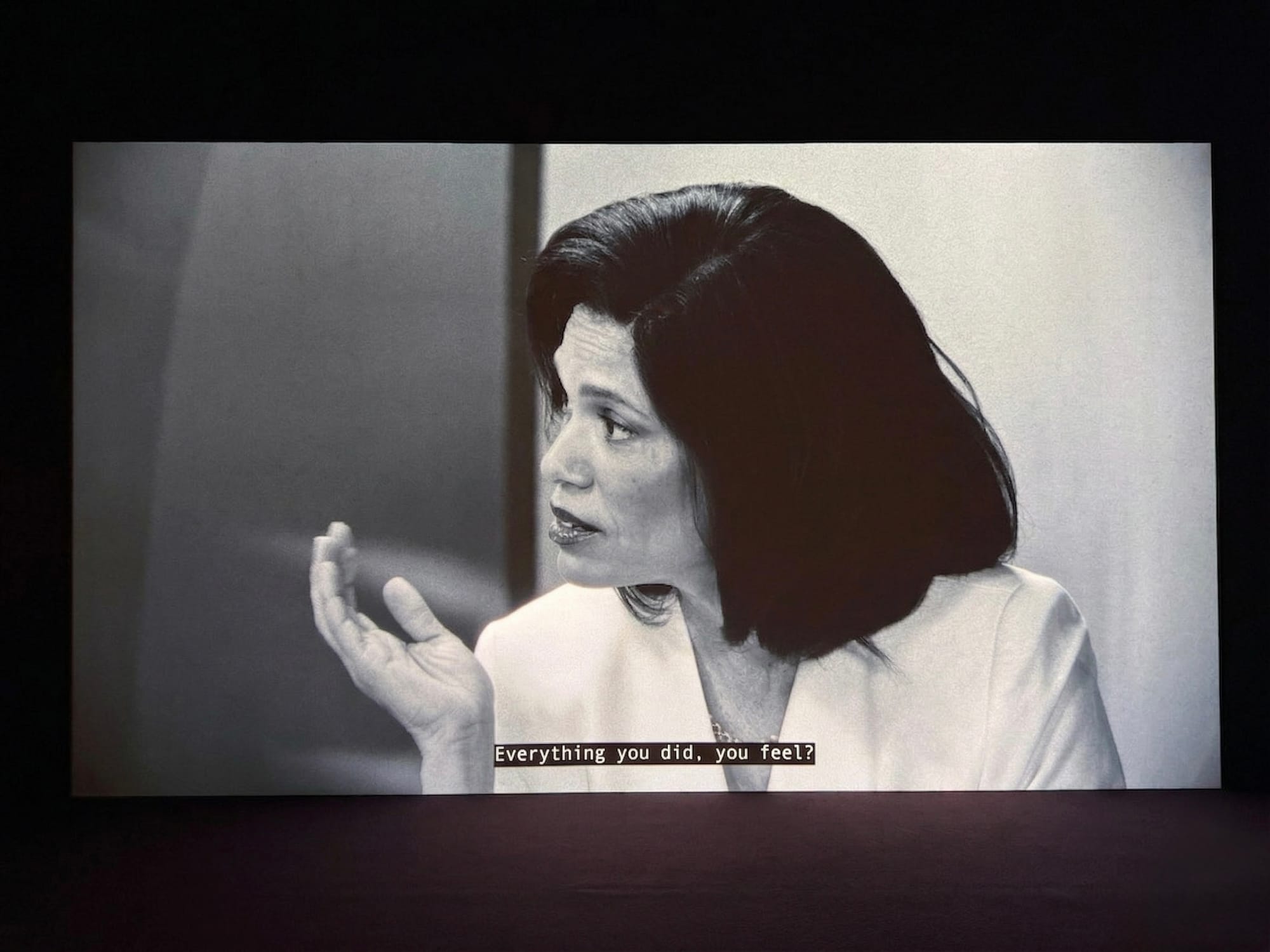
Gardar Eide Einarsson’s latest exhibition at Maureen Paley’s East London space presents a haunting exploration of dissociation and coded information. The show features two distinct series: 'Closed Caption,' a collection of monochrome black gouache paintings featuring isolated subtitles from films, and 'Incendiary Test Area,' a set of hyperrealistic woodblock prints created in collaboration with master Shoichi Kitamura. These prints depict the interiors of mock 'Japanese' houses built by the US Army for fire-bombing tests during World War II.

Locating Luigi Ghirri

Fashion photographer Alessio Bolzoni and film director Luca Guadagnino have collaborated on 'Felicità', a new book and exhibition at Thomas Dane Gallery featuring 45 previously unseen color photographs by the late Italian master Luigi Ghirri. The project is divided into two portfolios: the first focuses on intimate, abstract details of found objects and surfaces in Modena, while the second expands into larger vistas and populated spaces across Italy during the 1980s.

Craig Jun Li: Scrapping the Camera

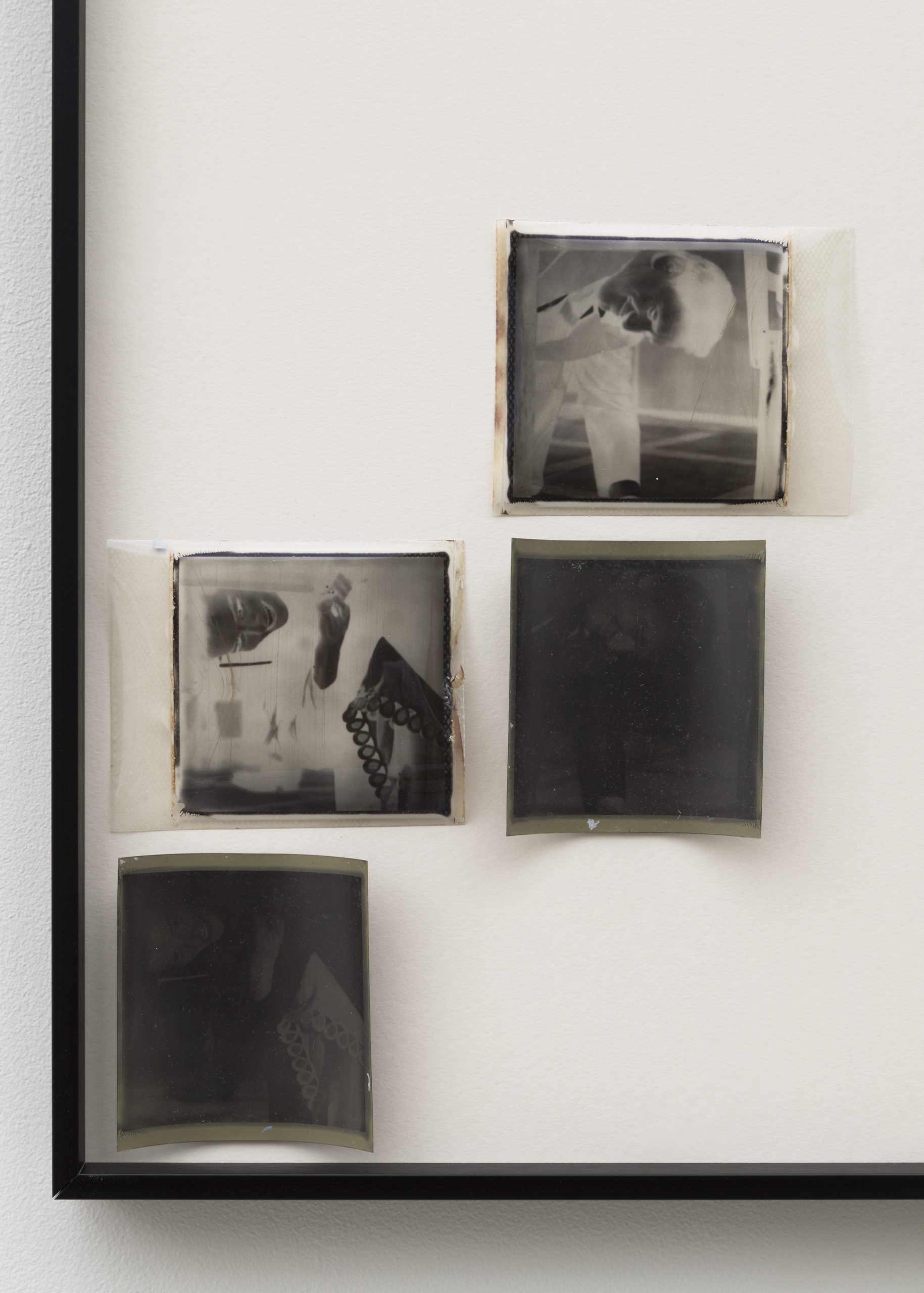
Artist Craig Jun Li's solo exhibition features collagist wall-works and installations that deconstruct photographic technology. Works like the 2025 silicone sheets incorporate altered dye-transfer prints, Polaroids, and actual camera parts like SX-70 film cartridge springs, redirecting focus from pictorial representation to the mechanical apparatus of image-making.

Joe Moss, Drones and Caspar David Friedrich

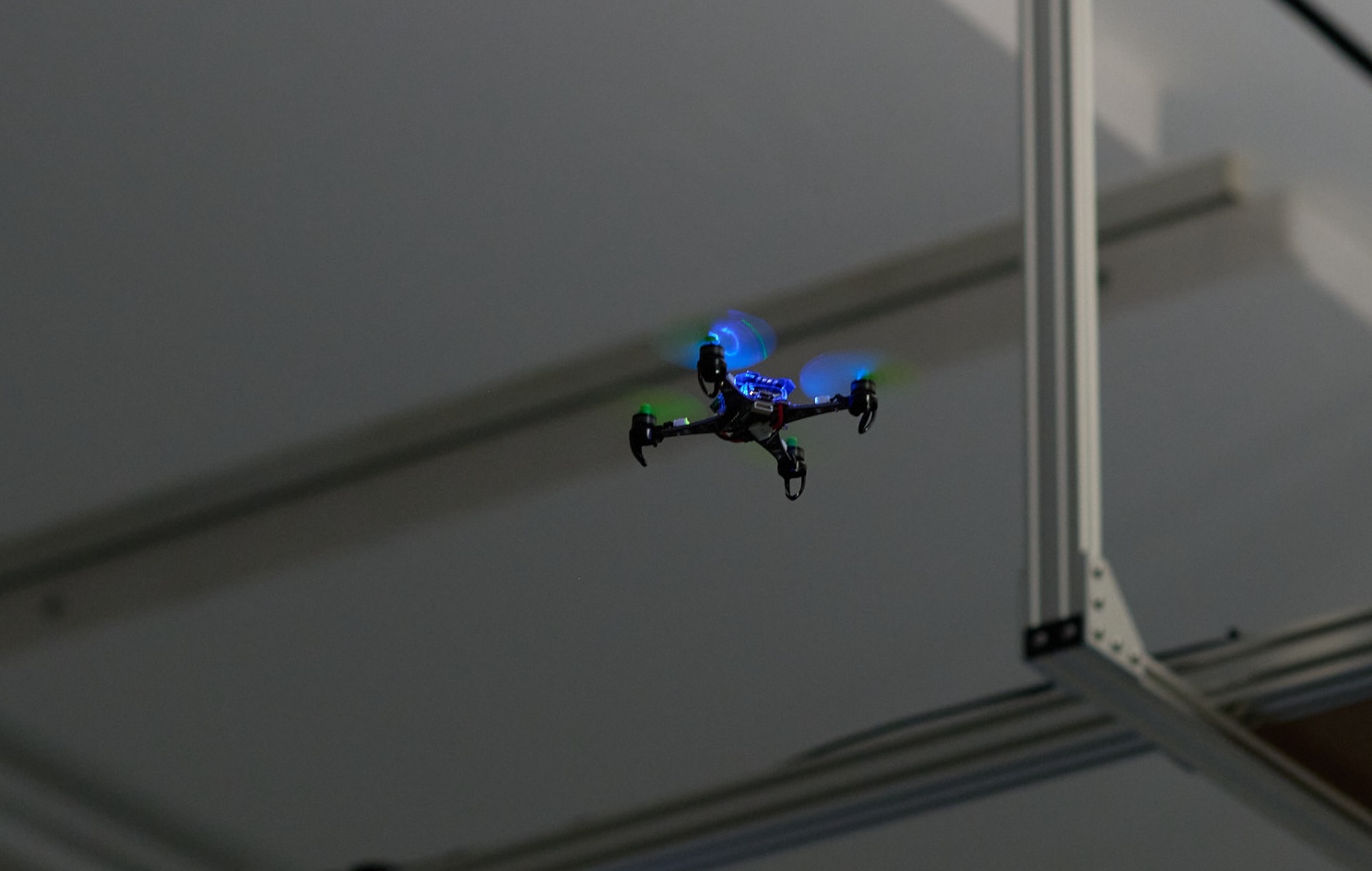
Artist Joe Moss presents his installation 'Automated Fantasy Procedure' at Matt's Gallery in London. The work features a squadron of choreographed drones, two-channel videos with actors portraying figures like a Caspar David Friedrich-inspired wanderer, and a Roman-style mosaic, all experienced in scheduled ten-minute replays designed to mimic the overwhelming sensation of scrolling through a smartphone.

Art for Our Age of Chaos

The article reviews two major New York exhibitions opening in 2026: the Whitney Biennial at the Whitney Museum of American Art, featuring over fifty artists, and "New Humans: Memories of the Future" at the newly expanded New Museum, with over a hundred artists. Both shows are described as enormous and defiant, responding to a distracted public and financial pressures. The reviewer notes that both exhibitions juxtapose large-scale immersive works with tiny, intimate pieces, and finds the Whitney Biennial lacking urgency, while preferring the New Museum's historical narrative about technology and modernity.

Michael Armitage in Venice, monumental and disturbing. What the exhibition at Palazzo Grassi looks like

Michael Armitage is the subject of a major solo retrospective at Palazzo Grassi in Venice, marking his largest exhibition in Europe to date. Organized by the Pinault Collection, the show features monumental paintings that blend African identity, local Kenyan chronicles, and mythological narratives. Armitage’s work is noted for its physical scale and its ability to transform the chaos of human affairs into a syncretic epic, utilizing traditional materials like Lubugo bark cloth to ground his contemporary subjects.

Comment | EJ Hill's New York performance personifies the art of endurance

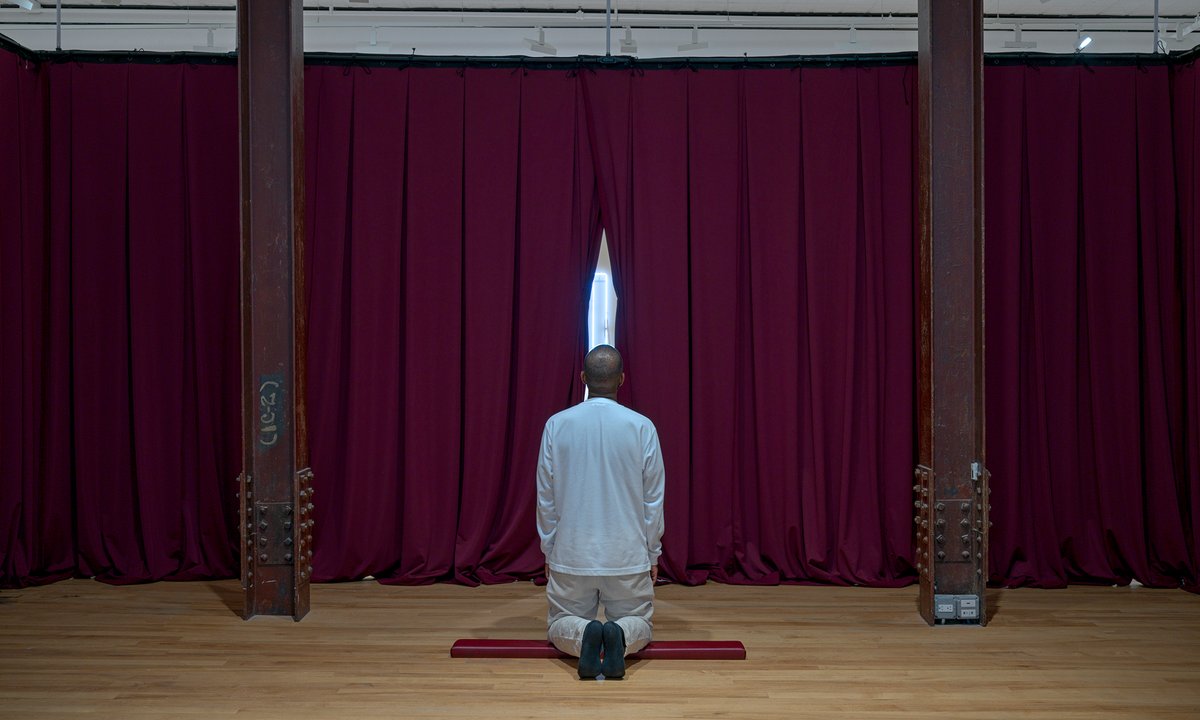
EJ Hill is performing 'Yearning for an Absolute' (2025), the centerpiece of his solo show at 52 Walker in New York, where he kneels on a church kneeler for eight continuous hours each day without food, water, or breaks. The performance runs from June 25 to September 13, totaling 56 days across 12 weeks, and completes a "performance triptych" with his earlier works from 2016 and 2018. Hill describes it as far more grueling than anything he has done before, experiencing widespread physical pain and mental challenges.