filter_list Showing 9 results for "ASCO" close Clear
search
dashboard All 344 museum exhibitions 150trending_up market 56article news 54article culture 28article policy 14article local 14rate_review review 9person people 9gavel restitution 6candle obituary 4
date_range Range Today This Week This Month All
Subscribe

the worst art we saw in 2025

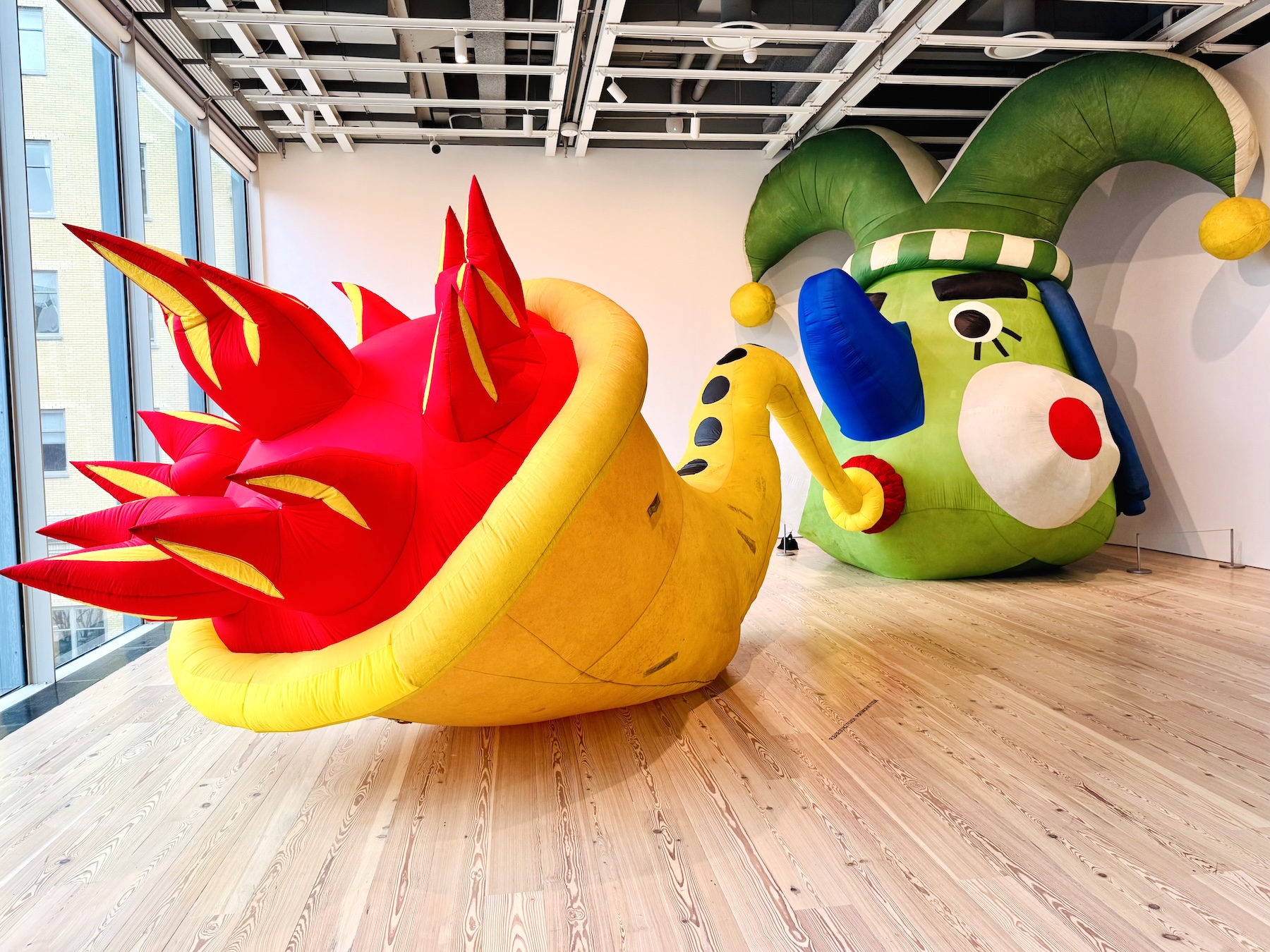
Artnet News editors and writers compiled a list of the worst art of 2025, calling out works they found lazy, cynical, overhyped, or ethically dubious. Highlights include Flora Yukhnovich's site-specific painting installation at the Frick Collection, which critics deemed middling and out of place among the museum's historic masterpieces; Jeff Koons's eight-foot-tall Hulk (Tubas) sculpture, sold for $3 million at Frieze New York and described as an obnoxious trophy piece; and actor Adrien Brody's interactive gum wall installation, which invited visitors to stick chewed gum onto a canvas.

here are 6 of the worst art works we saw all year

Artnet News published a year-end roundup of the worst artworks of 2023, as selected by its writers and editors. The list includes Meta's AI-art chatbot experiments on Instagram, which cloned celebrity likenesses into cringe-worthy avatars like Snoop Dogg's 'The Dungeon Master' and Kendall Jenner's 'Billie,' alongside Refik Anadol's 'Unsupervised' at MoMA, criticized as shallow tech spectacle. Other entries include a poorly received Picasso-themed exhibition and additional works deemed ill-conceived or badly executed.

worst artworks we saw around the world in 2022

Artnet News editors compiled a list of the worst artworks they encountered in 2022, including a chaotic performance by Poncili Creación at NADA Miami, an overproduced Danish Pavilion installation by Uffe Isolotto at the Venice Biennale, and a Paul Cézanne painting at the Barnes Foundation that disappointed a critic. The article offers subjective, critical takes on these works, describing the NADA performance as bizarre and jolting, the Danish pavilion as graphic and lacking a powerful message, and the Cézanne as a disappointment within an otherwise memorable museum visit.

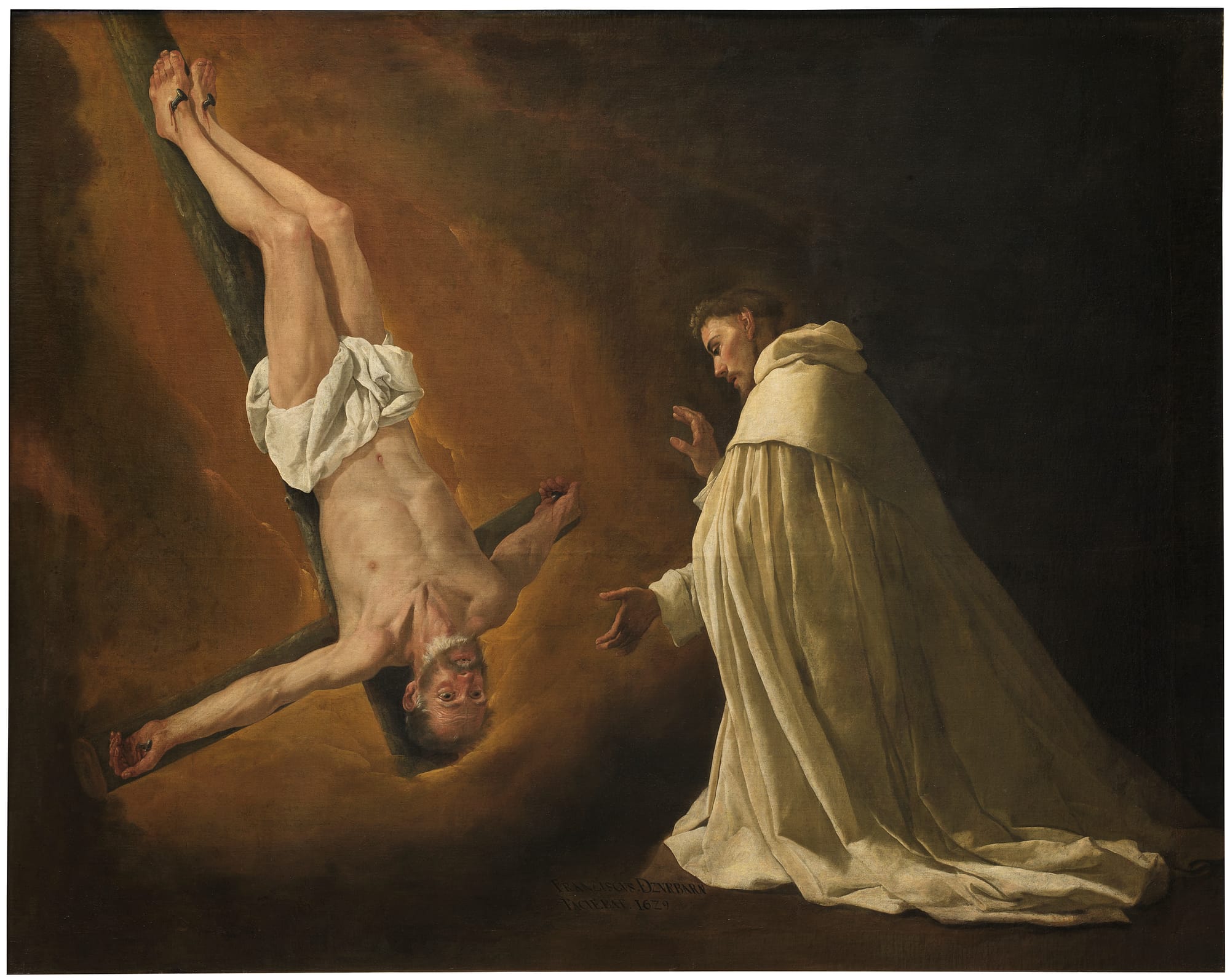
Zurbarán review – ecstatic visions, primitive surrealism … and the finest loincloths ever painted

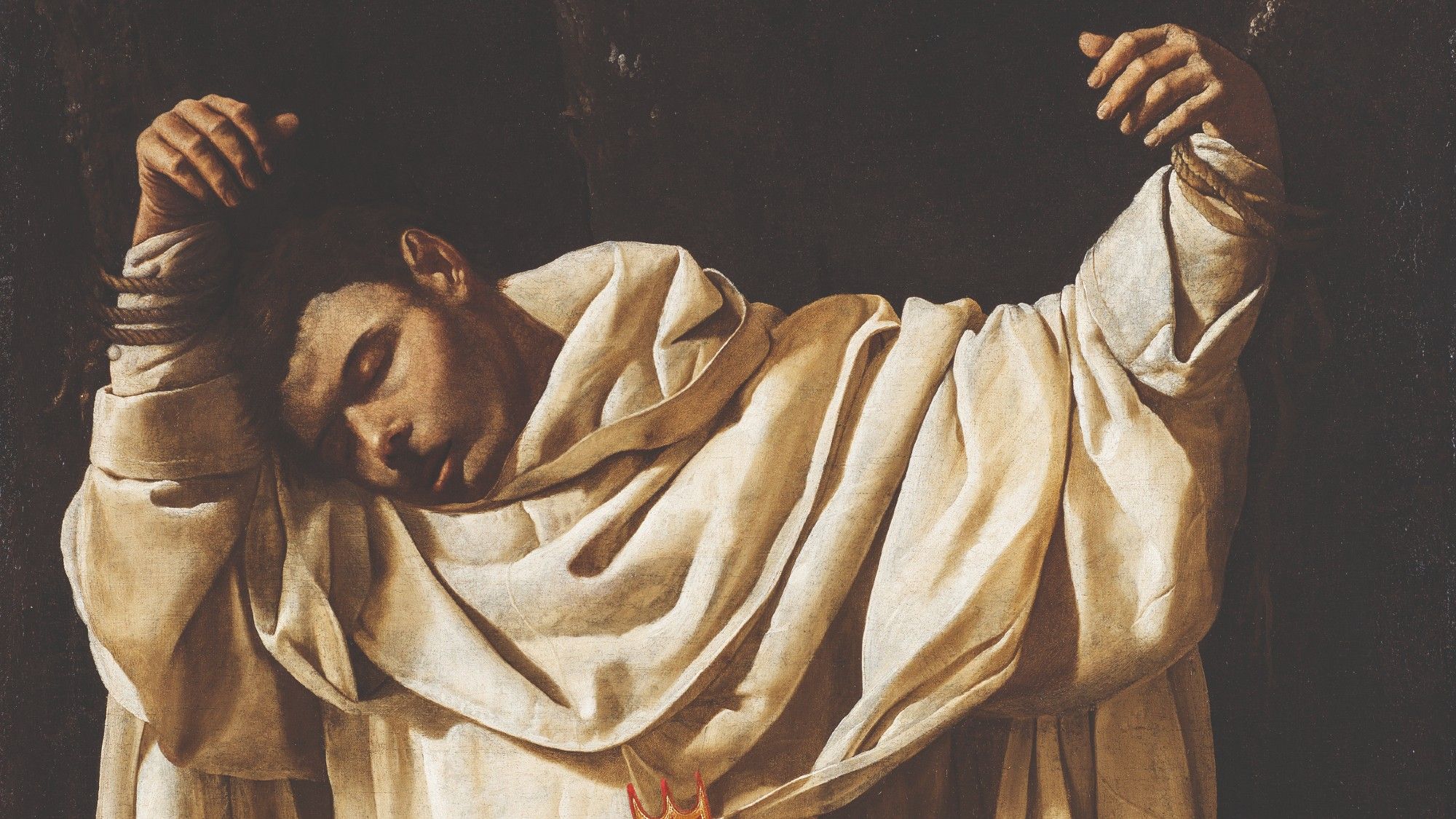
The Guardian reviews a major exhibition of 17th-century Spanish painter Francisco de Zurbarán, highlighting his visionary and surrealist qualities. The show features works such as "The Apparition of Saint Peter to Saint Peter Nolasco" (1629), newly attributed paintings including a giant mask, and iconic pieces like "The Crucified Christ" and "Saint Serapion," all drawn from collections including the Prado and the National Gallery, London. The review emphasizes Zurbarán's ability to paint supernatural subjects with naturalistic conviction, his exquisite rendering of fabrics—especially loincloths—and his influence on modern artists like Salvador Dalí.

whitney biennial 2026 review

The 2026 Whitney Biennial marks a shift in contemporary art from literal messaging toward atmospheric 'mood.' This edition is characterized by an immersive aural landscape of drones and whispers, moving away from the overt identity politics of previous years in favor of a 'sincerity first' credo. Key works include Emilie Louise Gosslaux’s emotional tribute to her guide dog, Mo Costello’s community-focused binders, and Nour Mobarak’s intimate recordings of internal bodily sounds.

Review: “50th Anniversary Exhibition Part I” at Moody Gallery, Houston

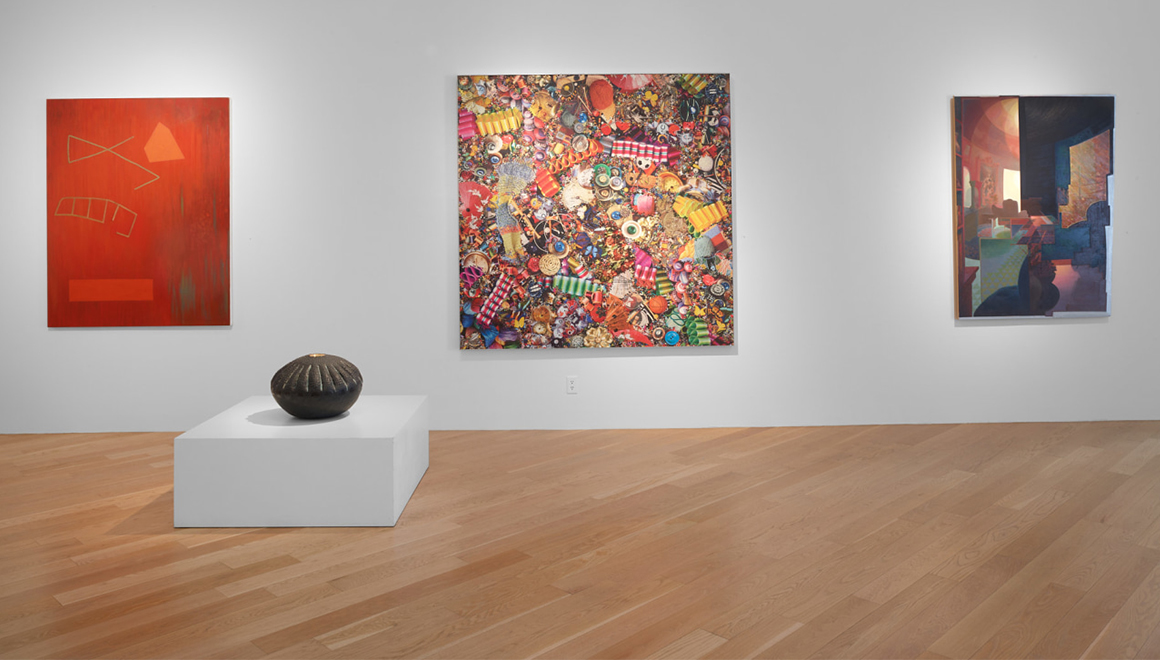
Moody Gallery in Houston opened “50th Anniversary Exhibition Part I” on September 13, showcasing 38 artworks by gallery-affiliated artists. The show is deliberately non-chronological and non-comprehensive, featuring works ranging from 2006 to 2025, including pieces by Melissa Miller, William “Bill” Steffy, Michael Kennaugh, Dan Sutherland, Pat Colville, Tracye Wear, Al Souza, and the collaborative MANUAL (Ed Hill & Suzanne Bloom). The exhibition spans three spaces and highlights the gallery’s eclectic, open-minded approach and its commitment to promoting Texas-based artists.

Zurbarán: a ‘magnificently choreographed’ showing of the Spanish ‘genius’

The article reviews the first-ever British exhibition dedicated to Spanish Baroque painter Francisco de Zurbarán, held at the National Gallery in London. The show brings together 40 works from collections spanning Seville to San Diego, featuring his hyper-real religious paintings and radiant still lifes, described as a 'magnificently choreographed' trawl through his oeuvre. Critics praise the exhibition for its dramatic lighting and revelatory presentation, though some note uneven quality in his later works.

Did Zurbarán Believe What He Painted?

An exhibition of Francisco de Zurbarán's 17th-century religious paintings at London's National Gallery prompts a critic to question whether the artist's personal faith influenced his artistic skill. The show features monumental works from Spanish churches and monasteries, displayed dramatically against black walls, including crucifixion scenes, monks, and saints. The critic notes that no personal records of Zurbarán survive—only contracts—leaving his beliefs unknown, and compares him to Agnolo Bronzino, who painted pious scenes but wrote obscene verses. A small painting of a crucified Christ with a painter, possibly a self-portrait of Bronzino, is presented as ambiguous evidence of faith.

A Baroque Too Baroque: Reflections on the Colossal Exhibition in Forlì

Un Barocco troppo barocco. Riflessioni sulla colossale mostra di Forlì

A massive exhibition titled "Barocco: il gran teatro delle idee" (Baroque: The Grand Theater of Ideas) is on view at the Museo Civico San Domenico in Forlì, Italy. The show, curated by a committee of six, ambitiously attempts to define the Baroque across the 17th and 18th centuries, extending its scope to include France and Spain, and even suggesting its echoes in the 20th century. It features approximately 300 works, including paintings, sculptures, and decorative arts.