filter_list Showing 13 results for "Art News" close Clear
search
dashboard All 1080 museum exhibitions 310article news 274trending_up market 128article policy 102article culture 64person people 59gavel restitution 56article local 49candle obituary 21rate_review review 13article event 2article museums & heritage 1article museums 1
date_range Range Today This Week This Month All
Subscribe

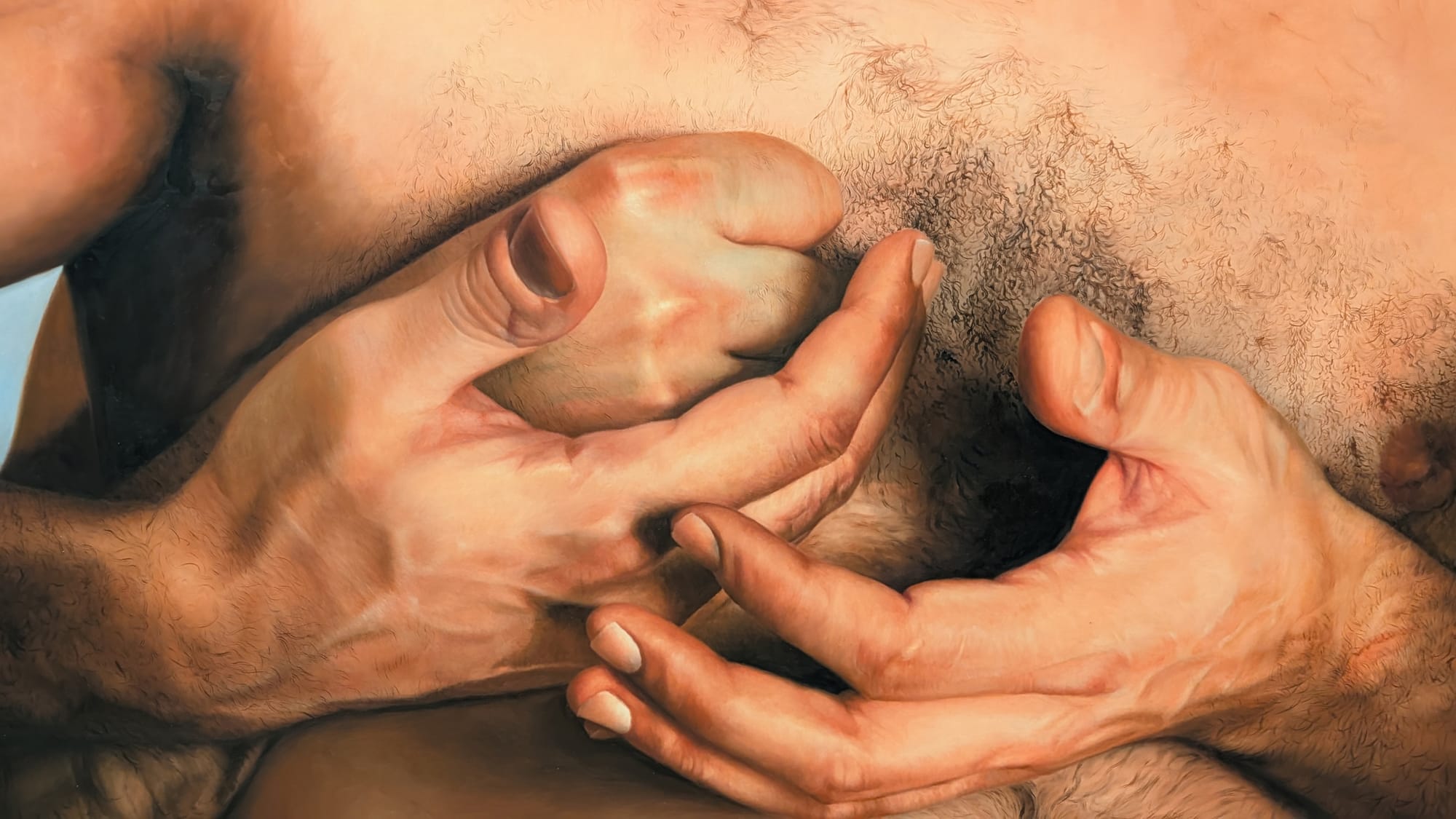
Comment | Catherine Opie shows us that in dark times, looking for joy can be radical

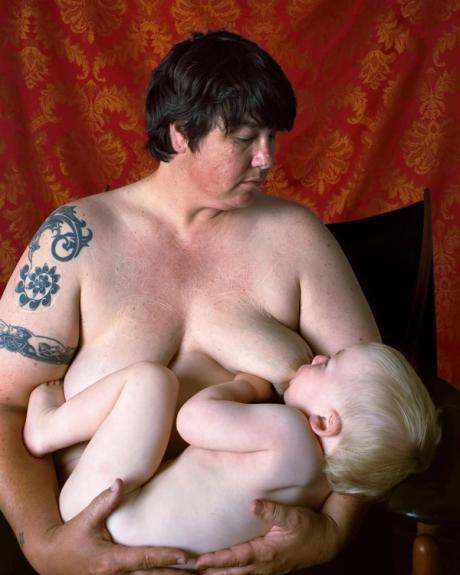
The artist Catherine Opie is currently the subject of a major three-decade portrait survey, 'To Be Seen', at the National Portrait Gallery in London. The exhibition highlights Opie’s career-long commitment to representing the LGBTQ+ community, specifically the leather dyke scene in Los Angeles, through a lens that balances defiance with playfulness. Even her most provocative works, such as the 1993 self-portrait featuring a domestic scene carved into her back, are revealed to contain elements of humor and historical allusion that counter the despair of the AIDS crisis and personal heartbreak.

Konrad Mägi review – these bland, blobby paintings are expressionism without expression

A new exhibition of early 20th-century Estonian painter Konrad Mägi at Dulwich Picture Gallery has received a scathing critical review. The reviewer finds Mägi's colorful, modernist-influenced landscapes and portraits to be bland, derivative, and devoid of the emotional depth or urgency found in the great modernists or the gallery's own Old Master collection.

The Big Review | Venice Biennale 2026: In Minor Keys ★★★½

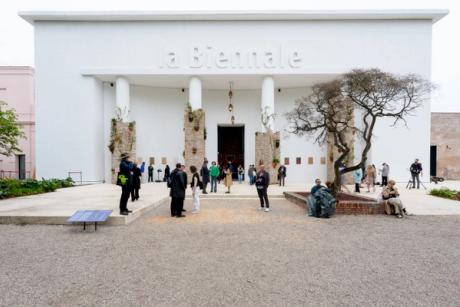
The Venice Biennale 2026, titled "In Minor Keys," was curated posthumously following the death of artistic director Koyo Kouoh in May 2025. A team of five curators and advisors—Gabe Beckhurst Feijoo, Marie Hélène Pereira, Rasha Salti, Siddhartha Mitter, and Rory Tsapayi—executed her vision across the Giardini and Arsenale venues. The exhibition features 110 artists, with a strong emphasis on new commissions, and is structured around themes of procession, resistance, and joy. Key works include Big Chief Demond Melancon's "Amistad Takeover" (2026), Nick Cave's "Amalgam (Origin)" (2025), and Otobong Nkanga's rewilded columns at the Central Pavilion.

The Big Review | Lacma's David Geffen Galleries ★★★★

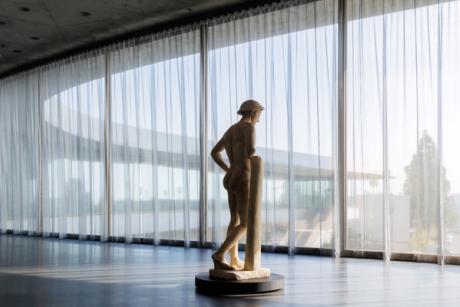
The Swiss architect Peter Zumthor's new $724 million building for the Los Angeles County Museum of Art (Lacma), now called the David Geffen Galleries, has opened after nearly two decades of anticipation. The swooping concrete-and-glass structure is praised for its harnessing of natural light and horizontality, creating a stunning showcase for antiquities and inviting the city inside with floor-to-ceiling windows offering views of the La Brea Tar Pits and Wilshire Boulevard. The building performs best with sculpture and decorative objects, with standout works including Liz Glynn's "The Futility of Conquest" (2023) and Manjunath Kamath's "Vikatonarva" (2024).

Matisse, 1941-1954 review – hit after glorious hit in a show of life-enhancing genius

A major exhibition at the Centre Pompidou and the Grand Palais focuses on the final, revolutionary period of Henri Matisse's career, from 1941 to 1954. The show charts his artistic reinvention following a life-threatening surgery, beginning with obsessive, reworked paintings from his Nice studio during the war and culminating in the radiant, large-scale cut-outs for which he is widely celebrated.

New biography of Chaïm Soutine pieces together illusive artist's life and works

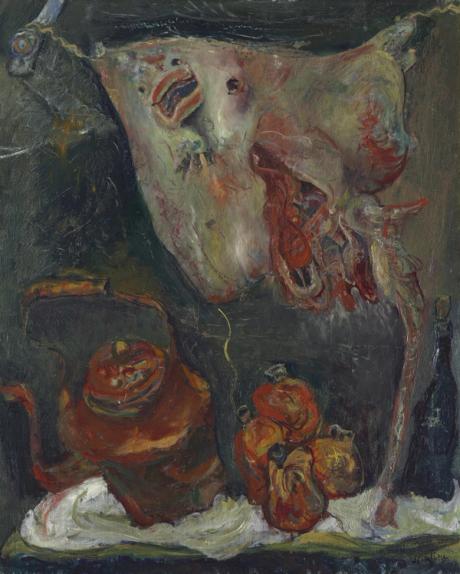
A new biography of Chaïm Soutine, the early 20th-century painter, has been published. The book, written by Celeste Marcus, attempts to piece together the life of the notoriously private and illusive artist, examining his journey from a Belarusian shtetl to the studios of Montparnasse, his complex relationships, and the myths that have grown around his work and persona.

The Big Review: Rothko in Florence ★★★★★

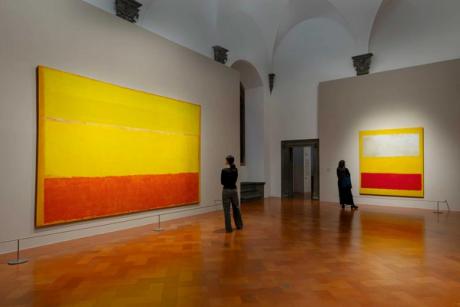
The Palazzo Strozzi in Florence has launched a major exhibition exploring the profound influence of the Italian Renaissance on Mark Rothko. Co-curated by the artist's son, Christopher Rothko, the show spans three historic locations: the Palazzo Strozzi, the Museo di San Marco, and the Biblioteca Medicea Laurenziana. By placing Rothko’s abstract canvases in direct dialogue with Fra Angelico’s frescoes and Michelangelo’s architecture, the exhibition highlights how the artist’s visits to Italy in the 1950s and 60s shaped his spatial thinking and spiritual intensity.

The Carnegie International Looks Back at Itself

The 58th Carnegie International at the Carnegie Museum of Art in Pittsburgh looks back at its own 130-year history, featuring a gallery dedicated to past iterations. The exhibition includes Chris Ofili's "The Adoration of Captain Shit and the Legend of the Black Stars" (1998), which was originally shown in the 53rd International in 1999, the same year Ofili's more notorious "The Holy Virgin Mary" sparked controversy at the Brooklyn Museum. The article reviews how the current iteration captures the excitement of earlier exhibitions while providing commentary on authoritarianism and militarism.

Roses and Thorns of Greater New York

The article is a digest of recent art news, with a primary focus on critical reviews of the 2026 "Greater New York" exhibition at MoMA PS1. Hyperallergic's editorial team provides mixed assessments of the works in the massive quinquennial survey of local artists. The piece also covers American-French sculptor Barbara Chase-Riboud's decision to decline an invitation to represent the United States at the 61st Venice Biennale, citing the problematic nature of the pavilion's commissioning entity.

Pleasure, parody and propaganda: rethinking the art of illustration in a new history of the genre

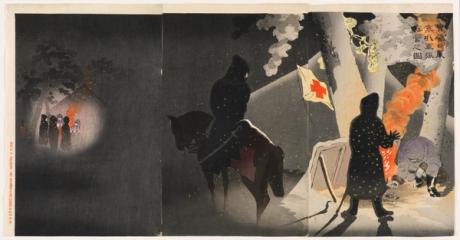
D.B. Dowd's new book "Reading Pictures" offers a sweeping 400-page history of illustration, tracing the genre from the Diamond Sutra frontispiece in Tang China (AD868) to Molly Crabapple's Gaza reports in 2015. The book examines key works such as Jules Chéret's 1891 poster for the Alcazar d'Été Club, Stuart Davis's caustic covers for The Masses, and Duong Ngoc Canh's Vietnamese propaganda poster, arguing that illustrations are meant to be "read" rather than admired like museum paintings.

Turner vs Constable: is it time for art historians to choose?

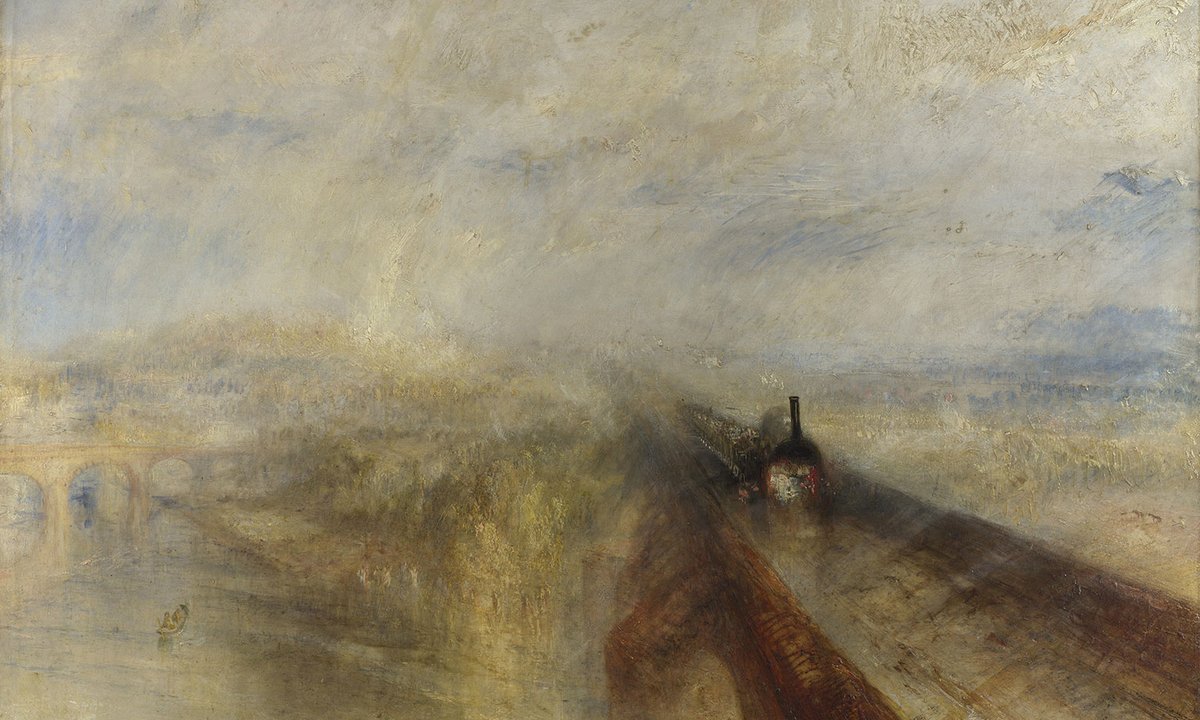
Art historian and author James Hall, writing in The Art Newspaper, reviews Nicola Moorby's new book "Turner and Constable: Art, Life, Landscape" and uses it as a springboard to argue that art historians should not shy away from making value judgments about artists. He compares the legacies of J.M.W. Turner and John Constable, noting that Turner currently dominates popular and institutional esteem—appearing on banknotes, celebrated by Tate Britain as the greatest British artist, and fitting modern conceptions of the artist as a rebellious, eccentric genius. Hall contrasts this with Constable's more conservative image and declining presence in commercial culture.

Adrian Ghenie: Roman Campagna | Exhibition review

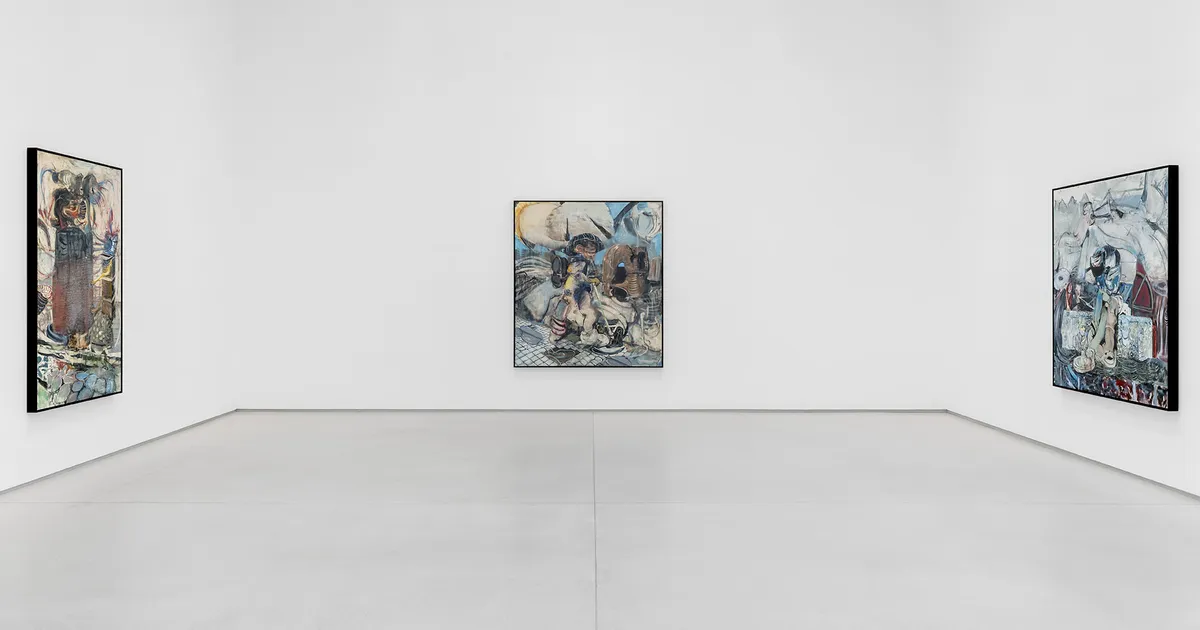
Adrian Ghenie's exhibition "Roman Campagna" at a Paris gallery presents a series of paintings and charcoal drawings that subvert the romantic cliché of an artist's transformative encounter with Rome. Ghenie populates landscapes inspired by the Appian Way with grotesque, alien-headed figures hunched over smartphones, urinating on monuments, or weeping at sunsets, using brown and grey tones punctuated by bright colors. The works reference Francis Bacon and William S. Burroughs, and include direct allusions to Bacon's reinterpretation of van Gogh's self-portrait, as well as a copy of a Pompeii mosaic. The show also features large charcoal drawings on paper that reveal Ghenie's process of constructing his contemporary, alienated figures.

New film about forgers is ‘Miami Vice’ for the art-world crowd

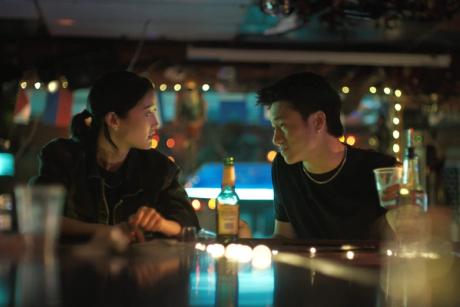
The article reviews 'Forge', a new crime thriller directed by Jing Ai Ng, which follows Chinese American siblings Coco and Raymond Zhang who forge early 20th-century landscape paintings and sell them as authentic works in South Florida. The film features FBI agent Emily (Kelly Marie Tran) investigating the scheme, while the forgers navigate a world of wealthy collectors, a hurricane-destroyed art collection, and a family legacy of deception. The movie is described as 'Miami Vice' for the art-world crowd, with a dusky palette and pulsing soundtrack set against the backdrop of Art Basel Miami Beach's booming art market.