filter_list Showing 10 results for "Claude" close Clear
search
dashboard All 528 museum exhibitions 205trending_up market 163article culture 53article news 52person people 13rate_review review 10gavel restitution 10article local 9article policy 8candle obituary 5
date_range Range Today This Week This Month All
Subscribe

the worst art we saw in 2025

Artnet News editors and writers compiled a list of the worst art of 2025, calling out works they found lazy, cynical, overhyped, or ethically dubious. Highlights include Flora Yukhnovich's site-specific painting installation at the Frick Collection, which critics deemed middling and out of place among the museum's historic masterpieces; Jeff Koons's eight-foot-tall Hulk (Tubas) sculpture, sold for $3 million at Frieze New York and described as an obnoxious trophy piece; and actor Adrien Brody's interactive gum wall installation, which invited visitors to stick chewed gum onto a canvas.
independent picks

The article reviews the Independent art fair, highlighting its curated approach that results in a visually cohesive and easeful experience compared to other fairs. It notes the prevalence of neo-bucolic landscapes and animal paintings by artists like Sameen Agha, Tim Braden, and Lisa Sanditz, as well as delicate abstractions and small ceramic works. Standout pieces include Pope.L's provocative paint-scribbled underwear at Mitchell-Innes and Nash, Rosa Barba's kinetic painting at Vistamare, Ibrahim El-Salahi's silkscreen painting at Vigo Gallery, and works by emerging artists such as Constanza Camila Kramer Garfias and Ada Friedman at Kendra Jayne Patrick Gallery.

Fantastic visions and cosmic rhythms: how Whistler is making me see – and hear – differently

The article explores how the James McNeill Whistler exhibition at Tate in London prompts a reconsideration of the relationship between music and visual art. Whistler titled his works using musical terms like "Arrangement," "Symphony," and "Nocturne," arguing that painting should be abstract and independent of narrative, much like instrumental music. The exhibition, reviewed by Jonathan Jones, highlights Whistler's radical art-for-art's-sake philosophy, which influenced composer Claude Debussy, whose orchestral Nocturnes were directly inspired by Whistler's paintings of light and atmosphere.

An Unlikely Friendship Between Artist and Forger

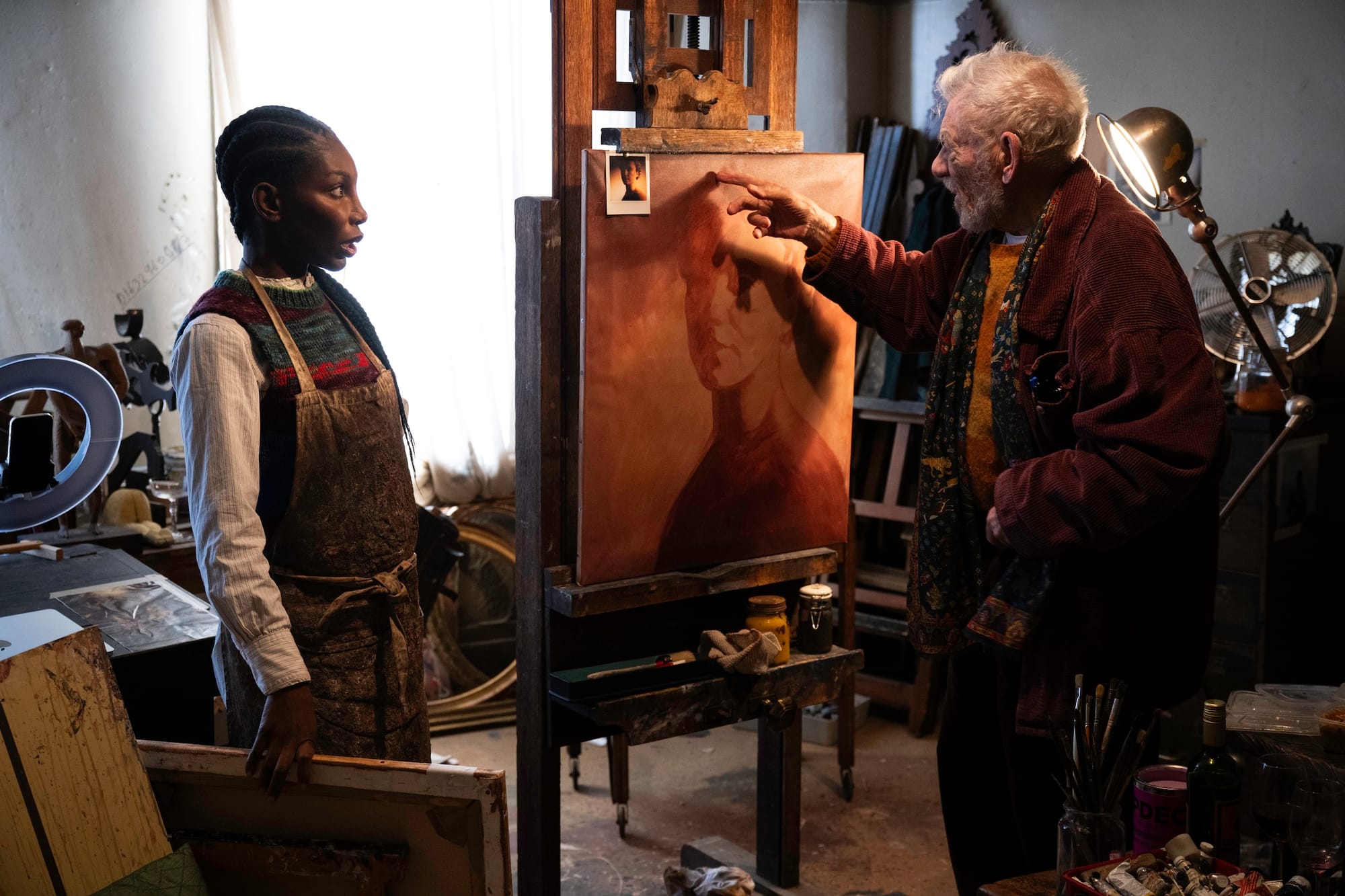
The article reviews Steven Soderbergh's 2026 film "The Christophers," which follows an unlikely friendship between two painters in London: Julian Sklar (Ian McKellen), an older artist facing cancellation, and Lori Butler (Michaela Coel), a young painter who restores and forges artworks. The film explores themes of attention, artistic legacy, and the purpose of art, contrasting with darker narratives like "Tár" by offering a comedic yet profound take on these issues.

Jule Korneffel Finds Meaning at the End of Light

Artist Jule Korneffel's solo exhibition 'In Search of Lost Light' is on view at Spencer Brownstone Gallery through May 2. The show features seven paintings from 2023 to the present, including a site-specific wall work, that explore themes of fading light, memory, and melancholia through a nuanced palette of grays and blues.

Colours of Time review – Monet meets Mamma Mia in charming French artist comedy

Director Cédric Klapisch’s new film, *Colours of Time* (originally *La Venue de L’Avenir*), is a sentimental French comedy that weaves a fictional romantic history around Impressionist master Claude Monet and pioneering photographer Félix Nadar. The plot follows a group of modern-day descendants who discover a trove of historical secrets in a derelict cottage, leading to a whimsical, time-bending exploration of their ancestors' lives in Belle Époque Paris.

A Mirrored Monet review – painter reflects on his past in a musical with heart and humour

A new musical titled 'A Mirrored Monet' explores the life of Impressionist painter Claude Monet, focusing on his later years as he reflects on his youth, his artistic struggles, and the personal sacrifices he made, particularly regarding his first wife Camille. The production uses innovative set design to immerse the audience in the Impressionist style and features a strong cast portraying Monet and his contemporaries.

Comment | Monet might have seen Venice, but his paintings suggest he didn’t feel it

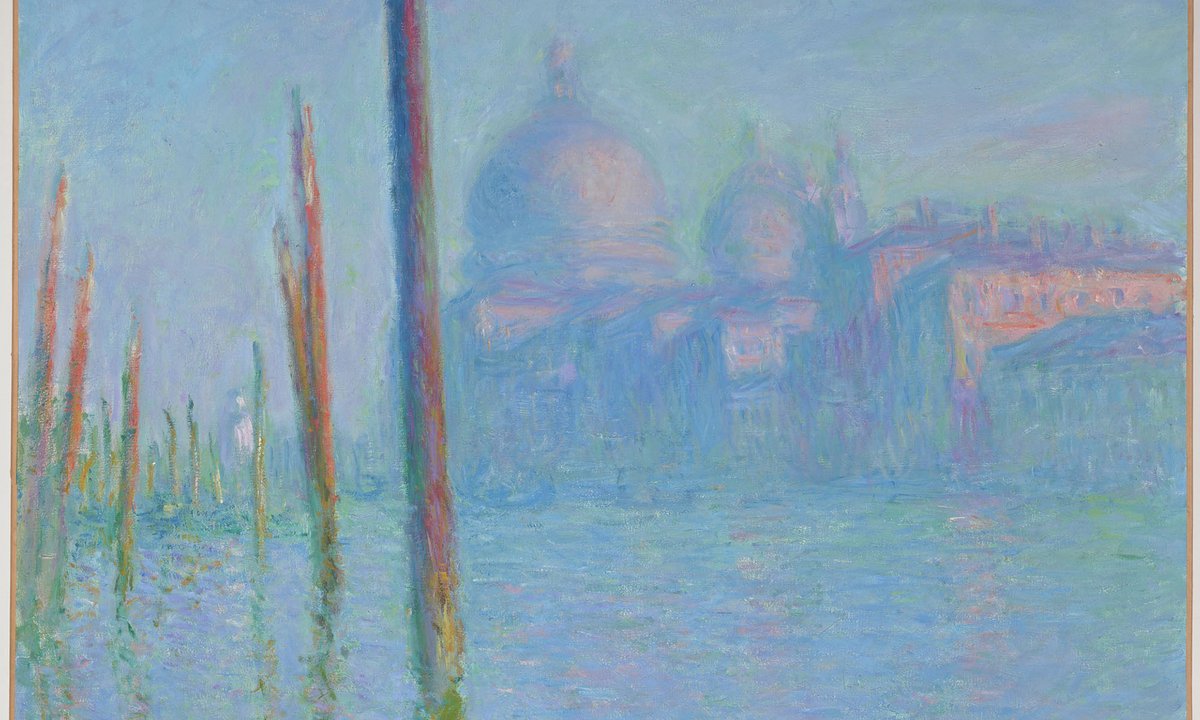
The article compares J.M.W. Turner's and Claude Monet's depictions of Venice, arguing that Turner's watercolors capture the city's innate melancholy and atmosphere, while Monet's paintings feel unfulfilling and lack emotional depth. The author reflects on Turner's sublime Venice watercolours, particularly 'San Giorgio Maggiore, Venice, at Sunset' (1840), and contrasts them with Monet's works, which are the subject of a major upcoming show at the Brooklyn Museum. The piece also touches on Francesco Guardi's visceral views versus Canaletto's more pleasing but superficial ones, and Howard Hodgkin's later, elegiac response to the city.

Comment | Turner gets all the kudos, but it was Constable who was the truly radical painter

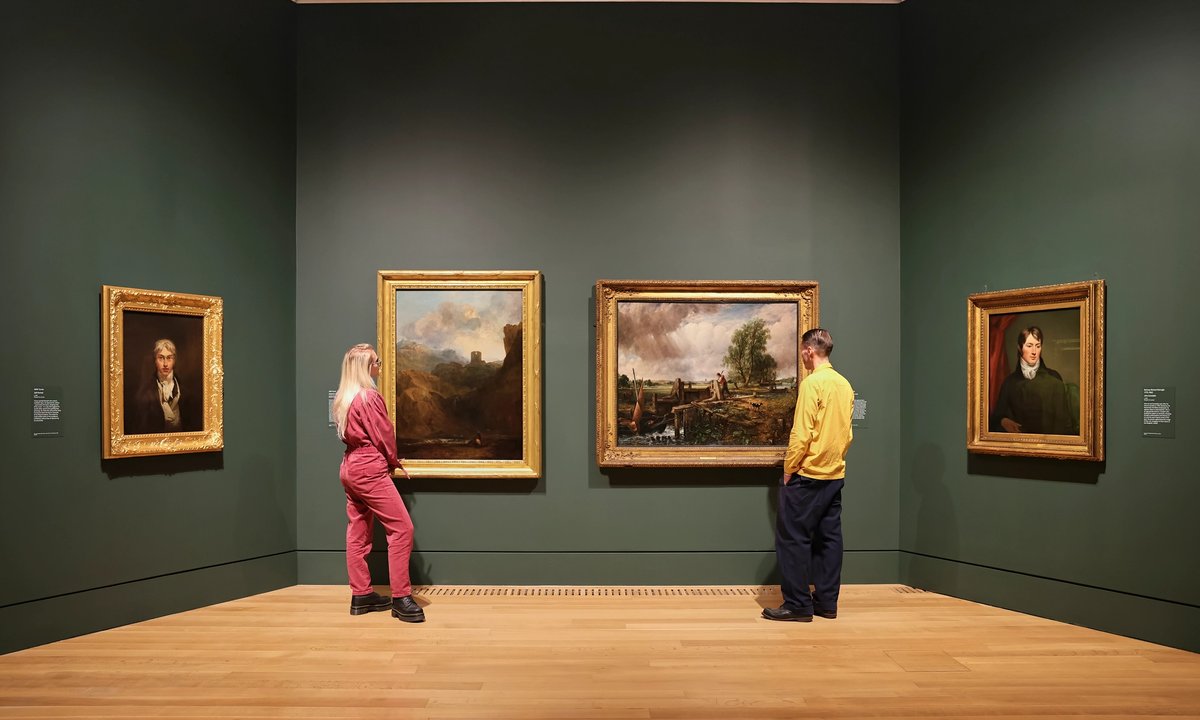
A commentary argues that John Constable, not J.M.W. Turner, was the truly radical painter, despite Turner receiving far greater public recognition through a museum, a prize, and a place on the £20 note. The article highlights a new exhibition, "Turner and Constable," opening at Tate Britain (until 12 April 2026), which recreates their 1831 Royal Academy display and contrasts Constable's English pastoral scenes with Turner's dramatic, un-British visions. It contends that Constable's full-size oil sketches, such as those at the Victoria and Albert Museum, had a deeper and more lasting effect on modern painting than Turner's work.

Bay Area Then

Yerba Buena Center for the Arts in San Francisco presents 'Bay Area Then,' an exhibition running from August 1, 2025, to January 25, 2026, that surveys the Northern California art scene between 1990 and 2005. Guest curated by Eungie Joo, the show features works by nineteen artists or collaborations, including Manuel Ocampo, Margaret Kilgallen, Bill Daniel, Ruby Neri, and Carolyn Castaño, mixing historical pieces with recent productions by artists who emerged during that era.