filter_list Showing 16 results for "Disco" close Clear
search
dashboard All 474 museum exhibitions 282article culture 45article local 43article news 38trending_up market 26rate_review review 16gavel restitution 8candle obituary 7article policy 6person people 3
date_range Range Today This Week This Month All
Subscribe

V&A Rising Voices review – can decades of stunning global art really be squished into three rooms?

The V&A Museum in London has mounted an exhibition titled "Rising Voices" that attempts to summarize three decades of the Asia Pacific Triennial, a vast survey of contemporary art from Asia, Australia, and the Pacific organized by Queensland Art Gallery. The show crams works from multiple continents, island nations, and Indigenous cultures into just three rooms, featuring bark cloth paintings from Papua New Guinea, Indigenous Australian abstracts, shark sculptures from the Torres Strait, and Tahitian textiles. Many works address colonialism, political oppression, and tyranny, with artists like Elisabet Kauage, Pala Pothupitiye, and Svay Ken using art as resistance. The exhibition includes pieces by Maryam Ayeen, Abbas Shahsavar, Lila Warrimou, Pennyrose Sosa, Aline Amaru, Brenda V Fajardo, and Heri Dono.
25th Biennale of Sydney Review: From the Margins

The 25th Biennale of Sydney, titled "Rememory" and curated by Hoor Al Qasimi, features 143 works by 83 artists and collectives from 37 countries across five venues. The exhibition explores marginalized, fragmented, and repressed histories, drawing on Toni Morrison's concept of 'rememory' as a space between remembering and forgetting. Key works include Tuan Andrew Nguyen's film on Vietnam War trauma, Basel Abbas and Ruanne Abou-Rahme's immersive installation on Palestinian displacement, Khalid Albaih's photographs of Sudan, and Massinissa Selmani's drawings on Algerian socialist building projects.

The Making of a Maintenance Artist

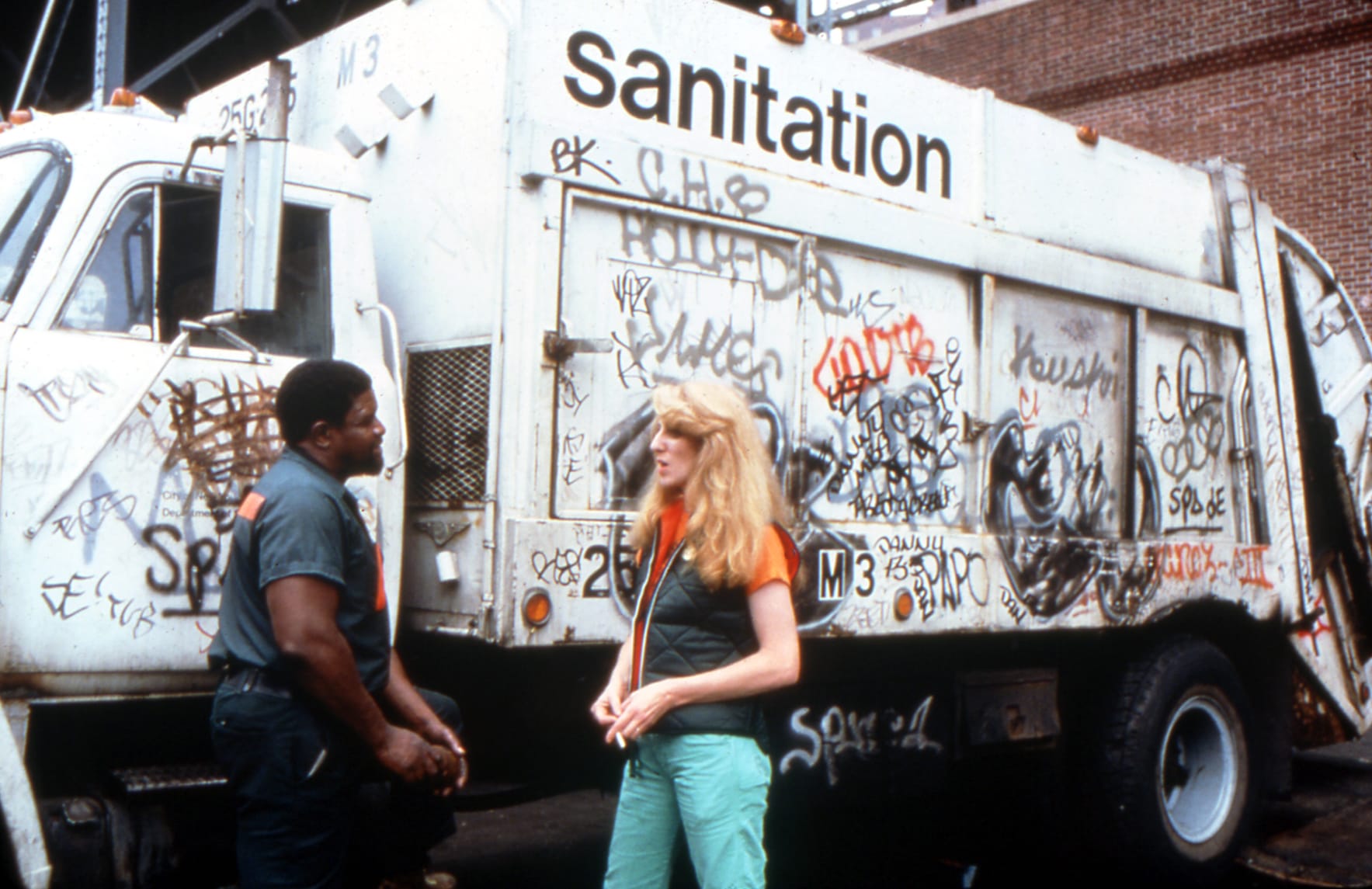
A new documentary titled "Maintenance Artist" (2025) traces the decades-long practice of Mierle Laderman Ukeles, a pioneering artist who focused on marginal, unpaid, and feminine labor. The film covers her career from her 1969 "CARE" manifesto, through her role as artist-in-residence at the New York City Department of Sanitation, to her first retrospective at the Queens Museum in 2017. It highlights her critique of art-world gender biases and her efforts to recognize discounted labor in all fields.

Alma Allen’s US Pavilion Is One of the Emptiest Shows at the Venice Biennale

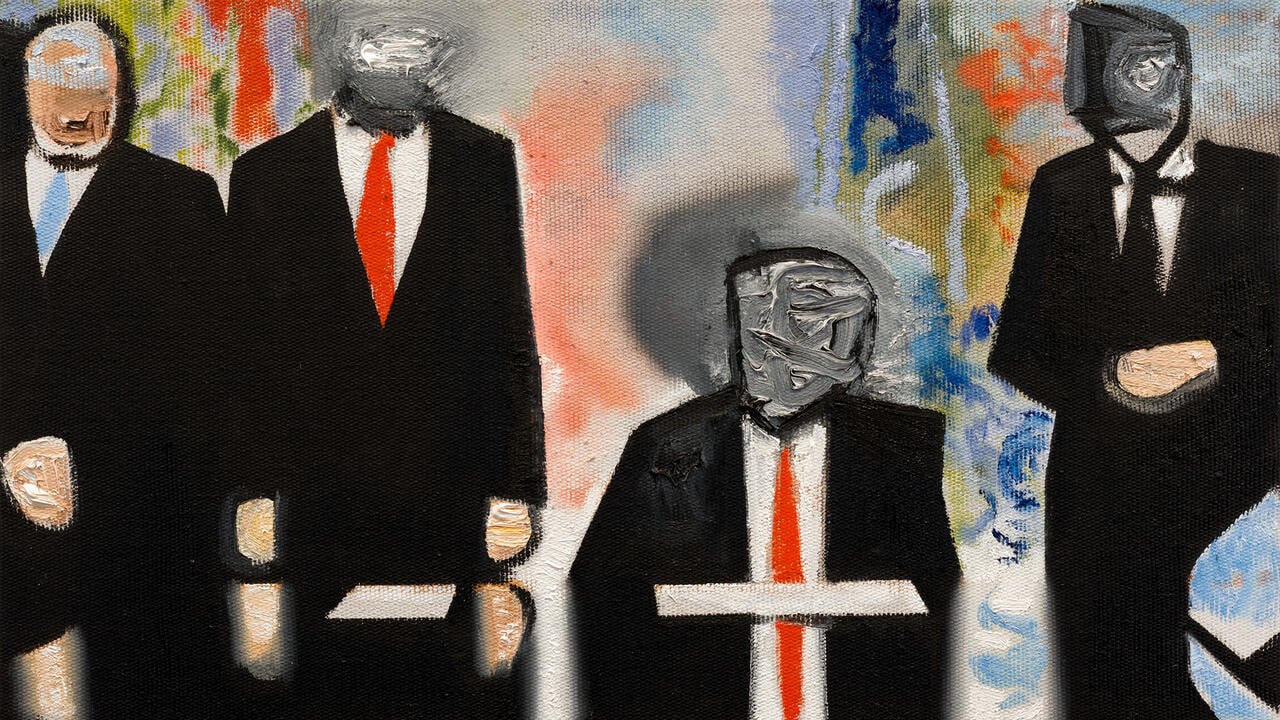
Alma Allen represents the United States at the 2026 Venice Biennale with a subdued, apolitical exhibition inside the US Pavilion. The show features roughly 25 sculptures—mostly in bronze, wood, and stone—many titled "Not Yet Titled," and deliberately avoids overt political messaging. This marks a stark departure from the previous two US pavilions, curated by Simone Leigh (2022) and Jeffrey Gibson (2024), which directly confronted colonialism and empire. The Trump administration’s call for proposals explicitly asked for work that "reflects and promotes American values," and Allen’s presentation has been criticized as safe, unremarkable, and lacking the incisive edge of contemporary American art.

Salon review – like getting to know fascinating guests at a fabulous party

The article reviews a salon-style exhibition curated by Matthew Higgs, director of New York's White Columns gallery, at an unnamed gallery space. The show features 43 paintings by a diverse group of artists including Denzil Forrester, Andrew Cranston, Kaye Donachie, Merlin James, Margot Bergman, Gillian Carnegie, Bill Lynch, and Adam Keay, arranged around mismatched chairs facing white windows painted on the walls. The reviewer describes moving through the space, engaging with individual works, and highlights the eclectic, unthemed curation that prioritizes personal taste and conversation over academic or political messaging.

The Revolutionary Tapestry of Nigerian Modernism

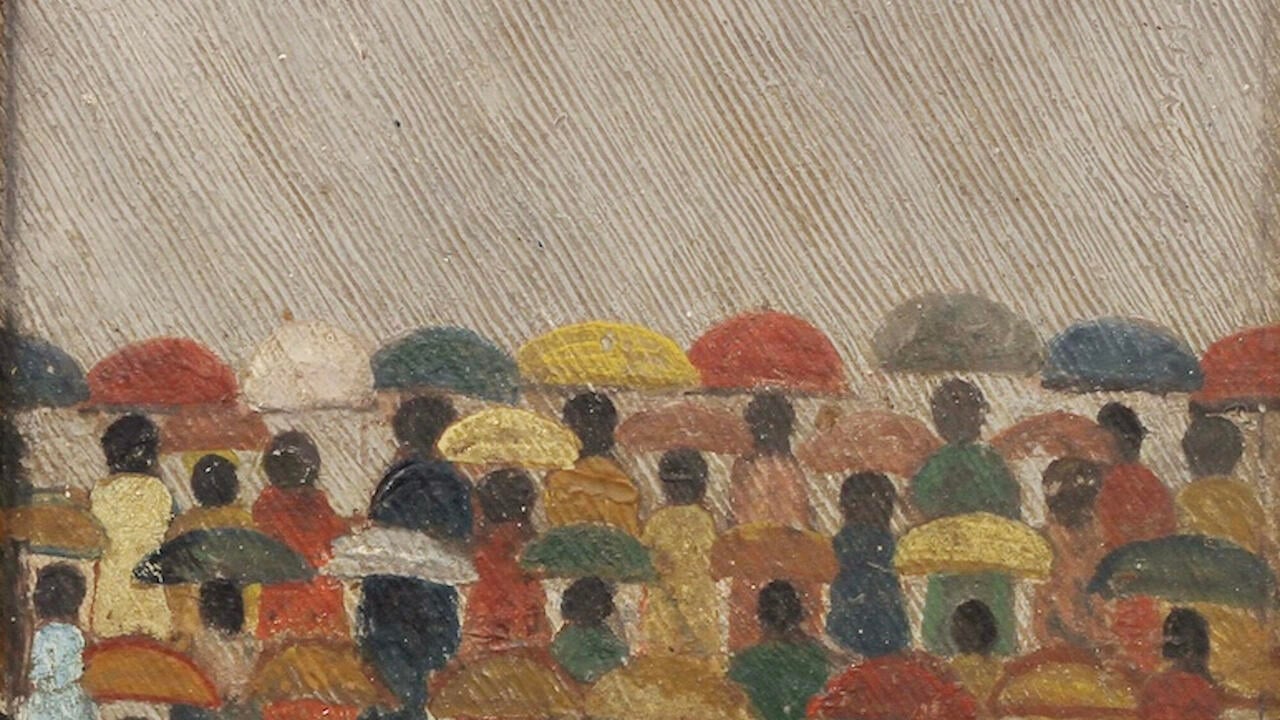
The exhibition "Nigerian Modernism" at Tate Modern in London is the first show of its kind in the UK, surveying how Nigerian artists forged a postcolonial identity across the 20th century. It features works by pioneers such as Aina Onabolu, Benedict Enwonwu, and members of the radical Zaria Art Society, including Uche Okeke, Jimo Akolo, and Clara Etso Ugbodaga-Ngu, highlighting their break from British artistic traditions and embrace of local visual heritage.

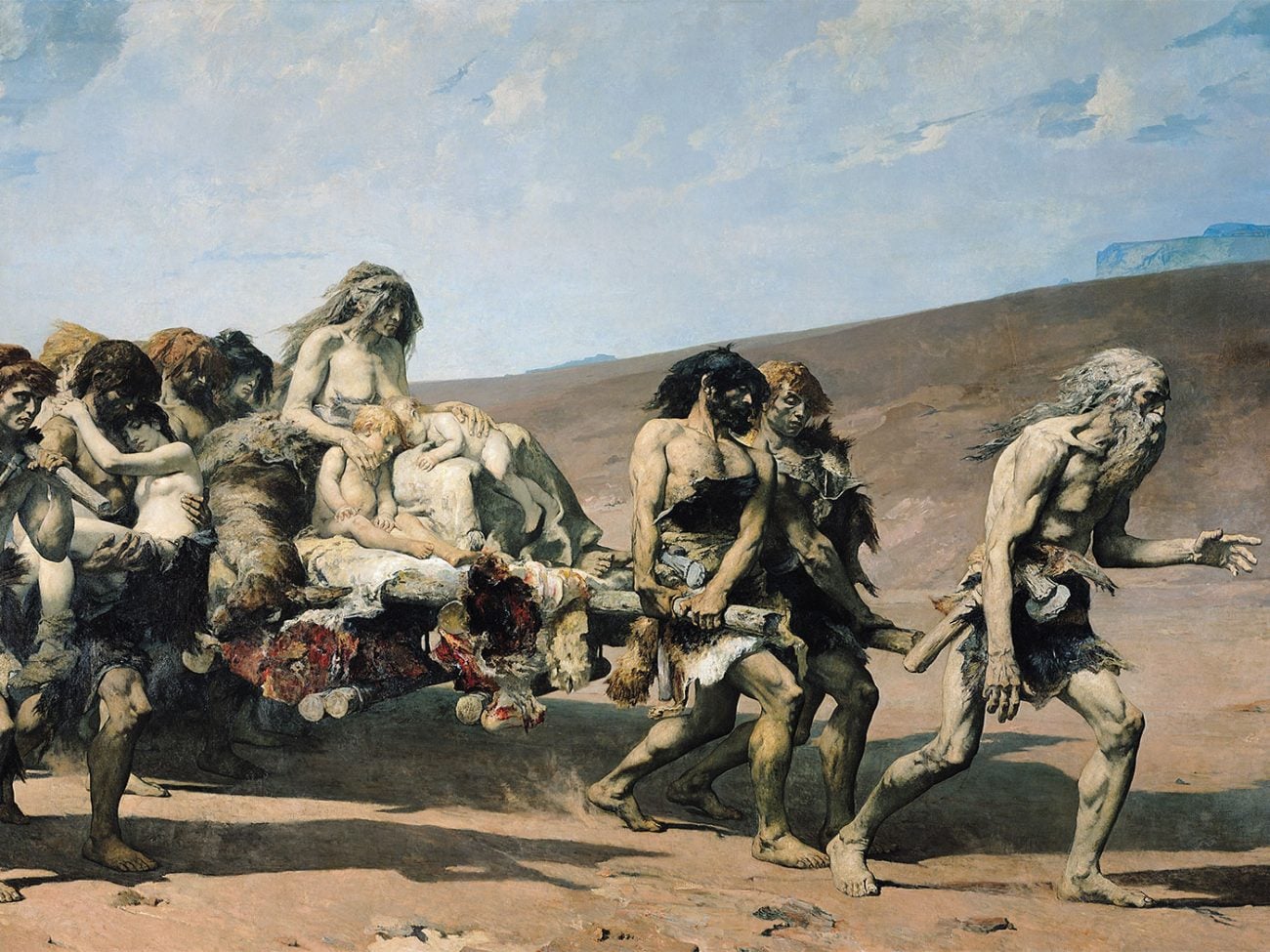
« Caïn » de Fernand Cormon : aux origines de la conscience humaine ?

Beaux Arts Magazine analyzes Fernand Cormon's monumental 1880 painting "Caïn," currently held at the Musée d'Orsay. The article describes the scene: a prehistoric, weary clan trudges through a desert, led by a haggard patriarch, with a tired mother on a litter and hunters carrying game. Cormon's work is presented as the antithesis of classical triumph, evoking a melancholic, post-traumatic atmosphere. The painting is linked to the biblical story of Cain, who killed his brother Abel and was condemned to exile, and is accompanied by verses from Victor Hugo's poem "Conscience."

Lubaina Himid’s British pavilion at the Venice Biennale review – alienation in a green and pleasant land

Lubaina Himid's installation at the British pavilion of the Venice Biennale presents monumental paintings and a wall of painted oars depicting tailors, cooks, architects, gardeners, and sailors—figures who shape Britain. The work is accompanied by an audio piece of bucolic country sounds, but the black figures in the paintings exchange sideways glances of discomfort, questioning whether they truly belong. The exhibition is anchored by 26 philosophical questions on the wall, such as "Can flies settle here?" and "Can poison taste delicious?"

Wilhelm Sasnal and the Intimacy of History

The article reviews national pavilions at a major international art exhibition, focusing on the US, British, and German presentations. Andrew Durbin critiques the US pavilion as vacuous and lacking meaning, while praising the British and German installations as incisive and moving. The review highlights a contrast between superficial spectacle and deeply engaging, historically resonant works.

Losing Frida Kahlo in "The Making of an Icon"

The article critiques the Museum of Fine Arts, Houston's (MFAH) exhibition "Frida: The Making of an Icon," arguing that it perpetuates a fetishized, commercialized view of Frida Kahlo by focusing on her biography—her marriage to Diego Rivera, her affairs, her accident—rather than her artistic skill. The author contrasts this with a visit to the Museo de Arte Moderno (MAM) in Mexico City, where the exhibition "Relatos modernos. Obras emblemáticas de la Colección Gelman Santander" presents Kahlo's work alongside other Mexican masters in a quiet, understated manner that allows viewers to appreciate her technical abilities without overwhelming narrative.

Alison Roman’s Top Picks from the Frieze Viewing Room

Andrew Durbin reviews the national pavilions at the Venice Biennale, contrasting a vacuous US presentation with incisive and moving installations from Britain and Germany. The review highlights the thematic and emotional depth of the British and German pavilions while critiquing the lack of meaning in the US entry.

What’s Showing in Chelsea During Frieze Week New York

This article is a critic's guide reviewing national pavilions during Frieze Week New York. Andrew Durbin contrasts a vacuous US presentation with incisive and moving installations from Britain and Germany, questioning the meaning and depth of the American contribution.

Body as Device. Guide and Reflection on the Performances of the Venice Biennale

Corpo come dispositivo. Guida e riflessione sulle performance della Biennale di Venezia

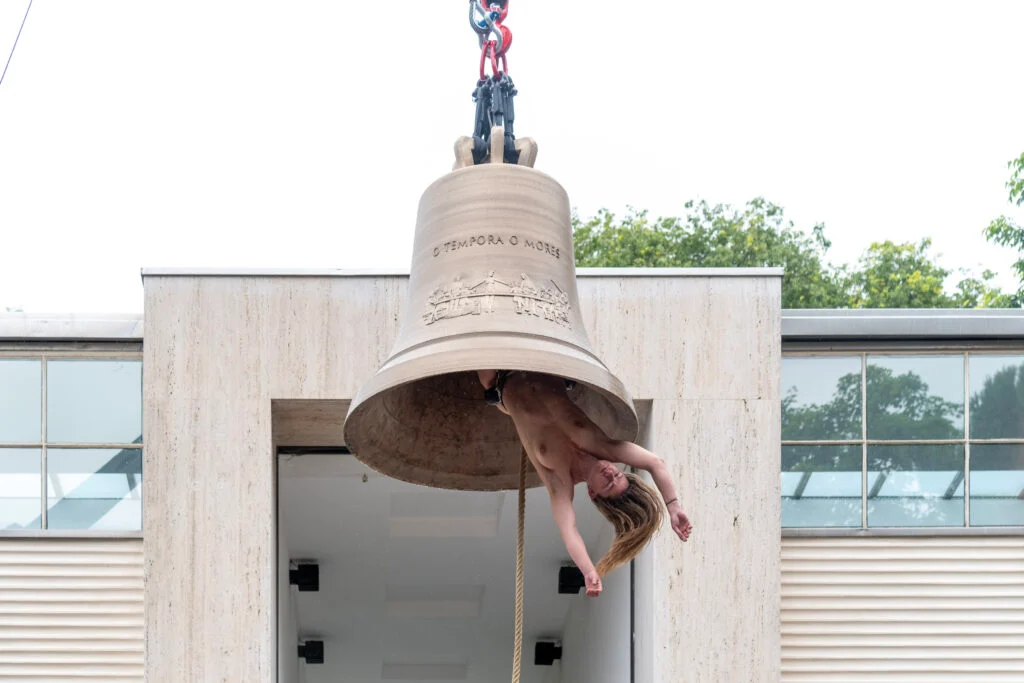
The article analyzes the role of performance art at the 2026 Venice Biennale, arguing that performance is no longer a rediscovered genre but a structurally institutionalized primary form of experience production. It examines how the body reemerges not as an alternative to image-based works but as an internal interruption of the artwork system, preventing closure and reintroducing instability. Key pavilions are discussed: Austria's Florentina Holzinger with "Sancta" draws on 1970s radical performance and feminist body art, creating an immersive environment of continuous movement; Belgium's Miet Warlop with "IT NEVER SSST" engages post-dramatic theater and postmodern dance repetition; Japan's Ei Arakawa-Nash with "Grass Babies, Moon Babies" activates Gutai avant-garde legacies through viewer interaction with soft dolls.

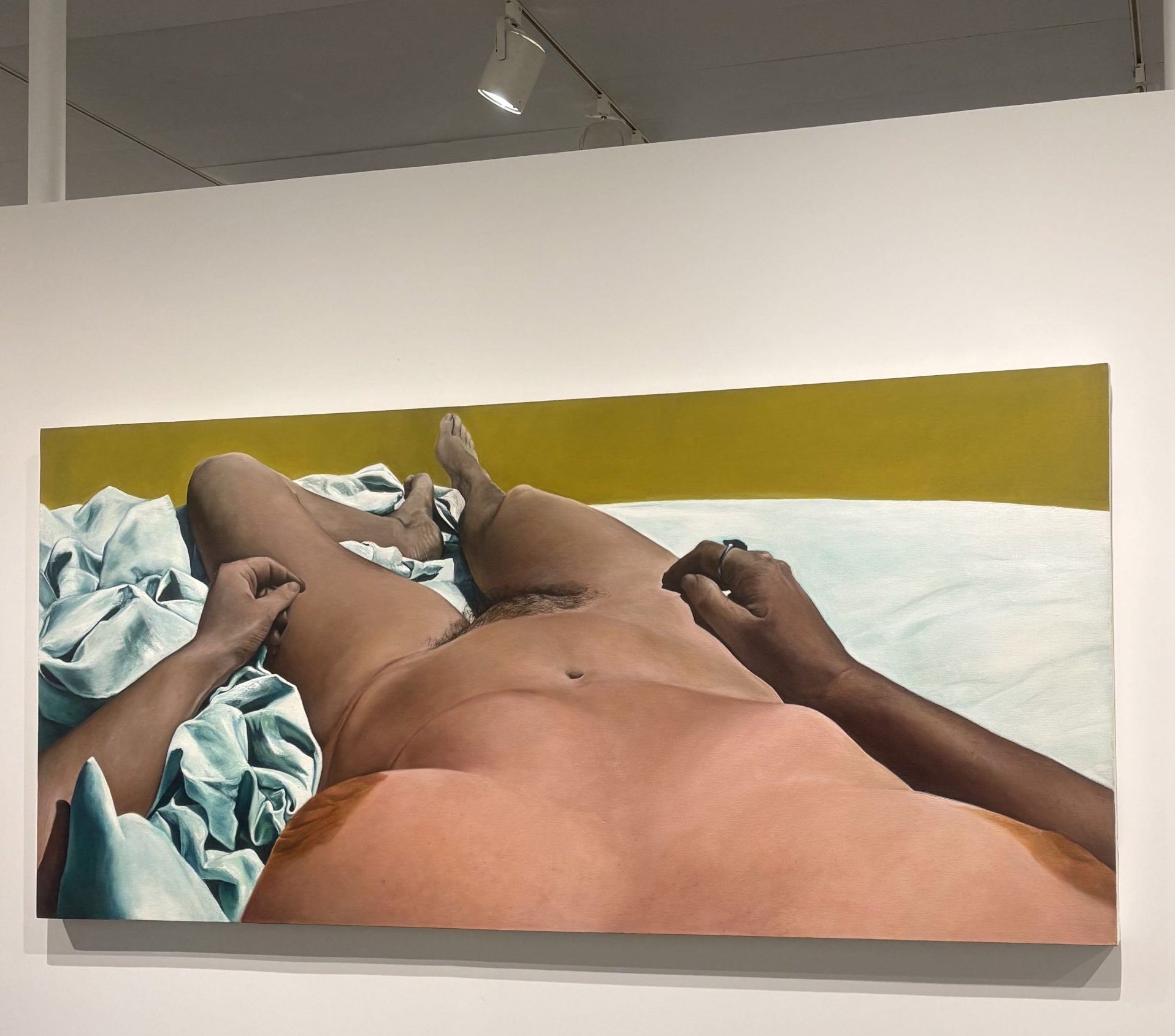
Joan Semmel Roars at The Jewish Museum

The article reviews Joan Semmel: In the Flesh, a retrospective exhibition at The Jewish Museum in New York (December 2025 – May 2026). The author describes an initial discomfort with Semmel's graphic nude paintings of aging female bodies, but after researching the artist's significance in feminist art, comes to appreciate her unapologetic honesty. The show is arranged chronologically, tracing Semmel's evolution from works like Erotic Yellow (1973) to later paintings that grow in confidence and freedom, all while maintaining a focus on female embodiment and pleasure from a female perspective.

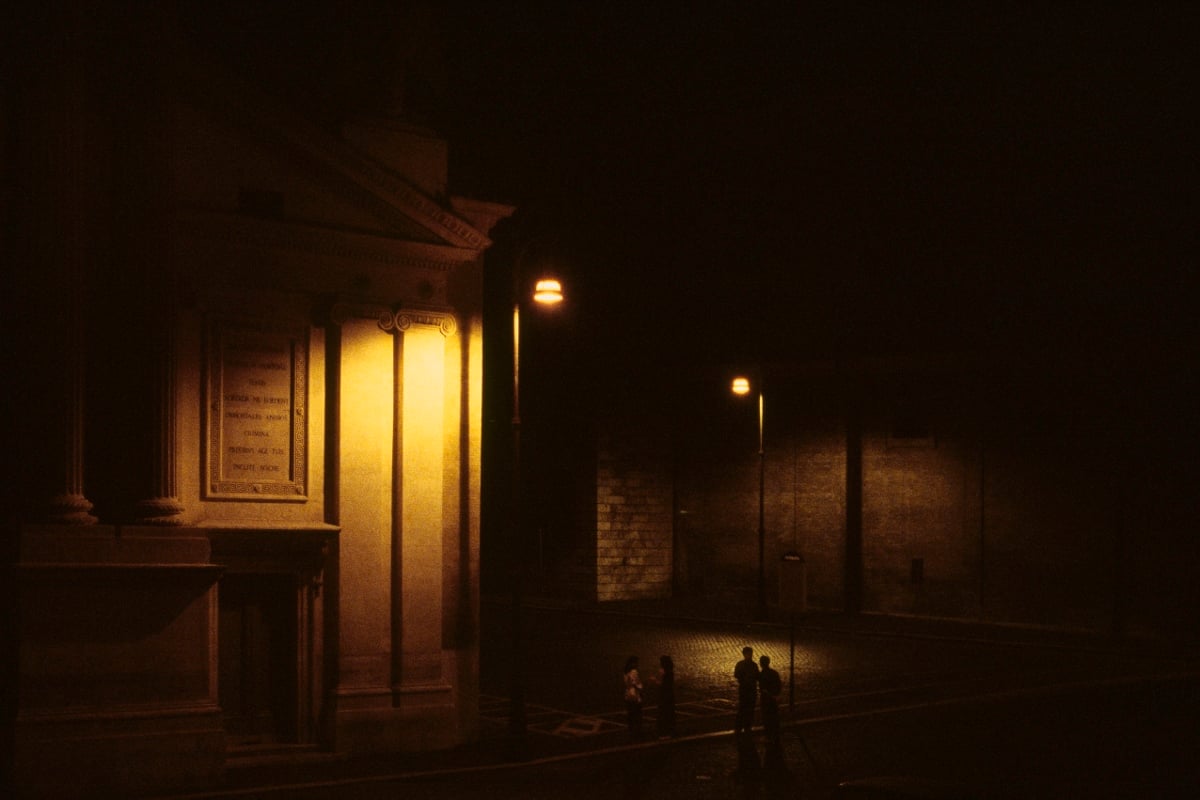
Rome and its visions in contemporary photography: from Carbone to De Angelis, to Hervé Gloaguen

Roma e le sue visioni nella fotografia contemporanea: da Carbone a De Angelis, fino a Hervé Gloaguen

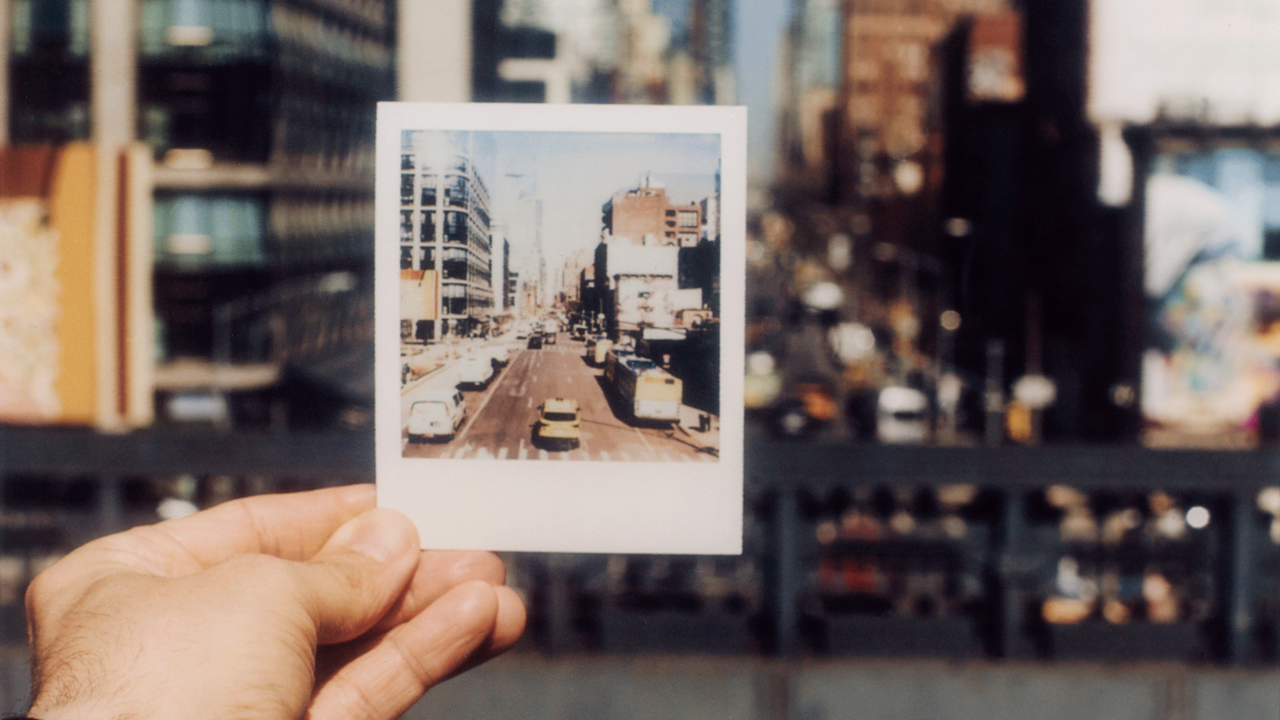
The article critiques a recent trend in contemporary photography of Rome, exemplified by a 2020 exhibition at the Mattatoio (Nuove produzioni 2020 per la collezione Roma) that presented black-and-white images reducing the urban landscape to a dark, lifeless mass. The author contrasts this with a personal photograph of a horse taken during the Covid-19 pandemic, which captures Rome's periphery with warmth and specificity, and praises the 2024 exhibition "Roma 1975, città, volti e storie dell'anno giubilare" featuring photojournalist Fabio De Angelis's rediscovered work as a vital counterpoint.

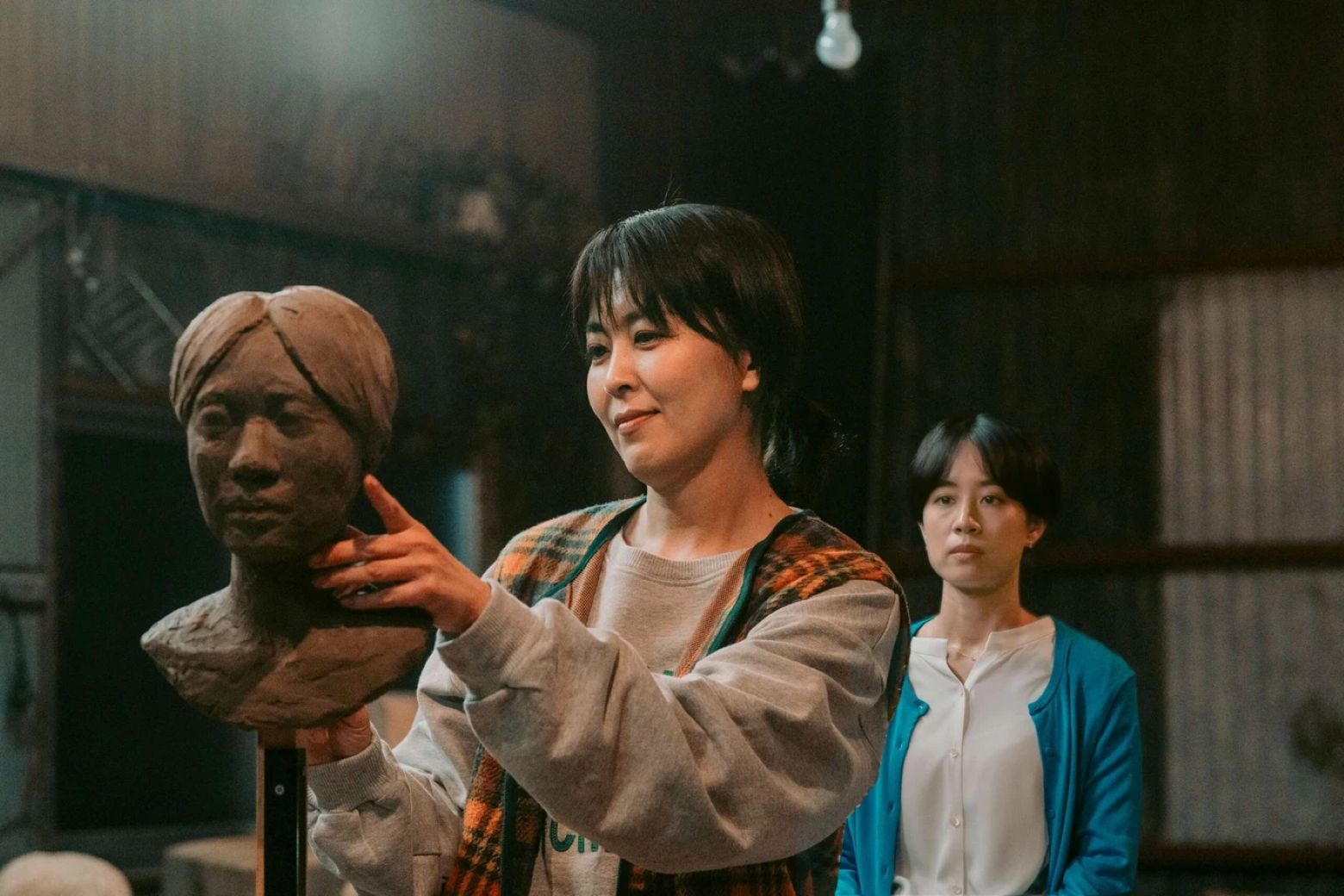
Ghosts in a Postcard Idyll

Geister im Postkartenidyll

Kôji Fukada's film "Nagi Notes" premieres in competition at the Cannes Film Festival, following Yoriko (Takako Matsu), a sculptor and farmer living a quiet, self-sufficient life in the rural Japanese town of Nagi. Her routine is disrupted when her old friend Yuri (Shizuka Ishibashi), an architect, arrives to model for a sculpture, stirring buried emotions and past conflicts. The film explores the slow, delicate process of creating art and the psychological tensions between the two women, set against the backdrop of Nagi's idyllic but symbolically flat landscape.