filter_list Showing 5 results for "Drama" close Clear
search
dashboard All 65 museum exhibitions 29article culture 11trending_up market 7article news 6rate_review review 5article policy 3article local 2person people 2
date_range Range Today This Week This Month All
Subscribe

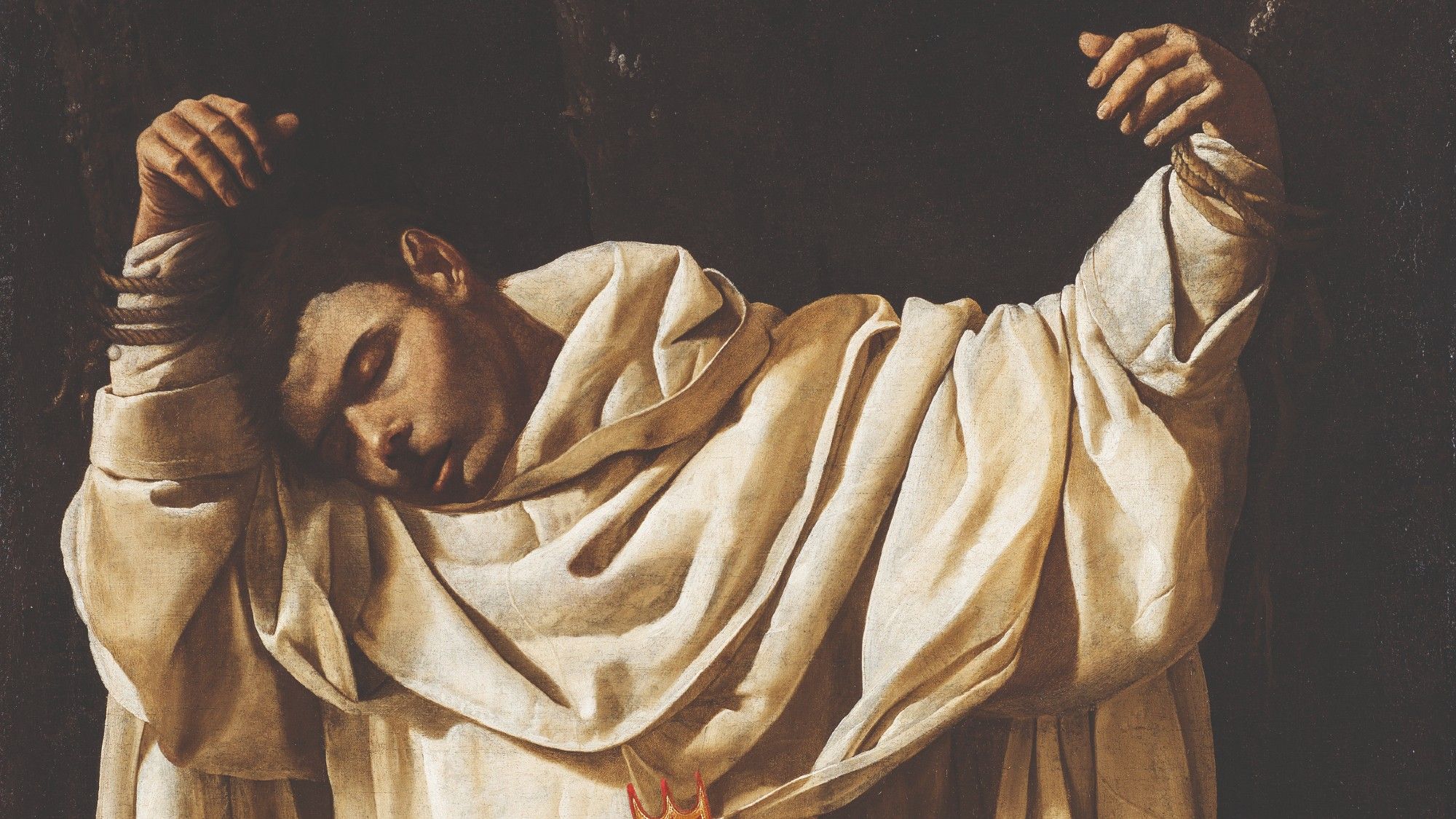
Zurbarán: a ‘magnificently choreographed’ showing of the Spanish ‘genius’

The article reviews the first-ever British exhibition dedicated to Spanish Baroque painter Francisco de Zurbarán, held at the National Gallery in London. The show brings together 40 works from collections spanning Seville to San Diego, featuring his hyper-real religious paintings and radiant still lifes, described as a 'magnificently choreographed' trawl through his oeuvre. Critics praise the exhibition for its dramatic lighting and revelatory presentation, though some note uneven quality in his later works.
Did Zurbarán Believe What He Painted?

An exhibition of Francisco de Zurbarán's 17th-century religious paintings at London's National Gallery prompts a critic to question whether the artist's personal faith influenced his artistic skill. The show features monumental works from Spanish churches and monasteries, displayed dramatically against black walls, including crucifixion scenes, monks, and saints. The critic notes that no personal records of Zurbarán survive—only contracts—leaving his beliefs unknown, and compares him to Agnolo Bronzino, who painted pious scenes but wrote obscene verses. A small painting of a crucified Christ with a painter, possibly a self-portrait of Bronzino, is presented as ambiguous evidence of faith.

Body as Device. Guide and Reflection on the Performances of the Venice Biennale

Corpo come dispositivo. Guida e riflessione sulle performance della Biennale di Venezia

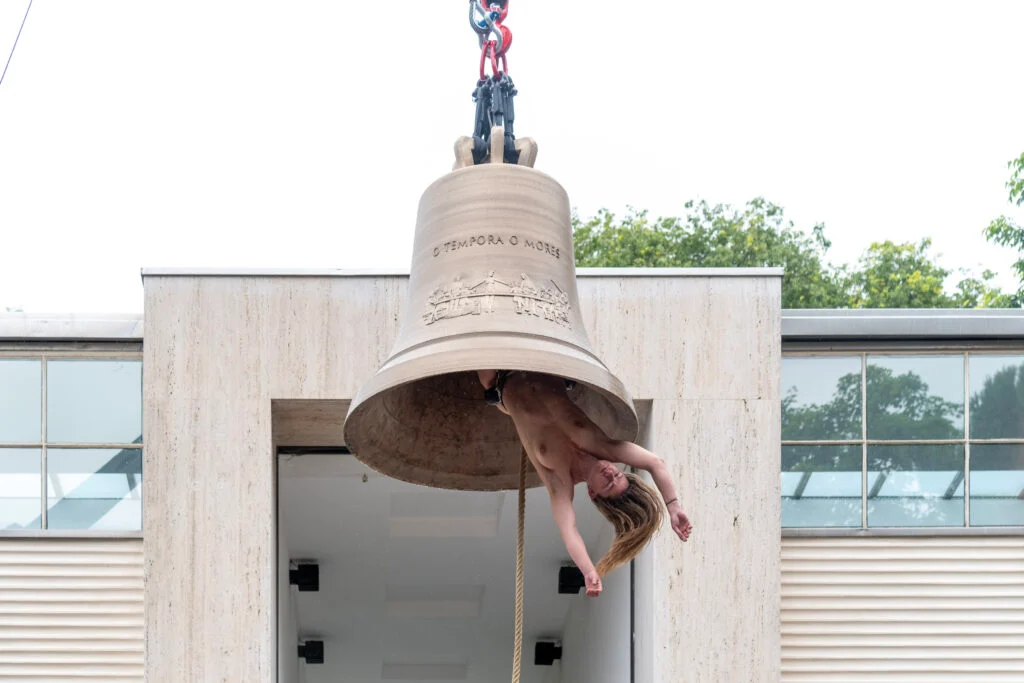
The article analyzes the role of performance art at the 2026 Venice Biennale, arguing that performance is no longer a rediscovered genre but a structurally institutionalized primary form of experience production. It examines how the body reemerges not as an alternative to image-based works but as an internal interruption of the artwork system, preventing closure and reintroducing instability. Key pavilions are discussed: Austria's Florentina Holzinger with "Sancta" draws on 1970s radical performance and feminist body art, creating an immersive environment of continuous movement; Belgium's Miet Warlop with "IT NEVER SSST" engages post-dramatic theater and postmodern dance repetition; Japan's Ei Arakawa-Nash with "Grass Babies, Moon Babies" activates Gutai avant-garde legacies through viewer interaction with soft dolls.

Zurbarán review: Even the godless will be enraptured by this drama

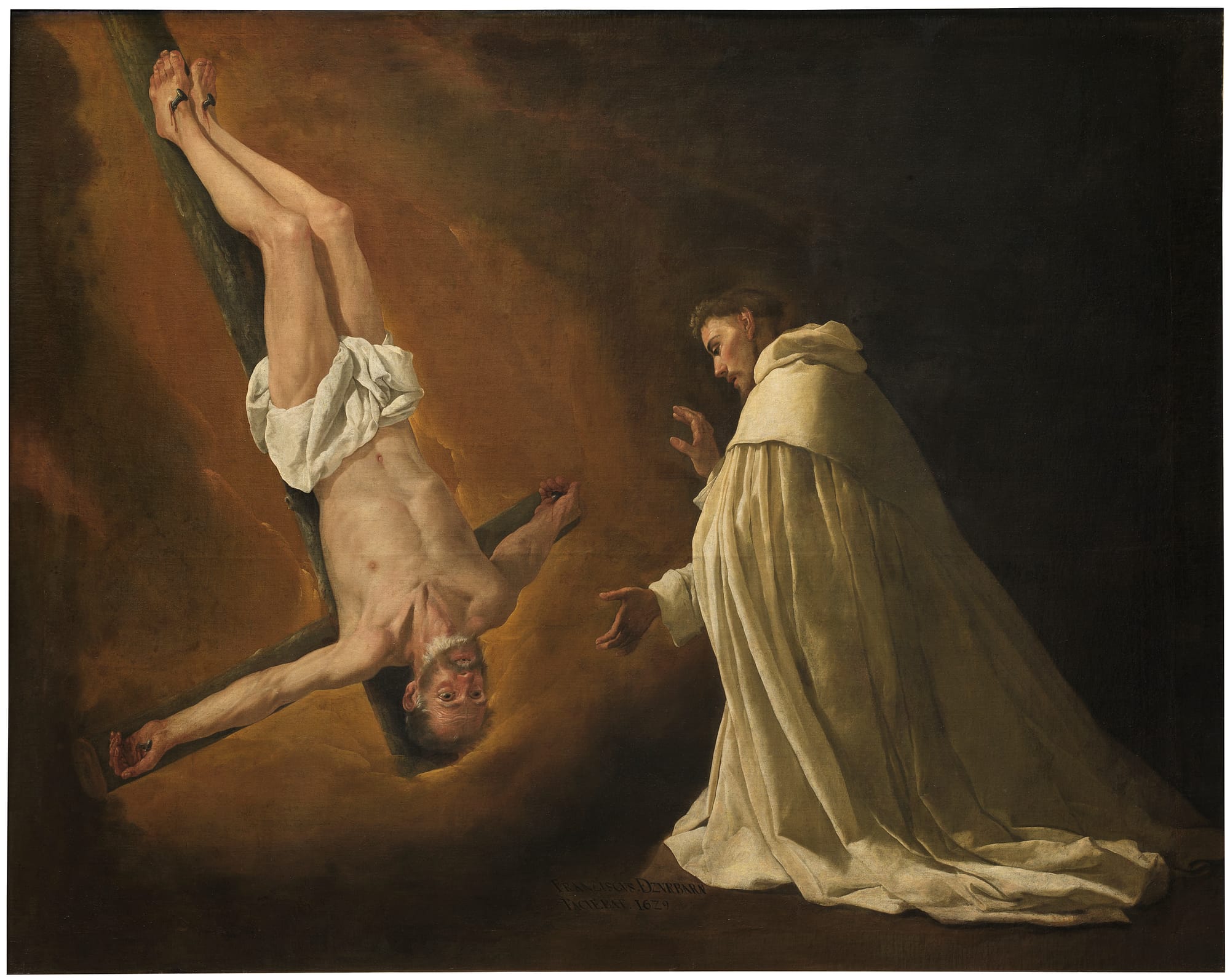
The article reviews a major exhibition of 17th-century Spanish painter Francisco de Zurbarán, highlighting his dramatic religious works such as a stark crucifixion, a depiction of St. Peter crucified upside down, and a series of saintly princesses. It notes the exhibition's effective hanging, the artist's use of vivid color and theatrical lighting, and includes recently attributed works like a mysterious giant head. The review emphasizes the blend of high drama, emotion, and Catholic piety in Zurbarán's paintings, as well as his still lifes that rival those of Velázquez.

New film about forgers is ‘Miami Vice’ for the art-world crowd

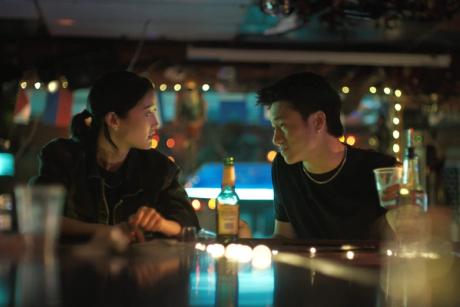
The article reviews 'Forge', a new crime thriller directed by Jing Ai Ng, which follows Chinese American siblings Coco and Raymond Zhang who forge early 20th-century landscape paintings and sell them as authentic works in South Florida. The film features FBI agent Emily (Kelly Marie Tran) investigating the scheme, while the forgers navigate a world of wealthy collectors, a hurricane-destroyed art collection, and a family legacy of deception. The movie is described as 'Miami Vice' for the art-world crowd, with a dusky palette and pulsing soundtrack set against the backdrop of Art Basel Miami Beach's booming art market.