filter_list Showing 8 results for "Formation" close Clear
search
dashboard All 227 museum exhibitions 147article local 21article culture 14article news 13rate_review review 8article policy 7person people 6candle obituary 4trending_up market 4gavel restitution 3
date_range Range Today This Week This Month All
Subscribe

Is This What “Made in America” Looks Like?

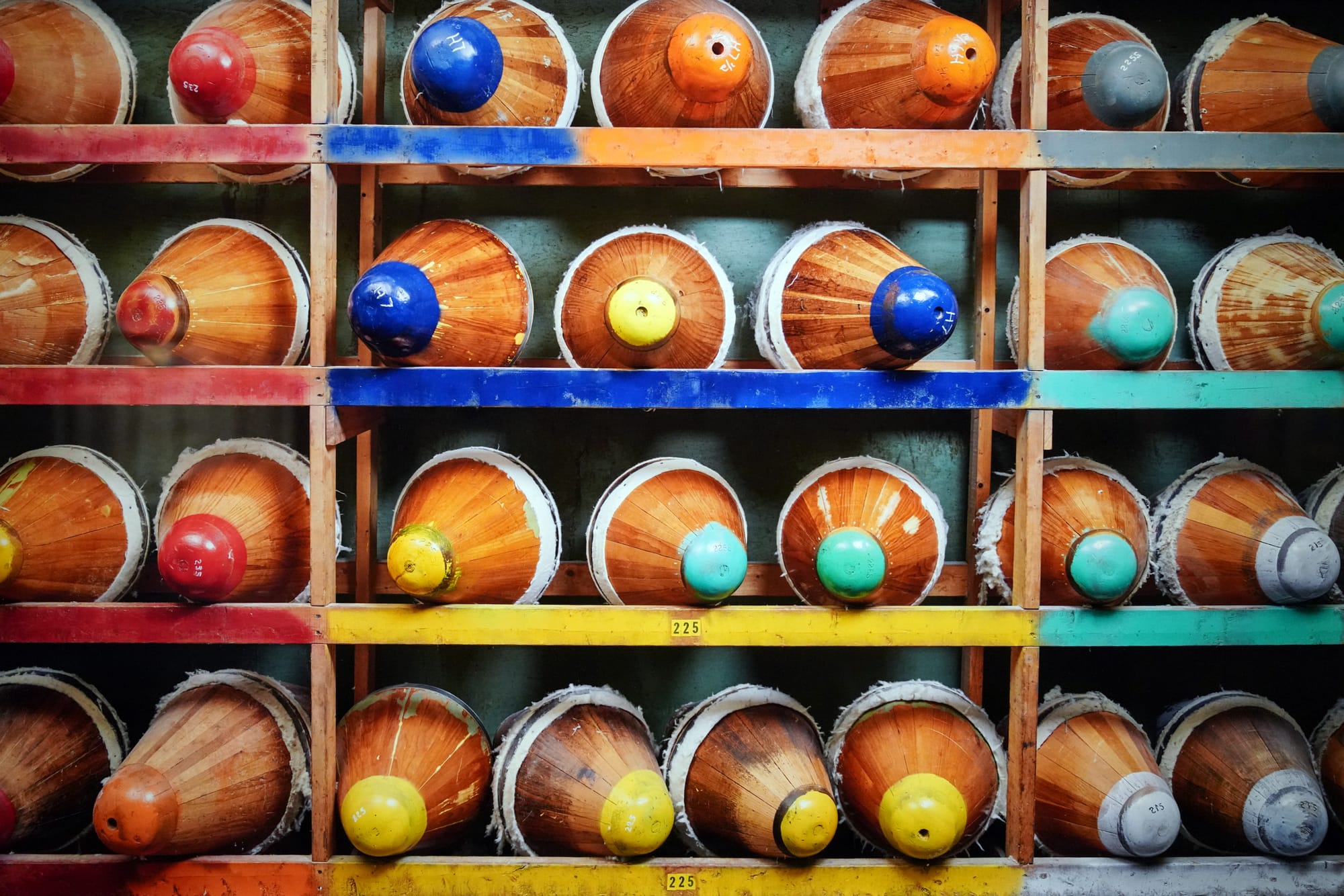
Christopher Payne's exhibition "Made in America: The Industrial Photography of Christopher Payne" at the Cooper Hewitt, Smithsonian Design Museum showcases 72 large-format photographs documenting active American factories and manufacturing processes. The trained architect turned photographer spent a decade visiting dozens of production sites across the United States, from the New York Times printing plant in Queens to the Bollman Hat Company in Pennsylvania, capturing workers' craftsmanship and the intricate steps involved in making everything from Peeps candies to jet engines. The exhibition is organized into three sections—traditional handcraft, large-scale production, and cutting-edge technologies—and coincides with the Smithsonian's celebration of the nation's 250th anniversary.
A Blockbuster Take on Ovid’s “Metamorphosis”

The Rijksmuseum in Amsterdam has opened a major exhibition titled 'Metamorphoses,' inspired by Ovid's poem. The show brings together Renaissance masterpieces, antiquities, and contemporary works, grouping them by the myths they depict to explore themes of transformation, desire, and gender through striking visual juxtapositions.

Is there really an energy transformation in Marina Abramović's exhibition in Venice?

Nella mostra di Marina Abramović a Venezia c’è davvero una trasformazione di energia?

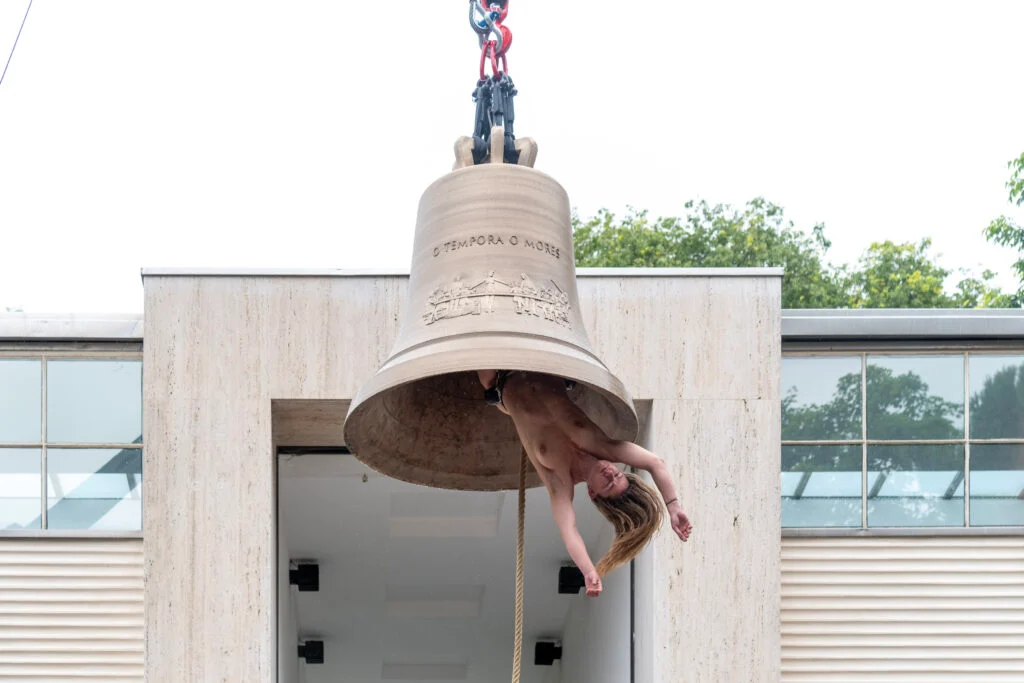
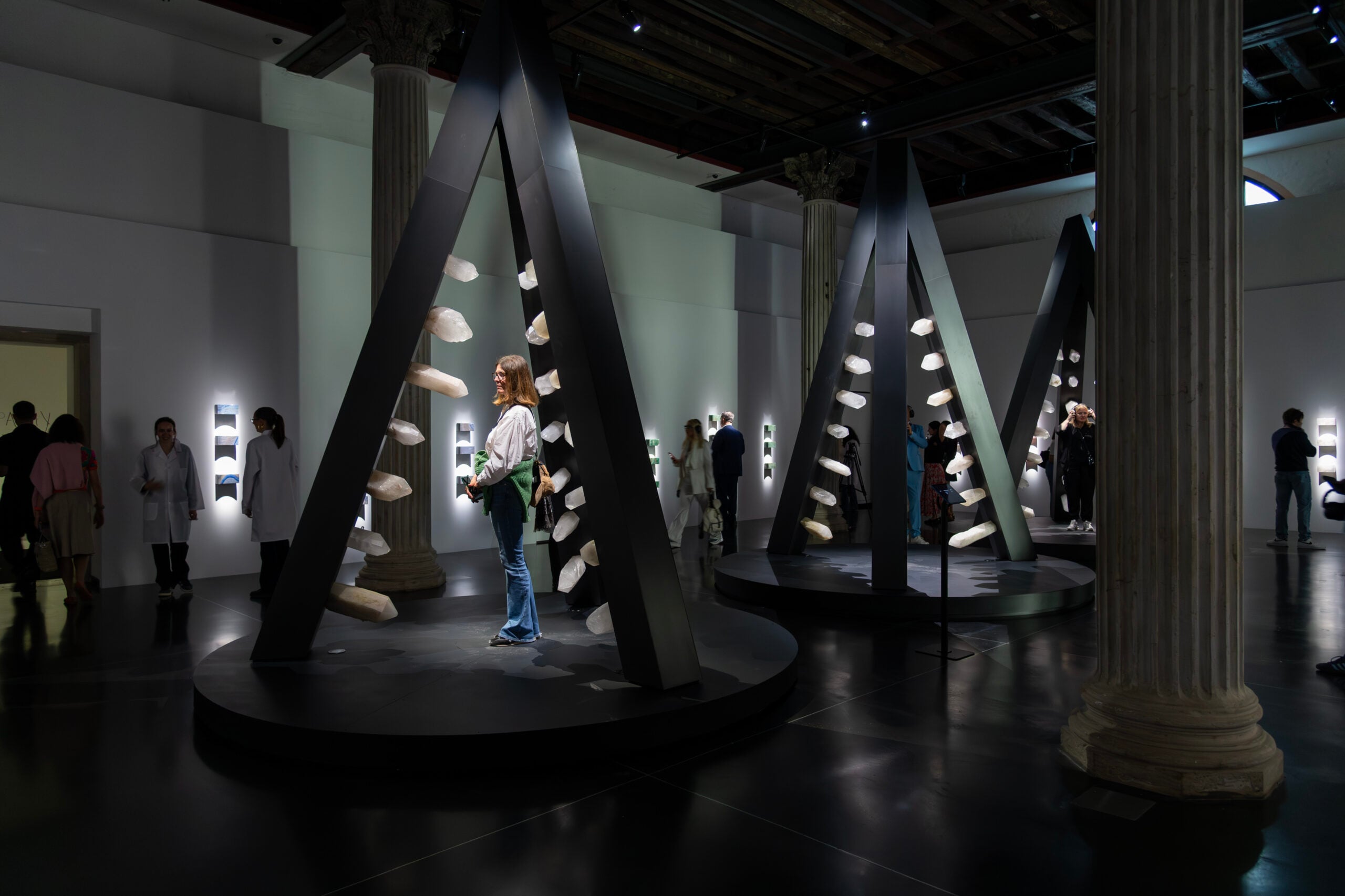
At the Gallerie dell'Accademia in Venice, Marina Abramović's exhibition "Transforming Energy" opens to the public from May 9 to September 30, 2026, as part of the 2026 Venice Biennale. The show is designed as an experiential device that moves beyond traditional exhibition formats, inviting viewers to determine their own presence through a sequence of rooms built around relationships between body, materials, and time. Crystals and locks of hair function not as decoration but as presences to be inhabited, demanding radical attention rather than spectacular participation. During the press conference, Abramović and curator Shai Baitel insisted that the materials, especially the crystals, possess real energy capable of directly affecting the viewer's body and perception, not merely as metaphor but as an active condition.

Between Tropes and Treats at NADA New York

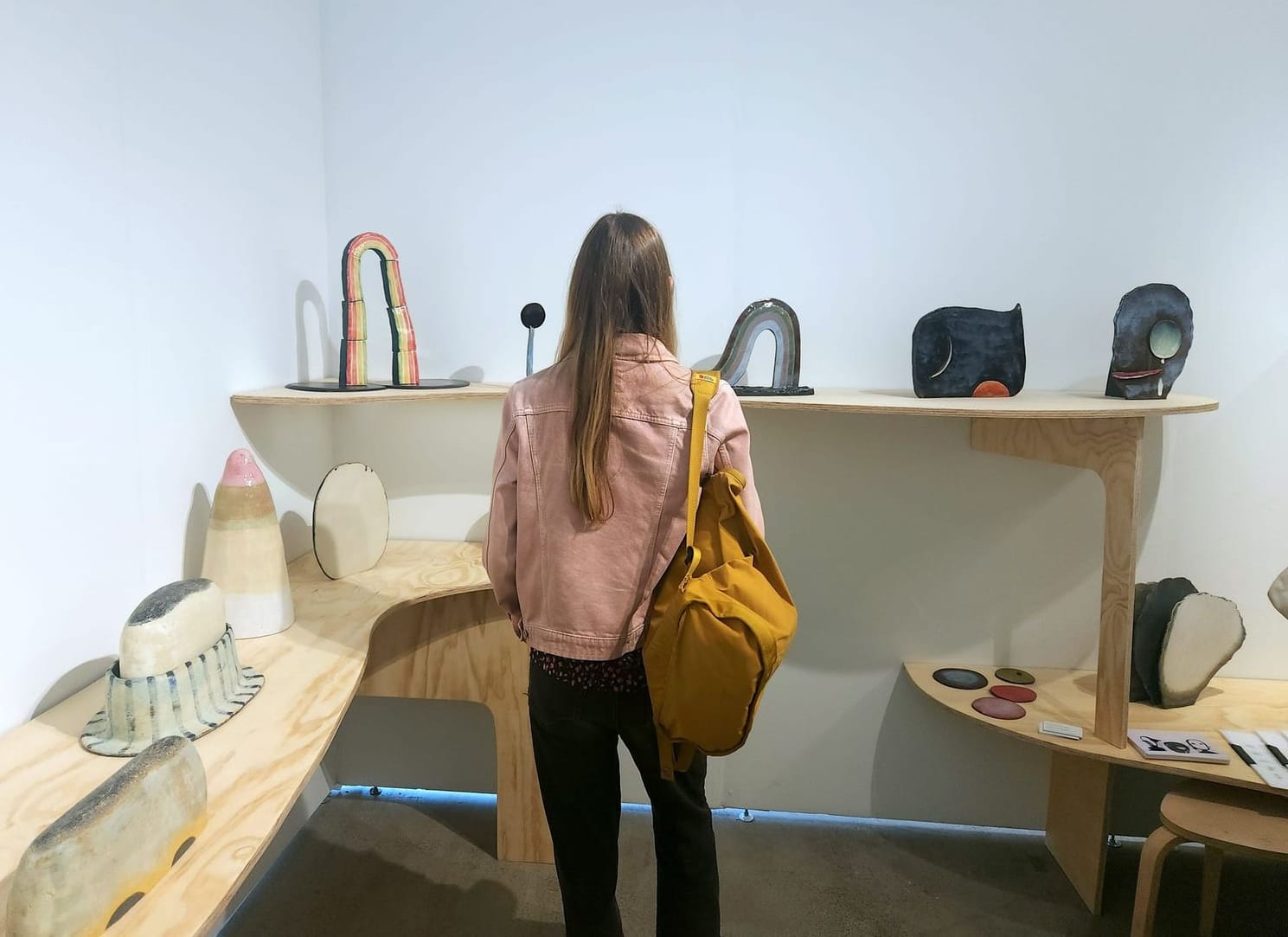
The 12th annual New Art Dealers Alliance (NADA) fair opened at the Starrett-Lehigh Building in Manhattan, featuring a wide array of contemporary works. Critic Rhea Nayyar notes that while many booths felt interchangeable due to prevalent trends like zany sculptures, shiny materials, and kitschy vibrancy, several standout pieces offered genuine engagement. Highlights include Elena Roznovan's maternal ephemera embedded in concrete with bondage tape, Kelly Tapia-Chuning's deconstructed serapes addressing colonial violence, and Niniko Morbedadze's folkloric illustrations.

What I learned from Tracey Emin about regeneration

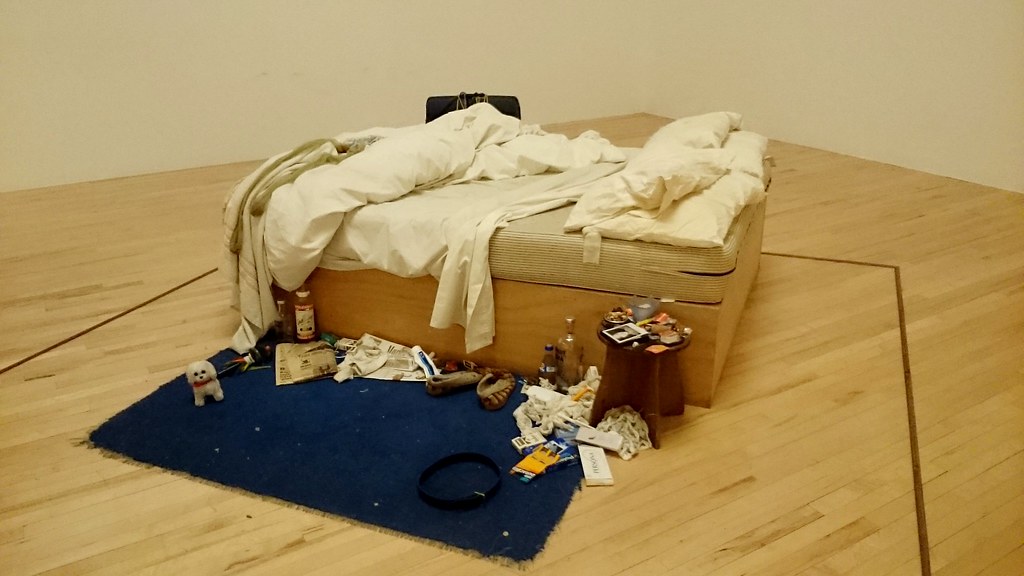
The article reviews Tracey Emin's exhibition "A Second Life" at Tate Modern, describing the author's initial lack of aesthetic connection to the artworks—finding the paintings derivative and neon signs tacky—but ultimately being moved by the exhibition's emotional force and the artist's refusal to disguise pain, humiliation, and grief. The author notes the crowded galleries, the predominantly female audience responding with visceral emotion, and highlights the film "How It Feels" as the most impactful piece, in which Emin discusses her traumatic abortion and its effect on her self-perception.

National Pavilions Review: Who’s Afraid of Meaning?

Andrew Durbin reviews national pavilions at a major biennial, contrasting a vacuous US presentation with incisive and moving installations from Britain and Germany. The review critiques the lack of meaningful content in the US pavilion while praising the depth and emotional resonance of the British and German contributions.

Body as Device. Guide and Reflection on the Performances of the Venice Biennale

Corpo come dispositivo. Guida e riflessione sulle performance della Biennale di Venezia

The article analyzes the role of performance art at the 2026 Venice Biennale, arguing that performance is no longer a rediscovered genre but a structurally institutionalized primary form of experience production. It examines how the body reemerges not as an alternative to image-based works but as an internal interruption of the artwork system, preventing closure and reintroducing instability. Key pavilions are discussed: Austria's Florentina Holzinger with "Sancta" draws on 1970s radical performance and feminist body art, creating an immersive environment of continuous movement; Belgium's Miet Warlop with "IT NEVER SSST" engages post-dramatic theater and postmodern dance repetition; Japan's Ei Arakawa-Nash with "Grass Babies, Moon Babies" activates Gutai avant-garde legacies through viewer interaction with soft dolls.

I wanted to hate the new LACMA. Then I went back

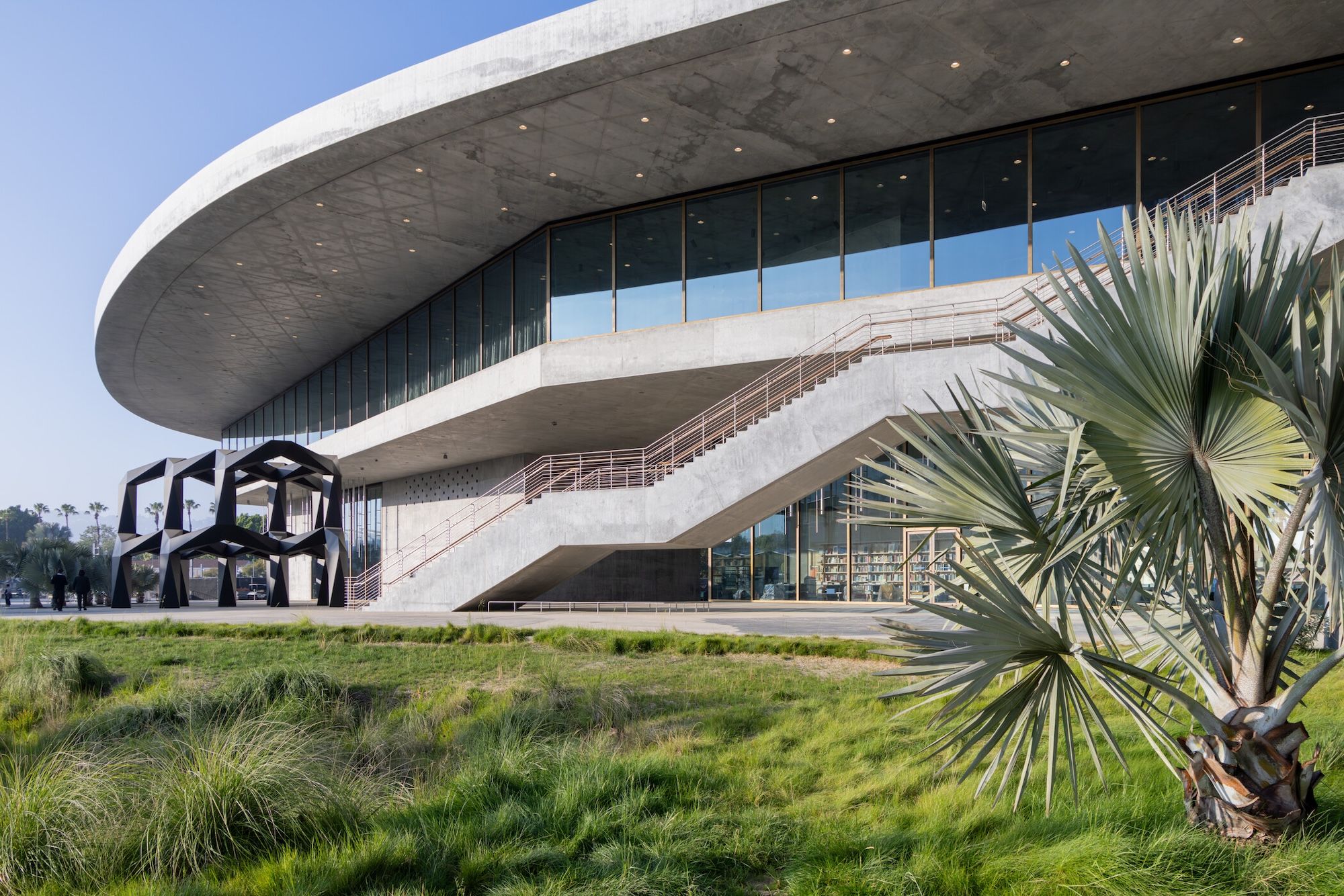
The article describes the author's evolving impression of the newly opened David Geffen wing at the Los Angeles County Museum of Art (LACMA), designed by architect Peter Zumthor. Initially visiting at 11am, the author found the $724 million, 110,000 sq ft building to be a "dismal, dated, inelegant brute," with thick bronze windows, dark concrete slabs, and bunker-like galleries. However, returning at 4pm, the author experienced a transformation: golden afternoon light warmed the concrete, illuminated the interiors, and revealed the building as a "brilliant innovation and true gift to the city." The article details the building's 20-year design evolution, challenges including fossil discoveries on site, and Zumthor's public frustrations with the compromised details.