filter_list Showing 28 results for "Frame" close Clear
dashboard All 597 museum exhibitions 332article news 71article culture 57article policy 30rate_review review 28article local 22gavel restitution 17trending_up market 17person people 15candle obituary 6article events 1article event 1
date_range Range Today This Week This Month All
Subscribe

The Robots Were Never the Problem

The New Museum has reopened with 'New Humans: Memories of the Future,' a massive survey featuring over 150 contributors including Hito Steyerl, Precious Okoyomon, and H.R. Giger. Spanning 13 sections across the museum's new 5,500 square-meter extension, the exhibition traces the intersection of art, technology, and the human body from the early 20th century to the present. It juxtaposes interwar European works, such as Hannah Höch’s photomontages and Bauhaus ballets, with contemporary installations like Simon Denny’s sculpture of an Amazon worker's cage.
15th Shanghai Biennale Review: Code Switching

The 15th Shanghai Biennale, titled 'Code Switching,' has opened at the Power Station of Art (PSA). The exhibition, centered on the theme of what hears and what can be heard, features immersive installations like Allora & Calzadilla's floating yellow synthetic flowers in the atrium, which create a striking yet artificial environment that visitors eagerly photograph. The experience is framed by promotional gestures, such as free manuka honey samples, blurring lines between art, commerce, and audience participation.

Hydrojustice: A Review

A Non-Aspirational Justice: Review of Hydrojustice

The article is a critical review of Andreas Philippopoulos-Mihalopoulos's book 'Hydrojustice,' which uses the concept of water as a lens to critique traditional, top-down legal justice and propose a more fluid, collective, and embodied alternative. The review frames this analysis through the recent erasure of a Banksy graffiti piece on the London Courts of Justice, which depicted a judge violently silencing a protester.

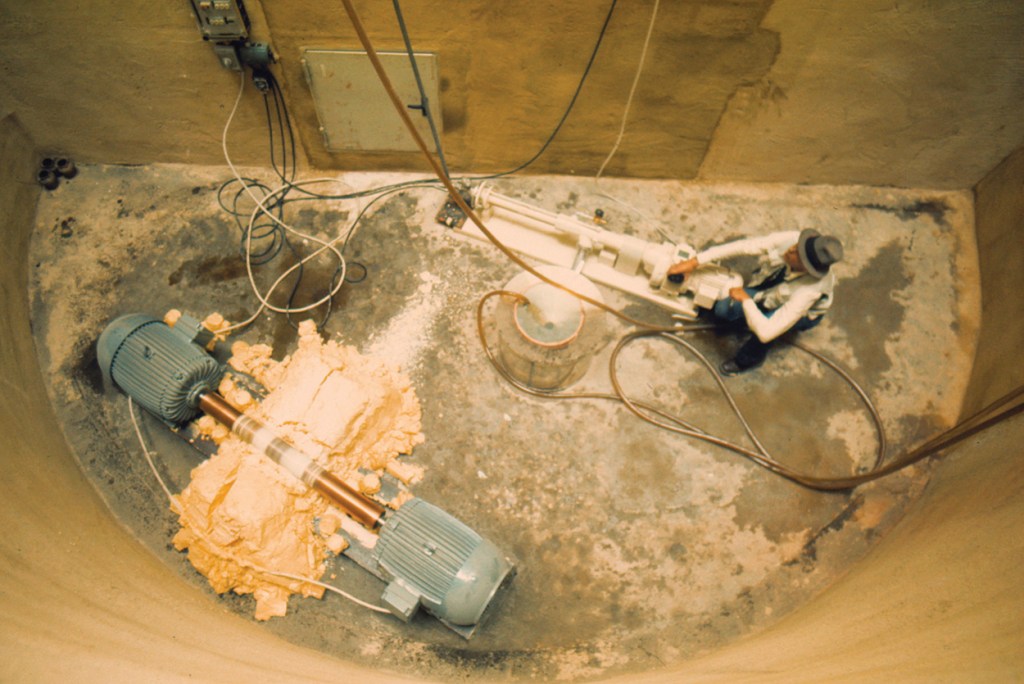
joseph beuys daniel spaulding honigpumpe 1234776979

Joseph Beuys remains one of the most polarizing figures in 20th-century art, a former Nazi soldier who reinvented himself as a shamanic healer and a founding member of the Green Party. A new monographic study by art historian Daniel Spaulding, 'Joseph Beuys and History', re-evaluates the artist's legacy by confronting his refusal to apologize for his wartime past and his use of ambiguous materials like fat and felt. Spaulding argues that Beuys’s work should be read through the lens of 'bad faith,' where his utopian slogans masked a deep, unresolved engagement with the horrors of the Holocaust.

Can a Play Capture an Artist as Enigmatic as Henry Darger?

Can a Play Capture an Artist as Enigmatic as Henry Darger?

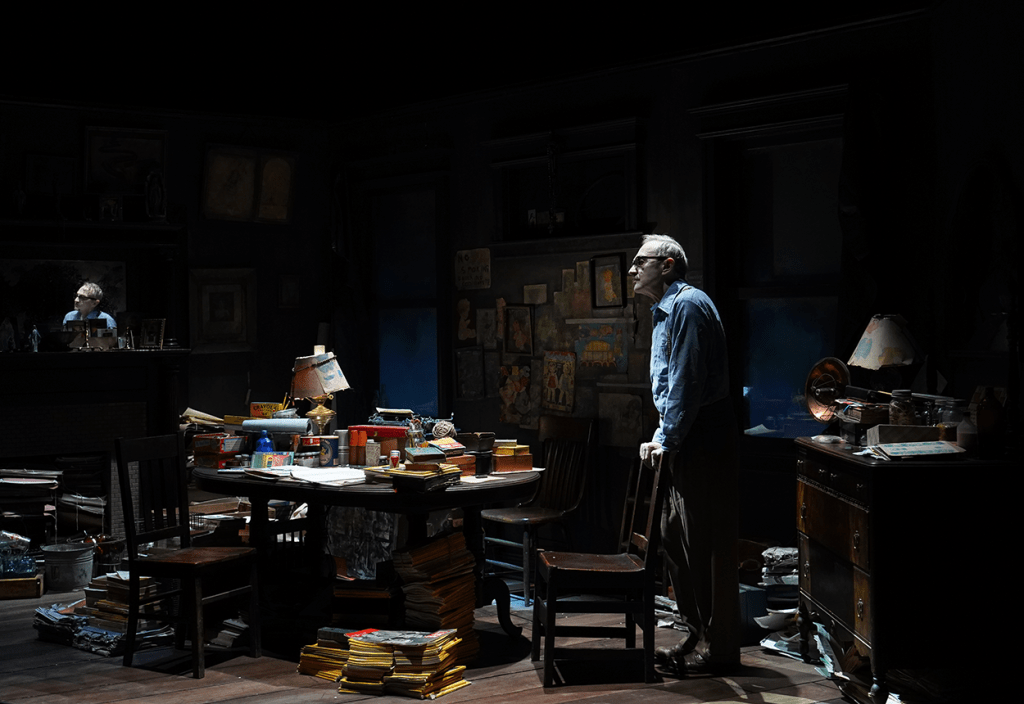
A new play, *Bughouse*, is attempting to portray the life of reclusive artist Henry Darger on stage at New York's Vineyard Theater. The one-man show, starring John Kelly, draws from Darger's own lengthy autobiography to depict his traumatic childhood, institutionalization, and decades of solitary life in Chicago, where he secretly created his vast, fantastical artwork and writings.

martin puryear mfa boston review 1234772363

Martin Puryear's 1978 sculpture *Self* opens a survey of his work at the Museum of Fine Arts, Boston, titled “Martin Puryear: Nexus,” which runs through Sunday before traveling to the Cleveland Museum of Art in April. Curated by Emily Liebert, Reto Thüring, and Ian Alteveer, the exhibition argues that Puryear's abstract, craft-intensive sculptures—like *A Column for Sally Hemings* (2021)—are not merely formalist exercises but carry political and historical meanings that are deliberately withheld, challenging viewers to read beyond elegant surfaces.

blank space book review cultrure over men 1234760399

W. David Marx's book "Blank Space: A Cultural History of the Twenty-First Century" argues that 21st-century culture has stagnated, blaming the Internet and its economies for a lack of innovation. The book cites critics like Jason Farago and Alex Ross who lament the death of monoculture and the failure of the Internet's promised diversity, while Marx himself longs for a past era of linear artistic progress defined by -isms like Realism and Cubism. However, the review criticizes Marx's framework as rooted in a 19th-century positivist fallacy, noting that art history has never been a clean linear progression and that overlooked artists—such as Hilma af Klint and Hector Hyppolite—have always complicated the canon.

Marie Zolamian’s Paintings Remain Little Mysteries

A retrospective of Tracey Emin's work at Tate Modern reveals how her art, frequently interpreted as raw personal confession, is deeply intertwined with the broader cultural and social forces of her time. The review argues that her oeuvre serves as a witness to a specific era, moving beyond purely autobiographical readings to reflect wider societal currents.

Theresa Hak Kyung Cha Made Human Again

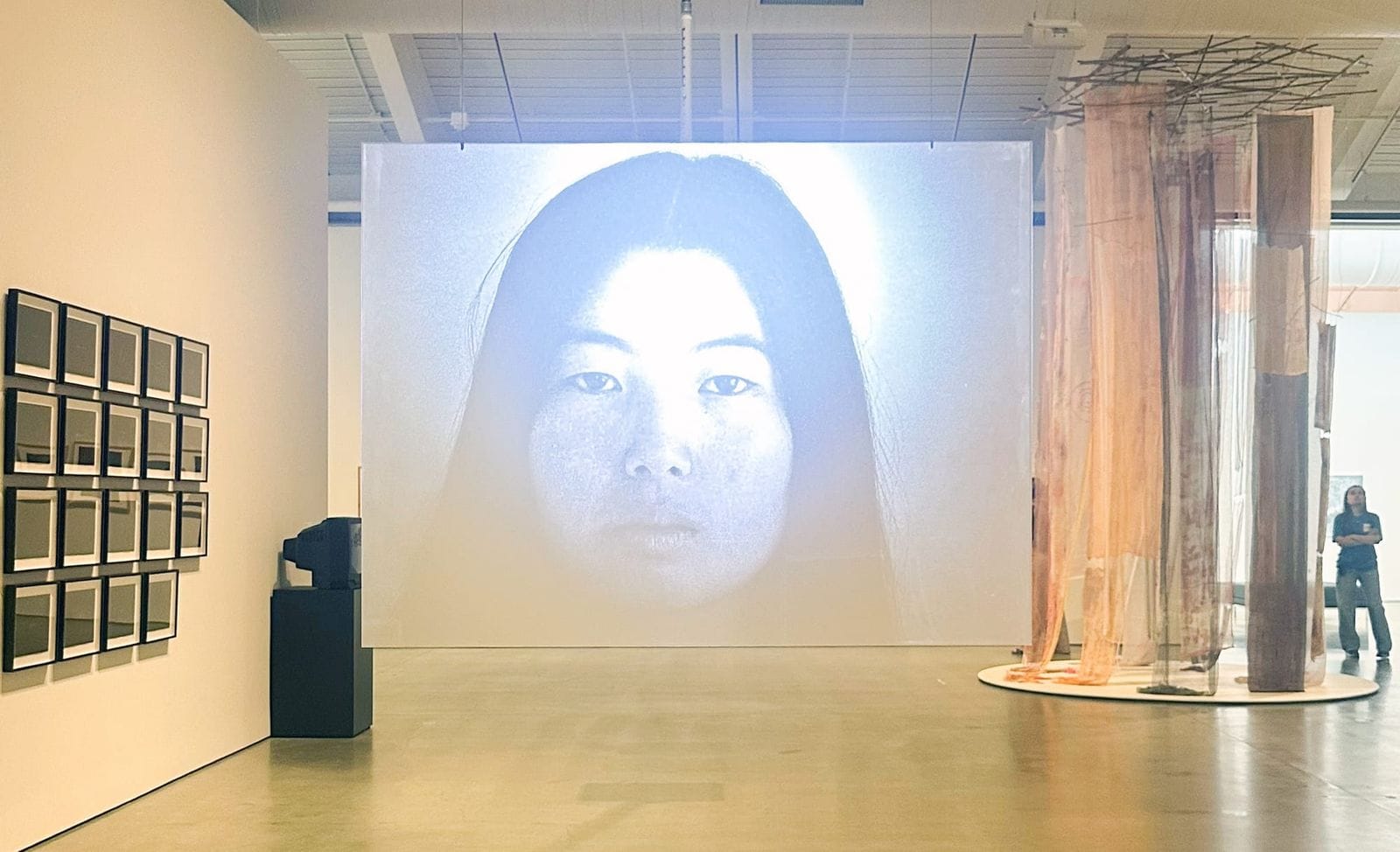
The Berkeley Art Museum and Pacific Film Archive (BAMPFA) is hosting "Theresa Hak Kyung Cha: Multiple Offerings," a comprehensive exhibition that draws from the artist’s complete archives. The show highlights Cha’s multidisciplinary practice, spanning film experiments, performance documentation, and her signature linguistic explorations. By pairing finished artworks with archival materials and personal ephemera, the exhibition reveals a playful, puckish side of the artist that is often obscured by the tragic circumstances of her death and the heavy themes of exile and dislocation in her work.

chaim soutine biography celeste marcus 1234757163

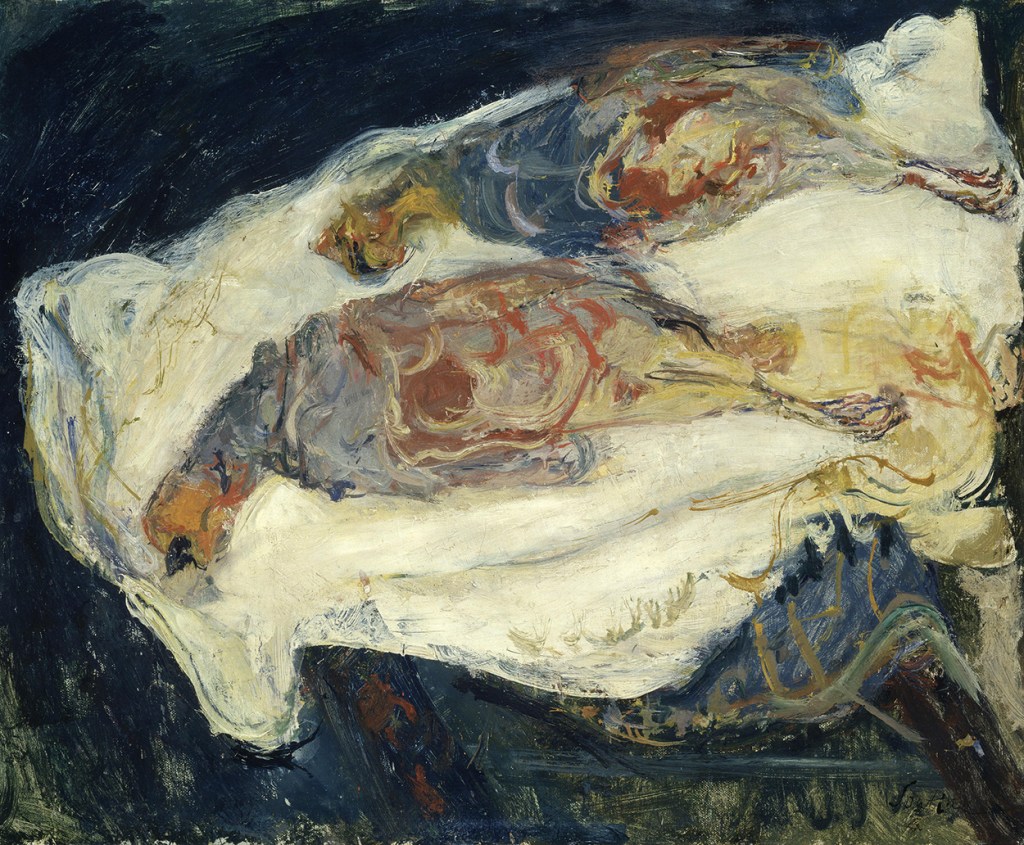
A new biography titled *Chaïm Soutine: Genius, Obsession, and a Dramatic Life in Art* by Celeste Marcus explores the life and work of the early 20th-century painter Chaïm Soutine. Marcus argues that Soutine's intensely visceral paintings—depicting carcasses, dizzying landscapes, and penetrating portraits—are the key to understanding the artist, given the scarcity of surviving personal documents. The book challenges previous readings that tied Soutine's turbulent style to his identity as an Eastern European Jew facing the shadow of WWII, instead emphasizing the life force and original artistic language in his work.

chaim soutine biography celeste marcus 1234757163

A new biography titled *Chaïm Soutine: Genius, Obsession, and a Dramatic Life in Art*, written by Celeste Marcus, explores the life and work of the early 20th-century painter Chaïm Soutine. Marcus argues that Soutine’s intensely visceral paintings—featuring dizzying landscapes, bloody carcasses, and penetrating portraits—are the key to understanding the artist, who left behind few personal records. The book challenges the tendency to read historical tragedy, particularly Soutine’s identity as an Eastern European Jew before WWII, into his turbulent brushwork, instead emphasizing the life force and internal logic of his compositions.

Haroutiun Galentz: The Form of Colour

Haroutiun Galentz: The Form of Colour

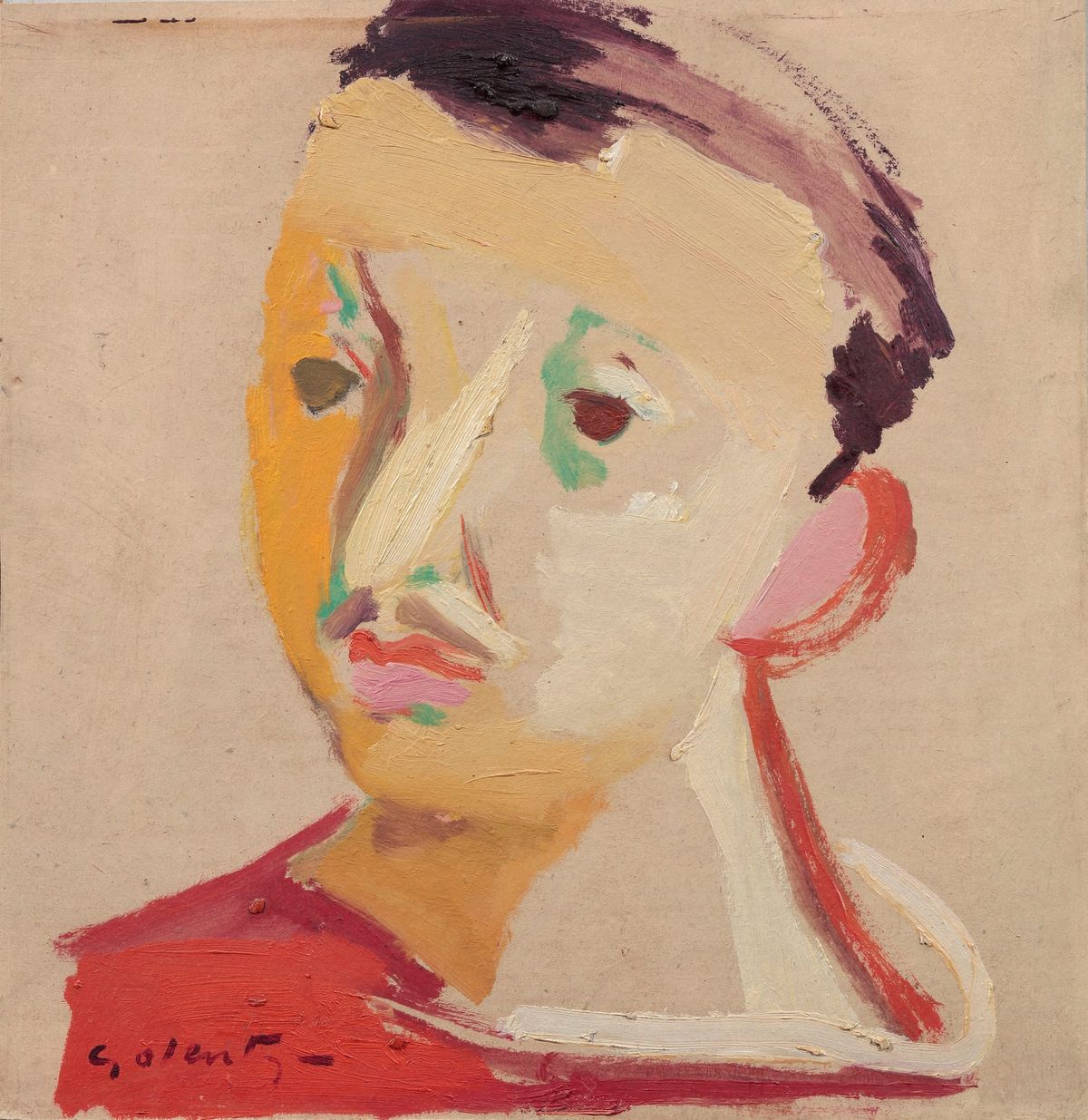
A new English-language monograph, *Haroutiun Galentz: The Form of Colour*, repositions the Armenian-Lebanese painter as a major cosmopolitan modernist. The book assembles his work from international collections, arguing his career—spanning formative years in Beirut's pre-war art scene and a later period in the Soviet Union—must be understood beyond national art historical frameworks.

Post-Mortemism: An Autopsy of “Nigerian Modernism: Art and Independence” at Tate Modern.

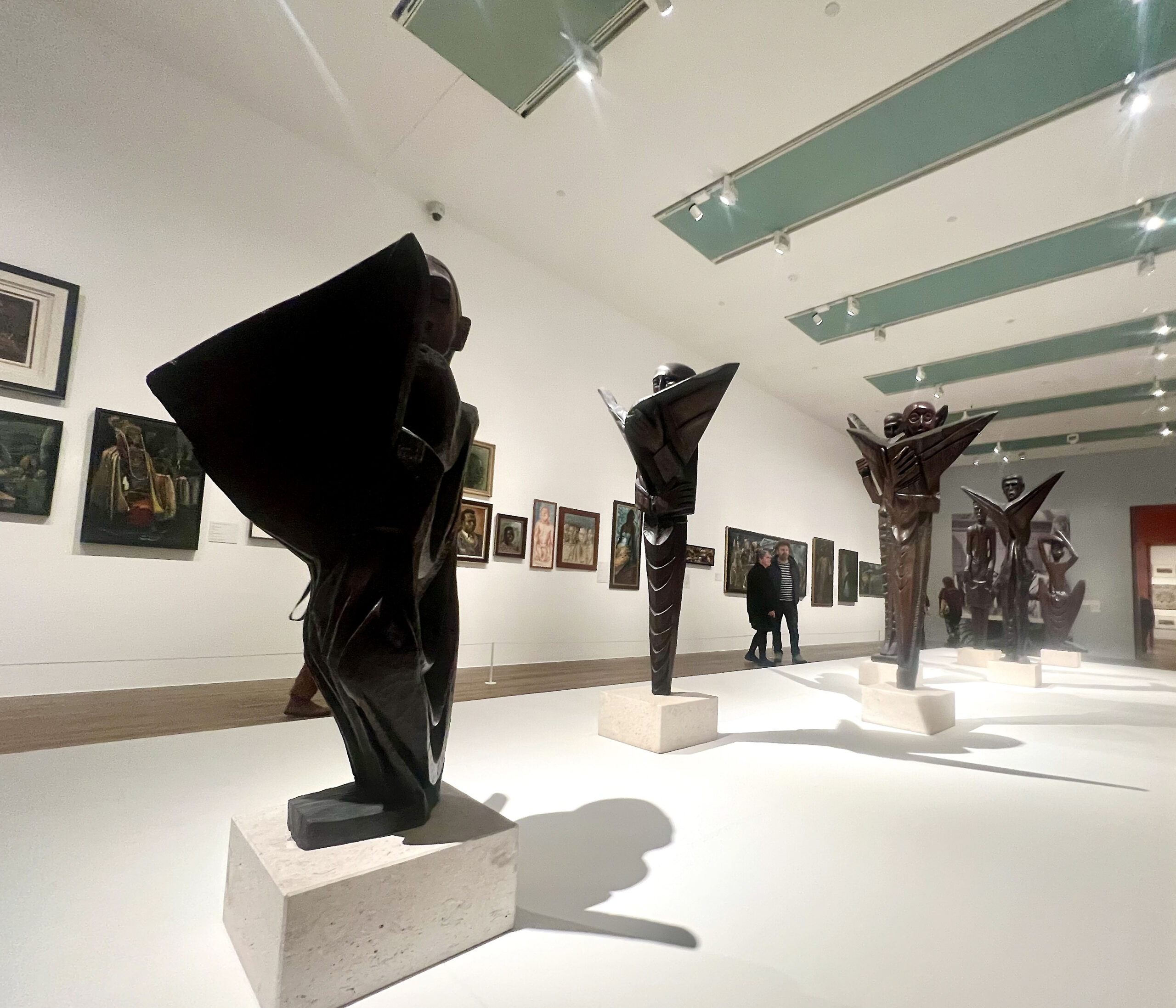
A critical essay by Ayọ̀ Akínwándé performs a forensic 'autopsy' of the Tate Modern exhibition 'Nigerian Modernism: Art and Independence.' The review dissects the show's structure, arguing it fails in its curatorial framework by isolating Nigerian artists within a regional category, using ethnographic display methods, relying on incomplete research, and excluding key artists and historical context.

What Do Danh Vo’s Curated Collections Add Up To?

The article reviews the exhibition 'Danh Vo: Untitled' at the Pirelli HangarBicocca in Milan, which presents a collection of objects curated and arranged by the artist. The show features a diverse array of items, including a 17th-century Flemish painting, a meteorite, a taxidermied peacock, and personal memorabilia, all displayed without explanatory labels in a large, warehouse-like space.

Review: “Canvas to Clay” at the San Antonio Museum of Art

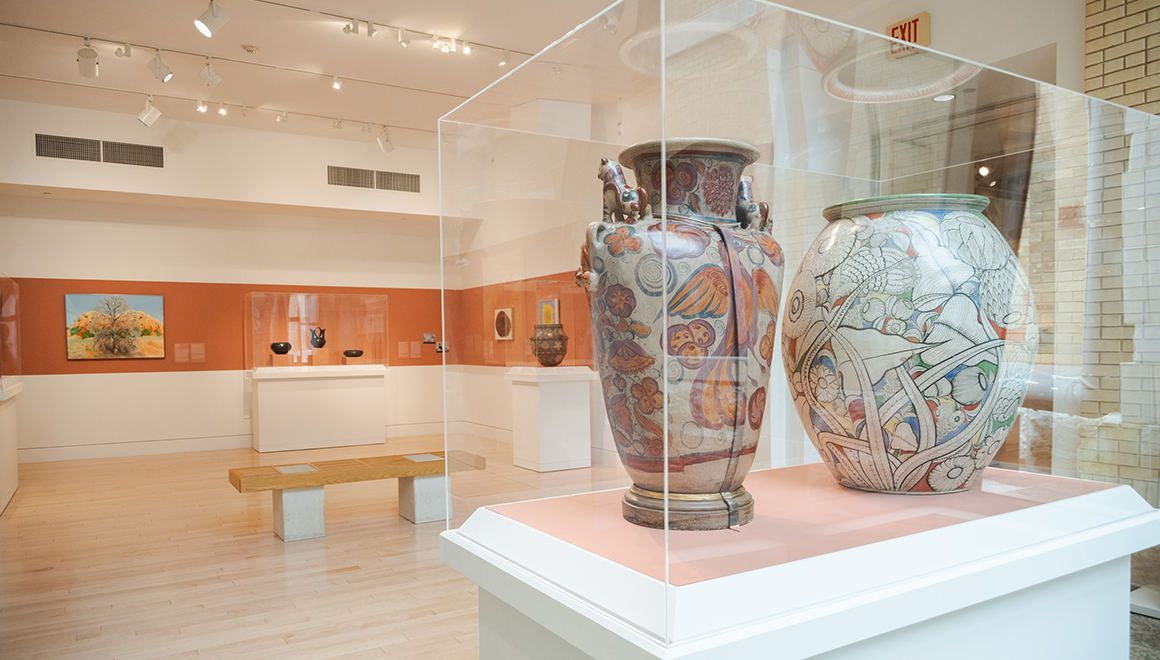
The San Antonio Museum of Art (SAMA) has launched "Canvas to Clay," an exhibition that pairs the modernist paintings of Georgia O’Keeffe with the black-on-black pottery of Maria Martinez. While these two icons of the American Southwest are frequently exhibited together, this show distinguishes itself by expanding the conversation southward. It integrates Mexican earthenware from Mata Ortiz and Tonalá, highlighting the work of Juan Quezada and Hector Gallegos to showcase a broader regional tradition of abstraction and indigenous revival.

Review: Thomias Radin, Echoes of KA at Esther Schipper, Berlin

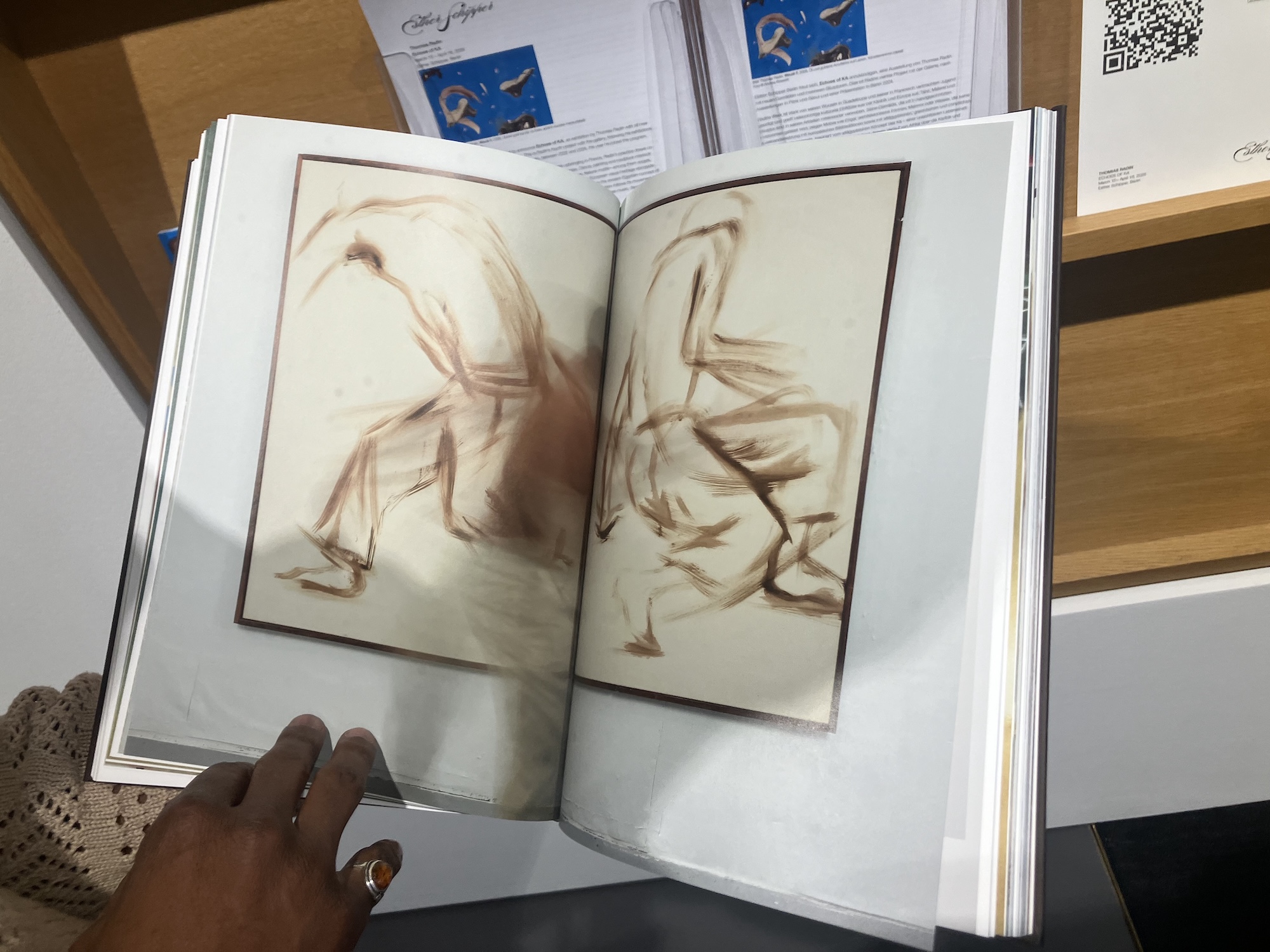
Thomias Radin’s fourth solo exhibition at Esther Schipper in Berlin, titled "Echoes of Ka," presents a multidisciplinary environment blending painting, woodwork, and installation. The Guadeloupe-born artist draws heavily from Caribbean embodied knowledge, dance philosophy, and the ancient Egyptian concept of 'Ka'—a vital life force—to transform the gallery into a choreographed 'secret garden.' The works, characterized by vibrant colors and gestural oil paintings on raw linen, are informed by Radin’s collaboration with dance scholar Léna Blou and his own practice of improvisation.

The Spiritual Ear: On Daniel Heller-Roazen’s Far Calls

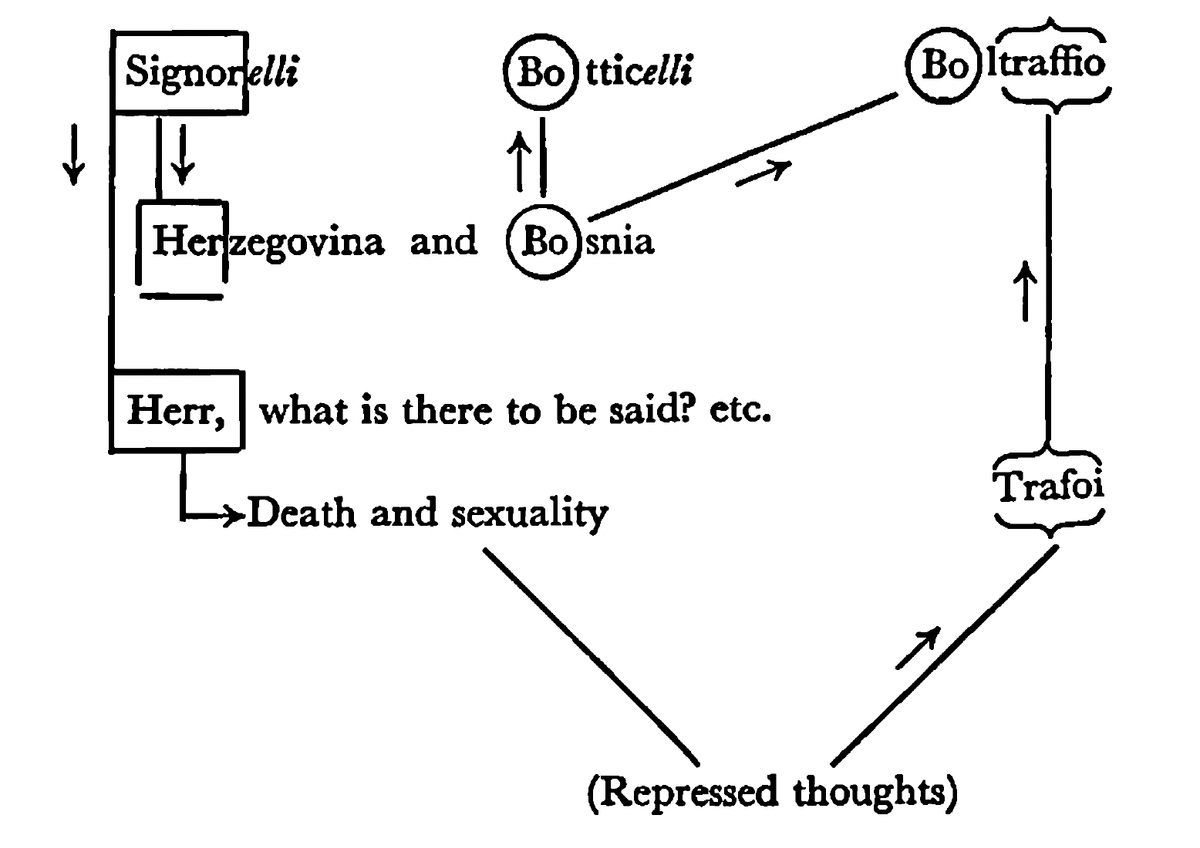
The article is a critical review of Daniel Heller-Roazen's new book, 'Far Calls: On Omens, Slips, & Epiphanies.' It examines the book's central thesis, which explores the historical and philosophical concept of a 'spiritual ear'—the interval between speaking and hearing where language escapes its intended meaning, giving rise to omens, slips of the tongue, and epiphanies. The review traces Heller-Roazen's genealogical investigation from ancient divinatory practices to modern psychoanalysis, highlighting his argument that linguistic accidents hold prophetic potential.

The Left Side of History: On Haile Gerima’s Black Lions—Roman Wolves

The article is a critical essay analyzing Haile Gerima's 2026 film 'Black Lions—Roman Wolves: The Children of Adwa,' focusing on its exploration of Italy's colonial occupation of Ethiopia and the repression of this history. The author uses a scene from Gerima's earlier film 'Teza'—featuring children playing near a decaying fascist monument in Ethiopia—as a starting point to discuss how colonial memory and trauma are cinematically excavated.

Biennale Jogja 18 Review: Occasional Moments of Brilliance

The 18th edition of Biennale Jogja, titled 'KAWRUH: Land of Rooted Practices,' explores Javanese concepts of lived knowledge and alternative epistemologies to challenge Western, human-centric frameworks. The exhibition is split into two phases: a process-driven residency in Boro Hamlet and a larger presentation featuring 60 artists across 11 venues in Yogyakarta. While the show features standout works like Faisal Kamadobat’s mythological illustrations and Yuta Niwa’s cross-cultural mandalas, the physical experience is marred by unfinished venues and logistical hurdles.

Book offers fresh perspectives on why Cubism came into being

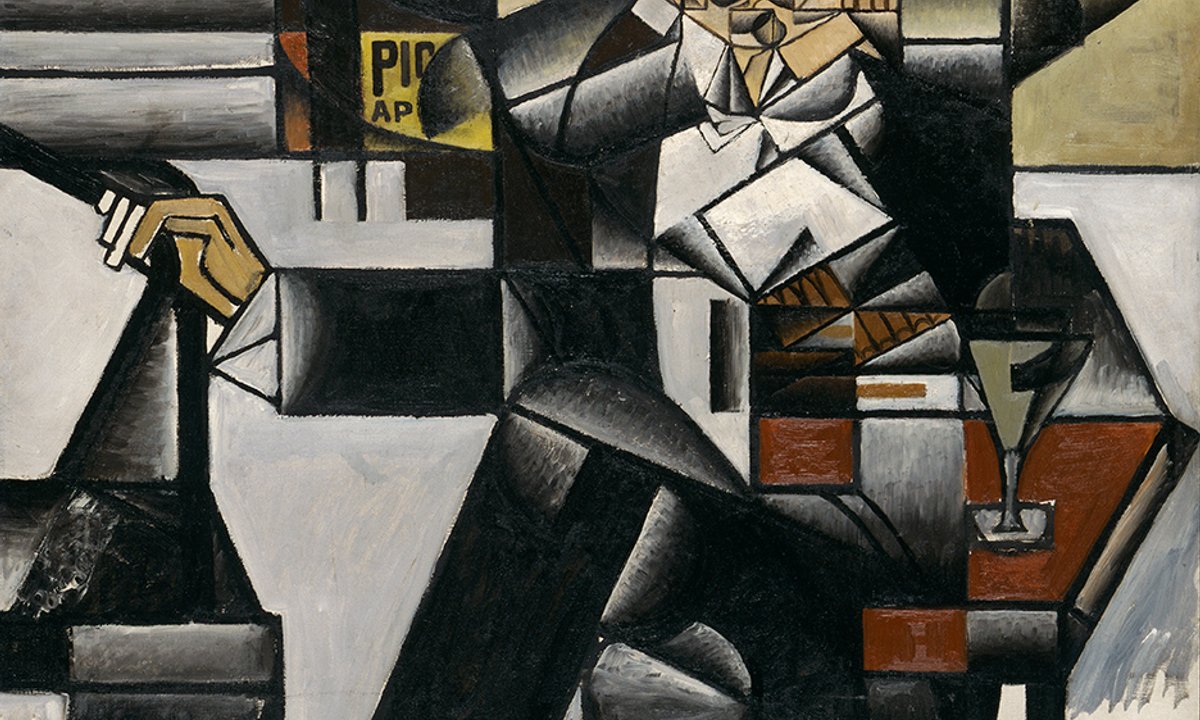
Christopher Green, a leading scholar of Cubism, has published a new book titled *Cubism and Reality*, which reexamines the origins and intentions of early Cubism through the works of Georges Braque, Pablo Picasso, and Juan Gris. The book focuses on the years immediately before World War I, arguing that Cubism was not a step toward abstraction but a deliberate reinvention of reality based on lived visual experience. Green draws on decades of research, including his own earlier works and the foundational 1959 study by John Golding, and contrasts the movement with mass-produced imagery in chapters on Roy Lichtenstein and Francis Picabia.

The Sticky Politics of Wall Texts

The 36th Bienal de São Paulo, curated by Bonaventure Soh Bejeng Ndikung, has drawn criticism for its unconventional and problematic approach to exhibition didactics. The show featured floor-mounted placards with QR codes, labels placed far from the corresponding artworks, and extremely lengthy, omnibus section texts for its six chapters, creating a confusing and frustrating viewing experience.

How the Sienese painter Ambrogio Lorenzetti spoke truth to power

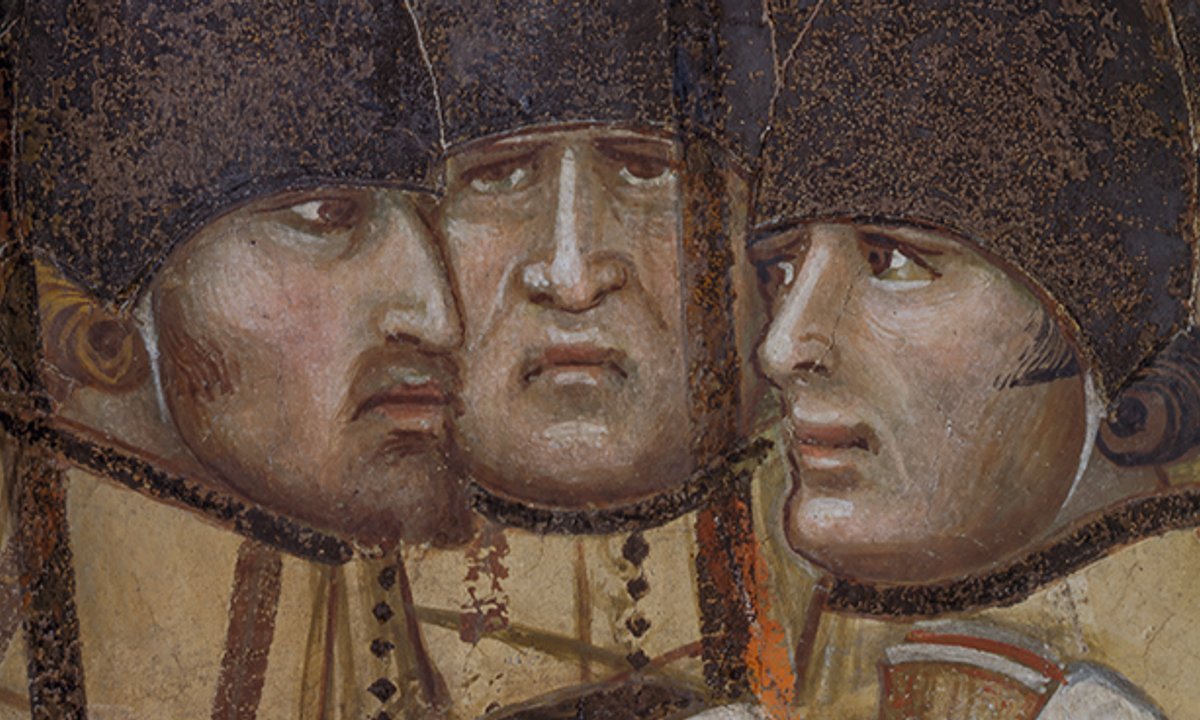
The article examines Ambrogio Lorenzetti's frescoes "Good and Bad Government" (1338-1339) in Siena's Sala dei Nove, arguing that the painter embedded a subtle critique of the ruling oligarchy. Jules Lubbock, a professor emeritus at the University of Essex, reinterprets the murals as a warning against repressive one-party rule, challenging the traditional view of Siena under the Nine as a golden age of good governance.

Emerging painter shows what it means to be a Maine artist | Column - Portland Press Herald

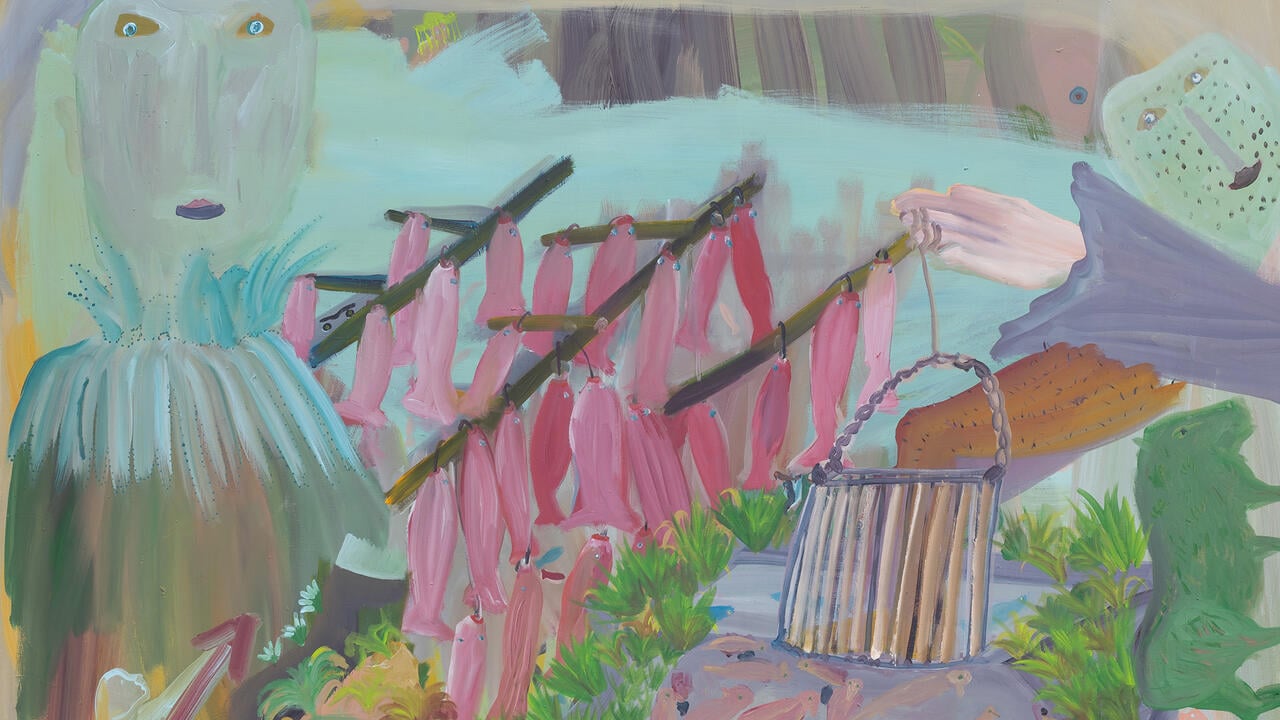
Dean McCrillis, an emerging painter from Rumford, Maine, is the subject of a solo exhibition titled "Dog Years" at Cove Street Arts in Portland, running through January 17. The show features oil paintings that depict distinctly Maine activities—hunting, fishing, camping—while employing layered, translucent brushstrokes to evoke the ephemerality of time and experience. McCrillis, who also works as a framer at Greenhut Galleries, uses a bright, saturated palette and techniques that make his images appear to simultaneously emerge and dissolve, capturing fleeting moments in the state's rugged landscape.

Exhibit Review: Revolution! 250 Years of Art and Activism in Boston – Museum Studies Blog at Tufts University

The Boston Public Library in Copley Square has opened "Revolution! 250 Years of Art and Activism in Boston," its first major exhibition in nearly a decade. The show uses a deliberately unfinished design of plywood and scaffolding to symbolize democracy as a work in progress, moving chronologically from the American Revolution through the 21st century. It features engravings by Paul Revere, portraits of George Washington and Benjamin Franklin, works addressing Toussaint L’Ouverture and Haitian revolution, Boston abolitionists, the Civil War, civil rights leaders Martin Luther King Jr. and Malcolm X, and contemporary activism including Indigenous, LGBTQ+, climate, and anti-police brutality movements.

Is Art Good for Your Health?

A new book titled 'Art Cure' by scientist Daisy Fancourt argues that engaging with the arts has significant, measurable benefits for both mental and physical health. The author, a professor of psychobiology and epidemiology, compiles extensive research to claim arts experiences can prevent suicides, help manage epidemics, increase life expectancy, reduce depression, aid trauma recovery, enhance neuroplasticity, and even encourage healthier eating habits.

IN REVIEW: To be felt, not read — ‘Paper Trails: Unfolding Indigenous Narratives’ at IAIA MoCNA

A new exhibition titled 'Paper Trails: Unfolding Indigenous Narratives' has opened at the Museum of Contemporary Native Arts (MoCNA), part of the Institute of American Indian Arts (IAIA). The show features works by contemporary Indigenous artists who utilize paper as a primary medium to explore themes of history, memory, and cultural identity, moving beyond text-based narratives to create visceral, sensory experiences.

The Many Forms of Marcel Duchamp

The New Yorker's Hilton Als reviews "Marcel Duchamp," a major retrospective at the Museum of Modern Art (MoMA) in New York, running through August 22, 2026. Curated by Matthew Affron, Michelle Kuo, and Ann Temkin, it is the first North American retrospective of Duchamp's work since 1973, organized in collaboration with the Philadelphia Museum of Art. The exhibition spans MoMA's entire sixth floor, showcasing Duchamp's shape-shifting practice—from iconic works like "Nude Descending a Staircase (No. 2)" (1912) and "Bicycle Wheel" (1951) to his readymades and conceptual pieces—emphasizing his rejection of commodification and embrace of intellectual freedom, play, and queer sensibilities.

Review: “Mark Me, Too: Five Artists” at Hyde Park Art Center

The Hyde Park Art Center in Chicago presents “Mark Me, Too: Five Artists,” a group exhibition curated by Dr. Rikki Byrd, the center’s inaugural Radicle Curatorial Resident. The show features works by Lisa DeAbreu, Lex Marie, Natasha Moustache, Lola Ayisha Ogbara, and Ciarra K. Walters, each exploring mark-making as a conceptual and material practice. Highlights include Walters’ video “Eileen’s Daughters,” which uses fragile eggshell-covered suits to evoke familial intimacy and vulnerability; DeAbreu’s textile works that transform household items into visual heirlooms; Ogbara’s sculptural piece “Hopscotch (A Safe Space to Land),” combining bronze and soil to address Black beauty and West African heritage; and Marie’s reimagined American flags made from hospital blankets and beads, critiquing the nation’s relationship with Black maternity and childhood.