filter_list Showing 7 results for "ICE" close Clear
search
dashboard All 588 museum exhibitions 327trending_up market 67article local 59article culture 48article news 44candle obituary 11person people 11article policy 11rate_review review 7gavel restitution 3
date_range Range Today This Week This Month All
Subscribe

Hulda Guzmán review – lizards and ghosts gather for an art freakout in the rainforest

Hulda Guzmán's first institutional exhibition in Europe, "Please Awake – Asked Nature Kindly," is on view at Turner Contemporary in Margate, UK. The show features the Dominican artist's ultra-colorful, psychedelic jungle paintings that blend art historical references—from Japanese ukiyo-e prints to pointillism and symbolism—with personal mythology, demons, spirits, and lush tropical landscapes. The works are drawn from her life in the Dominican rainforest, where she lives and works in a studio built by her architect father.

Fantastic visions and cosmic rhythms: how Whistler is making me see – and hear – differently

The article explores how the James McNeill Whistler exhibition at Tate in London prompts a reconsideration of the relationship between music and visual art. Whistler titled his works using musical terms like "Arrangement," "Symphony," and "Nocturne," arguing that painting should be abstract and independent of narrative, much like instrumental music. The exhibition, reviewed by Jonathan Jones, highlights Whistler's radical art-for-art's-sake philosophy, which influenced composer Claude Debussy, whose orchestral Nocturnes were directly inspired by Whistler's paintings of light and atmosphere.

How Former Fashion Designer Emma Safir Turns Fabric into Beguiling Paintings

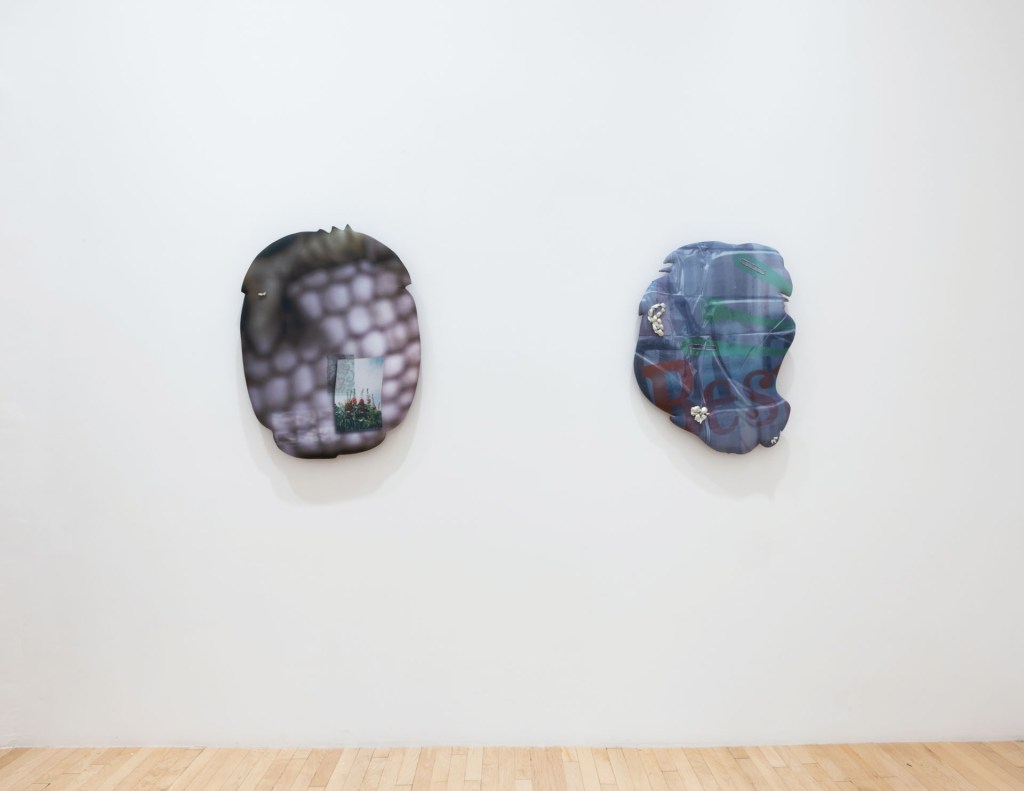
Emma Safir, a former fashion designer and printmaker, creates beguiling paintings and tapestries that blend textiles, digital printing, and traditional embroidery techniques. Her works, such as "APRICOT SILK" (2025) and "BABY DARLING" (2025), use smocking, glass beads, and shells to produce organic, jewel-toned surfaces that resist easy reflection or entry, challenging viewers to engage with layered material hierarchies.

CUANDO LOS OBJETOS HABLAN. MUSEO HECHIZO, DE JUAN JOSÉ SANTOS

Juan José Santos's book "Museo hechizo" (Metales Pesados, 2025) challenges the perceived neutrality of the Western museum, presenting it as an institution shaped by colonial logics of classification, extraction, and representation. The essay centers on the concept of "lo hechizo"—understood as both artisanal precariousness and disruptive enchantment—and explores small, community-based Latin American museum experiences that operate from precarity, reciprocity, and care. Santos argues that the museum is a space of conflict where voices, narratives, and ways of constructing history are contested, and he proposes thinking of the museum through its minor, situated, and alternative forms in Latin America.

Gabrielle Goliath Sounds a Call to Action in Venice

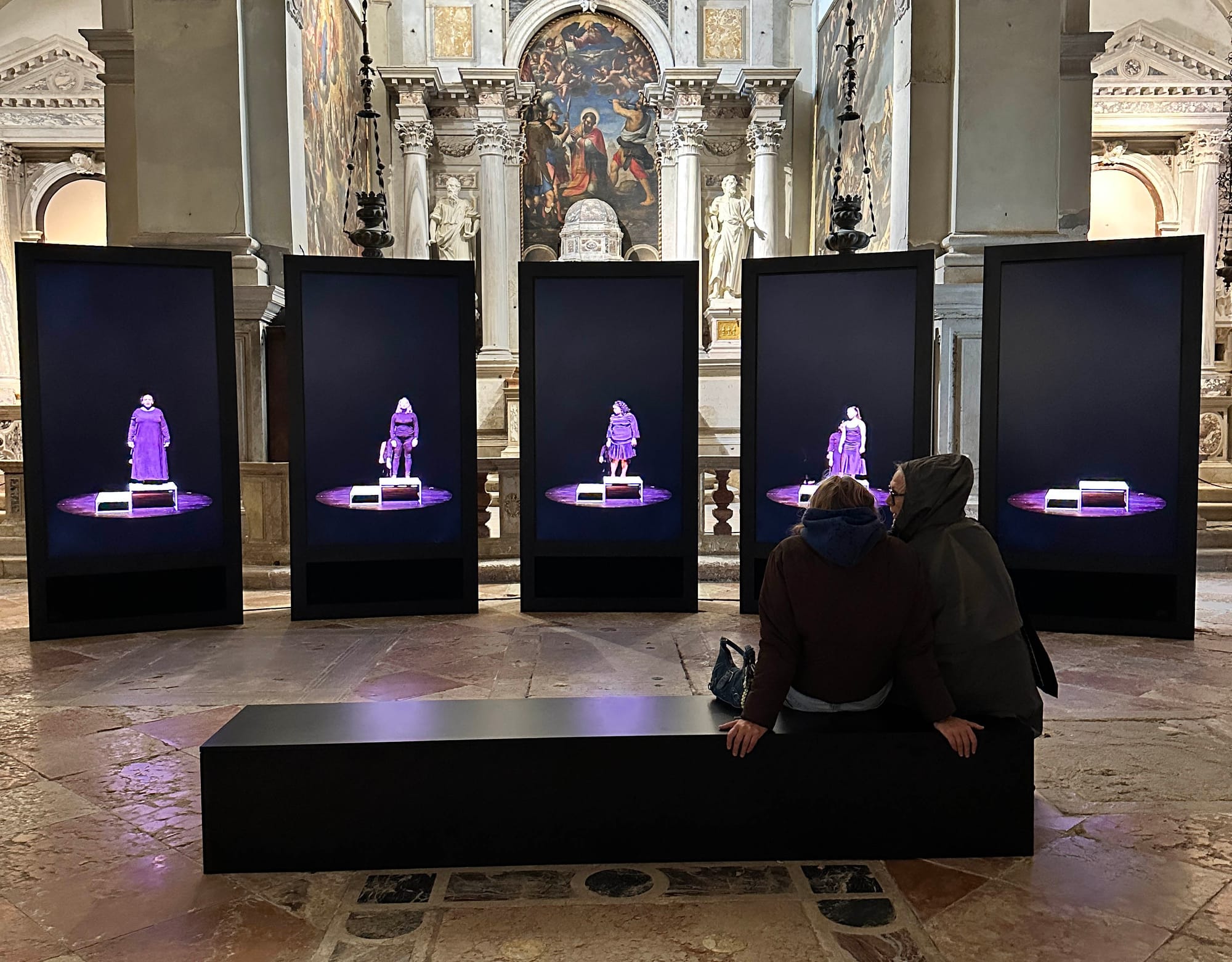
Gabrielle Goliath’s exhibition "Elegy" is presented as South Africa’s unofficial pavilion at the 61st Venice Biennale, after the country’s Culture Minister Gayton McKenzie overrode an independent committee’s selection of Goliath, citing her proposed inclusion of a memorial for Palestinians killed in Gaza. The installation features three video works in which singers sound a single note in tribute to victims of violence: a South African femicide victim, two women killed in Germany’s colonial genocide in Namibia, and Palestinian poet Heba Abunada. The show occupies the Chiesa di Sant'Antonin in Venice, curated with Ingrid Masondo, after a legal challenge against McKenzie was dismissed.

Body as Device. Guide and Reflection on the Performances of the Venice Biennale

Corpo come dispositivo. Guida e riflessione sulle performance della Biennale di Venezia

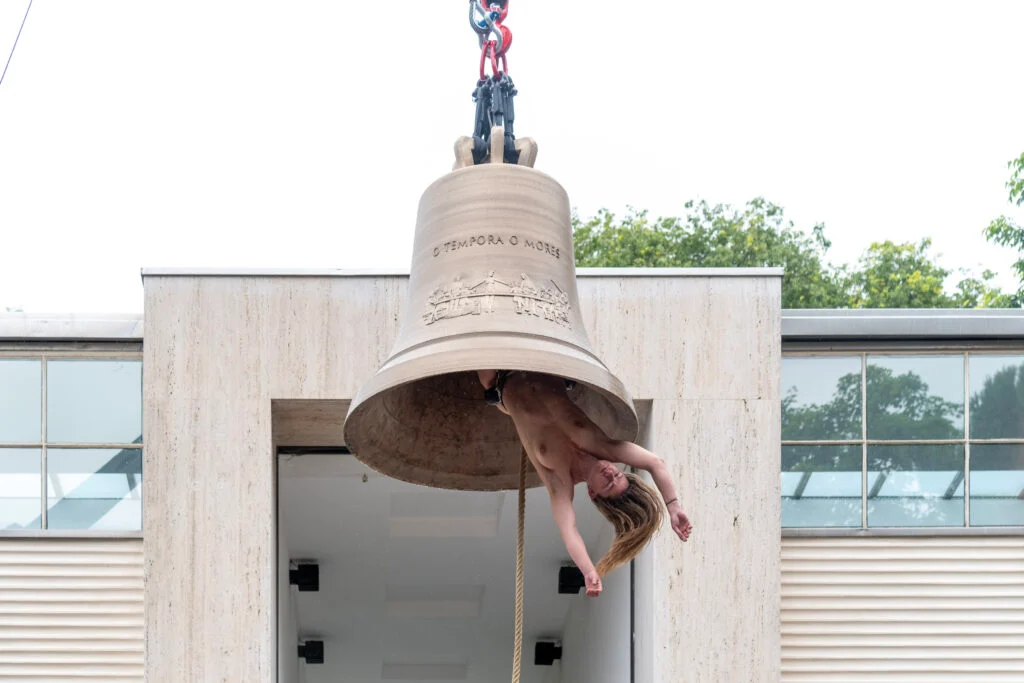
The article analyzes the role of performance art at the 2026 Venice Biennale, arguing that performance is no longer a rediscovered genre but a structurally institutionalized primary form of experience production. It examines how the body reemerges not as an alternative to image-based works but as an internal interruption of the artwork system, preventing closure and reintroducing instability. Key pavilions are discussed: Austria's Florentina Holzinger with "Sancta" draws on 1970s radical performance and feminist body art, creating an immersive environment of continuous movement; Belgium's Miet Warlop with "IT NEVER SSST" engages post-dramatic theater and postmodern dance repetition; Japan's Ei Arakawa-Nash with "Grass Babies, Moon Babies" activates Gutai avant-garde legacies through viewer interaction with soft dolls.

New film about forgers is ‘Miami Vice’ for the art-world crowd

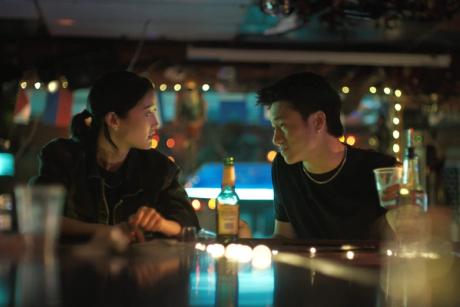
The article reviews 'Forge', a new crime thriller directed by Jing Ai Ng, which follows Chinese American siblings Coco and Raymond Zhang who forge early 20th-century landscape paintings and sell them as authentic works in South Florida. The film features FBI agent Emily (Kelly Marie Tran) investigating the scheme, while the forgers navigate a world of wealthy collectors, a hurricane-destroyed art collection, and a family legacy of deception. The movie is described as 'Miami Vice' for the art-world crowd, with a dusky palette and pulsing soundtrack set against the backdrop of Art Basel Miami Beach's booming art market.