filter_list Showing 41 results for "MAJOR" close Clear
dashboard All 1609 museum exhibitions 893article news 190article local 155trending_up market 132person people 58article policy 54article culture 46rate_review review 41candle obituary 24gavel restitution 9article event 6article events 1
date_range Range Today This Week This Month All
Subscribe

Comment | Catherine Opie shows us that in dark times, looking for joy can be radical

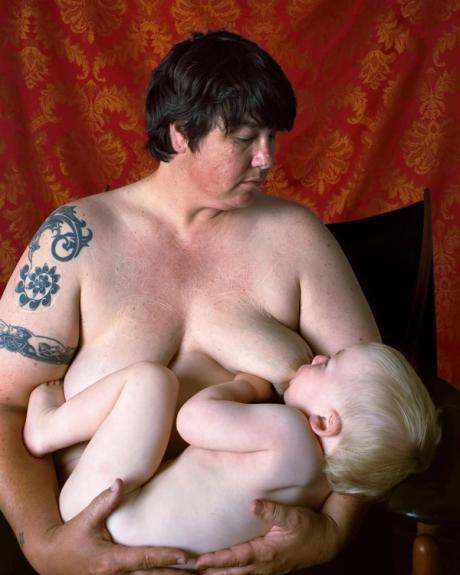
The artist Catherine Opie is currently the subject of a major three-decade portrait survey, 'To Be Seen', at the National Portrait Gallery in London. The exhibition highlights Opie’s career-long commitment to representing the LGBTQ+ community, specifically the leather dyke scene in Los Angeles, through a lens that balances defiance with playfulness. Even her most provocative works, such as the 1993 self-portrait featuring a domestic scene carved into her back, are revealed to contain elements of humor and historical allusion that counter the despair of the AIDS crisis and personal heartbreak.
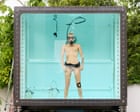
What does a woman swimming in urine tell us about the state of the world? Lots! – Venice Biennale review

The 2026 Venice Biennale, curated by the late Koyo Kouoh under the theme "In Minor Keys," has been plagued by months of turmoil including countries withdrawing, artists being fired, exhibitions cancelled, funding pulled, and protests during the preview. A five-person curatorial team took over after Kouoh's death, resulting in what the critic describes as a disjointed, committee-driven exhibition that prioritizes quiet contemplation and healing over direct political engagement. The central shows in the Giardini and Arsenale feature a vast, poorly explained array of art from the global south, with installations of ceramics, textiles, slide projectors, and serene natural scenes that the critic finds anachronistic and dull.

Michael Armitage in Venice, monumental and disturbing. What the exhibition at Palazzo Grassi looks like

Michael Armitage is the subject of a major solo retrospective at Palazzo Grassi in Venice, marking his largest exhibition in Europe to date. Organized by the Pinault Collection, the show features monumental paintings that blend African identity, local Kenyan chronicles, and mythological narratives. Armitage’s work is noted for its physical scale and its ability to transform the chaos of human affairs into a syncretic epic, utilizing traditional materials like Lubugo bark cloth to ground his contemporary subjects.

The Big Review | Lacma's David Geffen Galleries ★★★★

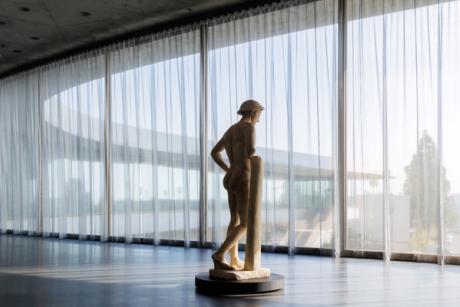
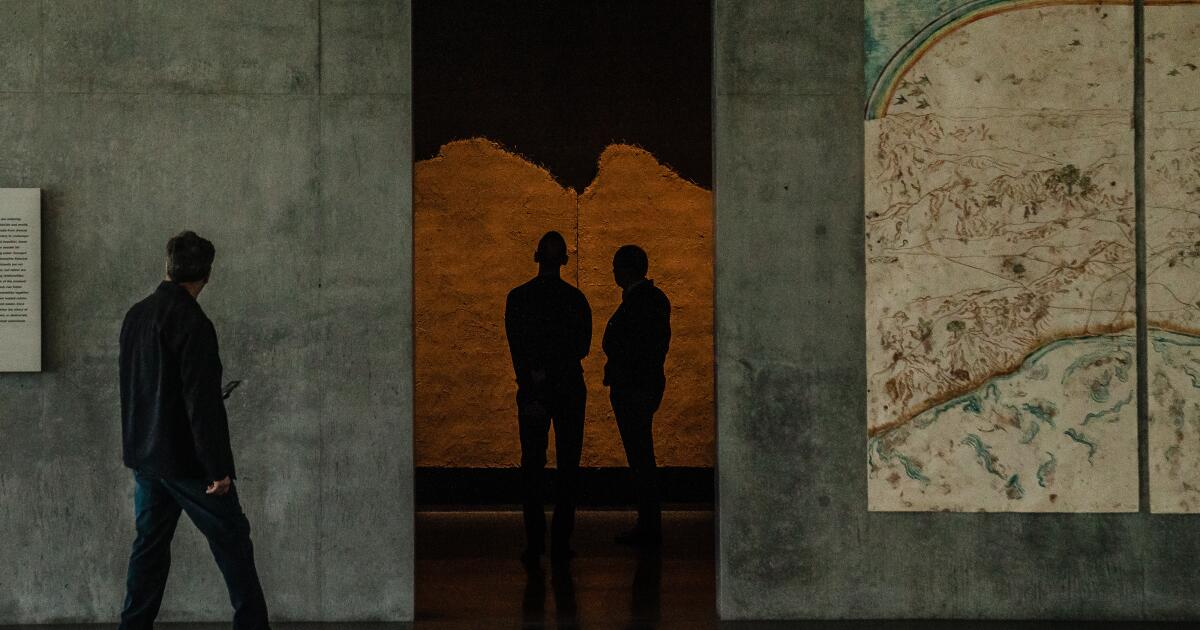
The Swiss architect Peter Zumthor's new $724 million building for the Los Angeles County Museum of Art (Lacma), now called the David Geffen Galleries, has opened after nearly two decades of anticipation. The swooping concrete-and-glass structure is praised for its harnessing of natural light and horizontality, creating a stunning showcase for antiquities and inviting the city inside with floor-to-ceiling windows offering views of the La Brea Tar Pits and Wilshire Boulevard. The building performs best with sculpture and decorative objects, with standout works including Liz Glynn's "The Futility of Conquest" (2023) and Manjunath Kamath's "Vikatonarva" (2024).

What We Miss When We Talk About Giacometti

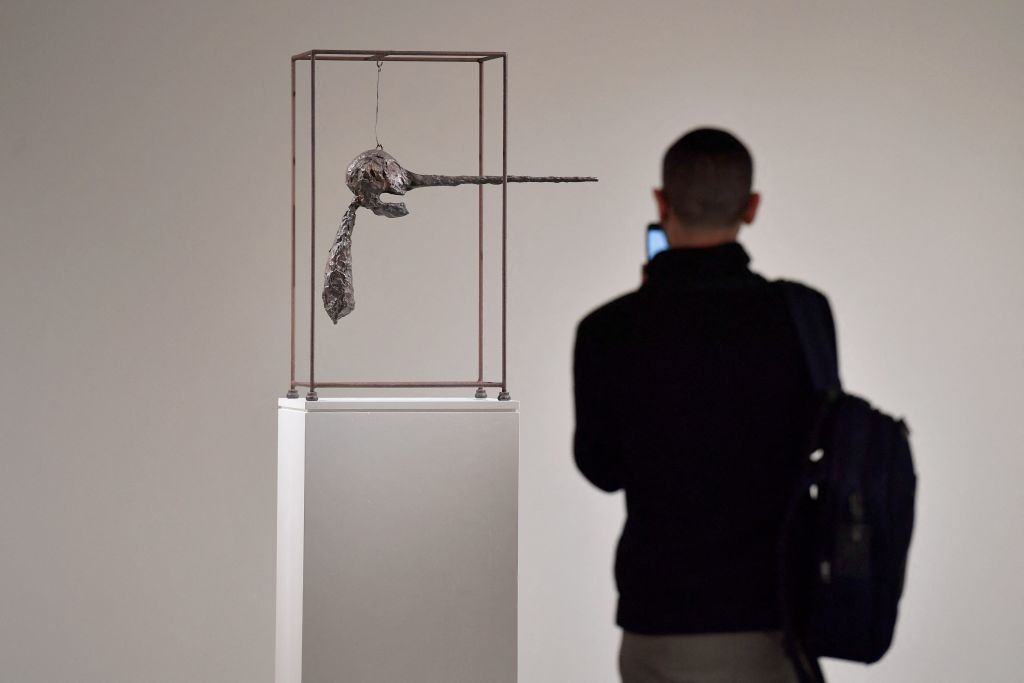
This article explores a critical reevaluation of Alberto Giacometti’s career, specifically focusing on the decade between 1935 and 1945. While Giacometti is globally recognized for his spindly, post-war 'Existentialist' figures, art historian Joanna Fiduccia’s new book, *Figures of Crisis*, argues that his mid-career departure from Surrealism to study human likeness was not a mere transition but a profound response to the political crises and nationalism of interwar France.

The Big Review: Rothko in Florence ★★★★★

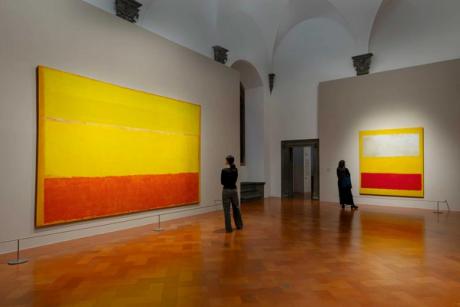
The Palazzo Strozzi in Florence has launched a major exhibition exploring the profound influence of the Italian Renaissance on Mark Rothko. Co-curated by the artist's son, Christopher Rothko, the show spans three historic locations: the Palazzo Strozzi, the Museo di San Marco, and the Biblioteca Medicea Laurenziana. By placing Rothko’s abstract canvases in direct dialogue with Fra Angelico’s frescoes and Michelangelo’s architecture, the exhibition highlights how the artist’s visits to Italy in the 1950s and 60s shaped his spatial thinking and spiritual intensity.

Zurbarán review – ecstatic visions, primitive surrealism … and the finest loincloths ever painted

The Guardian reviews a major exhibition of 17th-century Spanish painter Francisco de Zurbarán, highlighting his visionary and surrealist qualities. The show features works such as "The Apparition of Saint Peter to Saint Peter Nolasco" (1629), newly attributed paintings including a giant mask, and iconic pieces like "The Crucified Christ" and "Saint Serapion," all drawn from collections including the Prado and the National Gallery, London. The review emphasizes Zurbarán's ability to paint supernatural subjects with naturalistic conviction, his exquisite rendering of fabrics—especially loincloths—and his influence on modern artists like Salvador Dalí.

Martin Parr: Global Warning review – the great photographer in all his gluttonous, giddy glory

A major retrospective exhibition of photographer Martin Parr's work, titled 'Global Warning,' has opened at the Jeu de Paume museum in Paris. The show, which Parr helped plan before his death in December 2023, is on track to become the museum's most visited exhibition, showcasing his signature saturated, ironic, and unflinching observations of global tourism and consumerism.

The National Gallery of Art’s Dear America Needs a Postscript

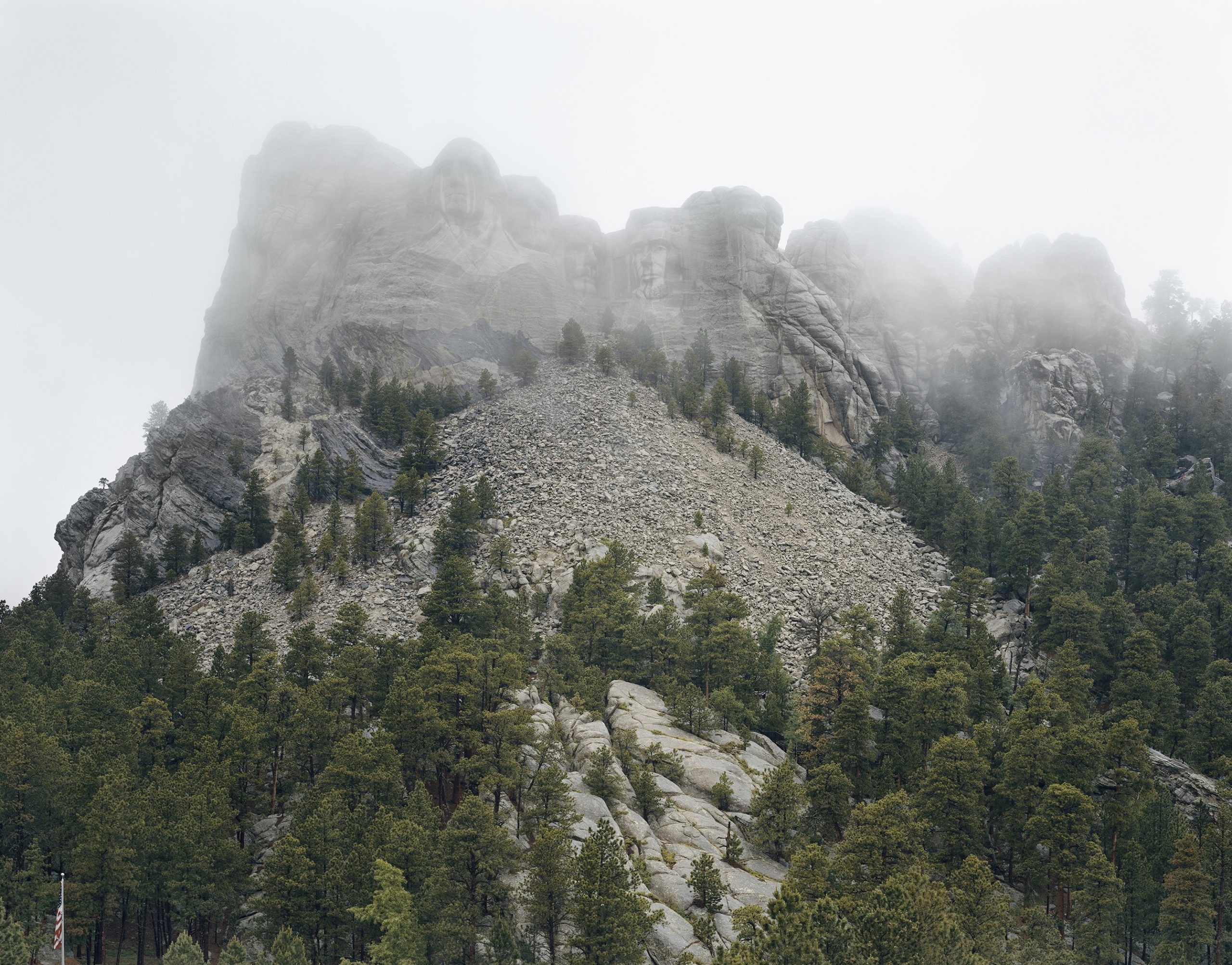
The National Gallery of Art in Washington, D.C. has opened "Dear America," an exhibition organized around the themes of "Land," "Community," and "Freedom" that attempts to survey the entire history of the United States through its collection. The show features works by artists including Mitch Epstein, Victoria Sambunaris, Sedrick E. Huckaby, and Nancy Andrews, with sections on the American landscape, industrialization, and diverse communities. However, the review notes that the exhibition feels overly literal, with American flags prominently featured and a sense of ticking off boxes rather than offering a challenging or intellectually rigorous presentation.

The Carnegie International Looks Back at Itself

The 58th Carnegie International at the Carnegie Museum of Art in Pittsburgh looks back at its own 130-year history, featuring a gallery dedicated to past iterations. The exhibition includes Chris Ofili's "The Adoration of Captain Shit and the Legend of the Black Stars" (1998), which was originally shown in the 53rd International in 1999, the same year Ofili's more notorious "The Holy Virgin Mary" sparked controversy at the Brooklyn Museum. The article reviews how the current iteration captures the excitement of earlier exhibitions while providing commentary on authoritarianism and militarism.

Roses and Thorns of Greater New York

The article is a digest of recent art news, with a primary focus on critical reviews of the 2026 "Greater New York" exhibition at MoMA PS1. Hyperallergic's editorial team provides mixed assessments of the works in the massive quinquennial survey of local artists. The piece also covers American-French sculptor Barbara Chase-Riboud's decision to decline an invitation to represent the United States at the 61st Venice Biennale, citing the problematic nature of the pavilion's commissioning entity.

A Blockbuster Take on Ovid’s “Metamorphosis”

The Rijksmuseum in Amsterdam has opened a major exhibition titled 'Metamorphoses,' inspired by Ovid's poem. The show brings together Renaissance masterpieces, antiquities, and contemporary works, grouping them by the myths they depict to explore themes of transformation, desire, and gender through striking visual juxtapositions.

Big Crisis, Small Gestures

Große Krise, kleine Gesten

The article reviews the second edition of the Klima Biennale Wien, which opened in early April in Vienna. It notes that while the biennale aims to address the urgent triple crisis of climate change, biodiversity loss, and pollution, its execution falls short. The exhibition features symbolic works such as a beached whale, a broken boat, and a compostable SUV sculpture, but these motifs feel repetitive and lack the necessary impact. The author contrasts these with historical precedents like Menashe Kadishman's 1978 Venice Biennale installation and Joseph Beuys' "7000 Eichen" (1982), arguing that the themes of nature and sustainability are not new, only the urgency has intensified.

Mary Frank Creates Her Own Pantheon

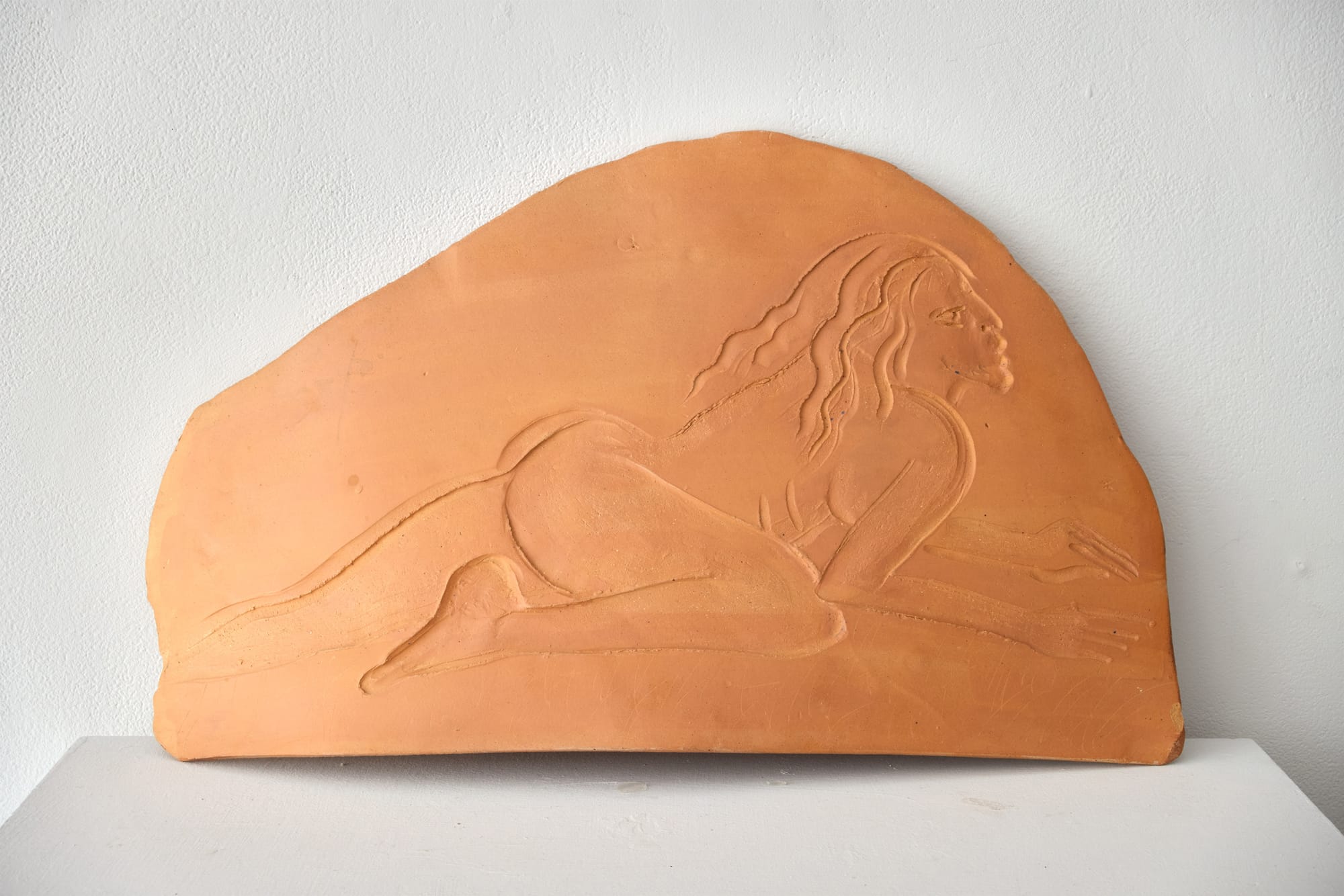
Mary Frank, an artist in her early 90s known for mythologically rooted sculpture and works on paper, is the subject of a focused exhibition at Steven Harvey Fine Art Projects in New York. Curated by Steven Harvey, the show presents 11 sculptures in wood, bronze, and ceramic from 1958 to 1985, alongside five works on paper, including a monotype and an oil-on-paper piece. Frank’s work, influenced by her study with Martha Graham, centers on self-sustaining female figures that embody agency, tenderness, and survival, often rendered in ceramic slabs or carved wood.

What’s Left to Learn from Marcel Duchamp?

The article examines Marcel Duchamp's enduring influence on contemporary art, focusing on his readymades such as "Fountain" (1917) and "Bicycle Wheel" (1913/1951). It notes that a major survey co-organized by the Museum of Modern Art and the Philadelphia Museum of Art, 70 years after Duchamp predicted his true public would emerge in 50 to 100 years, reaffirms his status as the most influential artist of the past century. The piece discusses how Duchamp's practice of selecting and presenting ordinary objects as art—from a urinal to a snow shovel—once shocked the art world but now seems quaint compared to later works like Maurizio Cattelan's taped banana.

What We Loved (And Didn’t) in “Greater New York”

The article presents a critical review of the 2026 "Greater New York" exhibition at MoMA PS1, a massive survey featuring over 150 works by more than 50 artists. The Hyperallergic editorial team highlights specific artists and works they loved, disliked, or found puzzling, offering a curated list of around 20 standout pieces. The review includes detailed commentary on individual works by artists like Dean Millien, the collective Red Canary Song, and Kameron Neal, capturing the diverse and often contentious reactions the show provokes.

MoMA PS1’s “Greater New York” Is Gritty, Stunning, and Gutting

MoMA PS1 has launched the sixth edition of "Greater New York," a quinquennial survey featuring over 50 artists living and working in the city. Coinciding with the museum’s 50th anniversary, the 2026 iteration focuses on artists in the formative stages of their careers, emphasizing a gritty, raw aesthetic over the polished, market-driven surfaces often found in major biennials. The exhibition highlights photography and installation work that reflects the city's complex immigrant narratives and evolving urban identity.

Nancy Holt review – cosmic thrills as the universe’s hidden power is unleashed

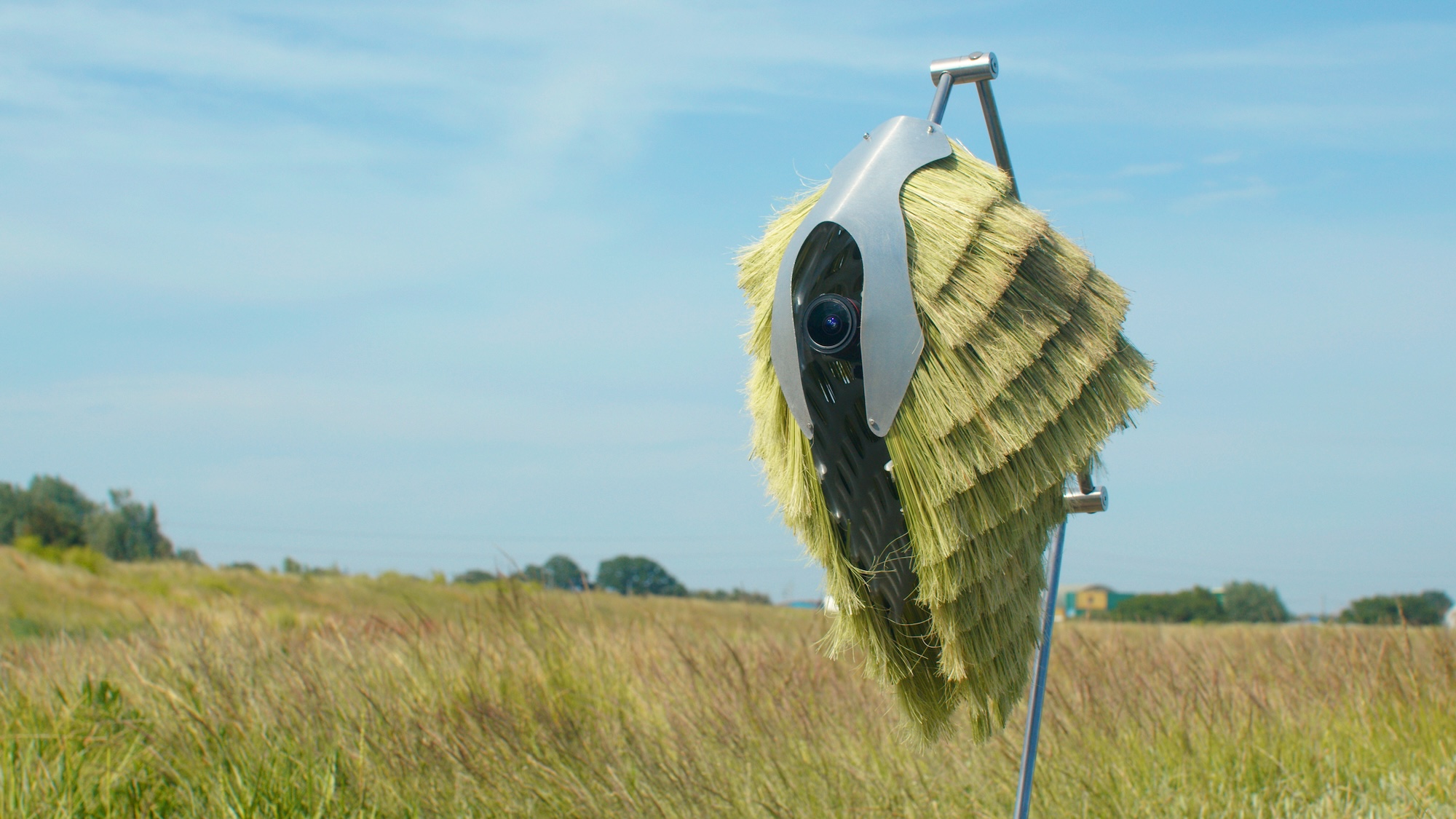
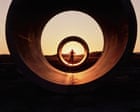
The Guardian reviews a major UK exhibition of land artist Nancy Holt (1938-2014) at Goodwood in West Sussex, the largest show of her work to date. The exhibition features two large outdoor installations—Ventilation System, a metallic tubular structure resembling building lungs, and Hydra’s Head, six concrete pools arranged like the Hydra constellation in a chalk quarry—alongside indoor photographs, diagrams, and light works. The review praises the cosmic scale and bodily connection of the outdoor pieces but finds the indoor works less effective at conveying Holt’s themes of universal vastness and interconnectedness.

Thailand Biennale 2025 Review: Beyond the Tropical Paradise

The fourth Thailand Biennale, titled 'Eternal [Kalpa]', has launched across 19 venues in Phuket, aiming to challenge the island's reputation as a mere tropical leisure destination. Curated by a team including Hera Chan, the exhibition utilizes diverse locations—from municipal gymnasiums to mangrove forests—to explore themes of subjective time and local history. Despite logistical delays that saw some artists still installing works during the press preview, the biennial presents a series of site-specific commissions that engage with Phuket’s ecological and social complexities.

What Do Danh Vo’s Curated Collections Add Up To?

The article reviews the exhibition 'Danh Vo: Untitled' at the Pirelli HangarBicocca in Milan, which presents a collection of objects curated and arranged by the artist. The show features a diverse array of items, including a 17th-century Flemish painting, a meteorite, a taxidermied peacock, and personal memorabilia, all displayed without explanatory labels in a large, warehouse-like space.

This Liminal Moment

The article reviews the exhibition "MONUMENTS" at the Geffen Contemporary at MOCA and the Brick in Los Angeles, which addresses the legacy of Confederate monuments through contemporary art. It highlights Cauleen Smith's installation "The Warden" (2025), which features a live-feed of the decommissioned Confederate sculpture "Vindicatrix" (also known as "Miss Confederacy") by Edward V. Valentine, originally atop the Jefferson Davis Memorial in Richmond, Virginia. The exhibition is curated by Hamza Walker, Kara Walker, and Bennett Simpson.

What I learned from Tracey Emin about regeneration

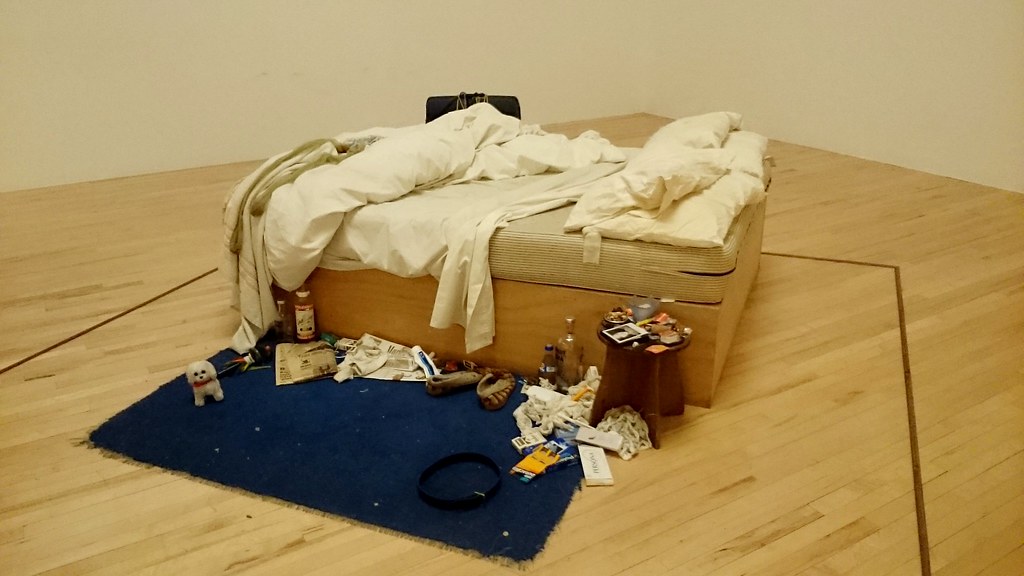
The article reviews Tracey Emin's exhibition "A Second Life" at Tate Modern, describing the author's initial lack of aesthetic connection to the artworks—finding the paintings derivative and neon signs tacky—but ultimately being moved by the exhibition's emotional force and the artist's refusal to disguise pain, humiliation, and grief. The author notes the crowded galleries, the predominantly female audience responding with visceral emotion, and highlights the film "How It Feels" as the most impactful piece, in which Emin discusses her traumatic abortion and its effect on her self-perception.

The Many Forms of Marcel Duchamp

The New Yorker's Hilton Als reviews "Marcel Duchamp," a major retrospective at the Museum of Modern Art (MoMA) in New York, running through August 22, 2026. Curated by Matthew Affron, Michelle Kuo, and Ann Temkin, it is the first North American retrospective of Duchamp's work since 1973, organized in collaboration with the Philadelphia Museum of Art. The exhibition spans MoMA's entire sixth floor, showcasing Duchamp's shape-shifting practice—from iconic works like "Nude Descending a Staircase (No. 2)" (1912) and "Bicycle Wheel" (1951) to his readymades and conceptual pieces—emphasizing his rejection of commodification and embrace of intellectual freedom, play, and queer sensibilities.

Art for Our Age of Chaos

The article reviews two major New York exhibitions opening in 2026: the Whitney Biennial at the Whitney Museum of American Art, featuring over fifty artists, and "New Humans: Memories of the Future" at the newly expanded New Museum, with over a hundred artists. Both shows are described as enormous and defiant, responding to a distracted public and financial pressures. The reviewer notes that both exhibitions juxtapose large-scale immersive works with tiny, intimate pieces, and finds the Whitney Biennial lacking urgency, while preferring the New Museum's historical narrative about technology and modernity.

Review: Getting lost in the art is the best part of LACMA’s new revisionist fever dream of a museum

The Los Angeles County Museum of Art (LACMA) has opened its new David Geffen Galleries, a radical reinvention of the museum experience. The installation, conceived by director Michael Govan and architect Peter Zumthor, abandons traditional chronological and departmental silos, instead creating a continuous, curving flow of art from across time, place, and medium. Visitors are encouraged to wander and get lost, forging their own connections between works.

The Big Review

Tate Britain has launched a major survey dedicated to the visionary artist and poet William Blake, marking one of the most comprehensive exhibitions of his work in London. The show brings together his intricate watercolors, prints, and prophetic books, offering a deep dive into his unique mythological universe and radical political views.

Fight Club Denounces the System From Within the System

Cameroonian artist Pascale Marthine Tayou's first major institutional exhibition in Brazil, "Knockout!," has opened at the Pinacoteca de São Paulo's Pina Luz building. The show spans over 25 years of Tayou's career, featuring installations, sculptures, and paintings across seven rooms. Each room is themed around a historical international conference—including the Berlin Conference of 1884, Yalta, San Francisco, Rome, Rio de Janeiro, Bandung, and a fictional Avignon conference—using these as political and historical axes to critique colonial power structures and global inequality.

The Mysterious Life of Fluxus Dame Alison Knowles

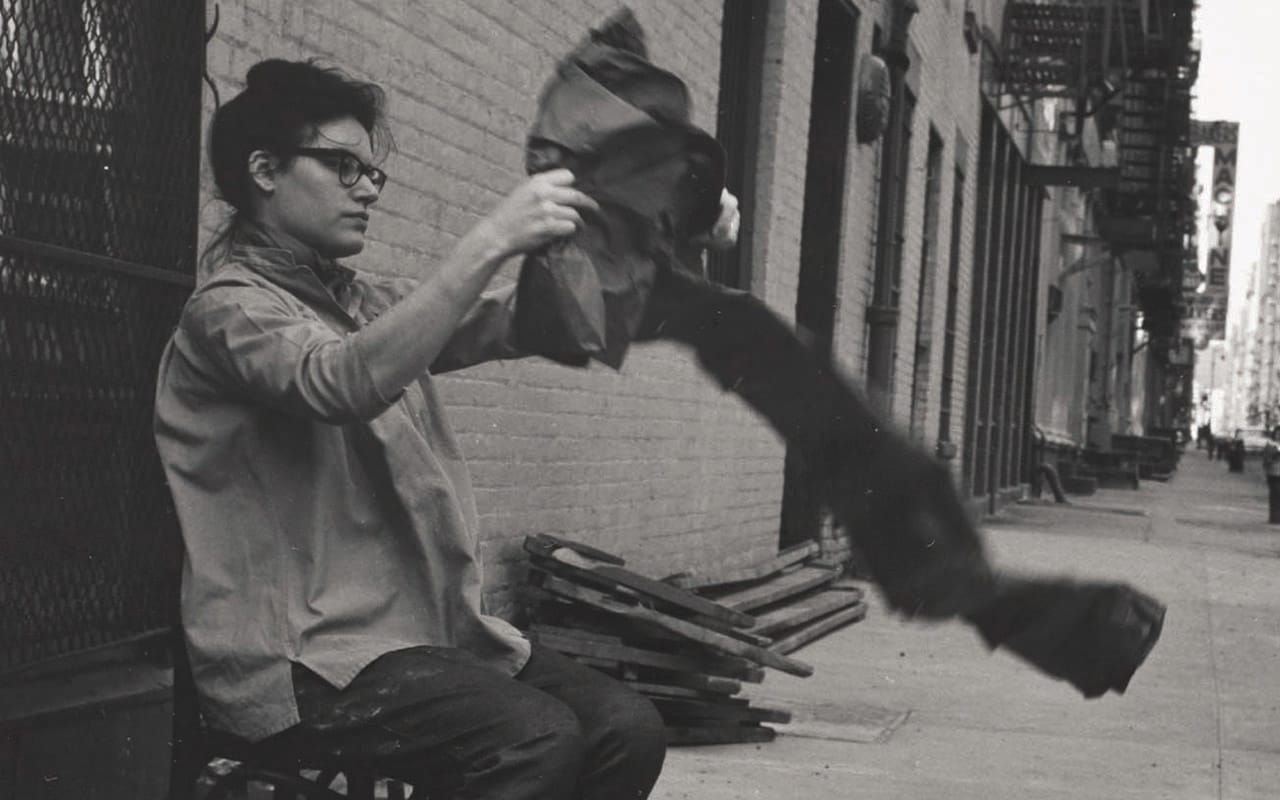
A new book, "Performing Chance: The Art of Alison Knowles In/Out of Fluxus" by art historian Nicole L. Woods, is the first major study of the late Fluxus artist Alison Knowles, who died last fall at age 92. The book focuses on the first two decades of her career (1958–1975), analyzing key works such as her 1962 performance "Proposition #2: Make a Salad" at London's Institute of Contemporary Arts, and her shift from painting to experimental, ephemeral art after being exiled to a basement by Josef Albers at Syracuse University.

Rose Finn-Kelcey review – flying puns, smart pranks and prayers for 20p

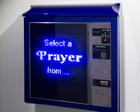
The Guardian reviews "Rose Finn-Kelcey: House Rules," a posthumous exhibition at the new Arts Collective in Northampton, UK. The show features works by the British conceptual artist (1945–2014), including her 1972 flag installation "Power for the People" at Battersea Power Station, a prayer vending machine titled "It Pays to Pray," and pieces exploring permission, spirituality, and societal restrictions. The exhibition is presented as a homecoming for Finn-Kelcey, who was born in Northampton.

What’s Showing in Chelsea During Frieze Week New York

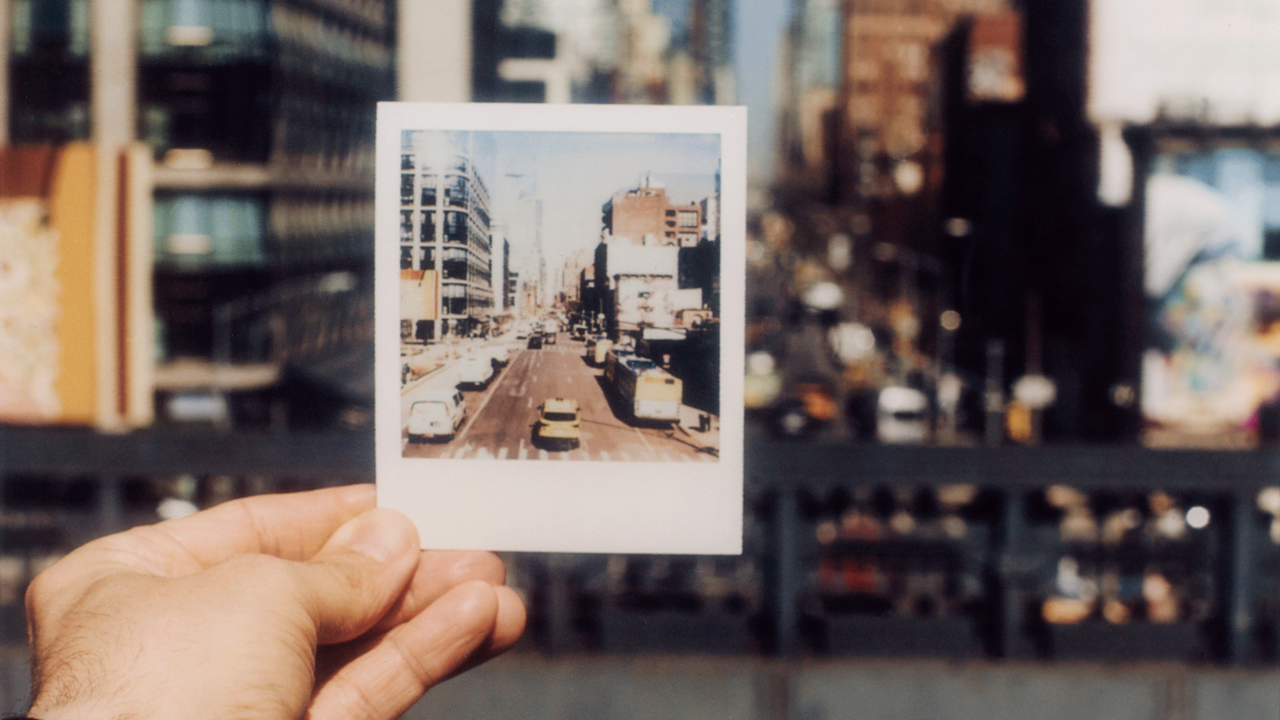
This article is a critic's guide reviewing national pavilions during Frieze Week New York. Andrew Durbin contrasts a vacuous US presentation with incisive and moving installations from Britain and Germany, questioning the meaning and depth of the American contribution.