filter_list Showing 22 results for "Museums" close Clear
search
dashboard All 2626 museum exhibitions 1095article news 450article policy 271article local 231article culture 154trending_up market 148person people 125gavel restitution 90candle obituary 35rate_review review 22article event 2article events 1article museums & heritage 1article school 1
date_range Range Today This Week This Month All
Subscribe

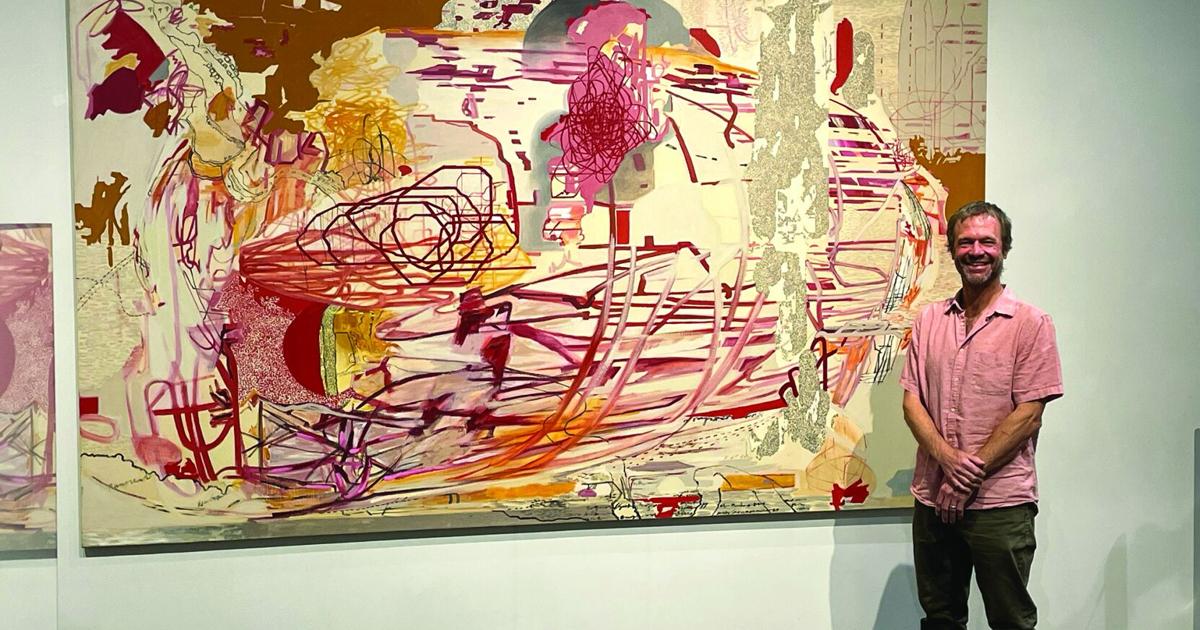
raymond saunders carnegie museum retrospective review

Raymond Saunders's first retrospective, a small but potent exhibition at the Carnegie Museum of Art in Pittsburgh, surveys 35 of his bewitching paintings. The works, described as elusive and Rauschenbergian, feature messy scrawls, collected trinkets, and media clippings, with pieces like *Passages: East, West 1* (1987) layering chess boards, paint strokes, and appropriated still lifes. Saunders, who joined Andrew Kreps and David Zwirner last year, has never before received a retrospective, despite his influential 1967 essay "Black Is a Color" and steady institutional acquisitions.

What ‘Costume Art’ Gets Wrong About the Body

The Metropolitan Museum of Art's Costume Institute spring exhibition, featuring nearly 400 objects, pairs garments and ensembles with Western figurative artworks from the museum's permanent collection in dyadic, associative displays. The show eschews traditional art-historical timelines and context in favor of visual and thematic parallels—comparing, for example, Rudi Gernreich's Pubikini with an Egyptian statuette, or Ying Gao's sound-responsive dress with a David Hockney drawing. The exhibition is sponsored by Jeff and Lauren Sánchez Bezos.

what are the 10 best works of art in new york museums let the debate begin

Artnet News critic Christian Viveros-Fauné has published a personal list of the ten best works of art in New York museums, sparking debate among readers. The selection includes iconic pieces such as Giovanni Bellini's *St. Francis in the Desert* at the Frick Collection, Gerhard Richter's *October 18, 1977* at MoMA, Paul Cézanne's *The Card Players* at the Metropolitan Museum of Art, James Rosenquist's *F-111* at MoMA, Diego Velázquez's *Juan de Pareja* at the Met, and Pablo Picasso's *Les Demoiselles d'Avignon* at MoMA, among others.

future of the art world andras szanto review

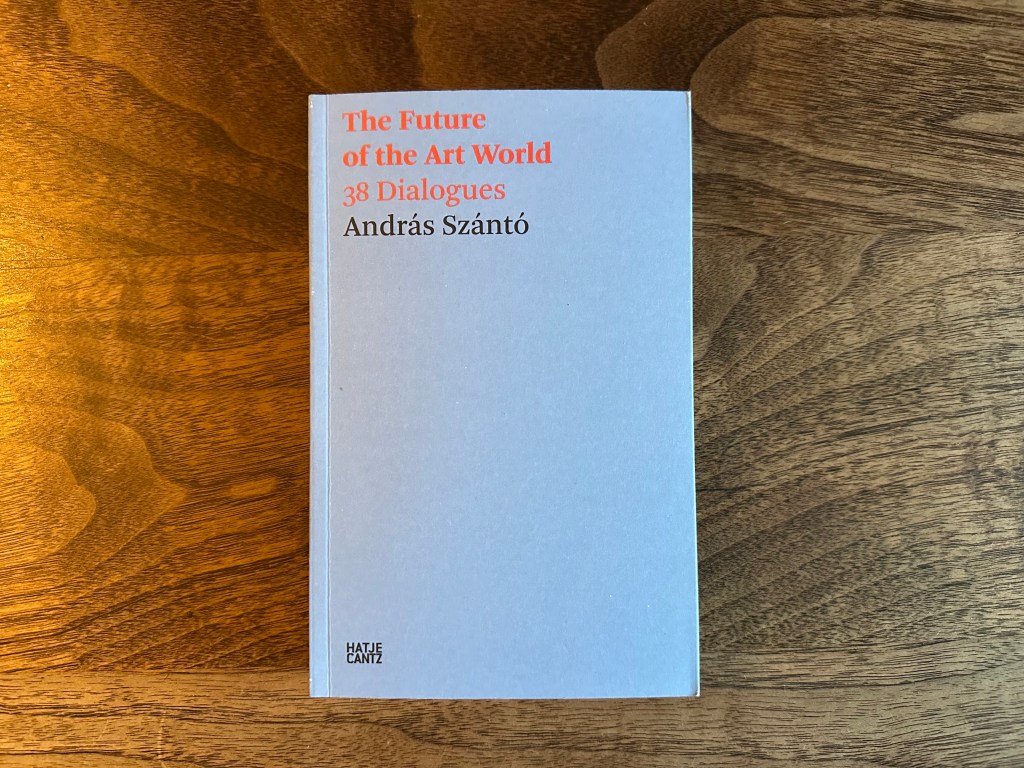
András Szántó has published the third volume of his trilogy on the future of museums and the art world, titled "The Future of the Art World." The book compiles 38 interviews conducted between April 2024 and June 2025 with a wide range of art-world stakeholders, including artists, curators, collectors, dealers, auctioneers, art fair directors, sociologists, philosophers, and policymakers. Unlike his previous books, which focused on museum directors and architects, this volume gives significant voice to artists, who offer provocative critiques and predictions about the future of museums, art education, and digital art.

The Big Review | Lacma's David Geffen Galleries ★★★★

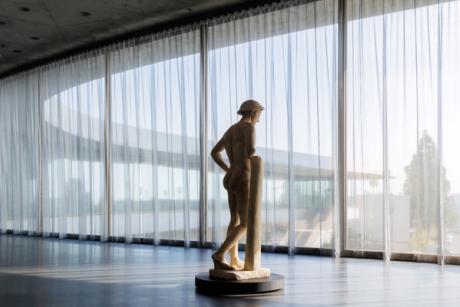
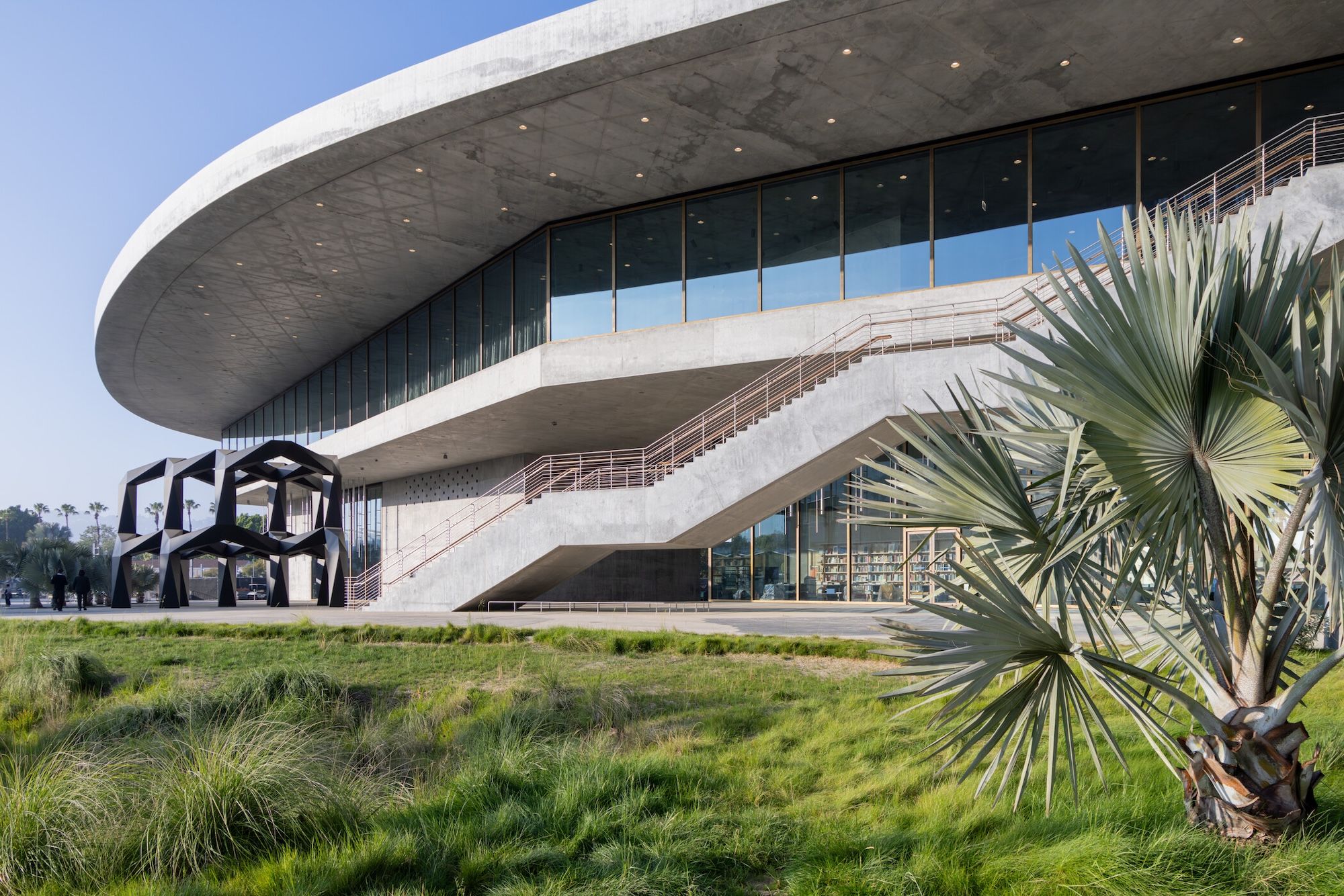
The Swiss architect Peter Zumthor's new $724 million building for the Los Angeles County Museum of Art (Lacma), now called the David Geffen Galleries, has opened after nearly two decades of anticipation. The swooping concrete-and-glass structure is praised for its harnessing of natural light and horizontality, creating a stunning showcase for antiquities and inviting the city inside with floor-to-ceiling windows offering views of the La Brea Tar Pits and Wilshire Boulevard. The building performs best with sculpture and decorative objects, with standout works including Liz Glynn's "The Futility of Conquest" (2023) and Manjunath Kamath's "Vikatonarva" (2024).

Michael Armitage in Venice, monumental and disturbing. What the exhibition at Palazzo Grassi looks like

Michael Armitage is the subject of a major solo retrospective at Palazzo Grassi in Venice, marking his largest exhibition in Europe to date. Organized by the Pinault Collection, the show features monumental paintings that blend African identity, local Kenyan chronicles, and mythological narratives. Armitage’s work is noted for its physical scale and its ability to transform the chaos of human affairs into a syncretic epic, utilizing traditional materials like Lubugo bark cloth to ground his contemporary subjects.

Two Museums Take on Performative Masculinity, Looksmaxxing, Incels, and Other Macho Buzzwords That Don’t Belong There.

The Stedelijk Museum and Kunstmuseum St. Gallen have co-organized an exhibition titled "Beyond the Manosphere: Masculinities Today," which aims to critically examine contemporary masculinity and its online manifestations such as incels, looksmaxxing, and pickup artists. The show features works by artists including Reba Maybury and Richard Serra, and is curated by Melanie Bühler, with directors Rein Wolfs and Gianni Jetzer overseeing the project. The exhibition will travel from the Stedelijk to the Kunstmuseum St. Gallen later this year.

The National Gallery of Art’s Dear America Needs a Postscript

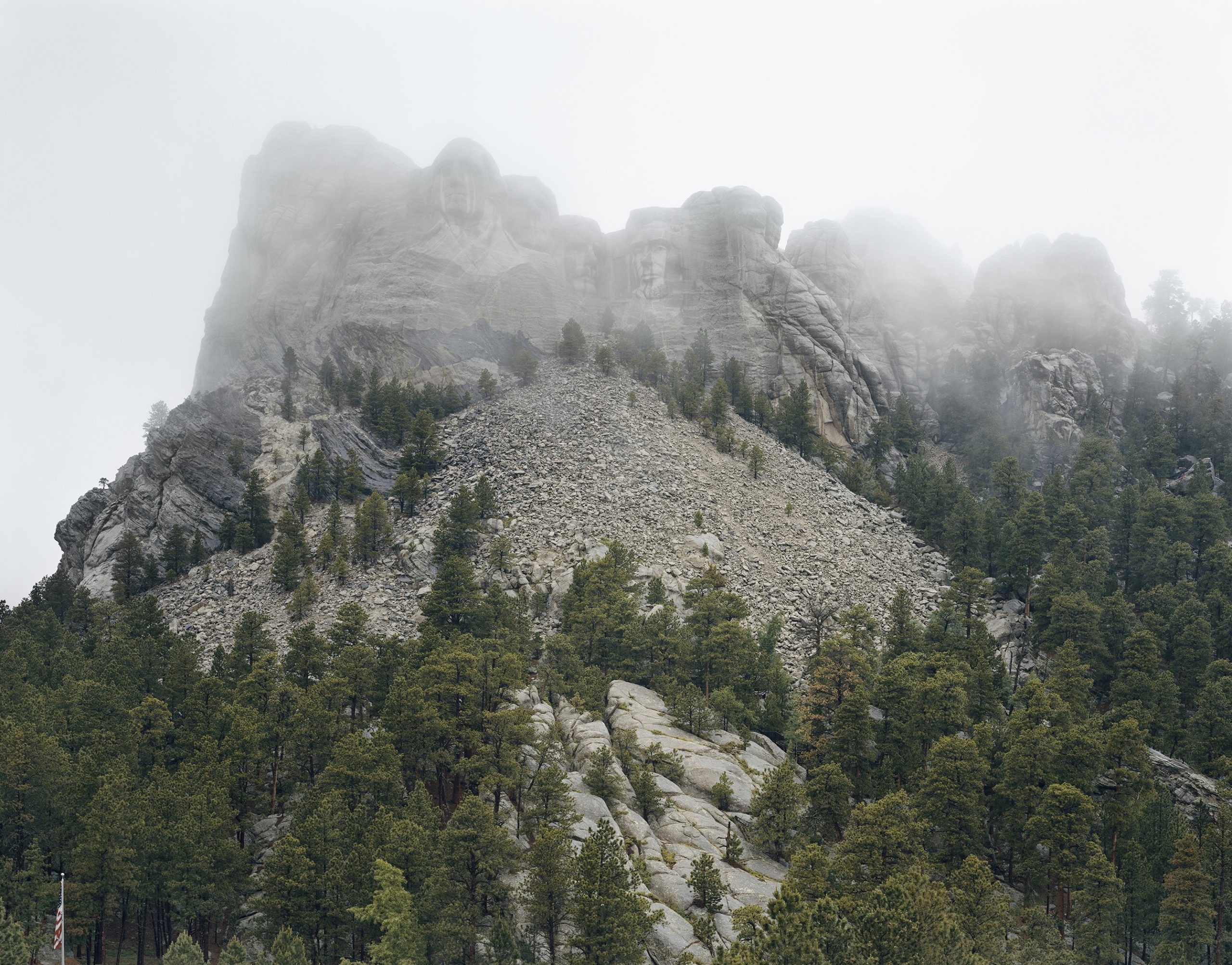
The National Gallery of Art in Washington, D.C. has opened "Dear America," an exhibition organized around the themes of "Land," "Community," and "Freedom" that attempts to survey the entire history of the United States through its collection. The show features works by artists including Mitch Epstein, Victoria Sambunaris, Sedrick E. Huckaby, and Nancy Andrews, with sections on the American landscape, industrialization, and diverse communities. However, the review notes that the exhibition feels overly literal, with American flags prominently featured and a sense of ticking off boxes rather than offering a challenging or intellectually rigorous presentation.

Roses and Thorns of Greater New York

The article is a digest of recent art news, with a primary focus on critical reviews of the 2026 "Greater New York" exhibition at MoMA PS1. Hyperallergic's editorial team provides mixed assessments of the works in the massive quinquennial survey of local artists. The piece also covers American-French sculptor Barbara Chase-Riboud's decision to decline an invitation to represent the United States at the 61st Venice Biennale, citing the problematic nature of the pavilion's commissioning entity.

Inside LACMA’s Eye-Popping New Home, How Do You Find the Art?

The Los Angeles County Museum of Art (LACMA) has opened its new David Geffen Galleries building, a major architectural project designed to be a glamorous cultural beacon. The building itself is a striking landmark, but the exhibition spaces within present significant challenges for the display of art, creating a complex, maze-like environment for visitors.

An Analog Tether

A new wave of gallery exhibitions is championing analog physicality and personal intimacy as a direct counter-response to the rise of AI-generated imagery. Artists like Ben Wolf Noam and Joseph Geagan are utilizing traditional mediums such as charcoal, lithography, and oil paint to capture spontaneous, sentimental moments of human connection, from family dinners to portraits of friends. These works emphasize the "hospitable mess" of real life, prioritizing the recognizable faces and tangible textures that AI often flattens.

Column: The new LACMA is sleek, splotchy, powerful, jarring, monotonous, appealing and absurd

The Los Angeles County Museum of Art (LACMA) is nearing completion of its new Brutalist building designed by Swiss architect Peter Zumthor, known as the David Geffen Galleries. Museum members will get a sneak peek at the empty interior spaces starting July 3, though the fully finished project with art installed won't open until April 2026. The poured-in-place concrete structure spans 347,500 square feet, including 110,000 square feet of exhibition space across 90 galleries, elevated 30 feet above ground on seven massive piers crossing Wilshire Boulevard. The article offers a critical preview of the building's aesthetics, noting the overwhelming monotony of concrete across floors, walls, and ceilings, while acknowledging some appealing views and powerful visual impact.

Zurbarán: a ‘magnificently choreographed’ showing of the Spanish ‘genius’

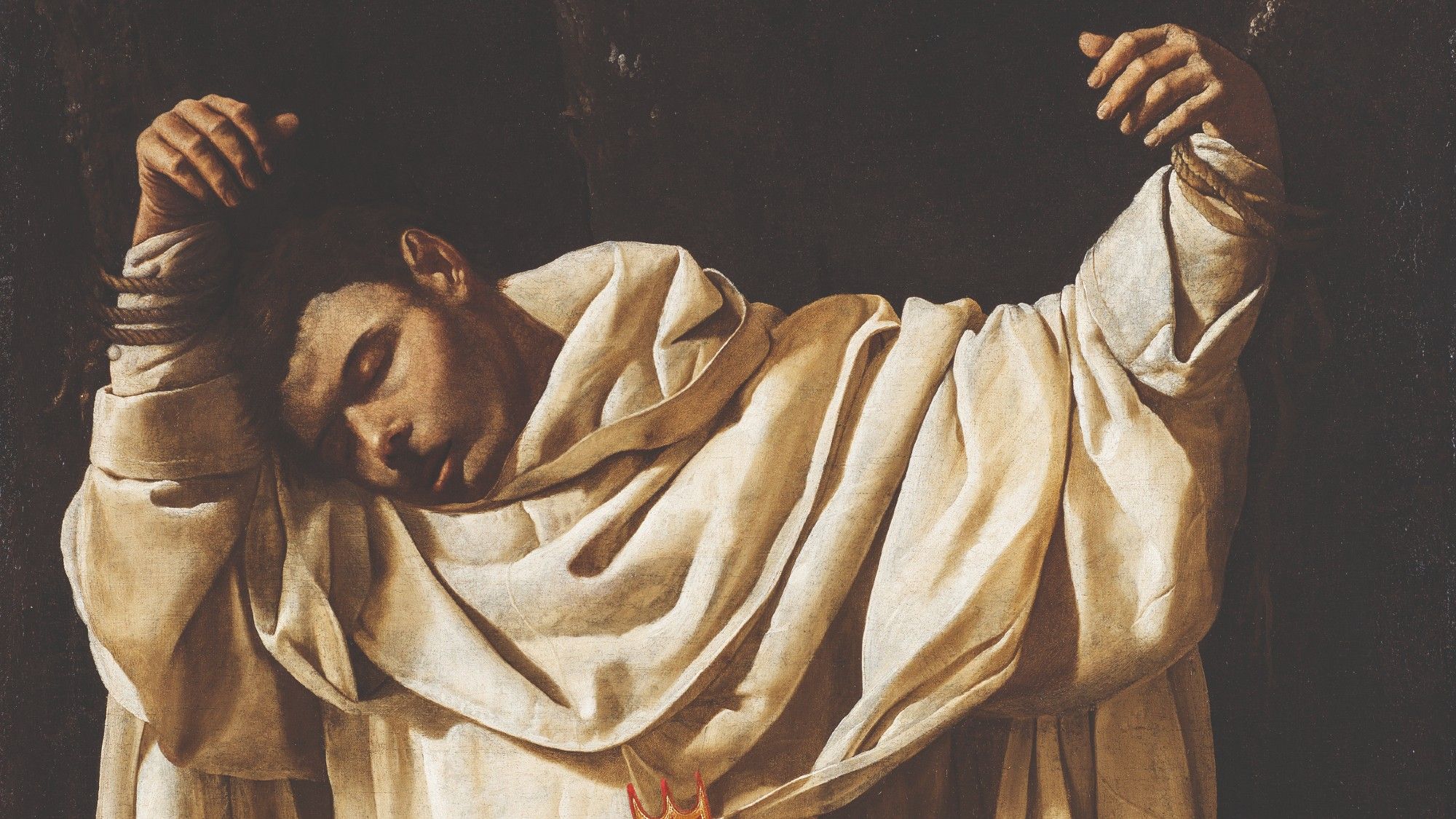
The article reviews the first-ever British exhibition dedicated to Spanish Baroque painter Francisco de Zurbarán, held at the National Gallery in London. The show brings together 40 works from collections spanning Seville to San Diego, featuring his hyper-real religious paintings and radiant still lifes, described as a 'magnificently choreographed' trawl through his oeuvre. Critics praise the exhibition for its dramatic lighting and revelatory presentation, though some note uneven quality in his later works.

Losing Frida Kahlo in "The Making of an Icon"

The article critiques the Museum of Fine Arts, Houston's (MFAH) exhibition "Frida: The Making of an Icon," arguing that it perpetuates a fetishized, commercialized view of Frida Kahlo by focusing on her biography—her marriage to Diego Rivera, her affairs, her accident—rather than her artistic skill. The author contrasts this with a visit to the Museo de Arte Moderno (MAM) in Mexico City, where the exhibition "Relatos modernos. Obras emblemáticas de la Colección Gelman Santander" presents Kahlo's work alongside other Mexican masters in a quiet, understated manner that allows viewers to appreciate her technical abilities without overwhelming narrative.

Review: Art museum’s big fall fashion show is captivating, sexy and fun, albeit with glitches

The Cleveland Museum of Art has opened a major fall exhibition titled "Renaissance to Runway: The Enduring Italian Houses," featuring roughly 80 garments and accessories from top Italian fashion houses such as Gucci, Pucci, Armani, Versace, Valentino, Ferragamo, Max Mara, and Missoni. The show juxtaposes these modern and contemporary designs with over 40 Renaissance, Mannerist, and Baroque artworks from the museum's collection, exploring how Italian couture has drawn inspiration from art history. A digital video installation by filmmaker Francesco Carrozzini and photographer Henry Hargreaves, using AI technology, humorously depicts models "invading" the museum, underscoring fashion's disruptive cultural power. Despite some pacing and spatial choreography issues, the exhibition makes a compelling case for fashion as high art.

The Big Review | Fra Angelico at Palazzo Strozzi and Museo di San Marco, Florence ★★★★★

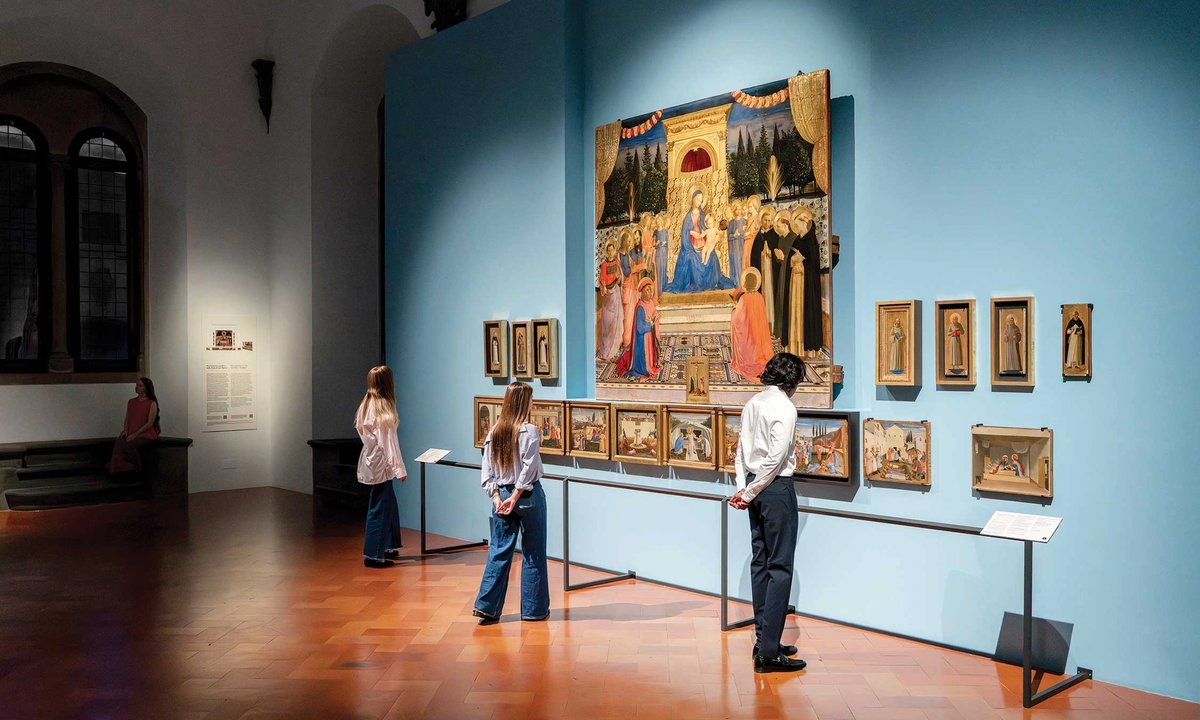
A major two-venue exhibition dedicated to early Renaissance master Fra Angelico (c. 1395-1455) has opened at Palazzo Strozzi and Museo di San Marco in Florence. The show, four years in the making, features unprecedented loans from over 70 museums and 28 newly conserved works, including the Fiesole Altarpiece (c. 1420-23) and the San Marco Altarpiece (1438-43). It reunites dispersed predella panels and decorative components looted during the Napoleonic era, presenting the most complete picture of Fra Angelico to date while challenging the notion that his work was archaic.

The Unnameable Artists of the Canton Trade System

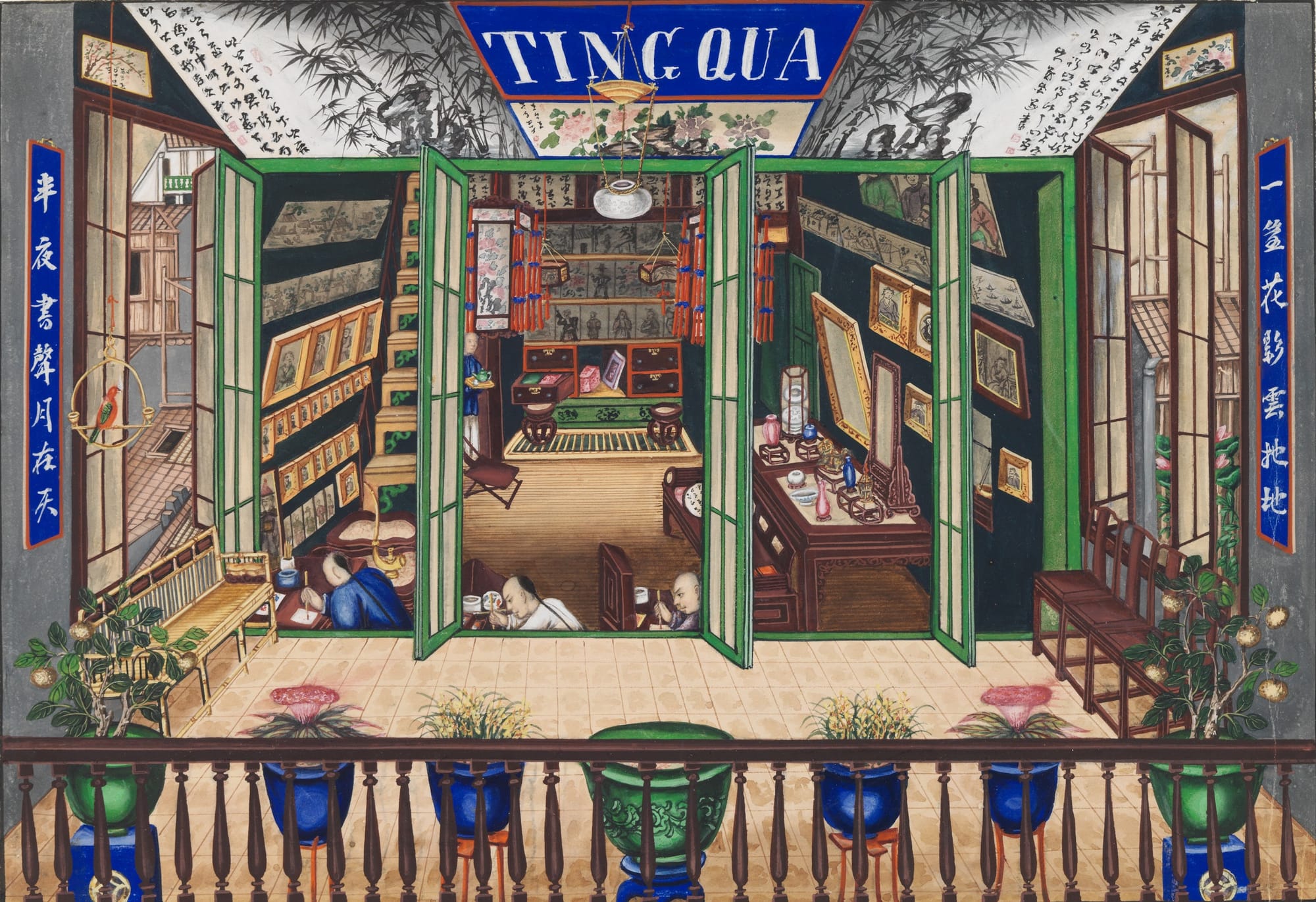
Art historian Winnie Wong’s new book, *The Many Names of Anonymity: Portraitists of the Canton Trade*, investigates the lives and legacies of 18th and 19th-century Chinese artists who produced works for Western traders under the Canton system. These artists, often dismissed by history as mere copyists or left anonymous in museum "tombstone" labels, created complex works that blended European techniques with Chinese traditions. Wong challenges the reductive category of "Asian export art," proposing instead the term "Canton trade painting" to better reflect the unique atmosphere of cultural exchange in Guangzhou.

CUANDO LOS OBJETOS HABLAN. MUSEO HECHIZO, DE JUAN JOSÉ SANTOS

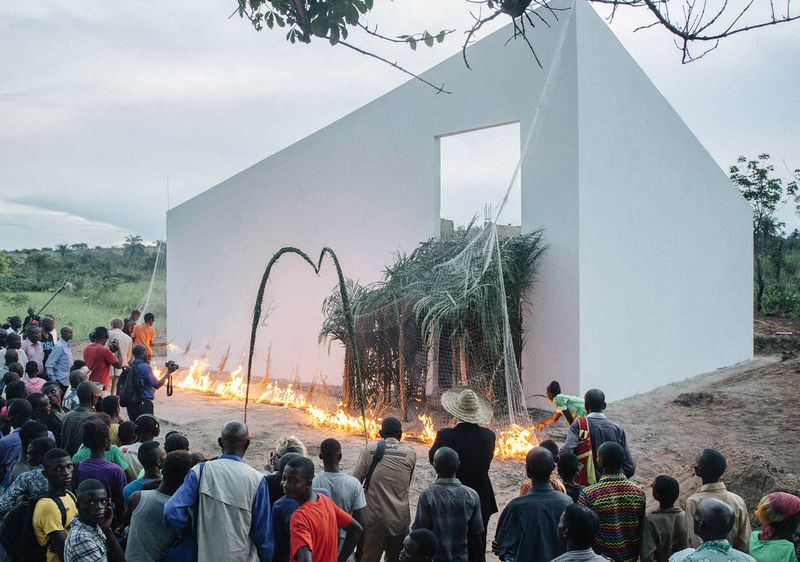
Juan José Santos's book "Museo hechizo" (Metales Pesados, 2025) challenges the perceived neutrality of the Western museum, presenting it as an institution shaped by colonial logics of classification, extraction, and representation. The essay centers on the concept of "lo hechizo"—understood as both artisanal precariousness and disruptive enchantment—and explores small, community-based Latin American museum experiences that operate from precarity, reciprocity, and care. Santos argues that the museum is a space of conflict where voices, narratives, and ways of constructing history are contested, and he proposes thinking of the museum through its minor, situated, and alternative forms in Latin America.

Patchwork Lost – A Critique of the Princeton University Art Museum’s American Art Wing

The article critiques the newly opened American art wing at the Princeton University Art Museum, arguing that its curatorial approach prioritizes contemporary social justice narratives over historical accuracy and national pride. The author contends that the exhibition presents a fragmented, politicized view of American history, highlighting slavery and racial injustice while omitting or minimizing the contributions of Princeton alumni to the nation's founding, such as James Madison and John Witherspoon. Specific examples include the inclusion of a 2022 revisionist painting of the Signing of the Constitution and selective signage that emphasizes marginalized figures while ignoring male patriots.

The Big Review | Caravaggio 2025 at Palazzo Barberini, Rome ★★★

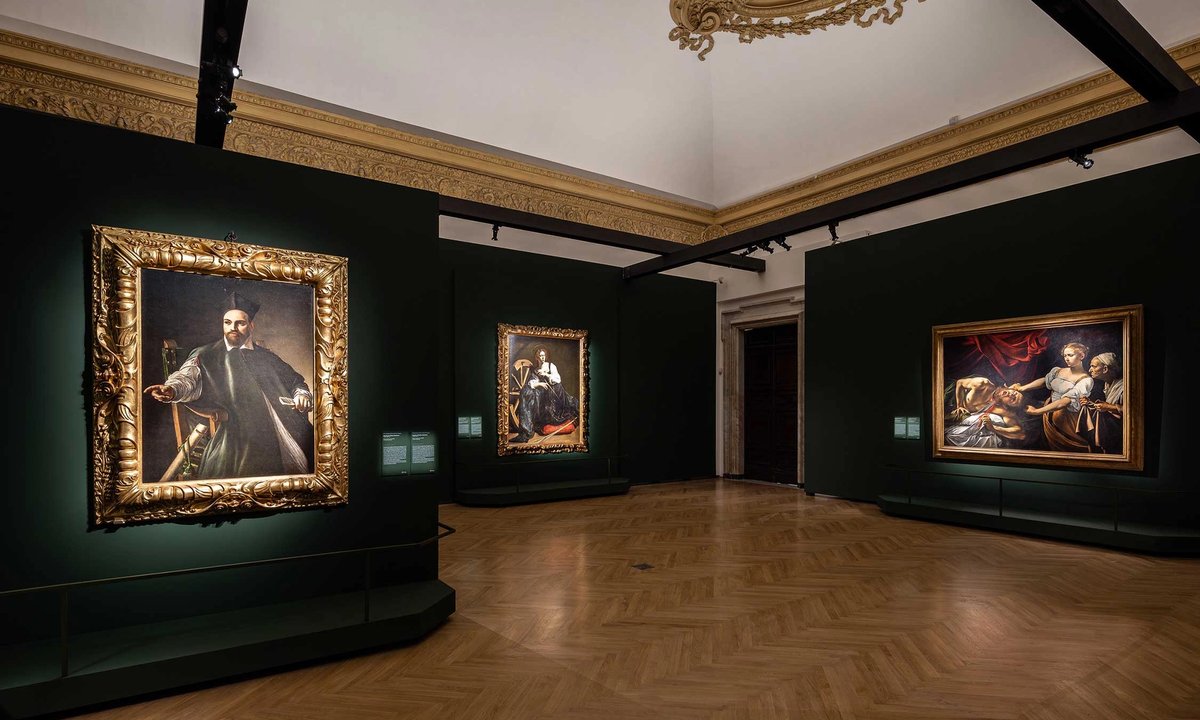
The article reviews the "Caravaggio 2025" exhibition at Palazzo Barberini in Rome, which brings together 24 paintings by the Baroque master Michelangelo Merisi da Caravaggio. Curated by Francesca Cappelletti, Maria Cristina Terzaghi, and Thomas Clement Salomon, the show is accompanied by a heavy marketing campaign tied to the Catholic Church's Jubilee year. The review notes that while any gathering of Caravaggio's works guarantees a beautiful experience, the exhibition's title and scope remain unclear, and the curatorial approach—divided into four thematic sections—feels disjointed. Highlights include the reunion of three paintings from Cardinal Francesco Maria del Monte's collection and the public display of the recently identified portrait of Maffeo Barberini.

New exhibit at Macon Museum of Arts & Science

A new exhibit has opened at the Macon Museum of Arts & Science in Georgia, featuring a collection of spectacular paintings that the reviewer found visually impressive but thematically puzzling. The exhibit departs from the museum's previous shows, which have ranged from solo artist presentations and local Macon artists to Georgia-wide showcases and even more unconventional, psychedelic-themed works.

I wanted to hate the new LACMA. Then I went back

The article describes the author's evolving impression of the newly opened David Geffen wing at the Los Angeles County Museum of Art (LACMA), designed by architect Peter Zumthor. Initially visiting at 11am, the author found the $724 million, 110,000 sq ft building to be a "dismal, dated, inelegant brute," with thick bronze windows, dark concrete slabs, and bunker-like galleries. However, returning at 4pm, the author experienced a transformation: golden afternoon light warmed the concrete, illuminated the interiors, and revealed the building as a "brilliant innovation and true gift to the city." The article details the building's 20-year design evolution, challenges including fossil discoveries on site, and Zumthor's public frustrations with the compromised details.